
The automotive world has always had a unique relationship with discontinued models. When manufacturers stop producing a vehicle, it does not necessarily mean the car loses its value, appeal, or performance reputation. In fact, many discontinued models become more desirable over time due to rarity, nostalgia, engineering excellence, or cult status among enthusiasts.
At the same time, there are discontinued vehicles that gained attention for the wrong reasons, such as poor reliability, weak performance, or controversial design choices that did not age well. Understanding the difference between a hidden gem and a model best left in the past is important for collectors, car enthusiasts, and even casual buyers looking for a used vehicle with long-term satisfaction.
In the used car market, discontinued models often create a sense of urgency and excitement. Limited availability can increase demand, especially for cars that were ahead of their time or represented a peak in engineering for a particular manufacturer.
Examples include sports cars that defined eras, sedans that balanced luxury and durability, or performance coupes that remain unmatched even years after production ended. These vehicles often maintain strong communities of owners, availability of spare parts through aftermarket support, and strong resale value due to their reputation.
However, not every discontinued model becomes a classic. Some vehicles are discontinued because they failed to meet expectations in design, safety, reliability, or market demand.
While they may still be available at attractive prices, ownership can become costly or frustrating due to mechanical issues, lack of parts, or outdated engineering that does not hold up in modern conditions. These vehicles may initially seem like bargains, but long-term ownership often tells a different story.
This article explores two sides of the discontinued car market. First, we will highlight six discontinued models that are still worth hunting down due to their performance, reliability, legacy, or collector value. Then, we will examine six discontinued models that are generally better avoided due to practical drawbacks.
Each model will be analyzed in detail, focusing on design, driving experience, long-term ownership, and market reputation to provide a balanced and SEO friendly guide for enthusiasts and buyers alike.
Also Read: 10 Cars With Insurance Premiums Lower Than a Compact Sedan
6 Discontinued Models Worth Hunting Down
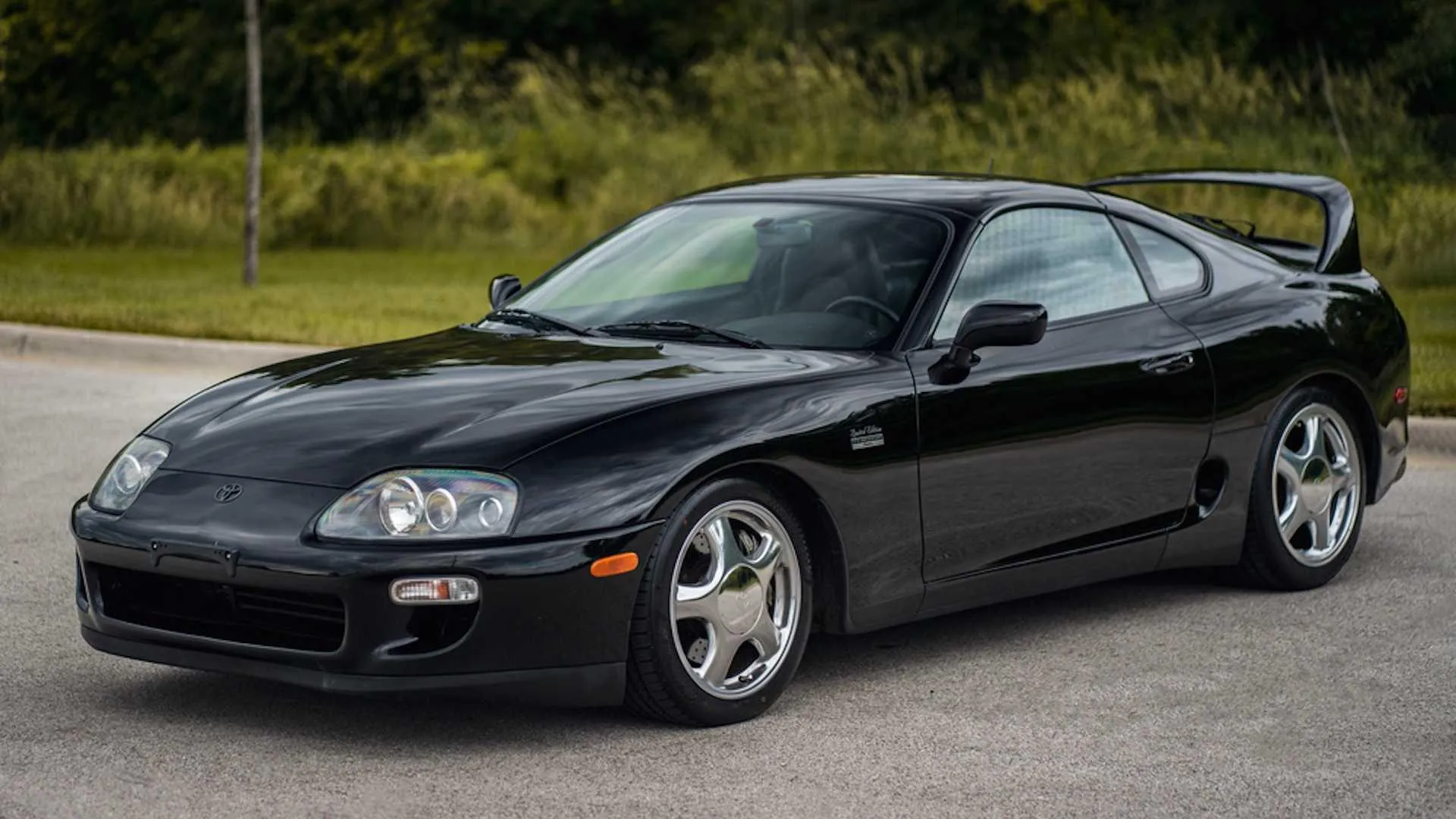
1. Toyota Supra MK4 (A80)
The Toyota Supra MK4 remains one of the most iconic sports cars ever produced. Known for its legendary 2JZ engine, this model gained global recognition for its durability and tuning potential. Even decades after its discontinuation, it continues to be a benchmark in the performance car community.
One of the strongest aspects of the Supra MK4 is its engine strength. The 2JZ GTE engine is famous for handling extremely high horsepower levels with minimal internal modifications. This has made it a favorite among tuners and racing enthusiasts who value reliability under pressure. Even today, well-maintained examples can outperform many modern sports cars.
The design of the Supra MK4 also contributes to its lasting appeal. Its aerodynamic body, wide stance, and driver-focused interior give it a timeless look. Unlike many modern cars that rely heavily on electronics, the Supra offers a more mechanical and connected driving experience that enthusiasts still appreciate.
In terms of collectability, prices have steadily increased over the years. Clean, original models are becoming rare, especially those with manual transmissions. This makes it not only a performance machine but also a strong investment for collectors who understand its historical significance.
Maintenance can be expensive, but the strong aftermarket support helps mitigate this issue. Parts availability remains relatively good due to global demand, making it one of the more practical classic sports cars to own compared to other discontinued performance vehicles.
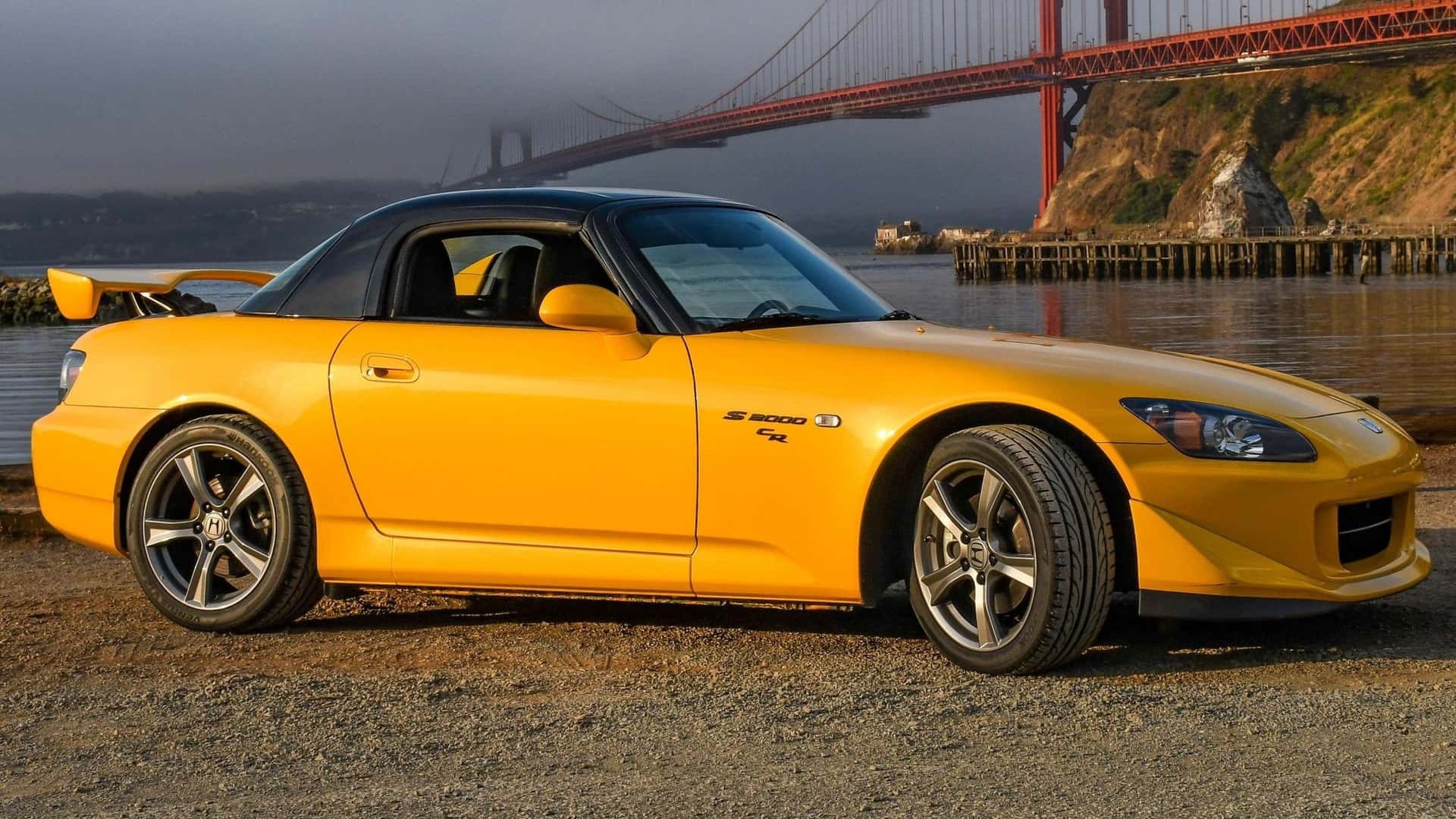
2. Honda S2000
The Honda S2000 is widely regarded as one of the best naturally aspirated sports cars ever made. It was discontinued in the late 2000s, but its reputation continues to grow among driving enthusiasts who appreciate precision engineering.
One of its defining features is the high-revving F20C and F22C engines. These engines are capable of reaching extremely high RPMs while maintaining reliability, delivering an exhilarating driving experience that is rare in modern cars. The power delivery is linear and responsive, making it highly engaging.
The chassis of the S2000 is another highlight. With near-perfect weight distribution and sharp handling, it offers a driving experience that feels connected and precise. Many enthusiasts still consider it one of the best-handling cars ever produced in its price range.
Interior design is simple but driver-focused. While it may lack modern luxury features, everything is positioned for driving enjoyment. This simplicity contributes to its long-term reliability and ease of maintenance compared to more complex modern sports cars.
Today, the S2000 has become a sought-after collector car. Prices for well-preserved models continue to rise, especially for low-mileage versions. Its combination of reliability, performance, and driving purity makes it one of the most desirable discontinued Japanese sports cars.
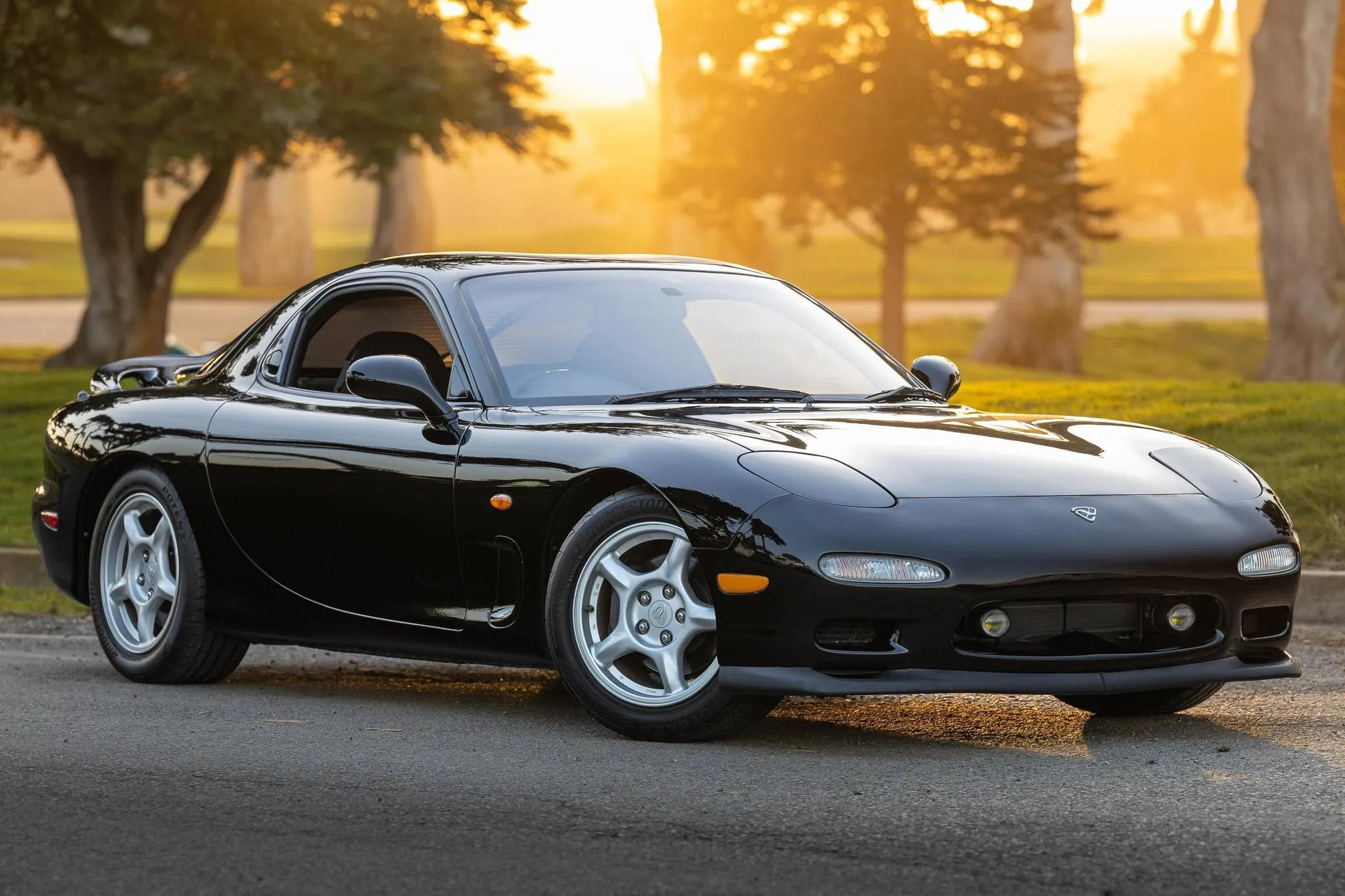
3. Mazda RX-7 (FD)
The Mazda RX-7 FD is a legendary sports car known for its lightweight design and rotary engine. Despite being discontinued, it remains a symbol of Japanese automotive innovation and racing heritage.
Its 13B rotary engine is both its most unique feature and its biggest challenge. The engine delivers smooth and high-revving performance, creating a driving experience unlike traditional piston engines. However, it requires careful maintenance and proper care to ensure longevity.
The design of the RX-7 FD is another reason for its lasting popularity. Its sleek, aerodynamic shape still looks modern today, with flowing lines that emphasize speed and agility. It is often considered one of the most beautiful Japanese sports cars ever built.
Driving dynamics are exceptional due to its low weight and balanced chassis. The RX-7 offers precise steering and strong cornering ability, making it a favorite in motorsports and street performance culture alike.
Although maintenance costs can be high, the RX-7 continues to attract enthusiasts willing to invest in its upkeep. Its rarity and performance legacy make it a true collector’s piece in the automotive world.
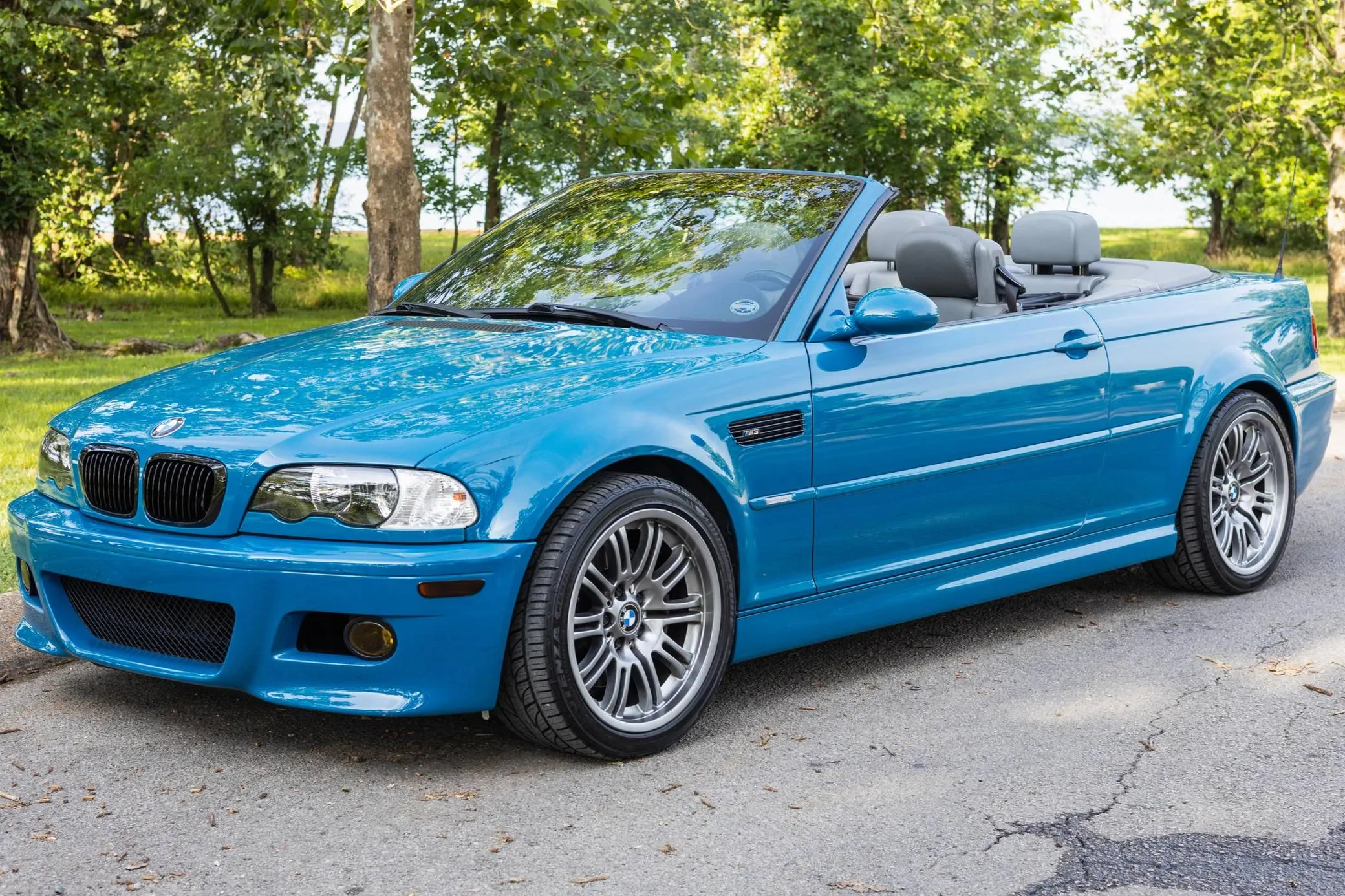
4. BMW M3 E46
The BMW M3 E46 is often regarded as one of the best M3 generations ever produced. It combines performance, balance, and everyday usability in a way that many modern sports cars struggle to match.
At its heart is the S54 inline six engine, known for its responsiveness and high-revving nature. It delivers smooth power and a thrilling driving experience, especially when paired with the manual transmission option.
The handling of the E46 M3 is widely praised. It offers a near-perfect balance between comfort and performance, making it suitable for both daily driving and spirited weekend use. Steering feedback is precise and engaging.
Design-wise, it maintains a classic BMW look with subtle aggression. It does not rely on excessive styling, which helps it remain visually appealing even years after production ended.
Today, the E46 M3 is considered a modern classic. Its combination of performance, reliability when properly maintained, and driving enjoyment makes it highly desirable among enthusiasts.
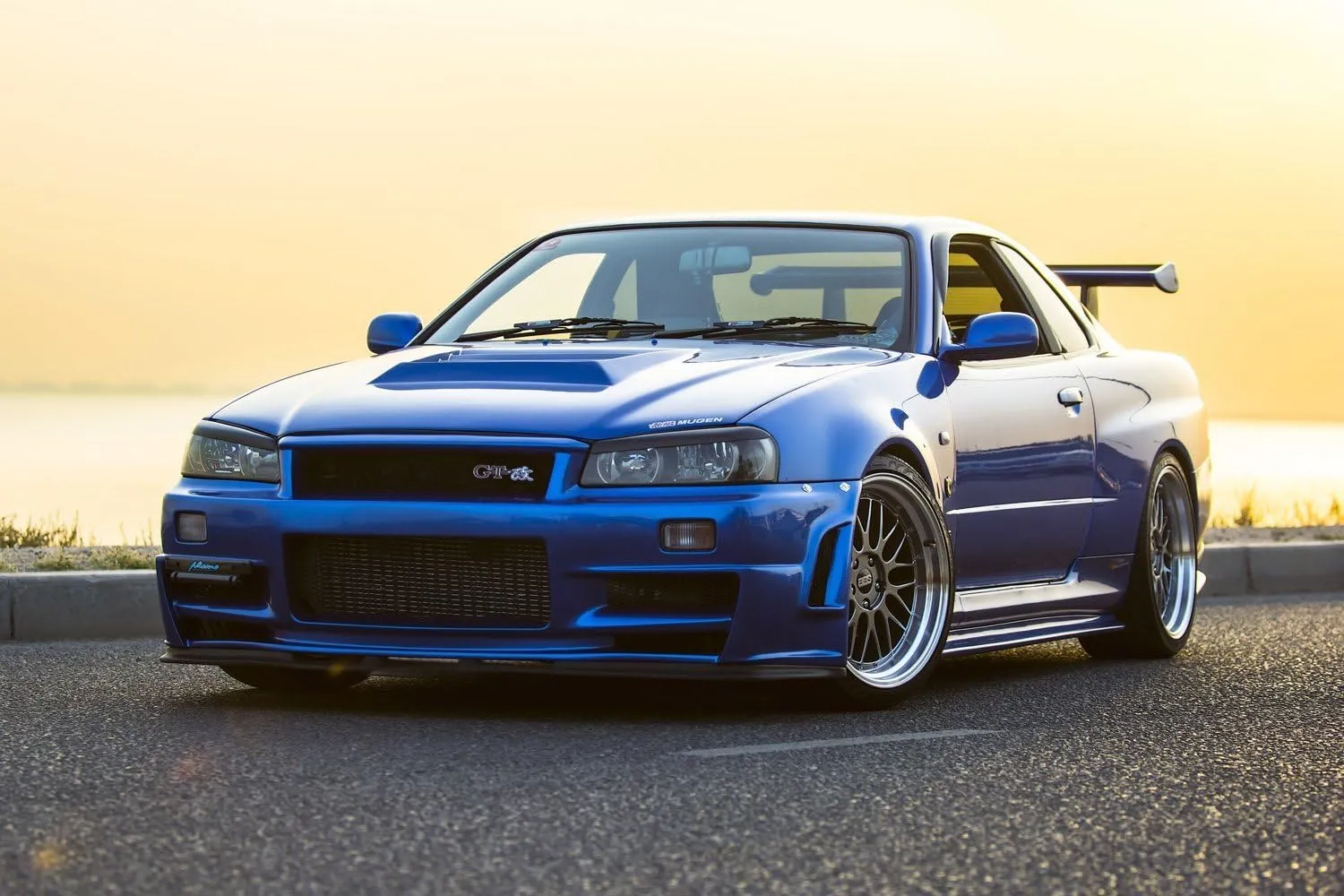
5. Nissan GT-R R34
The Nissan GT-R R34 is one of the most legendary performance cars in automotive history. Its reputation has been amplified by motorsport success and pop culture appearances, making it highly desirable today.
Powered by the RB26DETT engine, the R34 offers strong performance potential and tuning capability. It is capable of handling significant power upgrades, making it a favorite among performance enthusiasts.
Its advanced technology for its time, including multi-function displays and performance monitoring systems, made it feel ahead of its era. Even today, these features are appreciated for their engineering innovation.
The driving experience is raw and engaging, with a strong focus on performance rather than comfort. It was designed for enthusiasts who value control and speed.
Due to its rarity and high demand, the R34 has become extremely valuable in the collector market. It is one of the most expensive discontinued Japanese sports cars today.
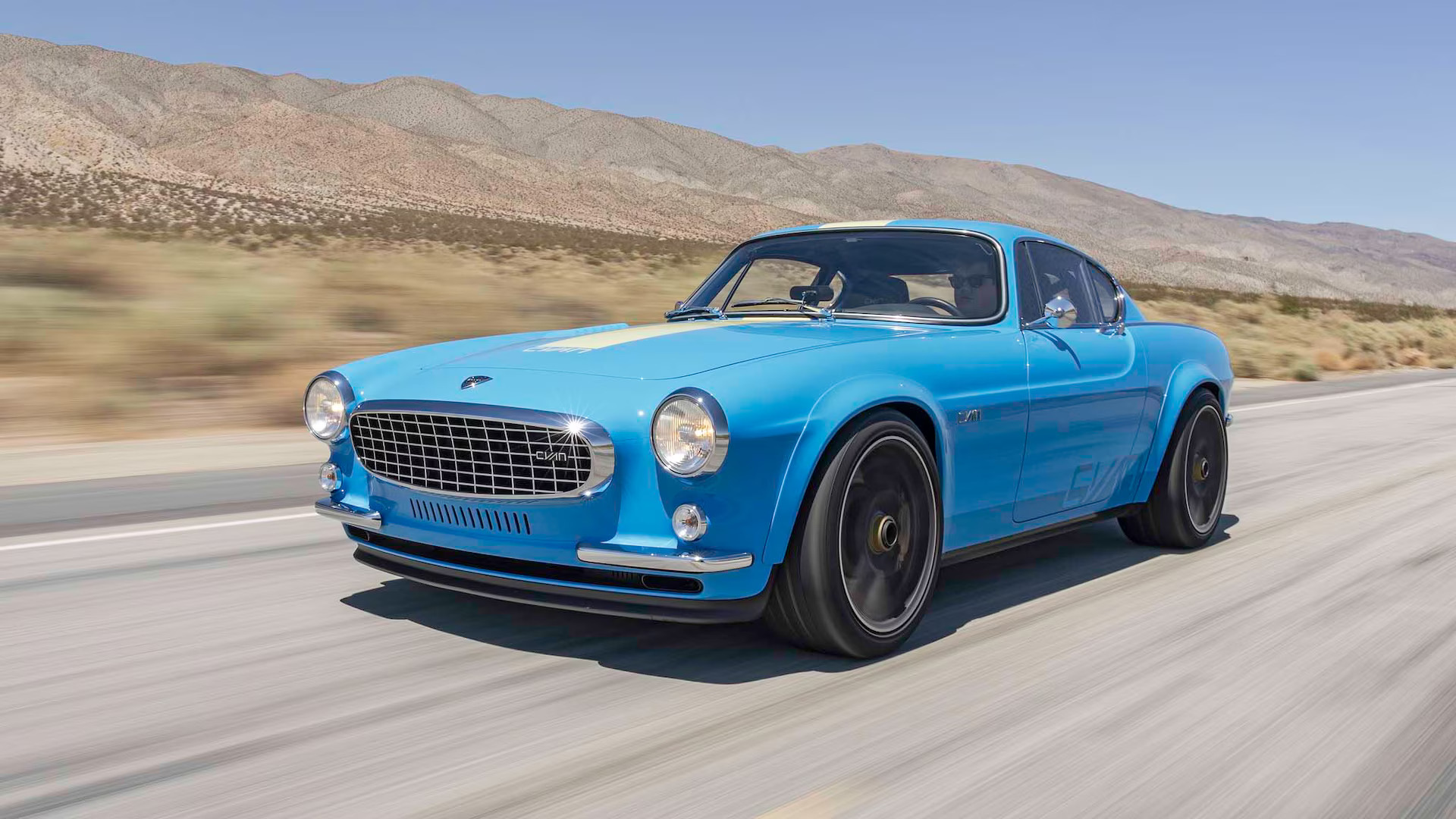
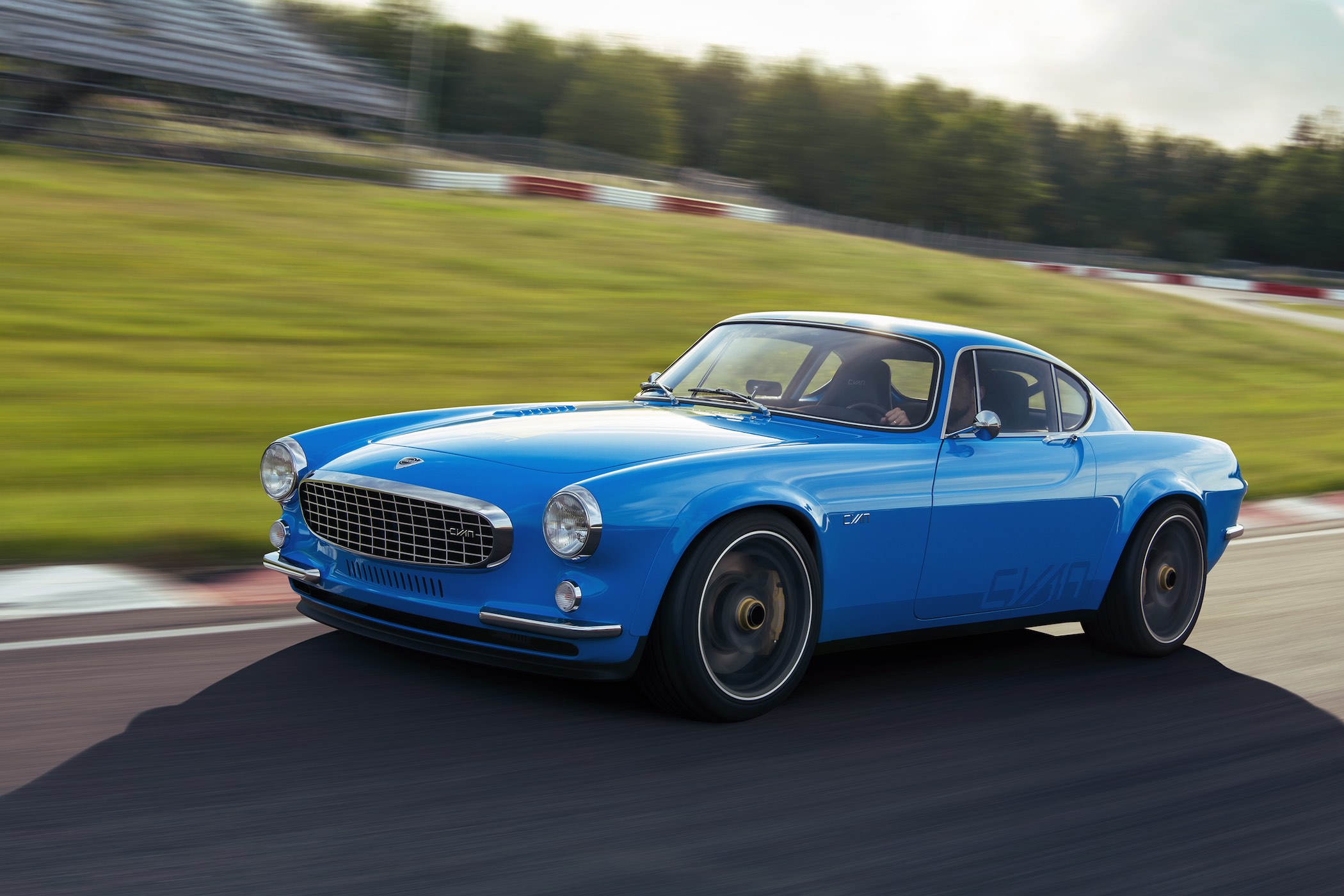
6. Volvo P1800
The Volvo P1800 is a classic grand tourer known for its reliability and timeless design. It gained fame for its durability, famously associated with extremely high mileage examples still running today.
Its engine is not focused on extreme performance but rather on long-term dependability. This makes it one of the most reliable classic cars ever produced, especially when properly maintained.
The design is elegant and European, with smooth curves and a distinctive vintage look. It remains a favorite among classic car collectors who appreciate understated style.
Driving experience is comfortable and stable, making it suitable for long-distance cruising rather than aggressive performance driving. It emphasizes comfort and durability.
Today, the P1800 remains a respected collector car due to its legendary reliability and historical significance in Volvo’s lineup.
Also Read: 10 Cars That Survive Being Used as Daily Uber Vehicles
6 Discontinued Models to Avoid
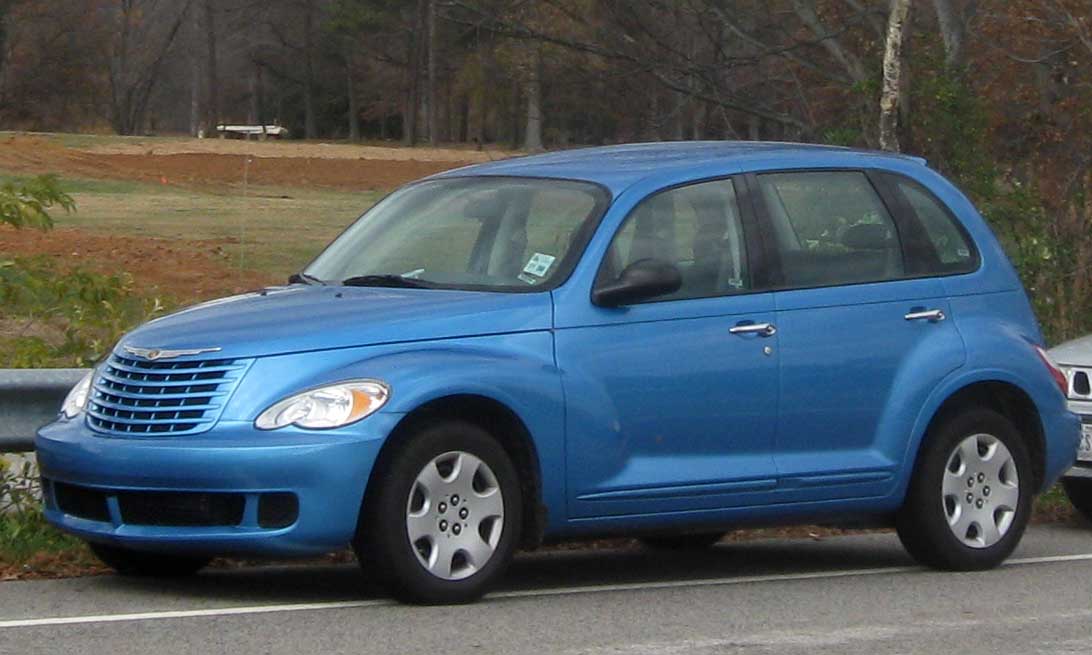
1. Chrysler PT Cruiser
The Chrysler PT Cruiser is often remembered for its retro-inspired design, but beneath the styling, it struggled to deliver a well-rounded ownership experience. When it was first introduced, it generated attention because it looked different from anything else on the road.
However, that initial excitement did not translate into long-term satisfaction for many owners. While it positioned itself as a practical compact wagon, it lacked the refinement expected from a vehicle in its category.
From a performance standpoint, the PT Cruiser was underwhelming. Its engine options delivered modest power, which made highway driving and overtaking feel sluggish. Acceleration was not a strong point, and the driving experience felt dated even during its production years. This limited performance made it less appealing to drivers who wanted both style and capability in one package.
Reliability concerns also contributed to its declining reputation. Many owners reported issues related to electrical components, cooling systems, and general wear over time. These problems were not always catastrophic, but they added up in terms of maintenance costs and inconvenience. As the vehicle aged, sourcing quality replacement parts also became more challenging in some regions.
Interior quality was another area where the PT Cruiser failed to impress. Although it offered decent space and flexible seating, the materials used inside did not age well. Plastic components wore down quickly, and the cabin design felt basic compared to competitors. This affected long-term comfort and reduced its appeal as a daily driver.
Today, the PT Cruiser is generally seen more as a novelty than a smart used car purchase. While it may still attract buyers looking for a retro-style vehicle at a low price, its combination of weak performance, aging design, and inconsistent reliability makes it a model that most buyers are better off avoiding.
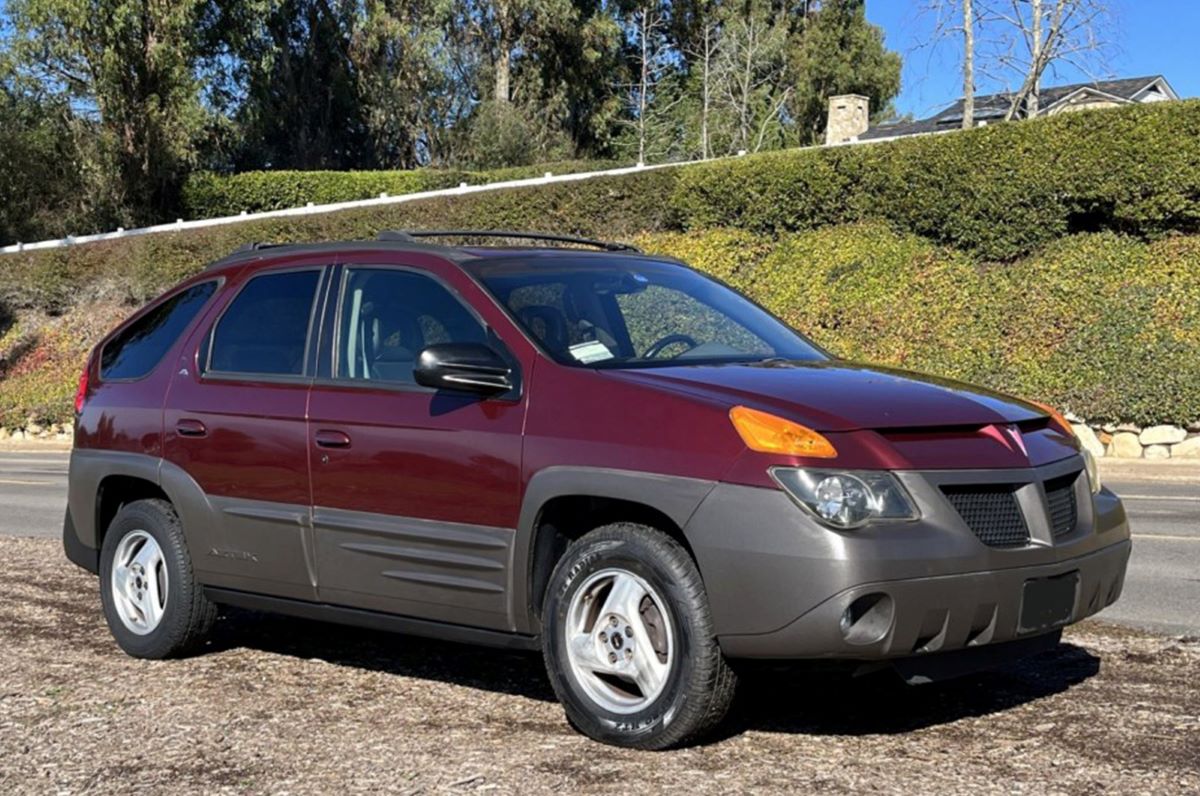
2. Pontiac Aztek
The Pontiac Aztek is widely recognized as one of the most controversial vehicles ever produced. Its design was intended to be futuristic and versatile, but it ended up being heavily criticized for its awkward proportions and styling choices. While it gained some pop culture attention later, its initial reception was largely negative, which affected its long-term reputation.
Performance was not a strong selling point for the Aztek. It was built more as a utility oriented crossover rather than a performance focused vehicle. The engine provided adequate power for city driving, but it lacked responsiveness and refinement. Highway driving often felt strained, especially when the vehicle was fully loaded.
Practicality was one of its few strengths. The Aztek offered flexible cargo space, removable storage options, and features designed for outdoor activities. However, these benefits were not enough to outweigh its other shortcomings. Competitors in the same segment offered a better balance between utility and comfort.
Build quality and interior design were also criticized. While the cabin was functional, it did not offer a premium feel. Materials felt average at best, and long-term durability was inconsistent. Some owners reported issues with aging components and mechanical reliability as the vehicle accumulated mileage.
In the used car market, the Aztek is often viewed as a niche curiosity rather than a sensible purchase. Unless someone is specifically interested in its historical notoriety or unique design concept, it is generally not considered a strong option for reliable transportation.
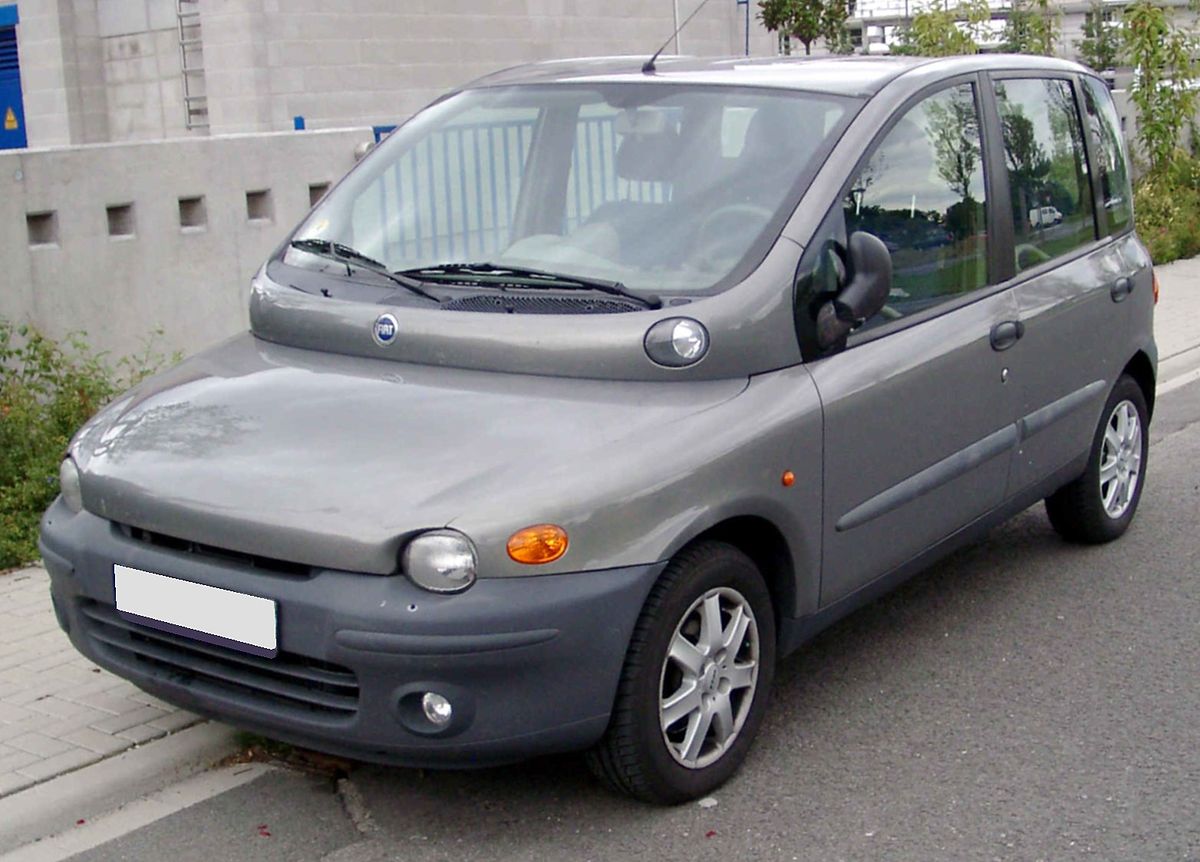
3. Fiat Multipla
The Fiat Multipla is one of the most unconventional vehicles ever designed, known primarily for its unusual exterior styling. While its design aimed to maximize interior space efficiency, the result was a look that divided opinion sharply. For many buyers, the styling alone became a major barrier to acceptance.
Inside, the Multipla was surprisingly practical. It offered excellent seating flexibility and a spacious cabin relative to its compact footprint. The interior layout was designed with functionality in mind, making it suitable for families who prioritize space over aesthetics. However, practicality alone was not enough to sustain its popularity.
Performance was modest and focused on everyday commuting rather than driving enjoyment. Engine options were generally small and economical, which helped with fuel efficiency but limited power. Acceleration and highway performance were not strong points, especially when the vehicle was fully loaded with passengers.
Reliability was mixed depending on maintenance and usage conditions. While some owners reported acceptable long-term durability, others experienced electrical issues and wear-related problems. In regions where Fiat service support was limited, ownership became more challenging over time.
The Fiat Multipla is often remembered more for its design than its functionality. While it offers practicality in theory, its lack of aesthetic appeal and inconsistent reliability make it a vehicle that most buyers avoid in favor of more balanced compact MPVs.
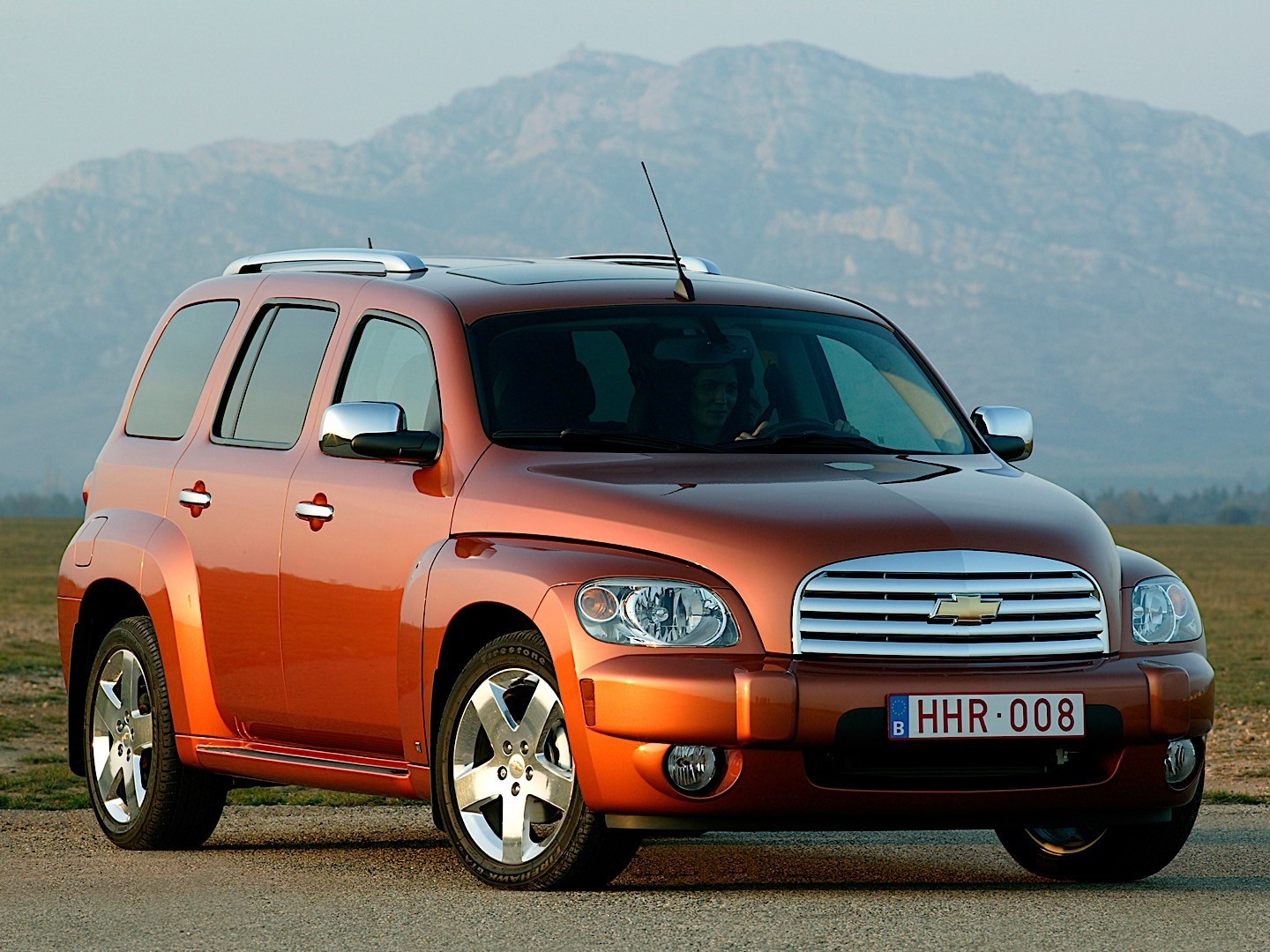
4. Chevrolet HHR
The Chevrolet HHR was introduced with a retro-inspired design that aimed to capture attention in the compact utility segment. While its styling echoed classic American design elements, the execution did not translate into strong long-term appeal. Many buyers were initially attracted by its appearance, but expectations were not always met in practice.
In terms of performance, the HHR delivered average results. It was not designed as a sporty vehicle, and its engine options reflected a focus on practicality rather than excitement. Acceleration was adequate for city driving, but it lacked responsiveness on highways or during overtaking situations.
Interior quality was another area of criticism. While the cabin layout was functional, the materials used were not particularly durable or premium. Over time, wear and tear became noticeable in many examples, especially in high-use vehicles. This reduced its appeal as a long-term ownership option.
Reliability was inconsistent depending on maintenance history. Some owners reported relatively trouble-free experiences, while others encountered mechanical and electrical issues that required frequent repairs. This unpredictability made it less desirable in the used car market.
Today, the Chevrolet HHR is generally viewed as a stylistic experiment that did not fully succeed. While it may still appeal to buyers seeking retro design at a low price, its limitations in performance, refinement, and durability make it a model that is often better avoided.
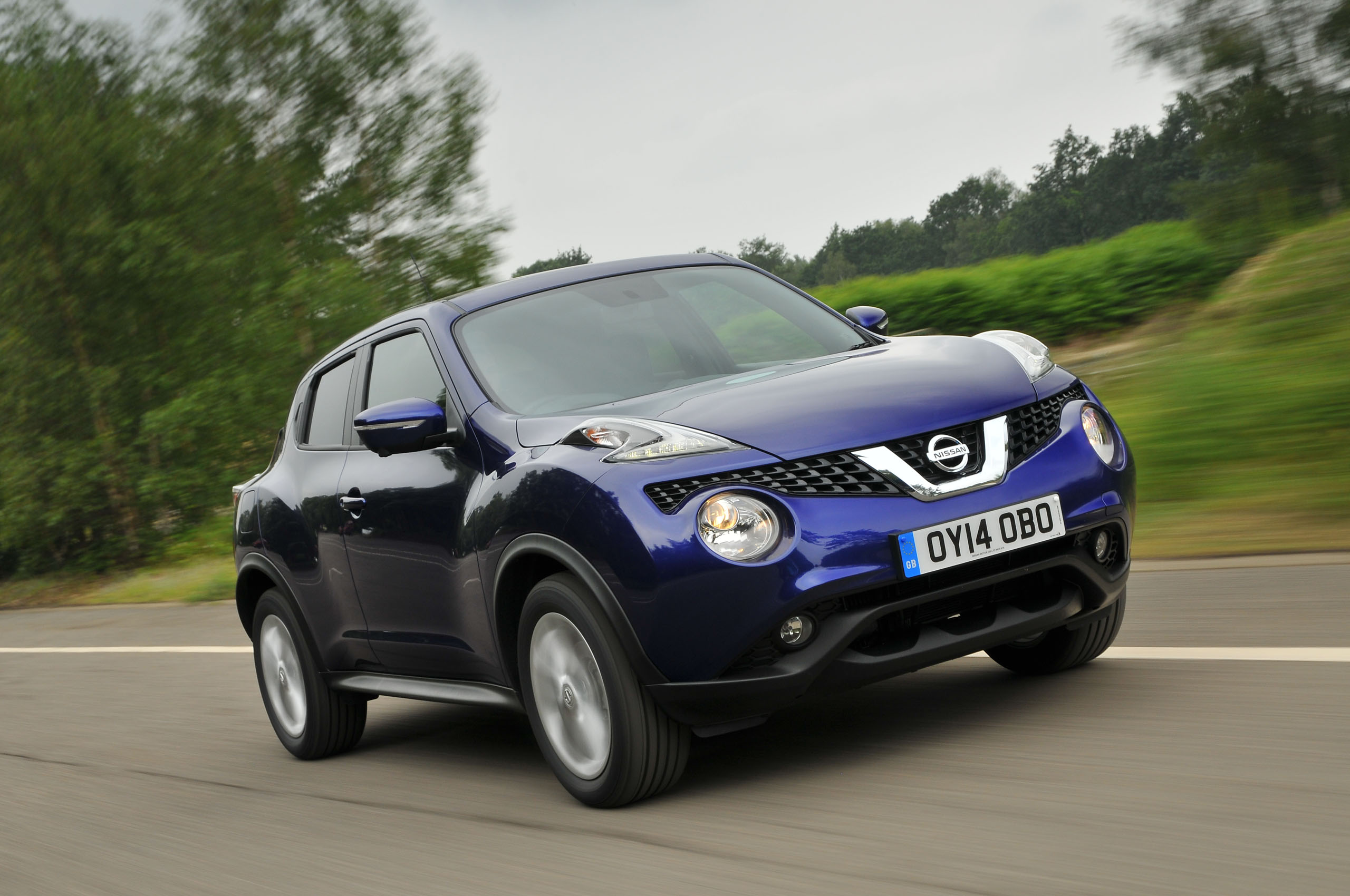
5. Nissan Juke (Early Models)
Early versions of the Nissan Juke were designed to stand out in the compact crossover segment with bold and unconventional styling. While this design approach succeeded in grabbing attention, it also made the vehicle polarizing among buyers. Many either strongly liked or disliked its appearance, which limited its mass appeal.
Performance in early models was functional but not particularly impressive. Engine options were adequate for urban driving, but they did not deliver strong acceleration or refined highway performance. The focus was more on efficiency and compact size rather than driving enjoyment.
Interior space was another limitation. Despite its crossover classification, rear passenger space and cargo capacity were relatively restricted compared to competitors. This made it less practical for families or long-distance travel, especially when compared to more spacious alternatives in the same segment.
Ride quality and handling were acceptable but not outstanding. While the vehicle was easy to maneuver in city environments, it did not offer the comfort or stability expected from a modern crossover. Early models in particular lacked refinement in suspension tuning and noise insulation.
Over time, Nissan improved later versions of the Juke, addressing some of these issues. However, early models remain less desirable in the used car market due to their limitations in practicality, comfort, and driving refinement.
6. Ford Edsel
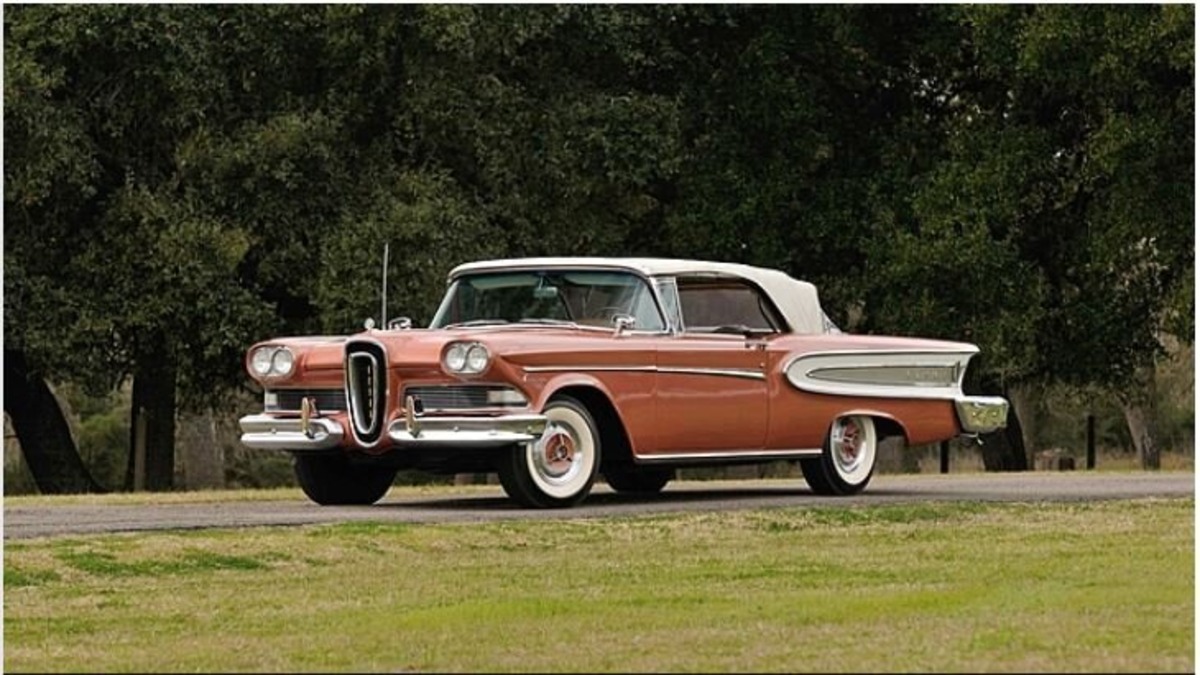
The Ford Edsel is one of the most well-known examples of an automotive failure in history. It was launched with significant marketing investment and high expectations, but it failed to resonate with consumers. Its design and positioning were intended to fill a gap in Ford’s lineup, but the execution did not meet market demand.
One of the biggest issues with the Edsel was its controversial design. The front grille in particular became a defining and widely criticized feature. Instead of being seen as innovative, it was often viewed as awkward and unattractive, which hurt consumer interest significantly.
Mechanical performance was not the primary issue, but it did not stand out enough to compensate for its design problems. The vehicle offered standard driving capabilities for its time, but it lacked a compelling advantage over competitors in the same price range.
Pricing strategy also contributed to its failure. Many buyers felt the Edsel was not clearly positioned within Ford’s lineup, making it difficult to understand its value proposition. This confusion affected sales and long-term market acceptance.
Today, the Ford Edsel is primarily remembered as a historical lesson in product planning and marketing rather than a desirable collector vehicle. While it holds some interest for automotive historians, it is generally not recommended for practical ownership or investment purposes.
