
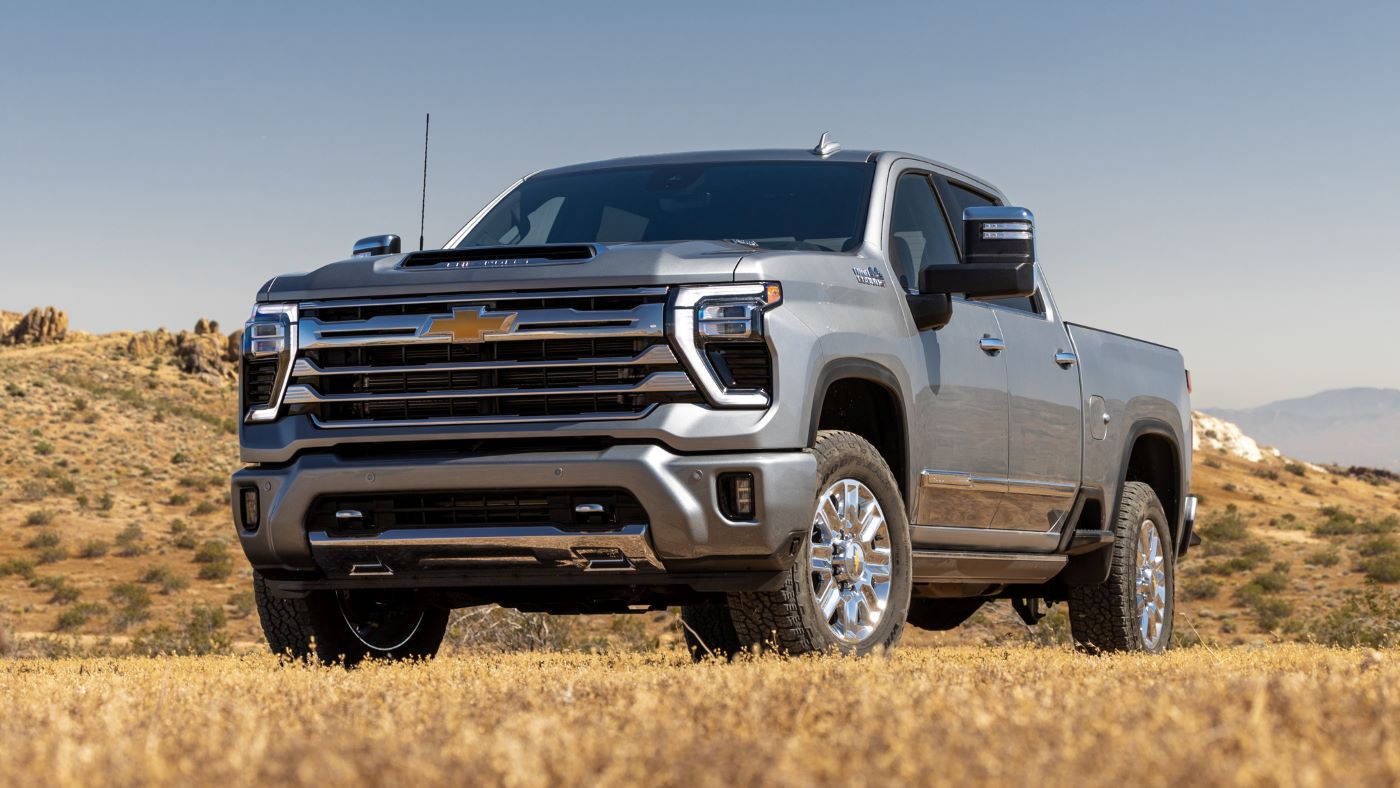
Truck buyers often focus heavily on official towing numbers when shopping for a pickup, but real-world towing performance is far more complicated than what appears in a brochure. Two trucks can carry nearly identical tow ratings yet feel completely different once a heavy trailer is attached.
Factors such as transmission tuning, engine torque delivery, wheelbase stability, suspension calibration, braking confidence, cooling systems, and even steering feel can dramatically change the towing experience.
Some trucks surprise owners by towing with remarkable confidence beyond what their official ratings might imply, while others struggle to inspire confidence despite boasting impressive numbers on paper. This difference between advertised capability and real-world performance has become increasingly important as modern pickups evolve into luxury vehicles, family haulers, off-road machines, and workhorses all at the same time.
Manufacturers today are engaged in a constant towing war. Every year brings new claims about best-in-class towing figures, stronger frames, and more advanced powertrains. While these ratings are tested under regulated standards, they do not always reflect how trucks behave in challenging situations such as mountain grades, high winds, long-distance hauling, or stop-and-go traffic with heavy loads.
A truck with excellent suspension geometry and a well-tuned transmission may feel stronger and more composed than a theoretically more capable rival. Likewise, a truck that produces enormous horsepower may disappoint if its gearing, cooling, or chassis setup cannot effectively manage heavy trailers.
This article explores both sides of that equation. First, we examine five trucks that consistently tow better than their specifications suggest. These pickups have earned reputations for stability, torque delivery, braking confidence, and durability that exceed expectations.
Many owners and reviewers report that these trucks feel more capable than their official numbers indicate. Then we shift to five trucks that underperform relative to their published ratings. These are not necessarily bad trucks, but they often struggle with stability, power delivery, transmission behavior, or driver confidence when approaching their advertised limits.
Understanding the difference between marketing claims and practical towing behavior can save buyers from expensive mistakes. A truck that feels relaxed and predictable while towing can make long hauls safer and less stressful.
On the other hand, a truck that constantly hunts for gears, feels unstable at highway speeds, or struggles on inclines can quickly turn towing into a frustrating experience. Whether you are hauling a camper, horse trailer, construction equipment, or recreational toys, choosing the right truck matters far beyond the numbers printed on a specification sheet.
While towing experiences vary depending on trailer setup and driving conditions, these trucks have built reputations that consistently align with owner feedback and long-term evaluations.
Also Read: 10 Cars With Insurance Premiums Lower Than a Compact Sedan
Trucks That Tow More Than Their Specs Suggest
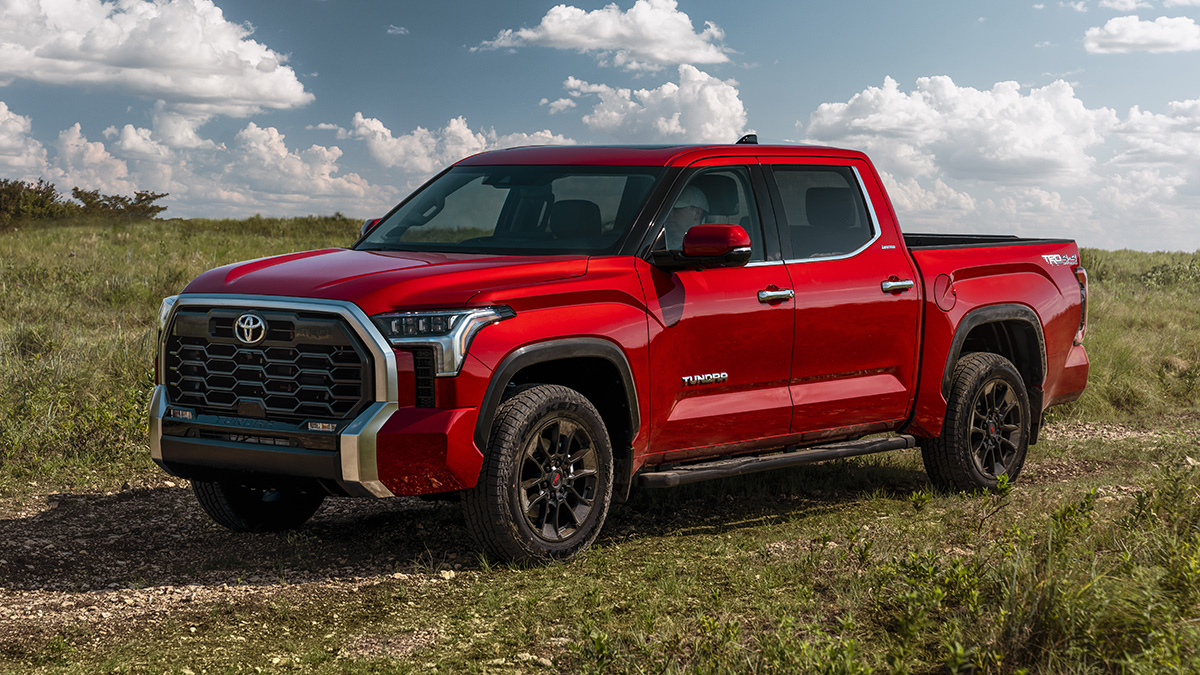
1. Toyota Tundra
The Toyota Tundra has long been respected for durability, but its towing reputation often exceeds what its official numbers might lead buyers to expect. Earlier generations of the Tundra frequently posted lower maximum tow ratings than domestic rivals from Ford, Chevrolet, and Ram, yet owners consistently praised the truck for its calm and stable towing behavior.
Toyota focused heavily on reliability, cooling performance, and chassis confidence rather than chasing class-leading statistics. This engineering philosophy resulted in a truck that often felt stronger in practice than on paper.
One of the Tundra’s greatest strengths is predictable torque delivery. The naturally aspirated V8 engines used in previous generations provided smooth and immediate power without excessive turbo lag or abrupt transmission shifts.
While competitors sometimes relied on aggressive turbocharged setups that produced impressive headline numbers, the Tundra delivered power in a linear and confidence-inspiring manner. This characteristic became especially valuable when towing uphill or pulling through difficult terrain where smooth throttle control matters more than peak horsepower figures.
Another reason the Tundra punches above its rating is chassis stability. Toyota engineered the suspension and frame to prioritize balance and control under load. Many owners report that the truck feels remarkably planted while towing travel trailers and equipment haulers, even when approaching maximum capacity. Steering feedback remains predictable, and the truck resists excessive bouncing or trailer sway better than some competitors with higher ratings.
Cooling reliability also plays a major role in the Tundra’s towing reputation. Long-distance towing places tremendous stress on engines and transmissions, especially in hot climates or mountainous regions. Toyota’s conservative engineering approach gave the Tundra a reputation for handling these conditions with minimal drama.
Drivers often describe the truck as unstressed during long hauls, even when pulling heavy loads through steep terrain. This contributes significantly to driver confidence.
The newest turbocharged Tundra continues this trend despite moving away from the classic V8 formula. Although some buyers initially questioned the smaller displacement engine, the twin turbo V6 produces abundant low-end torque and maintains impressive composure while towing.
Combined with Toyota’s continued emphasis on cooling and drivetrain durability, the modern Tundra remains one of the most trustworthy real-world towing platforms despite not always dominating official tow rating charts.
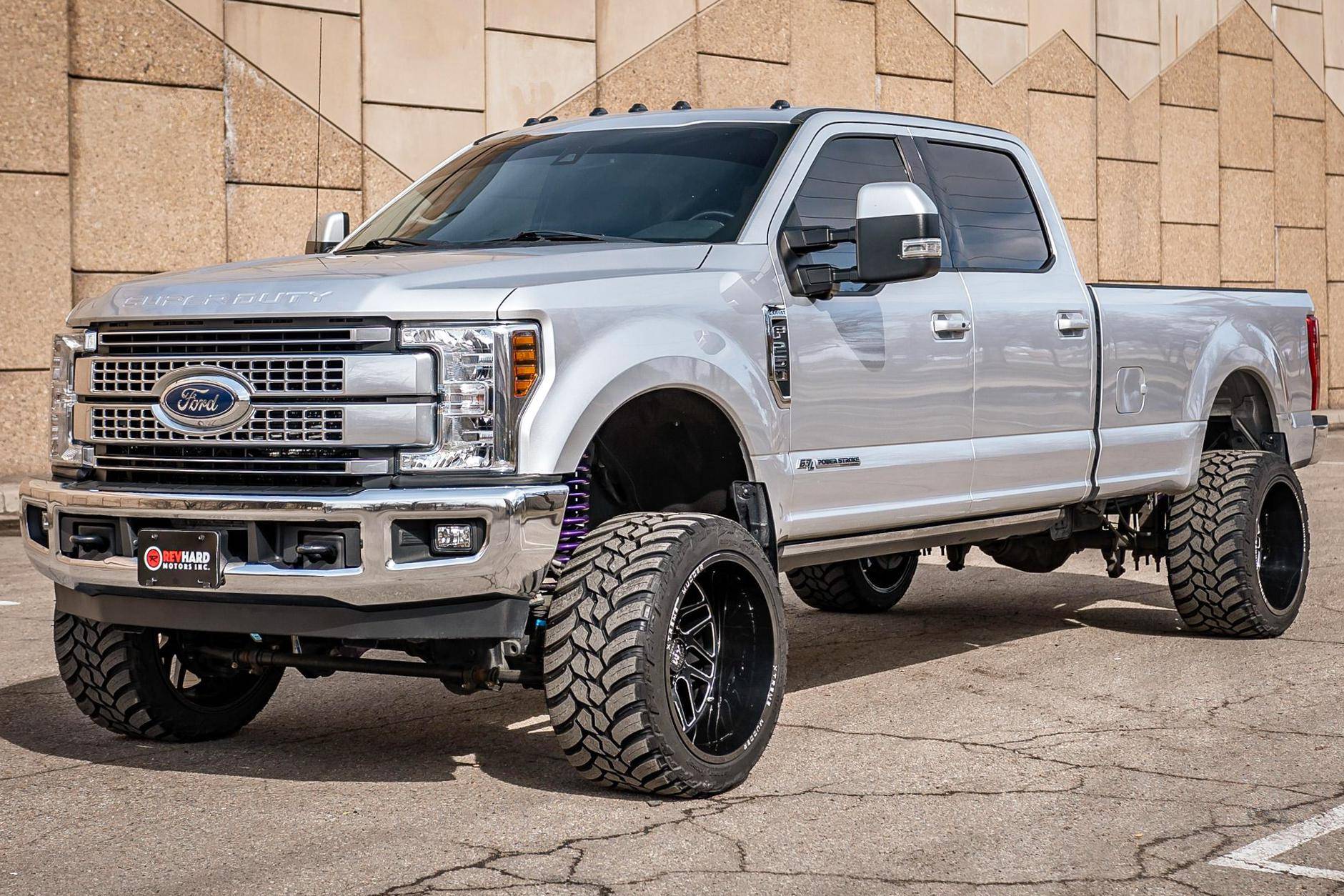
2. Ford F250 Super Duty
The Ford F250 equipped with the 7.3-liter gasoline V8 has become something of a legend among truck enthusiasts who prioritize practical towing performance over marketing hype. While diesel models usually command attention with enormous torque figures, the 7.3 gas engine consistently surprises owners with its towing capability and durability. Many drivers find it more enjoyable and less stressful to tow with than trucks boasting larger advertised numbers.
One major advantage of the 7.3 gas V8 is its broad and predictable powerband. Unlike smaller turbocharged engines that constantly shift gears to stay within peak torque ranges, the 7.3 delivers smooth and consistent pulling power throughout the rev range.
This gives the truck a relaxed character under load, particularly when climbing grades or accelerating onto highways with trailers attached. The engine feels unstressed and confident even when hauling substantial weight.
Ford paired the 7.3 engine with a highly capable heavy-duty chassis that contributes enormously to towing stability. The suspension setup keeps the truck composed under heavy tongue weight, while the long wheelbase improves trailer tracking at highway speeds.
Drivers frequently note that the truck feels secure and planted even in crosswinds or rough road conditions. This confidence often makes the truck feel more capable than its official towing numbers suggest.
Another factor behind the truck’s reputation is transmission behavior. The heavy-duty automatic transmission is calibrated specifically for towing and responds intelligently to load changes. Rather than constantly hunting for gears, it maintains smooth shifts and holds power effectively on inclines.
This improves both driver comfort and long-term drivetrain durability. The transmission’s confidence under load makes the towing experience feel effortless.
The simplicity of the gasoline powertrain also appeals to many buyers. Diesel engines offer impressive towing ratings, but they introduce additional maintenance complexity and higher ownership costs. The 7.3 gas V8 provides a more straightforward ownership experience while still delivering exceptional towing capability. Many owners who tow regularly but not commercially find this balance ideal for long-term reliability and operating costs.
In practical towing situations, the F250 with the 7.3 gas engine often feels more capable than lighter-duty trucks with higher advertised ratings. Its stable chassis, predictable engine behavior, and robust drivetrain create a towing experience that inspires trust. That real-world confidence explains why so many experienced truck owners consider it one of the best towing values on the market.
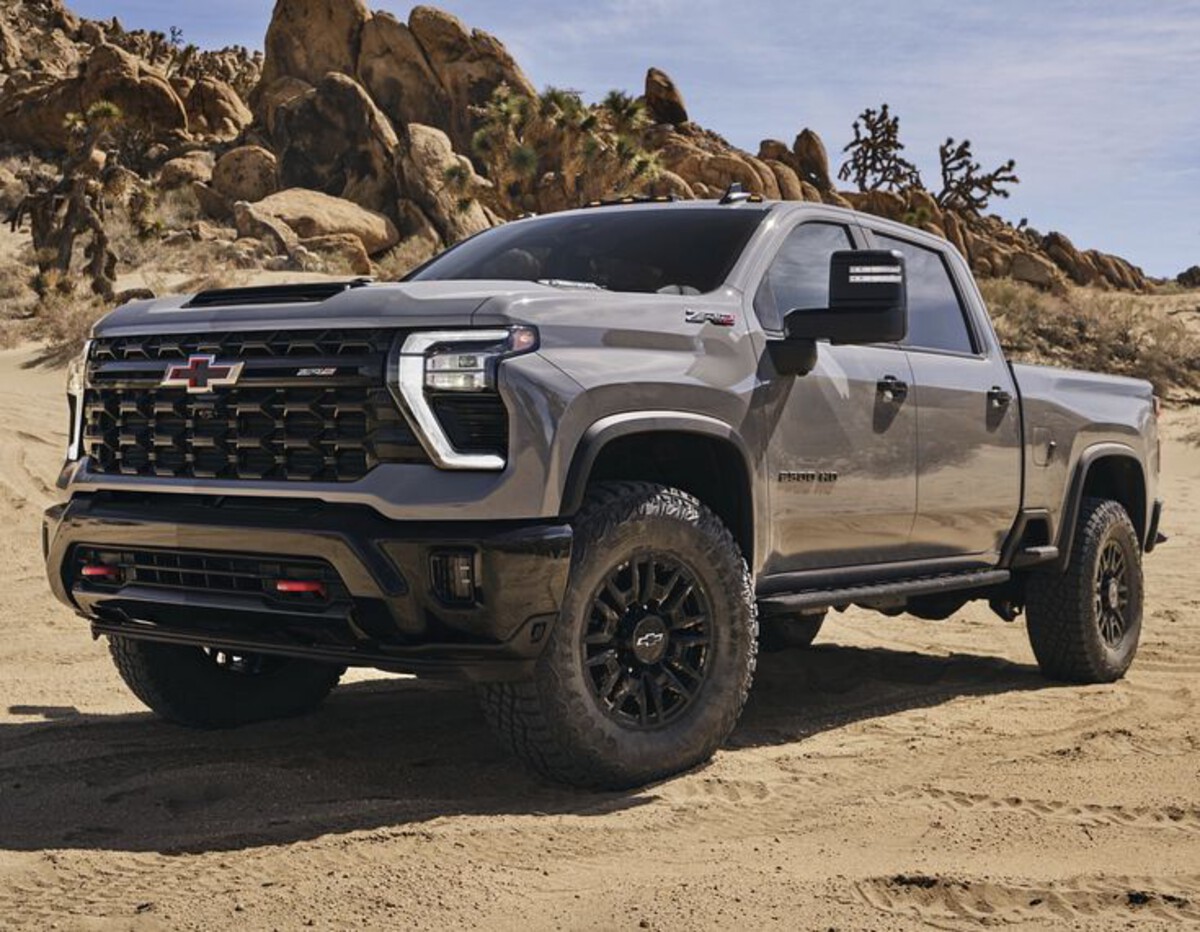
3. Chevrolet Silverado 2500HD Duramax
The Chevrolet Silverado 2500HD equipped with the Duramax diesel engine consistently exceeds expectations in real-world towing environments. While official tow ratings are certainly impressive, the truck’s true strength lies in how effortlessly it manages heavy loads over long distances.
Owners often describe the Silverado HD as feeling more capable than its specifications imply because of its exceptional refinement and power delivery.
The Duramax diesel engine is central to this reputation. It produces immense low-end torque that allows the truck to accelerate confidently even with substantial trailers attached.
More importantly, the power arrives smoothly and predictably. This minimizes driver fatigue and creates a sense of control that is difficult to quantify in official ratings. Whether towing uphill or maintaining highway speeds, the engine rarely feels strained.
General Motors also deserves credit for transmission calibration. The Allison-branded automatic transmission used in these trucks has earned widespread praise for intelligent gear selection and smooth operation under load. The transmission avoids unnecessary shifting and maintains strong engine braking during downhill descents. This contributes significantly to towing confidence, especially on long mountain routes where constant gear hunting can become exhausting.
Ride quality is another area where the Silverado 2500HD often surpasses expectations. Heavy-duty trucks are not traditionally known for comfort, yet Chevrolet managed to balance towing capability with impressive highway refinement.
The truck remains stable without feeling excessively harsh, which improves long-distance towing comfort. Drivers frequently mention that the truck feels more controlled and predictable than rivals with similar ratings.
Braking performance further strengthens the Silverado’s towing credentials. Heavy trailers demand confident stopping power, and the Silverado HD delivers strong and consistent braking behavior even under challenging conditions. Combined with effective trailer brake integration, the truck maintains composure during emergency maneuvers and steep descents. This reassurance matters greatly when towing near maximum capacity.
Many towing enthusiasts also appreciate the Silverado’s cooling systems and long-term durability. The truck handles heat effectively during sustained towing, reducing the likelihood of overheating or transmission stress. This reliability contributes to the sense that the Silverado HD can comfortably manage loads beyond what its ratings might imply. In real-world conditions, confidence and consistency matter just as much as raw numbers.
4. Nissan Titan XD
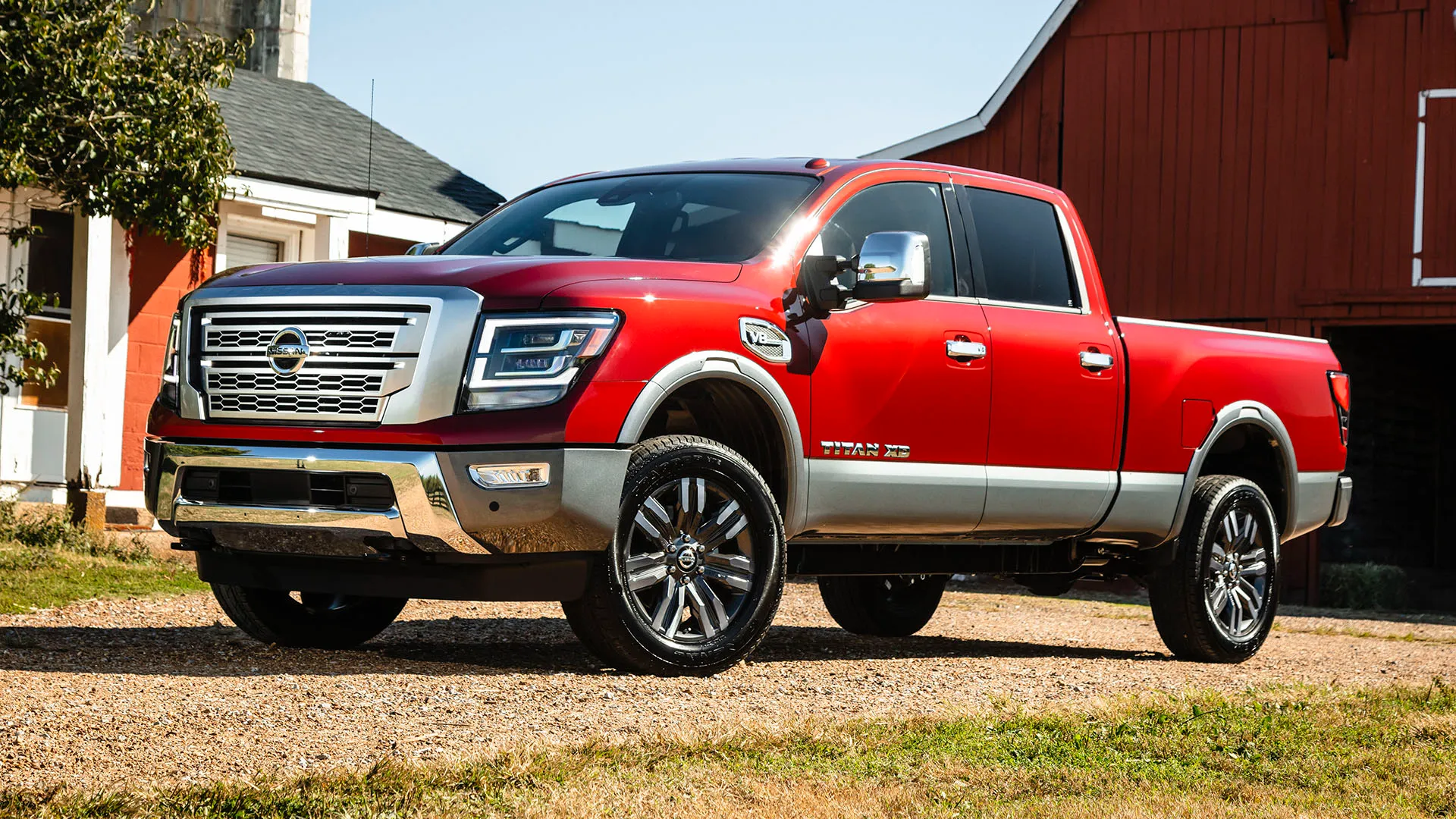
The Nissan Titan XD occupies a unique position in the truck market, blending characteristics of half-ton and heavy-duty pickups. While its sales numbers never matched those of domestic rivals, many owners and reviewers discovered that the Titan XD towed with surprising competence. In many ways, it felt like a heavier and more stable truck than its official classification suggested.
One reason for this reputation is the truck’s reinforced chassis. Nissan designed the Titan XD with stronger frame components and suspension hardware than a traditional half-ton pickup.
This gave the truck exceptional stability under load. Drivers often noticed less trailer sway and better control compared with conventional light-duty trucks towing similar weights. The additional structural strength contributed significantly to driver confidence.
The available Cummins diesel engine also played a role in the truck’s towing reputation. Although its official tow ratings were not class-leading, the engine delivered substantial low-end torque and strong pulling power. The diesel’s relaxed nature made towing feel easy and controlled, especially during highway cruising and hill climbs. Even the gasoline V8 version offered smooth and dependable towing behavior.
Braking confidence also contributed to the Titan XD’s positive towing reputation. The truck’s heavy-duty components provided reassuring stopping power, particularly when towing campers or equipment trailers. Drivers frequently commented on the truck’s stable and predictable braking behavior compared with lighter pickups. This made towing less stressful and improved safety perception.
Despite these strengths, the Titan XD struggled commercially because buyers often preferred either full heavy-duty trucks or traditional half-ton models. However, those who owned the truck frequently praised its towing capabilities and durability.
In practical use, the Titan XD often felt more capable than its ratings indicated, especially for buyers seeking a stable and confidence-inspiring towing platform without stepping fully into heavy-duty truck territory.
5. Ram 2500 Cummins
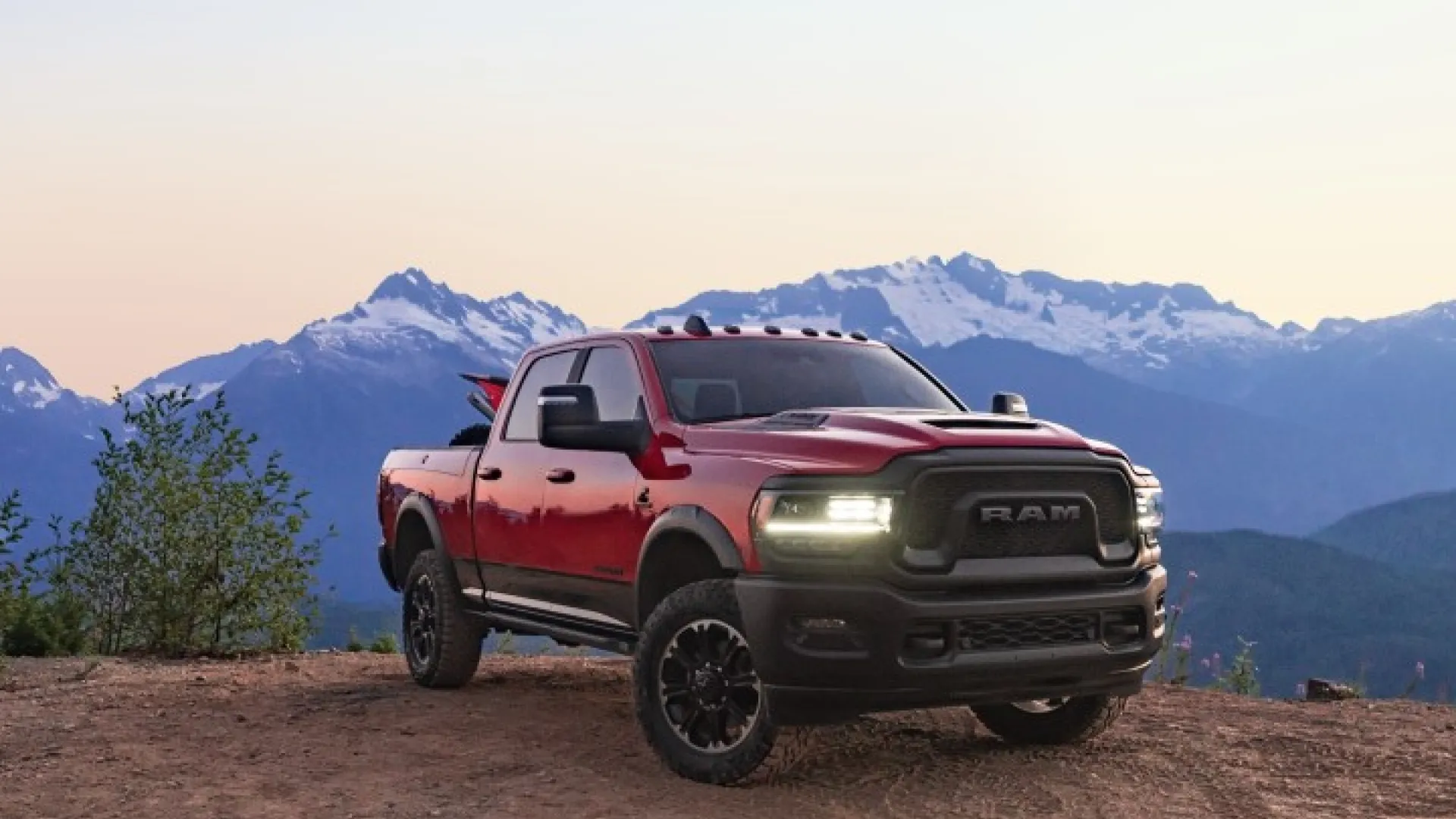
The Ram 2500 equipped with the Cummins diesel engine has earned a devoted following among towing enthusiasts for good reason. Although newer competitors sometimes advertise higher maximum tow ratings, the Ram often feels stronger and more composed in real-world towing situations. This reputation stems from a combination of massive torque, excellent ride quality, and impressive chassis stability.
The Cummins inline six diesel engine is one of the most respected truck engines ever produced. Its abundant low-end torque allows the truck to move heavy trailers with remarkable ease.
More importantly, the engine delivers power in a calm and controlled manner. Instead of requiring aggressive throttle inputs or high revs, the Cummins simply pulls with steady authority. This relaxed power delivery reduces driver fatigue during long hauls.
Interior comfort and noise isolation also matter more than many buyers realize. Long towing trips can become exhausting in noisy or uncomfortable trucks. The Ram 2500 provides a quiet and refined cabin environment that helps reduce fatigue during extended journeys. Combined with excellent visibility and supportive seating, the truck feels exceptionally capable for long-distance towing.
Also Read: 10 Cars That Survive Being Used as Daily Uber Vehicles
Trucks That Underperform Relative to Their Specs
1. Chevrolet Colorado
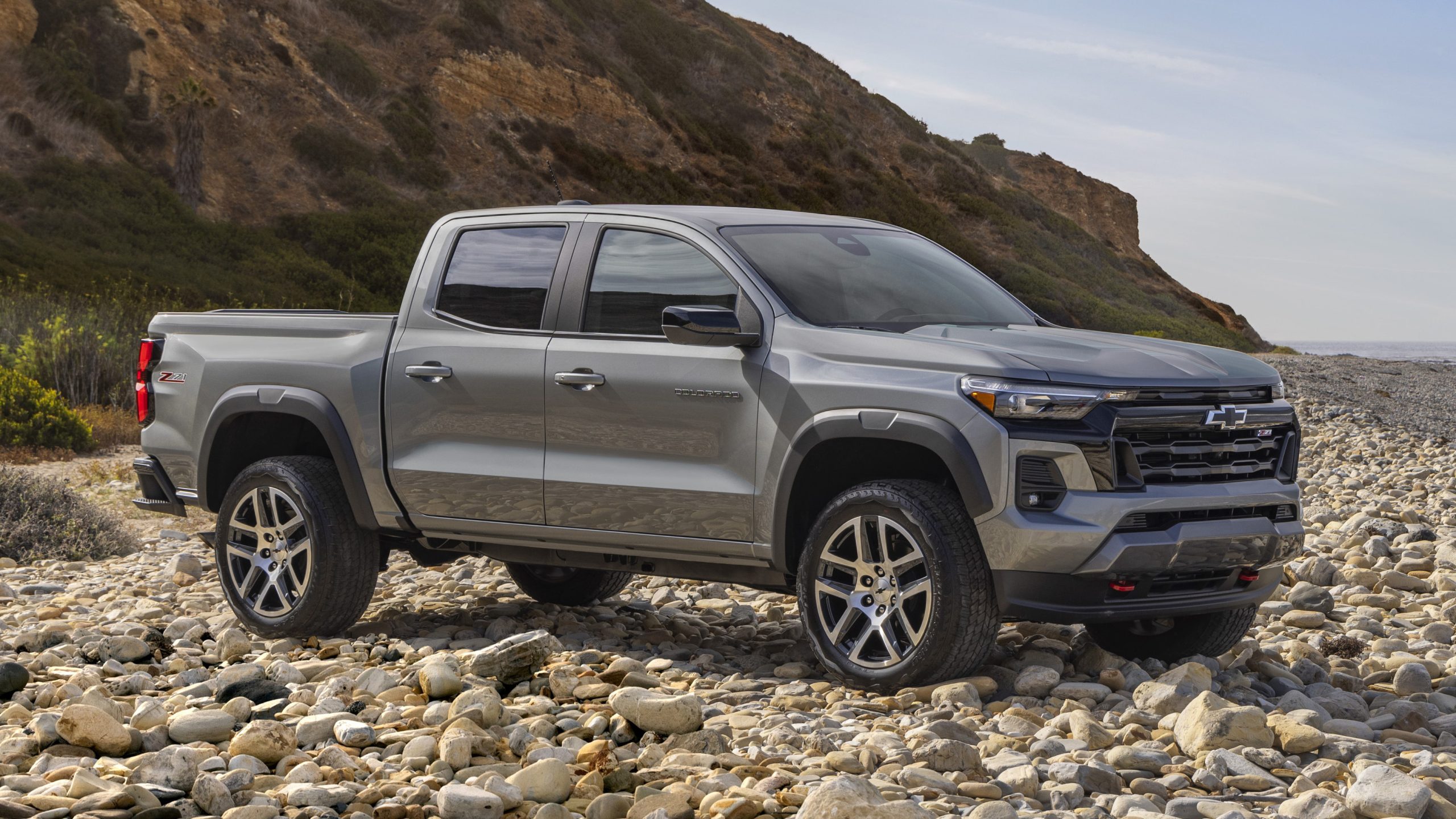
The Chevrolet Colorado has many strengths as a midsize pickup, including maneuverability and modern technology, but towing near its maximum ratings often exposes limitations that reduce driver confidence. While the truck’s specifications suggest substantial capability for its class, real-world towing experiences can feel less reassuring than buyers expect.
One major issue involves stability when towing heavier trailers. Midsize trucks naturally have shorter wheelbases and lighter curb weights than full-size pickups, and the Colorado is no exception. As trailer weight increases, drivers often notice more sway and sensitivity to crosswinds. Even when operating within official towing limits, the truck can feel less planted than larger competitors.
Transmission behavior has also drawn criticism from some owners. Frequent gear hunting under load can create inconsistent acceleration and increased cabin noise. Rather than maintaining smooth momentum, the truck may constantly shift to keep the engine within its optimal power range. This behavior becomes especially noticeable in hilly terrain or during stop-and-go towing conditions.
Another limitation involves braking confidence. While Colorado’s brakes are adequate for normal driving, towing heavier trailers can reveal reduced stopping reassurance compared with larger trucks. The lighter chassis and smaller braking components contribute to a sense that the truck is working hard near its upper towing limits. This affects driver comfort during long trips.
The Colorado remains a capable truck for light and moderate towing tasks, particularly for recreational users with smaller trailers. However, buyers who focus solely on maximum tow ratings may overestimate the truck’s comfort zone. In practical towing situations, it often feels less capable than the numbers suggest, especially compared with more robust full size alternatives.
2. Ford Ranger
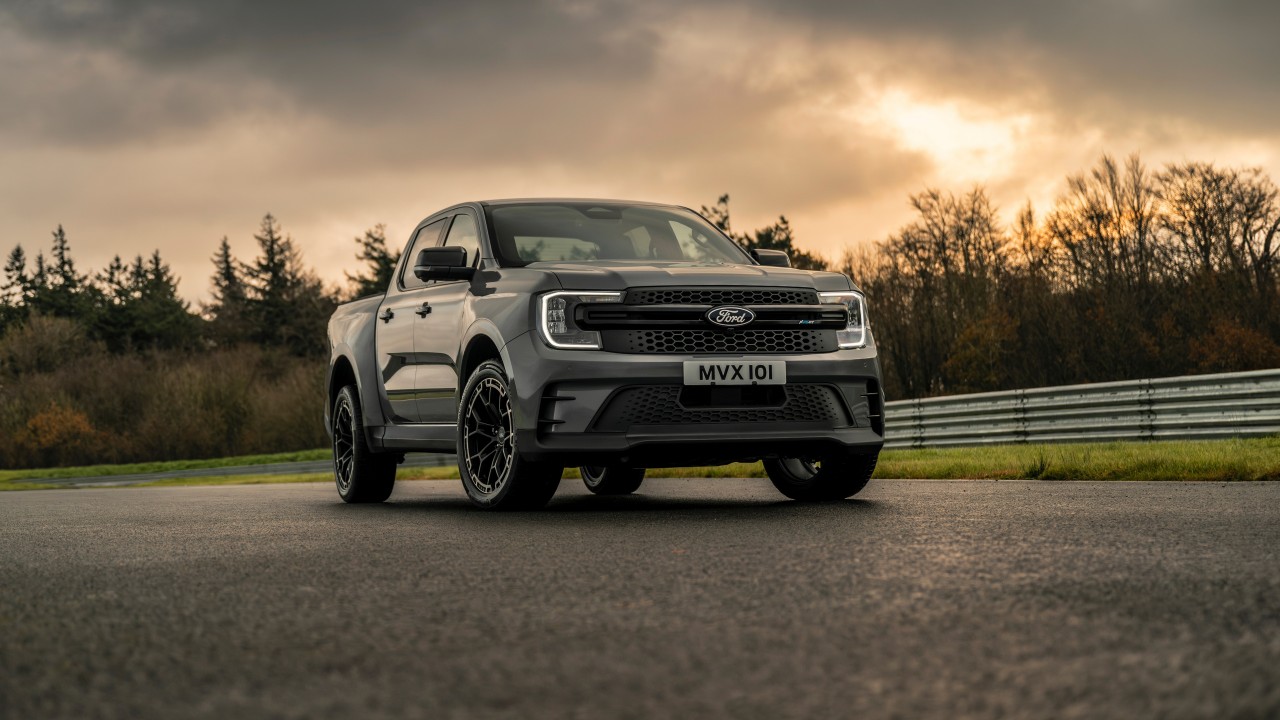
The modern Ford Ranger delivers strong performance and competitive towing ratings within the midsize truck segment, but many drivers discover that towing near maximum capacity exposes compromises that diminish real-world confidence. While the truck performs admirably for everyday utility tasks, its towing behavior does not always match expectations created by its specifications.
One challenge is chassis composure under heavier loads. The Ranger’s relatively compact dimensions and lighter weight can make larger trailers feel more noticeable behind the truck. Drivers often report increased bouncing and trailer movement at highway speeds, particularly in windy conditions. Even though the truck technically supports substantial towing weights, the experience can feel less secure than anticipated.
Ride quality also changes significantly when towing near capacity. The Ranger’s suspension setup balances comfort and utility reasonably well during normal driving, but heavy trailers can introduce instability over uneven pavement. Drivers may notice more rear suspension movement and less confidence during sudden steering corrections or emergency maneuvers.
Another issue involves braking feel during extended towing sessions. Although the braking system is functional and safe, repeated downhill towing or stop-and-go traffic with heavier trailers can make the truck feel taxed. Larger trucks with heavier-duty components generally maintain better composure and reassurance under similar conditions.
The Ranger excels as a versatile midsize truck for moderate towing needs and daily driving. However, buyers expecting effortless towing performance near its advertised maximum may encounter limitations more quickly than anticipated. In real-world use, the truck often feels best with moderate loads rather than operating close to its published towing ceiling.
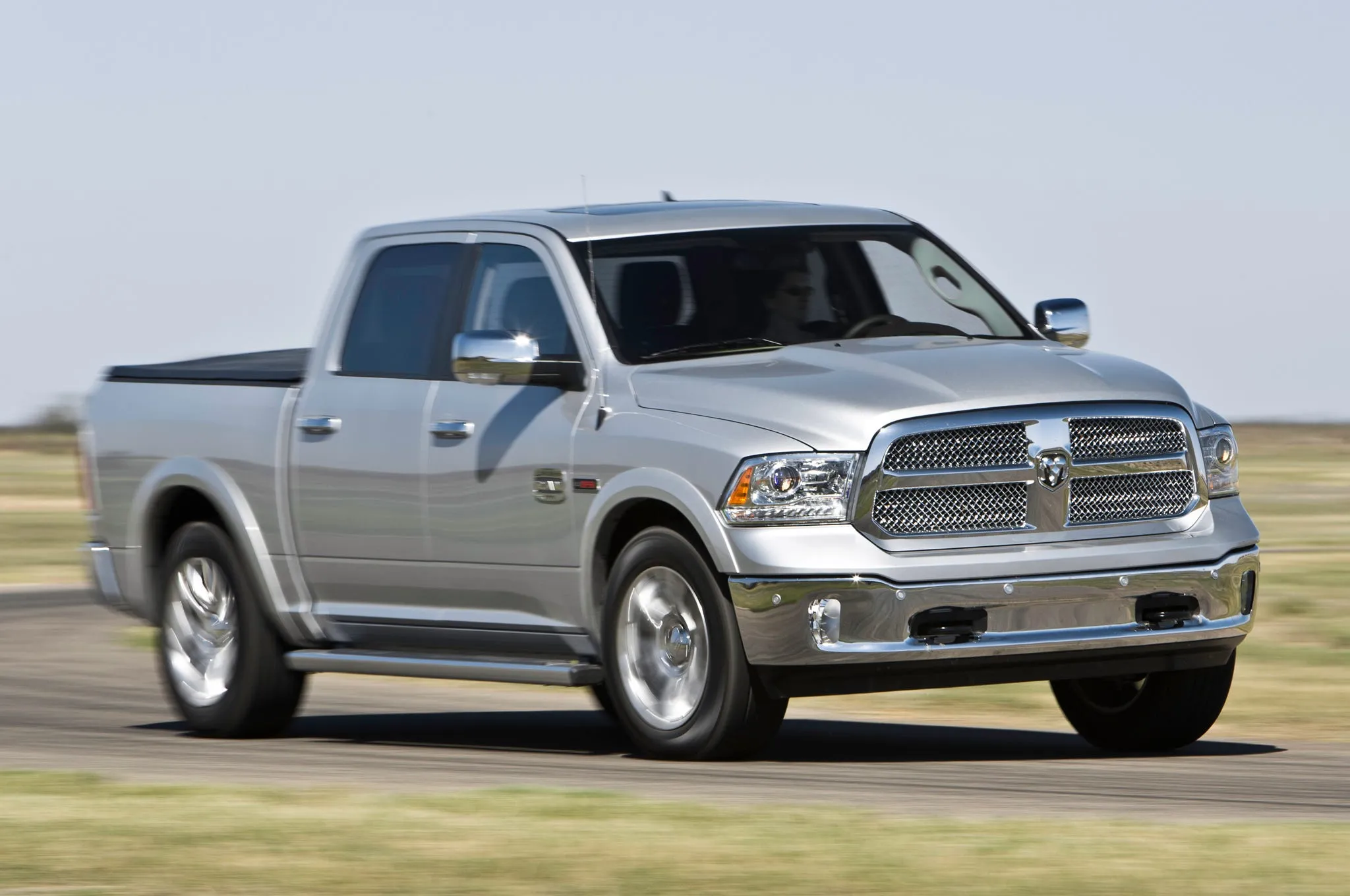
3. Ram 1500 EcoDiesel
The Ram 1500 EcoDiesel generated enormous excitement when introduced because it promised impressive fuel economy alongside strong towing capability. On paper, the combination appeared nearly perfect for buyers seeking efficient long-distance towing. However, many owners discovered that the truck’s real-world towing behavior did not always meet expectations created by its specifications and marketing.
One issue involves throttle response and acceleration under heavy loads. Although the diesel engine produces strong torque figures, the truck can feel less responsive than expected during rapid acceleration or steep climbs. Turbo lag and conservative transmission tuning sometimes create delays in power delivery that reduce towing confidence in demanding situations.
Cooling concerns also affected the EcoDiesel’s reputation among serious towing enthusiasts. Sustained heavy towing in hot climates or mountainous terrain occasionally pushed the truck close to thermal limits.
While many owners experienced no problems, others reported concerns about long-term durability when regularly towing near maximum capacity. This uncertainty reduced confidence compared with more proven heavy-duty diesel platforms.
The half-ton chassis also imposes limitations despite respectable tow ratings. Heavy trailers can overwhelm the softer suspension tuning that makes the Ram 1500 so comfortable during daily driving. Excessive squat, increased trailer movement, and reduced steering precision become more noticeable as towing weights rise. The truck’s luxurious ride quality comes at the expense of heavy towing composure.
The Ram 1500 EcoDiesel remains an appealing option for buyers prioritizing comfort and fuel efficiency with moderate towing demands. However, those expecting heavy-duty towing confidence based on torque figures and ratings alone often found the truck less reassuring in real-world conditions.
The gap between advertised capability and actual towing comfort became apparent when pushing the truck toward its upper limits.
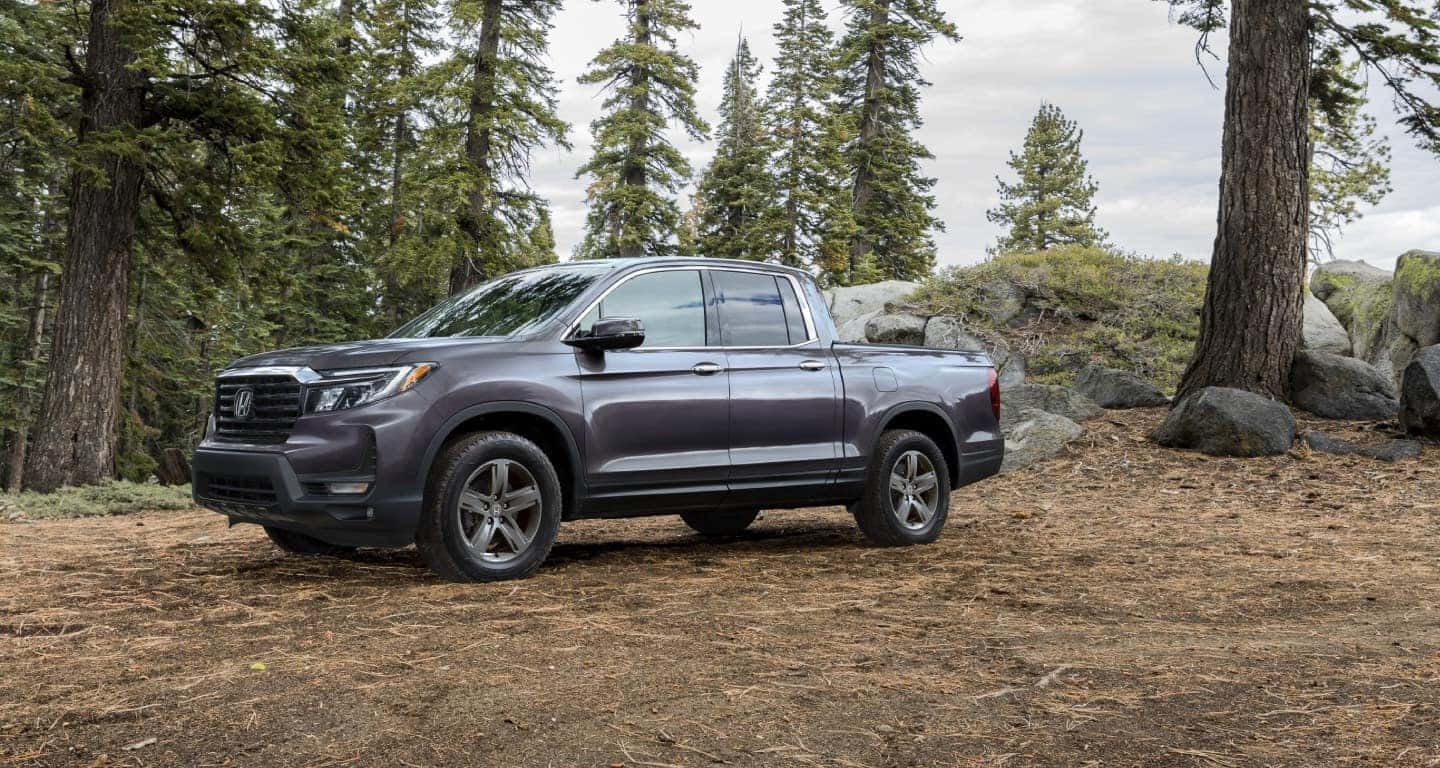
4. Honda Ridgeline
The Honda Ridgeline stands out in the pickup market because of its car-like ride quality, innovative storage solutions, and everyday practicality. However, towing performance remains one area where the truck struggles to match expectations set by its official ratings. While perfectly suitable for lighter recreational towing, the Ridgeline can feel overwhelmed near its maximum limits.
The truck’s unibody construction contributes significantly to this issue. Unlike traditional body-on-frame pickups, the Ridgeline prioritizes ride comfort and handling over heavy-duty capability. As trailer weight increases, the chassis lacks the robust feel and rigidity found in conventional trucks. Drivers often notice more movement and reduced confidence while towing larger loads.
Power delivery also becomes strained during demanding towing situations. The naturally aspirated V6 engine performs well during normal driving, but hauling heavy trailers requires high revs and aggressive throttle inputs. Long uphill grades and highway merging can make the truck feel overextended. This contrasts sharply with the effortless low-end torque provided by larger trucks and turbocharged rivals.
Despite these shortcomings, the Ridgeline remains an excellent lifestyle truck for buyers who prioritize comfort, efficiency, and versatility over maximum towing confidence. It handles smaller boats, utility trailers, and recreational gear effectively. However, buyers relying heavily on published towing ratings may discover that the truck feels less capable in practice than the numbers suggest.
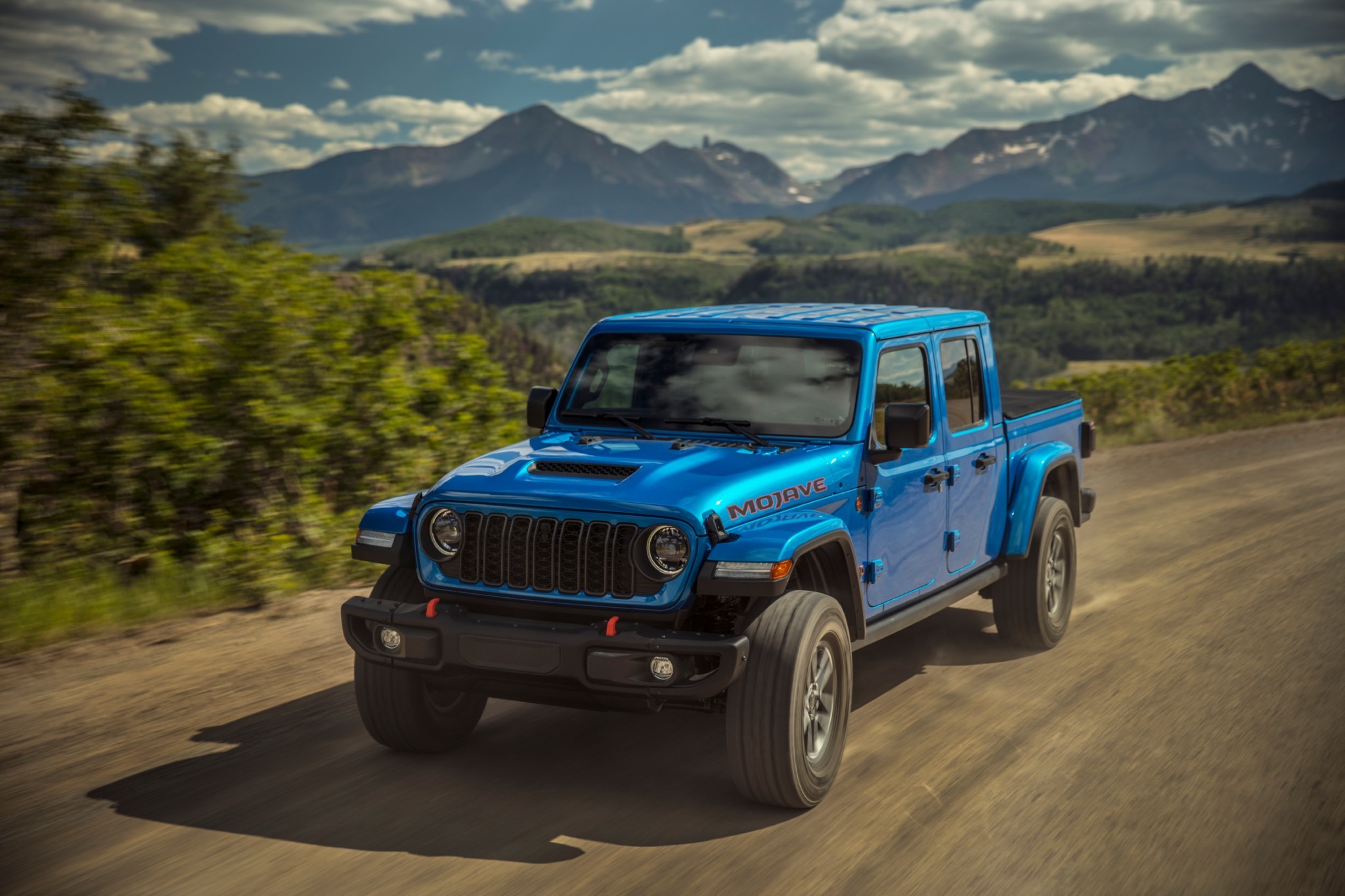
5. Jeep Gladiator
The Jeep Gladiator combines open-air freedom, off-road capability, and pickup utility in a uniquely appealing package. However, towing performance is one area where the truck often falls short of expectations created by its specifications. While official ratings appear competitive within the midsize segment, real-world towing can reveal significant compromises.
Wheelbase and aerodynamics also affect towing behavior. Although the Gladiator’s wheelbase is longer than the Wrangler’s, the truck still lacks the planted feel of larger pickups. Crosswinds and passing traffic can noticeably influence trailer stability, especially when towing taller campers or enclosed trailers. The upright body design further contributes to wind sensitivity at highway speeds.
Powertrain performance under load receives mixed reviews as well. The available V6 engines provide reasonable output, but towing near maximum capacity often requires high revs and frequent shifting. Drivers may find the truck noisy and strained during steep climbs or extended highway towing. The diesel variant improves low-end torque but does not completely solve the truck’s stability limitations.
Ride quality changes significantly when towing heavier loads. While the suspension performs admirably off-road, towing can introduce bouncing and increased trailer movement over uneven pavement. Sudden steering corrections or emergency maneuvers may feel less controlled compared with more towing-focused pickups.
The Gladiator excels as an adventure vehicle and recreational truck with light towing duties. It can certainly handle smaller trailers and outdoor equipment effectively. However, buyers drawn to its tow ratings may discover that real-world towing refinement and stability lag behind more conventional pickup competitors.
