
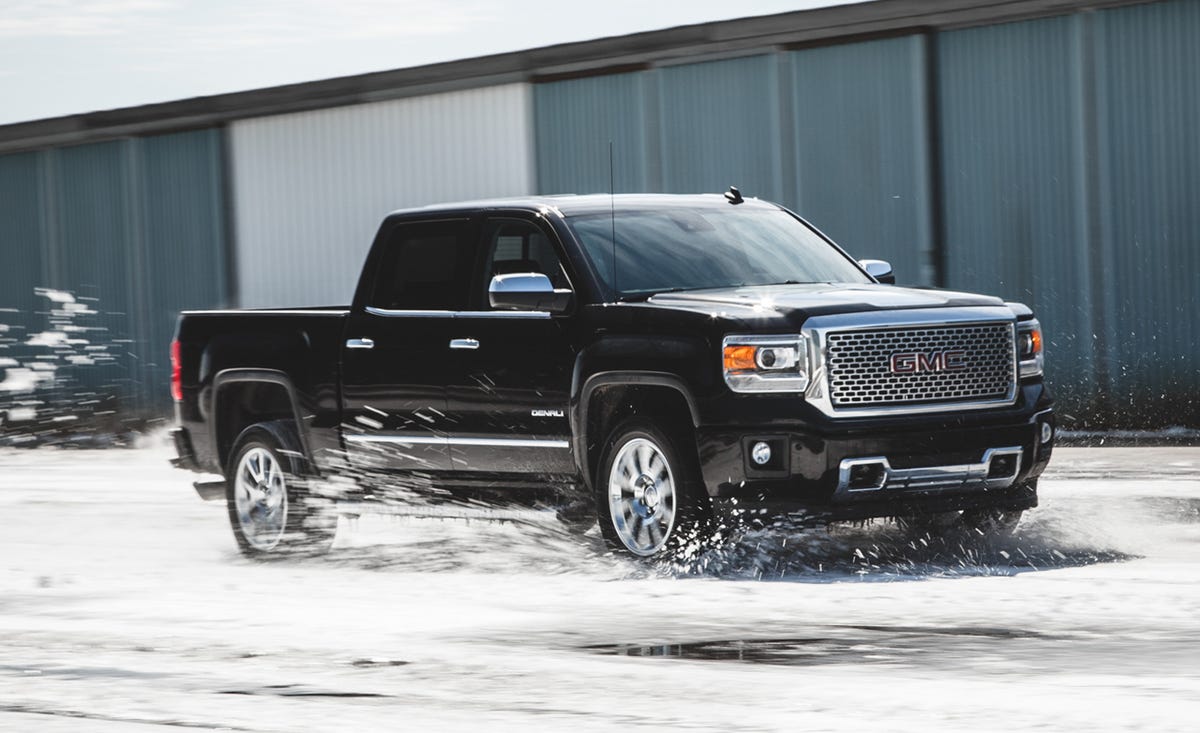
GMC has built a strong identity around the idea that its trucks are a step above. Premium materials, refined ride quality, and a long list of capability features have positioned the brand as the upscale alternative within General Motors’ truck lineup. That positioning works well when the engineering backs it up.
When it does not, buyers end up paying a premium price for a truck that delivers a frustrating ownership experience dressed up in nicer trim. Buying a GMC truck is not a simple decision. There are model lines that have earned their reputation through genuine durability, smart engineering, and strong resale value.
There are also model years and configurations within the GMC lineup where documented reliability problems, expensive repair histories, and structural or mechanical compromises make the truck a regrettable purchase regardless of how good it looks on the lot.
This piece was written to cut through the noise. Three GMC trucks that deliver on the brand’s promise are named specifically, with full model designations and honest explanations of why they belong on a buyer’s short list. Then three GMC trucks that fall short, with equally specific explanations of where they fail and why buyers should approach them with real caution.
Whether you are shopping for new, certified pre-owned, or used from a private party, knowing which GMC trucks have proven themselves and which ones carry documented problems protects your money and your time. Trucks are working tools and daily transportation for millions of Americans, and the buying decision deserves information that is honest, specific, and useful from the first line to the last.
Start with the trucks worth owning and read through to the ones that are not. Both sections matter equally before you sign anything.
3 GMC Trucks Worth Buying
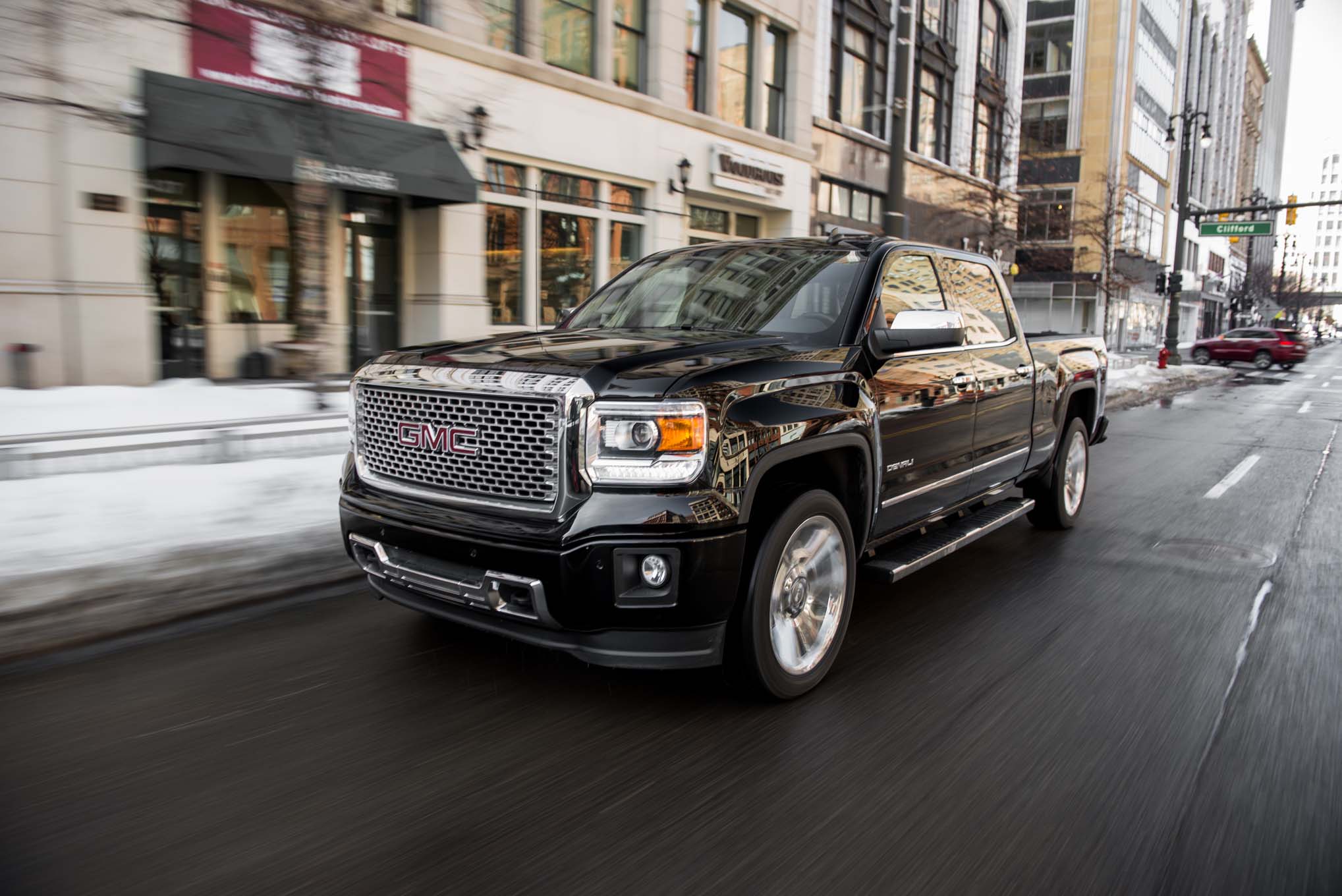
1. GMC Sierra 1500 Denali Crew Cab 4WD
Paying a premium for a truck makes sense only when the truck delivers something genuinely better than its less expensive siblings, and the GMC Sierra 1500 Denali Crew Cab 4WD clears that bar through a combination of real capability upgrades, interior quality that stands apart in the half-ton segment, and a powertrain lineup that gives buyers options matched to their actual use case rather than a one-size-fits-all approach.
Start with the available 3.0-liter Duramax inline-six diesel engine, which is offered in the Sierra 1500 Denali and represents one of the most compelling powertrain choices in the light-duty truck segment. Producing 277 horsepower and 460 pound-feet of torque, this engine delivers strong towing capacity, with a maximum rating of up to 13,000 pounds when properly equipped, while returning fuel economy figures that gasoline V8 trucks cannot approach.
Real-world highway fuel economy from Sierra 1500 diesel owners consistently comes in between 28 and 33 miles per gallon, which reduces both fuel cost and fuel stop frequency for buyers who cover serious highway mileage. Denali-specific engineering goes beyond the badge.
GMC’s MultiPro tailgate is a genuinely useful innovation that provides six configurations, including a load-stop position, a step function for easier cargo bed access, and an inner gate configuration for carrying long items while keeping the tailgate partially closed.
Magnetic Ride Control suspension, available on the Denali, uses magnetorheological fluid in the dampers to adjust suspension stiffness in milliseconds based on road conditions. Owners who have driven the Sierra 1500 Denali back to back with standard suspension trim levels consistently report a meaningful difference in ride refinement, particularly on highway surfaces and moderate off-road conditions.
Interior quality in the Denali trim is where GMC separates itself from Chevrolet Silverado counterparts, sharing the same platform. Authentic open-pore wood trim, quilted leather seating surfaces, and a 13.4-inch diagonal infotainment screen running GMC’s latest interface create an environment that genuinely competes with luxury brand interiors.
Heated and ventilated front seats, a heated steering wheel, and a 15-speaker Bose audio system come standard on Denali trim, removing the option-stacking exercise that lesser trims require. Reliability data on the current T1 generation Sierra 1500, which launched for the 2019 model year, has been generally positive, with the 5.3-liter EcoTec3 V8 as the most proven powertrain choice.
Buyers who prioritize long-term reliability over maximum fuel economy or towing capacity are well-served by the 5.3-liter option in Denali trim. The engine has accumulated a substantial real-world track record across millions of miles in fleet, commercial, and personal use applications. Resale values on well-maintained Sierra 1500 Denali examples have remained strong, which protects the buyer’s investment across the ownership period.
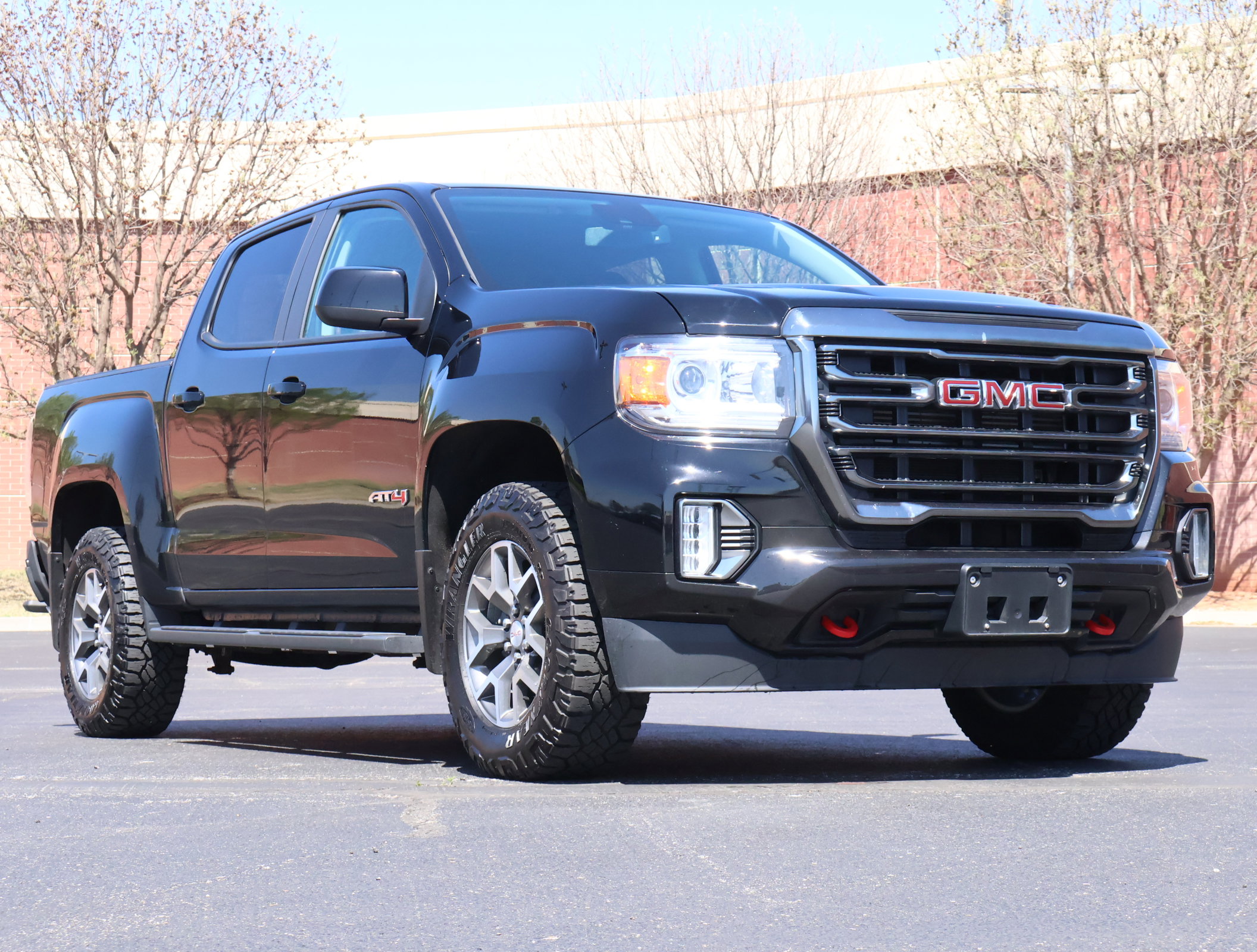
2. GMC Canyon AT4 Crew Cab 4WD
The GMC Canyon AT4 Crew Cab 4WD represents a well-considered option within the mid-size truck category, offering a balance between capability and day-to-day practicality. Buyers who initially lean toward full-size trucks often discover that a mid-size alternative provides sufficient strength while remaining easier to manage in urban environments.
Reduced exterior dimensions support easier parking, improved manoeuvrability in confined spaces, and lower fuel consumption, all of which contribute to a more convenient ownership experience. AT4 specification on the Canyon is not limited to visual enhancements. It introduces a suite of functional upgrades designed to support off-road driving.
These include a factory-installed two-inch suspension lift, Multimatic DSSV dampers on the front suspension, underbody skid plates protecting vital components such as the oil pan and fuel tank, an off-road-tuned exhaust system, and a locking rear differential.
Each of these elements contributes to real capability when the vehicle is driven on uneven surfaces. The Multimatic DSSV dampers, derived from motorsport engineering, help maintain tyre contact with the ground while also preserving stable handling on regular roads. This dual-purpose tuning allows the vehicle to perform confidently without sacrificing everyday usability.
Under the bonnet, the Canyon AT4 is equipped with a 2.7-litre turbocharged four-cylinder engine producing 310 horsepower and 430 pound-feet of torque. This output is delivered through an eight-speed automatic transmission, providing smooth and responsive performance.
Torque is available at low engine speeds, which benefits both daily driving and controlled movement during off-road situations. Towing capability of up to 7,700 pounds ensures that the vehicle can handle common recreational tasks such as towing boats, trailers, or small caravans without difficulty.
The Crew Cab configuration enhances practicality by providing a full rear seating area that accommodates adult passengers comfortably. Unlike extended cab layouts, which often limit rear seat space, this arrangement ensures that occupants in the second row have adequate legroom for longer journeys.
This makes the Canyon AT4 suitable for buyers who require a vehicle that serves both as personal transportation and as a means of carrying passengers without discomfort. Technology features in the Canyon AT4 reflect current expectations within the segment. An 11.3-inch touchscreen serves as the central interface for infotainment functions, supported by wireless Apple CarPlay and Android Auto integration.
GMC’s ProGrade Trailering system includes multiple camera views that assist with hitching and towing operations, improving safety and ease of use. Available Super Cruise functionality adds hands-free driving capability on compatible highways, offering an advanced level of driver assistance that was previously limited to higher-priced vehicles.
Taken together, the Canyon AT4 Crew Cab 4WD provides a combination of manageable size, strong capability, and modern technology. It meets the needs of buyers who require versatility without the bulk associated with larger trucks, making it a practical and capable choice within its category.
Also Read: 10 Best GMC Trucks That Are Built to Last Forever
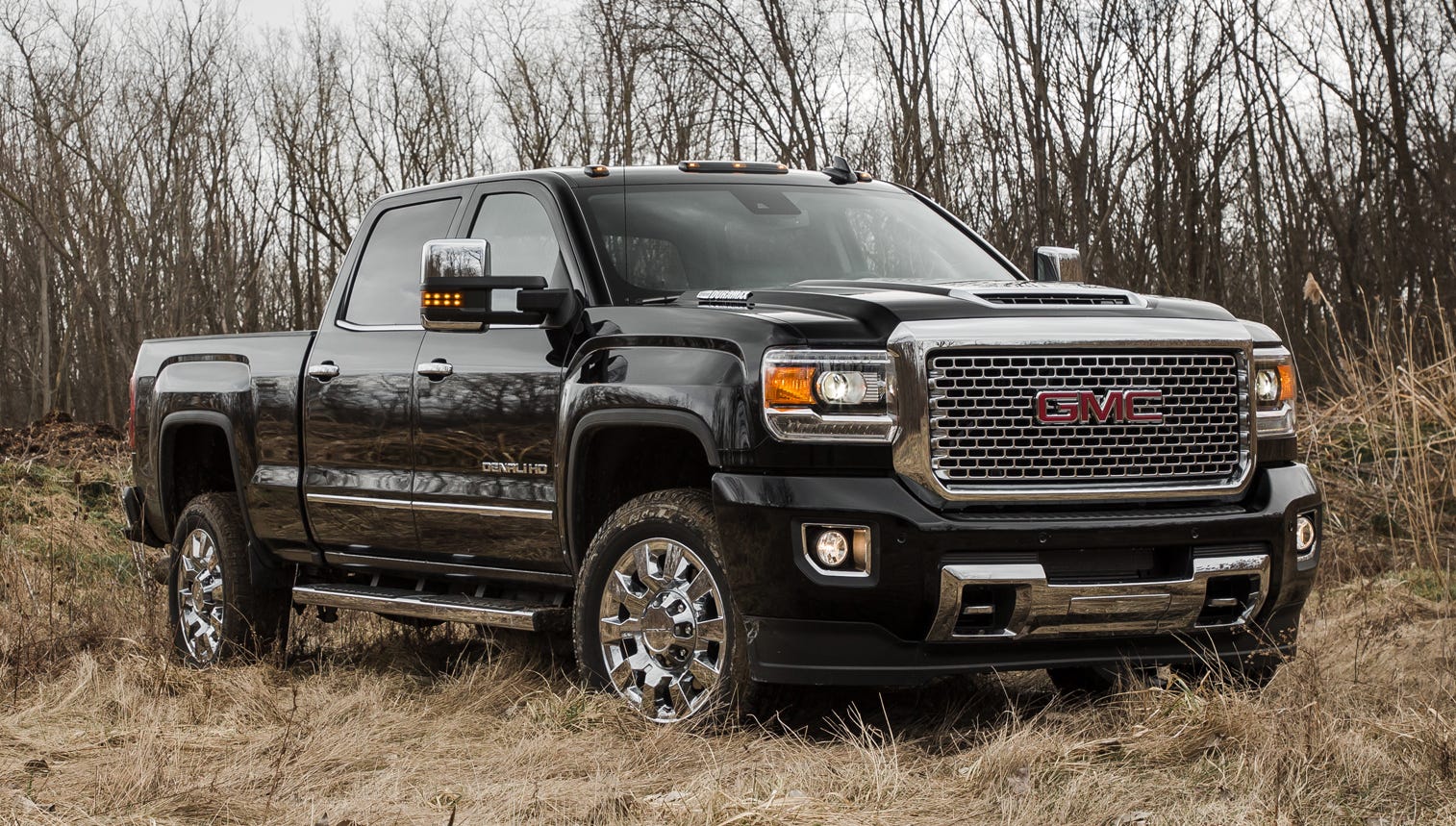
3. GMC Sierra 2500HD SLT Crew Cab 4WD With Duramax Diesel
The GMC Sierra 2500HD SLT Crew Cab 4WD equipped with the Duramax diesel engine is built for tasks that exceed the capabilities of lighter vehicles. For buyers engaged in demanding towing or hauling activities, this configuration provides the strength and durability required for consistent performance. Its design reflects the needs of commercial operators, agricultural users, and individuals who rely on their vehicles for heavy-duty applications.
When properly configured, the Sierra 2500HD achieves a maximum towing capacity of up to 18,500 pounds. Payload capacity can exceed 3,500 pounds, depending on the specification. These figures are established under recognised testing standards, assuring that the vehicle can handle substantial loads in real operating conditions.
This level of capability supports activities such as towing large recreational vehicles, transporting construction equipment, or hauling agricultural supplies. The 6.6-litre L5P Duramax diesel engine is central to the truck’s performance.
Producing 470 horsepower and 975 pound-feet of torque, it delivers the power required for heavy workloads. The engine is paired with an Allison 10-speed automatic transmission, which is designed to manage high torque output while maintaining smooth gear transitions.
This combination has earned a strong reputation through extensive use in fleet operations, where reliability and durability are critical. Reports from high-mileage users indicate that the powertrain performs consistently when maintained according to recommended service schedules.
Interior appointments in the SLT trim provide a balance between functionality and comfort. Features such as heated front seats, a leather-wrapped steering wheel, dual-zone climate control, and an upgraded audio system create an environment that supports both work and personal use. The cabin is designed to accommodate extended periods of driving without excessive fatigue, which is important for operators who spend long hours on the road.
Crew Cab configuration ensures that rear passengers are not overlooked. The second row offers sufficient space for full-size adults, making the vehicle suitable for transporting work crews or family members. This level of interior accommodation allows the truck to serve multiple roles without compromising passenger comfort.
Ownership considerations also favour the Sierra 2500HD with the Duramax engine. Strong resale values reflect consistent demand for capable diesel trucks, which helps offset the higher initial purchase cost. Buyers who maintain their vehicles properly often find that retained value remains favourable compared to petrol-powered alternatives of similar age and usage.
In practical terms, this configuration of the Sierra 2500HD delivers the performance, durability, and versatility required for demanding applications. It stands as a dependable choice for those whose work or lifestyle requires a vehicle capable of handling substantial loads with confidence and consistency.
3 GMC Trucks To Avoid
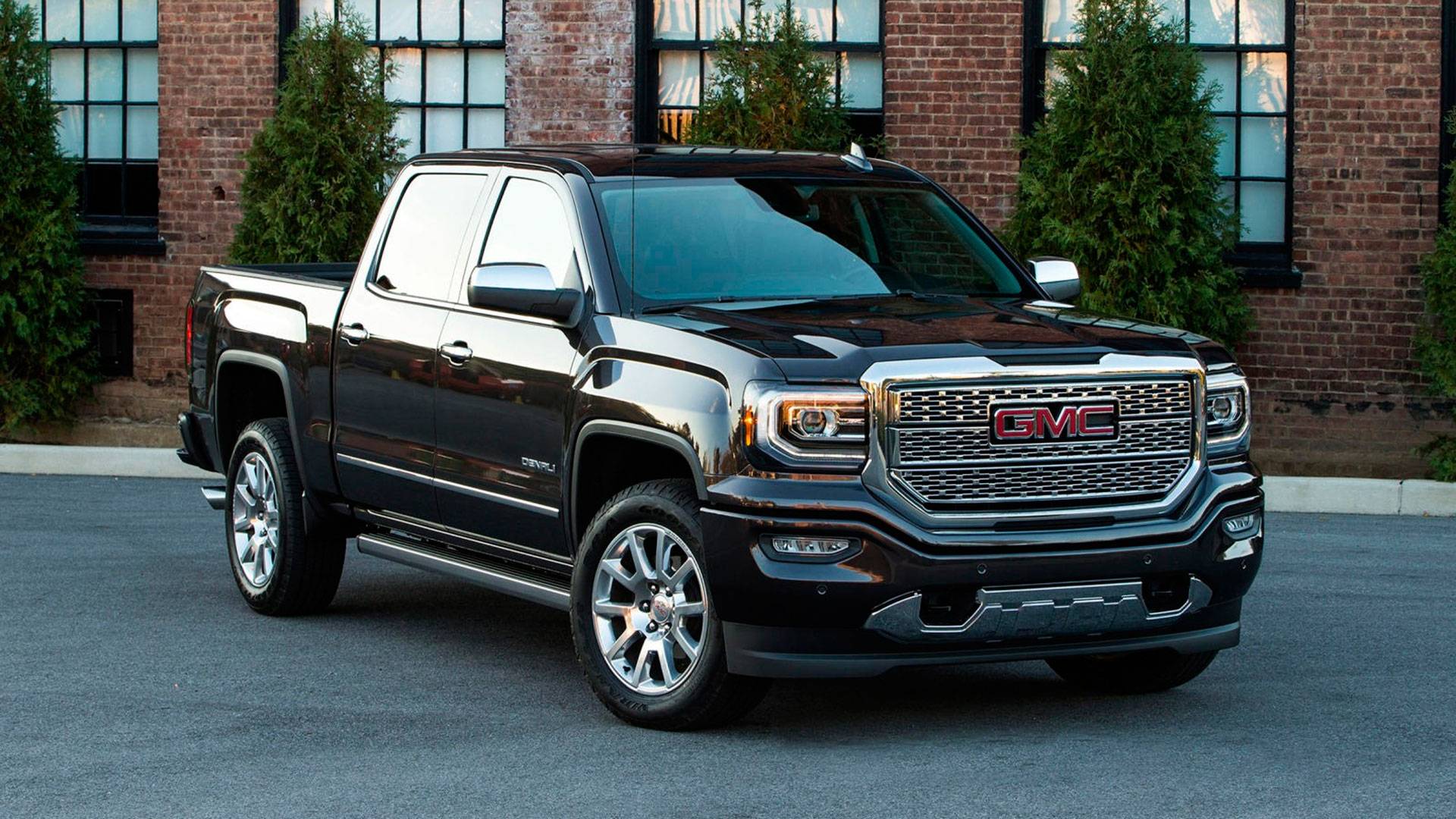
1. GMC Sierra 1500 With the 5.3-Liter AFM V8 From the 2014 to 2017 Model Years
Active Fuel Management technology, which GMC and parent company General Motors marketed as an efficiency feature that deactivates four of eight cylinders under light load, sounded like a reasonable engineering compromise when it was introduced.
In practice, the AFM system on 5.3-liter V8 engines fitted to the 2014 through 2017 GMC Sierra 1500 produced a pattern of oil consumption, lifter failure, and related engine damage that generated a volume of owner complaints, technical service bulletins, and legal action that no prospective buyer should ignore.
AFM lifters are oil-pressure-actuated components that collapse to deactivate cylinders during the system’s economy mode. Under normal operating conditions, these lifters cycle between active and collapsed states thousands of times per day.
General Motors’ specification for the AFM lifters used in this generation proved inadequate for that duty cycle, and lifter body failures became a documented pattern across a broad range of mileage points, with many owners experiencing failures between 60,000 and 120,000 miles.
Lifter failure is not a minor repair. It requires the removal of the intake manifold, valley cover, and cylinder head or heads, depending on which bank is affected. Shop labor alone for a full AFM lifter replacement job runs between $2,500 and $4,500, depending on geographic market and the extent of related damage.
Oil consumption elevated above normal was a companion problem to the AFM lifter issue on these engines. Owners of 2014 through 2017 Sierra 1500 trucks with the 5.3-liter AFM V8 reported consumption rates that required adding a quart of oil between changes rather than simply changing the oil at the scheduled interval.
General Motors issued technical service bulletins acknowledging the consumption issue and providing updated PCV valve components as a partial remedy, but the underlying cause related to AFM operation and ring seal behavior was not fully corrected in the field through service procedures alone.
Buying a used 2014 through 2017 GMC Sierra 1500 with the 5.3-liter AFM V8 requires accepting the possibility of an expensive lifter replacement job that may have already occurred or may be approaching. Sellers who are aware of the truck’s history may not disclose it voluntarily, and a vehicle history report does not always capture internal engine repairs performed outside a dealership.
A thorough pre-purchase inspection, including an oil consumption test and a scan for stored or pending fault codes related to engine misfires, is the minimum due diligence any buyer should perform before purchasing one of these trucks. Avoiding the specific AFM-equipped 5.3-liter in these model years is the clearest recommendation.
The 6.2-liter V8 offered in higher trim levels during the same period used a different AFM calibration with fewer documented failures. The 5.3-liter without AFM, found in fleet and base trim configurations, avoided the problem by not having the system installed. Knowing exactly which engine is in a specific truck before purchasing is essential information that the window sticker and VIN decoder can confirm.
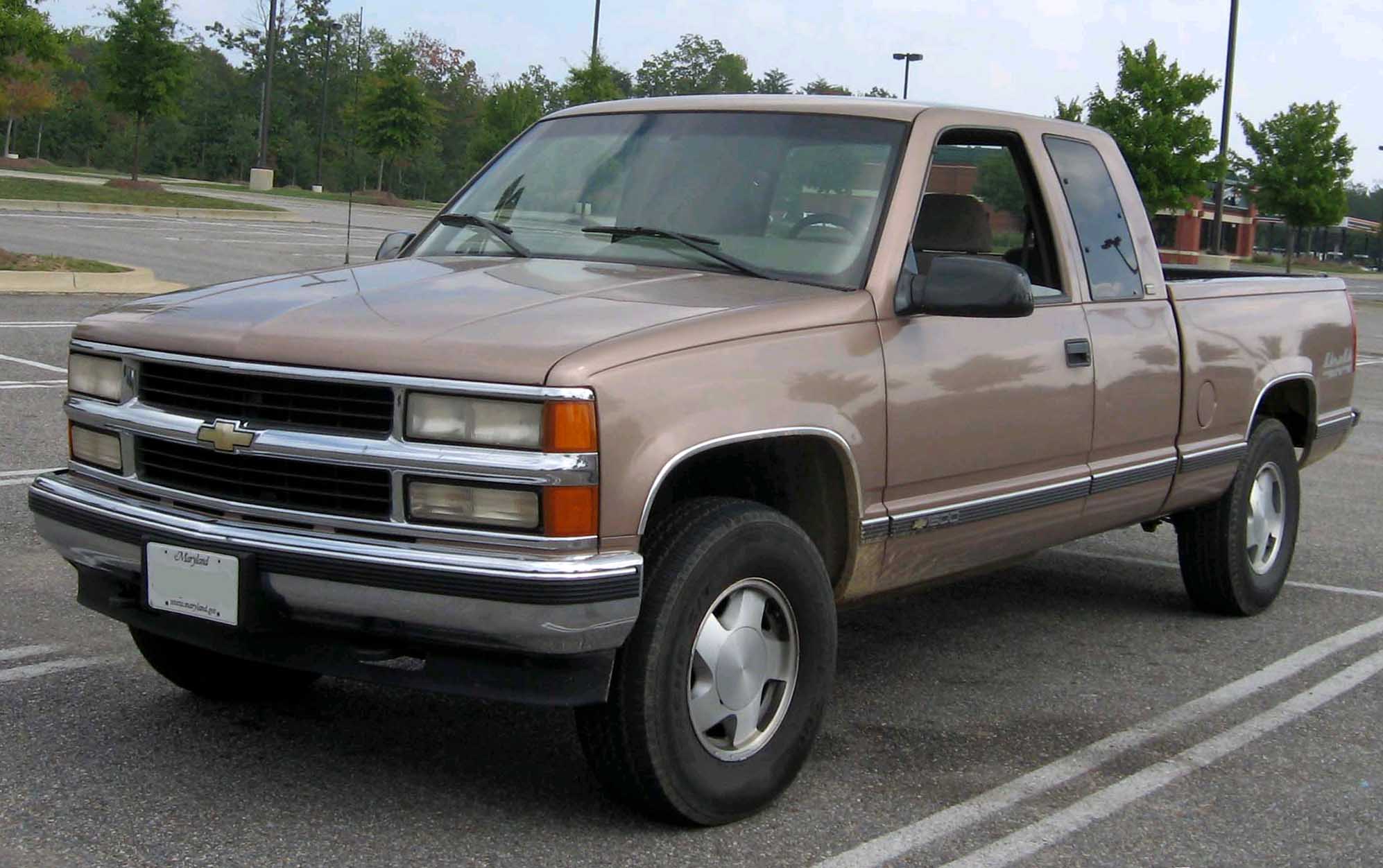
2. GMC Sierra 1500 Classic With the Vortec 4200 Inline-Six (2004-2005 Model Years)
Used trucks from earlier model years often appeal to buyers seeking affordability, especially when the purchase price appears far below that of newer alternatives. The 2004 to 2005 GMC Sierra 1500 Classic fitted with the 4.2-litre Vortec 4200 inline-six engine fits squarely into this category.
At first glance, these vehicles present themselves as practical and cost-effective work trucks. A closer examination, however, reveals a pattern of mechanical concerns that may impose financial strain on owners who expect dependable long-term service.
A primary area of concern relates to the cooling system. Reports from owners and service technicians indicate recurring issues involving intake manifold gasket leaks, coolant crossover tube failures, and water pump faults. These defects can lead to gradual coolant loss, which may not always be immediately noticeable to the driver.
If the issue is not detected early, the engine may overheat, creating conditions that could damage the head gasket. Once that occurs, repair costs increase sharply, transforming what could have been a routine fix into a more extensive mechanical intervention.
General Motors did issue technical service bulletins addressing certain elements of the cooling system, particularly the coolant crossover tube. Despite this effort, many vehicles experienced failures outside warranty coverage, leaving owners responsible for repairs. Costs for addressing these issues can vary widely.
A relatively minor repair may cost several hundred dollars, while more serious engine-related damage could require several thousand dollars to rectify. This variability introduces uncertainty into ownership, especially for buyers operating within a limited budget.
Structural integrity also deserves careful attention when evaluating these trucks. Models from this period, built on the GMT800 platform, have been associated with frame corrosion in regions where road salt is commonly used during colder months.
Corrosion can weaken critical load-bearing components, affecting towing capacity and general safety. In severe cases, rust may compromise mounting points to such an extent that certain repairs become impractical or impossible. Prospective buyers are therefore advised to conduct a thorough inspection, preferably with the vehicle raised on a lift, to assess the extent of any corrosion.
Fuel efficiency represents another area where expectations may not align with real-world performance. The Vortec 4200 inline-six engine was marketed as a more efficient alternative to larger V8 options. In everyday driving conditions, however, many owners reported fuel consumption figures that closely match those of the 5.3-litre V8.
This outcome reduces the practical benefit of choosing the smaller engine, particularly when it also delivers lower towing capability and reduced power output. A prudent buyer considering one of these vehicles should arrange a comprehensive pre-purchase inspection. This process should include a pressure test of the cooling system, a scan of the engine control unit for stored fault codes, and a detailed evaluation of the frame condition.
Even when a vehicle appears well-maintained, it is advisable to set aside additional funds for repairs that may arise during ownership. While the initial purchase price may be attractive, the long-term cost of maintaining reliability can exceed expectations.
Also Read: 10 Easy Fixes That Keep a GMC Sierra SLT Reliable for Life
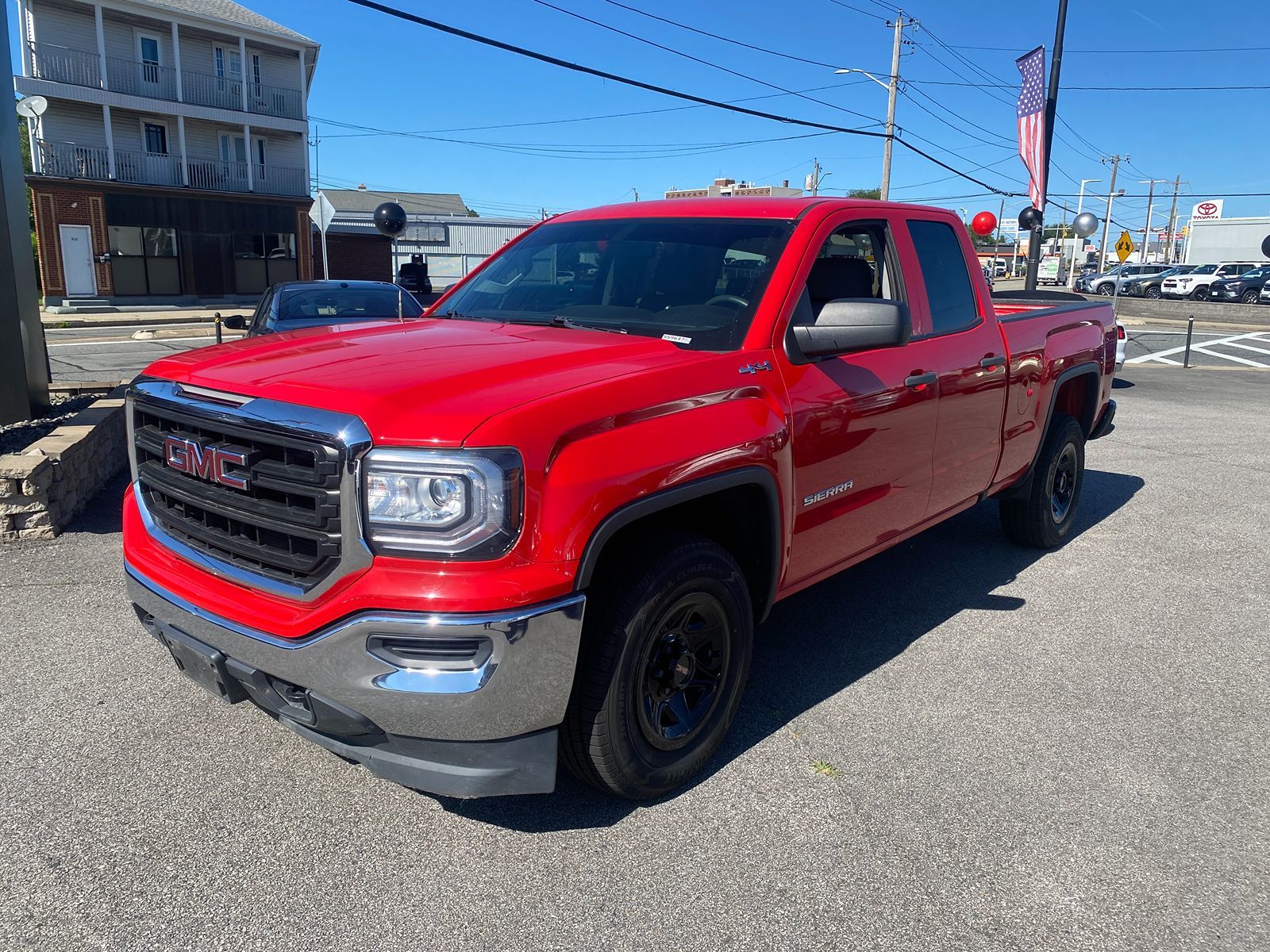
3. GMC Sierra 1500 Limited (2019 Model Year)
Vehicle model transitions often create confusion in the marketplace, particularly when two generations are sold within the same model year. The 2019 GMC Sierra 1500 Limited represents such a situation. During that year, General Motors introduced a redesigned Sierra based on a new platform while continuing production of the previous generation under the “Limited” designation.
While this approach served production and inventory requirements, it created challenges for buyers who were not fully aware of the distinction. A purchaser encountering two vehicles labelled as 2019 Sierra 1500 might reasonably assume that both share the same engineering foundation. In reality, the Sierra 1500 Limited retains the earlier K2 platform, while the redesigned Sierra 1500 uses the newer T1 architecture.
This difference extends beyond cosmetic updates. It affects ride quality, interior technology, and mechanical refinement. Buyers who expected the benefits of the newer platform often discovered after purchase that their vehicle did not include those improvements.
Ride comfort in the Sierra 1500 Limited reflects the characteristics of the outgoing generation. While still functional and capable, it does not provide the same level of refinement or composure found in the newer T1 models. Interior design follows a similar pattern.
The Limited variant features an older infotainment system and cabin layout, lacking the larger touchscreen displays and updated connectivity features introduced in the redesigned version. For buyers placing value on modern technology, this difference can be disappointing.
Mechanical considerations also deserve attention. The K2 platform trucks, including the Sierra 1500 Limited, are associated with known issues involving the Active Fuel Management system used in certain V8 engines. This system, designed to improve fuel efficiency by deactivating cylinders under light load, has been linked to lifter failures in some cases.
Repairs related to this issue can be expensive and may arise without much warning. Buyers who assumed that a 2019 model year designation would include updated engine components may find themselves dealing with a known issue carried over from earlier years.
The purchasing experience itself can contribute to dissatisfaction if the distinction between the Limited and the redesigned model is not clearly communicated. Some buyers reported discovering the differences only after comparing their vehicle with others of the same model year. This situation can affect perceptions of value, especially when the purchase price approaches that of the newer generation.
Resale value provides another perspective on this matter. Market data reflects a clear differentiation between the Sierra 1500 Limited and the redesigned Sierra 1500. Vehicles built on the older platform tend to depreciate more quickly, as buyers recognise the generational gap despite the shared model year.
This has financial implications for owners who plan to sell or trade their vehicles within a few years. A careful approach to purchasing is essential in this case. Prospective buyers should verify the platform designation, review the vehicle identification details, and compare features directly with the redesigned model.
Understanding these distinctions before making a purchase can prevent dissatisfaction and ensure that the vehicle selected aligns with expectations in terms of performance, technology, and long-term value.
