
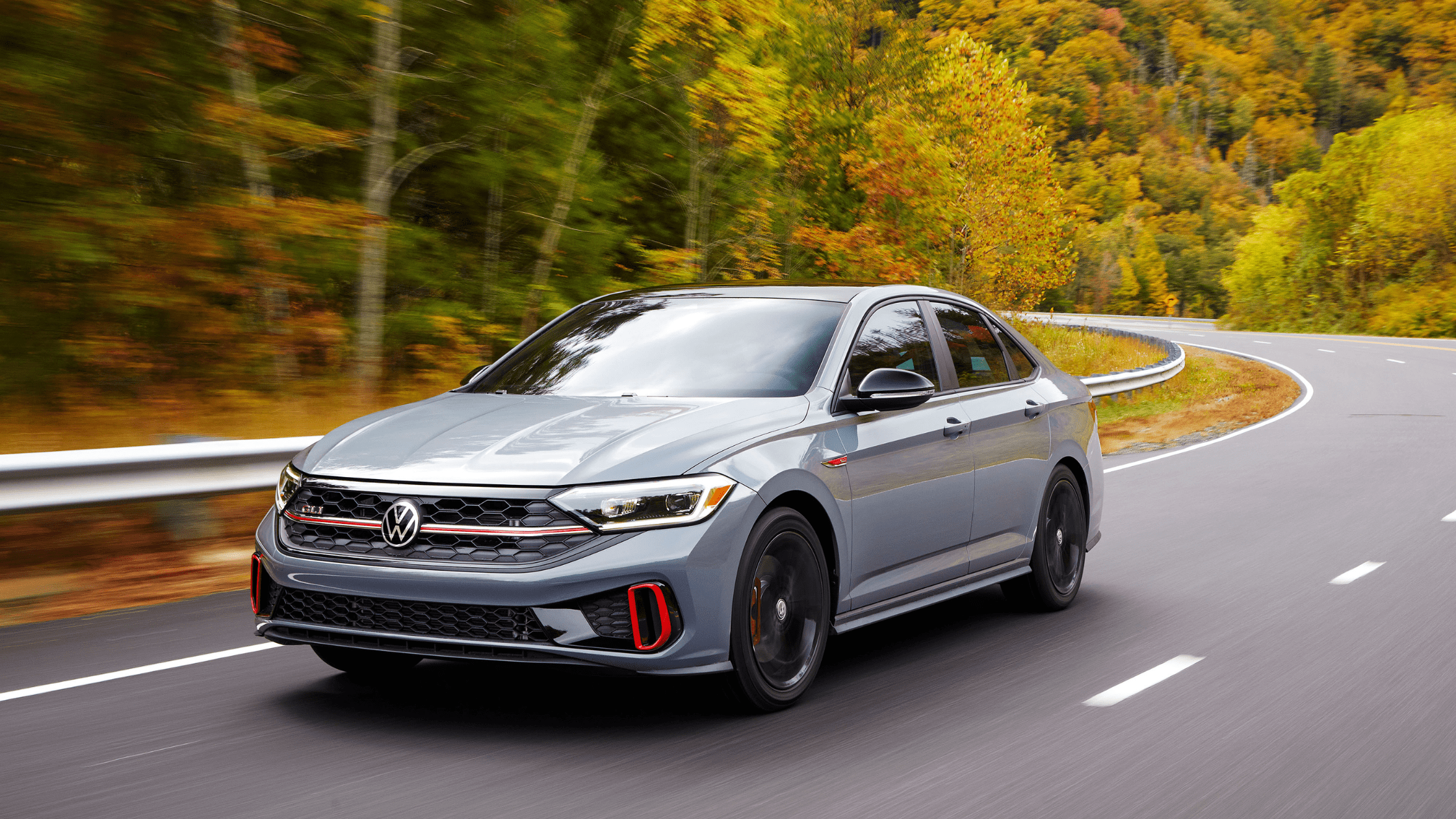
Rising and unpredictable fuel costs keep efficiency high on the list of priorities for many car shoppers. Even with the growing attention on hybrid and electric options, traditional gasoline vehicles still hold their place by offering solid fuel economy without relying on battery-powered systems.
Many drivers prefer non-hybrid vehicles because they are often more affordable, easier to maintain, and familiar in terms of driving experience. Fortunately, automakers continue to produce several fuel-efficient gasoline cars capable of reaching or exceeding 35 miles per gallon.
Modern engine technology has dramatically improved the efficiency of standard internal combustion vehicles. Turbocharging, continuously variable transmissions, lightweight construction, aerodynamic design, and advanced fuel injection systems all contribute to better fuel economy than ever before.
Drivers no longer have to sacrifice comfort, reliability, or practicality just to save money at the gas pump. In fact, some of the most efficient non-hybrid cars today also offer impressive safety features, spacious interiors, and smooth driving dynamics.
Another reason many buyers still choose non-hybrid cars is the lower long-term ownership complexity. Traditional gasoline engines usually involve fewer expensive battery-related concerns and can often be serviced at virtually any repair shop.
For drivers who travel long distances, live in regions with limited charging infrastructure, or simply prefer conventional vehicles, fuel-efficient non-hybrid models remain highly attractive. These cars prove that excellent mileage does not automatically require hybrid technology.
The automotive market has also evolved to meet stricter emissions standards, forcing manufacturers to develop engines that maximize every drop of fuel. Smaller displacement turbocharged engines are now common, allowing compact sedans and hatchbacks to deliver fuel economy numbers that once seemed impossible for non-hybrid vehicles. Many models comfortably exceed highway fuel economy ratings of 35 MPG while maintaining responsive acceleration and practical everyday usability.
Consumers shopping for economical transportation often assume hybrids are their only option. However, several gasoline-only cars still compete strongly in terms of efficiency while offering lower upfront purchase costs.
This balance makes them especially appealing to budget-conscious drivers, students, commuters, and families seeking long-term value without transitioning to electrified technology.
Reliability is another important factor in the continued popularity of non-hybrid fuel-efficient cars. Brands with strong reputations for durability continue refining naturally aspirated and turbocharged engines to provide dependable, long-term ownership experiences. Many of these vehicles also hold their resale value well because demand for economical gasoline-powered transportation remains steady.
In this article, we explore nine non-hybrid cars that still hit 35 MPG or better. Each model demonstrates that drivers can enjoy impressive efficiency without moving to hybrid technology. From compact sedans to hatchbacks and even practical midsize options, these vehicles prove that traditional gasoline-powered engineering still has plenty to offer modern drivers.
Also Read: 10 Cars With Insurance Premiums Lower Than a Compact Sedan
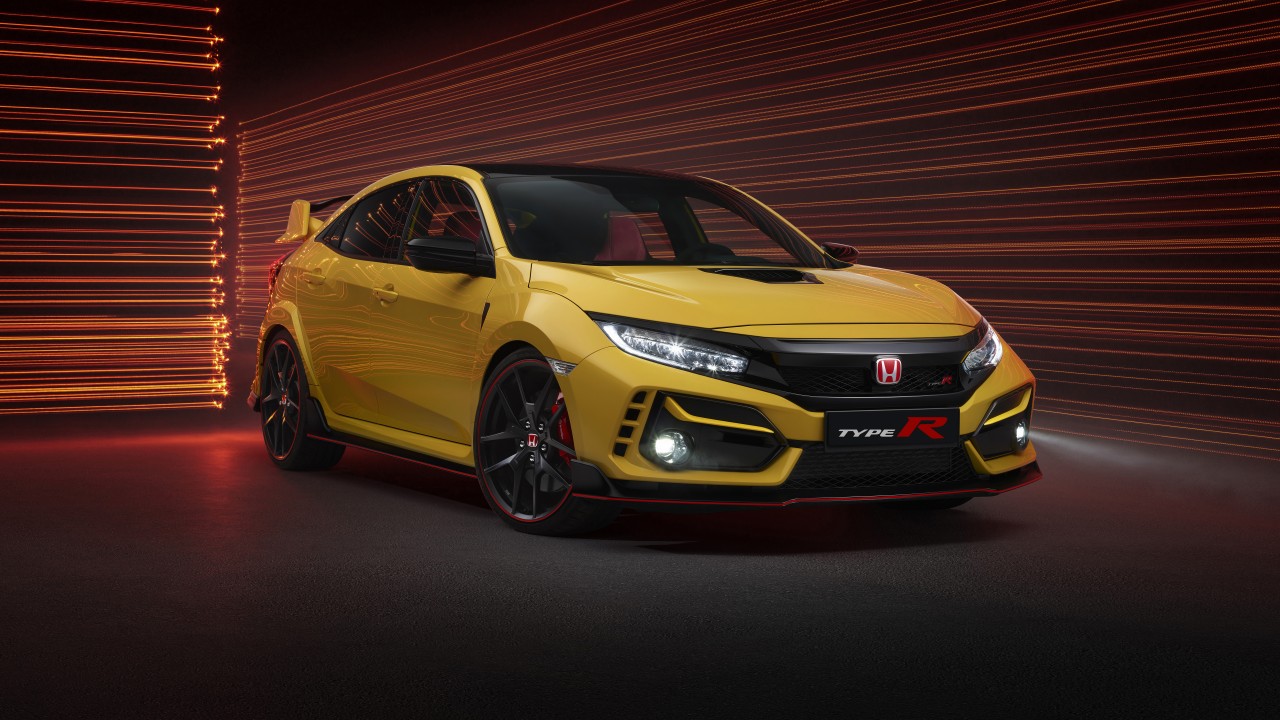
1. Honda Civic
The Honda Civic has long been recognized as one of the most fuel-efficient non-hybrid compact cars on the market. Over decades of refinement, Honda has perfected the formula of combining reliability, affordability, comfort, and excellent fuel economy into one practical package. The latest Civic continues that tradition by delivering impressive highway mileage while maintaining a sporty and refined driving experience.
One of the primary reasons the Civic achieves excellent fuel economy is its efficient engine lineup. The standard naturally aspirated four-cylinder engine is carefully tuned for balanced performance and low fuel consumption. In many trims, the Civic comfortably reaches or exceeds 35 MPG on the highway, making it an ideal option for commuters and long-distance drivers alike. The continuously variable transmission also helps maximize efficiency by keeping the engine operating within optimal RPM ranges.
Safety is another area where the Civic excels. Honda includes a wide range of advanced driver assistance technologies such as adaptive cruise control, lane keeping assist, collision mitigation braking, and road departure mitigation. These systems enhance driver confidence while also making highway travel more relaxed and efficient.
Another advantage of the Civic is its reputation for reliability and low ownership costs. Maintenance expenses are generally affordable, replacement parts are widely available, and resale values remain strong. Many drivers keep their Civics for years because of the vehicle’s durability and efficient operation. For buyers seeking a non-hybrid car capable of excellent fuel economy without sacrificing quality, the Honda Civic remains one of the strongest choices available today.
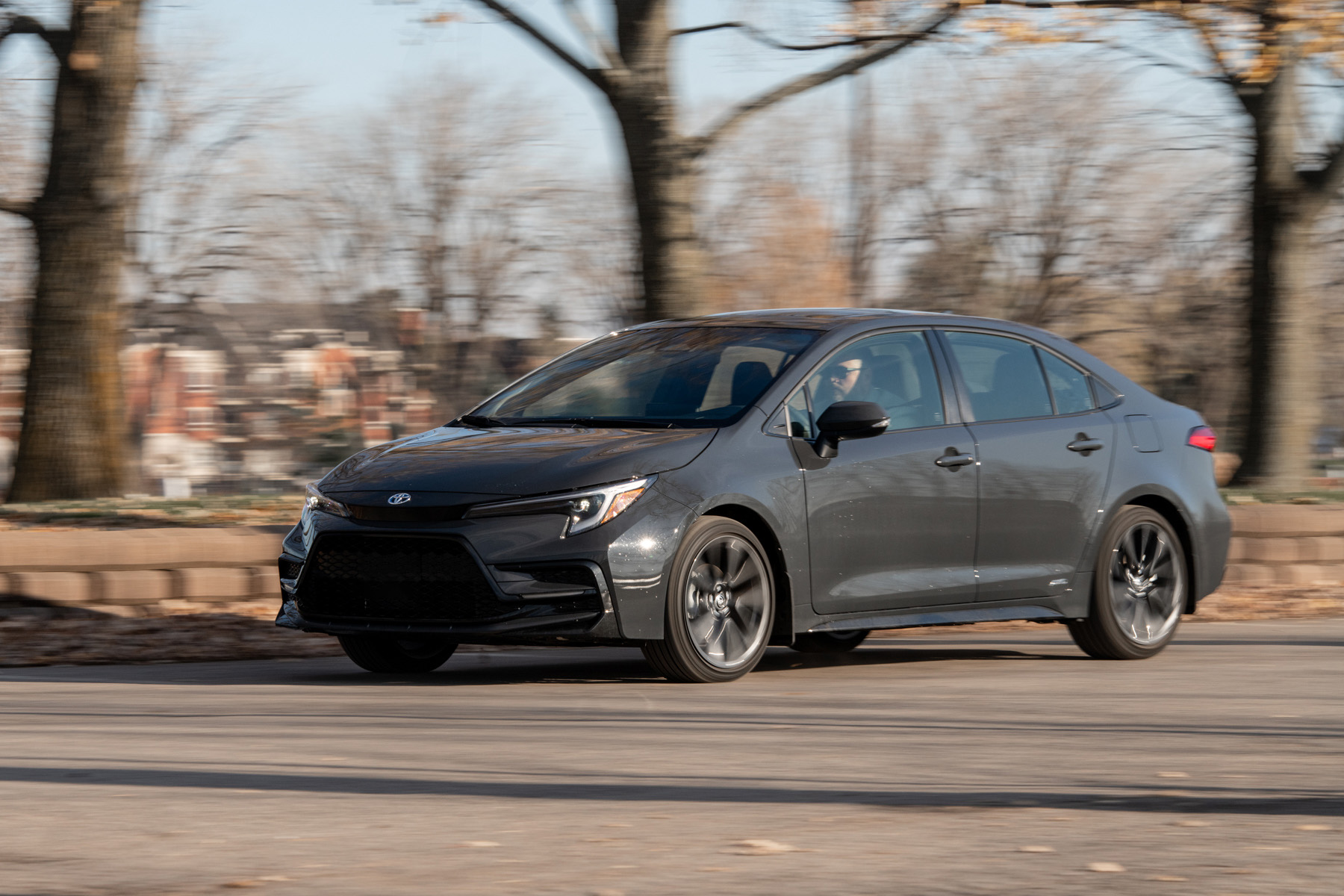
2. Toyota Corolla
The Toyota Corolla continues to dominate the compact sedan market because of its reputation for reliability, simplicity, and fuel efficiency. While the hybrid Corolla often receives attention, the standard gasoline version remains remarkably economical and capable of reaching 35 MPG or better in many driving conditions. This makes it an excellent option for buyers who want traditional gasoline power without sacrificing efficiency.
Toyota engineered the Corolla with a focus on minimizing fuel consumption while preserving smooth drivability. The car’s lightweight construction and aerodynamic profile help reduce drag and improve highway efficiency. Its four-cylinder engine delivers adequate performance for everyday commuting while maintaining low fuel usage. The continuously variable transmission also contributes significantly to the car’s impressive MPG ratings.
The Corolla offers a comfortable and quiet cabin that appeals to a wide range of drivers. Modern infotainment features, smartphone connectivity, and intuitive controls make the driving experience user-friendly. Although it is a compact sedan, the Corolla provides enough interior space for small families, students, and commuters seeking affordable transportation.
Toyota Safety Sense comes standard on most Corolla trims, adding features such as automatic emergency braking, adaptive cruise control, lane departure alert, and pedestrian detection. These technologies improve both safety and driving convenience, especially during long highway trips where fuel economy tends to shine.
One of the biggest strengths of the Corolla is long-term reliability. Toyota has built a global reputation for durable vehicles, and the Corolla consistently ranks among the most dependable cars available. Owners frequently report high mileage with minimal mechanical issues, making it one of the safest purchases for budget-minded consumers.
Affordability further enhances the Corolla’s appeal. Insurance costs are often reasonable, maintenance is straightforward, and fuel expenses remain low thanks to the car’s impressive efficiency. Drivers who want a dependable non-hybrid vehicle capable of exceeding 35 MPG will find the Toyota Corolla difficult to overlook.
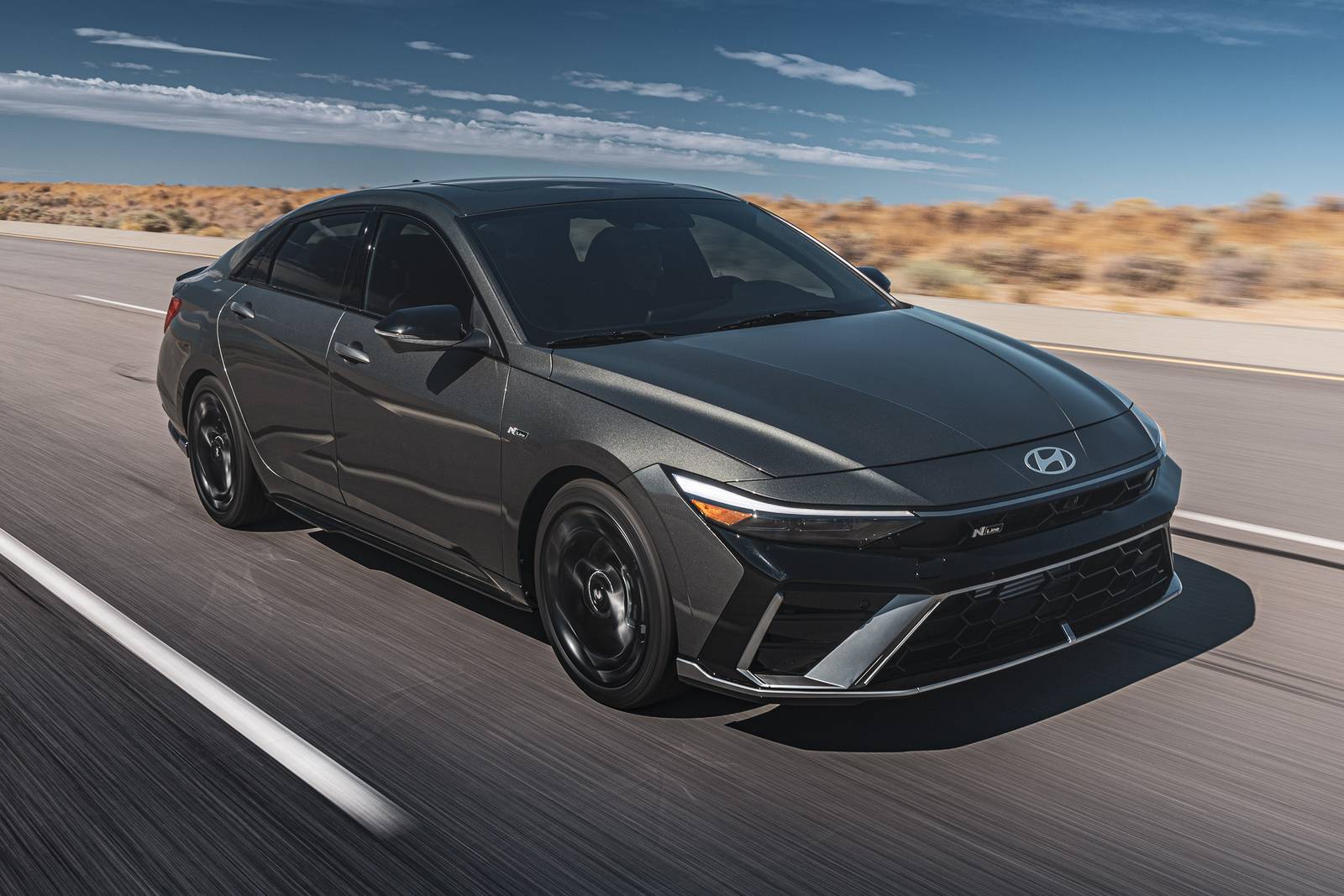
3. Hyundai Elantra
The Hyundai Elantra has transformed significantly over the years, evolving from a budget-focused compact sedan into a sophisticated and highly efficient vehicle. Today’s Elantra combines sharp styling, advanced technology, and excellent fuel economy into an affordable package that competes strongly with established rivals. Certain gasoline-powered trims comfortably exceed 35 MPG, proving that hybrids are not the only path to efficiency.
Hyundai designed the Elantra with aerodynamic efficiency in mind. Its sleek body lines and lightweight structure contribute to reduced fuel consumption, especially during highway driving. The naturally aspirated engine found in many trims delivers smooth and predictable performance while maintaining strong efficiency numbers. Drivers seeking economical daily transportation will appreciate the balance between responsiveness and fuel savings.
The cabin of the Elantra feels modern and upscale for its segment. Hyundai includes a digital instrument cluster, large infotainment displays, and numerous convenience features even in lower trims. Comfortable seating and good passenger space make the Elantra suitable for both urban commuting and longer road trips.
Technology plays a major role in the Elantra’s appeal. Features such as wireless smartphone connectivity, adaptive cruise control, blind spot monitoring, and lane following assist are available across multiple trims. These systems improve convenience while enhancing driving confidence.
Hyundai’s industry-leading warranty coverage adds substantial value to the Elantra ownership experience. Buyers often appreciate the reassurance provided by extended powertrain protection, especially when purchasing a fuel-efficient daily driver intended for long-term use. This warranty support helps the Elantra stand out in a competitive market.
The Elantra also delivers a surprisingly refined ride quality. Road noise is well controlled, suspension tuning prioritizes comfort, and steering remains light enough for easy maneuverability. Combined with fuel economy that exceeds 35 MPG in many configurations, the Hyundai Elantra represents one of the strongest non-hybrid efficiency bargains available today.
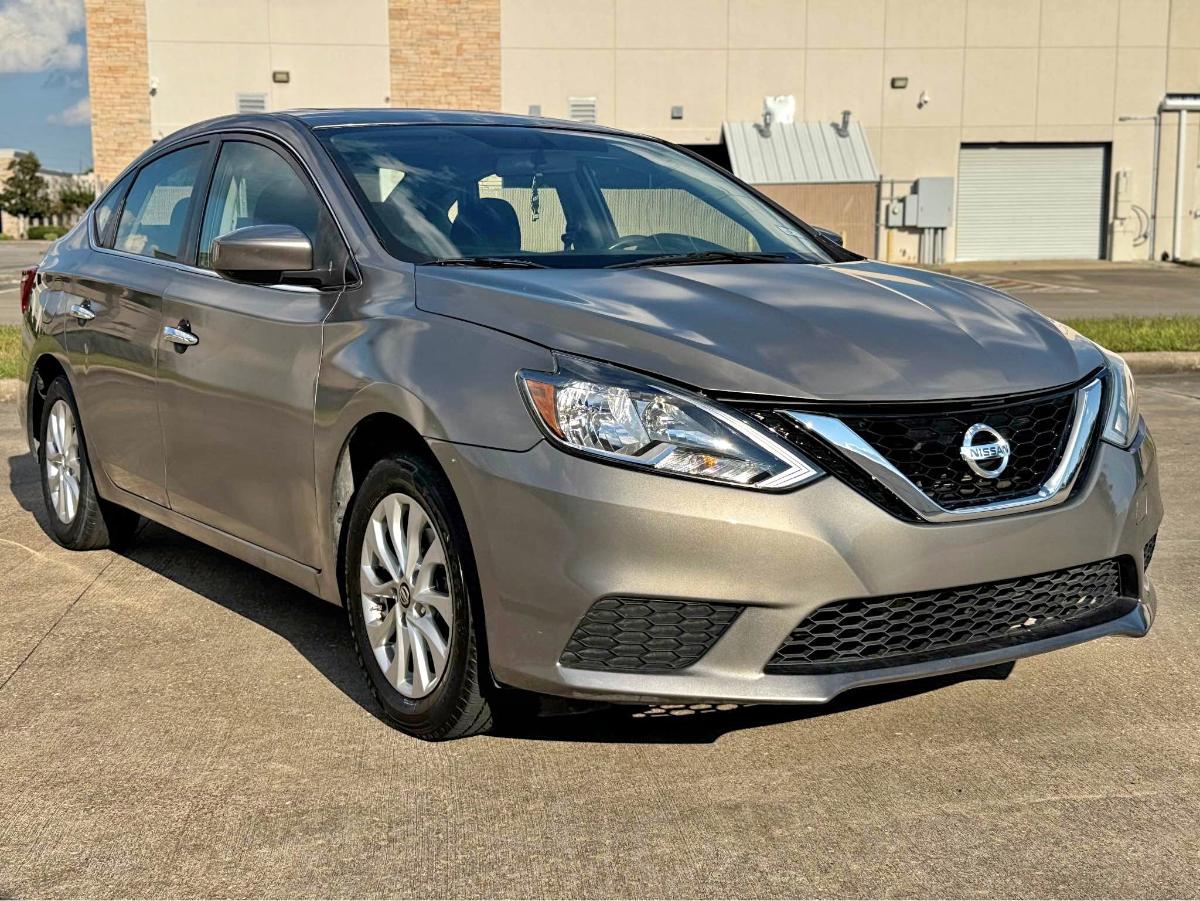
4. Nissan Sentra
The Nissan Sentra has quietly become one of the most underrated compact sedans for fuel-conscious drivers. While it may not receive as much attention as some competitors, the Sentra offers a comfortable ride, modern styling, and excellent fuel economy that frequently reaches or surpasses 35 MPG on the highway.
Nissan focused heavily on aerodynamics and efficiency when redesigning the Sentra. The result is a sedan that looks more premium while consuming less fuel than older generations. Its four-cylinder engine is optimized for smooth daily commuting rather than aggressive performance, allowing it to maintain impressive MPG figures without requiring hybrid assistance.
The continuously variable transmission contributes significantly to the Sentra’s fuel efficiency. By adjusting engine speed seamlessly according to driving conditions, the transmission helps reduce unnecessary fuel consumption during acceleration and highway cruising. Drivers who prioritize economical operation will appreciate the Sentra’s efficiency-oriented tuning.
Inside, the Sentra offers a surprisingly upscale atmosphere for its price range. Soft-touch materials, supportive seats, and a clean dashboard layout create a pleasant driving environment. Nissan’s Zero Gravity front seats are especially popular among commuters because they reduce fatigue during long drives.
Safety features stand out as a strong advantage for the Sentra. Nissan Safety Shield technologies include automatic emergency braking, rear cross-traffic alert, blind-spot monitoring, and lane departure warning. These systems help boost driver confidence when driving on busy highways and through congested city streets.
The Sentra also benefits from relatively low ownership costs. Insurance rates are generally affordable, fuel expenses remain low, and maintenance requirements are straightforward. For buyers seeking a non-hybrid compact sedan that comfortably exceeds 35 MPG while offering modern comfort and safety, the Nissan Sentra deserves serious consideration.
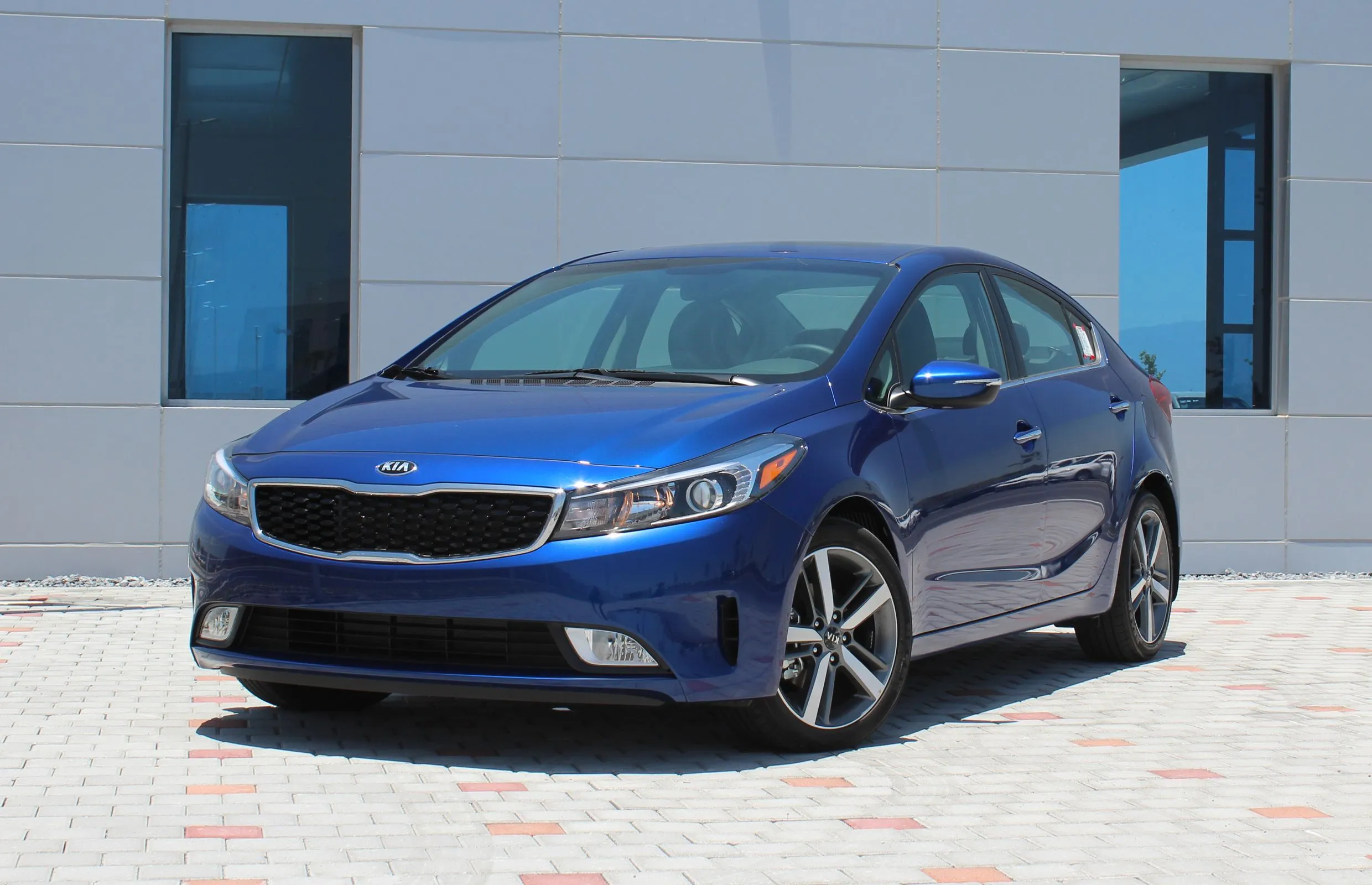
5. Kia Forte
The Kia Forte has emerged as a strong competitor in the compact sedan segment thanks to its attractive styling, generous features, and impressive fuel efficiency. Non-hybrid versions of the Forte can achieve over 35 MPG on the highway, making them ideal for drivers seeking economical transportation without moving to electrified powertrains.
Kia engineered the Forte with efficiency and affordability as key priorities. The car’s lightweight platform and aerodynamic body shape contribute significantly to reduced fuel consumption. Its efficient four-cylinder engine provides smooth acceleration for everyday driving while keeping operating costs low.
One area where the Forte stands out is value for money. Kia includes many features that are optional or unavailable in competing compact sedans. Depending on the trim, buyers may receive a large touchscreen display, wireless smartphone integration, heated seats, advanced safety systems, and premium interior materials at a relatively affordable price point.
The Forte’s interior offers impressive comfort for both drivers and passengers. Rear seat space is competitive within the segment, and trunk capacity is practical for daily errands or weekend travel. The cabin layout is intuitive, allowing drivers to access controls easily without distraction.
Kia’s driver assistance technologies further improve the ownership experience. Features such as lane keeping assist, forward collision warning, and adaptive cruise control help make long highway journeys safer and less stressful. Combined with excellent fuel economy, these systems contribute to the Forte’s appeal as a commuter-friendly vehicle.
Another advantage is Kia’s warranty coverage, which remains among the best in the automotive industry. Buyers seeking long-term peace of mind often appreciate the extended protection offered with new Forte models. For drivers who want a stylish, efficient, and feature-packed non-hybrid sedan capable of hitting 35 MPG, the Kia Forte delivers exceptional value.
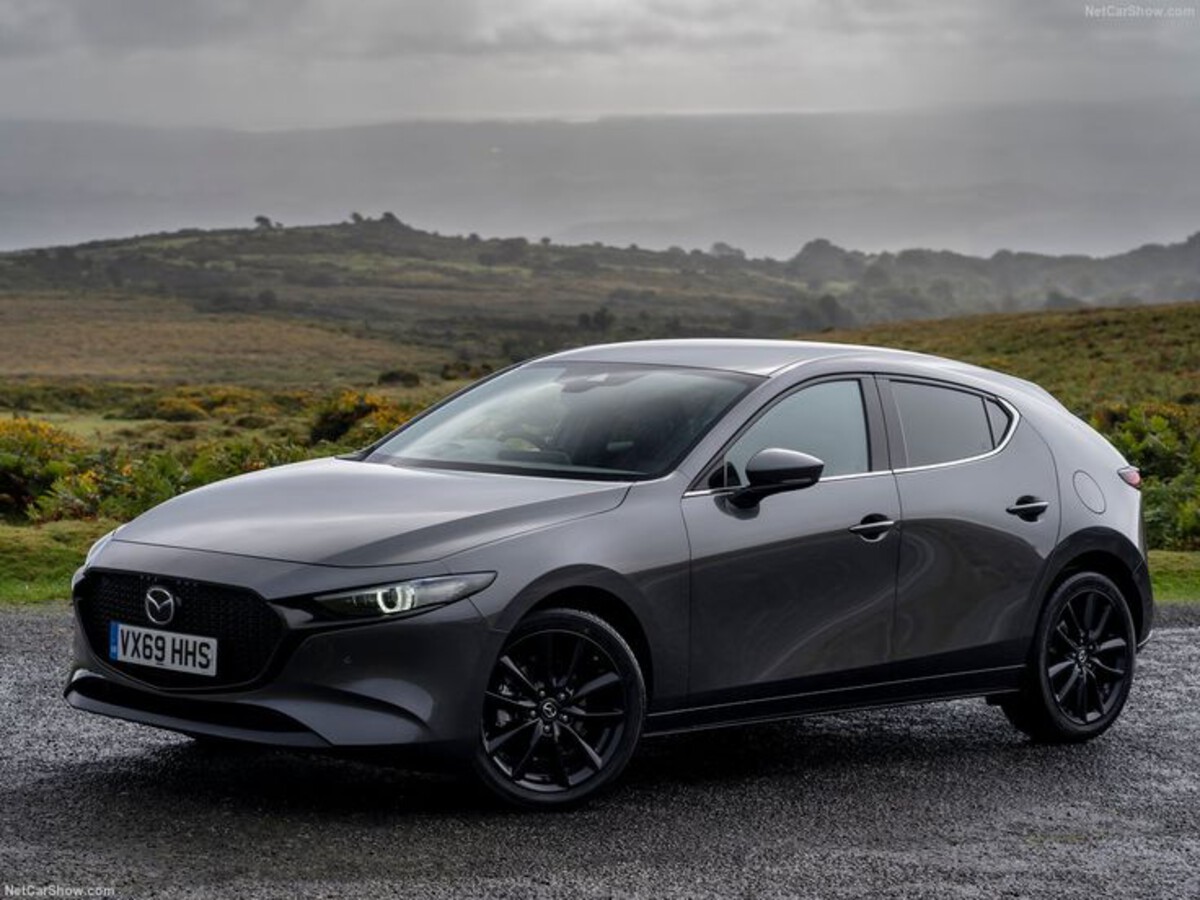
6. Mazda3
The Mazda3 is widely praised for offering a more premium driving experience than many competitors in the compact car category. Despite its sporty character and upscale feel, the Mazda3 still delivers excellent fuel economy in non-hybrid form, with several configurations achieving around 35 MPG on the highway.
Mazda has focused heavily on engineering efficiency without sacrificing driving enjoyment. The naturally aspirated Skyactiv engines used in the Mazda3 are designed to maximize combustion efficiency while maintaining responsive acceleration. Unlike some competitors that rely heavily on turbocharging, Mazda emphasizes smooth power delivery and refined performance.
The Mazda3’s design language gives it a sophisticated appearance that rivals more expensive vehicles. Sleek body lines, elegant proportions, and premium exterior finishes help the car stand out in a crowded compact segment. Buyers seeking style as well as efficiency often find the Mazda3 especially appealing.
High-quality materials, minimalistic dashboard design, and supportive seating create an environment that resembles entry-level luxury vehicles. Mazda also prioritizes driver engagement by positioning controls ergonomically and maintaining a focused cockpit layout.
Fuel efficiency remains impressive despite the Mazda3’s premium aspirations. Careful attention to aerodynamics and lightweight engineering allows the vehicle to maintain strong MPG numbers without compromising refinement. Highway driving is particularly efficient, making the car ideal for commuters and long-distance travelers.
Safety technology is another important strength. The Mazda3 includes features such as adaptive cruise control, lane departure warning, blind spot monitoring, and automatic emergency braking. Combined with precise handling and a comfortable ride, these systems help create a confident driving experience. For drivers wanting an efficient non-hybrid car that also feels refined and enjoyable to drive, the Mazda3 is an outstanding choice.
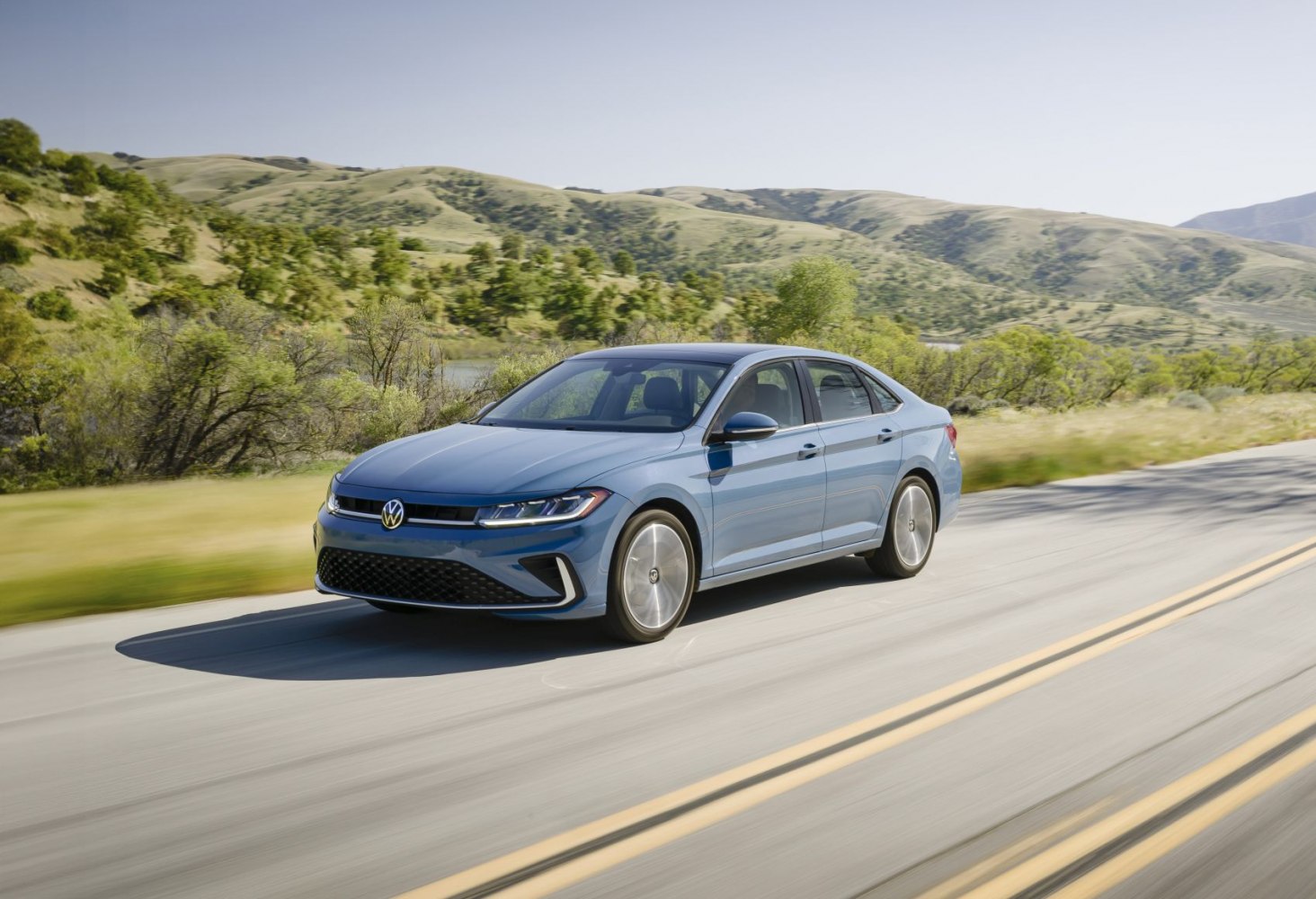
7. Volkswagen Jetta
The Volkswagen Jetta has built a reputation for delivering European driving refinement at an affordable price. One of its biggest strengths is excellent fuel economy, with many non-hybrid versions comfortably surpassing 35 MPG on the highway. This combination of efficiency and sophistication makes the Jetta an attractive option for practical-minded drivers.
Volkswagen equips the Jetta with a small turbocharged engine that balances power and fuel savings effectively. Turbocharging allows the engine to produce strong low-end torque while maintaining low fuel consumption during steady cruising. The result is a sedan that feels more energetic than many naturally aspirated rivals without sacrificing efficiency.
The Jetta’s ride quality is another highlight. Suspension tuning prioritizes stability and comfort, especially during highway travel. The cabin remains relatively quiet even at higher speeds, contributing to a more relaxed and refined driving experience compared to many compact sedans.
Interior quality also helps the Jetta stand out. Volkswagen uses clean design elements and intuitive controls that create a mature and sophisticated atmosphere. Passenger space is generous, particularly in the rear seats, making the Jetta practical for families and frequent travelers.
Technology features include digital instrumentation, smartphone connectivity, and various driver assistance systems. Depending on the trim level, buyers may also receive adaptive cruise control, blind spot monitoring, and front collision warning systems that improve safety and convenience.
The Jetta’s fuel efficiency makes it particularly appealing for highway commuters who spend long hours on the road. Its turbocharged engine performs efficiently at cruising speeds, helping drivers reduce fuel expenses over time. For buyers seeking a non-hybrid sedan with European character and 35 MPG capability, the Volkswagen Jetta remains a compelling choice.
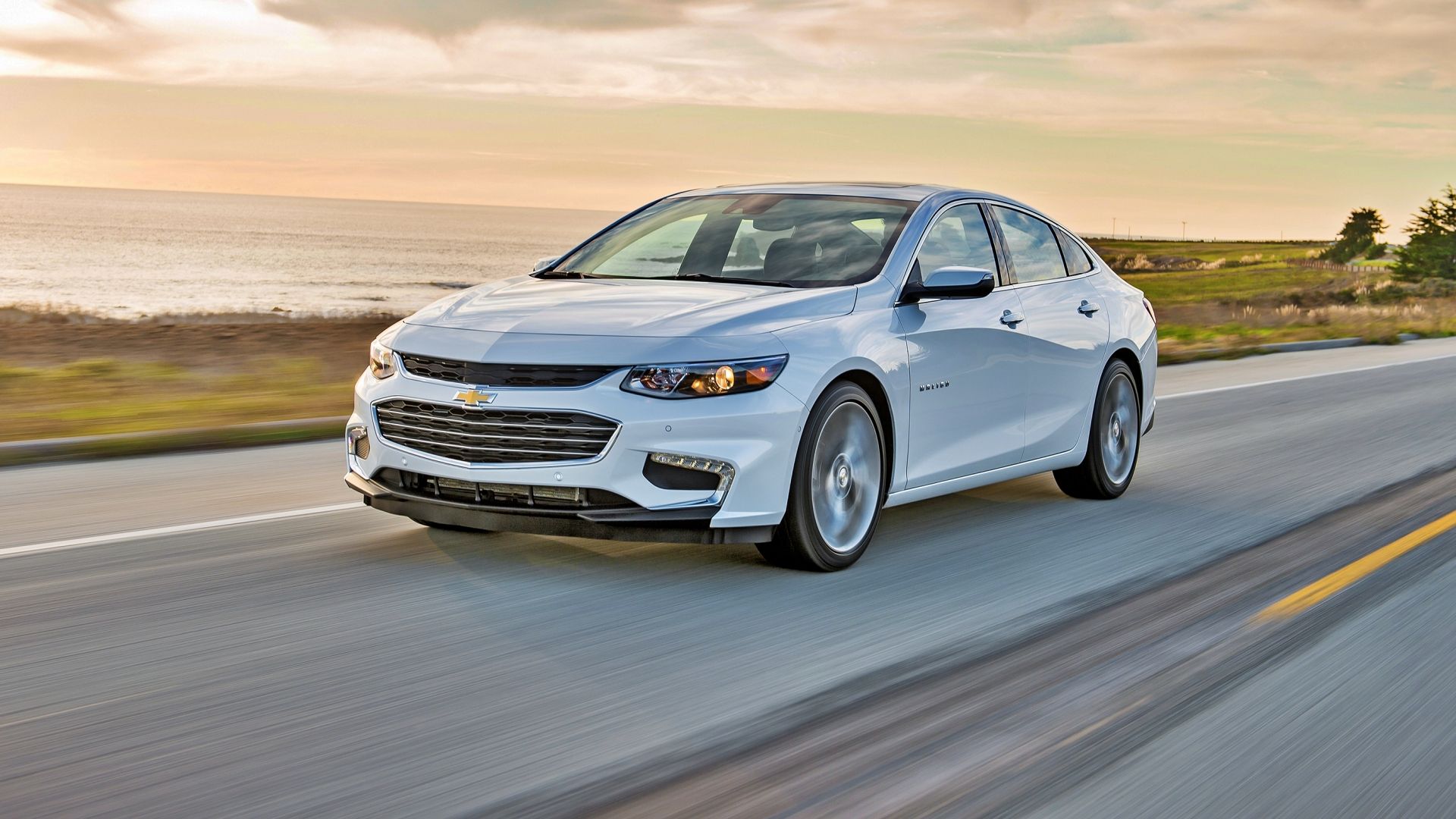
8. Chevrolet Malibu
The Chevrolet Malibu demonstrates that midsize sedans can still achieve impressive fuel economy without relying on hybrid technology. While many efficient vehicles belong to the compact category, the Malibu offers more interior space and comfort while still delivering highway fuel economy numbers that approach or exceed 35 MPG in certain configurations.
Chevrolet designed the Malibu with a focus on aerodynamic efficiency and reduced weight. Its turbocharged engine delivers adequate power for daily driving while maintaining competitive fuel economy figures. The vehicle’s transmission is calibrated to maximize efficiency during highway cruising, helping drivers save fuel during long trips.
One of the Malibu’s strongest advantages is cabin space. Passengers benefit from roomy seating arrangements and a comfortable ride quality that suits family use and extended travel. The trunk is also large enough for luggage, groceries, or recreational equipment, enhancing the car’s practicality.
The Malibu’s infotainment system includes user-friendly controls, smartphone integration, and available advanced connectivity features. Chevrolet has worked to make the cabin technologically modern while preserving simplicity for everyday use. Drivers who spend significant time commuting will appreciate the comfortable seating and quiet interior.
Safety technologies available in the Malibu include forward collision alert, lane keeping assist, rear parking sensors, and automatic emergency braking. These systems improve driver confidence and contribute to safer highway travel, where fuel economy is often strongest.
Another benefit of the Malibu is its balance between affordability and comfort. Buyers who want more passenger room than a compact sedan without sacrificing fuel efficiency may find the Malibu especially appealing. For drivers seeking a practical midsize non-hybrid sedan capable of reaching 35 MPG, the Chevrolet Malibu continues to offer strong value.
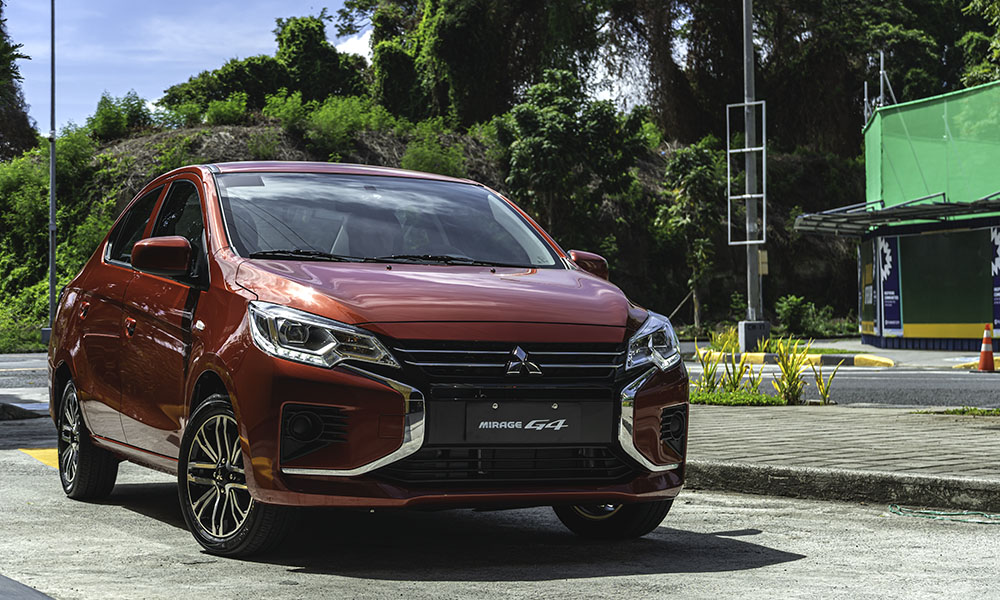
9. Mitsubishi Mirage
The Mitsubishi Mirage is one of the most fuel-efficient non-hybrid cars available today. Although it is smaller and less powerful than many competitors, the Mirage excels at minimizing fuel consumption and keeping ownership costs extremely low. In many real-world conditions, the Mirage easily exceeds 35 MPG and often approaches hybrid-like efficiency figures.
Mitsubishi designed the Mirage primarily for economical transportation. Its lightweight construction plays a major role in achieving excellent fuel economy. The small three-cylinder engine consumes minimal fuel while providing enough performance for city commuting and moderate highway driving.
One of the Mirage’s biggest advantages is affordability. It is often among the least expensive new cars available, making it highly attractive for first-time buyers, students, and budget-conscious drivers. Low purchase prices combined with exceptional fuel economy create extremely low operating costs.
Despite its compact size, the Mirage remains well-suited for urban driving. Its small footprint makes parking effortless, maneuverability is excellent, and visibility is generally clear. Drivers dealing with crowded city streets often value the Mirage’s straightforward design and focus on efficiency.
Maintenance costs are typically low as well. The Mirage’s straightforward mechanical design helps keep repairs affordable, and insurance expenses are often reasonable. For drivers primarily concerned with reducing transportation expenses, few vehicles can match the Mirage’s economical operation.
While the Mirage may not offer the premium feel or strong performance of some larger competitors, it succeeds remarkably well in its intended role as an affordable fuel saver. Drivers who prioritize efficiency above all else will appreciate the Mirage’s ability to exceed 35 MPG without any hybrid components. It remains one of the clearest examples that traditional gasoline-powered cars can still deliver outstanding economy in today’s market.
