
Vehicle safety has become one of the most important deciding factors for car buyers worldwide, especially in the SUV segment, which continues to dominate global automotive sales in 2026. Families, commuters, and long-distance travelers are prioritizing crash protection, advanced driver assistance systems, and real-world survivability over styling or performance alone.
As a result, organizations such as the Insurance Institute for Highway Safety (IIHS) and the National Highway Traffic Safety Administration (NHTSA) have significantly tightened their testing protocols to reflect modern driving risks, including pedestrian protection, side-impact collisions, and small overlap frontal crashes.
In 2026, safety testing has become more demanding than ever before. The IIHS now requires stronger rear passenger protection and improved crash avoidance systems for its Top Safety Pick+ award. Meanwhile, NHTSA continues to maintain its widely recognized 5-star rating system, which evaluates frontal crash, side impact, rollover risk, and structural integrity.
Together, these two organizations provide the most trusted benchmark for SUV safety in the United States and influence global automotive standards.
Modern SUVs are no longer just large, heavy vehicles designed for road presence. They are now engineered with advanced safety cages, high-strength steel structures, multiple airbag systems, and intelligent driver assistance technologies such as automatic emergency braking, lane keeping assist, blind spot intervention, and pedestrian detection.
Many 2026 models also integrate semi-autonomous safety systems that actively prevent collisions before they happen, further improving real-world safety outcomes.
According to recent compiled safety rankings, only a select group of SUVs manages to achieve top marks across both IIHS and NHTSA evaluations. These vehicles consistently perform well in moderate overlap front crash tests, side-impact evaluations, roof strength assessments, and crash avoidance scenarios. Importantly, they also show strong results in protecting rear-seat passengers, an area that has become a key focus in newer testing protocols.
This article explores the 10 SUVs with the best crash test scores in 2026, based on verified top-tier safety performance. Each vehicle listed has either achieved IIHS Top Safety Pick+ status, a 5-star NHTSA rating, or both. These SUVs represent the highest standard of safety engineering currently available in the automotive industry, making them the top choices for buyers who prioritize protection above all else.
Also Read: 10 Cars With Insurance Premiums Lower Than a Compact Sedan
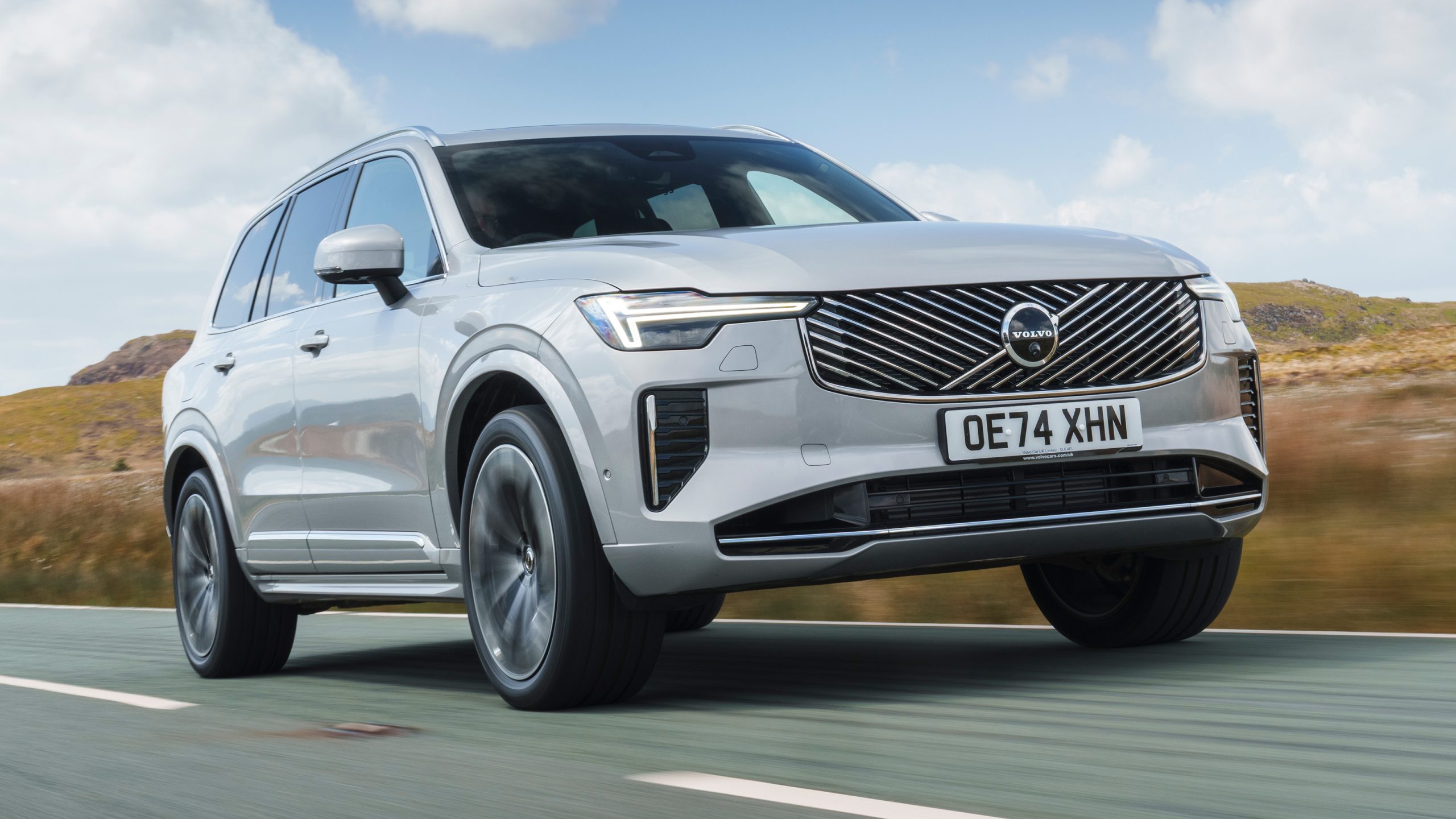
1. Volvo XC90
The Volvo XC90 continues its long-standing reputation as one of the safest SUVs in the world and remains a benchmark for crash protection in the luxury SUV category. Volvo has built its entire brand identity around safety engineering, and the XC90 reflects this philosophy through its extremely strong crash structure, advanced restraint systems, and deep integration of preventive safety technologies.
In crash testing environments conducted by both IIHS and NHTSA, the XC90 consistently performs at the highest level, especially in side-impact and frontal collision scenarios where occupant survival space is critical. The vehicle’s cabin is constructed using ultra-high-strength boron steel, which helps distribute crash forces away from passengers and significantly reduces deformation during high-speed impacts. This structural rigidity plays a key role in its exceptional safety ratings.
Beyond passive safety, the XC90 is equipped with a comprehensive suite of active driver assistance features designed to reduce accident probability in real-world driving. These include automatic emergency braking, blind spot monitoring, lane keeping assist, cross traffic alert, and pedestrian detection systems that actively intervene when a potential collision is detected.
The vehicle also uses radar and camera fusion technology to maintain situational awareness around the SUV at all times. What makes the XC90 stand out is not just its ability to protect occupants during a crash, but its ability to prevent crashes from happening in the first place. This dual-layer safety approach is why it continues to rank among the top safest SUVs globally in 2026.
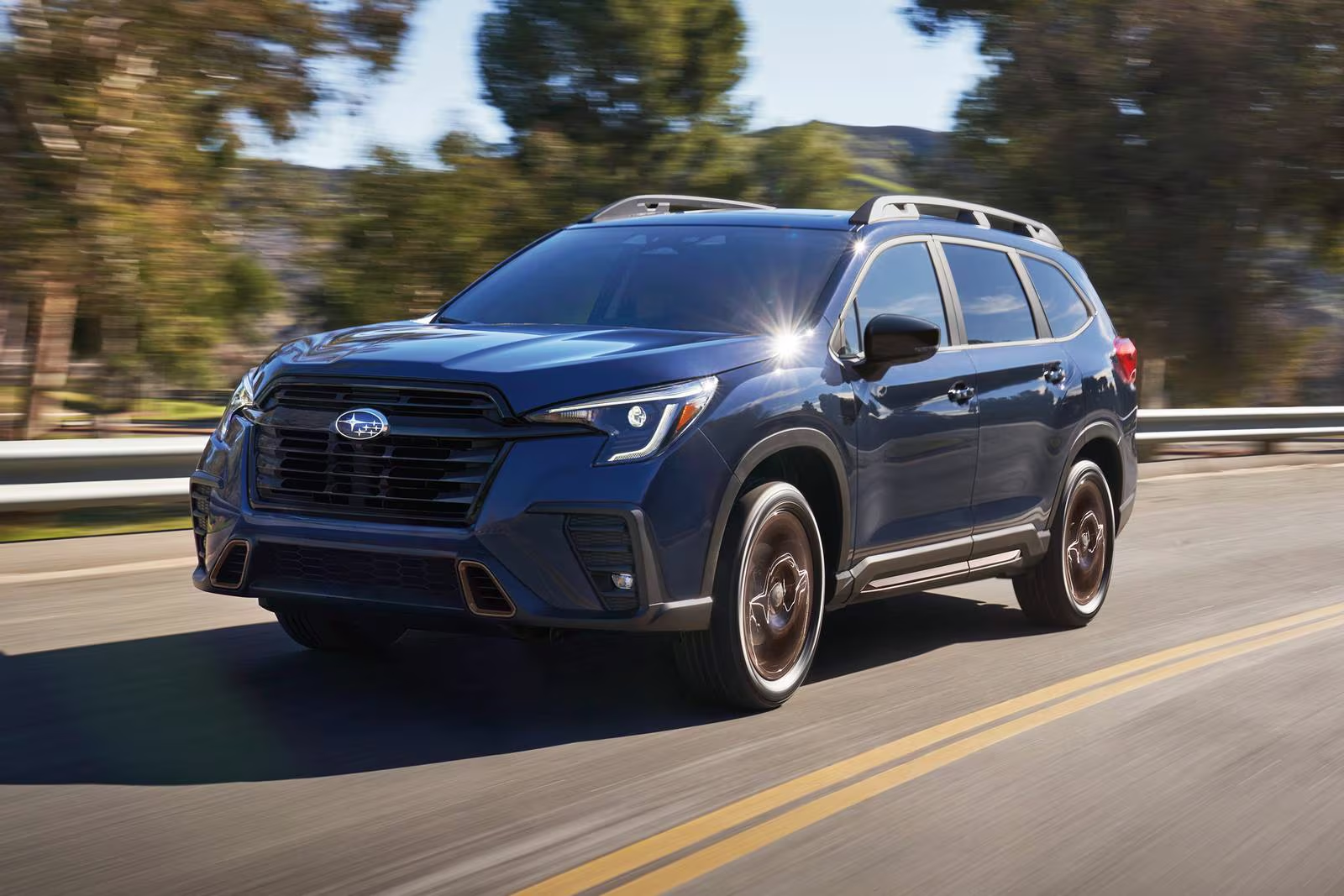
2. Subaru Ascent
The Subaru Ascent has earned a strong reputation as one of the safest mainstream three-row SUVs available, largely due to Subaru’s long-standing commitment to safety-focused engineering and symmetrical all-wheel-drive systems. In crash testing performed by IIHS, the Ascent consistently achieves top ratings in nearly every category, including the challenging small overlap front test, which simulates collisions where only a small portion of the front structure absorbs impact.
Its ability to maintain passenger cabin integrity in such scenarios highlights the strength of its reinforced frame and energy-absorbing crumple zones. Additionally, its balanced drivetrain contributes to superior stability on slippery or uneven road surfaces, reducing the likelihood of rollover incidents.
The Subaru Ascent also benefits from the brand’s EyeSight Driver Assist Technology, which is widely recognized as one of the most effective standard safety systems in the automotive industry. This system integrates adaptive cruise control, pre-collision braking, lane centering, and sway warning functions that actively monitor driver behavior and surrounding traffic conditions.
The combination of structural strength and advanced collision prevention technology allows the Ascent to consistently achieve Top Safety Pick+ recognition from IIHS. For families seeking a spacious SUV with proven crash protection and reliable real-world safety performance, the Ascent remains one of the strongest options in 2026.
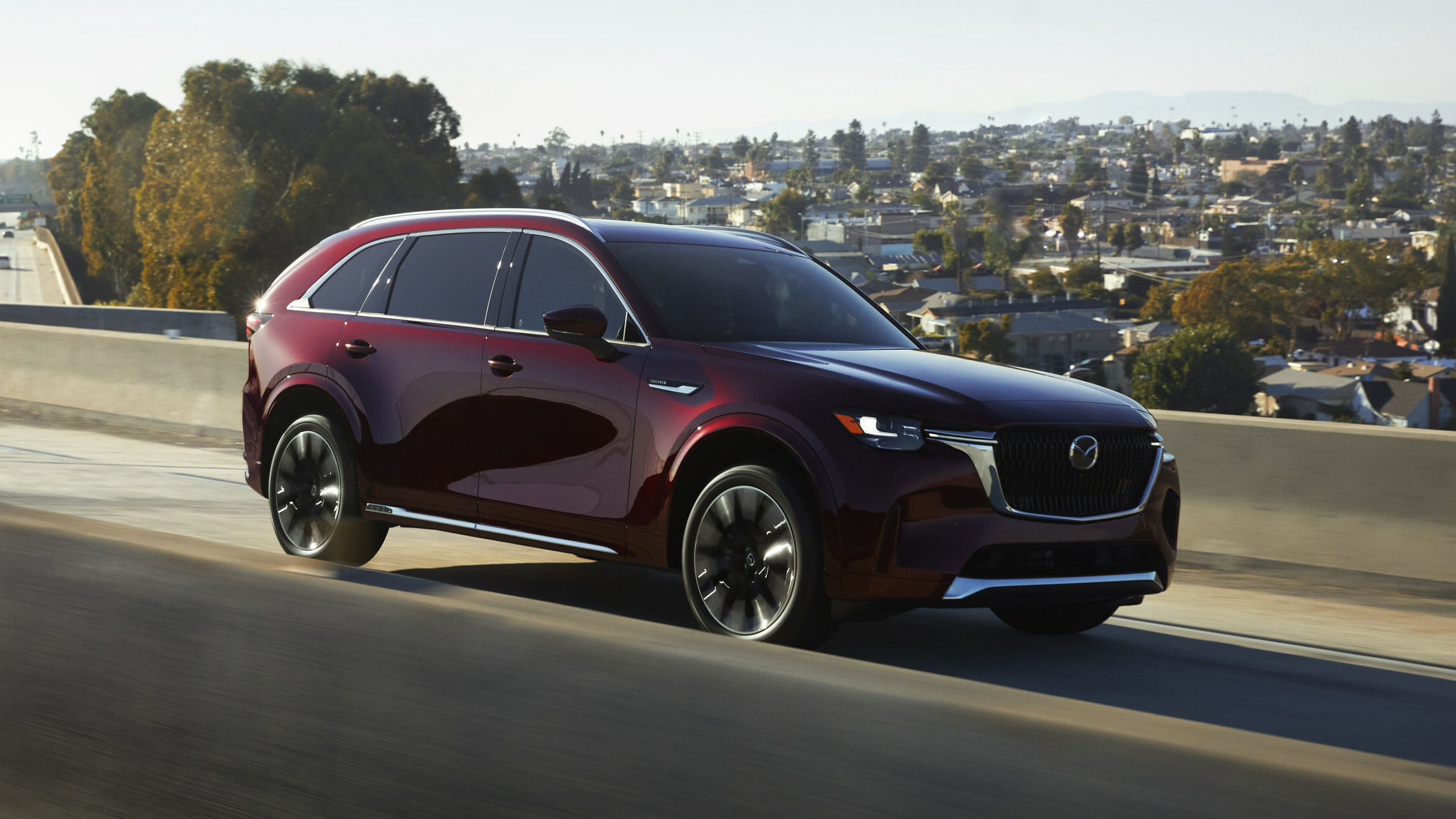
3. Mazda CX-90
The Mazda CX-90 represents a significant advancement in Mazda’s safety engineering philosophy and has quickly become one of the strongest-performing SUVs in crash test evaluations. Built on a newly developed rear-wheel-biased platform, the CX-90 benefits from improved weight distribution, enhanced stability, and a lower risk of rollover compared to many traditional front-wheel-drive SUVs.
In IIHS testing, it performs exceptionally well in both frontal and side-impact scenarios, with particular strength in rear-seat occupant protection, which has become an increasingly important factor in modern safety evaluations. The vehicle’s structural rigidity allows it to absorb and redirect crash energy efficiently, minimizing the force transferred to passengers inside the cabin.
Mazda has also integrated a wide range of intelligent safety systems into the CX-90 that focus on preventing collisions before they occur. These include adaptive cruise control, lane departure prevention, blind spot monitoring, and automatic emergency braking with pedestrian detection.
The system continuously analyzes road conditions and driver inputs to reduce the likelihood of human error, which remains the leading cause of accidents globally. What sets the CX-90 apart is its ability to combine engaging driving dynamics with serious crash protection capabilities, making it one of the most balanced and safety-oriented SUVs in the midsize segment for 2026.
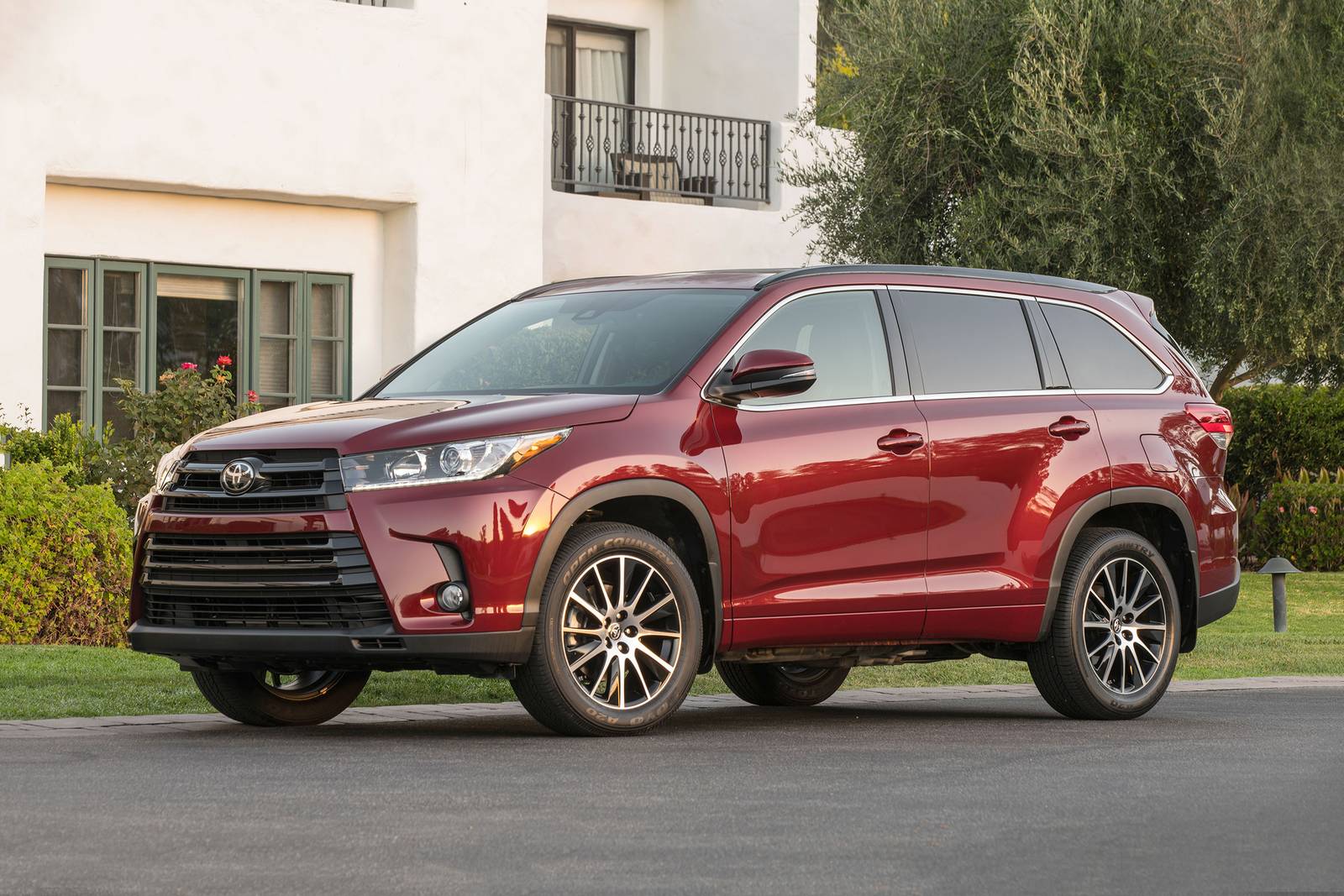
4. Toyota Highlander
The Toyota Highlander continues to be one of the most trusted midsize SUVs in terms of safety, reliability, and long-term durability. Its strong performance in crash testing is a result of Toyota’s consistent focus on structural engineering and real-world accident prevention systems.
In both IIHS and NHTSA evaluations, the Highlander regularly achieves top-tier scores across all major crash categories, including frontal, side, and rollover assessments. Its reinforced passenger cell design helps maintain structural integrity during high-impact collisions, ensuring that occupants are well protected even in severe crash scenarios.
In addition to its strong physical construction, the Highlander is equipped with Toyota Safety Sense, a comprehensive suite of driver assistance features that significantly enhances its accident avoidance capabilities. This system includes pre-collision warning with pedestrian detection, lane departure alert with steering assist, adaptive cruise control, and automatic high beams.
These features work together to reduce driver fatigue and improve reaction time in complex driving environments. The Highlander’s reputation for safety is further strengthened by its consistent reliability record, making it a preferred choice for families who prioritize both crash protection and long-term dependability.
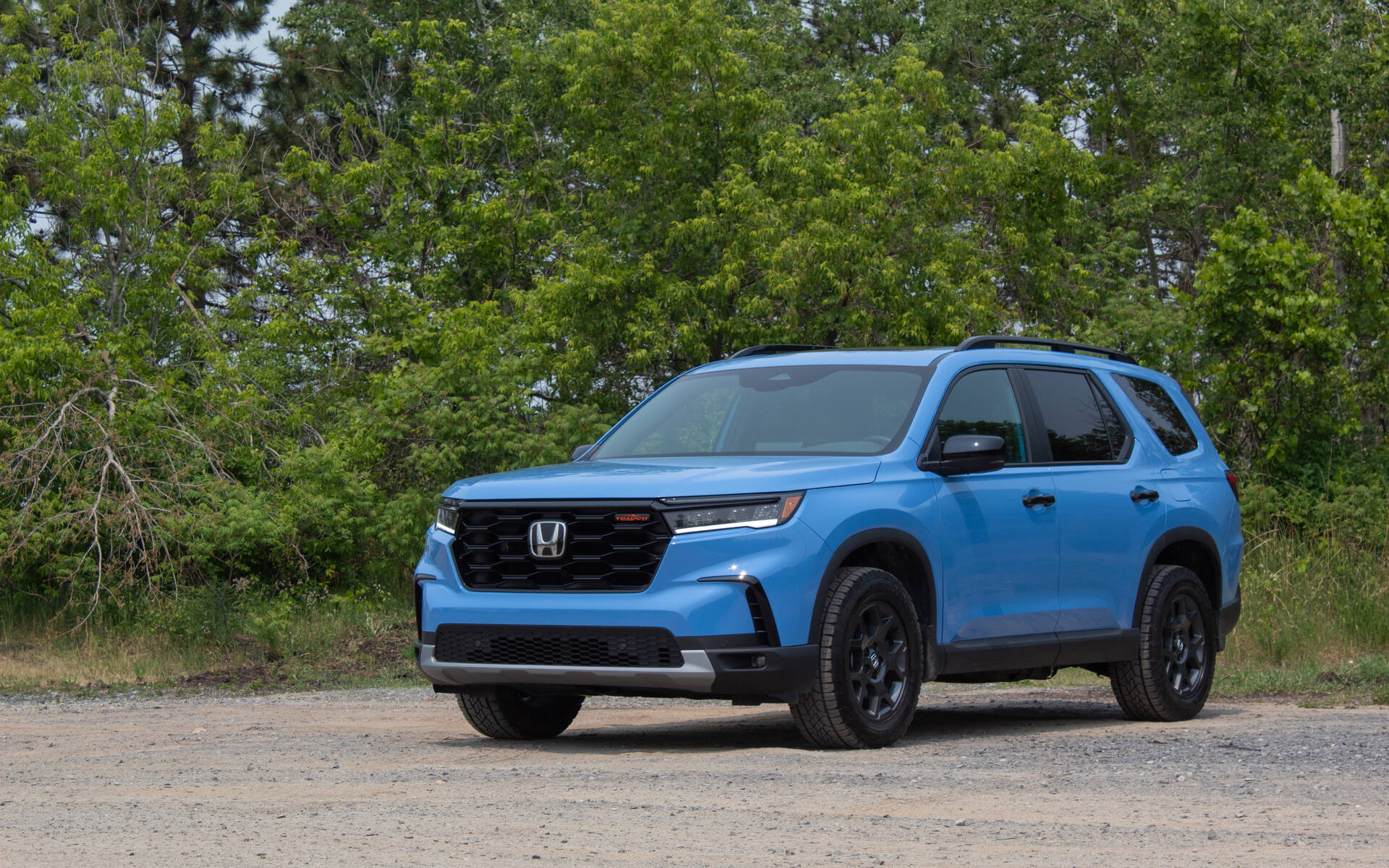
5. Honda Pilot
The Honda Pilot is another standout in the midsize SUV category, known for its strong crash test performance and practical family-oriented design. It has consistently received high ratings from both IIHS and NHTSA due to its well-engineered body structure and advanced restraint systems.
The Pilot’s frame is designed to distribute crash forces evenly across the vehicle, reducing the risk of intrusion into the passenger cabin during frontal or side-impact collisions. Its roof strength and side-impact resistance also contribute to its strong safety profile, making it a dependable choice for large families.
Honda has equipped the Pilot with its Honda Sensing safety suite, which includes collision mitigation braking, road departure mitigation, adaptive cruise control, and lane keeping assist. These technologies actively monitor traffic conditions and driver behavior to reduce accident risk in real time.
The system is especially effective on highways and long-distance travel routes, where fatigue-related errors are more common. The combination of strong structural engineering and intelligent driver assistance makes the Honda Pilot one of the most consistently safe SUVs in its segment for 2026.
Also Read: 10 Cars That Survive Being Used as Daily Uber Vehicles
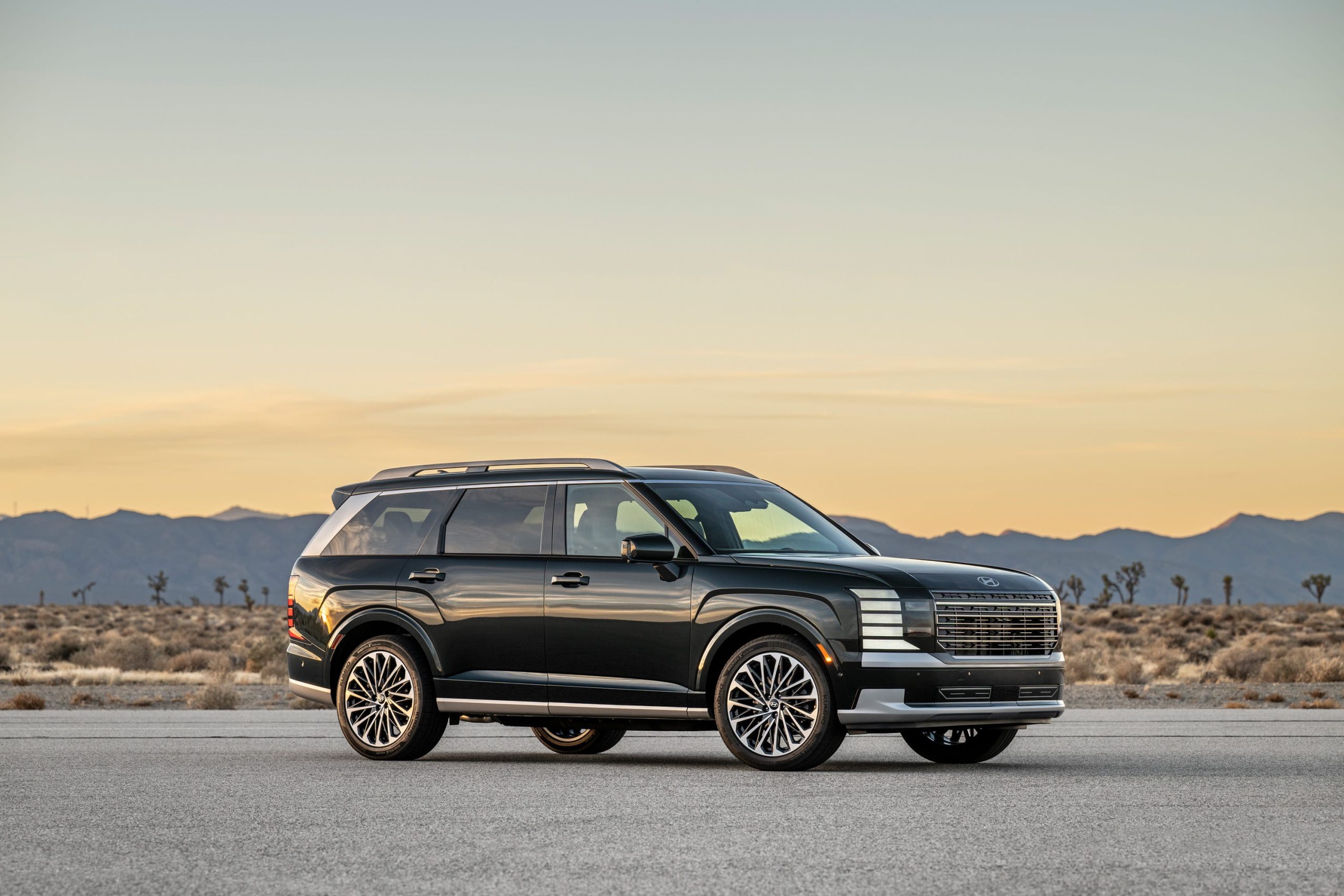
6. Hyundai Palisade
The Hyundai Palisade has established itself as one of the most well-rounded, safety-focused SUVs in the midsize segment, offering a compelling combination of affordability, structural strength, and advanced crash prevention technology.
In official crash testing conducted by both IIHS and NHTSA, the Palisade consistently earns high ratings across frontal, side, and rollover evaluations, reflecting Hyundai’s strong emphasis on passenger protection. The vehicle is built on a rigid body structure that uses high-strength steel in key stress areas, allowing it to absorb and redirect crash energy efficiently during high-impact collisions.
This design helps maintain a stable passenger compartment, which is one of the most critical factors in survival rates during severe accidents. Additionally, the Palisade’s roof structure and side-impact resistance contribute significantly to its ability to protect occupants in both rollover and lateral collision scenarios, making it a dependable option for families with multiple passengers.
Beyond its structural integrity, the Palisade is equipped with Hyundai’s SmartSense safety suite, which includes a wide range of active driver assistance features designed to reduce the likelihood of collisions before they occur. These include forward collision avoidance assist with pedestrian detection, lane keeping assist, blind spot collision warning, rear cross traffic alert, and safe exit assist.
Together, these systems continuously monitor surrounding traffic conditions and provide real-time alerts or corrective actions when necessary. One of the most important aspects of the Palisade’s safety design is its focus on protecting occupants in all three rows, ensuring that even rear passengers benefit from advanced safety engineering. This makes the Palisade especially appealing to large families who prioritize both space and crash protection in a single vehicle.
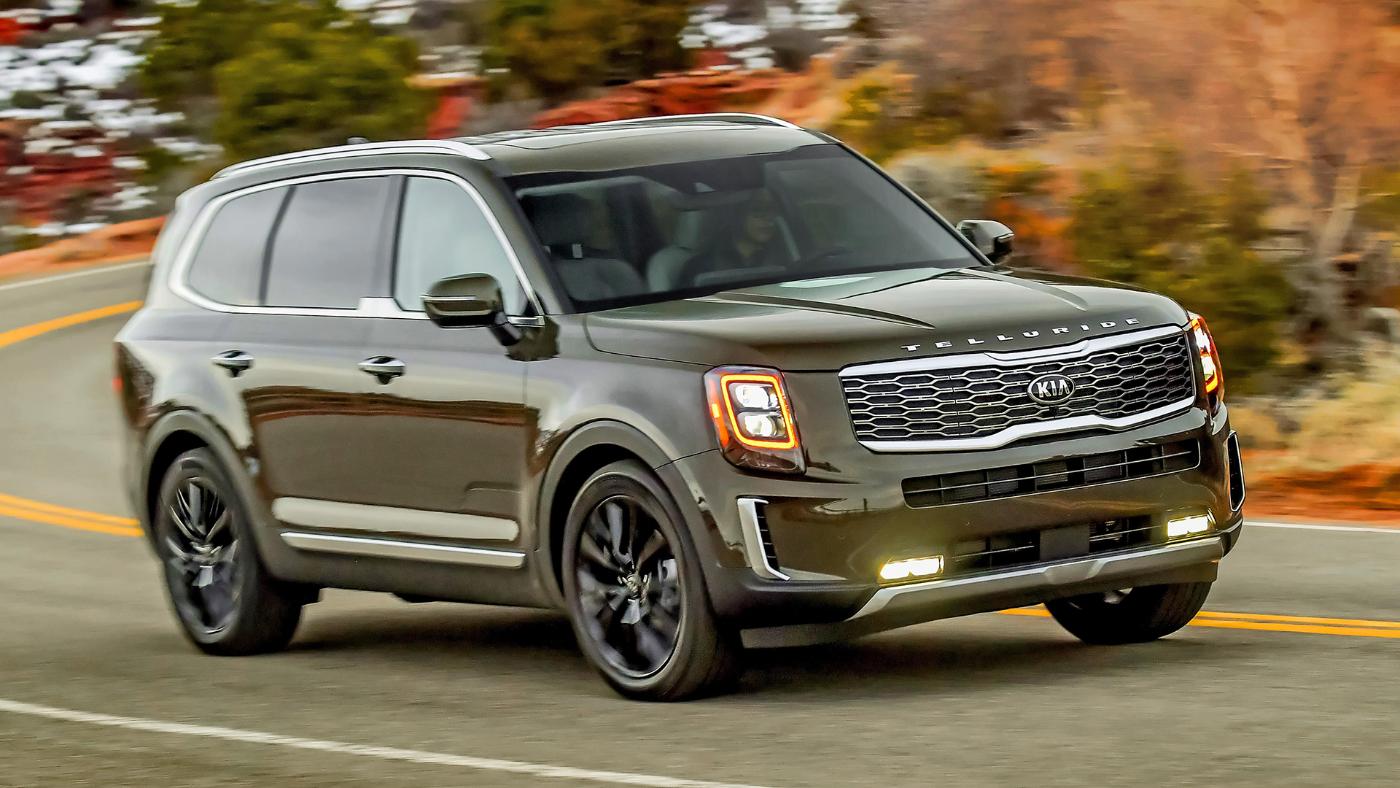
7. Kia Telluride
The Kia Telluride has quickly become one of the most awarded midsize SUVs in terms of safety and value, consistently achieving top-tier crash test ratings from both IIHS and NHTSA. Its strong performance in side-impact and moderate overlap front crash tests is largely due to its reinforced frame structure, which is designed to distribute crash forces evenly throughout the vehicle body.
This helps reduce localized impact stress on passengers, significantly improving survival outcomes during serious accidents. The Telluride also demonstrates excellent stability characteristics, which reduce the risk of rollover incidents, especially during sudden maneuvers or high-speed emergency situations. Its structural engineering places it among the safest three-row SUVs available in the mainstream market.
In addition to its physical safety architecture, the Telluride incorporates a comprehensive suite of driver assistance technologies that enhance both accident prevention and driver awareness. These include forward collision avoidance assist, lane keeping assist, lane following assist, blind spot monitoring, and driver attention warning systems that detect signs of fatigue or distraction.
These technologies are particularly effective in reducing human error, which remains one of the leading causes of road accidents worldwide. The Telluride also benefits from a spacious interior design that ensures adequate crash protection zones for all passengers, including third-row occupants. This combination of structural durability, advanced safety technology, and family-focused design makes the Kia Telluride one of the most dependable and safest SUVs in its class for 2026.
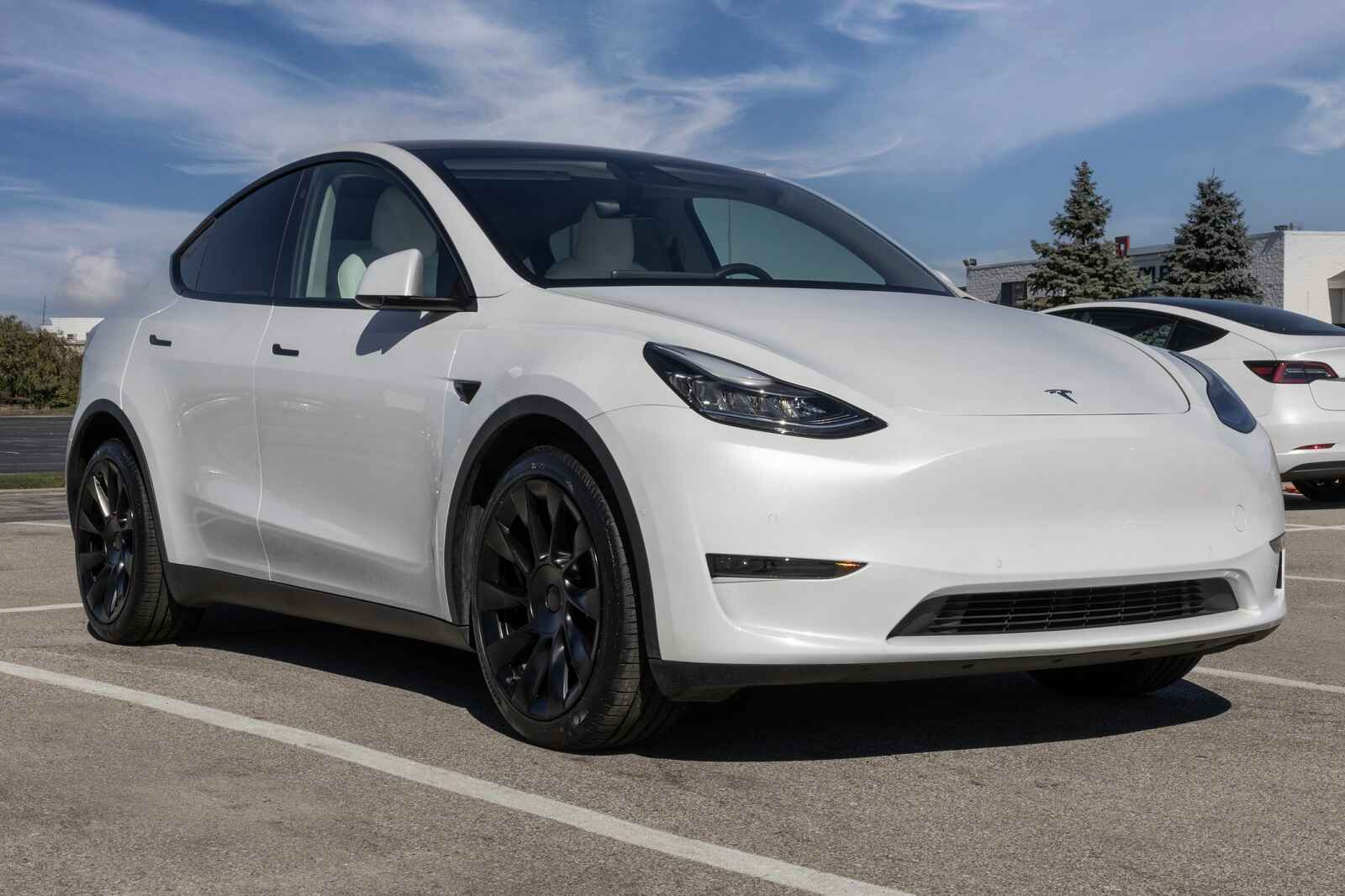
8. Tesla Model Y
The Tesla Model Y stands out in the SUV safety segment due to its unique electric vehicle architecture, which plays a significant role in its strong crash test performance. One of the key advantages of the Model Y is its low center of gravity, made possible by the placement of its heavy battery pack beneath the vehicle floor.
This design dramatically reduces the risk of rollover accidents, which are among the most dangerous types of SUV crashes. In addition, the rigid battery structure enhances body stiffness, allowing the vehicle to distribute crash energy more efficiently during frontal and side-impact collisions. As a result, the Model Y consistently earns high safety ratings from global testing agencies, including strong results from both IIHS and NHTSA evaluations.
Tesla’s safety performance is further strengthened by its advanced driver assistance system, known as Autopilot and its enhanced safety features. These systems include automatic emergency braking, forward collision warning, lane departure avoidance, and adaptive cruise control with traffic-aware capabilities.
While these features do not replace driver responsibility, they significantly reduce the likelihood of collisions by actively monitoring road conditions and responding faster than human reflexes in certain scenarios. The Model Y also benefits from continuous software updates that improve safety functionality over time, making it one of the few vehicles whose safety systems evolve after purchase.
This combination of structural safety and intelligent software-driven protection makes the Model Y one of the most advanced and safest electric SUVs in 2026.
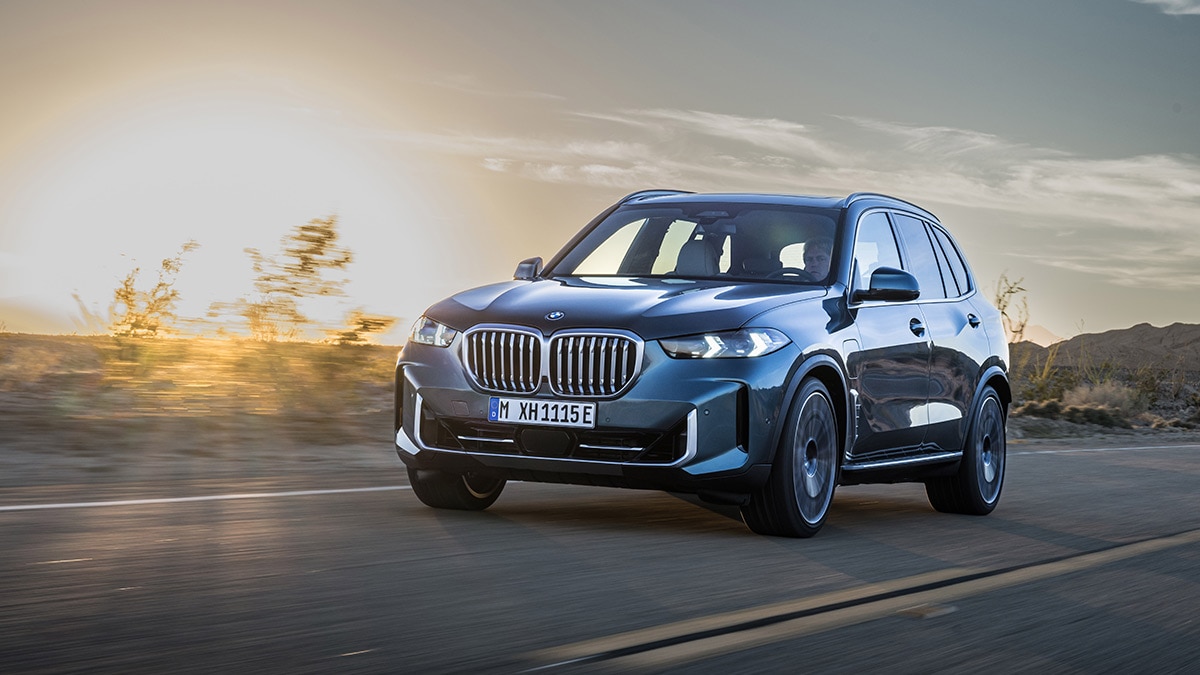
9. BMW X5
The BMW X5 represents a strong balance between luxury performance and high-level crash safety engineering, making it one of the most trusted premium SUVs in its category. It consistently performs well in IIHS and NHTSA crash evaluations, particularly in frontal and side-impact tests where structural rigidity and occupant protection are critical.
The X5 is built using a combination of high-strength steel and lightweight aluminum materials, which enhances both crash absorption and vehicle stability. This carefully engineered structure ensures that impact forces are distributed away from the passenger cabin, significantly reducing the risk of injury during collisions. Additionally, the X5’s rollover resistance is improved by its balanced weight distribution and advanced chassis design, which help maintain control in emergency driving situations.
Inside the BMW X5, a wide range of intelligent safety systems work together to enhance driver awareness and reduce accident risk. These include lane departure warning, blind spot detection, frontal collision warning with city braking, and adaptive cruise control with stop-and-go functionality.
The vehicle also features BMW’s Driving Assistant Professional system, which integrates semi-autonomous driving support functions designed to assist the driver in complex traffic environments. These technologies are particularly useful on highways and urban roads, where sudden braking or lane changes can lead to accidents.
The combination of premium build quality, advanced driver assistance systems, and strong crash test performance makes the BMW X5 one of the safest luxury SUVs available in 2026.
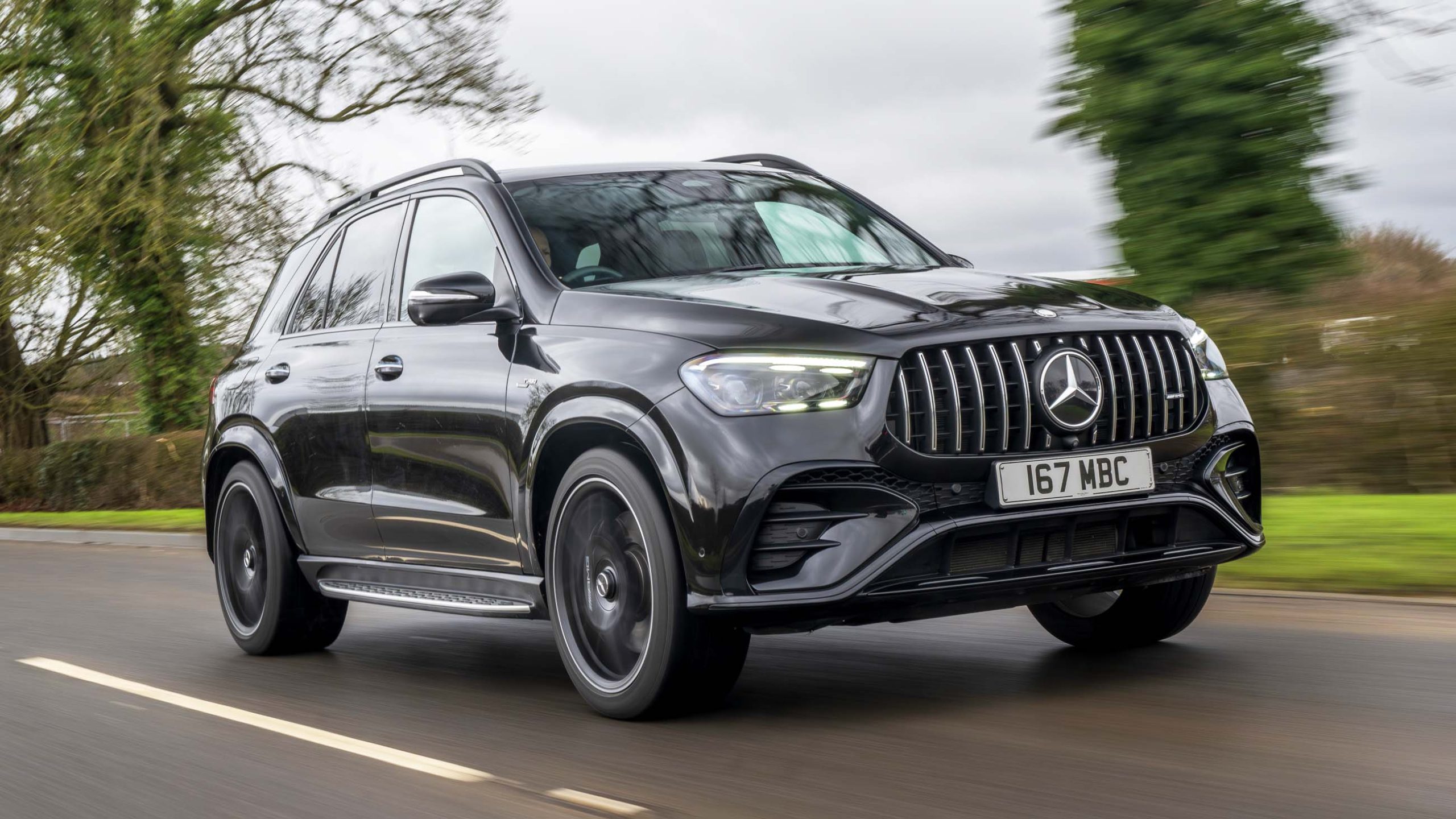
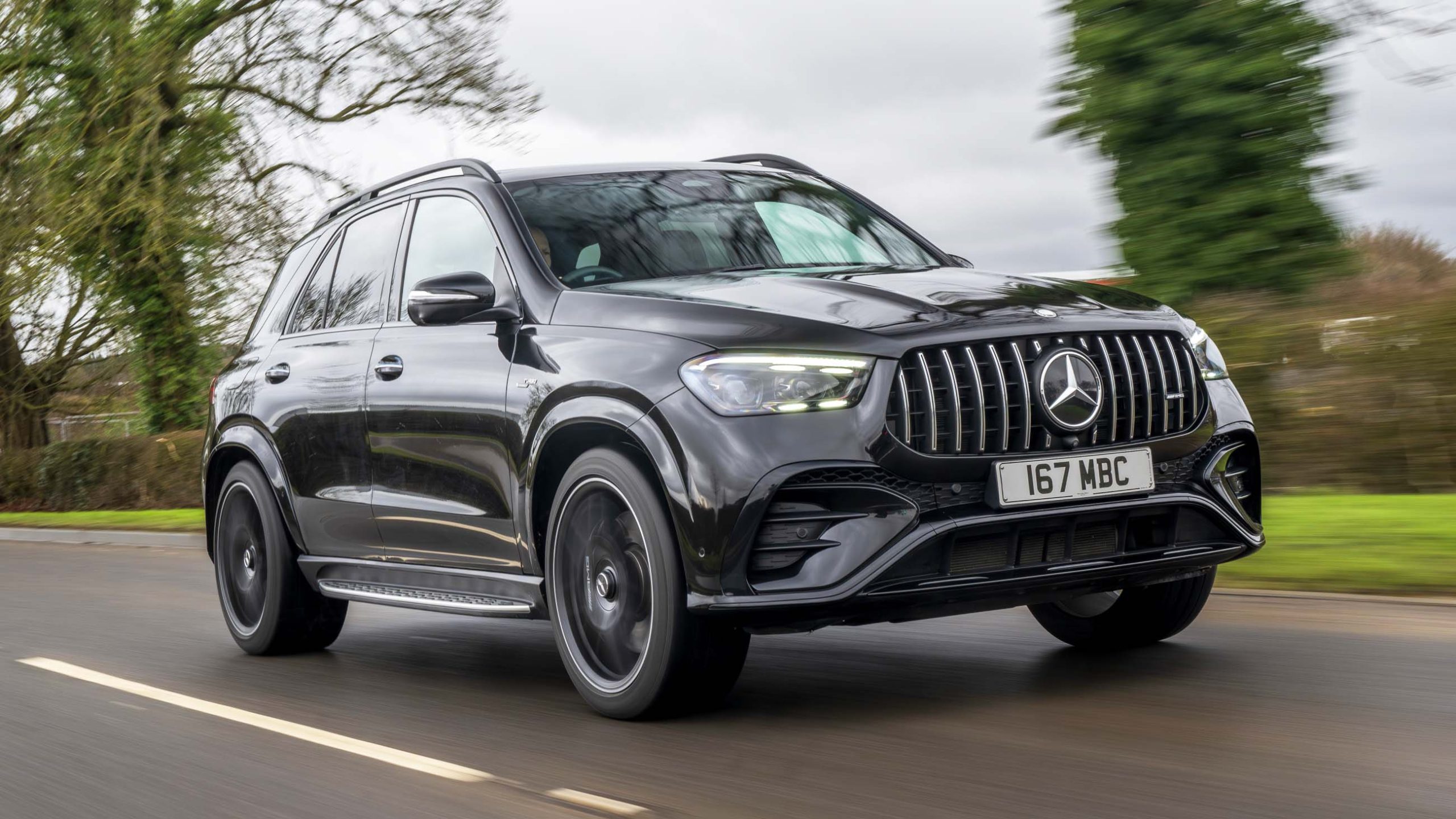
10. Mercedes-Benz GLE
The Mercedes-Benz GLE is widely regarded as one of the most technologically advanced and safety-focused luxury SUVs in the world, offering a comprehensive blend of crash protection and preventive safety systems. In crash testing, the GLE consistently achieves high ratings across all major categories, including frontal impact, side impact, and rollover resistance.
Its body structure is engineered using a mix of ultra-high-strength steel and energy-absorbing materials that work together to maintain cabin integrity during severe collisions. The vehicle’s design also includes strategically placed crumple zones that help dissipate crash energy before it reaches passengers, significantly improving occupant safety outcomes.
One of the standout features of the GLE is its PRE-SAFE system, which actively prepares the vehicle and its occupants for an impending collision by tightening seatbelts, adjusting seat positions, and closing windows automatically.
In addition to this predictive safety technology, the GLE includes active brake assist, blind spot monitoring, lane keeping assist, and crosswind stabilization systems that enhance control and reduce accident risk in real time.
These features work together to create a multi-layered safety environment that not only protects occupants during a crash but also actively works to prevent crashes from occurring in the first place. The Mercedes-Benz GLE’s combination of luxury engineering, advanced predictive safety systems, and strong crash test performance firmly places it among the safest SUVs available in 2026.
