Pickup trucks are expected to handle difficult jobs, rough roads, towing duties, and long highway miles, but cabin comfort has become equally important for modern buyers. One feature that matters far more than many people realize is air conditioning performance.
In places where summer temperatures become extreme, weak cabin cooling can make even a short commute exhausting. Strong factory AC systems help drivers stay focused, comfortable, and less fatigued during long hours behind the wheel.
Trucks face unique cooling challenges compared with smaller cars. Their cabins are often larger, especially in crew cab configurations with spacious rear seating.
Wide windshields, tall seating positions, and larger glass areas allow more heat to enter the interior during sunny weather. Cooling all that space quickly requires powerful compressors, smart airflow management, and effective insulation.
Manufacturers understand that truck buyers frequently work outdoors in harsh conditions before stepping into their vehicles. Contractors, construction workers, ranchers, and long-distance drivers often enter the cabin covered in sweat after hours under direct sunlight.
A truck with strong air conditioning immediately feels more valuable because it provides rapid relief from brutal heat.
The best cooling systems do more than simply blow cold air from the front vents. They maintain stable temperatures throughout the cabin, cool rear passengers effectively, and continue performing well during stop-and-go traffic.
Some trucks also stand out because they recover cabin temperature quickly after doors are opened repeatedly during workdays.
Modern pickups have transformed into comfortable daily drivers, and climate control plays a major role in that evolution. Heated and ventilated seats help, but nothing replaces a truly powerful factory AC system when outside temperatures become unbearable.
The following trucks earned praise for delivering some of the strongest cabin cooling performance available straight from the factory. Whether used for towing, family travel, or heavy-duty jobsite work, these pickups consistently keep drivers and passengers comfortable during intense summer conditions.
Also Read: 10 Brands Where Average Repair Bills Cross $9,000 for Major Jobs
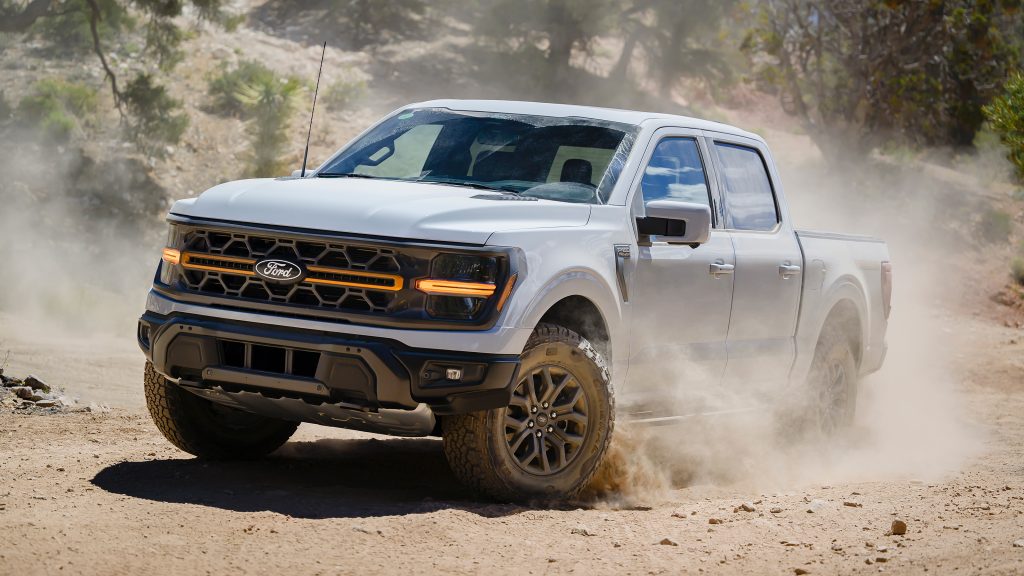
1. Ford F-150
The Ford F-150 has dominated the truck market for years, and one reason many owners stay loyal is the excellent cabin cooling performance. Ford engineered the climate system to handle demanding conditions, making the F-150 particularly effective in regions where summer temperatures regularly climb into dangerous territory.
The truck’s cooling ability becomes obvious almost immediately after startup. Even when parked outside under direct sunlight for hours, the vents begin delivering strong cold airflow within seconds. Drivers who work outdoors often appreciate how quickly the cabin transforms from unbearably hot to comfortable after a long day in the heat.
Crew cab models benefit from impressive airflow distribution as well. Rear passengers receive meaningful cooling thanks to strategically placed vents and powerful fan circulation. In many trucks, second-row occupants complain about weak airflow during summer. The F-150 avoids this issue better than most competitors.
Ford also designed the system to maintain performance during idle situations. Heavy traffic, construction delays, and towing stops do not weaken cooling effectiveness noticeably. This consistency matters for truck owners who spend long periods sitting in slow-moving conditions while hauling equipment or trailers.
Ventilated seats in higher trims add another layer of comfort. Combined with aggressive cabin cooling, they help drivers recover quickly after spending hours working outdoors. Leather interiors that would normally feel scorching hot during summer become comfortable much faster inside the F-150.
Another strength lies in cabin insulation. Ford improved sound deadening and thermal protection significantly in newer generations, allowing cooled air to remain trapped inside more effectively. Once the desired temperature is reached, the climate system maintains comfort without needing constant maximum fan speed.
Long-distance highway travel highlights the truck’s strengths even further. Passengers remain comfortable for hours without experiencing uneven temperatures or weak airflow in certain areas of the cabin. Drivers in southern states frequently mention the AC system as one of the truck’s most satisfying everyday features.
The F-150 succeeds because it combines rapid cooldown times, strong rear airflow, and dependable hot-weather performance into a package built for real-world truck use. Few pickups balance comfort and capability as effectively during punishing summer conditions.
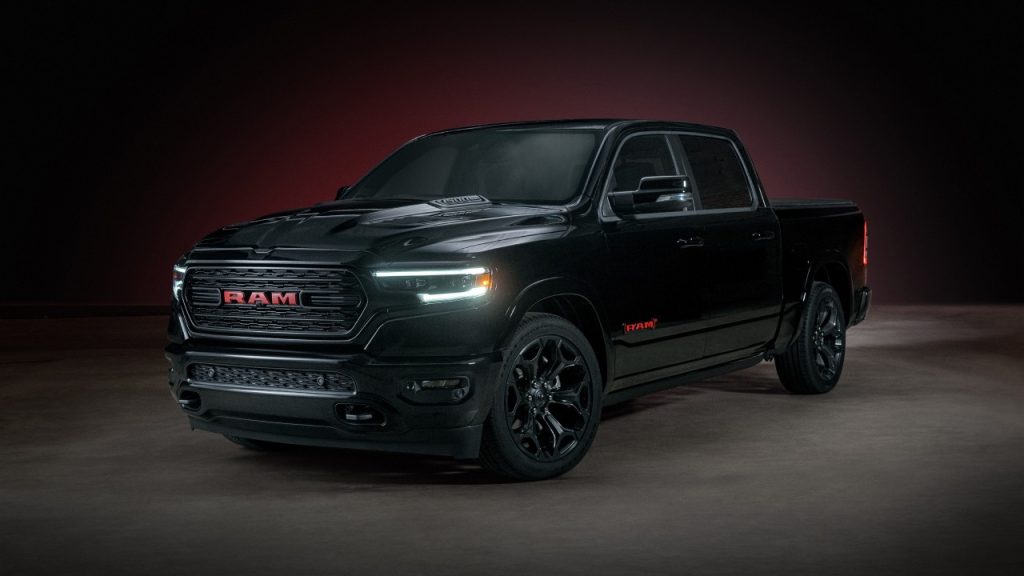
2. Ram 1500
The Ram 1500 earned a reputation for delivering one of the most comfortable interiors in the pickup segment, and its powerful air conditioning system contributes heavily to that success. Ram understood that modern truck buyers expect more than toughness alone. They want cabins capable of handling brutal weather while remaining quiet and refined.
One of the first things owners notice is the intensity of the airflow. The Ram 1500 pushes cold air aggressively through large dashboard vents, cooling the front seating area almost instantly. Even after sitting under blazing sunlight for extended periods, the truck’s cabin temperature lowers quickly enough to impress drivers used to weaker systems.
Rear passengers benefit from excellent airflow too. Crew cab versions provide generous second-row space, and Ram made sure the cooling system could manage that larger interior effectively. Dedicated rear vents help distribute cold air evenly, preventing backseat passengers from feeling neglected during long summer drives.
The truck’s insulation also plays a major role in cooling performance. Ram invested heavily in cabin quietness and thermal protection, which helps keep outside heat from overwhelming the interior. Once cooled, the cabin stays comfortable without forcing the system to run constantly at full blast.
Another area where the RAM stands out is fan smoothness. Some trucks rely on loud, harsh airflow to compensate for weaker cooling efficiency. The Ram 1500 delivers strong cold air in a calmer, more refined way. This creates a relaxed atmosphere during extended highway trips or daily commuting.
Drivers towing heavy loads in hot weather frequently praise the truck’s consistency. High outside temperatures and demanding driving conditions do little to reduce vent temperatures. The climate system continues operating confidently even while hauling trailers across long distances.
Ventilated seats further improve summer comfort in upper trims. Combined with the powerful cabin cooling, they prevent fatigue during lengthy drives through intense heat. Owners stepping inside after outdoor work often describe the truck as feeling immediately refreshing rather than slowly cooling over time.
The Ram 1500 blends luxury-level comfort with serious truck capability, and its strong factory AC system remains one of the clearest examples of that balance.
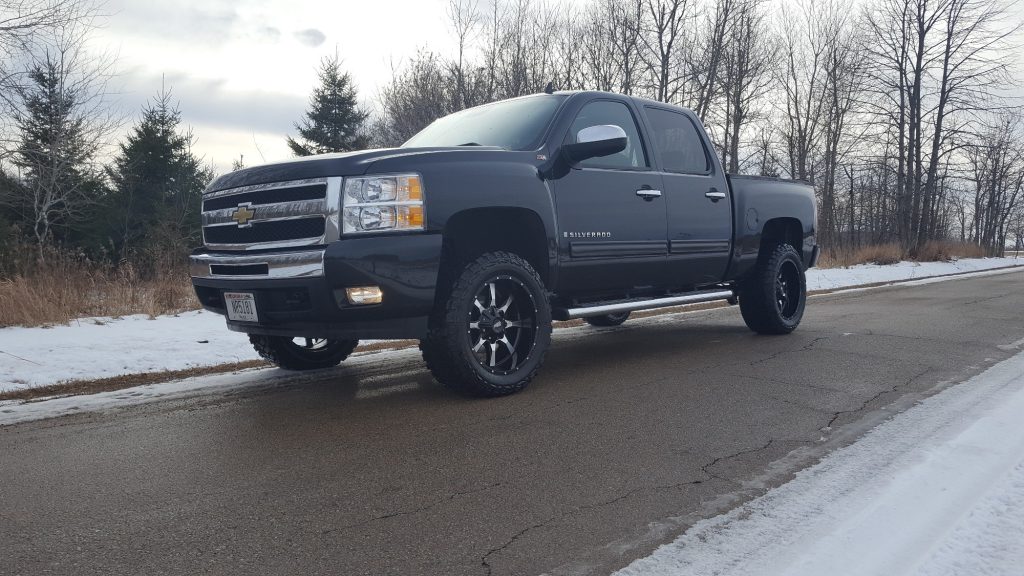
3. Chevrolet Silverado 1500
The Chevrolet Silverado 1500 has developed a loyal following among truck owners who spend long hours driving in extreme heat. One reason for that loyalty is the truck’s impressive cabin-cooling ability. Chevrolet designed the Silverado to perform well under demanding work conditions, and the climate system reflects that mission clearly.
Step inside a Silverado that has been parked under direct sunlight, and the difference becomes noticeable quickly. The air conditioning system responds aggressively, sending strong cold airflow through wide dashboard vents almost immediately after startup.
Drivers working construction sites or towing equipment during the summer often mention how fast the truck becomes comfortable again.
Chevrolet also paid attention to airflow reach. Extended cab and crew cab models can be difficult to cool evenly because of the large rear seating area. The Silverado handles this challenge effectively through well-placed vents and strong fan circulation that push cool air toward every part of the cabin.
What makes the truck particularly impressive is its stability during difficult driving conditions. Some pickups cool well at highway speeds but weaken while idling in traffic or towing heavy loads. The Silverado maintains cold vent temperatures consistently, even during stop-and-go driving on extremely hot afternoons.
Another benefit appears during repeated entry and exit situations. Work trucks often lose cooled air constantly because drivers open doors throughout the day. The Silverado recovers interior temperature rapidly, helping drivers avoid that lingering oven-like feeling after climbing back inside.
Higher trims add ventilated seats and dual-zone climate controls, giving the cabin an even more refined atmosphere. Long road trips become noticeably easier because passengers remain comfortable regardless of outside temperatures.
Owners in southern states frequently praise the Silverado’s factory AC durability as well. Even older models continue producing remarkably cold air after years of use, reinforcing Chevrolet’s reputation for dependable truck climate systems.
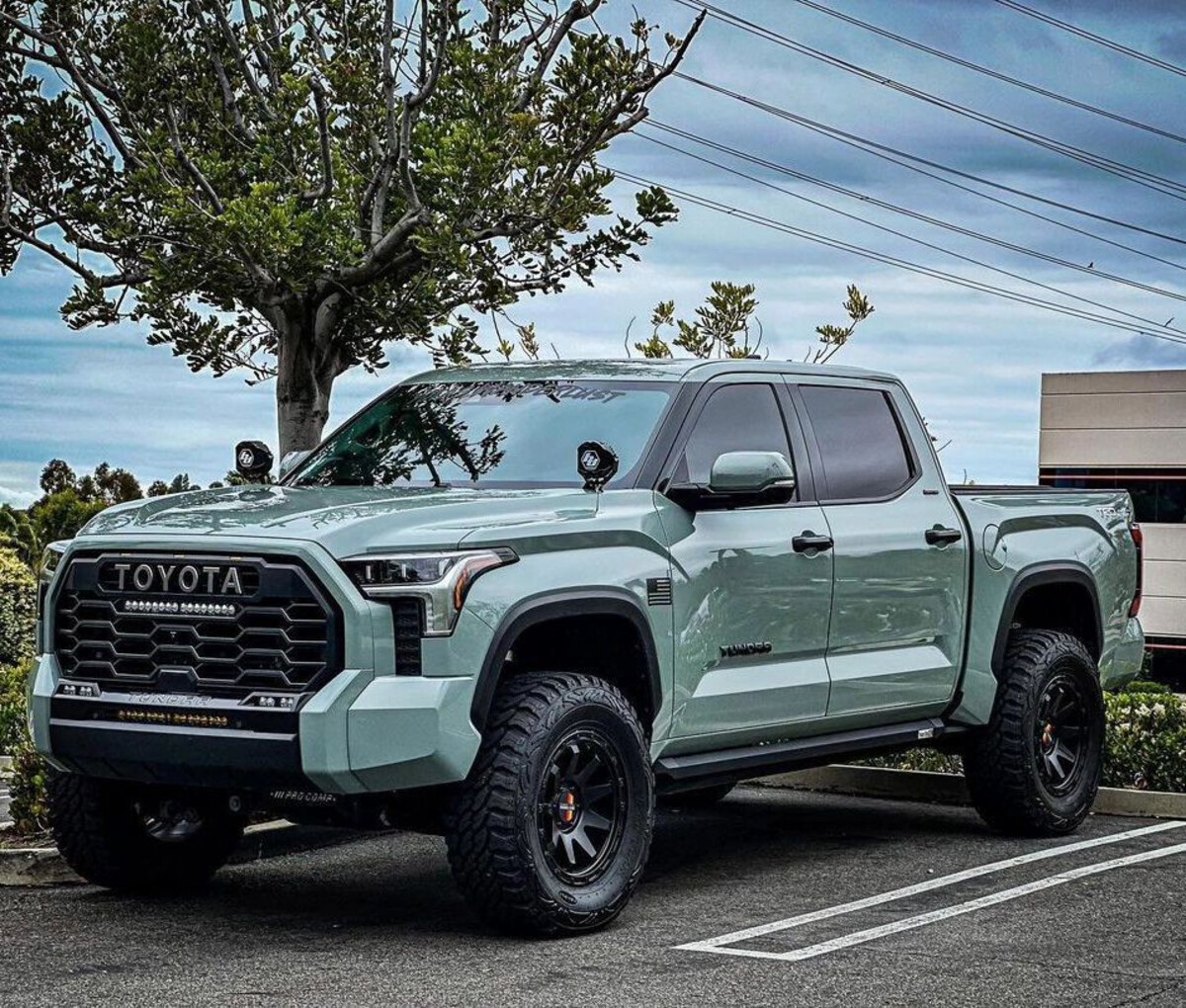
4. Toyota Tundra
The Toyota Tundra combines reliability with impressive summer comfort, particularly when it comes to cabin cooling performance. Toyota engineered the Tundra to survive difficult climates around the world, and the powerful air conditioning system became one of the truck’s most appreciated everyday features.
The cooling strength feels immediate after startup. Drivers stepping into a sun-baked tundra often notice cold airflow within moments, helping the cabin cool far faster than expected for a large pickup. This rapid response matters greatly for people who spend all day outdoors before climbing into the truck.
Toyota also focused heavily on airflow distribution. CrewMax models contain enormous interior space, yet the climate system still manages to circulate cold air effectively through both front and rear seating areas. Rear passengers benefit from strong airflow instead of receiving leftover cooling from the front vents alone.
One quality many owners admire is consistency during brutal heat. Triple-digit temperatures and heavy traffic do not overwhelm the Tundra’s AC system easily. Even while idling for extended periods, the truck continues producing strong cold air without dramatic drops in performance.
The cabin itself helps maintain cooling efficiency. Toyota improved insulation and thermal management significantly in newer generations, allowing the interior to hold lower temperatures more effectively after the system stabilizes.
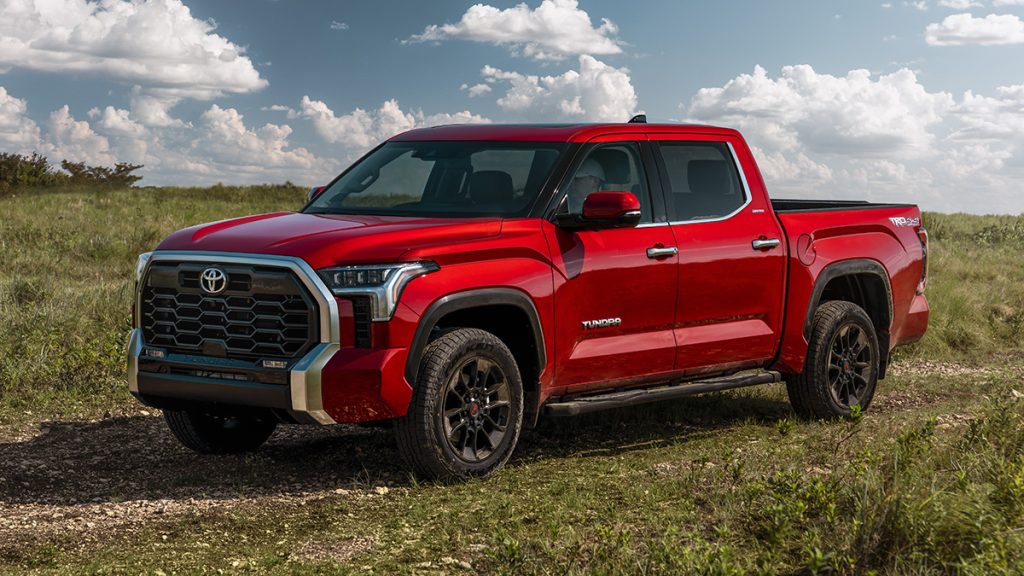
Ventilated seating available in higher trims adds another layer of comfort during summer driving. Combined with the strong airflow, the seats help drivers stay refreshed during long highway trips or towing duties under intense sunlight.
Durability also strengthens the Tundra’s reputation. Owners frequently report excellent AC performance even after years of heavy truck use. In many hot climate regions, dependable cooling matters almost as much as engine reliability, and the Tundra succeeds in both areas.
For drivers needing a truck capable of handling extreme temperatures daily, the Tundra delivers a climate system that feels built specifically for harsh summer conditions.
5. GMC Sierra 1500
The GMC Sierra 1500 approaches cabin comfort with a more premium personality than many traditional pickups, and that attitude becomes obvious through its excellent air conditioning performance.
GMC designed the Sierra to feel refined while still handling demanding truck duties, so the cooling system had to satisfy drivers spending hours in extreme summer temperatures.
One of the Sierra’s biggest strengths is how evenly it cools the cabin. Front passengers receive immediate cold airflow through large vents, while rear occupants benefit from carefully directed circulation that prevents hot spots from developing in the back seats.
Crew cab versions especially feel balanced during long drives because cold air reaches every corner efficiently.
Drivers frequently praise the truck after leaving it parked in open sunlight all day. The Sierra removes trapped heat quickly instead of slowly lowering temperatures over several minutes. This rapid cooldown ability becomes particularly valuable for contractors, ranchers, and road trip travelers entering the cabin repeatedly throughout hot afternoons.
The Sierra also performs impressively during towing. Pulling trailers in summer heat places heavy demands on both the engine and climate systems, yet the truck maintains stable vent temperatures even under stress. Owners hauling boats, campers, or work equipment often mention that cooling performance remains strong regardless of outside conditions.
GMC paired the AC system with a well-insulated interior. Heat intrusion stays relatively low once the cabin cools, helping the climate system maintain comfort quietly without constant fan noise. That calmer environment gives the truck a more upscale feeling compared with louder rivals.
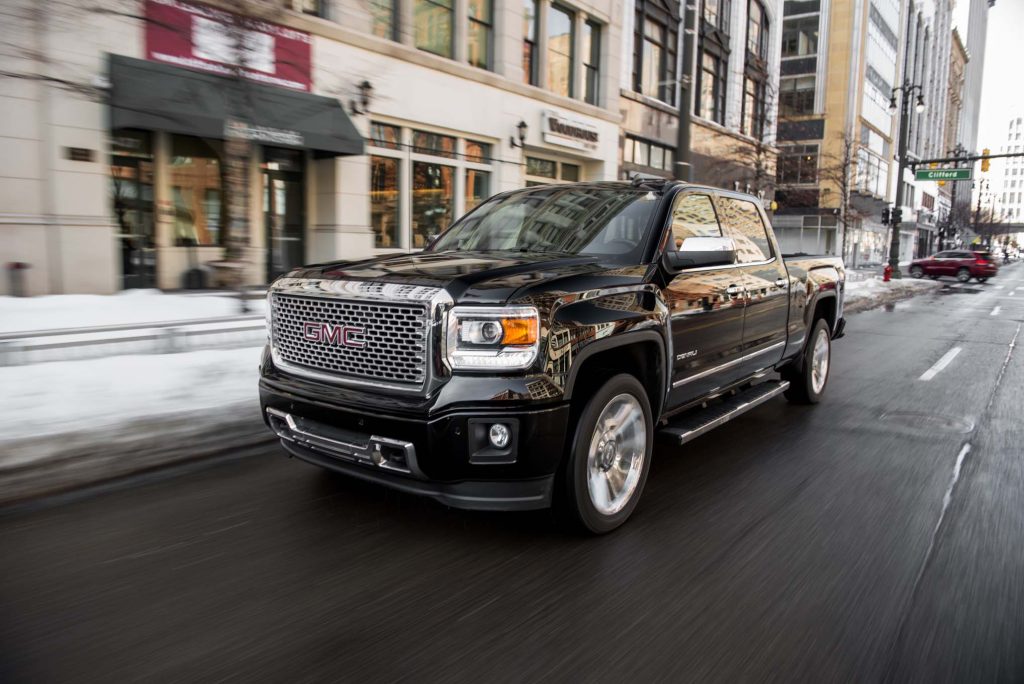
Higher trims equipped with ventilated seats make summer driving even more pleasant. Combined with the powerful cabin airflow, those features help reduce fatigue during long-distance trips in hot weather.
Another important advantage involves long-term reliability. Many Sierra owners continue experiencing excellent cooling years after purchase, which strengthens confidence in the truck’s climate hardware.
For buyers wanting a pickup that combines capability with luxury style and comfort, the Sierra’s factory AC system remains one of its strongest everyday benefits.
6. Nissan Titan
The Nissan Titan may not dominate sales charts like some rivals, but its cabin cooling performance regularly surprises drivers who spend time behind the wheel. Nissan engineered the Titan with a straightforward focus on comfort and usability, and the powerful factory air conditioning system became one of the truck’s most appreciated features in warm climates.
The first thing owners usually notice is airflow intensity. The Titan pushes cold air through the cabin aggressively, helping lower interior temperatures quickly, even after the truck sits outside under punishing heat. Large vents and strong fan output allow the system to cool the front seating area almost instantly after startup.
Rear seat passengers benefit more than many expect. Crew cab trucks often struggle to deliver balanced airflow toward the back, especially during extremely hot afternoons. The Titan handles this challenge effectively through solid rear ventilation and wide cabin circulation patterns.
Another reason the truck earns praise is performance consistency during city driving. Traffic jams, stoplights, and long idle periods do not weaken cooling output significantly. Drivers commuting through crowded urban areas during summer appreciate how stable the vent temperatures remain.
The Titan also recovers cabin comfort quickly after doors open repeatedly. This becomes useful for work crews, families, or drivers making constant stops throughout the day. Instead of lingering heat buildup after re-entering the truck, the climate system restores cool temperatures rapidly.
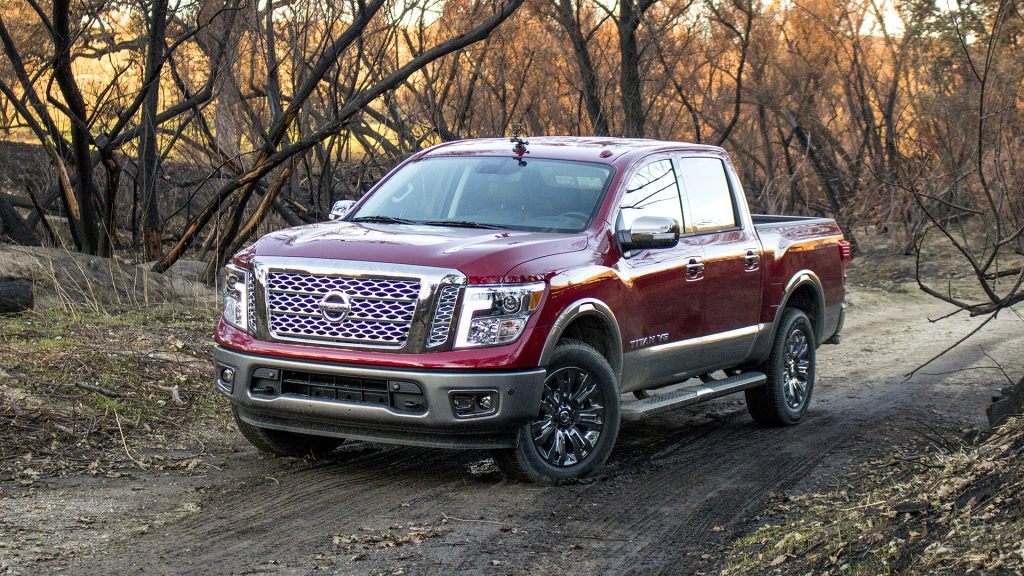
Nissan included supportive insulation throughout the cabin as well. Once the interior cools down, the truck retains lower temperatures efficiently without forcing the system to operate constantly at maximum settings.
Long highway drives reveal another strength. The Titan keeps all passengers comfortable for hours without uneven cooling or noticeable fluctuations in airflow quality. Drivers in hotter regions frequently describe the AC system as one of the truck’s most underrated features.
Although the Titan competes in a crowded segment, its strong cabin cooling performance helps it stand apart for buyers who value comfort during intense summer driving conditions.
7. Honda Ridgeline
The Honda Ridgeline approaches truck design differently from traditional body-on-frame pickups, and that difference becomes surprisingly beneficial when discussing cabin cooling performance. While many trucks focus heavily on ruggedness first and comfort second, Honda engineered the Ridgeline with daily usability as a priority.
The result is a pickup that delivers one of the most comfortable climate control experiences in the segment, especially during brutal summer weather.
One major advantage comes from the Ridgeline’s cabin structure. Because the truck uses a unibody platform derived from crossover engineering, the interior feels more insulated and controlled compared with many conventional pickups.
Heat intrusion stays lower, allowing the air conditioning system to cool the cabin rapidly after startup. Drivers stepping into a sun-baked Ridgeline often notice cold airflow reaching them almost immediately.
The airflow tuning itself deserves praise. Honda designed the dashboard vents to spread cooling evenly across the front seating area instead of blasting concentrated air toward only the driver.
This creates a more natural cooling sensation throughout the cabin. Rear passengers also receive effective airflow thanks to thoughtful vent positioning and balanced circulation.
Another reason owners admire the Ridgeline’s cooling ability is consistency during city driving. Stop-and-go traffic can weaken weaker truck climate systems, especially during extremely humid weather.
The Ridgeline continues delivering strong cold air even while idling for long periods under heavy summer sunlight. Commuters in crowded urban regions frequently mention how dependable the system feels regardless of traffic conditions.
The truck’s cabin size also works in its favor. Unlike giant full-size pickups with enormous interiors requiring huge amounts of cooling power, the Ridgeline maintains a manageable cabin volume that allows temperatures to stabilize quickly. This means passengers reach a comfortable environment faster after entering the truck.
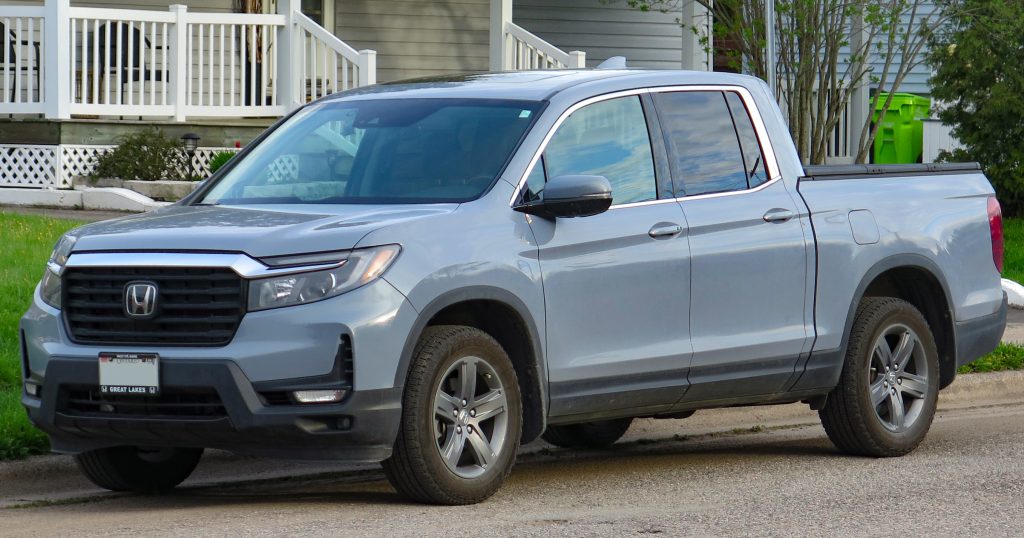
Higher trim levels improve the experience further with leather seating, tri-zone climate controls, and acoustic insulation that help preserve cooled air more effectively. Ventilated front seats on newer models make long summer drives even easier by reducing heat buildup during extended highway travel.
Honda’s long-standing reputation for reliable climate systems strengthens the Ridgeline’s appeal as well. Many owners continue enjoying powerful cold air after years of daily use with minimal issues.
For buyers wanting a truck that prioritizes comfort and practical summer usability, the Ridgeline stands out as one of the strongest cabin cooling performers available.
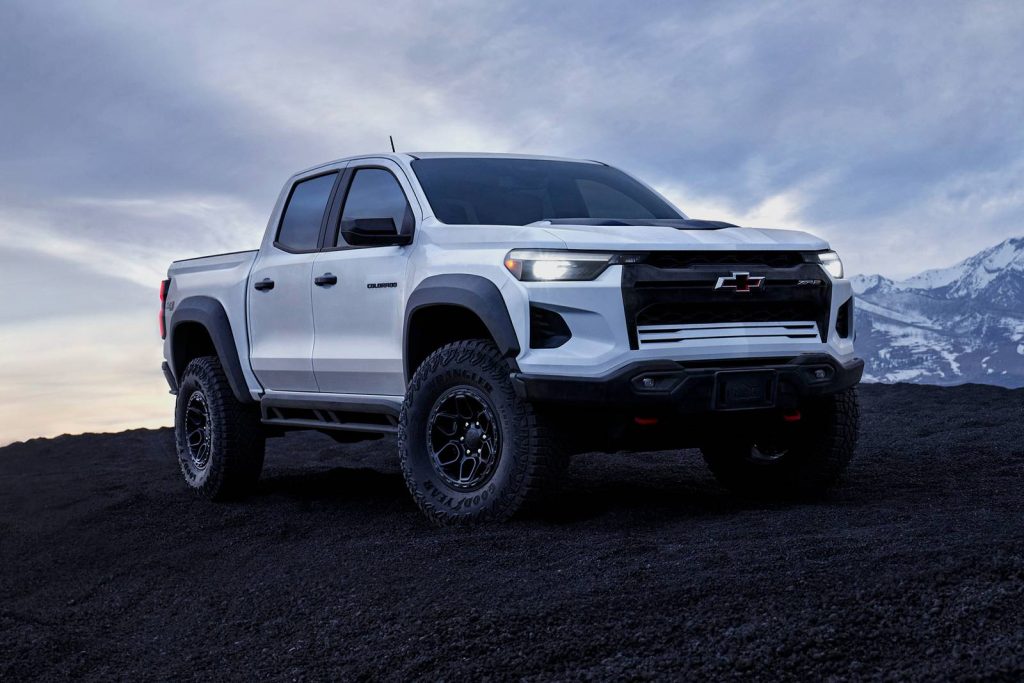
8. Chevrolet Colorado
The Chevrolet Colorado proves that strong cabin cooling is not limited to massive, full-size trucks. Chevrolet engineered the Colorado to deliver dependable comfort during difficult weather conditions, and its factory air conditioning system consistently earns praise from drivers living in extremely hot climates.
The truck’s smaller cabin size compared with full-size pickups gives it a natural advantage when temperatures rise aggressively. Instead of struggling to cool a huge interior volume, the Colorado can lower cabin temperatures rapidly with relatively little delay.
Drivers frequently report feeling strong cold airflow within moments of starting the truck after it has been parked under direct sunlight.
Chevrolet tuned the blower system aggressively, allowing the vents to circulate cool air quickly through the cabin. Front passengers experience immediate relief from heat, while extended cab and crew cab models still provide meaningful airflow toward rear occupants.
This balanced cooling makes the truck comfortable during both solo commuting and family travel.
Colorado also performs impressively in work-related situations. Contractors and outdoor workers often enter the truck repeatedly throughout hot days, allowing heat to flood the cabin each time the doors open. The climate system recovers quickly after reentry, preventing that suffocating trapped heat feeling from lingering inside.
Another strength appears during off-road use and towing. Rough terrain, dusty environments, and low-speed driving can challenge some cooling systems because airflow around the vehicle changes constantly.
Colorado maintains stable vent temperatures even during demanding conditions, helping drivers stay comfortable on trails or job sites.
Interior layout contributes significantly to the truck’s cooling efficiency, too. Large vents positioned high on the dashboard direct airflow effectively toward occupants without creating awkward, uneven cooling zones. The controls remain simple and easy to adjust quickly while driving.
Long highway trips reveal another positive characteristic. Colorado holds stable temperatures for hours without requiring constant fan adjustments. Drivers traveling through desert regions or humid southern states frequently mention that the truck never feels overwhelmed by outside heat.
Durability also matters. Many midsize trucks develop weaker cooling performance over time, yet the Colorado has built a solid reputation for maintaining strong air conditioning effectiveness after years of use.
For buyers seeking a practical midsize pickup capable of serious summer comfort, the Colorado remains one of the most dependable choices in the segment.
Strong cabin cooling has become one of the most important qualities in modern pickup trucks, especially for drivers living in regions where summer heat can become unbearable. Trucks are no longer used only for towing and heavy labor.
Many now serve as family vehicles, daily commuters, long-distance cruisers, and mobile workspaces. Because of that shift, manufacturers have invested heavily in creating climate control systems capable of cooling large interiors quickly and maintaining comfort during extreme conditions.
The trucks in this list stood out because they consistently deliver cold airflow, rapid cooldown times, and dependable performance during punishing heat. Some succeed because of massive airflow capacity, while others benefit from clever cabin insulation and balanced vent placement.
Each truck approaches cooling differently, yet all of them earned strong reputations among owners who deal with hot weather regularly.
The Ford F-150 impressed with its quick cooling response, powerful rear airflow, and ability to maintain strong AC performance during towing and traffic conditions.
The Ram 1500 focused more on refinement, combining smooth airflow with impressive cooling strength and luxury-style comfort. The Chevrolet Silverado 1500 balances work truck durability with dependable climate performance that stays effective even after years of hard use.
The Toyota Tundra demonstrated how reliability and strong cooling can work together. Its cabin cools rapidly and maintains stable temperatures during long drives in triple-digit heat.
The GMC Sierra 1500 brought a premium atmosphere into the truck segment with excellent airflow consistency and quiet climate operation that feels more upscale than many competitors.
The Nissan Titan proved underrated in this category. Its aggressive airflow and strong idle cooling performance make it especially useful in crowded city traffic during summer.
The Honda Ridgeline approached cooling from a comfort-oriented perspective, using crossover-inspired engineering to create a cabin that cools quickly and stays insulated from outside heat effectively.
The Chevrolet Colorado showed that midsize trucks can compete with larger pickups in climate performance. Its smaller interior allows temperatures to stabilize rapidly, giving drivers immediate relief after entering a hot vehicle.
Several common themes appeared across all eight trucks. Strong rear ventilation mattered heavily in crew cab models, especially for family travel. Consistent cooling during idle conditions also separated the best systems from weaker competitors.
Another major factor involved insulation. Trucks with better cabin sealing maintained comfortable temperatures more efficiently and required less constant fan noise.
Ventilated seats became another important advantage in higher trim levels. Combined with strong factory AC systems, they helped drivers remain comfortable during long summer drives and physically demanding workdays.
These trucks succeeded because they understood a simple reality about modern ownership. Drivers spend enormous amounts of time inside their vehicles, and comfort during extreme weather matters just as much as towing numbers or horsepower ratings.
Whether hauling trailers, commuting through heavy traffic, or traveling across hot desert highways, the best cabin cooling systems make every mile easier and far more enjoyable.
Also Read: 10 Cars. Where the 2026 Version Is More Reliable Than the 2024 Version