
The automotive industry is built on the promise of progress. Every few years, manufacturers introduce a new generation of a beloved vehicle, highlighting better performance, improved fuel economy, more advanced technology, and enhanced comfort. In many cases, these improvements are real and meaningful.
However, not every redesign becomes an instant success. Some vehicles lose the very qualities that made enthusiasts and everyday drivers fall in love with them in the first place. A newer generation may gain horsepower but lose handling precision. It may become more luxurious while sacrificing reliability, simplicity, or affordability.
Sometimes a vehicle grows too large, too complicated, or too detached from its original identity. As a result, many automotive fans continue to praise the outgoing generation long after a replacement hits dealerships.
This phenomenon is more common than most people realize. Across sports cars, pickup trucks, SUVs, sedans, and compact hatchbacks, there are countless examples where the previous generation delivered a more satisfying ownership experience than the newer model. In some cases, older models were more durable and easier to maintain.
In others, they offered cleaner styling, sharper driving dynamics, or stronger emotional appeal. Automotive progress is not always linear, and many redesigns prioritize broader market appeal over enthusiast-focused characteristics. That often creates vehicles that are technically superior on paper but less engaging in the real world.
Another reason older generations remain popular is that modern regulations and consumer expectations have changed the way vehicles are built. Safety systems, emissions standards, touchscreens, and driver assistance technologies have added weight and complexity to nearly every new model.
While these additions improve convenience and safety, they can also reduce driving feel and long-term dependability. Many drivers miss the simpler mechanical nature of older vehicles that focused more on the driving experience than digital interfaces.
In this article, we will explore nine vehicles where the outgoing generation arguably outperformed the newer replacement. These comparisons are not based solely on nostalgia. Instead, they focus on real-world driving satisfaction, reliability, value, styling, practicality, and enthusiast opinion.
While the newer generations still have strengths, the previous versions often captured a balance that manufacturers struggled to recreate. Whether you are a car enthusiast, a potential buyer searching for a used vehicle, or simply curious about automotive design trends, these examples reveal an important truth about the car industry. Newer does not always mean better.
1. Toyota Tacoma
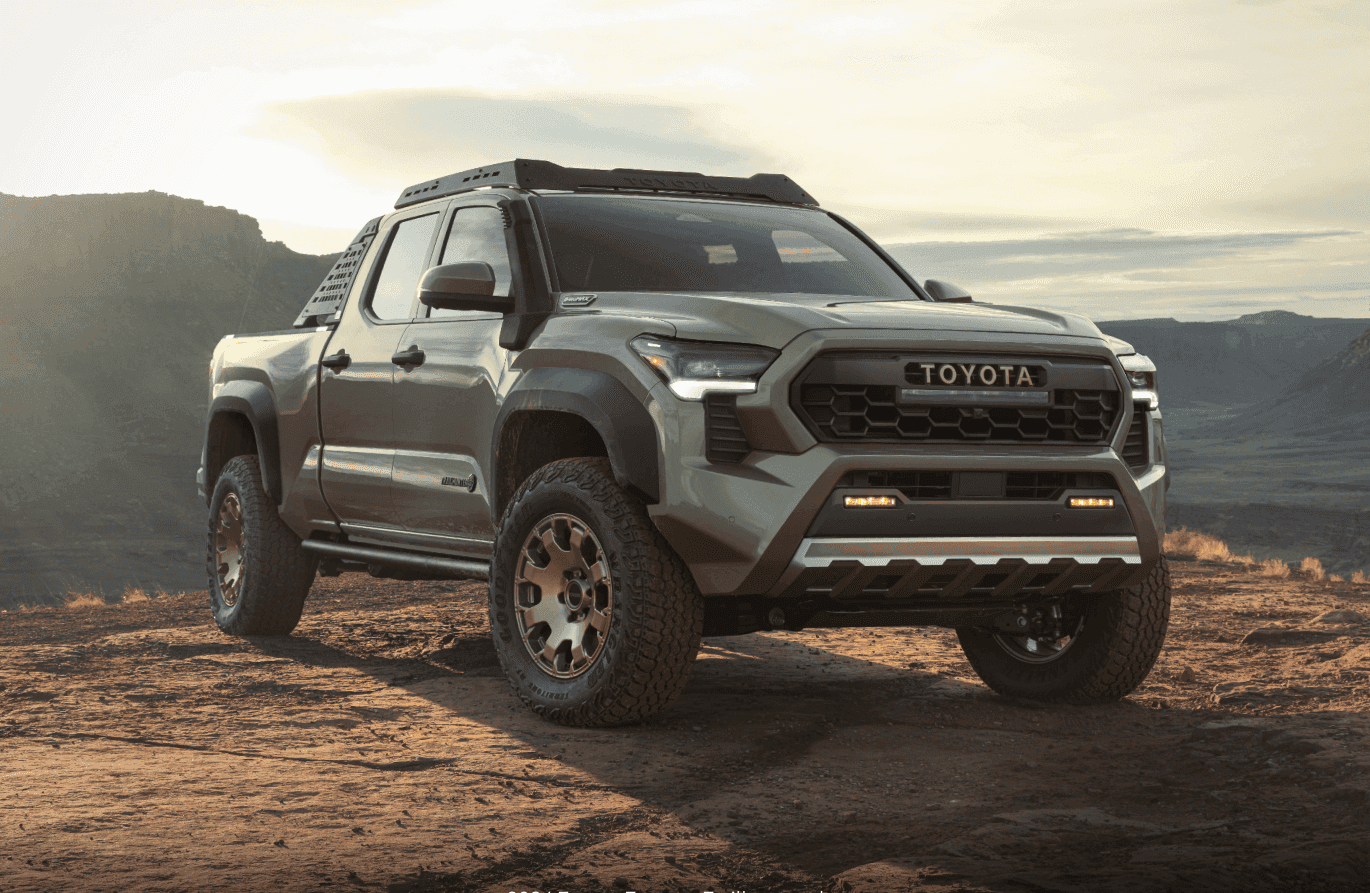
The previous-generation Toyota Tacoma built between 2005 and 2015 remains one of the most respected midsize pickup trucks ever produced. Known for exceptional reliability, rugged simplicity, and strong resale value, it became a favorite among off-road enthusiasts, contractors, and daily drivers alike.
Its straightforward mechanical design made it easy to maintain, while the durable V6 engine delivered dependable performance year after year. Many owners routinely pushed these trucks beyond 300,000 miles with minimal major repairs, further strengthening the Tacoma’s legendary reputation.
When Toyota introduced the newer generation Tacoma in 2016, expectations were incredibly high. On paper, the redesign looked promising. It featured updated styling, a more modern interior, improved safety systems, and revised engine options.
However, many longtime Tacoma fans quickly noticed that the newer truck lost some of the rugged charm and mechanical honesty that defined the older model. The six-speed automatic transmission received widespread criticism for awkward gear hunting and sluggish response. Drivers often complained that the truck struggled to find the right gear during highway driving or while towing.
Another issue involved the newer Tacoma’s driving dynamics. While the previous generation felt durable and predictable, the redesigned version often felt less refined in real-world conditions. Some owners reported uncomfortable seating positions, excessive cabin noise, and disappointing ride quality despite the modernized suspension setup.
Additionally, the newer engine failed to deliver the low-end torque many truck buyers expected, making the vehicle feel weaker than its specifications suggested.
The interior technology also became a divisive point. While touchscreen systems and advanced driver assistance features appealed to mainstream buyers, many traditional Tacoma enthusiasts preferred the older truck’s simpler controls and easier maintenance. As vehicles become increasingly dependent on electronics, some drivers worry about long-term reliability and repair costs.
Off-road capability remained strong in the newer Tacoma, especially in TRD variants, but the previous generation still holds a special place in the market. Used examples continue to command high prices because buyers trust their durability and appreciate their no-nonsense character. The older Tacoma represents a time when midsize trucks prioritized mechanical toughness over digital complexity, and for many drivers, that balance made it the superior generation.
2. BMW M3
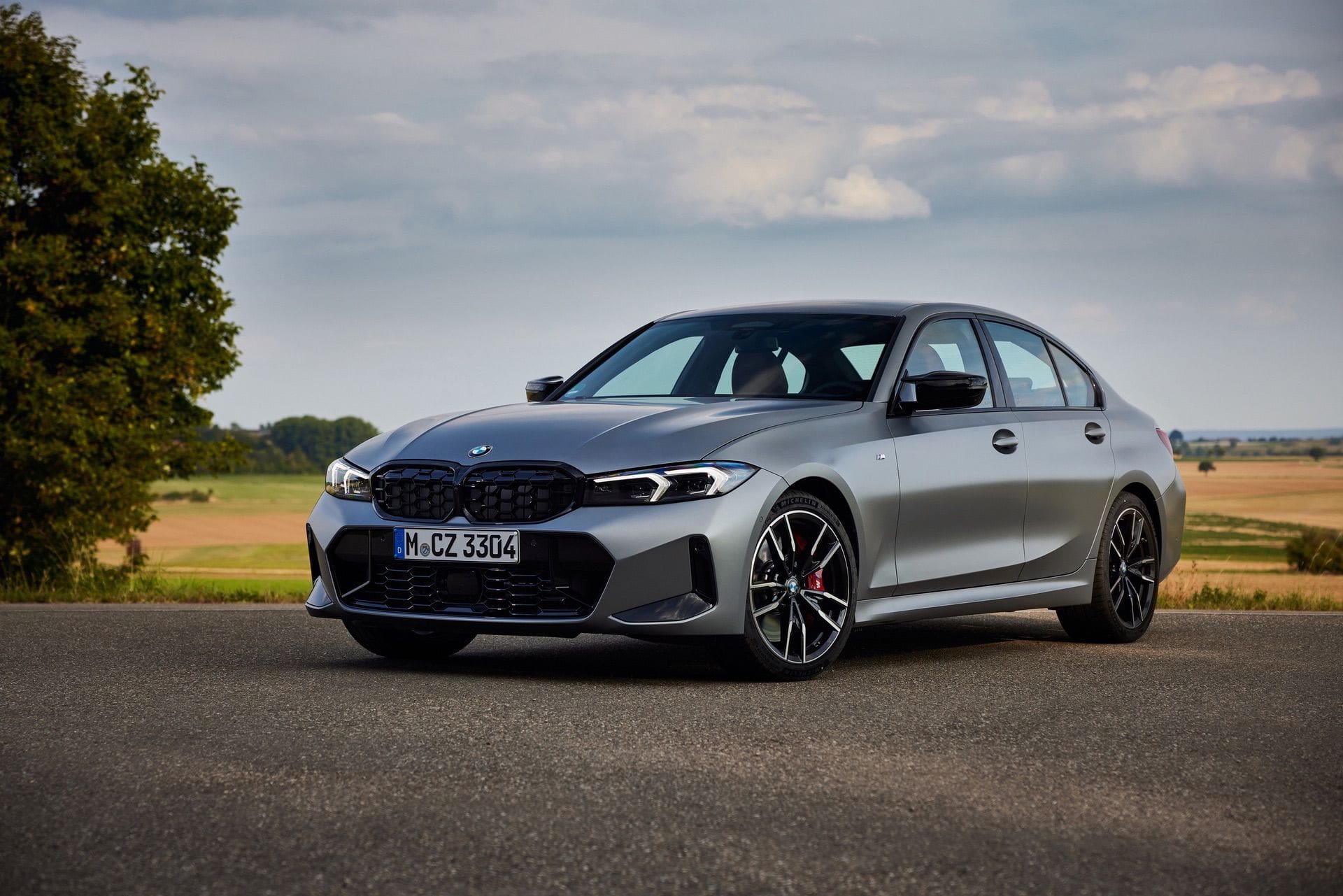
The E46 generation BMW M3 is often considered one of the greatest performance cars ever built. Produced from 2000 to 2006, it perfectly balanced power, handling, practicality, and driver engagement. Its naturally aspirated inline six engine produced exhilarating sound and linear power delivery, while the precise steering and lightweight chassis created an unforgettable driving experience. The car felt connected to the road in a way that modern performance vehicles often struggle to replicate.
When BMW released newer M3 generations, the company focused heavily on increasing horsepower, adding technology, and meeting modern efficiency standards.
While these goals resulted in objectively faster cars, many enthusiasts believe the magic of the E46 M3 was never fully recreated. Later generations became larger, heavier, and increasingly dependent on electronic systems. The raw mechanical purity that made the older car so beloved gradually disappeared.
One major criticism of newer M3 models involves steering feel. Hydraulic steering in the E46 delivered remarkable feedback, allowing drivers to sense every detail of the road surface. Modern electric steering systems improve efficiency but often feel numb in comparison. Enthusiasts consistently praise the older M3 for its communication and driver confidence, qualities that became less prominent in newer versions.
The shift from naturally aspirated engines to turbocharged powerplants also changed the character of the M3. While modern turbocharged engines produce massive torque and impressive acceleration figures, they often lack the emotional high-revving personality of the older inline six. The E46 encouraged drivers to explore the upper reaches of the tachometer, rewarding them with a thrilling soundtrack and smooth power delivery.
Another factor is styling. The E46 M3 featured clean proportions and understated aggression that aged beautifully. Newer generations adopted larger grilles, more complex body lines, and increasingly polarizing designs. While styling remains subjective, many enthusiasts prefer the timeless appearance of the earlier model.
Reliability concerns have also affected perceptions of newer M3 generations. Advanced electronics, turbocharging systems, and dual clutch transmissions introduced additional complexity and expensive maintenance requirements. Although the E46 has known issues of its own, many owners still view it as a more mechanically honest and emotionally rewarding vehicle.
3. Honda Civic
The Honda Civic has long been known as one of the most dependable and affordable compact cars in the world. Earlier generations, particularly those produced during the 1990s and early 2000s, earned legendary status for reliability, fuel efficiency, and mechanical simplicity.
These Civics were lightweight, easy to repair, and surprisingly fun to drive despite their modest power outputs. They became favorites among students, commuters, tuners, and first-time car buyers.
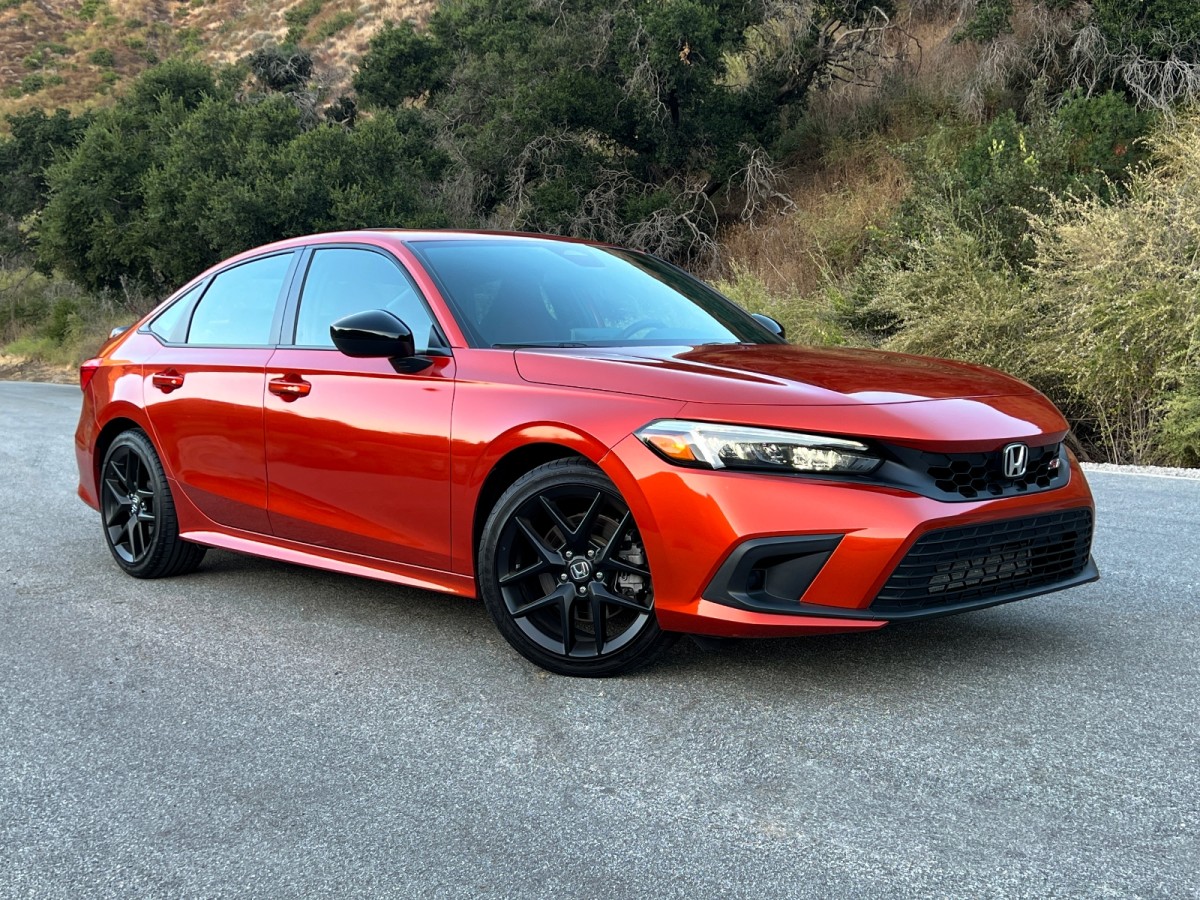
As newer generations arrived, the Civic evolved into a more mature and technologically advanced vehicle. Modern Civics offer better crash protection, more interior space, advanced infotainment systems, and stronger engines.
However, some enthusiasts argue that the older generations delivered a purer and more balanced ownership experience. The lightweight nature of earlier Civics made them nimble and responsive, qualities that gradually diminished as the vehicle gained size and weight.
One of the biggest differences involves simplicity. Older Civics relied on straightforward mechanical engineering with fewer electronic systems to fail over time. Owners appreciated being able to perform basic maintenance and repairs without specialized tools or expensive diagnostics. Modern Civics, while highly sophisticated, has become increasingly dependent on sensors, software, and touchscreen controls.
Interior design is another area where opinions differ. Older Civics focused on functionality with intuitive physical controls and excellent visibility. Some newer models prioritize futuristic styling and digital interfaces, which can feel less user-friendly to traditional drivers. Touchscreen systems may look modern, but they often distract from the straightforward usability that older Civics mastered.
The older Honda Civic generations represent a golden era of affordable motoring where efficiency, simplicity, and driving enjoyment came together perfectly. While newer Civics are objectively more advanced, many drivers still prefer the charm and honesty of the earlier models.
4. Jeep Cherokee
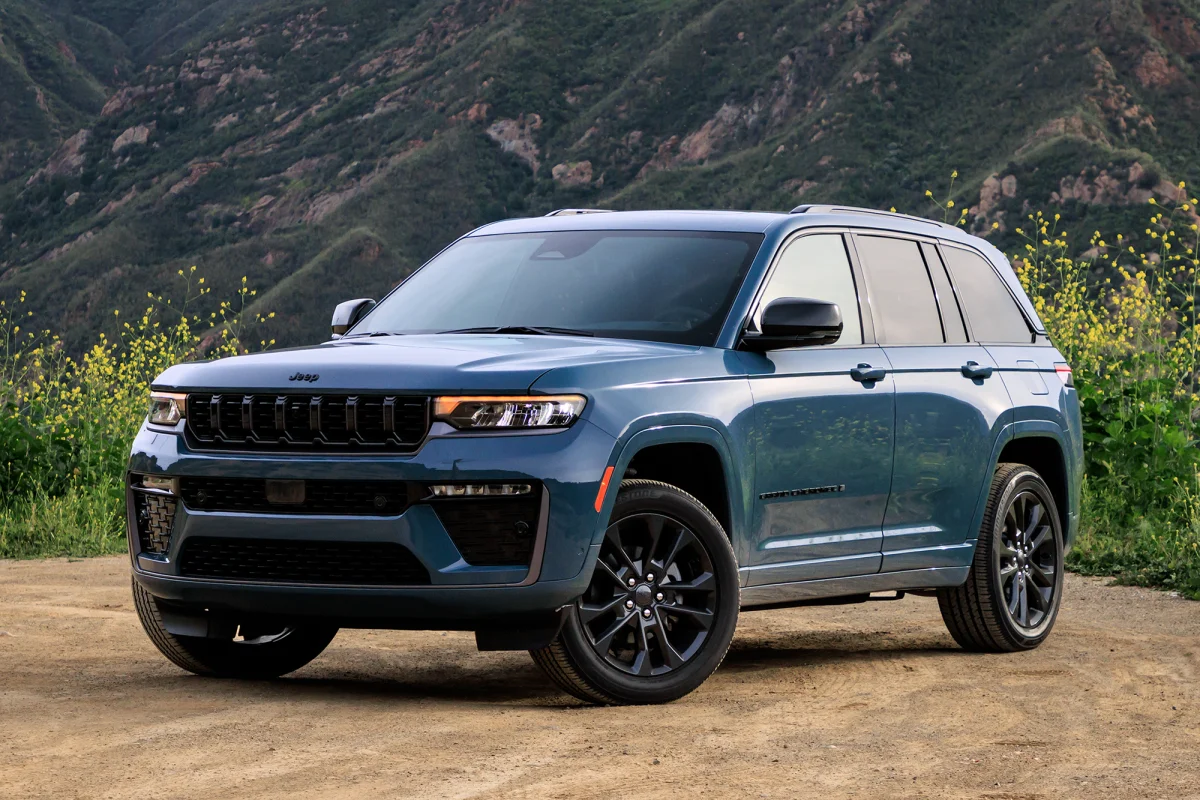
The XJ generation Jeep Cherokee remains one of the most beloved SUVs ever built. Produced from 1984 to 2001, it combined genuine off-road capability with compact dimensions, durable engineering, and remarkable practicality. Its boxy styling became iconic, and the legendary inline six engine earned a reputation for outstanding longevity and torque. Even decades later, the XJ Cherokee maintains a loyal fanbase among off-road enthusiasts and collectors.
When Jeep revived the Cherokee nameplate in modern form, the reaction was mixed from the start. The newer Cherokee moved toward a more crossover-oriented design philosophy focused on comfort and fuel efficiency.
While this approach appealed to mainstream buyers, many longtime Jeep fans felt the vehicle lost its rugged identity. The transition from a traditional SUV platform to a softer crossover architecture fundamentally changed the character of the Cherokee.
One major criticism involved styling. The XJ featured timeless square proportions that emphasized functionality and toughness. The modern Cherokee adopted a controversial front-end design with narrow headlights and rounded body lines that divided public opinion. Many enthusiasts believed the new design lacked the authentic Jeep appearance associated with earlier models.
Off-road performance also became a point of comparison. While certain modern Cherokee trims remain capable in rough terrain, the XJ offered a level of mechanical simplicity and durability that made it exceptionally reliable on trails.
Owners appreciated the solid axles, compact size, and ease of modification. The modern version, filled with electronic systems and comfort-focused engineering, often feels less rugged by comparison.
Reliability concerns further impacted the reputation of newer Cherokee models. Transmission issues, electronic glitches, and higher repair costs frustrated some owners. Meanwhile, the older XJ continued proving its durability decades after production ended. Many examples still operate reliably with high mileage and extensive off-road use.
The interior evolution also changed the ownership experience. Modern Cherokees offer more comfort and technology, but the XJ’s straightforward cabin prioritized practicality and visibility. Drivers valued its durable materials and functional layout, especially during outdoor adventures and off-road trips.
The XJ Cherokee remains a symbol of what many enthusiasts believe SUVs should be. It delivered capability, reliability, and personality without unnecessary complexity. While the newer Cherokee appeals to a broader audience, the older generation continues to represent the authentic spirit of the Jeep brand.
5. Nissan GT-R
The R34 Nissan GT-R achieved legendary status long before many enthusiasts ever had the chance to drive one. Produced between 1999 and 2002, it combined advanced engineering with raw driver engagement and unmistakable styling.
Powered by the famous RB26DETT engine, the R34 became an icon of Japanese performance culture and gained worldwide popularity through motorsports, movies, and video games.
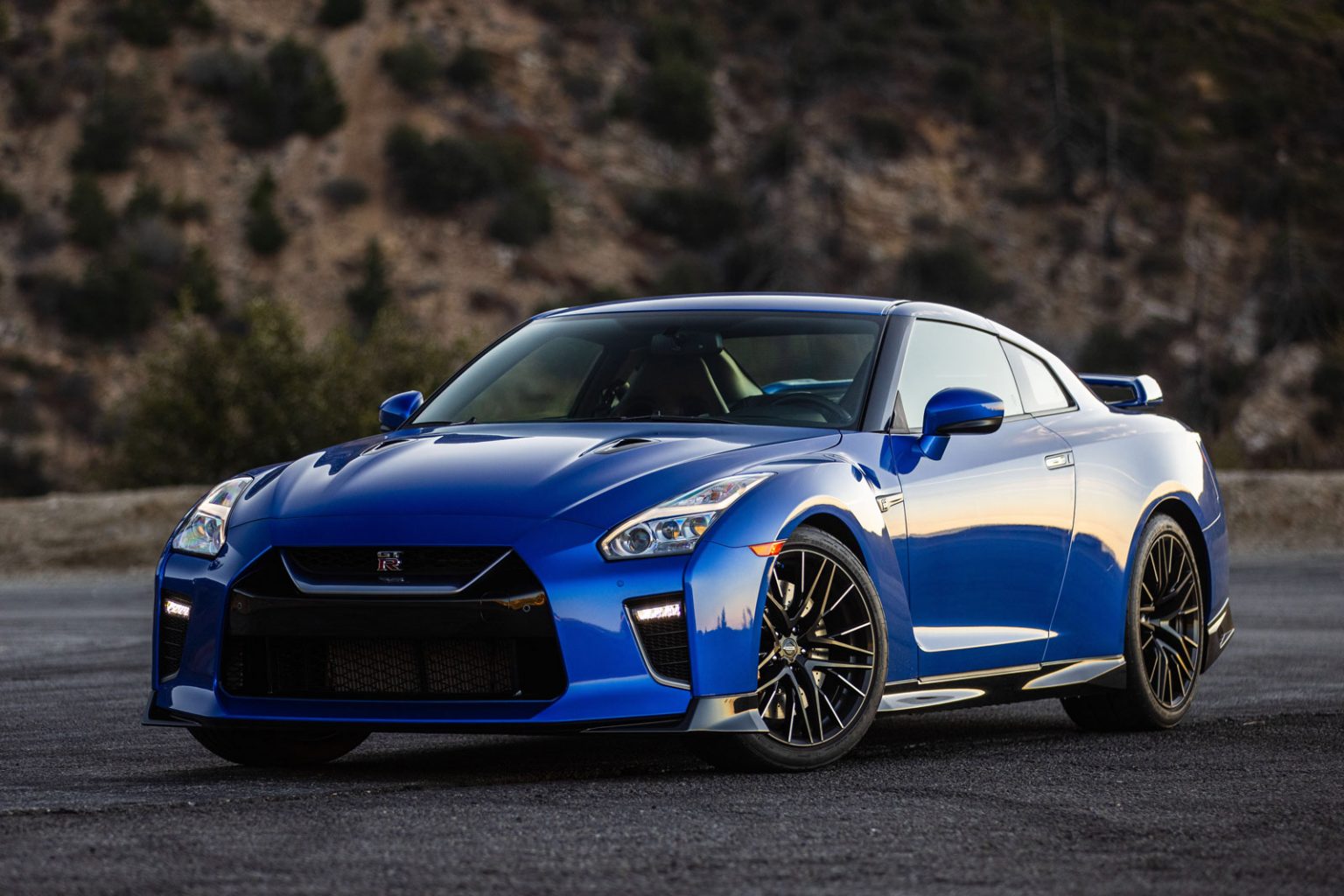
When Nissan introduced the R35 GT-R in 2007, it represented a radical departure from previous generations. The new model delivered astonishing speed, advanced electronics, and supercar-level performance. On paper, the R35 surpassed the R34 in almost every measurable category. However, many enthusiasts still believe the older generation offered a more rewarding and emotional driving experience.
One reason is mechanical involvement. The R34 felt analog compared to the computer-controlled precision of the R35. Drivers appreciated the manual transmission, raw turbocharged power delivery, and direct steering feel. The newer GT R relies heavily on electronic systems and dual clutch technology, creating incredible performance but reducing the sense of mechanical connection.
Styling differences also play a major role in the debate. The R34 featured compact proportions and aggressive yet clean lines that aged exceptionally well. The R35 adopted a larger and more modern appearance that some fans view as less elegant. The older design captured the essence of Japanese performance cars during a golden era of automotive enthusiasm.
Another factor involves customization culture. The R34 became famous for its tuning potential and motorsport heritage. Enthusiasts loved modifying the RB26 engine for enormous horsepower gains while retaining reliability. Although the R35 is also highly tunable, the older platform developed a stronger emotional connection within car culture.
The driving experience itself differs dramatically between generations. The R34 required more driver skill and engagement, making every fast drive feel rewarding. The R35 is astonishingly capable but often feels clinical because electronics manage so much of the performance. Many enthusiasts value the challenge and involvement offered by the older car.
Exclusivity and cultural significance further enhance the R34. Limited availability, rising collector values, and decades of enthusiast admiration have turned it into a global automotive icon. The newer GT-R remains an engineering masterpiece, but the R34 achieved something rarer, it became a symbol of an entire automotive era.
6. Ford Mustang
The fifth-generation Ford Mustang, produced from 2005 to 2014, successfully revived classic American muscle car styling while delivering strong modern performance.
Its retro-inspired design captured the spirit of earlier Mustangs, and the car became immensely popular among enthusiasts and casual buyers alike. The combination of aggressive styling, V8 power, and affordability made it one of the defining performance cars of its era.
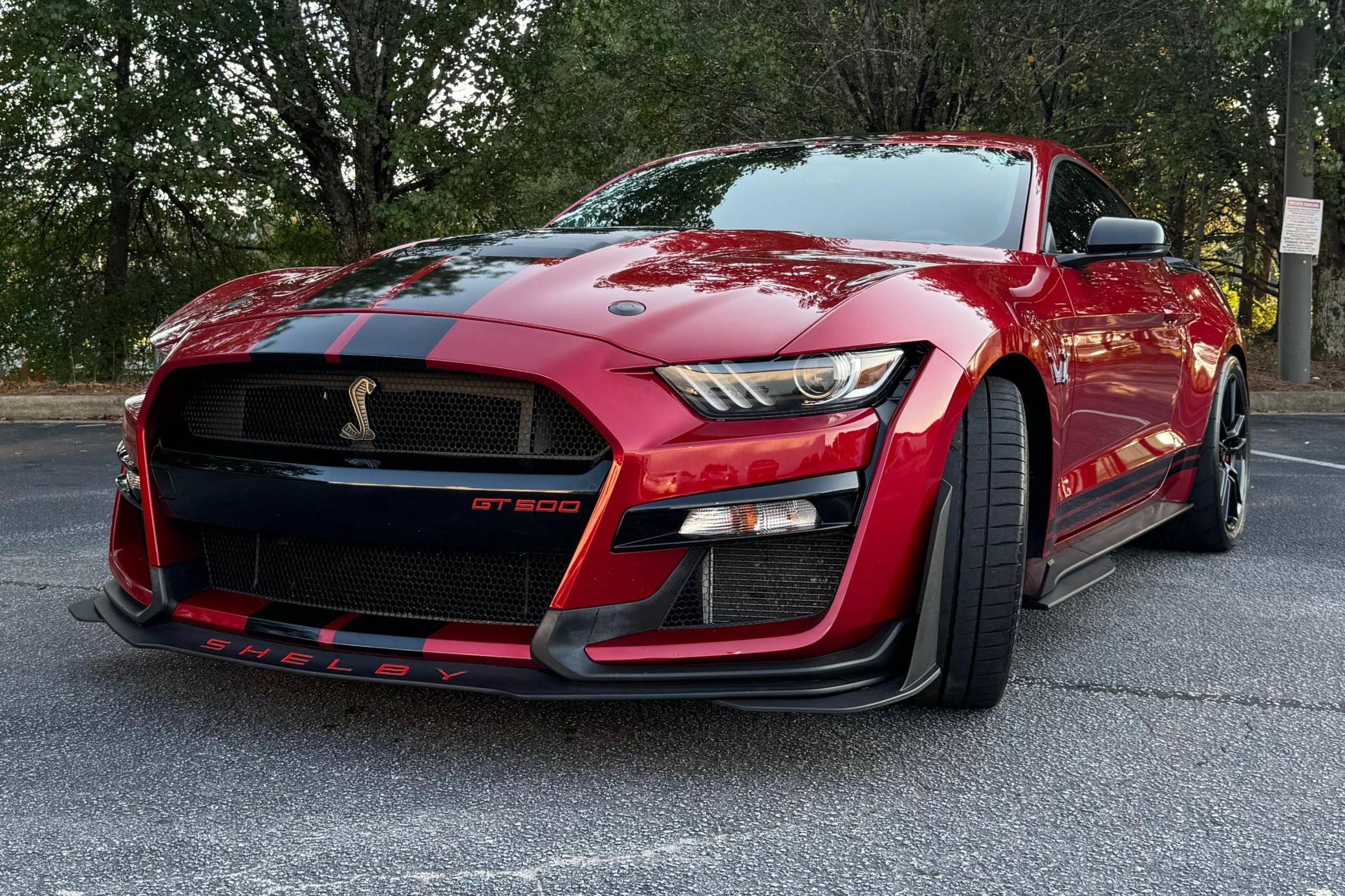
Ford introduced the sixth-generation Mustang in 2015 with significant changes aimed at improving global appeal. The newer model gained independent rear suspension, advanced technology, and a more refined interior. Critics praised its improved handling and comfort, but some longtime Mustang fans believed the redesign sacrificed part of the vehicle’s traditional personality.
One of the biggest changes involved styling. The previous generation embraced bold retro design cues that instantly connected with Mustang heritage. The newer model adopted sleeker and more modern proportions that some enthusiasts felt looked less muscular and distinctive. While the redesign improved aerodynamics and sophistication, it also reduced some of the classic American muscle car identity.
Interior simplicity also shifted. Earlier Mustangs focused on straightforward controls and a driver-centered layout. The newer model introduced larger touchscreens, more electronic features, and increased complexity. While these updates improved comfort and convenience, some drivers preferred the more mechanical feel of the older car.
The V8 engine character remained strong in both generations, but enthusiasts often praise the earlier Mustang for feeling more visceral and authentic. The sound, vibrations, and raw acceleration created an experience closely tied to classic muscle car traditions.
Affordability and tuning potential further boosted the previous generation’s popularity. Used fifth-generation Mustangs became accessible performance cars with enormous aftermarket support. Owners could easily modify suspension, exhaust systems, and engines to create highly personalized builds.
The newer Mustang is unquestionably more refined and capable in many situations, but the previous generation captured the emotional essence of American muscle cars in a way that many fans believe the redesign softened.
7. Land Rover Defender
The original Land Rover Defender earned legendary status through decades of rugged exploration and military service. Its utilitarian design, exceptional off-road capability, and mechanical simplicity made it one of the most respected adventure vehicles ever created. Drivers trusted the Defender in some of the harshest environments on Earth because it prioritized durability and functionality above all else.
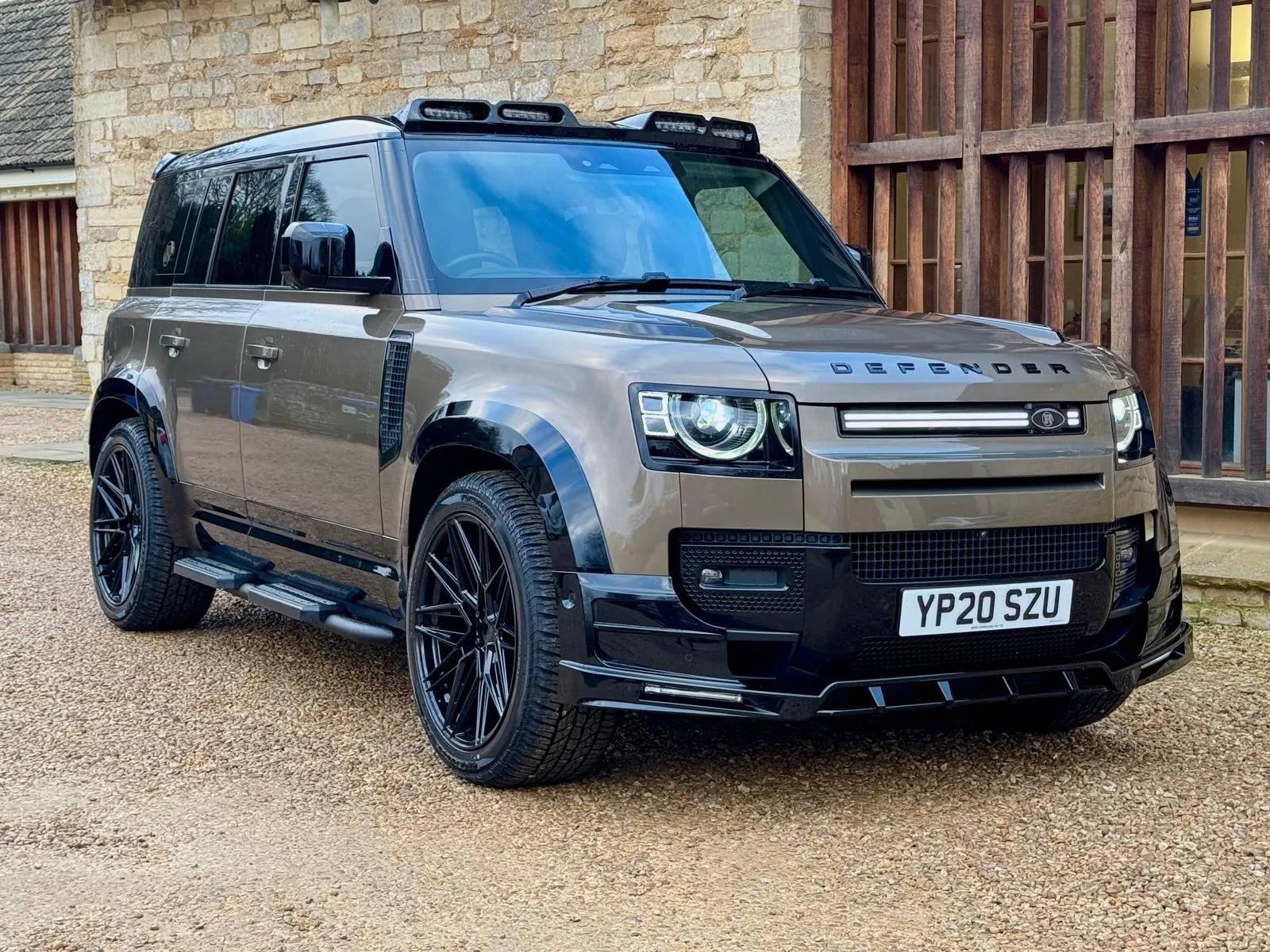
When Land Rover introduced the completely redesigned Defender in 2020, the company modernized nearly every aspect of the vehicle. The new model offered luxury-level interiors, advanced electronics, sophisticated suspension systems, and modern safety features.
While critics praised its impressive capabilities and comfort, many traditional Defender enthusiasts believed the redesign lost the soul of the original.
One major difference involves design philosophy. The classic Defender embraced rugged minimalism with exposed hardware, flat panels, and straightforward engineering. The new version looks modern and upscale, reflecting the broader luxury SUV market. While attractive in its own way, it lacks the raw industrial character that defined the original.
Off-road capability remains impressive in the new Defender, but the experience differs significantly. The older model demanded driver skill and mechanical understanding, creating a deeper sense of involvement. Electronic aids in the newer version make difficult terrain easier to navigate, but some enthusiasts miss the hands-on challenge of the original.
Interior philosophy changed dramatically as well. Earlier Defenders focused entirely on utility with washable surfaces and minimal distractions. The new Defender offers premium materials, touchscreen interfaces, and luxury appointments that appeal to wealthier buyers but alter the vehicle’s identity.
The original Defender also carried immense historical significance. It represented decades of exploration, farming, humanitarian missions, and expedition travel. The newer version faces the difficult task of honoring that heritage while appealing to modern consumers.
Although the redesigned Defender is highly capable and technologically advanced, many enthusiasts continue to prefer the old generation because it embodied authenticity, simplicity, and adventure in their purest forms.
8. Subaru WRX
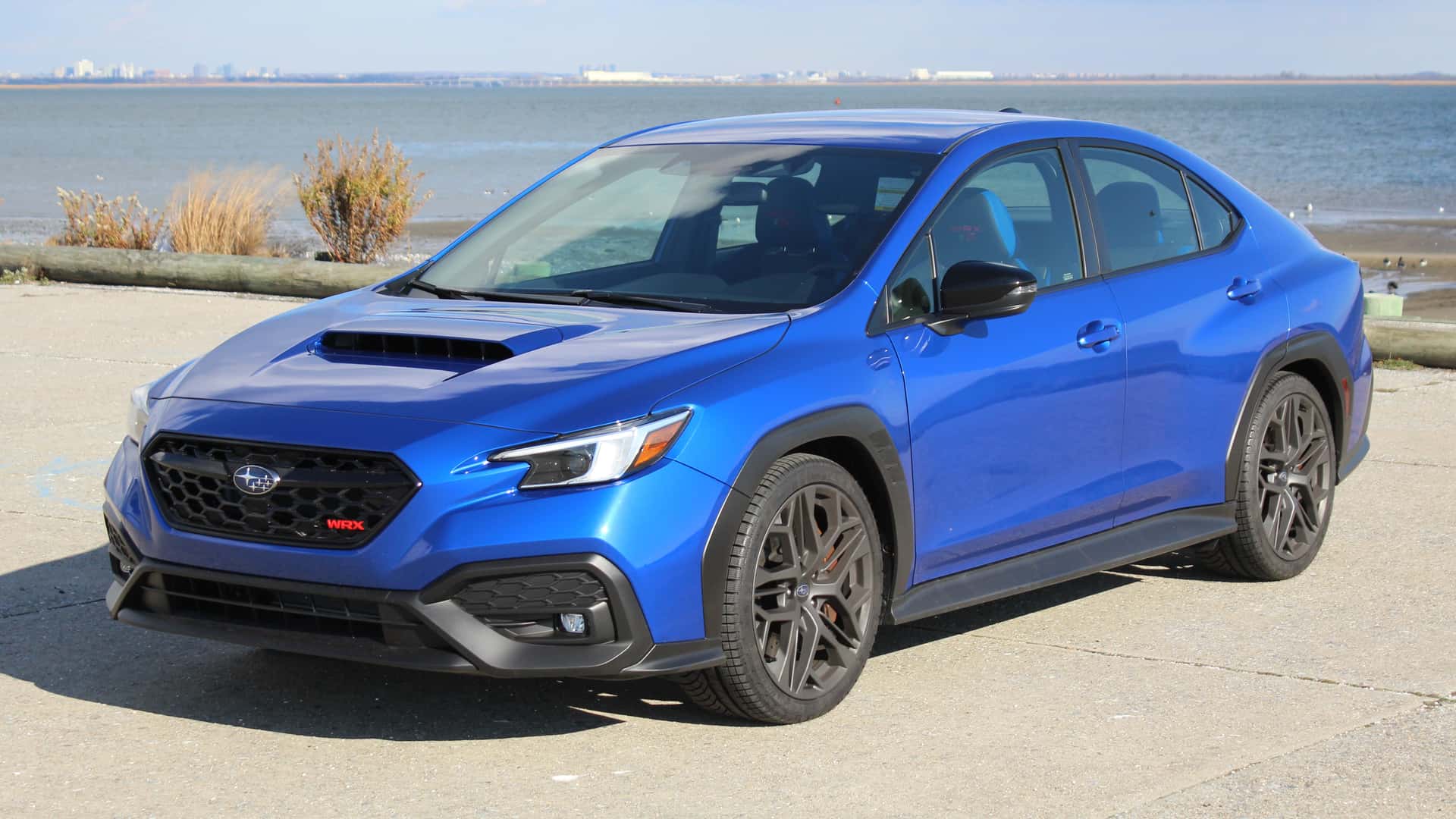
The Subaru WRX became famous for delivering rally-inspired performance at an affordable price. Earlier generations, especially those from the 1990s and early 2000s, built a passionate fanbase through turbocharged power, manual transmissions, All Wheel Drive traction, and unmistakable styling. These cars offered an engaging and playful driving experience that made them favorites among enthusiasts worldwide.
As newer WRX generations arrived, Subaru attempted to broaden the vehicle’s appeal by improving comfort, safety, and refinement. While modern WRX models remain capable performance cars, many fans argue that the older generations felt more excited and connected to the brand’s rally heritage.
One major criticism of newer WRX models involves styling. Earlier versions featured aggressive hood scoops, compact proportions, and distinctive rally-inspired designs. Recent generations adopted softer styling and larger body dimensions that some enthusiasts view as less memorable and less authentic.
Interior simplicity further separated the generations. Older WRX cabins were functional and driver-focused with minimal distractions. Newer models include larger infotainment systems, digital interfaces, and additional driver assistance technologies that can feel disconnected from the car’s performance roots.
Reliability discussions also influence enthusiast opinions. Some older WRX generations experienced engine issues when heavily modified, but many owners still appreciate their mechanical accessibility and extensive aftermarket support. Modern WRX models are more technologically complex, increasing maintenance considerations.
The older WRX generations captured the spirit of affordable rally performance during a special era in automotive history. They felt rebellious, energetic, and purpose-built for enthusiasts. While newer models are more mature and practical, many drivers believe they have lost part of the raw excitement that originally defined the WRX name.
9. Chevrolet Silverado
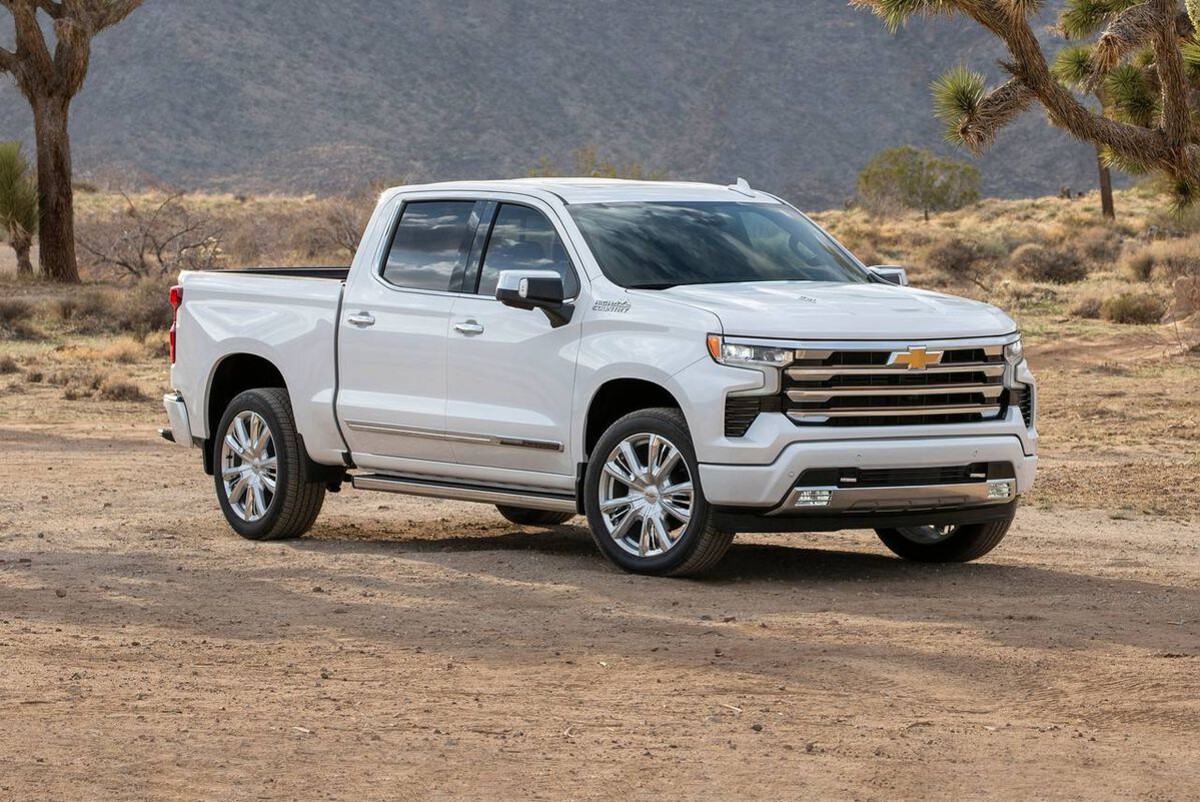
The previous-generation Chevrolet Silverado, built before the major redesign in 2019, earned praise for its durability, comfortable ride, and dependable V8 engines. It struck a strong balance between work truck capability and everyday usability, making it popular among contractors, families, and long-distance drivers alike. The straightforward design and familiar mechanical layout contributed to strong owner confidence.
When Chevrolet introduced the newer Silverado generation, expectations were high due to intense competition in the full-size truck market. Although the redesign brought updated technology, lighter construction, and improved towing capabilities, many buyers felt disappointed by several aspects of the new truck.
Interior quality became one of the biggest complaints. Compared to competitors, the newer Silverado’s cabin design initially appeared outdated despite the vehicle’s modern platform. Many owners expected more premium materials and better refinement, considering the truck’s price range. The older generation, while simpler, often felt more cohesive and durable.
Styling changes also divided opinion. The redesigned Silverado adopted more aggressive front-end styling with complex body lines that some buyers found excessive. Earlier models featured cleaner and more timeless designs that appealed to a wider audience.
Ride quality and engine options generated additional discussion. While the newer Silverado introduced advanced powertrains and improved efficiency, some drivers preferred the smooth, predictable behavior of the older V8 models. Turbocharged four-cylinder engines in certain trims did not resonate with traditional truck buyers seeking classic V8 character.
Reliability concerns emerged as well. Reports involving transmission issues, electronic glitches, and software-related problems affected the newer generation’s reputation during its early years. Meanwhile, the previous Silverado generation maintained a reputation for dependable long-term ownership.
Technology integration represented both a strength and a weakness of the redesign. Advanced infotainment systems, digital displays, and driver assistance features improved convenience but also introduced additional complexity. Some truck owners preferred the simplicity and ease of maintenance associated with the older generation.
The previous Silverado generation succeeded because it understood what many truck buyers truly valued. Dependability, comfort, usability, and straightforward engineering mattered more than flashy technology or aggressive styling.
While the newer Silverado remains competitive, the outgoing generation continues to earn praise for delivering a more balanced and trustworthy ownership experience.
