
Pickup truck advertisements love huge towing numbers. Commercials regularly show trucks pulling massive trailers through mountains, hauling construction equipment across deserts, or towing luxury boats effortlessly down highways.
Manufacturers compete aggressively because towing capacity has become one of the most important bragging rights in the truck industry. Bigger numbers attract attention, and buyers often assume the highest advertised figure automatically means the best real-world towing experience.
Maximum towing claims are usually achieved under extremely specific conditions involving ideal truck configurations, minimal passenger weight, special axle ratios, and carefully calculated setups that many ordinary buyers never actually know.
Once real people add passengers, cargo, larger tires, accessories, or different cab configurations, the practical towing limits often drop significantly.
Another issue involves stability, braking confidence, transmission behavior, cooling systems, and long-term durability under load.
A truck may technically tow a certain number according to official ratings, yet still feel strained, unstable, or uncomfortable during actual heavy hauling. Real towing confidence comes from more than simply pulling weight forward for a short distance.
Experienced truck owners understand this difference quickly. They care about how confidently a truck handles steep grades, crosswinds, long highway drives, and repeated heavy use without overheating or feeling overwhelmed.
Real towing performance means the truck remains composed, predictable, and durable under pressure rather than merely achieving a marketing headline number.
Some trucks genuinely deserve respect because they tow exceptionally well in real-world conditions while matching or exceeding expectations honestly. Others advertise enormous capacities that feel less impressive once owners actually hitch up large trailers and begin working the truck seriously.
The vehicles on this list stand out because they developed reputations based on authentic towing capability rather than marketing alone. Some exceeded expectations through stability and durability, while others earned praise because owners discovered they handled heavy loads far more confidently than advertisements suggested.
These trucks proved that real towing performance depends on engineering balance, drivetrain strength, suspension tuning, and long-term reliability just as much as official capacity figures printed in brochures.
Also Read: 8 SUVs With the Largest Cargo Area in Their Class
1. Ford F-250 Super Duty 6.7 Power Stroke
The Ford F-250 Super Duty equipped with the 6.7-liter Power Stroke diesel earned enormous respect among serious truck owners because it delivers towing confidence that goes far beyond simple brochure numbers.
Ford advertises impressive towing figures already, but what truly separates the truck is how composed and capable it feels during real heavy-hauling situations.
Many trucks can technically pull large trailers under ideal conditions. The F-250 stands out because it remains stable and controlled while doing it repeatedly over long distances. Owners hauling equipment, horse trailers, fifth wheels, and construction machinery often praise the truck’s ability to maintain confidence even on steep grades or rough highways.
The 6.7 Power Stroke diesel plays the biggest role in that reputation. Massive low-end torque allows the truck to move heavy loads effortlessly without constantly hunting for gears or revving aggressively. Instead of feeling strained, the engine delivers smooth and steady pulling power that makes towing feel less stressful for drivers.
Another reason the truck earns strong real-world credibility involves transmission behavior. Ford paired the diesel engine with a heavy-duty automatic transmission calibrated specifically for towing stability and durability.
Gear changes remain predictable under load, helping the truck maintain momentum without excessive drama during uphill climbs or highway acceleration.
Cooling performance also matters tremendously during serious towing. Many trucks advertise huge capacities but begin struggling once temperatures rise or trailers remain attached for extended periods. The F 250 developed a strong reputation for maintaining stable operating temperatures even during demanding commercial-style use.
Suspension tuning contributes heavily as well. The truck feels planted and secure when carrying tongue weight, reducing the nervous floating sensation that lighter-duty pickups sometimes develop under heavy trailers. Crosswinds and uneven pavement feel more manageable because the chassis stays composed.
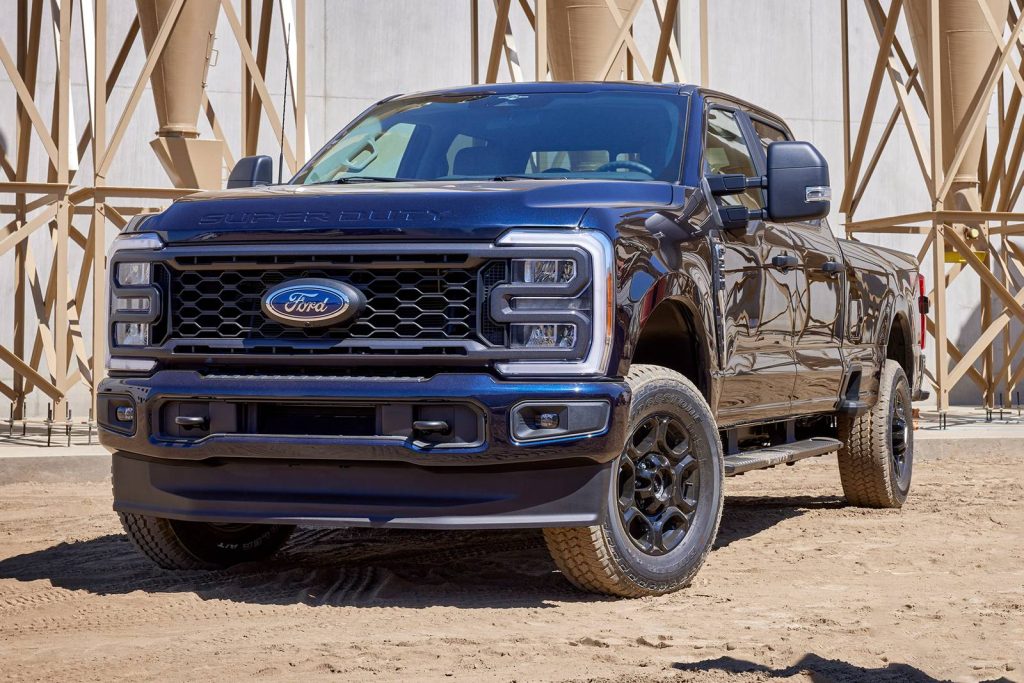
Owners additionally appreciate breaking confidence. Strong brakes combined with integrated trailer brake controls help the F-250 feel reassuring during downhill descents and emergency stopping situations.
The truck is not perfect. Ride quality without cargo can feel stiff compared to lighter pickups, and diesel ownership costs remain higher than gasoline alternatives. Still, buyers needing serious towing capability often accept those compromises because the truck delivers authentic heavy-duty performance where it matters most.
The Ford F-250 Power Stroke earned its reputation not through exaggerated marketing claims but through years of proving itself under real workloads that push ordinary pickups beyond their comfort zones.
2. Ram 2500 Cummins Turbo Diesel
The Ram 2500 equipped with the Cummins turbo diesel became legendary among truck owners because of one critical quality. Effortless towing strength.
While marketing departments love advertising maximum tow ratings, many experienced drivers judge trucks based on how relaxed and stable they feel under a heavy load. The Ram 2500 built its reputation by making difficult towing jobs feel easier than expected.
At the center of the truck’s success sits the famous Cummins inline-six diesel engine. Unlike smaller high-revving engines that must work aggressively under pressure, the Cummins delivers enormous low-RPM torque that feels calm and controlled even while pulling massive trailers. Owners frequently describe the engine as barely noticing heavy loads attached behind the truck.
That relaxed power delivery changes the towing experience significantly. Highway merging, mountain climbing, and maintaining steady speeds require less throttle input and fewer dramatic downshifts compared to lighter-duty trucks operating near their limits. The Ram feels confident instead of stressed.
Another major strength involves the durability reputation. Cummins diesel engines earned decades of trust among commercial operators, farmers, and heavy-hauling owners because they tolerate repeated hard use exceptionally well.
Many buyers choose the Ram specifically because they believe the powertrain can survive long-term towing abuse better than some competitors.
Ride quality also helps separate the truck from rivals. Ram’s rear suspension tuning often feels smoother and more controlled during towing situations, reducing trailer bounce and improving comfort over rough pavement. Long-distance towing becomes less fatiguing because the truck remains stable without excessive harshness.
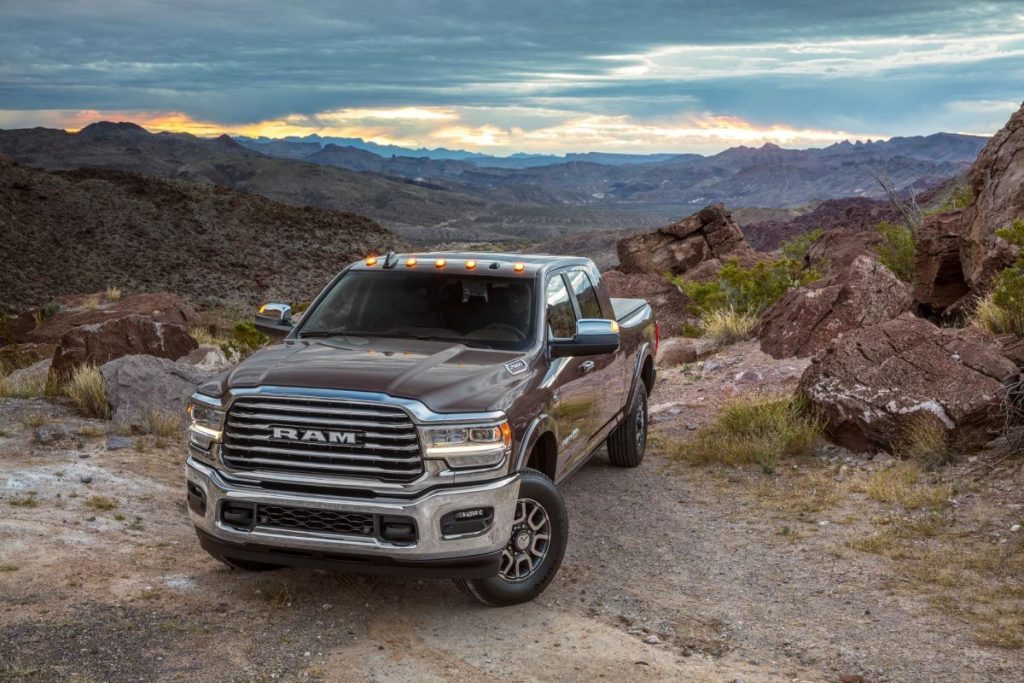
The interior deserves recognition, too. Modern Ram heavy-duty trucks provide surprisingly upscale cabins filled with comfortable seating and advanced towing technologies. Large towing mirrors, trailer camera systems, and integrated brake controls help drivers manage large trailers more confidently.
Real-world owners also appreciate transmission performance under load. The automatic gearbox works smoothly with the Cummins engine, avoiding constant gear hunting during hilly terrain or changing traffic conditions.
Fuel economy under towing conditions tends to remain respectable for such a capable heavy-duty truck as well, especially during long highway trips where diesel torque operates efficiently.
The Ram 2500 Cummins became respected because it delivers genuine towing confidence instead of merely chasing headline numbers. Owners trust it not just to pull heavy trailers once for advertising photos but also to handle demanding workloads consistently year after year without feeling overwhelmed.
3. Chevrolet Silverado 3500HD Duramax
The Chevrolet Silverado 3500HD, equipped with the Duramax diesel engine, built its reputation through serious heavy-duty towing capability that performs consistently in demanding real-world conditions.
Chevrolet advertises huge tow ratings proudly, but what impresses experienced owners most is how stable and manageable the truck feels when hauling massive trailers over long distances.
The Duramax diesel engine delivers enormous torque smoothly and predictably, which becomes extremely important during heavy towing. Instead of requiring constant throttle input or aggressive revving, the engine pulls loads with calm authority.
Drivers hauling large campers, equipment trailers, livestock, or commercial loads often describe the truck as feeling composed rather than strained.
One reason the Silverado 3500HD earns strong real-world credibility involves transmission behavior. Chevrolet paired the Duramax with the Allison automatic transmission, a name carrying huge respect in towing and commercial truck circles.
The transmission handles gear changes intelligently under load while maintaining durability during repeated heavy use.
Mountain towing especially highlights the truck’s strengths. Long uphill climbs that challenge lighter pickups feel much less stressful because the Duramax maintains torque effortlessly. Descending steep grades also feels controlled thanks to effective exhaust braking and strong integrated trailer braking support.
Another major advantage involves chassis stability. The Silverado 3500HD remains planted while towing large fifth-wheel trailers or heavy bumper-pull setups, reducing trailer sway and improving confidence during crosswinds or uneven highway surfaces. Drivers often mention how secure the truck feels, even at higher highway speeds.
Chevrolet additionally focused heavily on towing technology. Trailer camera systems, towing apps, blind spot monitoring for trailers, and integrated controls help drivers manage complicated hauling situations more comfortably. These systems become especially valuable for owners regularly towing oversized loads through tight spaces.
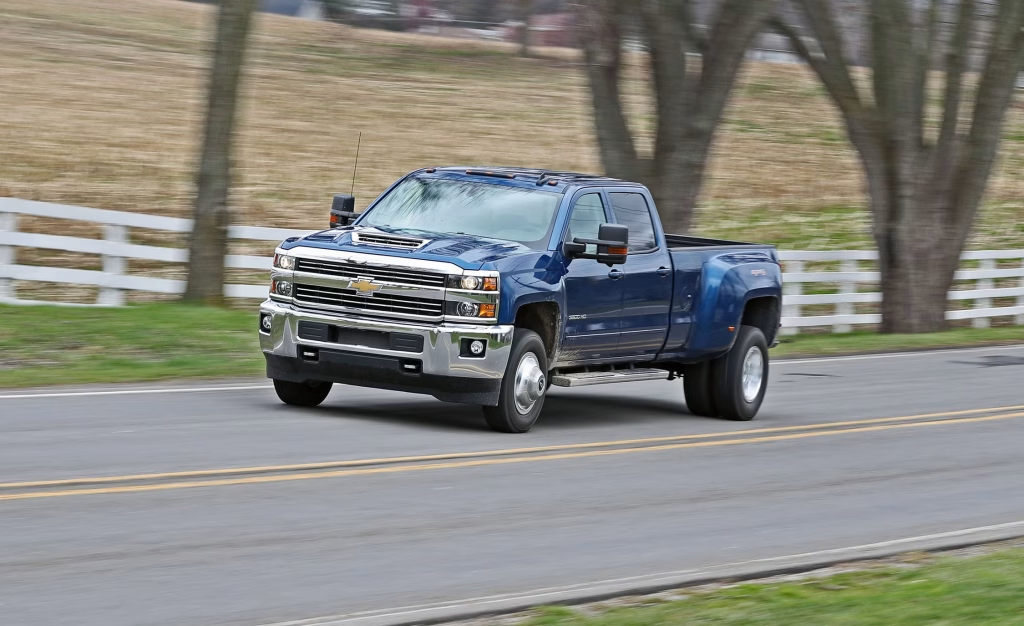
The truck does have tradeoffs. Heavy-duty suspension tuning creates a firmer ride without cargo, and maneuvering such a large vehicle in urban environments can feel cumbersome. Yet buyers needing authentic towing performance usually accept those compromises easily.
Long-term durability also strengthens the Silverado’s reputation. Many owners use these trucks commercially or tow regularly for years without major drivetrain failures, reinforcing trust in the Duramax and Allison combination.
The Silverado 3500HD succeeds because it delivers towing performance that feels honest. Instead of merely reaching impressive numbers under ideal conditions, it maintains stability, confidence, and durability during the kind of demanding work real truck owners actually face.
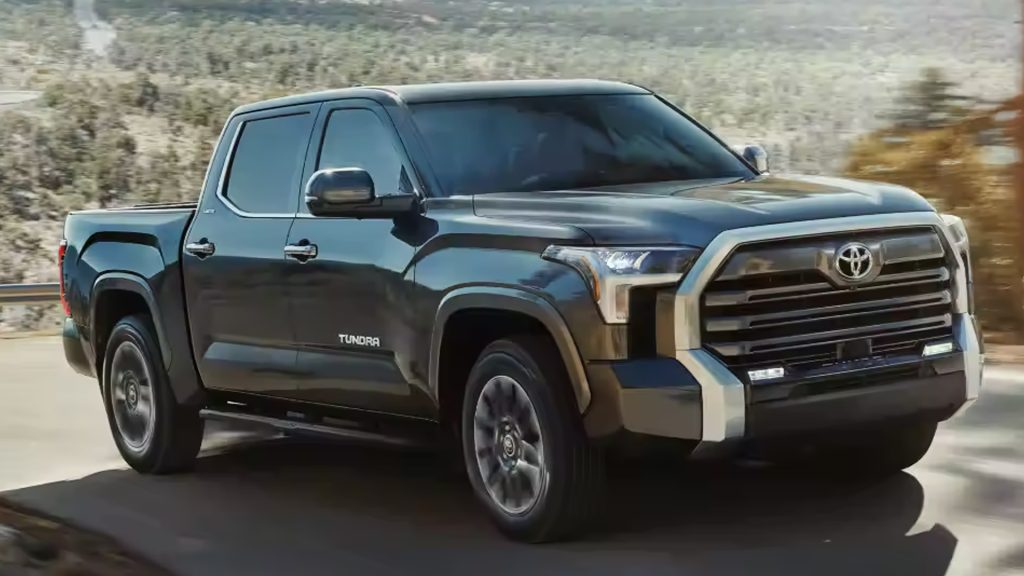
4. Toyota Tundra i-FORCE MAX
The Toyota Tundra i-FORCE MAX surprised many truck enthusiasts because it delivered stronger real-world towing performance than some people expected from a hybrid-powered full-size pickup.
While competitors focused heavily on giant towing numbers in advertisements, Toyota concentrated more on usable torque delivery, drivetrain smoothness, and long-term reliability under load.
At the heart of the truck sits a twin-turbocharged V6 paired with hybrid assistance. Some traditional truck buyers initially questioned replacing a large V8 with a hybrid setup, but the system quickly proved itself during actual towing situations. Electric torque arrives instantly at low speeds, helping the Tundra move trailers smoothly without feeling sluggish or strained.
One of the truck’s biggest strengths involves throttle response. Unlike some turbocharged engines that hesitate before building power, the hybrid system fills those gaps immediately. Launching heavy trailers from stoplights or climbing steep inclines feels surprisingly effortless because torque delivery remains consistent and immediate.
Toyota also engineered the truck carefully for towing stability rather than simply chasing maximum rating headlines. Suspension tuning keeps the Tundra composed under load, reducing excessive squat and helping maintain driver confidence during highway travel.
Owners towing boats, campers, and utility trailers frequently praise how predictable the truck feels even during long trips.
Another important factor is cooling performance. Heavy towing places enormous stress on turbocharged engines and transmissions, yet the iFORCE MAX system generally maintains stable operating temperatures effectively. The truck feels engineered for sustained towing use rather than occasional short-distance hauling only.
The interior also contributes positively to the towing experience. Toyota included large digital towing displays, trailer backup assistance, and camera systems, helping drivers manage difficult maneuvers more easily. Comfortable seating and strong cabin refinement reduce fatigue during extended towing journeys.
Fuel economy under load remains another interesting advantage. While heavy towing always increases consumption significantly, the hybrid setup can still provide efficiency benefits compared to some traditional large-displacement gasoline trucks in large-displacement situations.
The Tundra may not always dominate headline-towing numbers against heavy-duty domestic pickups, but many owners discovered that the truck’s real-world towing behavior feels more important than pure maximum capacity statistics alone.
Toyota succeeded by creating a truck that delivers practical towing confidence, strong reliability expectations, and smooth hybrid-assisted power in a segment traditionally dominated by old-school engine thinking.
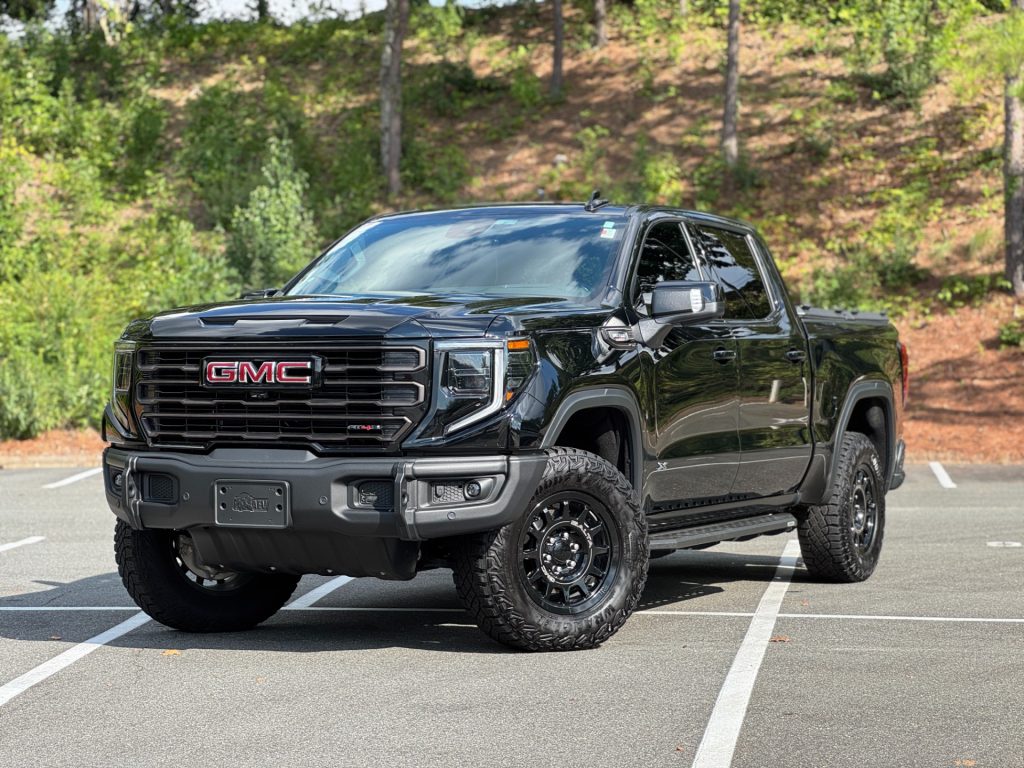
5. GMC Sierra 1500 AT4X Duramax
The GMC Sierra 1500 AT4X Duramax approaches towing differently from many trucks chasing giant headline numbers. Instead of focusing purely on maximum advertised capacity, the Sierra emphasizes real-world control, comfort, and confidence during heavy hauling.
Owners who regularly tow boats, enclosed trailers, or campers often discover the truck feels far more capable in daily use than the marketing figures alone might suggest.
The Duramax diesel engine plays the biggest role in that experience. Its low-end torque arrives smoothly and early, helping the Sierra pull trailers without dramatic strain or constant high-RPM operation. Drivers quickly notice how relaxed the engine feels even while climbing grades or accelerating onto highways with significant weight attached.
One major advantage of the Sierra AT4X involves ride quality during towing. GMC engineered the suspension carefully to balance off-road capability with highway stability, creating a truck that remains composed over rough pavement while still controlling trailer movement effectively.
Long-distance towing feels less tiring because the truck absorbs road imperfections confidently instead of bouncing excessively.
Transmission tuning also deserves recognition. The automatic gearbox shifts smoothly under load and avoids unnecessary gear hunting, which helps maintain momentum and reduces drivetrain stress during difficult terrain or changing traffic conditions.
Another area where the Sierra performs strongly is cabin refinement. Many trucks tow effectively but leave drivers exhausted after several hours on the road. The Sierra combines strong towing manners with quiet interior comfort, supportive seating, and excellent technology integration that make extended towing trips more manageable.
Trailer assistance systems further strengthen the truck’s real-world capability. Camera views, trailer monitoring, and integrated braking controls help drivers maneuver confidently in crowded campgrounds, on boat ramps, or in construction areas.
The Duramax engine also delivers respectable efficiency while towing compared to many gasoline competitors. Owners pulling medium-sized trailers regularly often appreciate the reduced fuel stops during long highway drives.
Importantly, the Sierra feels predictable under load. Steering remains stable, braking confidence stays strong, and crosswinds create less drama than some lighter-duty pickups experience when towing near their limits.
The GMC Sierra 1500 AT4X Duramax proves that real towing performance depends heavily on drivetrain refinement, chassis balance, and driver confidence rather than simply posting the largest possible number in advertising campaigns.
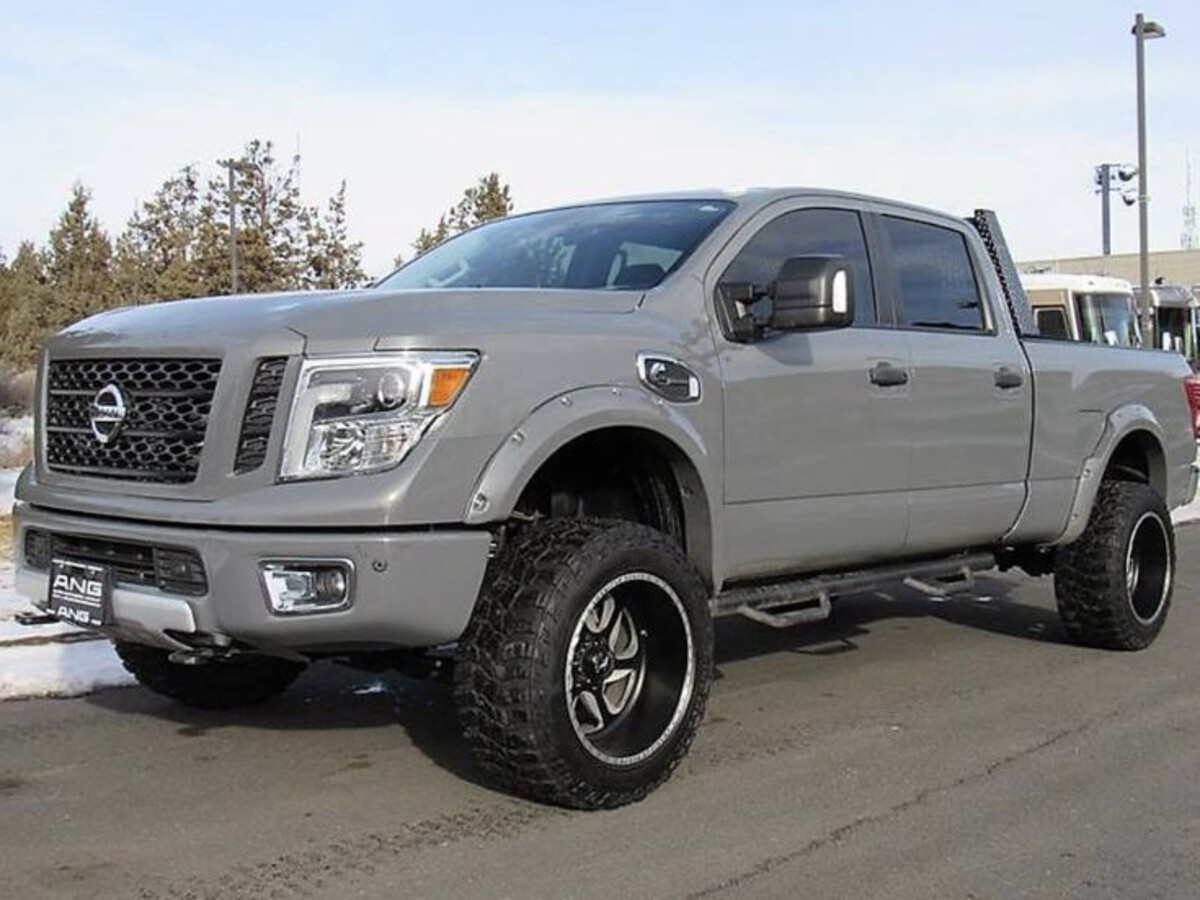
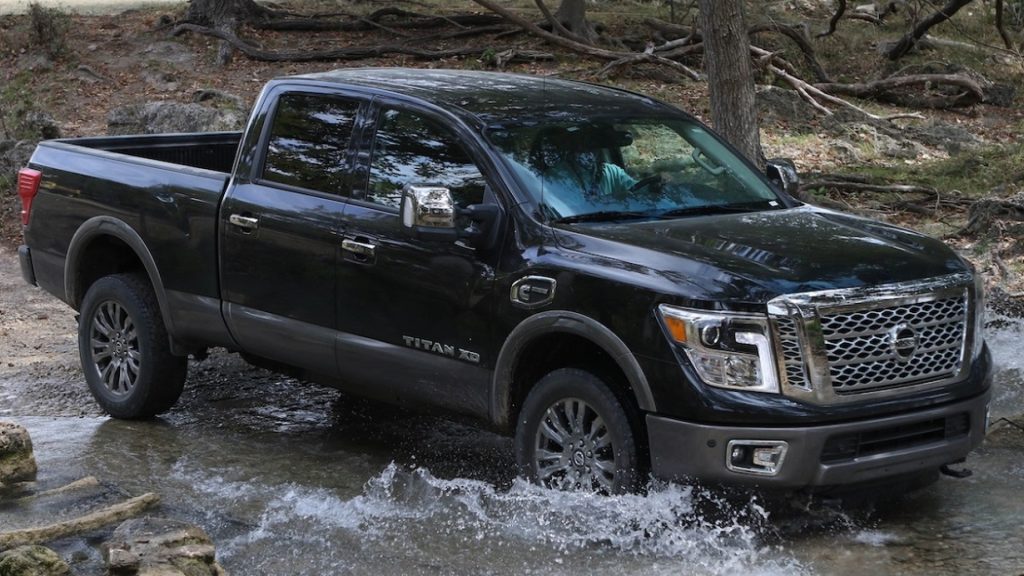
6. Nissan Titan XD Cummins
The Nissan Titan XD Cummins occupied a unique position in the truck market because it attempted to bridge the gap between light-duty and heavy-duty pickups. While the truck never dominated sales charts, many owners discovered its towing performance felt more authentic and capable than the marketing attention it received suggested.
At the center of the truck sat a Cummins turbo diesel V8 designed specifically for towing-focused buyers wanting more strength than ordinary half-ton pickups without stepping fully into massive heavy-duty trucks. The engine delivered strong low-RPM torque that helped the Titan XD tow confidently without feeling overworked during real hauling situations.
One reason owners appreciated the truck was its stability. The reinforced frame and heavier-duty components gave the Titan XD a planted feeling under load that many standard half-ton trucks lacked. Towing larger campers, enclosed trailers, or equipment felt calmer because the truck remained composed instead of nervous.
Another important strength involved breaking confidence. The Titan XD handled trailer weight more comfortably than lighter pickups, thanks to upgraded suspension and stronger chassis engineering. Drivers frequently mentioned feeling less fatigue during long towing trips because the truck behaved predictably at highway speeds.
The Cummins diesel engine also provided a towing character that buyers respected. Instead of revving aggressively during climbs or acceleration, the engine relied on steady torque delivery to maintain speed with less drama. That relaxed pulling behavior made the truck feel durable and trustworthy under pressure.
Interestingly, the Titan XD often appealed to owners who tow frequently but not commercially. Heavy-duty trucks sometimes feel unnecessarily large and stiff for everyday life, while ordinary half-ton trucks may feel strained with bigger trailers attached regularly. The Nissan fits between those categories surprisingly well.
Interior comfort also helped long-distance towing. The cabin offered supportive seating, good visibility, and user-friendly controls that reduced stress during extended highway driving.
The truck certainly had weaknesses. Fuel economy disappointed some buyers, and Nissan never built the same towing reputation as Ford, Ram, or General Motors. Yet owners who actually used the Titan XD for towing often praised how honest and confidence-inspiring the truck felt in real conditions.
The Nissan Titan XD Cummins’ proven towing capability cannot always be judged purely through sales popularity or advertising visibility. Sometimes, the most trustworthy towing trucks become respected quietly by the owners who depend on them regularly.
7. Ford F-150 EcoBoost
The Ford F-150 EcoBoost changed how many truck buyers viewed towing performance from smaller turbocharged engines.
When Ford first introduced the EcoBoost V6, traditional truck enthusiasts doubted a turbocharged six-cylinder could replace the towing confidence of a large naturally aspirated V8. Real-world experience quickly proved the skepticism was misplaced.
The EcoBoost engine delivers enormous low-end torque, which matters far more during towing than raw horsepower numbers alone. Turbocharging allows the F-150 to produce strong pulling power early in the rev range, helping the truck accelerate confidently with trailers attached without constantly revving aggressively.
One reason the truck earned respect involved everyday towing flexibility. Owners pulling boats, utility trailers, travel campers, and work equipment discovered the EcoBoost handled medium and heavy loads surprisingly well while still remaining comfortable for daily driving when not towing.
Highway performance became a major strength, too. The turbocharged engine maintains power effectively at higher elevations where naturally aspirated engines often lose noticeable performance. Drivers towing through mountain regions frequently praise how confidently the F-150 climbs grades without feeling sluggish or overwhelmed.
Ford also engineered the truck carefully for towing stability. Trailer sway control, integrated brake systems, and strong chassis tuning help the F-150 remain composed even when trailers encounter crosswinds or uneven road surfaces. The truck feels controlled rather than nervous during long-distance hauling.
Another factor separating the EcoBoost from pure marketing hype involves transmission behavior. The automatic gearbox works intelligently with the turbocharged engine, keeping torque available smoothly while minimizing unnecessary shifting during difficult towing conditions.
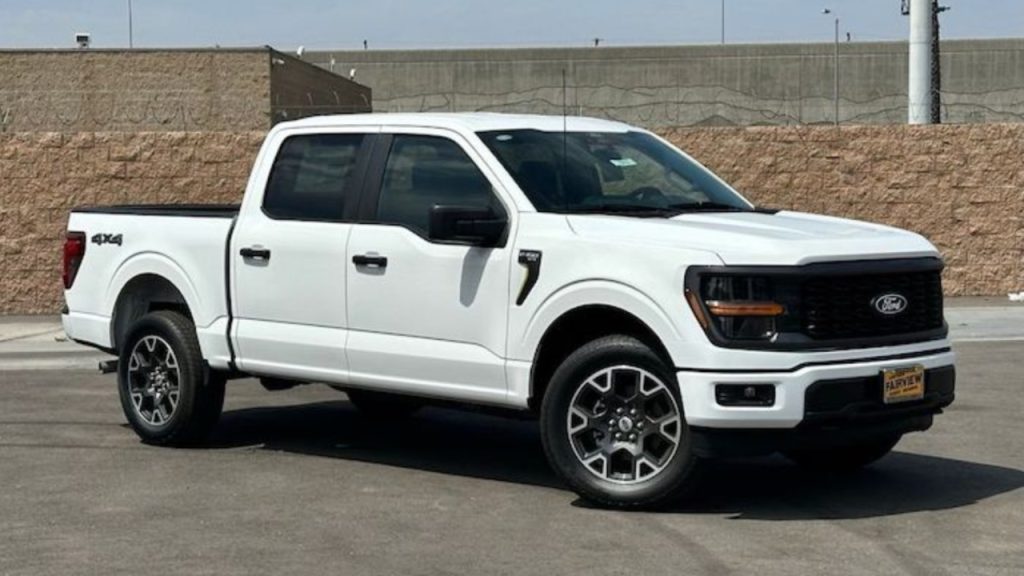
Fuel economy also surprised many owners. While heavy towing naturally increases fuel consumption significantly, the EcoBoost often delivers stronger efficiency during unloaded daily driving than traditional V8-powered competitors. Buyers appreciated getting real towing strength without sacrificing everyday practicality completely.
The cabin experience contributes positively as well. Modern F-150 interiors offer excellent visibility, comfortable seating, and advanced towing technology, helping drivers manage trailers more confidently.
The F-150 EcoBoost became successful because it delivered genuine towing capability beyond what many buyers expected from its engine layout. Instead of relying solely on advertising numbers, the truck proved itself repeatedly through real-world use by owners who tow regularly and demand consistent performance.
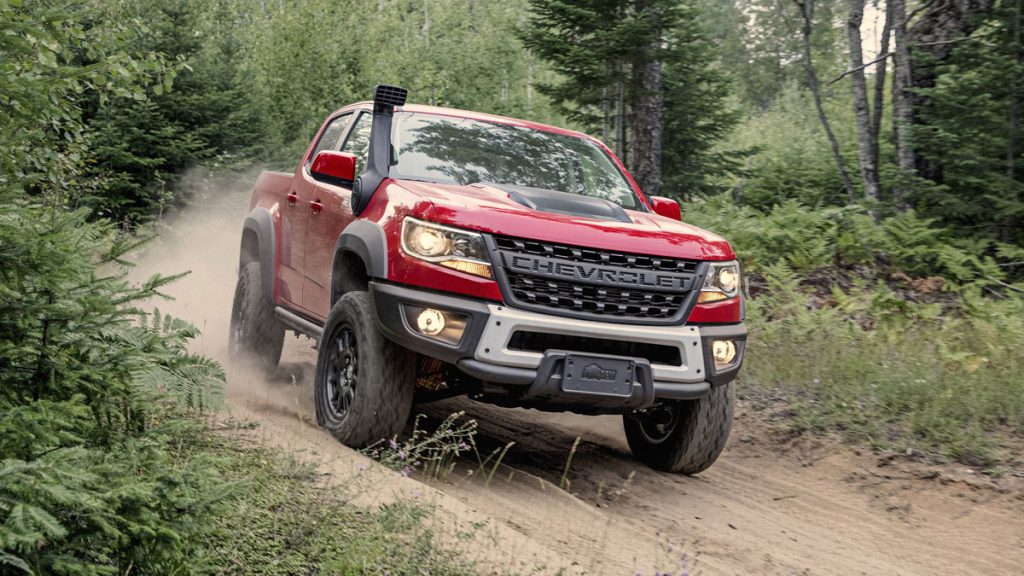
8. Chevrolet Colorado ZR2 Diesel
The Chevrolet Colorado ZR2 Diesel approached towing from a very different angle compared to giant heavy-duty pickups. It was not designed to dominate maximum tow-rating competitions or pull massive commercial trailers daily.
Instead, the truck earned respect because it delivered realistic towing capability combined with off-road versatility and manageable size in real-world ownership situations.
The diesel engine became the key to Colorado’s towing reputation. Strong RPM torque allowed the midsize truck to pull trailers far more confidently than many buyers expected from a smaller platform. Boats, campers, motorcycles, utility trailers, and recreational equipment all felt comfortably within the truck’s capabilities.
One major advantage involved control during towing rather than sheer size. The Colorado ZR2 remained easier to maneuver through tight campgrounds, narrow trails, urban streets, and crowded parking areas compared to oversized heavy-duty pickups.
Many owners appreciated towing without constantly dealing with the bulk and constantly dealing with larger trucks.
The diesel engine also delivered smooth and relaxed highway behavior. Instead of revving aggressively during climbs or acceleration, the powertrain relied on steady torque to maintain momentum efficiently. Drivers towing moderate loads over long distances often praised how composed and comfortable the truck felt.
Another important strength came from suspension engineering. The ZR2’s advanced off-road suspension setup surprisingly helped stability on rough roads while towing recreational equipment into remote areas. Uneven pavement and dirt roads created less drama because the truck absorbed impacts effectively.
Fuel efficiency remained another strong advantage. Owners towing smaller trailers regularly appreciated avoiding the heavy fuel costs associated with full-size gasoline trucks. The diesel engine balanced capability and economy in a way many midsize buyers found practical.
The Colorado ZR2 Diesel also appealed strongly to adventure-focused owners. Buyers wanting one vehicle capable of off-road travel, camping support, and moderate towing found the truck especially attractive because it handled multiple roles competently.
Importantly, Chevrolet never pretended the Colorado was a heavy-duty commercial towing machine. Instead, the truck succeeded by delivering realistic and dependable capability, matching how many people actually tow in daily life.
The Colorado ZR2 Diesel proved that owning confidence does not always require the largest truck or the highest advertised rating. Sometimes the best real-world towing vehicle is the one balancing capability, comfort, efficiency, and usability most honestly for the owner’s actual needs.
Also Read: 10 EVs Whose Used Prices Crashed in 6 Months
