
Chicago traffic isn’t just an inconvenience. It is a daily endurance test for drivers who spend hours dealing with crowded expressways, stop-and-go intersections, winter road hazards, tight parking spaces, and unpredictable weather conditions.
From the Kennedy Expressway to Lake Shore Drive, drivers in the Windy City face challenges that can quickly expose a vehicle’s weaknesses. While many cars perform well on open highways or suburban roads, some models become frustrating liabilities when forced into Chicago’s dense urban environment.
Fuel economy, maneuverability, ride comfort, reliability, visibility, winter performance, and transmission behavior all become critical factors in determining whether a car is suitable for city commuting. Vehicles that struggle with poor fuel efficiency, oversized dimensions, weak drivetrains, stiff suspensions, unreliable electronics, or uncomfortable cabins often turn a normal commute into a stressful experience.
In a city where traffic congestion can add significant delays to daily travel, choosing the wrong car can lead to higher fuel expenses, parking headaches, maintenance costs, and driver fatigue. Chicago’s brutal winters add another layer of difficulty because snow, ice, potholes, and freezing temperatures demand dependable traction and durable engineering.
Cars that may look attractive on paper or perform well in other regions often reveal major shortcomings once they are subjected to Chicago’s real-world traffic conditions. Some suffer from sluggish acceleration that makes merging onto busy highways difficult, while others have transmissions that constantly hunt for gears during stop-and-go driving.
Certain luxury vehicles become expensive burdens due to maintenance issues triggered by rough roads and harsh weather. Meanwhile, oversized trucks and SUVs can feel impossible to maneuver in crowded downtown neighborhoods or cramped parking garages.
This article explores eight cars that are particularly poorly suited for Chicago traffic. These vehicles are not necessarily terrible in every environment, but they struggle in the specific conditions that Chicago drivers face every day. Understanding why these models underperform in urban congestion can help potential buyers avoid costly mistakes and choose vehicles better suited for life in one of America’s busiest cities.
Also Read: 10 Cars With Insurance Premiums Lower Than a Compact Sedan
1. Jeep Wrangler
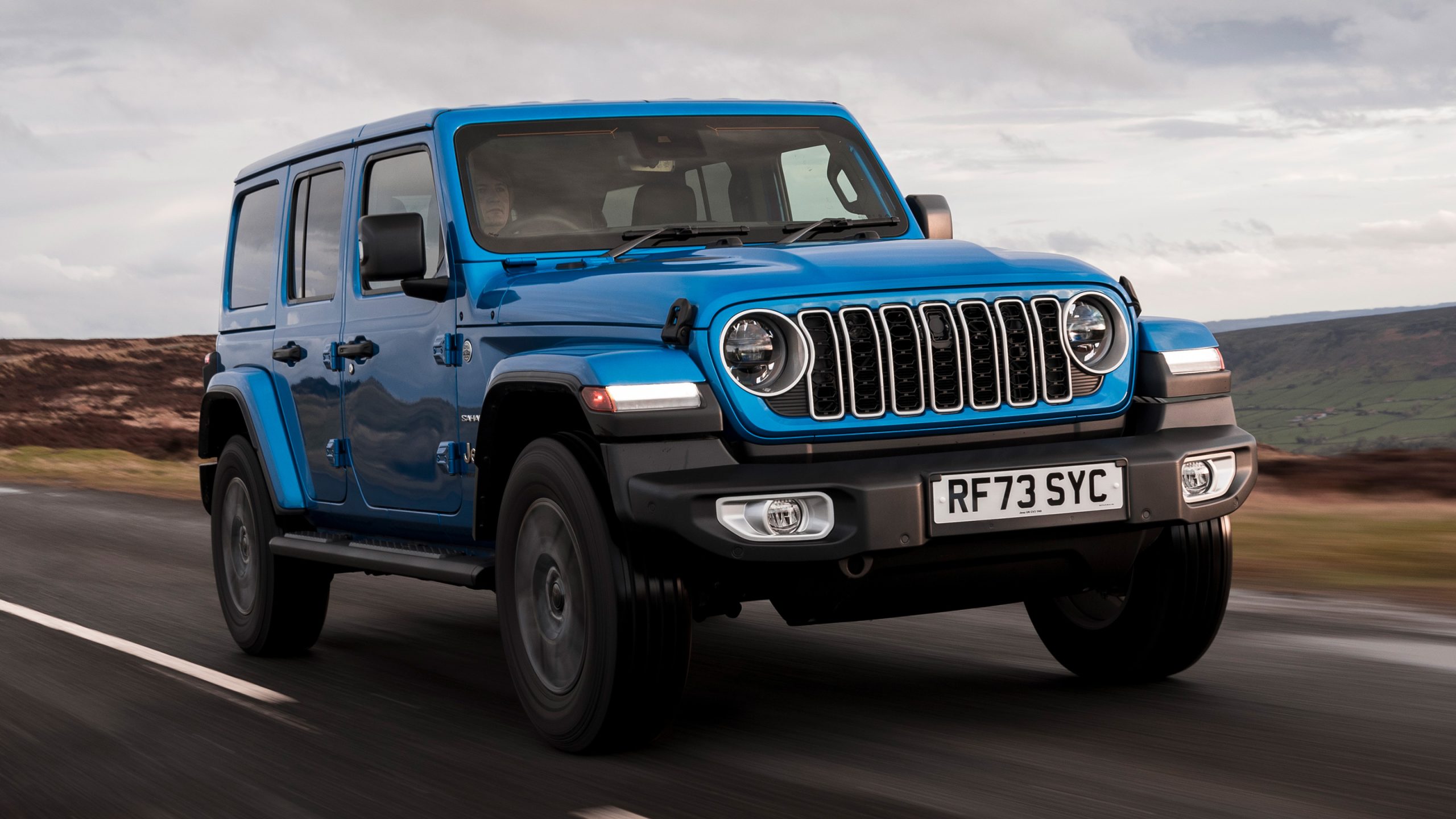
The Jeep Wrangler is one of the most recognizable SUVs in America, but it becomes a difficult companion in Chicago traffic. Although it excels in off-road conditions and rugged terrain, city driving exposes several weaknesses that make it frustrating for daily commuters.
One of the biggest problems is its rough ride quality. Chicago roads are already notorious for potholes and uneven pavement, and the Wrangler’s truck-based suspension amplifies every bump and crack. Drivers often feel exhausted after long commutes because the ride lacks the smoothness found in more road-focused crossovers.
Fuel economy is another major drawback. Stop-and-go traffic in Chicago can severely punish the Wrangler’s already mediocre efficiency. Drivers may find themselves making frequent trips to the gas station, especially during winter months when engines take longer to warm up, and idling becomes more common.
Rising fuel costs make this issue even more noticeable for commuters who spend hours each week crawling through congestion.
Parking is also a headache. The Wrangler’s boxy dimensions and wide turning radius make it awkward in tight urban garages and narrow downtown streets. Visibility can become problematic because of thick roof pillars and removable door structures. Maneuvering through crowded parking lots or parallel parking near busy commercial districts often requires extra caution and patience.
Wind noise is another factor that becomes annoying in daily traffic. The Wrangler’s removable roof and upright design create substantial cabin noise at highway speeds. Chicago commuters who spend long periods on interstates may become fatigued from constant road and wind sound entering the cabin. Conversations, phone calls, and music become harder to enjoy compared to quieter competitors.
Winter capability may appear to be a strength, but the Wrangler’s short wheelbase can actually create instability on icy roads. While it offers excellent traction in deep snow, sudden lane changes and slippery conditions may lead to nervous handling. Drivers unfamiliar with body-on-frame SUVs may struggle with confidence during Chicago’s harsh winter storms.
2. Chevrolet Camaro
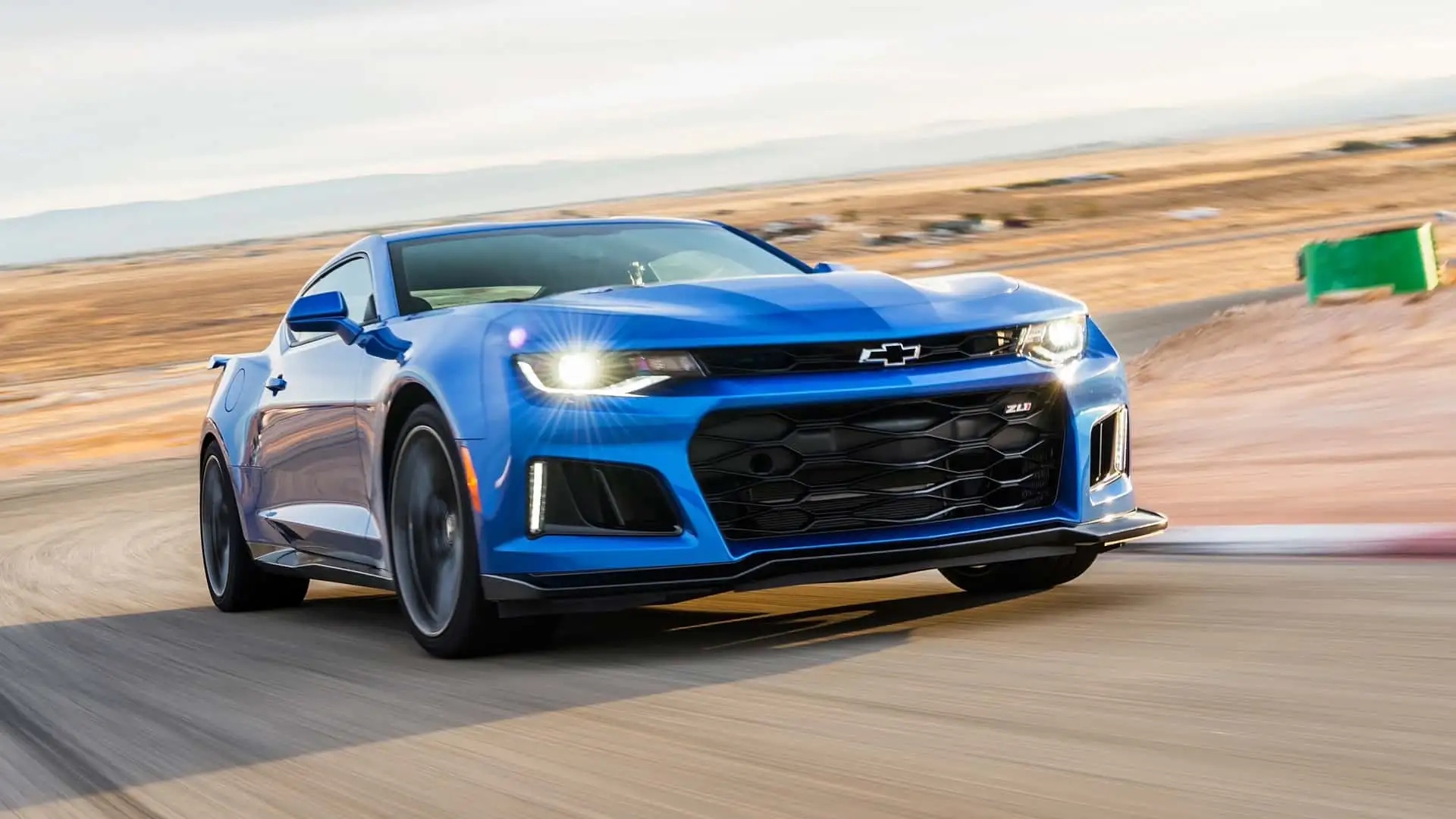
The Chevrolet Camaro delivers strong performance and aggressive styling, but Chicago traffic reveals why sports cars often make poor urban commuters. One of the Camaro’s biggest flaws is visibility.
The low roofline, narrow windows, and thick pillars create significant blind spots that can make lane changes stressful in heavy congestion. Driving through crowded expressways requires constant awareness, and the Camaro often limits the driver’s confidence.
The car’s stiff suspension creates another issue. Sports cars are designed for performance handling, but Chicago streets are filled with potholes, broken pavement, and rough surfaces that punish low-riding vehicles. Drivers frequently feel harsh impacts inside the cabin, and long-term exposure to poor road conditions can accelerate wear on suspension components and tires.
Ground clearance also becomes problematic during Chicago winters. Snow accumulation can make streets difficult for low-profile sports cars, especially in neighborhoods where plowing is delayed. Drivers may scrape the underbody or struggle to maintain traction during icy conditions. Rear Wheel Drive versions become especially difficult to control when roads become slippery.
The Camaro’s cramped cabin creates discomfort during long traffic delays. Limited rear seat space and tight interior dimensions make the car less practical for commuters carrying passengers or cargo. Grocery runs, airport pickups, and daily errands become more inconvenient compared to sedans or crossovers.
Fuel efficiency suffers significantly in urban conditions. Powerful engines consume more fuel during stop-and-go driving, and Chicago traffic rarely allows sports cars to use their performance advantages effectively. Drivers essentially pay for horsepower they cannot fully enjoy during crowded commutes.
Parking is another challenge. The Camaro’s poor outward visibility makes tight parking garages difficult to navigate. Front-end clearance can also become a concern when entering steep ramps or crowded urban lots. Combined with expensive tires and maintenance costs, the Camaro often feels like an impractical choice for city life despite its exciting performance.
3. Ford F-150 Raptor
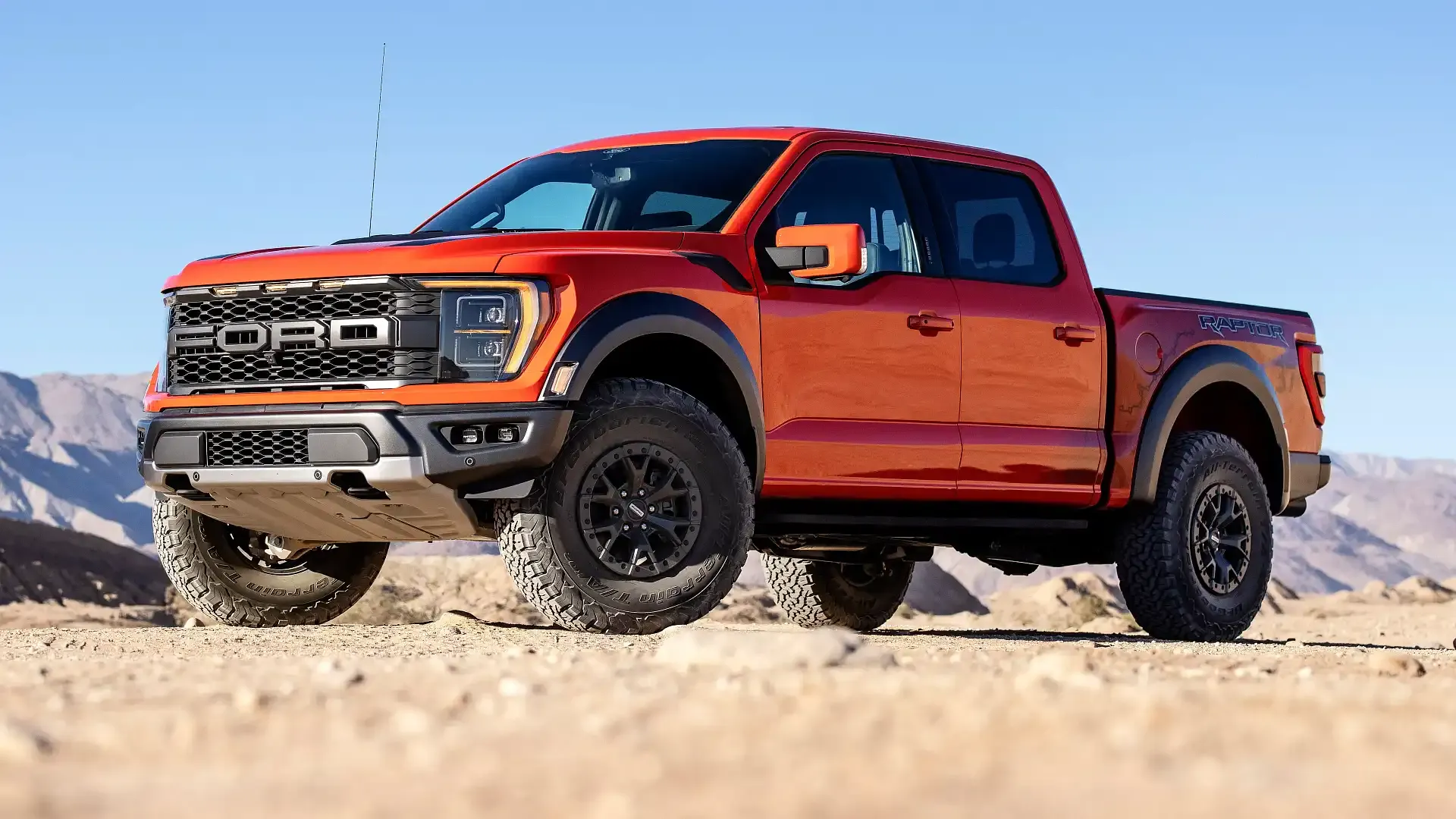
The Ford F-150 Raptor is an impressive high-performance truck designed for desert running and off-road capability, but it becomes overwhelming in Chicago traffic. Size is the most obvious issue.
The Raptor is extremely wide and tall, making it difficult to maneuver through narrow city streets, crowded intersections, and parking garages. Drivers often struggle to find suitable parking spaces, especially in downtown areas where compact spaces dominate.
Fuel economy becomes painfully expensive in urban traffic. The Raptor’s powerful engine and heavy weight lead to substantial fuel consumption, particularly during stop-and-go conditions. Chicago commuters who spend hours idling in congestion may quickly become frustrated by frequent fuel stops and high operating costs.
Ride comfort can also be surprisingly problematic. Although the suspension is designed for absorbing off-road terrain, the truck still feels large and cumbersome on city streets. Tight turns and lane changes require extra caution because of the vehicle’s massive dimensions. Urban driving often feels more stressful than enjoyable.
Visibility challenges are another concern. The truck sits very high, which can make it harder to see smaller vehicles, pedestrians, cyclists, and obstacles in dense city environments. Chicago streets require constant awareness because of heavy pedestrian traffic and unpredictable road conditions. Large blind spots increase the risk of close calls.
Winter driving introduces additional complications. While the Raptor handles snow reasonably well, its sheer size can make icy roads intimidating. Stopping distances increase due to the truck’s weight, and controlling it in slippery conditions requires more skill compared to smaller vehicles. Drivers may feel less confident when dealing with crowded intersections during snowstorms.
Maintenance and tire costs add another layer of inconvenience. The Raptor uses specialized off-road tires that wear quickly on pavement and cost significantly more to replace. Chicago’s rough roads can accelerate suspension wear, leading to expensive repairs over time. For drivers who rarely leave the city, the truck’s off-road capability becomes unnecessary excess.
4. Nissan Armada
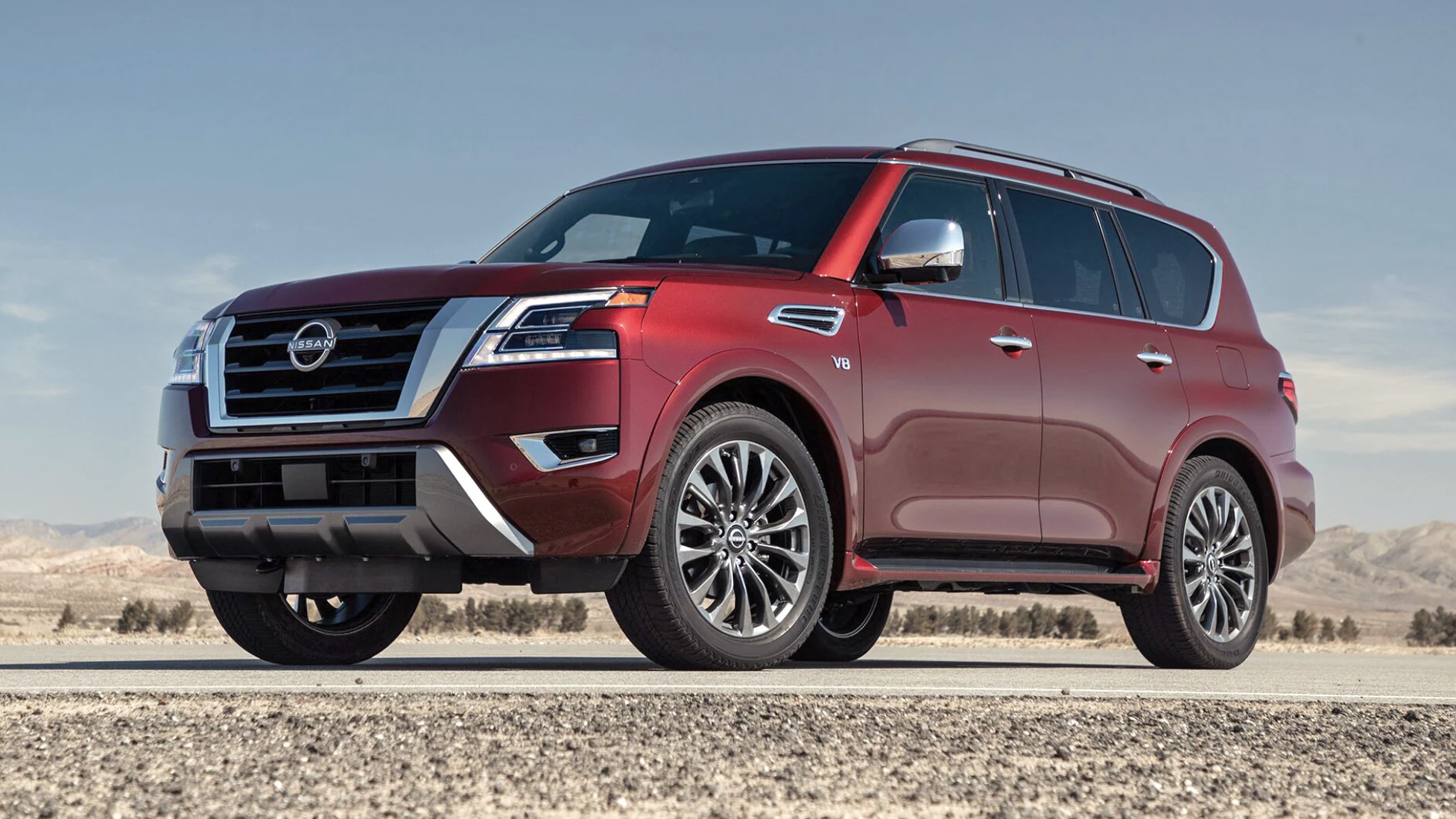
The Nissan Armada is a large full-size SUV that struggles in dense urban traffic environments like Chicago. While it offers strong towing capacity and spacious seating, its bulk creates constant frustrations for city commuters. Maneuverability is one of the biggest concerns because the Armada feels enormous on crowded streets and in tight parking structures.
Fuel efficiency is another major weakness. The large V8 engine consumes substantial amounts of fuel during stop-and-go traffic, making ownership costly for daily commuters. Chicago drivers who spend significant time idling on congested highways may find themselves paying far more for fuel than owners of smaller SUVs or hybrids.
The Armada’s heavy body also affects braking performance. In sudden traffic situations, larger SUVs require longer stopping distances. During winter weather, this issue becomes even more concerning because icy roads reduce traction and increase the risk of sliding. Drivers must maintain extra caution during snowstorms and freezing rain.
Ride quality can become tiring in urban environments. Although the Armada is comfortable on highways, its large size makes it feel less agile in city driving. Quick lane changes and tight turns often feel awkward. Chicago drivers moving through crowded downtown streets may constantly feel aware of the vehicle’s bulk.
Parking challenges become a daily frustration. Many Chicago parking garages were designed decades ago and have limited space for oversized SUVs. The Armada’s width and length can make entering or exiting tight garages stressful. Parallel parking in busy neighborhoods often becomes nearly impossible without advanced parking assistance systems.
Maintenance costs can also rise due to the vehicle’s weight and complexity. Large tires, powerful brakes, and heavy suspension components tend to wear faster in stop-and-go conditions. Combined with high fuel expenses, the Armada becomes an expensive vehicle to operate in an environment where smaller crossovers often perform more efficiently.
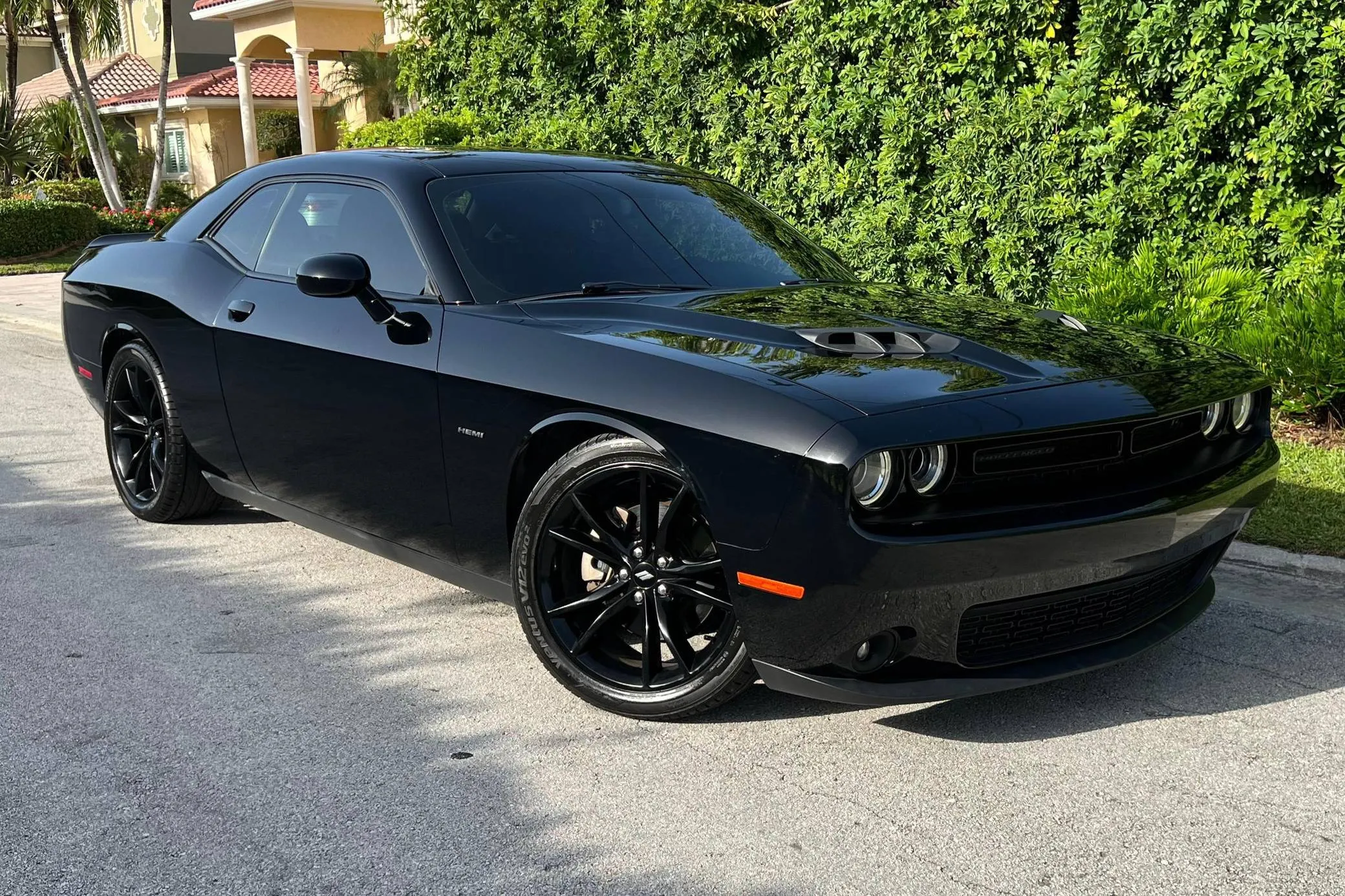
5. Dodge Challenger
The Dodge Challenger is famous for retro styling and powerful engines, but it struggles badly in Chicago traffic. One of its biggest issues is sheer size. Unlike smaller sports cars, the Challenger is long and wide, making it difficult to maneuver through tight urban spaces. Parking garages and narrow streets quickly become stressful environments for drivers.
Fuel economy is another major drawback. The Challenger’s large engines consume excessive fuel during stop-and-go driving, especially high-performance trims equipped with V8 powerplants. Chicago commuters who spend significant time idling in traffic often experience disappointing efficiency and rising fuel expenses.
The car’s weight affects agility and handling in crowded conditions. Although it performs well in straight-line acceleration, the Challenger feels heavy during quick turns and lane changes. Urban traffic rarely allows drivers to enjoy the vehicle’s performance strengths, making the ownership experience less rewarding.
Visibility limitations also create problems. Thick roof pillars and long body dimensions reduce driver confidence during parking and merging situations. Chicago’s crowded expressways demand excellent situational awareness, and the Challenger’s design can make surrounding traffic harder to monitor.
Winter driving presents serious challenges. Rear Wheel Drive muscle cars are notoriously difficult in snow and ice, and the Challenger’s heavy engine, combined with wide tires, can reduce traction significantly. Drivers may struggle during snowy commutes unless equipped with winter tires and careful driving habits.
Ride comfort becomes another issue over time. Although softer than some sports cars, the Challenger still transmits road imperfections into the cabin.
Chicago’s rough pavement and potholes can accelerate wear on suspension components while creating a tiring daily commute. For drivers seeking practical urban transportation, the Challenger often creates more inconvenience than enjoyment.
Also Read: 10 Cars That Survive Being Used as Daily Uber Vehicles
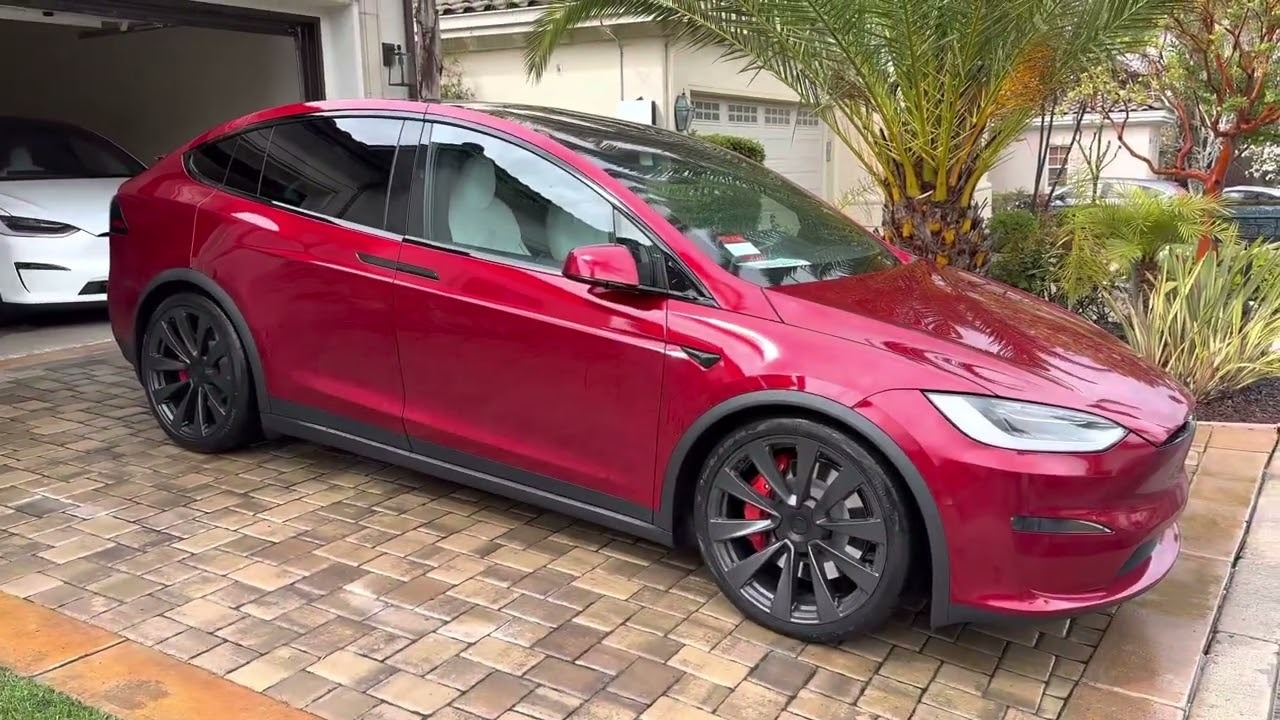
6. Tesla Model X
The Tesla Model X offers advanced technology and impressive acceleration, but Chicago traffic exposes several practical weaknesses. One of the most frustrating issues involves the Falcon Wing doors. While visually dramatic, these doors can become impractical in tight parking garages and crowded urban spaces where clearance is limited.
The vehicle’s large size creates maneuverability concerns. Although electric power provides smooth acceleration, the Model X remains a heavy SUV that can feel cumbersome in narrow city streets. Parking in older downtown garages often becomes stressful because of tight spaces and limited turning room.
Winter weather significantly affects electric vehicle range, and Chicago’s cold temperatures can reduce battery efficiency. Drivers who spend long periods in traffic with heating systems running may experience noticeable range loss. Charging logistics can also become inconvenient for apartment residents without dedicated home charging access.
Repair costs represent another concern. The Model X uses advanced technology and complex systems that can lead to expensive repairs if issues arise outside warranty coverage. Chicago’s rough roads may also increase wear on suspension components, tires, and wheels due to the vehicle’s heavy battery pack.
Ride quality can feel harsh despite the luxury positioning. Large wheels combined with urban potholes create noticeable impacts inside the cabin. Drivers dealing with rough city streets daily may become frustrated by constant vibration and road harshness.
Traffic congestion also limits the enjoyment of the vehicle’s performance. The Model X accelerates rapidly, but Chicago’s crowded roads rarely provide opportunities to fully appreciate its speed. Owners may end up paying premium prices for capabilities that remain largely unused during urban commuting.
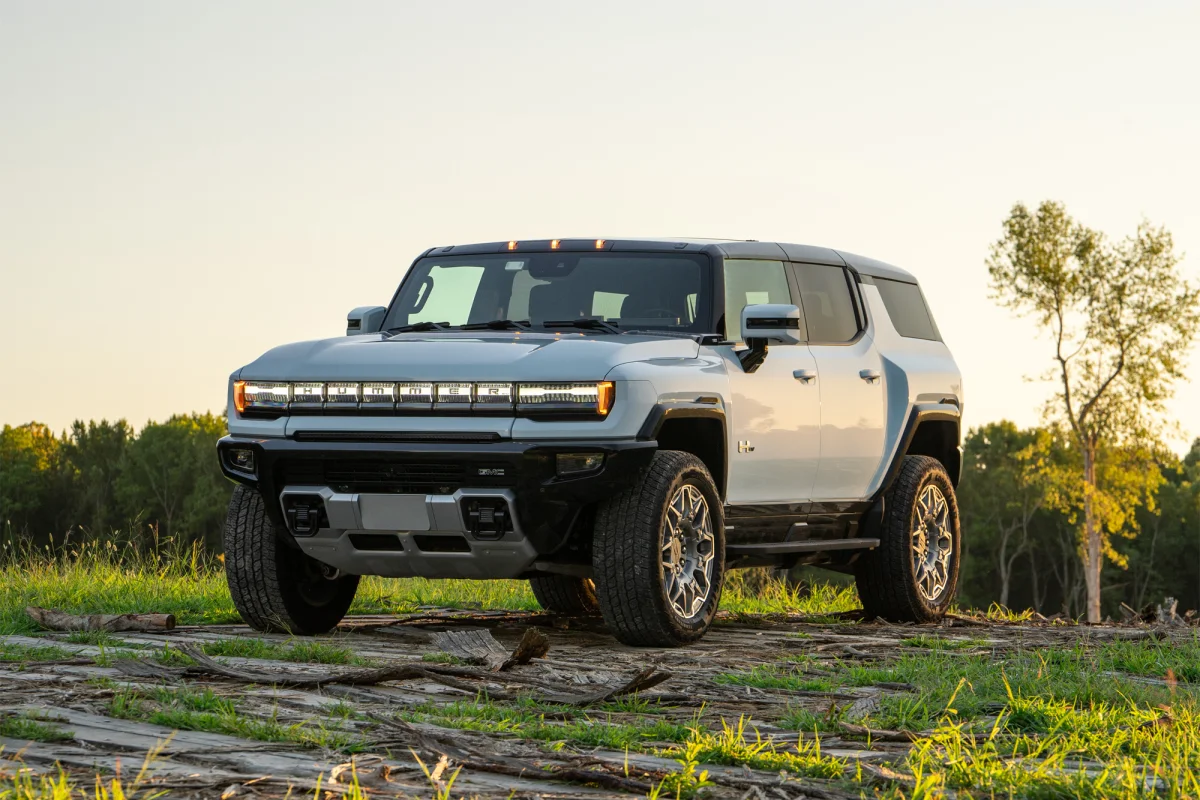
7. Hummer EV
The GMC Hummer EV is one of the largest and heaviest electric vehicles on the market, making it highly unsuitable for Chicago traffic. Its extreme size creates immediate problems in urban environments. Narrow streets, crowded parking garages, and tight intersections become difficult to navigate due to the vehicle’s enormous dimensions.
Weight is another serious concern. The Hummer EV weighs several tons, which affects braking distance, tire wear, and maneuverability. In stop-and-go traffic, the vehicle feels cumbersome and less responsive than smaller electric SUVs or sedans. Drivers may constantly worry about clearance and parking access.
Efficiency suffers despite the electric powertrain. The Hummer EV’s massive battery and heavy structure reduce energy efficiency compared to more practical electric vehicles. Cold Chicago winters can further impact range, especially when cabin heating systems are heavily used during traffic delays.
Visibility challenges become significant because of the truck’s height and wide body. Dense city environments filled with pedestrians, cyclists, and compact vehicles require excellent visibility, but oversized trucks often create blind spots that increase stress during daily commuting.
Parking is perhaps the biggest nightmare. Many Chicago garages simply cannot comfortably accommodate vehicles of this size. Street parking becomes equally difficult because the Hummer EV occupies substantial space and may protrude into traffic lanes if parked improperly.
The cost of ownership also remains extremely high. Tire replacement, charging expenses, insurance premiums, and potential repair costs make the Hummer EV a financially demanding vehicle for city residents. While it may attract attention on the road, practicality suffers greatly in Chicago’s dense traffic conditions.
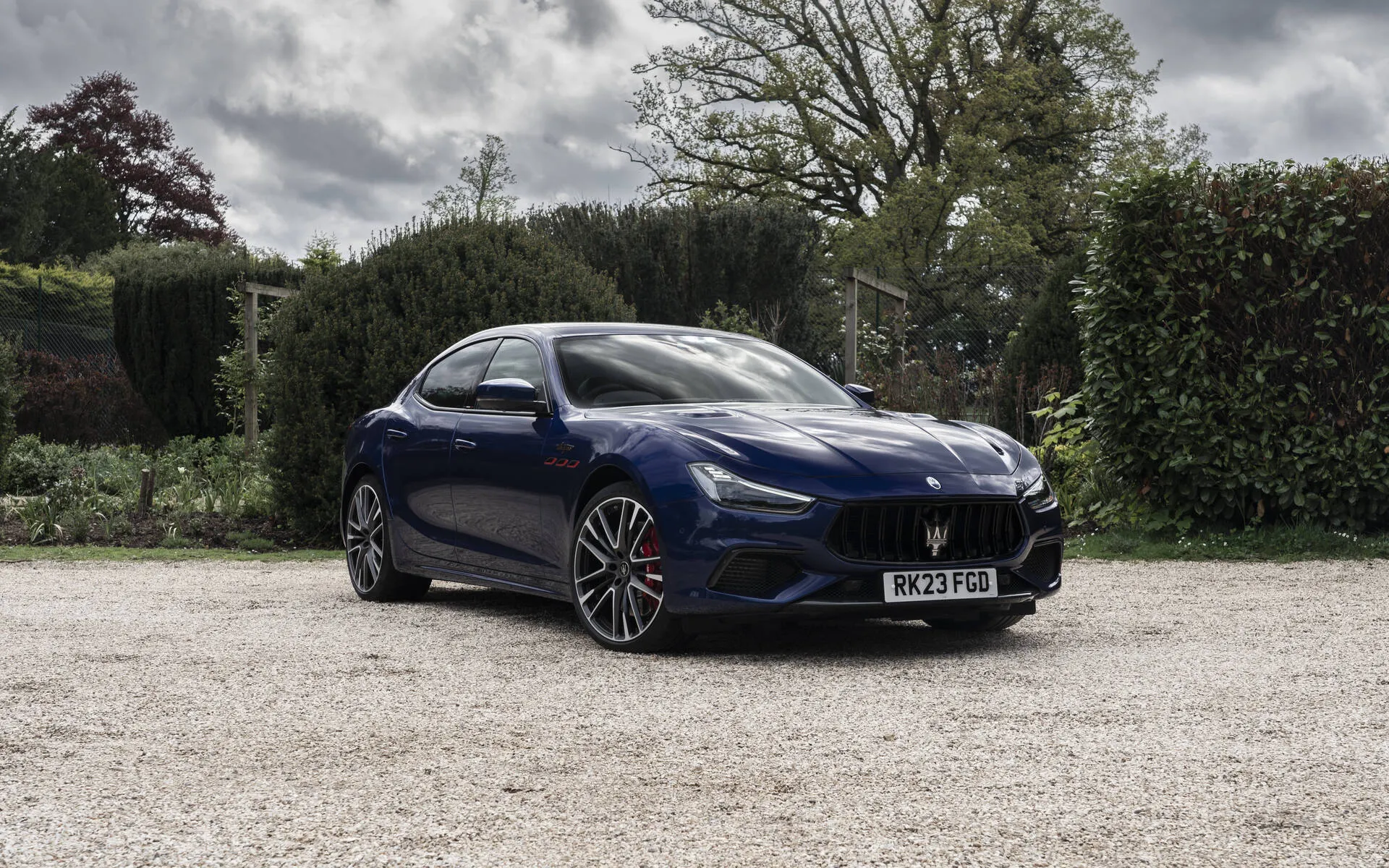
8. Maserati Ghibli
The Maserati Ghibli offers exotic styling and luxury appeal, but it becomes a questionable choice for Chicago traffic. Reliability concerns represent one of the biggest problems. Luxury performance sedans often require expensive maintenance, and rough urban roads can accelerate wear on suspension systems, wheels, and electronics.
The Ghibli’s stiff suspension creates discomfort on pothole-filled streets. Chicago drivers frequently encounter rough pavement that can make luxury sports sedans feel harsh and tiring. Instead of enjoying refined comfort, owners may spend much of their commute avoiding road imperfections.
Fuel economy is another weakness. Turbocharged performance engines consume considerable fuel during stop-and-go traffic, reducing efficiency significantly in urban conditions. Premium fuel requirements further increase operating costs for daily commuters.
Winter weather also creates challenges. Rear Wheel Drive configurations combined with performance tires can reduce traction on snowy roads. Drivers may experience difficulty maintaining stability during icy conditions, especially compared to All Wheel Drive crossovers better suited for harsh climates.
Parking anxiety becomes another issue because luxury vehicles attract attention and can be expensive to repair after minor damage. Tight garages and crowded streets increase the risk of scratches, dents, and wheel damage. Chicago’s urban density often forces drivers into uncomfortable parking situations.
Depreciation and maintenance costs make ownership financially risky. Luxury Italian vehicles are known for losing value quickly, and repair expenses can become overwhelming once warranties expire. For commuters focused on practicality and reliability, the Ghibli often delivers more stress than satisfaction.
