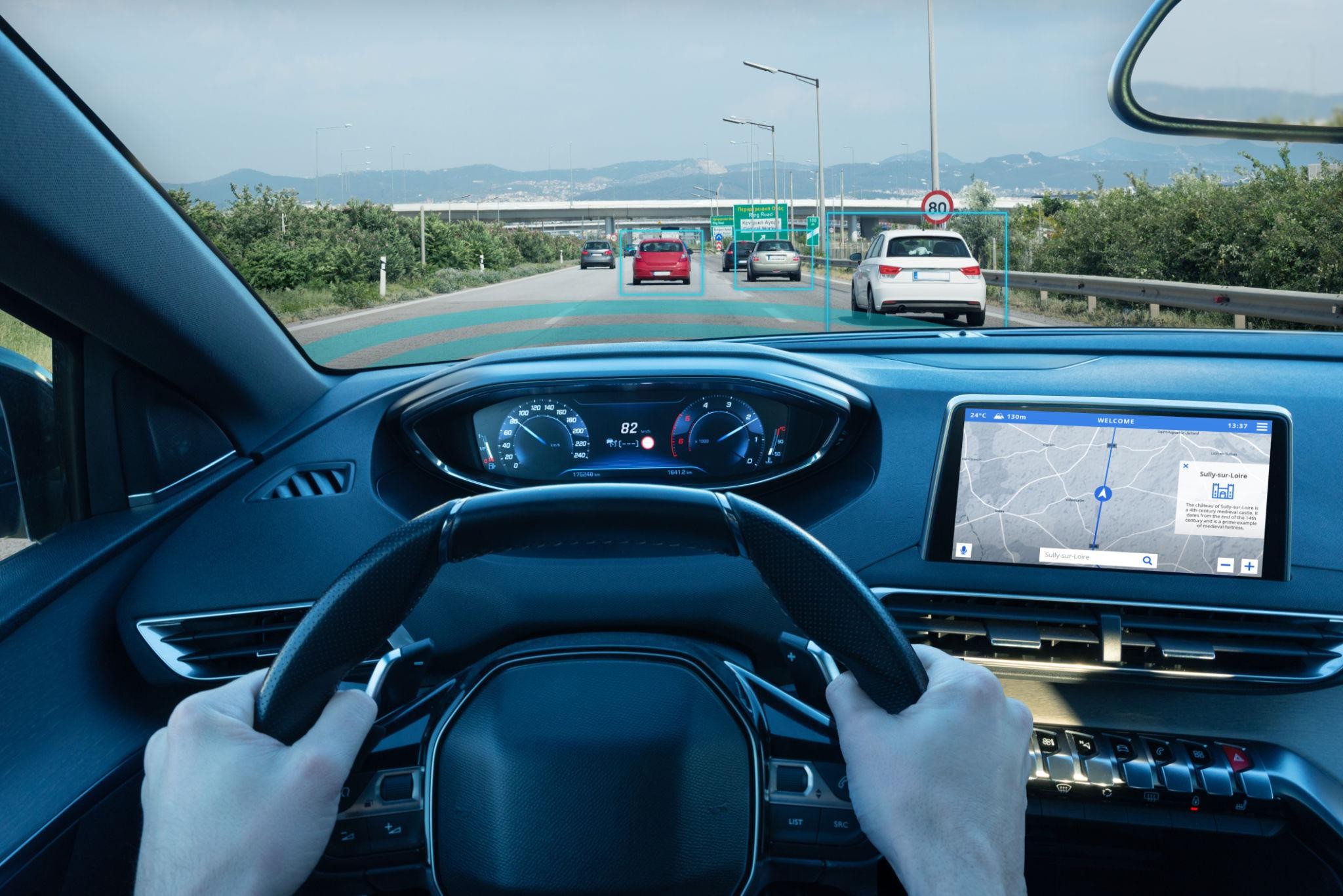
Modern vehicles are packed with advanced driver assistance systems designed to make roads safer, reduce accidents, and improve the driving experience.
Among the most heavily promoted of these technologies is Lane Keep Assist, often called LKA. Car manufacturers present it as a smart safety feature that gently guides a vehicle back into its lane when it begins to drift. In theory, the system sounds practical and reassuring.
A distracted or tired driver receives subtle steering assistance before a dangerous mistake occurs. Insurance companies praise these systems for their potential to reduce crashes, and regulators in several regions have encouraged or mandated their inclusion in newer vehicles.
Yet despite these promises, many drivers have developed a growing frustration with Lane Keep Assist technology. Instead of feeling protected, they often feel interrupted, overcorrected, or even physically challenged by their own car.
The central criticism is simple. Lane Keep Assist frequently behaves like an overconfident co-driver rather than a helpful safety assistant. Drivers report situations where the steering wheel unexpectedly tugs in the wrong direction, resists deliberate lane changes, or reacts aggressively to faded lane markings, construction zones, shadows, and road imperfections.
In heavy traffic, rural environments, or poor weather conditions, the system can become unpredictable. While manufacturers insist that drivers remain in full control, many users say the technology creates moments of confusion that increase stress rather than reduce it. Instead of supporting attentive driving, some implementations encourage drivers to constantly fight the system for authority over the vehicle.
Another important issue is the gap between marketing and real-world behavior. Advertisements often portray Lane Keep Assist as a seamless guardian that quietly prevents accidents. In reality, system performance varies dramatically depending on road quality, weather, camera calibration, and software design.
Some luxury vehicles deliver smooth and nearly invisible corrections, while others react with abrupt steering inputs that can startle drivers. This inconsistency has created skepticism among motorists who expected a polished safety feature but encountered technology that feels unfinished or intrusive.
The debate surrounding Lane Keep Assist reflects a broader question about automotive automation. At what point does a safety feature stop helping and start interfering? Human drivers rely on instinct, experience, road awareness, and judgment developed over years behind the wheel.
A camera and software system cannot fully understand context the way a person can. When automation begins overriding human decisions too aggressively, trust erodes quickly. Drivers may disable the feature permanently, ignore warnings, or lose confidence in other safety systems that genuinely provide value.
Although Lane Keep Assist has the potential to prevent certain accidents, especially those caused by distraction or drowsiness, its practical execution often leaves much to be desired.
Understanding why many drivers feel resistance rather than support from this technology requires examining how the systems operate, where they fail, and why the relationship between human control and automated assistance remains deeply complicated.
Also Read: 10 Cars With Insurance Premiums Lower Than a Compact Sedan
Understanding How Lane Keep Assist Actually Works
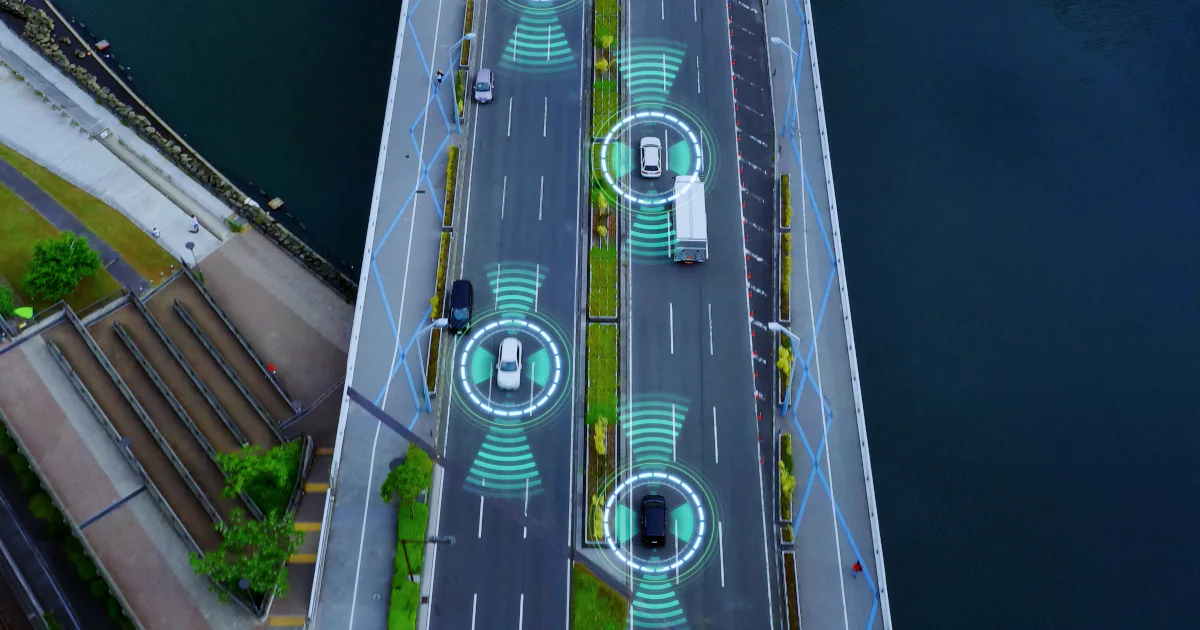
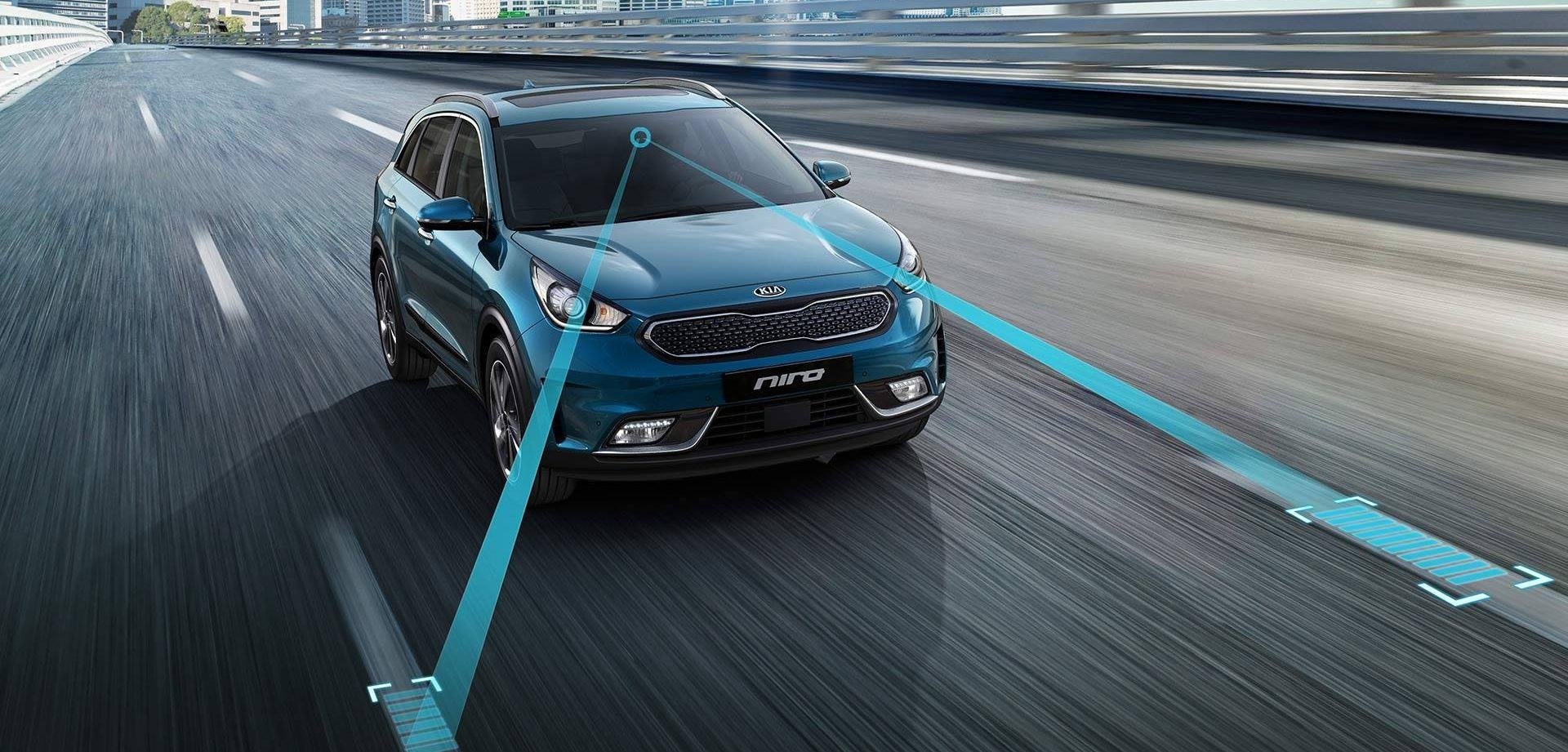
Lane Keep Assist relies on a combination of cameras, sensors, software algorithms, and electric steering inputs to detect lane markings and keep a vehicle centered. Most systems use a forward-facing camera mounted near the windshield to monitor road lines in real time.
When the software detects that the vehicle is drifting toward the edge of the lane without a turn signal activated, it intervenes through steering corrections or warning alerts. Some systems vibrate the steering wheel, while others physically apply force to guide the vehicle back toward the center of the lane.
The technology may sound straightforward, but its effectiveness depends heavily on environmental conditions and software interpretation. Cameras must continuously identify lane boundaries accurately, which becomes difficult when roads have faded paint, inconsistent markings, potholes, snow coverage, or construction detours.
Rural roads often lack clear lane definitions altogether, while urban roads may contain confusing overlapping paint from temporary traffic changes. In these situations, the software can misread boundaries and produce unnecessary steering interventions that surprise the driver.
Manufacturers attempt to balance sensitivity and comfort, but achieving that balance is extremely difficult. A highly sensitive system may react too quickly, causing unwanted steering corrections during normal driving behavior. A less sensitive system may fail to intervene when genuinely needed.
Drivers often complain that the system feels inconsistent because it behaves differently across road types and weather conditions. One day, it may operate smoothly on a freshly painted highway, while the next day it may aggressively tug the wheel on a narrow road with imperfect markings.
Another challenge involves the difference between Lane Departure Warning and Lane Keep Assist. Many consumers assume these features are identical, but they operate differently. Lane Departure Warning simply alerts the driver when drifting occurs. Lane Keep Assist actively intervenes with steering control.
This distinction matters because the physical sensation of steering correction can feel invasive. Drivers may tolerate warning sounds or vibrations, but they become uncomfortable when software attempts to override their steering inputs.
The growing complexity of these systems has also introduced issues related to calibration and software tuning. After windshield replacements or suspension repairs, some vehicles require camera recalibration to maintain accurate lane detection. If calibration is slightly off, steering corrections can become unreliable or poorly timed.
Drivers rarely understand these technical details, which means many assume the technology itself is flawed when the issue may involve setup or maintenance. Regardless of the cause, the result remains the same. Drivers lose trust when the vehicle behaves unpredictably.
Why Drivers Feel Like They Are Fighting the System?
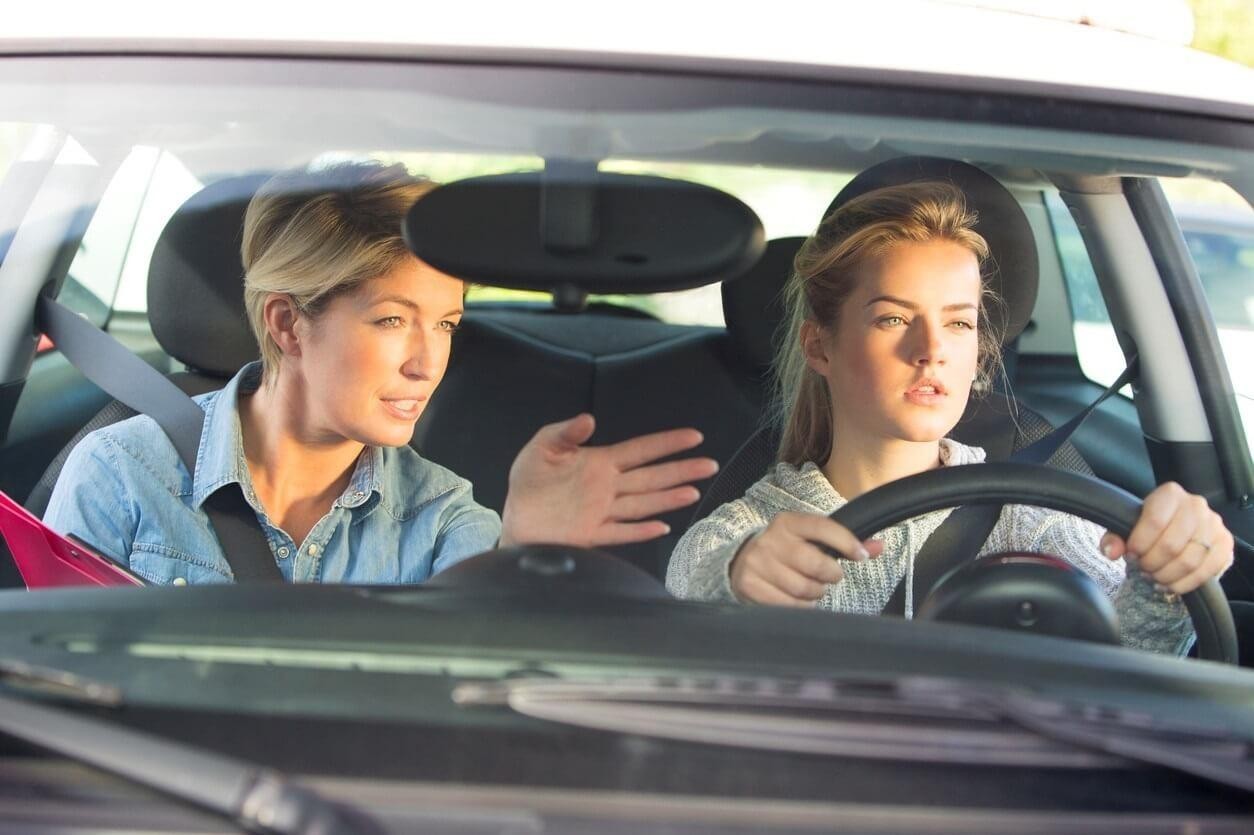
One of the biggest complaints about Lane Keep Assist is the physical sensation of resistance during normal driving. Drivers expect the steering wheel to respond naturally to their own movements, but many systems apply noticeable counterforce when they interpret an action as unintended lane departure.
This can create the uncomfortable feeling that the car disagrees with the driver’s decisions. Even when the correction is mild, the psychological effect is significant because humans instinctively expect complete authority over steering.
This problem becomes especially frustrating during lane changes, merging, or avoiding road hazards. Although turn signal activation usually tells the system that a lane change is intentional, drivers do not always signal every slight maneuver, particularly in situations involving debris, cyclists, parked vehicles, or narrow roads.
If the system intervenes unexpectedly during these moments, it can create hesitation or force the driver to apply extra steering pressure. Instead of helping maintain control, the technology can momentarily disrupt the driver’s rhythm and concentration.
Road construction zones represent another major weakness. Temporary lane markings, cones, and shifting traffic patterns often confuse camera-based systems. Drivers frequently report situations where Lane Keep Assist attempts to follow old paint lines rather than the correct temporary route.
In these cases, the steering wheel may pull toward barriers or incorrect lanes, forcing the driver to override the system aggressively. These incidents damage confidence quickly because they occur in environments where precise human attention is already essential.
Weather conditions also contribute heavily to driver frustration. Rain, fog, snow, glare, and darkness reduce camera visibility and increase detection errors. Some systems disable themselves during severe weather, while others continue operating with inconsistent behavior.
A sudden steering correction on a slippery road can feel dangerous rather than protective. Drivers may begin worrying more about what the system might do than about the actual road conditions themselves. This creates cognitive overload instead of reducing driver stress.
Perhaps the most damaging issue is unpredictability. Human drivers can adapt to imperfect roads because they understand context intuitively. Automated systems often cannot distinguish between intentional and unintentional movement with the same level of nuance.
When a system behaves inconsistently, drivers become hyperaware of it. Instead of driving naturally, they anticipate possible interference. Over time, many users either disable the feature entirely or develop resentment toward it. A safety system that encourages distrust undermines its own purpose.
The Psychological Problem of Shared Control
Driving is deeply connected to human psychology. People develop muscle memory, instinctive reactions, and confidence through years of experience behind the wheel. When automation enters that relationship, even in a limited form, it changes how drivers perceive control and responsibility.
Lane Keep Assist introduces a shared control dynamic where both the driver and the software influence steering decisions. This arrangement may appear harmless on paper, but psychologically it creates tension because humans are uncomfortable surrendering partial authority during high attention tasks.
One reason this tension exists is that the system intervenes selectively rather than continuously. Full manual driving gives the driver complete control, while fully autonomous systems would theoretically remove the driver from active steering altogether.
Lane Keep Assist exists in an awkward middle ground. Most of the time, the driver controls the vehicle normally. Then suddenly, without warning, the system asserts itself. This intermittent intervention feels disruptive because it interrupts established expectations about vehicle behavior.
Trust also plays a major role. Drivers are willing to accept assistance when they believe the system understands the situation correctly. However, trust collapses quickly after even one obvious mistake. If a vehicle pulls toward faded lane markings or resists a legitimate maneuver, the driver begins questioning every future intervention.
Unlike human passengers who can explain themselves verbally, automated systems provide little context. The driver only feels the steering correction without fully understanding why it happened.
Another psychological concern involves overreliance. Some studies suggest that advanced driver assistance systems can encourage complacency in certain users. Drivers may pay less attention because they assume the vehicle will compensate for mistakes. Yet Lane Keep Assist is not capable of replacing human awareness.
It cannot reliably predict sudden hazards, interpret complex traffic behavior, or understand all environmental conditions. This mismatch between perceived capability and actual capability creates dangerous assumptions about what the technology can accomplish.
There is also the issue of emotional response. Driving is not purely mechanical. People value smoothness, confidence, responsiveness, and personal comfort. A steering wheel that unexpectedly vibrates or resists movement can feel irritating on an emotional level, even if the intervention technically improves lane positioning.
Repeated irritation gradually shapes perception. Drivers stop viewing the technology as a safety assistant and start viewing it as an annoyance. Once that emotional shift occurs, the system loses credibility regardless of its statistical benefits.
Also Read: 10 Cars That Survive Being Used as Daily Uber Vehicles
The Safety Benefits That Supporters Point To
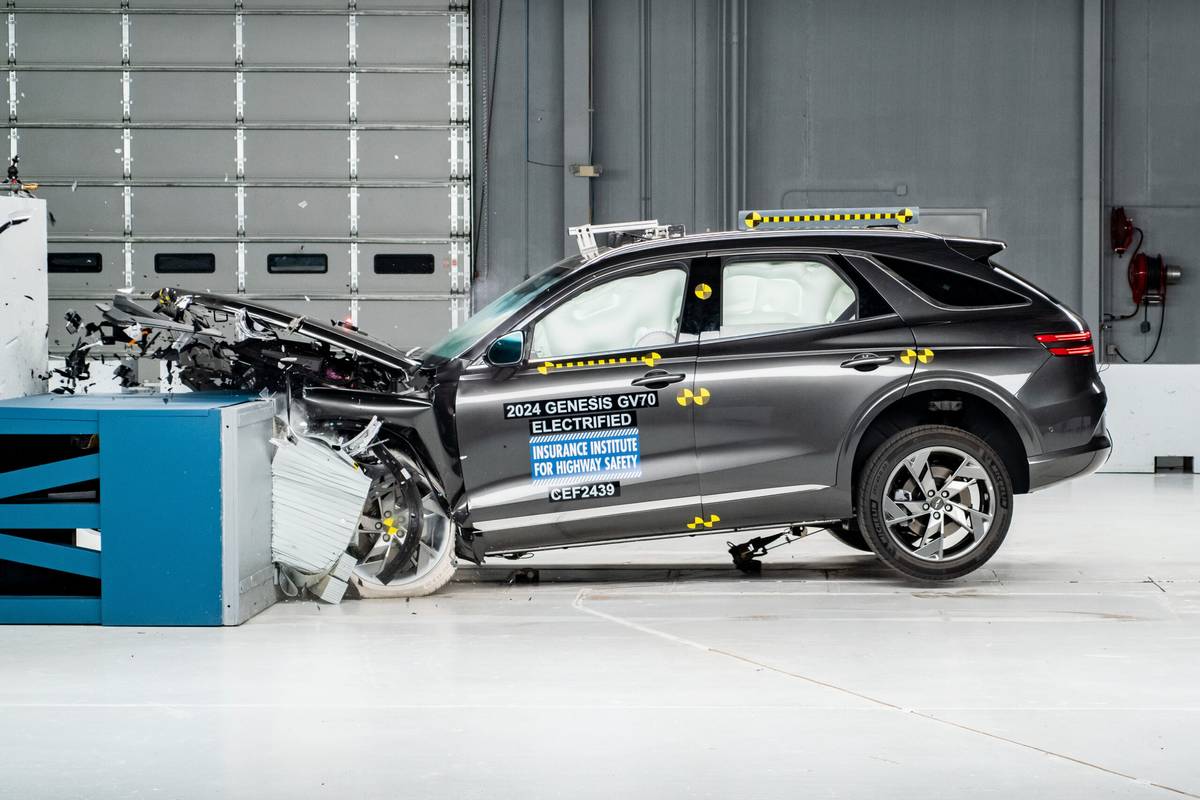
Despite widespread criticism, Lane Keep Assist does offer legitimate safety advantages under certain conditions. Supporters argue that the technology is particularly effective in reducing accidents caused by distraction, microsleep episodes, or momentary lapses in attention.
Highway driving can become monotonous, and even experienced drivers occasionally drift slightly within their lane. A gentle steering correction or warning alert may prevent a potentially serious collision in those situations.
Research from transportation safety organizations has shown that lane departure crashes account for a significant percentage of serious roadway accidents. Vehicles leaving their lane unintentionally can collide with oncoming traffic, barriers, or roadside obstacles.
Supporters believe that even imperfect intervention systems can reduce these incidents by correcting minor mistakes before they escalate into emergencies. Insurance industry studies have also linked certain driver assistance technologies with reduced claim frequencies in some accident categories.
Long-distance highway travel is where Lane Keep Assist tends to perform best. Clearly marked roads, predictable curves, and stable traffic patterns create ideal conditions for camera-based systems.
On modern highways with fresh lane paint, some vehicles maintain lane centering smoothly and subtly enough that drivers barely notice the corrections. In these environments, the feature can reduce fatigue by lowering the amount of constant micro steering adjustments required during extended trips.
Advocates also argue that criticism often stems from early-generation systems that lacked refinement. Newer vehicles increasingly combine cameras, radar, artificial intelligence, and advanced steering algorithms to improve behavior. Premium brands in particular have developed systems capable of delivering smoother interventions than older designs.
As software improves, manufacturers hope to reduce abrupt corrections and increase driver confidence in automated assistance.
Another important point involves human limitations. Drivers frequently overestimate their attentiveness and skill levels. Many people believe they are fully focused even while engaging in distractions such as adjusting navigation settings, using smartphones, eating, or conversing with passengers.
Lane Keep Assist serves as a backup layer of protection during those moments. While it may occasionally annoy attentive drivers, supporters argue that preventing even a small number of severe accidents justifies the inconvenience. From a statistical perspective, reducing collisions matters more than preserving a perfect driving feel.
Why Many Drivers Still Turn It Off
Despite the theoretical safety benefits, a large number of drivers disable Lane Keep Assist shortly after purchasing their vehicles. The most common reason is annoyance. Drivers often describe the feature as intrusive, distracting, or exhausting during everyday use. Instead of fading into the background as seamless assistance, the system constantly reminds users of its presence through steering interventions, warning chimes, vibrations, or dashboard alerts.
Another reason drivers disable the system is the inconsistency between different road environments. A feature that works well on highways may behave poorly on city streets or rural roads. Many drivers do not want to repeatedly switch settings depending on location, weather, or traffic conditions.
If the system cannot perform reliably across all common driving scenarios, users begin questioning whether keeping it active is worthwhile at all.
False positives create additional frustration. Some systems interpret harmless behavior as dangerous lane departure. Slight positioning adjustments around cyclists, parked vehicles, puddles, or road imperfections may trigger corrections unnecessarily. Drivers who feel perfectly in control become irritated when the vehicle reacts as though they made a mistake. Over time, repeated false interventions damage confidence more than occasional successful corrections improve it.
There is also a generational divide in how drivers perceive automation. Younger drivers who grew up with digital assistance technologies may adapt more easily to semi-automated systems.
Older or more experienced drivers often prefer direct mechanical control and may resent electronic interference. Enthusiast drivers in particular tend to dislike systems that alter steering feel because they value precision, responsiveness, and personal engagement with the vehicle.
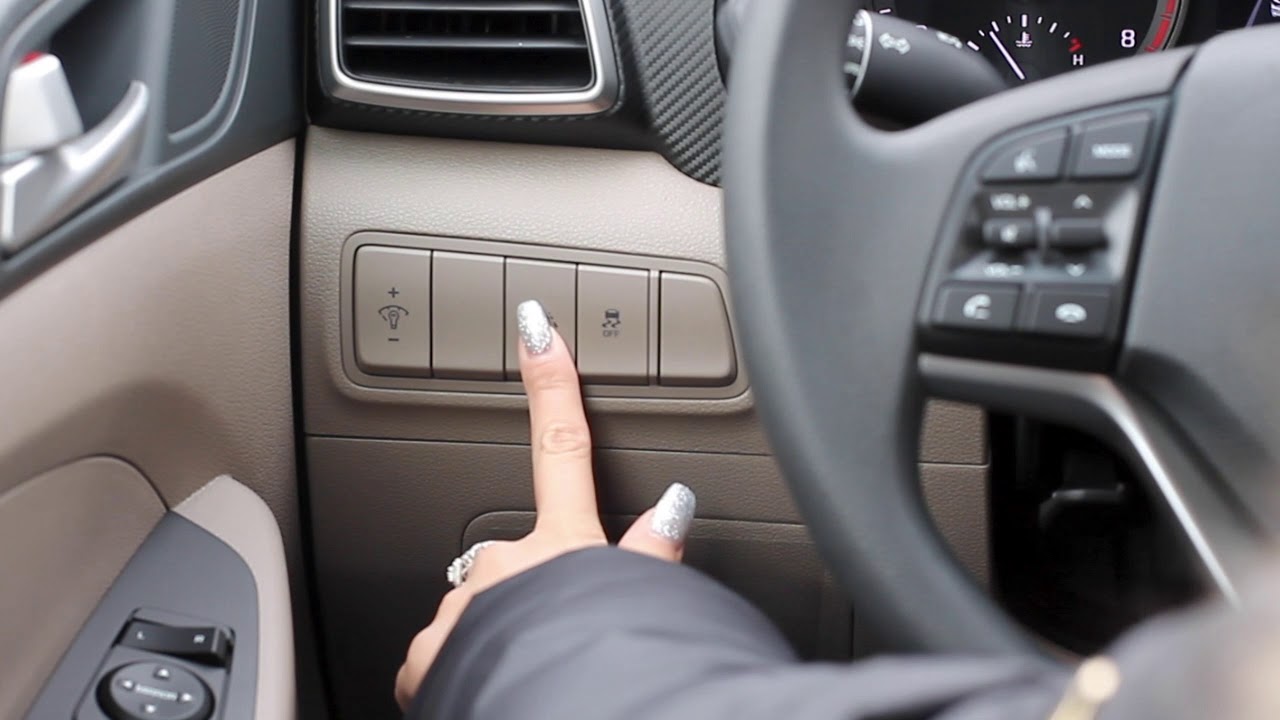
Manufacturers have attempted to address these complaints by adding customization settings. Some vehicles allow drivers to adjust intervention strength, warning sensitivity, or lane centering behavior. Others permit temporary deactivation through steering wheel buttons.
However, many systems reactivate automatically every time the vehicle starts due to regulatory requirements or safety policies. This forces drivers to repeatedly disable features they dislike, further contributing to resentment toward the technology.
The Future of Lane Keep Assist Technology
The future of Lane Keep Assist will likely depend on whether manufacturers can make the technology feel less confrontational and more intuitive. Current systems often suffer from abruptness because they rely heavily on rigid rule-based software behavior.
Future designs are expected to incorporate more advanced artificial intelligence capable of interpreting context more effectively. Instead of reacting solely to lane markings, future systems may better understand traffic flow, road conditions, driver habits, and environmental complexity.
Sensor fusion will also play a major role in improving performance. Many existing systems depend primarily on cameras, which struggle under poor visibility conditions. Combining cameras with radar, lidar, high definition mapping, and real-time navigation data could create more reliable lane detection. A system that understands the broader driving environment may deliver smoother and more accurate steering assistance while reducing false interventions.
Driver monitoring technology is another area receiving increased attention. Some modern vehicles already use cameras to track eye movement and head position to determine whether the driver is attentive.
Future Lane Keep Assist systems may adapt intervention intensity based on detected driver engagement. For example, the vehicle might apply stronger corrections only when it senses distraction or drowsiness while remaining passive during attentive driving. This personalized approach could reduce feelings of unnecessary interference.
Regulation will continue shaping development as governments push for broader adoption of driver assistance systems. Safety organizations generally support technologies that reduce lane departure accidents, even if some drivers dislike them.
As a result, Lane Keep Assist may become increasingly common or mandatory in many markets. This raises an important challenge for automakers. If drivers are forced to live with these systems, manufacturers must prioritize refinement and user trust rather than simply meeting regulatory standards.
The success of Lane Keep Assist depends on one critical factor. Drivers must feel supported rather than controlled. Technology that constantly competes with human judgment creates resistance and frustration. The ideal assistance system should operate quietly, predictably, and intelligently enough that drivers rarely notice it.
Achieving that balance remains difficult because human driving behavior is highly nuanced and situational. Until automated systems can interpret context with near-human understanding, many motorists will continue feeling that Lane Keep Assist fights them more than it helps.