Houston is one of the most flood-prone metropolitan areas in the United States, and for truck owners, flood survival has become a real-world concern rather than a theoretical discussion. Heavy rainfall, overflowing bayous, tropical storms, hurricane season, and poorly drained roads can turn ordinary commutes into dangerous situations within minutes.
Pickup trucks are often marketed as rugged machines built for rough terrain, deep water crossings, and severe weather, but not every truck performs equally when roads disappear under standing water. Some pickups offer exceptional ground clearance, sealed electronics, advanced Four Wheel Drive systems, elevated air intakes, and durable drivetrains that can better withstand harsh conditions.
Others may look capable but struggle once floodwater reaches critical levels. Understanding which trucks truly perform best in Houston flood conditions requires looking beyond marketing and focusing on practical survival factors.
Flood survival is not simply about driving through deep water. In reality, the safest decision during a flood is usually to avoid flooded roads entirely. However, Houston residents often encounter sudden flash floods where retreat is difficult. In these situations, pickup trucks can provide better visibility, stronger traction, and higher ride heights than sedans or crossovers.
Important factors include factory ground clearance, approach angles, drivetrain reliability, water-resistant electrical systems, engine placement, and recovery capability. Trucks equipped with locking differentials, skid plates, all-terrain tires, and advanced traction management systems generally perform better in unpredictable conditions.
Modern pickups also vary dramatically in size and engineering philosophy. Full-size trucks like the Ford F-150 and Ram 1500 focus on comfort and towing power, while midsize options like the Toyota Tacoma prioritize durability and off-road reliability.
Heavy-duty trucks provide towering ride heights and immense torque, but their weight can become a disadvantage in unstable floodwaters. Electric pickups introduce a new conversation entirely, since battery placement and waterproofing standards differ from traditional combustion-powered trucks.
This ranking evaluates pickups based on real-world flood readiness rather than luxury, towing numbers, or highway comfort. The focus is on Houston-style flooding, including urban street flooding, highway pooling, muddy evacuation routes, and severe rainstorms.
Reliability, drivetrain resilience, long-term ownership reputation, and practical usability all play major roles in the rankings. Trucks that combine high clearance with proven dependability score higher than trucks that simply offer flashy off-road branding.
The trucks below are ranked from strongest flood survival performers to weaker flood-oriented choices. Even the highest-ranked truck should never be treated as a boat or an invincible machine. Fast-moving water can sweep away vehicles far heavier than pickup trucks.
Still, certain pickups provide a significantly better margin of safety during Houston’s unpredictable storms, and those distinctions matter for drivers who regularly face dangerous weather conditions.
Also Read: 10 Cars With Insurance Premiums Lower Than a Compact Sedan
1. The Best Pickup Trucks for Houston Flood Survival
1. Toyota Tacoma
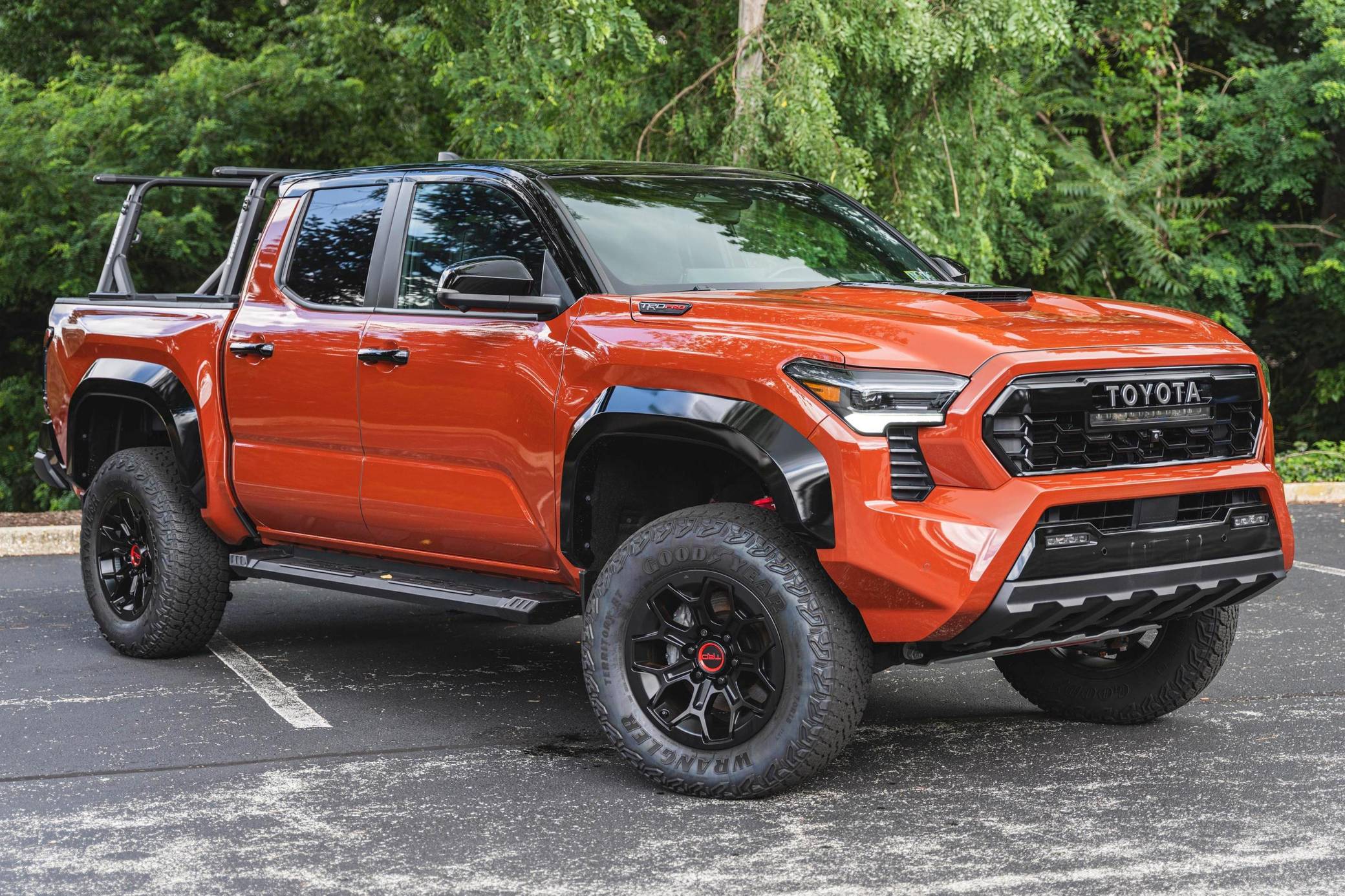
The Toyota Tacoma earns the top spot because of its legendary reliability, manageable size, and outstanding off-road engineering. Houston flood situations often involve narrow flooded streets, debris-covered roads, and uneven pavement, all of which favor a truck that remains agile under pressure.
The Tacoma’s excellent ground clearance and dependable Four Wheel Drive system allow it to navigate flooded urban environments better than many oversized full-size trucks. Owners consistently praise the Tacoma for surviving harsh climates and difficult terrain with minimal mechanical drama.
Another major strength is the Tacoma’s durability over long periods of ownership. Flood survival is not only about making it through one storm but also about resisting electrical issues and drivetrain failures afterward.
Toyota’s reputation for long-lasting engineering gives the Tacoma a significant edge. The truck’s suspension tuning also helps maintain control when roads become slippery or uneven after heavy rainfall.
The Tacoma TRD Pro and Trailhunter trims further improve flood readiness with upgraded suspension systems, skid plates, all-terrain tires, and locking differentials. These features help maintain traction when Houston roads become muddy or littered with storm debris. Unlike some larger trucks, the Tacoma’s lighter footprint reduces the likelihood of sinking into soft surfaces during evacuations or emergency detours.
Fuel efficiency is another overlooked advantage. During major storms, fuel availability can become limited. The Tacoma generally consumes less fuel than larger V8-powered trucks while still delivering strong capability. That balance becomes important during prolonged emergencies when gas stations may be closed or crowded.
Most importantly, the Tacoma has one of the strongest reputations for retaining functionality after severe weather exposure. While no vehicle enjoys repeated water contact, Tacoma owners frequently report fewer long-term complications than owners of more electronically complex competitors. For Houston drivers seeking dependable flood resilience, the Tacoma stands at the top of the category.
2. Ford F-150 Raptor
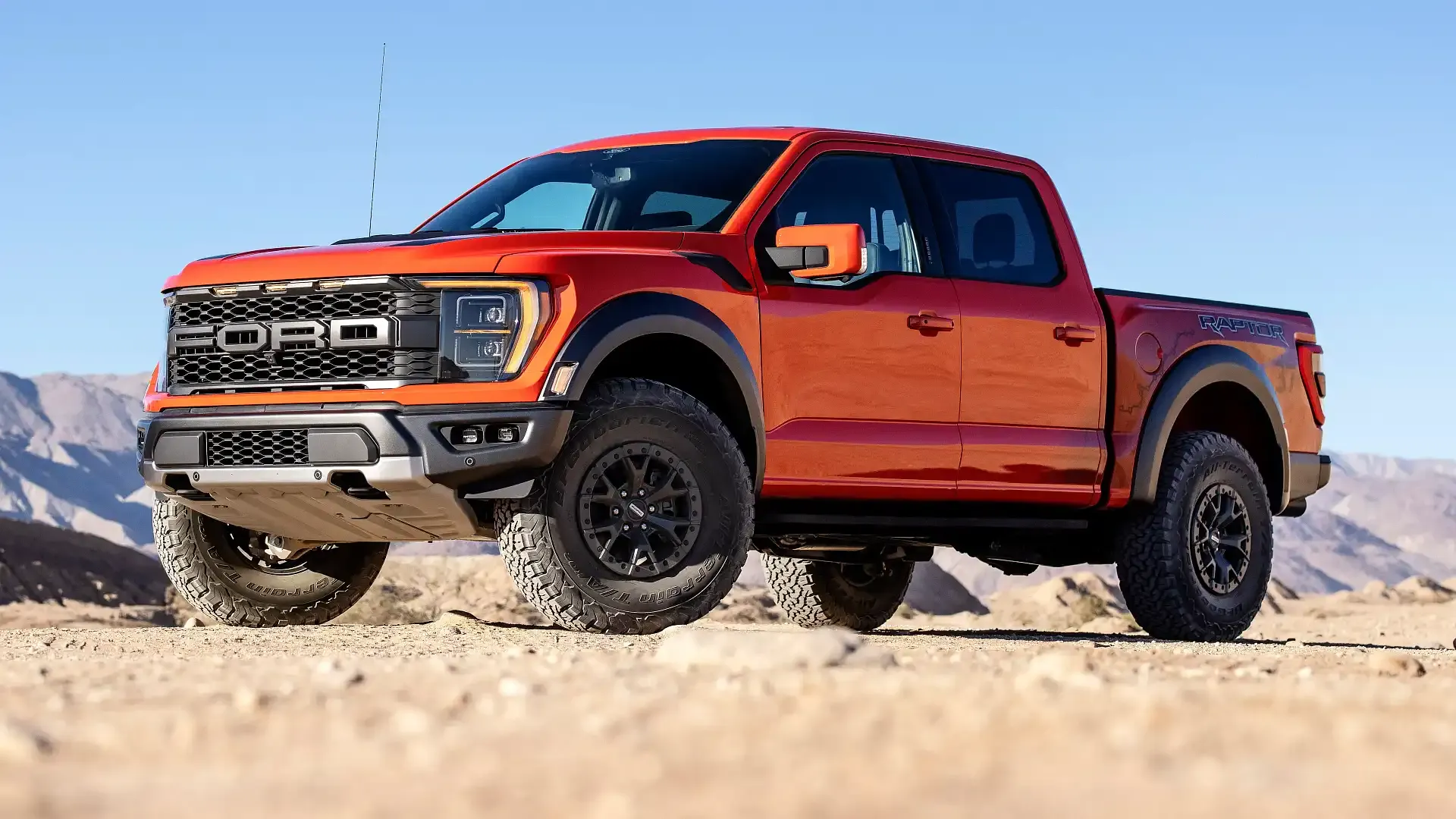
The Ford F-150 Raptor is one of the most capable factory-built off-road trucks ever produced, and its flood survival potential is exceptional.
Massive ground clearance, advanced suspension travel, and aggressive tire setups allow the Raptor to handle standing water and rough roads with remarkable confidence. Houston drivers dealing with flooded intersections and damaged streets benefit greatly from the truck’s elevated ride height.
The Raptor’s twin turbo engines also provide strong low-end torque, which is useful when maintaining controlled momentum through water-covered roads. Sudden acceleration in flood conditions can create dangerous bow waves, but the Raptor’s throttle response remains predictable and manageable. Its terrain management system further improves traction during slippery conditions.
Another advantage is visibility. Sitting high above traffic allows drivers to better identify flooded areas, stalled vehicles, and floating debris. During intense rainstorms, this visibility advantage can significantly improve reaction time. The truck’s wide stance also contributes to stability on wet roads.
However, the Raptor’s size can become a disadvantage in tightly packed urban flooding scenarios. Houston neighborhoods often contain narrow streets and crowded evacuation routes, making maneuverability important. The Raptor performs best on open roads and larger flood-affected highways rather than confined urban streets.
Despite that limitation, few pickups combine power, ride height, suspension capability, and flood resilience as effectively as the Raptor. For drivers prioritizing maximum capability and severe weather confidence, it remains one of the strongest flood survival trucks available today.
3. Chevrolet Silverado 2500HD
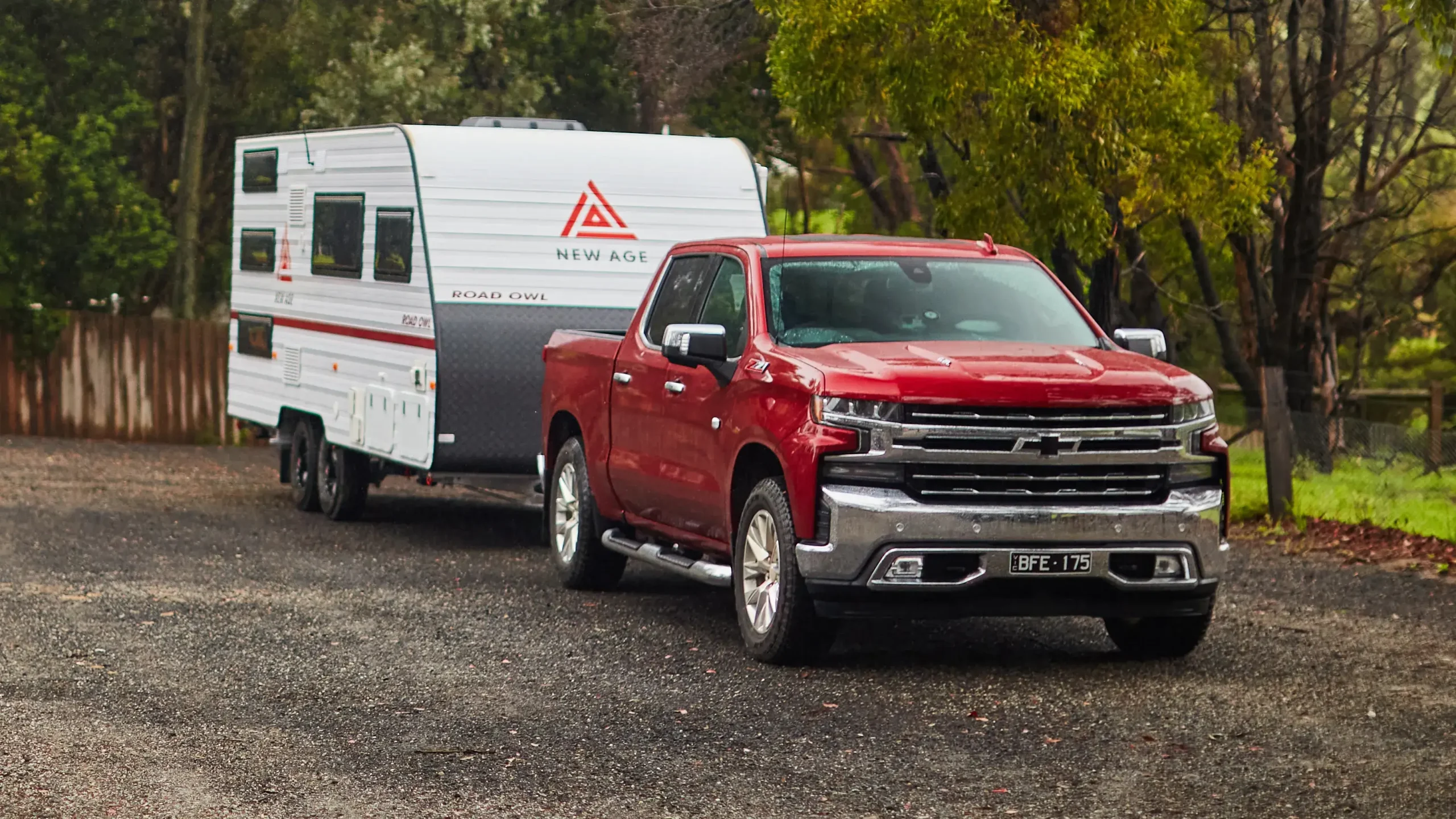
Heavy-duty trucks naturally perform well in flood situations because of their towering ride heights and robust mechanical construction. The Chevrolet Silverado 2500HD stands out due to its strong diesel engine options, durable frame, and impressive traction systems. In deep standing water, the truck’s elevated body placement offers a substantial advantage over lighter vehicles.
The Duramax diesel engine deserves particular praise for flood-related use. Diesel engines generally generate strong torque at lower speeds, which helps maintain controlled movement during difficult conditions. The Silverado’s heavy-duty cooling systems and reinforced drivetrain components also contribute to long-term durability after severe weather exposure.
Another key benefit is payload and towing capability. During hurricane evacuations or emergency situations, many Houston residents need to transport generators, supplies, trailers, or boats. The Silverado 2500HD excels in these scenarios while maintaining solid road stability during heavy rain.
The truck’s downside is weight. Extremely heavy trucks can struggle if floodwater becomes fast-moving or if road surfaces underneath become unstable. Recovery can also become difficult if the vehicle becomes stuck. Drivers must remain cautious despite the truck’s impressive capability.
The Silverado 2500HD delivers excellent flood survival performance for drivers needing serious utility and long-distance evacuation strength. Its combination of height, toughness, and drivetrain reliability makes it one of the strongest heavy-duty flood options on the market.
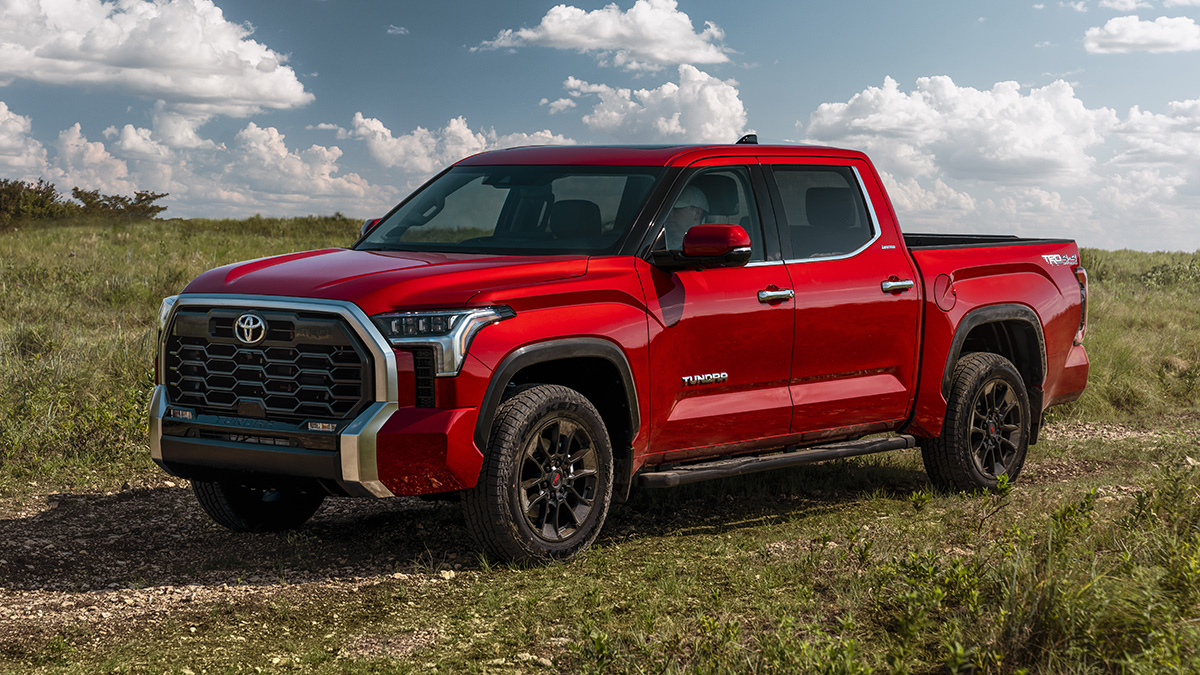
4. Toyota Tundra
The Toyota Tundra combines many of the Tacoma’s reliability advantages with the added size and power of a full-size pickup. Houston flood conditions often reward vehicles that balance capability with long-term durability, and the Tundra consistently ranks among the most dependable full-size trucks available.
The truck’s high seating position improves visibility during severe rainstorms, while its Four Wheel Drive system performs effectively on flooded pavement and muddy surfaces. Toyota’s engineering philosophy tends to prioritize durability over excessive complexity, which can reduce long-term electronic failures after harsh weather exposure.
The latest Tundra models also feature advanced safety systems and traction management technology that improve control during dangerous driving conditions. Houston’s storms often create rapidly changing road surfaces, and the Tundra adapts well to these unpredictable environments.
One concern is fuel consumption. Full-size trucks generally require more fuel than midsize pickups, which can become problematic during prolonged emergencies. However, the Tundra offsets this disadvantage with outstanding reliability and excellent resale value.
For Houston residents seeking a dependable full-size truck capable of handling severe weather without sacrificing comfort or utility, the Toyota Tundra remains one of the safest choices in the segment.
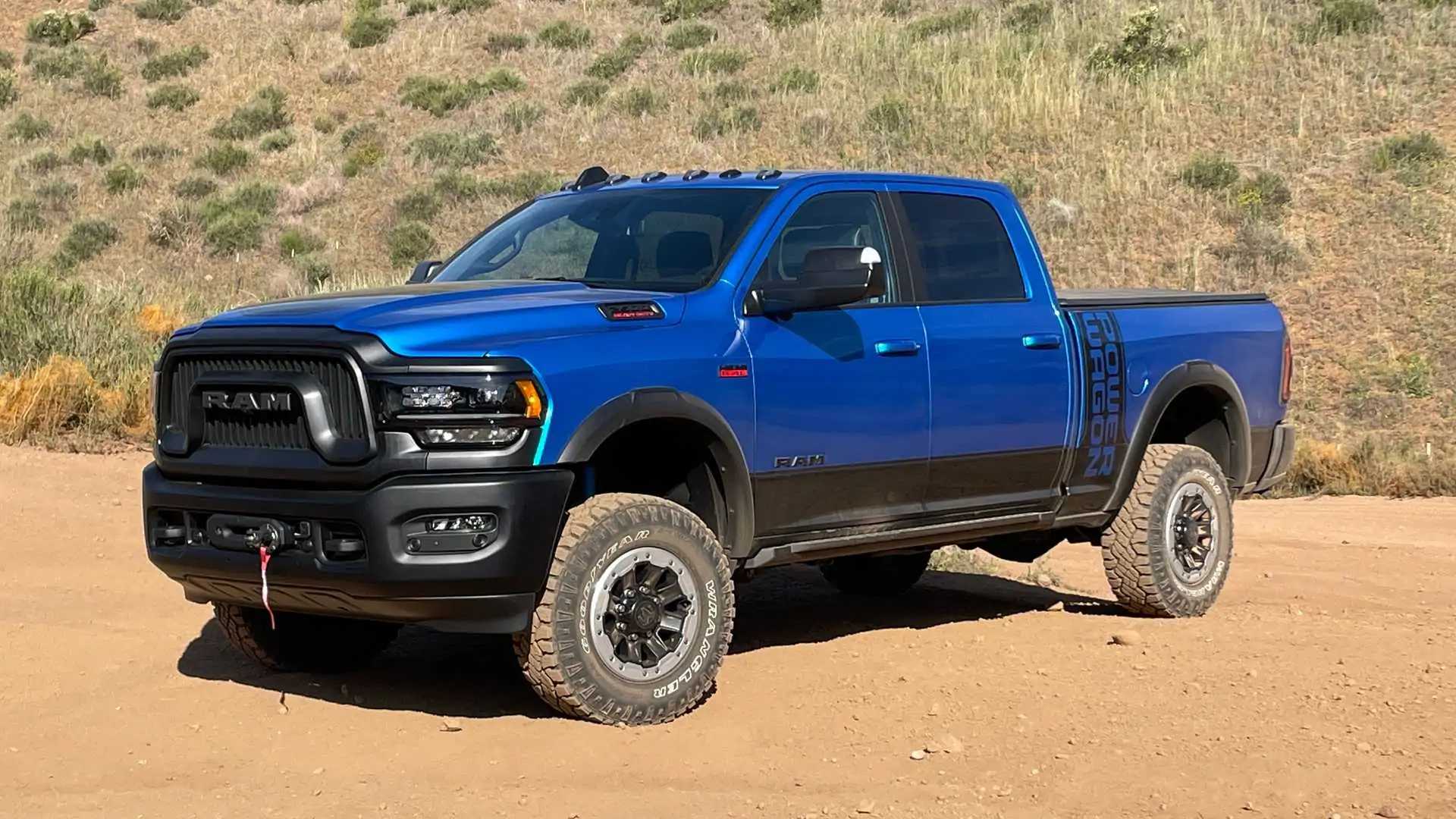
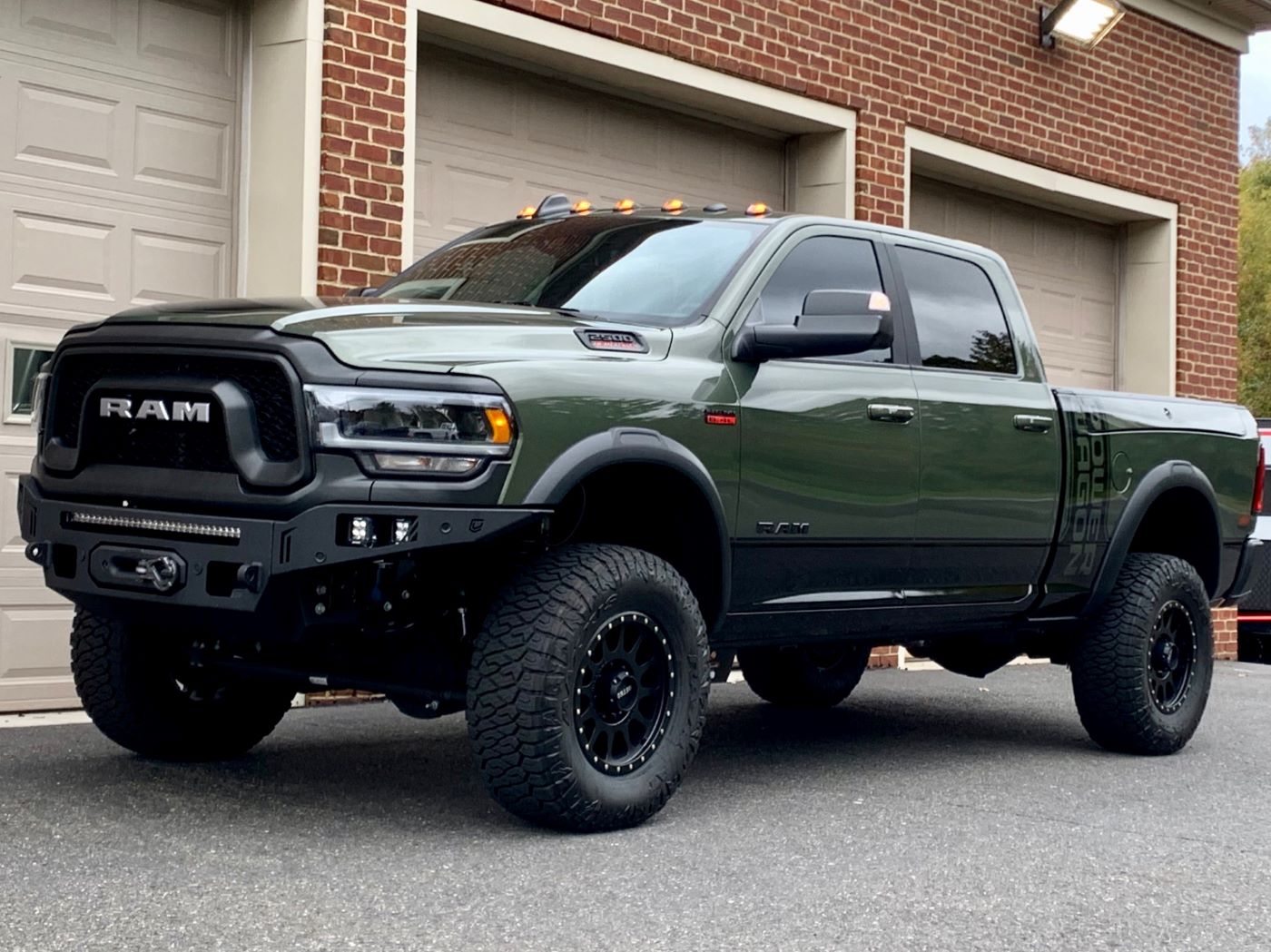
5. Ram 2500 Power Wagon
The Ram 2500 Power Wagon is essentially a heavy-duty truck designed specifically for extreme terrain. That focus translates extremely well to Houston flood survival scenarios. Factory locking differentials, massive suspension articulation, and impressive ground clearance help the truck navigate damaged roads and muddy evacuation routes with confidence.
The Power Wagon also includes a factory winch, which can become invaluable during post-flood recovery situations. While most truck owners rarely use a winch in daily life, Houston flooding occasionally creates conditions where recovery equipment becomes genuinely useful.
Ride comfort is another surprising advantage. Many heavy-duty trucks feel harsh and unstable on rough roads, but the Power Wagon maintains a smoother ride quality than many competitors. This helps maintain control and driver confidence during severe storms.
The truck’s gasoline engine is powerful but thirsty. Fuel economy remains one of its weakest points, especially during extended emergencies. Parking and maneuverability can also become frustrating in dense urban environments.
Still, few trucks are engineered with as much genuine off-road capability directly from the factory. For Houston drivers who prioritize maximum terrain resilience and emergency readiness, the Power Wagon deserves serious consideration.
Also Read: 10 Cars That Survive Being Used as Daily Uber Vehicles
2. Strong Flood Performers With Minor Weaknesses
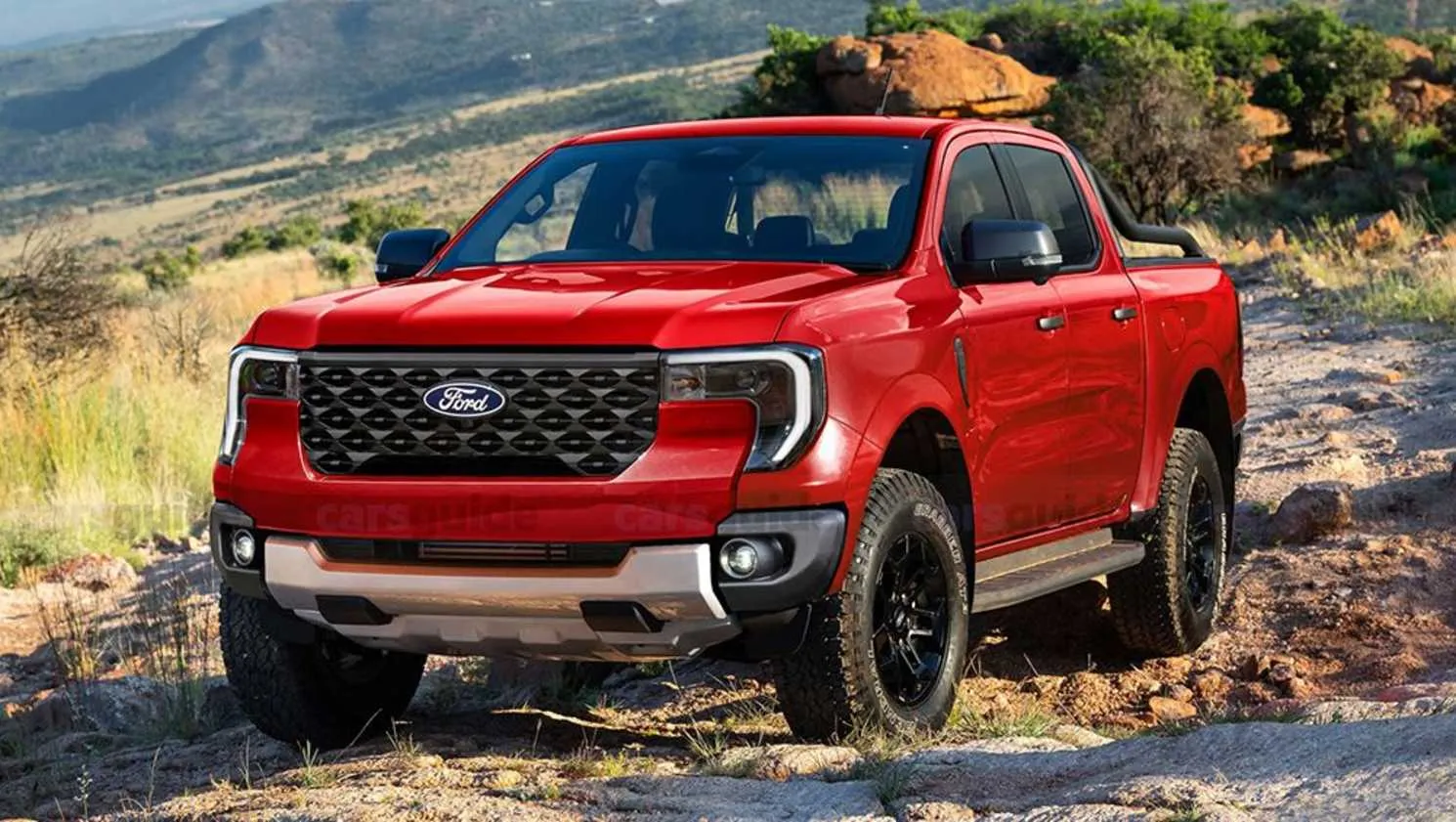
1. Ford Ranger
The modern Ford Ranger delivers impressive flood survival capability in a more manageable package than full-size trucks. Its midsize dimensions help drivers navigate crowded urban flooding scenarios while still providing solid ride height and capable Four Wheel Drive systems.
The Ranger performs especially well on narrow streets and uneven pavement. Houston flood conditions often force drivers through awkward detours filled with potholes, debris, and standing water. The Ranger’s smaller footprint gives it a practical advantage in these situations.
Turbocharged engine options provide strong torque and responsive acceleration, though some owners remain cautious about long-term turbo reliability after repeated exposure to severe weather conditions. Proper maintenance becomes critical with modern turbocharged drivetrains.
Interior quality and technology have improved significantly in recent Ranger generations. Safety systems, traction controls, and camera visibility features contribute to driver confidence during storms and heavy rainfall.
The Ranger falls slightly below the Tacoma because Toyota’s long-term reliability reputation remains stronger. However, the Ranger still stands as one of the best flood-ready midsize pickups currently available.
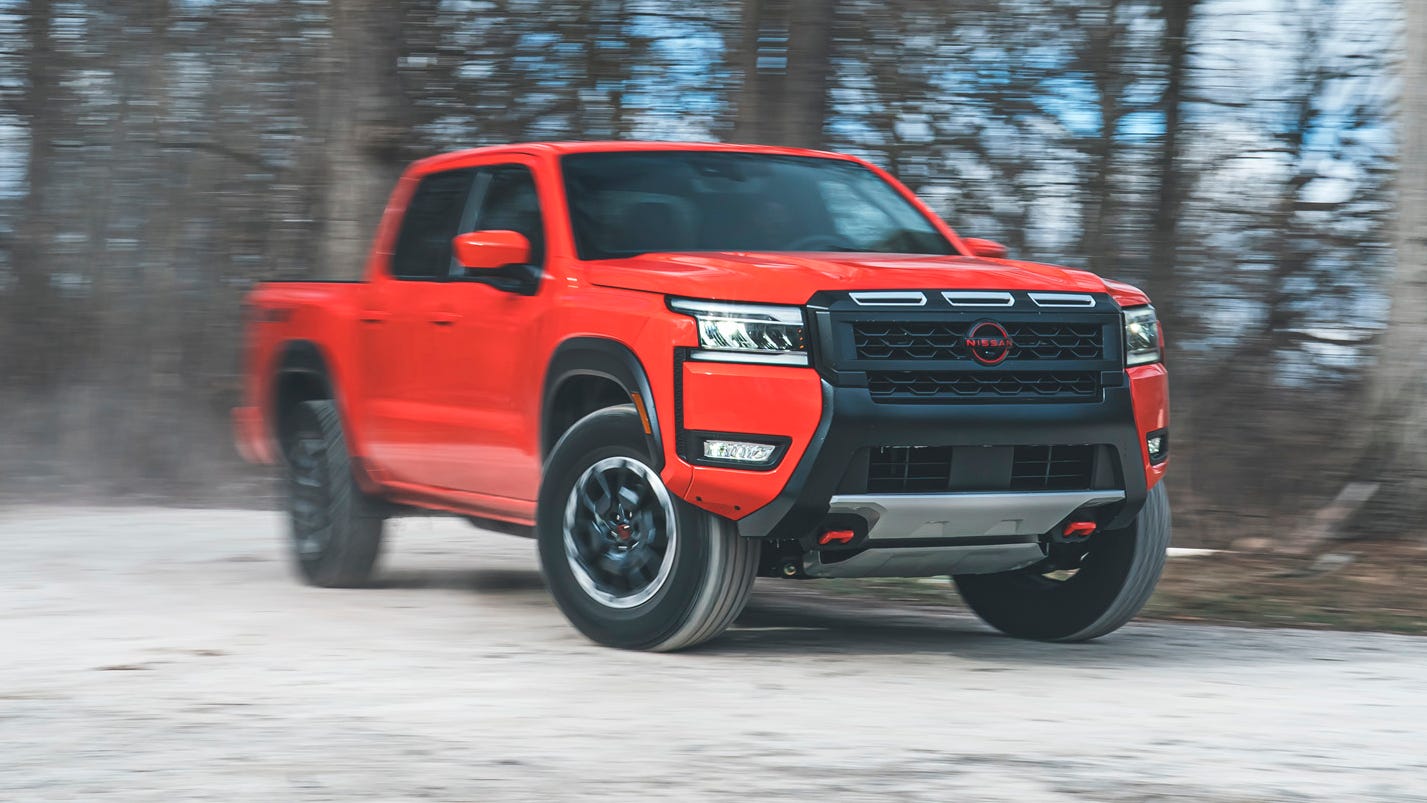
2. Nissan Frontier
The Nissan Frontier has quietly become one of the most underrated midsize pickups for difficult weather conditions. Its naturally aspirated V6 engine avoids some of the complexity associated with heavily turbocharged competitors, which may benefit long-term reliability.
The Frontier’s rugged body-on-frame construction and respectable ground clearance help it perform well during moderate flooding. It handles muddy roads and water-covered intersections with more confidence than many crossovers and SUVs.
One of the Frontier’s biggest strengths is simplicity. Modern vehicles often contain complicated electronics that become vulnerable after flood exposure. The Frontier maintains a relatively straightforward design philosophy compared with some rivals, potentially reducing repair headaches.
Ride quality can feel less refined than competitors like the Tacoma or Ranger, especially on highways. Fuel efficiency also trails some modern rivals, particularly in city driving.
Despite those weaknesses, the Frontier offers honest durability and dependable flood readiness at a competitive price point. For practical buyers focused on reliability rather than luxury, it remains a strong option.
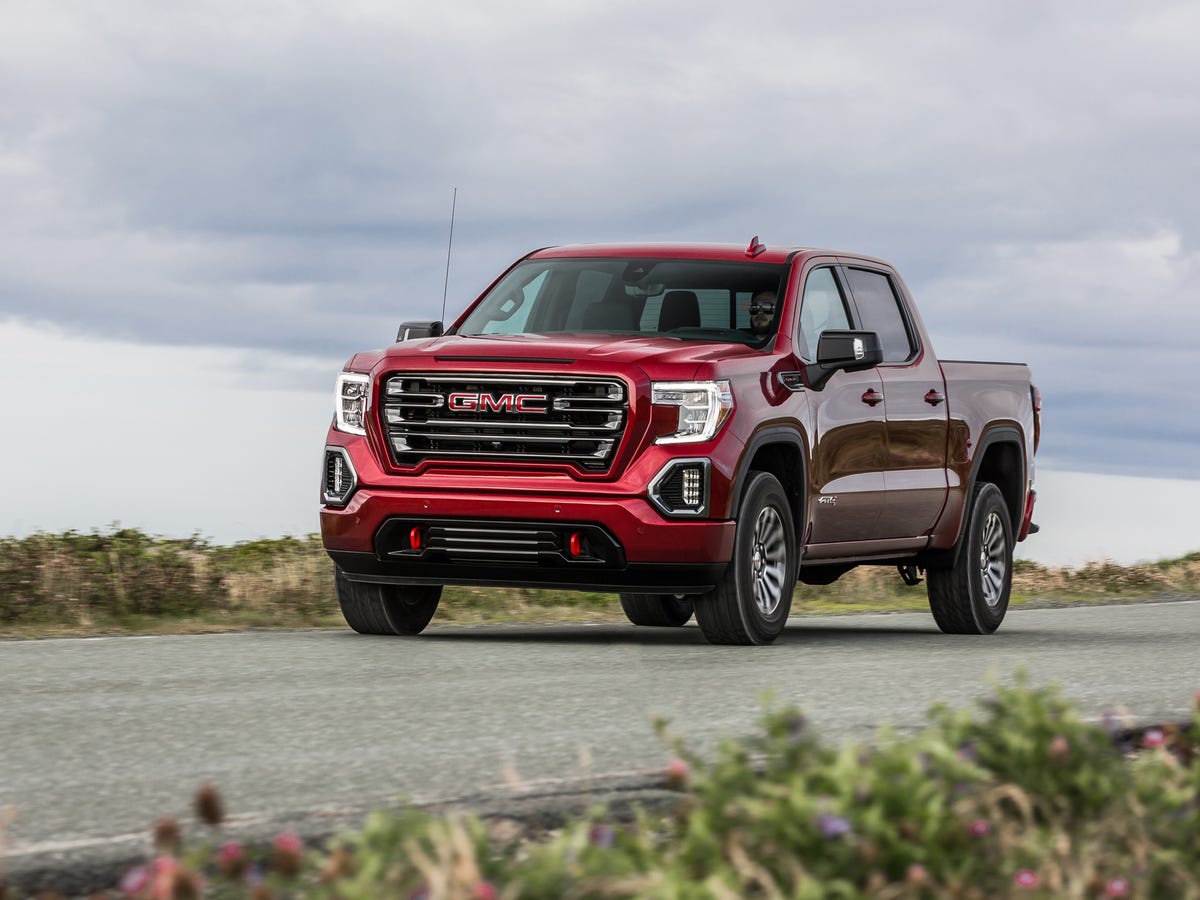
3. GMC Sierra 1500 AT4
The GMC Sierra AT4 blends off-road capability with premium comfort, making it a strong flood survival truck for drivers who also want luxury features. Elevated suspension systems and aggressive tires help the AT4 navigate water-covered roads and rough terrain effectively.
The truck’s advanced Four Wheel Drive technology performs well during slippery conditions, while high-quality interiors provide excellent visibility and comfort during long evacuations or storm-related traffic delays. Houston residents frequently spend hours trapped in congestion during severe weather events, making cabin comfort surprisingly important.
Powertrain options are diverse, including capable diesel engines that offer strong torque and improved fuel range. Long-range capability can become extremely valuable when fuel access becomes uncertain after major storms.
The Sierra AT4 does contain more electronic complexity than simpler trucks like the Tacoma or Frontier. Advanced luxury features can become expensive liabilities after severe water intrusion. Owners should remain cautious about deep flooding despite the truck’s impressive capability.
The Sierra AT4 delivers an excellent balance between premium refinement and legitimate flood resilience, making it a compelling option for drivers wanting both comfort and capability.
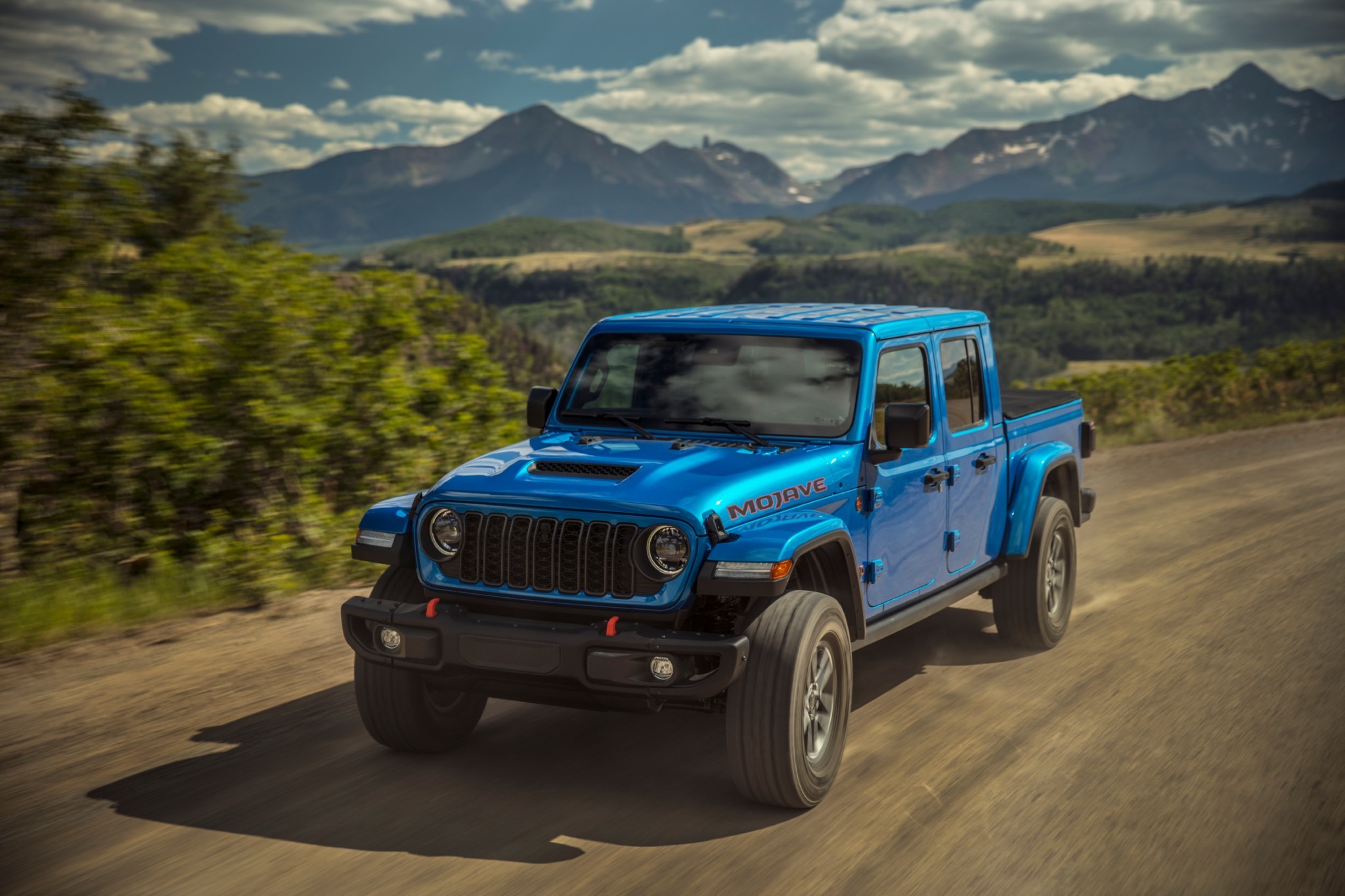
4. Jeep Gladiator
The Jeep Gladiator is arguably the most off-road-focused midsize pickup available today. Exceptional approach angles, removable body components, locking differentials, and specialized off-road systems make it highly capable during difficult terrain conditions.
Flood-related performance benefits greatly from the Gladiator’s elevated air intake placement and rugged drivetrain design. The truck handles muddy surfaces, damaged roads, and shallow water crossings with impressive confidence.
Another advantage is aftermarket support. Gladiator owners can easily add snorkels, lift kits, skid plates, and water-resistant accessories specifically designed for harsh environments. This customization potential gives the truck enormous flexibility.
However, highway stability and ride comfort lag behind more conventional pickups. Houston’s extensive freeway system means drivers often spend long periods traveling at highway speeds, where the Gladiator can feel noisy and less refined.
The Gladiator also sacrifices payload and towing capacity compared with larger trucks. Still, for pure off-road flood resilience and customization potential, it remains one of the strongest midsize options available.
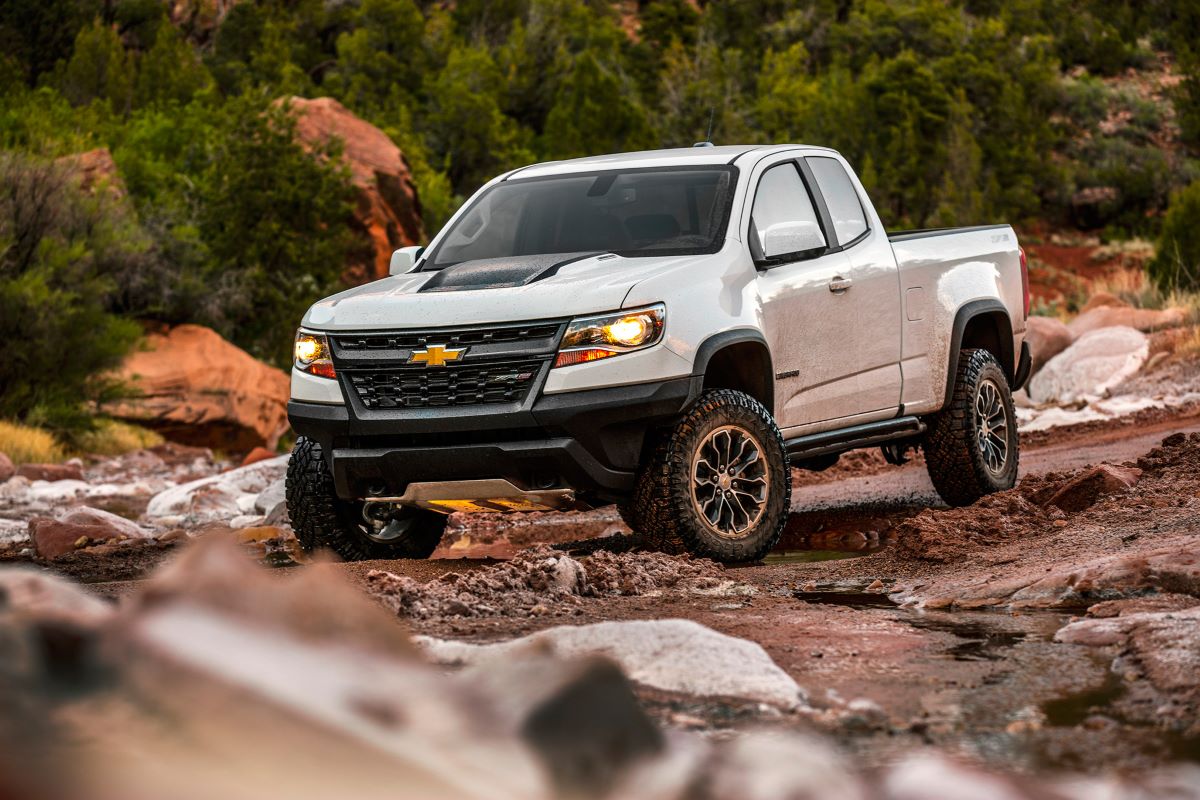
5. Chevrolet Colorado ZR2
The Chevrolet Colorado ZR2 is built specifically for challenging terrain, and that engineering translates effectively to flood survival conditions. Advanced suspension systems, locking differentials, and aggressive off-road geometry allow it to maintain traction on slippery surfaces.
The truck’s relatively compact dimensions improve maneuverability during urban flooding, while strong ground clearance helps reduce the risk of water reaching vulnerable mechanical components. Houston’s unpredictable road conditions reward this combination of agility and toughness.
The ZR2 also feels more refined on highways than some hardcore off-road rivals. Drivers can comfortably handle daily commuting while still maintaining a strong storm readiness capability.
Reliability concerns prevent the Colorado ZR2 from ranking higher. Long-term ownership data have not consistently matched Toyota’s reputation for durability, especially under harsh environmental stress.
Nevertheless, the Colorado ZR2 remains a highly capable and versatile flood survival truck that deserves recognition for its balanced performance and genuine off-road engineering.
3. Good Trucks With Important Limitations
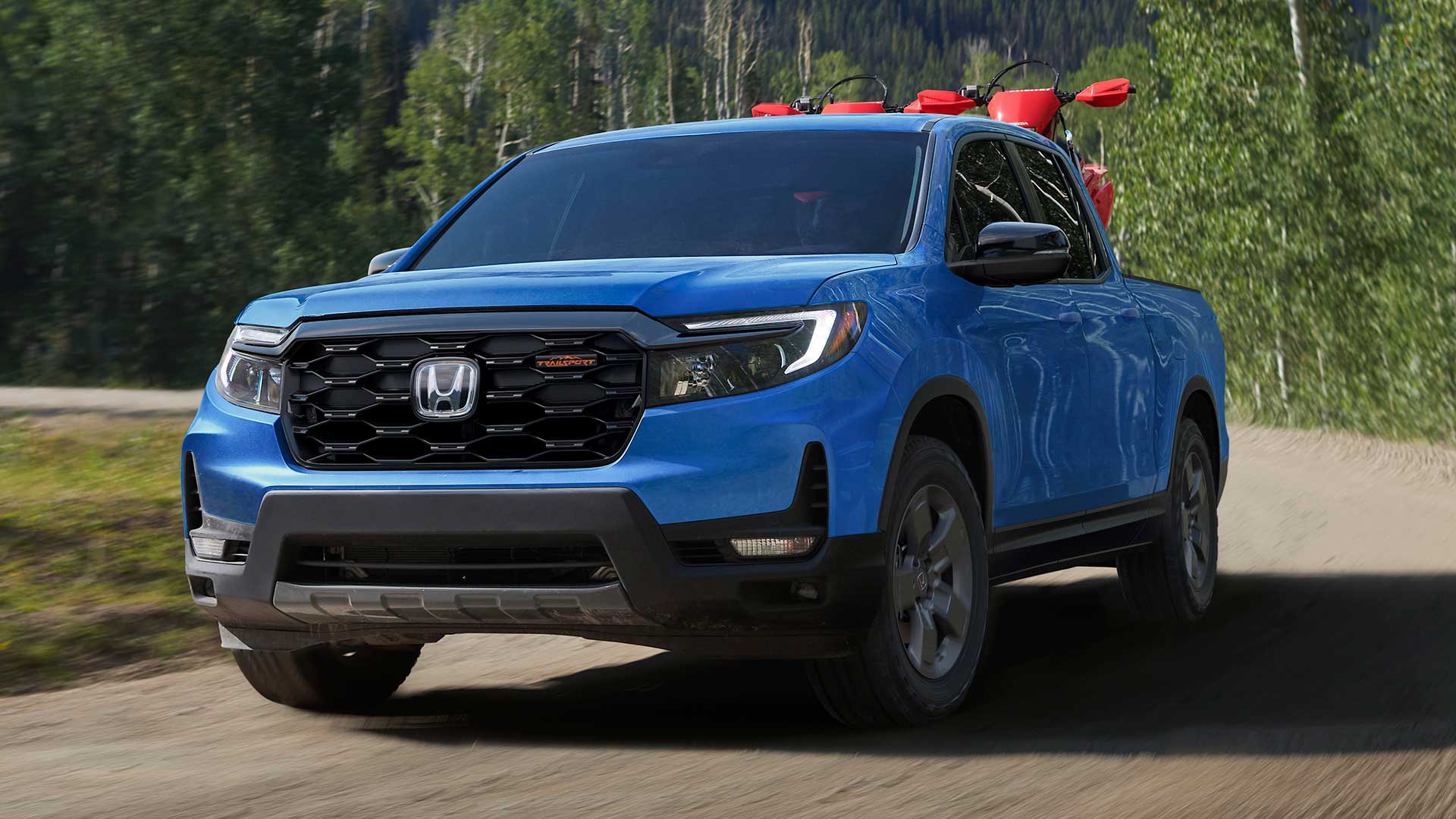
1. Honda Ridgeline
The Honda Ridgeline takes a very different approach compared with traditional pickups. Its unibody construction and crossover-inspired platform create excellent ride comfort and practicality, but those traits limit severe flood capability.
The Ridgeline performs well during heavy rain and moderate urban flooding thanks to intelligent All Wheel Drive systems and solid road manners. Drivers who primarily encounter shallow standing water will appreciate its predictable handling.
Interior comfort and storage flexibility are among the best in the segment. During evacuations or storm-related travel, practical cabin design becomes highly valuable for transporting supplies and passengers comfortably.
However, lower ground clearance significantly limits deep water capability. The Ridgeline is not engineered for serious off-road terrain or aggressive flood conditions. Drivers attempting difficult water crossings could quickly encounter problems.
For urban Houston residents facing occasional street flooding rather than severe off-road emergencies, the Ridgeline remains practical and comfortable. Still, it cannot match the rugged flood resilience of body-on-frame competitors.
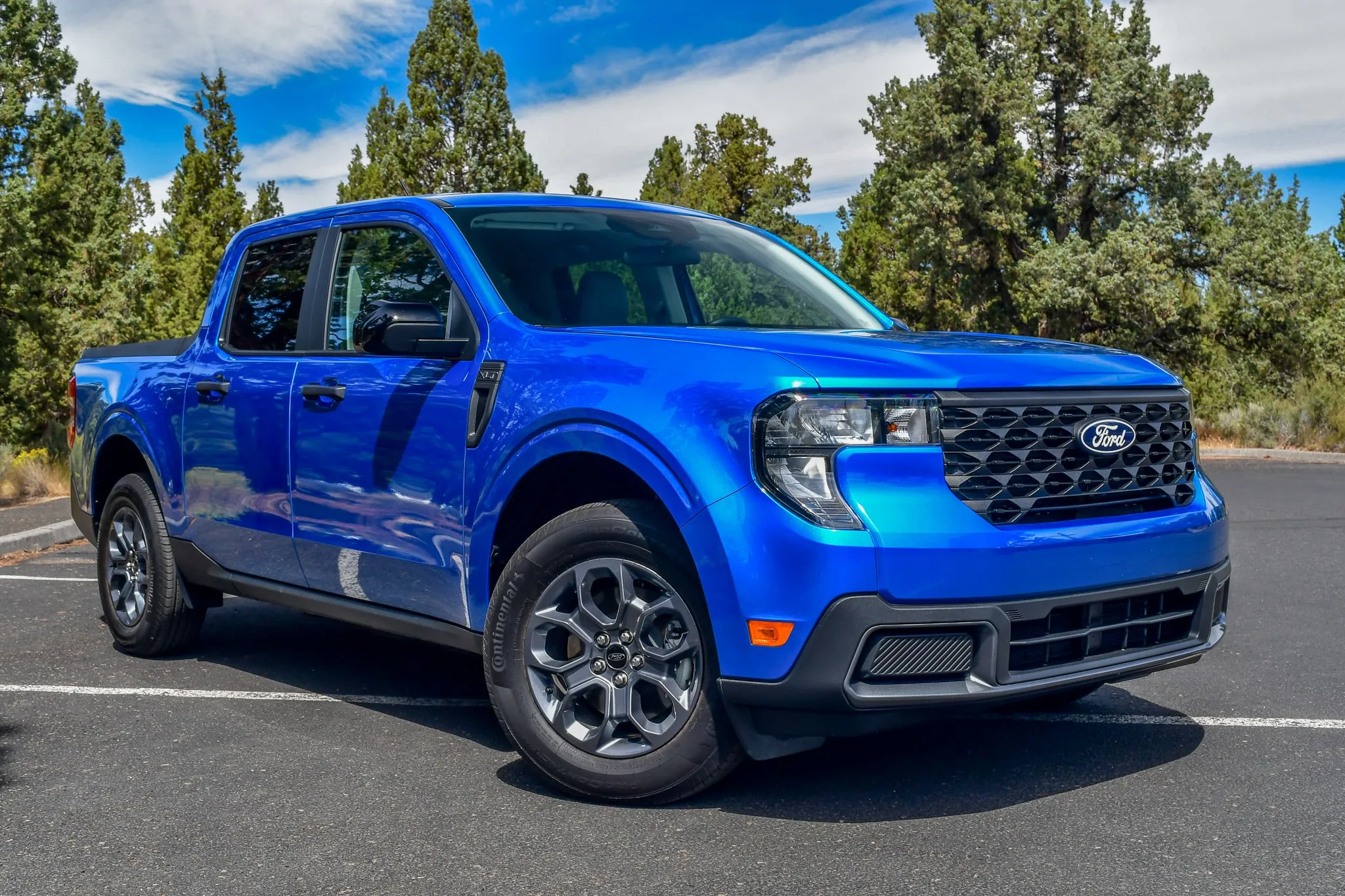
2. Ford Maverick
The Ford Maverick has become extremely popular due to affordability and fuel efficiency, but flood survival capability remains limited compared with larger pickups. Its compact dimensions help maneuverability, though lower ride height creates clear disadvantages in deep water.
Hybrid models provide outstanding fuel economy, which can be useful during prolonged emergencies when fuel supplies become uncertain. The Maverick also handles city driving exceptionally well during normal weather conditions.
Advanced safety systems and modern technology contribute to strong daily usability. For drivers who only occasionally encounter mild flooding, the Maverick can still outperform standard sedans and hatchbacks.
Despite these weaknesses, the Maverick still represents a practical option for budget-conscious Houston drivers who want some flood readiness without committing to a full-size truck.
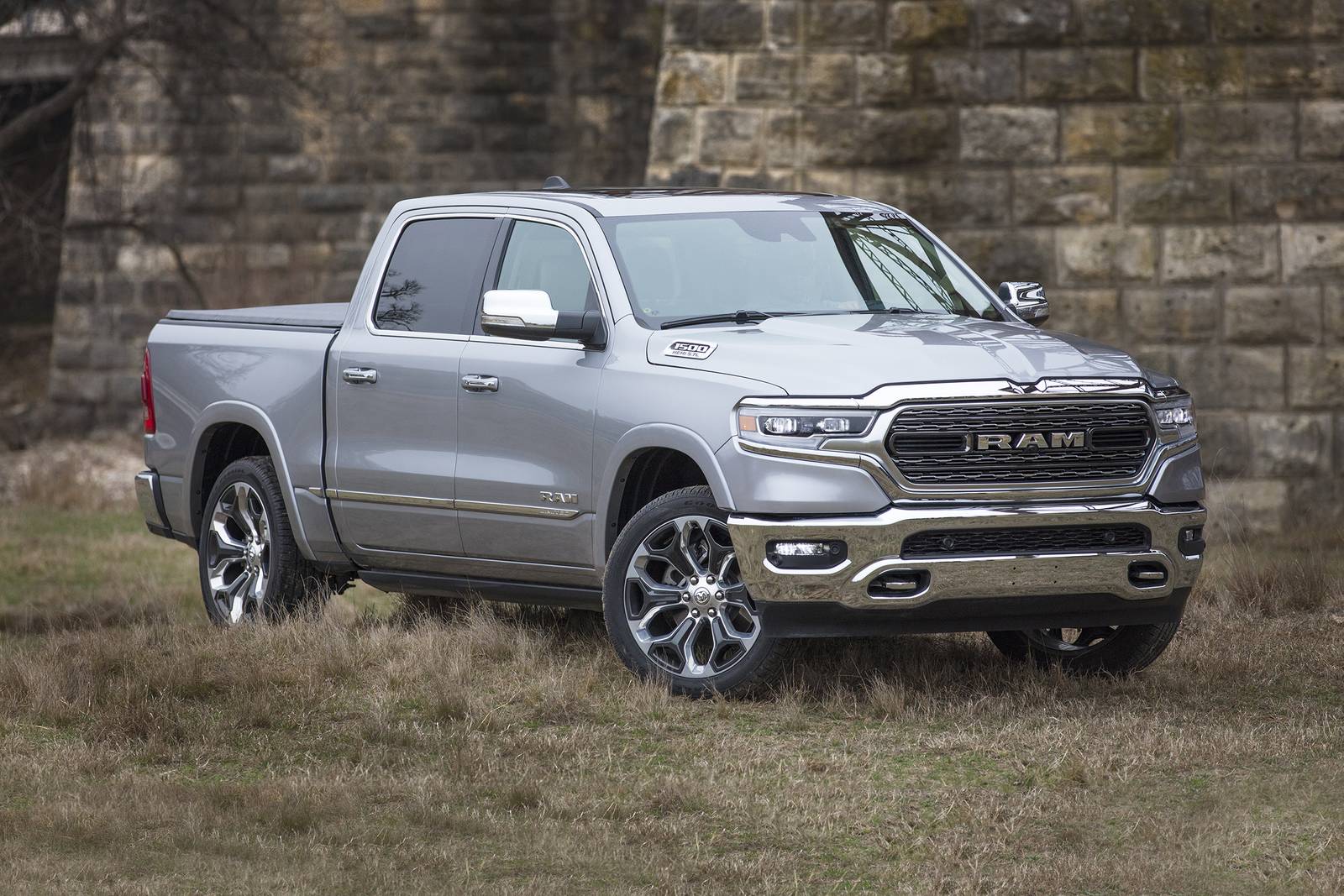
3. Ram 1500
The Ram 1500 excels in comfort, ride quality, and interior refinement, but it falls slightly behind top flood survival competitors because of its complexity and lower off-road focus in standard trims.
Air suspension systems found on some models can improve ride height temporarily, which helps during moderate flooding. The truck’s powerful engines and comfortable seating also make long evacuations easier.
However, electronic complexity creates potential long-term concerns after severe water exposure. Luxury-oriented features and advanced cabin technology may become expensive liabilities if flooding damages sensitive components.
The truck’s standard road-oriented tires also reduce capability on muddy or debris-covered surfaces unless upgraded. Drivers planning serious storm preparedness should consider off-road packages or aftermarket improvements.
The Ram 1500 remains highly capable for general severe weather driving, but lacks the focused flood resilience of trucks specifically engineered for off-road conditions.
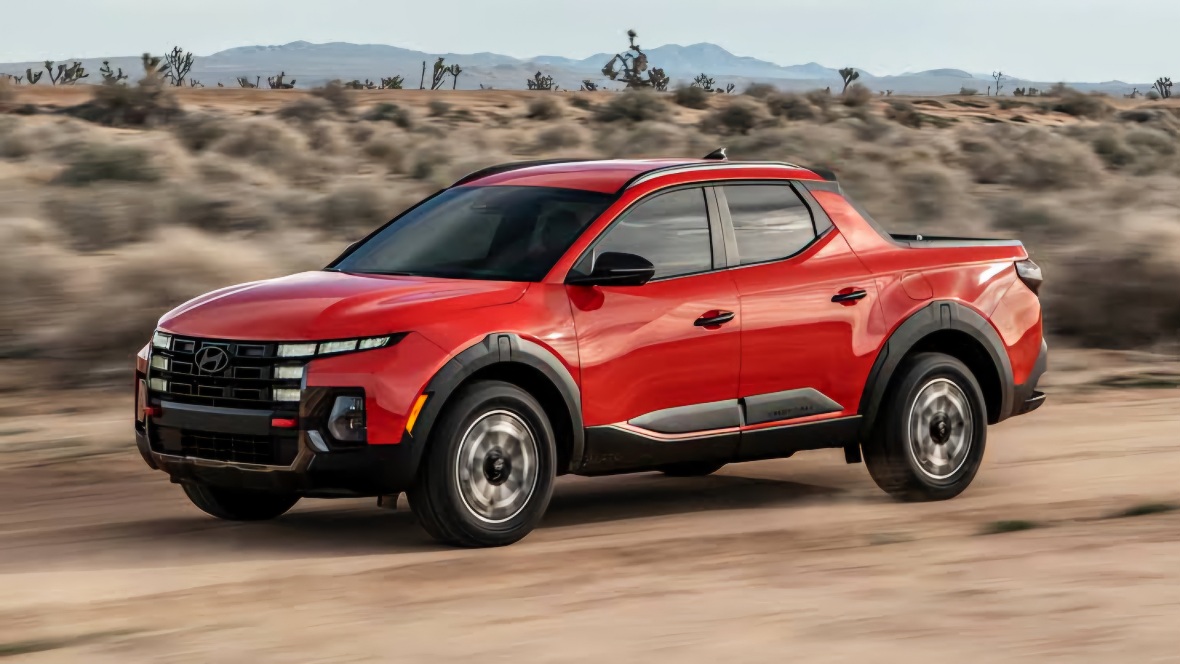
4. Hyundai Santa Cruz
The Hyundai Santa Cruz blurs the line between crossover and pickup, offering excellent urban comfort and practicality but limited severe flood capability. It handles heavy rain and wet pavement confidently thanks to modern traction systems and responsive steering.
Fuel efficiency and maneuverability make the Santa Cruz attractive for city dwellers. Parking, commuting, and daily driving feel easier than with large trucks, especially in dense urban neighborhoods.
Interior technology and safety features are strong for the segment, providing excellent visibility and driver assistance during storms. For mild weather emergencies, the Santa Cruz performs competently.
Unfortunately, lower ride height and crossover-based engineering reduce deep water capability substantially. Serious flooding quickly exceeds the vehicle’s intended operating environment.
The Santa Cruz works best for drivers seeking occasional utility rather than true flood survival performance. It remains practical for light Houston weather challenges, but should not be considered a heavy-duty emergency vehicle.
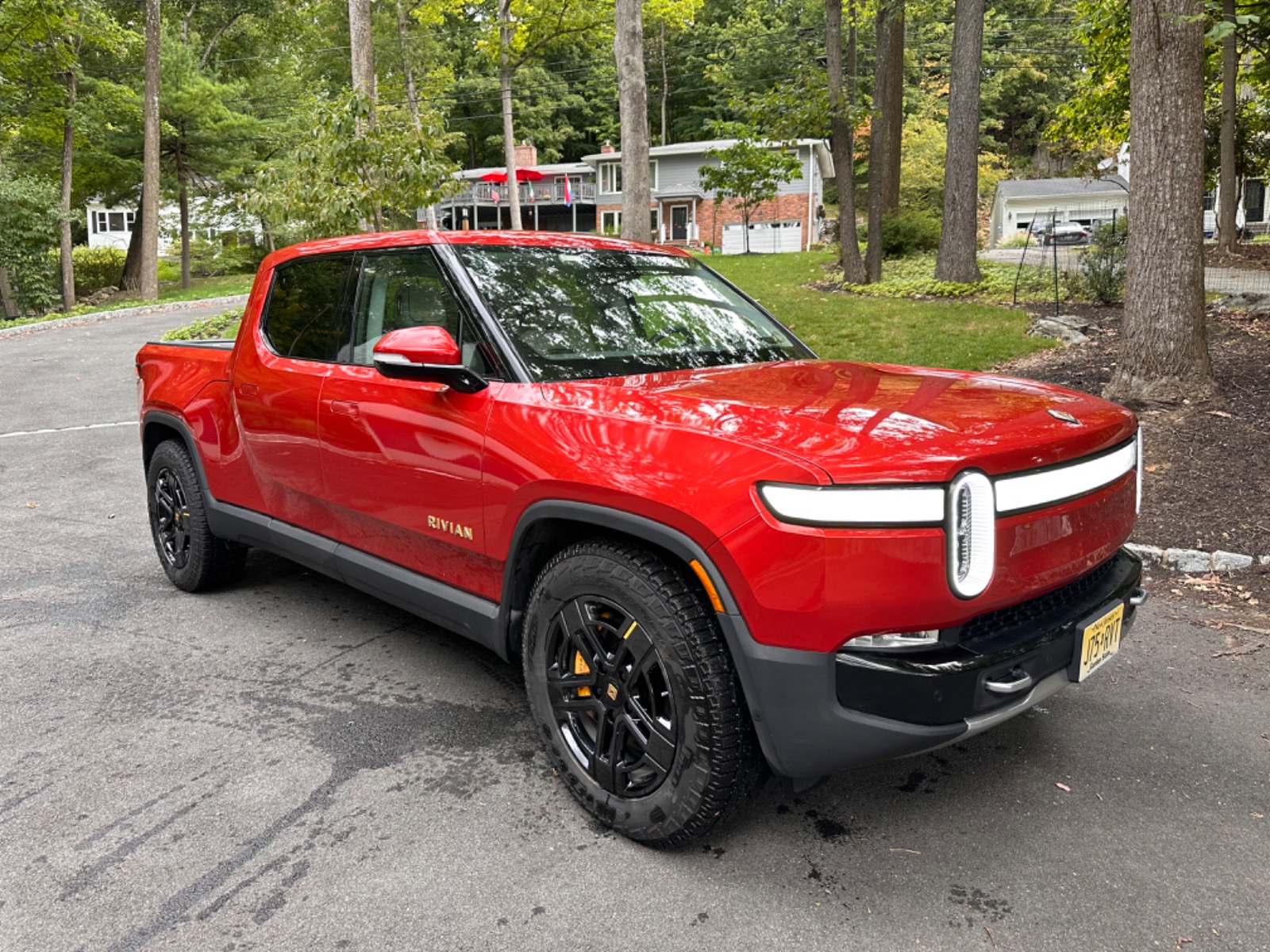
5. Rivian R1T
The Rivian R1T introduces an interesting conversation because electric trucks handle water differently than combustion vehicles. Rivian engineered the R1T with impressive waterproofing standards and substantial off-road capability.
Instant electric torque and advanced traction control systems help the truck maintain grip on slippery surfaces. Ground clearance can also be adjusted through adaptive suspension systems, improving flexibility during difficult conditions.
The truck’s sealed battery pack reduces some traditional flood risks associated with engine air intakes and exhaust systems. Rivian has demonstrated surprisingly strong water crossing capability in controlled conditions.
However, long-term flood repair infrastructure for electric trucks remains uncertain. Severe water damage involving high-voltage systems could become extremely expensive and difficult to repair. Charging infrastructure may also become unreliable during major storms.
The Rivian R1T shows enormous potential, but uncertainty surrounding long-term flood-related ownership prevents it from ranking among the very best Houston flood survival trucks today