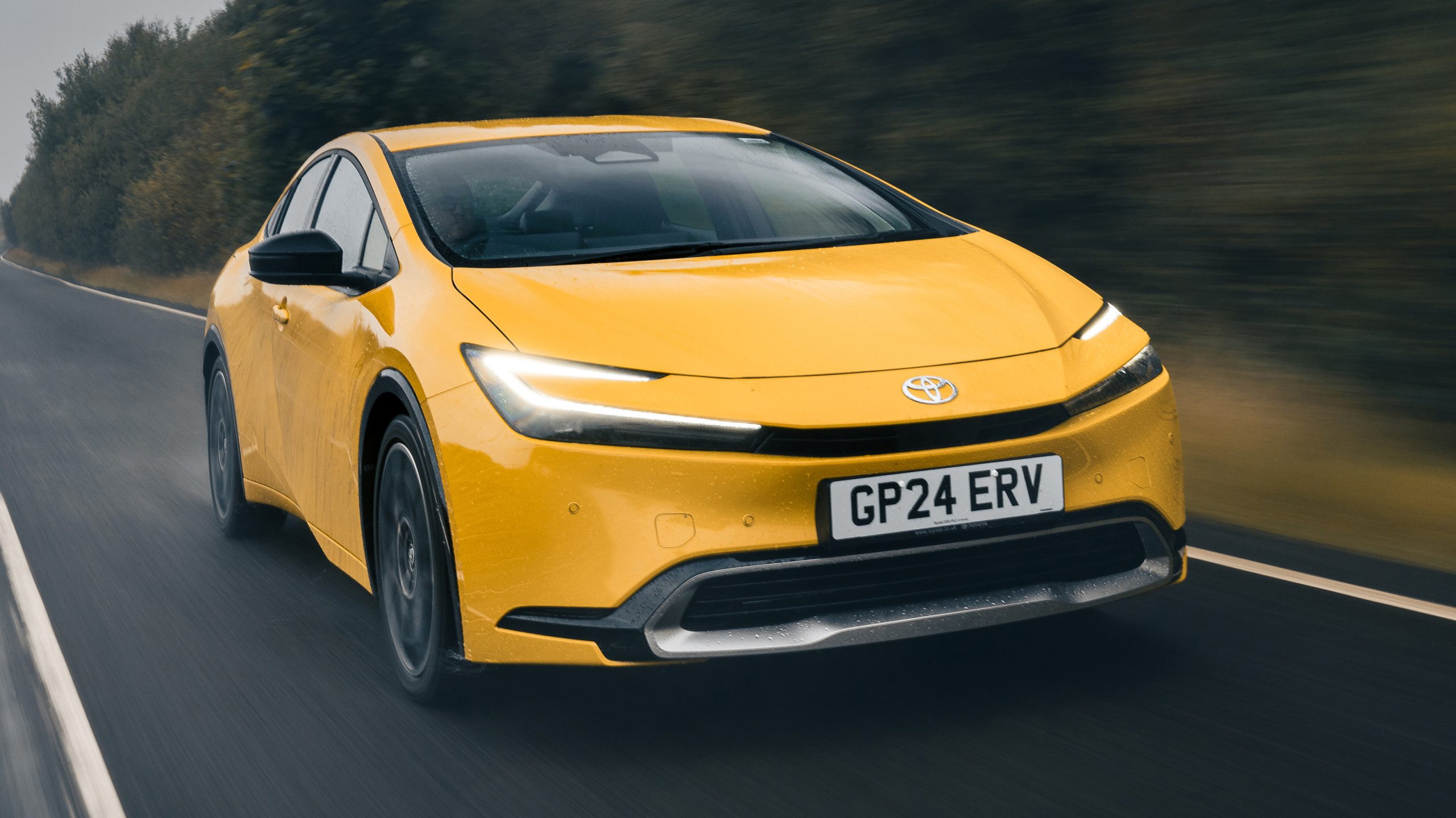
Catalytic converter theft has become a serious issue for vehicle owners, with repair costs often reaching thousands of dollars. In this list of “10 Cars Where Catalytic Converter Theft Costs Owners $3,000,” certain models, such as the Toyota Prius, draw attention not only for their efficiency but also for their vulnerability. The reason lies in the valuable metals inside the converter, including platinum, palladium, and rhodium, which can be quickly sold for profit.
Vehicles that sit higher off the ground or have easily accessible exhaust systems are more likely to be targeted. Popular models like the Ford F-Series are also at risk because their widespread use increases opportunities for theft. In many cases, thieves can remove a converter in just a few minutes using basic tools, leaving behind significant damage. Understanding which vehicles are most exposed and why they are targeted helps owners take smarter precautions and avoid expensive repairs.
1. Toyota Prius
The Toyota Prius is one of the most recognizable hybrid vehicles in the world, but it is also a top target for catalytic converter theft. Its hybrid system allows the gasoline engine to shut off and on frequently, keeping the catalytic converter cooler than in traditional cars.
This lower operating temperature helps preserve precious metals such as platinum, palladium, and rhodium, making the component more valuable on the scrap market. Because of this, thieves are highly motivated to steal it, especially since the Prius design makes it easy to access from underneath and remove in just a few minutes.
Beyond theft risks, the Prius delivers a balance of performance and efficiency through a 2.0-liter four-cylinder engine combined with electric motors and a CVT transmission. Front-wheel-drive versions produce about 194 horsepower, while all-wheel-drive models add a rear electric motor for a total of around 196 horsepower.
This setup provides adequate acceleration for daily driving while maintaining strong fuel economy, with EPA estimates reaching up to 57 mpg in city conditions and around 49–56 mpg on the highway, depending on trim and drivetrain.
Inside, the Prius features a modern and functional cabin with either an 8-inch or an optional 12.3-inch touchscreen infotainment system. It supports wireless Apple CarPlay, Android Auto, Bluetooth connectivity, and over-the-air updates. The interior offers reasonable passenger space, though rear headroom is slightly limited due to its sloping roofline. Cargo capacity is generous for a compact hybrid, making it practical for everyday errands and travel.
Safety and ownership value are strong points for the Prius, with standard features such as adaptive cruise control, lane-keeping assist, and blind-spot monitoring. Toyota also provides competitive warranty coverage, including up to 10 years or 150,000 miles for hybrid components and complimentary maintenance for the first two years. These factors make it a dependable and efficient choice, though owners are advised to use protective measures like catalytic converter shields and secure parking to reduce theft risk.
2. Ford F-Series
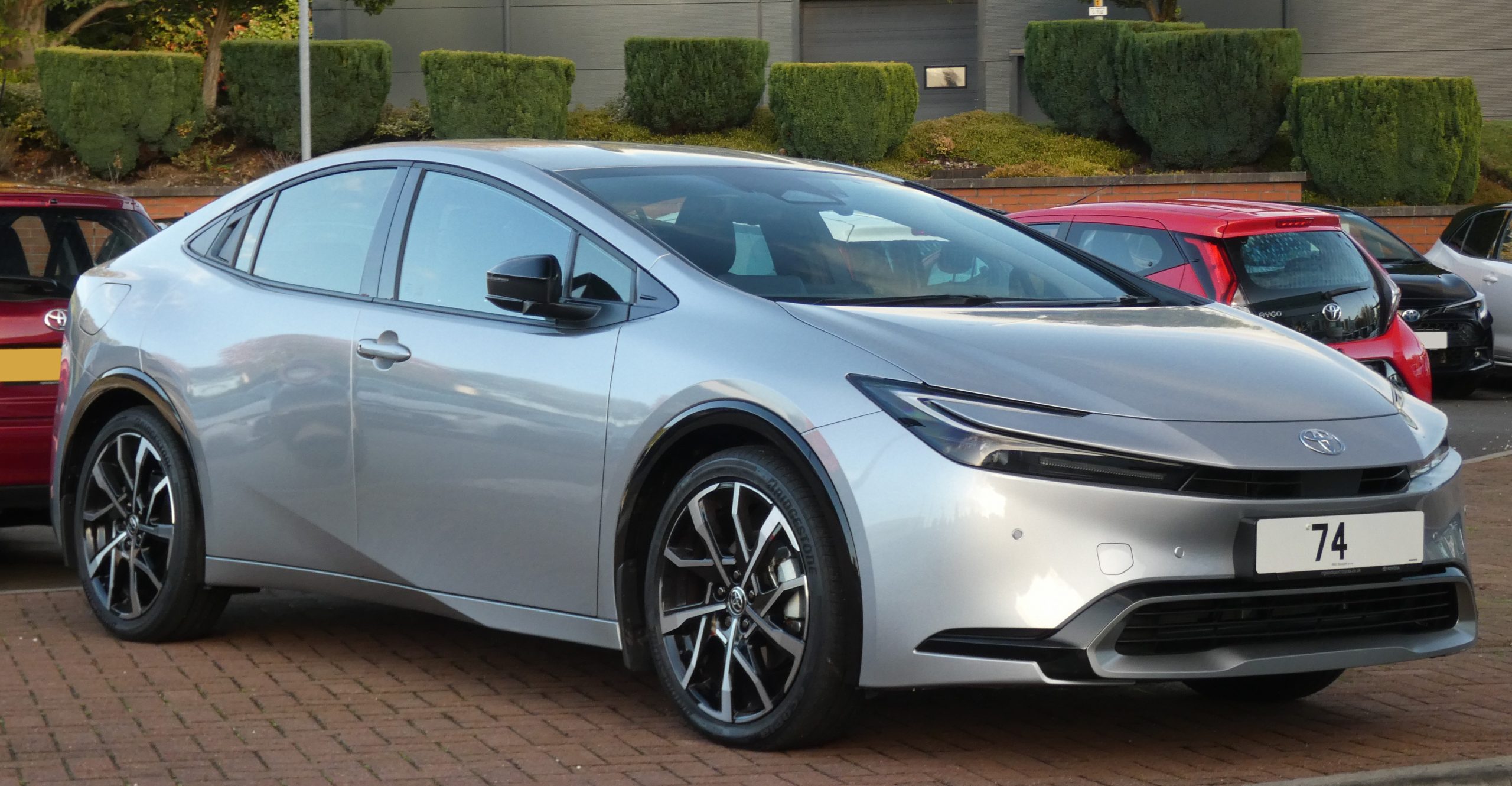
Due to its extremely high sales numbers and widespread presence on the road, the Ford F-Series is a common target for catalytic converter theft. Its elevated frame and exposed underside make it easy for thieves to access the exhaust system, often allowing them to crawl underneath without needing a jack.
Using power tools, they can cut and remove the converter in under a minute. The risk is further increased because the larger engines in these trucks use bigger catalytic converters that contain higher amounts of valuable metals like platinum, palladium, and rhodium, making them especially profitable on the black market.
Replacement costs are high because OEM catalytic converters for F-Series trucks are expensive and labor-intensive to install. Repairs often exceed three thousand dollars due to damaged exhaust components and oxygen sensors during theft. To reduce risk, owners are advised to install protective shields, engrave VIN numbers on parts, park in well-lit or secure areas, and maintain comprehensive insurance coverage that includes theft protection.
The F-Series offers multiple engine options, including turbocharged V6, V8, and hybrid powertrains producing up to 430 horsepower. All models use a 10-speed automatic transmission with rear-wheel or four-wheel drive. Performance varies from about five to six seconds in 0–60 mph tests, depending on configuration. The truck also delivers strong capability, with towing capacity up to 13,500 pounds and competitive fuel economy ranging from 15 to 25 mpg depending on engine choice.
Inside, the truck features a practical cabin with available premium trims, large infotainment displays, and wireless smartphone integration. Driver-assistance systems include adaptive cruise control, lane-keeping assist, blind-spot monitoring, and optional hands-free driving. Warranty coverage includes three-year basic and five-year powertrain protection, though no complimentary maintenance is offered.
Owners are encouraged to use additional anti-theft measures such as catalytic converter shields, secure parking strategies, and insurance verification to reduce financial risk. Despite theft concerns, the F-Series remains popular due to its durability, performance, towing strength, and versatility for both work and everyday driving needs across many users globally.
3. Honda Accord
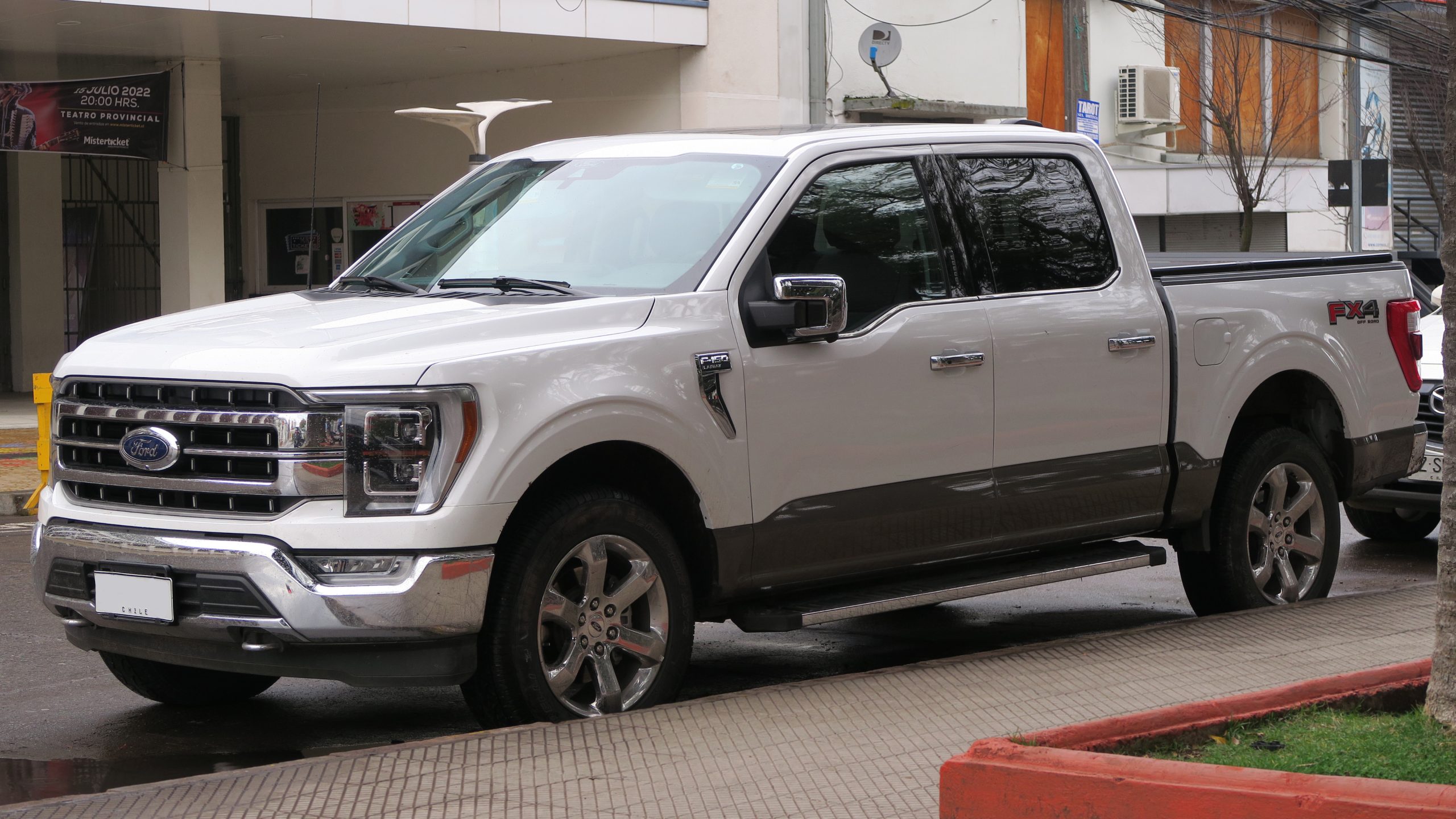
Between 1999 and 2007, the Honda Accord became a frequent target for catalytic converter theft due to a mix of high road presence and vulnerable design choices. These model years are still widely driven, which increases both availability and demand for replacement parts in illegal markets.
A key issue is how the exhaust system is positioned. In these Accords, the catalytic converter sits in a central location underneath the vehicle and is not well shielded. This makes it easy to identify and reach from the ground.
Because of this exposed layout, thieves can access the converter quickly using basic cutting tools, especially when the vehicle is parked in unsecured or low-visibility areas.
A key reason these converters are so desirable is the high concentration of precious metals inside them. Older Honda converters contain larger amounts of platinum, palladium, and rhodium compared to many newer systems. These materials are valuable on the scrap market, making the part highly profitable for thieves. Because of the simple layout and easy access, the removal process can be completed in a very short time, often resulting in additional damage to surrounding exhaust components during the theft.
The cost of replacing a stolen catalytic converter in an Accord is often very high. Owners may face repair bills reaching up to about three thousand dollars. This includes the price of original equipment manufacturer parts, labor for installation, and repairs to damaged oxygen sensors or exhaust pipes. Even newer Accords are not completely safe, as their converters still contain valuable metals and can be accessed in certain parking conditions.
To reduce the risk of theft, owners are advised to install protective shields over the catalytic converter, park in secure or well-lit locations, and use upgraded alarm systems that can detect vibration or tampering. These preventive steps can significantly lower the chances of theft and help avoid costly repairs and inconvenience.
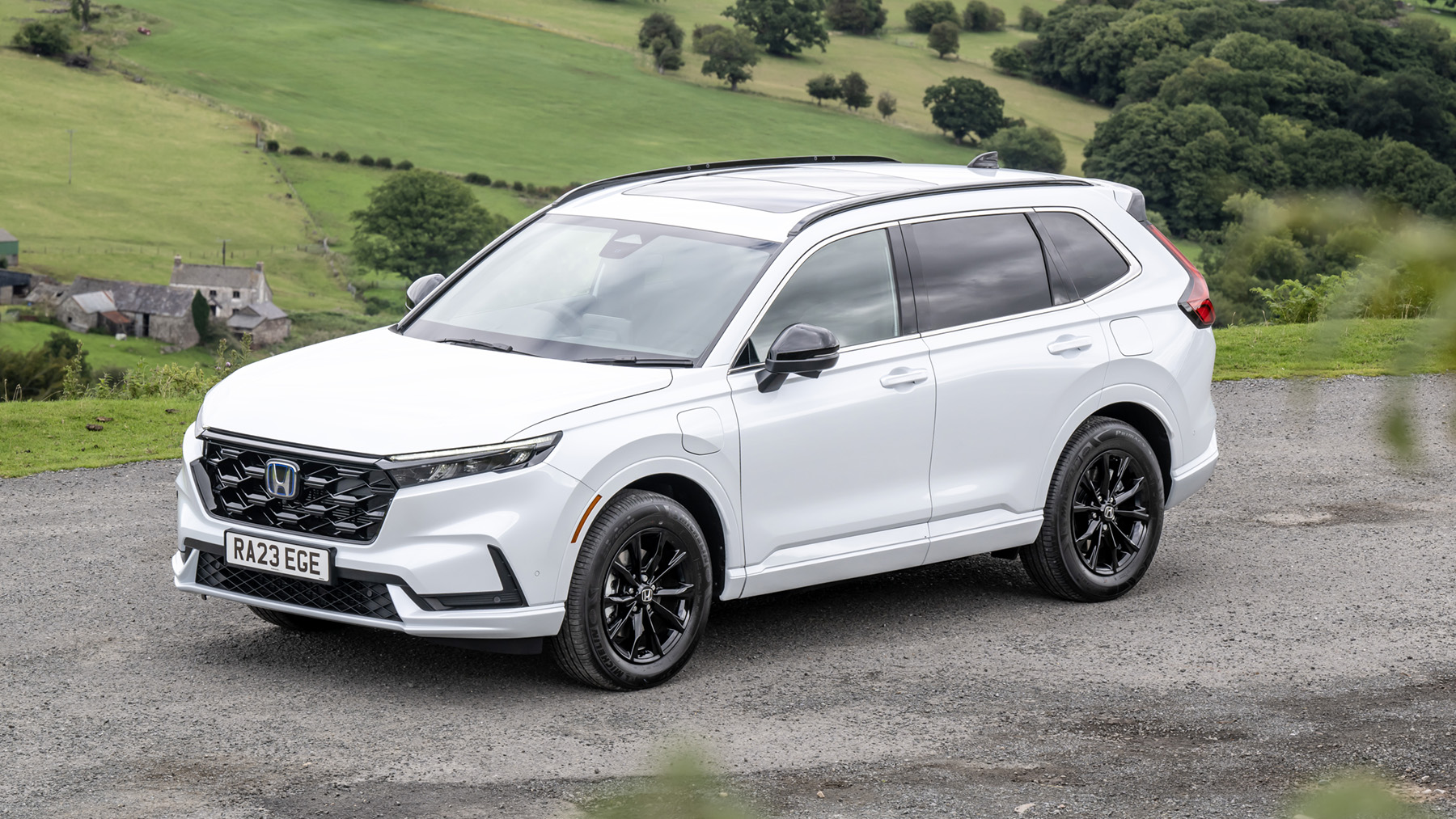
4. Honda CR-V
High rates of catalytic converter theft are often linked to vehicles that combine easy underbody access with valuable exhaust components. In this case, the design of a compact SUV places the exhaust system in a position that is simple to reach from the ground, especially in standard parking conditions.
The elevated ride height creates open space beneath the vehicle, allowing a person to slide underneath without lifting tools. This makes it possible to quickly locate and remove the catalytic converter using basic cutting equipment, reducing the time and effort required for theft.
When this accessibility is paired with the presence of high-value precious metals inside the converter, the vehicle becomes a more attractive target. Theft incidents are more likely in low-visibility or unsecured areas where quick, unnoticed access is possible.
A major factor in its high theft rate is the valuable materials inside its catalytic converter. Many CR-V models contain significant amounts of precious metals such as platinum, palladium, and rhodium. These metals are highly sought after in scrap markets, making the converter a profitable target. When removed, thieves often damage surrounding components like oxygen sensors and exhaust piping, which increases repair complexity and cost.
Repair expenses for stolen catalytic converters in the CR-V are often very high, frequently exceeding three thousand dollars. This is due to the combined cost of expensive OEM replacement parts, labor-intensive installation, and additional repairs needed for collateral damage. Even minor cutting during theft can result in further exhaust system issues that raise total repair bills.
Preventive measures are strongly recommended for owners. Installing catalytic converter shields or cages can physically block access and deter theft attempts. Parking in locked garages or well-lit, high-traffic areas also reduces risk. Additional steps, such as VIN etching onto the converter, can help trace stolen parts and discourage resale.
Beyond theft concerns, the CR-V offers a balanced driving experience with a 1.5-liter turbocharged engine producing around 190 horsepower, paired with a CVT and available all-wheel drive. It delivers good fuel efficiency, a comfortable interior with strong cargo space, and a full suite of safety and driver-assistance features. These qualities make it practical and popular, but also contribute to its visibility as a common target for catalytic converter theft.
5. Ford Explorer
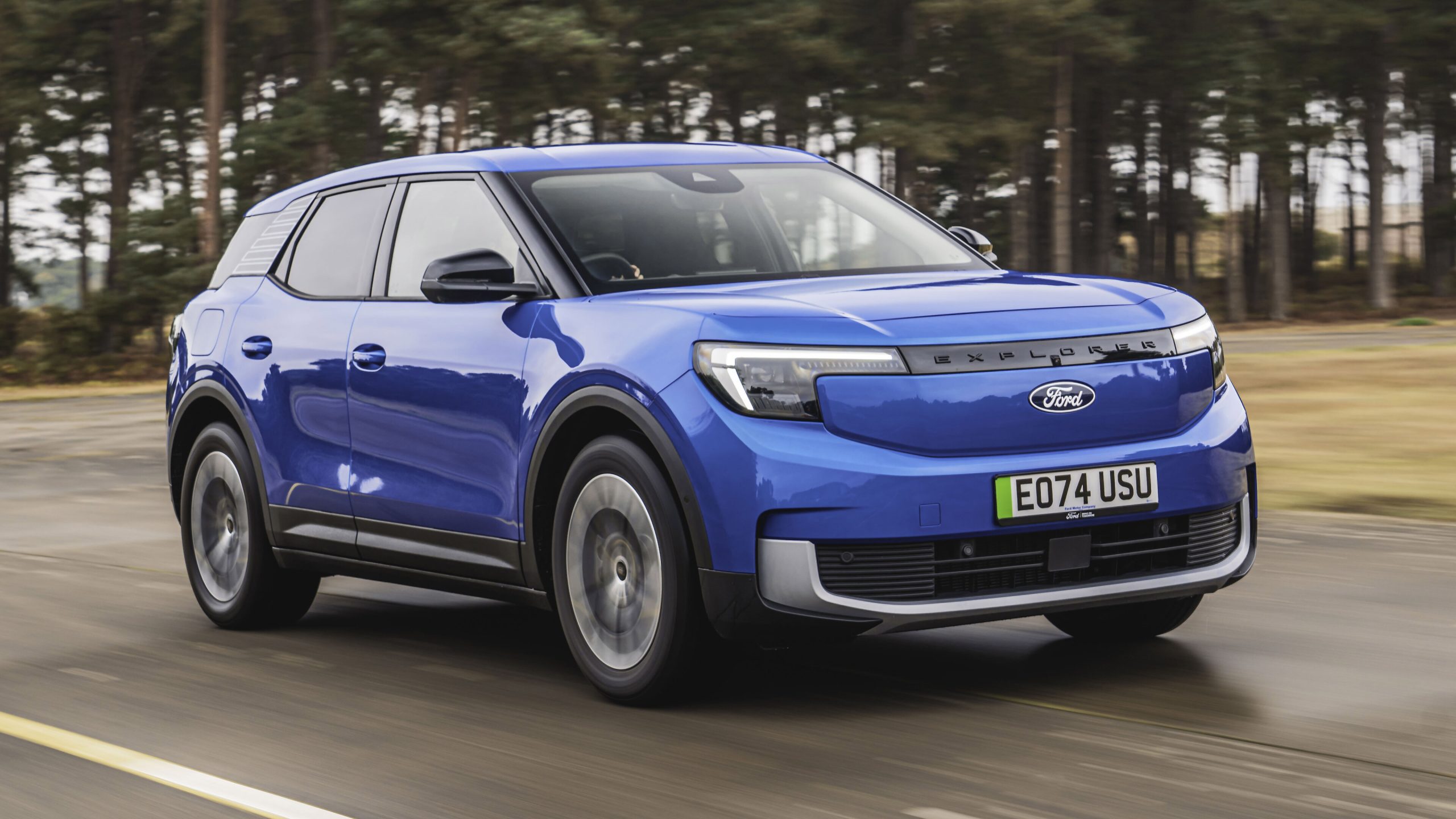
The Ford Explorer is frequently targeted for catalytic converter theft due to its high ground clearance, large body design, and valuable exhaust system components. Its elevated stance allows thieves to slide underneath quickly without needing a jack, making it possible to remove the catalytic converter in a very short time, often in under two minutes. This quick access makes it especially vulnerable in poorly monitored or dark parking areas.
A major reason it is targeted is the high value of the materials inside the catalytic converter. The Explorer uses a large, heavy-duty emissions system that contains significant amounts of precious metals such as platinum, palladium, and rhodium. These metals are highly valuable on the scrap market, which increases the incentive for theft even though thieves typically earn only a few hundred dollars per unit.
The financial impact on owners is much greater than the thief’s payout. Replacement costs can reach around three thousand dollars or more due to expensive OEM parts, labor-intensive installation, and damage to surrounding components such as oxygen sensors, exhaust hangers, and piping. Newer exhaust designs also increase costs because many systems use integrated or direct-fit converter assemblies that are more complex and expensive to replace.
Beyond theft concerns, the Explorer is a capable SUV with a range of turbocharged engines, including a 2.3-liter four-cylinder and a 3.0-liter V6 producing up to 400 horsepower. It offers strong towing capacity up to 5,000 pounds, decent fuel economy for its class, and a comfortable cabin with flexible cargo space. A large infotainment system, advanced driver-assistance features, and solid safety ratings add to its appeal.
Despite its practicality and performance, its design and widespread use continue to make it a frequent target for catalytic converter theft, prompting owners to rely on protective measures such as parking strategies and anti-theft devices.
Also read: 10 Cars Owners Routinely Drive Past 350,000 Miles
6. Chevrolet Silverado
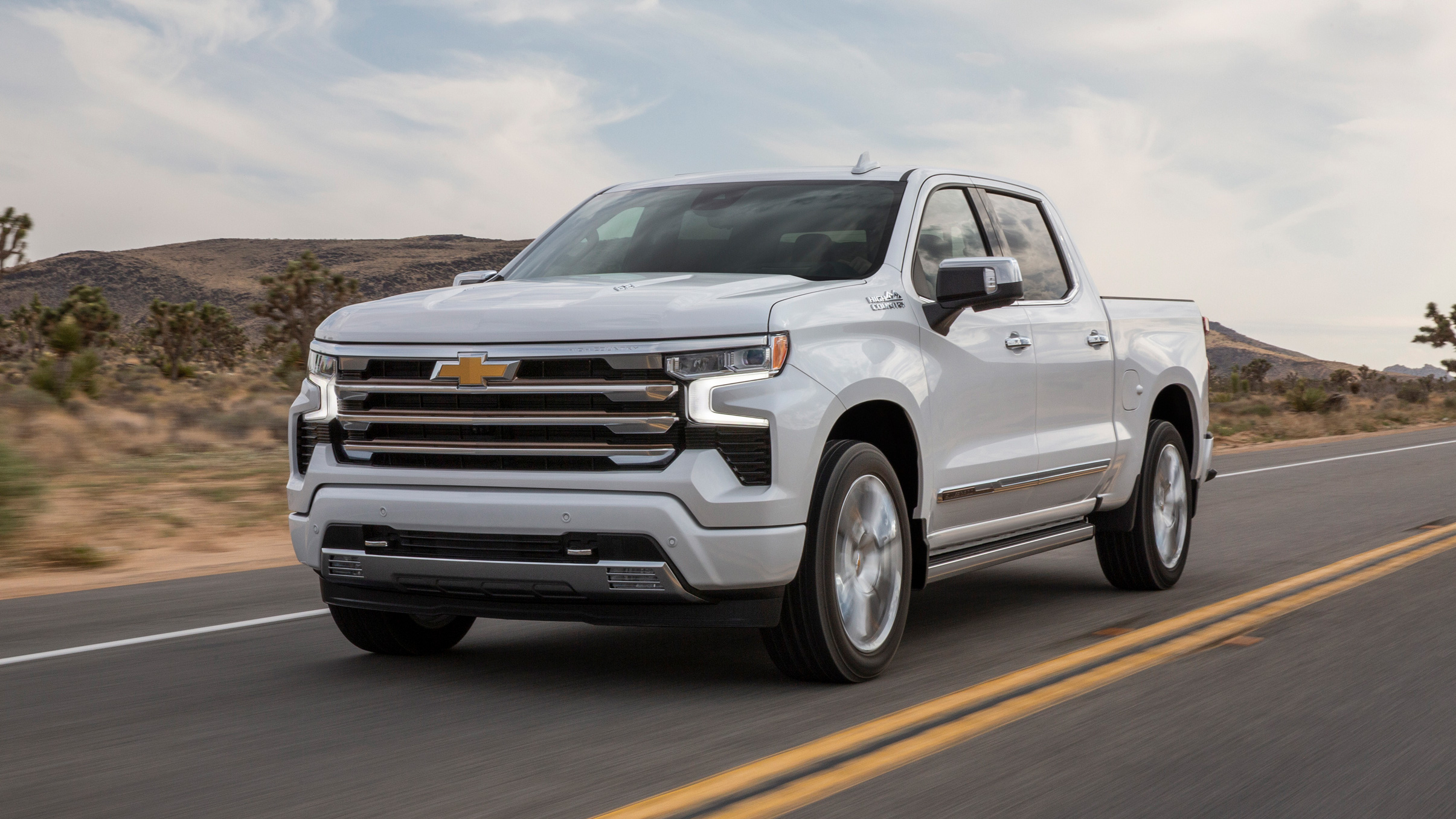
A combination of design factors and widespread popularity makes the Chevrolet Silverado a frequent target for catalytic converter theft. Its high ride height creates open space beneath the vehicle, allowing thieves to easily slide underneath without needing lifting tools.
This accessibility, paired with the truck’s large sales volume and powerful engine options, means there are many opportunities for quick thefts. In many cases, the catalytic converter can be removed in less than a minute using basic cutting tools.
The risk is especially high in dark or unmonitored parking areas, where the speed and simplicity of access make the vehicle an attractive target for opportunistic thieves.
A major reason for targeting the Silverado is the high value of its catalytic converters. Because it is a full-size truck, it uses larger converters designed for V6, V8, and diesel engines, all of which contain higher amounts of precious metals such as platinum, palladium, and rhodium. These metals significantly increase resale value in illegal scrap markets, even though thieves typically only earn a small fraction compared to the owner’s loss.
Repair costs for owners are extremely high, often reaching up to three thousand dollars or more. This is due to expensive OEM replacement parts, labor-intensive installation, and additional damage caused during theft, including cut exhaust pipes, oxygen sensors, and mounting hardware. The Silverado’s exhaust system often uses direct-fit assemblies, which further increases replacement complexity and cost.
Beyond theft concerns, the Silverado offers strong capability and versatility. It comes with a range of engines, including turbocharged four-cylinder, V8, and diesel options producing up to 420 horsepower. It delivers a strong towing capacity of over 13,000 pounds, solid fuel economy for its class, and a comfortable, tech-equipped interior with large infotainment displays and advanced driver-assistance features. Available systems, such as hands-free driving and multifunction tailgates, enhance usability.
Despite its performance and practicality, the Silverado remains a frequent target for catalytic converter theft, making preventive measures like protective shields, VIN etching, and secure parking important for owners.
7. Chevrolet Equinox
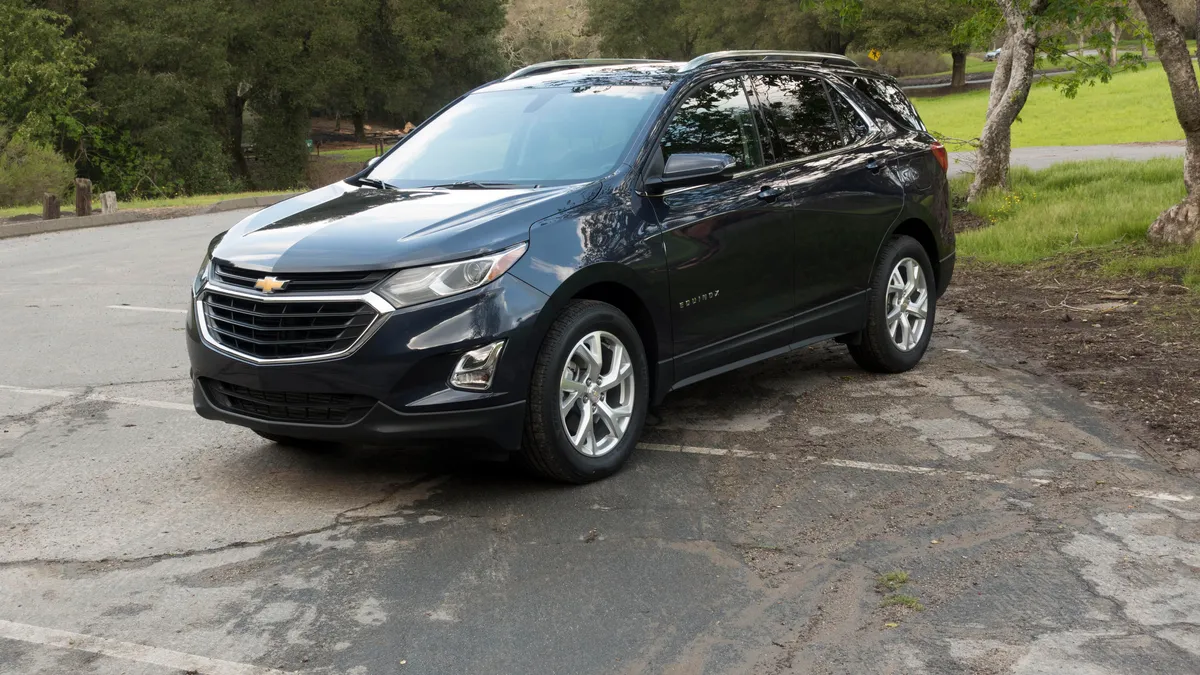
The Chevrolet Equinox is frequently targeted for catalytic converter theft due to its widespread popularity, elevated ride height, and exposed exhaust system design. As one of the most common crossover SUVs on the road, its large population creates an easy supply of vehicles for thieves to target, especially in residential neighborhoods and public parking areas.
A key vulnerability comes from its ground clearance, which allows thieves to quickly slide underneath the vehicle without lifting equipment. Once underneath, the catalytic converter is easy to reach and can be removed quickly using basic cutting tools. In many cases, thieves cut through the exhaust system carelessly, which often results in additional damage beyond the converter itself.
The financial impact on owners is significant. Replacement costs frequently reach around three thousand dollars due to the high price of OEM parts, the precious metals inside the converter, and labor-intensive repairs. Oxygen sensors, exhaust pipes, and wiring are often damaged during theft, which increases repair complexity and total cost.
Inside, the Equinox offers a modern and practical design with a spacious cabin and generous cargo capacity. It features dual digital displays, including a large infotainment touchscreen and a digital driver cluster, along with wireless connectivity and available advanced tech features.
The SUV is powered by a 1.5-liter turbocharged engine producing 175 horsepower, paired with either a CVT or an automatic transmission, depending on drivetrain choice. While it delivers comfortable everyday driving and good fuel efficiency, it is not designed for performance-focused driving.
Despite its comfort, safety features, and practicality, the Equinox remains a frequent target for catalytic converter theft, making preventive steps such as secure parking and protective shields important for reducing risk.
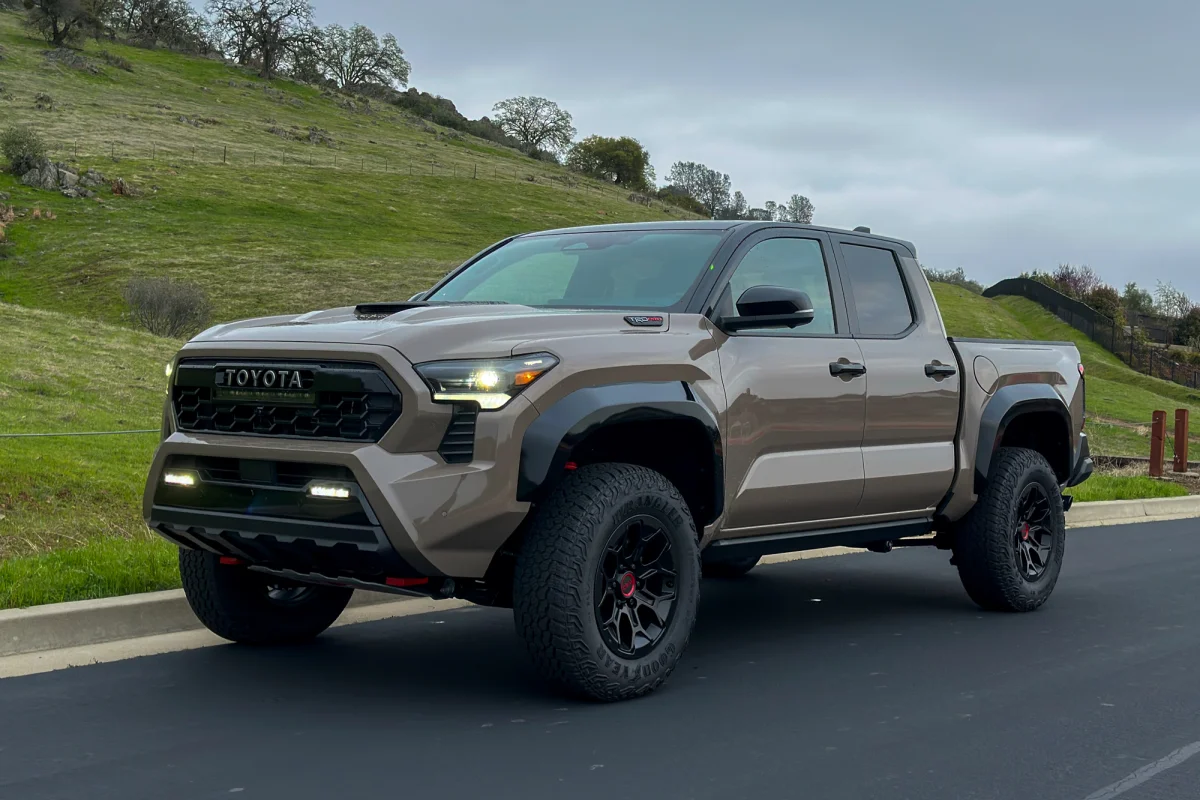
8. Toyota Tacoma
A combination of design advantages and vulnerability makes the Toyota Tacoma a common target for catalytic converter theft. Its raised ride height creates open space beneath the chassis, allowing easy entry without the need for jacks or lifting tools.
Once underneath, thieves can quickly locate and remove the catalytic converter using simple cutting equipment. The process is typically fast, often taking only a few minutes, which makes it highly appealing in low-visibility or poorly secured parking environments.
Its off-road-oriented construction and exposed undercarriage further contribute to the risk, as they leave critical exhaust components easily accessible compared to lower-riding vehicles.
A major reason the Tacoma is targeted is the high value of the precious metals inside its catalytic converter. These include platinum, palladium, and rhodium, which are essential for emissions control and highly profitable on illegal scrap markets. Combined with the truck’s popularity, this creates a steady supply of valuable parts that thieves can easily resell.
Repair costs for owners are very high, often reaching up to three thousand dollars. This is due to expensive OEM replacement parts, labor-intensive installation, and additional damage caused during theft, such as cut oxygen sensors, exhaust piping, and wiring. In many cases, aftermarket parts are not reliable, forcing owners to choose costly factory replacements.
Beyond theft concerns, the Tacoma is built for performance and durability. It offers a range of turbocharged four-cylinder engines with manual and automatic transmissions, strong towing capacity up to 6,500 pounds, and solid off-road capability. The redesigned interior features improved comfort, modern digital displays, and advanced connectivity options such as Apple CarPlay and Android Auto. Safety systems like adaptive cruise control and lane-keeping assist come standard.
Despite its reliability, capability, and popularity, the Tacoma remains a frequent target for catalytic converter theft. Owners are encouraged to use protective measures such as parking in secure locations, installing converter shields, and using anti-theft devices to reduce risk and avoid costly repairs.
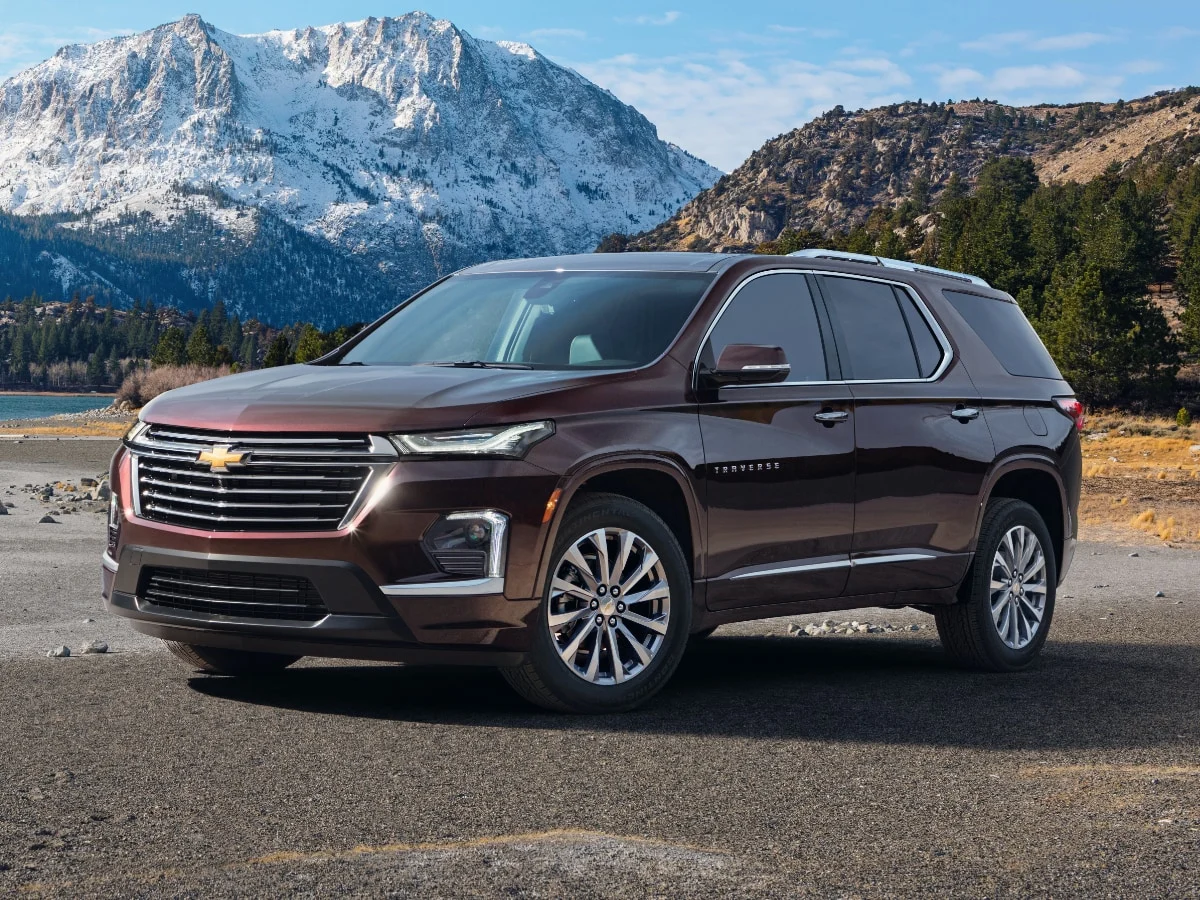
9. Chevrolet Traverse
The Chevrolet Traverse is a common target for catalytic converter theft due to its size, design, and valuable exhaust components. As a large three-row SUV, it sits higher off the ground than smaller vehicles, allowing thieves to easily slide underneath without specialized tools. This accessibility makes it possible to remove the catalytic converter quickly, often in under a minute, especially in suburban driveways or public parking areas.
One of the main reasons thieves focus on the Traverse is the high value of its catalytic converter. Larger vehicles require larger emissions systems, which contain greater amounts of precious metals such as platinum, palladium, and rhodium. These materials are in high demand on the black market, making the converter an attractive target despite the relatively low payout thieves receive compared to the owner’s loss.
Repair costs for owners can range from one thousand to three thousand dollars or more. This is due not only to the cost of the converter itself but also to additional damage caused during theft. Thieves often cut through oxygen sensors, wiring, and exhaust pipes, which must be replaced or repaired. Labor costs also add up quickly, as restoring the system may involve welding, installing new gaskets, and recalibrating components using factory-approved parts.
Beyond theft concerns, the Traverse offers strong family-focused features. It includes a turbocharged engine paired with an automatic transmission, a spacious interior with seating for up to eight passengers, and advanced infotainment with a large touchscreen interface. Safety features such as automatic emergency braking and available hands-free driving enhance its appeal.
Despite its practicality and comfort, its design and valuable components continue to make it a frequent target, making preventive measures essential for owners.
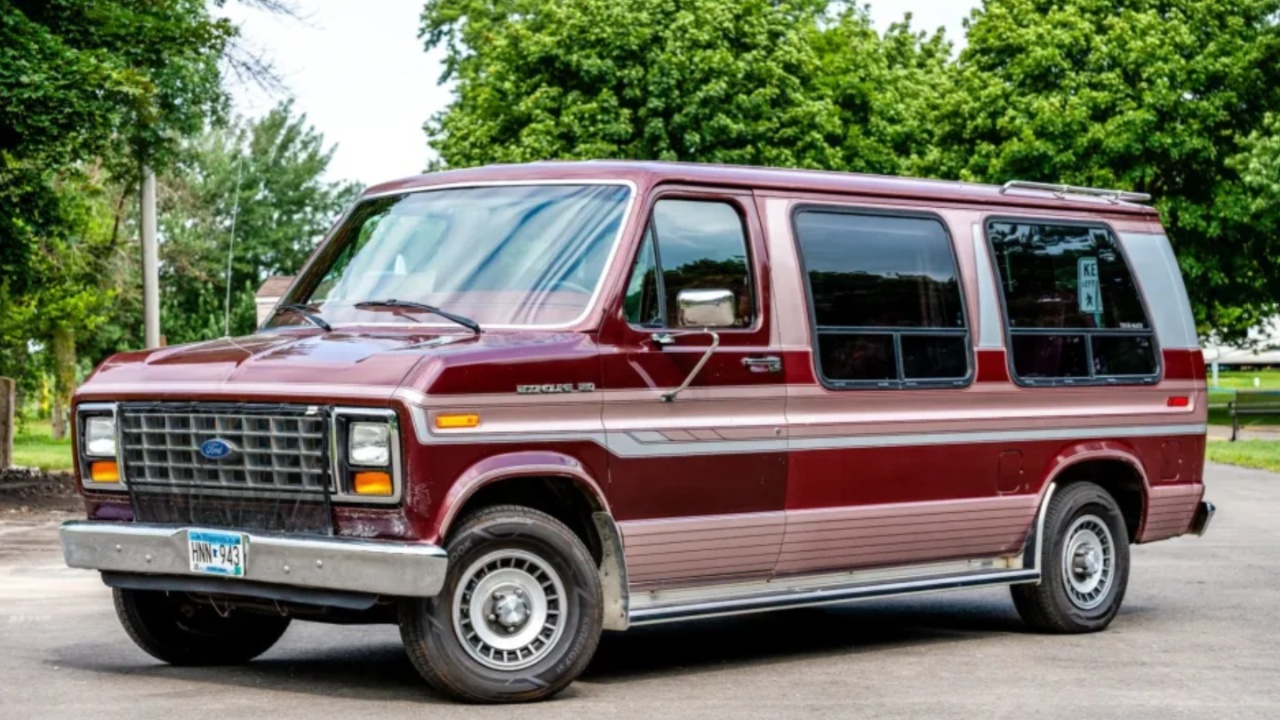
10. Ford Econolin
The Ford Econoline is a frequent target for catalytic converter theft due to its design, usage patterns, and valuable exhaust components. As a commercial van commonly used for business operations, it is often parked overnight in open or poorly secured lots, giving thieves extended time to access the vehicle without interruption. Its high ground clearance further increases vulnerability by allowing easy access to the undercarriage without the need for lifting equipment.
Another key factor is the size and value of its catalytic converter. Because the Econoline is built to handle heavy loads and is equipped with large V8 engines, it requires a bigger emissions system. This results in converters that contain higher concentrations of precious metals such as platinum, palladium, and rhodium. These materials are highly valuable on the scrap market, making the vehicle especially attractive to thieves.
The cost of replacement can be substantial, often reaching up to three thousand dollars or more. OEM catalytic converters alone can cost between one thousand and three thousand dollars, and theft typically causes additional damage. Thieves often cut through exhaust pipes, oxygen sensors, and surrounding components, increasing repair complexity. Labor costs also rise due to the need for welding, part replacement, and system recalibration.
Beyond theft concerns, the Econoline remains a reliable and durable commercial vehicle. It features a heavy-duty chassis, strong payload capacity, and a powerful V8 engine designed for demanding work environments. Its design prioritizes functionality, ease of maintenance, and long-term durability, making it a preferred choice for fleet operators.
Despite its practicality and reliability, its accessibility, high-value components, and common use in unattended areas make it a prime target for catalytic converter theft, highlighting the need for preventive measures such as secure parking and anti-theft devices.
Looking across models such as the Toyota Prius, Ford F-Series, and Toyota Tacoma, a clear pattern emerges. Theft risk is largely influenced by accessibility, the size of the catalytic converter, and the value of the metals inside it. While thieves may only gain a small amount from selling the stolen part, the financial impact on owners is far greater, often climbing to $3,000 or more once repairs and labor are included.
Prevention plays a key role in minimizing this risk. Installing anti-theft shields, choosing secure parking locations, and marking converters with identification numbers can discourage theft attempts. Even simple habits like parking in well-lit areas can make a difference. Although no vehicle is completely immune, being informed and proactive can significantly reduce the chances of becoming a target and help owners avoid unexpected and costly repairs.
Also read: 5 Cars Where Trade-In Beats Private Sale vs 5 Where It Doesn’t