
Car leasing has become one of the most popular ways to drive premium vehicles without committing to long-term ownership. Monthly payments are often lower than traditional financing, luxury upgrades become more accessible, and drivers can move into newer models every few years.
While leasing can look financially attractive on the surface, many drivers discover hidden costs when they try to exit a lease early or purchase the vehicle before the contract ends. One of the most painful surprises is the lease payoff penalty, especially when it climbs past the $7,000 mark.
These penalties usually appear when market value drops faster than expected, residual values are overly optimistic, or the lease agreement includes aggressive termination clauses. In recent years, rapid depreciation in luxury sedans, electric vehicles, and oversized SUVs has made this issue far more common.
The automotive market has changed dramatically since the pandemic era. Supply shortages initially caused used car prices to rise sharply, but later corrections hit several vehicle categories hard. Electric cars experienced particularly steep depreciation because of evolving battery technology, aggressive manufacturer discounts, and changing tax incentives.
Luxury vehicles were also impacted because they tend to lose value faster once newer models arrive. Drivers who leased expensive vehicles during periods of inflated pricing often found themselves trapped in contracts with residual values that no longer matched real-world market conditions. The result was a significant gap between the contractual payoff amount and the actual resale value of the car.
A lease payoff penalty can come from several sources. Some drivers face negative equity because the car is worth far less than the remaining lease balance. Others encounter early termination fees, excess mileage charges, wear and tear assessments, or purchase option markups.
Even consumers with excellent credit and carefully planned finances can get caught off guard by these costs. In many cases, drivers believed they were making a smart financial decision by leasing rather than buying, only to realize the contract heavily favored the leasing company.
Luxury sedans, large SUVs, and premium electric vehicles have been especially vulnerable to steep lease payoff costs. Vehicles with high MSRPs usually depreciate quickly after the first year, and technological updates can make older models feel outdated almost overnight.
Some manufacturers also subsidized leases aggressively to boost sales volume, creating unrealistic residual projections that later backfired on consumers. Drivers attempting to exit those leases early discovered payoff penalties well beyond what they expected.
This article explores eight vehicles where lease payoff penalties commonly crossed the $7,000 threshold. Each example highlights how depreciation trends, market shifts, and leasing structures combined to create financial headaches for lessees. Whether you are considering leasing a luxury car, an electric vehicle, or a high-end SUV, understanding these patterns can help you avoid expensive mistakes and negotiate smarter contracts in the future.
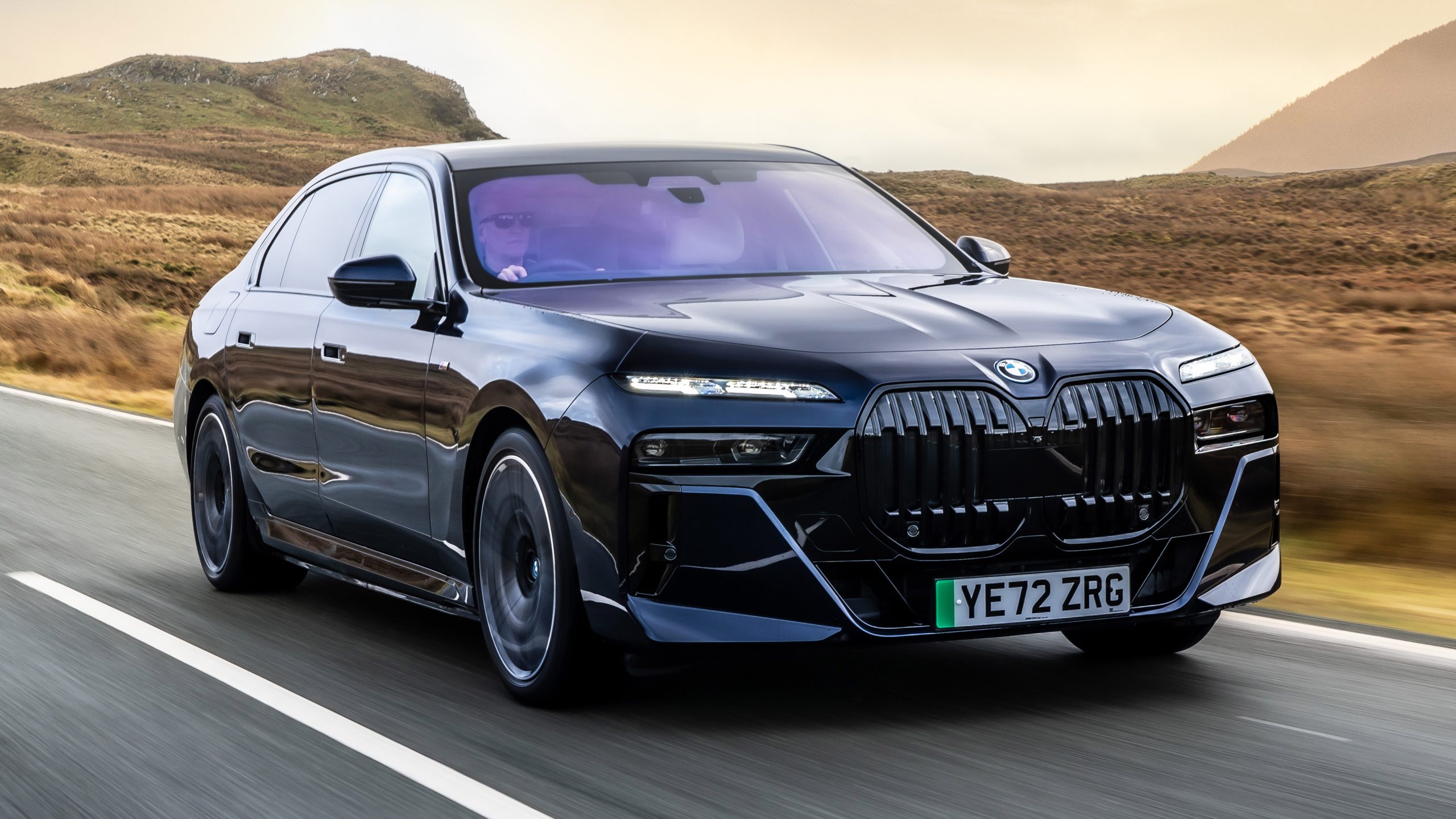
- Engine: 3.0L turbo inline-6 or 4.4L twin-turbo V8
- Horsepower: 375 hp to 536 hp
- Torque: 520 Nm to 750 Nm
- Length: ~5,391 mm
- Width: ~1,950 mm
1. BMW 7 Series
The BMW 7 Series has long represented luxury, performance, and advanced automotive technology. It attracts executives, business owners, and drivers who want a premium experience without stepping into ultra-exotic territory.
Leasing has traditionally been a popular option for this flagship sedan because monthly payments often appear more manageable compared to financing such an expensive vehicle outright. However, the 7 Series also has a history of rapid depreciation, making it one of the riskiest luxury sedans for lease payoff exposure.
One major reason payoff penalties exceeded $7,000 on many 7 Series leases was the gap between projected residual values and actual market demand. Luxury sedans have struggled in recent years because consumers increasingly prefer SUVs.
Even high-income buyers who once gravitated toward executive sedans began choosing vehicles like the BMW X7 or Range Rover instead. As resale demand weakened, used values for the 7 Series dropped sharply, leaving many lessees underwater.
Technology depreciation also played a significant role. BMW frequently updates infotainment systems, driver assistance features, and hybrid powertrains. A three-year-old 7 Series can quickly feel outdated next to a newly redesigned version. Buyers in the used market become hesitant when expensive repair costs are combined with aging technology. This dynamic pushes resale prices down much faster than leasing companies often anticipate.
Another factor involved high maintenance expectations after warranty periods. Luxury buyers know that out-of-warranty repairs on a 7 Series can become extremely expensive.
Air suspension systems, advanced electronics, and turbocharged engines all contribute to ownership concerns. As a result, secondary market buyers demand lower prices to compensate for future repair risks. That weak resale value directly impacts lease payoff calculations.
Drivers attempting to exit leases early often discovered payoff balances thousands of dollars above the actual vehicle’s worth. In some cases, negative equity alone exceeded $7,000 before accounting for mileage or wear charges. The lesson from the BMW 7 Series is simple. Leasing a high-end luxury sedan can appear affordable monthly, but depreciation risk remains enormous once market demand shifts.
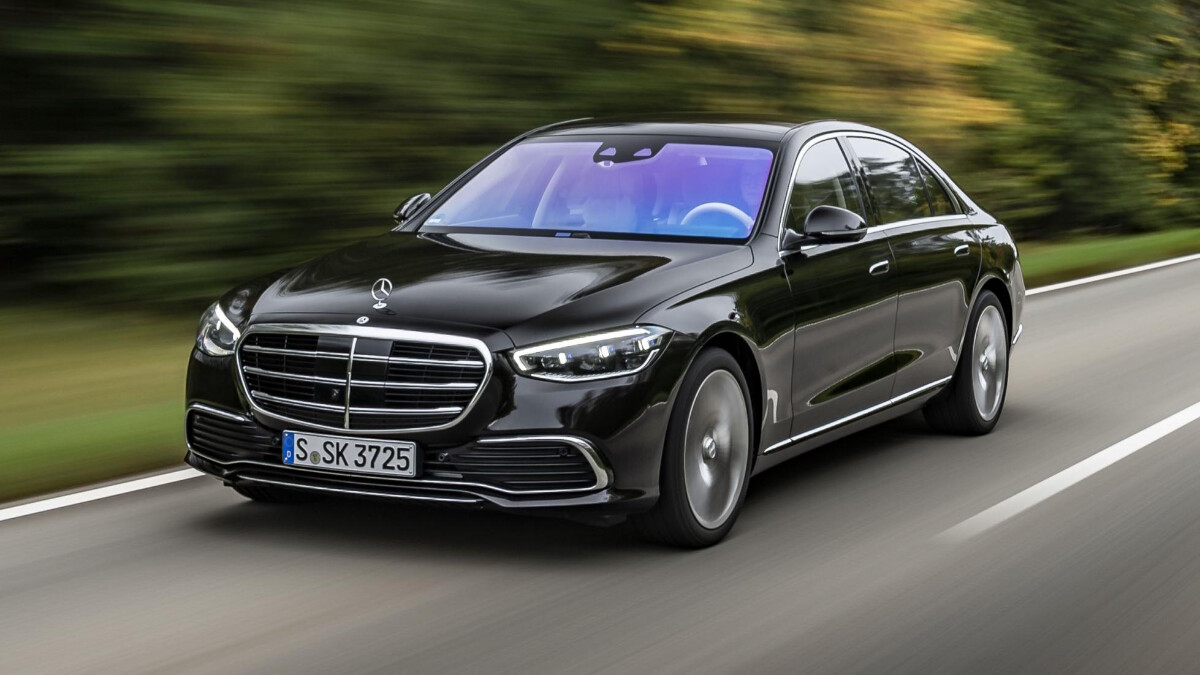
- Engine: 3.0L inline-6 mild hybrid or 4.0L twin-turbo V8
- Horsepower: 429 hp to 496+ hp
- Torque: 520 Nm to 700+ Nm
- Length: ~5,179 mm
- Width: ~1,954 mm
2. Mercedes-Benz S-Class
The Mercedes-Benz S-Class has long been considered the benchmark for full-size luxury sedans. It combines prestige, comfort, cutting-edge engineering, and strong brand recognition. For decades, executives and celebrities viewed the S-Class as a symbol of status and refinement.
Yet despite its reputation, the vehicle became one of the most expensive lease traps in the luxury market during periods of rapid depreciation.
One reason the S Class generated huge payoff penalties was its extremely high sticker price. Even entry-level versions often exceed six figures once options are added. Leasing companies frequently set aggressive residual values to keep monthly payments attractive.
While this strategy works when resale demand remains stable, it becomes dangerous when market conditions weaken. As luxury sedan demand declined, many S-Class vehicles lost value far faster than projected.
The introduction of new technology accelerated depreciation further. Mercedes consistently pushes innovation through the S Class lineup, adding advanced driver assistance systems, digital displays, and hybrid features.
Unfortunately for lessees, these constant upgrades can make slightly older models feel obsolete. Buyers shopping in the used market often compare previous-generation S-Class models unfavorably against newer alternatives packed with updated technology.
Maintenance and reliability concerns also impacted resale values. Once factory warranties expire, ownership costs for the S Class can rise dramatically. Repairing air suspension systems, electronic modules, and luxury interior components is rarely cheap. Potential buyers understand this reality and negotiate aggressively, which weakens market pricing. Leasing companies that overestimated future resale values left many consumers trapped with negative equity.
Another major issue involved market oversupply. During periods when manufacturers heavily incentivized luxury leases, thousands of S-Class sedans flooded the used market simultaneously after lease returns.
Increased supply, combined with weaker sedan demand, caused resale prices to collapse further. Drivers attempting early lease exits frequently faced payoff amounts exceeding real market values by more than $7,000.
The S Class remains one of the finest luxury vehicles in the world, but it also demonstrates how prestige alone cannot protect against depreciation. Consumers often focus on monthly affordability without considering long-term market dynamics. In reality, leasing an ultra-luxury sedan can become financially painful if market conditions shift unexpectedly.
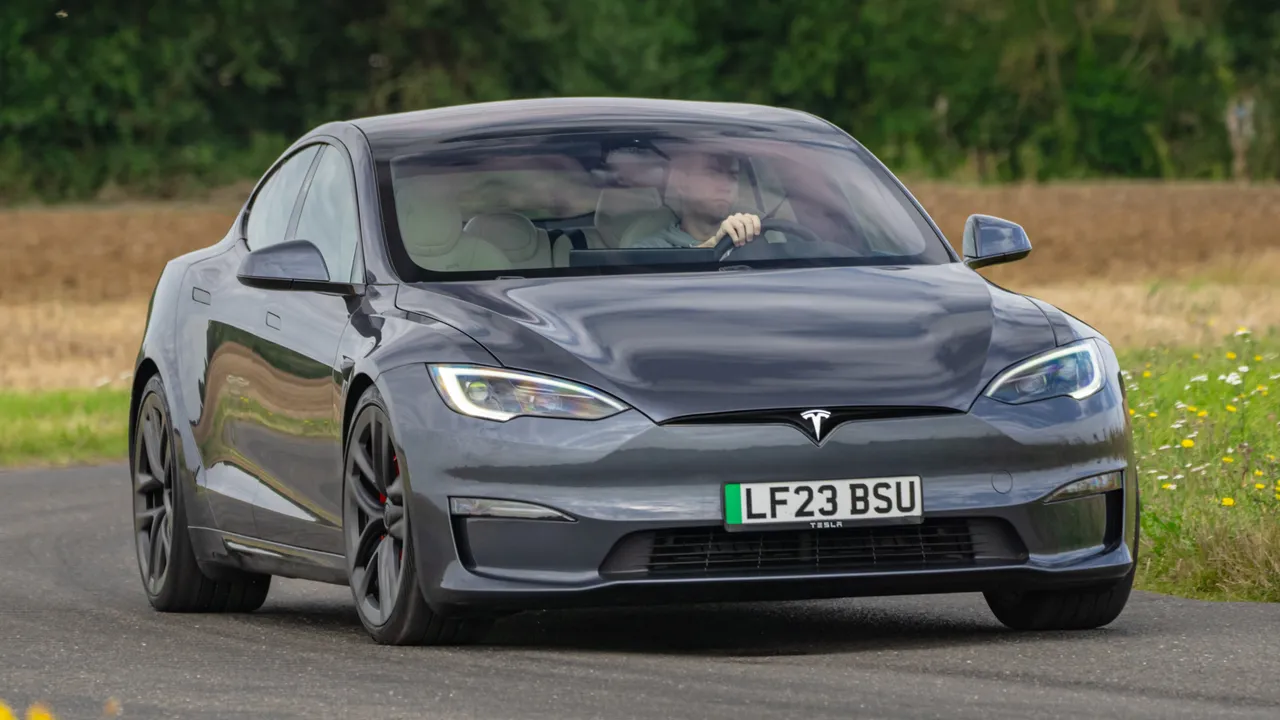
- Engine: Dual motor AWD or tri-motor (Plaid)
- Horsepower: ~670 hp to 1,020 hp
- Torque: ~900 Nm to 1,050 Nm
- Length: ~4,976 mm
- Width: ~1,964 mm
3. Tesla Model S
The Tesla Model S revolutionized the electric luxury segment and helped redefine modern automotive performance. Early adopters embraced its instant acceleration, minimalist interior, and innovative software-driven experience.
Leasing became especially attractive because many buyers were uncertain about long-term battery technology and wanted flexibility as EV innovation accelerated. However, the same rapid pace of change that made Tesla exciting also created major lease payoff problems.
One of the biggest issues involved aggressive price cuts from Tesla itself. The company repeatedly adjusted vehicle pricing to stimulate demand and remain competitive. While lower prices benefited new buyers, they severely damaged resale values for existing vehicles. Lessees who signed contracts before major price reductions suddenly found their cars worth far less than expected, creating substantial negative equity.
Battery technology changes also influenced depreciation. Electric vehicle buyers increasingly prioritize range, charging speed, and software capability. A Model S that looked cutting-edge three years earlier could quickly appear outdated compared to newer versions offering improved battery performance. This accelerated depreciation made residual values difficult to predict accurately.
Government incentives complicated matters further. Tax credits and subsidies often reduce effective purchase prices for new EVs, which indirectly pressures used values downward. Consumers comparing new and used Teslas sometimes discovered that buying a discounted new vehicle made more sense than purchasing a pre-owned one. That imbalance weakened secondary market demand and increased lease payoff gaps.
Tesla also introduced newer versions and refreshed designs at a rapid pace. Frequent software updates helped keep vehicles relevant, but physical redesigns still impacted desirability. Consumers often favored newer models with updated interiors, improved range, or enhanced autonomous driving capabilities. Older leased vehicles lost appeal faster than traditional luxury sedans.
Many lessees attempting to terminate leases early encountered payoff balances that exceeded actual market value by well over $7,000. Combined with mileage penalties and contract restrictions, the financial burden became severe for some drivers. The Tesla Model S illustrates how technological disruption can dramatically increase lease risk, especially in industries evolving as quickly as electric vehicles.
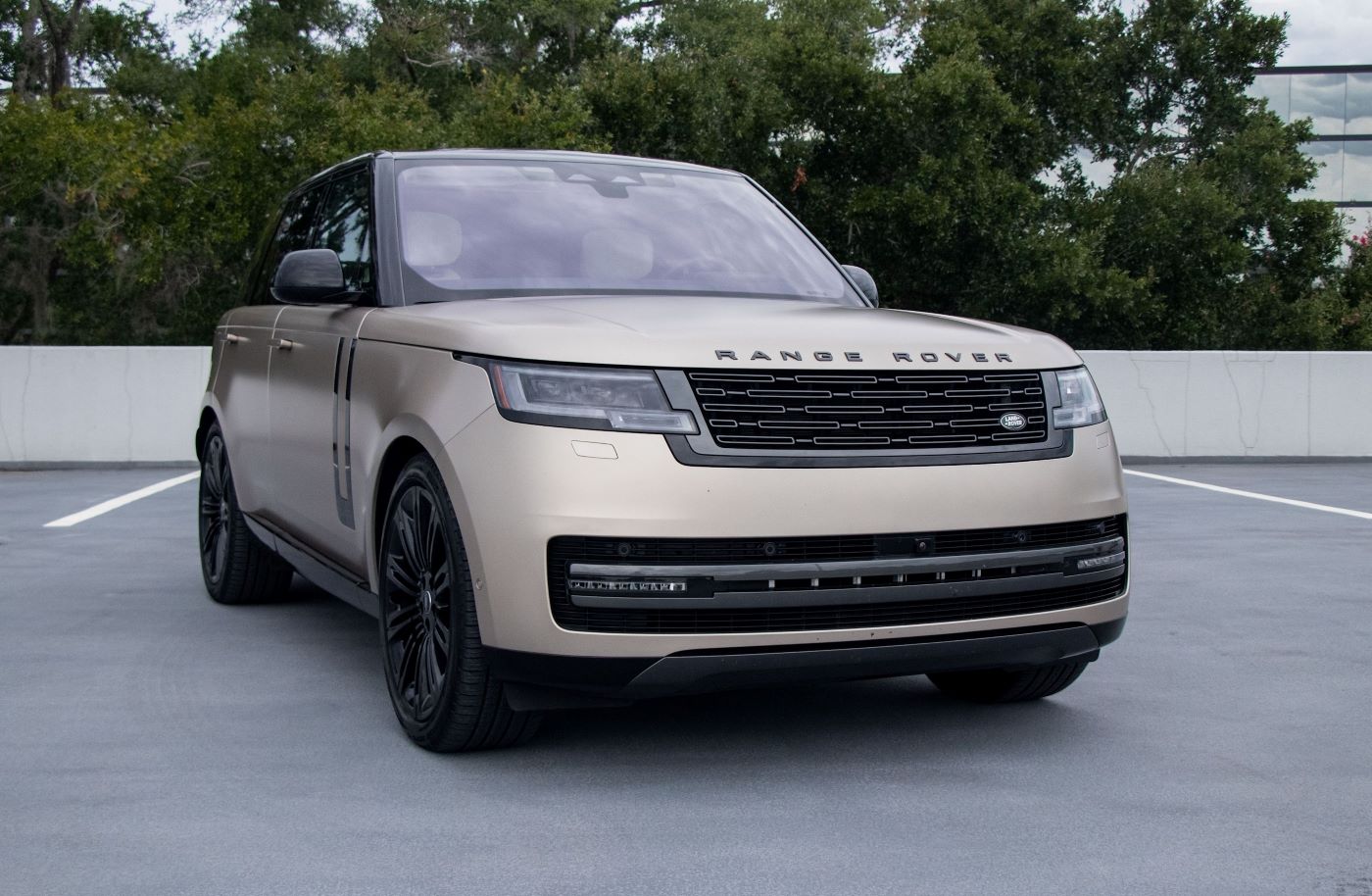
- Engine: 3.0L inline-6 mild hybrid or 4.4L V8
- Horsepower: 395 hp to 523 hp
- Torque: 550 Nm to 750 Nm
- Length: ~5,052 mm
- Width: ~2,047 mm
4. Range Rover
The Range Rover has built a reputation as one of the most luxurious and capable SUVs in the world. It combines premium materials, off-road capability, and commanding road presence in a way few competitors can match.
Leasing has remained popular because the vehicle’s high MSRP makes financing expensive. Yet despite its prestige, the Range Rover consistently ranks among the hardest-depreciating luxury SUVs.
One reason payoff penalties became so severe is reliability perception. Range Rover vehicles have long carried concerns about maintenance costs and mechanical complexity. Potential used buyers often hesitate because repairs involving electronics, air suspension systems, or drivetrain components can become extraordinarily expensive. This weakens resale demand and contributes to steep depreciation curves.
Luxury SUV competition has intensified dramatically over the last decade. Buyers now have alternatives from BMW, Mercedes-Benz, Cadillac, Lexus, and Porsche. Increased competition has pressured resale values because consumers have more choices than ever before. When leasing companies projected stronger residual values than the market supported, lessees absorbed the financial consequences.
Fuel prices also affected resale demand. Large luxury SUVs consume significant amounts of fuel compared to smaller crossovers or electric alternatives. During periods of rising fuel costs, many consumers shift toward more efficient vehicles. This change in buying behavior reduced demand for used Range Rovers and widened payoff gaps for existing leaseholders.
The vehicle’s expensive option packages created another challenge. Fully loaded Range Rovers can carry staggering sticker prices, but used buyers rarely pay proportional premiums for optional features. Expensive upgrades such as custom interiors or advanced entertainment systems often contribute little to resale value after several years. Lessees essentially finance options that depreciate almost immediately.
Many drivers discovered that early lease termination or buyout requests resulted in payoff balances far above actual resale value. Negative equity exceeding $7,000 became surprisingly common, especially for heavily optioned trims. The Range Rover demonstrates how luxury branding cannot fully offset depreciation risks tied to reliability concerns and changing consumer preferences.
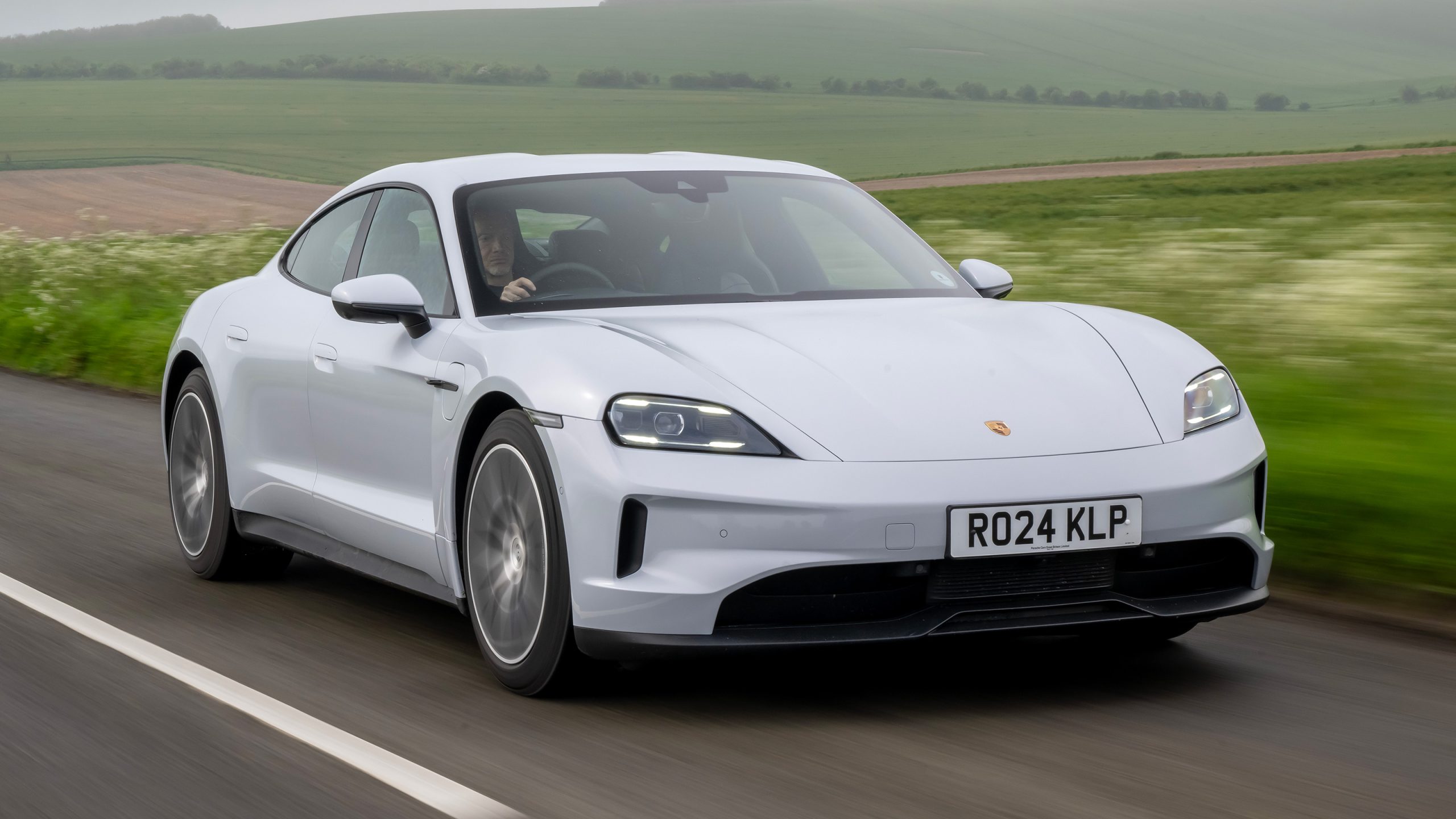
- Engine: Dual electric motors (AWD)
- Horsepower: 402 hp to 750+ hp
- Torque: 500 Nm to 1,050 Nm
- Length: ~4,963 mm
- Width: ~1,966 mm
5. Porsche Taycan
The Porsche Taycan entered the market with enormous excitement. It combined Porsche engineering with high-performance electric technology, creating one of the most desirable EVs in the luxury segment.
Early demand was strong, and many consumers rushed into leases to experience Porsche’s first major electric offering. Unfortunately, several market forces later combined to create steep payoff penalties for lessees.
Electric vehicle depreciation hit the Taycan particularly hard. As EV competition expanded rapidly, newer models offered longer range, faster charging, and lower pricing. Consumers became more selective, and resale values for early Taycan models weakened. Leasing companies that projected optimistic residual values struggled to keep pace with changing market realities.
High original pricing amplified the problem. The Taycan often exceeds six figures once performance packages and luxury options are included. Vehicles with extremely high MSRPs tend to lose value aggressively because the pool of second-hand buyers is smaller. Even affluent consumers become cautious when considering expensive used EVs with uncertain long-term battery aging concerns.
Software evolution in the EV market also contributed to depreciation. Buyers increasingly expect advanced digital experiences, frequent updates, and autonomous driving features. While Porsche delivered impressive performance, some consumers viewed Tesla and other rivals as stronger software leaders. This perception affected resale competitiveness over time.
Charging infrastructure concerns influenced buyer confidence as well. Some consumers remained hesitant about adopting used luxury EVs because of charging availability and battery replacement fears. Although the Taycan earned praise for driving dynamics, practical ownership considerations still impacted demand in the secondary market. Lower resale demand translated into higher negative equity for lessees.
Drivers attempting to exit Taycan leases early often discovered payoff gaps exceeding $7,000 once depreciation accelerated. The Porsche badge provided prestige, but it could not completely shield the vehicle from broader EV market volatility. The Taycan serves as a reminder that even premium performance brands are vulnerable when technology changes rapidly.
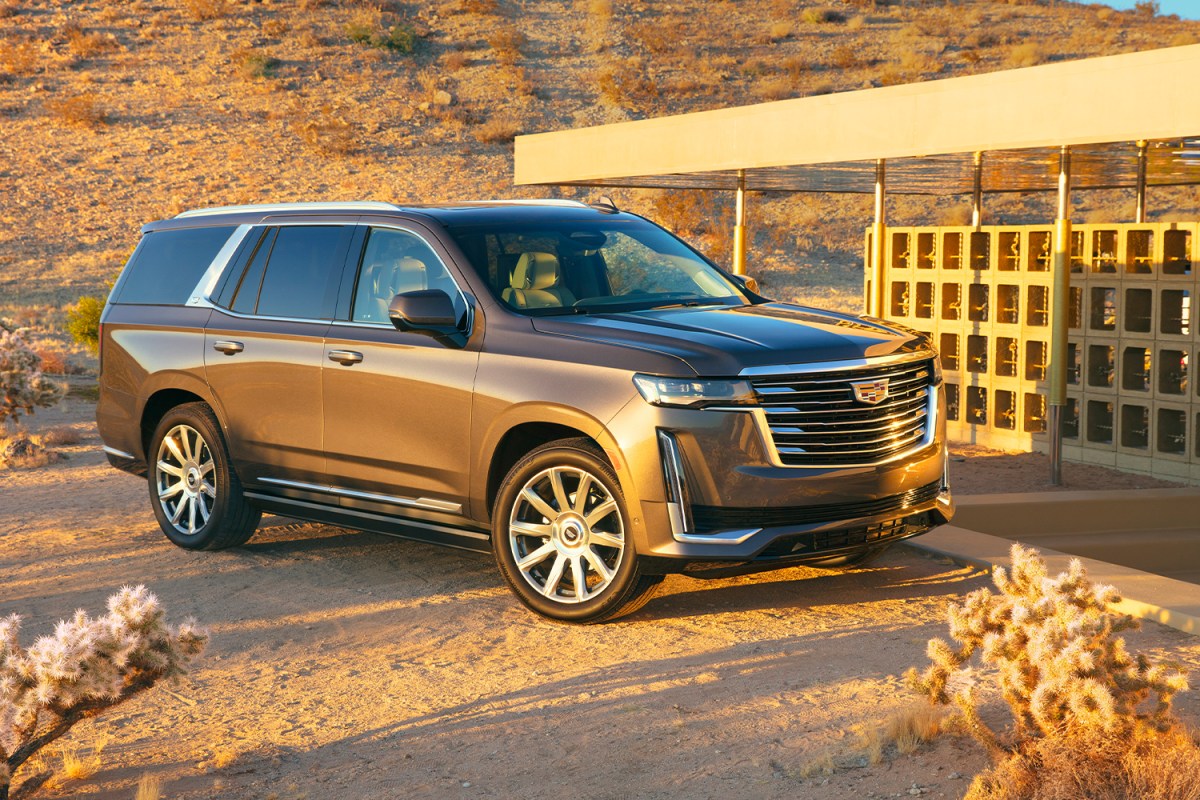
- Engine: 6.2L V8 or 3.0L turbo diesel inline-6
- Horsepower: 277 hp to 420 hp
- Torque: ~623 Nm
- Length: ~5,382 mm
- Width: ~2,060 mm
6. Cadillac Escalade
The Cadillac Escalade has remained one of America’s most recognizable luxury SUVs for decades. Known for its bold styling, massive interior space, and celebrity appeal, the Escalade became especially popular among families and professionals seeking comfort combined with road presence.
Leasing offered a way to access this premium SUV without committing to its substantial purchase price. However, several factors contributed to unexpectedly high lease payoff penalties.
One issue involved fluctuating fuel prices and changing consumer priorities. Large body-on-frame SUVs consume significant fuel, and spikes in gas prices often weaken demand for used full-size luxury vehicles. Buyers who once valued size and power increasingly considered smaller crossovers or hybrid alternatives, which reduced resale values for older Escalade models.
Rapid depreciation also stemmed from intense competition. Rivals such as the Lincoln Navigator, Jeep Grand Wagoneer, and high-end European SUVs entered the market aggressively. Consumers suddenly had more premium SUV options than ever before. As competition increased, resale prices softened, leaving many Escalade leases with unrealistic residual assumptions.
Technology expectations created another challenge. Buyers spending luxury money expect cutting-edge infotainment systems, driver assistance features, and connectivity. Older Escalade models could feel dated relatively quickly as newer versions introduced larger displays and more advanced digital features. This accelerated depreciation in the used market.
Heavy incentives occasionally distorted lease pricing as well. Manufacturers sometimes subsidized lease programs to maintain sales momentum, creating artificially strong residual values. While these incentives reduced monthly payments initially, they increased the risk of negative equity later if resale demand weakened. Consumers who exited leases early often faced substantial financial shortfalls.
Many Escalade lessees discovered payoff balances exceeding actual market values by more than $7,000. Mileage penalties and wear charges frequently pushed costs even higher. The Escalade highlights the risks associated with leasing oversized luxury SUVs in a market increasingly focused on efficiency and technological advancement.
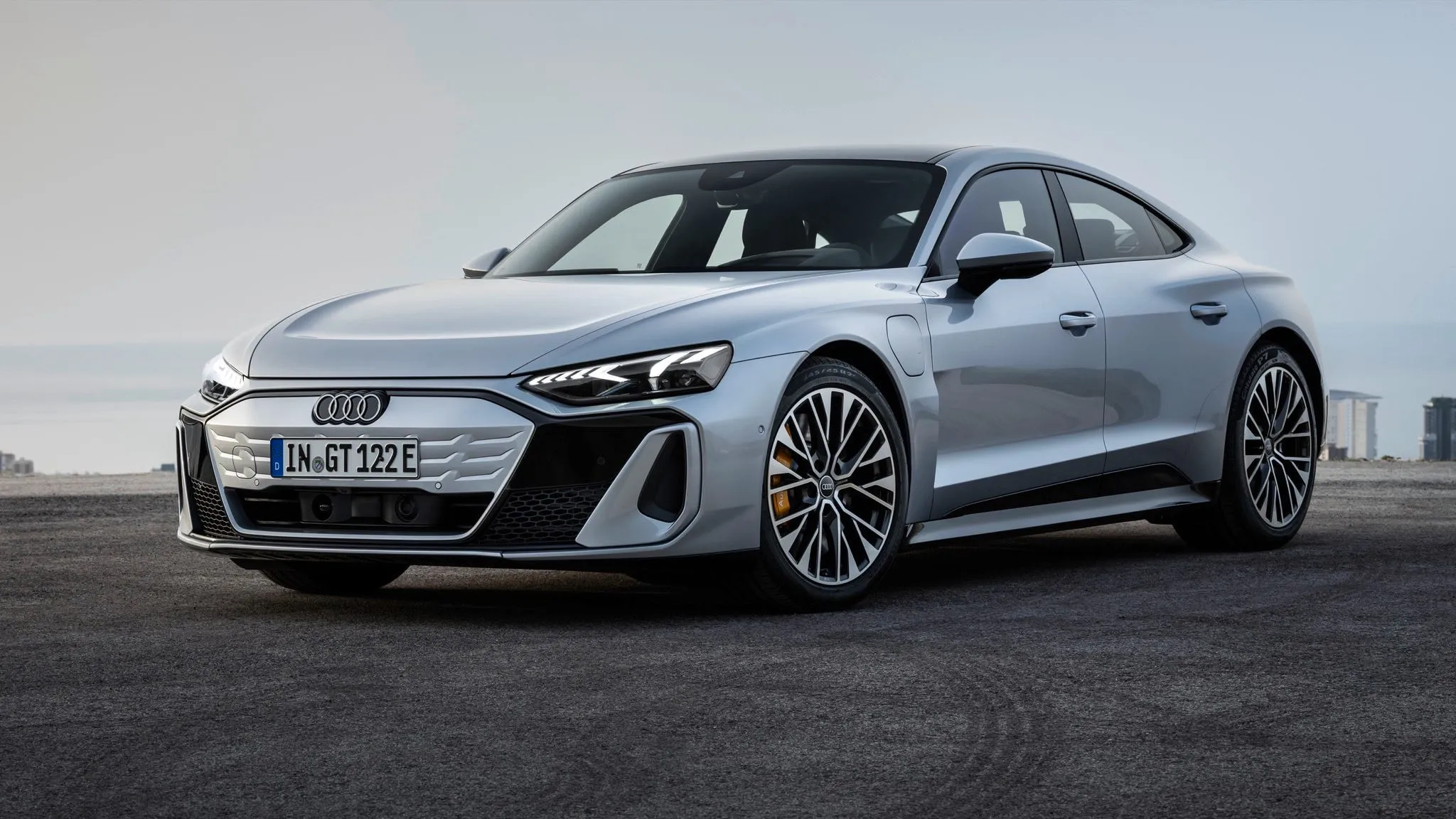
- Engine: Dual electric motors (AWD)
- Horsepower: 469 hp to 637 hp (RS variant)
- Torque: 630 Nm to 830 Nm
- Length: ~4,989 mm
- Width: ~1,964 mm
7. Audi e-tron GT
The Audi e-tron GT arrived as one of the most visually striking electric luxury sedans on the market. Sharing engineering roots with the Porsche Taycan, it delivered impressive acceleration, premium design, and strong brand appeal.
Leasing initially appeared attractive because EV technology was evolving rapidly, and consumers wanted flexibility. Yet the e-tron GT quickly became another example of how volatile the EV market could be.
One major challenge involved rapid depreciation across luxury EV segments. New electric models entered the market constantly, creating fierce competition. As newer vehicles offered better range and lower pricing, earlier premium EVs struggled to maintain resale value. Leasing companies found it difficult to predict future demand accurately, which led to inflated residual assumptions.
Audi’s high pricing strategy compounded the issue. The e-tron GT carried a substantial MSRP, especially with premium trims and performance packages. Expensive luxury vehicles generally depreciate faster in percentage terms because fewer buyers can afford them used. Once values began falling, negative equity accumulated quickly for lessees.
Another factor was uncertainty surrounding battery longevity. While modern EV batteries are improving, many consumers still worry about long-term replacement costs and degradation. Used luxury EV buyers tend to negotiate aggressively because they perceive future ownership risks. This downward pressure on resale pricing widened the gap between lease payoff figures and real-world market value.
The EV market also experienced aggressive discounting from manufacturers attempting to maintain competitiveness. Incentives and price cuts on new vehicles reduced demand for used inventory. Consumers comparing a discounted new EV against a used e-tron GT often favored the new option, especially when tax credits applied. That dynamic further weakened resale performance.
Drivers seeking early lease exits frequently encountered payoff penalties surpassing $7,000, particularly when depreciation accelerated faster than expected. The Audi e-tron GT illustrates how quickly market enthusiasm can shift in emerging automotive segments, especially when technological progress moves at an intense pace.
- Engine: 3.0L twin-turbo inline-6 (Hurricane)
- Horsepower: 420 hp to 510 hp
- Torque: 635 Nm to 678 Nm
- Length: ~5,453 mm
- Width: ~2,123 mm
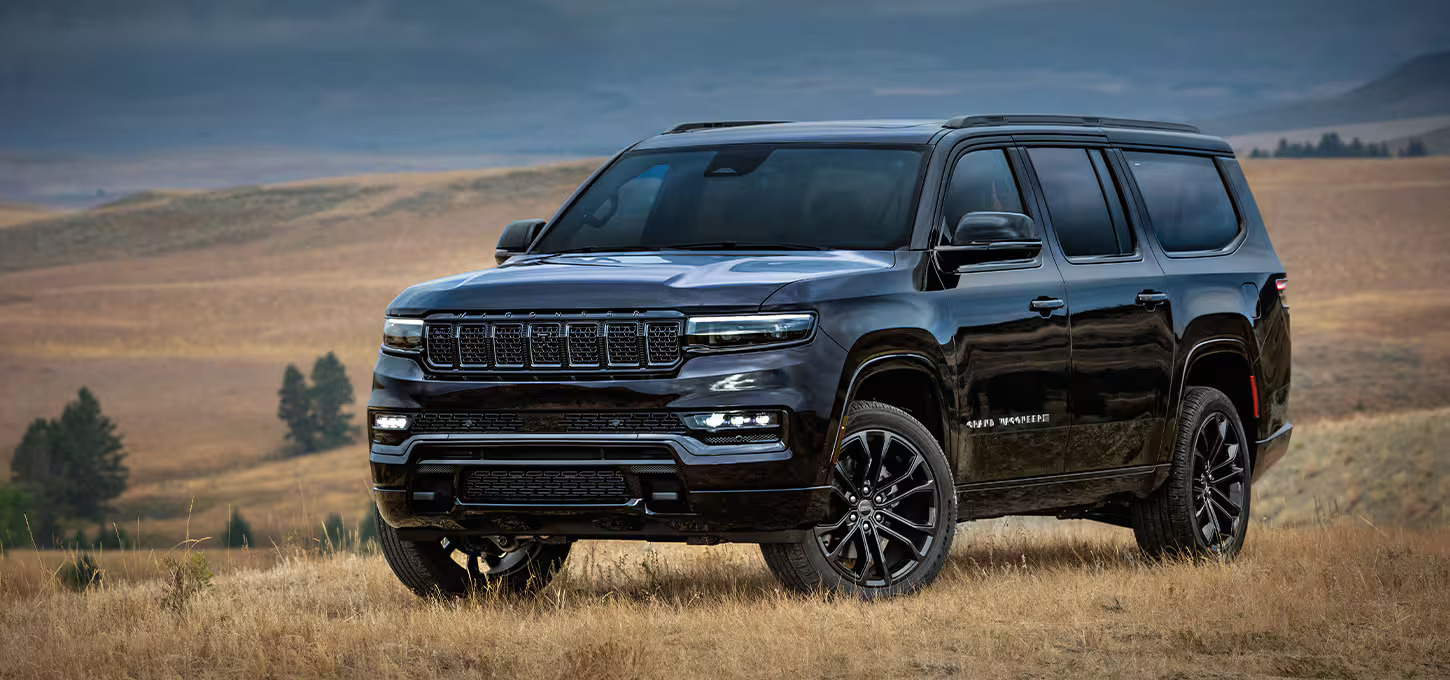
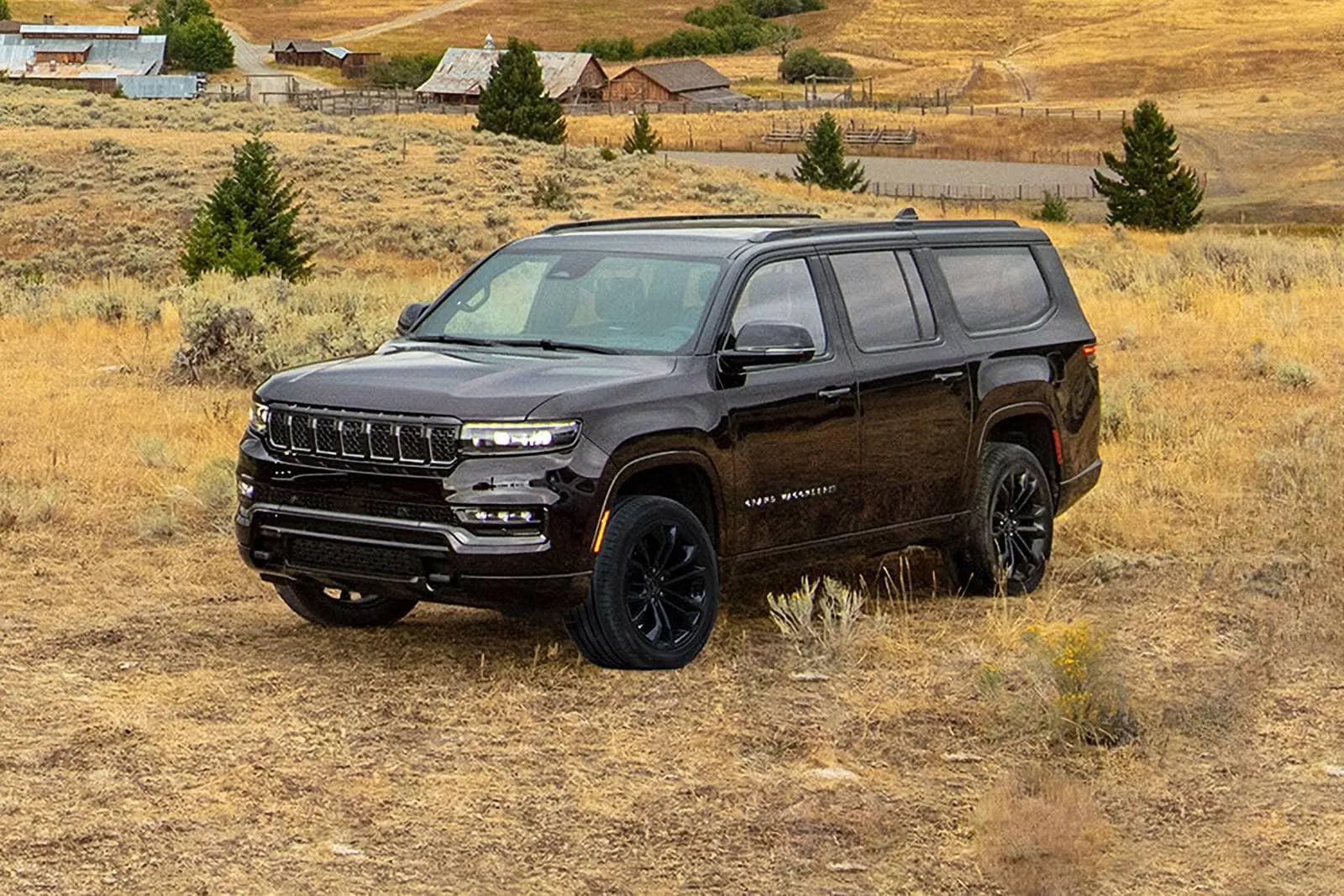
8. Jeep Grand Wagoneer
The Jeep Grand Wagoneer represented Jeep’s ambitious return to the ultra-luxury SUV market. Positioned against vehicles like the Cadillac Escalade and Lincoln Navigator, it offered massive interiors, premium materials, and powerful engines.
Leasing became popular because many consumers were curious about the revived nameplate but hesitant to commit long-term. Unfortunately, the Grand Wagoneer also experienced substantial depreciation pressure.
One problem was its exceptionally high starting price. Fully equipped models often reached levels traditionally associated with European luxury brands. Consumers in the used market were not always willing to pay premium prices for a Jeep-branded vehicle, even one loaded with luxury features. This brand perception affected resale demand significantly.
Fuel economy concerns also hurt long-term value retention. Large luxury SUVs with powerful engines became less attractive as fuel costs fluctuated and environmental awareness increased. Some consumers shifted toward hybrid or electric alternatives, weakening demand for used gasoline-powered full-size SUVs.
The market launch timing created additional challenges. The Grand Wagoneer entered a highly competitive segment where established rivals already held strong reputations. Cadillac, Lincoln, and luxury import brands had loyal customer bases, making it difficult for Jeep to sustain premium resale values. Leasing companies that projected optimistic future pricing often misjudged market response.
Complex technology systems and premium components introduced maintenance concerns as well. Buyers evaluating used luxury SUVs frequently research reliability and ownership costs carefully. Vehicles perceived as expensive to repair typically experience faster depreciation because consumers demand lower purchase prices to offset future risks.
As resale values softened, some lessees found themselves facing payoff penalties exceeding $7,000 when attempting early lease exits or buyouts. The Grand Wagoneer demonstrates how difficult it can be for new luxury entries to maintain strong residual values in a crowded and highly competitive market.
