
The Honda Accord has evolved through decades of refinement, shifting from a compact economy car into one of the most recognizable midsize sedans in the world. Each generation reflects Honda’s changing priorities, from early efficiency and simplicity to later advancements in performance, comfort, and technology.
Some versions stood out for groundbreaking improvements, while others are remembered more for reliability and everyday practicality than excitement or innovation. Ranking these eight generations from worst to best highlights how the Accord steadily grew into a benchmark for dependability and balanced design, while also revealing which eras made the biggest impact on its legacy.
1. Honda Accord Seventh Generation (2003–2007)
The Honda Accord (Seventh Generation) from Honda is a mid-size sedan known more for reliability and comfort than for visual appeal. Its design is often considered plain and conservative compared to rivals of its time, which may make it less attractive to buyers who prioritize styling. However, it still appeals strongly to those who value dependability and everyday usability over aesthetics.
Mechanically, this generation brought meaningful improvements, especially with the introduction of Honda’s i-VTEC technology. The four-cylinder engines received a small power increase, while the V6 gained a significant boost due to internal refinements. The suspension was also improved, resulting in better handling and a more composed driving feel. One important concern for early models (2001–2003) is the Takata airbag recall, so confirmation of proper repairs is necessary before use.
The selection of this car came after comparing several D-segment options, including the Mercedes C-Class, Toyota Camry, Hyundai Sonata, Opel Vectra, Ford Mondeo, and Skoda Octavia RS. Each was ruled out for different reasons, such as cost, brand perception, comfort priorities, service reliability, or practicality concerns. A test drive of the Accord confirmed its suitability, leading to a quick purchase decision.
Inside, the cabin is well built with strong fit and finish. It features a 6-disc in-dash CD changer, climate control, and an illuminated instrument cluster. The presence of faux wood trim may not appeal initially, but it becomes less distracting over time. Front seats are comfortable and supportive, while rear seats are slightly lacking in under-thigh support for taller passengers. Controls are well placed, and steering-mounted audio controls improve convenience, though cruise control is limited to higher variants. Visibility is generally good, but the car’s size makes parking sensors a useful addition.
The 2.4L i-VTEC engine delivers smooth performance with a noticeable surge in power after 4,000 RPM. It is well-suited for both city driving and highway cruising, especially in the 2,000–3,000 RPM range. Steering is light at low speeds and becomes firmer at higher speeds, contributing to stable highway behavior with minimal body roll and good grip. Ride quality feels slightly firm at low speeds but improves as speed increases, and the car remains stable even at high speeds, supported by ABS and airbags for added confidence.
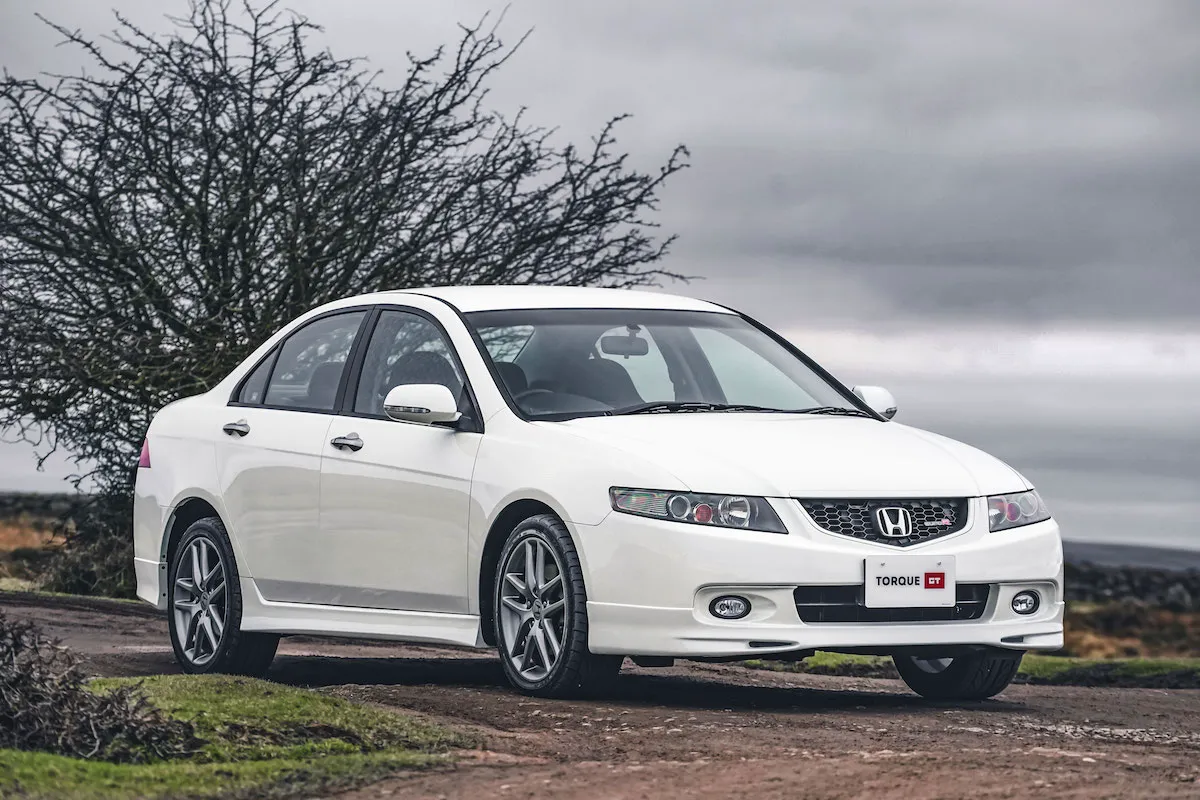
- Engine: 2.4L i-VTEC Inline-4 / 3.0L V6
- Horsepower: 160–166 hp / 240–244 hp
- Torque: 160–161 lb-ft / 211–212 lb-ft
- Length: 189.5–191.1 in (Sedan) / 187.6–187.8 in (Coupe)
- Width: 71.5–71.6 in (Sedan) / 71.3–71.5 in (Coupe)
2. Honda Accord Second Generation (1982–1985)
The Honda Accord (Second Generation) from Honda continued the success of the original Accord by refining rather than reinventing the formula. Honda focused on gradual improvements, keeping the car affordable, reliable, and practical while modernizing certain details. Exterior updates included a cleaner design with square headlights replacing the earlier round units, while the interior remained simple and functional with only minor dashboard and steering wheel revisions.
A long-term owner review of the 1985 Accord Hatchback highlights the car’s surprising driving character despite its unattractive styling. The owner described it as an “ugly” vehicle externally, but extremely rewarding behind the wheel. Even after nearly 200,000 kilometers, the car experienced only one minor mechanical failure involving the distributor arm, repaired quickly with an inexpensive replacement part. This reinforced Honda’s reputation for durability and dependable engineering.
One of the most praised aspects was the steering system. The progressive power steering remained light during parking but gradually reduced assistance at higher speeds, giving excellent road feedback and precision. Combined with the lightweight body, the Accord delivered agile handling, strong grip, and stable highway behavior with only slight understeer for safety.
The 1.8-liter 12-valve engine stood out as the highlight of the car. Its long-stroke design, dual-port carburetor setup, and smooth power delivery created an unusually wide power band. The engine provided strong low-end torque while still revving eagerly past 6,000 RPM, making the car both quick and easy to drive. Fuel efficiency was also impressive for its era, ranging from moderate consumption to nearly 47 mpg under careful driving conditions.
The gearbox featured short, precise shifts, while the hatchback body added practicality through generous cargo space and foldable rear seats. Although comfort and styling were average, the driving experience gave the Accord a memorable personality that many owners deeply appreciated.
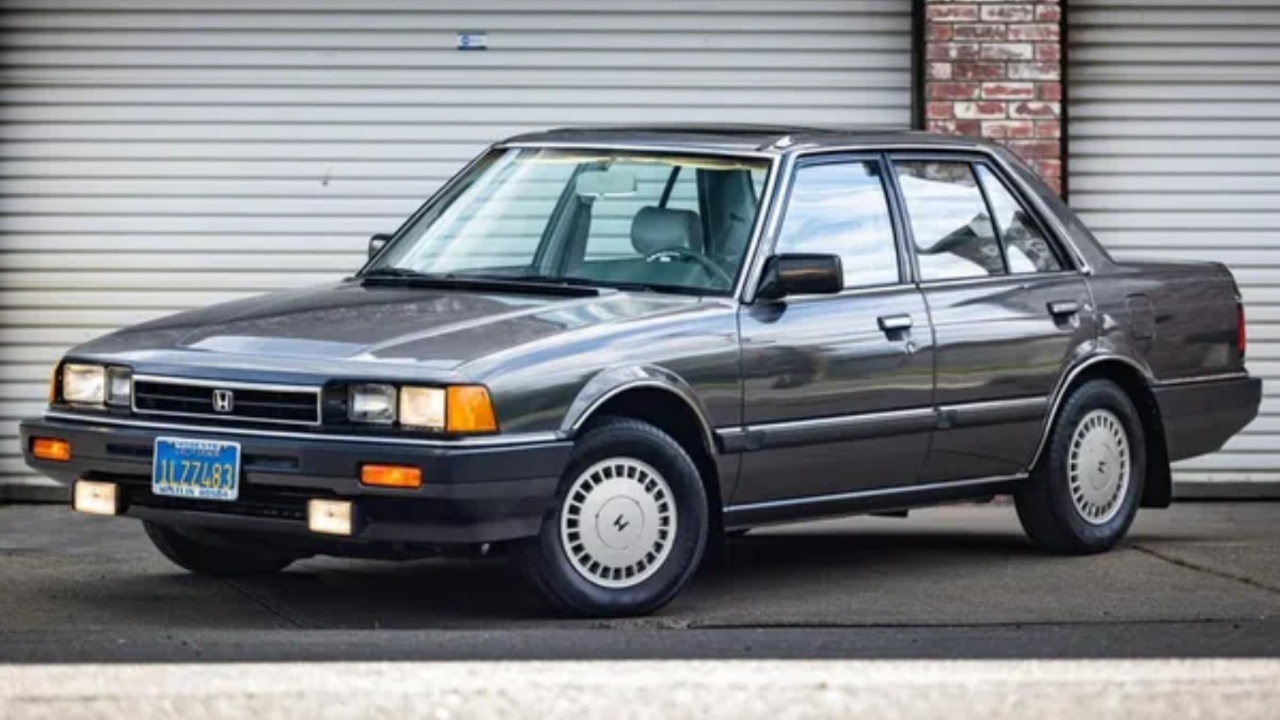
- Engine: 1.6L Inline-4 / 1.8L Inline-4
- Horsepower: 69–88 hp / 75–100 hp
- Torque: 85–94 lb-ft / 96–110 lb-ft
- Length: 165.7–165.8 in (Hatchback) / 173.7–175.4 in (Sedan)
- Width: 65.0 in (1,651 mm)
3. Honda Accord Eighth Generation (2008–2012)
With the Honda Accord (Eighth Generation), Honda aimed to bring back the premium feel and refinement that buyers had long associated with the Accord name. The 2008 redesign adopted a cleaner and more restrained design language, featuring subtle curves and sharper body lines that gave the sedan a sophisticated but understated look. In 2011, Honda refreshed the model with updates such as a redesigned grille, revised bumpers, updated taillights, and small interior improvements, while also adding the new SE trim to the lineup.
Inside, the Accord moved toward a more premium experience with improved materials, navigation screens, Bluetooth connectivity, climate control, leather seating, and upgraded audio systems in higher trims. Honda offered both sedan and coupe body styles with multiple trims ranging from the basic LX to the feature-rich EX-L. Standard safety equipment included ABS, traction control, multiple airbags, stability control, and tire-pressure monitoring. The sedan achieved excellent NHTSA crash-test results, earning five-star ratings in nearly every category.
The eighth-generation Accord was available with two main engine families. The K24Z 2.4-liter inline-four produced between 177 and 190 horsepower and was praised for strong reliability, fuel efficiency, and smooth performance. The J35Z 3.5-liter V6 delivered up to 271 horsepower and provided significantly stronger acceleration. Buyers could choose between five-speed automatic, five-speed manual, or six-speed manual transmissions, depending on trim and engine configuration.
Despite its strengths, several reliability concerns exist. Four-cylinder models can suffer from oil leaks, timing-chain tensioner wear, and VTC actuator rattles. V6 models equipped with Honda’s Variable Cylinder Management system may experience excessive oil consumption, piston-ring wear, and timing-belt issues. Automatic transmissions are also known for occasional failures, particularly on poorly maintained examples. Additional problems include premature rear brake-pad wear, air-conditioning condenser damage, and occasional alternator or starter failures.
Well-maintained facelifted models with the K24Z engine and manual transmission are generally considered the best choices, offering a strong combination of comfort, practicality, safety, and dependable long-term ownership.
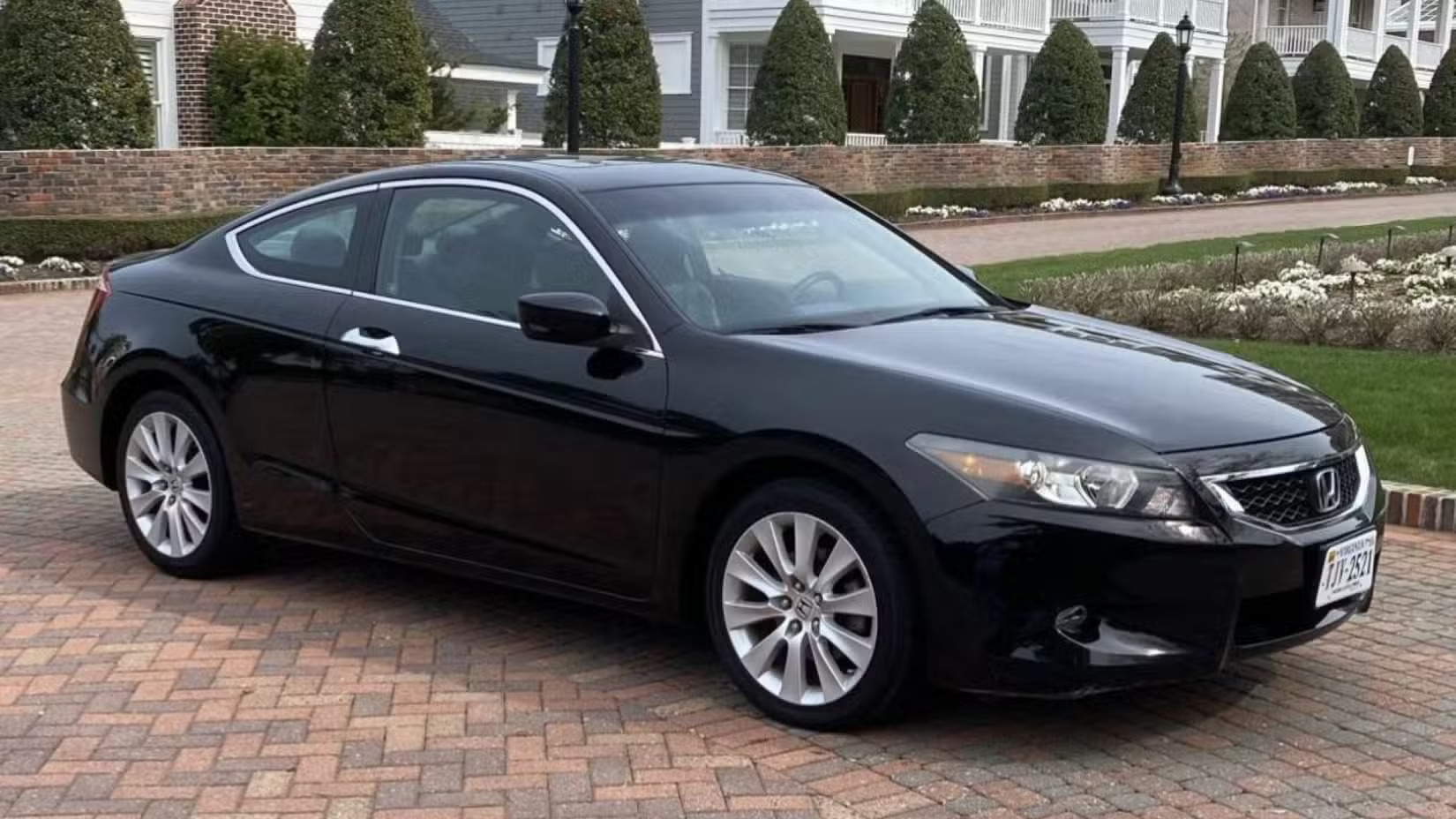
- Engine: 2.4L Inline-4 / 3.5L V6
- Horsepower: 177–190 hp / 268–271 hp
- Torque: 161–162 lb-ft / 248–254 lb-ft
- Length: 194.1 in (Sedan) / 190.9 in (Coupe)
- Width: 72.7 in (Sedan) / 72.8 in (Coupe)
4. Honda Accord Fifth Generation (1994–1997)
During the 1990s, the fifth-generation Honda Accord helped strengthen Honda’s reputation for reliability and solid engineering. The model featured a more aerodynamic design with smooth curves and modern styling intended to attract younger buyers, while still maintaining the conservative character appreciated by long-time customers. Suspension improvements were made to enhance ride comfort on long journeys without reducing handling quality. This generation also introduced VTEC technology and the first V6 engine option in the Accord lineup.
Owners frequently praised the vehicle for its durability and dependability, often describing it as a “best friend” due to its long-lasting nature. Many cars continued performing well beyond 100,000 miles with only minor issues such as gasket leaks or cosmetic wear. Its reputation for practicality and simple operation made it a popular choice among families and daily commuters.
The interior reflected typical 1990s Honda design, featuring straightforward controls, comfortable seating, and a surprisingly spacious cabin. Drivers appreciated the solid construction and thoughtful layout, which made the car suitable for both younger drivers and family use. Its balance of comfort and simplicity contributed to its widespread appeal.
The four-cylinder engines delivered smooth and efficient performance rather than high speed, achieving around 27 mpg in the city and 31 mpg on the highway. Steering was balanced and responsive, giving the car stable and predictable handling in different driving conditions. Enthusiasts especially valued DOHC VTEC versions for their improved performance and reliability.
As these vehicles age, some common problems can appear, including rust, suspension noise, transmission wear, HVAC issues, and air-conditioning failures. Maintenance tasks such as timing belt replacement and brake servicing can also be labor-intensive. Despite these concerns, the model remains respected for its long-lasting engineering and dependable everyday performance.
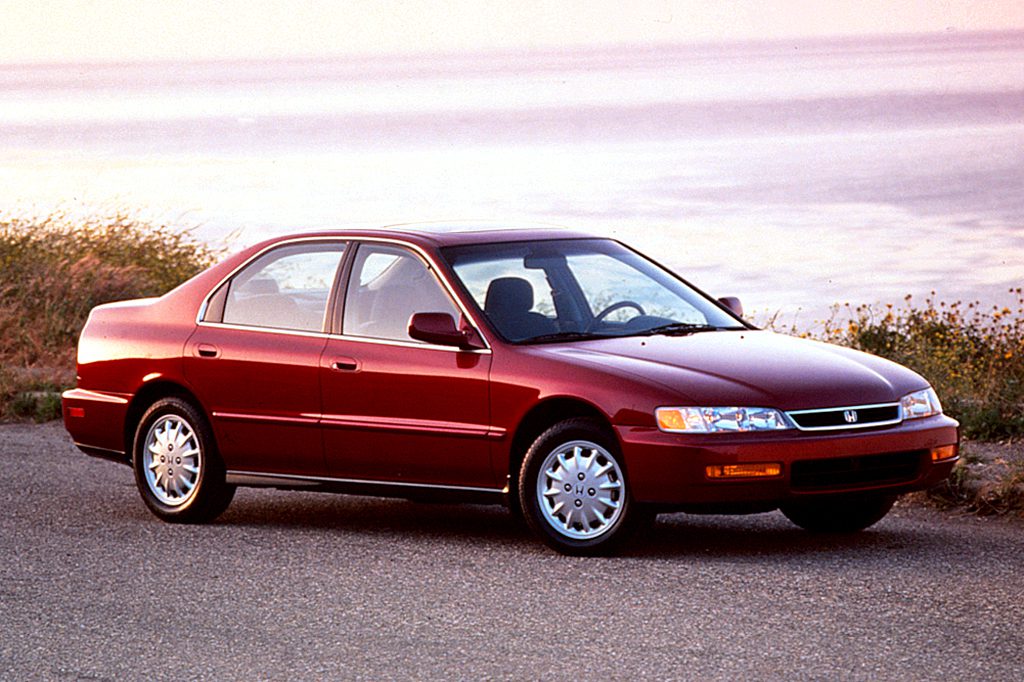
- Engine: 2.2L SOHC 16-valve Inline-4 / 2.2L SOHC VTEC 16-valve Inline-4 / 2.7L DOHC 24-valve V6
- Horsepower: 130 hp / 145 hp / 170 hp
- Torque: 139 lb-ft / 147 lb-ft / 165 lb-ft
- Length: 188.4 in (Sedan) / 184.0 in (Coupe)
- Width: 70.1 in (1,780 mm)
5. Honda Accord Third Generation (1986–1989)
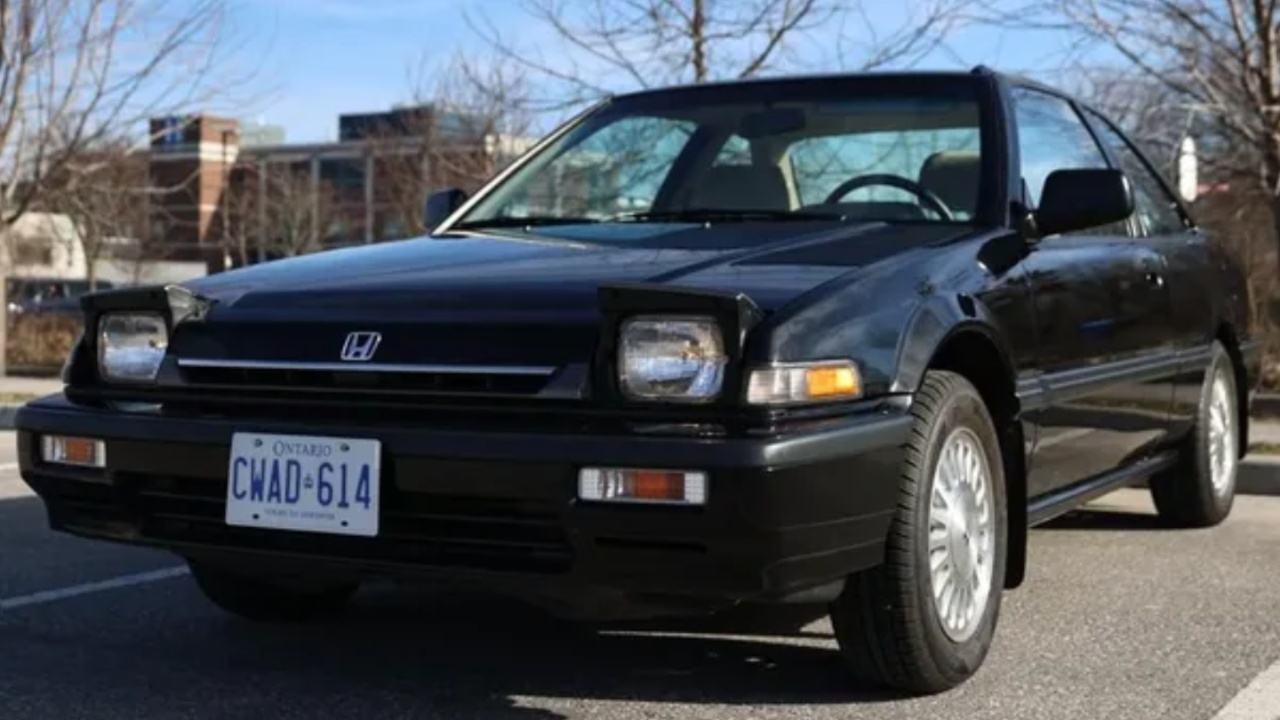
A major turning point for Honda in North America came with the Honda Accord (Third Generation), which strengthened its position against established domestic competitors. The model built on rising popularity by combining reliability and everyday comfort with more refined styling and a noticeably more engaging driving character. Assembled in Ohio, it highlighted Honda’s ability to deliver a balanced midsize sedan that appealed to both practical buyers and those who valued driving enjoyment.
The exterior adopted a sleek wedge-shaped design with low body lines and distinctive pop-up headlights that gave the car a sporty appearance uncommon among family sedans at the time. Honda also improved interior quality significantly, using materials that felt durable and well assembled compared to many domestic competitors known for rattles and poor fitment. Features such as cruise control, air conditioning, power accessories, and quality audio systems were offered even on lower trims, helping the Accord feel more upscale than many rivals in its price range.
Mechanically, the third-generation Accord introduced a suspension system inspired by sports cars, using a fully independent double-wishbone suspension that delivered excellent handling and stability.
Although base carbureted engines produced modest power, the car remained engaging to drive because of its lightweight construction, responsive steering, and well-balanced chassis. Fuel-injected models increased power further, while manual transmissions available across the lineup enhanced driver involvement. Even the automatic transmission was praised for holding gears longer and responding more aggressively than most competitors.
The Accord’s popularity extended across many groups, including families, students, commuters, and enthusiasts. Its combination of durability, practicality, and enjoyable driving dynamics helped shape Honda’s long-standing reputation for dependable and fun-to-drive cars. Decades later, many third-generation Accords still remain on the road, demonstrating the exceptional engineering and build quality that made this generation so respected.
- Engine: 2.0L SOHC Inline-4 (Carbureted / Fuel-Injected)
- Horsepower: 98–120 hp
- Torque: 109–122 lb-ft
- Length: 174.8 in (Hatchback) / 179.1–179.7 in (Sedan/Coupe)
- Width: 67.0–67.4 in
Also read: 10 Cars Where Catalytic Converter Theft Costs Owners $3,000
6. Honda Accord Ninth-Generation (2013–2017)
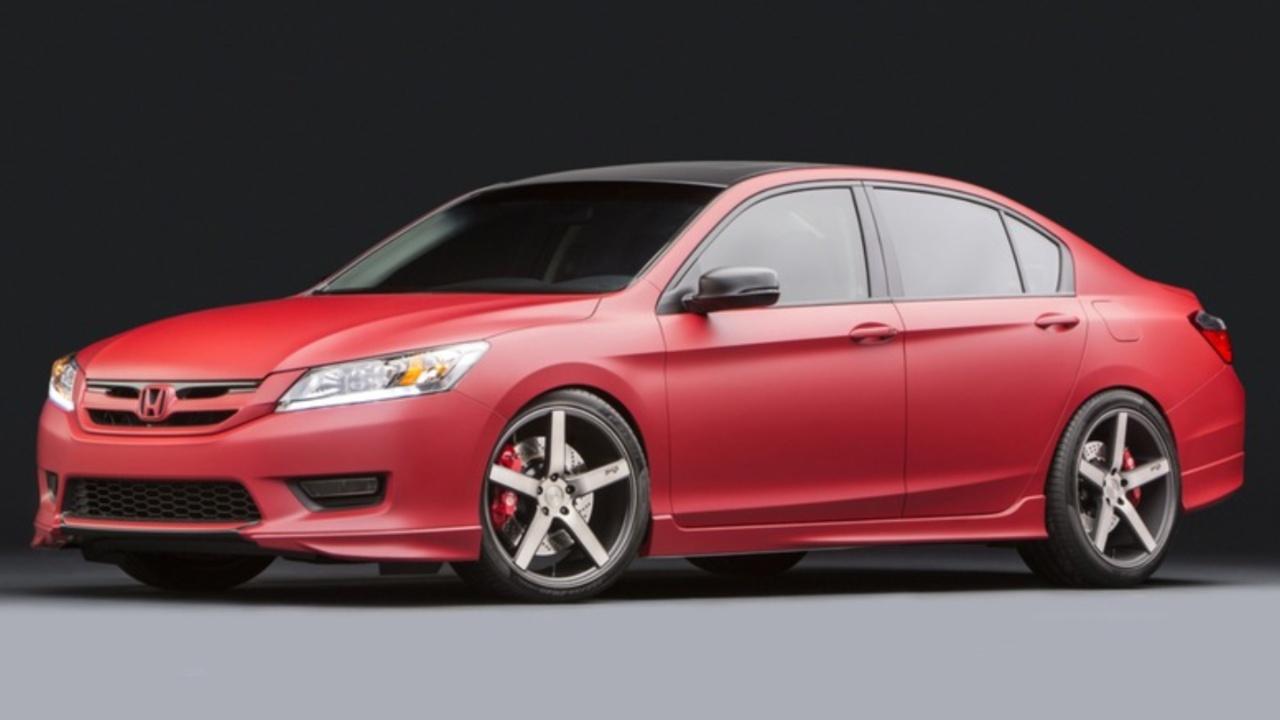
Ninth-Generation Honda Accord (2013–2017) refined Honda’s midsize sedan formula with stronger technology, improved efficiency, and a more modern design language. A standard 8-inch color display became the centerpiece of the cabin, supporting Bluetooth connectivity and HondaLink services, while higher trims added navigation and premium features.
Powertrains expanded with direct injection across the range, delivering a better balance between performance and fuel economy. The 2.4-liter four-cylinder achieved up to 185 horsepower, while the V6 produced 278 horsepower, paired with CVT, six-speed manual, or automatic transmissions depending on trim.
Chassis improvements included a stiffer platform with significant weight reduction, resulting in sharper handling and a more comfortable ride. Suspension tuning and aerodynamic refinements enhanced stability, while interior space increased thanks to a longer wheelbase and improved insulation.
Safety and convenience features advanced with a multi-angle rearview camera, stability control, and available driver-assist technologies. Higher trims added luxury appointments such as leather seating, premium audio, and LED lighting, contributing to a more upscale driving experience.
Strong reliability, strong resale value, and wide availability in the used market have kept this generation popular. Models from 2015–2017 are especially desirable for updated styling and technology, making them a practical choice for commuters and families.
Market presence remains strong in 2026 due to durability, easy maintenance, and broad parts support across global markets. Buyers continue to favor four-cylinder CVT models for efficiency, while V6 versions appeal to those seeking stronger acceleration. Regular servicing, especially transmission care and suspension checks, is essential for long-term reliability. Compared with rivals, this generation maintains a strong balance of comfort, economy, and performance, keeping it relevant in the midsize sedan segment despite newer competitors entering the market, making it a very smart choice.
- Engine: 2.4L Inline-4 (K24W) / 3.5L V6 (J35Y) / 2.0L Hybrid (i-MMD)
- Horsepower: 185–189 hp / 278 hp / 146 hp (gas) – 199 hp (combined)
- Torque: 181–182 lb-ft / 252 lb-ft / 166 lb-ft (gas engine)
- Length: 191.4–193.0 in (Sedan) / 189.5–189.8 in (Coupe)
- Width: 72.8 in
7. Honda Accord Tenth-Generation (2018–2022)
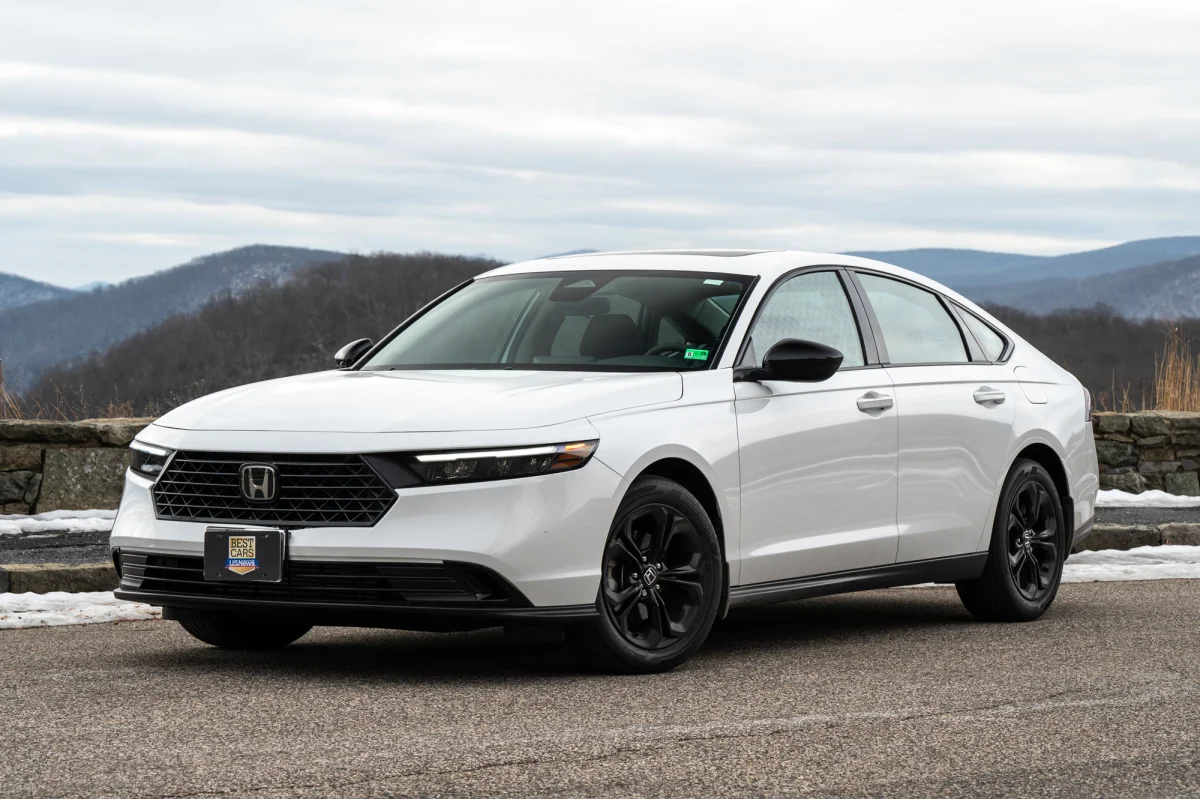
A major update to the midsize sedan segment came with the Tenth-Generation Honda Accord (2018–2022), introducing refreshed styling, upgraded interior technology, and a fully revised engine lineup. Honda replaced its long-standing naturally aspirated engines with turbocharged options and a hybrid system, aligning the model with modern expectations for efficiency, performance, and everyday usability.
The exterior design became more refined and assertive, adopting a lower, wider stance that improved both appearance and aerodynamics. Slim LED lighting, a simplified grille, and smoother body panels created a clean, cohesive look. Instead of chasing overly complex styling trends, the design focused on balance, blending subtle sportiness with a more mature and premium character suited to a highly competitive segment.
Inside, the cabin saw significant improvements in technology and usability. A standard 8-inch touchscreen infotainment system supported Apple CarPlay, Android Auto, and HondaLink connectivity. Higher trims added navigation, premium audio systems, and comfort upgrades such as leather upholstery, heated and ventilated seats, and improved interior materials. A digital instrument cluster modernized the driving interface and improved readability.
Engine options included a 1.5-liter turbocharged engine producing 192 horsepower and a 2.0-liter turbocharged unit delivering 252 horsepower, along with a hybrid variant pairing a 2.0-liter engine with electric motors for enhanced fuel economy and smooth power delivery. Transmission choices included a CVT, a 10-speed automatic, and a six-speed manual offered on select trims. Despite smaller engine sizes, performance remained strong, with the 2.0T model offering quick acceleration comparable to sport sedans.
Safety technology was led by the Honda Sensing suite, featuring adaptive cruise control, lane-keeping assist, and collision mitigation braking. Early models experienced recalls related to fuel pumps and seatbelts, though later production improved reliability and consistency. Strong efficiency, refined driving behavior, and solid resale value continue to make this generation highly desirable.
- Engine: 1.5L Turbo Inline-4 / 2.0L Turbo Inline-4 / 2.0L Hybrid (gas-electric)
- Horsepower: 192 hp / 252 hp / 212 hp
- Torque: 192 lb-ft / 273 lb-ft / 232 lb-ft
- Length: 192.2 in (4,882 mm)
- Width: 73.3 in (1,862 mm)
8. Honda Accord First Generation (1976–1981)
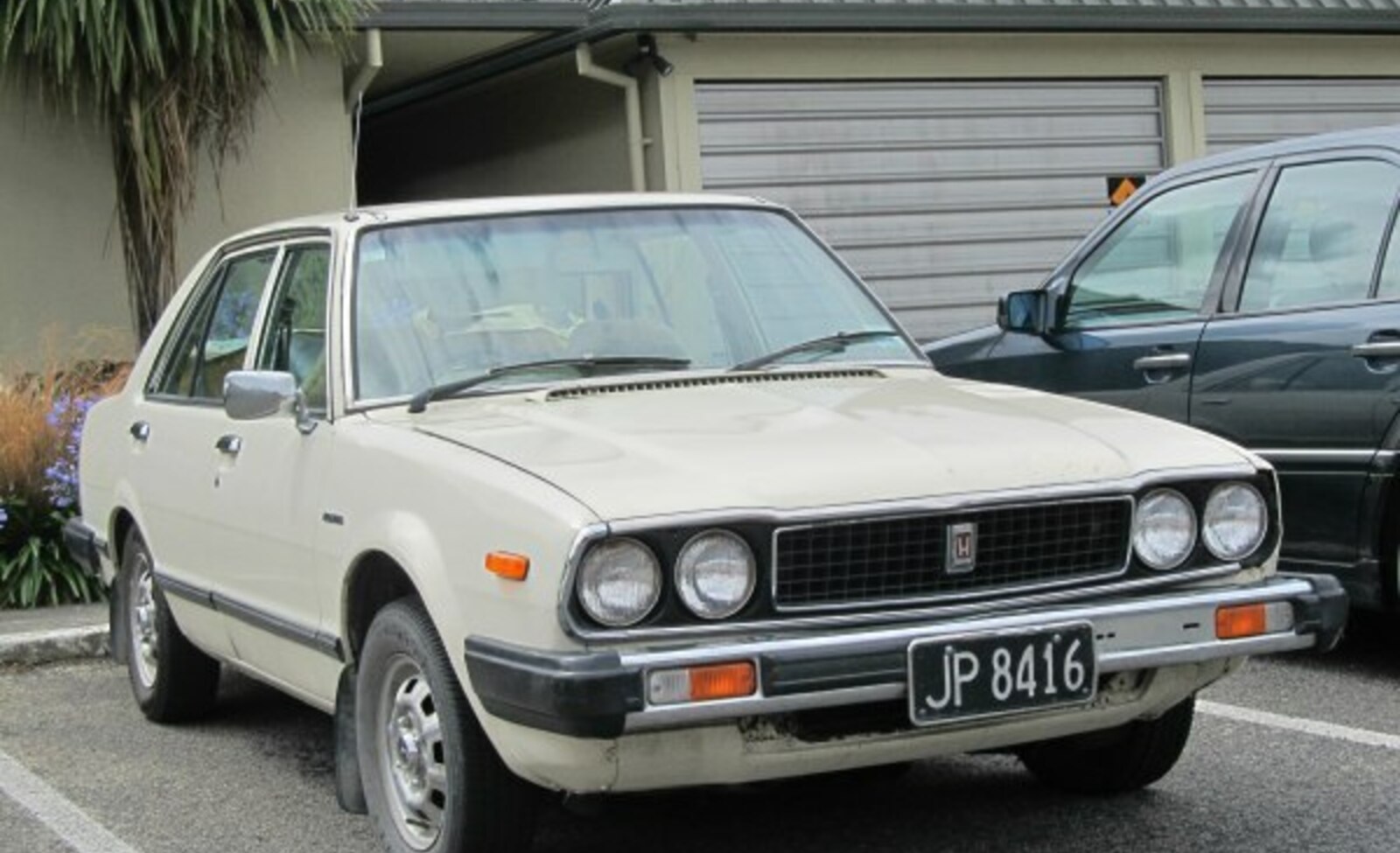
A shift in the global automotive market during the 1970s created space for compact, fuel-efficient cars to gain traction in the United States, and Honda capitalized on this opportunity with the Honda Accord First Generation (1976–1981). Built as an extension of the Civic platform, it was offered as a hatchback and later a sedan, focusing on practicality, economy, and everyday usability rather than performance or luxury styling.
Powered by a 1.6-liter CVCC engine producing 68 horsepower, later upgraded to a 1.8-liter unit with slightly more output, the model prioritized efficiency during a time of fuel concerns. Acceleration was modest, but lightweight construction and well-balanced engineering gave it responsive handling and predictable braking. Transmission choices included a five-speed manual or Honda’s early Hondamatic automatic system.
Despite its simple mechanical layout, the model stood out for comfort and equipment levels uncommon in compact cars of its era. Interior space was generous for its size, and features such as cloth upholstery, a tachometer, rear wiper, and AM/FM radio came standard. Higher trims introduced amenities like air conditioning and power steering, while thoughtful design touches included service reminder indicators and warning systems for lights and doors.
Rather than chasing speed or styling trends, the focus remained on reliability and usability, helping establish Honda’s reputation in international markets. Its combination of affordability, efficiency, and durability made it a strong alternative to larger, less economical American vehicles of the time.
As production continued, the model gained recognition for its value proposition and practicality, earning praise from automotive journalists as a standout bargain in its segment. Surviving examples today are considered collectible, though rust and parts availability remain common challenges for restoration enthusiasts.
- Engine: 1.6L Inline-4 / 1.7L Inline-4 (CVCC)
- Horsepower: 68–80 hp
- Torque: ~85 lb-ft
- Length: 162.4–162.8 in (Hatchback) / 170.9 in (Sedan
- Width: 63.8 in (1,620 mm)
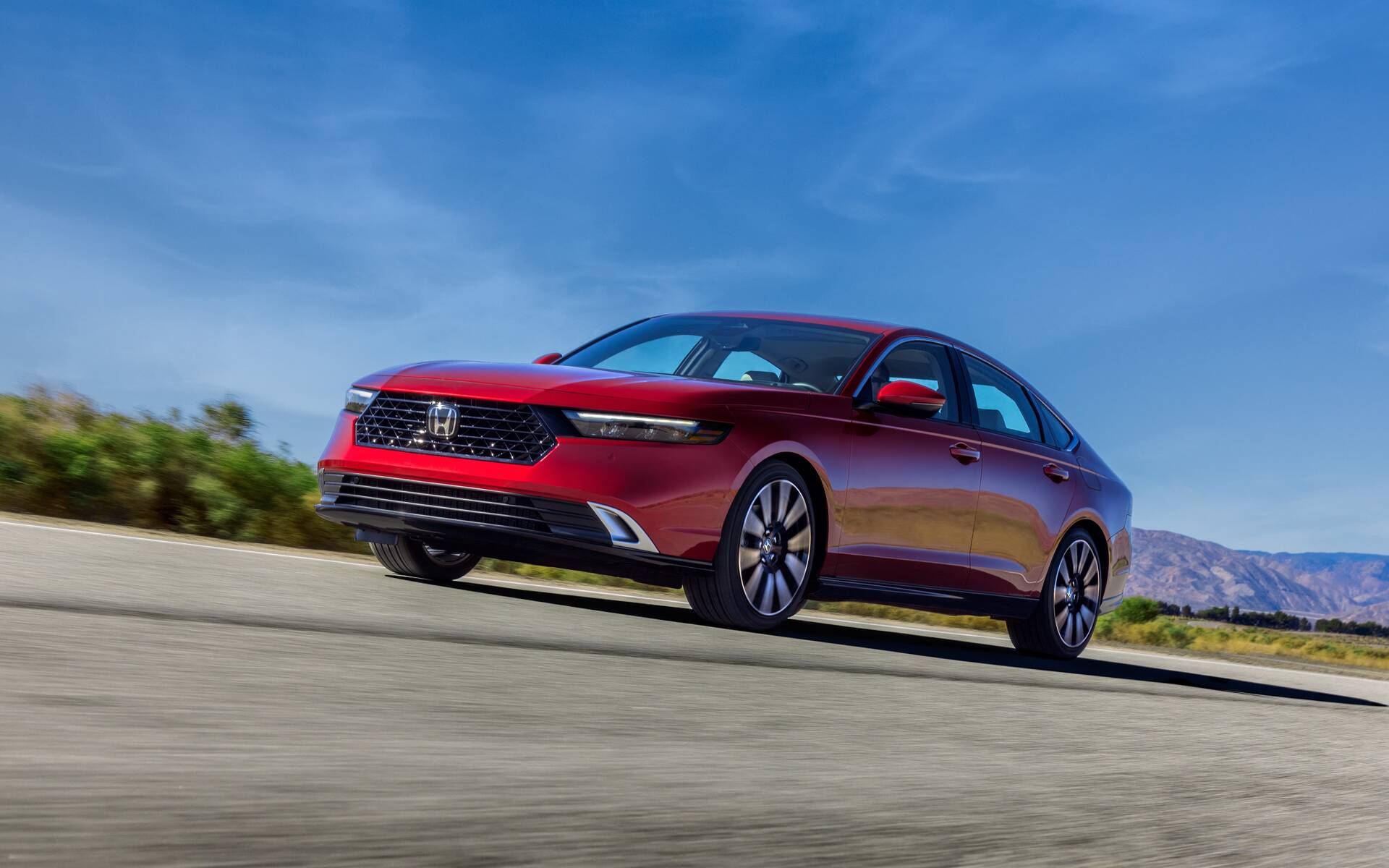
9. Honda Accord Eleventh Generation (2023–Present)
Honda’s latest Accord continues the evolution of its midsize sedan formula by focusing on refinement, efficiency, and modern usability while keeping the model’s core strengths of reliability and practicality intact. The result is a more mature, premium-leaning sedan that prioritizes everyday comfort and smart engineering over excess styling or complexity.
The exterior adopts a cleaner and more restrained design direction, with a lower, wider stance, slim LED lighting, and simplified body surfacing. The look is more cohesive and upscale than before, avoiding aggressive styling cues in favor of a calm, sophisticated presence. Sport variants introduce slightly more character through distinct wheel designs and darker trim elements, but the design philosophy remains understated.
Inside, the cabin emphasizes simplicity and user-friendly technology. A digital instrument cluster is standard across the range, paired with either a 7-inch or available 12.3-inch infotainment display, depending on trim. Higher models add Google Built-in services, wireless smartphone connectivity, and upgraded audio systems. The layout is intentionally uncluttered, with intuitive control placement and a focus on ease of interaction rather than visual excess.
Powertrain choices have been simplified, centering on a 1.5-liter turbocharged engine with CVT for base models and a more advanced two-motor hybrid system for higher trims. The hybrid combines a 2.0-liter engine with electric motors, delivering strong low-speed torque and excellent fuel economy that can reach the mid-to-high 40 mpg range depending on configuration. Earlier performance-focused turbo engines have been discontinued in favor of smoother and more efficient operation.
On the road, the Accord delivers a composed and comfortable driving experience. The suspension is tuned for a balance of ride comfort and stability, absorbing road imperfections while maintaining confident handling. Improved chassis tuning helps reduce body movement in corners, giving the car a steady and predictable feel in varied driving conditions.
Interior space remains a key strength, particularly in the rear seating area, which offers generous legroom and a spacious atmosphere compared to many rivals. Cargo capacity is also strong, supporting both daily practicality and longer trips. Some compromises include limited front passenger seat adjustment and fewer rear-seat amenities in lower trims.
Safety technology is led by the updated Honda Sensing suite, featuring adaptive cruise control, lane-centering assistance, and improved sensor performance. Higher trims expand available features with blind-spot monitoring, parking sensors, and enhanced driver aids, though a full surround-view camera system is not included.
This generation strengthens the Accord’s role as a dependable, efficient, and thoughtfully engineered sedan designed for comfort, usability, and long-term value in a highly competitive segment.
- Engine: 1.5L Turbo Inline-4 / 2.0L Hybrid (gas-electric)
- Horsepower: 192 hp / 204 hp (combined)
- Torque: 192 lb-ft / 247 lb-ft
- Length: 195.7 in (4,971 mm)
- Width: 73.3 in (1,862 mm)
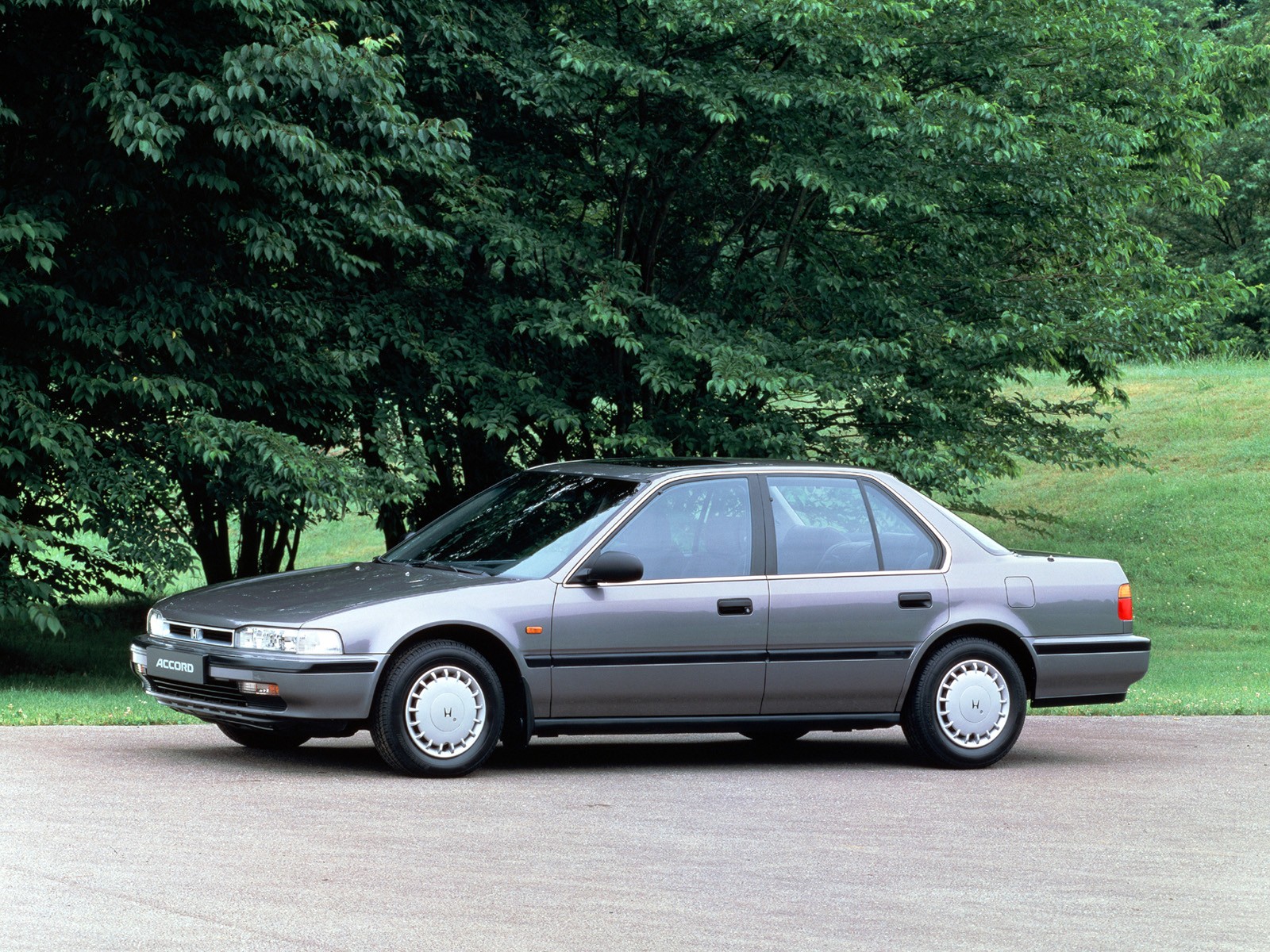
10. Honda Accord Fourth Generation (1990–1993)
A full redesign in the early 1990s gave the Accord a smoother, more modern appearance, replacing the boxier styling of earlier models with rounded edges, integrated headlights, and a more cohesive body design. This update helped strengthen its standing in the midsize segment and reinforced Honda’s growing reputation for quality and dependability.
Mechanical development was a key focus for this generation. A revised 2.2-liter four-cylinder engine with four valves per cylinder and Honda’s PGM-FI fuel injection system improved power delivery, efficiency, and durability. Even without a V6 option, the engine proved capable and consistent, offering dependable performance suited to everyday commuting and long-distance use.
Honda placed strong emphasis on reducing mechanical complexity. A simplified range of configurations made production more consistent while also improving long-term reliability. This approach contributed to low ownership costs and strong durability, with many vehicles from this era continuing to run reliably past 100,000 miles with minimal major issues.
On the road, the Accord provided a stable and predictable driving experience. The chassis felt solid, steering was precise, and the suspension balanced comfort with controlled handling. It was not built as a sporty sedan, but it still offered more engagement than many comfort-focused competitors. Manual transmission versions were especially well received for their smooth, accurate shifts and dependable feel.
- Engine: 2.2L SOHC 16-valve Inline-4 (F22A)
- Horsepower: 125–140 hp
- Torque: 137–142 lb-ft
- Length: 184.8–186.8 in
- Width: 67.1–67.9 in
Inside, the cabin design focused on usability. Controls were logically arranged, visibility was strong, and the layout prioritized function over complexity. Trim levels ranged from basic to more equipped variants, allowing buyers to choose based on budget and needs without unnecessary complication.
Offered in sedan, coupe, and wagon body styles, the model appealed to a wide range of drivers, including families and younger buyers seeking reliable transportation with low running costs. Its combination of efficiency, durability, and understated styling helped it remain competitive in a crowded market segment.
Many examples are still seen on the road today, reflecting the strength of its straightforward engineering and its reputation for long-lasting performance.
Also read: 5 Cars With Real Off-Road Hardware vs 5 With Looks Only
