
The Toyota 4Runner has built one of the strongest reputations in the SUV world thanks to its durability, off-road capability, body-on-frame construction, and long-lasting reliability. While many modern SUVs have shifted toward unibody designs focused mainly on comfort and fuel efficiency, the 4Runner has stayed true to its rugged roots.
That consistency has helped it become a favorite among outdoor enthusiasts, overlanding communities, families, and drivers who simply want a dependable SUV that can survive for hundreds of thousands of miles. However, not every Toyota 4Runner model year has delivered the same ownership experience.
Some years stand out for poor reliability scores, outdated technology, transmission concerns, rust problems, or expensive maintenance issues. Other years have become legends because they combine exceptional reliability, strong resale value, and outstanding off-road performance.
Choosing the best Toyota 4Runner year can be difficult because the SUV has been around since 1984 and has gone through multiple redesigns. Every generation brought changes in engine performance, suspension tuning, interior comfort, safety technology, and fuel economy.
Some model years introduced innovative upgrades that improved the driving experience, while others struggled with early production problems that frustrated owners. Buyers searching for a used 4Runner today often want to know which years are safest to buy and which years should be avoided entirely. Since used SUV prices remain high across the market, selecting the right model year can save thousands of dollars in repair costs and future maintenance.
The Toyota 4Runner is especially popular in the used SUV market because many examples easily exceed 250,000 miles with proper care. Its strong V6 engines, durable drivetrains, and proven off-road systems have helped it maintain excellent resale value.
Even older models continue to attract buyers who appreciate simplicity and reliability over flashy modern features. At the same time, newer 4Runner models offer advanced safety systems, better infotainment technology, and improved ride quality while still preserving the rugged DNA that made the SUV famous.
This ranking looks at six notable Toyota 4Runner model years from worst to best based on reliability, owner satisfaction, performance, maintenance costs, resale value, safety, and long-term durability. Some of the lower-ranked years are not terrible vehicles, but they fall behind due to known issues or weaker value compared to stronger alternatives.
The highest-ranked years represent the best balance of dependability, capability, comfort, and ownership satisfaction. Whether you are shopping for a used SUV, researching Toyota reliability, or simply curious about the evolution of the 4Runner, this ranking highlights the most important strengths and weaknesses of each selected model year.
Also Read: 10 SUVs Where the Cheapest States Sit in the Southwest
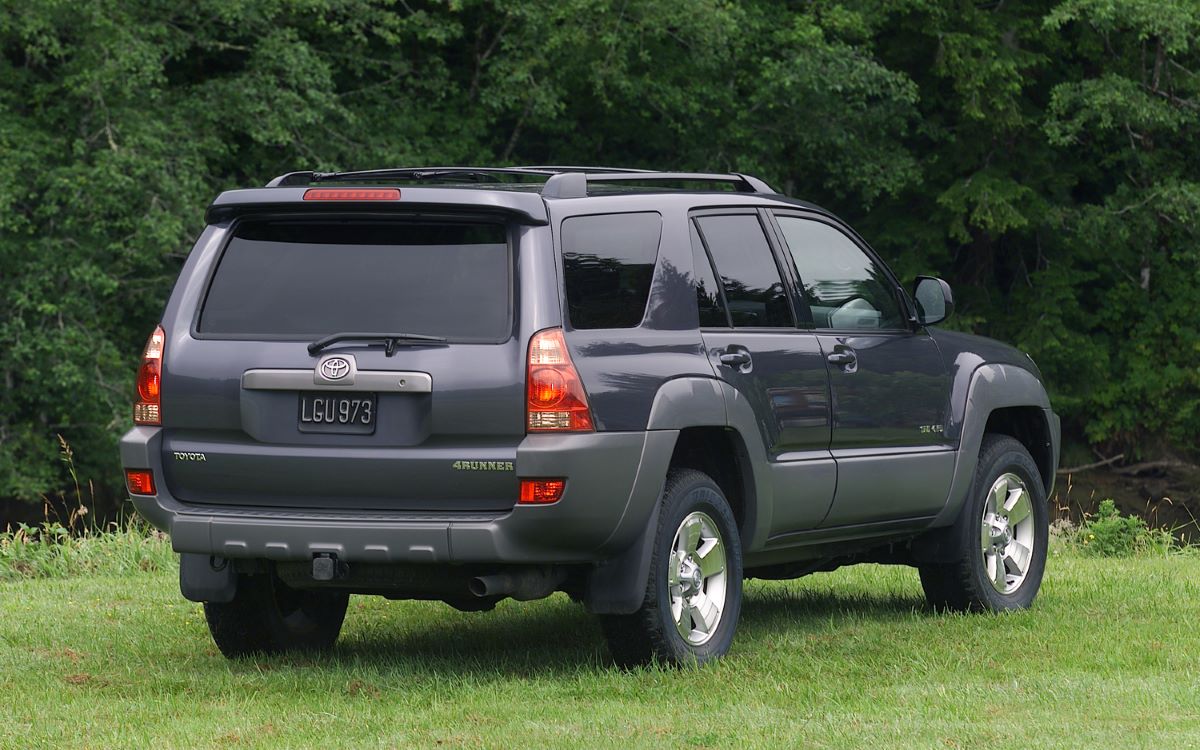
- Engine: 4.0 liter V6 or 4.7 liter V8
- Horsepower: 245 hp (V6) / 235 hp (V8)
- Torque: 282 lb ft (V6) / 320 lb ft (V8)
- Length: 189.2 inches
- Width: 73.8 inches
6. 2003 Toyota 4Runner
The 2003 Toyota 4Runner introduced the fourth generation and brought major changes compared to the outgoing model. Toyota redesigned the SUV with a more refined appearance, a larger cabin, and improved driving comfort. Buyers could choose between a V6 and a powerful V8 engine, which gave the SUV broader appeal for families and towing enthusiasts.
At the time, the 2003 model represented a significant leap forward in technology and comfort. However, despite its strengths, the first year of a new generation often comes with growing pains, and the 2003 4Runner was no exception.
One of the biggest problems with the 2003 model involved transmission issues and drivetrain concerns reported by some owners. Early fourth-generation vehicles experienced occasional shifting irregularities and electronic glitches that affected driving smoothness.
While not every vehicle suffered from these problems, repair costs could become expensive once the SUV accumulated higher mileage. Some owners also reported issues with suspension components wearing prematurely, especially in regions with rough roads or harsh weather conditions.
Rust became another concern for many 2003 4Runner owners, particularly in northern climates where road salt accelerated corrosion underneath the vehicle. Frame rust has long been a concern across several body-on-frame SUVs and trucks, and early fourth-generation 4Runners were not immune.
Buyers considering a used 2003 model today must inspect the underbody carefully because severe corrosion can compromise structural integrity and lead to costly repairs. Rust around suspension mounting points and brake lines can create serious long-term maintenance challenges.
Despite these weaknesses, the 2003 Toyota 4Runner still offered impressive off-road capability and strong engine performance. The available V8 engine delivered excellent towing strength and smooth acceleration, making the SUV feel more powerful than many competitors from the same era.
Toyota also improved interior materials and cabin quietness compared to older generations, giving drivers a more refined daily driving experience. The rear cargo area remained spacious and practical for outdoor activities, road trips, and family use.
The reason the 2003 model ranks last on this list is not that it was a complete failure. In fact, many examples continue running reliably today with proper maintenance.
However, compared to later 4Runner years that refined the same platform and corrected many early production problems, the 2003 version simply carries more risk for used buyers. Drivers seeking maximum reliability and lower maintenance costs usually find better value in newer fourth-generation or fifth-generation models.
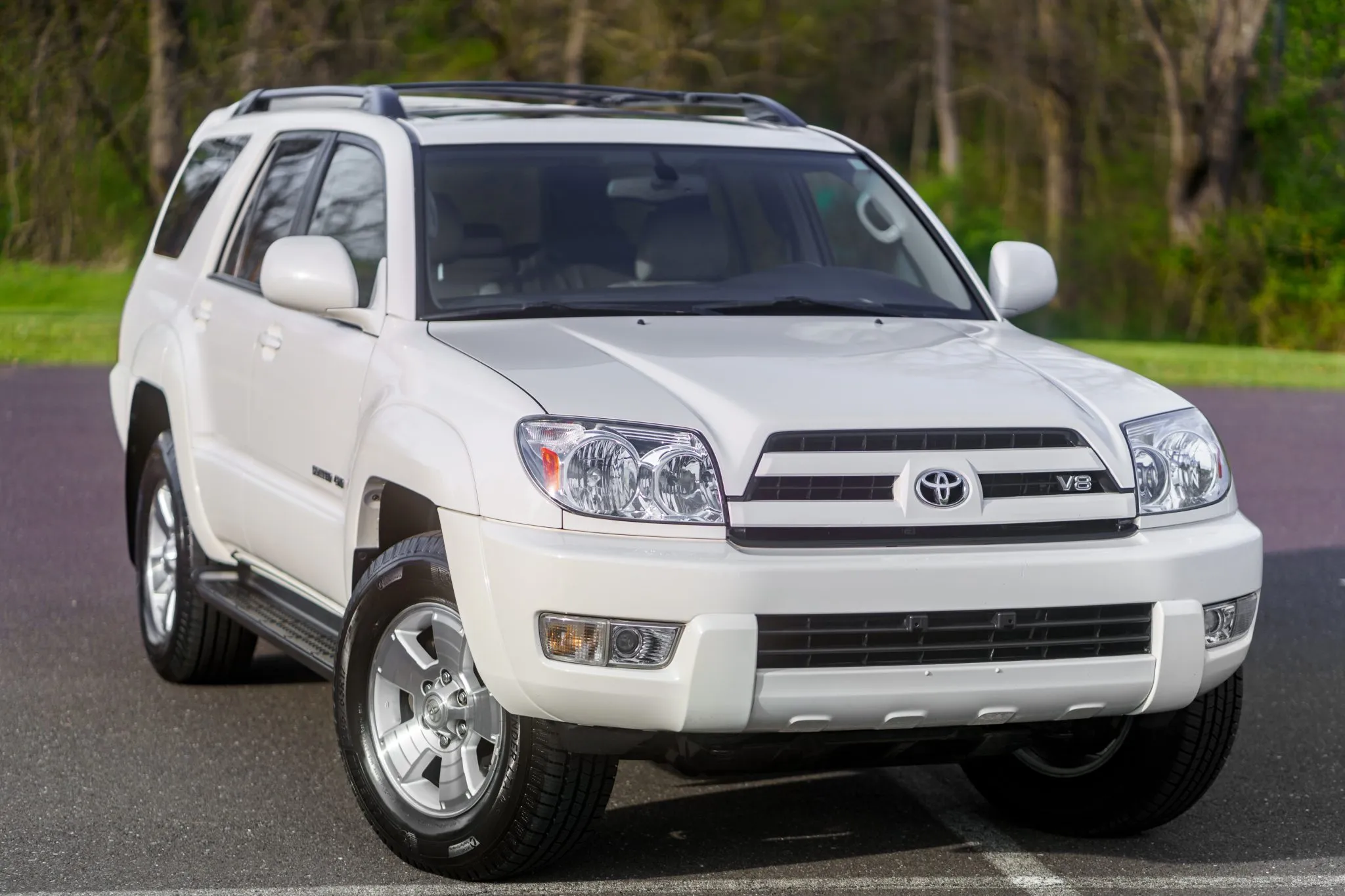
- Engine: 4.0 liter V6 or 4.7 liter V8 with VVT-i
- Horsepower: 245 hp (V6) / 260 hp (V8)
- Torque: 282 lb ft (V6) / 306 lb ft (V8)
- Length: 189.2 inches
- Width: 73.8 inches
5. 2005 Toyota 4Runner
The 2005 Toyota 4Runner improved upon many of the weaknesses found in the earlier fourth-generation models. By this point, Toyota had addressed several first-year issues and refined the SUV’s performance and reliability.
Buyers appreciated the combination of rugged construction, comfortable seating, and impressive off-road capability. The 2005 model also benefited from a more mature production process, which helped reduce some of the mechanical problems experienced by the 2003 version.
One of the standout features of the 2005 4Runner was its available V8 engine. The 4.7-liter V8 delivered smooth power, strong towing ability, and long-term durability when properly maintained.
Many owners praised the engine for its reliability and responsiveness, especially during highway driving and towing situations. The V6 option also remained dependable and more fuel-efficient, making it attractive for buyers focused on lower operating costs. Both engines contributed to the 4Runner’s reputation as a highly capable SUV.
However, the 2005 model still had a few weaknesses that prevented it from ranking higher. Fuel economy remained poor compared to crossover SUVs entering the market at the time. Rising fuel prices made some buyers hesitant to choose larger body-on-frame SUVs. Additionally, some owners reported problems with the dashboard cracking over time due to heat exposure. While cosmetic, these issues affected interior quality perceptions and reduced owner satisfaction for some drivers.
Another concern involved the suspension system and wheel bearings on higher mileage examples. Some owners encountered expensive repairs related to worn suspension components, especially if the vehicle had been used heavily for off-road driving.
The X REAS suspension system available on certain trims provided improved handling but could become costly to repair or replace once it aged. Buyers considering a used 2005 4Runner should pay close attention to suspension condition during inspections.
Even with these drawbacks, the 2005 Toyota 4Runner remains a respected used SUV because of its durability, practicality, and proven mechanical design. Many examples have exceeded 300,000 miles with regular maintenance.
The spacious cabin, dependable engines, and genuine off-road capability continue attracting enthusiasts today. While not perfect, the 2005 model successfully balanced comfort and toughness better than many competing SUVs from the same period.
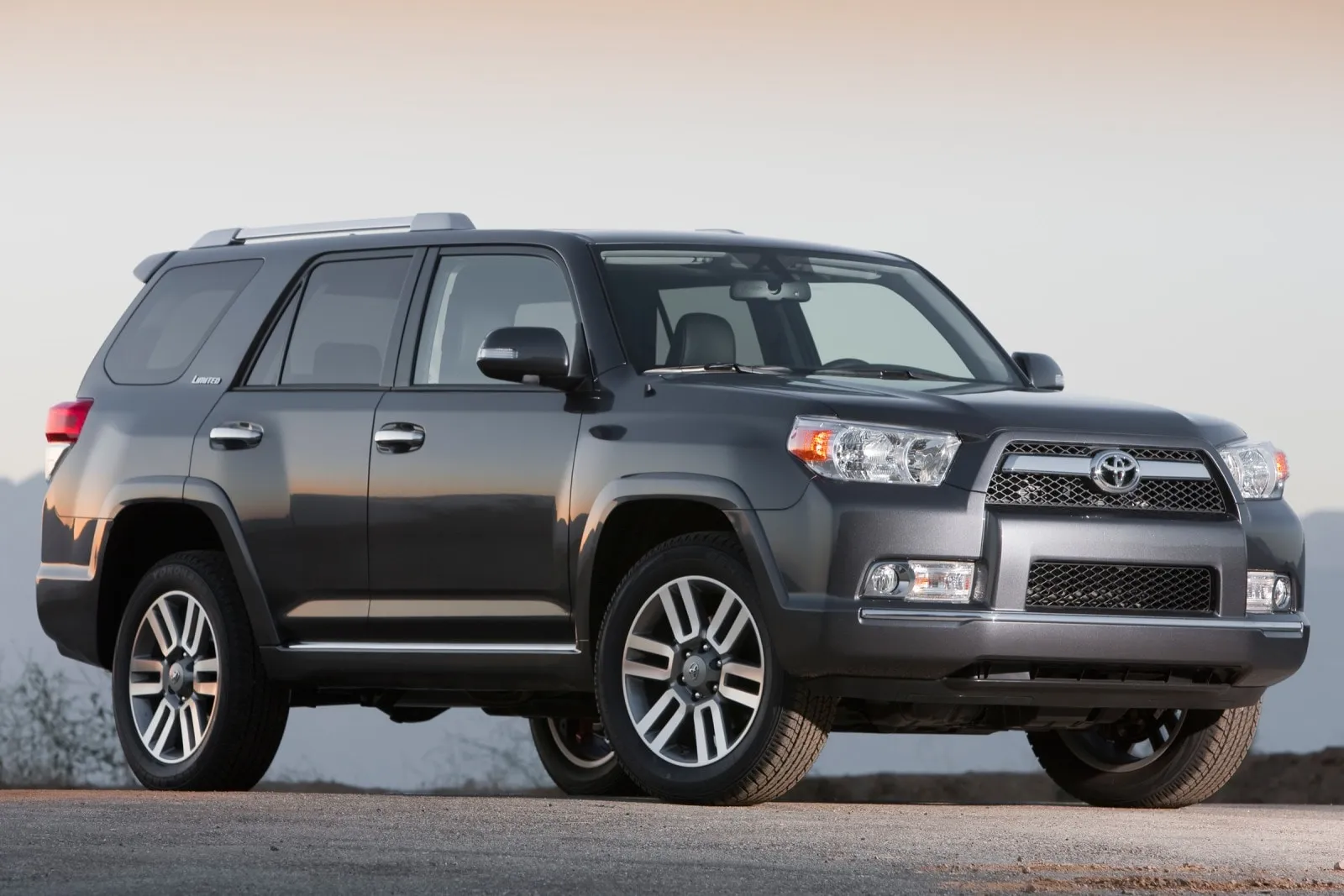
- Engine: 4.0-liter V6
- Horsepower: 270 hp
- Torque: 278 lb ft
- Length: 189.9 inches
- Width: 75.8 inches
4. 2010 Toyota 4Runner
The 2010 Toyota 4Runner launched the fifth generation and introduced a more aggressive design language that emphasized ruggedness and adventure. Toyota redesigned the SUV with sharper styling, increased cargo space, and updated technology features.
Off-road capability improved significantly, especially on Trail Edition trims equipped with advanced traction systems and terrain management technology. The fifth generation quickly became popular among outdoor enthusiasts who wanted modern comfort without sacrificing true SUV capability.
One major advantage of the 2010 model was its durable 4.0-liter V6 engine. Unlike many competitors transitioning to smaller turbocharged engines, Toyota stayed with a naturally aspirated V6 known for reliability and longevity.
The engine delivered consistent performance both on road and off-road, making the SUV versatile for different driving situations. The body-on-frame platform also preserved the strong towing and durability characteristics that long-time 4Runner fans appreciated.
Despite these strengths, the 2010 model had several drawbacks that kept it lower in the rankings. The biggest criticism involved interior quality and outdated technology. Compared to rivals offering more modern cabins and advanced infotainment systems, the 2010 4Runner felt behind the times even when new. Hard plastics dominated the interior, and some drivers found the dashboard design less refined than expected for the SUV’s price range.
Ride quality also divided opinions among owners. While the suspension performed extremely well off-road, some drivers felt the SUV rode too stiffly on pavement.
Body roll during cornering and noticeable nose dive during braking reminded drivers that the 4Runner prioritized ruggedness over sporty handling. Fuel economy remained below average as well, especially compared to newer crossover SUVs designed primarily for urban driving.
Still, the 2010 Toyota 4Runner deserves recognition for maintaining the authentic SUV formula during a period when many manufacturers abandoned body-on-frame construction entirely. Its rugged personality, dependable powertrain, and outstanding off-road capability earned strong loyalty among enthusiasts.
Although later fifth-generation models refined the formula further, the 2010 version laid the foundation for one of Toyota’s most successful SUV generations.
Also Read: 10 Sleeper Sedans With Over 700 Horsepower
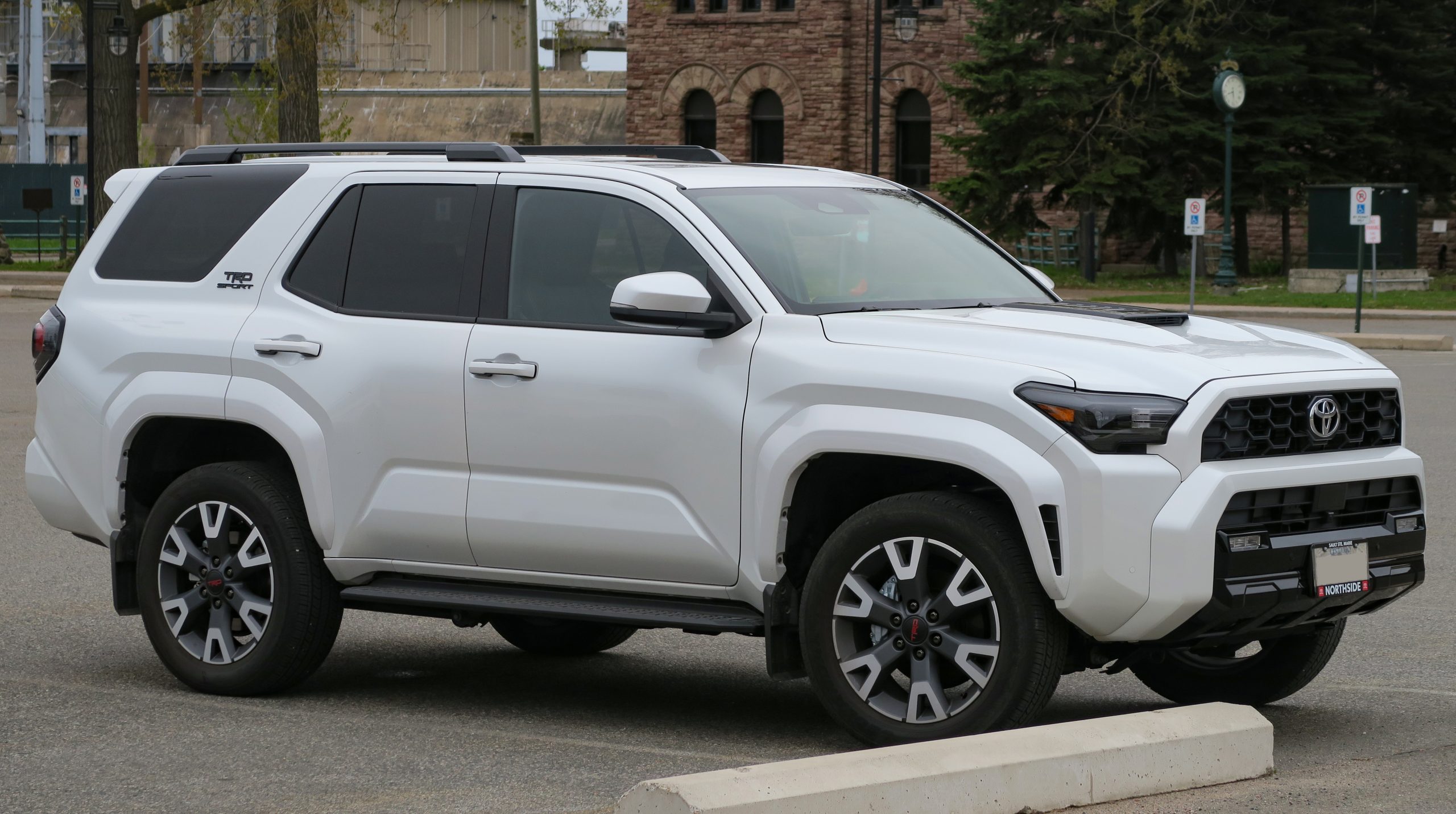
- Engine: 4.0-liter V6
- Horsepower: 270 hp
- Torque: 278 lb ft
- Length: 190.7 inches
- Width: 75.8 inches
3. 2016 Toyota 4Runner
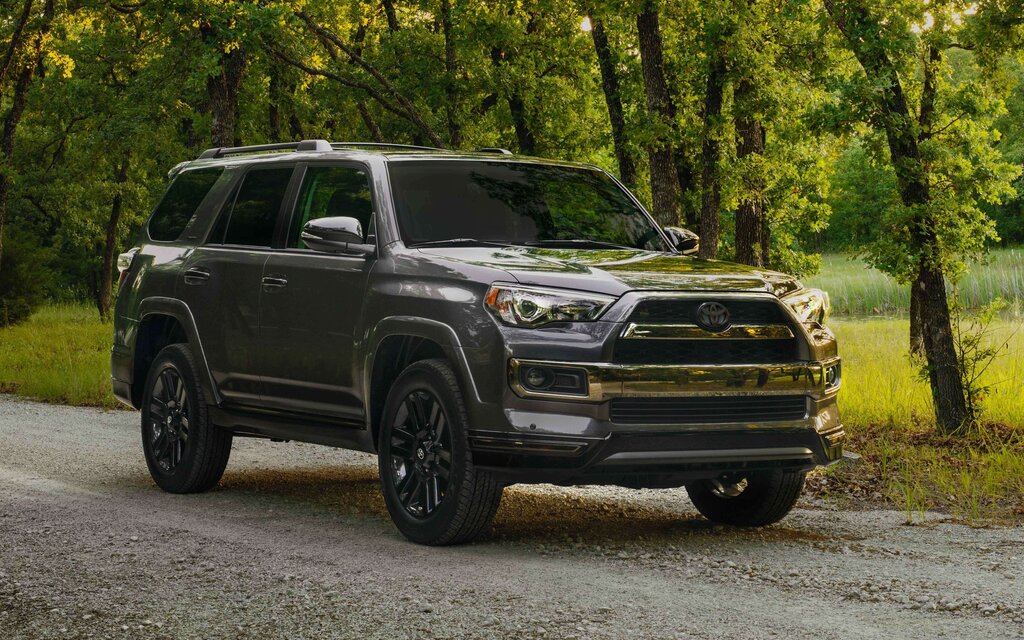
By 2016, Toyota had refined the fifth-generation 4Runner into a much more polished and reliable SUV. The 2016 model combined proven mechanical durability with upgraded safety and technology features, making it one of the strongest choices in the used SUV market.
Toyota added its Safety Sense package to many trims, giving drivers access to modern safety technologies that improved confidence behind the wheel. The SUV maintained its rugged identity while becoming more practical for daily family use.
Reliability became one of the 2016 model’s greatest strengths. By this stage, Toyota had several years to improve production quality and address earlier concerns from the beginning of the fifth generation.
Owners frequently praised the SUV for trouble-free operation and low long-term maintenance costs. The naturally aspirated V6 engine continued proving itself as one of the most durable powerplants in the midsize SUV segment.
The 2016 4Runner also excelled in off-road situations. Features such as crawl control, locking rear differential, and multi-terrain select systems helped the SUV tackle difficult trails with confidence. Unlike many modern crossovers that only appear rugged cosmetically, the 4Runner remained genuinely capable in mud, snow, rocks, and uneven terrain. This authenticity helped it maintain a loyal fan base among outdoor adventurers and overlanding communities.
However, the 2016 model was not perfect. Fuel economy still lagged behind many competitors, and the five-speed automatic transmission felt outdated compared to newer multi-gear transmissions available elsewhere in the market.
Some drivers also criticized the interior for lacking premium materials and cutting-edge infotainment technology. Although Toyota improved safety systems, the cabin design still reflected an older engineering philosophy.
Even with these weaknesses, the 2016 Toyota 4Runner represented an excellent balance between old-school durability and modern convenience. It delivered dependable performance, strong resale value, and impressive off-road capability while avoiding many of the major mechanical issues found in less reliable SUVs.
For buyers seeking a proven midsize SUV capable of lasting for many years, the 2016 model became one of the safest choices available.
- Engine: 4.0-liter V6
- Horsepower: 270 hp
- Torque: 278 lb ft
- Length: 190.2 inches
- Width: 75.8 inches
2. 2019 Toyota 4Runner
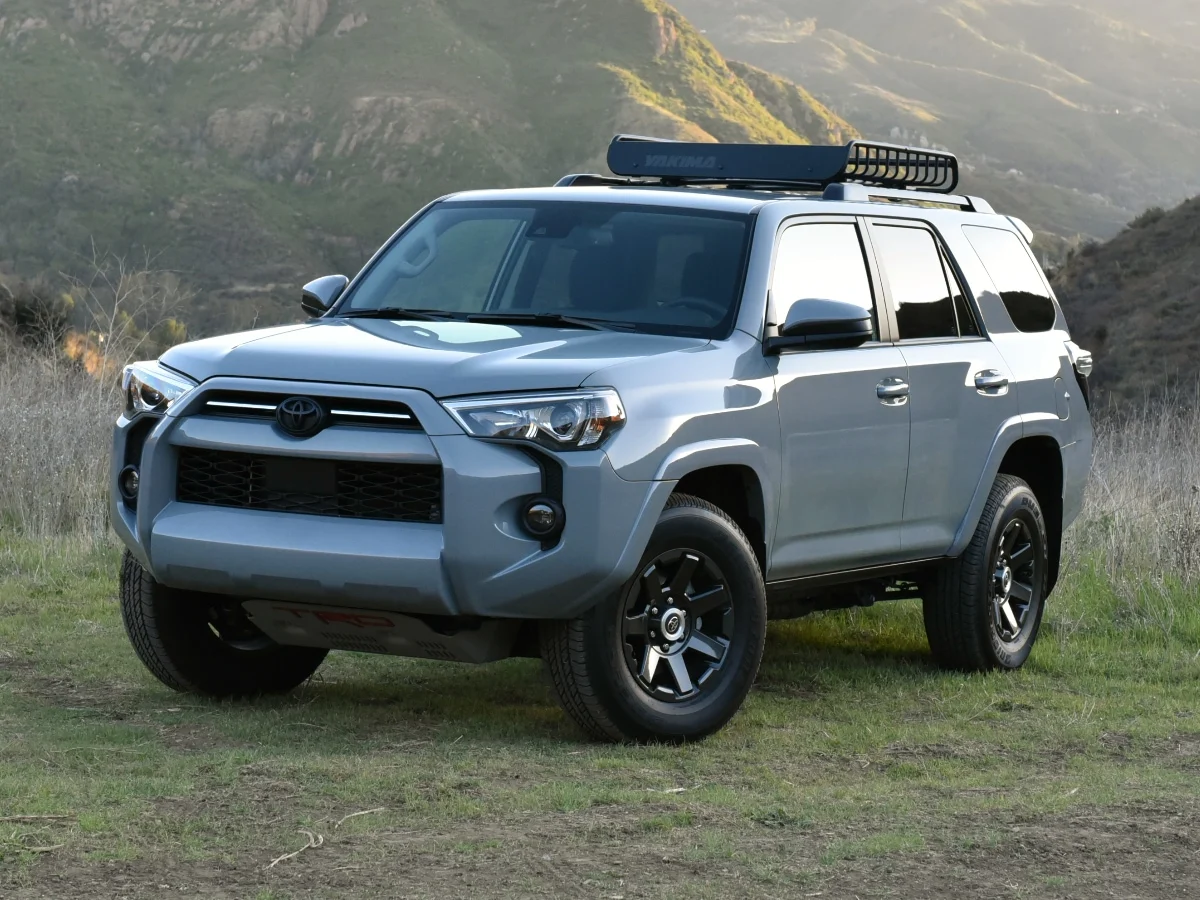
The 2019 Toyota 4Runner is widely considered one of the best modern versions of the SUV because it successfully combines reliability, capability, and everyday practicality. By this point, Toyota had perfected the fifth-generation formula, creating a highly dependable vehicle with very few major complaints from owners.
The SUV retained its rugged body-on-frame design while offering improved technology and better refinement than earlier models.
One of the strongest selling points of the 2019 4Runner was its exceptional resale value. Used examples consistently maintained high prices because buyers trusted the SUV’s long-term durability.
Toyota’s reputation for reliability played a huge role in this success, but the 4Runner’s proven track record further strengthened consumer confidence. Many owners specifically purchased the 2019 model because they expected it to remain reliable for well over a decade.
The TRD Pro trim gained tremendous popularity during this period thanks to its aggressive styling and enhanced off-road equipment. Features such as Fox shocks, skid plates, and all-terrain tires transformed the SUV into a serious adventure vehicle straight from the factory. Off-road enthusiasts appreciated that Toyota offered a capable package without requiring expensive aftermarket modifications. At the same time, standard trims still provided strong performance for families and commuters.
Interior comfort and practicality also improved compared to earlier fifth-generation models. Seats became more supportive, cabin materials felt slightly more refined, and infotainment systems offered better usability.
Although some competitors still offered more luxurious interiors, the 4Runner compensated with simplicity and durability. Many owners preferred physical buttons and straightforward controls instead of overly complicated touchscreen systems.
The reason the 2019 Toyota 4Runner ranks near the top is that it represents the mature version of an already proven platform. Toyota had years to address earlier weaknesses, resulting in a highly dependable SUV with excellent capability and resale value.
While it still suffered from below-average fuel economy and somewhat dated engineering, those flaws mattered less because the vehicle excelled in the areas most important to long-term owners.
- Engine: 4.0-liter V6
- Horsepower: 270 hp
- Torque: 278 lb ft
- Length: 190.2 inches
- Width: 75.8 inches
1. 2021 Toyota 4Runner
The 2021 Toyota 4Runner stands as the best model year because it successfully blended classic SUV toughness with modern technology and refined reliability.
Toyota introduced updated safety systems, improved infotainment features, and greater refinement while preserving the rugged character that made the 4Runner famous. For many buyers, the 2021 version represented the perfect combination of durability, practicality, and modern convenience.
One of the biggest upgrades for the 2021 model involved technology improvements. Toyota finally added modern smartphone integration features such as Apple CarPlay and Android Auto, making the infotainment system much more user-friendly. These additions addressed one of the biggest complaints associated with earlier fifth-generation models. Drivers could now enjoy modern connectivity without sacrificing the SUV’s proven mechanical reliability.
The 2021 4Runner also benefited from Toyota Safety Sense technologies becoming more widely available. Features such as adaptive cruise control, lane departure warning, automatic emergency braking, and pedestrian detection improved driver confidence and family safety.
While competitors may have offered more advanced driver assistance systems, Toyota’s implementation remained simple, dependable, and effective for everyday driving situations.
Off-road capability remained outstanding across multiple trims. The TRD Off Road and TRD Pro variants especially stood out for their trail performance, suspension tuning, and rugged construction. The body-on-frame chassis continued delivering durability and towing capability rarely found in modern midsize SUVs. Owners appreciated that the 4Runner stayed true to its heritage while many competitors shifted entirely toward soft-road-focused crossover designs.
Reliability secured the 2021 Toyota 4Runner’s position at the top of this ranking. By this stage, the fifth-generation platform had become extremely refined and dependable.
Owners consistently reported low maintenance costs, strong long-term durability, and high satisfaction levels. Combined with excellent resale value, proven engineering, and genuine off-road performance, the 2021 model became the expression of everything enthusiasts love about the Toyota 4Runner.
