
Electric vehicles, commonly known as EVs, have become one of the most talked-about innovations in the global transportation industry. Governments promote them as a cleaner alternative to gasoline-powered cars, automakers are investing billions into EV development, and consumers are increasingly viewing them as the future of personal mobility.
From luxury sedans to compact hatchbacks and electric SUVs, EVs are rapidly entering mainstream markets across the world. At the same time, critics argue that electric vehicles are surrounded by hype, exaggerated environmental claims, and aggressive marketing campaigns that often overlook the hidden environmental costs associated with battery production, mining, electricity generation, and disposal.
This debate has raised an important question for consumers, policymakers, and environmentalists alike. Are EVs genuinely better for the environment, or are they simply a modern marketing strategy designed to reshape the automotive industry?
The answer is more complex than a simple yes or no. Electric vehicles do offer significant environmental advantages in several areas, particularly in reducing tailpipe emissions and improving urban air quality. Traditional internal combustion engine vehicles release carbon dioxide, nitrogen oxides, and particulate matter into the atmosphere every day.
These emissions contribute to climate change, respiratory illnesses, and environmental degradation. EVs eliminate direct tailpipe emissions entirely, which is one of their strongest environmental benefits. However, critics point out that EVs still rely on electricity, and electricity production in many countries continues to depend heavily on fossil fuels such as coal and natural gas.
If an EV is charged using electricity generated from polluting sources, its environmental footprint may not be as clean as advertisements suggest.
Another key concern involves the production of lithium-ion batteries, which require minerals such as lithium, cobalt, and nickel. Mining these materials can result in habitat destruction, water pollution, and poor labor conditions in some regions.
Furthermore, battery manufacturing is energy-intensive, leading to higher emissions during the production phase of EVs compared to traditional vehicles. Yet supporters argue that despite these initial environmental costs, EVs typically produce fewer emissions over their lifetime because they operate more efficiently and can eventually be powered by renewable energy sources.
The conversation becomes even more complicated when considering factors such as battery recycling, charging infrastructure, renewable energy adoption, government policies, and long-term sustainability goals.
Some experts believe EVs are only one part of a broader environmental solution that must also include public transportation, cleaner electricity grids, and sustainable urban planning. Others argue that EVs are essential for reducing transportation-related emissions, which remain one of the largest contributors to global greenhouse gases.
This article explores the environmental realities of electric vehicles in detail. It examines the benefits, drawbacks, hidden costs, and long-term impact of EV technology while separating genuine scientific evidence from marketing narratives.
By understanding both sides of the debate, consumers can make informed decisions about whether electric vehicles truly represent a cleaner future or simply a more sophisticated form of green branding.
Also Read: 10 Sleeper Sedans With Over 700 Horsepower

Understanding How EVs Work and Why They Are Different
Electric vehicles operate using electric motors powered by rechargeable battery packs instead of internal combustion engines fueled by gasoline or diesel. This fundamental difference changes how energy is consumed, stored, and converted into movement.
Unlike conventional vehicles that burn fuel through controlled explosions inside the engine, EVs use electricity to power motors with far greater efficiency. In most cases, electric motors convert over 85 percent of electrical energy into motion, while gasoline engines often lose much of their energy as heat. This efficiency advantage is one of the main reasons EVs are considered environmentally promising.
One of the most noticeable distinctions between EVs and traditional vehicles is the absence of tailpipe emissions. Conventional cars emit carbon dioxide, carbon monoxide, nitrogen oxides, and particulate matter directly into the atmosphere during operation.
These pollutants contribute to air pollution and climate change. EVs eliminate these emissions entirely during driving, making cities potentially cleaner and quieter. Urban environments with high traffic congestion may especially benefit from widespread EV adoption because cleaner air can reduce respiratory diseases and improve public health outcomes.
Electric vehicles also rely heavily on regenerative braking technology. When drivers slow down or brake, the electric motor captures some of the kinetic energy that would normally be lost as heat and converts it back into stored electricity. This process improves energy efficiency and extends driving range.
Traditional cars cannot recover energy in the same way because braking systems primarily dissipate energy through friction. Regenerative braking represents one of several technological advantages that make EVs more energy efficient over time.
Another important aspect of EV operation involves charging infrastructure. Instead of visiting fuel stations, EV owners recharge their vehicles using home chargers, workplace charging stations, or public fast charging networks.
The environmental impact of this charging process depends heavily on how electricity is generated. In regions where renewable energy sources such as solar, wind, and hydroelectric power dominate the electricity grid, EVs produce substantially lower lifecycle emissions.
However, in areas heavily dependent on coal-powered electricity, the environmental benefits become less dramatic because pollution is shifted from the tailpipe to power plants.
Battery technology plays a central role in determining EV performance and sustainability. Most modern EVs use lithium-ion batteries because they provide high energy density and long driving ranges. These batteries can last many years, but they require significant natural resources during manufacturing.
Researchers continue working on alternatives such as solid-state batteries, sodium-ion batteries, and improved recycling methods to reduce environmental harm. Advances in battery chemistry may eventually lower costs, improve efficiency, and reduce dependence on environmentally sensitive mining operations.
Despite technological progress, EV adoption still faces challenges related to affordability, charging accessibility, and infrastructure development. Some consumers worry about battery lifespan, charging times, and range limitations during long-distance travel.
However, improvements in charging speed and battery capacity continue to reduce these concerns each year. Governments worldwide are also supporting EV expansion through tax incentives, stricter emissions regulations, and investments in charging networks.
Understanding how EVs function is essential for evaluating their environmental impact accurately. While their operation is cleaner and more efficient than gasoline-powered vehicles in many ways, their sustainability depends on a broader ecosystem involving electricity production, manufacturing practices, and resource management.
The environmental story of EVs cannot be judged solely by what happens on the road because many important factors occur before the vehicle is ever driven and after its battery reaches the end of its usable life.
The Environmental Benefits of Electric Vehicles
One of the strongest arguments in favor of electric vehicles is their ability to reduce greenhouse gas emissions over time. Transportation remains one of the largest sources of carbon dioxide emissions globally, and traditional gasoline-powered vehicles are major contributors.
By replacing combustion engines with electric motors, EVs can significantly lower emissions associated with daily driving. Although the exact reduction varies depending on electricity sources, many studies show that EVs generally produce fewer lifetime emissions than conventional cars, especially in countries with cleaner electricity grids.
Air quality improvement is another major environmental advantage linked to EV adoption. Internal combustion engines release harmful pollutants such as nitrogen oxides and fine particulate matter into urban environments. These pollutants contribute to respiratory illnesses, heart disease, and premature deaths.
Electric vehicles produce no direct exhaust emissions, which can help improve public health in densely populated cities. Cleaner urban air may also reduce healthcare costs and improve the quality of life for residents exposed to chronic traffic pollution.
Energy efficiency is another area where EVs outperform conventional vehicles. Gasoline engines waste a large portion of fuel energy as heat, while electric motors convert most stored electrical energy into movement.
This efficiency means EVs require less total energy to travel the same distance. As renewable energy production increases globally, electric vehicles may become even cleaner because they can operate using low-carbon electricity generated from solar, wind, or hydroelectric power rather than fossil fuels.
Electric vehicles also reduce dependence on oil extraction and refining. The oil industry contributes to environmental damage through drilling, transportation, spills, refinery pollution, and habitat destruction.
Transitioning to electric mobility decreases demand for petroleum products, potentially reducing these harmful activities. This shift could also improve energy security for countries that rely heavily on imported oil, creating economic and geopolitical benefits alongside environmental gains.
Noise pollution reduction is another overlooked benefit of EVs. Traditional engines generate significant mechanical and exhaust noise, especially in urban traffic conditions. Electric motors operate much more quietly, creating calmer urban environments. Reduced noise pollution can positively affect mental health, stress levels, and urban living conditions.
Although silent operation can create safety concerns for pedestrians, especially visually impaired individuals, manufacturers have addressed this issue by adding artificial low-speed warning sounds to many EV models.
The integration of EVs with renewable energy systems also creates long term sustainability opportunities. Some advanced charging systems allow electric vehicles to function as temporary energy storage units.
Vehicle-to-grid technology enables EV batteries to store renewable energy during periods of excess production and return electricity to the grid when demand increases. This capability could help stabilize renewable-powered electricity systems and support broader clean energy transitions.
Governments and environmental organizations often view EVs as a practical strategy for meeting climate goals. Many countries have established ambitious targets for reducing transportation emissions and phasing out gasoline-powered vehicles in the coming decades.
EVs are central to these plans because transportation emissions are difficult to eliminate through efficiency improvements alone. Electrification provides a scalable pathway toward lower emissions if supported by cleaner energy production and sustainable manufacturing practices.
While electric vehicles are not entirely free from environmental impact, their operational benefits are substantial in many contexts. Reduced emissions, cleaner air, lower energy consumption, and decreased oil dependence all contribute to a compelling environmental case for EV adoption.
However, these benefits must still be weighed against the environmental costs associated with battery production, electricity generation, and resource extraction to determine whether EVs truly represent a sustainable long-term solution.
The Hidden Environmental Costs Behind EV Production
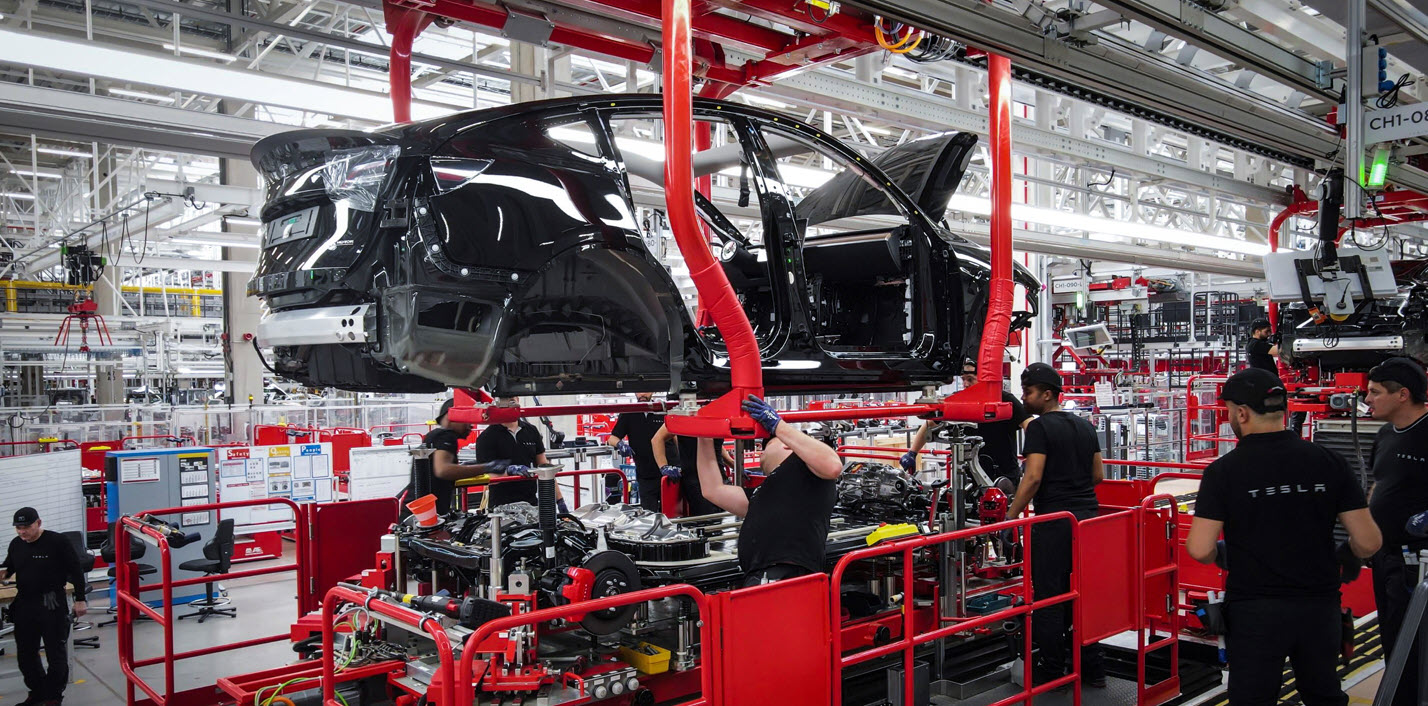
Despite their environmental advantages during operation, electric vehicles come with high hidden environmental costs during manufacturing. Battery production is the most controversial aspect of EV sustainability because it requires extensive mining, energy-intensive processing, and large quantities of raw materials.
Critics often argue that these hidden costs are minimized or ignored in marketing campaigns that present EVs as completely clean transportation solutions.
Lithium-ion batteries rely on minerals such as lithium, cobalt, nickel, manganese, and graphite. Extracting these materials can cause serious environmental damage. Lithium mining often requires enormous amounts of water, particularly in dry regions such as parts of South America.
Water-intensive extraction processes may threaten local ecosystems and agricultural communities already facing water scarcity. In some mining regions, environmental groups have raised concerns about groundwater contamination and habitat disruption linked to mineral extraction.
Cobalt mining presents additional ethical and environmental concerns. A significant portion of the world’s cobalt supply comes from the Democratic Republic of Congo, where reports of unsafe working conditions and child labor have drawn international criticism.
Although many manufacturers are attempting to improve supply chain transparency and reduce cobalt dependence, ethical sourcing remains a major challenge within the EV industry. Consumers who purchase electric vehicles for environmental reasons may not always realize the social and environmental consequences tied to battery material production.
Battery manufacturing itself is highly energy-intensive. Producing large lithium-ion battery packs requires substantial electricity and industrial processing. In regions where manufacturing facilities rely on coal-powered electricity, the carbon footprint of battery production can be very high.
Some studies suggest that EV production initially generates more emissions than manufacturing traditional gasoline vehicles because of battery assembly processes. This means an EV may begin its life with a larger carbon footprint before it even reaches the road.
The environmental impact of EV production also extends beyond batteries. Manufacturing electric motors, electronic systems, and charging infrastructure requires additional resources and industrial processes. Mining rare earth elements used in certain motor technologies can contribute to pollution and ecological damage. Building charging stations and upgrading electricity grids also involves material consumption and construction-related emissions.
Transportation and global supply chains further increase the environmental footprint of EV manufacturing. Raw materials are often mined in one country, processed in another, assembled elsewhere, and finally shipped worldwide.
This complex supply chain creates additional emissions from shipping, transportation, and industrial logistics. While traditional vehicle manufacturing also involves global supply chains, EV production introduces new layers of resource dependency tied specifically to battery materials.
Battery disposal and recycling remain ongoing environmental concerns. Although lithium-ion batteries can often last many years, they eventually lose efficiency and require replacement. Improper disposal may create hazardous waste risks because batteries contain chemically reactive materials.
Recycling technologies are improving, but large-scale battery recycling systems are still developing in many countries. Without efficient recycling infrastructure, growing EV adoption could eventually produce significant battery waste challenges.
Supporters of EVs argue that many of these issues can be reduced through technological innovation, cleaner manufacturing practices, and stronger environmental regulations.
Automakers are investing in battery recycling programs, alternative battery chemistries, and renewable-powered factories. Some companies are reducing cobalt use or developing batteries that rely on more abundant materials. Renewable energy adoption in manufacturing facilities can also lower production-related emissions over time.
The hidden environmental costs of EV production do not necessarily invalidate the benefits of electric transportation, but they highlight the complexity of sustainability claims. EVs are not emission-free products created without environmental consequences.
Their true environmental impact depends on how responsibly materials are sourced, how clean manufacturing processes become, and how effectively battery recycling systems evolve in the future.
Also Read: 10 SUVs Where the Cheapest States Sit in the Southwest
Are EVs Really Cleaner Over Their Entire Lifetime?
Evaluating whether electric vehicles are genuinely cleaner than gasoline-powered cars requires examining their entire lifecycle rather than focusing only on driving emissions. Lifecycle analysis includes raw material extraction, manufacturing, operation, maintenance, and end-of-life disposal or recycling.
This broader perspective provides a more accurate understanding of the true environmental impact of EVs and helps separate scientific evidence from marketing simplifications.
One of the most important findings from lifecycle studies is that EVs generally produce higher emissions during manufacturing but lower emissions during operation. Battery production creates a substantial initial carbon footprint because mining and processing battery materials consume large amounts of energy.
As a result, an electric vehicle often begins its life with more embedded emissions than a comparable gasoline car. However, once driven regularly, the EV gradually compensates for this disadvantage through lower operational emissions.
The speed at which an EV offsets its manufacturing emissions depends heavily on local electricity generation. In countries powered mainly by renewable or low-carbon energy, EVs can become environmentally superior relatively quickly.
In regions dependent on coal-fired electricity, the environmental advantage takes longer to emerge because charging still indirectly relies on fossil fuels. Nevertheless, many studies indicate that even in fossil fuel-heavy electricity systems, EVs often produce fewer lifetime emissions due to their superior energy efficiency.
Vehicle lifespan also affects environmental outcomes. The longer an EV remains operational, the greater its potential emissions savings compared to traditional vehicles. Battery durability, therefore, becomes critically important.
Modern EV batteries are lasting longer than many early critics predicted, with some maintaining substantial capacity after hundreds of thousands of kilometers. Longer-lasting batteries improve sustainability because they spread manufacturing emissions over more years of use.
Maintenance differences further influence lifecycle environmental impact. Electric vehicles contain fewer moving parts than combustion engine vehicles and generally require less maintenance. They do not need oil changes, exhaust systems, or complex transmission repairs.
Reduced maintenance can lower resource consumption and waste generation throughout the vehicle’s lifetime. Brake systems also experience less wear because regenerative braking handles part of the stopping process, reducing brake dust pollution and extending component lifespan.
The source of electricity remains one of the most debated aspects of EV sustainability. Critics often claim that EVs merely transfer pollution from tailpipes to power plants. While this criticism contains some truth in fossil fuel-dependent regions, electricity grids worldwide are gradually incorporating more renewable energy sources.
As grids become cleaner, existing EVs automatically become cleaner as well because their energy source improves over time. Gasoline vehicles, by contrast, remain dependent on fossil fuels throughout their operational life.
Battery recycling and second-life applications may further improve lifecycle sustainability. Used EV batteries that no longer meet automotive performance standards can still function as stationary energy storage systems for homes or renewable energy facilities.
Recycling technologies are also advancing, enabling valuable materials such as lithium, cobalt, and nickel to be recovered and reused. Efficient recycling could significantly reduce future demand for new mining operations and lower the environmental impact of battery production.
Comparisons between EVs and gasoline vehicles must also consider future technological improvements. Internal combustion engines are approaching efficiency limits after decades of refinement, while EV technology continues to advance rapidly.
Battery efficiency, charging speed, renewable integration, and manufacturing sustainability are all improving. These trends suggest the environmental advantages of EVs may increase over time, especially if electricity systems continue transitioning toward cleaner energy sources.
Most scientific research supports that EVs are generally cleaner over their full lifecycle than traditional gasoline vehicles, particularly in regions with cleaner electricity grids. However, the size of this environmental advantage varies significantly depending on manufacturing practices, electricity sources, driving patterns, and battery longevity.
EVs are not environmentally perfect, but current evidence suggests they represent a meaningful step toward reducing transportation-related emissions when implemented responsibly.

EV Marketing, Greenwashing, and the Reality of Sustainability
The rapid rise of electric vehicles has been accompanied by powerful marketing campaigns that often portray EVs as a simple and complete solution to environmental problems. Advertisements frequently emphasize zero-emissions driving, futuristic technology, and sustainability while downplaying the environmental costs associated with production, mining, and electricity generation.
This has led some critics to accuse the EV industry of greenwashing, a practice where companies exaggerate or misrepresent environmental benefits to improve public image and increase sales.
One common marketing strategy involves highlighting the absence of tailpipe emissions without discussing lifecycle emissions. While it is technically true that EVs produce no direct exhaust pollution during operation, this message can create the misleading impression that EVs are entirely emission-free.
In reality, emissions still occur during electricity generation, battery manufacturing, raw material extraction, and transportation. Simplified advertising messages often ignore these complexities because consumers tend to respond more positively to clear environmental claims.
Automakers also use sustainability branding to position themselves as environmentally responsible companies. Many manufacturers that historically produced large gasoline-powered SUVs and trucks are now heavily promoting electric models as evidence of corporate environmental commitment.
However, critics argue that some companies continue producing highly polluting vehicles alongside limited EV lineups while using electric models primarily to improve public perception and comply with regulations. In these cases, EVs may function partly as reputation management tools rather than complete sustainability transformations.
Government incentives and political narratives have also contributed to idealized perceptions of EVs. Tax credits, subsidies, and environmental policies often encourage consumers to view EV ownership as a direct contribution to climate action.
While these policies can accelerate cleaner transportation adoption, they may oversimplify broader sustainability challenges. Replacing every gasoline car with an electric car does not automatically solve issues related to traffic congestion, urban sprawl, road construction, and excessive resource consumption.
Consumer psychology plays an important role in EV marketing success. Many buyers are attracted not only by environmental benefits but also by social status, technological innovation, and long-term fuel savings.
Some consumers may overestimate the environmental impact of individual EV ownership while underestimating the importance of other lifestyle changes, such as public transportation use, reduced driving, or sustainable urban planning. Marketing campaigns often encourage the belief that purchasing an EV alone represents a major environmental solution.
The concept of green consumerism also influences the EV debate. Companies increasingly market products as sustainable because environmentally conscious consumers represent a growing market segment.
While EVs can contribute positively to emissions reduction, critics warn that endless consumption of new products cannot fully align with environmental sustainability. Manufacturing any vehicle requires energy, materials, and industrial activity. From this perspective, reducing vehicle dependence may be just as important as changing fuel sources.
Social media and celebrity endorsements further amplify EV marketing narratives. High-profile figures frequently promote electric vehicles as symbols of innovation and environmental responsibility. Technology companies and automakers often showcase futuristic designs, autonomous features, and luxury performance to create excitement around EV adoption.
While these campaigns increase public interest in cleaner transportation, they sometimes blur the distinction between genuine sustainability progress and aspirational branding.
At the same time, it would be inaccurate to dismiss EVs as purely marketing-driven products. Scientific evidence supports many environmental benefits associated with electrified transportation, particularly when combined with renewable energy systems.
The problem arises when marketing messages present EVs as flawless environmental solutions without acknowledging their limitations and tradeoffs. Honest sustainability discussions require transparency about both the advantages and challenges of electric mobility.
The future environmental success of EVs will depend not only on technology but also on policy decisions, energy transitions, infrastructure development, and responsible resource management. Consumers deserve accurate information that goes beyond advertising slogans and simplistic narratives.
Understanding the difference between genuine environmental progress and exaggerated marketing claims allows people to make more informed decisions about transportation, sustainability, and the broader fight against climate change.
