
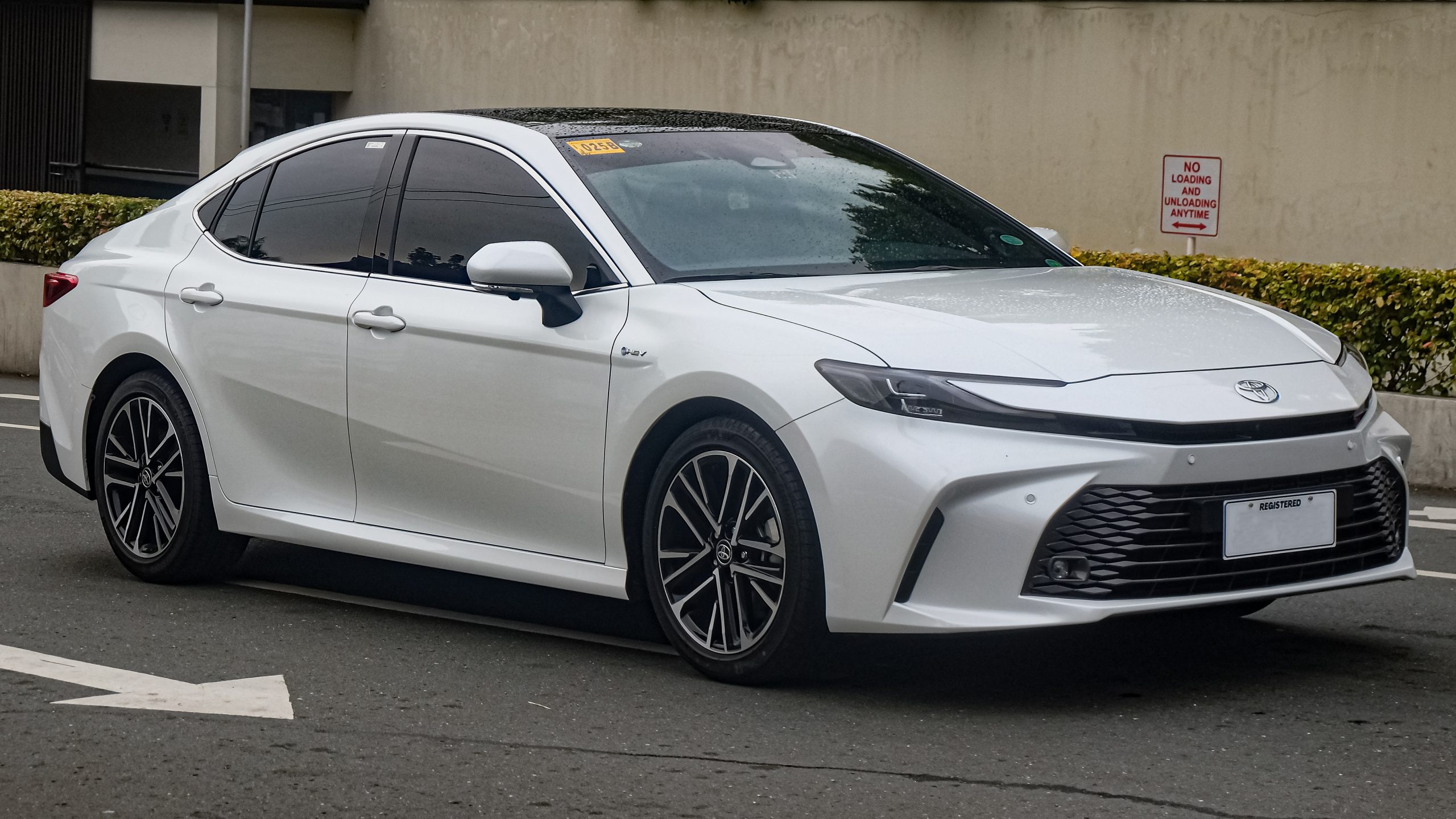
Toyota cars have built a global reputation for reliability, fuel efficiency, comfort, and long-term durability. Millions of drivers trust Toyota vehicles for daily commuting, family travel, business use, and adventure driving because the brand consistently delivers practical engineering with user-friendly technology.
While many owners appreciate the obvious strengths of Toyota vehicles, such as smooth performance, safety systems, and low maintenance costs, a surprising number of hidden features often remain unnoticed for years. These lesser-known functions are designed to improve convenience, security, driving comfort, and ownership experience.
However, because drivers usually focus only on the primary controls and dashboard functions, many advanced capabilities stay buried inside infotainment settings, key fob combinations, smart safety menus, and customizable vehicle options.
Modern Toyota vehicles, such as the Corolla, Camry, Fortuner, Innova Hycross, RAV4, Hilux, Land Cruiser, Urban Cruiser Hyryder, and Prius, include a wide variety of intelligent technologies that simplify everyday driving. Some features help drivers save fuel, while others improve parking visibility, increase cabin comfort, or enhance vehicle security.
Toyota engineers often design these functions quietly in the background rather than heavily advertising them. As a result, owners may drive their vehicles for years without realizing how much functionality is already available at their fingertips.
Hidden features can range from remote window control using the key fob to adaptive cruise settings, automatic locking systems, secret storage compartments, customizable steering controls, and advanced climate management tools.
Understanding these hidden Toyota features can significantly improve the driving experience. A feature that saves only a few seconds every day can create major convenience over time. Likewise, safety-related systems can provide extra confidence during long highway drives, heavy urban traffic, or difficult weather conditions.
Many drivers also discover that activating these features makes their car feel more premium and technologically advanced. In some cases, the functions are disabled by default and can be enabled through the infotainment menu or dealership settings. Other features simply require learning a specific button combination or understanding how the system behaves under certain conditions.
This article explores nine hidden Toyota car features that many drivers overlook. Each section explains how the feature works, why it matters, and which Toyota models commonly include it. Whether you own a compact sedan, a hybrid SUV, or a rugged off-road vehicle, these hidden tools may help you unlock more value from your Toyota.
If you have ever wondered whether your car can do more than you currently use, these features may completely change the way you think about your vehicle.
Also read: 10 Cars Where Owners Reported Brake Failures Under 30,000 Miles
1. Remote Window Control with the Key Fob
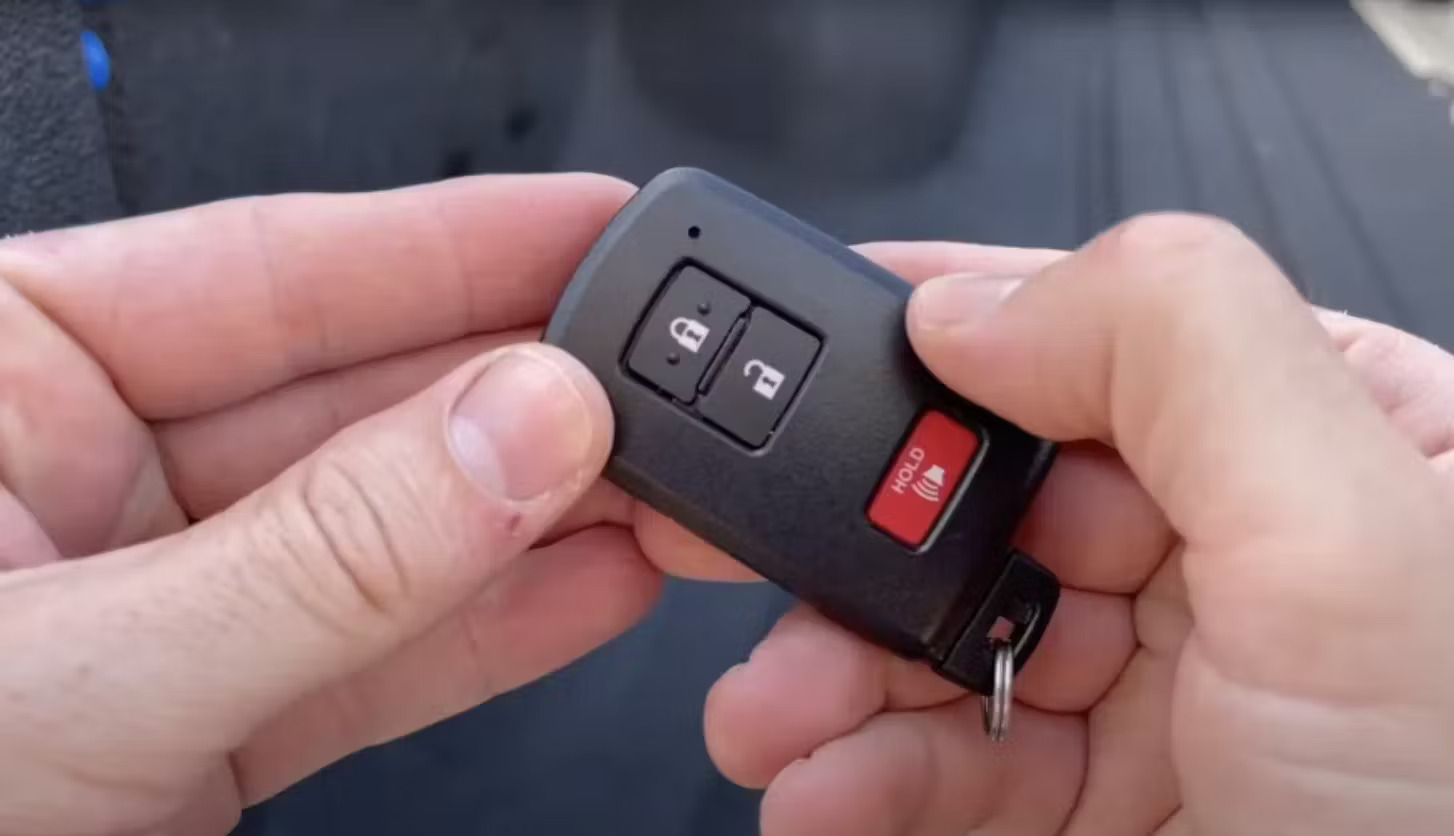
One of the most convenient hidden Toyota features is the ability to control the windows remotely using the key fob. Many Toyota owners are unaware that their vehicle can lower all windows without needing to sit inside the car. This feature becomes extremely useful during hot summer days when the cabin temperature rises quickly.
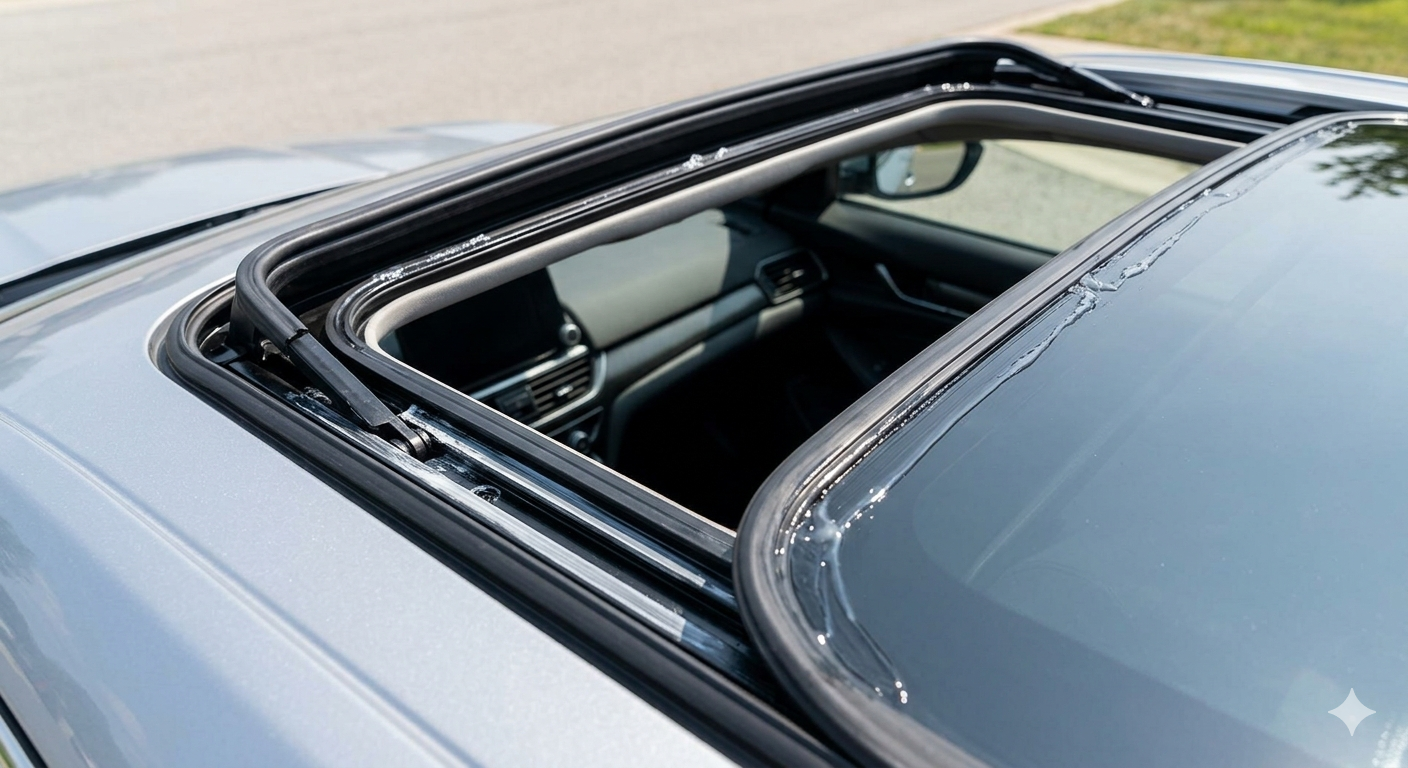
Instead of entering an overheated car, drivers can ventilate the interior before opening the doors. In several Toyota models, pressing and holding the unlock button on the key fob for a few seconds automatically rolls down all windows simultaneously. Some higher trim models may also allow the moonroof to open slightly for added airflow.
This function is especially valuable in regions with intense sunlight and high humidity. Toyota designed the feature to improve comfort while also reducing strain on the air conditioning system during startup.
In certain Toyota vehicles, remote window control may require activation through dealership software settings. Toyota allows some comfort-related functions to be customized according to customer preference.
Depending on the market and vehicle model, drivers may also gain the ability to close windows remotely using the lock button sequence. However, regulations in some countries limit remote closing functions for safety reasons. Owners should consult their manual or dealership to confirm availability and configuration options.
The feature also improves convenience in crowded parking lots. If a driver notices a slightly open window after locking the vehicle, remote controls may help address the issue without reopening the car manually. This adds peace of mind and improves vehicle security.
Toyota integrates these smart functions quietly into the vehicle ecosystem, showing the company’s focus on practical usability rather than flashy marketing.
Drivers who frequently travel with children or pets may appreciate the comfort benefits even more. Ventilating the cabin before entry creates a more pleasant environment during hot weather. Combined with Toyota’s strong climate control systems, remote window operation adds another layer of intelligent comfort that many owners never use despite having the technology already built into their car.
2. Adaptive Cruise Control Traffic Intelligence
Toyota Safety Sense includes adaptive cruise control technology in many modern models, but most drivers only use its basic highway function. What many people do not realize is that Toyota’s adaptive cruise control system contains hidden intelligence features capable of handling stop-and-go traffic, adjusting following distances dynamically, and reducing driver fatigue during long commutes. The system uses radar and cameras to monitor traffic movement and maintain a safe distance automatically.
In heavy traffic conditions, certain Toyota vehicles can slow down, stop completely, and resume movement with minimal driver input. This transforms stressful commuting into a smoother driving experience.
Drivers who spend hours in urban congestion often underestimate how much mental energy adaptive systems save during daily travel. Instead of constantly braking and accelerating manually, the vehicle manages spacing intelligently while maintaining smoother momentum.
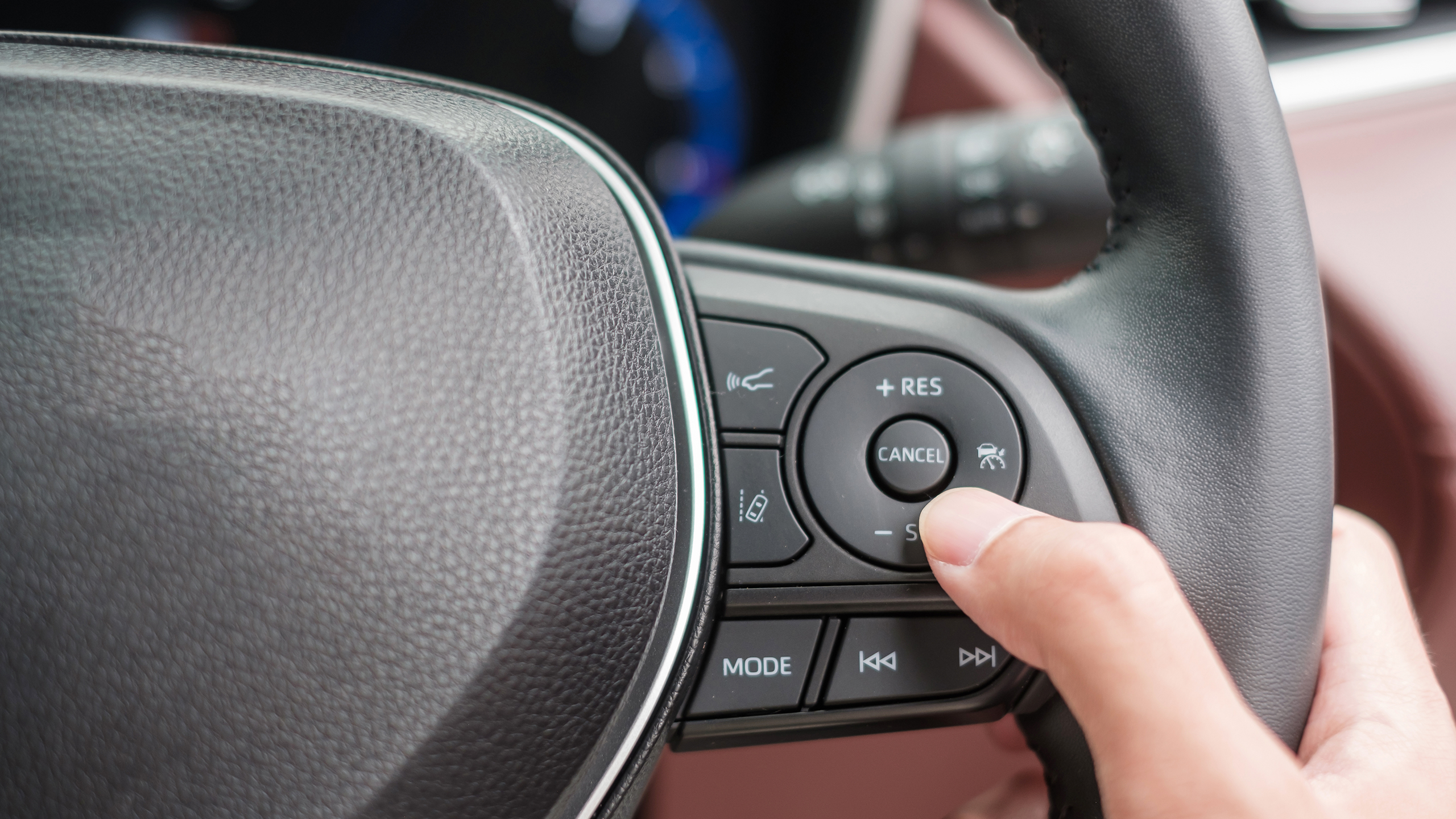
Toyota allows drivers to customize the following distance using steering wheel controls. Most owners never experiment with these settings, yet they dramatically affect driving comfort. A shorter following distance may feel more natural in crowded cities, while longer distances improve relaxation during highway cruising. Understanding these adjustments helps drivers tailor the system to their preferred driving style while maintaining safety.
Another lesser-known feature is curve speed adaptation in certain advanced Toyota systems. The vehicle may slightly reduce speed when approaching sharper bends to maintain better stability and passenger comfort. This creates a more refined driving experience that feels almost human in behavior. Toyota’s goal is not to replace drivers but to reduce stress and improve confidence during extended driving sessions.
Fuel efficiency also benefits from adaptive cruise systems because smoother acceleration patterns consume less fuel compared to aggressive manual throttle changes.
Hybrid Toyota vehicles particularly benefit from this technology because regenerative braking and electric motor assistance operate more efficiently during controlled speed management. Owners who learn to trust and properly use adaptive cruise functions often report reduced fatigue and more enjoyable road trips.
Toyota continues refining these intelligent driving systems with every generation. Even entry-level Toyota models increasingly include advanced safety technology once reserved for luxury vehicles. Understanding how adaptive cruise control works beyond its basic functions allows drivers to maximize one of Toyota’s most useful hidden technologies.
3. Secret Storage Compartments and Utility Spaces
Toyota engineers are known for practical interior design, and many models include hidden storage areas that owners rarely discover. These secret compartments improve organization, security, and daily convenience.
Depending on the model, hidden spaces may appear beneath cargo floors, under seats, inside center consoles, or within dashboard sections. These cleverly designed compartments help drivers store valuables, emergency tools, charging cables, and travel essentials discreetly.
SUV models such as the Fortuner, Land Cruiser, and RAV4 often include multi-layer cargo storage systems beneath the trunk floor. Drivers can separate fragile items, emergency kits, or personal belongings without cluttering the visible cargo area. These hidden sections are particularly useful during long family trips because they maximize space efficiency while keeping the cabin neat and organized.
Some Toyota sedans include secret coin holders, document trays, or removable divider systems inside armrests. Owners frequently overlook these features because they blend naturally into the interior design. Toyota prioritizes functional simplicity, meaning hidden storage often appears subtle rather than obvious. Once discovered, these spaces become extremely useful for everyday organization.
Security is another important benefit of concealed storage. Leaving valuables visible inside a parked vehicle increases theft risk. Hidden compartments provide safer locations for wallets, electronics, passports, and important documents when temporary storage becomes necessary.
While drivers should never leave high-value items unattended for long periods, concealed spaces offer better protection compared to exposed seating areas.
Toyota also designs some compartments specifically for practicality during outdoor adventures. Pickup trucks and SUVs may include waterproof sections for tools, muddy equipment, or emergency supplies. Off-road enthusiasts appreciate these thoughtful design choices because they improve usability during camping, hiking, and long-distance travel.
Families benefit significantly from hidden storage solutions as well. Parents can store snacks, toys, charging accessories, tissues, and medical supplies more efficiently during road trips.
Organized interiors reduce distraction while driving and improve passenger comfort. Toyota’s focus on usability explains why these hidden spaces remain valuable long after the excitement of buying the car fades.
Discovering hidden storage areas often changes how owners interact with their vehicle daily. What initially appears to be a standard interior frequently reveals thoughtful engineering details that improve convenience and practicality in subtle but meaningful ways.
4. Automatic Locking and Unlocking Personalization
Many Toyota vehicles include customizable automatic door locking and unlocking functions that owners never configure. These settings allow drivers to control exactly when doors lock or unlock based on speed, gear position, or ignition status. While the system usually works with default factory settings, personalization options can improve convenience and safety according to individual preferences.
For example, some Toyota models can automatically lock all doors once the vehicle reaches a certain speed. This feature improves passenger safety, especially in busy urban environments.
Drivers carrying children or elderly passengers often appreciate the extra security during traffic stops and crowded city driving. Automatic locking also prevents accidental door openings while the vehicle is moving.
Unlocking behavior can also be customized. Certain Toyota vehicles allow drivers to unlock only the driver’s side door with the first key press while requiring a second press for all doors. This provides added security when entering the vehicle alone at night or in unfamiliar locations. Other settings can automatically unlock all doors when shifting into park or turning off the ignition.
Toyota dealerships can often adjust these preferences through vehicle software programming. Some newer models also allow configuration directly through the infotainment system menu. Despite being highly practical, many owners never explore these customization options because they remain hidden inside setup menus or service settings.
Smart key-equipped Toyotas may include touch-sensitive door handles that lock or unlock automatically when touched correctly. Drivers sometimes use these systems without fully understanding the range of available settings. Certain models can even adjust sensitivity levels or unlock behavior based on which door handle is used.
These hidden convenience features contribute significantly to Toyota’s user-friendly ownership experience. Small automation improvements reduce repetitive actions during daily driving. Over time, personalized locking systems make the vehicle feel more responsive and tailored to individual habits.
Safety benefits become even more noticeable for families and frequent travelers. Automatic locking helps protect passengers, while customizable unlocking reduces exposure during nighttime parking situations. Toyota’s attention to these details demonstrates the company’s focus on practical, real-world usability rather than unnecessary complexity.
Understanding and configuring these hidden locking functions allows owners to improve both convenience and security without spending additional money or installing aftermarket accessories.
Also read: 5 Cars That’ll Cost You Under $400/Month

5. Hybrid Energy Monitoring and Eco Driving
Toyota pioneered hybrid vehicle technology, yet many hybrid owners never fully explore the advanced energy monitoring systems built into their cars.
Toyota hybrids include sophisticated displays that reveal how power flows between the gasoline engine, electric motor, regenerative braking system, and battery pack. These hidden information screens help drivers maximize fuel efficiency and better understand hybrid operation.
Energy flow is visually demonstrated when the car uses electric power alone, when the gasoline engine activates, and when regenerative braking charges the battery. Watching this process in real time helps drivers develop smoother acceleration and braking habits. Over time, drivers naturally improve efficiency because they become more aware of how driving style affects energy consumption.
Many Toyota hybrids also include eco-scoring systems that rate acceleration smoothness, braking efficiency, and fuel-conscious driving behavior. Some drivers ignore these features completely, but they can significantly improve long-term fuel savings.
Gentle acceleration and predictive braking reduce fuel usage while extending component lifespan. Toyota designed these coaching tools to educate drivers without making the experience feel overly technical.
Certain Toyota models include historical fuel economy tracking that compares driving performance over days, weeks, or months. This information helps owners identify patterns related to traffic, weather, driving habits, and route selection. Hybrid drivers often become more engaged with efficient driving after discovering these detailed monitoring tools.
Toyota’s eco coaching extends beyond fuel savings. Efficient driving reduces emissions, lowers maintenance stress, and improves long-term reliability. Smooth driving habits place less strain on brakes, tires, and drivetrain components. This aligns perfectly with Toyota’s reputation for durability and low ownership costs.
Hybrid monitoring systems also make driving more interactive and educational. Instead of simply operating a vehicle passively, drivers gain insight into advanced automotive engineering working beneath the surface. This hidden layer of technology transforms the driving experience into something more engaging while rewarding efficiency and smart habits.
6. Automatic Headlight Sensitivity Adjustment
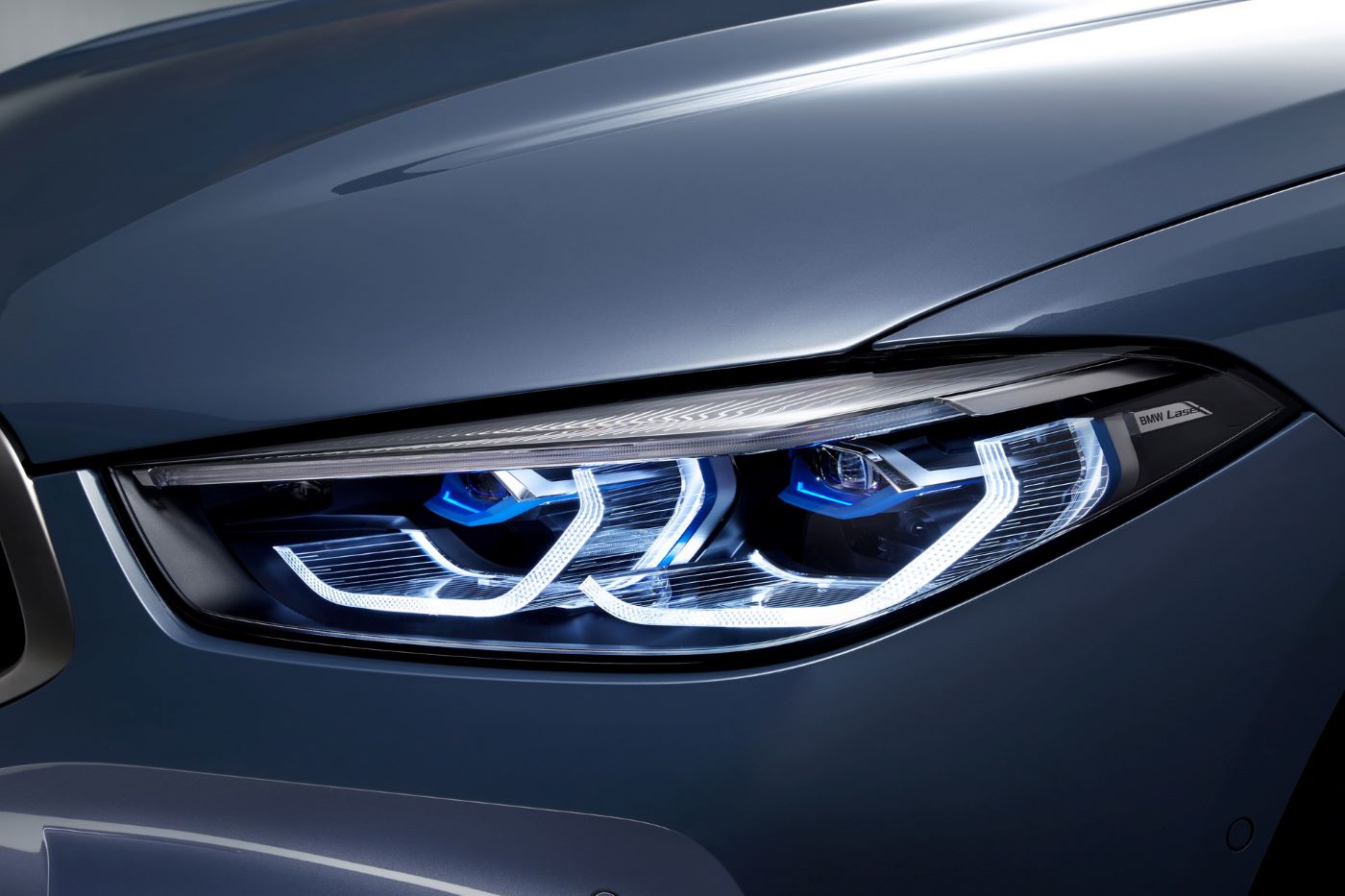
Most Toyota owners know their vehicle includes automatic headlights, but far fewer realize that headlight sensitivity can often be adjusted. Toyota vehicles equipped with automatic lighting systems use sensors to detect surrounding brightness and activate headlights accordingly. However, drivers can usually customize how early or late the lights turn on based on ambient conditions.
This hidden feature becomes extremely useful in changing weather conditions, tunnels, parking structures, and rural environments. Some drivers prefer headlights to activate earlier for increased visibility and safety, while others prefer delayed activation to avoid unnecessary switching during daylight fluctuations. Toyota allows flexibility to suit individual driving preferences.
Sensitivity adjustments are often accessible through dashboard menus or dealership programming. Depending on the model, drivers may also customize the delay time before headlights automatically switch off after leaving the vehicle. This feature helps illuminate pathways at night while reducing battery drain risk.
Some Toyota vehicles integrate adaptive lighting systems that subtly adjust beam direction during cornering. This helps illuminate curves and improves nighttime driving confidence. Owners who discover these hidden lighting technologies often gain a greater appreciation for Toyota’s engineering attention to safety and comfort.
Lighting customization may seem minor initially, but visibility directly affects driver confidence and fatigue. Properly configured automatic lighting systems reduce distraction because drivers spend less time manually adjusting controls during changing conditions. This contributes to a smoother and more relaxed driving experience.
Toyota’s lighting technologies demonstrate how hidden features often focus on practical everyday improvements rather than dramatic gimmicks. Small automation details quietly enhance convenience, safety, and comfort over thousands of miles of ownership.
7. Climate Control Air Purification Features
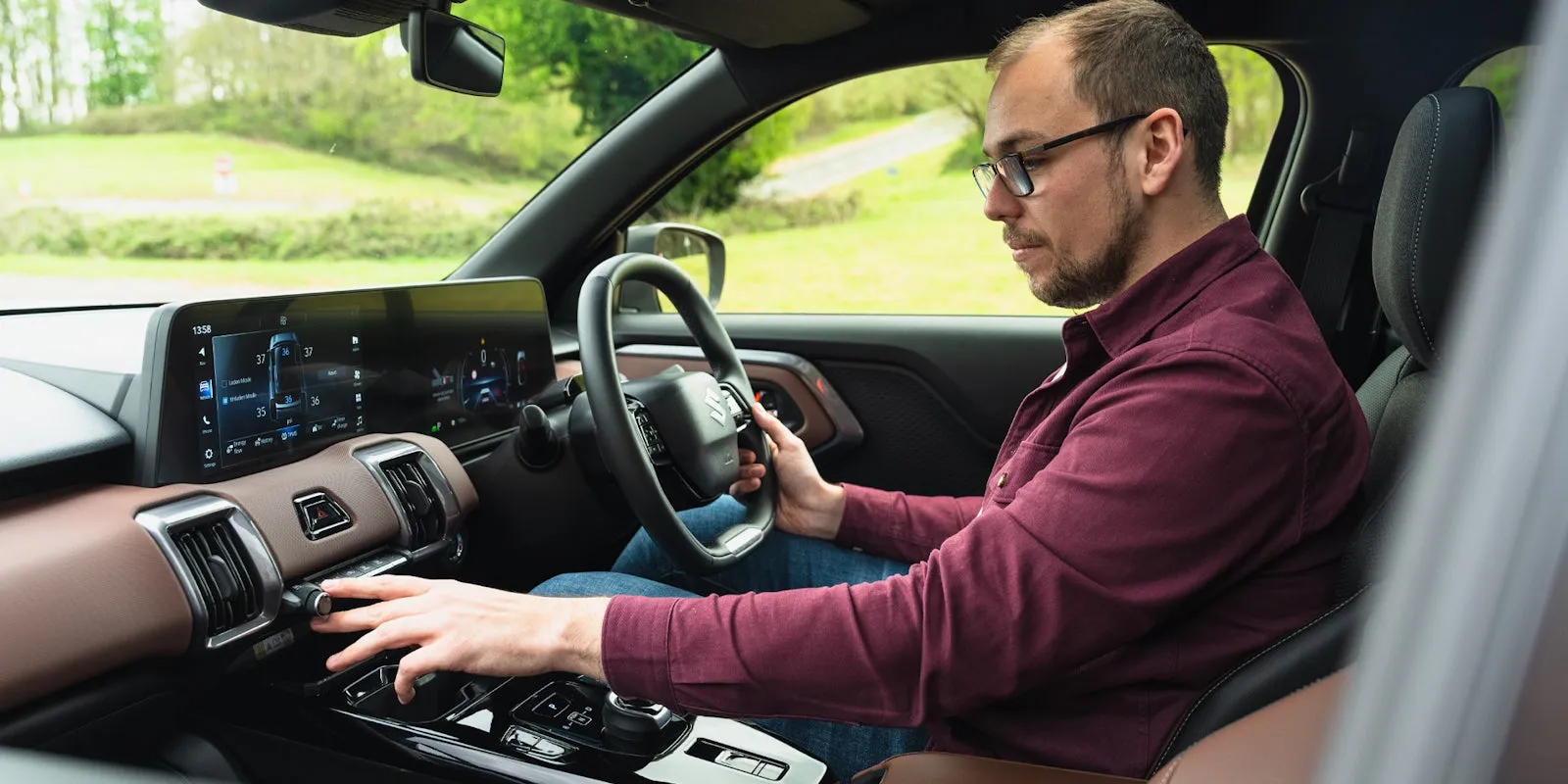
Modern Toyota vehicles often include hidden climate control features designed to improve cabin air quality and passenger comfort. Many drivers use only basic temperature adjustment without exploring advanced airflow settings, automatic humidity management, air purification systems, or dual zone synchronization controls.
Certain Toyota models contain cabin air filters capable of reducing dust, pollen, and airborne particles. Some premium trims include advanced purification technologies that help minimize odors and improve air freshness. Drivers living in polluted urban environments or regions with seasonal allergies may experience substantial comfort improvements by properly maintaining and activating these systems.
Automatic climate control systems in Toyota vehicles continuously monitor cabin temperature, sunlight intensity, and humidity levels to maintain comfort efficiently. However, drivers can usually customize airflow behavior through hidden settings. Features such as automatic recirculation mode help reduce outside pollution entering the cabin during heavy traffic conditions.
Rear passenger climate controls in SUVs and larger Toyota vehicles often include separate airflow intensity settings hidden within rear console menus. Families traveling with children or elderly passengers can improve comfort significantly by learning how these controls operate fully.
Toyota hybrid vehicles may include eco climate modes that optimize air conditioning efficiency to preserve battery performance and fuel economy. These settings balance comfort with energy savings intelligently. Drivers who frequently use maximum cooling settings may unknowingly reduce efficiency, while eco modes provide more balanced operation.
Understanding climate system features also improves windshield defogging and winter driving visibility. Automatic humidity management helps reduce interior condensation more effectively than manual adjustments alone. This hidden functionality improves safety while reducing driver distraction during challenging weather conditions.
Toyota designs climate systems to operate quietly and intelligently in the background. Owners who take time to explore advanced settings often discover a far more sophisticated cabin comfort experience than they initially realized.
8. Steering Wheel Multi-Function Shortcuts
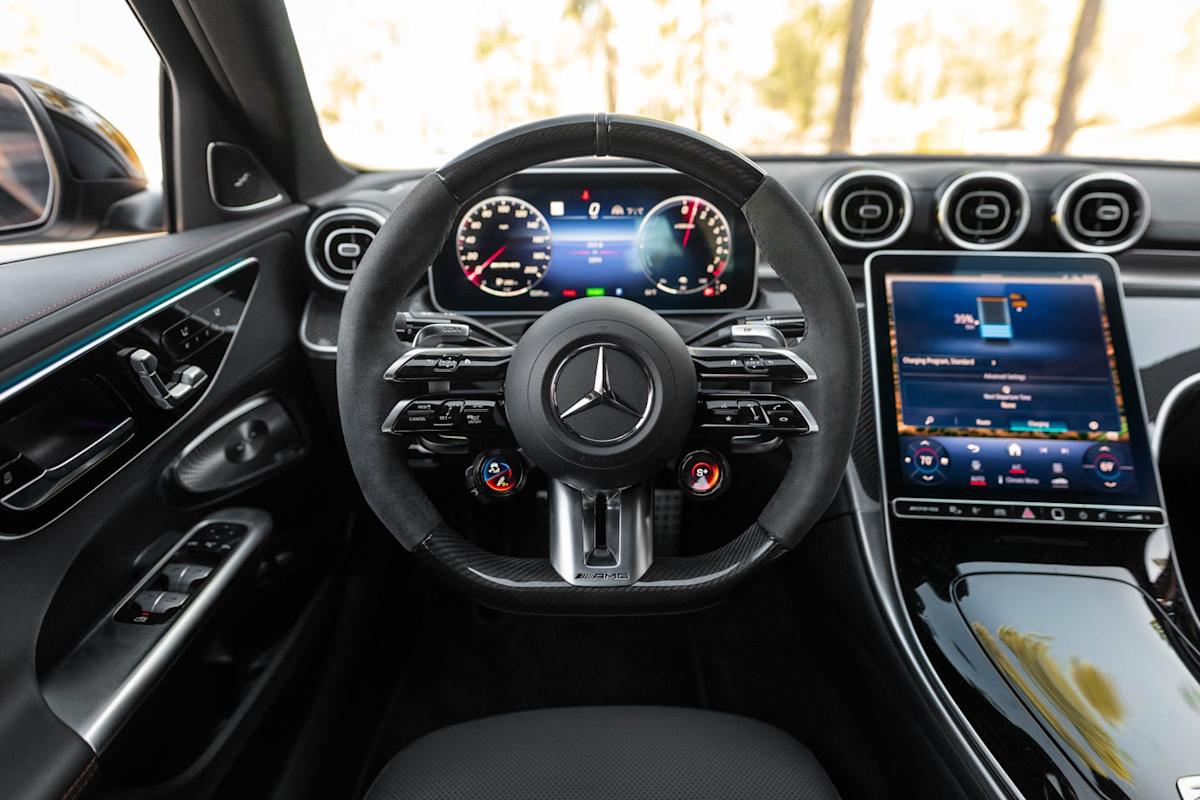
Toyota steering wheels contain far more functionality than many drivers use daily. Beyond audio volume and call controls, modern Toyota steering wheel systems often provide hidden shortcuts for navigation menus, driver assistance settings, voice commands, and information display customization.
Certain Toyota models allow customizable shortcut assignments. Drivers may configure preferred information screens, favorite contacts, or audio functions for quicker access. This personalization makes the vehicle feel more intuitive and responsive to individual habits.
Voice command systems integrated into steering wheel controls can also manage navigation, music selection, climate adjustment, and phone calls. While voice systems vary in accuracy depending on the model generation, they can significantly reduce manual interaction with infotainment screens during driving.
Toyota’s driver information displays frequently contain hidden customization menus accessible only through steering wheel navigation buttons. Owners can modify units of measurement, safety alert behavior, display themes, and trip monitoring systems directly from these menus. Because the interfaces sometimes appear complex initially, many drivers never explore the full range of options available.
Advanced Toyota safety systems, such as lane tracing assist, road sign recognition, and adaptive cruise functions, also rely heavily on steering wheel controls for activation and adjustment. Understanding these buttons fully unlocks much of the vehicle’s intelligent driving technology.
Long-distance drivers particularly benefit from mastering steering wheel shortcuts because they reduce fatigue and distraction during extended highway travel. Efficient access to navigation and media functions creates a smoother and safer driving experience.
Toyota carefully designs these controls to remain ergonomic and easy to reach. Once drivers become familiar with hidden steering wheel functions, daily vehicle interaction becomes significantly more convenient and enjoyable.
9. Tire Pressure Monitoring Insights and Calibration
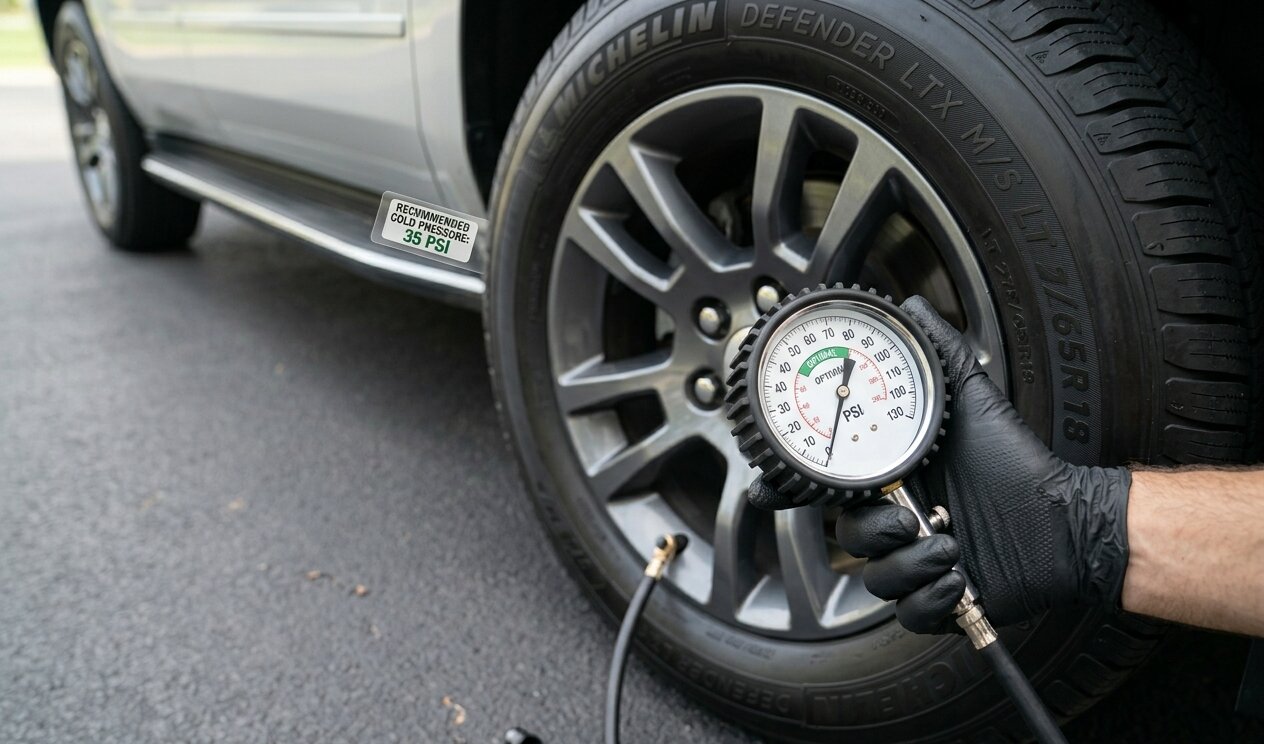
Most drivers recognize the tire pressure warning light, but Toyota’s tire pressure monitoring systems often provide far more functionality than simple warnings. Hidden calibration features and pressure monitoring tools help improve safety, tire lifespan, fuel efficiency, and ride quality.
Proper tire pressure affects nearly every aspect of vehicle performance. Underinflated tires increase fuel consumption, reduce handling precision, and accelerate tire wear. Overinflated tires may create harsher ride quality and uneven wear patterns. Toyota’s monitoring systems help maintain optimal pressure balance, but many drivers fail to recalibrate the system after tire rotations, seasonal changes, or pressure adjustments.
Some advanced Toyota systems display individual tire pressures directly on the dashboard or infotainment screen. This allows drivers to identify gradual pressure loss before serious problems develop. Monitoring each tire individually improves safety during long-distance travel and extreme weather conditions.
Temperature fluctuations significantly affect tire pressure. Cold mornings may trigger temporary warning lights even when no puncture exists. Understanding how Toyota’s monitoring system interprets pressure changes helps drivers respond appropriately rather than panicking unnecessarily.
Toyota vehicles equipped with off-road capabilities may also benefit from temporary tire pressure adjustments for terrain adaptation. Drivers exploring sand, snow, or rough trails sometimes reduce pressure intentionally for improved traction. Knowing how to recalibrate and restore settings afterward helps maintain long-term tire health and system accuracy.
Fuel economy improvements from proper tire pressure are often underestimated. Correctly inflated tires reduce rolling resistance, helping Toyota vehicles achieve their intended efficiency targets. Hybrid models especially benefit because efficient rolling characteristics support electric motor performance and regenerative braking effectiveness.
