
Car culture has always been about more than transportation. For some drivers, a vehicle is simply a tool that gets them from one place to another. For others, it becomes a passion, a statement, or even a lifestyle. That difference in perspective is where certain cars begin to stand out in unexpected ways.
Some vehicles build loyal communities that go far beyond typical ownership. These cars attract people who appreciate very specific qualities, whether it is unusual design, driving feel, engineering quirks, or a deeper emotional connection that is hard to explain. To outsiders, these choices can seem confusing, even irrational. Yet for those who understand, the appeal runs deep.
A car with a cult following often succeeds in areas that are not always measured by horsepower figures or luxury features. It might deliver a unique driving experience, a strong sense of identity, or a connection to a particular era or philosophy. These elements create a bond between the car and its owners that goes beyond practical reasoning.
This list highlights nine cars that have earned strong, sometimes puzzling loyalty from their communities. Each one represents a different type of appeal, showing how varied automotive passion can be. Some prioritize driving purity, others lean into bold design, and a few stand out simply because they refuse to follow conventional expectations.
Understanding these cars requires looking past surface impressions. What seems unusual at first often reveals a deeper story once you take a closer look.
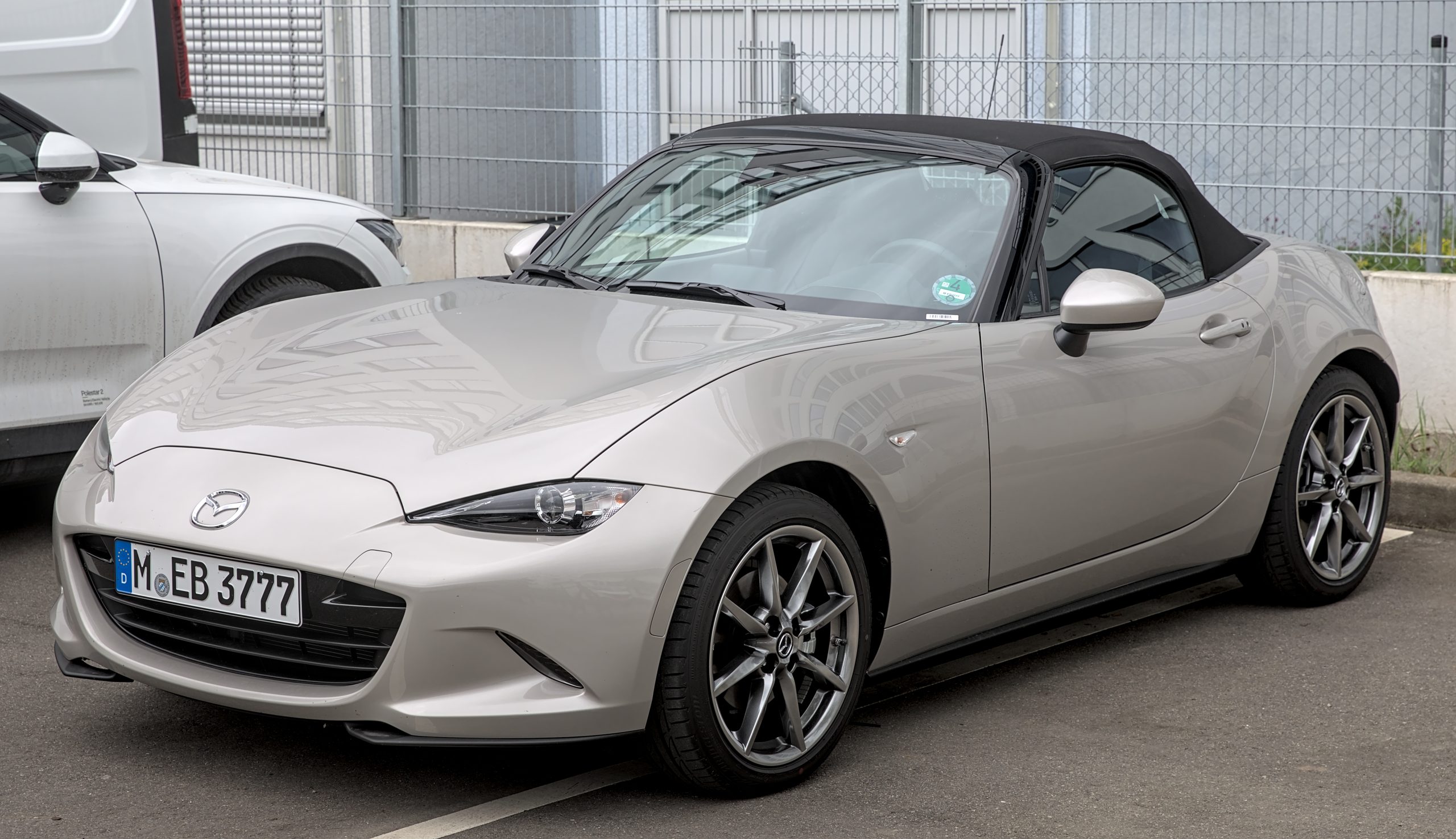
1. Mazda MX-5 Miata (ND Generation Lightweight Roadster)
Lightweight simplicity rarely dominates modern automotive discussions, yet the Mazda MX-5 Miata continues to prove that less can feel like more. At first glance, it does not appear intimidating. Power figures remain modest, and the design avoids aggressive styling cues seen in many performance cars. That alone can confuse drivers who associate excitement with high horsepower numbers.
Everything changes once the car starts moving. The Miata delivers a level of balance that makes every corner feel engaging. Steering feedback is immediate, throttle response feels natural, and the lightweight chassis creates a connection between driver and road that is hard to replicate. This experience becomes the core reason behind its loyal following.
Owners often describe the Miata as a car that rewards attention rather than brute force. It does not rely on overwhelming speed. Instead, it encourages precise inputs and smooth driving techniques. That quality transforms even ordinary roads into enjoyable driving experiences, something many higher-powered cars fail to achieve.
Another aspect that builds its cult status is accessibility. The Miata remains relatively affordable, allowing more drivers to experience a pure sports car without stepping into extreme price ranges. Maintenance costs are manageable, and reliability adds to its appeal as a long-term ownership option.
Critics sometimes dismiss it as underpowered, missing the intention behind its design. Enthusiasts, however, understand that its charm lies in how it makes driving feel. It is not about dominating straight-line performance but about creating a consistent sense of engagement.
That difference in philosophy explains why the Miata continues to attract such dedicated loyalty. It delivers something that cannot be measured easily, and once experienced, it becomes difficult to replace.
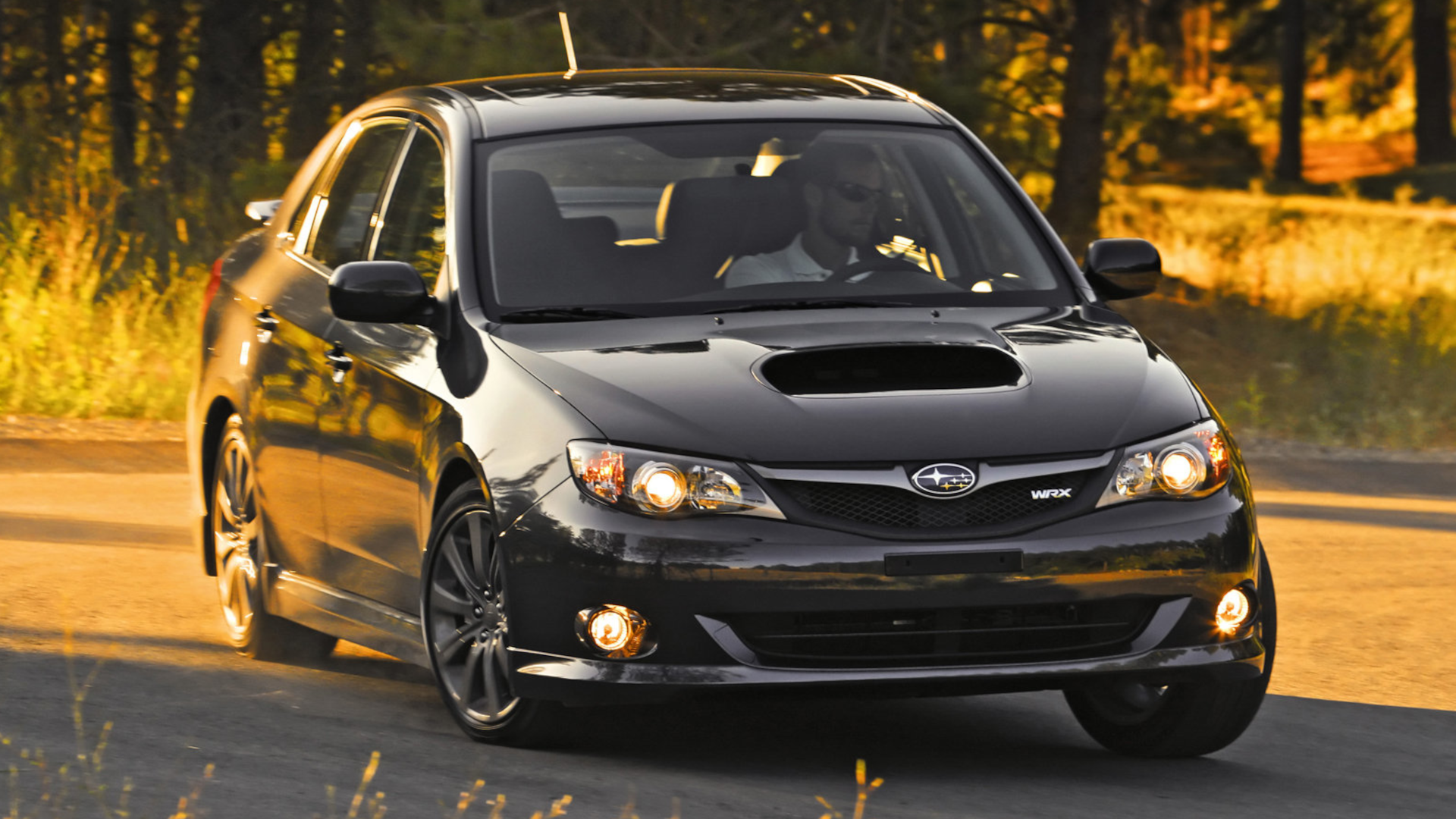
2. Subaru WRX STI (Rally-Bred Performance Sedan)
Few cars carry a sense of raw character quite like the Subaru WRX STI. Its aggressive styling and performance heritage hint at something special, yet its appeal often goes beyond what casual observers expect. To many drivers, it looks like just another sporty sedan. To its community, it represents a direct connection to rally racing history.
The driving experience plays a major role in shaping that perception. Turbocharged power delivery comes with a distinctive surge, paired with an all-wheel-drive system that provides strong traction in various conditions. The result is a car that feels planted and capable, especially on challenging surfaces where others struggle.
Inside the cabin, refinement takes a back seat to function. Materials may not match luxury competitors, and ride comfort can feel firm during daily driving. These traits often confuse those who expect a more polished experience at its price point. Enthusiasts, however, appreciate the focus on performance rather than comfort.
Mechanical feel remains a defining trait. Gear changes feel deliberate, steering communicates clearly, and the engine delivers a sound that has become instantly recognizable. These characteristics create a driving experience that feels authentic rather than filtered.
Community culture also strengthens its following. Owners often connect through shared interest in performance upgrades, motorsport inspiration, and driving events. The WRX STI becomes more than a car; it becomes part of a larger identity tied to rally roots and performance driving.
From an outsider’s perspective, its compromises can seem difficult to justify. From within the community, those same traits become part of its charm. That difference explains why the WRX STI maintains such a devoted following despite changing trends in the automotive market.
Also Read: 10 Cars Where the Cheaper Option Was Always the Smarter One

3. Jeep Wrangler Rubicon (Off-Road Icon With Daily Trade-Offs)
Practicality does not always define loyalty, and the Jeep Wrangler Rubicon proves that point clearly. Its design prioritizes off-road capability above almost everything else, which creates a driving experience that can feel unusual on paved roads.
High ground clearance, solid axles, and removable panels make it one of the most capable off-road vehicles available. These features allow it to handle roads that would stop most vehicles immediately. That capability forms the foundation of its appeal, especially for drivers who enjoy outdoor exploration.
Daily driving, however, introduces compromises. Steering can feel less precise, road noise is more noticeable, and ride comfort does not match modern SUVs built for highway travel. These factors often leave casual drivers wondering why anyone would choose it over more refined alternatives.
Owners see it differently. The Wrangler offers a sense of freedom that few vehicles can match. The ability to remove doors and roof panels creates an open-air driving experience that feels unique. Combined with its rugged personality, it delivers something that feels more like an adventure tool than a standard vehicle.
Customization also plays a major role in its following. Aftermarket support allows owners to modify nearly every aspect, from suspension lifts to specialized off-road equipment. This flexibility turns each Wrangler into a personal project, strengthening the bond between driver and vehicle.
What seems impractical to some becomes essential to others. The Wrangler Rubicon stands as a reminder that capability and character can matter more than comfort for certain drivers.
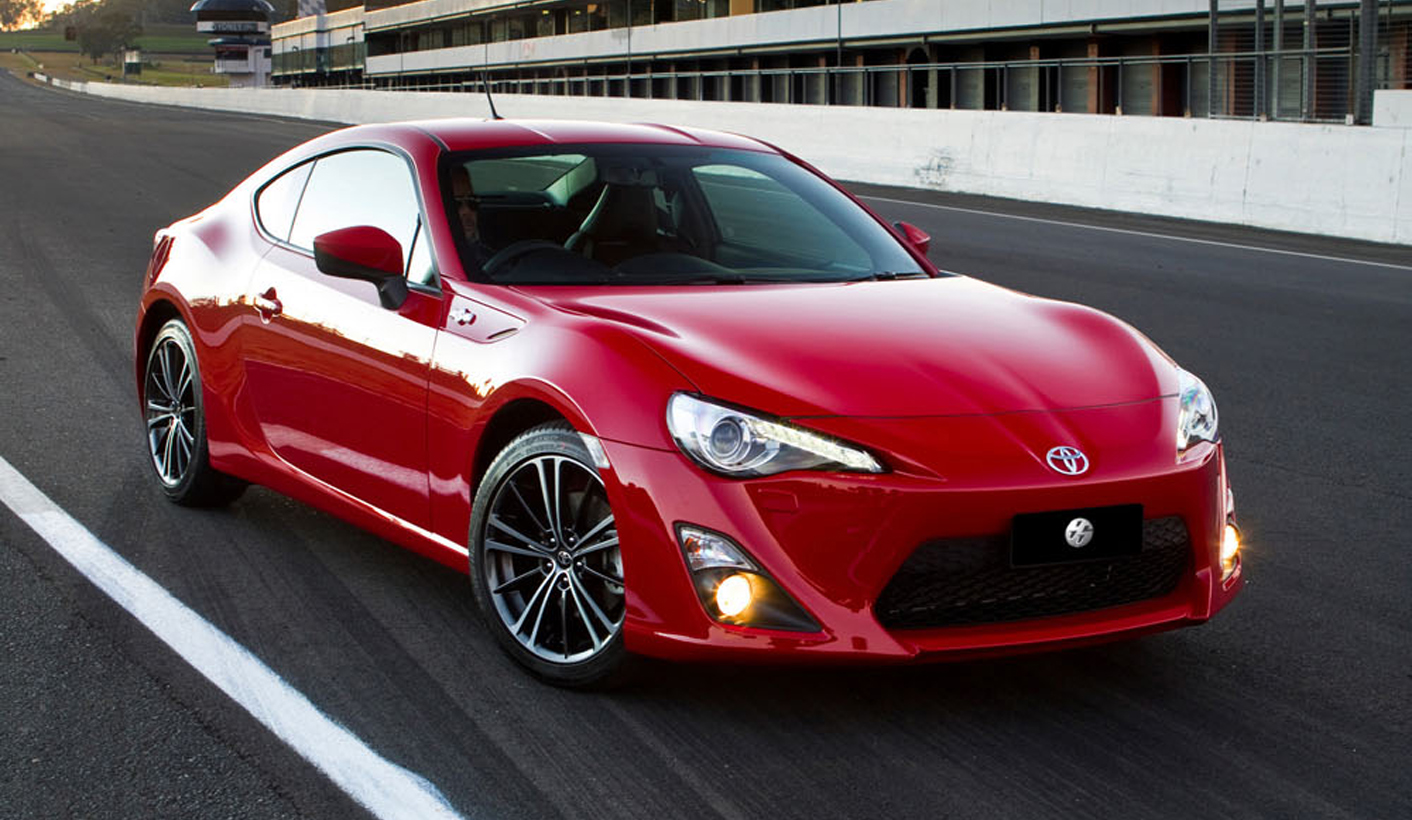
4. Toyota 86 (Rear-Wheel Drive Purist Coupe)
An emphasis on balance rather than outright power defines the Toyota 86, and this design philosophy often leaves a mixed impression on observers who associate performance with high horsepower figures. At face value, the specifications appear restrained, especially when placed beside rivals that promote larger engines and faster acceleration times.
Yet, such an assessment does not fully capture the intention behind the vehicle’s engineering. Once in motion, the Toyota 86 reveals its true character through its carefully calibrated dynamics. The rear-wheel-drive configuration, combined with a relatively light chassis, delivers a driving experience that prioritises control and responsiveness.
Steering input translates directly to vehicle movement, allowing the driver to maintain confidence when approaching bends. Cornering becomes the central strength, as the car encourages smooth handling techniques and rewards precision rather than aggressive throttle application. This behaviour allows drivers to build skill through practice, making each journey an opportunity for refinement.
Interior presentation reflects a deliberate decision to maintain focus on the driving task. Surfaces are practical, with minimal emphasis placed on luxury materials or elaborate features. Controls are positioned with clarity, ensuring that the driver can operate the vehicle without unnecessary distraction.
While some may interpret this simplicity as a lack of refinement, it aligns with the vehicle’s purpose of delivering a focused and engaging driving environment. A strong following has developed around the Toyota 86 due to its educational value for drivers.
Many enthusiasts regard it as an ideal platform for understanding fundamental driving techniques, particularly balance, weight transfer, and throttle control. Its predictable handling characteristics allow drivers to approach performance limits in a measured and controlled manner, reducing the likelihood of unexpected behaviour during spirited driving.
Adaptability also contributes to its appeal. Owners frequently modify suspension systems, tyres, and engine components to suit individual preferences. This flexibility allows the vehicle to serve as a foundation for personal expression while maintaining its core identity. As a result, it continues to hold a respected position among driving enthusiasts who value engagement over raw output.
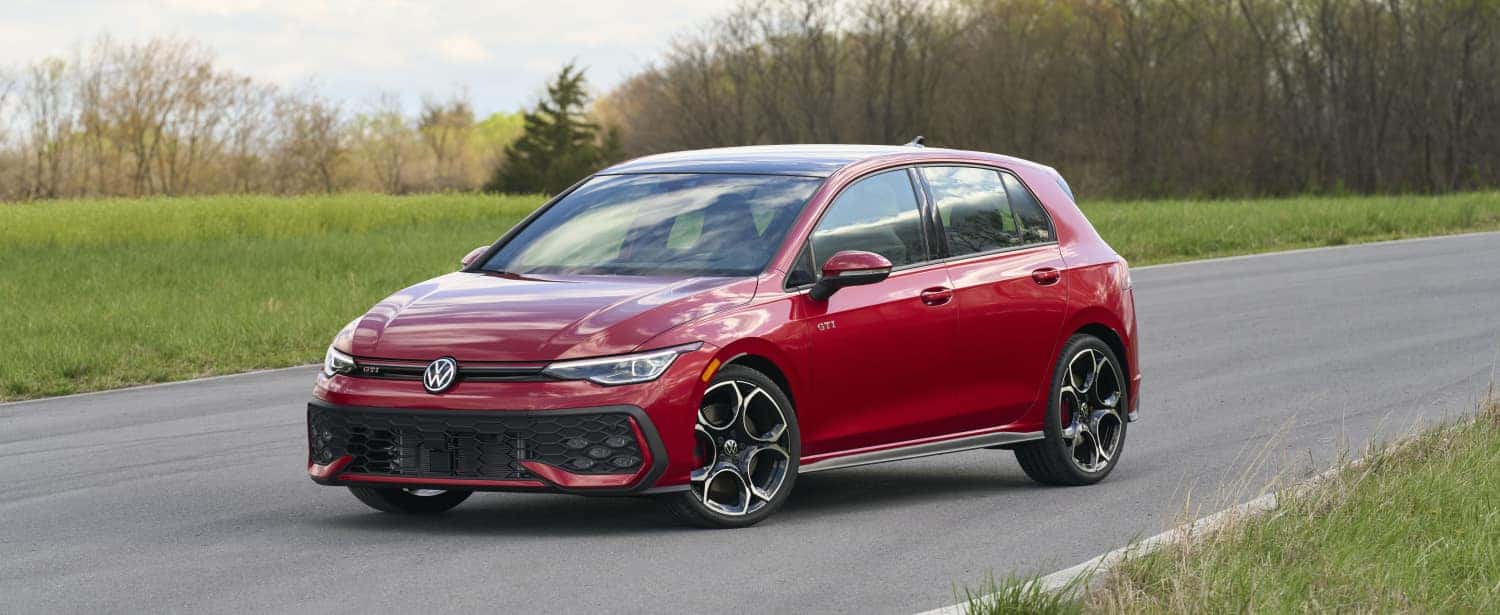
5. Volkswagen Golf GTI (Hot Hatch With Everyday Appeal)
Versatility forms the foundation of the Volkswagen Golf GTI, yet its enduring following stems from qualities not immediately apparent to casual observers. It combines practicality with performance in a manner that feels accessible, which can make its appeal less dramatic compared to more aggressive sports models.
Even so, its balanced nature continues to attract a dedicated group of drivers who appreciate consistency across multiple areas. Power delivery is measured and refined, allowing the vehicle to operate comfortably in daily conditions. The turbocharged engine produces sufficient output to provide engaging acceleration without becoming difficult to manage.
This approach ensures that the car remains suitable for routine use while still offering moments of excitement when required. Drivers benefit from a level of performance that integrates seamlessly into everyday driving rather than overwhelming it.
Cabin quality reinforces this balanced approach. Materials are selected with care, and the layout is arranged to support ease of use. Controls are intuitive, reducing the learning curve for new drivers, while the entire finish creates an impression of durability. Such attention to detail contributes to a sense of refinement that distinguishes the Golf GTI within its category.
Handling remains composed and predictable, even during more spirited driving. The front-wheel-drive configuration is supported by engineering solutions that maximise traction and maintain stability. Steering response is accurate, allowing the driver to guide the vehicle with confidence. These characteristics create a sense of control that enhances both safety and enjoyment.
Enthusiasts value the Golf GTI for its ability to perform reliably across different driving scenarios. It does not rely on extreme attributes to establish its identity; rather, it achieves consistency through careful engineering. This balance allows it to serve as a practical daily vehicle while retaining the ability to deliver engaging performance when desired.
From an external viewpoint, the Golf GTI may appear too restrained to justify strong loyalty. Within its community, however, that restraint is precisely what defines its appeal. It demonstrates that a well-rounded vehicle, capable of meeting diverse needs without compromise, can inspire lasting appreciation among those who understand its strengths.
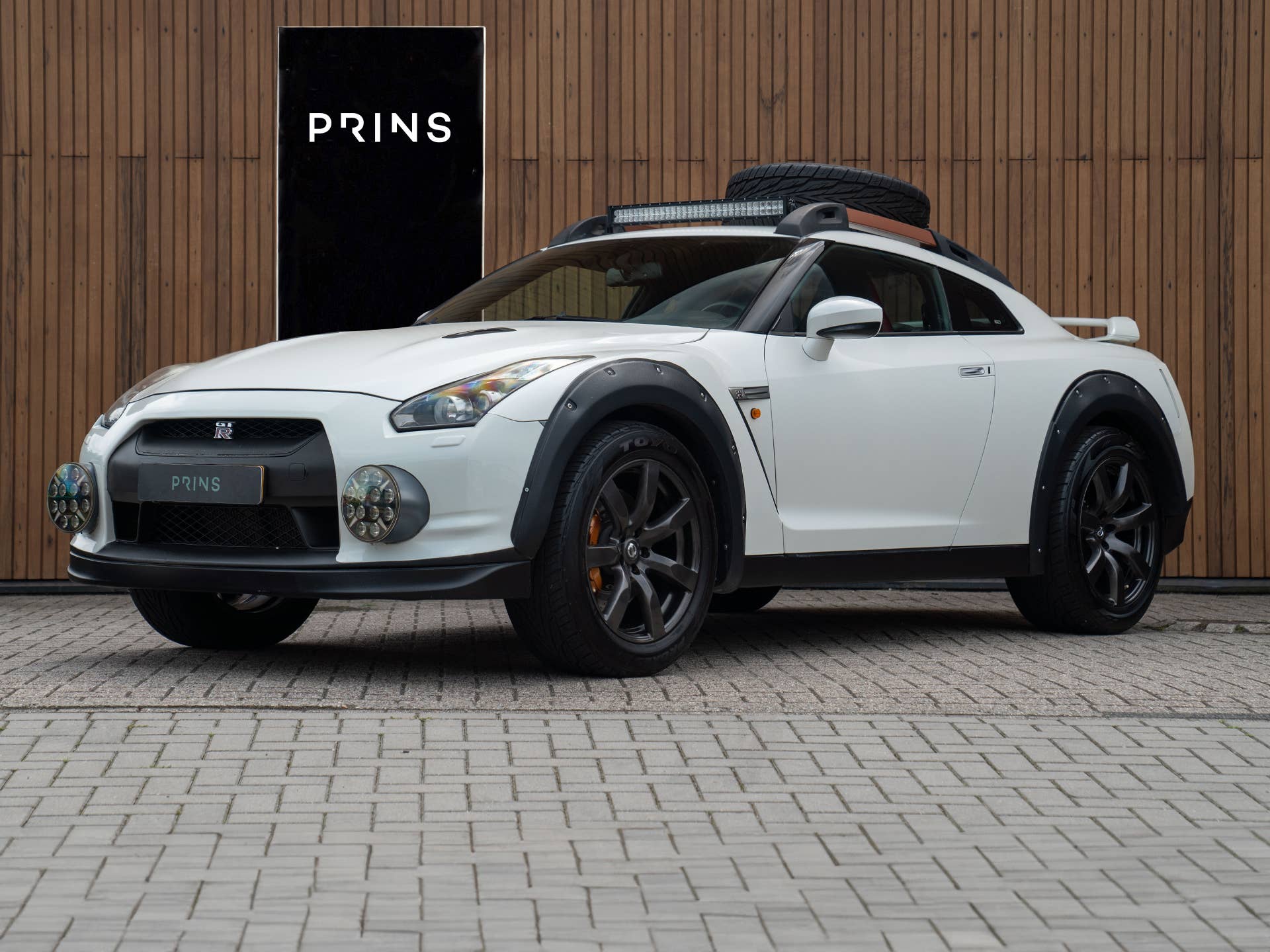
6. Nissan GT-R R35 (Technology-Driven Supercar Disruptor)
Performance expectations often follow tradition, yet the Nissan GT-R R35 broke away from those expectations the moment it arrived. Instead of relying on heritage styling or exotic branding, it leaned heavily into technology, precision engineering, and relentless performance capability. That approach created a loyal following that values results over image, even if some drivers struggle to understand its appeal.
Numbers alone tell part of the story. Acceleration is brutal, grip levels are extremely high, and the all-wheel-drive system works constantly to maximize traction. Launch control delivers repeatable performance that rivals far more expensive machines. For drivers who prioritize measurable capability, the GT-R quickly earns respect.
A different perspective emerges when focusing on feel. Critics sometimes describe it as less emotional compared to traditional sports cars. Steering can feel filtered, and the driving experience relies heavily on electronic systems managing power distribution. This creates a perception that the car does too much of the work for the driver.
Supporters see this as progress rather than a drawback. The GT-R represents a new way of thinking about performance, where advanced systems enhance capability instead of limiting it. The result is a car that can deliver extreme speed with a level of consistency that older designs struggle to match.
Interior design reflects its performance-first mindset. It may not match the craftsmanship of luxury rivals, yet it offers a functional layout with performance data displayed clearly. Everything serves a purpose, reinforcing the car’s identity as a precision tool.
Tuning culture plays a major role in its following. The GT-R responds well to upgrades, with owners often pushing performance far beyond factory specifications. This adaptability turns it into a platform for experimentation, further strengthening its reputation among enthusiasts.
Understanding the GT-R requires accepting that performance can come from technology as much as mechanical feel. Once that perspective clicks, its appeal becomes much easier to appreciate.
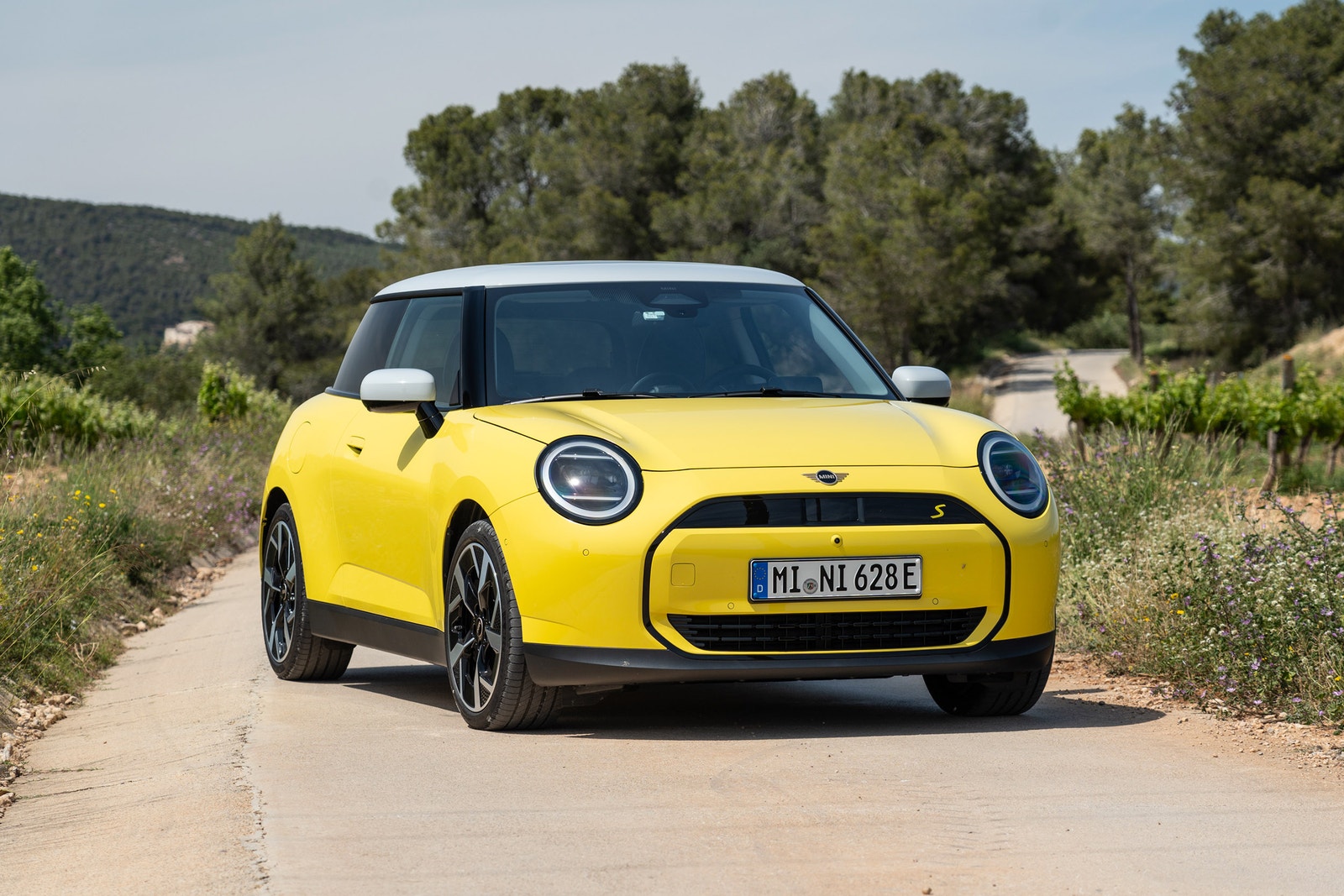
7. Mini Cooper S (Modern Compact With Strong Personality)
Small size does not usually inspire deep loyalty, yet the Mini Cooper S manages to build a following that goes far beyond what its dimensions suggest. Its appearance plays a major role in that appeal, blending retro design cues with modern touches in a way that feels both familiar and fresh.
Rounded headlights, a contrasting roof, and compact proportions give it a personality that stands out in traffic. For some drivers, that styling feels playful and unique. For others, it raises questions about whether the car prioritizes looks over everyday usefulness.
Behind the wheel, the Mini Cooper S quickly shows why it earns such devotion. Steering feels sharp and immediate, allowing the driver to place the car precisely on the road. A short wheelbase enhances that sense of agility, making quick direction changes feel natural and controlled.
City driving becomes more engaging as tight streets and corners turn into opportunities to enjoy the car’s responsiveness. Acceleration from its turbocharged engine adds energy to the experience, delivering enough power to keep things lively without overwhelming the chassis.
Comfort, however, is not its strongest attribute. Ride quality can feel firm, especially on uneven pavement, where bumps are more noticeable than in larger vehicles. Cabin space reflects the car’s compact footprint, with limited rear seating that may not suit taller passengers during longer trips.
Storage space is also modest, which can make daily errands or road trips less convenient. These limitations often lead critics to question whether the Mini Cooper S works well as a primary vehicle for all situations. Owners tend to view those compromises differently. Instead of focusing on what the car lacks, they emphasize how it feels to drive.
The Mini offers a sense of involvement that encourages active participation behind the wheel. Quick reactions, precise inputs, and a lively character make even short drives feel enjoyable. That emotional connection often outweighs concerns about space or ride softness, especially for drivers who value personality in their vehicles.
Step inside, and the interior continues to reflect that distinct approach. Circular design elements appear throughout the cabin, from the central display to air vents and instrument details. Ambient lighting options add a modern touch, allowing drivers to personalize the atmosphere.
Materials feel solid, and the layout avoids blending into the generic designs seen in many compact cars. Every detail seems intended to reinforce the car’s identity as something different rather than conventional. Beyond the car itself, a strong sense of community adds to its appeal.
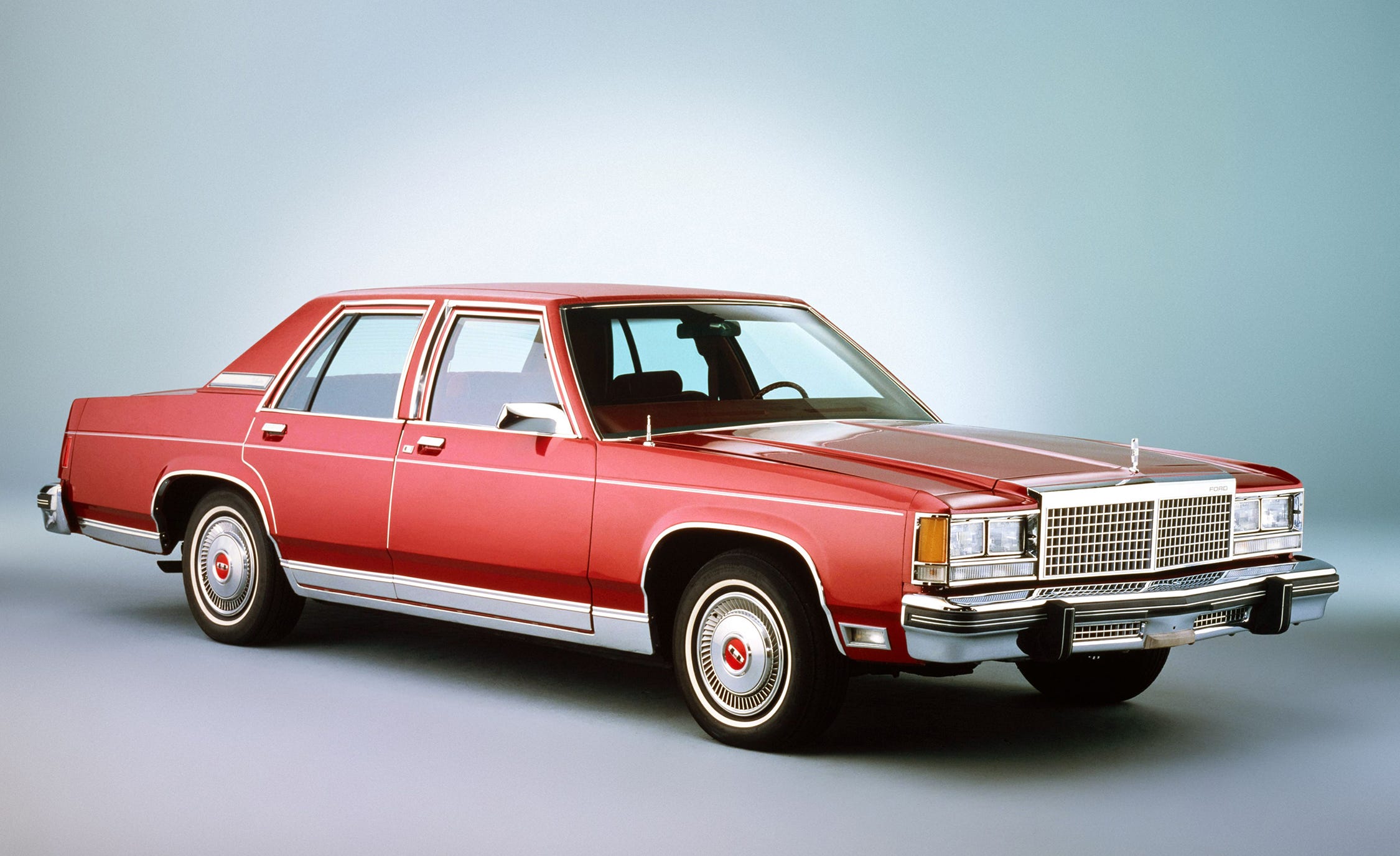
8. Ford Crown Victoria (Retired Fleet Sedan With Unexpected Loyalty)
A former fleet vehicle rarely inspires strong emotional attachment, yet the Ford Crown Victoria has built a following that continues long after production ended. Its association with police departments and taxi services gives it an image rooted in utility rather than excitement, which makes its cult status seem surprising.
Durability sits at the center of its appeal. Built on a body-on-frame platform, the Crown Victoria handles heavy use with ease. Its V8 engine delivers steady power, and its simple mechanical design allows for straightforward maintenance. These qualities make it attractive for drivers who value longevity over modern features.
Driving experience feels different from contemporary sedans. Steering is less precise, ride quality leans toward softness, and handling does not aim for agility. For some, this creates a sense of detachment from the road. For others, it provides a relaxed and comfortable driving style that feels increasingly rare.
Interior space stands out as a strong advantage. The cabin offers generous room for passengers, making it suitable for long trips or daily commuting. Controls remain simple and easy to use, avoiding the complications found in newer vehicles. Customization culture has grown around the Crown Victoria in unexpected ways.
Some owners modify them for performance, while others preserve their original fleet appearance. This diversity adds to its appeal, allowing each car to reflect a different personality. Critics often see it as outdated, lacking modern technology and refinement.
Enthusiasts appreciate its straightforward design and reliability, viewing it as a dependable machine that delivers exactly what it promises. The Crown Victoria proves that loyalty can form around durability and simplicity, even when excitement is not the primary focus.
Also Read: 10 Cars With Kill Switches Hidden From the Factory in Case Stolen
:
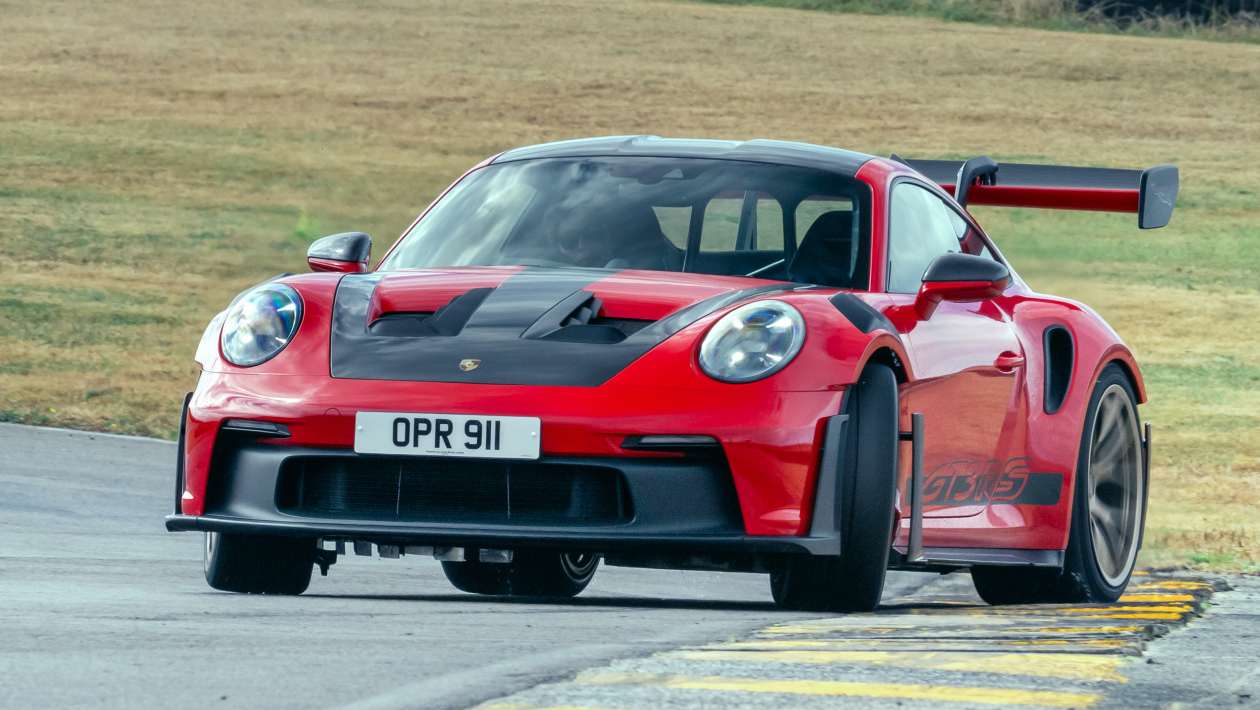
9. Porsche 911 GT3 (Track-Focused Precision Machine)
High-performance cars often chase attention through raw power figures or dramatic styling, yet the Porsche 911 GT3 earns its reputation in a very different way. It builds loyalty through precision, consistency, and a driving experience that feels carefully engineered rather than exaggerated.
That approach can seem puzzling at first glance, especially for drivers who expect comfort and convenience from a modern sports car. Still, for those who understand its purpose, the appeal becomes clear very quickly. Unlike many performance vehicles that rely heavily on turbocharging, the GT3 uses a naturally aspirated flat-six engine that thrives at high revs.
Power delivery feels smooth and predictable, encouraging drivers to push the engine toward its upper limits. Instead of delivering sudden bursts of force, it builds speed in a controlled and progressive manner. That characteristic rewards patience and skill, making acceleration feel more engaging rather than overwhelming.
The sound of the engine as it climbs through the rev range adds another layer to the experience, creating a connection that feels mechanical and authentic. Handling is where the GT3 truly separates itself. Steering response feels direct and highly communicative, allowing the driver to sense exactly what the front tires are doing at any moment.
Suspension tuning is firm, yet it serves a clear purpose by keeping the car stable during aggressive cornering. Body movement is tightly controlled, which allows the driver to maintain confidence even at higher speeds. Braking performance remains consistent, providing strong stopping power without fade during repeated use. These qualities combine to create a driving experience that feels precise, almost surgical in execution.
Daily comfort, however, is not the main priority here. Ride quality can feel stiff, especially on rough roads, and cabin noise becomes more noticeable when driving aggressively. For someone expecting a relaxed commute, these traits may come across as unnecessary or even uncomfortable.
Yet, for drivers who value performance above all else, those compromises feel justified. Every element of the car is designed to support driving focus rather than relaxation. Inside the cabin, the layout reflects that same philosophy. Materials are refined and well-crafted, though the emphasis remains on function.
