
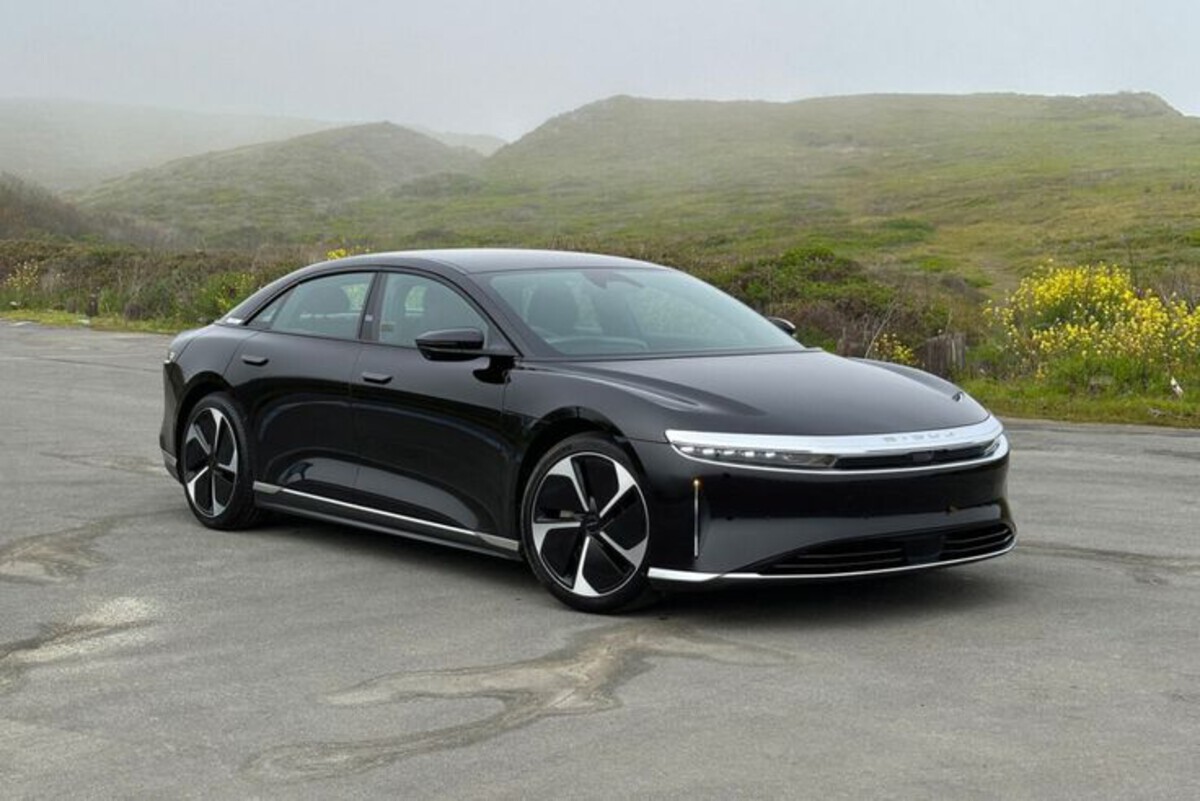
Modern vehicles are no longer just machines powered by engines and mechanical systems. They are now deeply integrated digital platforms filled with software, sensors, touch displays, cloud connectivity, and electronic control modules.
Over the last decade, automakers have aggressively shifted toward touchscreen-centered interiors in an effort to create futuristic cabins and streamline controls. While this transition has introduced impressive convenience features, it has also created a serious concern for reliability and safety.
In several modern vehicles, the touchscreen is no longer just an infotainment display used for music or navigation. It has become a critical gateway to essential driving functions, including climate controls, drive settings, security systems, and in some cases, vehicle startup procedures.
This growing dependency on digital interfaces has sparked debates among engineers, mechanics, and consumers alike. What happens if the touchscreen freezes, crashes, or becomes completely unresponsive? In some vehicles, the answer is alarming because the car may become impossible to start or operate properly.
The issue is tied to the increasing centralization of vehicle electronics. In traditional cars, physical switches and ignition systems operated independently from entertainment components. A failed radio or navigation system would not prevent the engine from running.
Today, however, many automakers connect multiple systems through integrated software architectures where one malfunction can affect several components at once. Vehicles equipped with digital key systems, touchscreen-based gear selectors, electronic immobilizers, and fully software-controlled cabins can experience startup problems if the main interface crashes.
Drivers have reported scenarios where frozen touchscreens disabled climate settings, prevented access to driving controls, interrupted key authentication, or locked up entire operating systems. In severe cases, the vehicle could not be started until the system rebooted or received a software reset.
This problem is not limited to electric vehicles. While EV manufacturers are often associated with heavy touchscreen usage, many luxury brands and mainstream automakers have adopted similar digital-first philosophies. Some vehicles rely so heavily on software integration that the infotainment screen effectively acts as the command center for the car’s electronic ecosystem.
If communication between modules fails, startup authorization can be interrupted. This creates a new type of automotive reliability challenge that previous generations of drivers never had to consider. Instead of worrying solely about dead batteries, faulty starters, or fuel delivery issues, owners now face the possibility of software crashes immobilizing their vehicles.
Despite these concerns, manufacturers continue pushing toward even larger screens and fewer physical buttons. Some modern interiors resemble smartphones on wheels, with nearly every function routed through touch controls. While companies often provide backup systems or hidden fail-safes, real-world incidents show that software instability can still leave drivers stranded.
Software updates have solved many issues over time, but they have also introduced new bugs and compatibility problems. Owners of several high-profile vehicles have documented touchscreen failures causing startup delays, key recognition errors, or complete operational shutdowns.
This article explores nine vehicles known for having significant touchscreen dependency tied to startup or operational capability. These examples are not meant to suggest that every unit of these models will fail, nor that they are inherently unreliable.
Instead, they demonstrate how deeply modern automotive systems now depend on software and digital interfaces. By examining these vehicles, drivers can better understand the advantages and risks of touchscreen-centric automotive design and why software stability has become just as important as engine reliability in the modern era.
Also read: 10 Cars Where the Cheaper Option Was Always the Smarter One
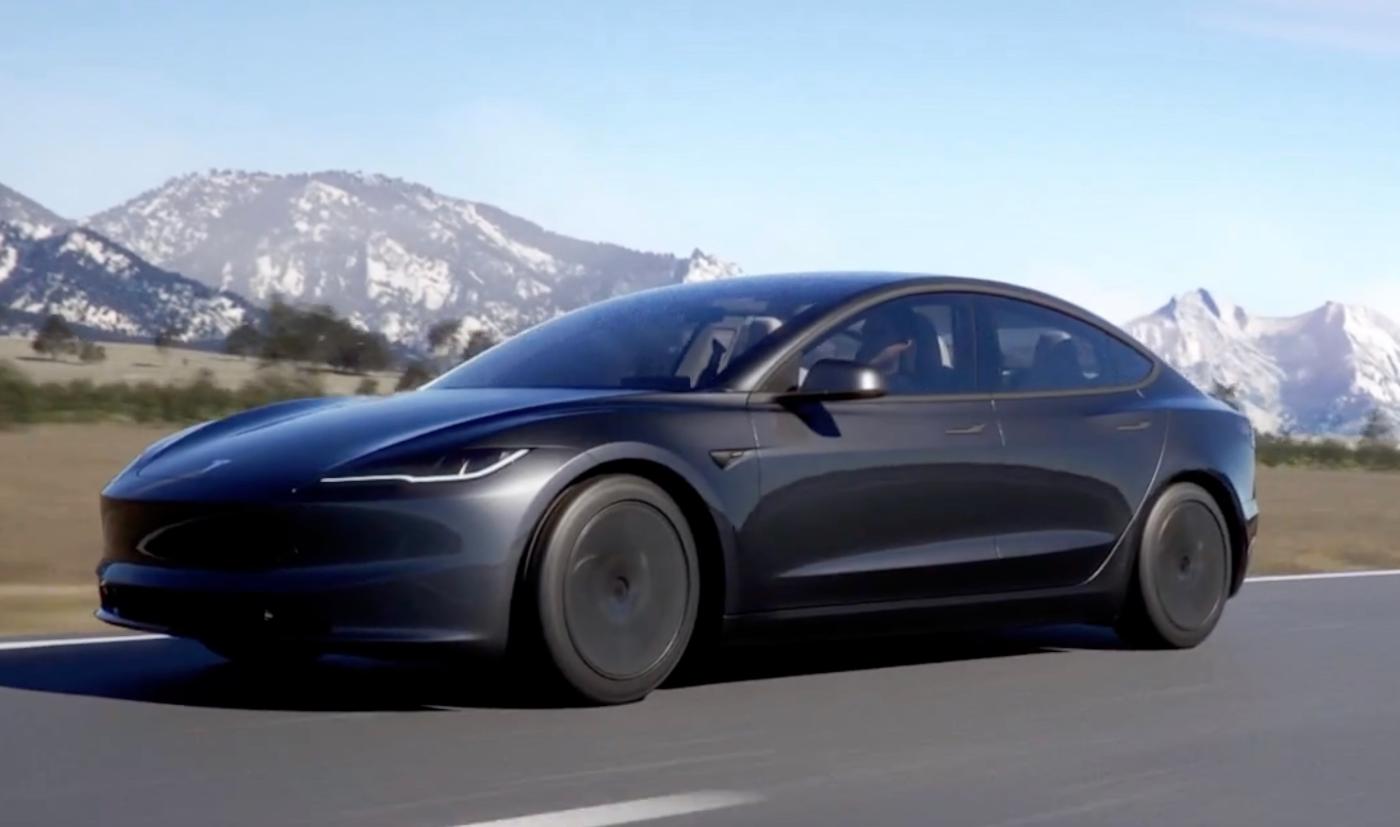
- Engine: Dual or single electric motor depending on variant
- Horsepower: Approximately 271 hp to 510 hp
- Torque: Approximately 307 lb ft to 554 lb ft
- Length: 184.8 inches
- Width: 72.8 inches
1. Tesla Model 3
The Tesla Model 3 is one of the clearest examples of a vehicle built around a touchscreen-first philosophy. Unlike traditional cars that use separate instrument clusters and physical controls, the Model 3 centralizes nearly every function into a large horizontal touchscreen mounted in the center of the dashboard.
Climate settings, mirror adjustments, glovebox access, lighting controls, and even windshield wiper customization are controlled digitally. The car also depends heavily on software communication between modules, making the touchscreen far more important than a simple infotainment device.
One of the biggest concerns among owners has been system freezes and black screen incidents. In several reported cases, the touchscreen became unresponsive while driving or during startup attempts. Since the display handles key authentication communication and startup prompts, crashes can create confusion or temporary immobilization.
Some owners found themselves unable to shift into drive because the system failed to recognize inputs properly. While Tesla vehicles technically have backup systems running behind the scenes, the user experience can become severely disrupted when the central display fails.
Tesla has issued software updates over the years to address many touchscreen stability issues. However, because the company relies heavily on over-the-air updates, new bugs occasionally emerge after fresh software releases.
Owners have reported situations where the vehicle required a hard reboot before becoming operational again. This is unusual compared to traditional vehicles, where restarting the radio would not impact driving functionality.
The dependency becomes even more significant because Tesla eliminated many physical redundancies found in conventional cars. There are no traditional analog gauges, dedicated HVAC buttons, or independent control modules accessible through physical switches. If the touchscreen crashes, drivers lose access to multiple systems simultaneously.
Although the car can sometimes still move after rebooting, startup procedures can become delayed or interrupted during severe software failures.
The Tesla Model 3 represents both the promise and the danger of software-defined vehicles. It offers cutting-edge technology, seamless updates, and a minimalist interior that many consumers love.
At the same time, it demonstrates how a touchscreen malfunction can evolve from a minor annoyance into a major operational issue. The Model 3 has become one of the defining examples of modern automotive software dependency.
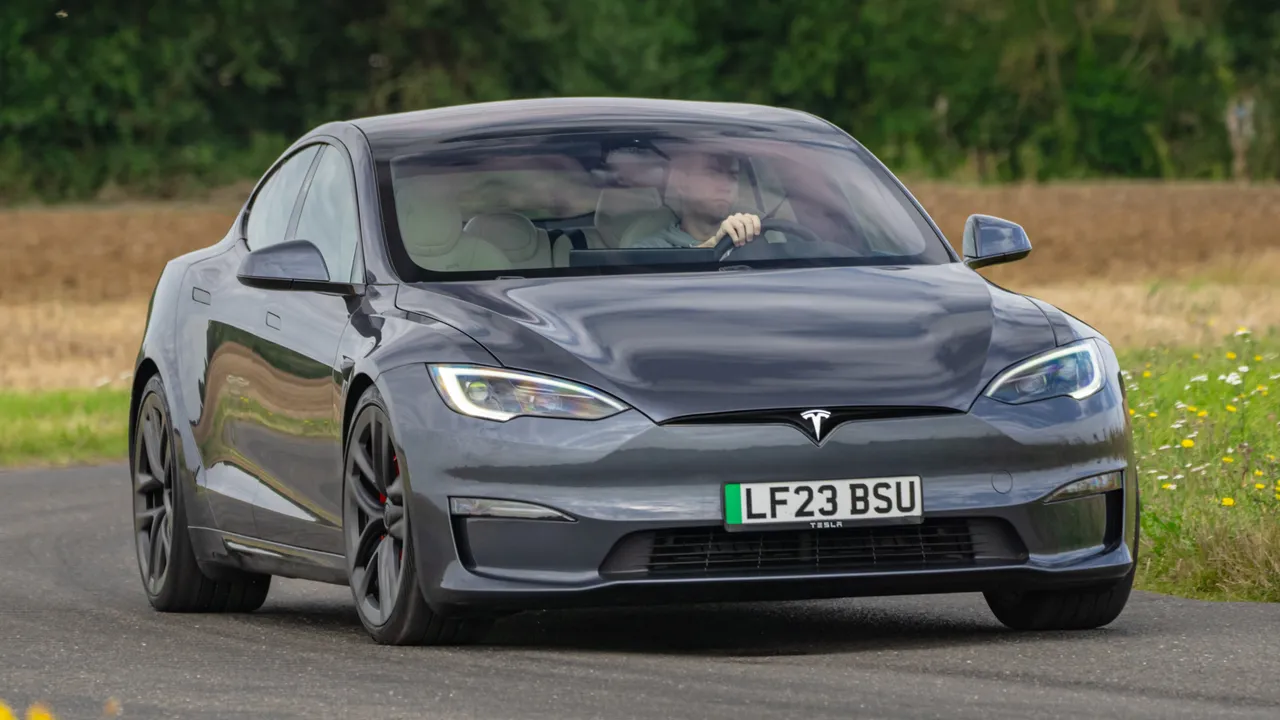
- Engine: Dual or tri motor electric setup depending on trim
- Horsepower: Approximately 670 hp to 1020 hp
- Torque: Approximately 713 lb ft to 1050 lb ft
- Length: 197.7 inches
- Width: 78.2 inches
2. Tesla Model S
The Tesla Model S helped redefine the luxury electric vehicle market by introducing one of the automotive industry’s earliest large-format touchscreen interfaces. Its massive vertical display became the centerpiece of the cabin and controlled everything from navigation to suspension settings.
Over time, Tesla expanded software integration so extensively that startup processes, charging controls, and security features all became tied to digital systems managed through the screen.
Early versions of the Model S experienced widespread touchscreen failures connected to memory chip degradation. Owners reported black screens, random reboots, and complete display failure. In some cases, drivers struggled to access key vehicle functions after the system crashed. Since the display handled communication for many operational settings, startup functionality could become compromised when the system malfunctioned.
A particularly controversial issue involved embedded memory chips wearing out over time due to excessive data logging. As storage capacity degraded, touchscreen reliability suffered significantly. Tesla eventually faced regulatory scrutiny over the issue because failures could disable backup cameras, defrost controls, and other important features.
Some owners described scenarios where the car became difficult to operate because the touchscreen would not initialize properly during startup.
Unlike conventional luxury sedans that maintain independent systems for critical operations, the Model S integrated many functions into a centralized software architecture. This meant a failing display could impact far more than entertainment features. Drivers often had to perform steering wheel button resets to reboot the vehicle before driving normally again.
Despite these concerns, the Model S remains one of the most technologically advanced luxury EVs available. Tesla’s software ecosystem allows for rapid feature deployment and performance enhancements unavailable in many traditional cars. However, the touchscreen-related startup concerns illustrate the downside of relying too heavily on centralized digital systems without sufficient physical backups.
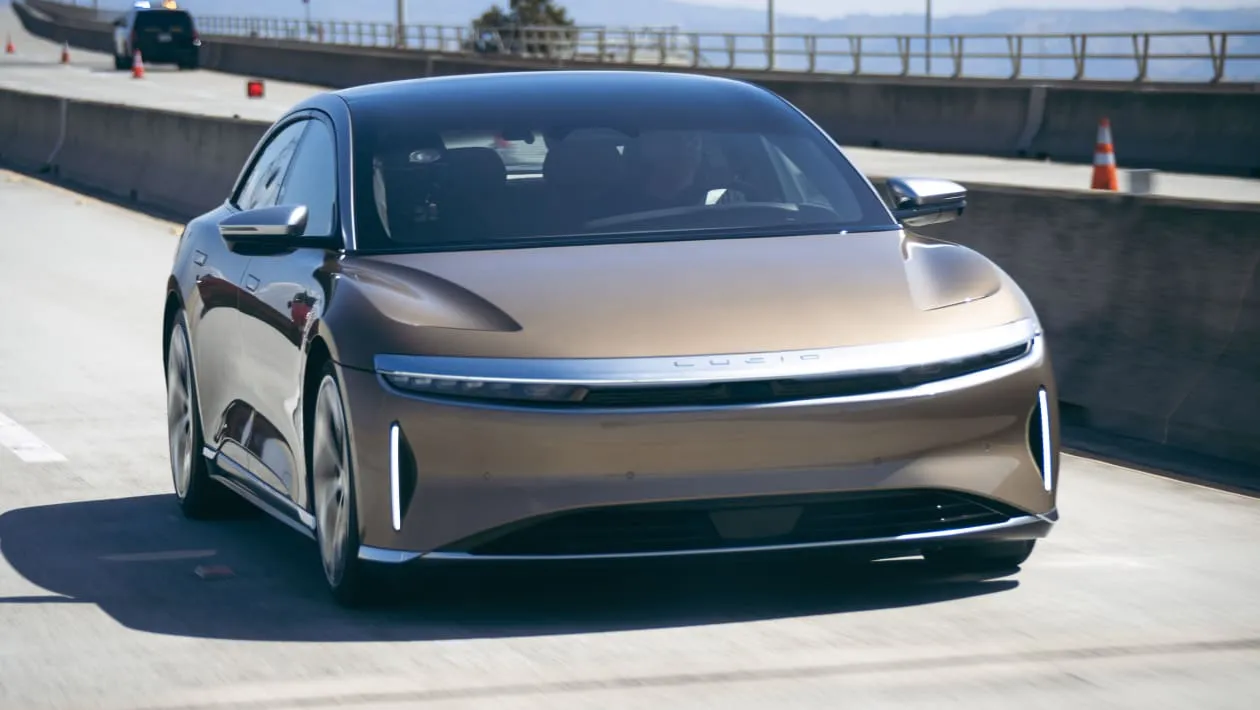
- Engine: Dual electric motor setup
- Horsepower: Approximately 480 hp to 1234 hp
- Torque: Approximately 620 lb ft to 1430 lb ft
- Length: 195.9 inches
- Width: 76.3 inches
3. Lucid Air
The Lucid Air entered the electric luxury market with an ambitious vision focused on futuristic technology, advanced software integration, and immersive digital interfaces. Its cabin features multiple interconnected screens controlling navigation, climate systems, driving modes, and numerous vehicle settings.
Lucid positioned the Air as a software-intensive vehicle capable of competing directly with Tesla and high-end German luxury brands.
Because of this heavy reliance on software, some early owners experienced startup-related glitches connected to touchscreen and system communication issues. Reports surfaced of frozen displays, delayed boot sequences, and software crashes preventing the vehicle from properly initializing. In certain situations, drivers found themselves unable to engage drive mode until the system rebooted successfully.
The Lucid Air relies on complex communication between electronic control units and digital authentication systems. If the central software environment experiences instability, startup procedures can become interrupted. This dependency reflects a broader trend in luxury EV development where the user interface becomes deeply integrated into operational architecture.
Some owners reported needing to perform manual resets after the car failed to wake up correctly. Others experienced black screens accompanied by disabled controls. Although software updates addressed many early issues, the incidents highlighted the risks associated with launching highly computerized vehicles before software ecosystems fully mature.
The Lucid Air remains an impressive engineering achievement with exceptional range and performance capabilities. However, it also demonstrates how software reliability now plays a central role in vehicle dependability. As cars become increasingly digital, startup functionality depends not only on batteries and motors but also on stable operating systems.
- Engine: Dual, tri, or quad motor electric setup
- Horsepower: Approximately 533 hp to 1025 hp
- Torque: Approximately 610 lb ft to 1198 lb ft
- Length: 217.1 inches
- Width: 81.8 inches
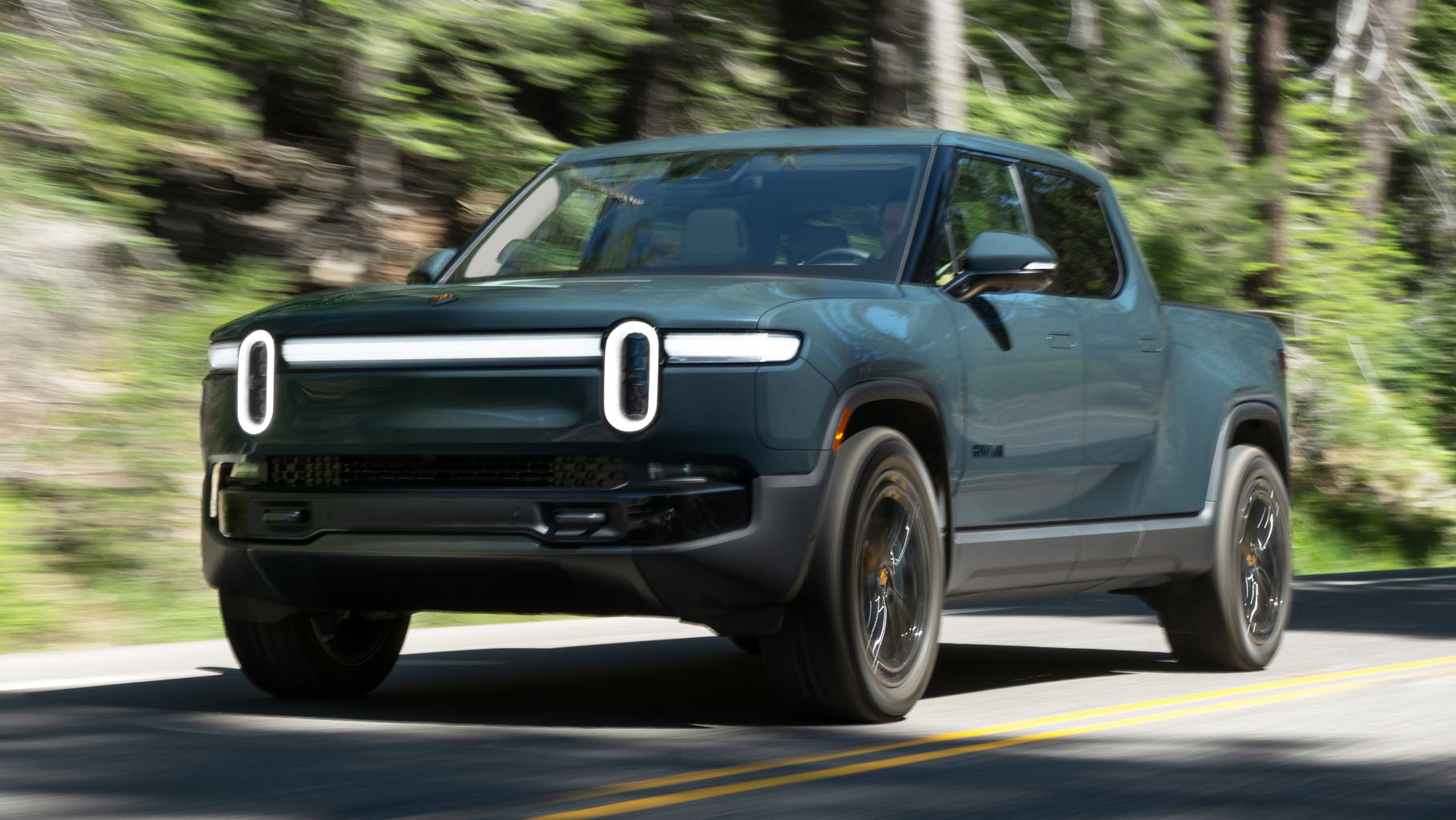
4. Rivian R1T
The Rivian R1T gained attention for blending rugged truck capability with advanced software technology and premium digital interfaces. Unlike traditional pickups filled with physical switches and mechanical simplicity, the R1T uses touchscreen controls for numerous essential functions. Rivian designed the truck around a connected ecosystem where software coordinates many operational features.
Owners have reported occasional startup issues tied to software freezes and infotainment crashes. Some incidents involved the truck failing to wake properly after being parked overnight. Others described situations where displays froze, key recognition malfunctioned, or drive systems failed to initialize until the software rebooted.
The R1T’s electronic architecture integrates touchscreen interfaces with security systems, battery management, and operational controls. This means software instability can create startup complications uncommon in conventional trucks. While Rivian frequently releases updates to improve reliability, the complexity of the system creates opportunities for glitches that affect usability.
Several owners have documented needing soft resets or complete system reboots before the truck would function correctly. Although these incidents are not universal, they reveal how deeply dependent modern EVs have become on stable software environments.
The Rivian R1T showcases the future of connected vehicles while also exposing the challenges automakers face when replacing traditional controls with digital ecosystems. It remains one of the most technologically advanced pickups ever produced, but its startup-related software concerns illustrate the risks of touchscreen-centric design.
- Engine: Single or dual electric motor setup
- Horsepower: Approximately 329 hp to 751 hp
- Torque: Approximately 417 lb ft to 752 lb ft
- Length: 205.4 inches
- Width: 75.8 inches
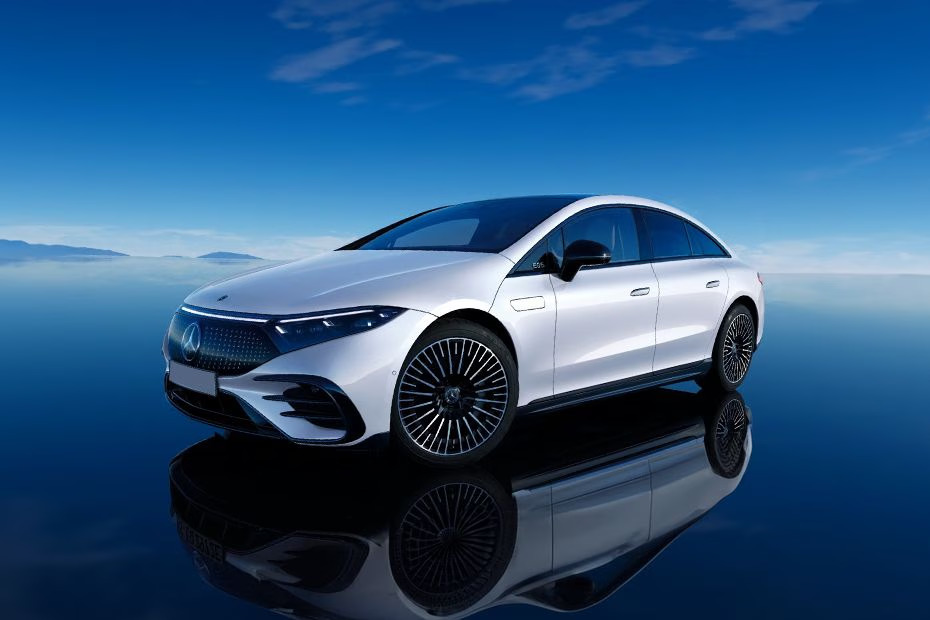
5. Mercedes-Benz EQS
The Mercedes-Benz EQS introduced one of the most dramatic digital interiors ever placed into a production vehicle. Its optional Hyperscreen spans nearly the entire dashboard with multiple integrated displays controlling navigation, entertainment, comfort systems, and vehicle settings. Mercedes designed the EQS to emphasize software-driven luxury and futuristic interaction.
Because of its extensive digital integration, the EQS depends heavily on touchscreen systems during startup and daily operation. Owners have occasionally reported software crashes, frozen displays, and delayed system initialization. In some cases, startup functions became temporarily unavailable until the infotainment software rebooted correctly.
The EQS uses interconnected digital systems where user authentication, drive settings, and comfort controls all communicate through centralized software architecture. This creates convenience and customization opportunities but also introduces potential points of failure. If software communication breaks down, startup functionality can become inconsistent.
Mercedes has implemented backup systems and redundant controls in some areas, but the design philosophy still prioritizes touchscreen interaction. Drivers accustomed to traditional luxury cars may find the dependence on digital systems concerning during software glitches.
The EQS demonstrates how luxury automakers are embracing software-centric design to compete in the EV era. While the car delivers exceptional refinement and technology, it also reveals how software stability now directly influences vehicle usability and startup reliability.
- Engine: Single or dual electric motor setup
- Horsepower: Approximately 266 hp to 480 hp
- Torque: Approximately 317 lb ft to 700 lb ft
- Length: 185.6 inches
- Width: 74.1 inches
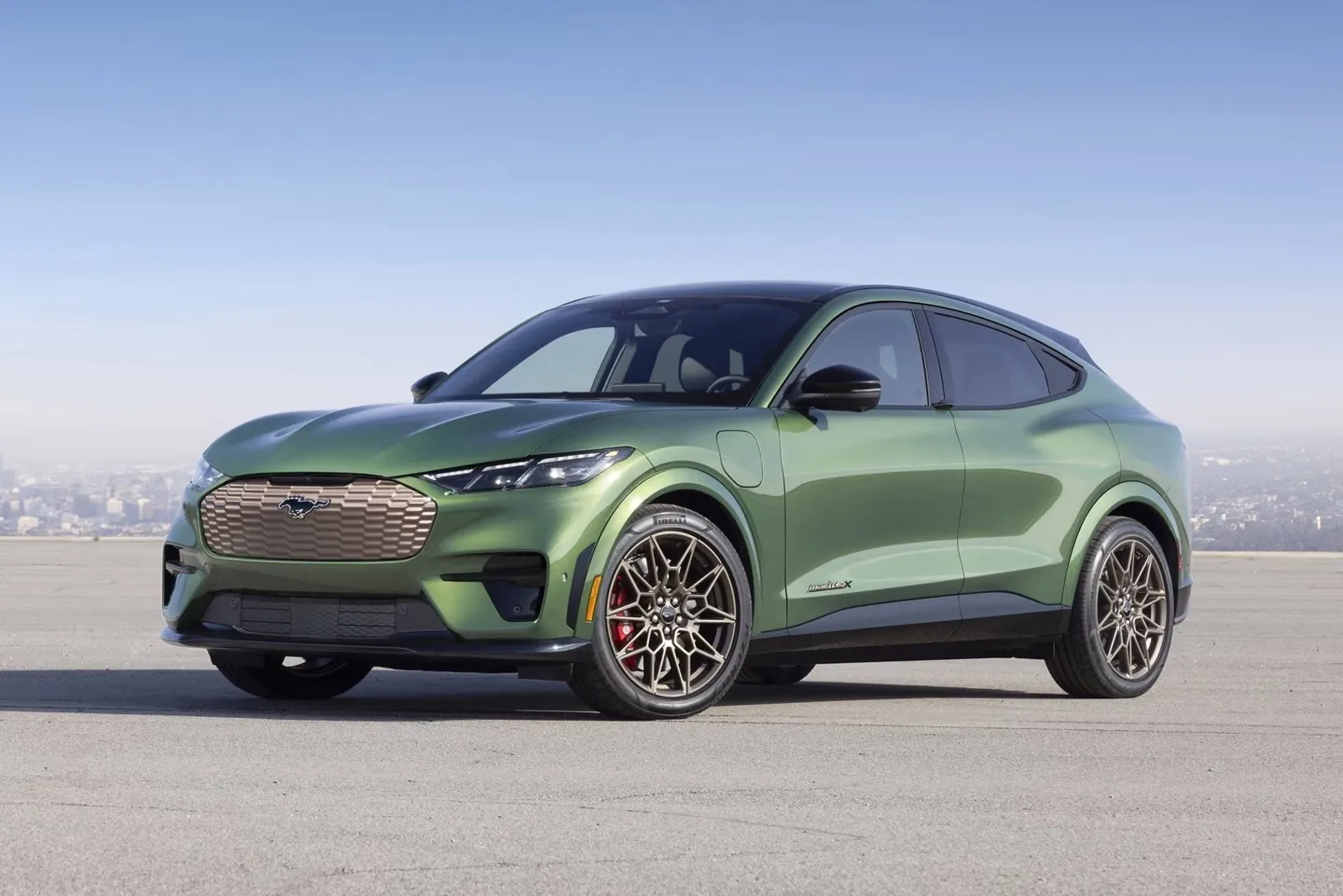
6. Ford Mustang Mach-E
The Ford Mustang Mach-E marked Ford’s major push into software-heavy electric vehicles. The crossover features a large vertically mounted touchscreen that controls climate settings, navigation, drive modes, and numerous operational functions. Ford integrated digital systems deeply into the vehicle’s architecture to compete with newer EV manufacturers.
Some owners experienced startup problems linked to software and infotainment malfunctions. Reports included frozen touchscreens, failed key authentication, and situations where the vehicle would not enter drive mode properly. In certain cases, the system required resets before normal operation resumed.
One factor contributing to these issues is the complexity of the Mach E’s electronic ecosystem. Multiple control modules rely on synchronized communication through software networks. If one component fails to initialize correctly, startup procedures may become disrupted.
Ford has released multiple software updates aimed at improving reliability and reducing system crashes. However, the incidents demonstrate how even established automakers face challenges when transitioning toward software-defined vehicles.
The Mach E remains an important vehicle in Ford’s electric future and has received praise for performance and design. Still, its occasional startup-related touchscreen issues highlight the growing importance of software engineering in automotive reliability.
- Engine: Single or dual electric motor setup
- Horsepower: Approximately 299 hp to 476 hp
- Torque: Approximately 361 lb ft to 546 lb ft
- Length: 181.3 inches
- Width: 73.2 inches
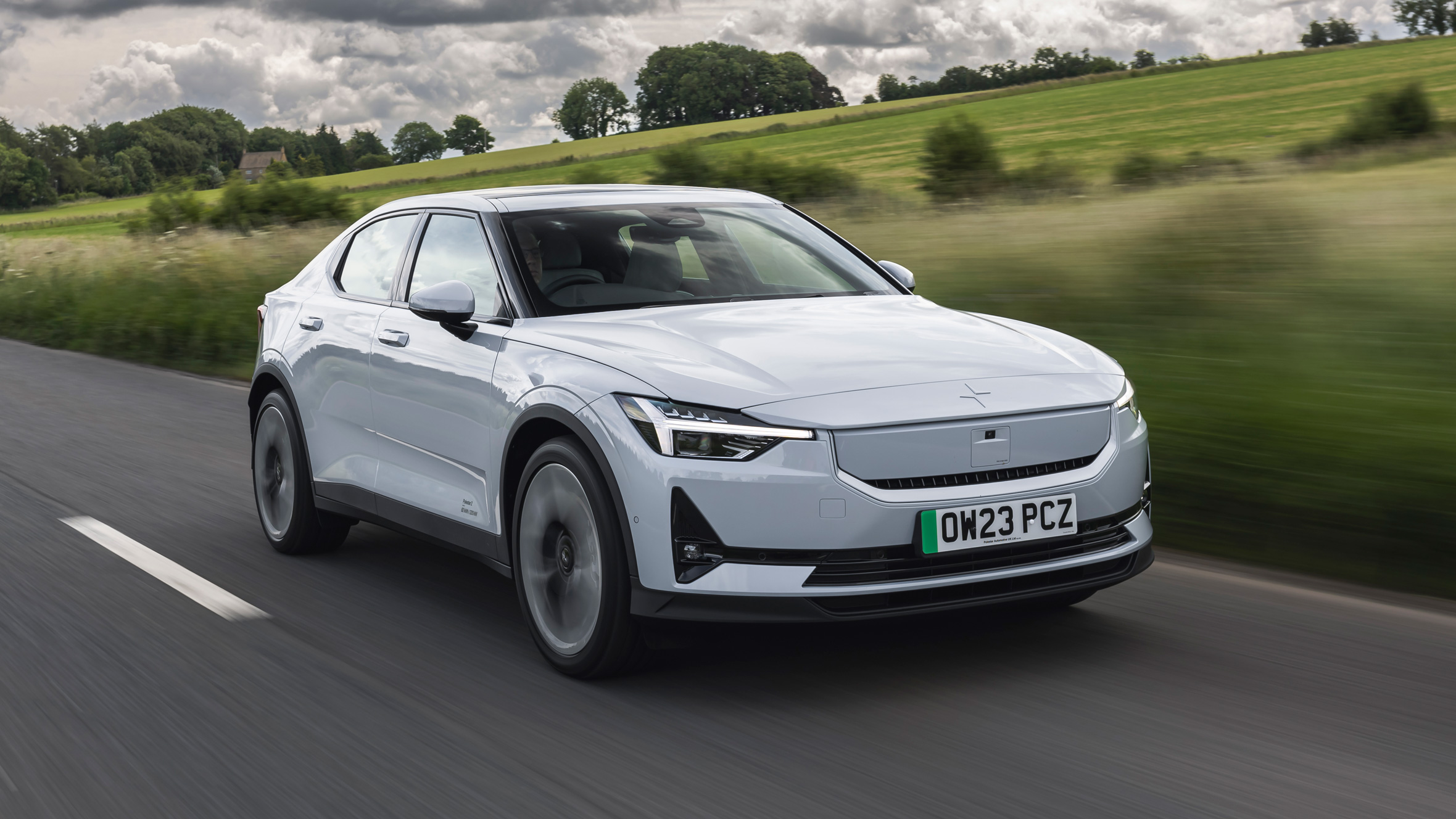
7. Polestar 2
The Polestar 2 relies heavily on a Google-based infotainment system that controls many vehicle functions through a vertically oriented touchscreen. Unlike traditional vehicles with separate control systems, the Polestar integrates software deeply into navigation, charging, climate management, and operational settings.
Some owners have reported infotainment crashes causing startup delays and functionality problems. In certain cases, the system failed to initialize properly, leaving drivers unable to access important controls or drive settings until a reboot occurred.
Because the Polestar 2 depends on a centralized software architecture, touchscreen instability can affect multiple systems simultaneously. Drivers have described black screens, frozen interfaces, and communication failures between electronic modules.
The integration of Google software creates advanced connectivity and voice control capabilities, but it also introduces smartphone-like reliability concerns into the automotive environment. Just as mobile devices occasionally freeze or require restarting, software-intensive cars can experience similar issues with far greater consequences.
Polestar continues improving software performance through updates, but the vehicle remains an example of how startup reliability increasingly depends on digital system stability rather than purely mechanical durability.
- Engine: Single or dual electric motor setup
- Horsepower: Approximately 340 hp to 500 hp
- Torque: Approximately 325 lb ft to 610 lb ft
- Length: 196.7 inches
- Width: 77.8 inches
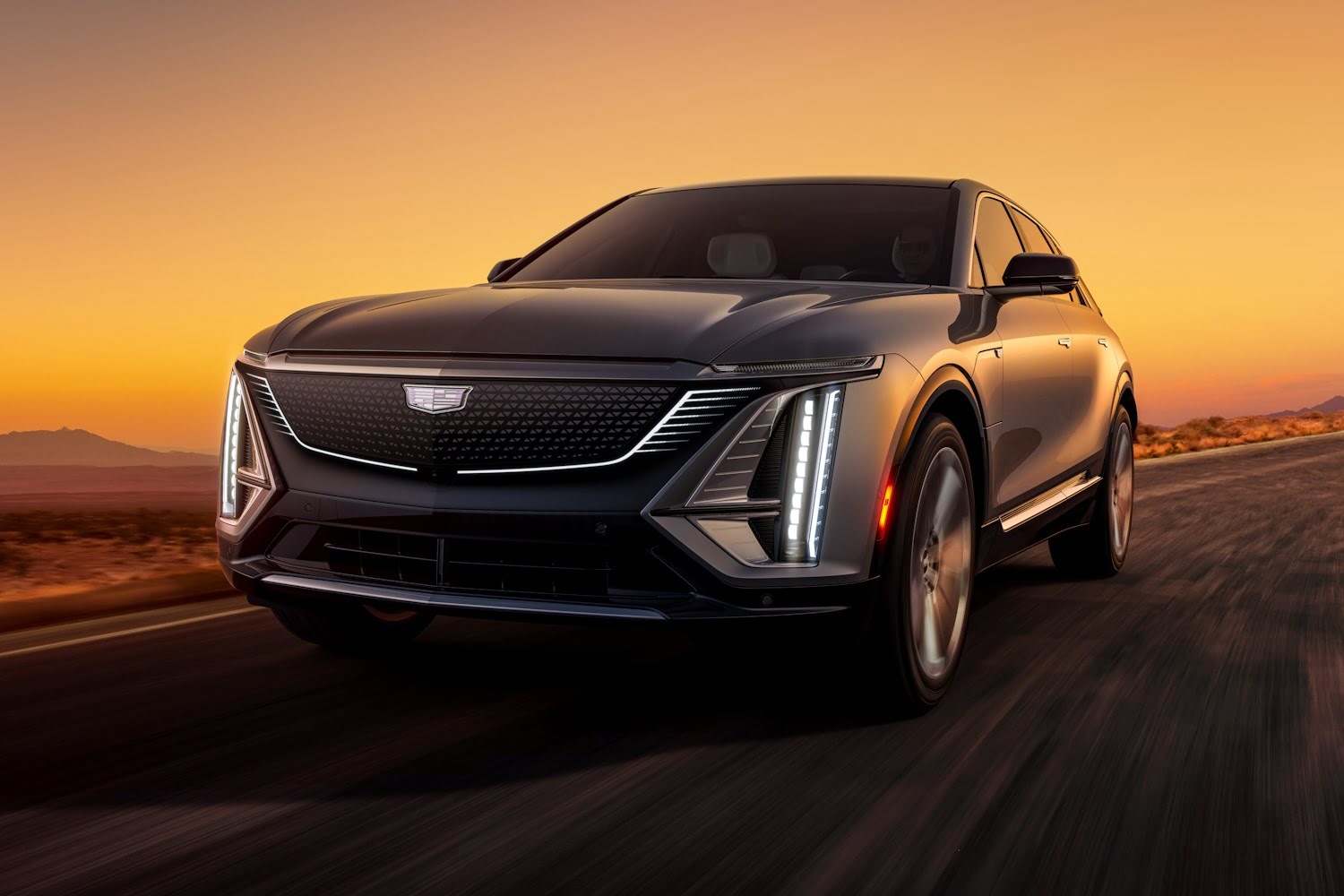
8. Cadillac Lyriq
The Cadillac Lyriq represents General Motors’ effort to create a highly digital luxury EV with advanced software integration and immersive touchscreen controls. The cabin centers around a large curved display responsible for navigation, entertainment, and multiple operational systems.
Some owners have encountered startup-related software issues, including frozen screens, delayed boot processes, and electronic communication failures. In certain situations, the vehicle reportedly struggled to initialize correctly after software glitches.
The Lyriq’s architecture emphasizes connectivity and centralized digital management. This approach allows for sophisticated customization and over-the-air updates, but it also creates dependence on software reliability. If the operating environment becomes unstable, startup functionality can suffer.
General Motors has worked to address software concerns through updates and service campaigns. However, the incidents illustrate the growing complexity of modern luxury EVs and the challenges manufacturers face in maintaining stable software ecosystems.
The Lyriq remains an important milestone for Cadillac’s electric ambitions, but it also highlights the reality that software crashes can now affect something as fundamental as starting a vehicle.
- Engine: Single or dual electric motor setup
- Horsepower: Approximately 201 hp to 335 hp
- Torque: Approximately 229 lb ft to 402 lb ft
- Length: 180.5 inches
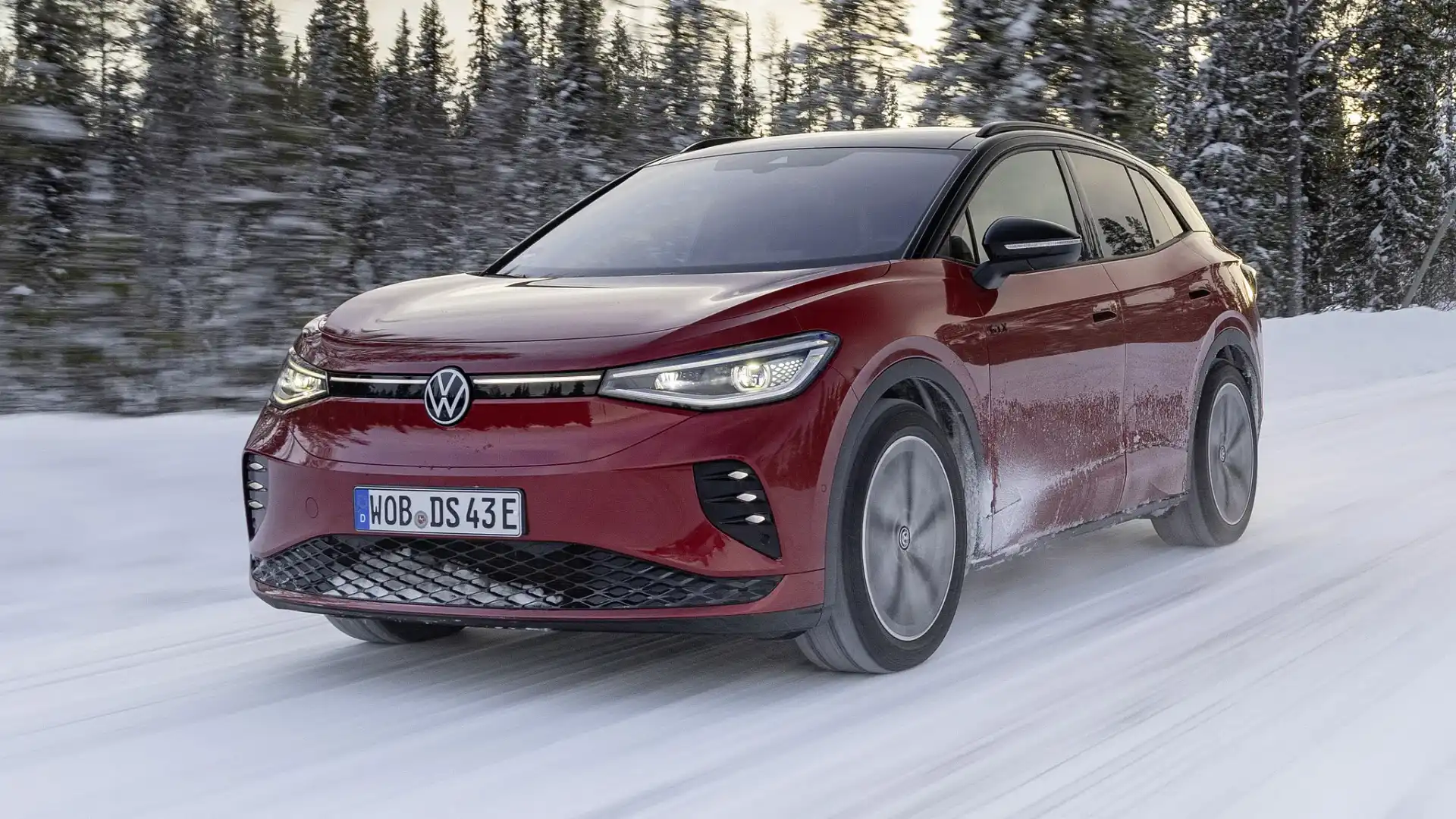
9. Volkswagen ID.4
The Volkswagen ID.4 introduced Volkswagen’s next-generation EV software platform, focused on digital interfaces and connected functionality. The vehicle features touchscreen-driven controls for climate systems, navigation, charging management, and numerous driving settings.
Early owners frequently criticized the infotainment system for lag, freezing, and unreliable responsiveness. Some reported startup-related problems where the vehicle’s systems failed to initialize correctly after software glitches. Delayed boot sequences and touchscreen crashes created frustration for drivers expecting traditional reliability.
The ID.4 depends heavily on software communication between modules responsible for key recognition, battery management, and operational controls. When the system experiences instability, startup procedures can become inconsistent or temporarily unavailable.
Volkswagen acknowledged many software-related issues and invested heavily in updates to improve performance and responsiveness. However, the ID.4 became one of the most visible examples of how software challenges can impact user confidence in modern EVs.
Despite these concerns, the ID.4 remains a practical and popular electric crossover. Its issues reflect broader industry growing pains as automakers transition from mechanical engineering-centered vehicles to software-driven transportation platforms.
