
For more than a decade, the automotive industry raced toward touchscreen-dominated interiors. Carmakers believed large displays represented the future of driving, offering sleek dashboards, software-driven customization, and fewer physical components.
Inspired by smartphones and tablets, many brands replaced traditional buttons and knobs with glossy touch panels that controlled everything from climate settings to seat heaters. At first, consumers were impressed by the futuristic appearance.
Giant screens became a symbol of innovation, luxury, and technological advancement. However, as these systems became more complicated, drivers began to realize that removing physical controls created unexpected problems related to safety, convenience, and usability.
The backlash against touchscreen-heavy interiors grew rapidly. Drivers complained that adjusting simple functions while driving became distracting because touchscreen menus demanded visual attention. Unlike physical buttons, touch panels offered no tactile feedback, forcing users to look away from the road to confirm their actions.
Automotive journalists, safety experts, and even regulators began questioning whether excessive touchscreen reliance actually made vehicles less user-friendly. Studies showed that drivers often took several seconds to complete basic tasks on touchscreens, increasing the risk of accidents. In response, many consumers started favoring vehicles that retained traditional controls for important features like temperature adjustment, audio volume, and defrosters.
Carmakers eventually recognized that the push toward minimalist interiors had gone too far. While touchscreens remain essential for navigation, media, and vehicle settings, manufacturers discovered that customers still value physical interaction for frequently used functions.
The industry began shifting toward hybrid cabin designs that combine digital displays with practical buttons and rotary knobs. This return to physical controls is not simply about nostalgia. It reflects a broader understanding that good automotive design must balance innovation with usability. Drivers want technology that enhances the driving experience without making routine tasks frustrating or dangerous.
Several major automakers have already started reversing course by reintroducing buttons and switches in newer models. Some brands openly admitted that customer feedback influenced these decisions, while others quietly redesigned interiors to improve ergonomics.
The trend is especially noticeable in vehicles launched after widespread criticism of fully touch-based systems. These cars prove that modern interiors can still feel advanced while offering intuitive controls that drivers appreciate every day. In many cases, the comeback of buttons has actually improved customer satisfaction and strengthened brand loyalty.
This article explores six vehicles that responded directly or indirectly to the touchscreen backlash by bringing back physical controls. Each example highlights how automakers learned valuable lessons about human-centered design, driver safety, and long-term usability.
These vehicles demonstrate that while automotive technology continues evolving, practical functionality remains just as important as digital sophistication.
Also read: 10 Cars Where the Cheaper Option Was Always the Smarter One
- Engine: 2.0-liter turbocharged inline 4
- Horsepower: 241 hp
- Torque: 273 lb ft
- Length: 168.8 inches
- Width: 70.4 inches
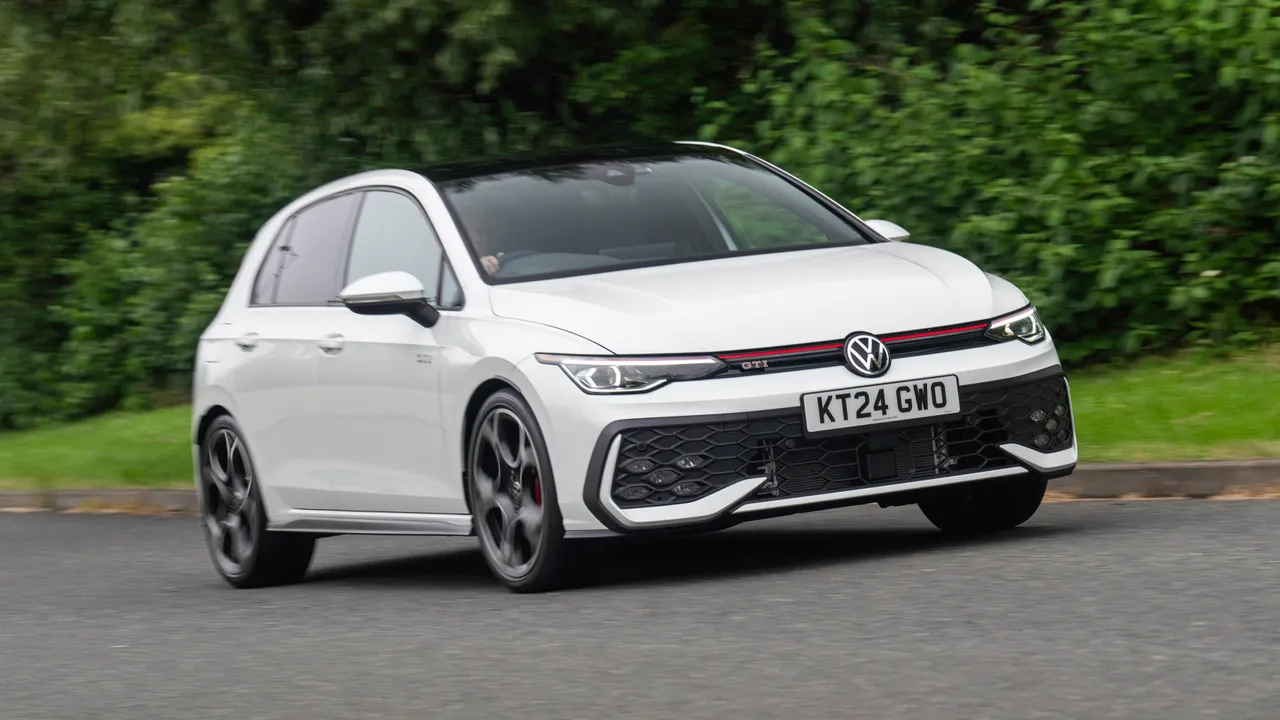
1. Volkswagen Golf GTI
The Volkswagen Golf GTI became one of the most criticized modern hatchbacks when the eighth-generation model introduced heavily touchscreen-based controls. Volkswagen replaced many traditional buttons with capacitive touch sliders and digital interfaces that frustrated drivers almost immediately.
Climate controls, audio settings, and steering wheel functions all relied on touch-sensitive inputs that lacked tactile feedback. Owners and reviewers frequently complained that the system was difficult to operate while driving, especially at night when the controls were hard to see.
Volkswagen initially defended its minimalist approach by emphasizing modern design and advanced technology integration. The company believed younger buyers preferred smartphone-inspired interfaces, and the clean dashboard certainly looked futuristic. However, real-world usability proved more important than aesthetics.
Drivers reported accidentally activating controls, struggling with menu navigation, and finding routine adjustments unnecessarily distracting. Automotive publications repeatedly ranked the infotainment system among the least intuitive in its class despite praising the vehicle’s driving dynamics.
The backlash eventually became impossible to ignore. Volkswagen executives later acknowledged that customer feedback regarding touch controls had been overwhelmingly negative. In response, the company announced plans to restore physical buttons in future vehicles and redesign interior layouts for better usability.
Updated Golf models began moving toward more conventional controls, particularly for high-frequency functions. Steering wheel buttons also returned to physical formats after capacitive controls received extensive criticism.
The Golf GTI remains an excellent performance hatchback with strong handling, efficient turbocharged engines, and everyday practicality.
However, its interior redesign represents a broader lesson within the automotive industry. Drivers may appreciate advanced digital displays, but they still want immediate access to essential controls through physical interaction. Volkswagen’s willingness to reverse course demonstrates how seriously automakers now take ergonomic concerns.
Another reason the Golf GTI’s touchscreen controversy gained attention is that Volkswagen had previously been known for practical and intuitive cabin layouts. Earlier generations featured straightforward controls that balanced technology with ease of use.
The shift toward excessive touchscreen integration therefore, felt especially disappointing to loyal enthusiasts. By reintroducing buttons, Volkswagen signaled a return to the functional philosophy that helped establish the GTI’s reputation over several decades.
- Engine: 2.5-liter inline 4
- Horsepower: 187 hp
- Torque: 178 lb ft
- Length: 182.3 inches
- Width: 73.4 inches
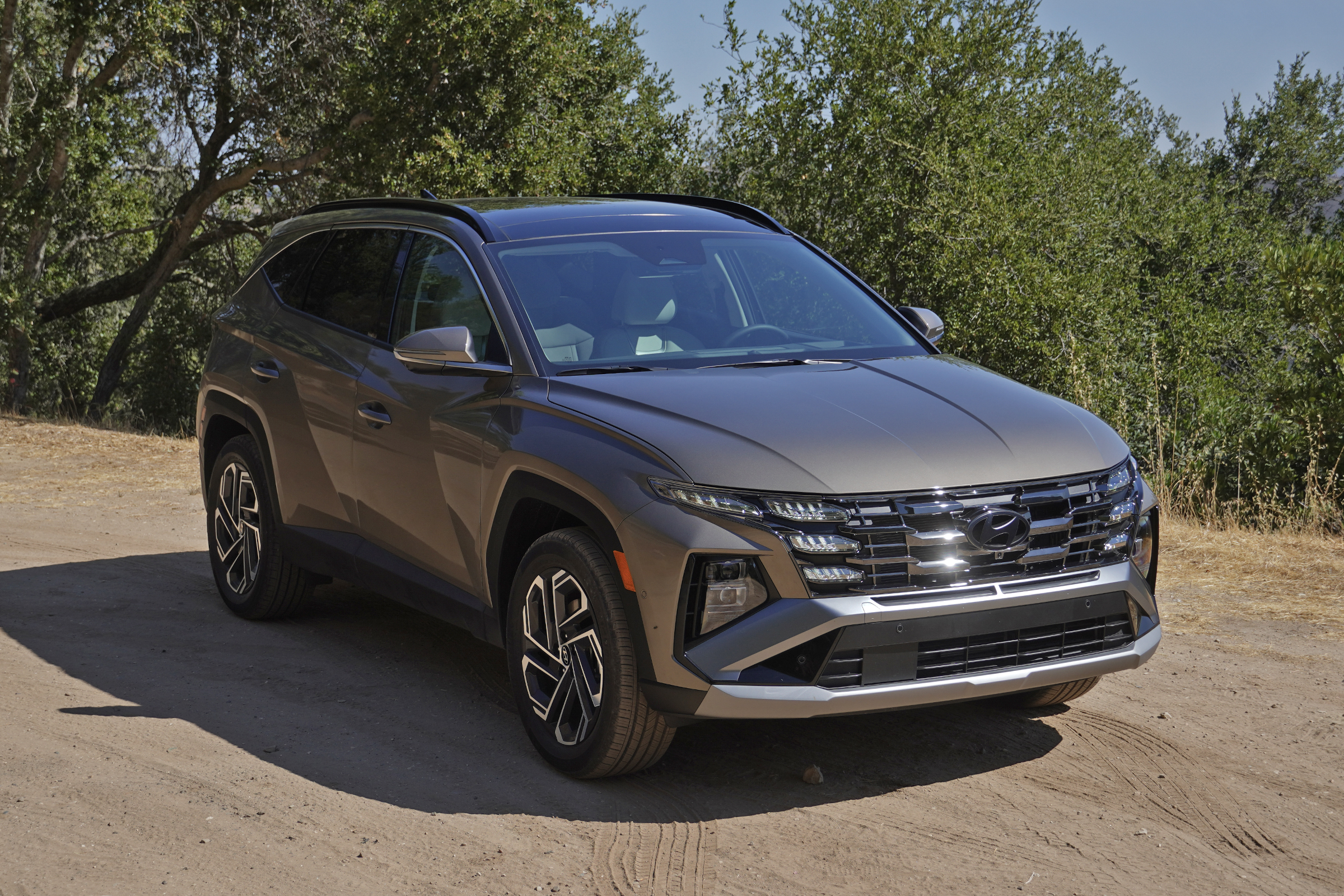
2. Hyundai Tucson
The Hyundai Tucson experienced a similar evolution as touchscreen-focused interiors became more controversial. Earlier versions of the latest-generation Tucson featured touch-sensitive climate panels that looked sleek and premium but proved less convenient during daily use.
Hyundai embraced a modern minimalist aesthetic with glossy black surfaces and hidden controls, attempting to compete with luxury brands emphasizing digital sophistication.
At first glance, Tucson’s interior impressed buyers with its futuristic design. Large displays blended seamlessly into the dashboard, and the touch-based climate controls contributed to a clean visual appearance.
However, many drivers soon realized that the absence of physical knobs created practical frustrations. Fingerprints accumulated quickly on glossy surfaces, touch sensitivity varied depending on conditions, and adjusting settings while driving required more concentration than traditional controls.
Automotive reviewers consistently praised the Tucson for comfort, efficiency, and value while criticizing the touch-based climate interface. Drivers often found themselves tapping multiple times to change temperature settings or fan speed.
Without tactile reference points, users needed to glance at the panel frequently, reducing convenience and potentially increasing distraction. These complaints mirrored broader industry criticism directed at touchscreen-dependent cabin designs.
Hyundai responded by gradually reintroducing physical controls in newer models and updated trims. Revised interiors incorporated dedicated buttons and knobs for important climate functions while maintaining large infotainment displays for navigation and connectivity. This balanced approach allowed Hyundai to preserve the modern appearance buyers expected while improving usability for everyday driving situations.
Tucson’s redesign reflects a growing realization among automakers that technology should simplify the driving experience rather than complicate it. Hyundai understood that customers value convenience and safety just as much as visual appeal. By combining physical controls with digital features, the company created an interior that feels advanced without becoming frustrating to operate.
Another important factor behind Hyundai’s decision involved customer demographics. Compact SUVs like the Tucson appeal to a broad audience that includes families, commuters, and older buyers who may not appreciate overly complex interfaces.
Physical controls provide universal accessibility because drivers can operate them instinctively without digging through on-screen settings or layered interfaces. Hyundai’s willingness to adapt reflected a strong response to consumer feedback and evolving market expectations.
- Engine: 1.5-liter turbocharged inline 4
- Horsepower: 180 hp
- Torque: 177 lb ft
- Length: 184.0 inches
- Width: 70.9 inches
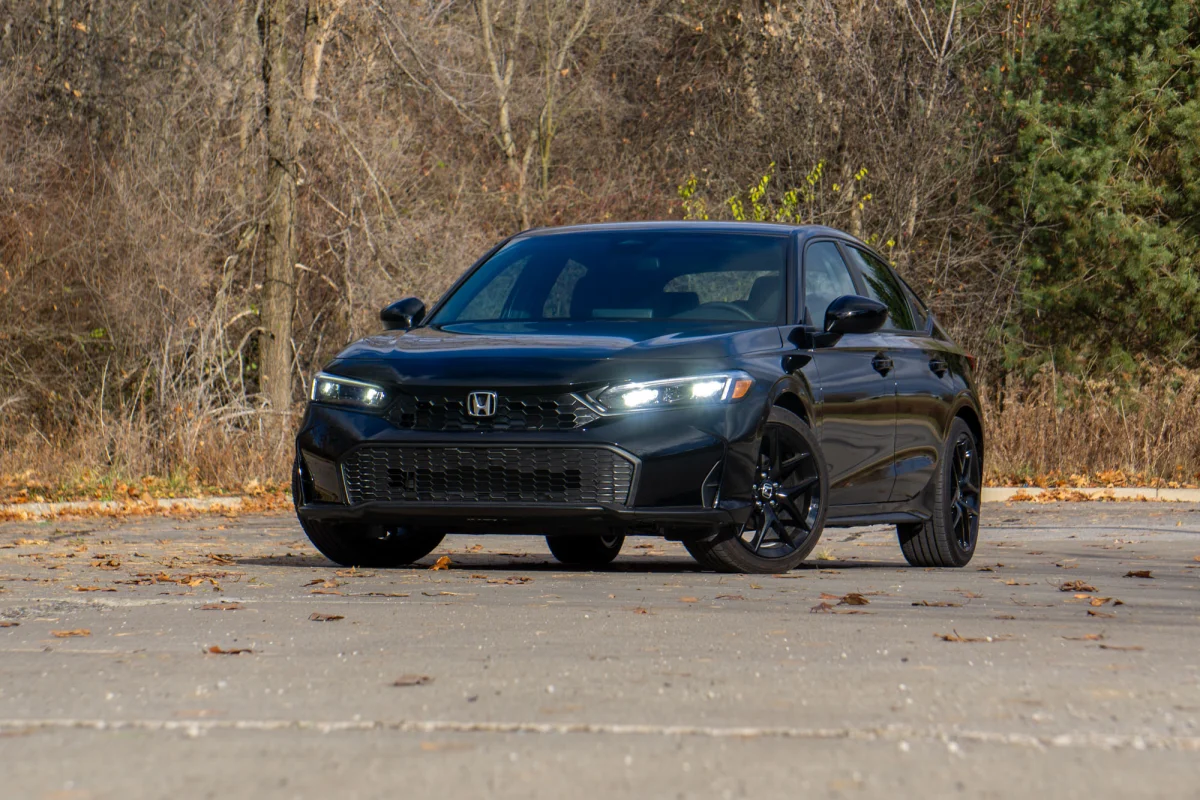
3. Honda Civic
The Honda Civic earned praise for bringing back practical interior design at a time when many competitors focused excessively on touchscreen integration.
While previous generations experimented with more digital-heavy layouts, the latest Civic deliberately reintroduced physical controls for critical functions. Honda recognized early that many drivers still preferred tactile interaction for climate adjustment and audio settings.
One of the most celebrated aspects of the current Civic interior is its straightforward ergonomics. The dashboard combines modern digital displays with clearly labeled knobs and buttons that are easy to reach while driving.
Climate controls use traditional rotary dials positioned below the infotainment screen, allowing drivers to make quick adjustments without taking their eyes off the road for extended periods.
Reviewers praised Honda for prioritizing usability over flashy design trends. The Civic demonstrated that an interior can still feel modern and premium without eliminating physical interaction entirely. Many consumers appreciated the simplicity because it reduced learning curves and improved daily convenience. In contrast to vehicles requiring multiple touchscreen inputs for basic tasks, the Civic delivered intuitive functionality immediately.
Honda’s design philosophy also aligned with growing safety concerns surrounding touchscreen dependence. Research increasingly suggested that touch-based systems contribute to driver distraction because they demand visual attention.
Physical controls offer tactile feedback that enables muscle memory and blind operation. By maintaining traditional interfaces for frequently used functions, Honda created a cabin that supports safer multitasking behind the wheel.
The Civic’s success proved influential because it arrived during a period when consumers were becoming more vocal about touchscreen frustration. Honda effectively anticipated market sentiment by avoiding the most controversial interior trends.
Rather than waiting for backlash, the company chose a balanced strategy from the beginning. This decision helped strengthen the Civic’s reputation as one of the most user-friendly compact cars available.
Another reason the Civic stands out involves the quality of its physical controls. The knobs and switches feel solid, responsive, and thoughtfully engineered, reinforcing the perception of refinement. Honda demonstrated that buttons do not make a vehicle feel outdated.
When executed properly, physical controls can actually enhance the premium driving experience by improving confidence and convenience.
Also read: 12 Cars With Bulletproof Drivetrains You Can Buy for Peanuts
- Engine: 2.5-liter naturally aspirated inline 4
- Horsepower: 187 hp
- Torque: 185 lb ft
- Length: 185.8 inches
- Width: 75.6 inches
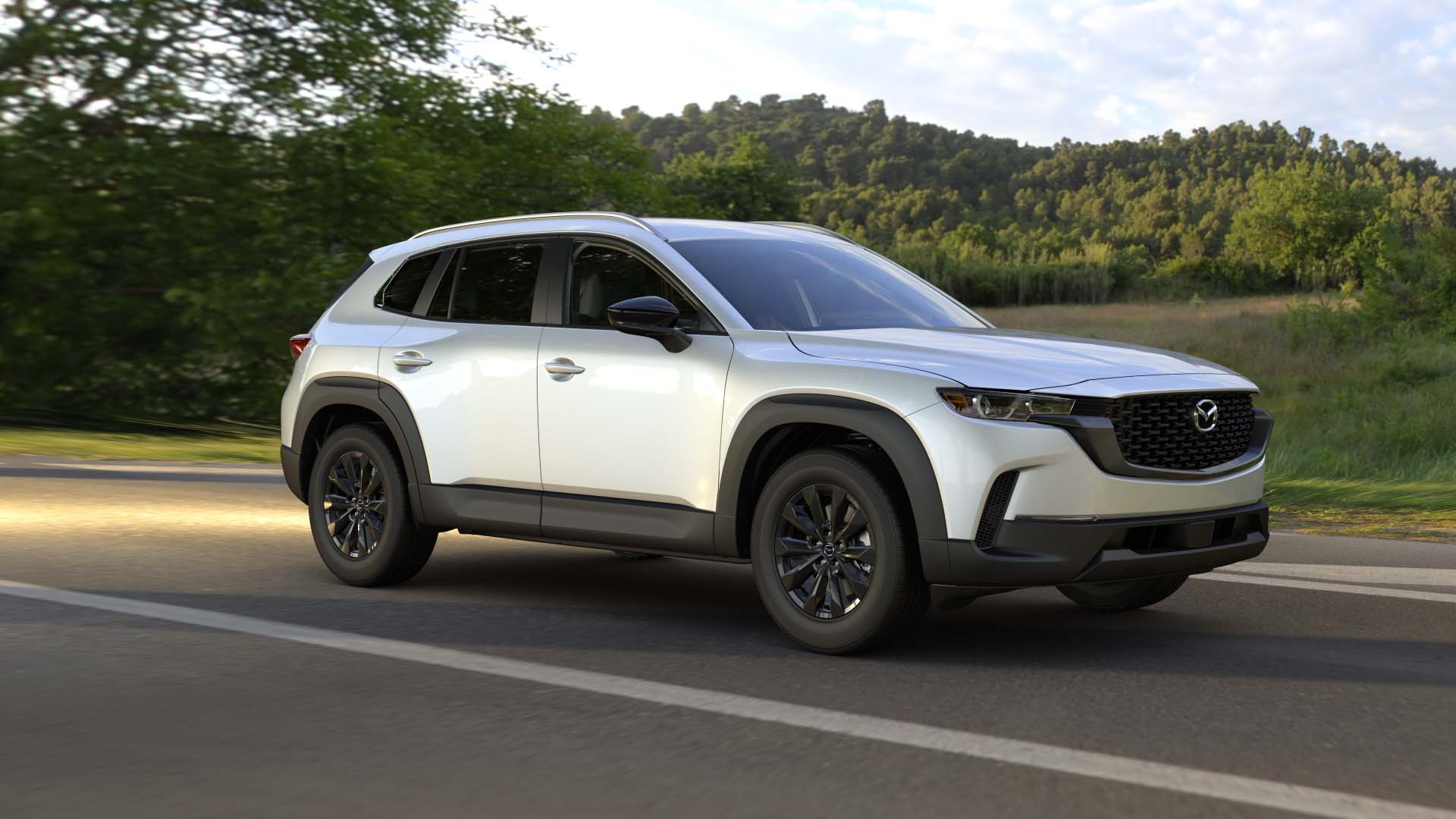
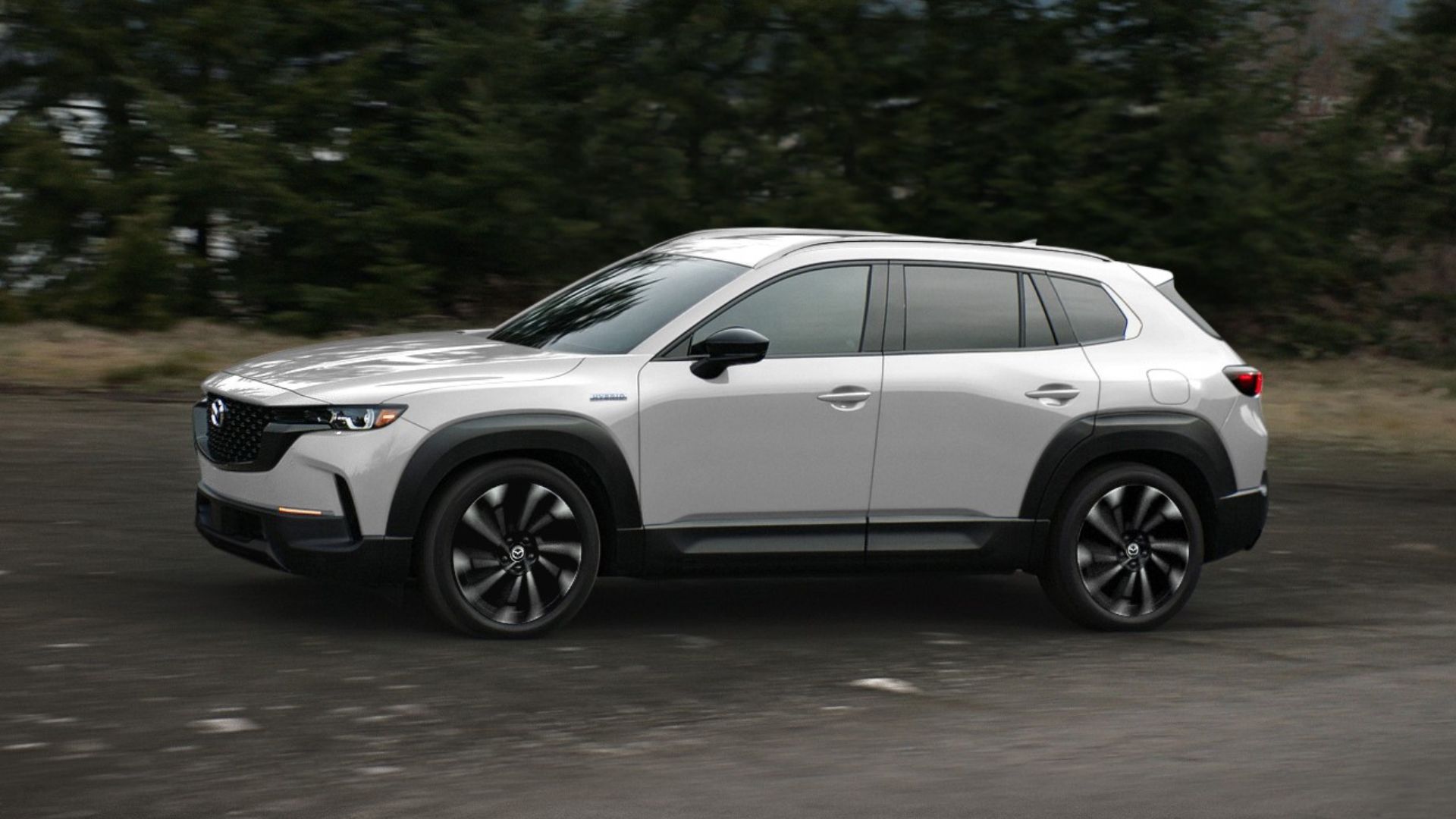
4. Mazda CX 50
The Mazda CX 50 became a standout example of resistance against excessive touchscreen reliance. Unlike many competitors rushing toward fully digital cabins, Mazda intentionally retained physical controls and a rotary controller system for infotainment interaction. The company argued that touchscreens could distract drivers and interfere with the driving experience.
Mazda’s philosophy centered on human-focused engineering. Instead of designing interiors primarily for showroom impact, the company emphasized ergonomics and driver concentration.
The CX 50 uses a centrally mounted display paired with a rotary knob positioned near the gear selector. This setup allows drivers to navigate menus through tactile movements rather than repeatedly reaching toward the screen.
Many automotive journalists praised Mazda for resisting industry trends that prioritized style over functionality. The CX 50’s controls feel intuitive because drivers can operate them using muscle memory after brief familiarization. Climate settings also remain accessible through dedicated physical buttons and knobs, reducing unnecessary complexity during everyday driving.
The backlash against touchscreens ultimately strengthened Mazda’s reputation because the company had already adopted a more balanced approach before criticism became widespread.
Consumers increasingly viewed Mazda interiors as refreshingly practical compared to competitors overloaded with touch-sensitive surfaces. This perception helped differentiate the CX 50 in a crowded crossover market where many vehicles offered similar performance and features.
Mazda executives repeatedly emphasized that driving enjoyment depends on reducing distractions behind the wheel. The company argued that touchscreens often pull drivers’ attention away from the road, particularly when scrolling through menus or adjusting vehicle settings. By maintaining physical controls and tactile interaction points, Mazda designed interiors that promote safer, more focused, and engaging driving experiences.
The CX 50 also demonstrates that physical controls can coexist with advanced technology seamlessly. The vehicle still includes smartphone integration, digital displays, navigation systems, and connected services.
However, these features are implemented thoughtfully rather than dominating the entire interior experience. Mazda proved that innovation does not require abandoning proven ergonomic principles.
- Engine: 2.0-liter turbocharged inline 4
- Horsepower: 255 hp
- Torque: 295 lb ft
- Length: 185.7 inches
- Width: 71.9 inches
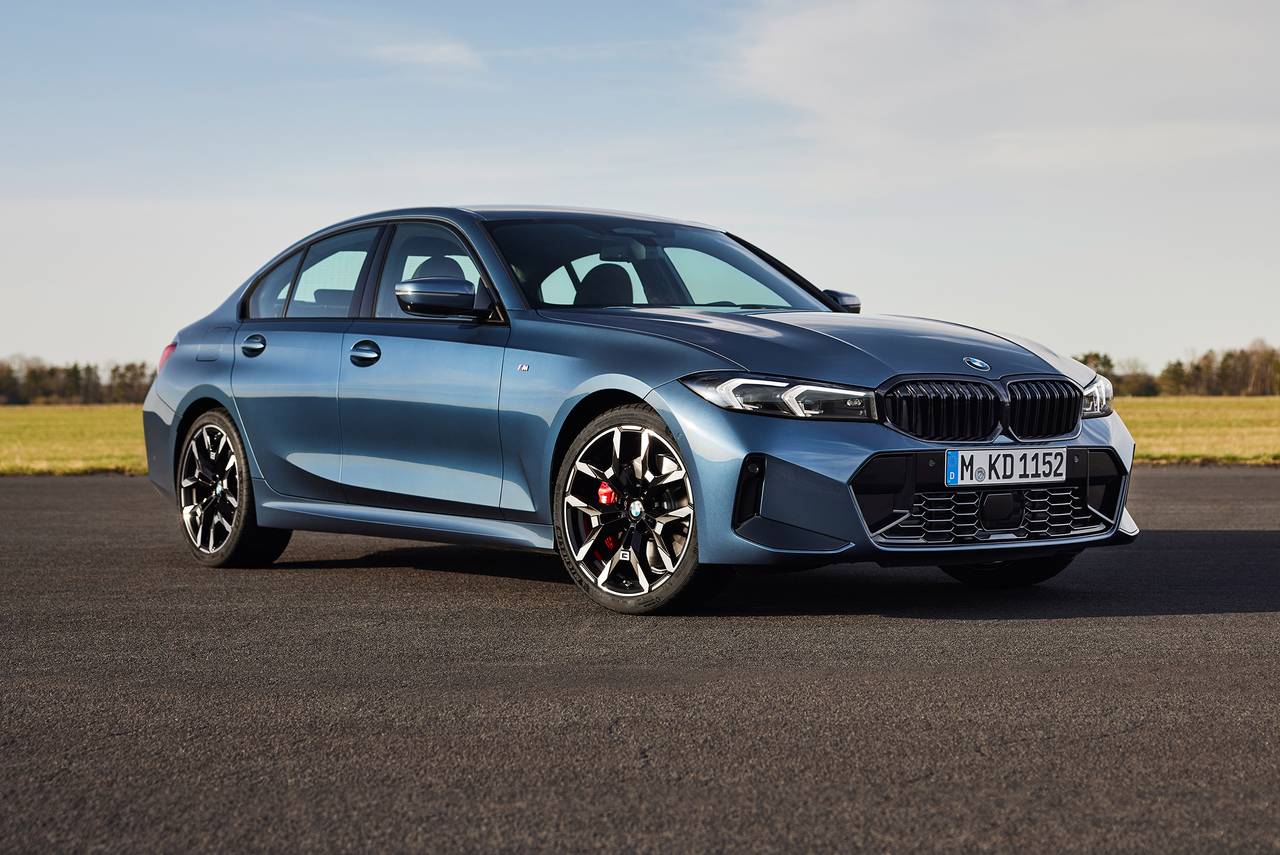
5. BMW M340i
BMW was once considered an industry pioneer for digital infotainment systems through its iDrive platform. Early versions introduced rotary controllers that reduced dashboard clutter while maintaining tactile interaction.
However, as touchscreen technology advanced, BMW gradually shifted toward more screen-dependent interiors with fewer physical buttons. Some newer models featured extensive touch functionality that received mixed reactions from longtime customers.
Many BMW owners admired the brand’s technological sophistication but criticized its increasing dependence on touchscreen interfaces for routine functions. Tasks such as adjusting climate controls, seat settings, or drive modes often require moving through several digital screens. Enthusiasts argued that this shift moved away from BMW’s long-standing emphasis on intuitive, driver-focused ergonomics.
Recognizing these concerns, BMW began refining its interface strategy by reintroducing select physical controls and improving menu accessibility. Updated iDrive systems combined touch capability with rotary controllers and shortcut buttons that simplified operation while driving.
The company realized that fully eliminating tactile controls reduced convenience for many users, especially during spirited driving situations where maintaining attention on the road is essential.
BMW’s response illustrates how luxury brands face unique challenges in balancing innovation with usability. Premium customers expect advanced technology, but they also demand intuitive operation and high-quality ergonomics.
Touchscreens alone cannot always deliver the level of interaction refinement associated with luxury driving experiences. By restoring physical interfaces strategically, BMW improved cabin functionality without sacrificing modern aesthetics.
The evolution of BMW interiors also reflected broader industry trends emphasizing software-driven customization. Automakers increasingly viewed vehicles as digital platforms capable of receiving updates and new features.
While this approach offers advantages, BMW learned that software flexibility should not compromise fundamental usability. Physical shortcuts remain valuable because they provide immediate access to commonly used functions regardless of software complexity.
Another factor influencing BMW’s adjustments involved customer loyalty. Longtime BMW drivers often develop strong familiarity with specific control layouts and driving-oriented ergonomics. Abruptly replacing tactile interaction with touchscreen dependence risked alienating dedicated enthusiasts.
By refining iDrive rather than abandoning physical controls entirely, BMW preserved important aspects of its identity while continuing technological advancement.
- Engine: 2.5 liter BOXER 4 cylinder
- Horsepower: 182 hp
- Torque: 176 lb ft
- Length: 191.9 inches
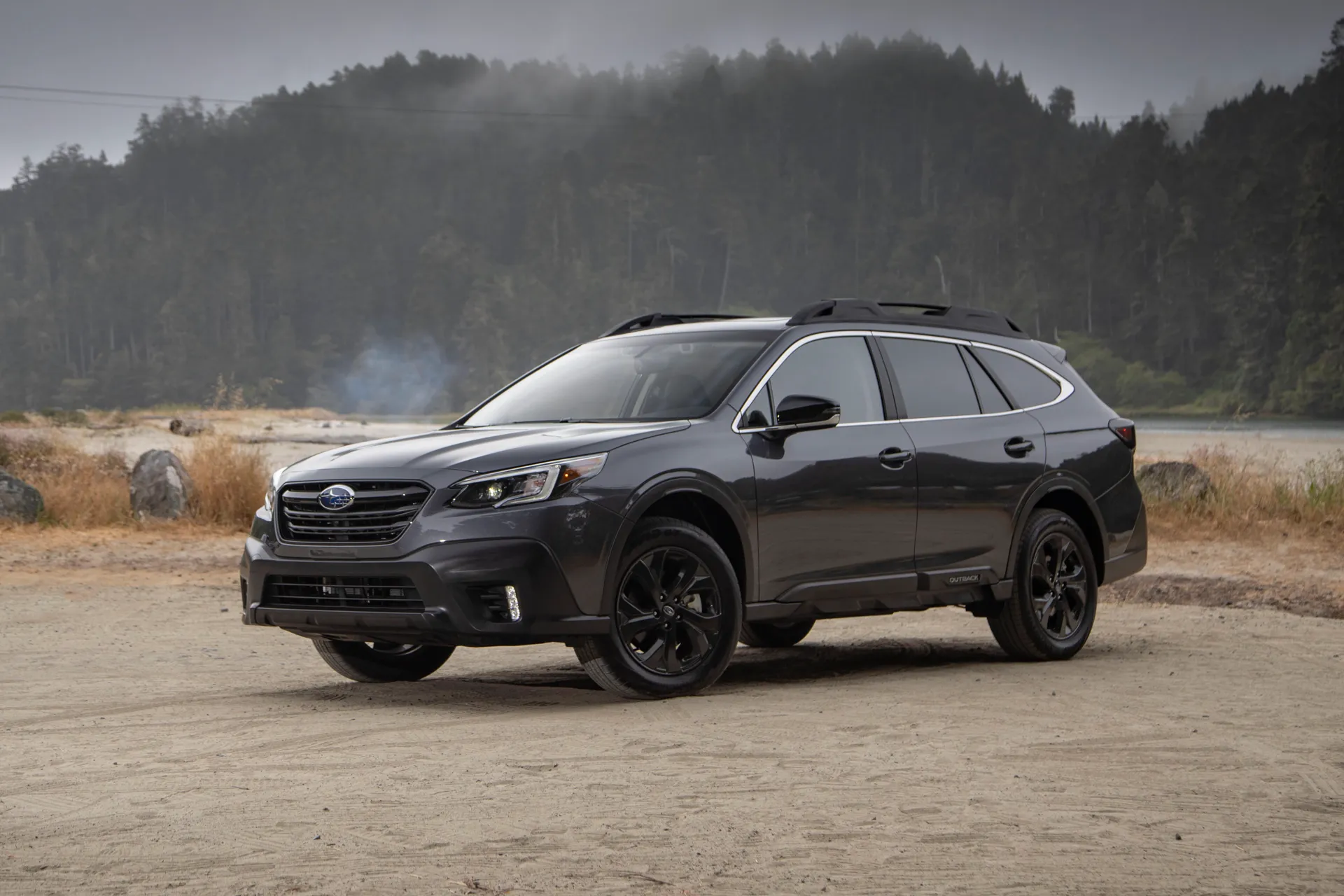
6. Subaru Outback
The Subaru Outback became another vehicle affected by criticism surrounding touchscreen-heavy interiors. Subaru introduced a large vertically oriented touchscreen in newer Outback models that consolidated many vehicle functions into digital menus. While visually impressive, the system generated complaints regarding responsiveness, complexity, and reliance on screen-based climate controls.
Drivers appreciated the Outback’s practicality, safety features, and all-weather capability, but many disliked using the touchscreen for routine adjustments.
Functions previously controlled by simple buttons now require interacting with menus or touch-sensitive icons. Some users reported laggy responses and frustration during cold weather conditions when gloves made touch interaction more difficult.
Subaru listened carefully to owner feedback and gradually modified the interface to improve usability. Software updates enhanced responsiveness, while later revisions restored more physical buttons for key climate and audio functions.
The company recognized that drivers using vehicles for outdoor adventures and long road trips particularly valued straightforward controls that worked reliably in various conditions.
The Outback’s redesign highlighted an important truth about automotive technology. Vehicles differ from smartphones because they operate in constantly changing environments where drivers must maintain attention on the road.
Physical controls remain effective because they can be used quickly without visual confirmation. Subaru’s willingness to adapt reinforced its reputation for practical, customer-focused design.
Another reason physical controls matter in vehicles like the Outback involves usability during harsh weather and rugged driving conditions. Subaru owners often travel through snow, rain, dirt roads, and remote areas where tactile operation becomes especially valuable.
Buttons and knobs offer dependable interaction regardless of environmental challenges, making them more suitable for adventure-oriented vehicles.
Subaru also benefited from balancing technology with familiarity. While modern buyers expect digital displays and connectivity features, they do not necessarily want every interaction digitized. By restoring physical controls strategically, Subaru improved owner satisfaction while preserving the modern appearance and functionality consumers still desired.
