
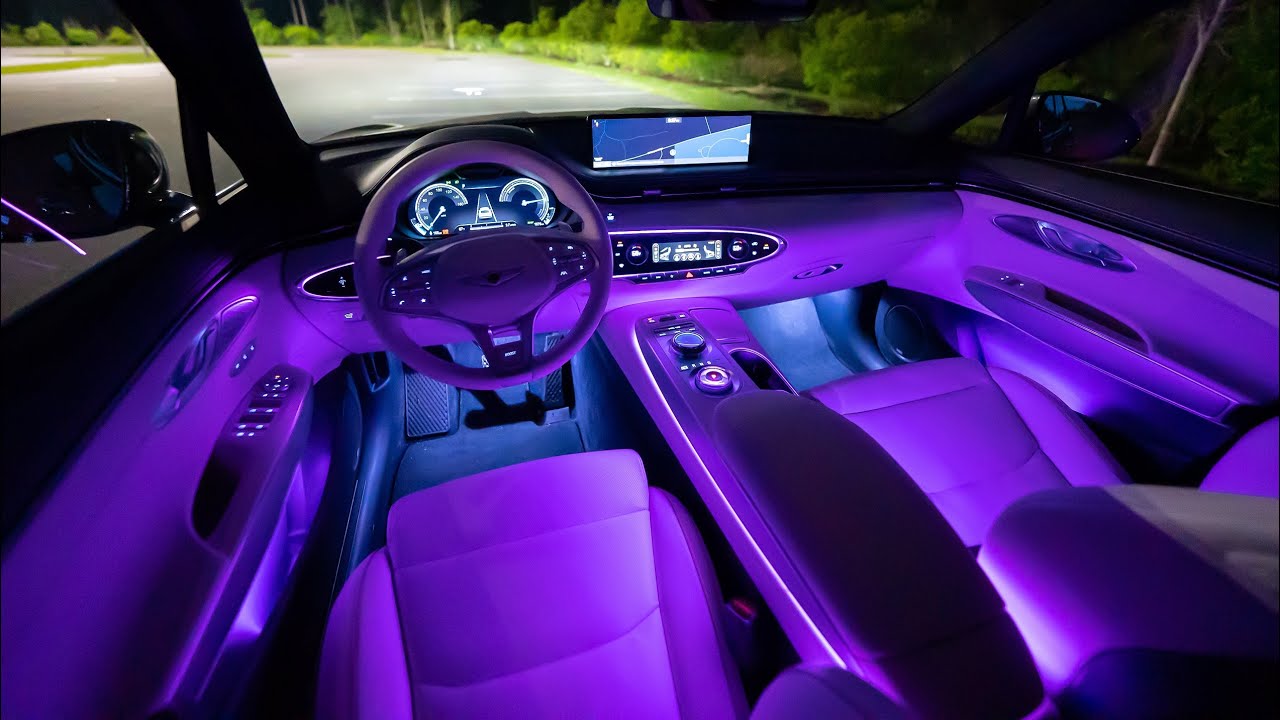
The automotive industry has changed dramatically over the past few decades, especially when it comes to vehicle interiors. Features that were once considered ordinary and expected in many vehicles have gradually transformed into premium upgrades reserved for higher trims and luxury packages.
Car buyers today often discover that basic conveniences available in older models now require additional payments, subscription plans, or expensive trim upgrades. This shift reflects broader changes in automotive manufacturing, consumer preferences, safety regulations, and technology integration.
Automakers now focus heavily on maximizing profits through optional packages and customization strategies, which has led to the reclassification of many practical interior features as luxury elements.
In earlier decades, manufacturers competed by including more comfort-oriented features as standard equipment. Mid-range sedans and family vehicles often came equipped with spacious cabins, soft seating materials, physical climate controls, and practical storage options without requiring customers to pay extra.
As technology advanced, automakers began introducing digital systems, premium materials, and advanced convenience tools that created clear distinctions between entry-level and premium trims. Over time, some of the features that drivers once considered basic necessities slowly disappeared from standard models and reappeared as premium upgrades.
This trend has reshaped consumer expectations and purchasing behavior. Buyers now spend more time comparing trim levels, optional packages, and subscription-based services than ever before. Features such as heated seats, adjustable lumbar support, ambient lighting, and advanced infotainment systems are commonly promoted as luxury additions, despite being relatively common in vehicles from previous generations.
In some cases, manufacturers intentionally simplify base models to encourage customers to upgrade to more expensive configurations. This strategy increases profit margins while creating a perception of exclusivity around features that were once widely accessible.
The rise of electric vehicles and digitally connected cars has accelerated this transformation. Automakers now market software-driven experiences and customizable cabin environments as premium experiences.
Subscription-based access to features has become increasingly common, allowing companies to charge ongoing fees for interior comforts that were previously included in the purchase price. At the same time, luxury brands continue pushing the boundaries of cabin design with advanced materials, artificial intelligence integration, and immersive entertainment systems.
Understanding which interior features evolved from standard conveniences into luxury upgrades offers valuable insight into how the automotive market has changed. It also reveals how manufacturers influence customer expectations and redefine what constitutes a premium driving experience.
From practical seating adjustments to advanced climate systems, many once ordinary cabin elements have become symbols of luxury and exclusivity in modern vehicles. Exploring these features highlights not only changes in automotive technology but also the evolving relationship between comfort, status, and consumer spending in today’s car market.
Also read: 10 Cars Where the Cheaper Option Was Always the Smarter One
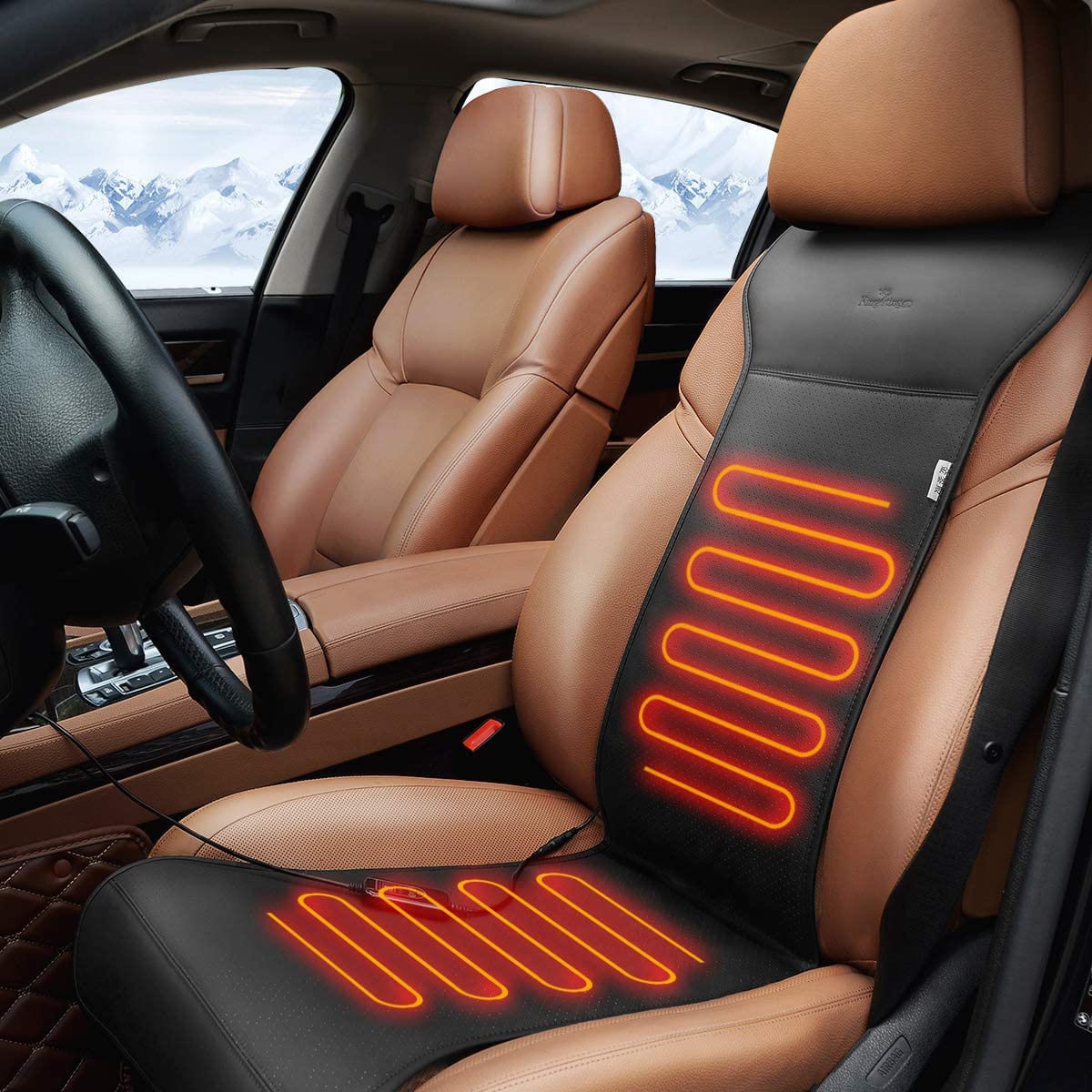
1. Heated Seats
Heated seats were once surprisingly common in mid-range and family-oriented vehicles, especially in regions with colder climates. During the late twentieth century, many manufacturers viewed seat heating as a practical comfort feature rather than a premium luxury amenity.
Drivers appreciated the ability to warm their seats quickly during winter mornings without waiting for the entire cabin to heat up. In countries with harsh winters, heated seats became associated with convenience and practicality instead of exclusivity.
As automotive competition intensified, manufacturers began reorganizing their trim structures to separate entry-level models from premium versions. Heated seats slowly migrated from standard equipment lists to optional comfort packages.
Buyers who once expected this feature in mid-tier vehicles suddenly needed to purchase higher trims or expensive add-on packages to access the same convenience. This shift allowed automakers to increase revenue while presenting heated seats as part of an upscale driving experience.
Modern heated seating systems are far more advanced than earlier versions. Many luxury vehicles now offer multi-stage heating controls, ventilation functions, memory settings, and even massage capabilities integrated into the seats.
Manufacturers use these enhancements to justify higher pricing and heated seats as part of a comprehensive luxury interior package. Some premium electric vehicles also include intelligent seat heating systems that adjust temperature automatically based on passenger preferences and cabin conditions.
Another major development involves subscription-based heated seat access. Some automakers experimented with charging monthly fees for activating seat heating software already installed in the vehicle. This strategy sparked significant consumer criticism because many drivers viewed heated seats as a basic comfort feature rather than a recurring paid service. Despite the backlash, the move demonstrated how manufacturers increasingly view interior conveniences as monetizable digital features.
The transformation of heated seats from practical comfort equipment into a luxury add-on reflects broader industry trends. Automakers continuously search for ways to differentiate premium trims and increase profitability. Features that once improved everyday driving comfort for average consumers are now strategically packaged to create exclusivity and encourage higher spending. Heated seats remain one of the clearest examples of this transition in modern automotive interiors.
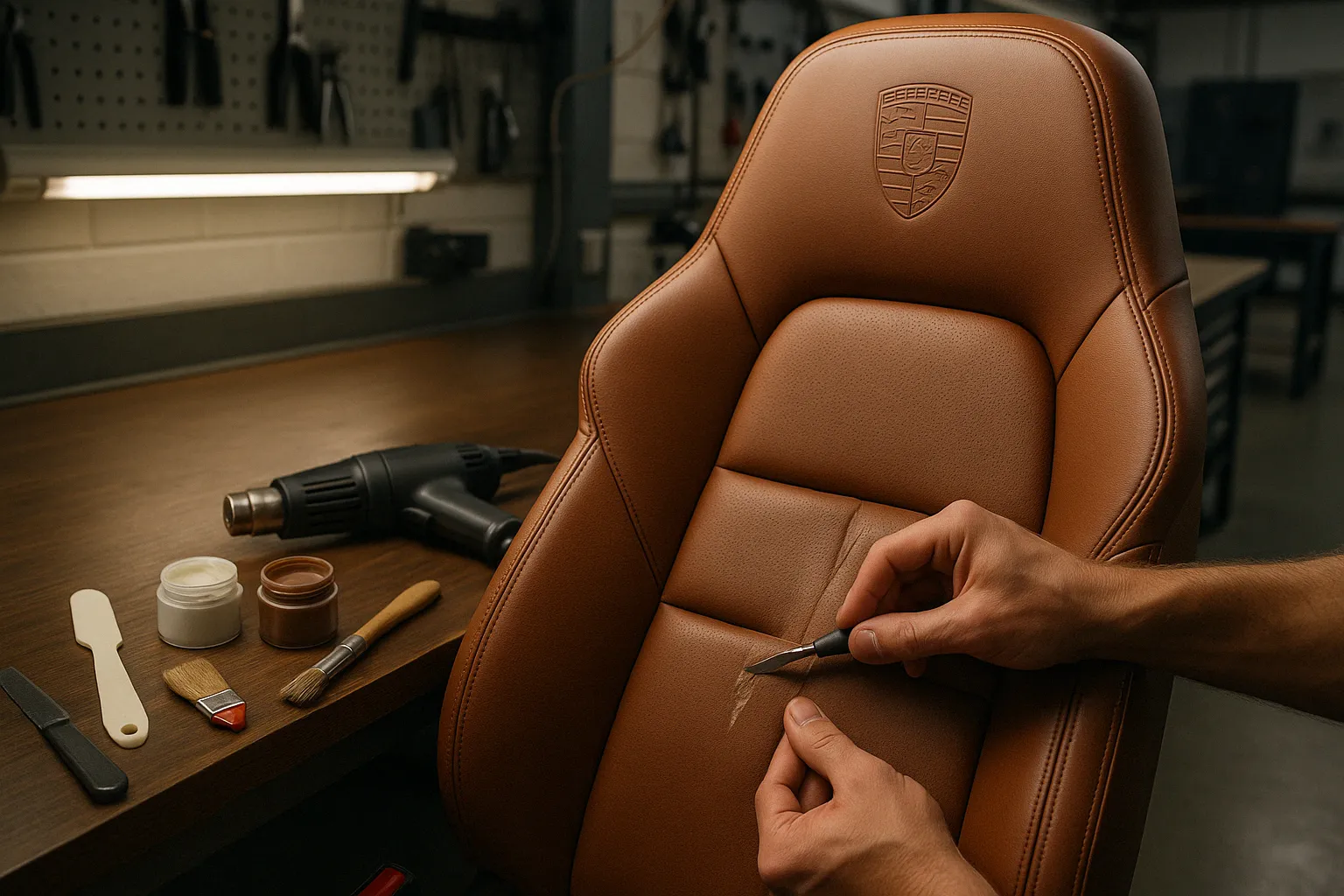
2. Leather Upholstery
Leather upholstery was not always restricted to high-end luxury vehicles. During the nineteen-eighties and nineties, many mainstream sedans and sport utility vehicles offered genuine leather seating as standard equipment in upper mid-range trims.
Consumers associated leather interiors with durability, easier cleaning, and comfort rather than pure luxury. Family-oriented vehicles often included leather seats to appeal to drivers seeking practical yet stylish interiors.
As vehicle pricing structures evolved, leather upholstery became a powerful marketing tool for premium branding. Manufacturers recognized that interior materials strongly influenced buyer perceptions of quality and sophistication.
Consequently, leather seats gradually moved into luxury packages or top trim levels. Base and mid-level models increasingly adopted cloth or synthetic alternatives while genuine leather became associated with exclusivity and prestige.
Modern luxury vehicles now feature highly specialized leather materials sourced from premium suppliers. Automakers emphasize handcrafted stitching, perforated surfaces, contrast piping, and environmentally sustainable tanning methods to distinguish their interiors.
Some luxury brands even collaborate with fashion houses and artisans to create distinctive cabin aesthetics. These refinements transform leather upholstery from a purely practical material into a statement of craftsmanship, comfort, and exclusivity.
The growing popularity of synthetic leather alternatives has also reshaped the market. Many manufacturers promote vegan leather and eco-friendly materials as modern luxury options.
While some consumers appreciate these environmentally conscious alternatives, genuine leather remains a sought-after premium feature in many markets. Automakers carefully position material choices within their trim hierarchies to maximize perceived value and encourage upgrades.
The evolution of leather upholstery demonstrates how consumer psychology influences automotive marketing. What was once a relatively accessible interior material has become a symbol of status and refinement. By limiting genuine leather to premium trims and exclusive packages, manufacturers reinforce the perception that luxury is closely tied to material quality and cabin aesthetics.
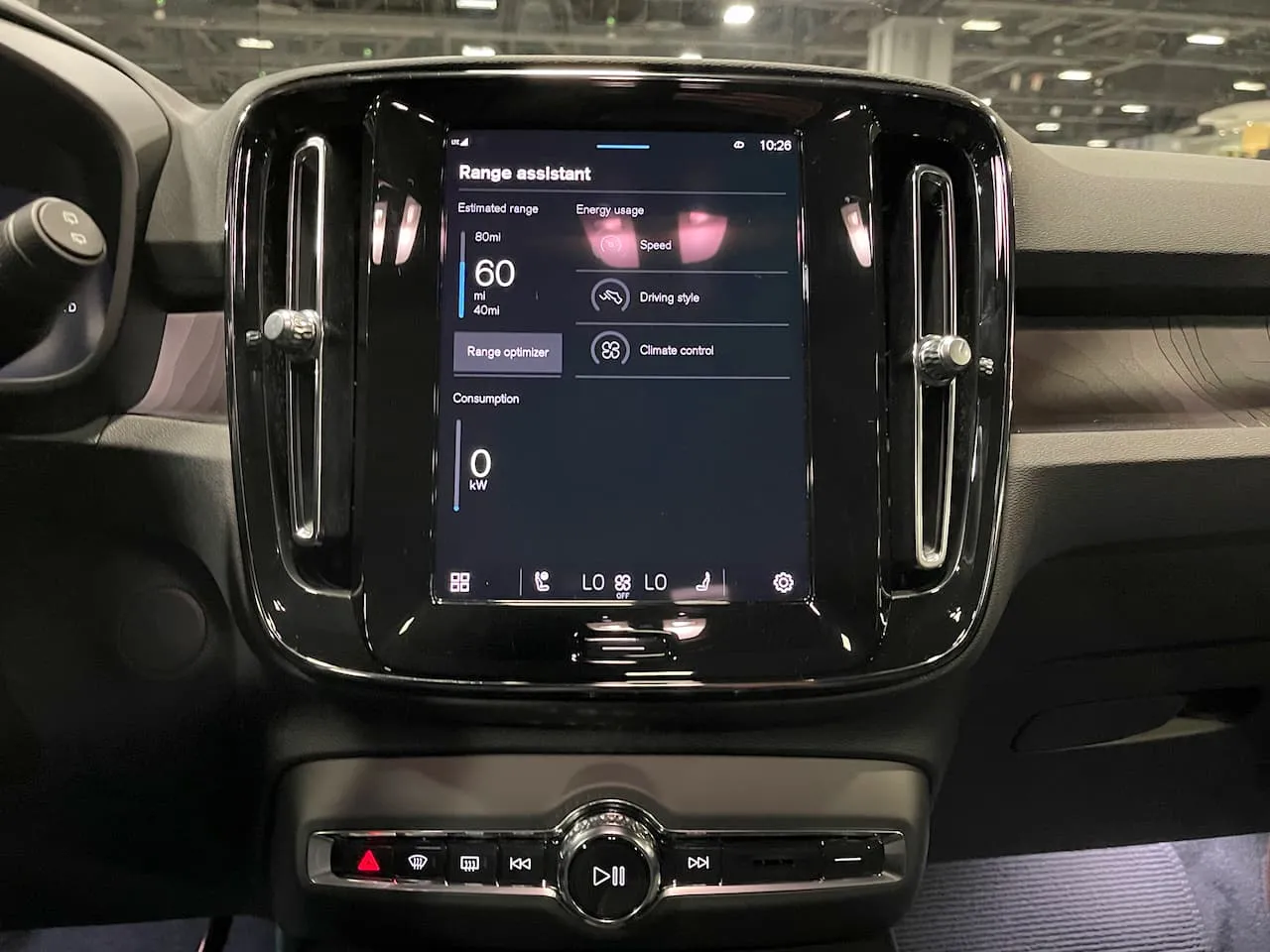
3. Automatic Climate Control
Automatic climate control systems were once considered an innovative convenience feature that eventually became widespread in mainstream vehicles.
Drivers appreciated the ability to maintain consistent cabin temperatures without manually adjusting fan speeds or temperature settings. Many family sedans and practical commuter cars included automatic climate control as standard equipment because it improved comfort during daily driving.
Over time, manufacturers began differentiating standard manual air conditioning from advanced automatic climate systems. Dual zone and multi-zone climate controls became increasingly associated with luxury vehicles. Buyers now often need to purchase higher trims to access sophisticated climate management features that were once becoming standard across many segments.
Luxury automakers expanded climate control technology significantly by introducing humidity sensors, air purification systems, fragrance dispensers, and intelligent airflow adjustments.
Premium vehicles now create highly personalized cabin environments tailored to individual passengers. Rear seat climate zones and smartphone-controlled temperature settings further reinforce the perception of exclusivity and advanced comfort.
The rise of electric vehicles has added another dimension to climate management systems. Efficient cabin heating and cooling directly affect battery performance and driving range.
Manufacturers use advanced climate technologies as selling points for premium electric models, often bundling them within luxury packages. Features such as heated armrests, heated steering wheels, and preconditioning systems have become part of high-end cabin experiences.
Automatic climate control illustrates how convenience technologies evolve into luxury differentiators. While maintaining cabin comfort remains a practical necessity, automakers increasingly package advanced climate systems as premium experiences. This strategy allows manufacturers to create clear distinctions between entry-level and upscale models while encouraging buyers to spend more for enhanced comfort.
4. Power Adjustable Seats
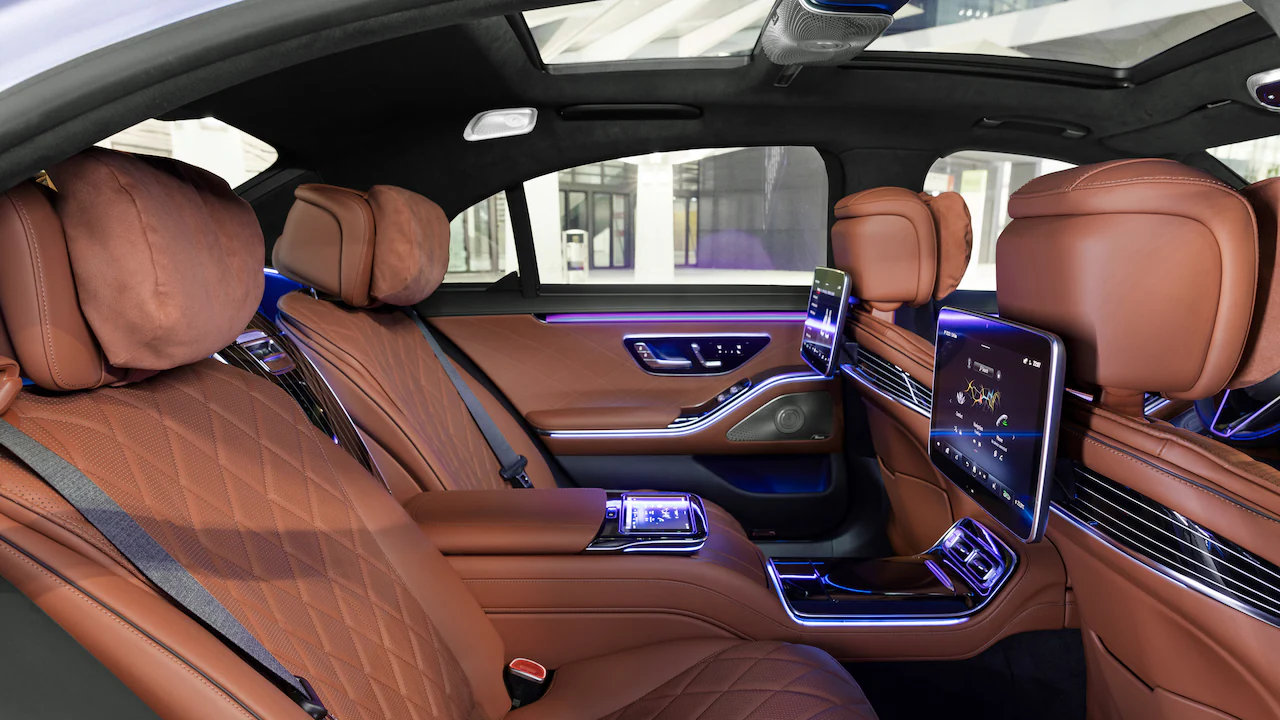
Power-adjustable seats once represented a practical advancement in driver comfort and ergonomics. Many sedans and family vehicles included basic power seat adjustments as standard equipment because they improved accessibility and personalization. Drivers could quickly modify seating positions without manually operating levers or handles, making long journeys more comfortable.
As competition within the automotive market intensified, power seats became another feature strategically relocated to premium trims.
Entry-level vehicles increasingly returned to manual seat adjustments while manufacturers promoted multi-directional power seats as luxury upgrades. Memory seat functions, lumbar adjustments, and customizable seating profiles further expanded the premium appeal of these systems.
Modern luxury vehicles now feature highly sophisticated seating technology. Some models offer dozens of adjustment points, allowing drivers and passengers to fine-tune comfort with remarkable precision.
Massage functions, posture correction systems, and climate-controlled seating are now common in premium cabins. These advancements transformed seating systems from simple comfort features into highly marketable luxury experiences.
Technology integration has further elevated power-adjustable seating systems. Many vehicles now synchronize seat settings with driver profiles stored in infotainment systems or smartphone applications.
Facial recognition and key-specific memory functions automatically adjust seating positions upon entry. Such features create a seamless personalized experience that luxury brands emphasize heavily in marketing campaigns.
The evolution of power-adjustable seats highlights the increasing importance of personalization within automotive interiors. Manufacturers understand that comfort strongly influences customer satisfaction and brand loyalty. By reserving advanced seating systems for premium trims, automakers create additional incentives for consumers to purchase higher-priced models.
5. Soft Touch Dashboard Materials
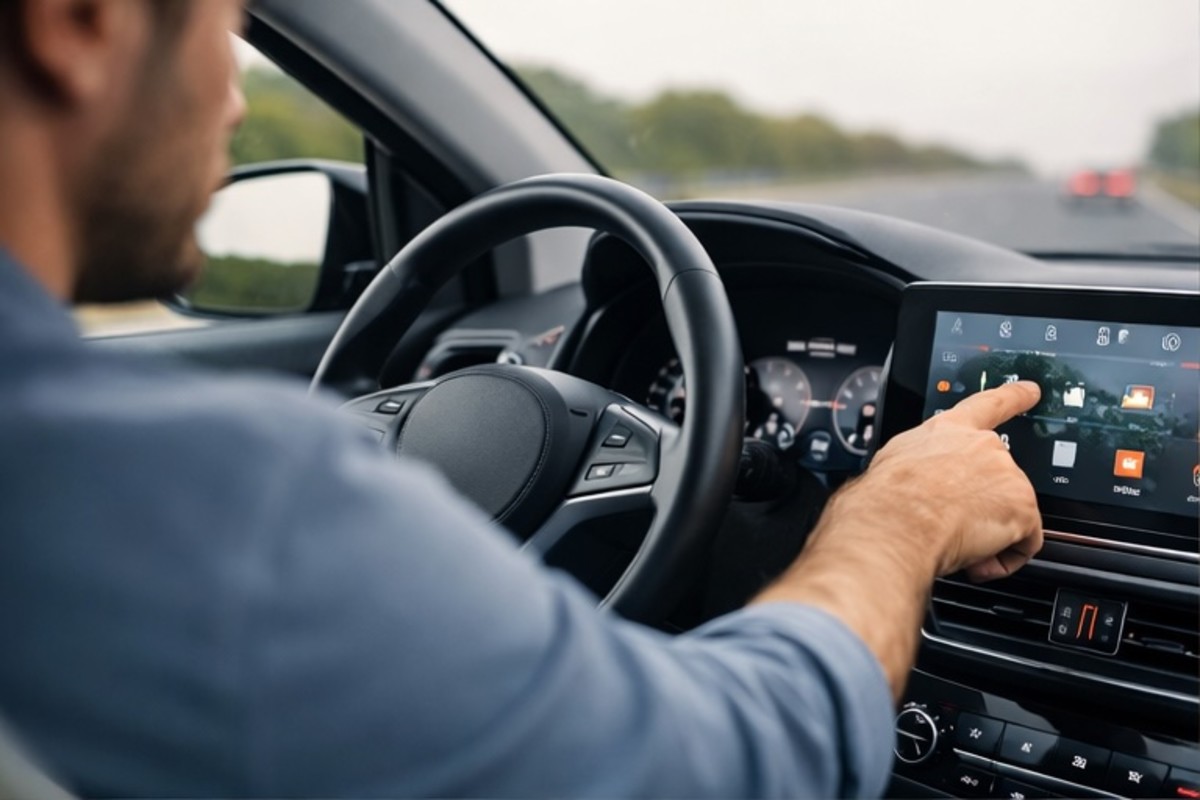
Soft-touch dashboard materials were once common in many mainstream vehicles because they enhanced comfort and reduced cabin noise. Automakers recognized that softer interior surfaces improved the tactile experience and created a more refined atmosphere.
During earlier decades, even affordable sedans often featured padded dashboards and textured surfaces designed to increase passenger comfort.
Over time, cost-cutting measures and competitive pricing pressures led many manufacturers to simplify base model interiors. Hard plastic surfaces became increasingly common in entry-level vehicles while soft-touch materials migrated toward premium trims. Consumers began associating softer materials with higher quality craftsmanship and luxury positioning.
Luxury brands now place enormous emphasis on interior tactile experiences. Premium dashboards often feature stitched leather coverings, open-pore wood trims, brushed metal accents, and advanced ambient lighting systems. These materials create visually rich and physically engaging cabin environments that reinforce brand identity and exclusivity.
The shift toward digital displays has also influenced dashboard design. Large touchscreens and integrated control panels dominate modern interiors, but surrounding materials still play a critical role in perceived quality.
Manufacturers carefully balance technology integration with tactile comfort to create upscale cabin experiences. Soft touch materials help reduce the sterile feel that can result from excessive digitalization.
The transformation of dashboard materials reflects broader trends in automotive design and consumer expectations. Interior craftsmanship has become a major selling point, particularly as powertrain differences between vehicles become less noticeable. By limiting premium materials to upscale trims, manufacturers strengthen the emotional and visual distinction between standard and luxury models.
6. Sunroofs and Moonroofs
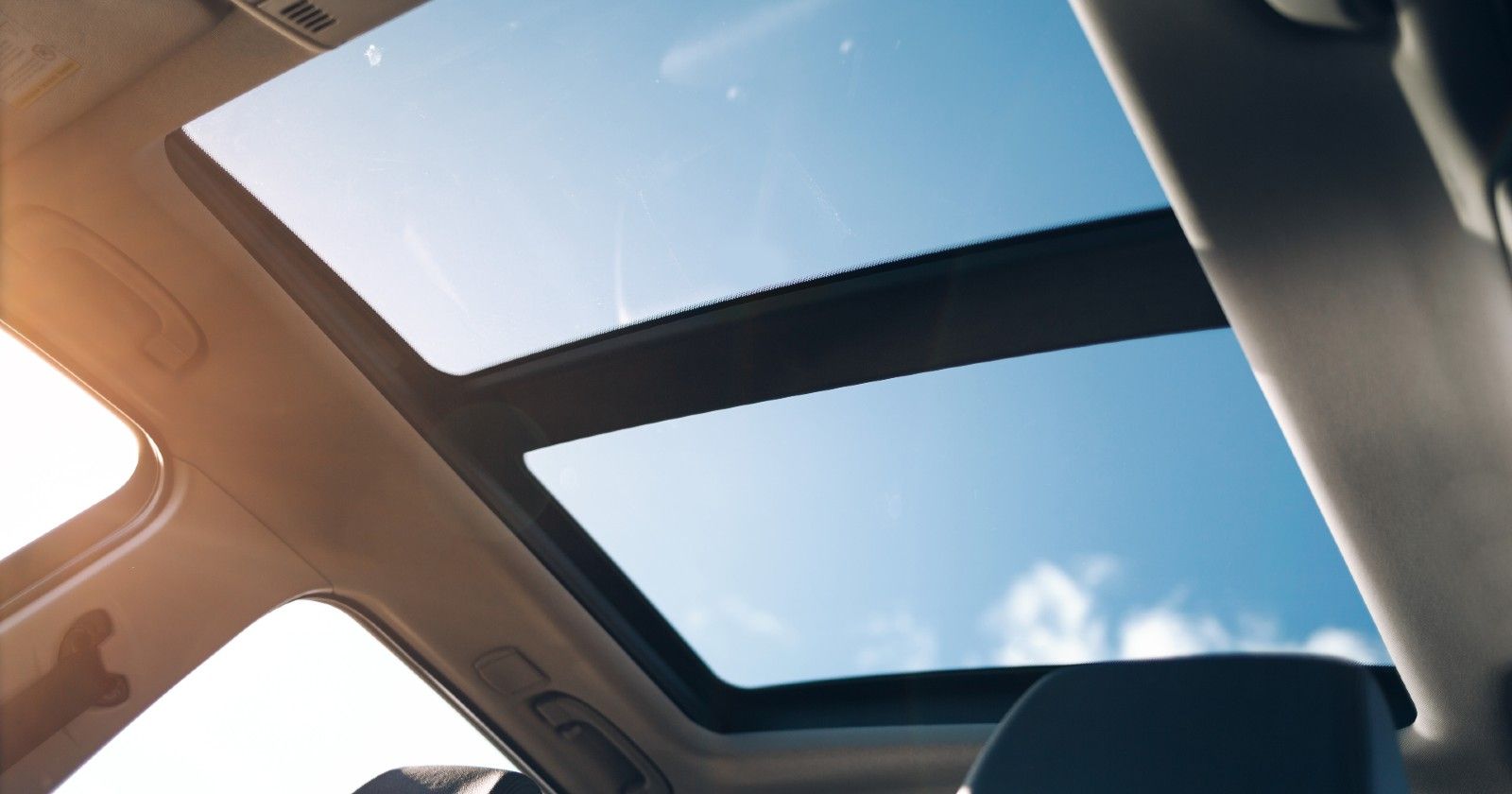
Sunroofs were once relatively common optional features that many mainstream buyers could access without purchasing luxury vehicles. They provided additional natural light, ventilation, and an enhanced sense of openness within the cabin. During the nineteen nineties and early two thousands, many family sedans and compact sport utility vehicles included sunroofs in affordable trim packages.
As panoramic roof systems became more sophisticated, automakers repositioned roof glass technology as a luxury feature. Large panoramic moonroofs now dominate premium vehicle marketing campaigns because they create spacious and visually impressive cabin environments. Buyers often need to upgrade to expensive trims to access these features.
Modern panoramic roofs incorporate advanced engineering and technology. Some systems include electrochromic glass that adjusts tint levels electronically, while others feature multi-panel designs that open in various configurations. Luxury electric vehicles frequently use expansive glass roofs to create futuristic cabin aesthetics and maximize natural lighting.
Despite their popularity, panoramic roofs introduce challenges related to weight, heat management, and structural complexity. Manufacturers address these issues through advanced materials and climate technologies. Premium vehicles often include specialized insulation and ultraviolet protection systems that improve comfort while maintaining the visual appeal of large glass surfaces.
The transition of sunroofs from accessible convenience features to luxury design elements illustrates how automakers continuously redefine premium experiences.
Roof glass technology now symbolizes openness, sophistication, and modernity within vehicle interiors. Manufacturers leverage this perception to encourage customers toward higher trim levels and more expensive configurations.
7. Ambient Interior Lighting
Ambient interior lighting was once limited to simple dashboard illumination and basic cabin visibility. Earlier vehicles focused primarily on practicality rather than aesthetic lighting experiences. Instrument panels and overhead lights served functional purposes without significant customization or visual sophistication.
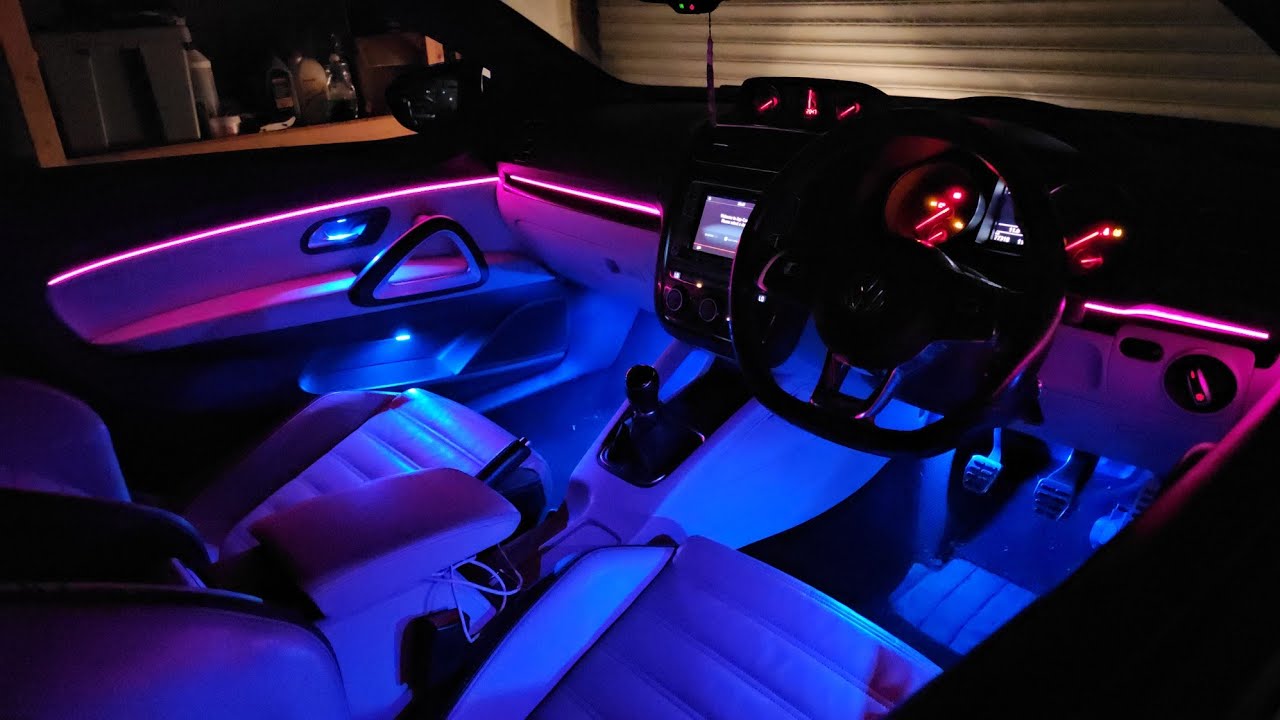
Luxury automakers transformed cabin lighting into a major design feature by introducing customizable ambient illumination systems. Drivers can now select from dozens of colors, brightness levels, and dynamic lighting patterns that change according to driving modes or passenger preferences. This evolution elevated lighting from a practical necessity to a core component of premium interior identity.
Modern ambient lighting systems contribute significantly to cabin atmosphere and emotional engagement. Manufacturers use strategically placed light strips, illuminated speaker grilles, and contour lighting to create immersive experiences.
Premium vehicles often synchronize interior lighting with infotainment systems, navigation alerts, and audio playback to enhance sensory interaction.
The increasing popularity of electric vehicles has accelerated interest in futuristic interior aesthetics. Ambient lighting plays a central role in creating modern, technology-focused cabin designs.
Automakers frequently highlight lighting systems in advertising because they visually communicate sophistication and innovation, especially during nighttime driving demonstrations.
Ambient lighting demonstrates how sensory experiences influence perceptions of luxury. While earlier vehicles prioritized straightforward functionality, modern premium interiors focus heavily on mood, personalization, and emotional appeal.
By restricting advanced lighting systems to upscale trims, manufacturers reinforce the exclusivity associated with technologically advanced cabin environments.
Also read: 12 Cars With Bulletproof Drivetrains You Can Buy for Peanuts
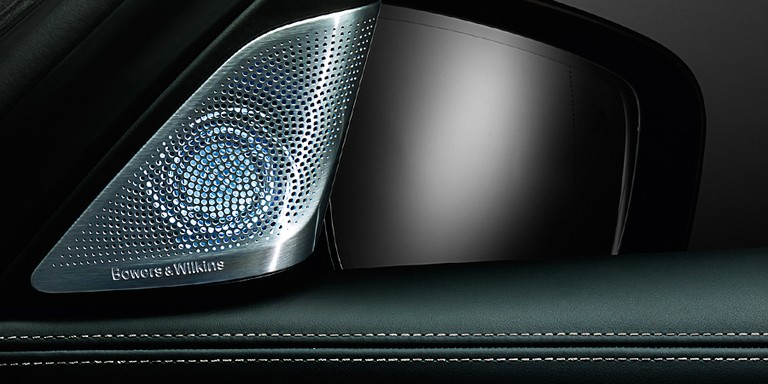
8. Premium Sound Insulation
Cabin quietness was once a relatively standard expectation in many family-oriented vehicles. Automakers invested heavily in sound insulation to improve comfort during highway driving and reduce fatigue. Thicker carpeting, padded door panels, and insulated cabins were commonly used to create quieter driving experiences across a wide range of vehicle segments.
As competition intensified and manufacturing costs increased, advanced sound insulation became more closely associated with luxury vehicles. Entry-level models often sacrificed acoustic refinement to maintain lower prices. Meanwhile, premium brands emphasized whisper-quiet cabins as indicators of superior engineering and craftsmanship.
Modern luxury vehicles employ sophisticated noise reduction technologies, including acoustic glass, active noise cancellation systems, insulated wheel wells, and advanced aerodynamic designs.
Some electric vehicles require even greater sound management because the absence of engine noise makes road and wind sounds more noticeable. Manufacturers now market silence itself as a luxury experience.
Premium cabin acoustics also enhance infotainment quality and passenger comfort. High-end sound systems perform better in quieter environments, allowing automakers to promote immersive audio experiences alongside advanced insulation technologies. This combination strengthens the perception of exclusivity and refinement within luxury interiors.
The evolution of sound insulation reflects changing definitions of automotive comfort. Earlier consumers viewed quiet cabins as practical improvements for long-distance travel, while modern luxury marketing frames acoustic isolation as an elite experience. Manufacturers increasingly reserve the highest levels of cabin refinement for expensive trims and flagship models.
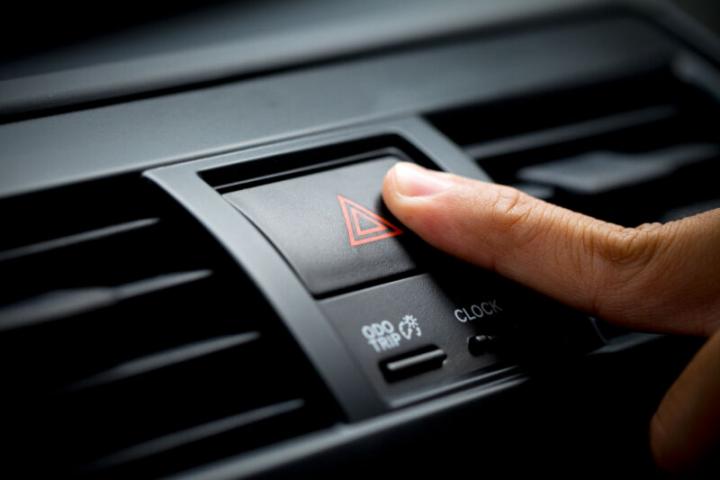
9. Physical Buttons and Knobs
Physical buttons and knobs were once standard features in every vehicle interior because they provided intuitive and reliable control over essential functions. Drivers could easily adjust climate settings, audio systems, and navigation controls without taking their eyes off the road. Tactile feedback made the operation simple and efficient, particularly during driving.
As digital interfaces became more common, automakers began replacing physical controls with touchscreens and capacitive surfaces. Interestingly, physical buttons have now started returning as premium design elements in some luxury vehicles. Manufacturers recognize that high-quality tactile controls can enhance user experience and communicate craftsmanship.
Luxury brands often use metal-finished knobs, weighted switches, and precision-engineered controls to create a sense of quality and sophistication. These tactile elements contrast sharply with cheaper touchscreen-heavy interiors that may feel less engaging or intuitive. Premium vehicles increasingly balance digital technology with carefully designed physical interactions.
Consumer feedback has played a major role in this shift. Many drivers prefer physical controls for frequently used functions because they reduce distraction and improve usability. Automakers now market tactile interfaces as thoughtful luxury features that prioritize driver comfort and safety rather than purely futuristic aesthetics.
The changing role of physical buttons demonstrates how automotive trends evolve cyclically. What was once universal became outdated, only to reemerge as a symbol of premium craftsmanship and user-centered design. This transformation highlights the growing importance of balancing technology with practicality in modern vehicle interiors.
10. Rear Seat Comfort Features
Rear seat comfort features were once relatively common in larger sedans and family vehicles. Fold-down armrests, adjustable rear vents, spacious legroom, and reclining seats were often included because manufacturers prioritized passenger comfort across the entire cabin. Families and business travelers appreciated these practical amenities during long journeys.
Luxury brands gradually expanded rear seat comfort into a defining aspect of premium vehicle design. Executive sedans and luxury sport utility vehicles introduced heated rear seats, massage functions, entertainment screens, and power reclining systems. Rear cabins evolved into personalized relaxation spaces rather than simple passenger areas.
Modern luxury vehicles increasingly focus on chauffeured experiences, especially in markets where affluent buyers frequently travel with drivers. Rear seat passengers now enjoy features such as wireless charging stations, individual climate zones, fold-out tables, and advanced entertainment systems. Some flagship models even include refrigerator compartments and reclining ottoman seats.
Electric vehicle platforms have further transformed rear cabin design by eliminating traditional transmission tunnels and improving interior space efficiency.
Manufacturers use these advantages to create lounge-like rear seating arrangements that emphasize comfort and flexibility. Premium electric models often market rear passenger experiences as strongly as driver-focused performance capabilities.
The evolution of rear seat comfort features demonstrates how automotive luxury increasingly extends beyond the driver. Modern premium interiors aim to provide exceptional comfort for every occupant, turning rear seating areas into sophisticated travel environments. Features once considered practical conveniences are now carefully packaged as exclusive luxury experiences.
