
Every year, a handful of vehicles quietly disappear from dealership floors, and most buyers do not notice until they go looking for something they assumed would always be there. Sometimes a discontinuity makes headlines. Sometimes a model just stops appearing in the new inventory listings without ceremony, replaced by a press release that mentions changing consumer preferences and portfolio optimization.
Either way, a car that existed last year is gone, and the people who loved it are left browsing the used market instead. 2026 brought a specific set of discontinuities that reflect where the automotive industry is heading and what it is leaving behind.
Electric vehicle investment, crossover demand, tightening emissions requirements, and the financial math of maintaining low-volume models in an era of expensive platform development all contributed to decisions that ended production runs for vehicles that had genuine followings, strong engineering histories, and loyal buyers who are now shopping for alternatives.
Some of these departures were anticipated. Models that had been losing sales volume for several consecutive years, receiving no important updates, and competing in shrinking rather than growing segments were not shocking losses. Others were more surprising, ending production runs that seemed to have life left in them and leaving market segments with fewer quality options than they had the year before.
Understanding why a vehicle is discontinued helps buyers make better decisions about what to do next, whether that means buying a final-year example before it disappears from dealer lots, hunting for clean used inventory, or reconsidering which replacement model actually delivers the qualities the discontinued vehicle provided.
This page covers eight vehicles whose production ended in early 2026 or will end in 2026, explains what each one delivered, and discusses what their departure means for buyers who valued them.
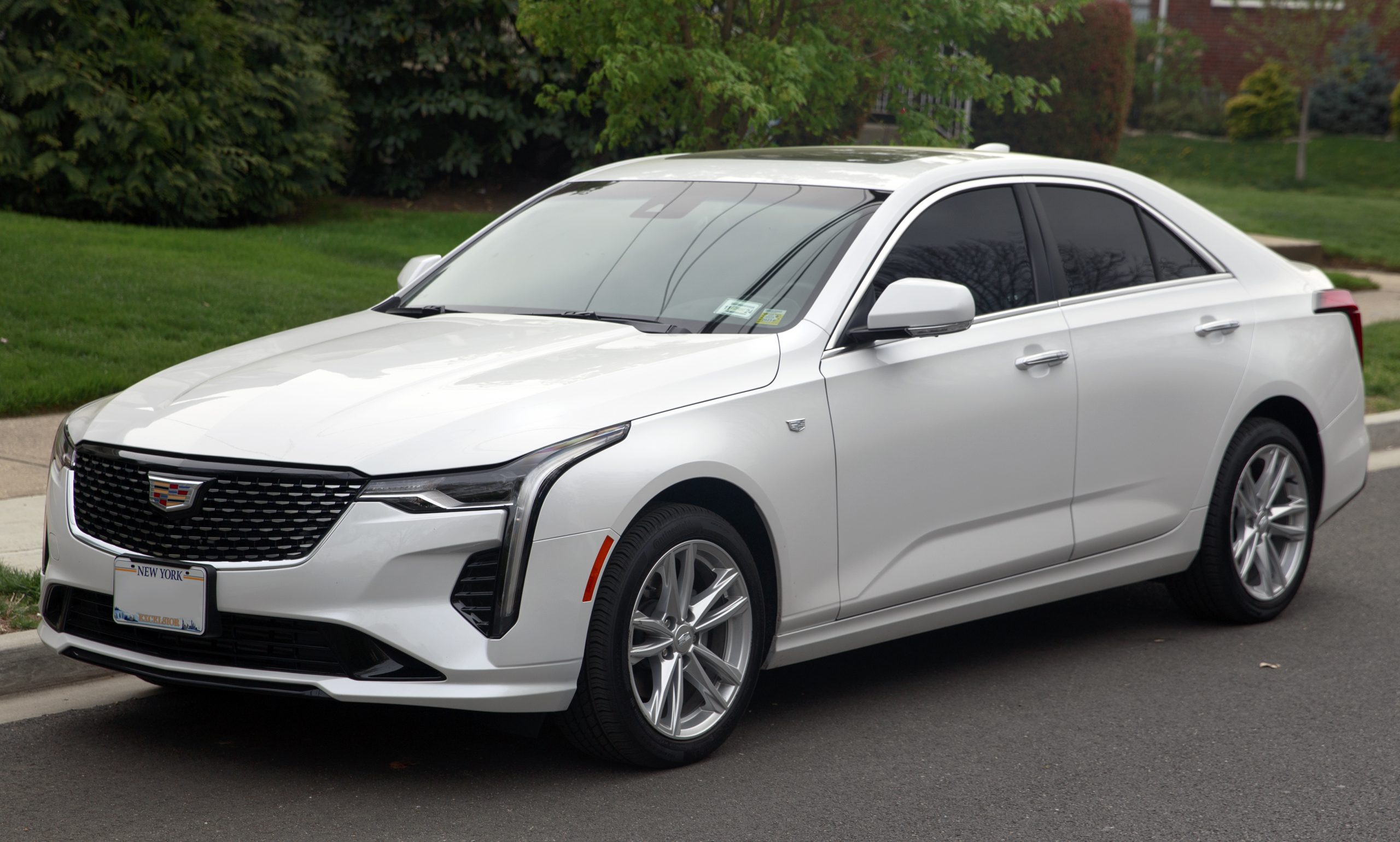
1. Cadillac CT4
- Engine options: 2.0L turbocharged inline-4 / 2.7L turbocharged inline-4
- Horsepower: up to 325 hp (CT4-V variant)
- Torque: up to 380 lb-ft
- Length: 4756 mm
- Width: 1815 mm
It is appropriate to begin with a clear explanation of what the Cadillac CT4 represented before addressing its discontinuation after the 2026 model year. General Motors introduced the CT4 as the entry sedan within Cadillac’s product range, intended to serve younger buyers and individuals moving into the luxury vehicle segment for the first time.
This positioning required a product capable of standing in direct competition with established European sedans within a market segment where buyers place strong emphasis on refinement, performance, and brand perception. A defining characteristic of the CT4 was its rear-wheel-drive structure. Many compact luxury sedans in their class rely on front-wheel-drive systems due to cost and packaging advantages.
Cadillac adopted rear-wheel drive, resulting in a more balanced driving character. This was most evident in the CT4-V variant fitted with the 2.7-litre turbocharged inline-four engine producing 325 horsepower and 380 lb-ft of torque. The combination of this engine and rear-drive layout produced steady acceleration behaviour and predictable handling response during cornering conditions.
The transmission system used across the CT4 range was a ten-speed automatic unit calibrated to deliver smooth gear transitions during routine driving conditions while also allowing sharper response when higher performance settings were engaged. The distribution of weight between the front and rear sections contributed to stable vehicle control during directional changes, especially at higher speeds.
Inside the cabin, Cadillac applied a driver-focused layout that integrated digital instrument displays and a modern infotainment system with smartphone connectivity. The interior materials differed across trim levels. Higher variants included leather upholstery, upgraded sound systems, and improved sound insulation that produced a quieter cabin environment compared with entry specifications.
Market conditions played a central role in the discontinuation decision. Demand for compact luxury sedans reduced steadily in favour of compact SUVs, which offered greater practicality in terms of space and perceived usability. This development reduced the commercial justification for continued investment in the CT4 platform.
Final production units will remain in circulation within the used vehicle market, where interest is expected from buyers who prefer rear-wheel-drive luxury sedans within a compact body structure. No direct internal combustion replacement has been confirmed within Cadillac’s current product direction, placing the CT4 among the final generation of its category within the brand.
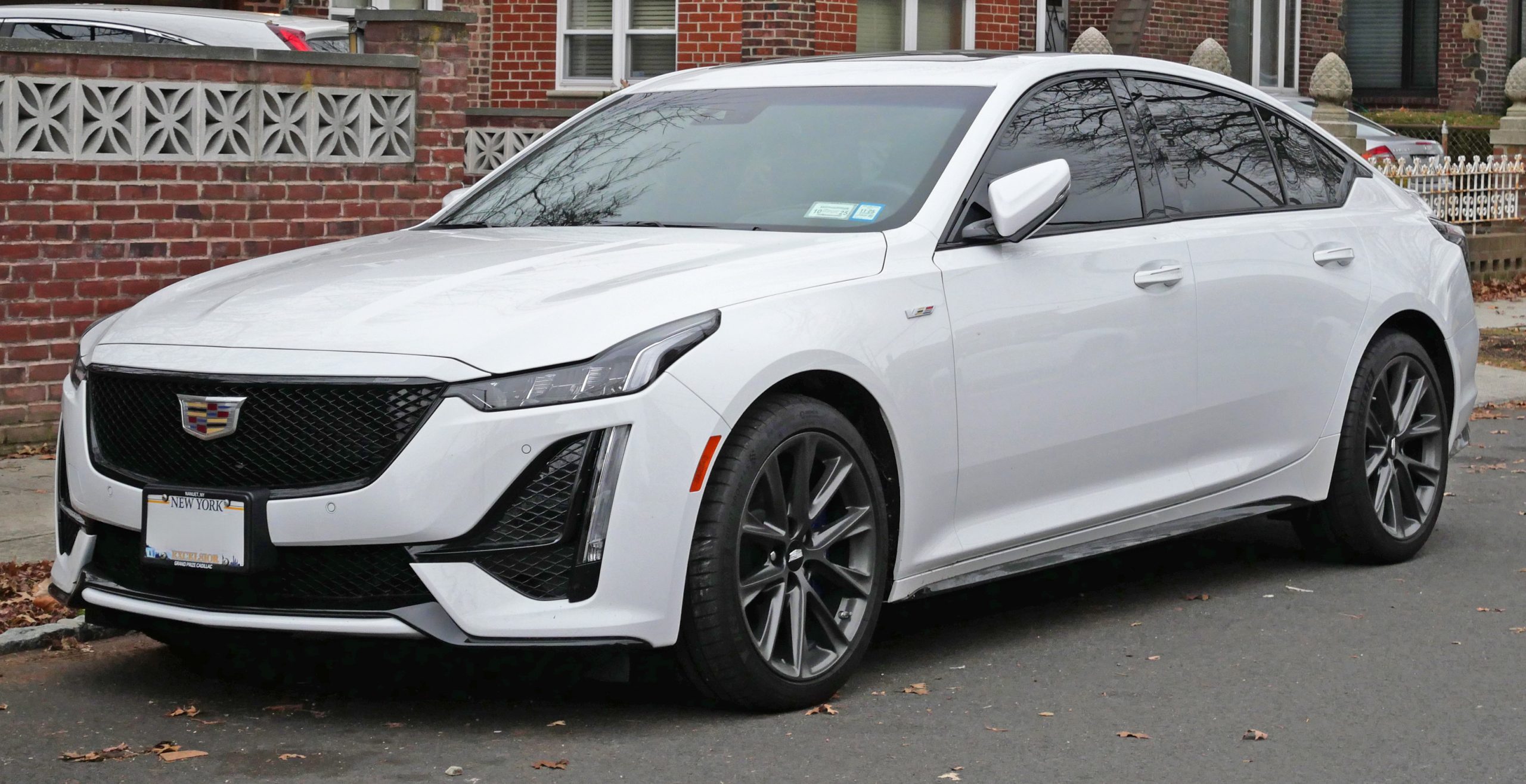
2. Cadillac CT5
- Engine options: 2.0L turbocharged inline-4 / 3.0L twin-turbo V6
- Horsepower: up to 360 hp (CT5-V)
- Torque: up to 405 lb-ft
- Length: 4930 mm
- Width: 1883 mm
The Cadillac CT5 will end production after the 2026 model year as part of a wider restructuring of Cadillac’s sedan offerings. This model occupied the mid-size position within the brand’s sedan range and served as a bridge between entry-level luxury and higher-performance executive vehicles. Its presence in the market placed it in direct competition with mid-size sedans produced by BMW, Mercedes-Benz, and Audi.
Powertrain options in the CT5 range reflect its dual focus on comfort and performance capability. The standard engine is a 2.0-litre turbocharged inline-four unit suitable for general luxury driving requirements. The higher specification CT5-V employs a 3.0-litre twin-turbocharged V6 engine producing 360 horsepower and 405 lb-ft of torque.
This engine provides strong acceleration performance that allows the vehicle to compete with European sport sedan offerings in performance evaluations. The CT5 is built on a rear-wheel-drive platform, with all-wheel drive available for users operating in regions where weather conditions require additional traction control. This configuration gives the vehicle stable handling behaviour and a driving character that differs from front-wheel-drive competitors in the same category.
Suspension tuning in the CT5-V variant supports controlled body movement during cornering, while steering calibration provides consistent feedback during directional input. The interior design follows a modern luxury layout, featuring a curved digital display that combines instrumentation and infotainment functions.
Additional features include ventilated seating, ambient lighting, and premium audio systems that enhance occupant comfort during extended travel. Material selection varies across trim levels, with higher specifications offering improved cabin refinement.
The decision to end production aligns with Cadillac’s broader transition toward electric vehicle development. Resources previously allocated to internal combustion sedan programmes are being redirected toward electric platforms such as Lyriq and Celestiq. There is a reference to a future performance sedan concept within Cadillac’s planning structure, although no confirmed timeline exists for its introduction.
The CT5 will therefore remain the final internal combustion mid-size sedan of its generation within Cadillac’s product history, leaving a gap in the brand’s traditional sedan offering.
Also Read: 8 Cars With Factory Software That Limits Their True Performance
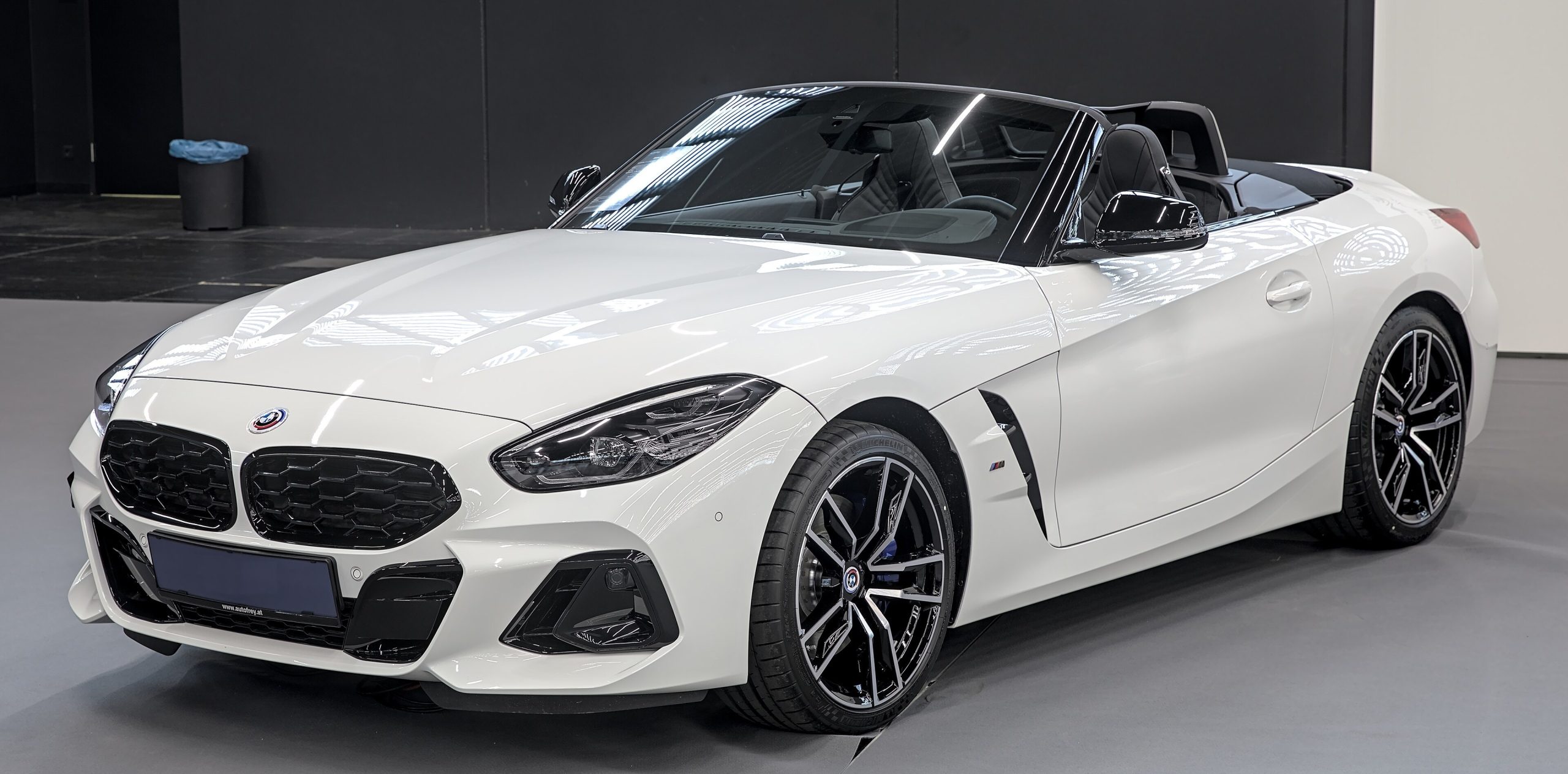
3. BMW Z4
- Engine options: 2.0L turbocharged inline-4 / 3.0L turbocharged inline-6
- Horsepower: up to 382 hp
- Torque: up to 369 lb-ft
- Length: 4324 mm
- Width: 1864 mm
BMW’s discontinuation of the Z4 in 2026 brings to a close the manufacturer’s sustained presence in the modern roadster segment, a segment that BMW had occupied with considerable distinction across multiple decades and distinct product generations.
Developed in collaboration with Toyota, with the Z4 sharing its platform architecture with the GR Supra while maintaining a separate product identity, the final-generation Z4 represented the product of a partnership that allowed both manufacturers to distribute development costs across two distinct vehicle programmes while producing vehicles with meaningfully different characters suited to their respective brand identities.
Engine options available in the Z4 communicated the range of buyers the vehicle was designed to serve. A 2.0-litre turbocharged inline-four engine offered in lower trims provided a balanced introduction to the roadster experience, while the 3.0-litre turbocharged inline-six engine in the M40i specification delivered 382 horsepower and 369 lb-ft of torque through a rear-wheel-drive drivetrain and an eight-speed automatic transmission.
That powertrain combination produced acceleration performance of genuine substance, with zero to 100 kilometres per hour achievable in approximately 4.5 seconds under optimal conditions. Chassis behaviour in the M40i reflected BMW’s motorsport heritage in a manner that distinguished the Z4 from roadsters prioritising comfort above dynamic engagement.
Rear-wheel drive with an electronically controlled limited-slip differential provided the driver with the ability to exploit available traction in a controlled manner during spirited driving, while variable sport steering adjusted response weighting relative to vehicle speed and selected drive mode. Suspension geometry maintained body control during directional changes without imposing a ride quality compromise that would have undermined the vehicle’s usability across varied road surfaces.
Interior design maintained the driver-centred philosophy consistent across BMW’s performance model range, with sport seats providing lateral support during dynamic driving, digital instrumentation presenting relevant performance data, and control placement prioritising intuitive access without requiring driver attention to be diverted from the road.
Declining market demand for two-seat roadsters, driven by buyers’ increasing preference for performance variants of coupe and SUV body styles offering greater daily practicality, informed BMW’s decision to discontinue the Z4 without a confirmed direct successor.
No equivalent open-top two-seat model is currently confirmed within BMW’s published product plan, making the 2026 Z4 the final expression of this particular vehicle concept from the Bavarian manufacturer in its present form.
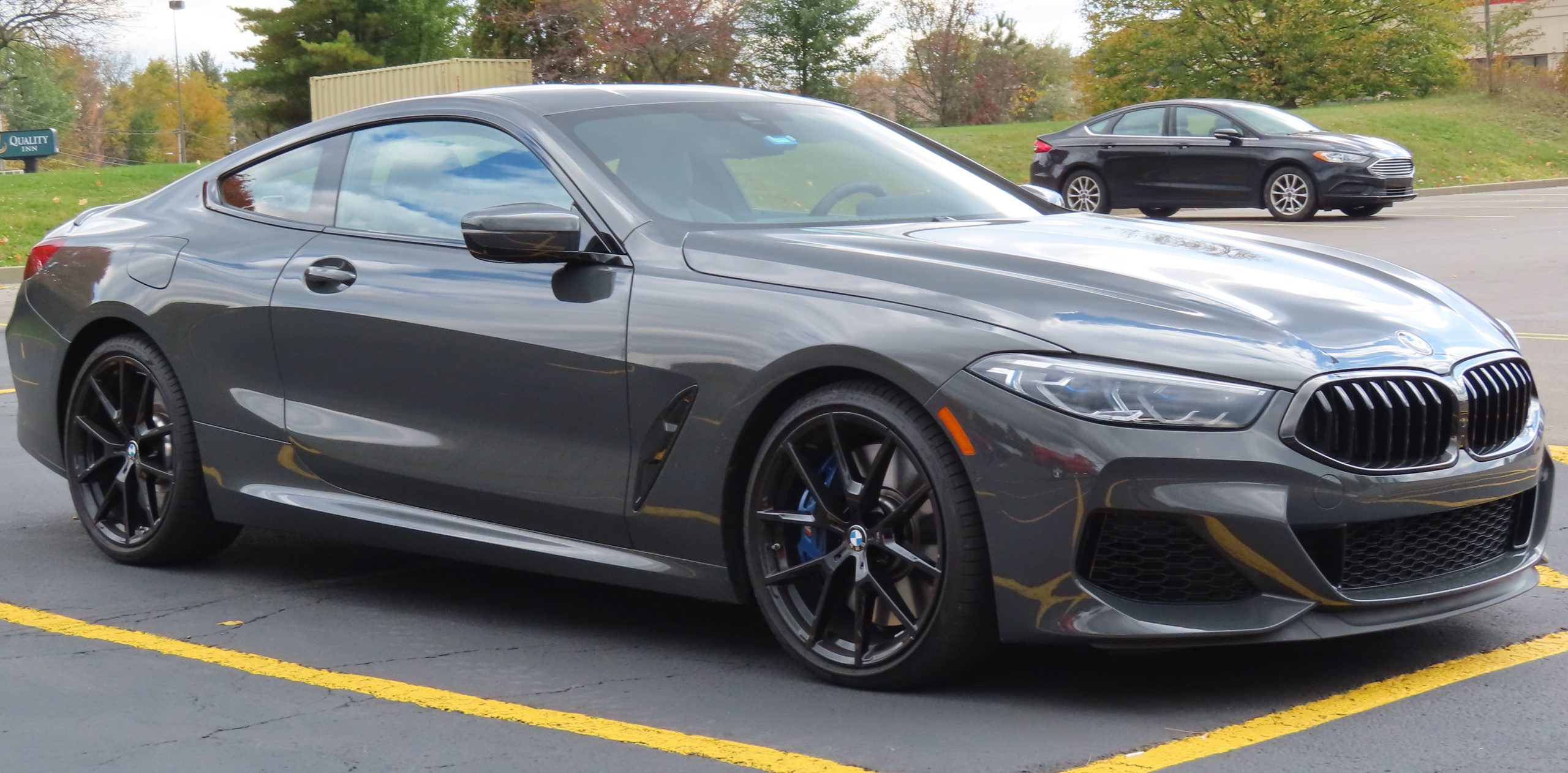
4. BMW 8 Series
- Engine options: 3.0L inline-6 / 4.4L twin-turbo V8
- Horsepower: up to 617 hp (M8 Competition)
- Torque: up to 553 lb-ft
- Length: 5082 mm
- Width: 1932 mm
BMW’s decision to end production of the 8 Series in mid-2026 reflects a strategic repositioning of the brand’s upper model range rather than any inadequacy in the vehicle’s engineering execution or market reception among its intended buyers.
Positioned as BMW’s flagship grand touring coupe, the 8 Series occupied the highest point in the brand’s coupe hierarchy, combining high-performance capability with the refinement and long-distance comfort associated with grand touring as a distinct automotive category separate from pure sports car performance.
Engine specifications across the 8 Series range communicated the vehicle’s performance ambitions without equivocation. A 3.0-litre inline-six turbocharged engine served the entry 840i configuration, while the M850i xDrive employed a 4.4-litre twin-turbocharged V8 producing output appropriate to flagship positioning.
At the summit of the range, the M8 Competition delivered 617 horsepower through a drivetrain system combining the twin-turbocharged V8 with BMW’s xDrive all-wheel-drive technology, producing acceleration performance of supercar calibre within a body that retained the elegance expected of a grand touring flagship.
Interior execution in the 8 Series justified the vehicle’s pricing position through the application of premium materials across all surfaces visible and accessible to occupants. Merino leather upholstery, carbon fibre interior accents, and Bowers and Wilkins audio systems in higher specifications created an environment that engaged occupants through sensory quality rather than merely functional provision.
Market conditions affecting large luxury coupe demand contributed directly to the production conclusion decision. Premium segment buyers in North America, Europe, and Asian markets have demonstrated consistent migration toward SUV body styles, reducing viable sales volumes for large coupe models to levels that cannot sustain dedicated platform development investment.
BMW’s internal resource allocation has prioritised electric vehicle development, autonomous driving technology, and SUV platform expansion in response to those market trends. No direct successor to the 8 Series is confirmed within BMW’s published product strategy, leaving the brand’s upper coupe heritage unrepresented in its current and near-future model catalogue.
Final 2026 production examples, particularly M8 Competition configurations, are expected to attract collector attention among buyers who recognise the vehicle’s position as the terminal expression of BMW’s naturally aspirated and turbocharged grand touring coupe tradition.
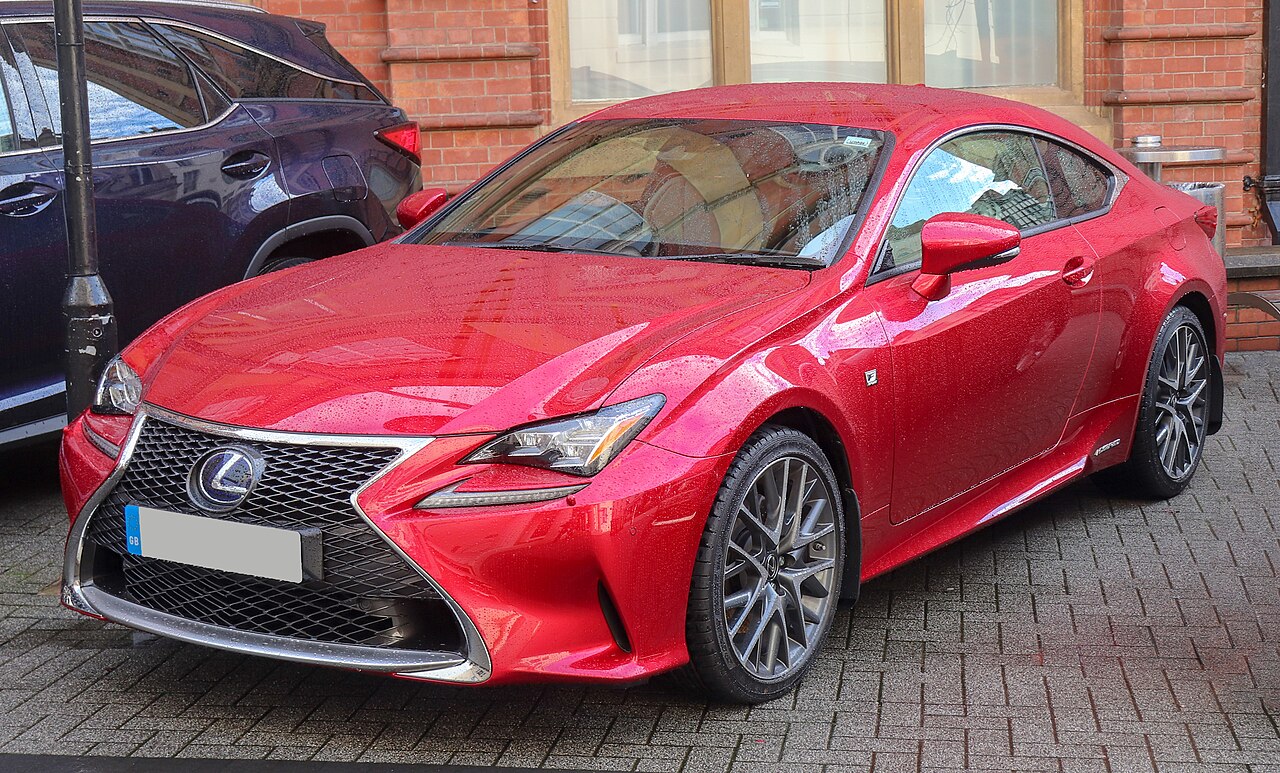
5. Lexus RC
- Engine options: 2.0L turbocharged inline-4 / 3.5L V6
- Horsepower: up to 311 hp
- Torque: up to 280 lb-ft
- Length: 4695 mm
- Width: 1840 mm
Lexus ending production of the RC after the 2026 model year reflects a long-running direction within the brand where coupe investment has reduced while crossover and electrified model development received stronger attention. The RC functioned as the compact luxury coupe within Lexus’ range, serving buyers who placed value on styling differentiation and smooth driving behaviour rather than the pursuit of high output figures associated with European sport coupes in similar pricing bands.
The RC range offered two main engine configurations designed for different buyer expectations. The 2.0-litre turbocharged inline-four engine in the RC 300 served those prioritising fuel efficiency within a luxury coupe format. The RC 350 used a 3.5-litre V6 producing 311 horsepower, with delivery tuned for smooth and progressive acceleration rather than aggressive power spikes. The engine response maintained a steady character through the rev range, aligning with Lexus’ established engineering direction.
An all-wheel-drive system was available in the RC 350 for buyers in regions requiring stronger traction performance in varying weather conditions. This system distributed torque in a controlled manner, supporting stable motion on low-grip surfaces while retaining balanced handling behaviour during dry-road driving. Suspension calibration supported comfort during daily use while maintaining composure during faster driving conditions.
The cabin layout reflected Lexus’ long-standing focus on comfort and material quality. Surfaces across major touchpoints used soft materials, and cabin insulation reduced external noise intrusion during high-speed travel. Seating design supported long-distance comfort, while infotainment functions and driver assistance features were updated across production years to maintain alignment with user expectations for in-car technology.
Market demand for coupe models has continued to reduce across many regions, influencing product planning decisions across manufacturers. Lexus responded by directing investment toward crossover models and electrified platforms, which form a stronger portion of current buyer preference patterns. The RC therefore reached the end of its production cycle without a direct replacement being scheduled within the brand’s current product direction.
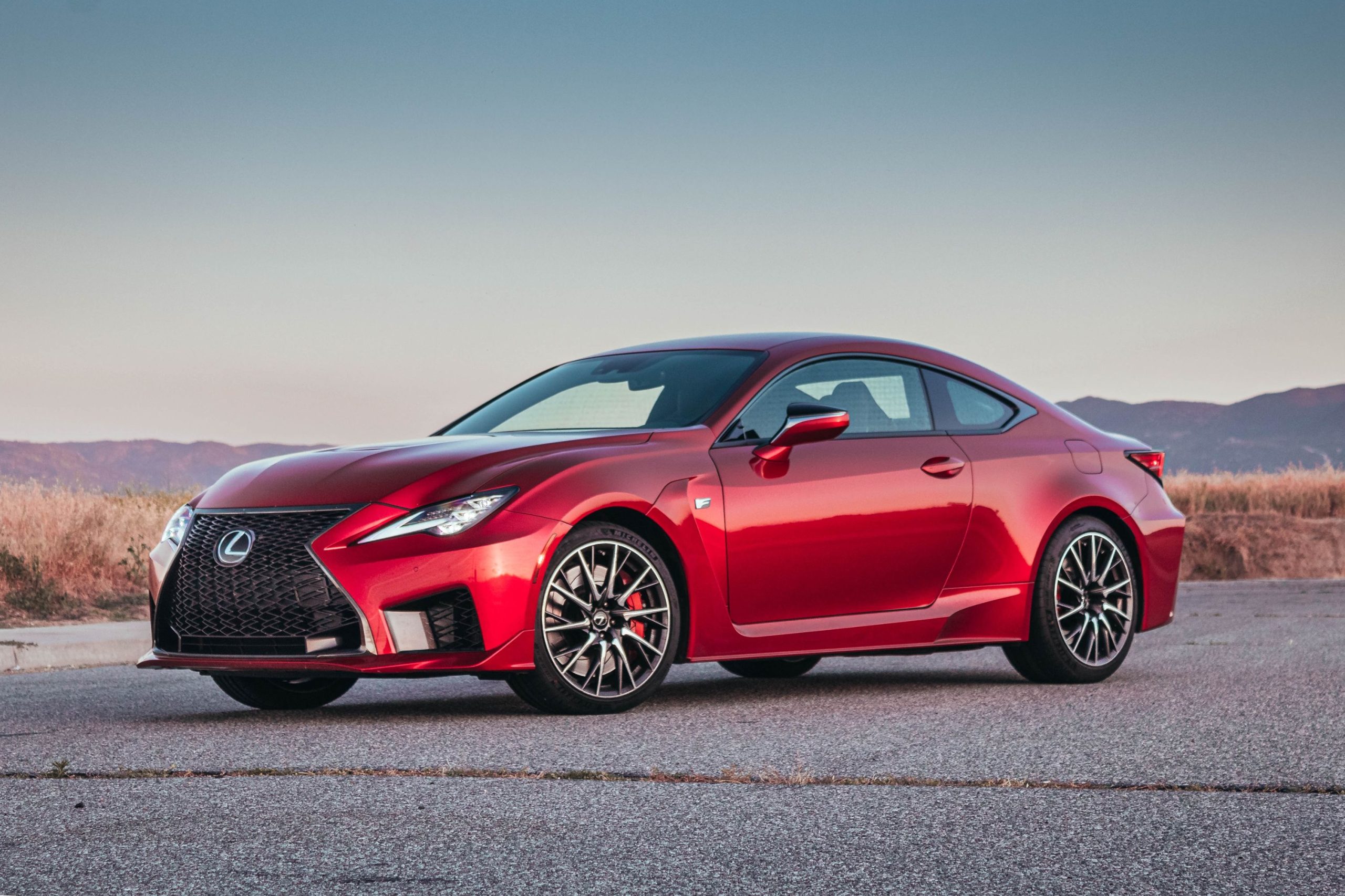
6. Lexus RC F
- Engine: 5.0L naturally aspirated V8
- Horsepower: 472 hp
- Torque: 395 lb-ft
- Length: 4705 mm
- Width: 1840 mm
The Lexus RC F ending production alongside the standard RC represents the conclusion of one of the few remaining naturally aspirated V8 performance coupes within its class. Many manufacturers have moved toward turbocharged or hybrid performance systems, reducing the presence of high-displacement naturally aspirated engines in modern luxury performance vehicles.
The RC F is powered by a 5.0-litre V8 engine producing 472 horsepower and 395 lb-ft of torque, delivered through a rear-wheel-drive system and an eight-speed Sport Direct Shift automatic transmission. The engine delivery is characterised by a linear rise in output as engine speed increases, requiring sustained rev range usage to achieve maximum performance output during acceleration. This power delivery method differs from turbocharged systems that provide early torque availability at lower engine speeds.
The acoustic behaviour of the RC F remains one of its defining attributes. The naturally aspirated V8 produces a direct and consistent sound profile that corresponds closely with engine speed. This sound character is shaped by exhaust system calibration designed to maintain clarity during acceleration without artificial enhancement. The result is a driving experience that reflects mechanical operation in a direct manner.
Suspension systems in the RC F use adaptive variable damping to balance road comfort and performance stability. Higher specification variants include additional performance tuning elements such as aerodynamic enhancements that produce measurable downforce at higher speeds. Tyre selection also supports higher grip levels required for controlled handling under demanding driving conditions.
The reduction in demand for large displacement naturally aspirated engines has influenced production decisions across the industry. Regulatory requirements related to emissions standards have placed additional pressure on manufacturers, making continued production of such engines less viable within low-volume performance segments.
Lexus has not announced a direct replacement with a similar engine configuration, marking the RC F as one of the final expressions of its kind within the brand’s performance line-up.
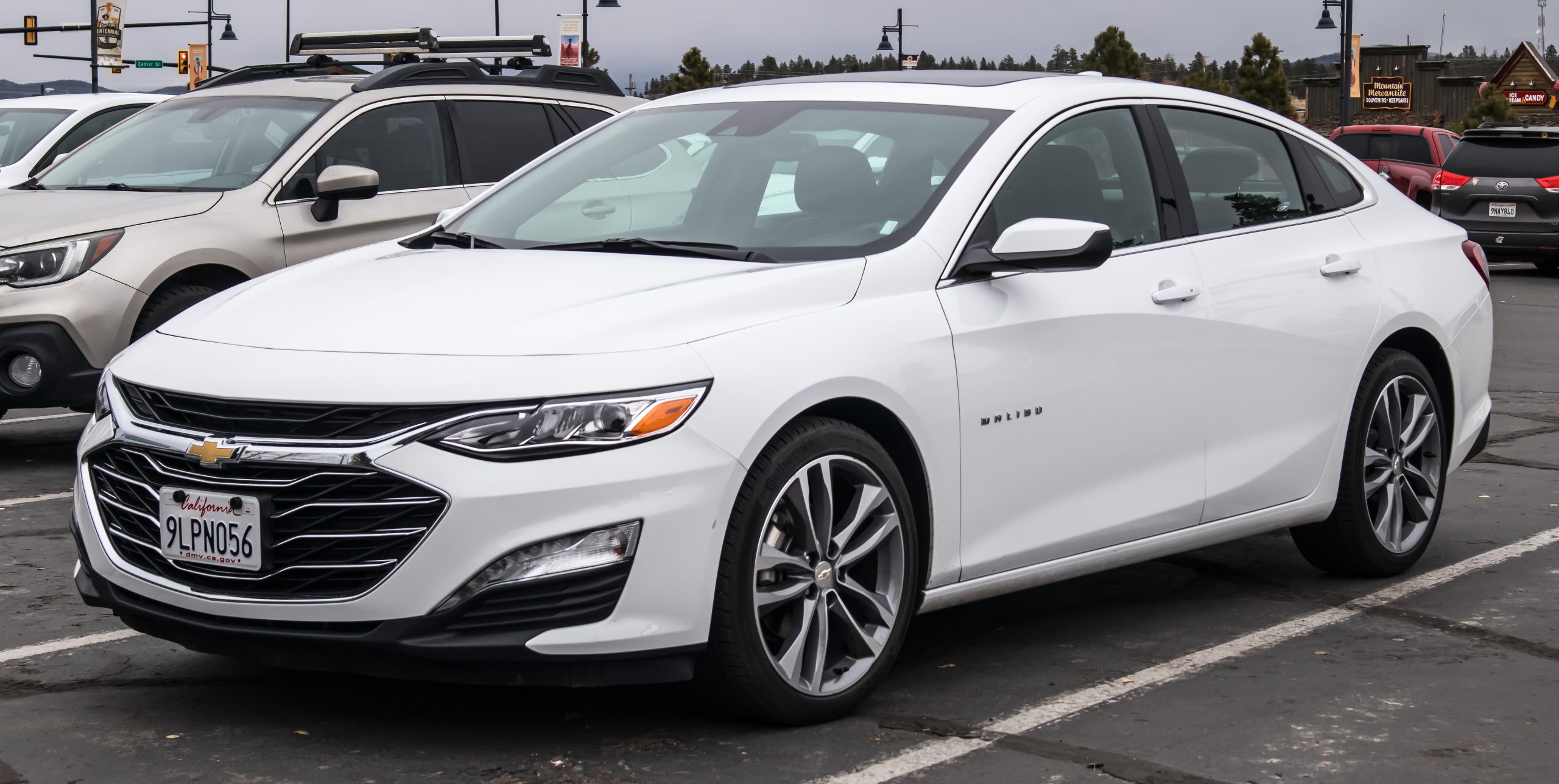
7. Chevrolet Malibu
- Engine: 1.5L turbocharged inline-4
- Horsepower: 163 hp
- Torque: 184 lb-ft
- Length: 4923 mm
- Width: 1854 mm
Chevrolet Malibu’s production cycle, concluding after the 2025 model year, effectively removed the vehicle from new model availability throughout 2026, making it functionally discontinued from the perspective of buyers seeking new vehicle purchases.
This departure ended a nameplate with substantial history within General Motors’ product catalogue, one that had served American families, fleet operators, and cost-conscious buyers across multiple distinct generations since the original Malibu’s introduction in 1964.
The final generation Malibu was equipped with a 1.5-litre turbocharged inline-four engine producing 163 horsepower and 184 lb-ft of torque, a powertrain specification calibrated for fuel efficiency and everyday adequacy rather than performance distinction.
That engineering priority accurately reflected the vehicle’s purpose and its target buyer, who required dependable daily transportation at an accessible price rather than dynamic engagement as a primary purchasing consideration. Continuously variable transmission in later production examples managed power delivery with smoothness appropriate for commuting use, though the CVT’s character under hard acceleration conditions represented a compromise that buyers seeking more responsive performance would notice.
Vehicle dimensions placed the Malibu comfortably within the mid-size sedan category, with a length of 4,923 millimetres and a width of 1,854 millimetres, producing interior proportions that accommodated families of four in genuine comfort during journeys of practical duration.
Rear seat legroom was adequate for adult passengers, and boot capacity provided sufficient luggage space for family travel requirements without requiring supplementary roof-mounted storage solutions. Interior design in Malibu prioritised functional clarity and straightforward operation over premium material application.
Infotainment integration provided Apple CarPlay and Android Auto compatibility, driver assistance features including forward collision warning and automatic emergency braking were available across relevant trim levels, and seat comfort in the LT specification was appropriate for the vehicle’s positioning as practical family transportation rather than luxury provision.
North American sedan demand has contracted steadily as SUVs and crossovers have absorbed buyer preference across virtually every price segment. General Motors’ response to that structural market change has been to reduce or eliminate sedan models whose commercial viability no longer justifies dedicated platform maintenance and manufacturing investment.
Malibu’s departure removes Chevrolet’s presence from the mainstream mid-size sedan segment entirely, a position the brand held continuously for decades.
Also Read: 10 Cars With the Highest Insurance Premiums for Average Drivers
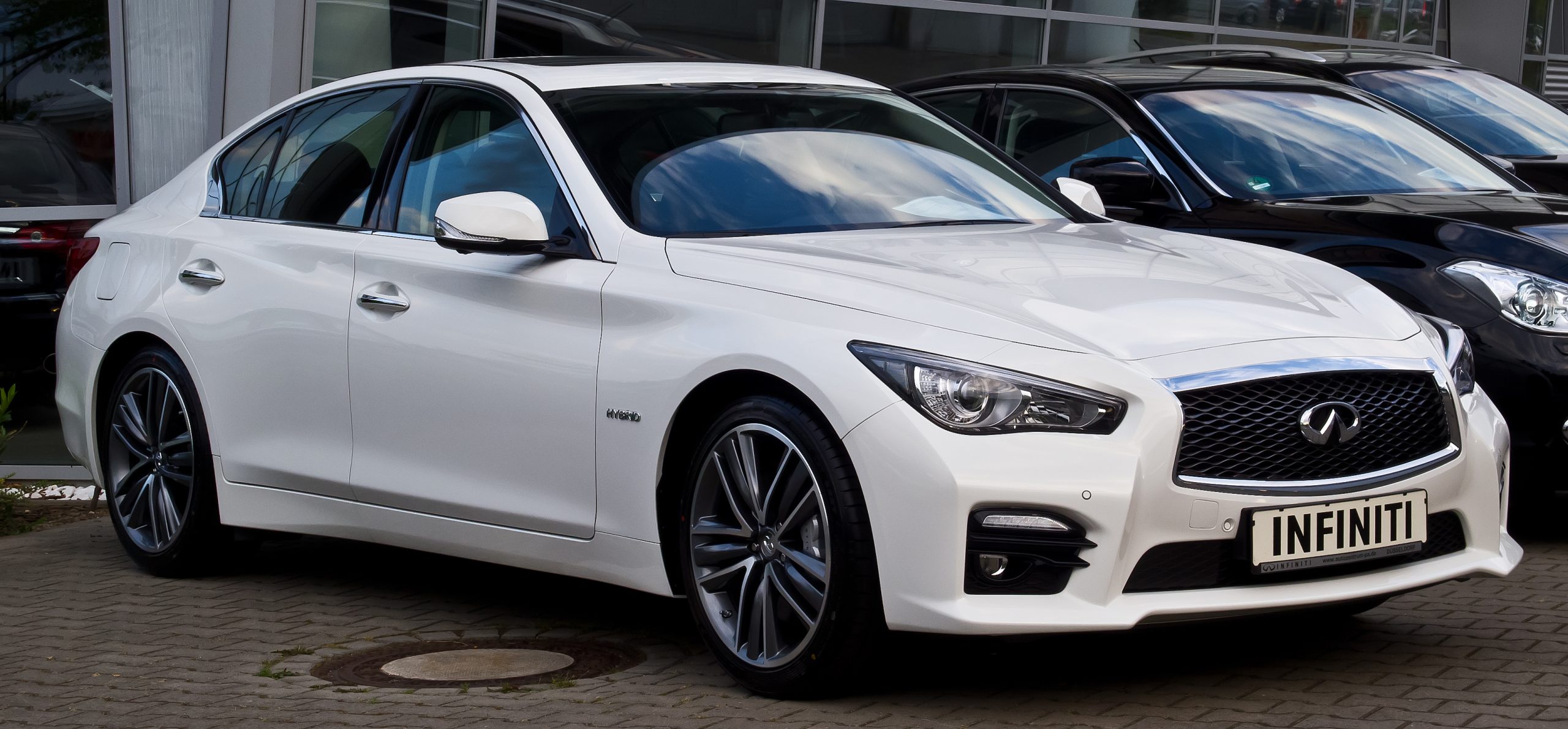
8. Infiniti Q50
- Engine options: 2.0L turbocharged inline-4 / 3.0L twin-turbo V6
- Horsepower: up to 400 hp (Red Sport 400)
- Torque: up to 350 lb-ft
- Length: 4800 mm
- Width: 1820 mm
Infiniti Q50 exiting production around 2026 concludes a product line that represented the brand’s most sustained and commercially successful engagement with the luxury sport sedan segment during the contemporary period of Infiniti’s market presence.
Positioned as a rear-wheel-drive sport sedan with genuine performance credentials available through the Red Sport 400 specification, the Q50 served buyers who required the practicality of a four-door luxury sedan combined with performance capability sufficient to engage European rivals in the driving experience assessments that define buyer expectations in this segment.
Engine specifications across the Q50 range addressed different performance priorities within the luxury sport sedan buyer profile. A 2.0-litre turbocharged inline-four engine served the entry configuration for buyers whose primary considerations were efficiency and everyday refinement.
The 3.0-litre twin-turbocharged V6, available in 300-horsepower and 400-horsepower states of tune, provided the performance foundation for higher trim levels. Red Sport 400 specification with 400 horsepower and 350 lb-ft of torque delivered acceleration performance that placed the Q50 in direct competition with BMW M340i xDrive and Mercedes-AMG C43 4MATIC on the objective performance benchmarks that automotive publications use as comparative standards.
Direct Adaptive Steering, Infiniti’s steer-by-wire technology introduced in certain Q50 configurations, represented a technically ambitious engineering decision that produced reactions ranging from appreciation to criticism among driving evaluators. The system eliminated a direct mechanical connection between the steering column and front wheels, substituting electronic actuation that permitted independent adjustment of the steering ratio across different vehicle speed ranges.
Conventional hydraulic and electric power steering systems maintain a physical connection that communicates road surface information directly to the driver’s hands, and some evaluators noted that the Direct Adaptive Steering’s feedback characteristics differed from those of conventional systems in ways that required driver adjustment.
Infiniti’s broader strategic restructuring, prioritising electrified models and SUV-based products that reflect current market demand patterns, has driven the Q50’s production conclusion. Sedan models across multiple premium brands are undergoing similar strategic reassessments as manufacturers respond to buyer preferences moving toward crossovers and electrified body styles.
No confirmed successor to the Q50 in conventional sport sedan form is included in Infiniti’s publicly communicated product plans, making the final production Q50 Red Sport 400 the terminal expression of this particular performance tradition within the Infiniti catalogue.
