
Wet weather driving is one of the biggest challenges for motorists around the world. Rain-soaked roads reduce tire grip, increase stopping distances, and make vehicles more difficult to control during emergency maneuvers.
While modern safety systems such as anti-lock braking systems, electronic stability control, and traction management have improved vehicle safety, not every car performs equally well when the roads become slippery.
Some vehicles struggle with wet-weather braking because of heavy curb weight, poor tire compounds, outdated braking systems, or suspension setups that reduce stability during sudden stops.
Drivers often focus on horsepower, fuel economy, and interior technology when buying a car, but braking performance in wet conditions is equally important because it directly impacts safety for passengers and pedestrians alike.
Automotive testing organizations around the world regularly conduct controlled wet-weather braking tests to determine how quickly a vehicle can stop on soaked pavement. These tests typically measure the stopping distance from speeds such as 60 mph or 100 km/h while using factory-supplied tires and safety systems.
Cars with weak braking performance in wet conditions may require several extra feet to come to a complete stop compared to better-engineered competitors. Those extra feet can be the difference between avoiding an accident and experiencing a serious collision. Wet weather braking performance is influenced by several factors, including tire quality, brake size, suspension tuning, weight distribution, and electronic brake calibration.
Consumers should also understand that poor wet braking does not always mean a car is unsafe. Many vehicles on this list still offer strong crash protection, excellent reliability, and advanced driver assistance technologies.
However, when directly compared to competitors in the same segment, these cars have shown less confidence-inspiring stopping ability on wet pavement. In some cases, manufacturers have improved performance through updated tires or revised braking software in newer model years.
Nevertheless, understanding which vehicles have historically struggled in rainy conditions helps buyers make informed purchasing decisions and encourages drivers to maintain safe following distances when operating these models during storms or heavy rain.
This article explores eight cars that have gained criticism for disappointing wet-weather braking performance. Each section examines why the vehicle struggles, how braking issues affect real-world driving, and what owners can do to improve safety. From compact sedans to high-performance vehicles and family SUVs, these examples highlight the importance of balancing speed, comfort, and fuel economy with dependable braking capability.
If you frequently drive in rainy climates or areas with slippery roads, understanding these weaknesses could help you choose a safer and more confident vehicle for everyday transportation.
Also Read: 8 Cars That Are Nearly Impossible to Steal
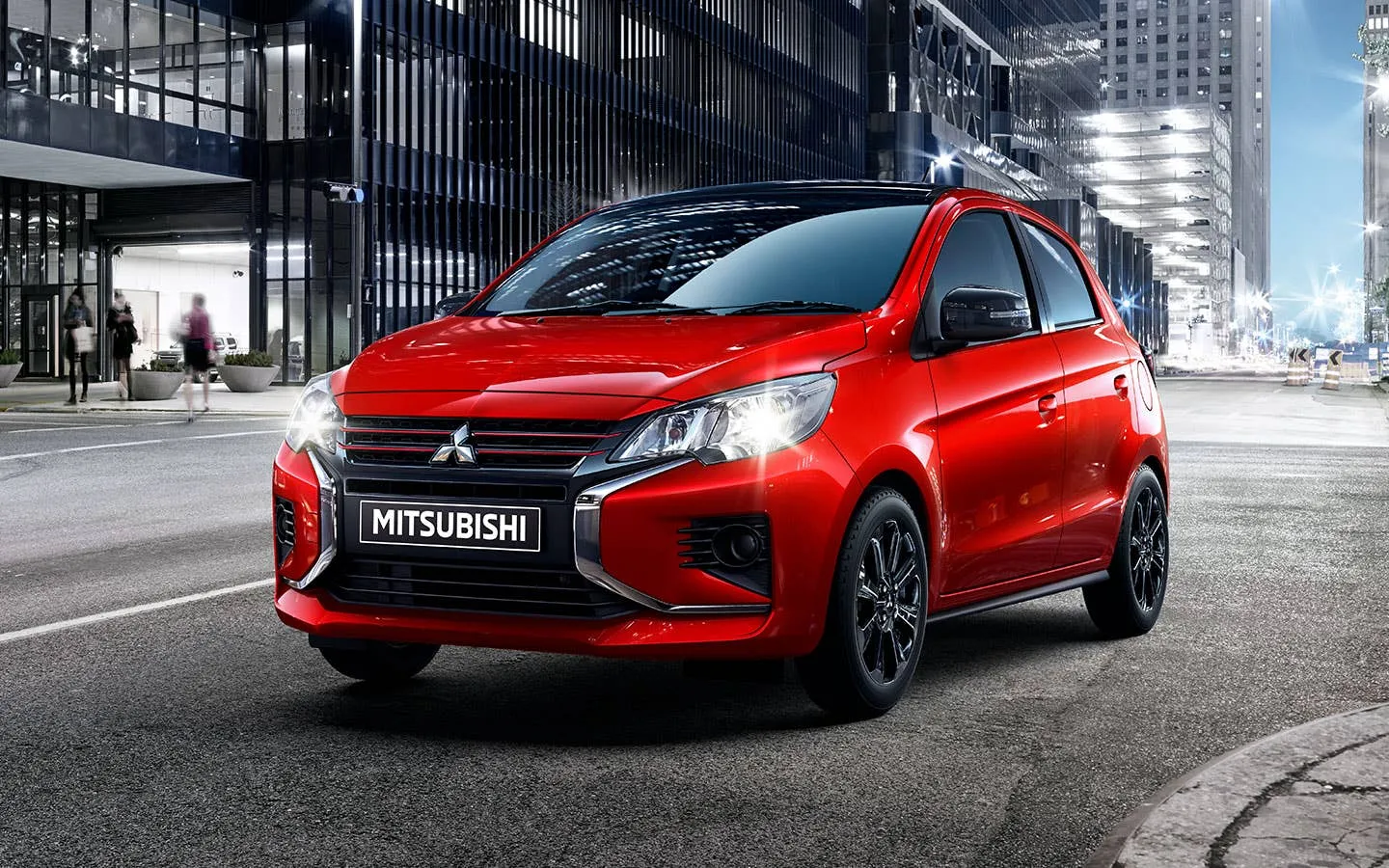
- Engine: 1.2 liter 3 cylinder gasoline engine
- Horsepower: 78 hp
- Torque: 100 Nm
- Length: 3,845 mm
- Width: 1,665 mm
1. Mitsubishi Mirage
The Mitsubishi Mirage has long been known as one of the cheapest new cars on the market, but affordability often comes with compromises in performance. One of the biggest criticisms directed at the Mirage is its weak braking capability in wet weather conditions.
Automotive testers have frequently noted that the car requires significantly longer stopping distances on soaked roads compared to rivals in the subcompact segment. The lightweight design and narrow economy-focused tires contribute to reduced grip when braking suddenly during rainstorms.
Another issue affecting the Mirage is its basic suspension setup. While the soft suspension improves ride comfort at lower speeds, it does little to stabilize the vehicle during emergency braking maneuvers.
Drivers may notice increased nose-dive and instability when applying the brakes aggressively on wet pavement. Because the Mirage was designed primarily for fuel economy and low production costs, braking refinement was not prioritized to the same extent as more expensive competitors.
The factory tires supplied with many Mirage models have also received criticism for poor wet traction. Budget-oriented tires can struggle to channel water away effectively, increasing the risk of hydroplaning and reducing stopping power. Tire quality plays a major role in wet braking performance, and many Mirage owners report noticeable improvements after upgrading to premium all-season tires with better rain handling capabilities.
The Mirage also suffers from limited engine power, which ironically can create additional safety concerns during highway driving in heavy rain. Drivers may need to push the vehicle harder to merge or overtake traffic, potentially reducing control in slippery conditions.
Combined with modest braking performance, the car can feel less confidence-inspiring during adverse weather compared to rivals like the Honda Fit or Toyota Yaris.
Despite these drawbacks, the Mitsubishi Mirage still appeals to budget-conscious buyers because of its excellent fuel economy and low maintenance costs. Owners who regularly drive in rainy climates should prioritize high-quality tires, maintain proper tire pressure, and leave additional stopping distance during wet weather.
While the Mirage remains an affordable transportation solution, its wet-weather braking limitations are impossible to ignore when evaluating road safety.
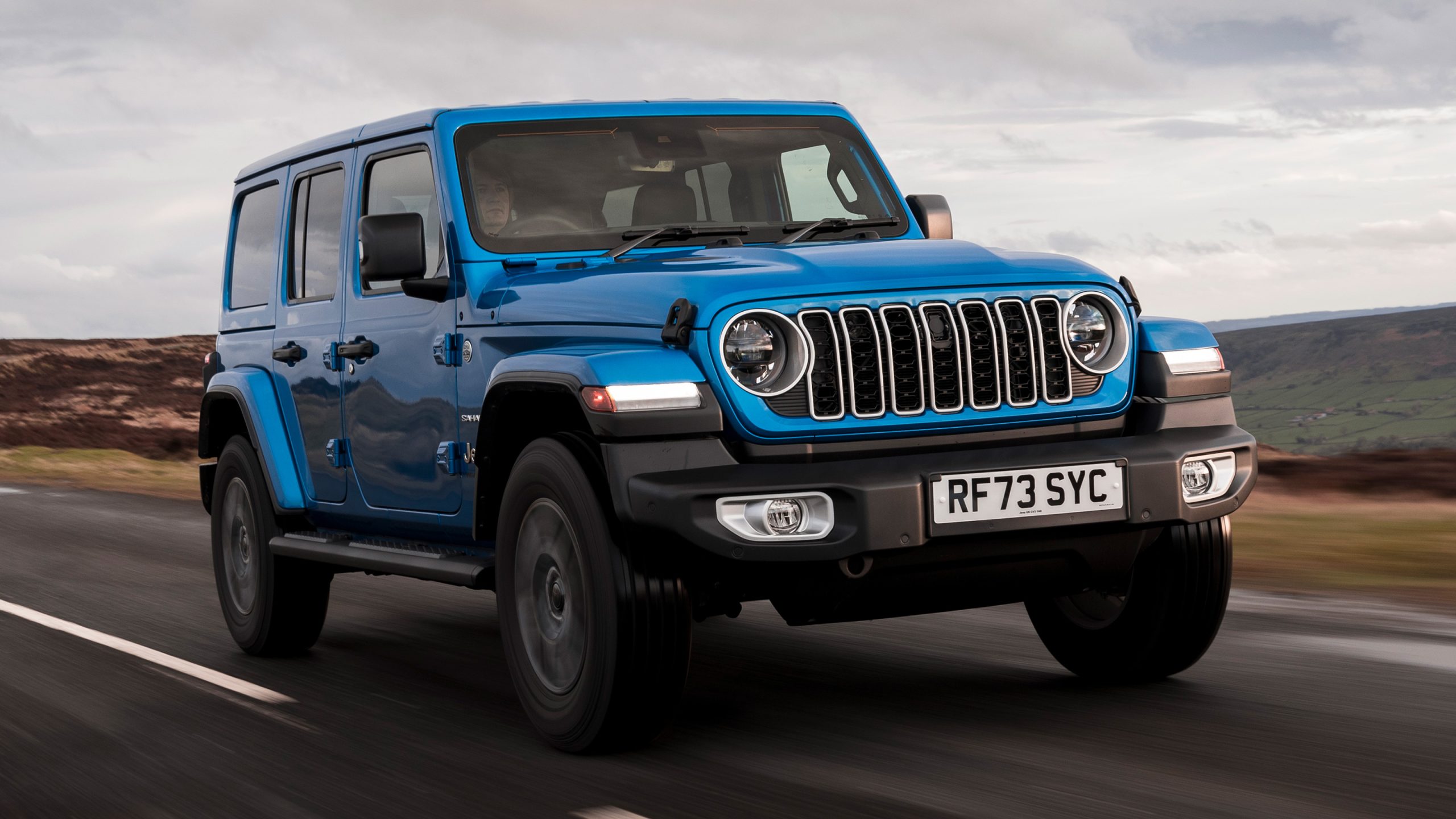
- Engine: 3.6-liter V6 gasoline engine
- Horsepower: 285 hp
- Torque: 353 Nm
- Length: 4,237 mm
- Width: 1,877 mm
2. Jeep Wrangler
The Jeep Wrangler is famous for its off-road capability and rugged design, but it has historically struggled with braking performance on wet pavement. Unlike traditional passenger cars, the Wrangler uses a body-on-frame construction and solid axle suspension setup that prioritizes durability and off-road articulation over refined road manners. As a result, braking stability during rain can feel less predictable than that of many modern crossovers and SUVs.
One major factor affecting the Wrangler’s wet braking performance is its high center of gravity. The tall ride height and heavy off-road components increase body movement during sudden stops, especially on slippery roads.
Drivers often experience noticeable front-end dive and steering corrections when braking hard in rainy conditions. These characteristics can make emergency maneuvers more stressful for inexperienced drivers.
The aggressive all-terrain tires commonly fitted to Wranglers are another contributor to weak wet-weather braking. While these tires perform exceptionally well on mud, rocks, and dirt trails, they are not optimized for maximum grip on wet asphalt.
Deep tread blocks and harder rubber compounds reduce contact patch efficiency during emergency stops on smooth pavement, increasing stopping distances compared to street-oriented SUVs.
Wrangler models equipped with larger off-road packages may also carry additional weight from steel bumpers, oversized tires, and roof accessories. Extra weight naturally increases braking demands, and wet pavement further magnifies these limitations.
Even though modern Wranglers include electronic stability control and anti-lock braking systems, the vehicle still struggles to match the braking confidence of competitors such as the Toyota 4Runner or Ford Bronco in rainy conditions.
Owners can improve wet weather safety by switching to high-quality all-terrain tires with strong wet traction ratings and ensuring the braking system is properly maintained. Drivers should also avoid sudden steering inputs during heavy rain and maintain generous following distances.
The Jeep Wrangler remains an icon for adventure enthusiasts, but its wet weather braking performance reflects the compromises that come with designing a vehicle primarily for off-road capability rather than refined on-road safety.
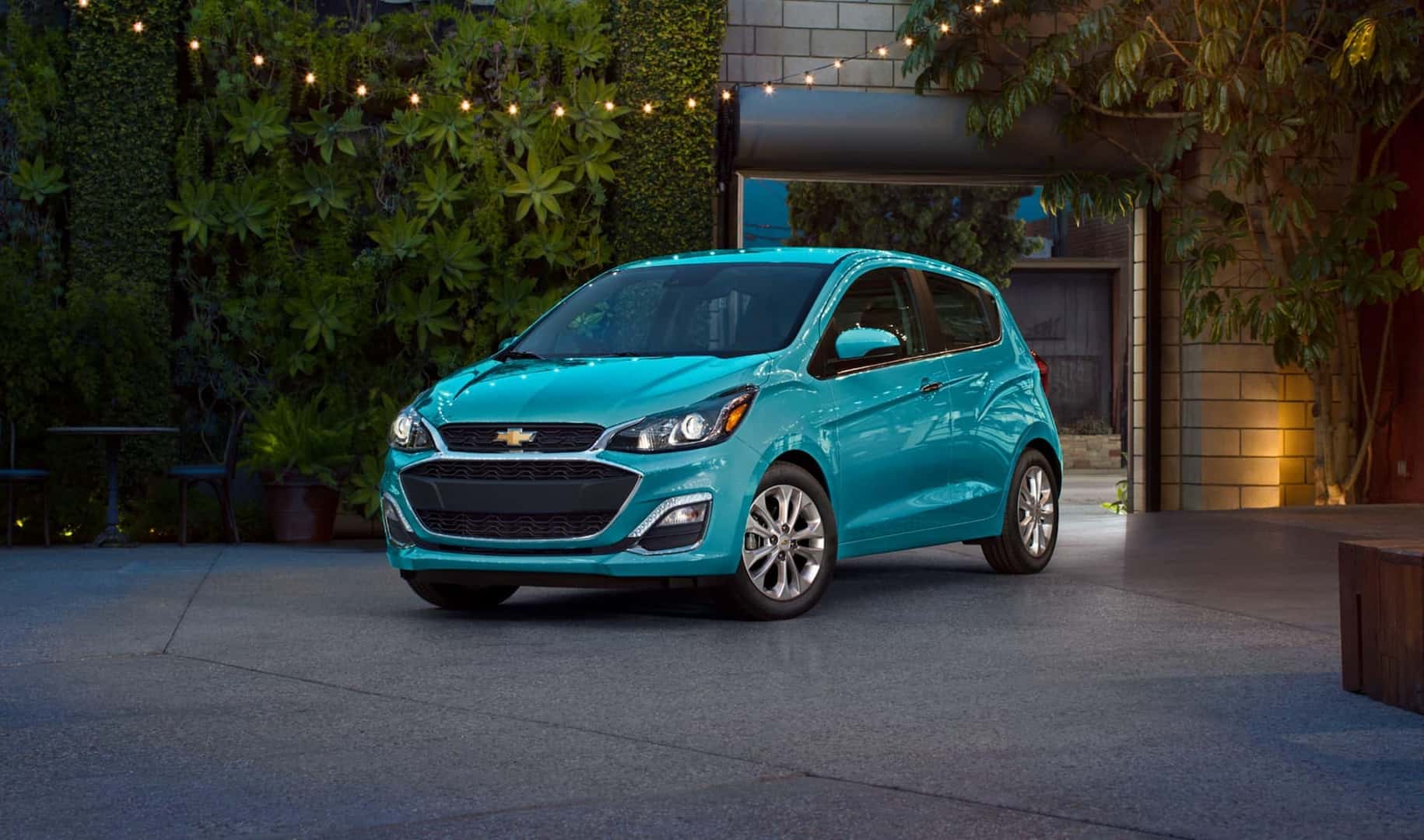
- Engine: 1.4-liter 4-cylinder gasoline engine
- Horsepower: 98 hp
- Torque: 127 Nm
- Length: 3,634 mm
- Width: 1,595 mm
3. Chevrolet Spark
The Chevrolet Spark was designed as an affordable urban commuter, but several automotive reviews criticized its wet-weather braking performance during emergency stopping tests.
As one of the smallest vehicles in its segment, the Spark uses compact brakes and low rolling resistance tires that prioritize fuel efficiency over maximum stopping power. This combination can create longer braking distances on rain-soaked roads.
One issue with the Spark is the limited tire width. Narrow tires reduce rolling resistance and improve economy, but they provide less grip during sudden braking. On wet surfaces, this can cause the anti-lock braking system to activate more aggressively, extending stopping distances and reducing driver confidence. Drivers may also notice instability during abrupt lane changes combined with braking inputs.
The lightweight construction of the Spark presents another challenge. While lower weight generally helps braking efficiency, the car’s short wheelbase and economy-focused suspension tuning can make it feel unsettled during emergency stops on slippery roads. Rapid weight transfer from rear to front may create a sensation of instability, particularly at highway speeds during rainstorms.
The braking hardware itself is relatively basic compared to larger vehicles. Smaller brake rotors and drums are more susceptible to fade during repeated hard braking, especially when combined with wet conditions. Although the Spark performs adequately during normal commuting, it falls behind many competitors when evaluated in demanding emergency braking scenarios.
Drivers who own a Chevrolet Spark can improve wet-weather safety by investing in premium tires with strong water evacuation capabilities.
Regular brake inspections are also essential because worn pads and rotors can dramatically reduce stopping performance in the rain. While the Spark offers excellent maneuverability and affordability for city driving, its wet-weather braking limitations highlight the compromises often associated with entry-level compact cars.
Also Read: 8 Cars That Are Nearly Impossible to Steal
- Engine: 1.6-liter 4-cylinder gasoline engine
- Horsepower: 122 hp
- Torque: 154 Nm
- Length: 4,495 mm
- Width: 1,740 mm
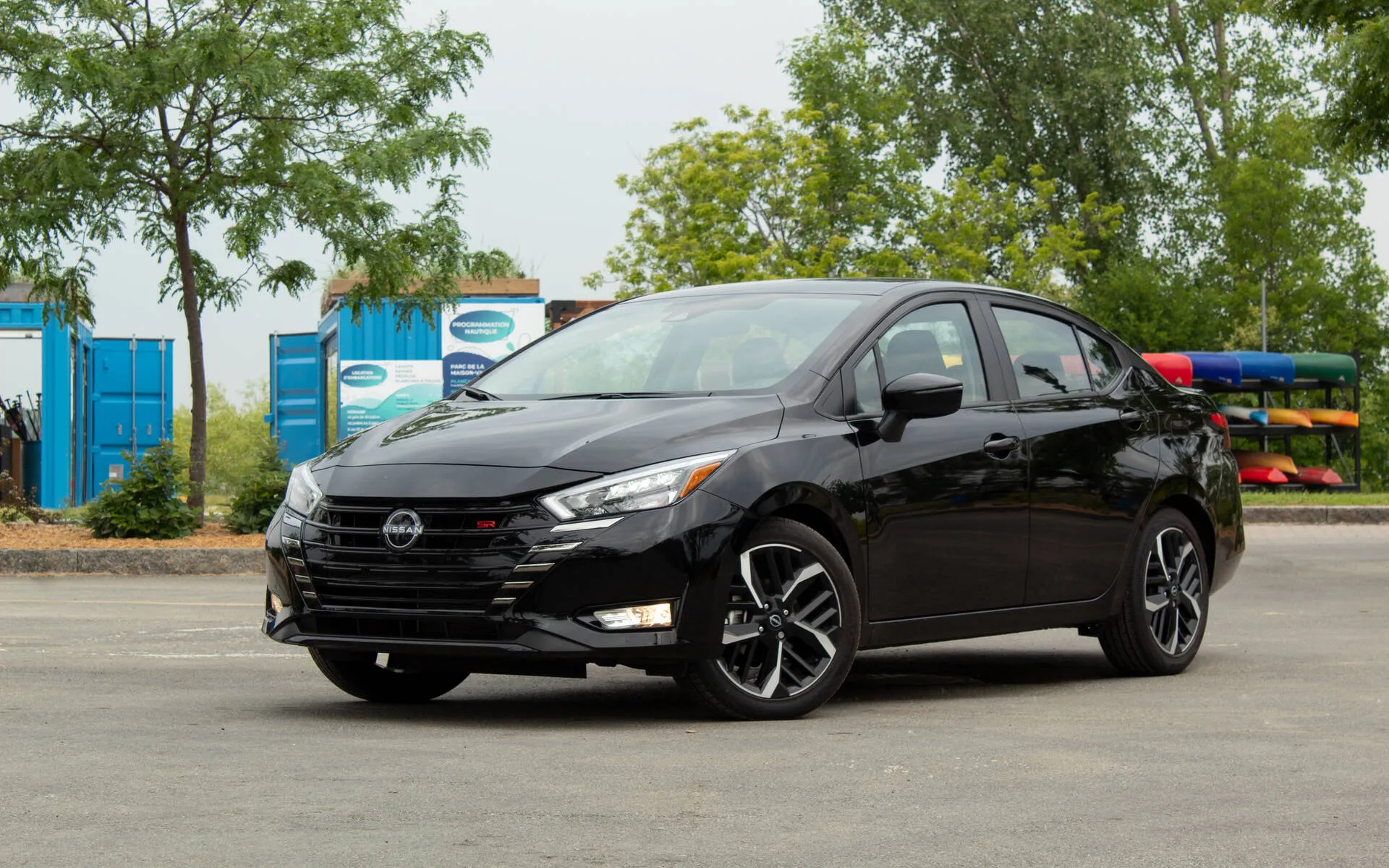
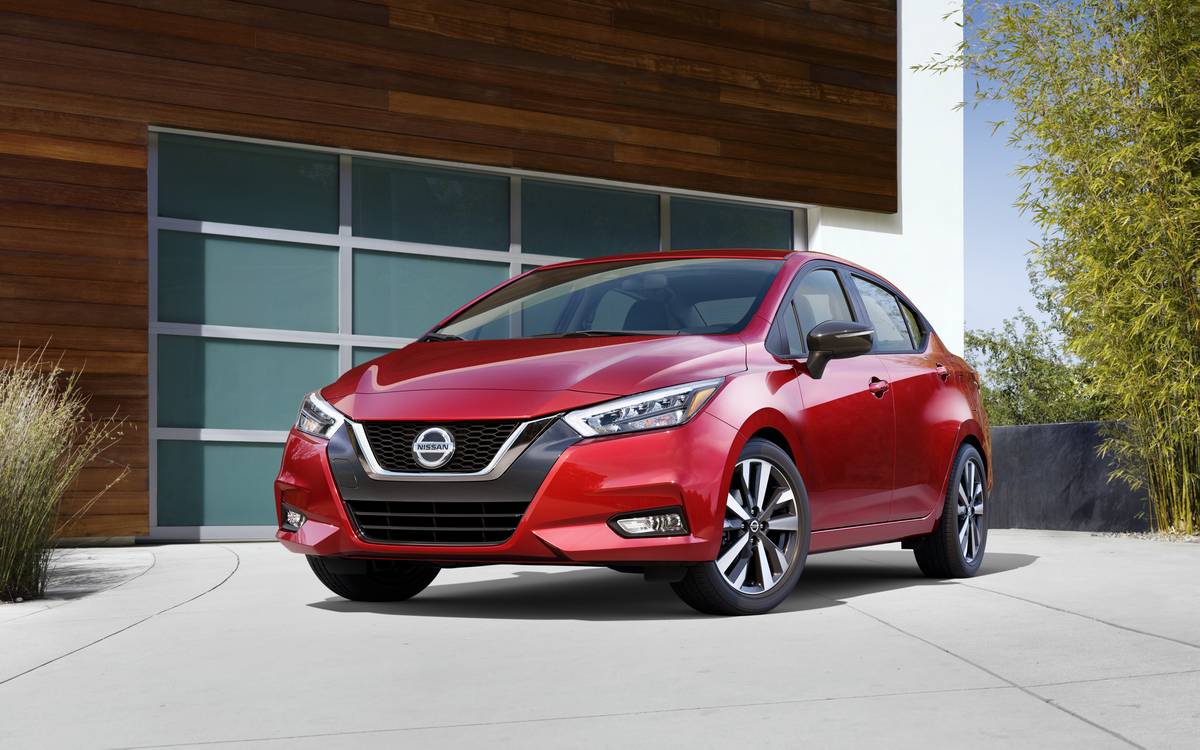
4. Nissan Versa
The Nissan Versa has earned praise for interior space and affordability, but its wet weather braking performance has occasionally disappointed automotive testers.
The Versa is tuned primarily for comfort and economy, which means aggressive braking capability was not a central focus during development. On slippery roads, the vehicle can require noticeably longer stopping distances compared to rivals in the compact sedan segment.
One reason for the Versa’s braking struggles is its economy-oriented tire selection. Factory tires supplied on lower trims often emphasize low cost and fuel efficiency rather than superior wet grip.
During emergency braking situations, these tires may struggle to maintain traction on soaked pavement, causing the anti-lock braking system to cycle excessively and lengthen stopping distances.
The Versa’s suspension tuning also contributes to reduced confidence during wet braking. Soft suspension components improve ride comfort over rough roads, but they can increase body movement under hard braking conditions. Drivers may notice increased nose-dive and less precise steering feedback during sudden stops in heavy rain, making the vehicle feel less stable.
Another concern involves brake pedal feel. Some drivers report that the Versa’s brake pedal lacks firmness during emergency braking, particularly in wet conditions. Although the braking system still functions correctly, the softer pedal response can make it harder for drivers to judge braking intensity accurately during panic situations.
Despite these weaknesses, the Nissan Versa remains a practical and economical sedan for daily commuting. Owners can significantly improve braking performance by upgrading to premium all-season tires and ensuring brake fluid and pads are regularly serviced.
The Versa may not be the strongest performer during wet-weather braking tests, but responsible driving habits and proper maintenance can help mitigate many of its limitations.
- Engine: 1.0 liter turbocharged 3 cylinder gasoline engine
- Horsepower: 123 hp
- Torque: 170 Nm
- Length: 4,096 mm
- Width: 1,765 mm
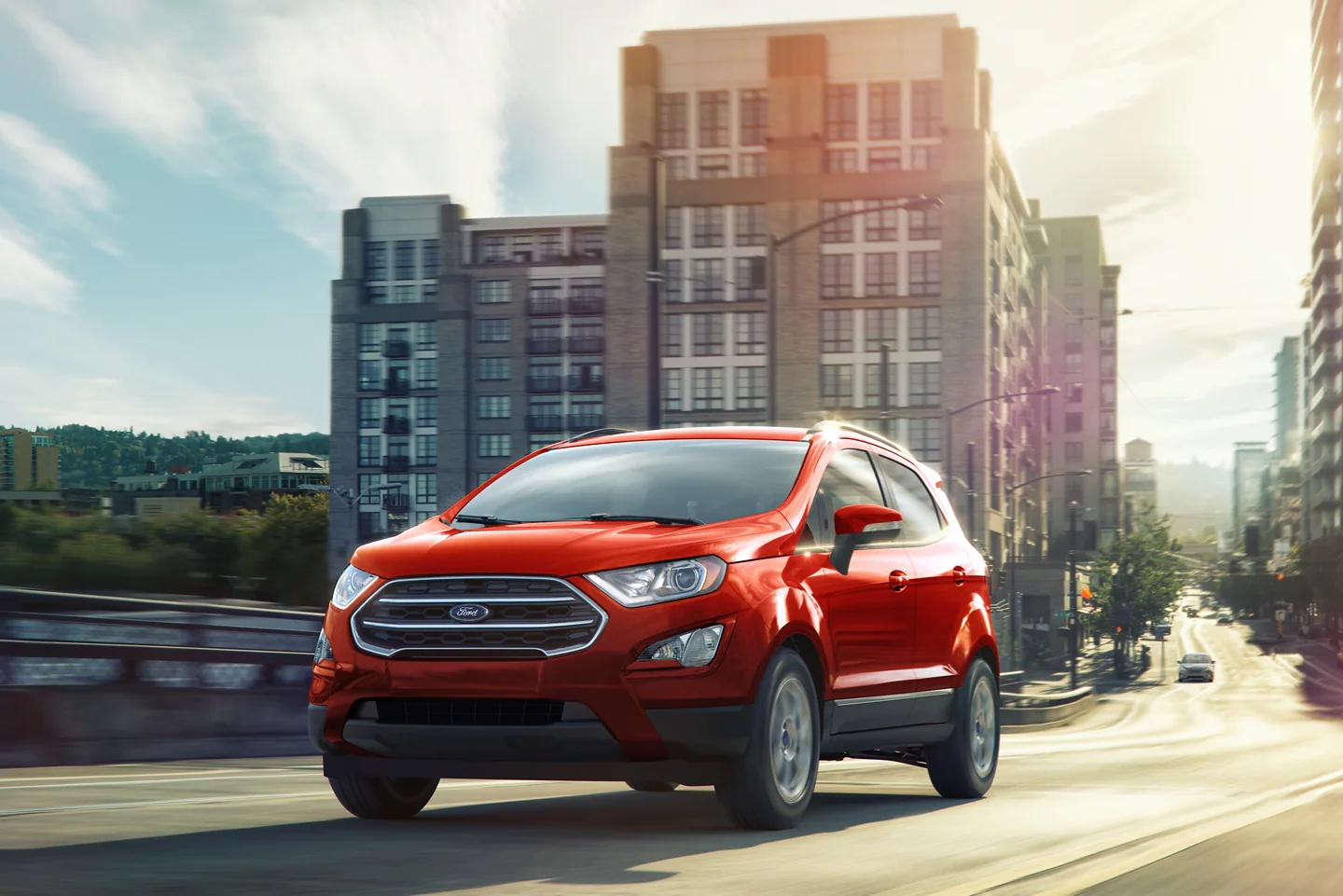
5. Ford EcoSport
The Ford EcoSport entered the subcompact SUV market with hopes of attracting urban buyers seeking SUV styling in a compact package. However, the vehicle received criticism for underwhelming braking performance on wet roads. Compared to many modern crossovers, the EcoSport often feels less stable and requires longer stopping distances during emergency braking situations.
One factor contributing to poor wet braking is the EcoSport’s relatively tall and narrow body design. This setup increases body roll and weight transfer during sudden stops, especially on slippery surfaces. Drivers may experience a floating sensation or reduced steering precision when braking hard during rainstorms.
The EcoSport’s suspension tuning also prioritizes comfort over dynamic handling. While this creates a smoother ride on uneven city streets, it reduces composure during aggressive braking maneuvers. Excessive front-end dive can make the vehicle feel less planted when stopping quickly on wet pavement.
Factory tire quality has also been a recurring concern among reviewers. Lower trim models often come equipped with basic tires that provide average wet traction at best. In independent testing, these tires contributed to longer stopping distances compared to competitors equipped with more advanced rubber compounds and tread patterns.
Another issue is the vehicle’s weight distribution. The EcoSport’s elevated ride height, combined with its compact wheelbase, can make emergency braking feel abrupt and unstable during adverse weather. While electronic safety systems help maintain control, they cannot completely compensate for the vehicle’s physical limitations.
Owners seeking better wet weather performance should consider upgrading to high-quality crossover tires designed specifically for rain traction. Maintaining brake components and avoiding sudden maneuvers during storms are also important safety measures.
Although the Ford EcoSport offers practicality and compact SUV styling, its braking performance in wet conditions remains one of its weakest characteristics.
Also Read: 8 Car Mods That Actually Raise Resale Value
- Engine: 2.4-liter 4-cylinder gasoline engine
- Horsepower: 173 hp
- Torque: 225 Nm
- Length: 4,887 mm
- Width: 1,834 mm
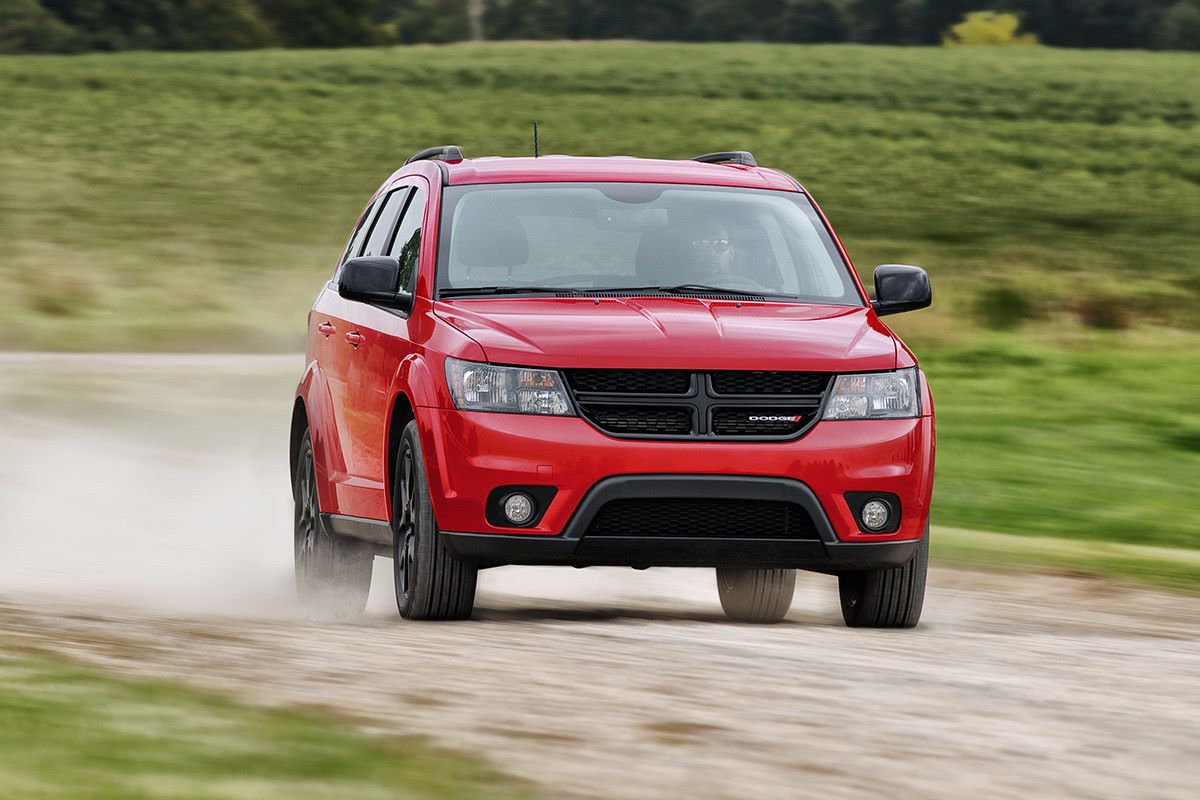
6. Dodge Journey
The Dodge Journey was marketed as a family-friendly crossover, but its aging platform and outdated engineering resulted in disappointing braking performance, particularly on wet roads. Automotive reviews frequently criticized the Journey for long stopping distances and inconsistent brake feel during emergency situations.
One major issue is the vehicle’s substantial weight. The Journey is heavier than many competitors in its class, placing greater demands on the braking system during sudden stops. Wet pavement further amplifies these challenges because reduced tire grip limits the effectiveness of the brakes under high load conditions.
The Journey’s braking hardware also reflects its older design philosophy. Smaller brake components and less advanced electronic calibration make the system feel less responsive than modern competitors. During wet braking tests, the vehicle often struggles to stop as quickly as newer crossover SUVs with updated braking technologies.
Another weakness involves suspension control. The Journey’s soft suspension tuning creates noticeable body movement during emergency braking, especially in rainy conditions. Excessive front-end dive and delayed steering response can make the vehicle feel cumbersome and difficult to control during panic stops.
Factory tire selection has also contributed to criticism. Many Journey models were equipped with average-quality all-season tires that lacked strong wet traction characteristics. Combined with the vehicle’s weight, these tires significantly increased stopping distances during rain-soaked braking tests.
Despite these concerns, many families appreciated the Journey for its spacious interior and affordable pricing. Owners can improve safety by installing premium wet-weather tires and ensuring brakes are serviced regularly. Nevertheless, the Dodge Journey demonstrates how outdated engineering can negatively impact braking confidence in modern driving environments.
- Engine: 1.5-liter 4-cylinder gasoline engine
- Horsepower: 106 hp
- Torque: 140 Nm
- Length: 4,425 mm
- Width: 1,730 mm
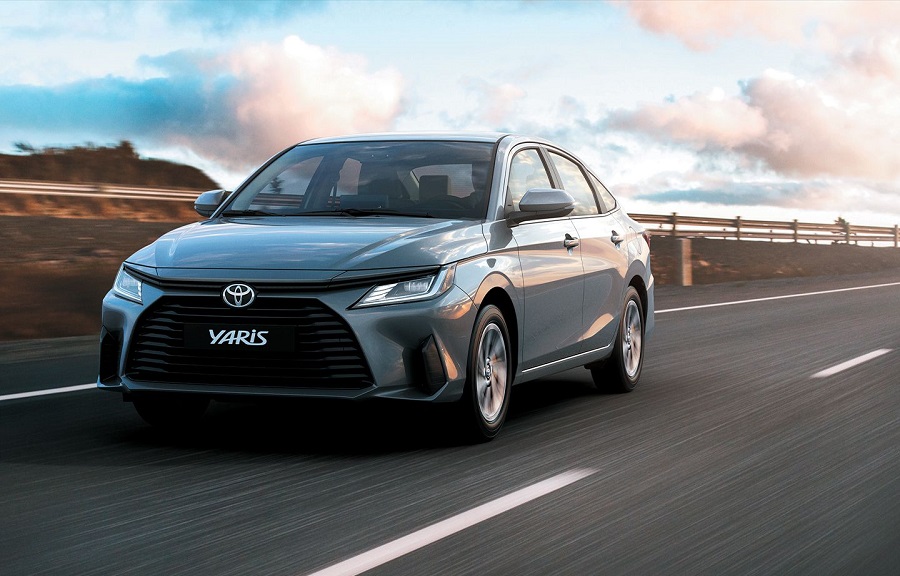
7. Toyota Yaris Sedan
The Toyota Yaris Sedan is known for reliability and fuel efficiency, but some versions have demonstrated weaker wet-weather braking performance than expected from the Toyota brand. Although the car performs adequately in dry conditions, wet pavement reveals limitations in tire grip and braking stability.
One contributing factor is the Yaris Sedan’s lightweight construction paired with economy-focused tires. While this combination helps maximize fuel economy, it reduces available traction during emergency braking on slippery roads. Drivers may notice the anti-lock braking system engaging earlier and more aggressively during heavy rain.
The car’s compact braking components also play a role. Smaller rotors and less aggressive brake tuning are sufficient for normal commuting, but they can struggle during repeated hard braking situations in wet conditions. Compared to larger compact sedans, the Yaris Sedan may require additional stopping distance during emergencies.
Suspension tuning further affects braking stability. The soft setup designed for urban comfort allows more body movement during sudden stops, reducing driver confidence on wet highways. Steering feel can also become vague when braking aggressively on rain-soaked surfaces.
Despite these weaknesses, the Yaris Sedan remains highly dependable and inexpensive to maintain. Toyota’s reputation for reliability continues to attract buyers who prioritize long-term ownership costs. Drivers can improve wet-weather performance significantly through tire upgrades and cautious driving habits during storms.
The Yaris Sedan proves that even reliable vehicles can have specific weaknesses under challenging conditions. Buyers seeking the best possible wet braking performance may prefer larger Toyota models with more advanced suspension and braking systems.
- Engine: 1.4-liter 4-cylinder gasoline engine
- Horsepower: 135 hp
- Torque: 203 Nm
- Length: 3,571 mm
- Width: 1,627 mm
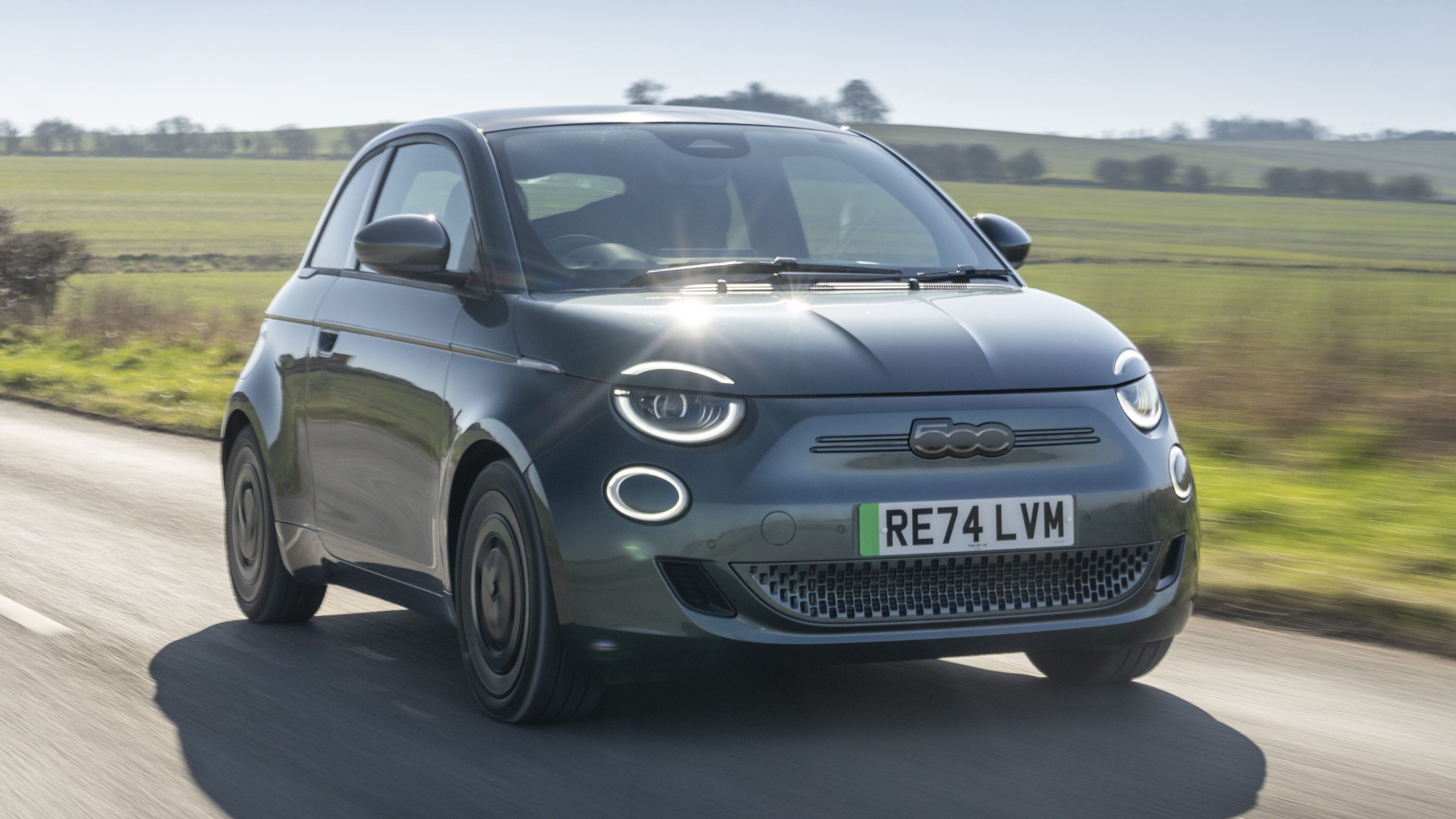
8. Fiat 500
The Fiat 500 stands out for its stylish retro-inspired design and compact dimensions, but wet-weather braking has often been a weak point for this tiny city car. The short wheelbase and lightweight construction can make emergency stops feel unstable, particularly on rain-soaked roads.
One major challenge for the Fiat 500 is tire grip. Many models came equipped with narrow, low-rolling-resistance tires intended to maximize fuel efficiency and reduce operating costs. Unfortunately, these tires often provide limited traction during aggressive wet braking situations.
The car’s short wheelbase also contributes to instability. During sudden stops, rapid weight transfer can make the rear end feel light or unsettled on slippery surfaces. This characteristic may reduce driver confidence when braking heavily in heavy rain or during highway emergencies.
Brake component size is another limitation. Compact brake rotors and lightweight hardware are adequate for everyday city driving, but they can struggle during repeated hard braking events. In wet weather tests, the Fiat 500 frequently records longer stopping distances than larger competitors with more substantial braking systems.
Another concern is crosswind sensitivity combined with wet pavement. Because the Fiat 500 is small and lightweight, strong winds and standing water can affect stability during emergency maneuvers. Drivers may need to make constant steering corrections while braking during severe weather.
Despite these drawbacks, the Fiat 500 remains popular among urban drivers who value compact parking convenience and unique styling. Owners can improve safety by choosing premium tires designed for wet traction and maintaining conservative speeds during storms.
While the Fiat 500 excels as a stylish city commuter, its wet weather braking performance highlights the compromises associated with ultra compact vehicle design.
