
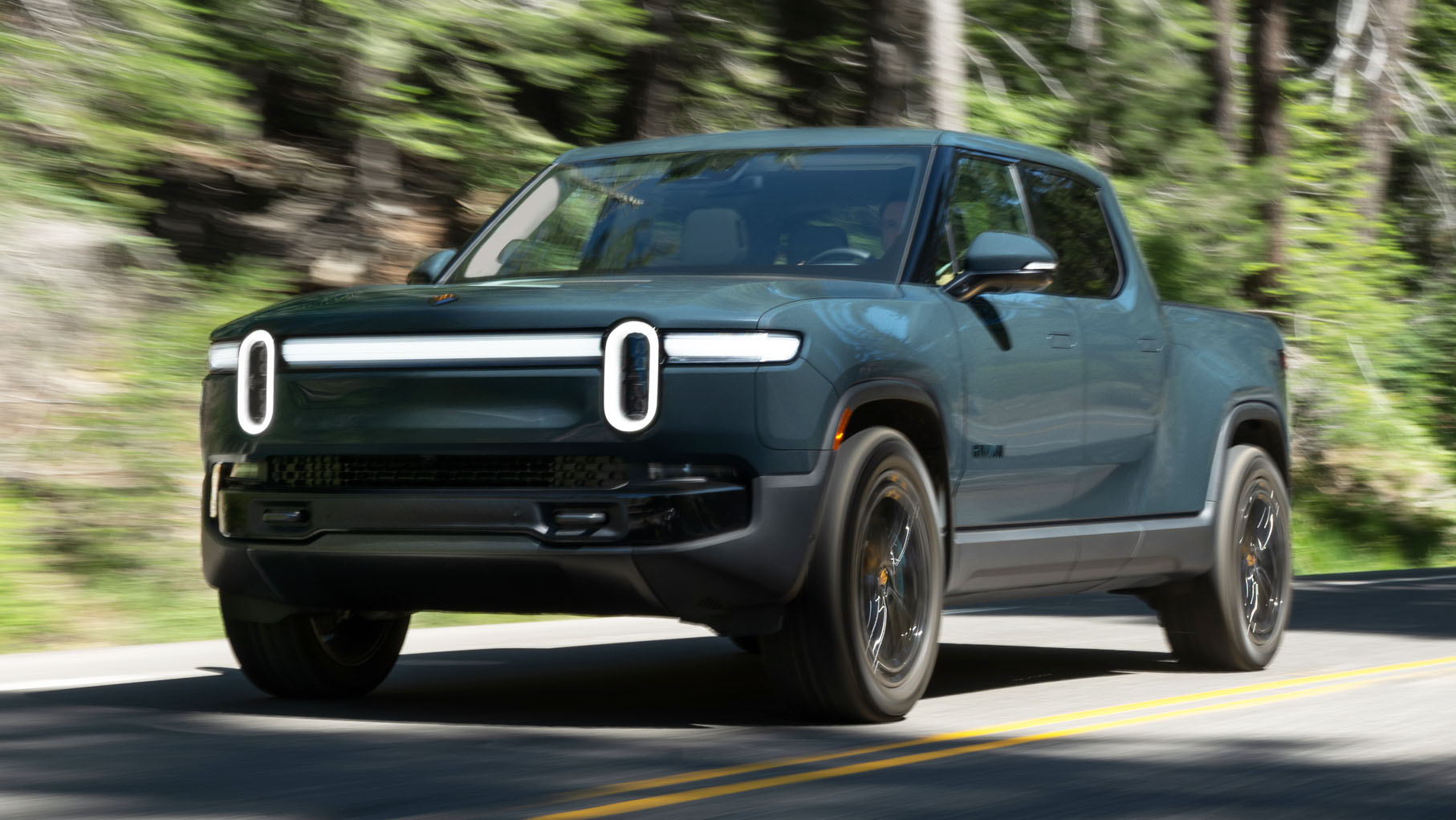
Modern cars are no longer just mechanical machines powered by engines, transmissions, and suspension systems. They have evolved into rolling computers packed with sensors, cameras, touchscreen systems, wireless connectivity, and millions of lines of software code.
Features that once relied entirely on hardware are now controlled by digital systems that constantly communicate with each other. From adaptive cruise control to battery management, nearly every major function in today’s vehicles depends heavily on software operating correctly.
This transformation has created incredible convenience and technology, but it has also introduced a new reality for car owners. Many modern vehicles simply cannot function properly without software updates.
In some cases, updates fix serious safety problems, improve charging efficiency, repair broken infotainment systems, or restore critical driver assistance features.
Certain electric vehicles can even lose performance, driving range, or charging capability if software glitches remain unresolved. A few cars have become so dependent on digital systems that owners regularly schedule updates just to maintain basic reliability.
Traditional enthusiasts often criticize this shift because older cars rarely required constant digital attention. Decades ago, fixing a vehicle usually involved replacing a mechanical part.
Today, technicians frequently connect laptops to diagnose software bugs before touching any hardware. Manufacturers now release updates much like smartphone companies, pushing patches and improvements months or even years after launch.
Some automakers handle this technology transition better than others. Companies with strong software development teams can improve their cars remotely through over-the-air updates, while less prepared brands sometimes leave owners frustrated with glitches and malfunctioning systems. In many situations, software updates have become essential rather than optional.
The vehicles on this list represent some of the clearest examples of cars heavily dependent on software support.
These models introduced advanced digital features that changed the automotive industry, but they also demonstrated how modern vehicles increasingly rely on software updates to stay functional, competitive, and dependable in everyday driving situations.
Also Read: 8 Cars With the Best Visibility Out the Windshield
1. Tesla Model S
The Tesla Model S changed the automotive world by proving electric cars could deliver luxury, speed, and advanced technology in one package. Yet one of its most revolutionary features was not the acceleration or the massive touchscreen.
It was Tesla’s heavy reliance on software updates to maintain and improve the car after purchase. Few vehicles in history have depended on software as much as the Model S.
Unlike traditional luxury sedans that remained mostly unchanged after leaving the factory, the Model S evolved continuously through over-the-air updates.
Tesla frequently released patches that modified battery management, driving behavior, infotainment functions, charging speed, and even suspension calibration. Owners often woke up to find their cars operating differently after an overnight update.
This dependency became especially obvious whenever software problems appeared. Early models experienced touchscreen failures, charging inconsistencies, Autopilot glitches, and frozen interfaces that affected critical functions.
Because many systems were integrated into the central software architecture, a bug could impact multiple vehicle operations at once. Drivers sometimes lost access to climate controls, navigation, or charging information until updates corrected the issues.
Tesla also introduced major feature additions through software alone. Enhanced acceleration modes, improved range estimates, gaming functions, camera upgrades, and advanced driver assistance revisions all arrived digitally. The car effectively relied on continuous software support to stay modern and competitive.
Another controversial aspect involved repairability. Independent shops often struggled because many Tesla systems required factory-level software authorization after hardware replacement. Even replacing certain components sometimes demanded online software pairing before the vehicle functioned correctly again.
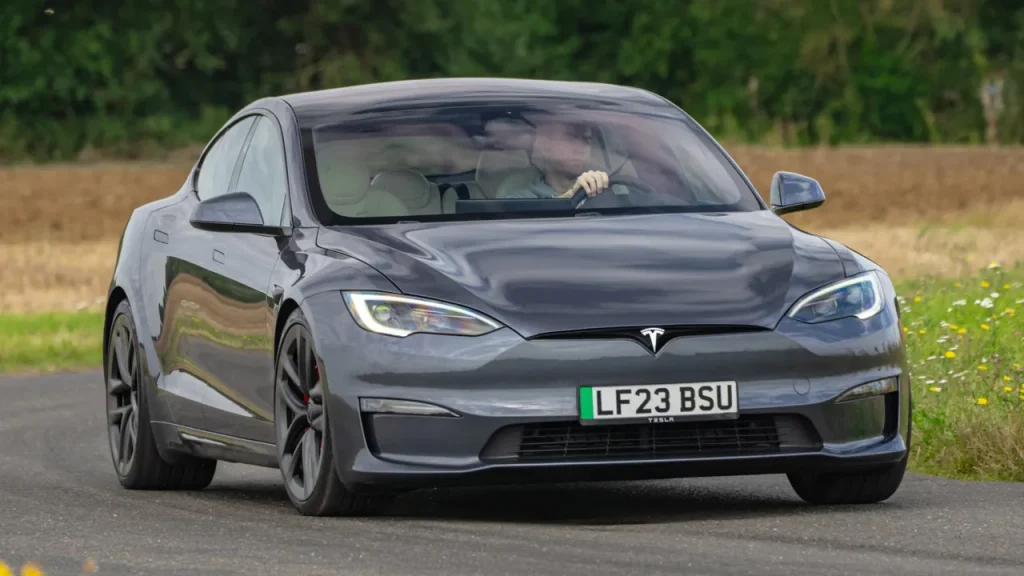
Despite these challenges, the Model S created a blueprint that the entire industry eventually followed. Modern automakers now aggressively pursue over-the-air software ecosystems largely because Tesla proved customers would accept vehicles behaving more like connected devices than traditional cars.
Specifications:
- Engine: Dual electric motors
- Torque: 713 lb ft
- Horsepower: 670 HP
- Length/Width: 197.7 inches / 78.2 inches
2. Mercedes-Benz EQS
The Mercedes-Benz EQS arrived as one of the most technologically ambitious luxury sedans ever produced. Packed with enormous digital displays, advanced driver assistance systems, biometric functions, and intelligent energy management software, the EQS represented Mercedes fully embracing the software-driven future.
The result was impressive innovation mixed with substantial reliance on constant software optimization.
At the center of the experience sits the massive Hyperscreen system stretching across the dashboard. Nearly every major vehicle function flows through this digital interface, including navigation, climate settings, seat controls, ambient lighting, and entertainment features.
Because so much functionality depends on software integration, glitches can create surprisingly disruptive ownership experiences.
Early EQS owners reported issues involving touchscreen freezing, driver assistance malfunctions, charging software inconsistencies, and communication errors between electronic systems.
Several updates became necessary to stabilize performance and improve responsiveness. Mercedes frequently released software revisions to correct problems affecting range calculation, battery efficiency, and infotainment reliability.
The EQS also demonstrated how software now influences luxury experiences directly. Features like rear axle steering, adaptive suspension tuning, voice assistant improvements, and charging route planning could all be modified digitally after delivery. Instead of remaining static products, cars like the EQS continue evolving throughout ownership.
Battery management software became especially important. Electric luxury sedans require precise thermal regulation and charging optimization to maintain efficiency and battery health. Mercedes relied heavily on software updates to improve charging speeds and energy usage under different driving conditions.
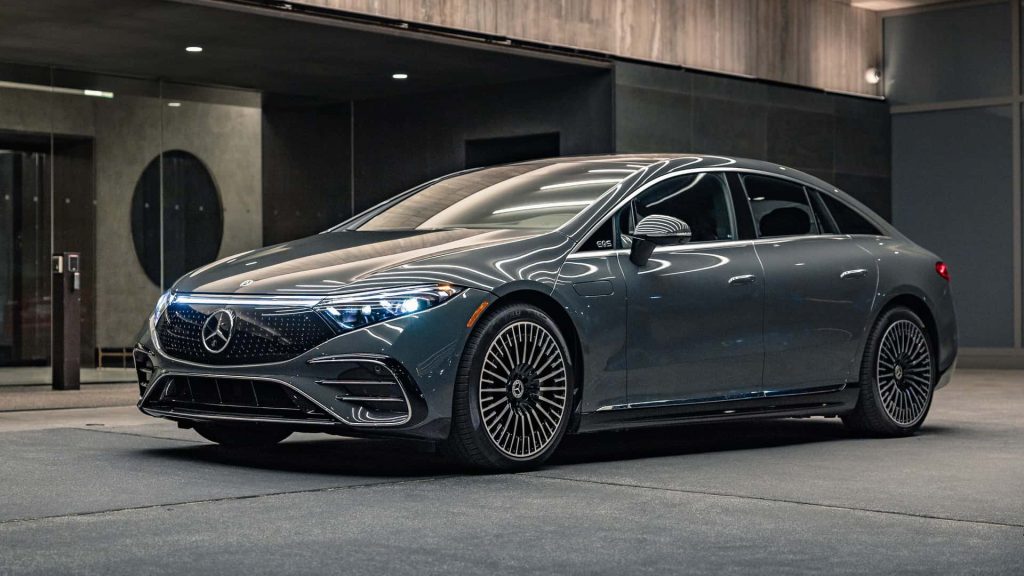
Another interesting aspect was cybersecurity. Because the EQS supports connected services and remote updates, Mercedes invested heavily in digital security infrastructure. Modern luxury vehicles now require software protection similar to smartphones and computers, further proving how deeply software has become integrated into automotive engineering.
The EQS delivers extraordinary comfort and technology, but it also highlights how dependent premium modern vehicles have become on stable and continuously updated digital ecosystems.
Specifications:
- Engine: Dual electric motors
- Torque: 633 lb ft
- Horsepower: 516 HP
- Length/Width: 205.4 inches / 75.8 inches
3. Rivian R1T
The Rivian R1T entered the market with enormous expectations because it promised to blend electric performance, off-road capability, and futuristic technology into one pickup truck.
Unlike traditional trucks designed primarily around mechanical simplicity, the R1T depended heavily on software from the very beginning. Nearly every major function inside the truck relied on digital integration working properly.
Owners quickly discovered how software-dependent the R1T truly was. Suspension calibration, drive modes, battery management, terrain response systems, charging functions, and infotainment controls all required continuous software refinement.
Rivian regularly issued updates to improve range estimates, fix interface bugs, optimize power delivery, and stabilize electronic systems.
One interesting example involved the truck’s adaptive air suspension. Early software versions occasionally produced inconsistent ride height behavior or delayed responses while switching terrain modes.
Updates later improved system communication and made transitions feel smoother and more reliable. Without those updates, some owners experienced frustrating usability problems during daily driving.
The R1T also introduced advanced connected features, including remote diagnostics, smartphone integration, and cloud-based vehicle monitoring.
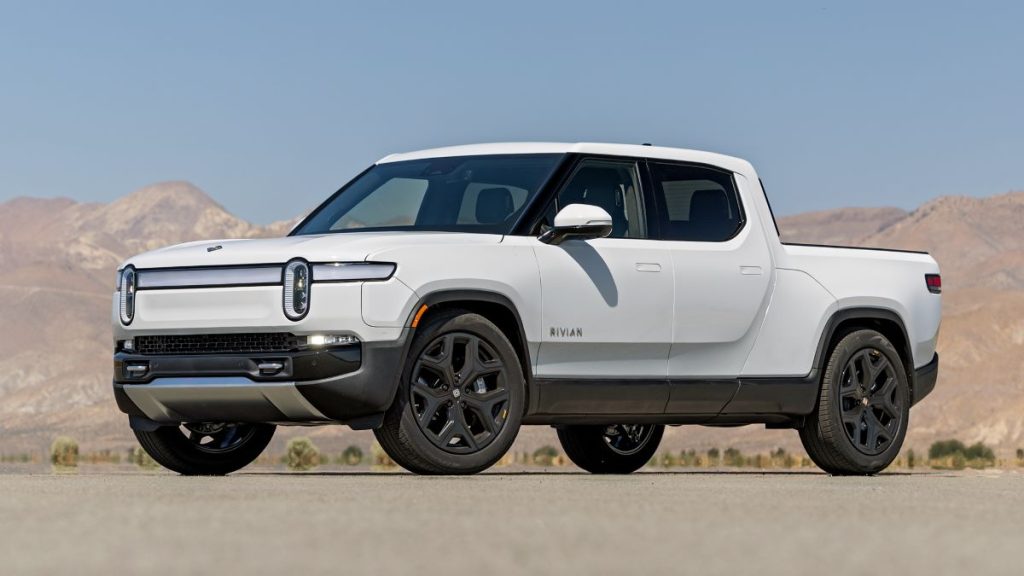
While these technologies created convenience, they also increased dependence on stable software architecture. Even small bugs could affect several systems simultaneously because everything remained interconnected through central computing modules.
Unlike older pickups, where mechanical durability mattered most, the R1T demonstrated how modern electric trucks now rely equally on digital stability.
Owners often discussed software version numbers almost as frequently as hardware specifications. New updates sometimes improved acceleration performance or unlocked additional efficiency without changing physical components.
Despite occasional glitches, Rivian’s willingness to continuously improve the truck through updates earned praise from many buyers. The R1T showed how software can actively reshape vehicle behavior long after purchase, creating a driving experience that constantly evolves.
Specifications:
- Engine: Quad electric motors
- Torque: 908 lb ft
- Horsepower: 835 HP
- Length/Width: 217.1 inches / 81.8 inches
4. Ford Mustang Mach-E
The Ford Mustang Mach-E represented a dramatic shift for Ford because it transformed the legendary Mustang name into a software-heavy electric crossover. Traditional Mustang buyers were used to mechanical V8 performance, but the Mach E introduced a world dominated by digital interfaces, battery management systems, and remote software updates.
Ford designed the Mach E around a large vertically mounted touchscreen controlling most major vehicle functions. Climate settings, navigation, charging information, drive modes, and entertainment systems all flowed through this interface.
When software problems appeared, owners often experienced issues affecting everyday usability rather than isolated convenience features.
Several early Mach E owners reported problems involving charging interruptions, frozen screens, inaccurate range estimates, and malfunctioning driver assistance systems. Ford responded aggressively with over-the-air updates aimed at improving reliability and correcting software communication errors between different electronic modules.
Battery optimization became one of the most important areas for updates. Electric vehicles rely heavily on software to manage thermal performance, charging speed, and power delivery efficiency. Ford continuously refined these systems to improve real-world driving range and charging consistency under different weather conditions.
BlueCruise driver assistance technology also required frequent software refinement. Because semi-autonomous systems rely on cameras, sensors, and processing software working together accurately, Ford regularly updates the Mach-E to improve lane centering, driver monitoring, and highway behavior. The car’s functionality literally evolved through software improvements.
Another major difference compared to older vehicles involved dealership service procedures. Many repairs now include software diagnostics and digital recalibration processes rather than purely mechanical fixes. This highlighted how modern electric cars increasingly function more like connected devices than traditional automobiles.
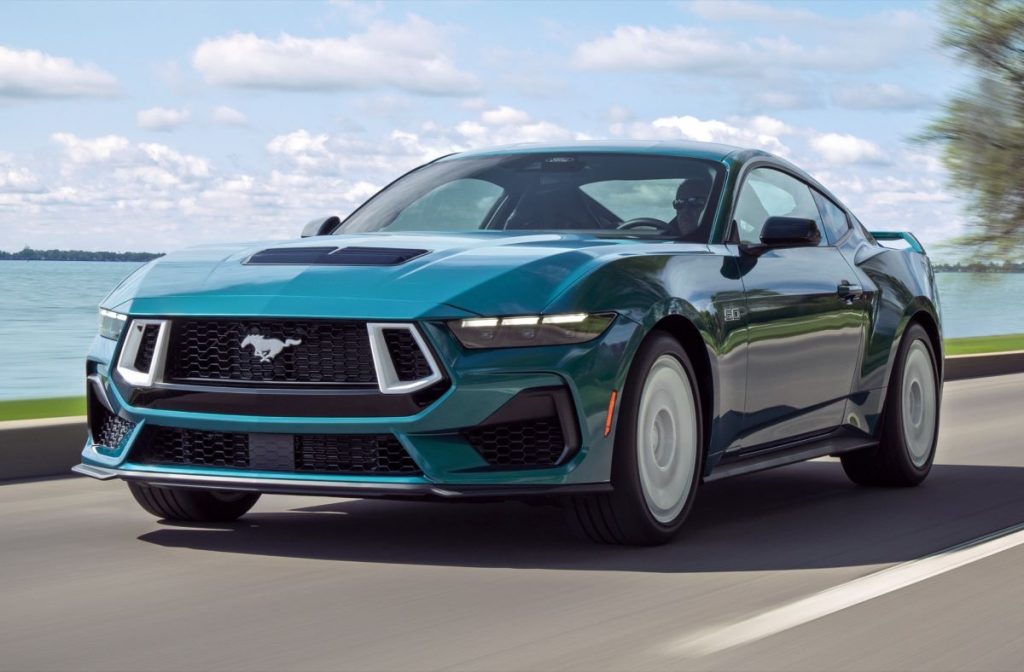
The Mach E succeeded in attracting new buyers to Ford’s electric future, but it also demonstrated how deeply software now controls modern vehicle experiences. Without consistent updates and digital support, many of its headline features simply would not operate properly.
Specifications:
- Engine: Dual electric motors
- Torque: 428 lb ft
- Horsepower: 480 HP
- Length/Width: 186.7 inches / 74.1 inches
5. Lucid Air
The Lucid Air entered the luxury EV market with ambitious promises about range, efficiency, and futuristic technology.
Lucid positioned the car as a direct rival to established premium electric sedans, but achieving that vision required one major ingredient beyond hardware. The Air depended deeply on sophisticated software systems controlling nearly every aspect of the driving experience.
From the moment drivers enter the cabin, the software-heavy nature of the car becomes obvious. Multiple digital displays manage navigation, battery information, climate settings, seat functions, lighting, and advanced driver assistance features.
Unlike older luxury sedans that relied on physical controls, the Lucid Air centralized many operations into software-driven interfaces.
Early owners encountered several software-related problems after launch. Reports included frozen displays, inconsistent sensor behavior, charging glitches, connectivity issues, and occasional driver assistance malfunctions. Lucid responded with repeated software updates designed to stabilize the car’s operating systems and improve feature reliability.
One area where updates became especially critical involved battery management. The Lucid Air requires remarkably high driving range figures, which require advanced software controlling thermal efficiency and power delivery.
Updates often improved charging speeds, energy prediction accuracy, and full system responsiveness. These refinements directly affected the usability of the vehicle in everyday situations.
The Air also highlighted how luxury vehicles increasingly function like technology products. Owners regularly discussed firmware versions, interface updates, and digital feature improvements almost the same way smartphone users discuss operating system upgrades.
Certain capabilities even improved months after delivery because Lucid continued optimizing the vehicle remotely.
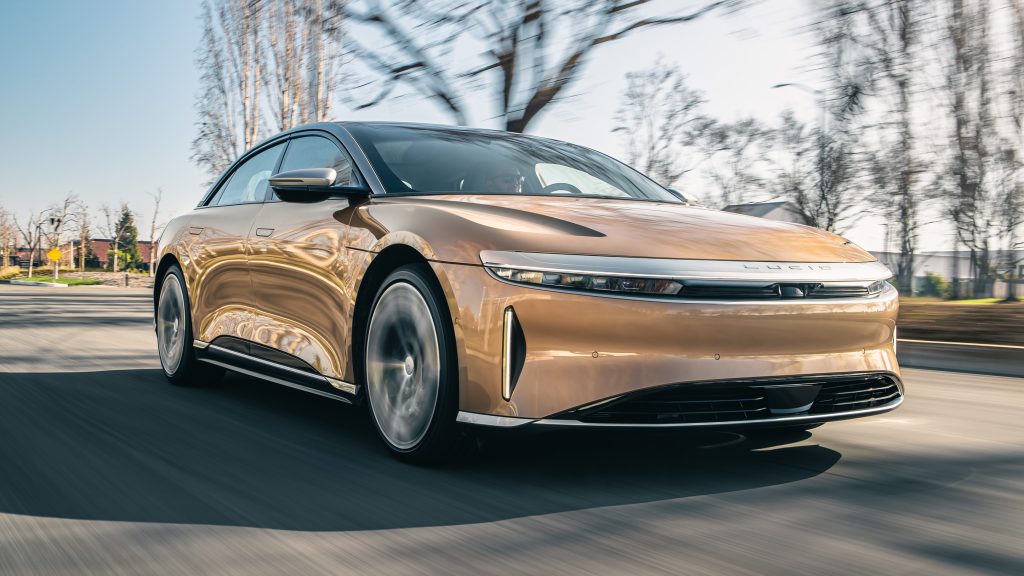
Another challenge involved integration complexity. Because so many systems communicated digitally, minor software bugs occasionally created unexpected side effects across multiple functions. This demonstrated how connected modern vehicles have become beneath the surface.
Even with those growing pains, the Lucid Air remains an important example of the software-defined future of luxury cars. It proved that modern EVs depend just as much on strong software engineering as they do on batteries or motors.
Specifications:
- Engine: Dual electric motors
- Torque: 885 lb ft
- Horsepower: 620 HP
- Length/Width: 195.9 inches / 76.3 inches
6. Volkswagen ID.4
The Volkswagen ID.4 marked a major turning point for Volkswagen as the company aggressively transitioned toward electric mobility after years of relying on traditional combustion-powered vehicles.
While the ID.4 offered practicality and smooth electric driving, it also became known for software-related frustrations that revealed how difficult the industry’s digital transformation could be.
Unlike older Volkswagens with relatively simple electronic systems, the ID.4 depended heavily on centralized software architecture.
Infotainment controls, charging functions, battery management, climate settings, and driver assistance systems all relied on software working seamlessly together. When problems appeared, they affected much more than entertainment features alone.
Owners frequently criticized the responsiveness of the touchscreen interface during the early production years. Laggy menus, delayed inputs, and occasional system crashes became common complaints.
Some users also reported charging inconsistencies and communication problems between vehicle modules, forcing Volkswagen to release multiple software revisions.
The company faced additional criticism because several updates initially required dealership visits instead of seamless remote installation. This frustrated buyers who expected Tesla-style over-the-air convenience. Volkswagen eventually improved remote update capability, but the early challenges damaged confidence among some customers.
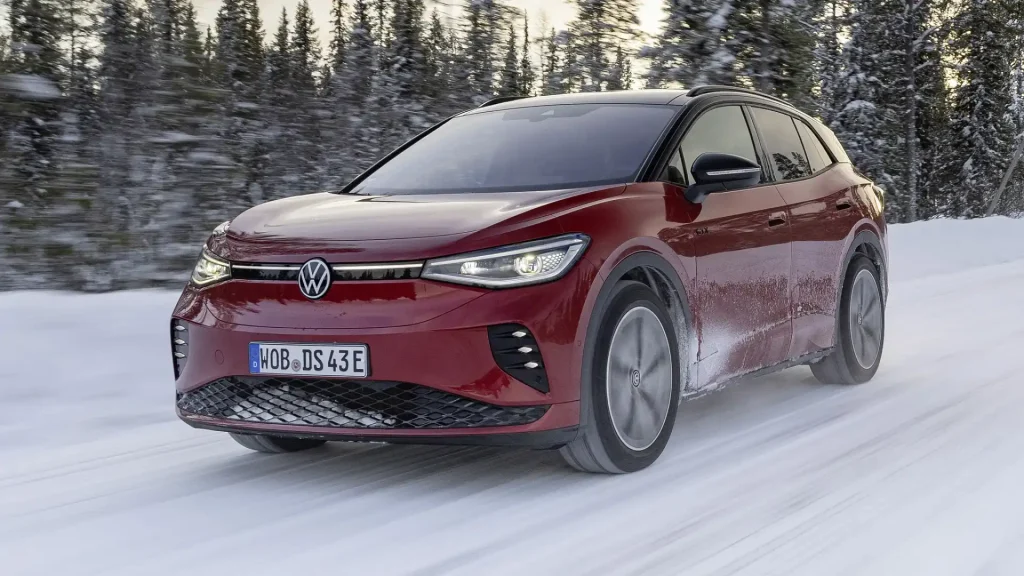
Software updates became essential for improving efficiency and usability. Volkswagen refined charging logic, battery temperature management, and navigation integration to deliver better real-world performance. Driver assistance systems also received updates to improve lane centering and adaptive cruise behavior.
The ID.4 demonstrated that software quality now plays a major role in shaping a vehicle’s reputation. Even though the hardware package itself remained practical and comfortable, software instability significantly influenced public perception during launch years.
Despite those issues, the ID.4 represented an important learning experience for Volkswagen’s electric future.
It showed how traditional automakers must now compete not only in engineering and manufacturing but also in long-term software development and digital ecosystem reliability.
Specifications:
- Engine: Single electric motor
- Torque: 229 lb ft
- Horsepower: 201 HP
- Length/Width: 180.5 inches / 72.9 inches
7. BMW iX
The BMW iX introduced one of the boldest technology packages the company had ever placed inside a production vehicle. From its futuristic cabin design to its advanced driver assistance systems, the iX relied heavily on software integration to deliver the premium experience BMW promised.
Beneath the luxury materials and quiet electric performance sat a deeply connected digital platform controlling nearly every function.
Inside the cabin, traditional buttons were minimized in favor of curved displays and software-driven controls. Navigation, climate settings, seating adjustments, entertainment functions, and drive modes all flowed through BMW’s operating system. While visually impressive, this also meant software stability became essential for the vehicle to function properly.
BMW continuously released updates to improve infotainment responsiveness, charging optimization, and driver assistance calibration.
Early owners occasionally experienced frozen interfaces, sensor communication errors, and glitches involving smartphone connectivity. In several cases, software updates corrected problems without requiring major hardware replacements.
One fascinating element of the iX involved customizable digital behavior. BMW allowed drivers to modify various driving characteristics and comfort settings through software menus, giving the car a highly configurable personality.
Features such as regenerative braking intensity and adaptive driving responses could evolve through later updates as BMW refines system behavior.
The iX also highlighted how software now shapes electric vehicle efficiency. Battery temperature management, charging curves, and power delivery all depended on advanced software logic operating correctly in real time. Even small updates could noticeably affect charging speed or estimated range during daily use.
Security became another major concern. Because the iX supported connected services and remote access features, BMW invested heavily in cybersecurity infrastructure. Luxury vehicles increasingly require protection against digital vulnerabilities just as much as physical theft.
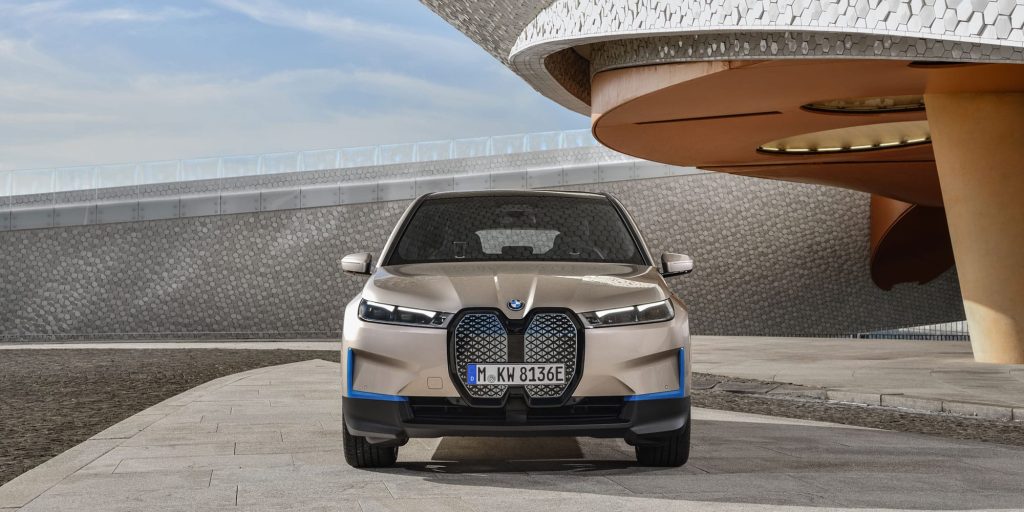
Although some traditional BMW enthusiasts missed the simplicity of older models, the iX demonstrated where the automotive industry is heading. It represented a future where software development remains just as important as engine engineering once was for premium automakers.
Specifications:
- Engine: Dual electric motors
- Torque: 564 lb ft
- Horsepower: 516 HP
- Length/Width: 195 inches / 77.4 inches
8. GMC Hummer EV
The GMC Hummer EV revived one of the most recognizable names in automotive history, but this version shared very little with the rugged, military-inspired trucks of the past. Instead of relying on massive mechanical simplicity, the new Hummer EV became one of the most software-dependent vehicles General Motors had ever produced.
Nearly every signature feature inside the Hummer EV relies on advanced software coordination. CrabWalk steering, adaptive air suspension, terrain modes, torque vectoring, battery management, and massive infotainment systems all communicate through a highly complex digital architecture.
Without properly functioning software, many of the truck’s headline capabilities simply cannot operate correctly.
General Motors frequently issued updates after launch to address software bugs and improve functionality. Some owners reported issues involving screen freezing, charging interruptions, camera system errors, and inconsistent suspension behavior. Because so many systems were interconnected, even relatively small glitches could affect multiple functions simultaneously.
One of the truck’s most impressive technologies involves its off-road software integration. The Hummer EV constantly processes wheel slip, suspension travel, traction demands, and terrain conditions while adjusting power delivery in real time.
This level of complexity requires continuous software refinement to maintain smooth operation under difficult driving situations.
Updates also improved charging efficiency and battery performance. Large electric trucks place enormous stress on thermal management systems, making software optimization critical for both reliability and driving range. GM relied heavily on remote updates to fine-tune these systems after vehicles reached customers.
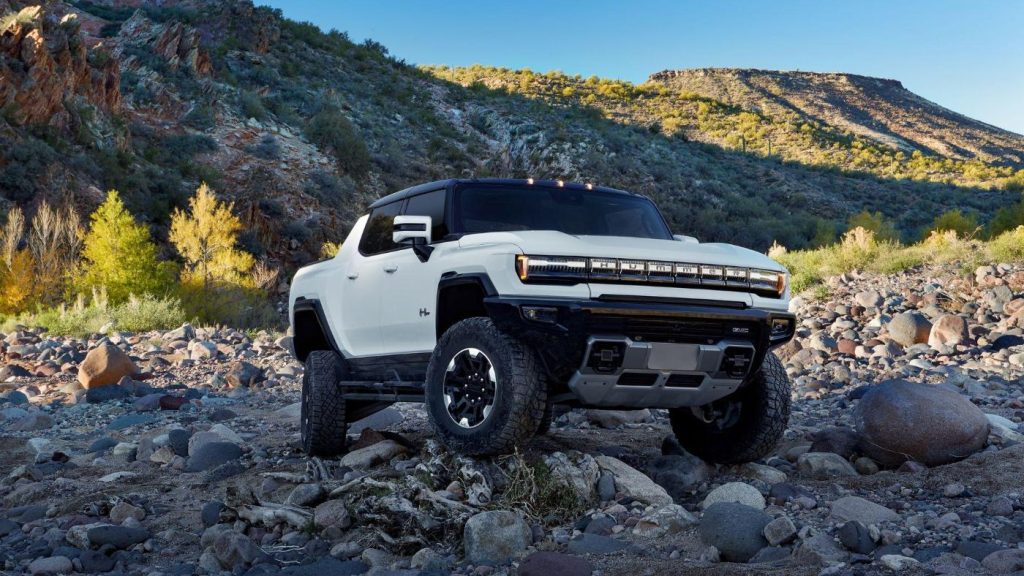
The Hummer EV further demonstrated how modern trucks are evolving into connected digital platforms. Drivers can access remote diagnostics, smartphone controls, and cloud-based services that barely existed in traditional pickups just a decade ago.
Despite occasional software frustrations, the Hummer EV showcased the incredible possibilities created by software-driven engineering. It proved that even massive off-road vehicles now depend heavily on digital systems to deliver their promised capabilities.
Specifications:
- Engine: Three electric motors
- Torque: 1200 lb-ft
- Horsepower: 1000 HP
- Length/Width: 216.8 inches / 86.7 inches
9. Audi Q8 E-Tron
The Audi Q8 E-Tron represents how traditional luxury brands are adapting to an automotive world dominated by software-controlled systems. Audi built the vehicle with advanced connectivity, digital displays, intelligent driver assistance, and complex battery management technology, making software support essential to the ownership experience.
Inside the cabin, the SUV feels closer to a high-end digital device than a conventional luxury vehicle. Dual touchscreens handle navigation, climate functions, vehicle settings, and media controls. The virtual cockpit system constantly processes driving information while connected services communicate with cloud-based systems behind the scenes.
This heavy reliance on software created challenges during the vehicle’s early production cycle. Some owners experienced charging irregularities, infotainment lag, and occasional communication problems between electronic modules. Audi issued several updates to improve system stability and optimize vehicle responsiveness.
Battery software became especially important because electric luxury SUVs require precise energy management.
Charging speed, regenerative braking behavior, thermal regulation, and range prediction all depend on advanced software logic working continuously in the background. Audi refined many of these systems through updates released after customers received their vehicles.
The Q8 E-Tron also demonstrated how software influences ride quality and driving behavior. Adaptive suspension settings, steering calibration, and traction systems are now digitally controlled rather than purely mechanical. Even subtle updates can alter how the vehicle feels on the road.
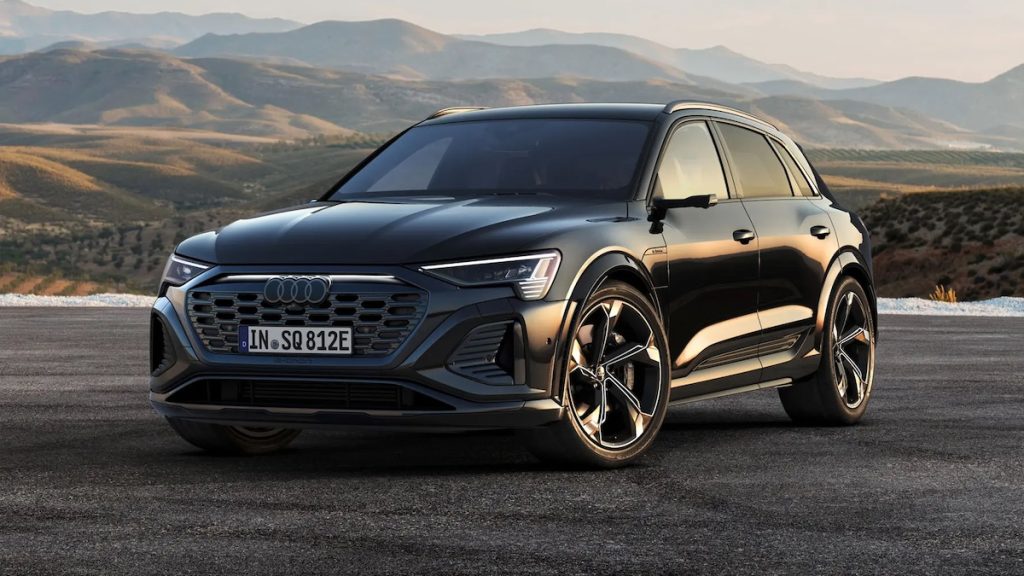
Another major focus involved driver assistance technology. Audi continuously improved lane-keeping systems, adaptive cruise functions, and safety sensor coordination through software revisions. These systems require constant calibration because modern luxury buyers expect flawless operation from semi-autonomous features.
Traditional luxury vehicles once depended mainly on mechanical craftsmanship, but the Q8 E Tron highlights how digital engineering now shapes the premium experience just as much as leather quality or cabin refinement. The vehicle’s functionality, efficiency, and usability all rely heavily on software operating correctly every day.
Specifications:
- Engine: Dual electric motors
- Torque: 490 lb ft
- Horsepower: 402 HP
- Length/Width: 193 inches / 76.3 inches
10. Hyundai Ioniq 5
The Hyundai Ioniq 5 quickly became one of the most talked-about electric vehicles because of its futuristic styling, spacious interior, and advanced technology package. Underneath the retro-inspired design sits a highly sophisticated, software-driven platform that controls nearly every important aspect of the vehicle’s operation.
Unlike older Hyundai models that relied mostly on mechanical simplicity, the Ioniq 5 depends heavily on digital systems for charging, battery cooling, infotainment, safety technology, and power management. This architecture allowed Hyundai to deliver impressive innovation, but it also made software updates extremely important.
Early owners reported occasional charging communication errors, touchscreen glitches, and unexpected warning messages related to driver assistance systems. Hyundai responded by releasing multiple software updates aimed at improving stability and refining electronic coordination across the vehicle.
One of the most critical software areas involved charging performance. The Ioniq 5 supports ultra-fast charging capability, which requires precise thermal and voltage management to operate safely and efficiently. Hyundai continuously optimized these systems through updates to improve charging consistency under different weather conditions.
The car also features extensive driver assistance technology, including adaptive cruise control, lane-following systems, and highway driving support. Because these features rely on cameras, radar sensors, and processing software communicating instantly, updates became essential for improving smoothness and reliability.
Another interesting aspect of the Ioniq 5 is how software shapes the driving experience itself. Regenerative braking intensity, acceleration response, and energy usage displays can all be adjusted digitally. Hyundai even added new convenience functions through software revisions after launch.
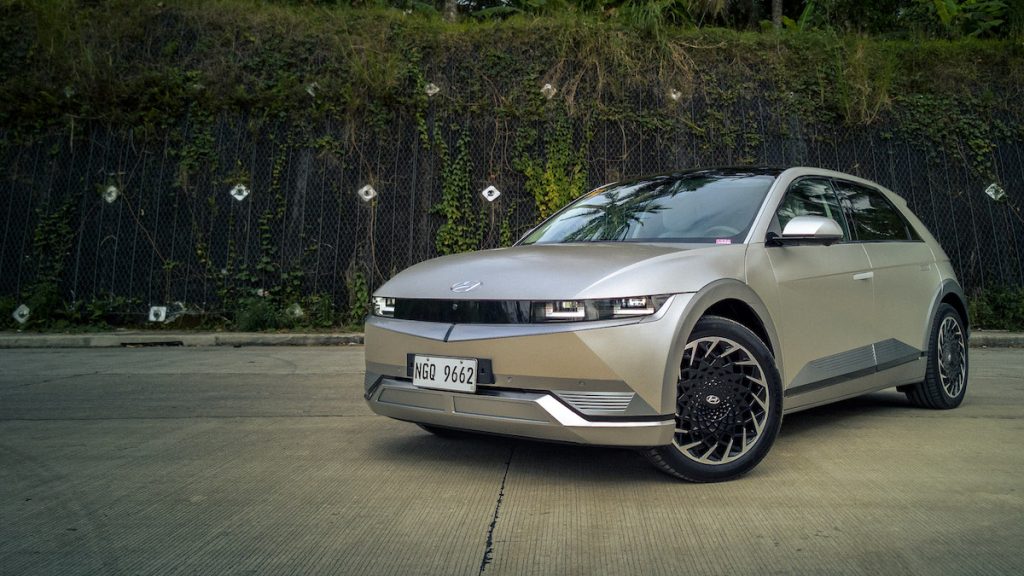
The Ioniq 5 showed how rapidly mainstream automakers are embracing software-defined vehicles. It delivers strong practicality and modern technology, but its dependence on updates also proves that today’s cars increasingly function like constantly evolving digital ecosystems instead of fixed mechanical products.
Specifications:
- Engine: Dual electric motors
- Torque: 446 lb-ft
- Horsepower: 320 HP
- Length/Width: 182.5 inches / 74.4 inches
Also Read: 8 Cars That Are Nearly Impossible to Steal
