
The automotive industry has changed dramatically over the last few decades. Modern vehicles are now packed with touchscreen displays, advanced driver assistance systems, artificial intelligence-based controls, smartphone connectivity, and digital dashboards that look more like futuristic command centers than traditional car interiors.
While these innovations have improved safety, fuel efficiency, and convenience in many ways, they have also quietly eliminated several comfort features that drivers once loved. Many older vehicles offered simple but highly practical design elements that focused on passenger relaxation, ease of use, and long-distance driving comfort.
Unfortunately, as manufacturers shifted toward minimalism, cost-cutting, stricter regulations, and digital technology, many of these thoughtful comfort-focused features disappeared from modern cars.
For decades, automakers competed not only on performance and styling but also on how comfortable a car felt during everyday use. Large sedans and family wagons from the 1970s, 1980s, and 1990s often included features that made long road trips enjoyable and stress-free.
Soft bench seats, vent windows, plush suspension systems, thick carpeting, and physical controls created an environment designed for relaxation. Drivers could customize airflow without relying entirely on air conditioning, passengers could stretch out more freely, and interiors often felt warmer and more inviting than many modern cabins.
Even economy cars sometimes included unique comfort touches that have vanished entirely from today’s market.
Nostalgia also plays a major role in why these discontinued comfort features remain memorable. Drivers who grew up riding in large family sedans or classic luxury cars often remember how relaxing those interiors felt compared to today’s technology-heavy cabins.
The disappearance of these features reflects a broader transformation in automotive philosophy. Cars are no longer designed solely as comfortable transportation machines. Instead, they are increasingly treated as mobile technology platforms. While innovation continues to shape the future of transportation, many enthusiasts and everyday drivers still wish some classic comfort features had survived into the modern era.
In this article, we will explore ten comfort features that once made driving more enjoyable but have largely disappeared from new vehicles. These forgotten elements remind us that automotive comfort is not always about advanced technology. Sometimes, the simplest features create the most satisfying driving experience.
Also read: Top 10 Cars With the Shortest Turning Radius Ranked
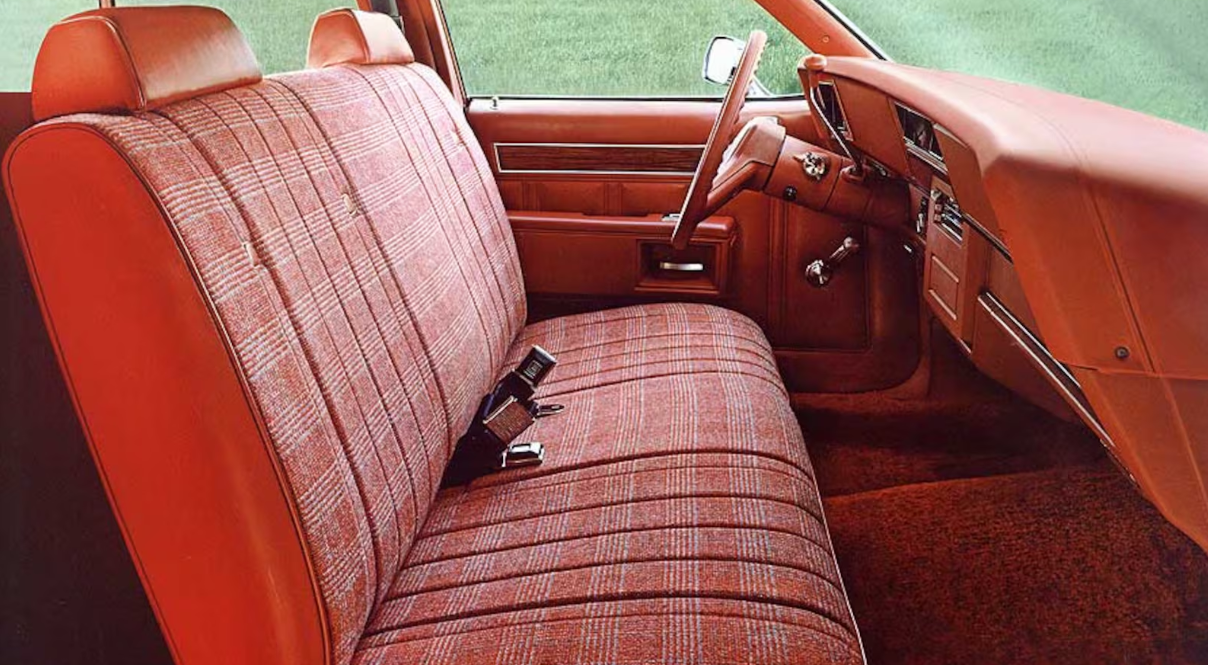
1. Front Bench Seats
Front bench seats were once a defining feature of American cars and many family vehicles around the world. Instead of individual bucket seats separated by a center console, bench seats allowed three passengers to sit comfortably across the front row.
During the middle of the twentieth century, this setup was common in sedans, station wagons, pickup trucks, and even luxury vehicles. Families appreciated the extra seating capacity, while drivers enjoyed the spacious and open cabin feel. Today, front bench seats have almost completely disappeared from passenger cars, surviving only in a few basic work trucks.
One major advantage of bench seats was comfort during long drives. The wide, continuous cushion allowed passengers to shift positions more freely without feeling confined. Couples often appreciated the closeness offered by bench seating, which contributed to a warmer and more social driving experience.
Older luxury sedans equipped with soft bench seats and plush suspension systems created a relaxing atmosphere that modern bucket seats rarely replicate. The spacious design also made entry and exit easier for many passengers, especially older adults.
The decline of front bench seats happened largely because of safety concerns and changing consumer preferences. Modern vehicles require larger center consoles to house gear selectors, cup holders, infotainment controls, and airbags.
Bucket seats also provide better lateral support during cornering, which aligns with the modern focus on sporty driving dynamics. Additionally, stricter safety standards and seatbelt requirements made traditional bench seat layouts less practical for manufacturers.
Despite these changes, many drivers still miss the openness and simplicity of front bench seating. Modern car interiors often feel cluttered with large center consoles and electronic controls.
Bench seats created a cleaner and more spacious cabin environment that emphasized relaxation rather than aggressive driving posture. Some classic car enthusiasts continue to restore older vehicles specifically because of the comfort and nostalgia associated with bench seats.
The disappearance of front bench seats represents a broader shift in automotive design philosophy. Modern vehicles prioritize performance styling and technological integration, often at the expense of passenger comfort and cabin spaciousness.
While bucket seats offer practical advantages, they lack the welcoming and lounge-like feel that bench seats once provided. For many drivers, the loss of front bench seating marks the end of a more relaxed era in automotive history.
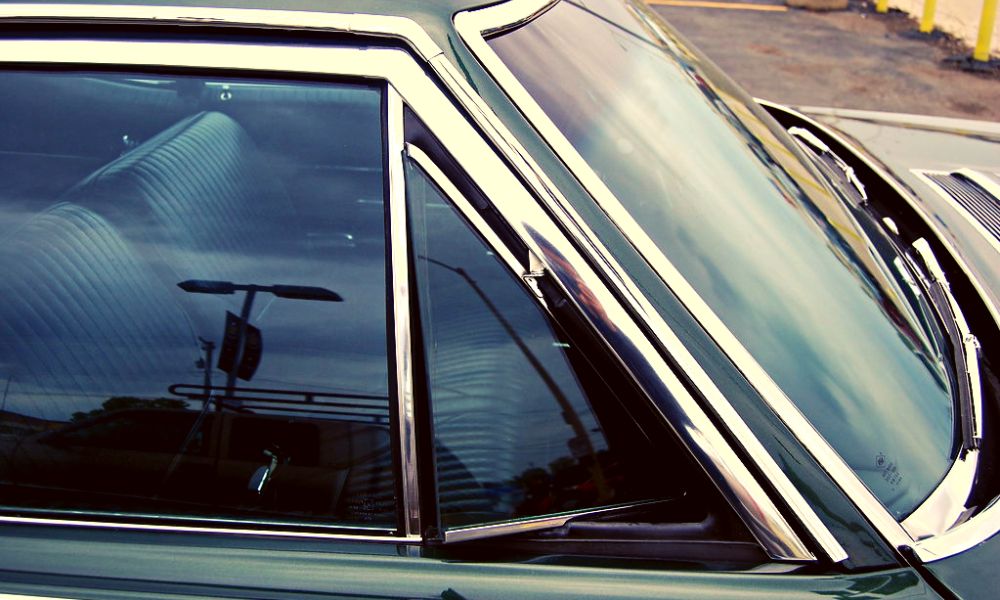
2. Vent Windows
Vent windows, also known as wing windows, were once a standard feature in many cars built before the 1990s. These small triangular windows were located near the front side windows and could be tilted open to direct airflow into the cabin.
Before modern air conditioning systems became widespread and powerful, vent windows provided an effective and energy-efficient way to cool the interior. They also helped reduce stuffiness during long drives and allowed drivers to enjoy fresh air without lowering the main windows completely.
One reason vent windows were so beloved was their ability to create focused airflow. Drivers could angle the window to direct cool outside air precisely where they wanted it.
This feature worked especially well during highway driving, where the incoming air provided natural ventilation throughout the cabin. Unlike modern climate control systems that rely entirely on fans and compressors, vent windows offered a simple mechanical solution that required no electricity or fuel consumption.
Vent windows also had practical benefits during rainy weather. Drivers could slightly open the vent window without allowing significant water into the cabin.
Smokers appreciated them as well because they helped remove cigarette smoke more effectively than standard windows. In an era before advanced climate systems, vent windows played an important role in maintaining cabin comfort under varying conditions.
The decline of vent windows began as automotive aerodynamics became more important. Manufacturers discovered that fixed side windows improved fuel efficiency by reducing wind resistance and cabin noise. Advances in air conditioning technology also made vent windows seem unnecessary to many automakers. As a result, these once common windows gradually disappeared from mainstream vehicles during the 1980s and 1990s.
Today, some drivers still miss the natural ventilation and nostalgic charm of vent windows. Modern climate control systems may be more advanced, but they often create an isolated driving environment disconnected from the outside world.
Vent windows offered a refreshing sense of openness and simplicity that many people remember fondly. Their disappearance highlights how automotive design has shifted toward efficiency and technology while leaving behind certain practical comforts.
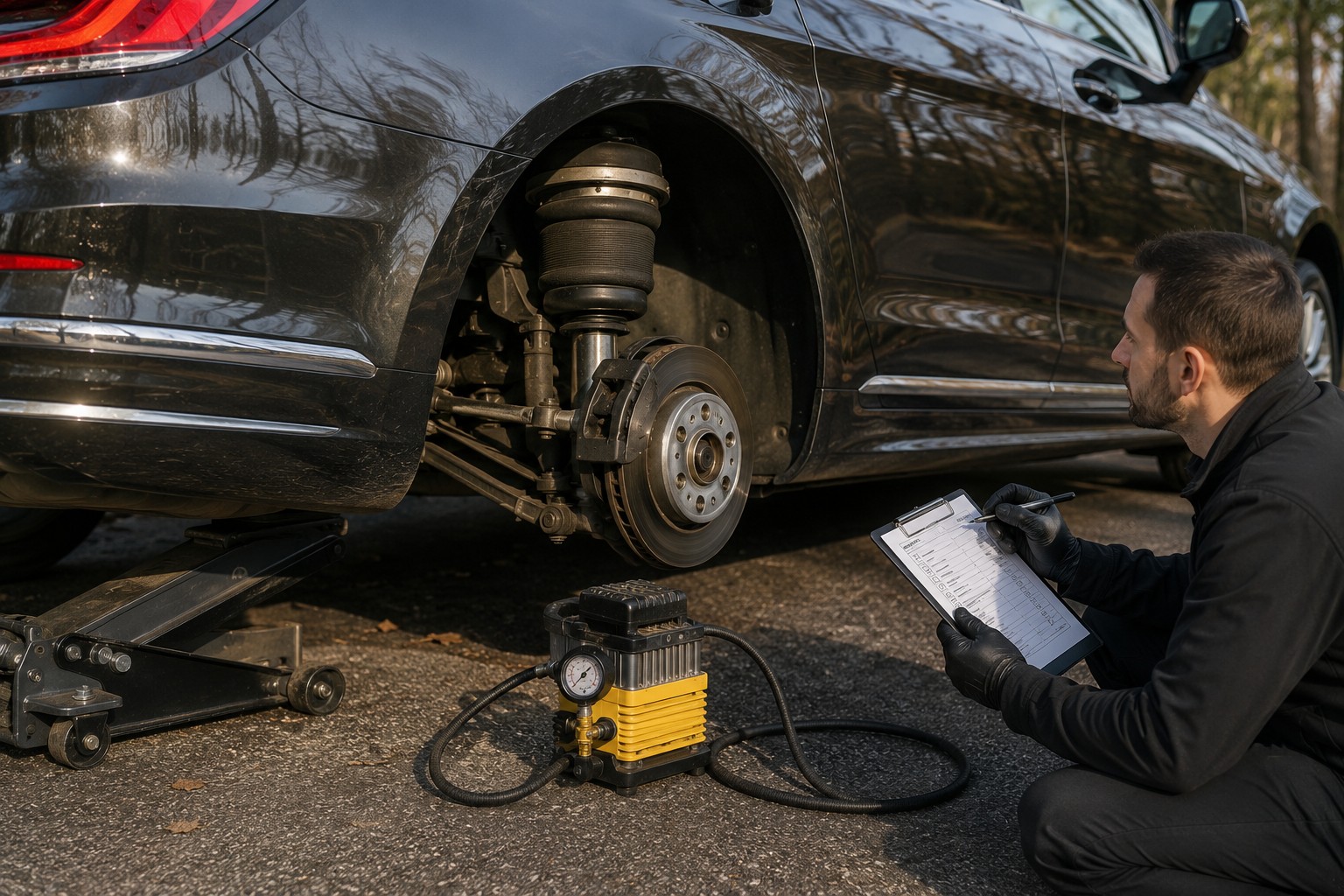
3. Plush Floaty Suspension
Many older luxury cars were famous for their soft suspension systems that delivered an incredibly smooth ride. Large sedans from brands like Cadillac, Lincoln, and Buick were engineered to absorb road imperfections with minimal disturbance to passengers.
This floating sensation became a defining characteristic of luxury vehicles throughout much of the twentieth century. Modern cars, however, often prioritize sharp handling and sporty driving dynamics over pure ride comfort.
Soft suspension systems provided exceptional comfort during long-distance travel. Passengers experienced fewer vibrations and impacts from rough roads, making road trips far more relaxing.
Large cushioned seats combined with smooth suspension created a near sofa-like driving experience that many people still remember fondly. Drivers did not feel every crack and bump in the road because the suspension absorbed much of the harshness before it reached the cabin.
The shift away from plush suspension systems happened gradually as consumer tastes evolved. Automakers began marketing sportier handling and tighter steering as desirable traits, even in family sedans and luxury cars.
Advances in tire technology and chassis engineering also encouraged manufacturers to create vehicles with firmer suspension setups. While these changes improved cornering ability and driver confidence, they often reduced ride comfort.
Safety regulations and fuel economy standards contributed to the decline as well. Heavier suspension systems and larger body structures reduced efficiency, prompting manufacturers to adopt lighter and stiffer designs.
Additionally, younger buyers increasingly associate firm suspension with premium performance and modern engineering. As a result, the traditional floating luxury car became less common in showrooms.
Many drivers today still appreciate older vehicles specifically because of their comfortable ride quality. While modern adaptive suspension systems attempt to balance comfort and performance, they rarely recreate the effortless softness of classic luxury sedans. The disappearance of plush suspension reflects changing priorities in automotive engineering, where performance and efficiency often outweigh pure passenger comfort.

4. Full-Size Spare Tires
Full-size spare tires were once standard equipment in many vehicles. Unlike the compact temporary spare tires commonly used today, full-size spares matched the car’s regular wheels and tires exactly. This allowed drivers to continue traveling normally after a flat tire without worrying about speed restrictions or limited driving distance. For long road trips and rural driving, having a full-size spare provided significant peace of mind.
One of the biggest advantages of a full-size spare tire was convenience. Drivers could replace a damaged tire and continue driving at normal speeds until they had time to repair the original tire.
Compact temporary spares, often called donut tires, are intended only for short distances and reduced speeds. They can also affect handling and braking performance, making them less comfortable and less safe for extended driving.
Full-size spare tires also improved reliability during emergencies. In remote areas where tire repair services might not be readily available, a proper spare tire allowed drivers to continue their journey without major disruption. Families traveling long distances appreciated the extra security provided by a durable and dependable spare wheel.
The decline of full-size spare tires occurred mainly because automakers wanted to reduce vehicle weight and increase cargo space. Smaller temporary spares take up less room and contribute to improved fuel efficiency.
Some modern cars have eliminated spare tires entirely in favor of tire repair kits and run-flat tires. While these alternatives save space and reduce weight, many drivers consider them less practical in real-world situations.
Drivers who have experienced tire failures on busy highways or isolated roads often miss the confidence provided by a full-size spare. Although compact solutions may be more efficient, they lack the reassurance and convenience of a traditional spare tire. The disappearance of this feature reflects the automotive industry’s growing focus on efficiency and packaging over long-term practicality and comfort.
Also read: 5 Cars Where Trade-In Beats Private Sale vs 5 Where It Doesn’t
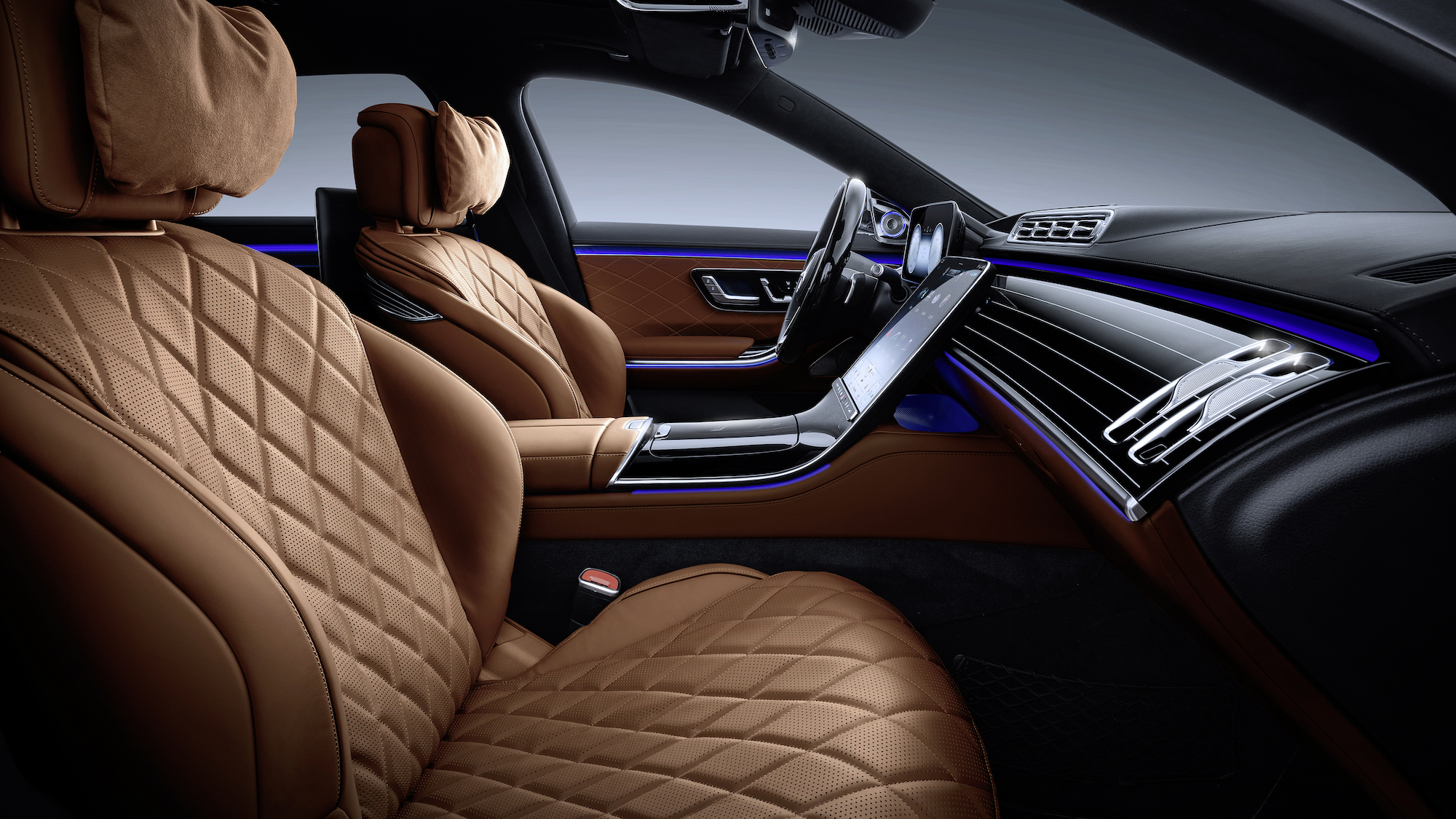
5. Thick Cushioned Seats
Older vehicles were known for their thickly padded seats that prioritized softness and comfort over aggressive support. Many cars from the 1970s through the 1990s featured wide seats with deep cushioning that resembled living room furniture more than racing-inspired automotive seating. These seats made long journeys more comfortable and reduced fatigue for both drivers and passengers.
One reason these seats were so comfortable was the generous use of soft foam and wide seating surfaces. Occupants could shift positions easily and relax during extended trips.
Combined with softer suspension systems, cushioned seats created a calm and luxurious environment that emphasized comfort rather than performance. Large American sedans and luxury coupes became famous for interiors that felt almost like mobile lounges.
Modern seats have evolved significantly, but not always in ways that improve comfort for everyone. Many new vehicles feature firmer seats with pronounced side bolsters designed to hold occupants in place during cornering.
While these designs may improve support during spirited driving, they can feel restrictive or uncomfortable during long commutes and road trips. Some drivers also find that modern seat materials feel less inviting than traditional cloth or velour upholstery.
Safety technology and changing design trends also contributed to the decline of deeply cushioned seats. Modern seats must accommodate side airbags, integrated electronics, heating systems, and advanced adjustment mechanisms. Manufacturers also aim to reduce weight and improve cabin space efficiency, which affects seat construction and thickness.
Many drivers still long for the comfort of older automotive seating. Classic cars often feel more relaxing simply because of the way their seats were designed.
While modern ergonomics and safety improvements offer benefits, they sometimes sacrifice the soft and welcoming character that once defined automotive comfort. The disappearance of thick cushioned seats demonstrates how modern vehicles increasingly prioritize functionality and sporty aesthetics over pure relaxation.
6. Physical Climate Control Knobs
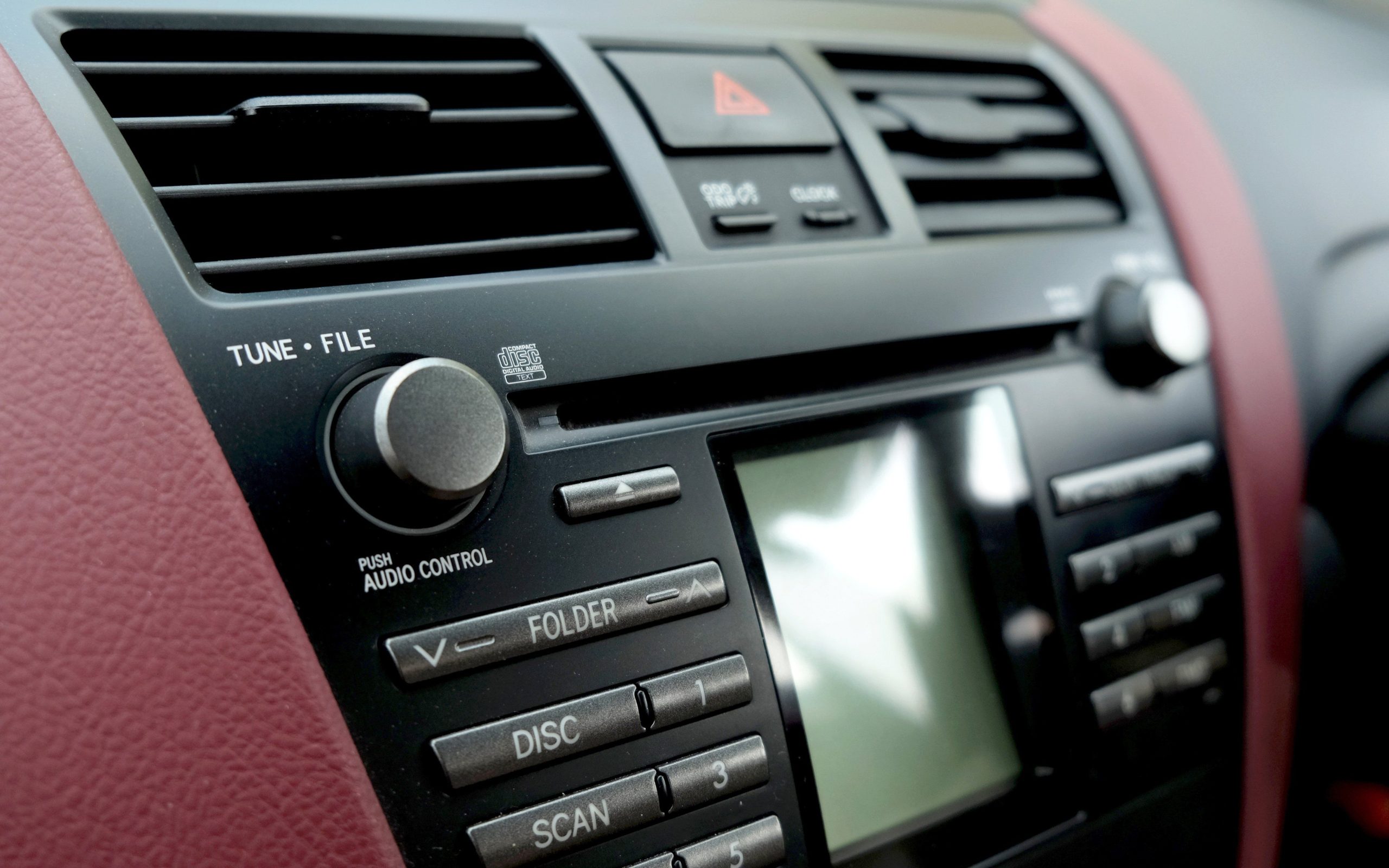
Before touchscreens dominated car interiors, physical climate control knobs and buttons were standard in nearly every vehicle. These controls allowed drivers to adjust temperature, fan speed, and airflow direction quickly and easily without taking their eyes off the road.
Many modern cars have replaced traditional controls with touchscreen interfaces, which some drivers consider less intuitive and less comfortable to use while driving.
Physical knobs provided immediate tactile feedback that touchscreens cannot fully replicate. Drivers could adjust settings by feel alone, making the process safer and less distracting. Large rotary dials and clearly labeled buttons simplified operation, especially during nighttime driving or poor weather conditions. This straightforward design contributed significantly to driving comfort and convenience.
Touchscreen systems may look modern and sophisticated, but they often require multiple menu selections to perform simple tasks. Changing the cabin temperature or adjusting airflow can become frustrating when basic controls are buried inside digital menus.
Some systems also suffer from lag, fingerprint smudges, and visibility issues under direct sunlight. These factors can make climate adjustments more distracting than traditional controls.
Automakers embraced touchscreens partly because they reduce manufacturing complexity and create cleaner-looking interiors. Digital interfaces also allow manufacturers to update software and integrate additional vehicle functions into a single display. However, this shift has not always improved the everyday driving experience for consumers.
Many drivers and automotive reviewers continue to criticize the disappearance of physical climate controls. Some manufacturers have even begun reintroducing buttons and knobs after receiving negative feedback from customers.
The popularity of tactile controls demonstrates that comfort and usability often matter more than futuristic design trends. Their decline highlights the tension between modern digital aesthetics and practical everyday functionality.
7. Ashtrays and Cigarette Lighters
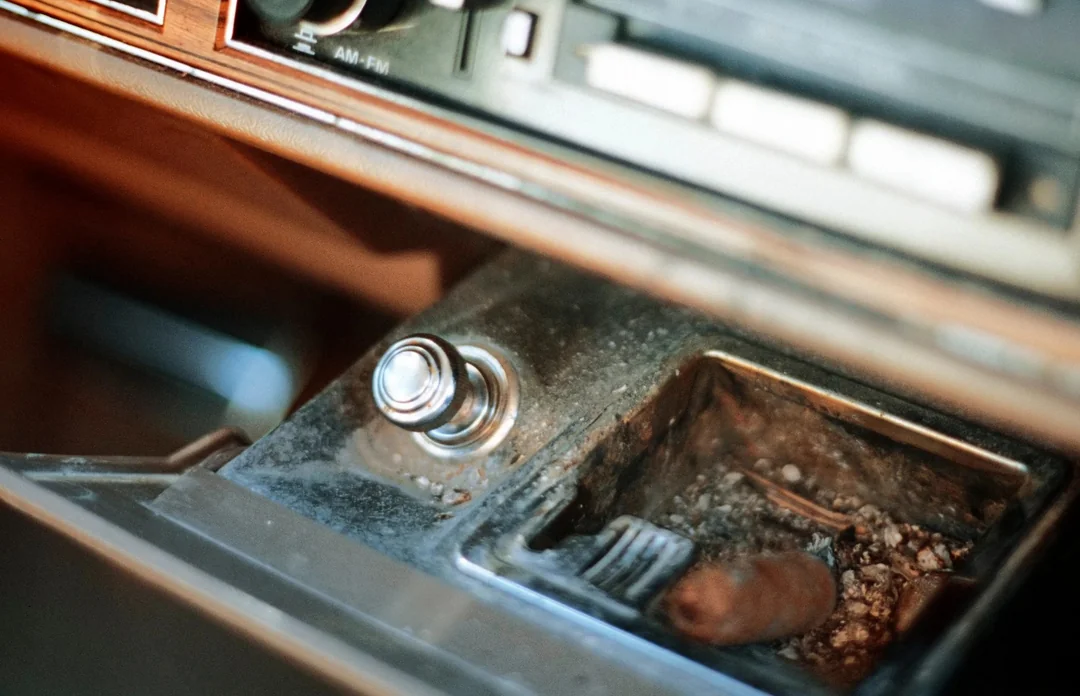
Although smoking inside vehicles has become far less common, ashtrays and cigarette lighters were once standard comfort features in almost every car.
These components served practical purposes beyond smoking and contributed to the convenience of older vehicle interiors. Cigarette lighters eventually evolved into versatile power outlets used for charging electronics and operating accessories.
Ashtrays were often integrated elegantly into dashboards, doors, and rear armrests. In luxury cars, they were designed with thoughtful details such as illumination and spring-loaded covers. Even non-smokers found them useful for storing small items like coins, keys, and parking tickets. Rear seat passengers especially appreciated having dedicated storage compartments within easy reach.
Cigarette lighters also became highly versatile over time. Portable air compressors, GPS units, dash cameras, and mobile phone chargers commonly relied on lighter sockets for power. Before USB ports became widespread, the cigarette lighter outlet was an essential convenience feature that supported a wide range of accessories and travel equipment.
As smoking rates declined and public attitudes changed, automakers gradually removed ashtrays from vehicle interiors. Many manufacturers also replaced cigarette lighters with generic twelve-volt outlets or USB charging ports.
While these modern solutions are practical, they lack the versatility and nostalgic appeal of traditional lighter sockets and integrated ashtray compartments.
Some drivers miss the convenience and thoughtful design associated with these features. Older car interiors often included numerous small storage spaces and utility features that modern minimalist cabins lack. The disappearance of ashtrays and cigarette lighters reflects broader cultural and design changes within the automotive industry, where simplicity and digital integration increasingly replace traditional utility-focused elements.
8. Column-Mounted Gear Shifters
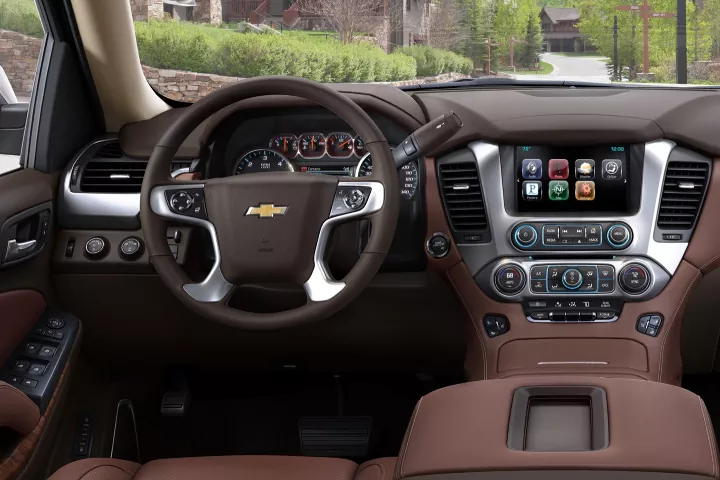
Column-mounted gear shifters were once common in many sedans, trucks, and station wagons. Positioned behind the steering wheel, these shifters freed up space between the front seats and contributed to a more open cabin layout. They worked especially well in vehicles equipped with front bench seats, allowing additional passenger capacity and greater interior flexibility.
One major advantage of column shifters was the spaciousness they created. Without a large center console or floor-mounted shifter occupying cabin space, front passengers enjoyed more legroom and easier movement inside the vehicle. This layout also simplified entry and exit, particularly in larger family cars and work trucks.
Column-mounted shifters were also straightforward and durable. Drivers could shift gears quickly without reaching down toward the center console. In many classic cars, the shifter mechanism became an iconic part of the driving experience, contributing to the relaxed and practical nature of older vehicle interiors.
The decline of column shifters occurred as automotive design trends shifted toward sportier interiors and center console layouts. Floor-mounted shifters became associated with performance vehicles and eventually spread across nearly every market segment. Modern electronic gear selectors and rotary dials have further reduced the need for traditional column-mounted systems.
Despite their disappearance, many drivers still appreciate the practicality and nostalgic charm of column shifters. Some modern trucks continue to offer them because of their space-saving advantages. Their decline represents another example of how modern automotive design often prioritizes style and perceived sportiness over interior comfort and spaciousness.
9. Retractable Headlight Covers
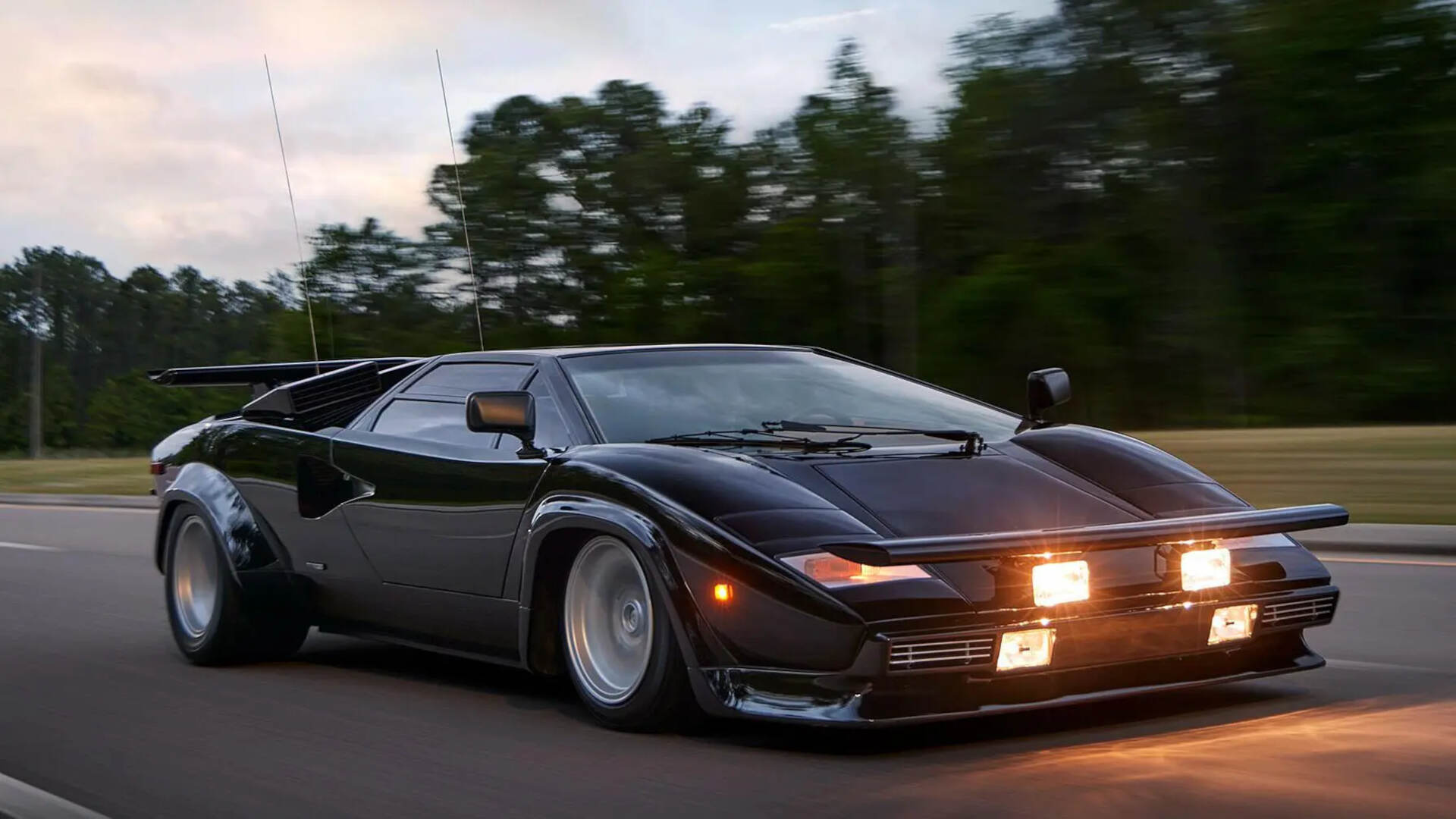
Retractable headlight covers were once a stylish and functional feature found on many sports cars and luxury vehicles. These hidden headlights remained concealed when not in use, giving vehicles a sleek and aerodynamic appearance. At night, the covers would open dramatically to reveal the headlights, creating a memorable visual effect that became iconic in automotive culture.
Beyond aesthetics, retractable headlights offered practical benefits. Concealed headlights reduced aerodynamic drag slightly and protected the lenses from dirt and debris when not in use. Drivers also appreciated the futuristic appearance and mechanical character of pop-up headlights, which gave cars a unique personality absent from many modern designs.
Vehicles like the Mazda MX-5 Miata, Chevrolet Corvette, and Lamborghini Countach became famous partly because of their retractable headlights. The feature added excitement and charm to the driving experience. Enthusiasts often remember the simple joy of watching the headlights rise and retract with the flip of a switch.
The disappearance of retractable headlights resulted mainly from pedestrian safety regulations and advancements in headlight technology. Modern lighting systems use compact and efficient LED designs that no longer require large housings or moving components. Safety standards also favor fixed headlights that reduce injury risk during collisions with pedestrians.
Although retractable headlights may not have been essential comfort features in the traditional sense, they contributed significantly to driver satisfaction and emotional enjoyment.
Their disappearance reflects how modern regulations and efficiency concerns have transformed automotive design. Many enthusiasts still consider pop-up headlights one of the most charming features ever offered on production vehicles.

10. Built-In Car Phones
Long before smartphones became universal, built-in car phones represented the pinnacle of automotive luxury and convenience. During the 1980s and 1990s, high-end vehicles often featured integrated telephone systems mounted inside the center console or dashboard. These systems allowed drivers to make calls directly from their cars, which was considered incredibly advanced at the time.
Built-in car phones provided a sense of prestige and practicality. Business professionals could remain connected while traveling, and drivers appreciated the convenience of hands-free communication before Bluetooth technology existed. Luxury automakers marketed these systems as symbols of sophistication and modern innovation.
Many factory-installed car phones featured physical handsets, dedicated controls, and external antennas for improved signal reception. Some vehicles even included rear passenger phones for executive transportation services. The integration of communication technology into the vehicle itself felt groundbreaking and futuristic during that era.
As mobile phones became smaller, cheaper, and more advanced, dedicated car phone systems quickly became obsolete. Smartphones eventually replaced nearly every function previously handled by built-in automotive communication systems. Bluetooth connectivity and voice assistants now provide similar capabilities without requiring permanent hardware installations inside the vehicle.
Despite becoming outdated, built-in car phones remain fascinating symbols of automotive history. They represented an era when luxury features focused on enhancing convenience and status through integrated technology. Their disappearance highlights how rapidly consumer electronics and automotive technology have evolved over the last few decades.
