
All-season tires are one of the most popular tire categories worldwide because they promise a simple solution: one set of tires that can handle dry roads, wet highways, light snow, and changing temperatures throughout the year.
For many drivers, especially in regions with moderate climates, they eliminate the hassle of seasonal tire changes and reduce long-term ownership costs. However, the all-season market is also one of the most inconsistent in terms of performance. Some models genuinely deliver near-premium safety, long tread life, and confident grip across weather conditions, while others trade away critical performance in wet braking, snow traction, or durability in exchange for lower upfront pricing.
Independent testing organizations such as ADAC, TireGrades, AutoBild, and TyreReviews consistently show that differences between top-tier and budget all-season tires can be dramatic.
In some cases, braking distances between leading and weaker models can vary by several meters in wet conditions, which is the difference between a safe stop and a collision. Similarly, snow traction and hydroplaning resistance vary widely depending on compound technology, tread design, and manufacturer investment.
Premium brands like Michelin, Continental, Goodyear, and Pirelli tend to invest heavily in silica-based compounds, adaptive tread blocks, and advanced siping technology.
These features improve grip across a wider temperature range. Mid-range or budget tires, while often acceptable in dry conditions, may struggle significantly when roads are wet or temperatures drop near freezing. This is why expert reviews often emphasize that “all-season” does not mean equal performance across all models.
This article breaks down four all-season tires that consistently justify their price based on real-world testing and reviews, along with four that frequently fall short of expectations. The goal is not just to list popular products, but to highlight meaningful performance differences that affect safety, comfort, and long-term value.
Also Read: 8 Car Mods That Actually Raise Resale Value
All-Season Tires Worth the Price
1. Michelin CrossClimate 2
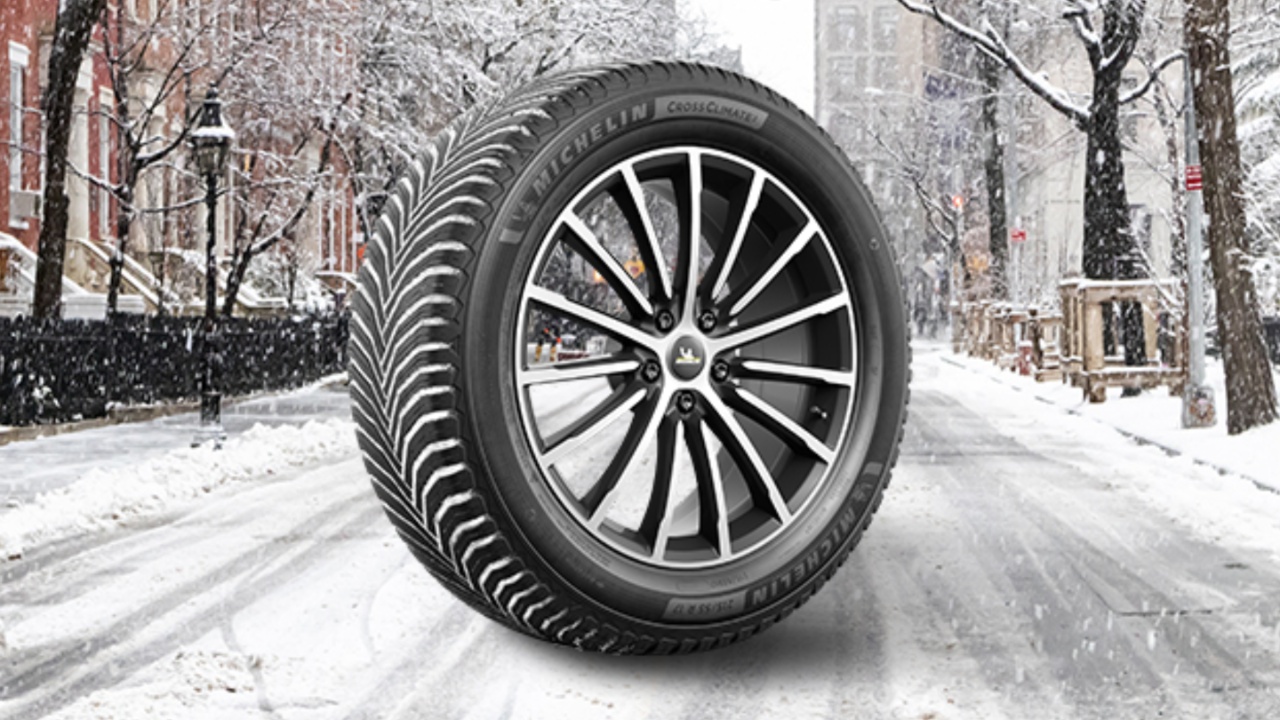
The Michelin CrossClimate 2 is widely regarded as one of the most complete all-season tires ever produced, and this reputation is not based on marketing claims but on repeated independent testing across Europe and North America.
What makes it stand out is not a single dominant strength but its unusually balanced performance across dry, wet, and light winter conditions. Most all-season tires tend to excel in one area while sacrificing another, but this model manages to maintain consistently high performance across nearly every category that matters to everyday drivers.
In wet braking tests conducted by multiple independent reviewers, including TireGrades and TyreReviews, the CrossClimate 2 frequently ranks at or near the top of its class. The stopping distances are consistently shorter than most competitors, especially in colder, wet conditions where many tires begin to lose flexibility.
This is largely due to Michelin’s EverGrip and Thermal Adaptive Compound technologies, which allow the rubber to remain pliable in lower temperatures while still maintaining structural stability at higher road temperatures.
Another major strength is its snow performance, which is unusual for an all-season tire. While it does not replace a dedicated winter tire in extreme snow or ice conditions, it performs significantly better than most competitors in light to moderate snow.
The directional V-shaped tread pattern helps channel slush and snow away from the contact patch, while the rigid tread blocks improve bite on compacted snow. Many reviewers have noted that it behaves closer to a “winter-capable all-season” rather than a standard touring tire.
Longevity is another area where this tire justifies its premium price. Michelin is known for high tread life, and the CrossClimate 2 continues that tradition. Many users report consistent performance even after high mileage, with only gradual degradation in wet grip rather than sudden loss of capability.
This slow and predictable wear pattern is important for safety because it allows drivers to anticipate replacement needs rather than experiencing sudden performance drops.
Comfort and noise levels are also well-controlled, considering the aggressive tread design. While slightly louder than a pure touring tire, it remains within acceptable limits for highway driving. The CrossClimate 2 justifies its price through a combination of safety, durability, and all-weather confidence that very few competitors can match.
2. Continental AllSeasonContact 2
The Continental AllSeasonContact 2 is one of the most scientifically refined all-season tires available today, and it consistently ranks at the top of independent European testing, including ADAC evaluations. What makes this tire especially impressive is its strong emphasis on safety engineering combined with efficiency, rather than focusing on a single performance category.
One of its most impressive strengths is wet braking performance. In comparative testing, it often achieves shorter stopping distances than many direct competitors, particularly in cold and rainy conditions where road grip becomes unpredictable.
Continental’s advanced silica-based compound allows the tire to maintain strong adhesion to wet asphalt, reducing slippage during emergency braking situations. This makes it especially valuable for drivers in regions with frequent rainfall or monsoon-like conditions.
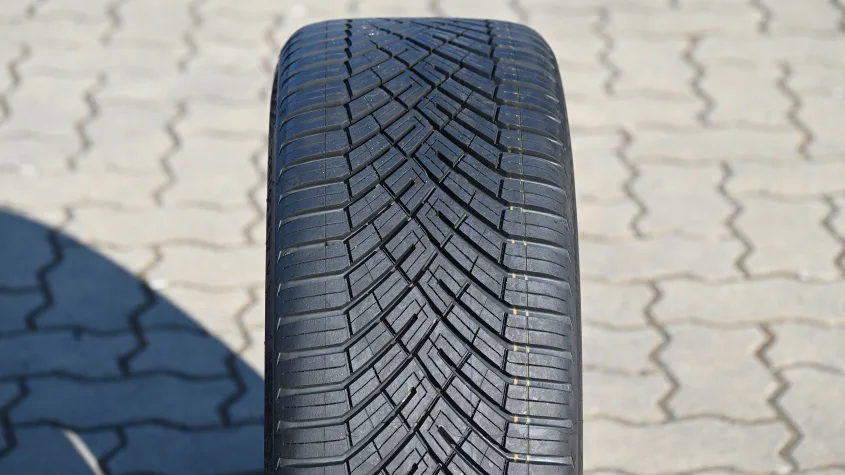
The tire also performs well in hydroplaning resistance, which is a critical safety factor that is often overlooked in budget all-season tires. Its tread design is optimized to evacuate water quickly through wide circumferential grooves, helping maintain contact with the road even at higher speeds on wet highways. This contributes to stable steering response and reduces the risk of sudden loss of control during heavy rain.
Snow performance is another area where this tire stands out. While not a full winter tire replacement, it provides dependable traction on light snow and slush, making it suitable for mixed seasonal climates.
The tread blocks are designed to interlock under pressure, improving grip on compacted surfaces. This ensures that the tire remains predictable even in low-temperature conditions where rubber stiffening typically reduces traction.
Fuel efficiency is another major advantage. The AllSeasonContact 2 is engineered with low rolling resistance, meaning it requires less energy to keep the vehicle moving. Over time, this can contribute to measurable fuel savings, especially for drivers who travel long distances or commute daily on highways. Importantly, this efficiency does not come at the cost of safety, which is a common compromise in lower-tier tires.
Continental has managed to create a tire that excels in safety-critical categories while also improving efficiency and comfort, making it one of the most well-rounded premium all-season tires available today.
3. Goodyear Vector 4Seasons Gen-3
The Goodyear Vector 4Seasons Gen-3 is widely respected for its durability and real-world adaptability, making it a strong choice for drivers who want a dependable tire that performs consistently over long periods. Unlike some competitors that prioritize peak performance in specific tests, this tire focuses on balanced performance that remains stable as it wears down.
One of its defining strengths is tread life. Independent reviews consistently show that the Vector 4Seasons Gen-3 outlasts many competing all-season tires, especially under mixed driving conditions that include highways, city roads, and occasional rough surfaces.
The compound is designed to resist uneven wear, which helps maintain consistent performance throughout the tire’s lifespan. This is particularly important because many all-season tires degrade unevenly, leading to reduced grip long before the tread is fully worn.
Wet road performance is another area where this tire performs reliably. It offers stable braking and predictable handling in rainy conditions, even at higher speeds. While it may not always match the absolute shortest braking distances of Michelin or Continental, it maintains a strong level of safety consistency, which is often more important in real-world driving than marginal test differences.
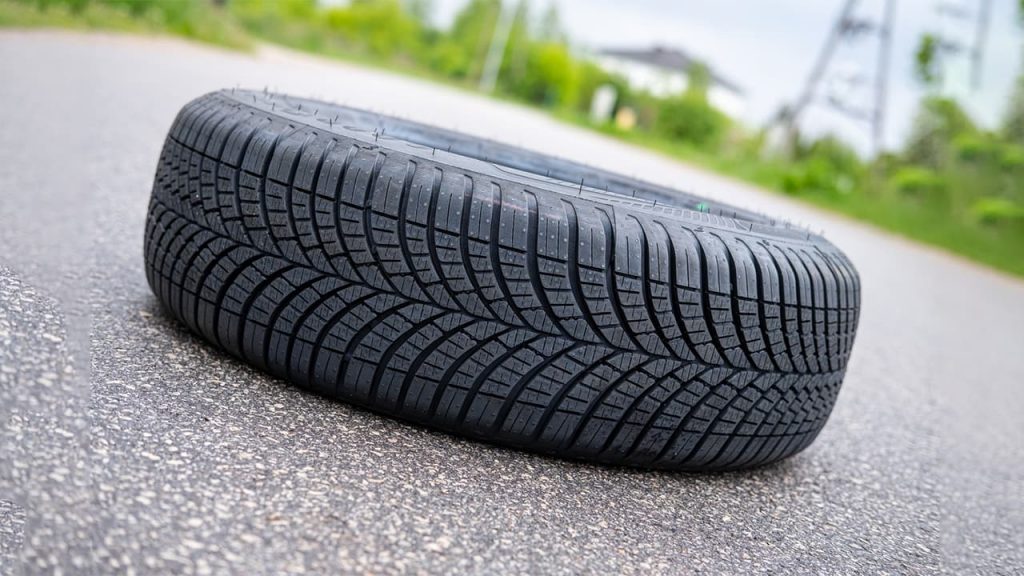
Snow performance is also a strong point. Goodyear has incorporated 3D waffle blade technology in the tread design, which improves traction on snow and ice by increasing the number of biting edges. This allows the tire to maintain grip even in colder climates where standard all-season tires would struggle significantly.
Comfort levels are also impressive. The tire is designed for touring applications, meaning it prioritizes ride smoothness and noise reduction. On highways, it delivers a stable and quiet driving experience, making it suitable for long-distance travel.
The Vector 4Seasons Gen-3 stands out not because it dominates a single category, but because it maintains dependable performance across a wide range of conditions while offering excellent longevity.
4. Bridgestone WeatherPeak
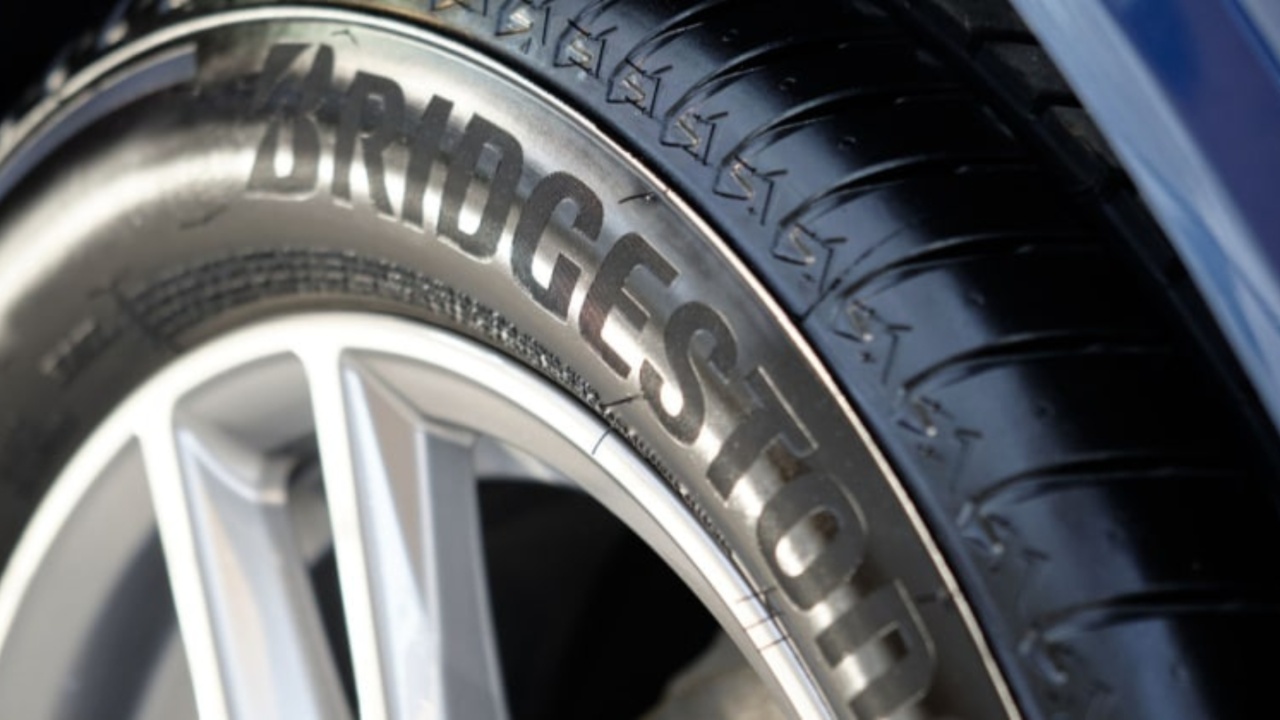
The Bridgestone WeatherPeak is a newer premium all-season tire that has quickly established itself as a strong contender in the touring segment. It is designed for drivers who want year-round usability with an emphasis on comfort, safety, and predictable handling rather than sporty performance.
One of its strongest characteristics is ride comfort. The tire is engineered with Bridgestone’s ComfortCruise technology, which helps absorb road irregularities and reduce vibrations. This makes it especially suitable for vehicles used in daily commuting or long highway drives. Compared to older all-season models, it delivers a noticeably smoother and quieter ride, particularly at medium to high speeds.
In wet conditions, the WeatherPeak performs reliably with stable braking and controlled handling. Its tread pattern is designed to efficiently disperse water, reducing the risk of hydroplaning during heavy rain. While it may not always lead class rankings in wet braking tests, it consistently performs within the top tier of touring all-season tires, offering drivers a strong sense of safety and predictability.
Snow traction is another area where this tire shows improvement over older Bridgestone all-season models. It is designed with enhanced siping density, which increases grip on compact snow surfaces. While it is not intended for extreme winter driving, it performs adequately in light snow conditions, making it suitable for regions with mild seasonal changes.
Durability is also a key strength. The WeatherPeak is built for long tread life, with even wear characteristics that help maintain consistent performance over time. This reduces the likelihood of sudden grip loss or uneven degradation, which can be a concern with lower-quality tires.
The Bridgestone WeatherPeak is best understood as a comfort-focused premium all-season tire that prioritizes smooth driving, consistent safety, and long-term usability over aggressive performance metrics.
Also Read: 8 Cars That Are Nearly Impossible to Steal
All-Season Tires That Don’t Justify Their Price
1. Budget Touring All-Season Tires
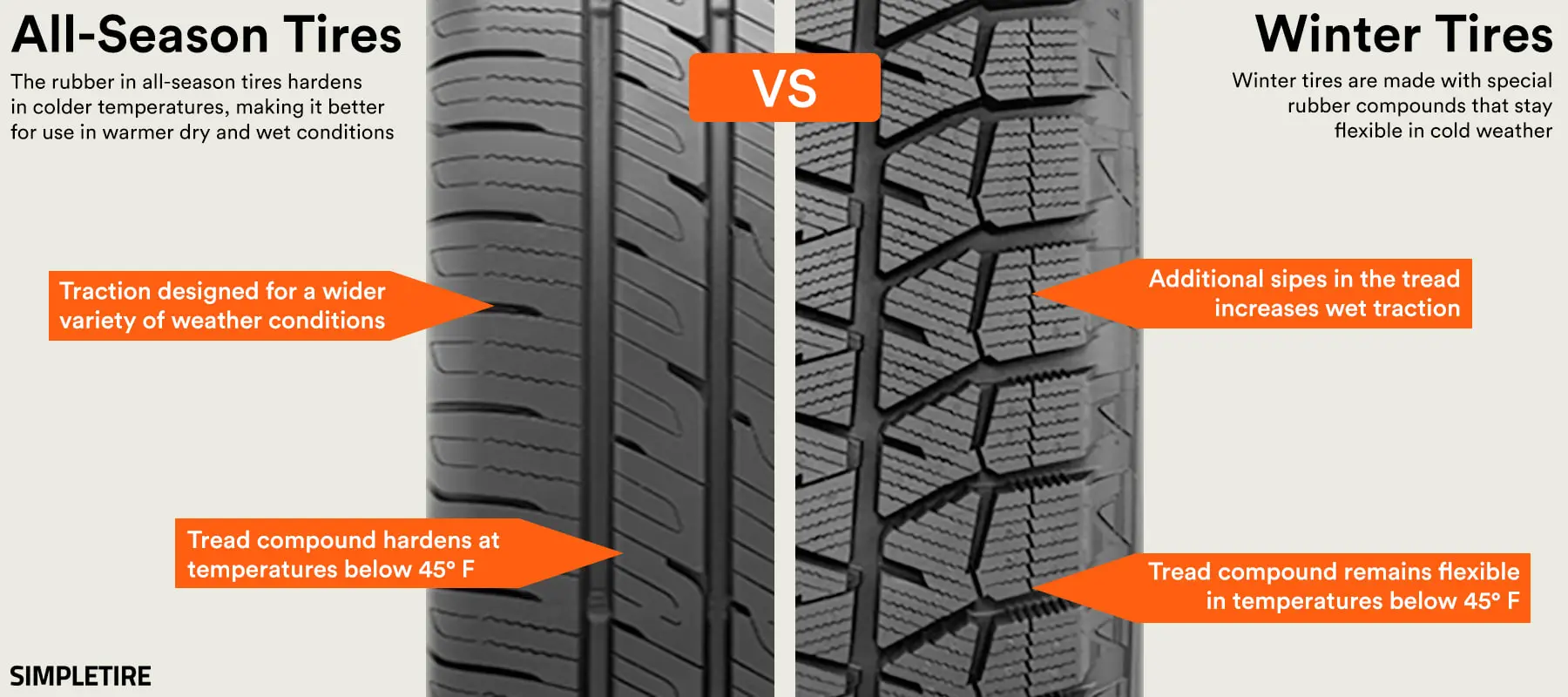
Budget touring all-season tires are often the most tempting option for drivers because they significantly reduce upfront costs compared to premium brands. However, independent testing and long-term user reviews consistently show that these savings usually come with important compromises in safety and performance.
While these tires may appear similar on paper in terms of tread design or “all-season” labeling, the underlying rubber compounds, internal construction quality, and tread engineering are typically far less advanced than those used by established premium manufacturers.
One of the most noticeable weaknesses in this category is wet braking performance. In real-world conditions, especially during heavy rain or sudden braking situations, budget all-season tires tend to require noticeably longer stopping distances.
This is primarily due to harder rubber compounds that do not maintain optimal flexibility in cooler or wet conditions. When the tire cannot conform properly to the road surface, grip is reduced, which directly affects braking efficiency and steering response.
Another issue frequently highlighted in reviews is hydroplaning resistance. Many budget tires have simplified tread patterns that do not evacuate water as efficiently as premium designs. As a result, at highway speeds during heavy rain, the tire may begin to lose contact with the road surface earlier than expected. This can create a floating sensation or delayed steering response, both of which reduce driver confidence in wet conditions.
Snow performance is also generally weak across this category. While these tires are marketed as “all-season,” most budget models are optimized for mild dry conditions and struggle significantly when temperatures drop near freezing.
The rubber tends to stiffen, reducing traction on snow or slush. This is why independent testers often recommend against relying on budget all-season tires in regions with even occasional winter weather.
Tread life can sometimes appear strong in this segment, but that durability is often achieved by using harder compounds that sacrifice grip. In other words, the tire may last longer, but it may not provide consistent safety performance throughout its lifespan. For drivers who prioritize safety margins, this trade-off is often not worth the savings.
2. Older Generation Goodyear Tires
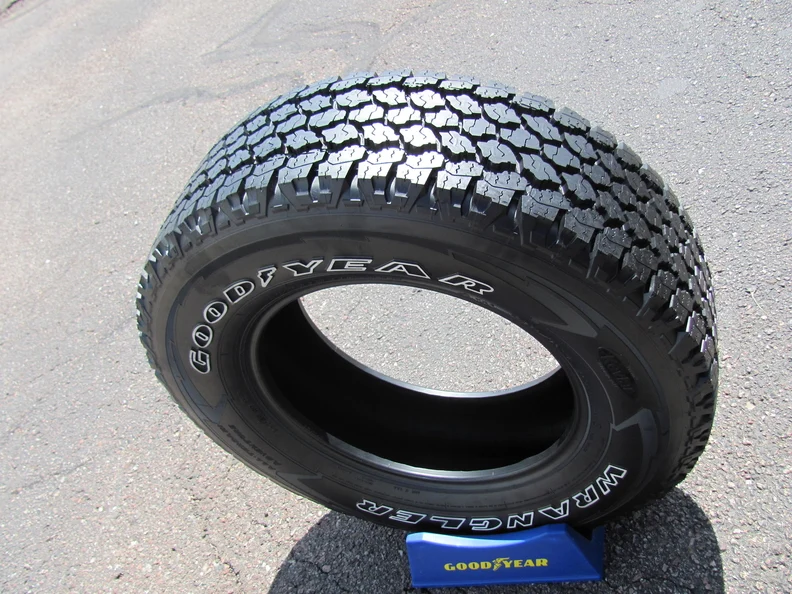
Older versions of the Goodyear Assurance All-Season line are often considered average performers in today’s market, especially when compared to newer premium all-season designs. While they offer acceptable everyday usability for city driving and moderate climates, their performance profile shows clear limitations in critical safety scenarios such as wet braking and winter traction.
One of the main weaknesses noted in reviews is wet road performance consistency. In light rain, the tires perform adequately, but under heavier rainfall or emergency braking conditions, stopping distances tend to be longer than those of newer competitors.
This is largely due to older tread compound technology that does not incorporate the latest silica-enhanced formulations used in modern all-season tires. As a result, grip levels can feel less confident during sudden maneuvers or highway driving in wet conditions.
Handling precision is another area where these tires fall behind. Steering response tends to be less sharp, especially at higher speeds or during lane changes.
While this may not be a concern for relaxed city driving, it becomes noticeable on highways where stability and quick response are important for safety. Drivers often report a slightly “soft” or delayed steering feel compared to newer touring tires.
Snow and cold-weather performance is also limited. Like many older all-season designs, the tread structure and compound are not optimized for low-temperature flexibility. This leads to reduced traction on snow-covered roads and longer braking distances in cold weather conditions. While they may handle light winter dusting, they are not well-suited for consistent winter driving.
Comfort and noise levels are generally acceptable, which is one of the reasons these tires remain in circulation. However, when evaluated as a complete safety package, they do not match the performance standards set by newer premium all-season tires from brands like Michelin, Continental, or Goodyear’s own newer generations.
3. Mid-Range Private Label Tires
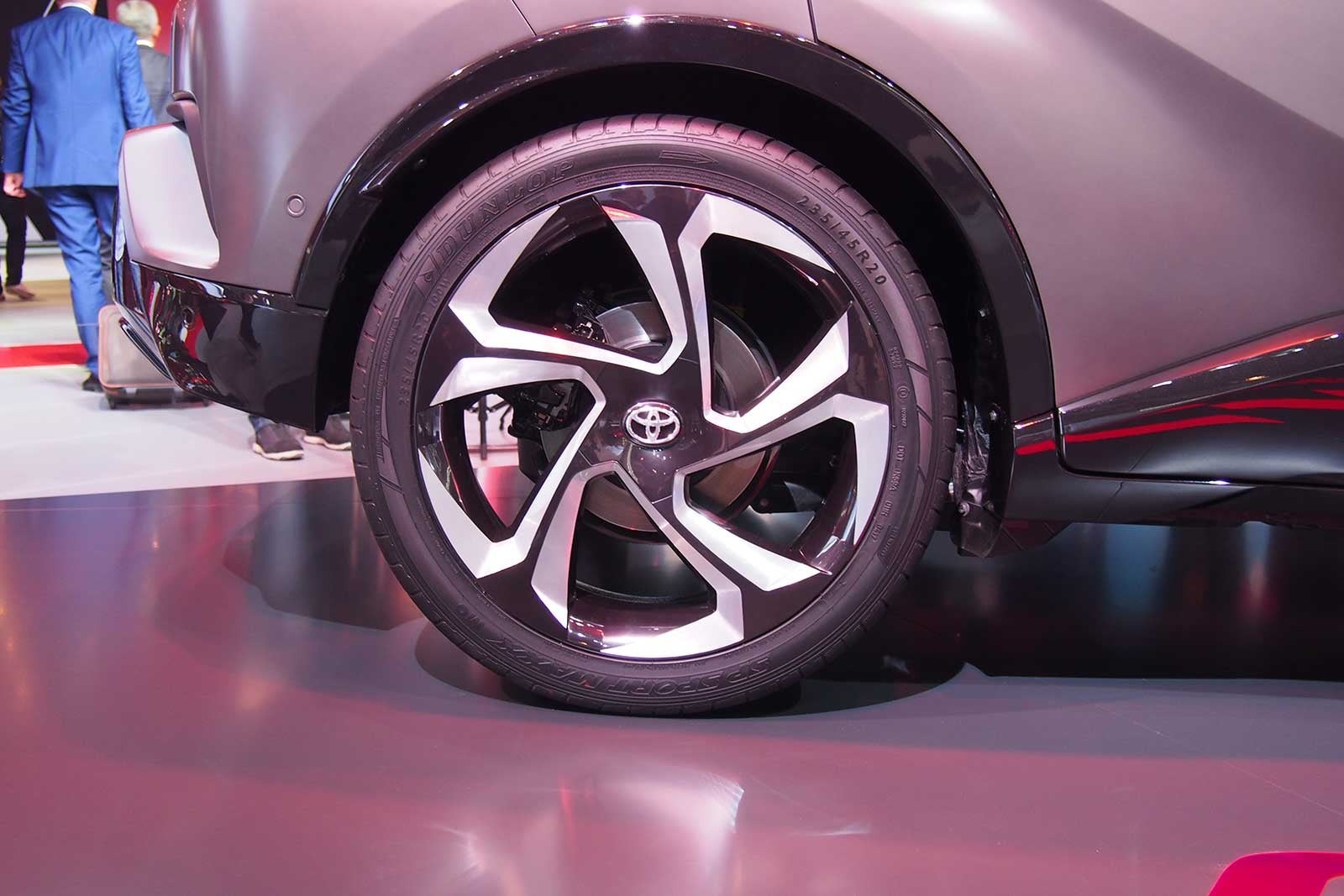
Mid-range private label or store-brand tires occupy a confusing space in the all-season market because their performance can vary widely depending on the manufacturer behind them.
Some are produced by established tire companies under different branding, while others are made by lesser-known factories with limited research and development investment. This inconsistency makes it difficult to predict real-world performance across different driving conditions.
One of the most common concerns reported in independent reviews is uneven performance across weather conditions. A tire may perform reasonably well in dry conditions but fall significantly behind in wet braking or cornering stability. This inconsistency is often due to simplified tread designs and cost-driven material choices that prioritize affordability over balanced engineering.
Wet traction is particularly variable in this category. Some models can handle light rain adequately, but in more demanding conditions, such as sudden braking or highway speeds during storms, grip levels may drop unexpectedly. This unpredictability is one of the main reasons experts advise caution when selecting private-label tires for year-round use.
Another limitation is quality control variation. Even within the same brand, different production batches may show slight differences in rubber consistency or tread wear patterns. This can result in uneven tread wear over time, which affects long-term performance and comfort. Drivers may notice vibrations or reduced smoothness as the tire ages.
Snow performance is generally below average. Since many private-label tires are designed primarily for cost efficiency rather than extreme condition testing, they lack the advanced siping and compound flexibility required for reliable winter traction. As a result, they should not be relied upon in areas with consistent cold weather.
While these tires can be appealing due to lower prices, their value depends heavily on driving conditions. For low-speed urban use in mild climates, they may be acceptable, but for highway driving or mixed weather conditions, they often fall short of the reliability offered by established premium brands.
4. Discount High-Wear Focus Tires
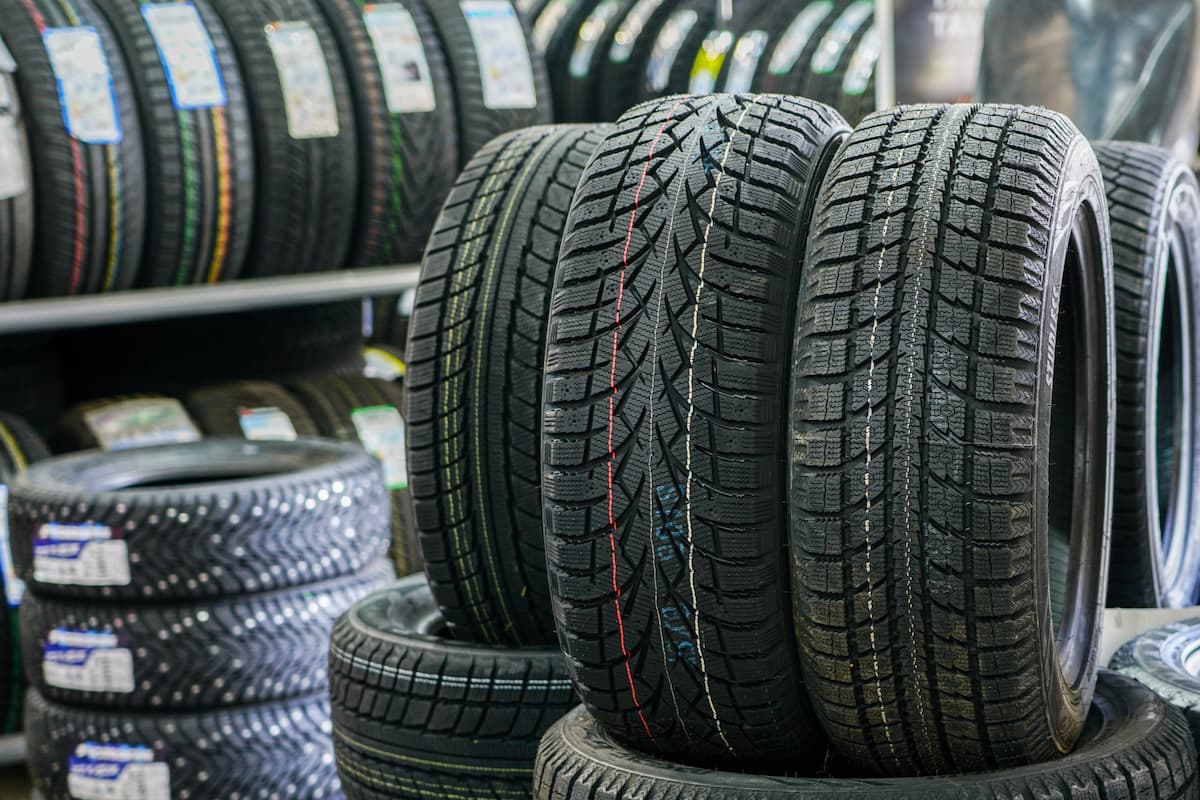
Discount all-season tires that prioritize high tread life are designed with one primary goal: maximum mileage. While this may seem attractive from a cost-per-kilometer perspective, it often comes at the expense of grip, especially in wet and cold conditions. These tires typically use harder rubber compounds that resist wear but do not conform as effectively to road surfaces.
One of the most important trade-offs is reduced wet grip. Because the compound is less flexible, it cannot maintain optimal contact with the road in rainy conditions. This results in longer braking distances and less confident cornering behavior. Independent testers often note that these tires feel stable during gentle driving but lose responsiveness when pushed closer to their limits.
Another issue is reduced performance in temperature variations. As temperatures drop, harder compounds become even less flexible, further reducing traction.
This is particularly noticeable in early morning or winter driving conditions, where road surfaces are cold and less forgiving. Drivers may experience reduced feedback through the steering wheel, making it harder to judge available grip.
While tread life is indeed longer in many cases, the wear pattern can sometimes be uneven depending on driving style and road conditions. This can lead to reduced performance long before the tread is fully worn out. In other words, the tire may still look usable, but no longer deliver optimal safety performance.
Comfort is another area where these tires tend to underperform. The stiffer compound transmits more road vibrations into the cabin, and noise levels can increase as the tire ages. This makes them less suitable for drivers who spend significant time on highways or long-distance travel.
While discount high-wear tires may offer strong mileage numbers on paper, their reduced grip and compromised all-weather safety performance make them less competitive compared to modern premium all-season alternatives.
