
When people shop for a vehicle, they often focus on the purchase price, fuel economy, insurance costs, and reliability ratings. Maintenance expenses usually receive less attention, particularly when it comes to braking systems.
Yet for certain high-performance, luxury, and exotic vehicles, brake service can cost thousands of dollars, turning what is a routine maintenance procedure on most cars into a significant financial event.
Modern braking systems have become increasingly sophisticated. Manufacturers now equip many premium vehicles with massive rotors, multipiston calipers, advanced electronic controls, and specialized materials designed to improve stopping power.
In the case of high-performance models, engineers must create systems capable of repeatedly slowing vehicles traveling at extremely high speeds. That level of performance comes at a price.
One of the biggest factors driving brake service costs is the use of carbon ceramic technology. These advanced brake systems offer exceptional fade resistance, reduced weight, and impressive durability under demanding conditions.
However, replacement parts can cost many times more than traditional steel brake components. Even vehicles using conventional performance brakes can generate substantial service bills because of rotor size, specialized materials, and labor-intensive procedures.
Luxury brands also tend to use unique components that cannot be easily substituted with inexpensive aftermarket alternatives. Owners often choose factory parts to maintain performance standards, which further increases maintenance costs. In some cases, a complete brake service can rival the price of an economy car.
Importantly, expensive brake jobs do not necessarily indicate poor vehicle quality. Many of these systems deliver extraordinary stopping performance and are engineered to match the capabilities of powerful engines and advanced chassis designs. The costs simply reflect the complexity and performance expectations associated with these automobiles.
The following vehicles are known throughout America for brake service expenses that can surprise even experienced car owners. Their stopping systems are highly capable, but maintaining them requires a substantial financial commitment.
Also Read: 10 Car Brands That Quietly Left the American Market
1. Bugatti Chiron
The Bugatti Chiron exists in a category few other automobiles can approach. Designed to exceed 300 mph and produce astonishing levels of performance, every component on the vehicle must operate under conditions that most cars will never experience.
That includes the braking system, which is among the most advanced and expensive ever fitted to a production automobile.
At extreme speeds, slowing a vehicle safely becomes an engineering challenge unlike anything encountered in ordinary transportation. Chiron’s immense power and weight require brakes capable of absorbing enormous amounts of energy.
To achieve this, Bugatti utilizes an advanced carbon ceramic braking system paired with sophisticated calipers and electronic controls.
The components themselves are extraordinary. Massive carbon ceramic rotors are engineered to withstand repeated high-speed braking events while maintaining consistent performance.
The materials used are expensive to manufacture, requiring specialized production techniques and strict quality control standards. When replacement time arrives, costs can become staggering.
A complete brake service on a Chiron can reach levels that would purchase several new mainstream vehicles. The expense is not limited to parts alone. Specialized labor, manufacturer procedures, and the precision required during installation contribute significantly to the final bill.
Another factor is exclusivity. Unlike common vehicles that benefit from large production volumes, Bugatti components are produced in extremely limited quantities. This scarcity increases costs throughout the supply chain. Owners are effectively maintaining a hypercar engineered with virtually no compromise.
The braking system also works in conjunction with aerodynamic technologies. At high speeds, the rear wing can function as an air brake, helping reduce stopping distances. This integration demonstrates how thoroughly Bugatti approached the challenge of controlling a vehicle capable of extraordinary velocity.
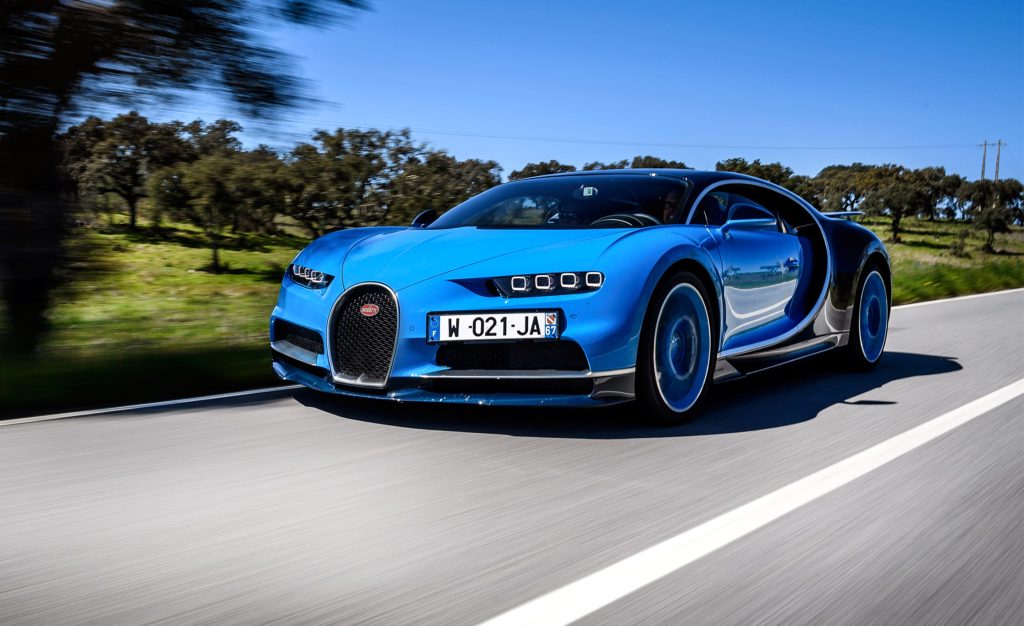
Despite the expense, owners generally accept these costs as part of Chiron ownership. The vehicle represents the pinnacle of automotive engineering, and its maintenance requirements reflect that reality.
Few cars in the world can match the Chiron’s combination of speed, technology, and exclusivity. As a result, few can rival the cost of keeping its braking system in peak condition.
Specifications
- Engine: 8.0L Quad Turbocharged W16
- Torque: 1,180 lb-ft
- Horsepower: 1,479 hp
- Length/Width: 179.0 in / 80.2 in
2. Ferrari SF90 Stradale
Ferrari has spent decades building vehicles capable of delivering exceptional performance both on the road and on the racetrack. The SF90 Stradale represents one of the company’s most technologically advanced creations, combining hybrid power with supercar performance.
While the vehicle’s acceleration and engineering are impressive, its braking system is equally remarkable and equally expensive to maintain.
Unlike ordinary performance cars, the SF90 must manage enormous speed and power. The hybrid powertrain produces output levels that place extraordinary demands on every component, particularly the brakes.
Ferrari equipped the car with a sophisticated carbon ceramic braking system designed to provide relentless stopping power under extreme conditions.
These brakes are engineered not merely for occasional spirited driving but for repeated high-performance use. During aggressive driving sessions, the system must dissipate tremendous amounts of heat while maintaining consistent pedal feel and braking effectiveness.
Carbon ceramic technology excels in these situations, which is why Ferrari relies on it for flagship models. The downside becomes evident when service is required.
Replacement rotors and associated components command premium prices due to their specialized construction. Manufacturing carbon ceramic materials is a complex process involving advanced composites and precise engineering tolerances. Those costs are inevitably passed on to owners.
Labor expenses add another layer to the equation. Ferrari technicians require specialized training, and service procedures often involve meticulous inspections and calibration work. Owners seeking factory-level maintenance standards generally rely on authorized service centers, where labor rates reflect the expertise required.
The SF90’s braking system also interacts with regenerative braking technology from the hybrid powertrain. This integration improves efficiency and performance but introduces additional complexity compared with traditional braking systems. Maintaining such a sophisticated setup requires both technical knowledge and specialized equipment.
Interestingly, the braking performance delivered by the system is extraordinary. High-speed stability, short stopping distances, and resistance to fade help justify the engineering investment. Ferrari developed the brakes to complement one of the most capable road cars it has ever produced.
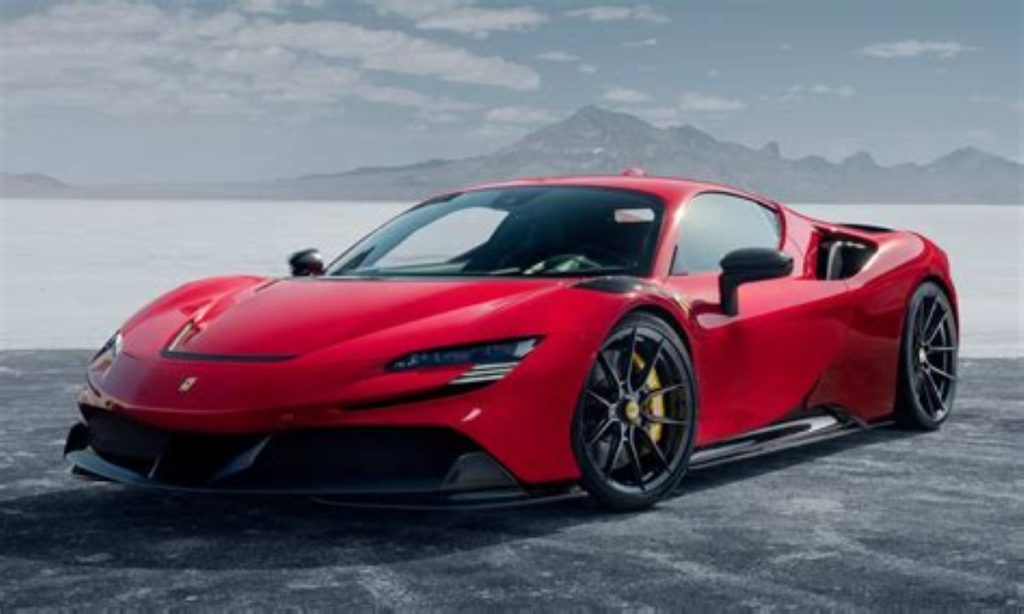
For owners, the cost of brake service is simply part of the experience of maintaining a technologically advanced supercar. The SF90 Stradale demonstrates how cutting-edge performance often comes with equally cutting-edge maintenance expenses.
Its brake jobs rank among the most expensive in America because the vehicle itself represents some of the most advanced automotive engineering available today.
Specifications
- Engine: 4.0L Twin Turbocharged V8 Hybrid
- Torque: 590 lb-ft
- Horsepower: 986 hp
- Length/Width: 185.4 in / 77.6 in
3. Porsche 911 GT3 RS
Among performance car enthusiasts, the Porsche 911 GT3 RS is regarded as one of the finest track-focused road cars ever produced. Every aspect of the vehicle is engineered with performance as the primary objective.
From its aerodynamic package to its suspension setup, the GT3 RS exists to deliver extraordinary speed and precision. Naturally, a car capable of such performance requires an equally extraordinary braking system, and maintaining that system can be extremely expensive.
Unlike many sports cars that balance comfort and performance, the GT3 RS leans heavily toward the performance side of the equation. Owners often drive these vehicles on racetracks, where braking systems face repeated punishment from high-speed deceleration.
Under those conditions, ordinary brakes would quickly overheat and lose effectiveness. Porsche addresses this challenge through advanced engineering and premium materials.
Many GT3 RS models are equipped with Porsche Ceramic Composite Brakes, commonly known as PCCB. These carbon ceramic components provide exceptional stopping power while reducing unsprung weight. The lighter weight improves handling and steering response, helping the car achieve its remarkable driving dynamics.
The benefits are impressive, but replacement costs can be shocking. Carbon ceramic rotors for the GT3 RS cost dramatically more than conventional steel rotors.
If owners require a complete brake overhaul involving rotors, pads, and related components, the bill can reach figures that exceed the value of some used vehicles. Even routine maintenance involving specialized brake components tends to cost significantly more than equivalent work on mainstream sports cars.
Track use can further increase expenses. Although carbon ceramic brakes are extremely durable under many conditions, aggressive circuit driving accelerates wear on pads and related hardware. Enthusiasts who frequently participate in track events often budget carefully for brake maintenance because of the associated costs.
Another factor is Porsche’s commitment to engineering precision. Service procedures require careful inspection and proper installation techniques to ensure the braking system performs as intended. Owners typically prefer factory-trained technicians who understand the unique characteristics of these components.
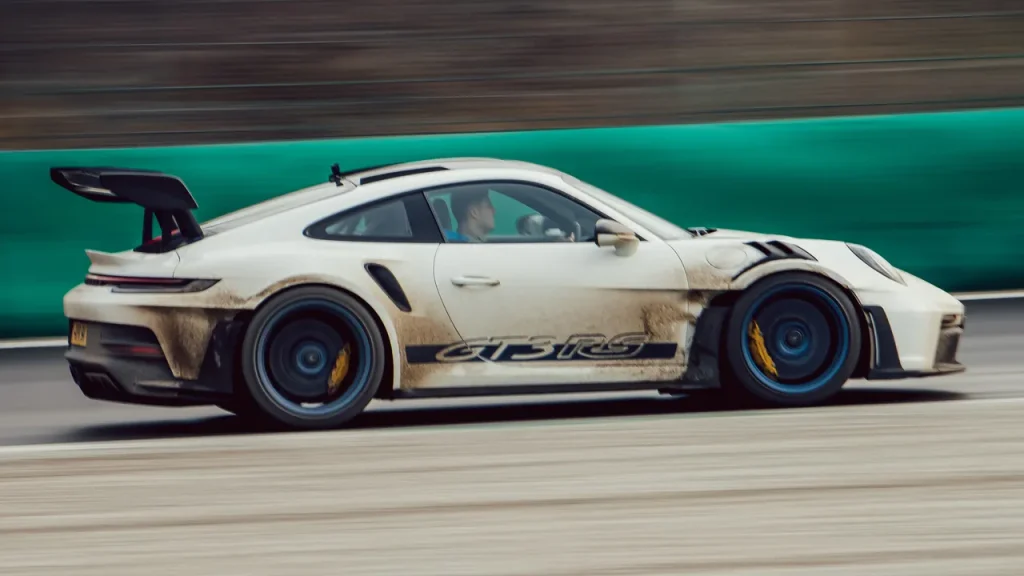
Despite the costs, many drivers consider the braking performance worth the investment. Few road cars provide the same level of confidence during hard braking. The system remains consistent, powerful, and highly resistant to fade, even during demanding driving sessions.
The GT3 RS is proof that exceptional performance rarely comes cheaply. Its brake jobs are expensive because the vehicle itself is engineered to operate at a level far beyond ordinary automobiles.
Specifications
- Engine: 4.0L Naturally Aspirated Flat-6
- Torque: 343 lb-ft
- Horsepower: 518 hp
- Length/Width: 180.0 in / 74.5 in
4. Lamborghini Aventador SVJ
The Lamborghini Aventador SVJ is a machine designed to attract attention before it even starts moving. Its aggressive styling, dramatic proportions, and thunderous V12 engine make it one of the most recognizable supercars in the world.
Beneath that striking appearance lies a braking system capable of controlling nearly 800 horsepower, and maintaining that system can be remarkably costly.
The Aventador SVJ was developed with performance as a central priority. Lamborghini engineers focused on delivering exceptional speed, handling, and aerodynamic efficiency. To support those goals, the vehicle received an advanced carbon ceramic braking system specifically designed for extreme operating conditions.
Large carbon-ceramic rotors sit behind the wheels, working alongside powerful multi-piston calipers. These components are engineered to withstand tremendous heat and stress generated during repeated high-speed braking events.
Whether decelerating from triple-digit speeds on a racetrack or handling winding mountain roads, the system delivers impressive stopping capability. However, performance of this caliber comes with substantial maintenance costs.
Carbon ceramic brake components require specialized manufacturing processes involving advanced materials and precise production standards. Replacement parts are significantly more expensive than traditional steel brake systems. A complete brake service can easily reach five-figure territory when rotors and associated hardware need replacement.
Labor expenses further contribute to the total cost. Working on an Aventador SVJ is not comparable to servicing an ordinary vehicle. Technicians require specialized knowledge, manufacturer-approved procedures, and access to dedicated equipment. Owners typically rely on authorized Lamborghini facilities, where expertise is reflected in labor rates.
The vehicle’s limited production volume also affects pricing. Parts are produced in relatively small quantities, and exclusivity inevitably increases costs. Unlike components for mass-market vehicles, Aventador parts do not benefit from large-scale manufacturing economies.
Another aspect often overlooked is the importance of maintaining peak performance standards. Owners purchasing an Aventador SVJ expect flawless operation. As a result, many insist on factory parts and official service procedures rather than less expensive alternatives.
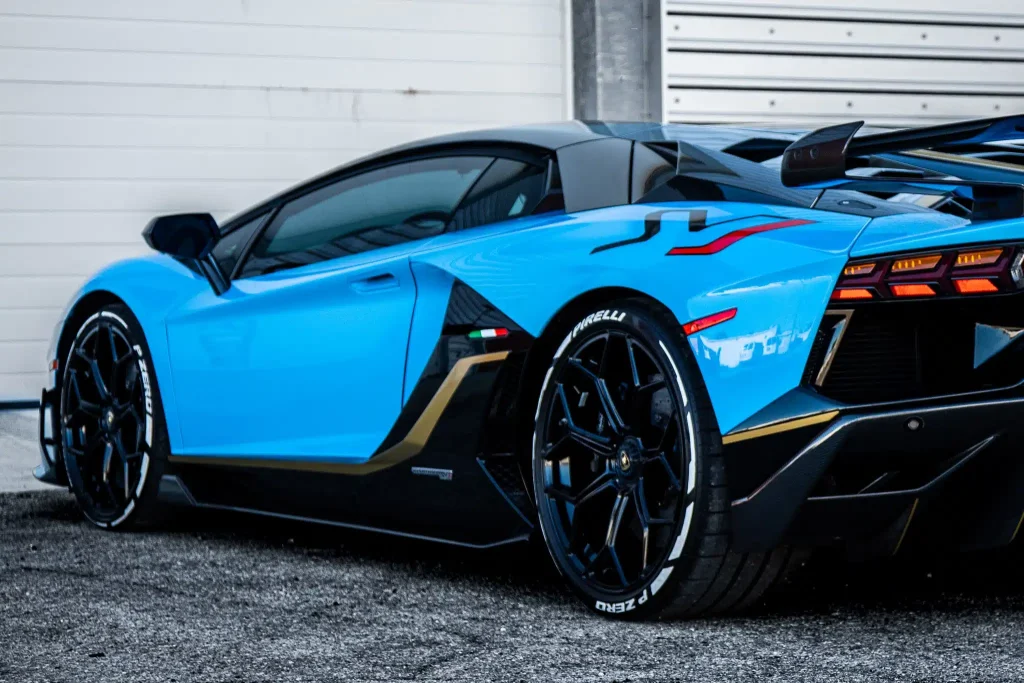
The braking system plays a critical role in the vehicle’s character. Without exceptional stopping power, the immense capabilities of the V12-powered supercar could not be safely utilized. Lamborghini invested heavily in creating a system that matches the car’s extraordinary performance.
For that reason, the Aventador SVJ consistently ranks among the vehicles with the most expensive brake jobs in America. The maintenance costs reflect the level of engineering, exclusivity, and performance that define one of Lamborghini’s greatest creations.
Specifications
- Engine: 6.5L Naturally Aspirated V12
- Torque: 531 lb-ft
- Horsepower: 759 hp
- Length/Width: 194.6 in / 79.9 in
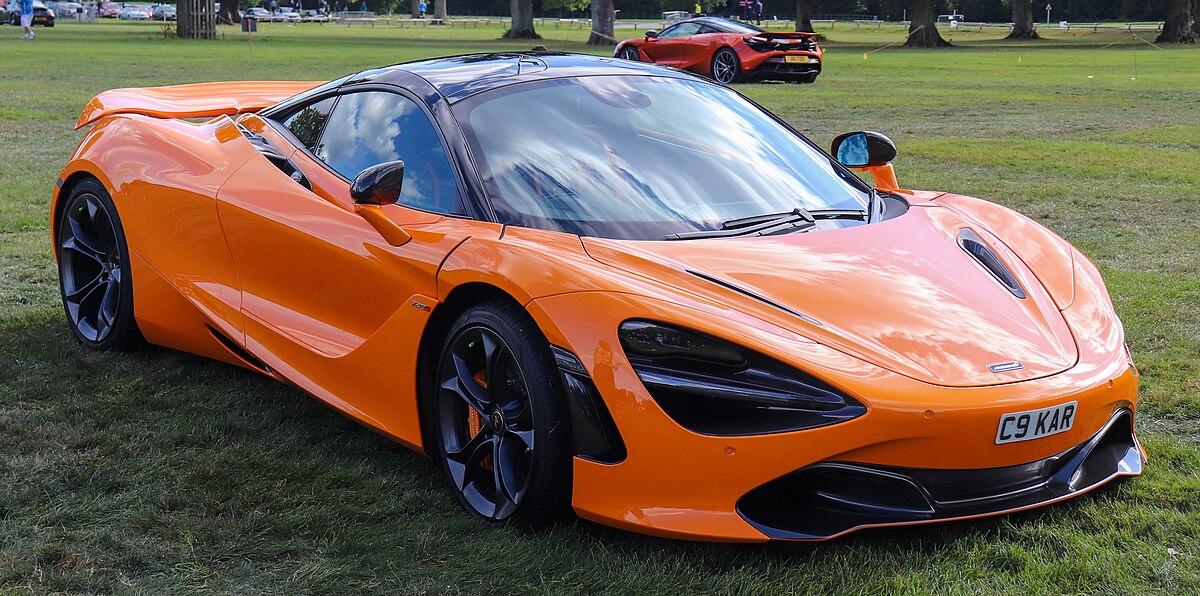
5. McLaren 720S
The McLaren 720S occupies a special place in the supercar world because it combines breathtaking speed with advanced engineering and surprisingly refined road manners. At first glance, its sleek bodywork and dramatic dihedral doors capture attention, but much of the car’s brilliance lies beneath the surface.
One area where McLaren spared no expense is the braking system, and owners quickly discover that maintaining it requires a serious financial commitment.
A vehicle capable of accelerating from a standstill to highway speeds in mere seconds must possess equally impressive stopping power. McLaren engineers understood this requirement and equipped the 720S with a sophisticated braking package designed to perform under extreme conditions.
Large carbon-ceramic rotors and high-performance calipers provide immense stopping capability, allowing the car to repeatedly shed speed without suffering from excessive brake fade.
The advantages become obvious during spirited driving. The pedal remains firm and responsive, while the braking force inspires confidence even when approaching corners at significant speeds. Drivers can rely on consistent performance whether pushing hard on a racetrack or enjoying a challenging mountain road. Unfortunately, those capabilities come at a cost.
Carbon ceramic components are expensive by nature. The materials require specialized manufacturing techniques, and the precision involved in their construction adds further expense. When the time comes to replace worn components, owners often face bills that would cover years of maintenance on a mainstream vehicle.
Unlike mass-produced automobiles, the 720S benefits from relatively low production numbers. Parts availability is more limited, and specialized components command premium pricing. Brake pads alone can cost considerably more than complete brake jobs on many family sedans.
Servicing the system also requires trained technicians familiar with McLaren’s engineering philosophy. Proper inspection procedures, calibration work, and installation techniques are essential to maintaining factory performance standards. As a result, labor costs tend to be substantial.
Another factor is the type of driving many owners enjoy. The 720S encourages enthusiastic use, and repeated high-speed driving places greater demands on braking components. Drivers who frequently attend track events may encounter maintenance expenses sooner than owners who primarily use their cars for occasional road trips.
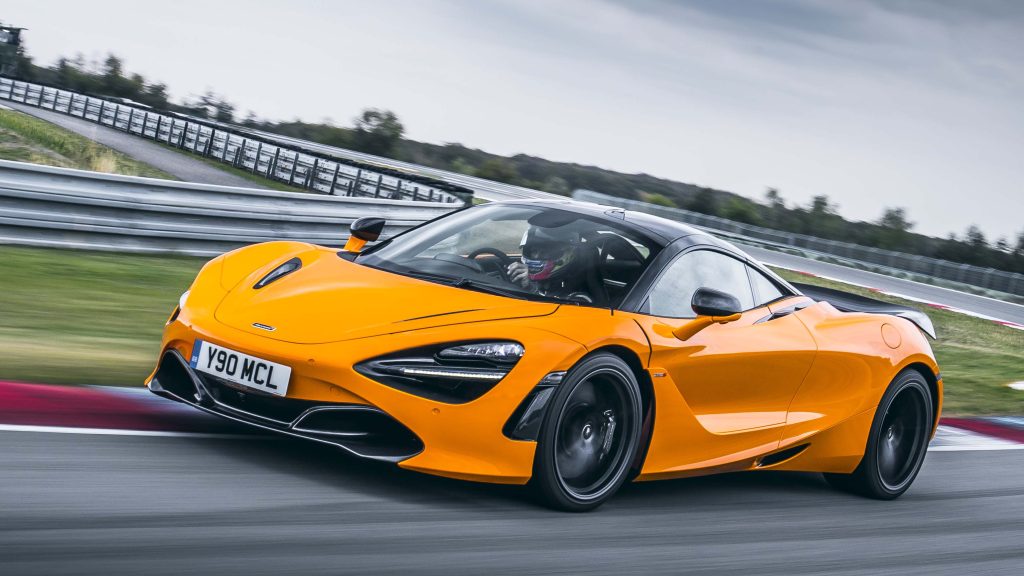
Despite the costs, few owners regret the investment. The braking performance contributes significantly to the vehicle’s reputation as one of the most capable supercars of its generation. The ability to decelerate as effectively as it accelerates is part of what makes the 720S such an extraordinary machine.
Its brake jobs rank among the most expensive in America because the vehicle itself operates at a level where compromise simply is not an option.
Specifications
- Engine: 4.0L Twin Turbocharged V8
- Torque: 568 lb-ft
- Horsepower: 710 hp
- Length/Width: 178.9 in / 76.0 in
6. Mercedes-AMG GT Black Series
Mercedes-AMG has built many fast vehicles over the years, but the GT Black Series represents something far more extreme. Developed with lessons learned from motorsport, this machine pushes performance to levels that rival dedicated track cars.
Massive power, aggressive aerodynamics, and race-inspired engineering define its character. Naturally, a vehicle of this caliber requires a braking system capable of matching its extraordinary capabilities.
The GT Black Series produces immense performance from its twin-turbocharged V8 engine. With such power available, stopping safely and consistently becomes one of the most important engineering challenges. Mercedes-AMG addressed this challenge with a braking system built for repeated punishment under demanding conditions.
Large carbon ceramic rotors form the foundation of the setup. These components are lighter than traditional steel brakes and offer exceptional resistance to heat buildup. During track sessions, where repeated hard braking can overwhelm ordinary systems, the AMG setup remains remarkably effective.
The performance benefits extend beyond pure stopping power. Reduced unsprung weight improves handling characteristics, helping the vehicle respond more precisely to driver inputs. This contributes to the sharp, focused driving experience that defines the GT Black Series.
However, owners quickly learn that advanced technology comes with advanced costs. Carbon ceramic rotor replacement is among the most expensive maintenance procedures associated with the vehicle.
The specialized materials and manufacturing techniques involved in producing these components create substantial replacement expenses. A complete brake service can easily reach several thousands of dollars, particularly when multiple components require attention.
The complexity of the vehicle further influences maintenance costs. AMG engineers designed the braking system to integrate seamlessly with advanced stability controls, aerodynamic systems, and suspension technologies. Maintaining this level of sophistication requires highly trained technicians and specialized diagnostic equipment.
Track driving can accelerate wear, especially for owners who regularly use the vehicle as intended. While carbon ceramic systems are durable, they are not immune to wear under repeated extreme use. Drivers who spend significant time on racetracks often factor brake maintenance into their annual ownership budgets.
The exclusivity of the GT Black Series also contributes to parts pricing. This is not a high-volume production vehicle. Components are manufactured in limited quantities, and replacement parts reflect that rarity.
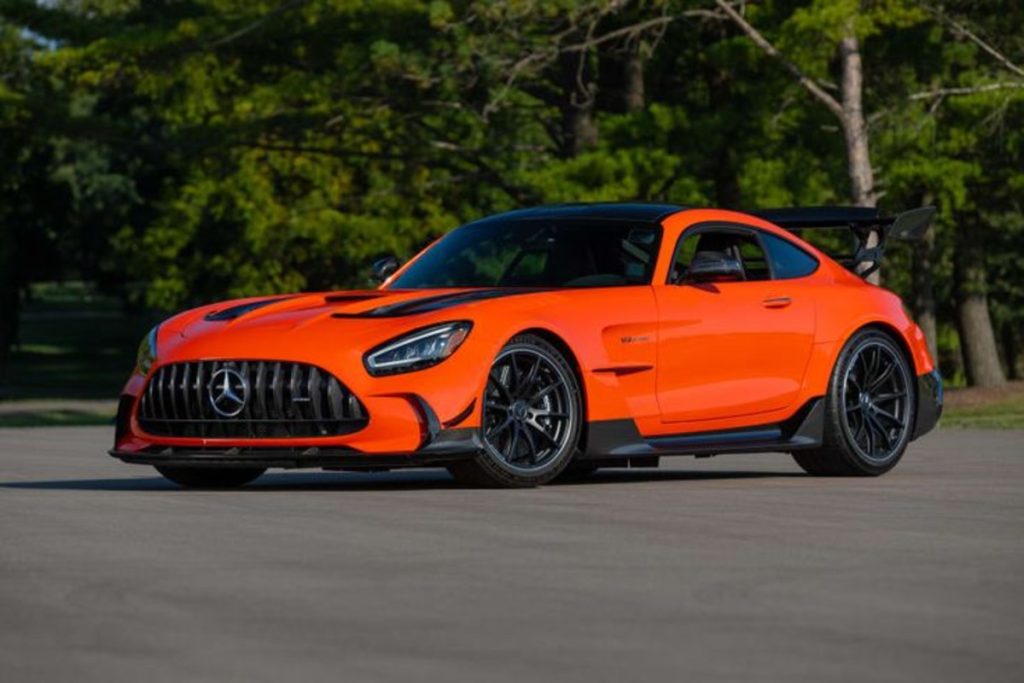
For enthusiasts, the expense is part of owning one of the most capable performance cars Mercedes-AMG has ever produced. The braking system delivers remarkable confidence and consistency, qualities that are essential when managing such a powerful machine.
As a result, the GT Black Series has earned a reputation for brake service costs that can rival those of exotic supercars, placing it firmly among the vehicles with the most expensive brake jobs in America.
Specifications
- Engine: 4.0L Twin Turbocharged V8
- Torque: 590 lb-ft
- Horsepower: 720 hp
- Length/Width: 179.0 in / 78.0 in
7. Rolls-Royce Phantom
When people think about expensive automotive maintenance, high-performance supercars usually come to mind first. Surprisingly, some of the costliest brake jobs are found not on track-focused machines but on ultra-luxury vehicles.
The Rolls-Royce Phantom is a perfect example. Built to deliver unmatched comfort and refinement, it is one of the most prestigious automobiles in the world. That level of luxury extends to every component, including the braking system.
The Phantom is an enormous vehicle. Its substantial size, long wheelbase, extensive sound insulation, and handcrafted interior materials contribute to a curb weight that significantly exceeds that of many luxury sedans.
Moving such mass requires a powerful engine but stopping it repeatedly and smoothly requires an equally capable braking system.
Unlike performance cars that emphasize aggressive braking characteristics, the Phantom prioritizes seamless operation. Rolls-Royce engineers spend considerable effort ensuring occupants experience smooth, controlled deceleration with minimal disturbance. Achieving that refinement requires high-quality components engineered specifically for the vehicle.
The brake rotors used on the Phantom are exceptionally large and designed to handle the demands of a heavy luxury sedan. Combined with sophisticated electronic braking systems, they provide confident stopping power despite the vehicle’s considerable dimensions.
Replacement costs can be startling. Parts alone often command premium prices because Rolls-Royce manufactures vehicles in relatively small numbers.
Components are engineered to exacting standards and are not shared extensively with mainstream models. Owners seeking factory-quality repairs typically choose genuine parts, which significantly increases expenses.
Labor charges add another layer to the equation. Servicing a Phantom often involves technicians trained specifically for Rolls-Royce vehicles. These professionals follow detailed procedures intended to preserve the vehicle’s refinement and performance standards. The expertise required is reflected in labor rates.
Another reason brake service can become expensive is the expectation of perfection. Rolls-Royce owners generally expect flawless operation, and even minor imperfections in braking feel may prompt component replacement earlier than would be common in ordinary vehicles.
The Phantom demonstrates that expensive brake jobs are not limited to vehicles designed for speed. Luxury can be just as costly to maintain as performance. Every aspect of the vehicle is engineered to provide an exceptional ownership experience, and maintaining that standard requires premium components and specialized service.
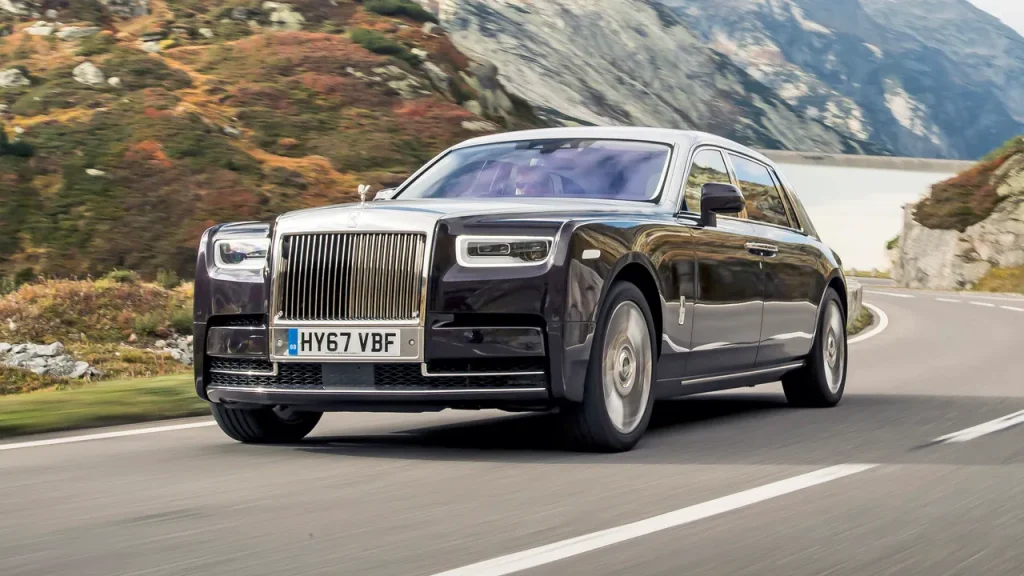
For owners, these expenses are part of owning one of the world’s most prestigious automobiles. The brake system plays a crucial role in preserving the effortless character that has defined Rolls-Royce for generations.
Specifications
- Engine: 6.75L Twin Turbocharged V12
- Torque: 664 lb-ft
- Horsepower: 563 hp
- Length/Width: 227.2 in / 79.4 in
8. Bentley Continental GT Speed
The Bentley Continental GT Speed occupies a fascinating position in the automotive world. It combines grand touring comfort with performance levels that would have been considered supercar territory not long ago.
Owners can cross entire states in luxurious comfort while still enjoying acceleration and top speed figures that rival many dedicated sports cars. Supporting that dual personality requires a sophisticated braking system and maintaining it can be remarkably expensive.
Bentley engineers faced a difficult challenge when developing the Continental GT Speed. The vehicle needed to deliver the comfort expected from a luxury grand tourer while also handling immense power from its high-output engine.
To accomplish this, the company equipped the car with advanced braking technology capable of controlling a large and powerful machine.
Many examples feature massive carbon ceramic brake systems designed to provide exceptional stopping power. These components help reduce weight while offering outstanding resistance to brake fade. For a vehicle capable of sustained high-speed travel, such performance is essential.
The size of the braking hardware alone is impressive. Large rotors and powerful calipers are necessary because the Continental GT Speed is significantly heavier than most sports cars. Stopping that mass repeatedly places enormous demands on the system. When service becomes necessary, owners often encounter eye-watering costs.
Carbon ceramic rotors are among the most expensive brake components available in the automotive industry. Manufacturing them involves advanced materials and complex production methods. Replacement expenses can easily reach five-figure territory when multiple components are involved.
The luxury nature of the vehicle further influences maintenance costs. Bentley owners typically prefer factory-approved parts and service procedures to preserve resale value and performance standards. Authorized service centers employ technicians trained specifically to work on these sophisticated vehicles, and labor rates reflect that expertise.
There is also the matter of complexity. The braking system works alongside numerous electronic driver assistance technologies and performance systems. Ensuring everything functions correctly requires specialized diagnostic equipment and detailed calibration procedures.
Despite the expense, the benefits are undeniable. The Continental GT Speed delivers remarkable braking confidence for a vehicle of its size. Whether slowing from high highway speeds or tackling winding roads, the system performs with authority and consistency.
The vehicle perfectly illustrates why brake costs often increase alongside performance and luxury. Bentley did not design the system to be inexpensive to maintain. It was designed to provide exceptional capability and refinement without compromise.
That philosophy makes the Continental GT Speed one of the most expensive vehicles in America when it comes time for a major brake service, securing its place on this list.
Specifications
- Engine: 6.0L Twin Turbocharged W12
- Torque: 664 lb-ft
- Horsepower: 650 hp
- Length/Width: 190.9 in / 77.4 in
