
The secondary automotive market is currently hitting a massive, unprecedented wall. For decades, used car buyers operated on a predictable math equation: you buy a depreciated car, factor in a few hundred dollars for a timing belt or a set of fresh tires, and enjoy cheap transportation. But the rapid influx of first- and second-generation electric vehicles (EVs) and complex plug-in hybrids has introduced a terrifying fiscal phenomenon known by industry insiders as the “Depreciation-Replacement Cross.”
This is the exact point on a vehicle’s timeline where its real-world market value plummets into the low four figures, while the cost of replacing its high-voltage propulsion battery remains anchored to structural OEM retail pricing.
When a vehicle’s battery degrades below a usable threshold, the owner is presented with a bill that often completely eclipses the entire residual value of the machine. This isn’t just an inconvenience; it is an economic total loss written on a dealer service invoice. For the unsuspecting used car shopper, buying one of these platforms without clear battery health documentation is an absolute financial gamble.
Below is an unvarnished look at ten vehicles where a pack failure means the repair invoice will instantly devour half or frequently all of the vehicle’s cash value.
To understand how this economic trap snaps shut, you have to look closely at standard dealership service operations and structural battery architecture. Unlike a traditional internal combustion vehicle, where a single faulty component can be swapped out, early EV battery packs were largely designed as monolithic, sealed units. They require intense labor to drop, isolate, and service safely.
Automotive batteries do not degrade cleanly; their capacity loss accelerates due to chemical degradation, temperature spikes, and plating within the cells. When a pack drops below 70% of its original capacity, its real-world driving range often becomes completely impractical for standard commuting.
Compounding this issue is a critical supply-and-demand mismatch for legacy components. When a manufacturer discontinues an early EV platform, factory production of replacement traction packs slows down significantly. This triggers a sharp increase in individual cell costs due to pure scarcity.
Also, standard dealership service centers rarely employ master technicians capable of remanufacturing a pack at the individual module level. Instead, corporate policy dictates a total pack swap. This forces the customer to pay for a complete, factory-sealed assembly along with high hazardous-material shipping fees, specialized coolant loop flushes, and mandatory software reprogramming.
The resulting bills quickly mount into five-figure territory. This reality transforms what looks like a used car bargain into a looming financial nightmare.
ALSO READ: 12 Reasons Why Your New Car Battery Only Lasts Three Years in 2026
1. Nissan Leaf (First-Gen, 24 kWh – 30 kWh)
The first-generation Nissan Leaf was a true pioneer for mass-market electric mobility, but it is also the poster child for passive thermal management issues. Unlike almost every other modern EV that uses liquid cooling loops to keep its internal chemistry stable, Nissan engineered the early Leaf with a completely air-cooled battery pack.
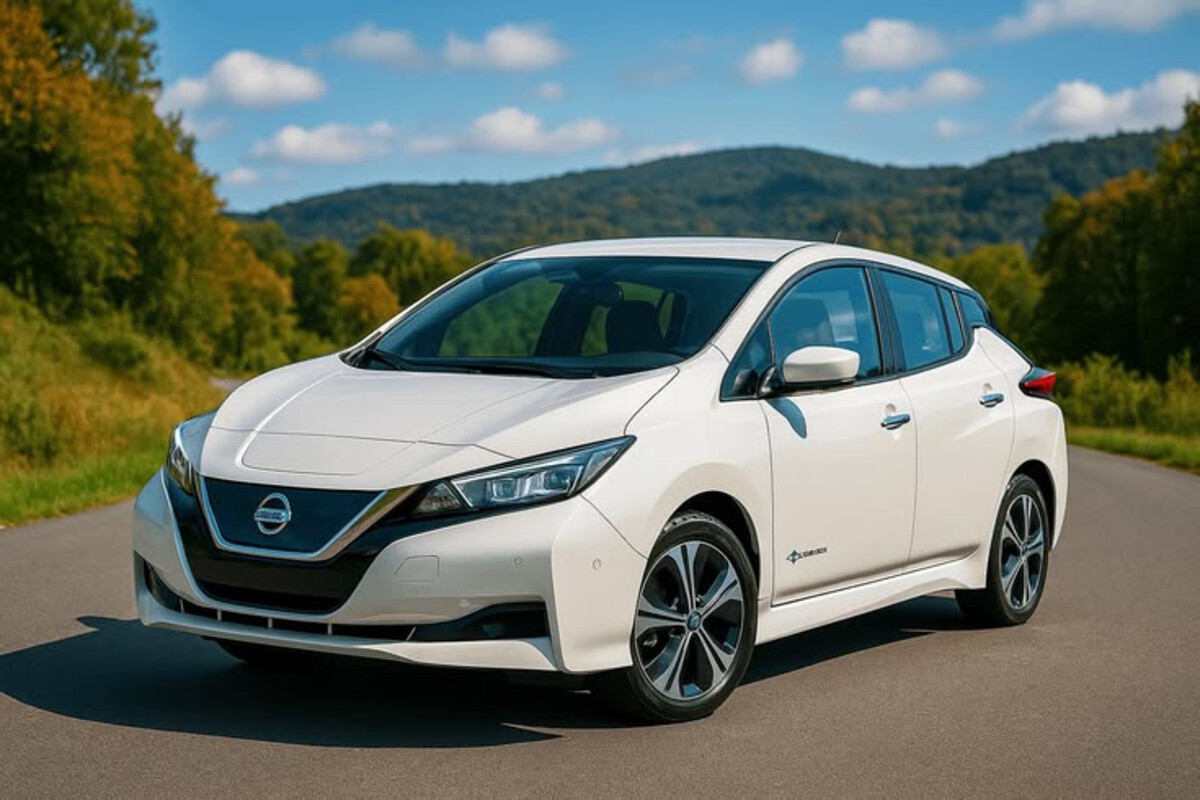
In warmer climates, everyday driving and standard charging schedules caused internal temperatures to soar, severely accelerating cell degradation and destroying driving ranges.
Today, an early 24 kWh Leaf in decent visual condition routinely changes hands on the used market for roughly $3,500 to $5,000. However, if that passive pack loses its bars and requires replacement, ordering a new pack from a Nissan dealer will routinely land an invoice between $6,000 and $9,500, according to current market repair guides compiled by Recharged.
Even if you seek out an independent shop to install a salvaged or refurbished pack, you are looking at a minimum bill of $4,000, which completely zeroes out the vehicle’s equity.
- Powertrain / Engine: Synchronous AC Electric Motor
- Horsepower: 107 hp
- Torque: 207 lb-ft
- Dimensions: 175.0″ L x 69.7″ W
2. Tesla Model S (Early 85 / 85D)
The early Tesla Model S completely redefined the premium electric sedan segment, offering sports-car acceleration and an impressive high-tech cabin. However, out-of-warranty early production models (specifically from the 2012–2015 model years) are now hitting a dangerous financial wall.
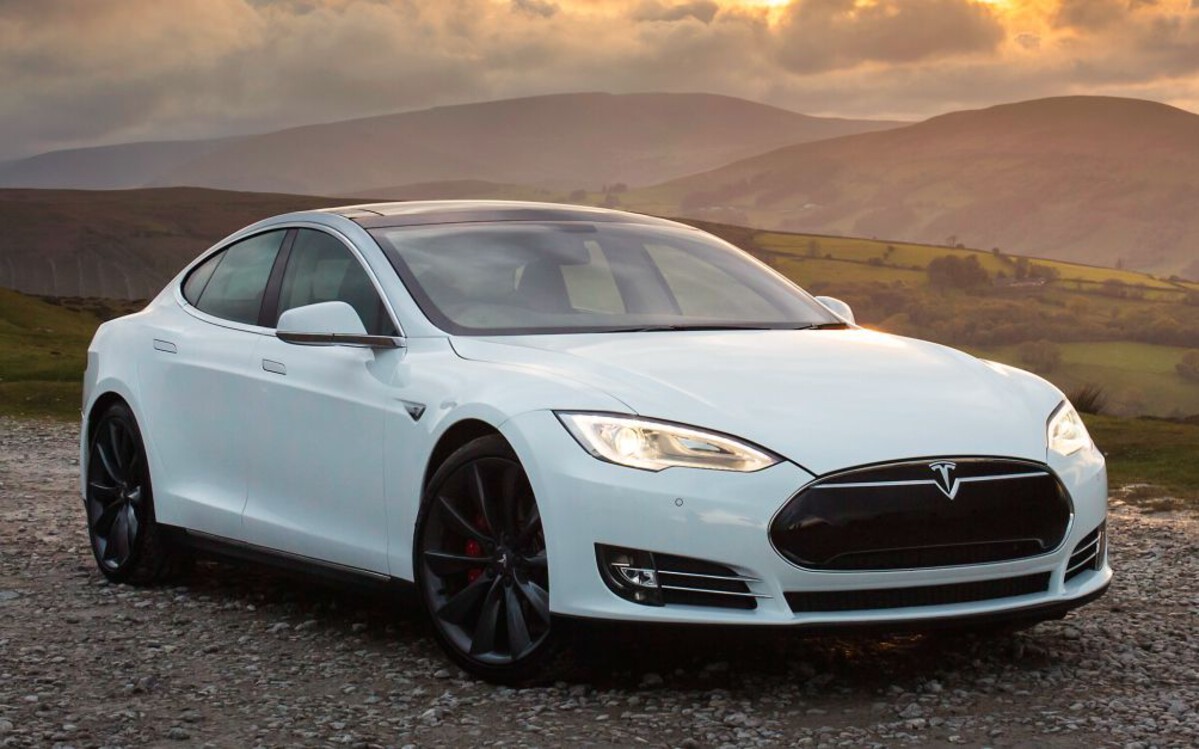
While the aluminum body panels, subframes, and interior electronics can easily last for years, the early 85 kWh battery packs are increasingly experiencing internal isolation faults, moisture intrusion, and terminal cell failure.
When one of these premium cruisers suffers an out-of-warranty pack failure, the owner cannot simply drop by a standard neighborhood garage. A trip to a Tesla Service Center for a full factory-remanufactured replacement pack typically yields a quote between $15,000 and $22,000, as documented by comprehensive EV marketplace data from Find My Electric.
With early Model S sedans frequently depreciating into the $14,000 to $18,000 range due to age and high mileage, a single battery error code can instantly cost far more than the entire vehicle is worth. The market value of the Tesla Model S is $1600, and the battery replacement for it will cost $18,500+
- Powertrain / Engine: Liquid-cooled Three-phase AC Induction Motor
- Horsepower: 362 hp
- Torque: 325 lb-ft
- Dimensions: 196.0″ L x 77.3″ W
3. Chevrolet Volt (First-Gen, 2011–2015)
The first-generation Chevrolet Volt was an incredible feat of American engineering. It utilized an innovative, T-shaped liquid-cooled battery pack that allowed it to operate as a pure EV for short commutes before seamlessly firing up its onboard gasoline engine to eliminate range anxiety.
The Volt’s pack was highly over-engineered to preserve its long-term cell life, but time, thermal cycling, and complex internal sensor failures are finally catching up with this plug-in hybrid pioneer.
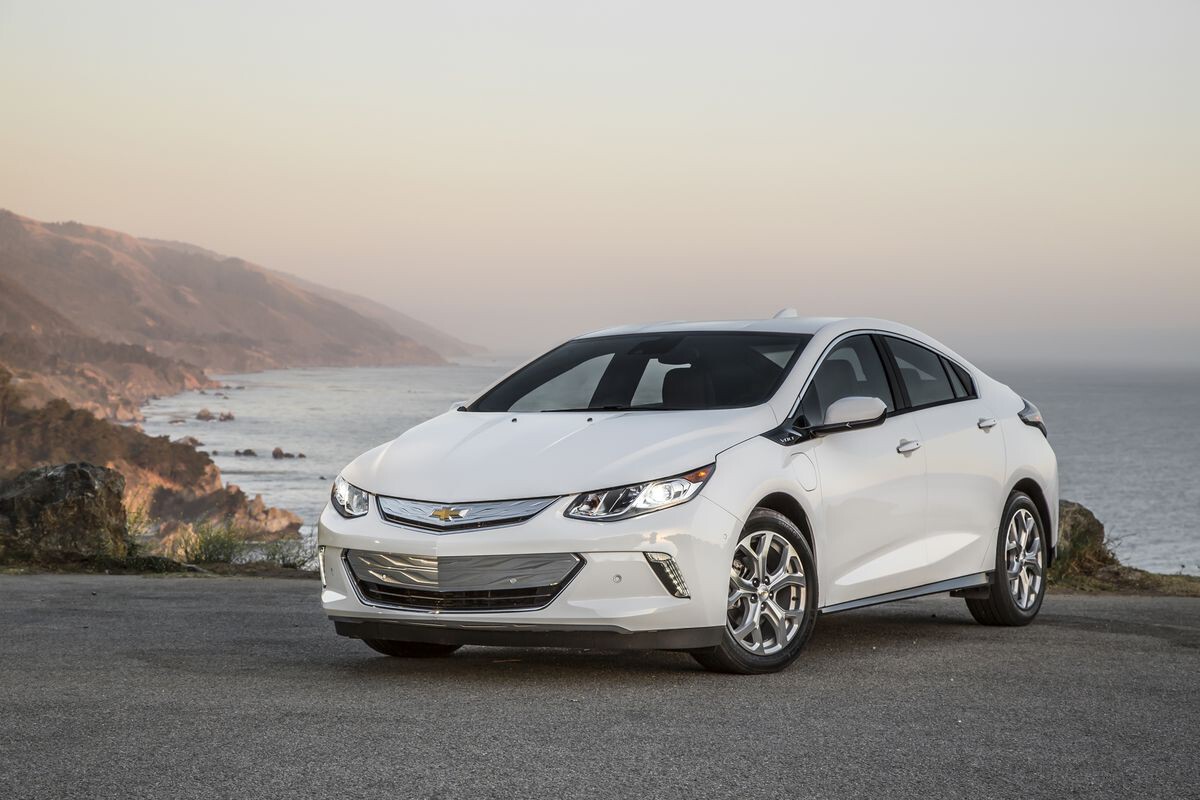
Because the Volt’s 16 kWh to 17.1 kWh battery pack is physically integrated directly into the structural center tunnel of the chassis, replacing it is an incredibly labor-intensive task. According to historical tracking by Recurrent Auto, a remanufactured replacement pack from specialized suppliers like Greentec Auto currently commands a base price of roughly $8,500 before labor and essential coolant loop flushes.
When you add specialized dealer shop labor fees into the equation, the total bill easily reaches $10,000. Considering a clean, functional first-generation Volt currently carries a used retail value of just $5,000 to $6,500, a pack failure is a terminal financial blow.
- Powertrain / Engine: 1.4L 4-Cylinder Range Extender + Permanent Magnet Motor
- Horsepower: 149 hp (combined system)
- Torque: 273 lb-ft
- Dimensions: 177.1″ L x 70.4″ W
4. Fiat 500e (First-Gen Compliance Car)
The original, first-generation Fiat 500e was produced primarily as a “compliance car” to meet strict zero-emission vehicle mandates in states like California. Former Chrysler CEO Sergio Marchionne famously pleaded with consumers not to buy the car because the company lost over $14,000 on every single unit sold.
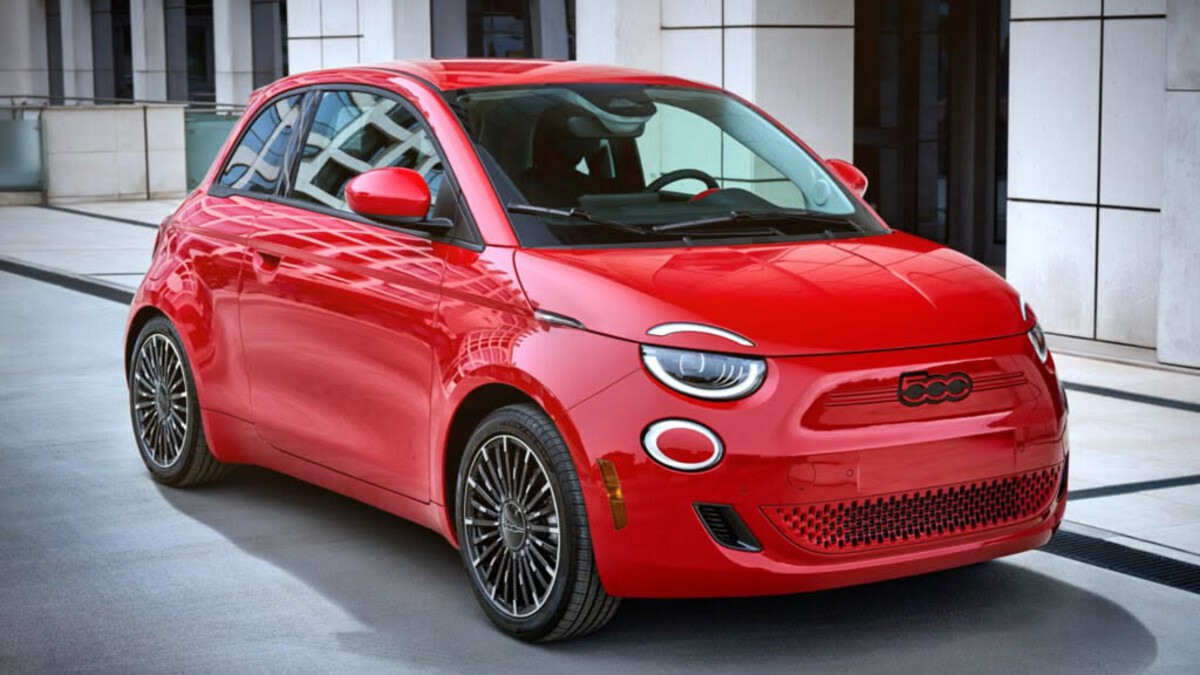
Despite those early financial hurdles, the little electric car became a hit on the secondhand market as a cheap, zippy urban runabout that was incredibly easy to park.
“I hope you don’t buy it because every time I sell one it costs me $14,000.”
Sergio Marchionne, former FCA CEO
However, that initial affordability hides a massive financial liability. The first-generation 500e relies on a compact 24 kWh liquid-cooled battery pack tightly packaged into the floorboards. Because it was a low-volume compliance vehicle with very few spare parts available, OEM replacement components are incredibly scarce.
While a used first-gen 500e can be picked up all day long for a meager $4,500, an official factory battery replacement quote can easily top $12,000 if you can even source one. This creates a repair-to-value ratio that makes absolutely no financial sense.
- Powertrain / Engine: Three-phase Permanent Magnet AC Synchronous Motor
- Horsepower: 111 hp
- Torque: 147 lb-ft
- Dimensions: 142.4″ L x 64.1″ W
ALSO READ: What Happens to Your Car Battery After Sitting for 30 Days?
5. BMW i3 (Early 22 kWh / 60 Ah)
BMW’s adventurous i3 was a highly advanced marvel of automotive design, featuring a passenger cell constructed entirely out of lightweight Carbon Fiber Reinforced Plastic (CFRP) mounted on a modular aluminum chassis.
Unfortunately, this advanced construction extends straight into the pricing architecture of its high-voltage battery system. Early 22 kWh models have depreciated heavily, making them highly enticing entry-level options on used car lots.
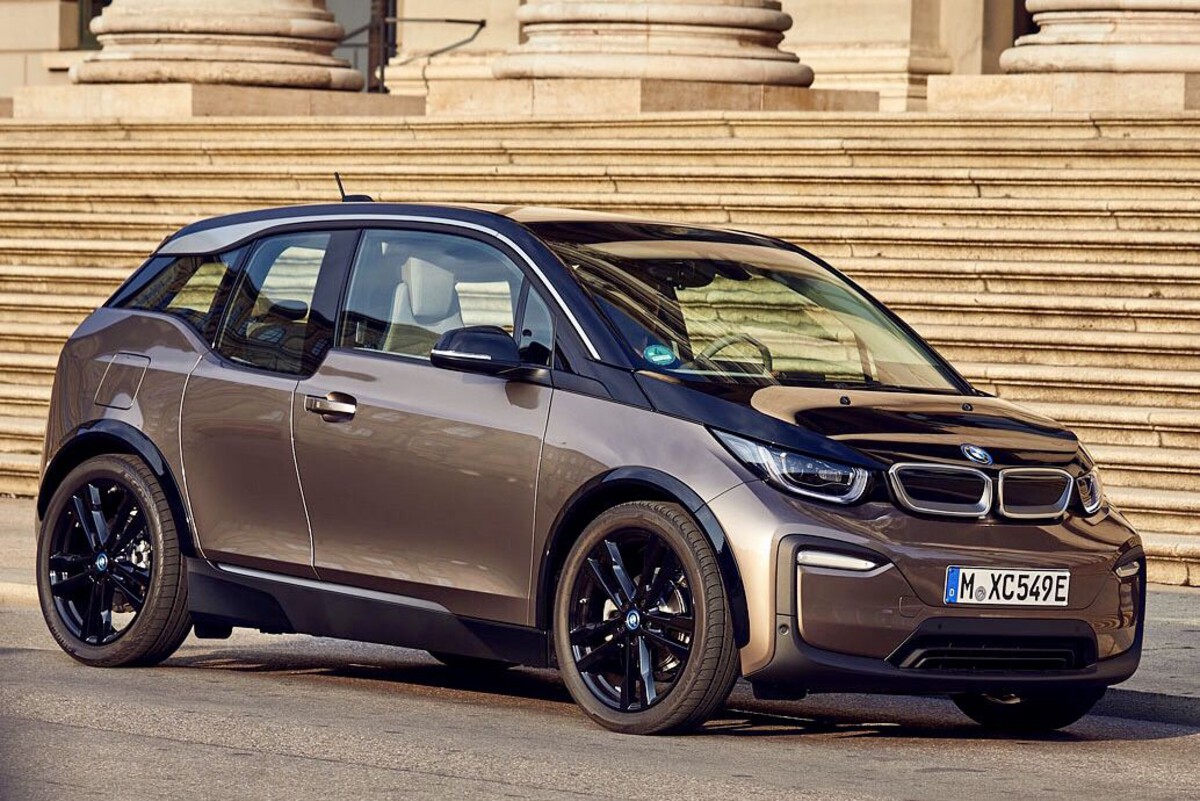
The financial reality of maintaining an ageing i3 out of warranty is genuinely staggering. Because of the car’s complex engineering and strict factory service requirements, battery replacements at official corporate dealerships have resulted in some of the most infamous invoices in modern automotive history.
As reported directly by CarBuzz, several out-of-warranty i3 owners have posted verified dealer repair quotes ranging from a steep $30,000 to an absolutely absurd, hyper-inflated $71,000 for a new factory traction pack. Even if an owner opts for an independent specialist or sources individual modules at roughly $3,500 a piece, the baseline repair cost easily overwhelms the vehicle’s current $7,500 used market valuation.
- Powertrain / Engine: Hybrid Synchronous Electric Motor (Optional 647cc REx Twin)
- Horsepower: 170 hp
- Torque: 184 lb-ft
- Dimensions: 157.4″ L x 69.9″ W
6. Ford Focus Electric (2012–2018)
The Ford Focus Electric was a classic example of an “adaptation EV.” Instead of designing a dedicated electric platform from the ground up, Ford engineers took a standard gas-powered Focus hatchback and packaged a liquid-cooled electric drivetrain into the existing architecture.
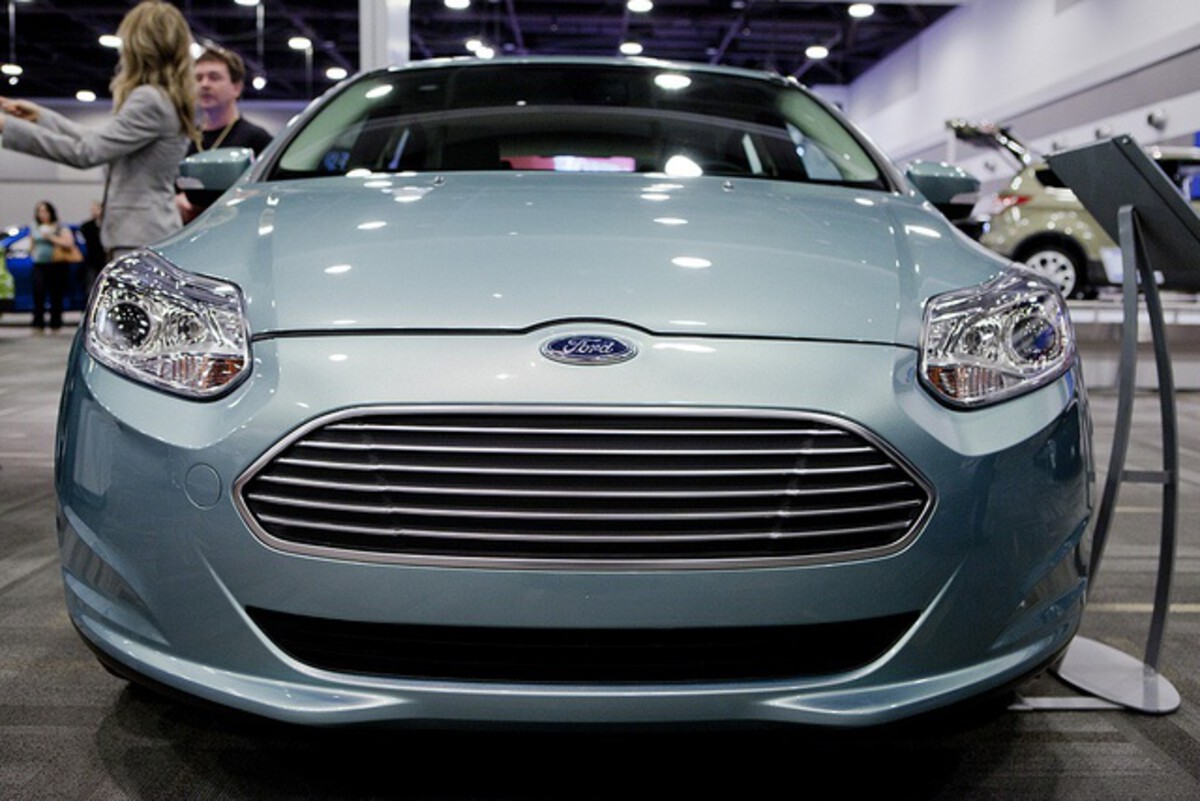
To make it fit, they had to split the battery into two separate locations: one pack took up space under the rear seat, while a secondary pack was bolted directly into the rear cargo area, completely killing its usable trunk space.
Here’s a cleaner rewrite without using “overall”:
The vehicle’s architecture is largely shaped by where the battery pack is installed, as this placement directly affects interior practicality. In its standard configuration, the battery pack sits beneath the rear seat, preserving cabin space while maintaining comfortable passenger room.
Conversely, when the battery pack 2 is integrated into the rear cargo area, it results in a significant reduction of available storage space, thereby compromising the cargo utility of the vehicle.
This split-pack design created an absolute logistical nightmare for long-term service. Because the Focus Electric was sold in limited numbers, finding replacement packs on the secondary market is incredibly difficult.
While a standard used gas-powered Focus of this era is worth very little, the Focus Electric commands a modest used market value of about $5,000. However, if the high-voltage battery pack suffers a catastrophic failure, a new replacement pack if a dealership can even locate one through factory channels, will easily set you back over $14,000.
This leaves stranded owners with very few options outside of searching through salvage yards for used components.
- Powertrain / Engine: Permanent Magnet AC Synchronous Motor
- Horsepower: 143 hp
- Torque: 184 lb-ft
- Dimensions: 172.9″ L x 71.8″ W
7. Porsche Cayenne S E-Hybrid (2015–2017)
For buyers looking to break into the luxury European market, a used Porsche Cayenne S E-Hybrid looks like an incredible value proposition on paper. It offers excellent performance, a beautifully premium interior, and the efficiency of a plug-in hybrid powertrain.
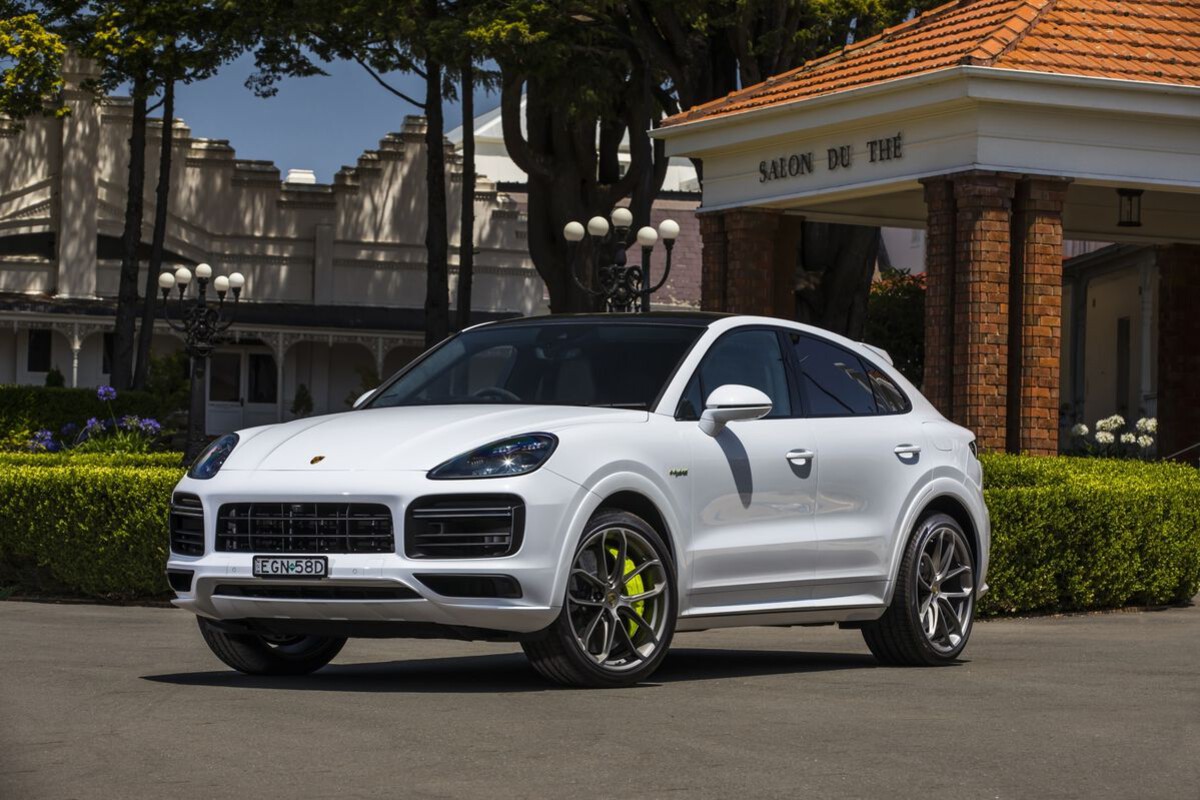
But beneath that upscale badging lies an incredibly complicated dual-energy propulsion network that can easily bankrupt an owner who isn’t prepared for premium out-of-warranty maintenance costs.
As the Cayenne depreciates down toward the $18,000 to $22,000 range, its complex 10.8 kWh lithium-ion battery pack is steadily aging right along with it. When that high-voltage battery fails, it often drops the entire vehicle into a protective failsafe mode, completely preventing it from operating.
Ordering a fresh replacement pack directly through a Porsche franchise dealership routinely results in parts-and-labor invoices running between $15,000 and $20,000. Paying that price means you are spending nearly 100% of the vehicle’s residual market value just to get it back on the road.
- Powertrain / Engine: 3.0L Supercharged V6 + Electric Motor
- Horsepower: 416 hp (combined system)
- Torque: 435 lb-ft
- Dimensions: 191.1″ L x 76.4″ W
8. Smart Fortwo Electric Drive (ED3, 2013–2017)
The Smart Fortwo Electric Drive is an incredibly focused, tiny urban commuter car that features a remarkably small footprint. Developed in partnership with Mercedes-Benz, the third-generation (ED3) electric Smart car traded away its clunky, slow-shifting automated gasoline transmission for a silky-smooth, surprisingly quick electric motor powered by a 17.6 kWh lithium-ion battery pack.
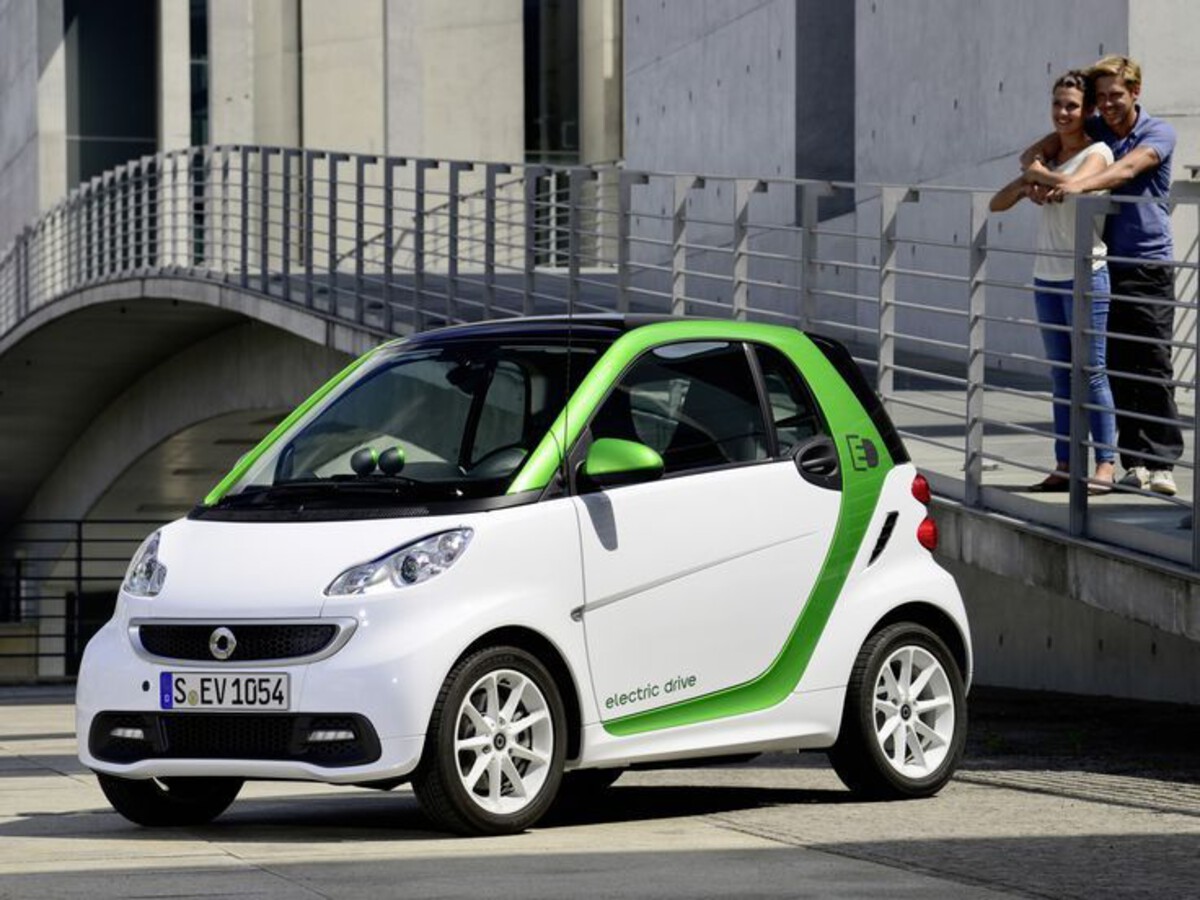
Because it is so small, you might think a replacement battery pack would be relatively inexpensive. Unfortunately, the exact opposite is true. The specialized pack was built by Deutsche ACCUmotive, and replacement units are subject to strict Mercedes-Benz OEM corporate pricing rules.
Today, a clean used Smart ED3 can easily be bought for roughly $4,000 to $5,500. However, if that battery pack fails outside of its original factory warranty window, owners face a dealership invoice that routinely lands between $8,000 and $10,000 for a total replacement. That is a massive financial hurdle that instantly sends these micro-machines straight to the scrap yard.
- Powertrain / Engine: Three-phase Magneto-electric Motor
- Horsepower: 74 hp
- Torque: 96 lb-ft
- Dimensions: 106.1″ L x 61.4″ W
9. Toyota Prius Plug-in / Prime (Early Lithium Models)
Toyota built its legendary reputation for reliability on its robust Nickel-Metal Hydride (NiMH) battery packs found in standard Prius models, which can easily be replaced for a relatively modest $2,000 to $3,000.
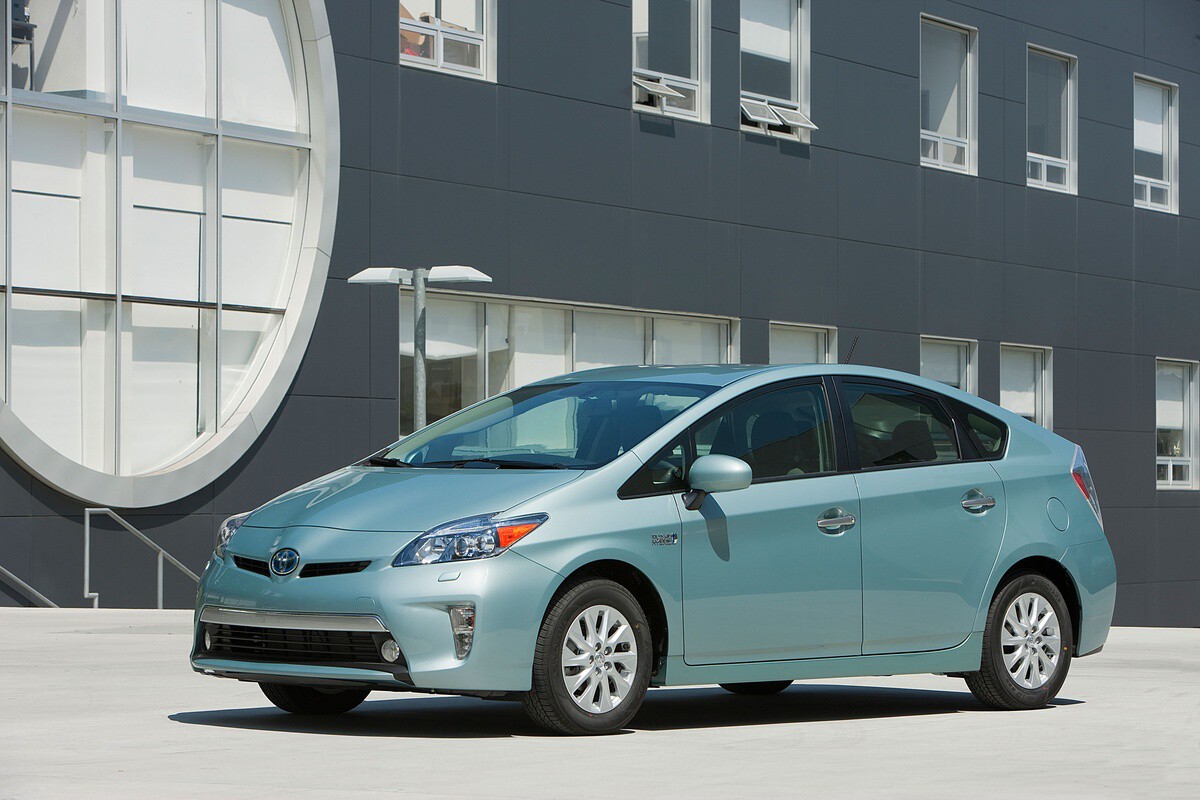
However, when Toyota transitioned into extended range plug-in options such as the early Prius Plug-in (2012–2015) and the subsequent Prius Prime, they had to switch over to much larger, more energy-dense Lithium-ion chemistry to handle the extended pure electric driving modes.
The choice of battery chemistry significantly impacts long-term maintenance costs for Toyota Prius models. The standard Prius utilizes a Nickel-Metal Hydride (NiMH) battery pack, which is relatively inexpensive to replace, typically costing around $2,500.
In contrast, the Prius Plug-in and Prius Prime models are equipped with Lithium-ion (Li-ion) battery technology; while these offer enhanced performance capabilities, they come with a much higher replacement cost, often reaching approximately $8,500.
These early lithium-ion packs have held up incredibly well under normal usage, but when they do eventually fail or suffer internal cell imbalances, the repair math changes completely.
A brand-new replacement lithium assembly from a Toyota dealer parts department typically costs between $7,000 and $9,500 once you calculate taxes, core return fees, and shop labor.
With early Prius Plug-in models regularly selling on the used market for $7,000 to $8,500, a battery pack replacement doesn’t just cost half the car’s price it frequently exceeds its entire value.
- Powertrain / Engine: 1.8L 4-Cylinder Atkinson Cycle + Electric Motor
- Horsepower: 134 hp (combined system)
- Torque: 105 lb-ft (engine) / 153 lb-ft (motor)
- Dimensions: 176.4″ L x 68.7″ W
ALSO READ: 10 Indicators Your Car Battery Is Failing Before the Dash Warning Appears
10. Kia Soul EV (First-Gen, 2015–2018)
The first-generation Kia Soul EV took the highly popular, boxy styling of the standard gasoline-powered Soul and swapped out its internal combustion engine for an all-electric drivetrain. Early models utilized a unique 27 kWh lithium-ion polymer battery pack mounted completely under the cabin floor.
While the car offered excellent passenger headroom and unique styling, its early chemistry lacked a robust liquid-cooling network, relying instead on a cabin-vented air cooling system.
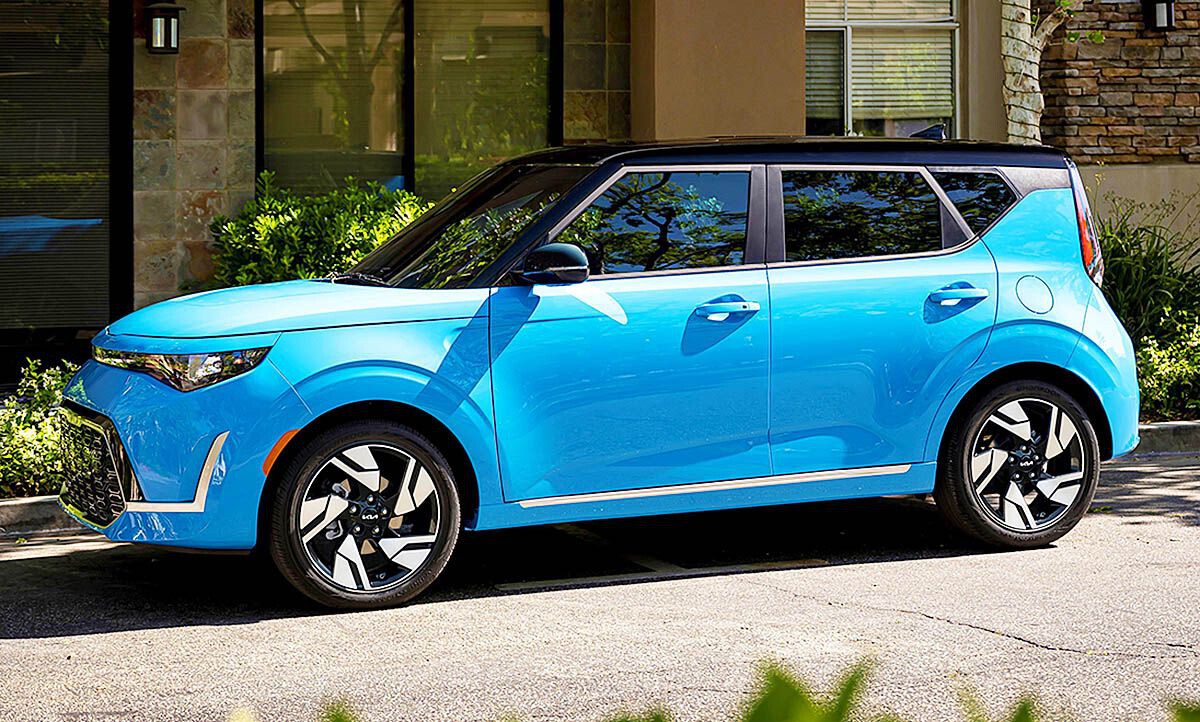
Predictably, these air-cooled polymer packs suffered heavy degradation over time, especially for owners who frequently used public DC fast chargers in warmer regions.
While a functional first-generation Soul EV currently has a used market value of roughly $6,000, a trip to a local Kia dealer to replace a heavily degraded or broken battery pack will regularly result in a parts-and-labor estimate topping $10,000. This steep price tag leaves owners with a vehicle that is mathematically totaled by a single service line item.
- Powertrain / Engine: AC Synchronous Permanent Magnet Motor
- Horsepower: 109 hp
- Torque: 210 lb-ft
- Dimensions: 163.0″ L x 70.9″ W
The structural mismatch between vehicle depreciation and battery replacement costs presents a massive challenge for the automotive industry moving forward. If a vehicle is considered completely worthless the very moment its battery pack drops below a certain health percentage, we are looking at a future filled with structurally sound, electronically advanced vehicles turned into permanent visual lawn ornaments simply because of cell degradation.
Fixing this issue requires a massive shift away from total pack replacement policies toward specialized, component-level repair.
The growth of independent EV specialist networks and high-quality third-party remanufacturing centers is a great start, but true change depends entirely on original equipment manufacturers designing their future platforms with open, modular repair standards in mind.
Until those modular designs become the baseline standard across the industry, used car buyers must continue to research carefully, look closely at real-time cell health data, and realize that a cheap upfront price tag can easily hide a massive financial trap.