
Crash testing is meant to uncover weaknesses before vehicles face real-world emergencies, yet even respected automakers have released models that struggled during early evaluations. In some cases, structural failures, poor restraint performance, rollover instability, or weak crash-energy management exposed vulnerabilities that placed occupants at greater risk during severe impacts. Rather than publicly emphasizing these shortcomings, manufacturers often responded with quiet engineering revisions introduced during production.
These behind-the-scenes changes ranged from reinforced safety cages and stronger pillars to suspension revisions, recalibrated airbags, and redesigned chassis components intended to improve occupant protection. While many of these vehicles eventually earned stronger safety results, their early shortcomings reveal how demanding crash standards can reshape engineering priorities.
They also demonstrate that vehicle safety is rarely static, evolving through testing, criticism, and redesign. The stories ahead show how unexpected failures became opportunities for manufacturers to strengthen performance, restore confidence, and improve real-world survivability through smarter automotive engineering decisions.
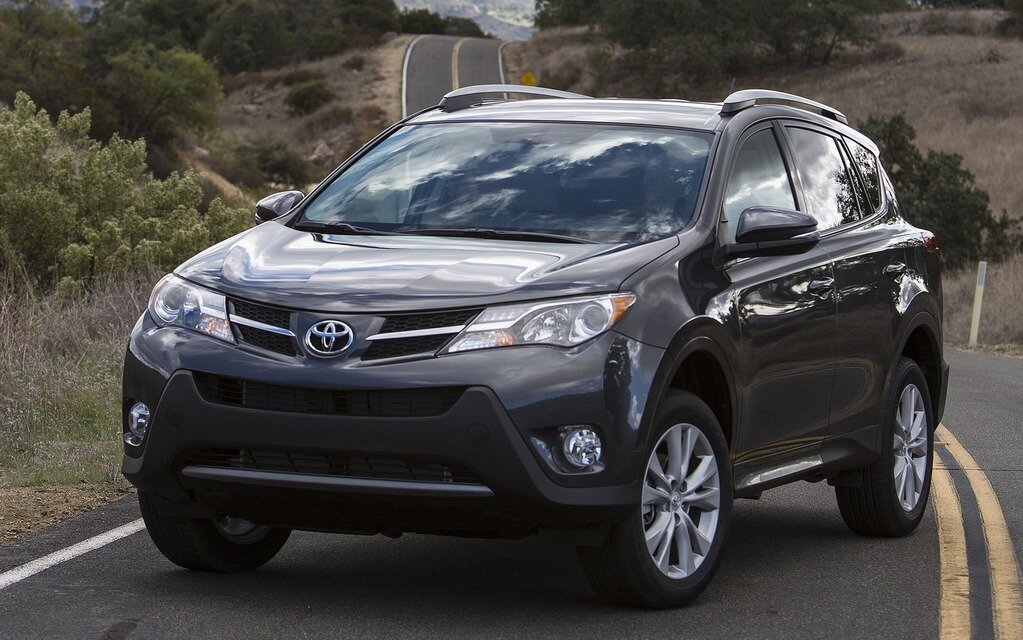
1. 2015 Toyota RAV4
The 2015 Toyota RAV4 faced scrutiny after the IIHS small overlap crash test revealed structural weaknesses in the passenger-side front corner. Severe cabin intrusion, footwell deformation, and steering column movement raised concerns about occupant protection. Toyota later reinforced internal structures, improving driver-side performance, while passenger-side protection remained inconsistent until a later platform redesign corrected the issue.
The interior of the 2015 Toyota RAV4 is designed around usability rather than visual flair, with a straightforward dashboard and traditional physical buttons that are easy to operate even while driving. Its infotainment setup looks outdated by modern standards, yet it performs dependably for core functions such as audio control, navigation, and device connectivity. Most primary controls are logically placed, though a few are positioned lower on the center stack, requiring some reach and attention.
In terms of space, the RAV4 performs strongly within the compact SUV segment. It provides 38 cubic feet of storage behind the rear seats, expanding to 73.3 cubic feet when the rear seats are folded down. This makes it well-suited for hauling larger items like luggage, sports equipment, or household goods without much effort.
Passenger comfort is also a key strength, particularly in the rear seats, where legroom is generous enough to accommodate taller adults comfortably. The cabin layout favors practicality, with wide door openings and a boxy cargo area that improves usability. This squared-off design helps maximize usable space, making loading and unloading more convenient for everyday family or travel needs.
Power comes from a 2.5-liter four-cylinder engine producing 176 horsepower, focused on efficiency rather than speed. Fuel economy reaches up to 31 mpg on the highway with lower figures when equipped with all-wheel drive. On the road, the ride is stable and predictable, though acceleration feels modest during passing maneuvers.
Trim levels include LE, XLE, and Limited, each adding incremental comfort and technology features. The XLE often represents the best balance of price and equipment, offering useful upgrades without reaching the highest cost tier. The vehicle appeals to buyers prioritizing dependability, space, and straightforward usability in a compact SUV segment, especially for commuters and families seeking low maintenance costs and predictable year-round performance in varying weather conditions.
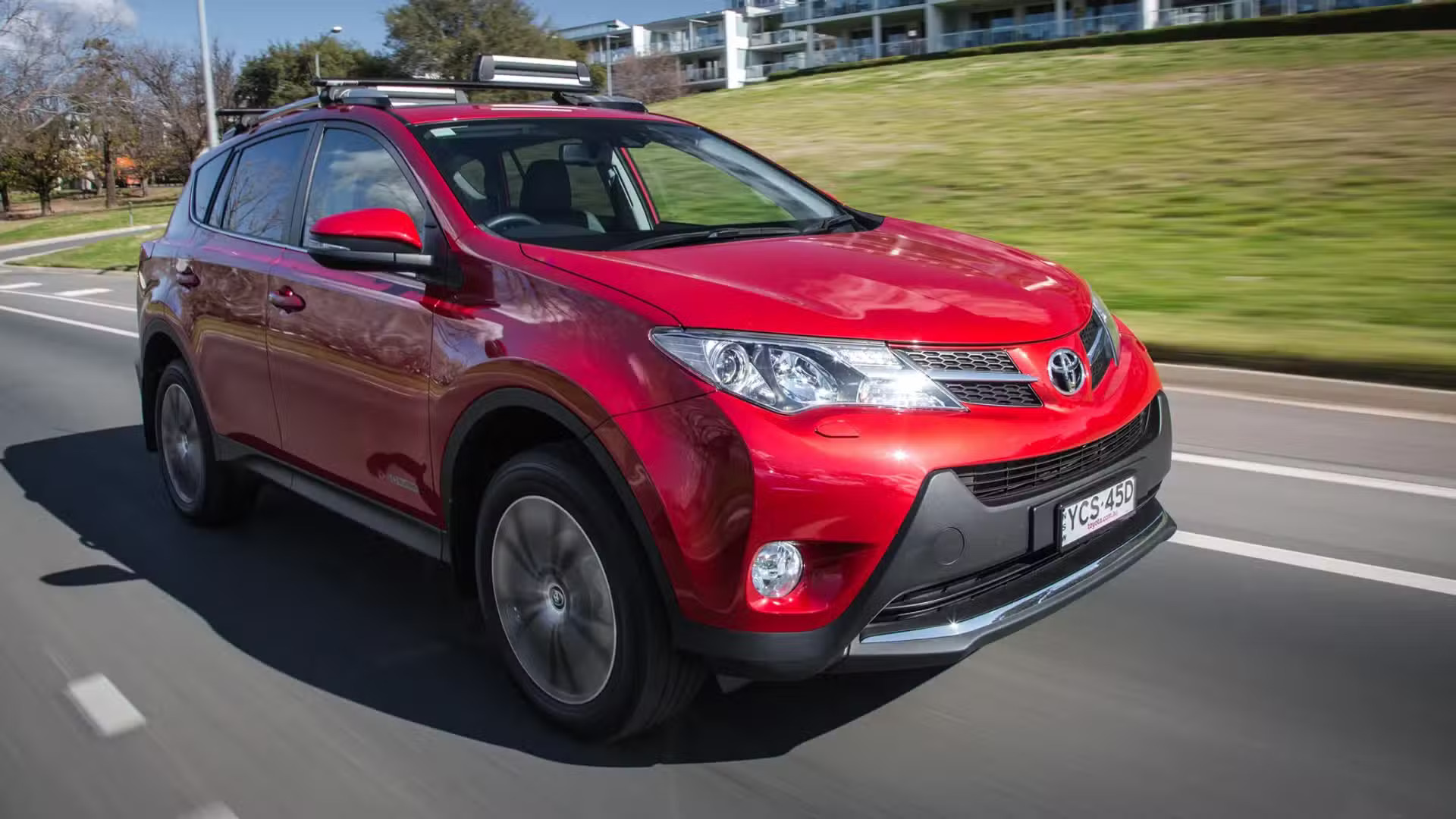
- Torque: 172 lb-ft @ 4,100 rpm
- Transmission: 6-speed automatic
- Length: 179.9 in (4,570 mm)
- Width: 72.6 in (1,845 mm)
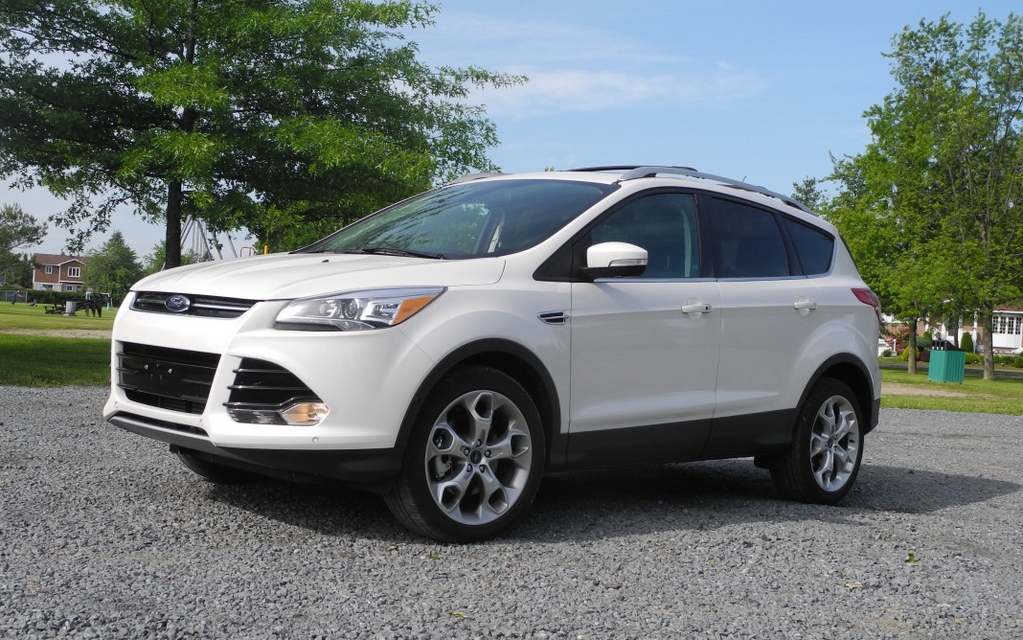
2. 2013 Ford Escape
The 2013 Ford Escape gained attention after receiving a “Poor” rating in the IIHS small overlap frontal crash test, which simulates a collision with a narrow object such as a tree or pole at 40 mph. During testing, the front structure collapsed significantly, forcing the steering column and dashboard into the driver’s space. The steering wheel shifted to the right, causing the crash dummy’s head to miss proper airbag protection and strike interior surfaces, while injury data suggested elevated risks to the hip and lower legs.
Ford later addressed these concerns through structural revisions introduced quietly during the model’s lifecycle. Reinforcements to the front frame and upper safety cage improved crash performance, particularly on the driver side in later model years. Despite these improvements, passenger-side evaluations later exposed similar weaknesses because the same reinforcements had not initially been applied there, keeping safety concerns part of the Escape’s story until a broader redesign followed.
Beyond crash-test criticism, the 2013 Escape represented a major transformation for Ford’s compact SUV lineup. Replacing the older boxy styling with a smoother, European-inspired design, the Escape became more aerodynamic and visually modern. The cabin also improved substantially, featuring better materials, additional rear legroom, fold-flat seating, and increased cargo space. Technology features such as MyFord Touch, a hands-free liftgate, and advanced parking assistance gave the vehicle a more premium feel.
Powertrain options included a standard 2.5-liter engine and two turbocharged EcoBoost engines focused on balancing performance with efficiency. Highway fuel economy reached at least 30 mpg across the lineup, while available Intelligent 4WD improved traction and stability.
The Escape delivered a refined driving experience with stable handling, quieter cabin insulation, and comfortable ride quality, helping maintain its appeal in the competitive compact SUV segment.
- Engine: 2.5L iVCT inline-4 (S) / 1.6L EcoBoost turbo inline-4 (SE/SEL) / 2.0L EcoBoost turbo inline-4 (Titanium, optional on SE/SEL)
- Horsepower: 168 hp (2.5L) / 178 hp (1.6L EcoBoost) / 240 hp (2.0L EcoBoost)
- Torque: 170 lb-ft (2.5L) / 184 lb-ft (1.6L EcoBoost) / 270 lb-ft (2.0L EcoBoost)
- Length: 178.1 in (4,524 mm)
- Width: 72.4 in (1,839 mm, without mirrors) / 81.8 in (2,078 mm, with mirrors)
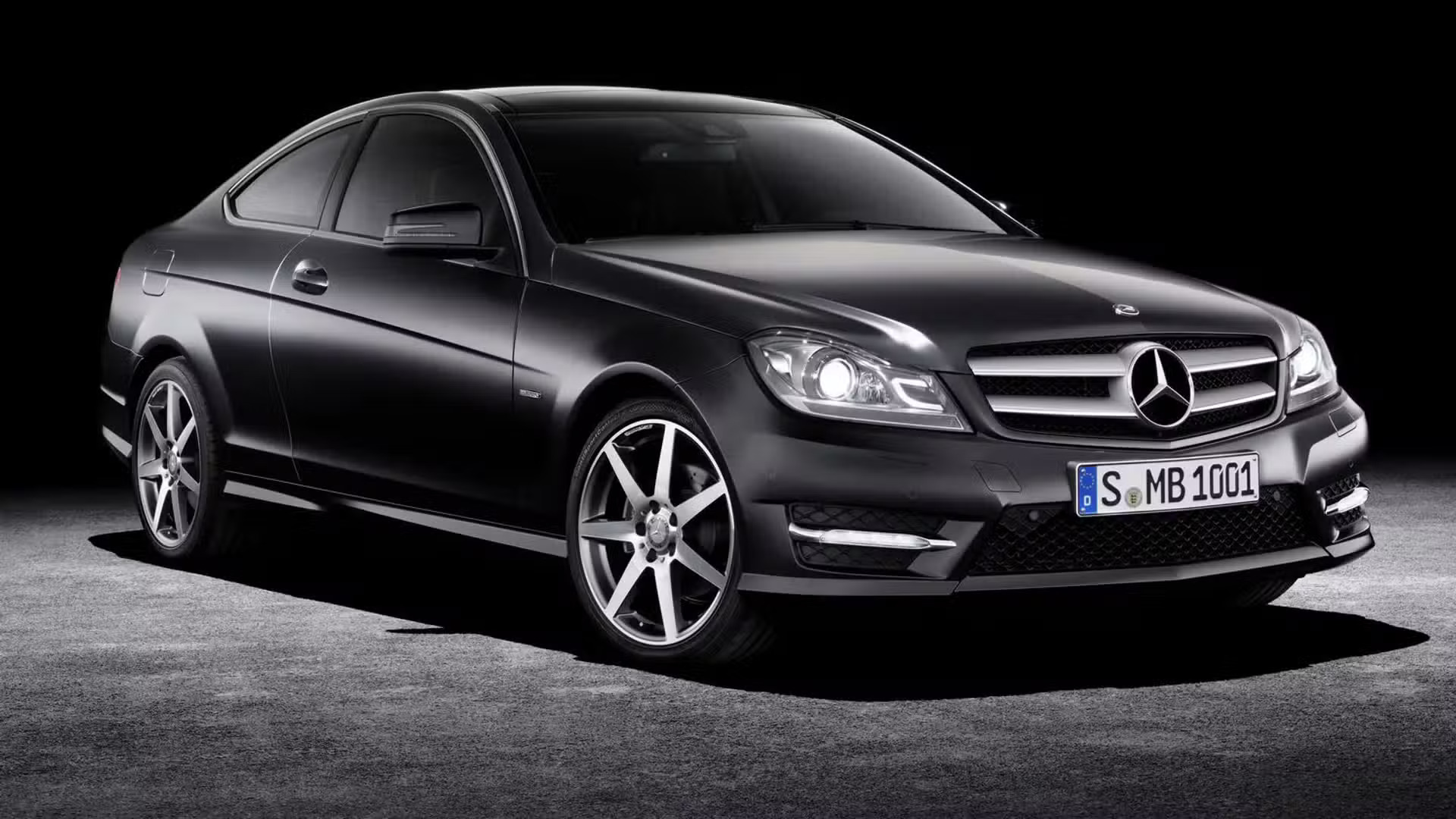
3. 2012 Mercedes-Benz C-Class
The 2012 Mercedes-Benz C-Class combined premium styling, refined comfort, and multiple powertrain choices, but it also faced criticism after struggling in the IIHS small overlap frontal crash test. Designed to replicate a 40-mph front-corner collision with a fixed object, the test revealed severe structural weaknesses. The driver’s footwell collapsed inward significantly, trapping the dummy’s legs, while the front wheel pushed rearward into the cabin. Excessive seatbelt slack allowed the dummy’s body to move too far forward, increasing the risk of injury during impact.
Airbag performance further complicated the results. The dummy’s head slipped off the frontal airbag and missed proper coverage from the side curtain airbag, leaving it vulnerable to contact with the rigid A-pillar. These findings proved especially damaging for a luxury brand long associated with engineering excellence and occupant protection. Mercedes-Benz later responded by reinforcing structural areas, refining front crush zones, improving A-pillar strength, and adjusting airbag deployment systems to improve crash performance in later versions.
Outside of safety concerns, the C-Class remained a competitive luxury compact sedan and coupe with refreshed styling and improved cabin materials for 2012. Buyers could choose between Luxury and Sport trims, while interior quality featured premium materials, comfortable front seats, Bluetooth connectivity, dual-zone climate control, and optional technology packages. Rear passenger space, however, remained limited compared with some competitors.
Engine choices ranged from the efficient turbocharged 1.8-liter four-cylinder in the C250 to V-6 options in the C300 and C350, while the high-performance C63 AMG delivered V-8 power and sports-car acceleration. Ride quality stayed composed and refined, with quiet cabin insulation and responsive road manners reinforcing the vehicle’s premium character despite early crash-test shortcomings.
- Engine: 1.8L turbo inline-4 (C250) / 3.0L V6 (C300 4MATIC) / 3.5L V6 (C350) / 6.2L V8 (C63 AMG)
- Horsepower: 201 hp (C250) / 228 hp (C300) / 302 hp (C350) / 451 hp (C63 AMG)
- Torque: 229 lb-ft (310 Nm) (C250) / 221 lb-ft (300 Nm) (C300) / 273 lb-ft (370 Nm) (C350) / 443 lb-ft (600 Nm) (C63 AMG)
- Length: 180.8 in (4,591 mm)
- Width: 69.7 in (1,770 mm)
4. 2014 Kia Forte
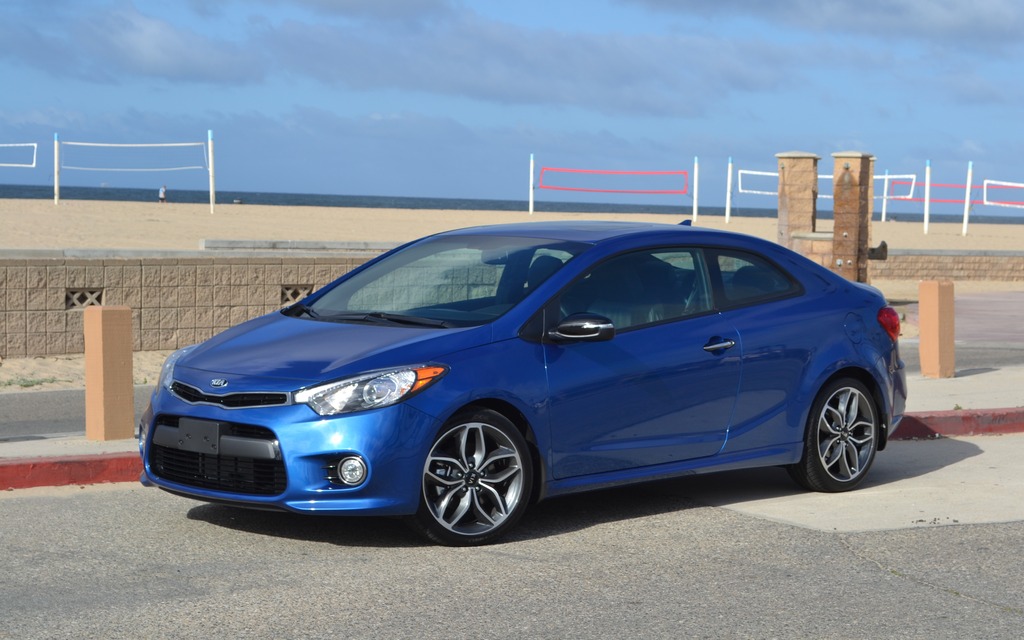
Early IIHS small overlap crash testing exposed major weaknesses in this compact sedan’s ability to manage off-center frontal impacts at highway speeds. During the 40-mph simulation, the front structure lacked sufficient rigidity, allowing the wheel and lower frame to be pushed aggressively rearward into the driver’s footwell. This intrusion sharply reduced survival space and created a high risk of lower-body injury.
As the crash progressed, the steering column shifted upward and toward the right, disrupting the intended alignment between occupant and airbag. The crash dummy’s head was unable to remain properly centered on the frontal airbag and instead made contact with the dashboard and A-pillar. This misalignment, combined with limited forward reach from the side curtain airbag, left portions of the head unprotected during impact. Injury data from the test indicated heightened risk to the hips and lower legs, highlighting weaknesses in both structure and restraint coordination.
The root issue was traced to an insufficiently strong safety cage and poor energy absorption in the front-end design. In response, structural improvements were introduced quietly through reinforced high-strength steel sections and strengthened crash-load pathways in the front chassis. These changes aimed to reduce cabin deformation and improve occupant survival space during offset collisions.
Adjustments were also made to restraint systems, including improved airbag deployment timing and expanded coverage to better control occupant movement during impact. Later evaluations reflected these engineering updates, showing reduced intrusion and improved crash performance compared with the original configuration.
- Engine: 1.8L inline-4 (LX) / 2.0L inline-4 (EX) / 1.6L turbo inline-4 (SX Forte5/Koup)
- Horsepower: 148 hp (1.8L) / 173 hp (2.0L) / 201 hp (1.6L turbo)
- Torque: 131 lb-ft (1.8L) / 154 lb-ft (2.0L) / 195 lb-ft (1.6L turbo)
- Length: 179.5 in (4,559 mm)
- Width: 70.1 in (1,780 mm)
5. 2013 BMW 5 Series
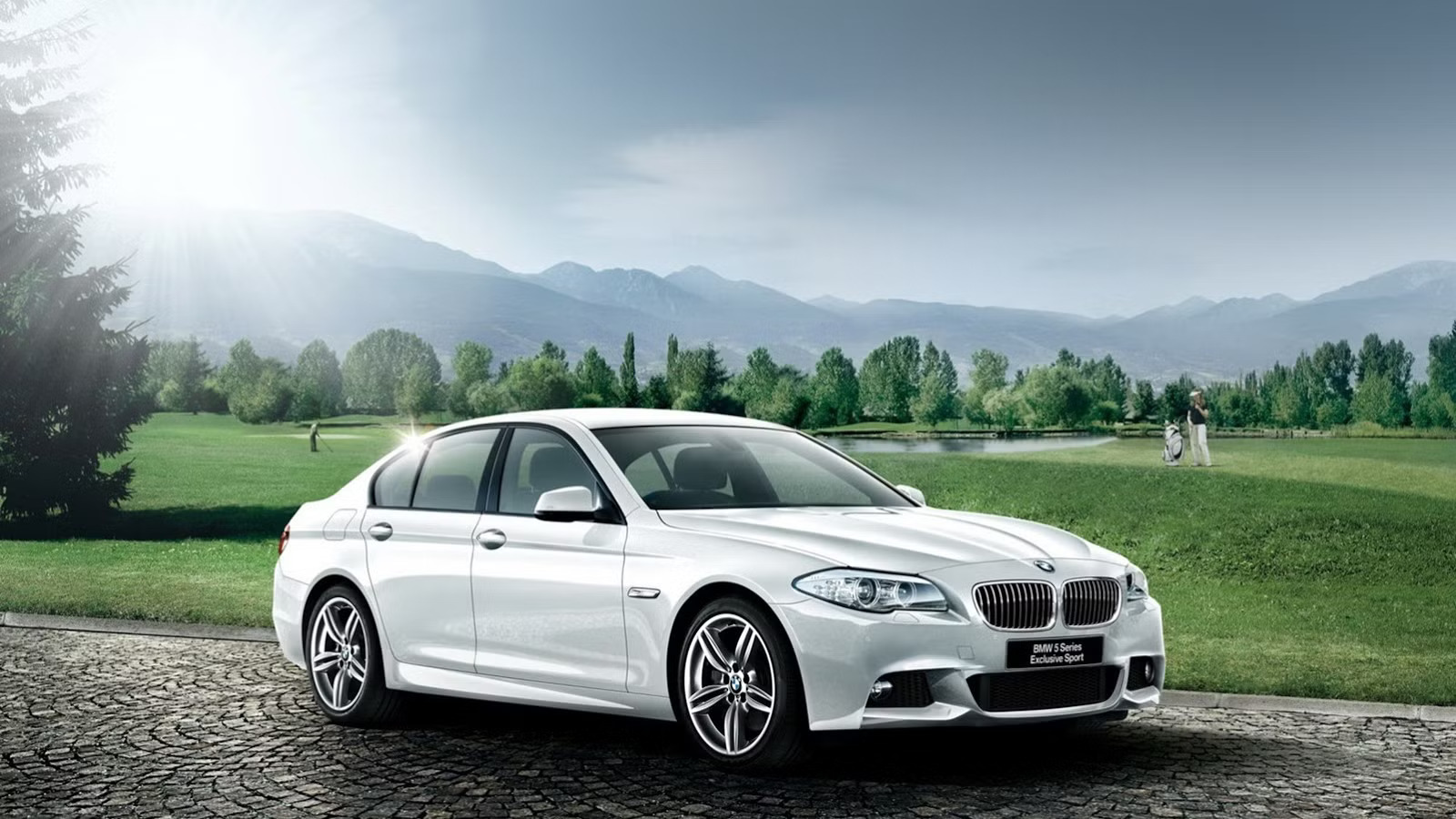
The 2013 BMW 5 Series (F10 generation) faced significant scrutiny after the Insurance Institute for Highway Safety (IIHS) small overlap frontal crash test exposed structural weaknesses. In the test, the front wheel and suspension were pushed into the footwell area, causing serious cabin intrusion and increasing the risk of leg and foot injuries for the driver.
The steering wheel also shifted laterally, reducing the effectiveness of the airbag system. As a result, the model received a “Marginal” rating. BMW later made mid-cycle structural revisions, reinforcing the front frame rails and lower floor structure, which improved crash performance and reduced cabin deformation in later production models. Airbag systems were also recalibrated to enhance occupant protection.
Despite safety concerns, the 2013 5 Series offered a broad lineup of trims and engines, including the 528i, 535i, 550i, ActiveHybrid 5, and the high-performance M5. Power outputs ranged from a 240-hp turbocharged four-cylinder in the 528i to a 400-hp twin-turbo V8 in the 550i, while the ActiveHybrid combined a turbocharged inline-six with an electric motor for 335 hp.
The M5 stood out with a 560-hp twin-turbo V8 introduced for 2013. Most models came with rear-wheel drive, optional xDrive all-wheel drive, and either manual or automatic transmissions, depending on configuration.
In road testing, the 535i performed strongly, finishing second in a midsize luxury sedan comparison. Reviewers praised its solid, refined, and stable character, noting its smooth ride and premium feel that made highway speeds feel deceptively slow. However, its heavier driving feel prevented it from being a segment favorite.
The 2013 5 Series combined strong performance and luxury appeal with notable safety shortcomings that were later addressed through engineering updates.
- Engine: 2.0L turbocharged inline-4 (528i) / 3.0L turbocharged inline-6 (535i, 535i xDrive) / 4.4L twin-turbo V8 (550i) / 3.0L turbo inline-6 + electric motor (ActiveHybrid 5) / 4.4L twin-turbo V8 (M5)
- Horsepower: 240 hp (528i) / 300 hp (535i, 535i xDrive) / 400–445 hp (550i) / 335 hp combined (ActiveHybrid 5) / 560 hp (M5)
- Torque: 255–260 lb-ft (528i) / 300 lb-ft (535i, 535i xDrive) / 450 lb-ft (550i) / 300 lb-ft combined (ActiveHybrid 5) / 500 lb-ft (M5)
- Length: 193.1 in (4,905 mm)
- Width: 73.2 in (1,860 mm)
Also read: 10 Cars With the Highest Insurance Premiums for Average Drivers
6. 2012 Lexus IS
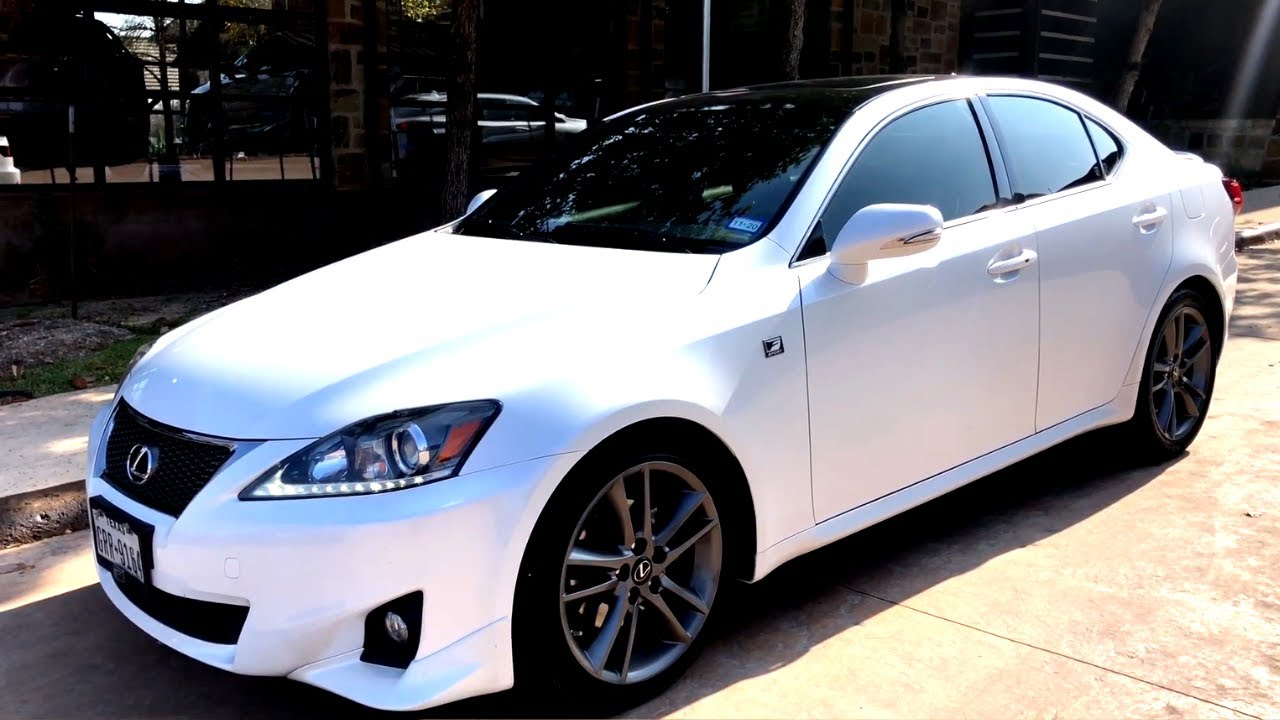
The 2012 Lexus IS failed early IIHS small-overlap frontal crash testing when its front structure collapsed, allowing wheel intrusion into the footwell and reducing cabin survival space. The A-pillar and footwell deformed significantly, while steering column movement and weak airbag coverage increased the risk of head impact against the side structure.
These issues revealed that the safety cage lacked sufficient reinforcement for offset collisions, a test introduced to simulate real-world crashes involving poles and trees. Lexus and Toyota responded by reinforcing the subframe, strengthening door pillars, and revising energy absorption paths in later production updates.
Separately, the high-performance Lexus IS F evolved into a sharper sport sedan powered by a 5.0-liter V8, competing with the BMW M3, Mercedes-Benz C63 AMG, Cadillac CTS-V, and Audi R8 in performance character. Early versions were fast but imperfect, featuring a stiff ride, light steering feel, and understeer at the limit. Later revisions improved chassis rigidity, steering feedback, and suspension tuning, transforming its behavior on winding mountain roads.
Acceleration reached around 4.5 seconds from 0 to 60 mph, supported by strong mid-range torque and rapid automatic downshifts. Brembo brakes delivered consistent stopping power, while upgraded stability systems allowed controlled rotation when traction aids were reduced. On demanding roads, the V8 delivered a hard-edged exhaust note and sustained power delivery, maintaining composure even during extended climbs and descents.
Engineering updates positioned the Lexus IS F as a credible rival to German benchmarks, balancing durability, daily usability, and track capability in a package that appealed to enthusiasts seeking refined performance without sacrificing long-term reliability.
- Engine: 2.5L V6 (IS 250) / 3.5L V6 (IS 350) / 5.0L V8 (IS F)
- Horsepower: 204 hp @ 6,400 rpm (IS 250) / 306 hp @ 6,400 rpm (IS 350) / 416 hp @ 6,600 rpm (IS F)
- Torque: 185 lb-ft @ 4,800 rpm (IS 250) / 277 lb-ft @ 4,800 rpm (IS 350) / 371 lb-ft @ 5,200 rpm (IS F)
- Length: 180.3 in (4,580 mm)
- Width: 70.9 in (1,800 mm)
7. 1971 Ford Pinto
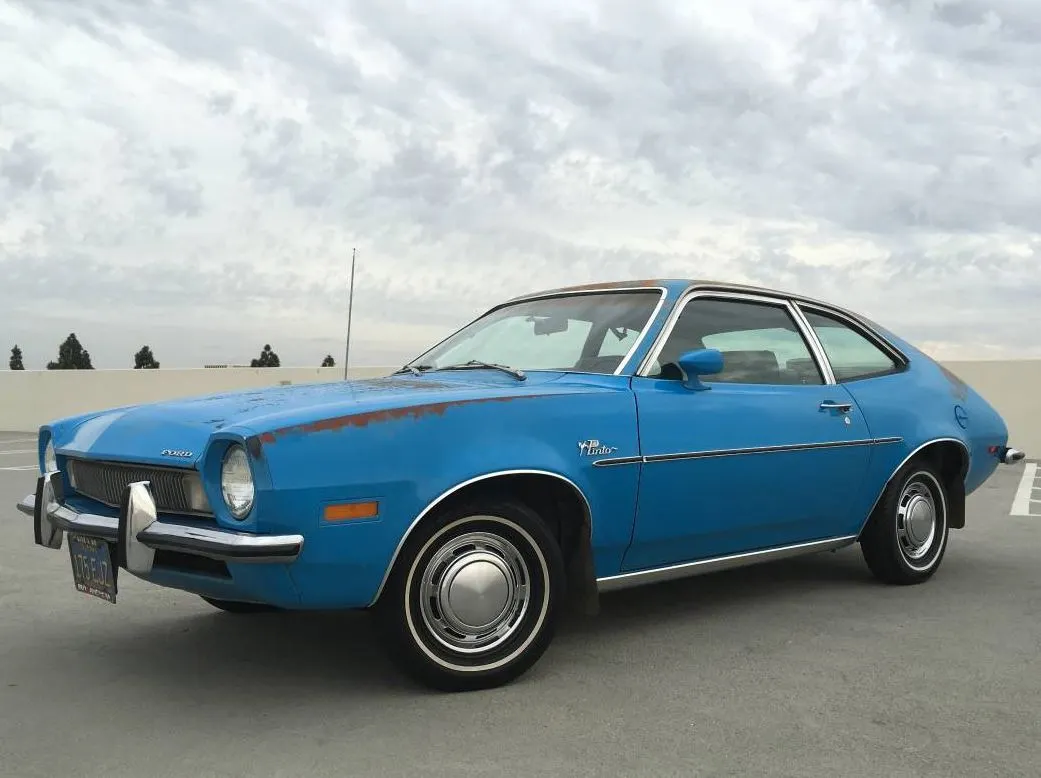
The 1971 Ford Pinto suffered a critical design flaw in early rear-end crash tests due to its fuel tank being positioned behind the rear axle, making it highly vulnerable to rupture in low-speed collisions. When struck from behind, the tank could be punctured and ignite, creating a severe fire risk for occupants in crashes.
The issue became controversial after internal testing confirmed the risk, yet Ford proceeded with production after conducting a cost-benefit analysis that concluded paying for potential settlements would be cheaper than redesigning the vehicle. A leaked internal document intensified public backlash, showing executives had weighed human safety against financial liability during development decisions.
Following growing pressure from regulators and the public, Ford eventually issued a large recall in 1978. The company implemented engineering fixes, including reinforcing the rear structure, adding protective shielding around the fuel tank, and modifying the filler neck to reduce the likelihood of rupture during rear impacts.
Later versions of the Pinto received mechanical and performance improvements, including optional disc brakes, improved suspension tuning, and a more efficient 2.0-liter European-sourced engine. These upgrades enhanced acceleration, drivability, and fuel economy, allowing the car to compete more effectively with contemporary rivals despite its damaged reputation.
Today, the Ford Pinto is widely cited as a case study in automotive ethics and engineering decision-making, illustrating how cost pressures can override safety priorities. It remains a key example in discussions about regulatory oversight, product liability, and the importance of prioritizing occupant protection in vehicle design history. continues to be referenced in engineering education as a warning about balancing profit motives with long-term public safety responsibility in automotive industry practice.
- Engine: 1.6L inline-4 “Kent” (base) / 2.0L inline-4 “Cologne” (optional)
- Horsepower: 75 hp @ 5,000 rpm (1.6L Kent) / 100 hp @ 5,600 rpm (2.0L Cologne)
- Torque: 96 lb-ft @ 3,000 rpm (1.6L Kent) / 120 lb-ft @ 3,600 rpm (2.0L Cologne)
- Length: 163 in (4,140 mm)
- Width: 69.4 in (1,763 mm)
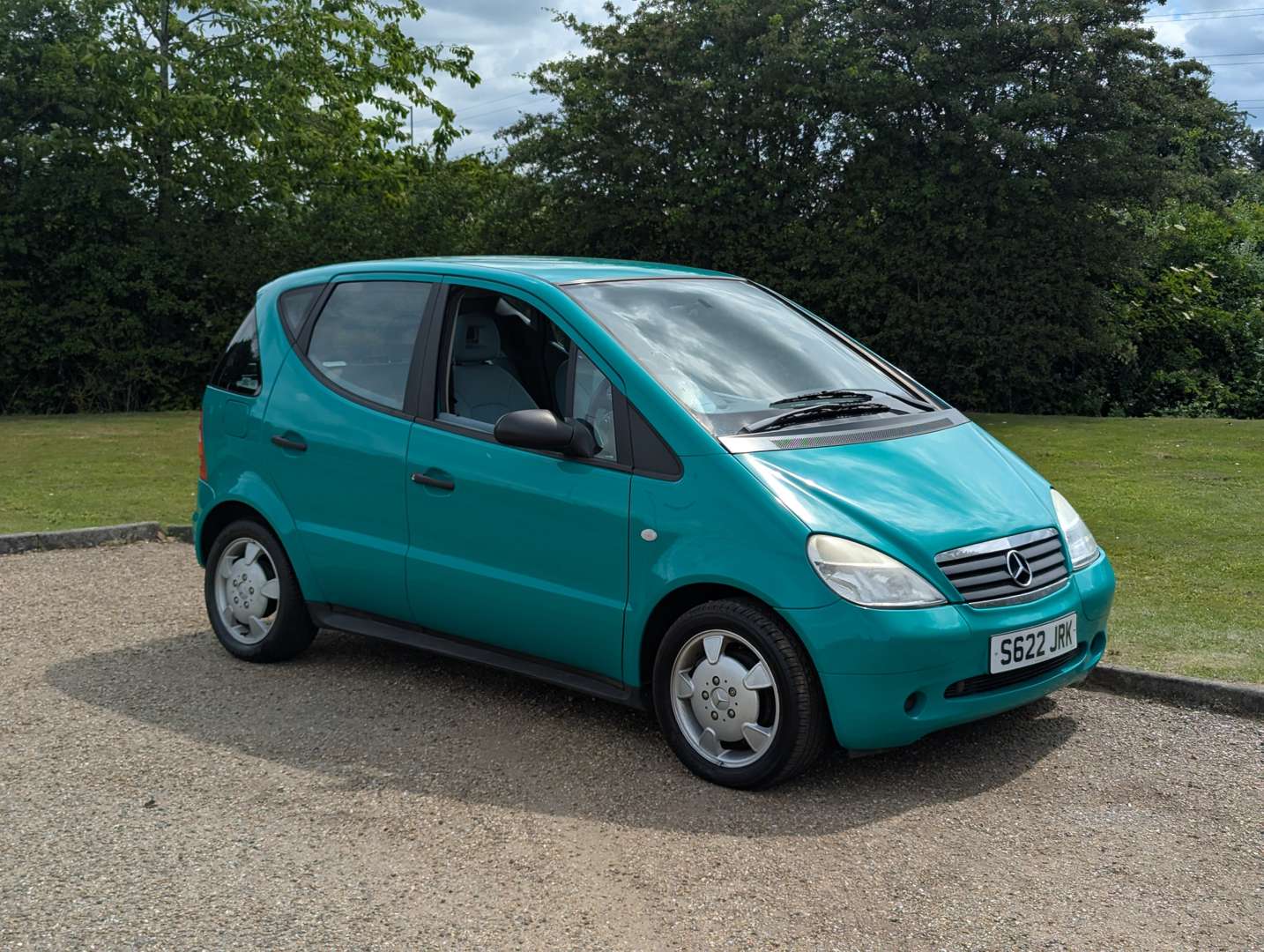
8. 1998 Mercedes-Benz A-Class
The 1998 Mercedes-Benz A-Class suffered a major safety setback during the Swedish “moose test,” a high-speed evasive maneuver designed to simulate sudden obstacle avoidance. During early testing by automotive journalists, the tall hatchback tipped over completely, rolling onto its roof and triggering an immediate reputational crisis for Mercedes-Benz. The incident exposed serious stability issues in the car’s original design and forced an urgent response from the manufacturer.
The root cause of the failure was the A-Class’s high center of gravity, created by its innovative “sandwich” floor design, which allowed the engine to slide beneath the cabin in a frontal crash. While this improved safety in one direction, it raised the vehicle’s height and made it unstable during sharp lateral movements. Combined with soft suspension tuning aimed at comfort, the car became prone to excessive body roll and wheel lift during emergency swerves.
Public backlash was swift, leading Mercedes-Benz to halt production and recall early units. The company invested heavily in corrective engineering, revising the chassis and suspension geometry to stabilize handling. The most important change was the introduction of standard electronic stability control (ESP), which actively prevented skidding and rollovers by correcting driver inputs in real time.
Additional fixes included stiffening the suspension, lowering the ride height, and widening the track to improve balance and cornering stability. These changes transformed the A-Class from a vulnerable prototype into a safer, more predictable compact car that could meet Mercedes-Benz safety expectations in later production models.
Beyond the rollover issue, early A-Class models faced criticism for interior quality, cramped rear seating, and firm ride characteristics. Transmission options included an automatic and an automated manual system, while engine choices ranged from modest 1.4-liter units to more capable 1.9-liter versions, with the latter offering the best performance balance in everyday driving conditions.
- Engine: 1.4L inline-4 petrol (A140) / 1.6L inline-4 petrol (A160)
- Horsepower: 82 hp @ 5,000 rpm (A140) / 102 hp @ 5,200 rpm (A160)
- Torque: 130 Nm @ 3,750 rpm (A140) / 150 Nm @ 4,000 rpm (A160)
- Length: 3,575 mm (140.7 in)
- Width: 1,719 mm (67.7 in)
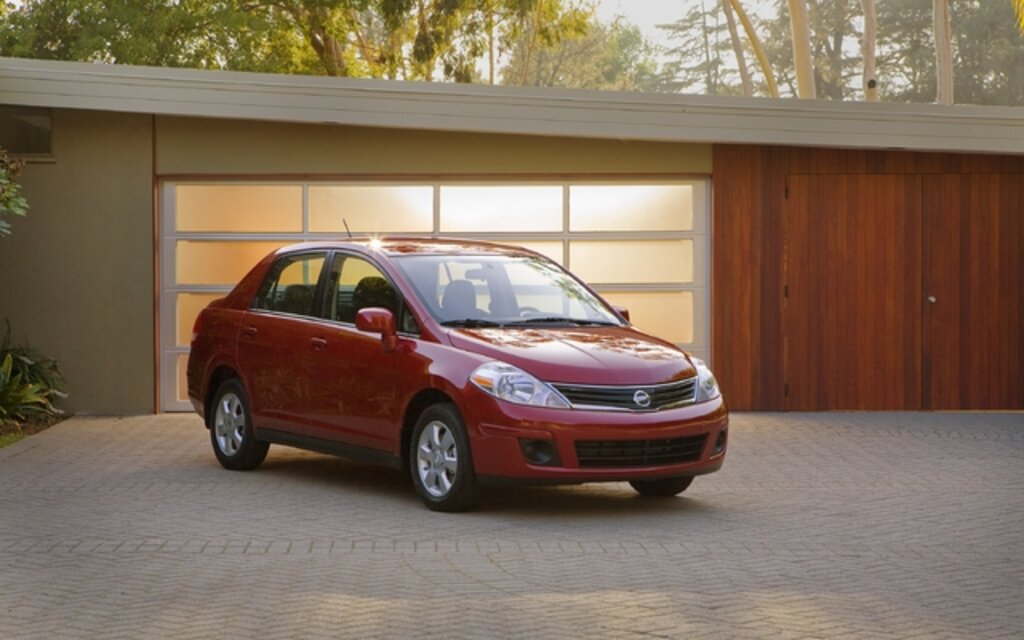
9. 2011 Nissan Versa Sedan
The 2011 Nissan Versa Sedan performed poorly in modern crash testing, where IIHS and NHTSA evaluations exposed major structural weaknesses in frontal impacts. In severe collisions, the A-pillar and front cabin structure deformed significantly, allowing the engine bay to intrude into the driver’s space. This intrusion increased injury risk, while seatbelt performance allowed excessive forward motion, exposing occupants to higher forces on the chest and head during impact events.
With stricter crash testing standards introduced in 2011, the Versa struggled to keep pace, resulting in low safety ratings. Earlier generations of the model had been acceptable under older testing systems, but they showed clear limitations in side-impact protection and roof strength when subjected to more demanding modern evaluations. These weaknesses highlighted the need for a stronger, more rigid safety structure.
Nissan responded with a full redesign for the 2012 model year, moving the Versa Sedan onto the global V-platform. This change enabled engineers to rebuild the chassis with improved crash energy distribution, reinforced side-impact protection, and a more rigid passenger safety cell. The updates significantly improved occupant protection performance in later testing and addressed key failure points from the previous design.
Despite its safety concerns, the 2011 Versa remained popular as a budget-friendly subcompact due to its practicality and low cost of ownership. It used a 1.6-liter four-cylinder engine that prioritized fuel economy over performance, making it efficient for daily commuting. Its standout feature was interior space, offering class-leading rear legroom and a large trunk that exceeded most competitors in its segment.
Driving dynamics were basic, with slow acceleration, soft suspension tuning, and limited refinement in cabin materials. Entry trims were extremely minimal in features, while higher trims added only essential convenience upgrades. The car appealed primarily to buyers prioritizing affordability, fuel efficiency, and space rather than performance or advanced technology.
- Engine: 1.6L inline-4 (1.6 models) / 1.8L inline-4 (1.8 S, 1.8 SL models)
- Horsepower: 107 hp @ 6,000 rpm (1.6L) / 122 hp @ 5,200 rpm (1.8L)
- Torque: 111 lb-ft @ 4,600 rpm (1.6L) / 127 lb-ft @ 4,800 rpm (1.8L)
- Length: 175.4–176.0 in (4,455–4,470 mm)
- Width: 66.7 in (1,694 mm)
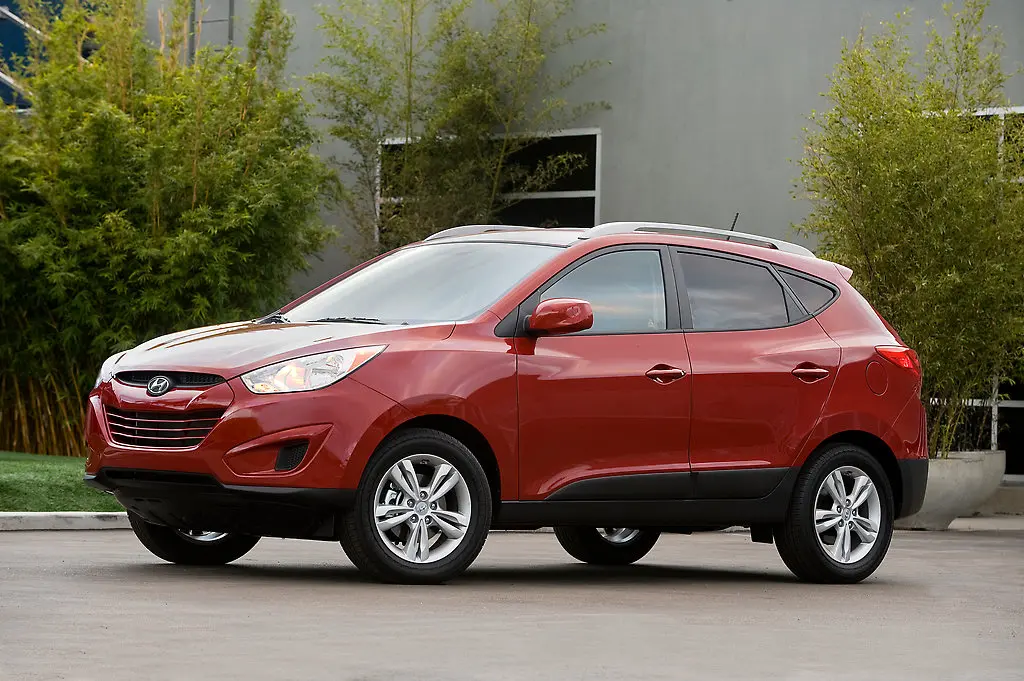
10. 2010 Hyundai Tucson
The 2010 Hyundai Tucson initially performed poorly in early frontal offset and side-impact crash tests, where the door structure and front cabin frame collapsed under impact forces. This resulted in significant intrusion into the passenger compartment, reducing protection for the driver’s upper body and legs. In frontal crashes, deformation of the driver-side footwell also caused excessive brake pedal movement, further increasing injury risk.
Hyundai responded with rapid but discreet engineering revisions during production. The company reinforced key structural areas, including the B-pillars, door beams, and driver-side footwell, while strengthening the unibody to better manage crash energy. These updates improved cabin integrity and helped later production models perform much better in safety evaluations, eventually achieving top safety recognition in testing programs.
Beyond crash safety improvements, the 2010 Tucson represented a major step in Hyundai’s shift toward modern crossover design. Built on a significantly stiffer platform, it featured increased body rigidity, a wider track, and a slightly lower stance for improved stability. Suspension upgrades, including larger stabilizer bars and revised geometry, enhanced handling balance and reduced body roll compared to earlier generations.
Powertrain changes also played a key role in its evolution. A 2.4-liter four-cylinder engine paired with updated six-speed transmissions replaced older, less efficient setups. This combination improved acceleration, fuel economy, and refinement while reducing weight. Electric power steering and other efficiency-focused changes supported better drivability, although steering feedback and ride comfort still showed limitations on rough surfaces.
The Tucson offered a more refined cabin with upgraded materials, increased cargo capacity, and improved technology features. Positioned in a rapidly expanding compact crossover market, it competed directly with models like the Honda CR-V, Ford Escape, and Nissan Rogue while targeting buyers seeking affordability, practicality, and modern styling.
- Engine: 2.4L inline-4 (Theta II)
- Horsepower: 176 hp @ 6,000 rpm (standard) / 170 hp @ 6,000 rpm (California PZEV models)
- Torque: 168 lb-ft @ 4,000 rpm (standard) / 163 lb-ft @ 4,000 rpm (PZEV models)
- Length: 173.2 in (4,400 mm)
- Width: 71.7 in (1,820 mm)
Also read: 5 Cars to Buy Before Prices Rise and 5 to Wait On
