
For early adopters and used-car bargain hunters alike, the financial equation of electric vehicle ownership has long focused on the predictable benefits: fewer oil changes, minimal brake wear, and insulation from volatile fuel prices.
However, a looming reality awaits as the first generation of high-performance and ultra-luxury EVs crosses out of their manufacturer warranty windows. The high-voltage lithium-ion pack nestled beneath the floorboard is not just a powertrain component; it is the single most valuable asset within the vehicle structure.
When a pack suffers catastrophic internal cell failure, experiences coolant ingress, or simply degrades past its useful life, owners face a reality check at the dealership service counter.
While everyday commuter cars see battery swap estimates slowly tracking downward, the premium tier operates on an entirely different economic plane.
For specialised architectures, high-output performance models, and heavy-duty electric trucks, a battery replacement is not a standard maintenance routine; it is a major capital expense that can quickly approach the residual value of the entire vehicle.
Stepping into this territory reveals a select group of engineering marvels where restoring factory range requires a financial investment that firmly clears the $20,000 threshold.
The astronomical pricing of high-tier electric vehicle batteries is a direct product of complex engineering and specialized manufacturing processes.
While the raw chemical cost of lithium-ion cells has decreased at an industrial scale, the total expense of an installed factory replacement pack involves far more than raw commodities.
Premium manufacturers rarely use simple, off-the-shelf structural layouts. Instead, they design proprietary architectures that optimise weight distribution, structural rigidity, and extreme thermal control.
Advanced cell chemistries, such as Nickel-Manganese-Cobalt ($NMC$), are packaged into complex geometric modules interwoven with liquid cooling jackets or structural adhesive matrices.
When a vehicle employs an 800-volt charging architecture, the internal safety contactors, busbars, and battery management system ($BMS$) modules must meet military-grade tolerances to handle rapid power transfers without thermal runaway.
Furthermore, structural cell-to-pack designs mean the battery envelope serves as a core part of the vehicle chassis. Dropping the pack requires specialised high-voltage hydraulic lifts, isolated clean-room service bays, and master technicians trained in de-energising lethal high-voltage systems.
Combined with shipping logistical surcharges for hazardous freight and mandatory factory recycling core fees, the retail cost of parts and labour scales drastically as battery capacity and luxury performance increase.
While everyday commuter cars see battery swap estimates slowly tracking downward, the premium automotive tier operates on an entirely different economic plane.
For specialised electrical architectures, high-output performance models, and heavy-duty electric trucks, a battery replacement is not a standard maintenance routine it is a major capital expense that can quickly approach or exceed the residual value of the entire vehicle.
Stepping into this territory reveals a select group of modern engineering marvels where restoring factory range requires a financial investment that firmly clears the $20,000 threshold.
The following seven vehicles represent the absolute peak of modern luxury, performance, and utility engineering. However, their advanced capabilities and proprietary pack layouts mean out-of-warranty battery restoration commands an elite premium.
For these specific platforms, catastrophic cell failure, cooling system ingress, or post-warranty degradation can result in dealership service invoices that transform routine vehicle ownership into a major corporate-level asset investment.
ALSO READ: What Happens to Your Car Battery After Sitting for 30 Days?
1. Porsche Taycan
The Porsche Taycan disrupted the high-performance EV market with its track-capable repeatability and pioneering 800-volt charging network. However, engineering a sports sedan to handle continuous 270 kW to 320 kW DC fast-charging sessions requires an incredibly robust thermal management system and premium cell selection.
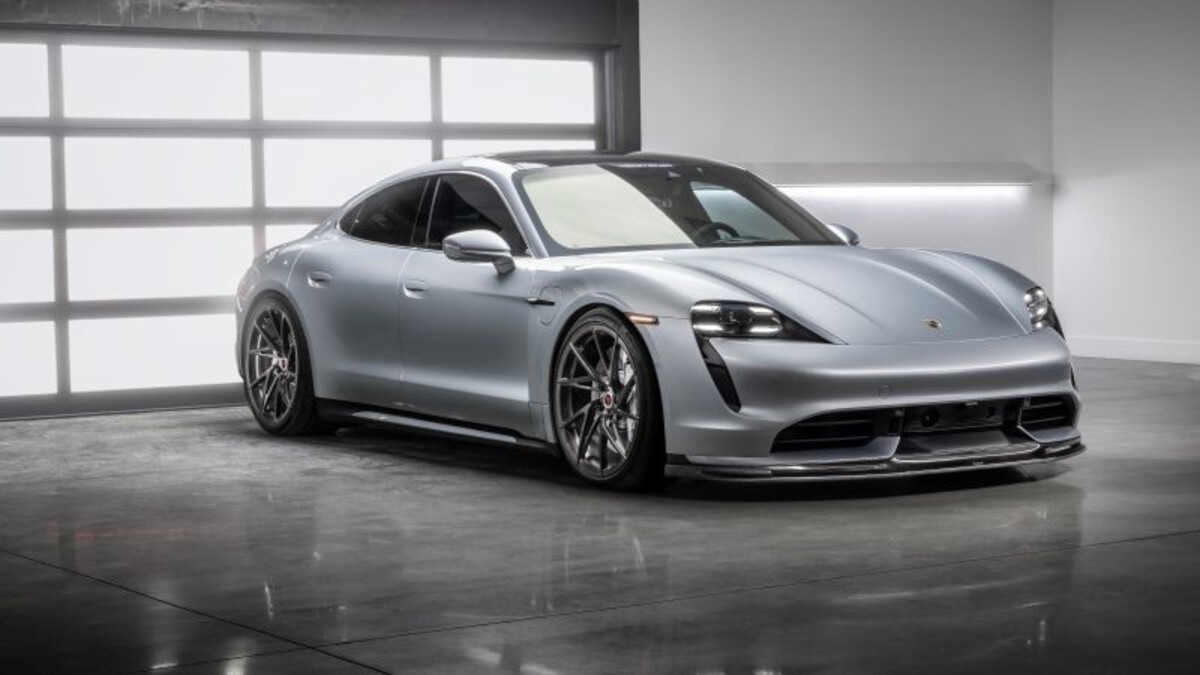
As early model-year Taycans approach the boundary of their factory high-voltage warranties, real-world service invoices have pulled back the curtain on out-of-pocket restoration costs.
According to comprehensive technical cost trackers from independent EV specialists like Recharged’s 2026 Taycan Service Breakdown, a complete swap of the Performance Battery Plus pack routinely reaches $30,000 to $45,000 at authorised U.S. Porsche dealerships.
The parts bill alone for the larger 93.4 kWh (gross) pack hovers near $33,000, driven by the cost of the internal copper busbars, cooling plates, and high-density NMC cell modules.
Labour costs add an extra $8,000 to $12,000 because the process demands dropping the entire structural underbody, draining and pressure-testing the liquid cooling loop, and performing precise software handshakes to authorise the new pack with Porsche’s central servers.
- Engine: Dual Permanent Magnet Synchronous AC Electric Motors
- Torque: 479 lb-ft to 774 lb-ft (variant dependent)
- Horsepower: 402 hp to 750 hp (Overboost mode)
- Dimensions: Length: 195.4 inches | Width: 77.4 inches
2. Tesla Model S / Model X (Plaid & Long Range)
Tesla’s flagship platform has undergone multiple architectural revisions since its inception, moving from early 18650-cylindrical cell configurations to highly optimised, dense modules.
For owners of modern Model S and Model X vehicles, particularly the tri-motor Plaid variants capable of sub-two-second acceleration, the high-voltage battery operates under immense thermal and electrical strain during peak power demands.
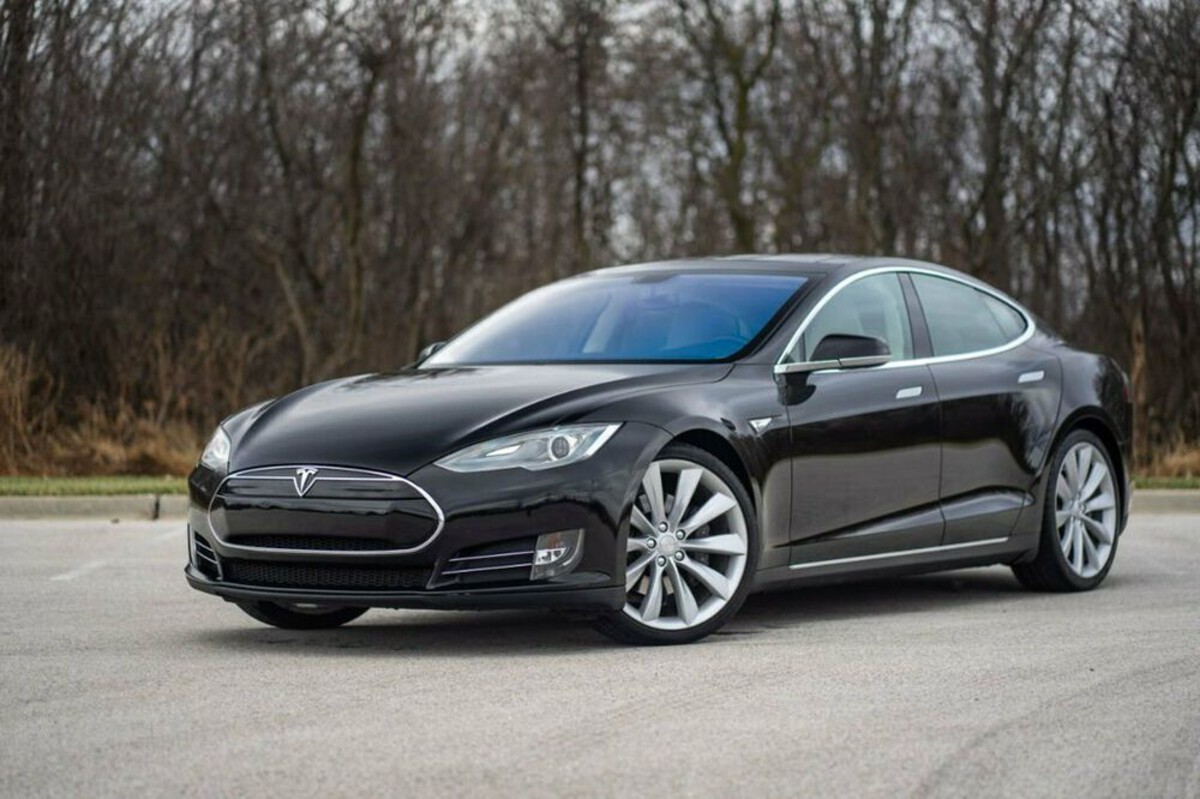
When a 100 kWh pack falls out of its 8-year/150,000-mile factory warranty due to structural degradation, internal shorts, or moisture contamination within the enclosure, independent repair invoices from centres like Gruber Motor Company show full replacement bills scaling between $22,000 and $28,000. Tesla’s proprietary manufacturing model relies heavily on unibody structural integration.
Replacing a modern Model S or Model X pack involves removing significant structural bracing and suspension components. While Tesla does offer remanufactured packs at a lower cost tier, a brand-new, zero-mile factory replacement pack commands top dollar. This reality often presents a difficult choice for owners when the cost of the repair approaches the depreciated resale value of the aging vehicle.
- Engine: Tri-Motor (Plaid) or Dual-Motor (Long Range) AC Permanent Magnet/Induction Motors
- Torque: 1,050 lb-ft (Plaid)
- Horsepower: 670 hp (Long Range) | 1,020 hp (Plaid)
- Dimensions: Length: 197.7 inches | Width: 78.2 inches
3. Lucid Air (Grand Touring / Dream Edition)
The Lucid Air stands as a marvel of packaging efficiency, utilising miniature, ultra-high-efficiency electric motors paired with an exceptionally energy-dense battery system. In its Grand Touring and limited Dream Edition trims, the sedan features a massive gross capacity of approximately 112 to 118 kWh.
This pack uses custom cylindrical cells laid out in a compact array beneath the passenger cabin to preserve rear legroom while delivering over 500 miles of real-world range.
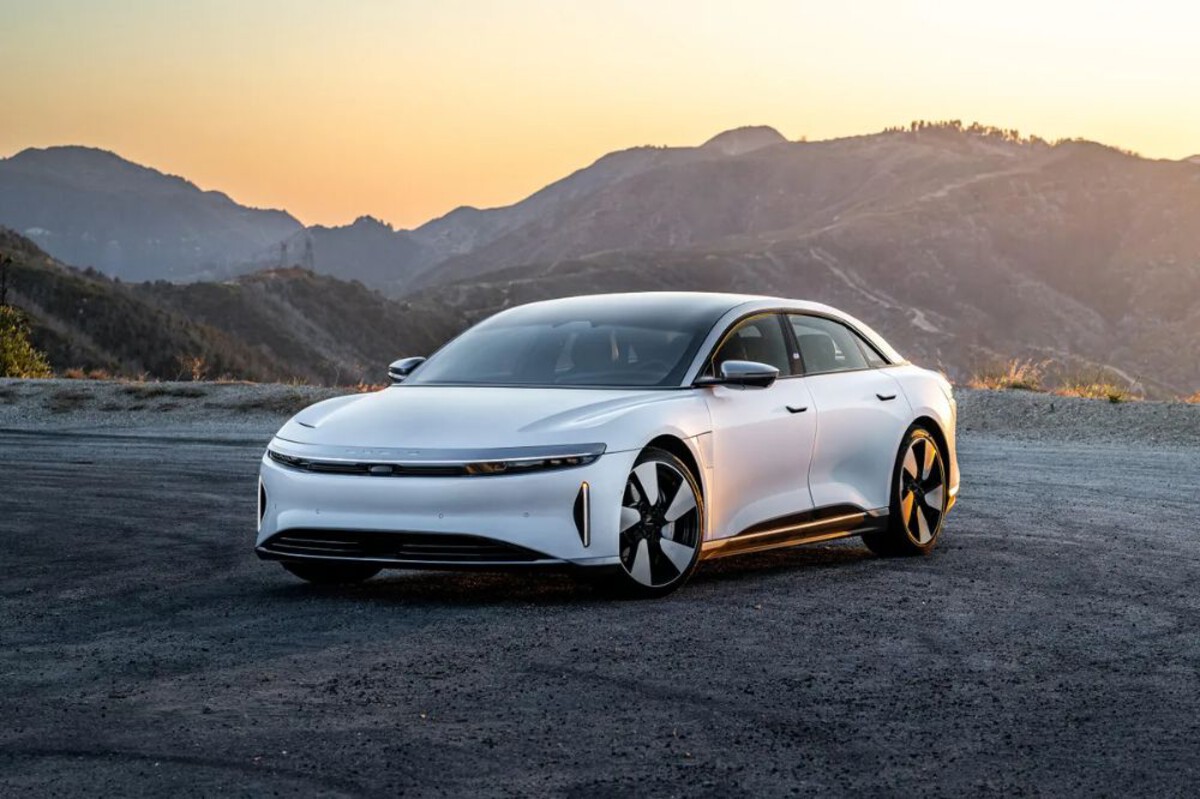
Because Lucid operates on an advanced, proprietary 900-volt architecture, the components within the pack are built to exceptionally tight tolerances. While the manufacturer offers an 8-year/100,000-mile warranty guaranteeing 70% capacity retention, out-of-warranty quotes for physical damage or post-warranty degradation quickly climb beyond $30,000.
The sheer number of internal cells, combined with Lucid’s highly integrated cooling paths and injection-moulded structural loyalty, keeps parts costs high. Because independent EV repair infrastructure for Lucid vehicles remains limited, owners are tethered exclusively to factory service centres, where specialised master-technician labour rates reflect the car’s boutique luxury status.
- Engine: Dual Permanent Magnet Synchronous AC Electric Motors
- Torque: 885 lb-ft to 1,025 lb-ft
- Horsepower: 819 hp (Grand Touring) | 1,111 hp (Dream Edition Performance)
- Dimensions: Length: 195.9 inches | Width: 76.3 inches
4. GMC Hummer EV
The GMC Hummer EV is a study in automotive excess, and its propulsion system is no exception. Built upon General Motors’ flexible Ultium platform, the Hummer EV utilises a unique double-stacked, 24-module battery pack layout with a staggering gross capacity of 246 kWh (212 kWh usable). This massive power source weighs over 2,800 pounds on its own, roughly equivalent to the total curb weight of a compact economy car.
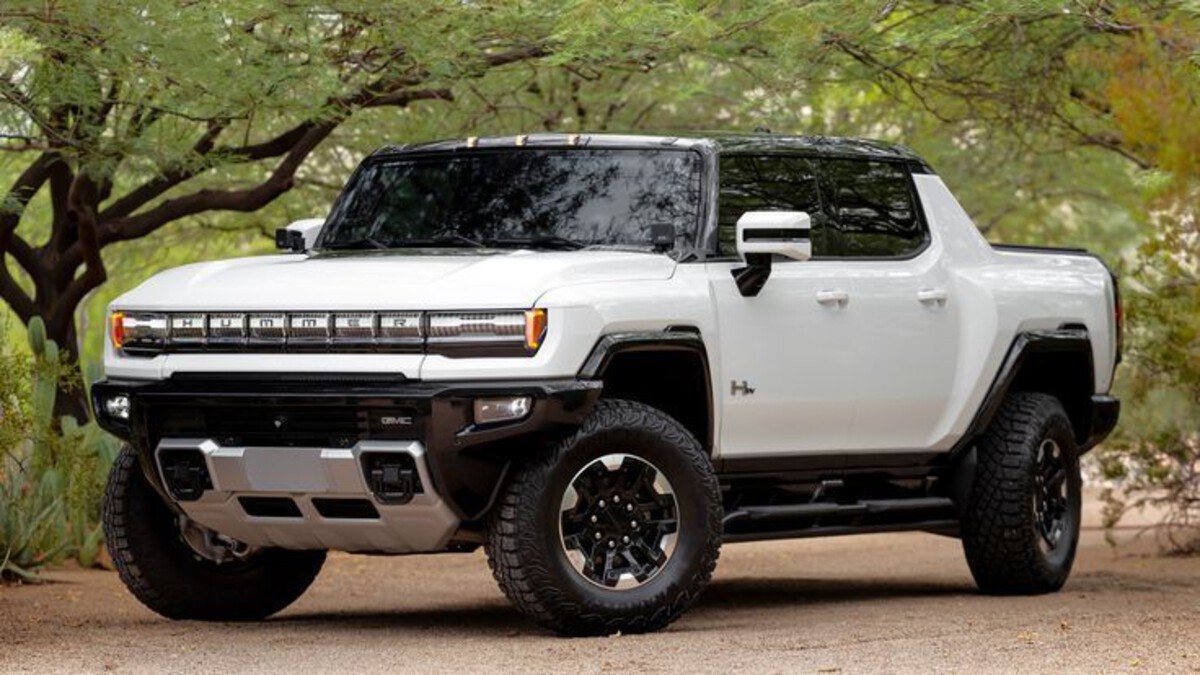
Engineering a pack of this scale requires a robust structure to survive harsh off-road use, including heavy underbody armour plating and internal reinforcement matrices. Wholesale parts catalogue tracking and GM dealership service bulletins reveal that a complete replacement of this giant Ultium pack carries a retail parts cost of roughly $28,000.
Once you factor in hazardous materials freight surcharges, high-capacity shop crane usage fees, and the intense labour required to remove the thick structural skid plates and decouple the dual-tier high-voltage connections, the final bill easily lands between $32,000 and $36,000.
While GM’s modular architecture does allow technicians to swap individual internal modules for localised issues, a comprehensive pack failure out of warranty is a major financial event.
- Engine: Tri-Motor Ultium Drive System (One Front, Two Rear Motors)
- Torque: 11,500 lb-ft (Wheel Torque / Wheel-Generated Metric)
- Horsepower: 1,000 hp
- Dimensions: Length: 216.8 inches | Width: 86.7 inches
5. Audi e-tron GT / RS e-tron GT
Sharing its core DNA and J1 performance platform with the Porsche Taycan, the Audi e-tron GT and its high-output sibling, the RS e-tron GT, face the identical financial realities of premium high-voltage components.
The vehicle utilises an 85.0 kWh usable (93.4 kWh gross) battery pack that operates on a high-voltage system architecture, split across 33 distinct cell modules arranged in a unique geometric layout to optimise interior seating space.
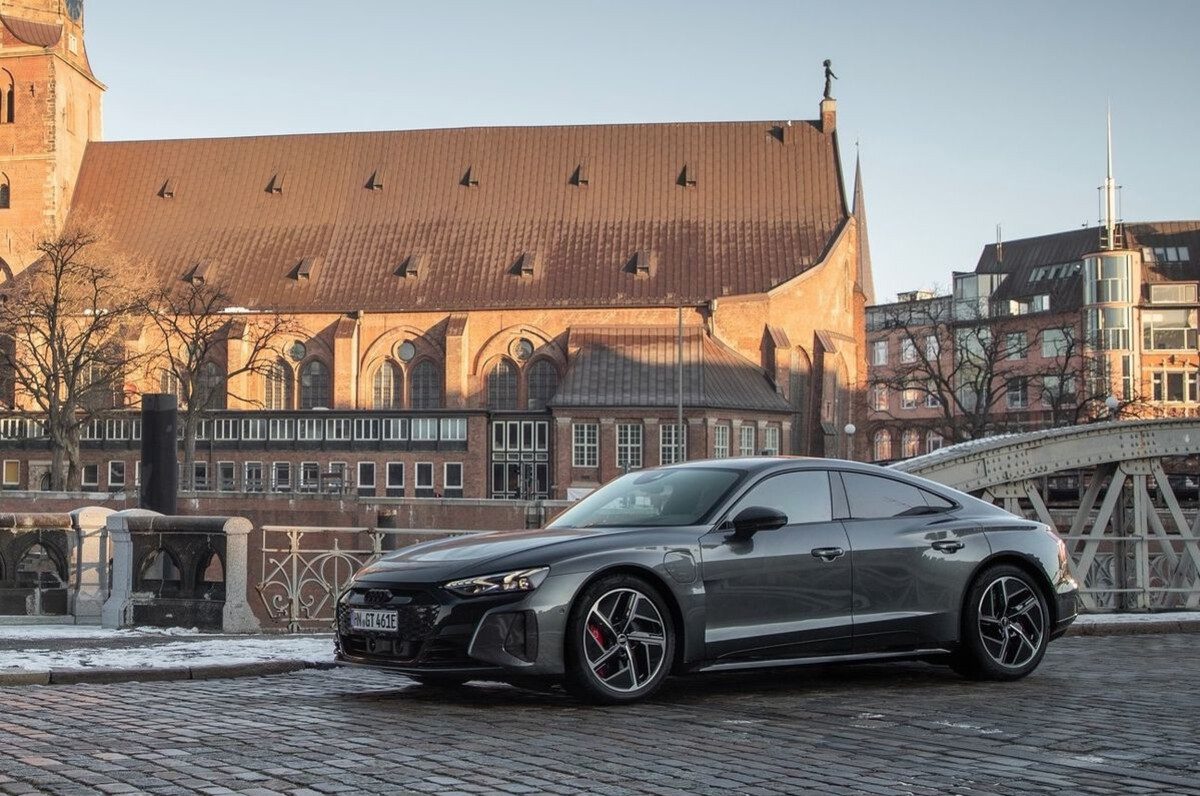
If the pack suffers an out-of-warranty failure, such as damage from road debris puncturing the aluminium lower skin or internal insulation breakdown, the repair cost mirrors its corporate cousin. Dealership invoices and European service network tracking place a full factory pack swap between $28,000 and $40,000.
Audi’s service manuals require a meticulous, multi-hour extraction process that involves isolating the front and rear drive units, disconnecting the complex chassis-integrated liquid thermal management lines, and using specialised alignment jigs.
The premium price is further driven by the mandatory replacement of single-use structural seals and high-voltage pyrotechnic safety fuses during reinstall, ensuring the system can safely handle rapid power deployment.
- Engine: Dual Permanent Magnet Synchronous Motors
- Torque: 472 lb-ft (Standard) | 612 lb-ft (RS Overboost)
- Horsepower: 522 hp (Standard Overboost) | 637 hp (RS Overboost)
- Dimensions: Length: 196.4 inches | Width: 77.3 inches
6. Mercedes-Benz EQS Sedan
As the electric flagship of the tri-star brand, the Mercedes-Benz EQS Sedan brings the traditional engineering philosophy of the S-Class into the electric era. To achieve its quiet cabin environment and exceptional grand-touring range, the EQS 450+ and EQS 580 variants feature a large 107.8 kWh usable capacity battery pack. This pack is built using an advanced chemical blend that optimises energy density while reducing cobalt content.
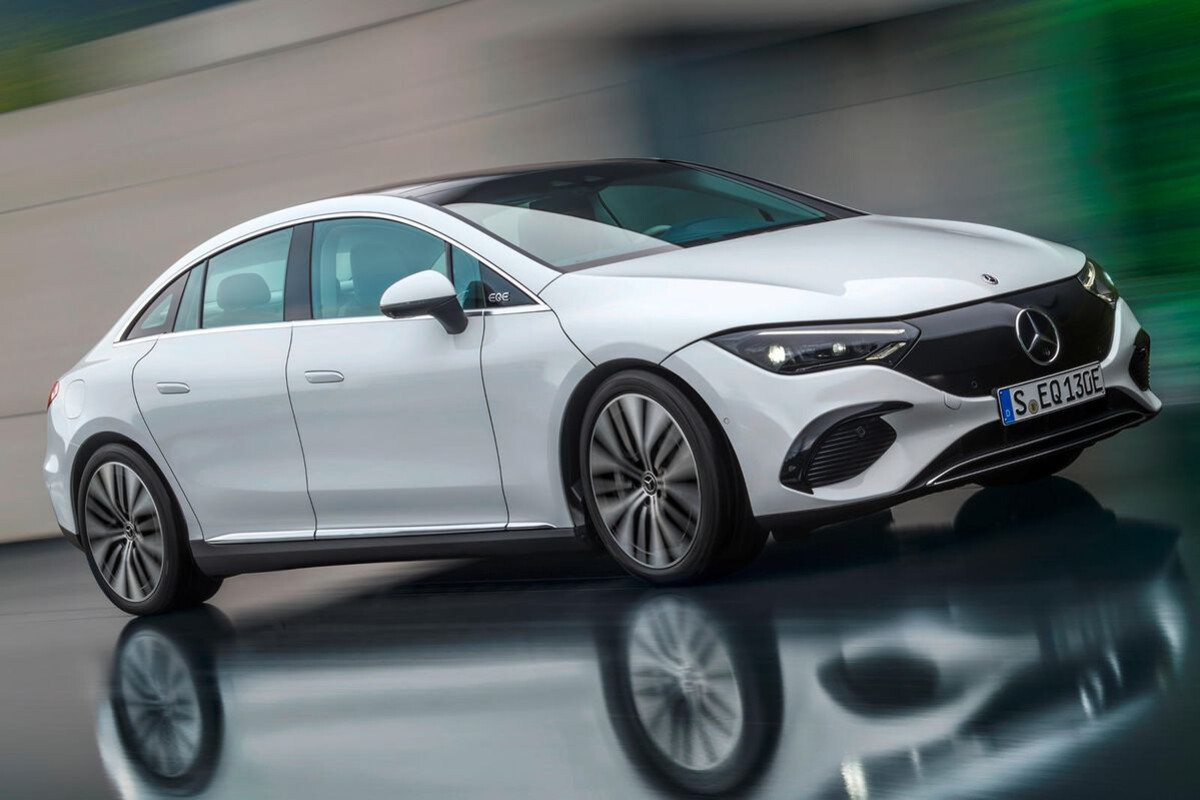
As detailed in industry cost overviews like Recharged’s 2026 Mercedes EQS Battery Expense Guide, an out-of-warranty replacement at a Mercedes-Benz dealership typically ranges from $22,000 to $32,000. While Mercedes provides a generous 10-year/155,000-mile high-voltage warranty in the United States, physical underbody impacts or long-term capacity degradation outside of that timeline will prove costly.
The repair demands clean-room levels of care at the dealership level. Technicians must safely disconnect the vehicle’s highly integrated digital communication busboards, lower the long-wheelbase pack assembly, and carry out extensive software programming to clear deep-seated powertrain codes and recalibrate the onboard energy management computers.
- Engine: Permanently Excited Synchronous Motor (Single Rear or Dual Front/Rear)
- Torque: 419 lb-ft (EQS 450+) | 631 lb-ft (EQS 580 4MATIC)
- Horsepower: 329 hp (EQS 450+) | 516 hp (EQS 580 4MATIC)
- Dimensions: Length: 207.3 inches | Width: 75.8 inches
ALSO READ: 12 Reasons Why Your New Car Battery Only Lasts Three Years in 2026
7. BMW i7 xDrive60
The BMW i7 takes a unique path by sharing its basic structural platform with its internal combustion engine counterpart, the traditional 7 Series. To package a 101.7 kWh usable battery pack into a long-wheelbase luxury sedan without altering its classic proportions, BMW engineers had to design an ultra-low-profile, highly rigid structural floor.
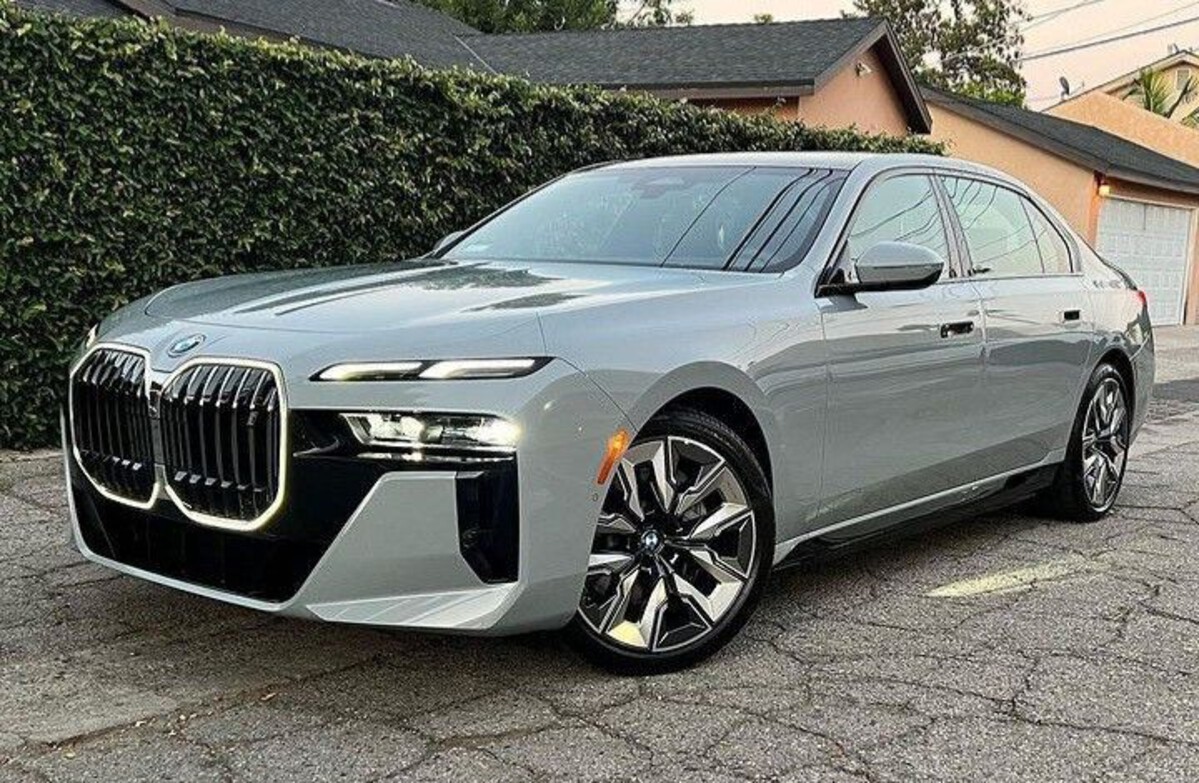
This pack uses fifth-generation BMW eDrive tech, which packs cells tightly into a system designed to work as a structural cross-member for the chassis.
Replacing this pack outside of its factory warranty is a highly technical operation. BMW parts catalogues and customer service repair quotes show total replacement costs ranging between $24,000 and $31,000.
The high price tag comes from the dense architecture of the internal modules and the specialised labour required to service the car. Because the battery pack functions as a vital structural component of the car’s floor, dropping it requires removing multiple suspension links, underbody reinforcement plates, and complex acoustic dampening shields.
This labour-intensive process demands hours of meticulous work by certified high-voltage technicians before the new unit can be safely bolted in and programmed.
- Engine: Dual Electrically Excited Synchronous AC Motors
- Torque: 549 lb-ft
- Horsepower: 536 hp
- Dimensions: Length: 212.2 inches | Width: 76.8 inches
The intersection of high battery replacement costs and natural vehicle depreciation creates an unprecedented challenge for the automotive market. With high-end luxury EVs often experiencing steep depreciation curves over their first five years, an out-of-warranty battery failure can easily trigger a financial write-off.
If a luxury electric sedan’s secondary-market value drops to $25,000, a $30,000 dealership estimate for a new battery pack effectively renders the vehicle a total economic loss. This reality shifts the focus toward the growth of specialized, independent EV repair facilities capable of component-level diagnostics.
Instead of discarding an entire high-voltage pack for a single internal issue, the future of the industry relies on the remanufacturing sector’s ability to open these sealed units, safely replace individual faulty cell modules, and re-certify the pack for a fraction of the factory price.
Until these third-party options mature globally, the five-figure battery replacement bill remains a critical factor that every premium EV owner must keep in mind.