
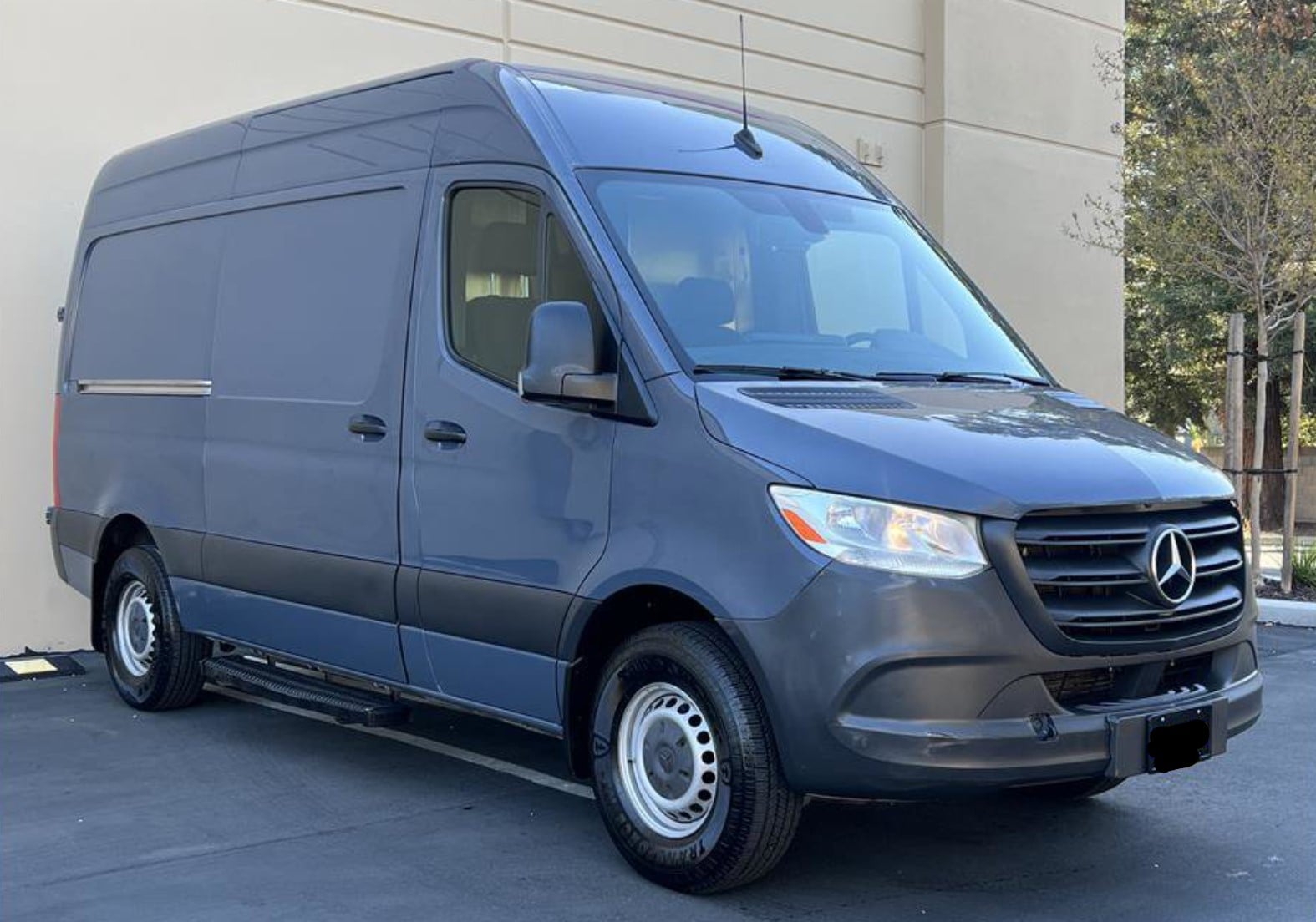
Reliability is not a luxury in delivery operations. It is a fundamental requirement that determines whether a business survives the daily demands of commercial transportation or spends its operational budget managing breakdowns, missed deliveries, and unplanned workshop visits.
Fleet managers responsible for maintaining vehicle availability across busy delivery schedules understand this reality with an immediacy that no corporate policy document can fully communicate. Every hour a van spends off the road is revenue lost, customer relationships strained, and operational efficiency diminished. Diesel engines have earned their position as the preferred powertrain for serious delivery operations through decades of demonstrated performance in commercial environments.
Fuel efficiency at sustained speeds, torque characteristics suited to loaded operation, and engine longevity under continuous high-mileage use are attributes that diesel powertrains deliver with a consistency that alternative configurations have not yet matched across the full spectrum of commercial fleet requirements.
For businesses transporting goods across cities, regional routes, and intercity corridors, diesel remains the engineering foundation on which reliable fleet operations are built. This page examines eight diesel vans that have demonstrated exceptional durability by reaching 400,000 miles in active delivery fleet service.
That milestone is not achieved through chance or fortunate circumstances. It results from deliberate engineering decisions, appropriate maintenance disciplines, and design philosophies that prioritise commercial durability as a primary objective rather than a secondary consideration.
Each vehicle profiled here has earned its place through documented performance in real fleet environments where the consequences of mechanical failure are commercial rather than merely inconvenient.
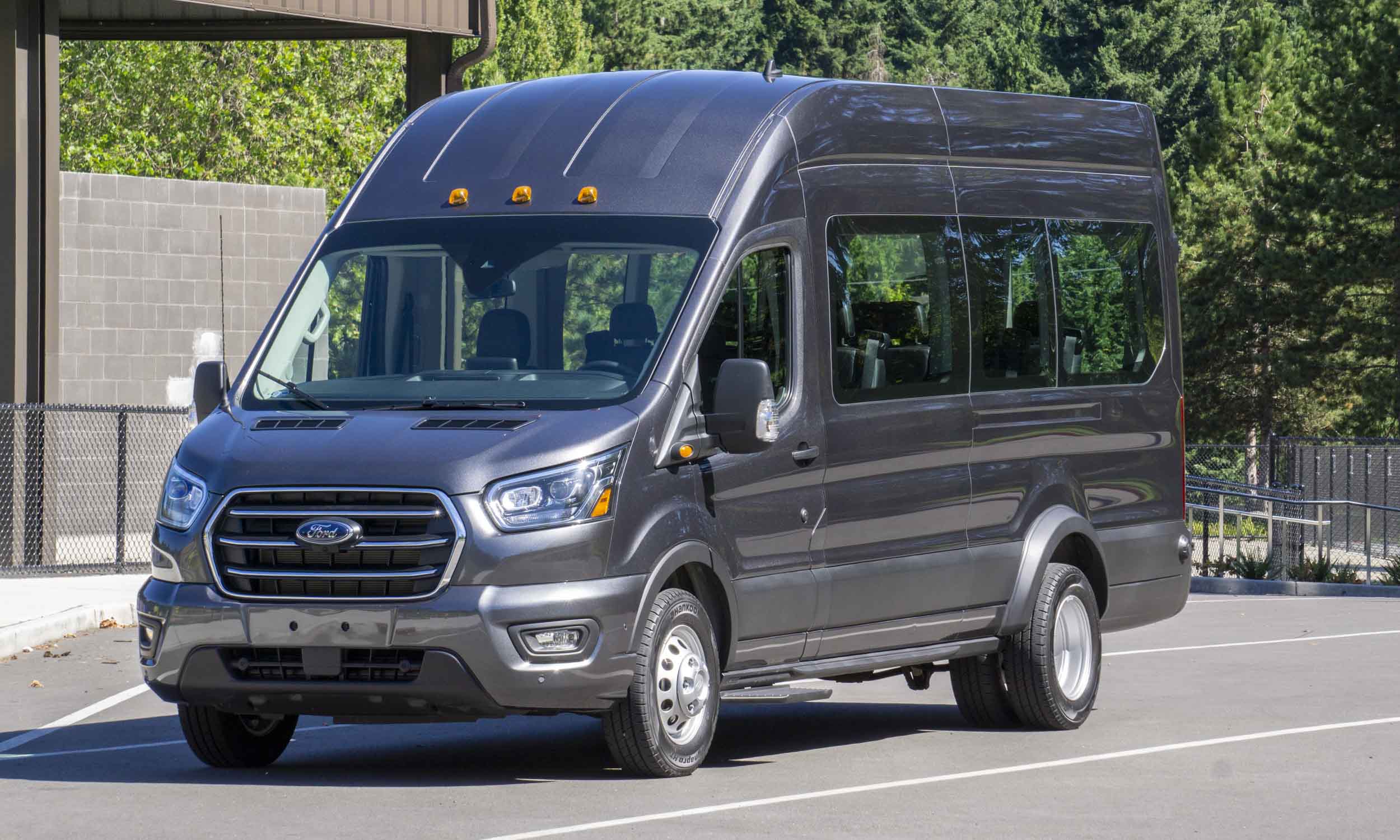
1. Ford Transit 350 HD
A proper evaluation of heavy-duty commercial vehicles requires attention to real operational performance rather than surface-level specifications presented in brochures. The Ford Transit 350 HD stands as a vehicle whose durability has been confirmed through sustained use in demanding fleet environments. Across logistics, delivery services, and equipment transport operations, it has developed a record of reliability supported by consistent performance under high mileage conditions.
The structural design of the Transit 350 HD reflects deliberate engineering for heavy-load applications. Its reinforced chassis provides the necessary support for high payload capacity without introducing stress points that may lead to early structural fatigue.
This foundation allows the vehicle to maintain integrity under repeated loading cycles, which is essential for commercial operators who rely on consistent daily performance. The cargo compartment is designed to accommodate varied load configurations, making it adaptable for different types of delivery operations.
The diesel engine option delivers torque characteristics suited for vehicles operating under load. Rather than focusing on peak output figures, the engine is calibrated to provide steady performance across extended periods of use. This ensures that the vehicle remains capable even as mileage accumulates.
Fleet operators who follow recommended service intervals frequently report that engine performance remains stable well beyond 200,000 miles, with many units continuing operation at far higher figures. Long-term durability also depends on how easily routine maintenance can be carried out.
The Transit 350 HD has been designed with accessibility in mind, allowing technicians to reach essential service components without unnecessary disassembly. Filters, inspection points, and fluid access areas are positioned in a way that reduces service time. This design approach supports lower maintenance costs and minimises downtime, which is a central concern in commercial fleet management.
The resale value of the Transit 350 HD reflects its established reliability. Vehicles with documented maintenance records continue to attract buyers even at high mileage levels. This sustained demand indicates confidence in the vehicle’s ability to remain operational beyond initial ownership. For fleet operators, this provides an additional financial advantage when vehicles are retired and replaced within a structured renewal cycle.
Availability of service support also contributes to the vehicle’s practicality. A wide dealer network ensures that parts and technical assistance remain accessible across different regions. This reduces delays associated with repairs and supports continuous operation in time-sensitive delivery environments.
There are documented cases of Transit 350 HD units exceeding 400,000 miles while retaining original major mechanical components. Such performance is not common across all vehicles in this category. It reflects a combination of engineering discipline, maintenance accessibility, and consistent usage patterns that support long-term reliability in demanding commercial conditions.
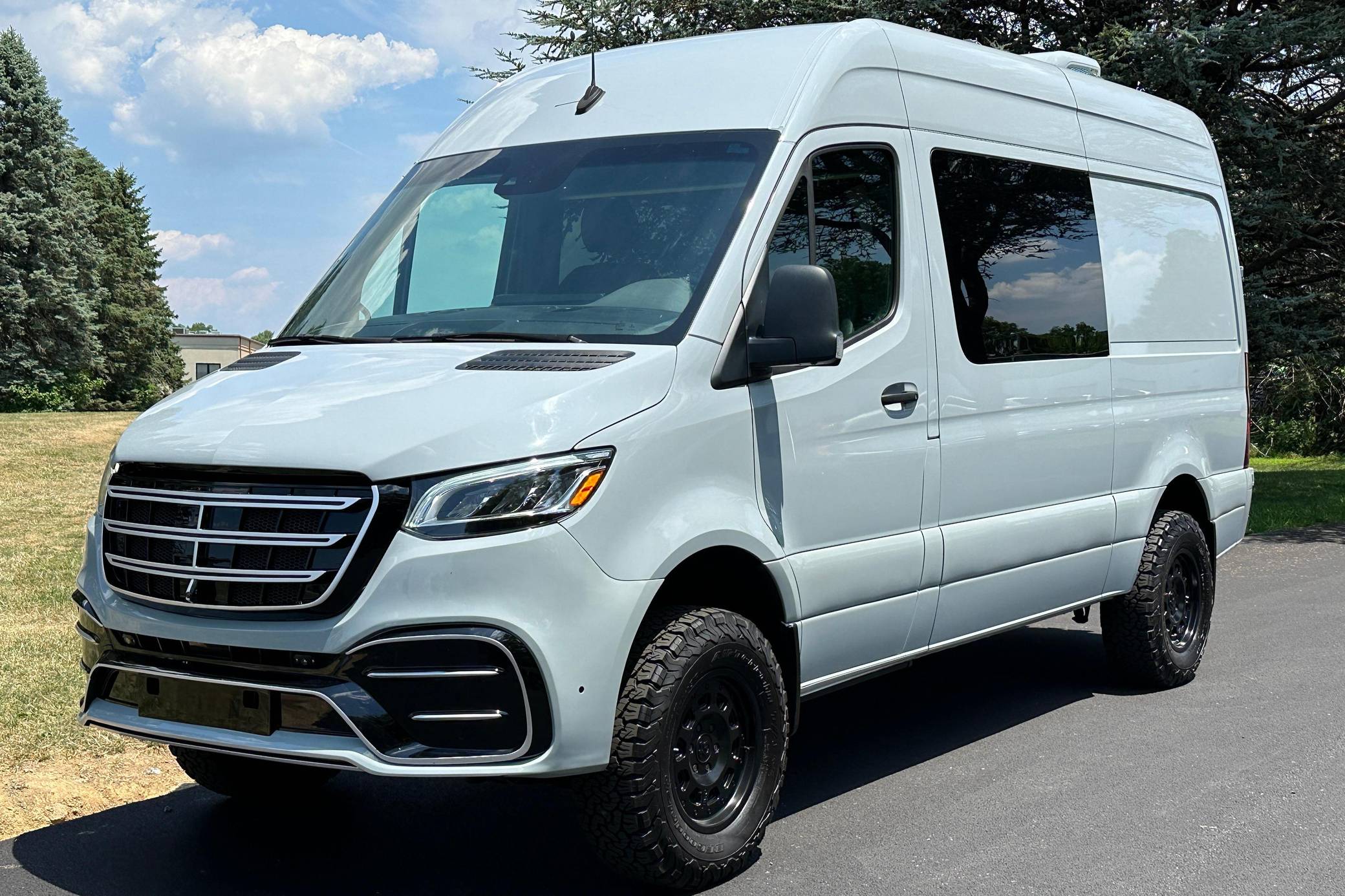
2. Mercedes-Benz Sprinter 2500
The Mercedes-Benz Sprinter 2500 has established its reputation through measurable performance in commercial applications where reliability is assessed through operational outcomes rather than perception. Fleet operators rely on consistent service delivery, and the Sprinter 2500 has demonstrated its capability across multiple production generations.
The diesel engine in the Sprinter 2500 incorporates advanced fuel injection systems that regulate combustion with precision. This supports efficient fuel usage while maintaining torque output appropriate for loaded conditions. The inclusion of a variable geometry turbocharger allows the engine to adjust airflow based on demand, ensuring that performance remains steady whether the vehicle is operating under heavy load or lighter conditions.
This balance contributes to reduced operating costs across extended service periods. Chassis design reflects an understanding of the demands placed on commercial vehicles. The suspension system maintains stability when carrying maximum payload while also providing ride quality that reduces driver fatigue.
Driver comfort is an important factor in commercial operations, as prolonged driving without adequate support can affect concentration and efficiency. A well-calibrated suspension contributes to safer and more consistent vehicle handling throughout the working day.
The cargo area is designed for practical use, with dimensions and access points that support efficient loading and unloading. Delivery operations depend on speed and organisation, and a well-structured cargo space reduces the time required at each stop. This efficiency accumulates across multiple deliveries, improving productivity for fleet operators.
Maintenance support plays a major role in sustaining long-term vehicle performance. The service network associated with the Sprinter 2500 provides access to genuine parts and trained technicians. This ensures that repairs and scheduled maintenance can be completed without unnecessary delays. Reduced downtime allows vehicles to return to service quickly, which is essential in operations with tight delivery schedules.
Interior design within the Sprinter 2500 supports driver comfort beyond basic requirements. Seating position, control layout, and cabin ergonomics are arranged to support extended driving periods. This contributes to driver retention within fleet operations, where experienced drivers represent a valuable resource.
There are numerous instances of Sprinter 2500 units achieving 400,000 miles in active service when properly maintained. This level of durability confirms that the vehicle’s engineering supports long-term use without a rapid decline in performance. For fleet operators, such reliability assures that the vehicle can meet operational demands across an extended service life.
Also Read: 10 Vans With the Best Stock Insulation for Cold Nights
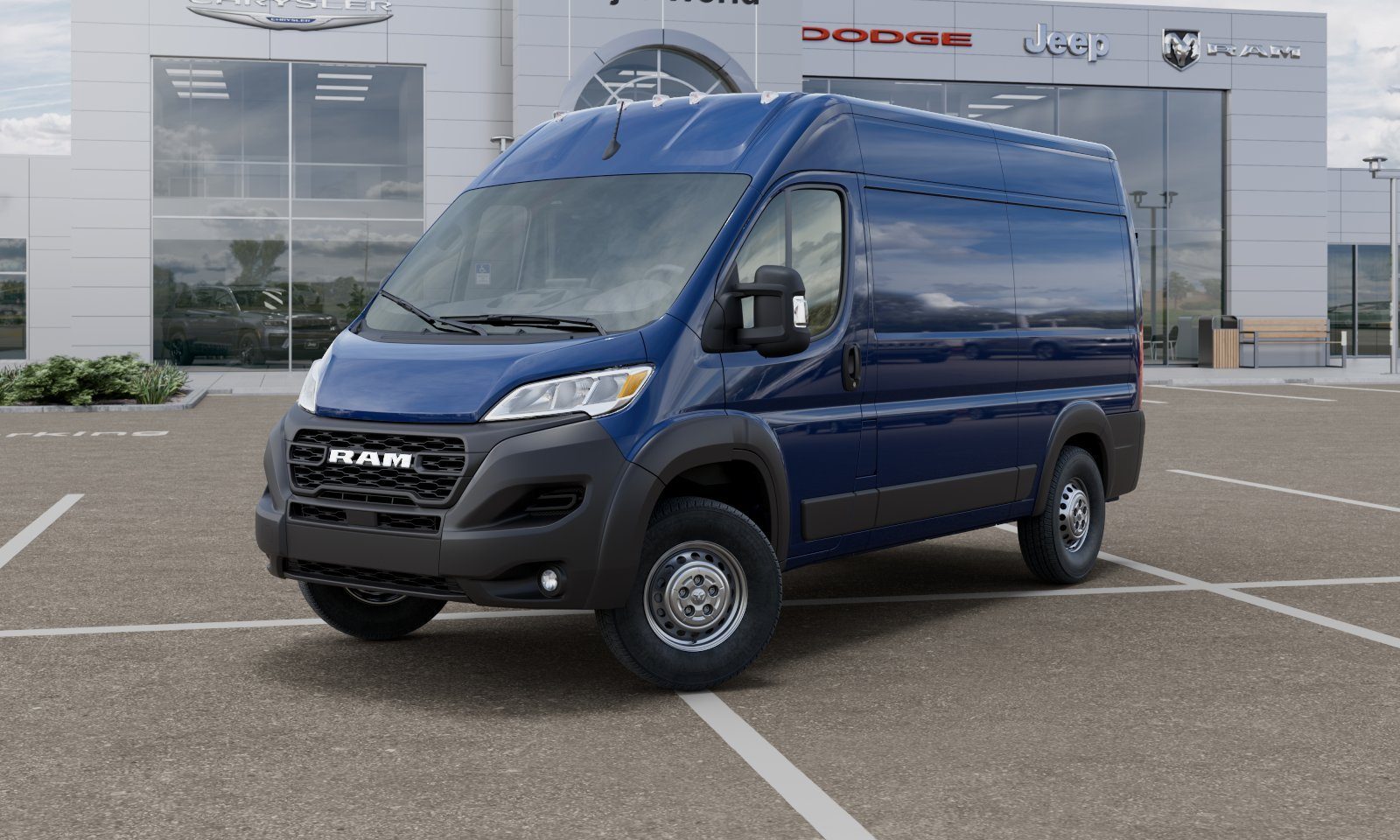
3. Ram ProMaster 2500
Ram ProMaster 2500’s front-wheel-drive architecture distinguishes it from the majority of its commercial van competitors, and that engineering distinction carries practical operational consequences that fleet managers evaluating high-mileage delivery applications should examine with appropriate thoroughness.
Front-wheel-drive layout in a commercial van transfers drive and steering functions to the same axle, producing traction behaviour in adverse weather conditions that rear-wheel-drive alternatives cannot replicate without the addition of traction assistance technology.
For fleet operators conducting delivery operations in geographic markets where winter weather conditions represent a seasonal operational challenge, that traction advantage translates into maintained delivery capability during periods when rear-wheel-drive alternatives require additional management.
Diesel engine performance in the ProMaster 2500 delivers torque characteristics appropriate to the payload demands of mid-duty commercial delivery operations. Engine calibration in commercial diesel applications prioritises sustained output consistency across extended mileage rather than peak performance figures that marketing materials present as purchase justifications.
Fleet operators who have evaluated the ProMaster 2500’s engine performance across genuine high-mileage service cycles report sustained output reliability that supports the vehicle’s documented capacity to reach 400,000 miles in active fleet operation without major powertrain intervention.
Configuration flexibility in the Ram ProMaster 2500 accommodates the varied cargo and workspace requirements of commercial operators across multiple delivery specialisations. Available roof height options and body length variations allow fleet managers to specify ProMaster 2500 units matched to their particular operational requirements without accepting packaging compromises that reduce cargo efficiency or impose unnecessary dimensional restrictions.
Businesses whose delivery operations require tall cargo items, mobile workspace configurations, or specific internal racking arrangements find ProMaster 2500 specification options that address those requirements within a single vehicle platform.
Maintenance access design in the ProMaster 2500 reflects Ram’s understanding that commercial fleet operators evaluate service efficiency as a primary total cost of ownership component. Component positioning that facilitates straightforward filter replacement, fluid service access, and inspection routines without specialised tooling requirements reduces service time and associated labour costs across the maintenance intervals that accumulate through a high-mileage fleet service cycle.
Fleet operators report that routine maintenance completion times for ProMaster 2500 units compare favourably against competitive alternatives, contributing directly to higher operational availability and reduced downtime costs.
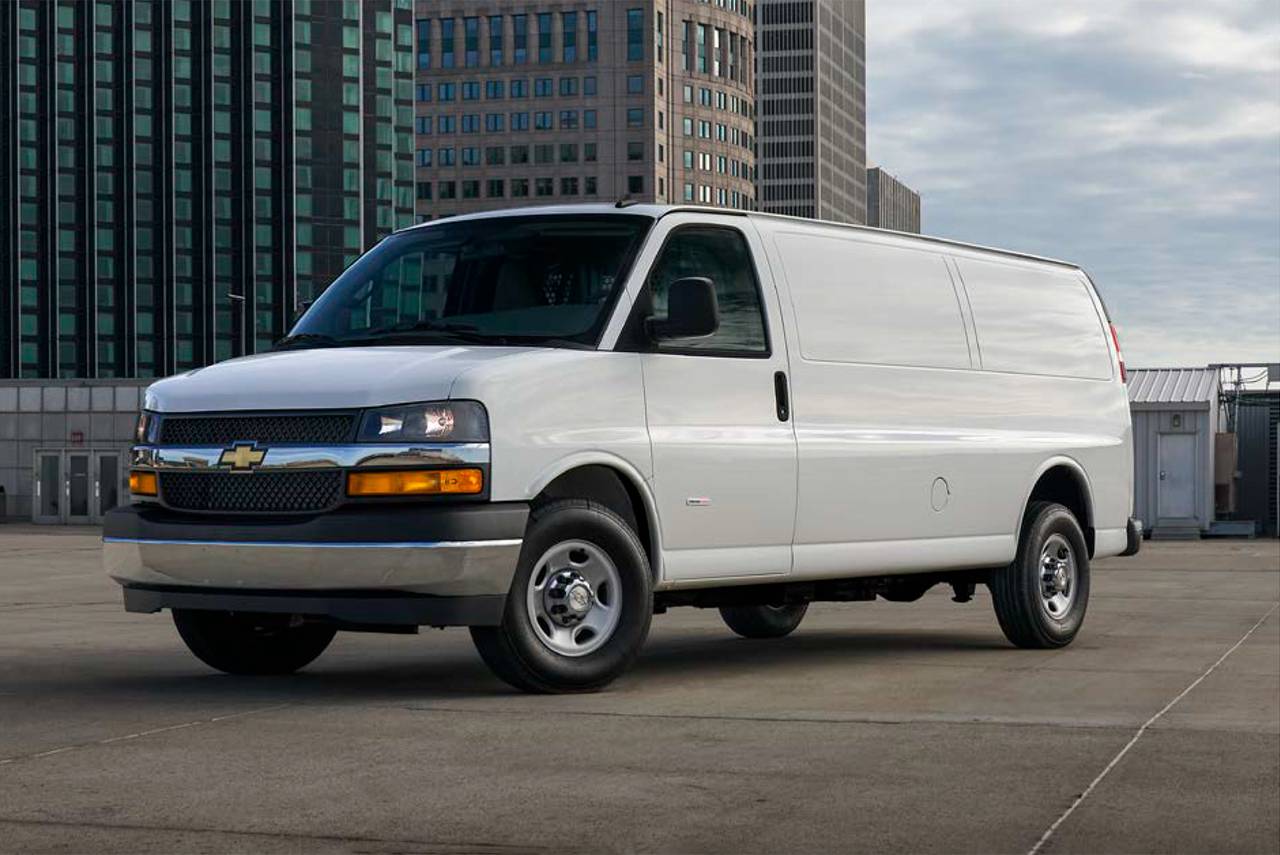
4. Chevrolet Express 3500
Chevrolet Express 3500 occupies a commercial vehicle market position built on consistent performance across extended fleet service rather than engineering novelty or specification-sheet distinction. Fleet managers who have operated Express 3500 diesel units across high-mileage delivery cycles consistently identify mechanical reliability as the vehicle’s primary commercial attribute, and that identification is supported by documented performance records confirming the platform’s capacity to sustain operation well beyond the 400,000-mile threshold that defines exceptional commercial vehicle durability.
Diesel engine specifications in the Express 3500 deliver torque output appropriate to the payload and towing demands of heavy-duty delivery operations. High torque availability at low engine speeds provides the pulling capability necessary for loaded departure from stationary positions without the engine speed management that lower-torque alternatives require during heavy-load operation.
That torque characteristic reduces driver effort during demanding delivery conditions and maintains a consistent operational pace regardless of payload weight, a commercial attribute that fleet managers identify as a direct contributor to delivery schedule reliability.
Frame construction in the Express 3500 employs a body-on-frame architecture that provides structural strength appropriate to sustained heavy-duty commercial use. Body-on-frame construction distributes load stresses across the full chassis length rather than concentrating them at specific structural junctions, producing fatigue resistance characteristics that support high-mileage operation without progressive structural degradation that would require costly repair intervention.
Fleet operators running Express 3500 units at maximum payload ratings across high-frequency daily operation report frame integrity consistency that confirms the structural engineering’s commercial durability credentials. Chevrolet’s dealer network coverage across North America provides fleet operators with service access that reduces the geographic constraints on maintenance and repair completion.
Parts availability through established supply chains maintained by General Motors’ distribution infrastructure ensures that scheduled and unscheduled maintenance requirements can be addressed without extended lead times that translate into operational downtime.
Payload capacity ratings in the Express 3500 accommodate the cargo weight requirements of demanding delivery operations without imposing the payload restrictions that lighter-duty alternatives require fleet managers to manage through load planning limitations.
Commercial delivery efficiency is partially determined by load optimisation capability, and vehicles rated for higher payloads provide fleet operators with greater flexibility in load planning that can improve per-trip delivery productivity across sustained fleet operation.
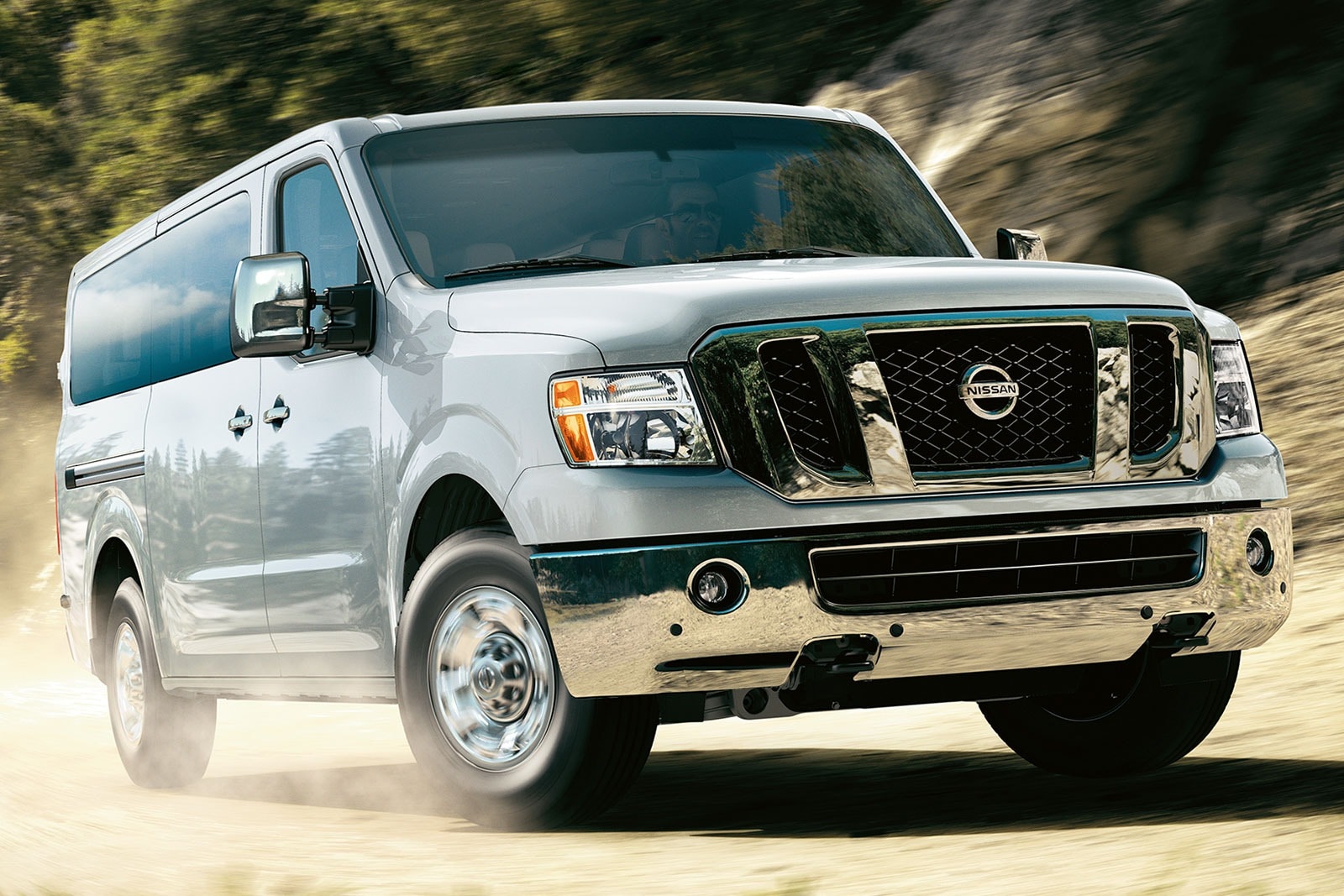
5. Nissan NV3500 HD
Nissan NV3500 HD commercial performance is established through long-term fleet operation records and engineering specification outcomes that position the model within the heavy-duty van category used for high-frequency delivery and transport work.
Fleet operators who have assessed this vehicle across extended service periods report performance consistency aligned with manufacturer engineering expectations, supporting its acceptance within commercial procurement planning for organisations requiring durable cargo transport solutions.
The high-roof configuration provides internal standing height within the cargo compartment, which supports easier movement during loading and unloading activities. This arrangement reduces physical strain on drivers and warehouse personnel during repeated cargo handling tasks carried out throughout daily delivery cycles.
Reduced physical strain contributes to better workforce endurance during extended operational periods where repeated entry and exit from the cargo area occur. Diesel engine calibration in the NV3500 HD is directed toward sustained torque delivery under load conditions rather than short bursts of acceleration performance.
This approach supports steady movement when the vehicle is fully loaded across both urban roads and highway routes. Fleet fuel monitoring reports indicate fuel consumption patterns consistent with manufacturer specifications when vehicles are operated within recommended service conditions, confirming efficiency stability under commercial usage.
Configuration options allow the NV3500 HD to serve multiple operational roles within a single fleet structure. Seating layouts and cargo separation arrangements permit adaptation for passenger transport duties or dedicated cargo applications, depending on operational requirements.
This flexibility assists fleet managers in reducing the need for multiple vehicle types, which simplifies maintenance planning, spare parts control, and servicing schedules across large vehicle groups. Long service life in excess of 400,000 miles is achievable when maintenance schedules are followed consistently.
Fleet records show that mechanical durability remains stable where servicing is carried out in line with recommended intervals. Engine reliability, transmission stability, and drivetrain endurance depend strongly on disciplined maintenance practice supported by accessible servicing points designed for commercial workshop environments.
Cabin comfort provisions in the NV3500 HD are designed to support driver endurance during extended operational periods. Seating support, ventilation control, and noise reduction measures assist in reducing fatigue accumulation during long driving hours.
Driver comfort contributes directly to operational consistency, as reduced fatigue supports improved concentration and safer driving performance across demanding delivery schedules.
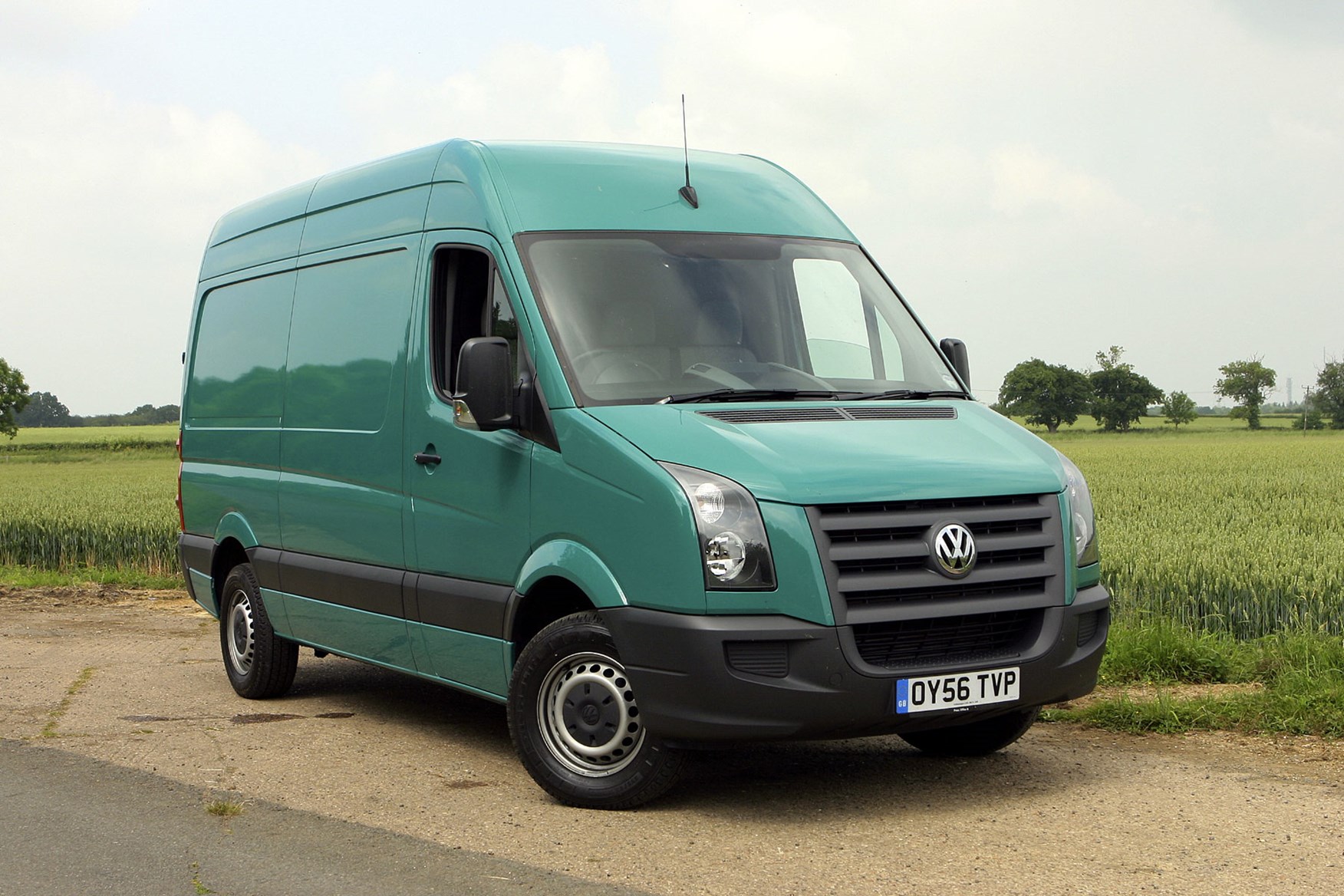
6. Volkswagen Crafter TDI
Volkswagen Crafter TDI represents European commercial vehicle engineering applied to high-demand fleet operations where durability and consistent service output are required. Fleet usage data from logistics and transport companies confirms that the Crafter maintains stable operational performance across extended mileage ranges when maintained according to prescribed service intervals.
TDI diesel engine technology within the Crafter is built around direct fuel injection and turbocharging systems that regulate combustion efficiency across varying load conditions. This allows the engine to maintain steady torque output when transporting heavy cargo while supporting fuel economy during lighter operational conditions.
Electronic engine management systems regulate performance output to maintain efficiency consistency during long operational cycles common in fleet applications. Fuel consumption performance recorded in fleet use aligns closely with manufacturer data when vehicles are operated under standard commercial conditions.
This consistency assists fleet operators in maintaining predictable fuel expenditure planning, which forms an important part of operational cost control in large transport organisations. Driver assistance systems incorporated into the Crafter TDI include lane guidance support, emergency braking functions, and driver alert monitoring features.
These systems contribute to safer driving performance by reducing the likelihood of driver error during extended working hours. Safety systems in commercial vehicles carry direct operational value as they reduce accident-related downtime and associated repair expenditure.
Cargo design in the Crafter supports efficient loading operations through wide door access points, a low load floor height, and internal dimensions suited to palletised and parcel-based transport. These features support faster turnaround times during delivery stops, allowing operators to complete more deliveries within standard working hours without increasing driver workload beyond practical limits.
Long-term fleet performance records indicate that Crafter units maintained under structured servicing schedules can exceed 400,000 miles while retaining structural stability and operational reliability.
Body integrity, door mechanism durability, and chassis strength remain stable across extended mileage use when maintenance procedures are followed correctly. This level of durability supports continued fleet operation without early withdrawal due to structural wear or mechanical decline.
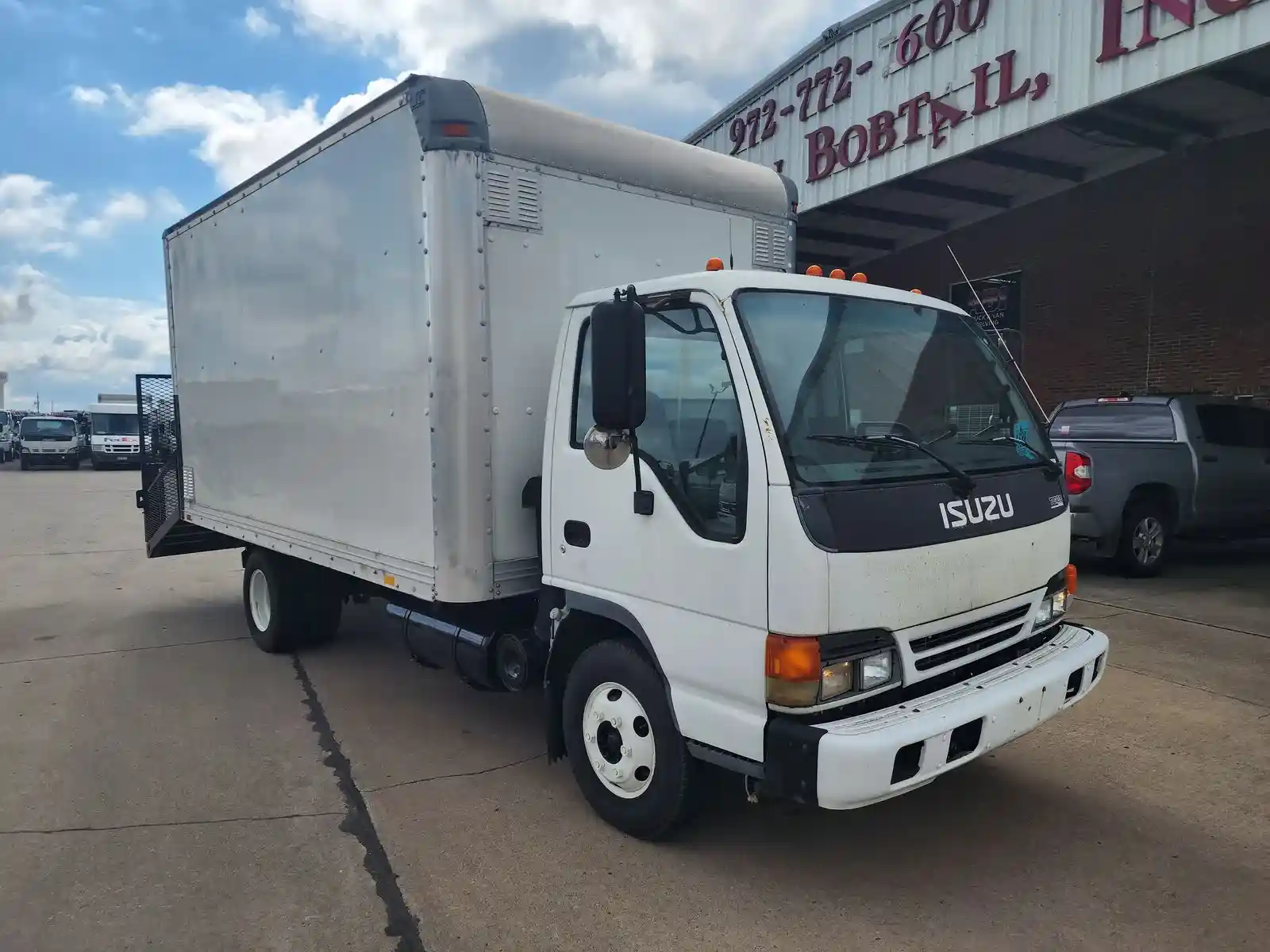
7. Isuzu N-Series NPR-HD Diesel
Isuzu N-Series NPR-HD diesel occupies a commercial vehicle category that bridges conventional cargo van and light commercial truck applications, providing fleet operators with payload and body configuration options that pure cargo van platforms cannot accommodate within their design constraints.
Fleet operators whose delivery operations require cargo volumes, weights, or body configurations beyond the capacity of conventional van platforms find the N-Series NPR-HD a commercially practical alternative that delivers the high-mileage durability requirements of sustained fleet operation within a more capable body structure.
Isuzu diesel engine technology in the N-Series NPR-HD reflects the manufacturer’s extensive commercial vehicle engineering heritage, developed through sustained investment in powertrain systems designed specifically for demanding commercial applications.
Engine longevity characteristics in Isuzu commercial diesel applications are consistently identified by fleet operators as a primary procurement advantage, with documented service life performance confirming the manufacturer’s engineering priorities in powertrain durability.
Fleet operators who have maintained N-Series NPR-HD units according to Isuzu’s recommended service schedules report engine performance consistency through mileage thresholds that confirm the diesel powertrain’s commercial durability credentials.
Body configuration flexibility in the N-Series NPR-HD allows fleet operators to specify vehicle configurations matched to particular operational requirements through available wheelbase options, body mounting provisions, and cab configuration choices that accommodate varied fleet application needs.
Businesses whose delivery operations require refrigerated body mounting, specialised equipment carrying capability, or cargo volumes that exceed conventional van capacity find N-Series NPR-HD configuration options that address those requirements within a durable commercial platform. Maintenance simplicity in the N-Series NPR-HD reflects Isuzu’s understanding that commercial fleet operators evaluate service access efficiency as a primary total cost of ownership component.
Engine compartment layout, service point positioning, and component accessibility design in the N-Series NPR-HD facilitate maintenance completion within service time requirements that commercial fleet operations impose. Parts availability through Isuzu’s commercial vehicle distribution network ensures that maintenance and repair requirements are addressed without supply delays that translate into extended operational downtime.
Fleet operators who have documented N-Series NPR-HD units achieving 400,000-mile service milestones consistently identify the combination of durable diesel powertrain engineering, straightforward maintenance access, and versatile body configuration capability as the attributes most directly responsible for the platform’s high-mileage commercial performance record.
Also Read: 10 Best Vans for Converting Into a Camper
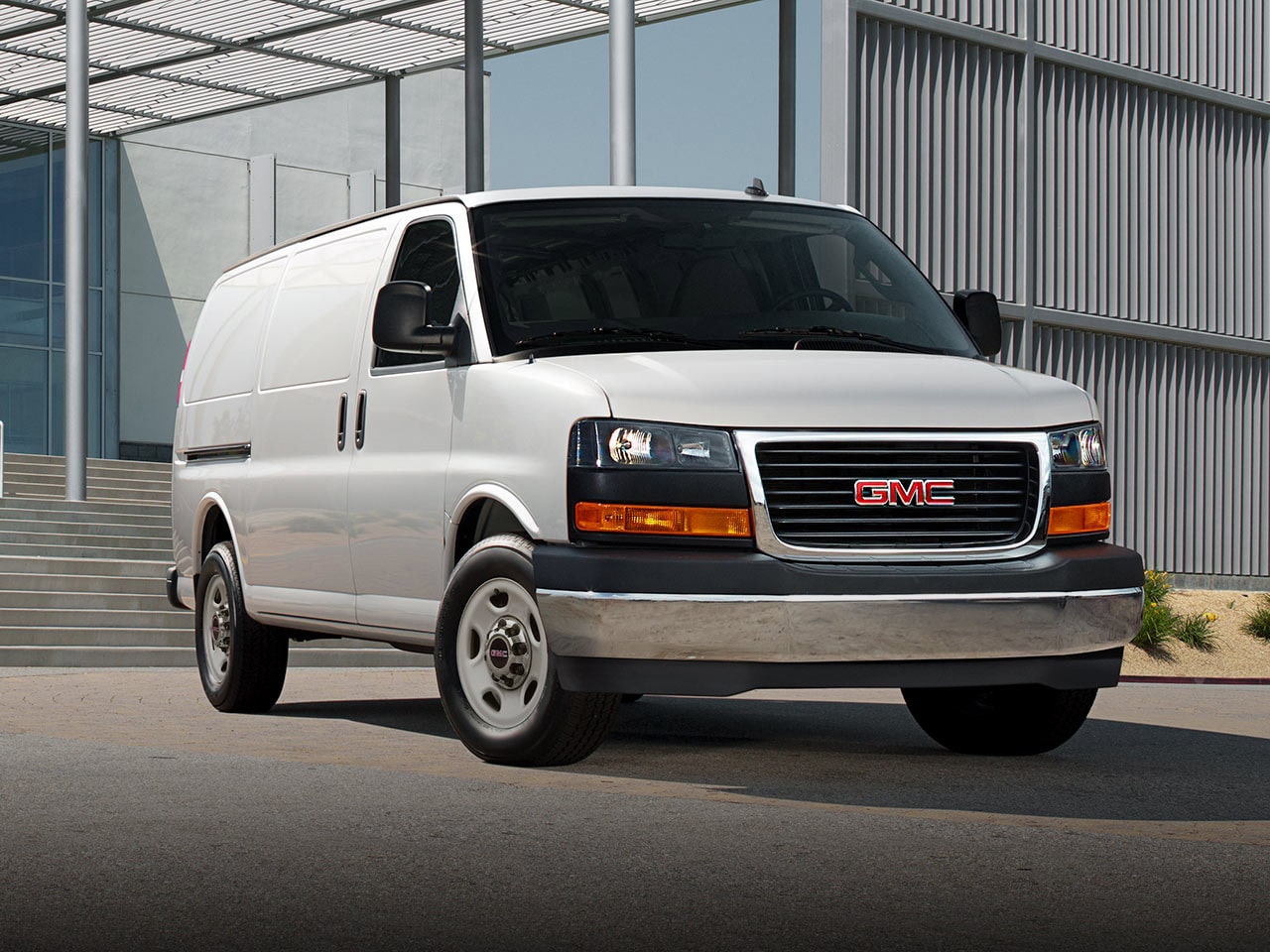
8. GMC Savana 3500 Cargo Van
GMC Savana 3500 Cargo Van has sustained its commercial fleet presence through consistent performance delivery that satisfies the practical requirements of fleet operators who evaluate vehicle procurement decisions against measurable operational outcomes rather than brand preference alone.
Fleet managers across logistics, distribution, and commercial delivery industries have operated Savana 3500 diesel units across extended high-mileage service cycles and documented performance results that confirm the vehicle’s engineering durability credentials in genuine commercial fleet environments.
Diesel powertrain specifications in the Savana 3500 deliver torque and power output appropriate to the payload and operational demands of heavy-duty delivery fleet service. General Motors’ commercial diesel engineering reflects development priorities that favour sustained output reliability and extended service intervals over peak performance characteristics more relevant to non-commercial applications.
Fleet operators who have conducted systematic performance monitoring across Savana 3500 diesel units report engine output consistency through extended mileage that confirms the powertrain’s commercial durability engineering. Cargo area capacity in the Savana 3500 provides internal volume appropriate to high-capacity delivery operations, with available extended body options accommodating cargo volumes that shorter body alternatives cannot accept without payload splitting that reduces per-trip delivery efficiency.
Fleet operators who have calculated per-trip delivery costs across different cargo capacity configurations consistently identify the Savana 3500’s cargo volume provision as a commercial advantage that reduces the per-unit delivery cost through improved load optimisation capability.
Safety feature availability in the Savana 3500 has expanded across successive model year updates to include driver assistance technologies that reduce accident probability during commercial fleet operation. Forward collision warning systems, rear vision cameras, and stability control technology contribute to the safety outcome improvements that fleet operators managing liability exposure and insurance cost requirements identify as commercially important procurement considerations.
Reaching 400,000 miles in active fleet service confirms that the GMC Savana 3500’s engineering design withstands the cumulative mechanical demands of sustained commercial operation across the maintenance intervals that define a high-mileage service cycle.
