
Night driving can be significantly more difficult for individuals who experience vision issues, especially reduced contrast sensitivity, glare sensitivity, or difficulty adjusting to low-light conditions. While many people rely on corrective lenses or medical solutions to improve their eyesight, the choice of vehicle also plays a major role in improving safety, comfort, and confidence on the road after sunset.
Modern automotive engineering has made it possible for vehicles to actively support drivers through advanced lighting systems, driver assistance technologies, and ergonomic cabin design that reduces eye strain. For drivers who struggle with nighttime visibility, selecting the right car is not just a matter of convenience but a critical safety decision.
One of the most important features that helps drivers with vision challenges is adaptive lighting technology. Vehicles equipped with LED matrix headlights, automatic high beam control, and curve adaptive lighting significantly improve road illumination without causing excessive glare to oncoming traffic.
These systems help ensure that road markings, pedestrians, and obstacles remain visible even in poorly lit environments. Additionally, windshield designs with anti-reflective coatings and advanced rain-sensing wipers contribute to clearer visibility during adverse conditions such as fog, rain, or dust, which often worsen nighttime driving difficulties.
Another essential factor is driver assistance systems that reduce cognitive load and enhance situational awareness. Features such as lane keeping assist, forward collision warning, blind spot monitoring, and adaptive cruise control help drivers stay aware of their surroundings without needing to rely solely on visual acuity.
For individuals with vision issues, these systems act as an additional layer of safety by providing audio and visual alerts that compensate for reduced night vision capability. The integration of digital dashboards with high contrast displays also ensures that critical driving information remains readable under low light conditions.
Comfort and interior design also play a surprisingly important role in reducing nighttime driving strain. Vehicles with well-designed ambient lighting, adjustable brightness controls, and anti-glare instrument clusters help minimize eye fatigue.
Proper seat ergonomics and steering alignment ensure that drivers maintain a stable posture, reducing the need for frequent visual recalibration of road position. Even small design details, such as dimmable infotainment screens and automatic interior lighting adjustments, contribute significantly to safer night driving experiences.
Finally, choosing the right vehicle for night driving with vision limitations is about combining technology, safety engineering, and practical usability. While no car can replace proper vision correction or medical advice, modern vehicles can greatly reduce risk and improve confidence.
The following list highlights eight of the best vehicles known for their strong night visibility support systems, advanced safety features, and driver-friendly designs that make nighttime driving significantly safer and more comfortable.
Also Read: 8 Family Cars With Secret Performance Versions
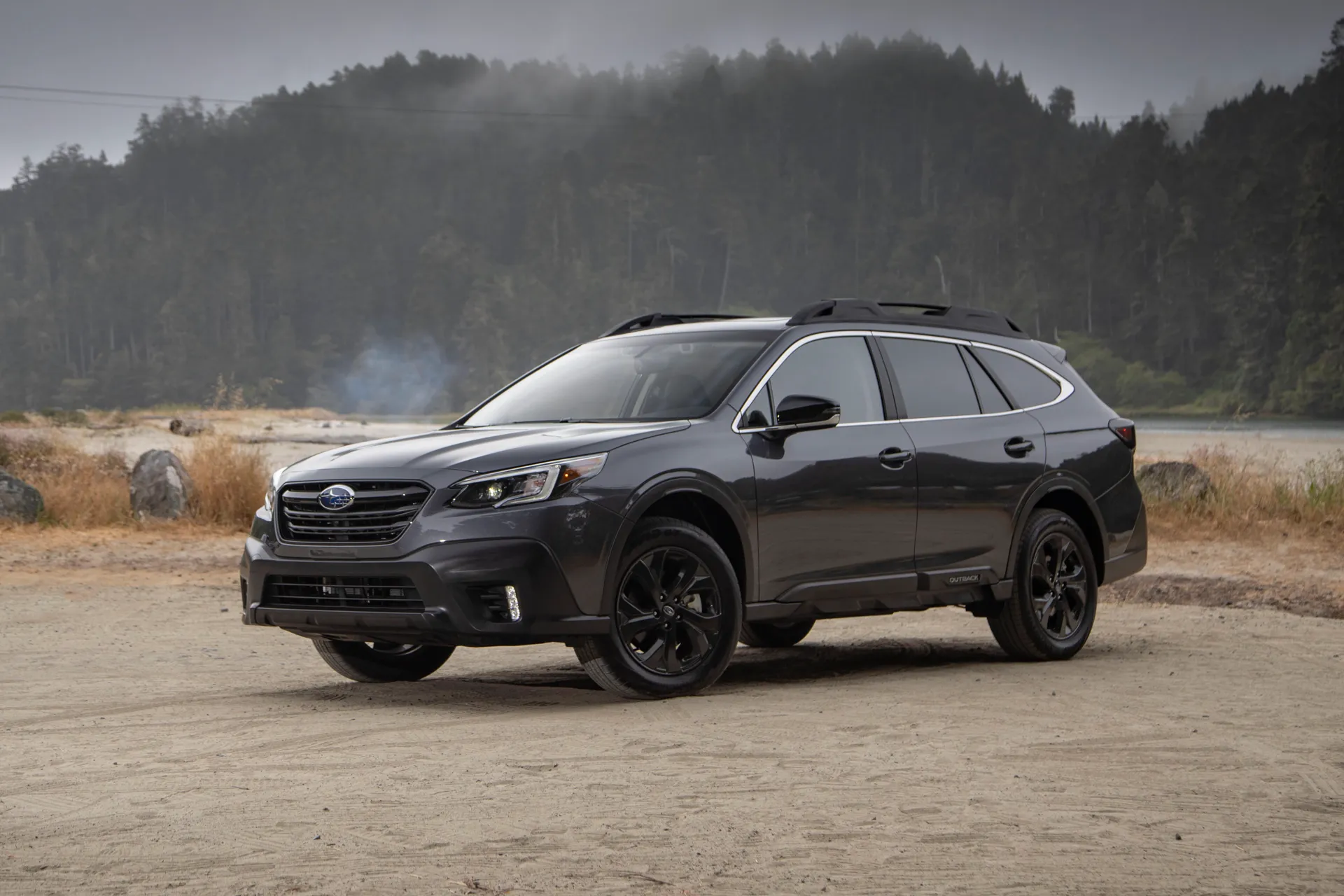
- Engine: 2.5L naturally aspirated 4-cylinder boxer engine
- Horsepower: 182 hp
- Torque: 178 lb-ft (241 Nm)
- Length: 191.9 inches (4,874 mm)
- Width: 74.6 inches (1,895 mm)
1. Subaru Outback
The Subaru Outback is consistently regarded as one of the most practical and safety-focused vehicles available for drivers who experience difficulty seeing clearly at night. Its combination of advanced driver assistance technologies, excellent outward visibility, and intelligent lighting systems makes it particularly well-suited for individuals dealing with glare sensitivity, reduced contrast perception, or age-related night vision challenges.
Unlike many vehicles that prioritize styling over visibility, the Outback is designed with a large windshield, expansive side windows, and relatively thin roof pillars, creating an open field of view that helps drivers better identify road hazards in low-light conditions. This design can make a meaningful difference during nighttime travel, especially on poorly lit roads where visibility is already compromised.
One of the Outback’s most valuable features is Subaru’s EyeSight Driver Assist Technology. This suite includes adaptive cruise control, lane centering assistance, lane departure warning, and pre-collision braking systems. For drivers with vision issues, these technologies act as an additional layer of awareness by continuously monitoring road conditions and traffic movement.
If the vehicle detects a potential hazard that the driver may not immediately notice, it can provide visual and audible alerts and, in some cases, apply emergency braking. While these systems are not substitutes for attentive driving, they can significantly reduce the likelihood of accidents caused by delayed hazard recognition at night.
Lighting performance is another area where the Subaru Outback excels. Many trims include Steering Responsive LED Headlights that actively adjust the direction of the light beam based on steering input. When approaching curves or winding roads, the headlights pivot slightly in the direction of travel, illuminating areas that traditional fixed headlights may miss.
This capability improves visibility around corners and helps drivers identify obstacles, animals, cyclists, or pedestrians sooner. The bright and crisp illumination provided by modern LED technology also enhances contrast, making lane markings and road signs easier to recognize after dark.
Beyond visibility and technology, the Outback’s standard All Wheel Drive system contributes to driver confidence in challenging conditions. Night driving is often accompanied by changing weather conditions such as rain, fog, or wet pavement, all of which can further reduce visibility.
The Outback provides stable handling and reliable traction, helping drivers maintain control even when visual conditions are less than ideal. Combined with its comprehensive safety systems and excellent visibility, the Subaru Outback remains one of the strongest choices for individuals seeking a vehicle that actively supports safer and more comfortable night driving.
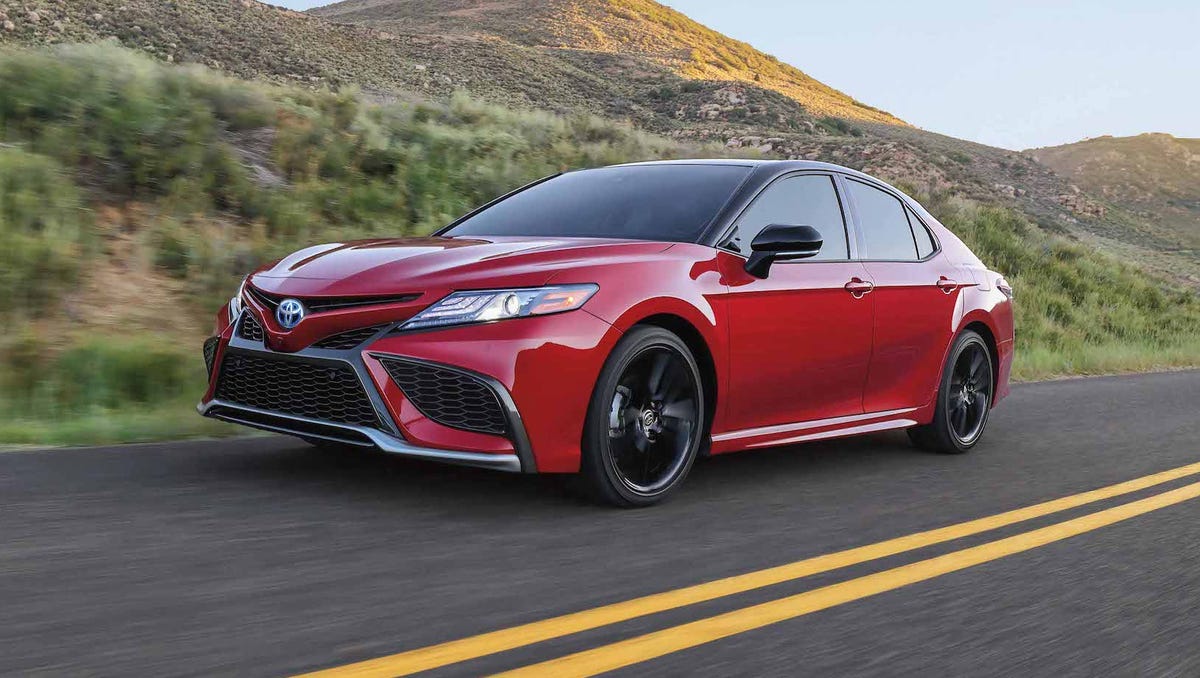
- Engine: 2.5L 4-cylinder hybrid powertrain
- Horsepower: 225 hp (FWD models)
- Torque: 163 lb-ft (221 Nm) engine torque
- Length: 193.5 inches (4,915 mm)
- Width: 72.4 inches (1,839 mm)
2. Toyota Camry
The Toyota Camry has earned a reputation as one of the most dependable and well-rounded midsize sedans on the market, and it offers several features that can be especially beneficial for drivers who experience vision difficulties at night.
The vehicle combines strong safety technology, excellent reliability, and user-friendly design elements that help improve awareness and reduce driver stress after sunset. For many drivers, confidence plays a major role in nighttime safety, and the Camry’s predictable handling and comprehensive safety features contribute significantly to that confidence.
A key strength of the Toyota Camry is its Toyota Safety Sense package, which comes standard on most models. This collection of technologies includes pre-collision warning, pedestrian detection, lane departure alert, adaptive cruise control, and automatic high beam assistance.
These systems work together to monitor the road environment and provide support when hazards are detected. Drivers with vision limitations may particularly benefit from the automatic high beam feature, which adjusts lighting based on traffic conditions and ensures maximum visibility without causing glare for other road users.
Inside the cabin, Toyota focuses on clarity and ease of use. The instrument panel presents information in a straightforward and organized manner, allowing drivers to quickly glance at important details without prolonged visual focus. Controls are logically placed and easy to operate, reducing distractions while driving.
Many models also include a head-up display that projects essential information directly into the driver’s line of sight. This feature can help reduce the need to constantly shift focus between the road and dashboard instruments, minimizing eye strain and improving situational awareness.
Comfort is another important factor that contributes to safer nighttime driving, and the Camry performs well in this area. The seats provide good support for long journeys, while the quiet cabin helps reduce mental fatigue.
Excessive road noise can increase stress and concentration demands, particularly during night driving when visibility is already limited. By creating a calm and comfortable driving environment, the Toyota Camry helps drivers remain focused, alert, and better prepared to handle the unique challenges associated with driving after dark.
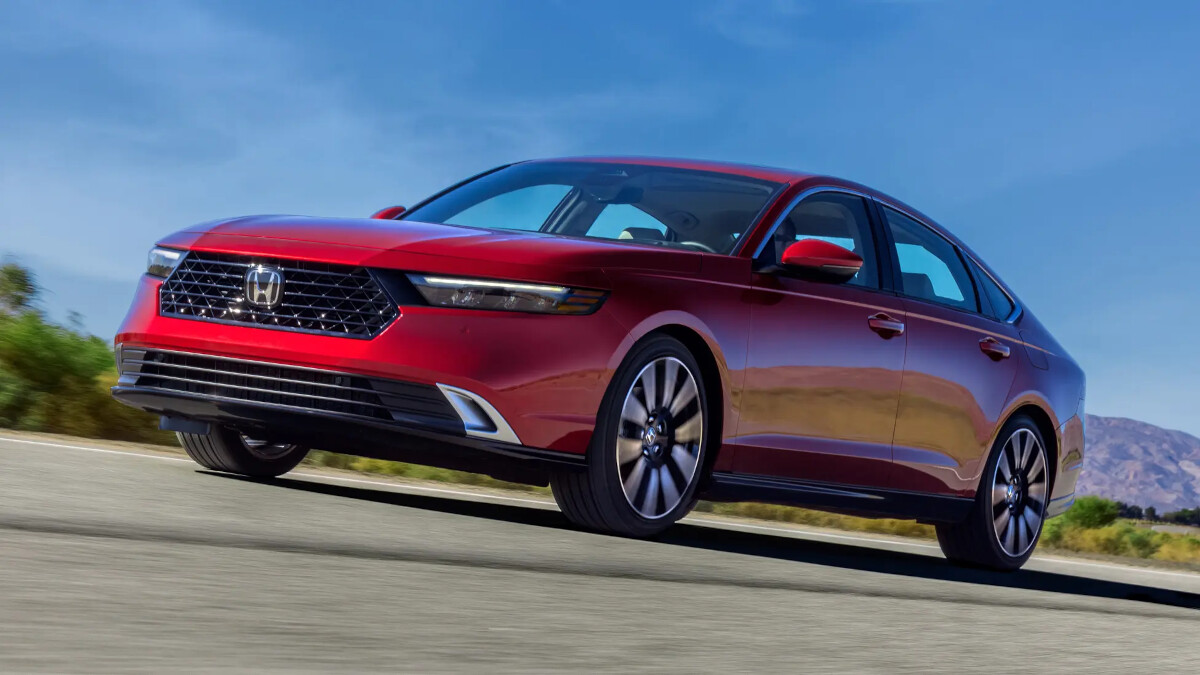
- Engine: 2.0L hybrid 4-cylinder powertrain
- Horsepower: 204 hp
- Torque: 247 lb-ft (335 Nm)
- Length: 195.7 inches (4,971 mm)
- Width: 73.3 inches (1,862 mm)
3. Honda Accord
The Honda Accord is widely recognized as one of the most refined and driver-friendly sedans available today, making it an excellent option for individuals who face vision challenges during nighttime driving. Honda has carefully balanced visibility, safety, technology, and comfort in the Accord, creating a vehicle that supports drivers in a variety of conditions. For people who experience difficulty detecting road details, signs, or hazards after sunset, the Accord offers several features specifically designed to improve confidence and awareness.
One of the Accord’s greatest strengths is the Honda Sensing suite of driver assistance technologies. This package includes adaptive cruise control, lane keeping assist, road departure mitigation, traffic sign recognition, and collision mitigation braking.
These features constantly monitor the driving environment and provide alerts or corrective interventions when necessary. Drivers with reduced night vision often benefit from the additional awareness provided by these systems, as they can help identify situations that might otherwise be missed due to limited visibility.
The vehicle’s LED headlights are engineered to provide strong illumination while maintaining a balanced beam pattern that minimizes glare. Effective lighting is one of the most critical factors for safe nighttime driving, and the Accord performs well in this regard.
The headlights illuminate both the road ahead and the surrounding areas, helping drivers identify lane markings, road signs, and potential obstacles more easily. The automatic high beam system further enhances visibility by adjusting lighting intensity according to surrounding traffic conditions.
Ride quality is another area where the Accord excels. The suspension system effectively absorbs bumps and imperfections in the road surface, resulting in a smooth and stable driving experience.
Reduced vehicle movement can help drivers maintain visual focus more comfortably, especially during extended nighttime journeys. Stable handling and predictable steering also contribute to greater confidence when driving on unfamiliar roads after dark.
The Honda Accord successfully combines advanced safety technologies, excellent lighting performance, superior visibility, and long-distance comfort. These characteristics make it one of the best sedan options for drivers who want additional support when dealing with nighttime vision limitations. Its reputation for reliability and practicality further strengthens its appeal as a vehicle designed to promote safe and confident driving in challenging lighting conditions.
- Engine: 2.5L 4-cylinder engine
- Horsepower: 191 hp
- Torque: 181 lb-ft (245 Nm)
- Length: 193.3 inches (4,910 mm)
- Width: 73.2 inches (1,860 mm)
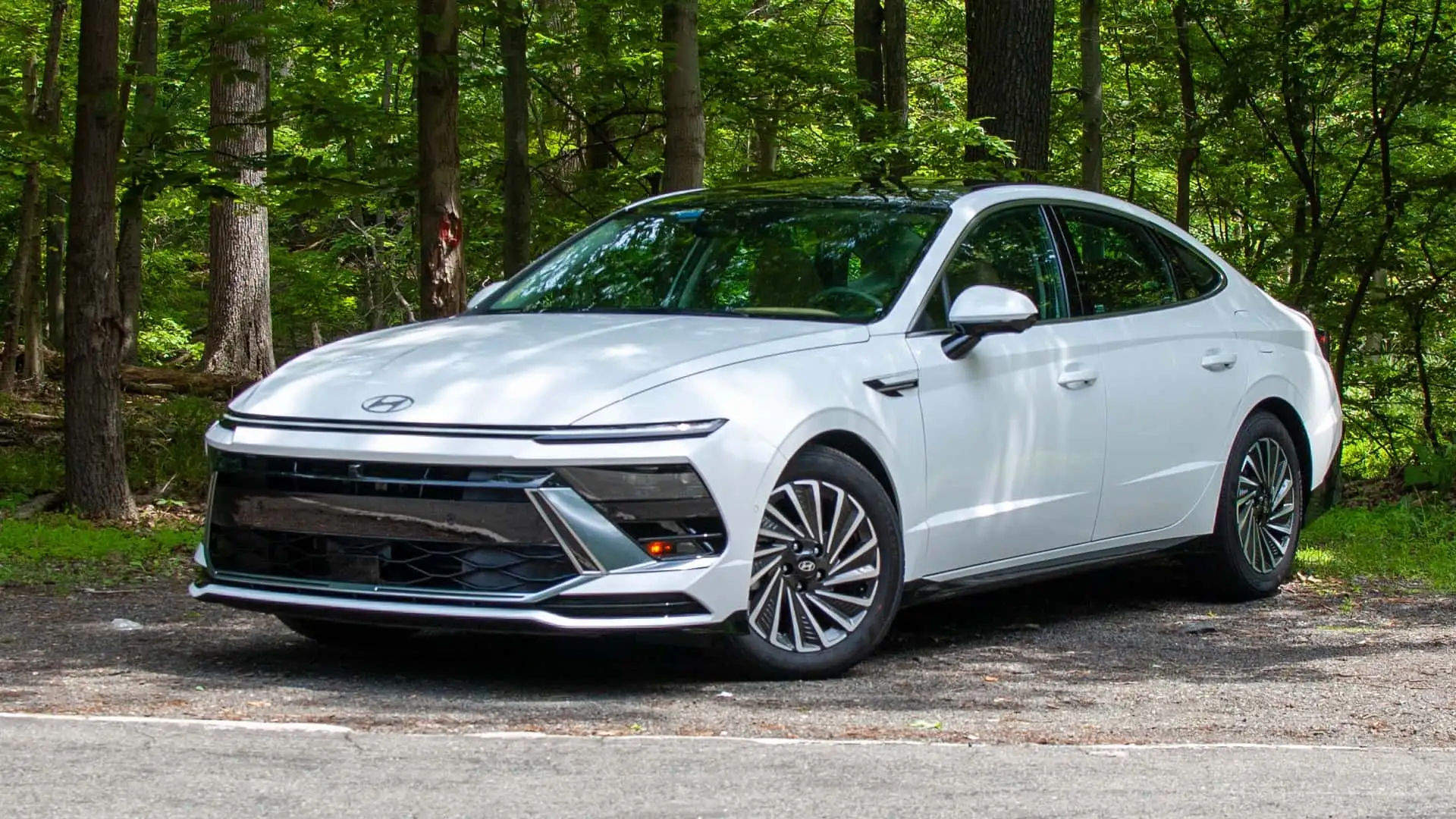
4. Hyundai Sonata
The Hyundai Sonata has evolved into one of the most technologically advanced sedans in its class, offering a wide range of features that can benefit drivers who struggle with visibility at night.
Hyundai has invested heavily in safety systems, lighting technology, and driver convenience features, making the Sonata a compelling option for those seeking additional support during nighttime travel. Its combination of modern design and practical functionality creates a driving experience that prioritizes awareness and confidence.
A major advantage of the Sonata is its Hyundai SmartSense safety package. This collection of technologies includes forward collision avoidance assist, lane following assist, blind spot collision warning, driver attention warning, and rear cross traffic alert.
These systems continuously scan the vehicle’s surroundings and provide timely warnings when potential hazards are detected. For drivers who have difficulty spotting objects or changes in traffic conditions after dark, these features can provide valuable supplemental awareness.
The Sonata’s LED lighting system is designed to maximize visibility while reducing glare. Bright and evenly distributed illumination helps drivers detect road signs, lane markings, and potential obstacles more effectively.
Automatic headlight functions adjust lighting according to ambient conditions, ensuring that visibility remains optimized without requiring constant driver input. This convenience can be especially valuable during long nighttime drives when fatigue may affect concentration.
Comfort plays a crucial role in maintaining focus behind the wheel, and the Sonata delivers a quiet and refined driving environment. Road and wind noise are effectively controlled, creating a more relaxed atmosphere inside the cabin. Reduced noise levels allow drivers to concentrate more fully on road conditions and traffic patterns rather than becoming distracted by external sounds. The comfortable seating also supports proper posture during longer journeys.
The Hyundai Sonata offers a comprehensive package of visibility-enhancing technologies, advanced safety systems, and driver-centered comfort features. These qualities make it a strong choice for individuals seeking a sedan that can help compensate for some of the challenges associated with nighttime driving while maintaining affordability and everyday practicality.
Also Read: 9 Vehicles with Worst Blind Spots
- Engine: 2.5L Skyactiv-G 4 cylinder engine
- Horsepower: 187 hp
- Torque: 186 lb-ft (252 Nm)
- Length: 180.1 inches (4,575 mm)
- Width: 72.6 inches (1,844 mm)
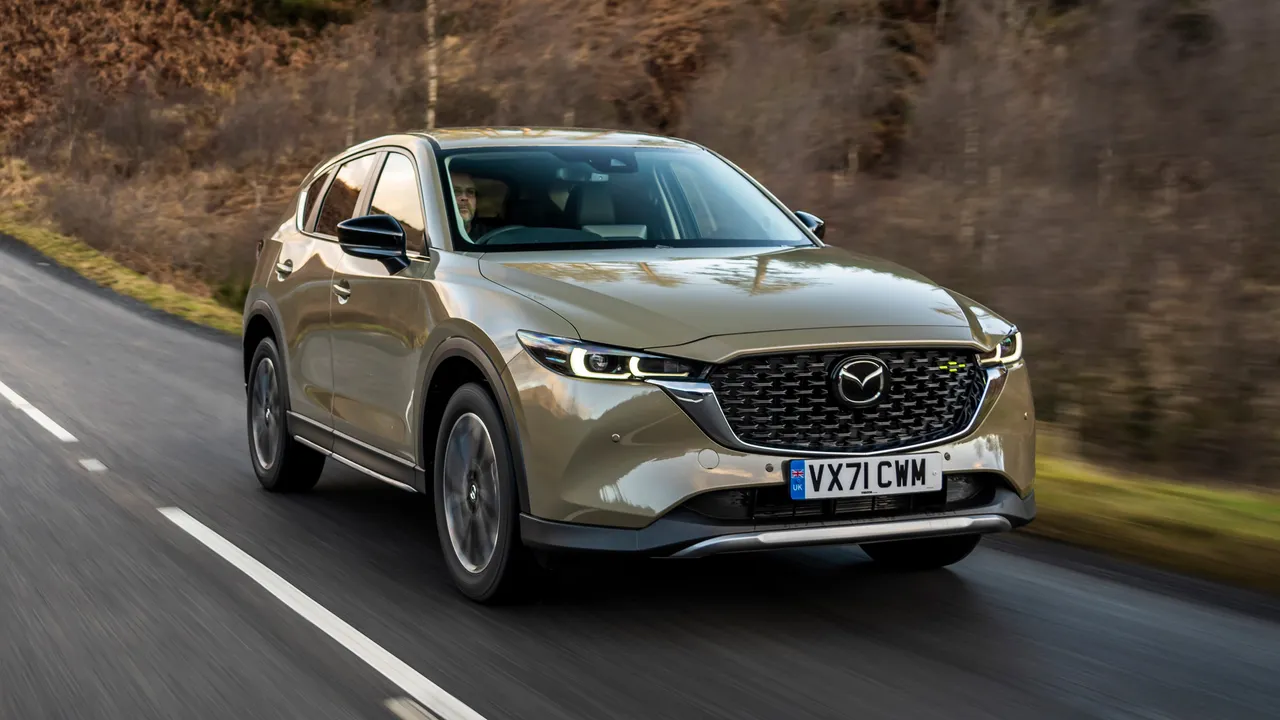
5. Mazda CX-5
The Mazda CX-5 is a compact SUV that combines premium design, strong safety performance, and excellent visibility characteristics, making it a standout option for drivers who experience difficulty seeing clearly at night.
Unlike many vehicles in its segment, the CX-5 places significant emphasis on driver engagement and situational awareness, resulting in a driving experience that feels both secure and intuitive. For individuals with night vision concerns, these qualities can contribute to greater confidence and reduced stress behind the wheel.
One of the most beneficial aspects of the Mazda CX-5 is its elevated seating position. Sitting higher than in a traditional sedan provides a broader view of the road ahead and surrounding traffic.
This improved vantage point allows drivers to identify hazards earlier and maintain better awareness of changing conditions. The vehicle’s large windows and carefully designed pillar placement further enhance visibility, helping reduce blind spots that can become more problematic after dark.
Mazda’s suite of safety technologies includes blind spot monitoring, rear cross traffic alert, lane departure warning, lane keeping assist, and smart braking systems.
These features act as valuable support tools by monitoring areas that may be difficult to see, particularly at night. Audible and visual alerts help draw attention to potential hazards, reducing the likelihood of missed observations due to visual limitations or fatigue.
- Engine: 2.0L 4-cylinder engine
- Horsepower: 169 hp
- Torque: 151 lb-ft (205 Nm)
- Length: 175.6 inches (4,460 mm)
- Width: 71.9 inches (1,826 mm)
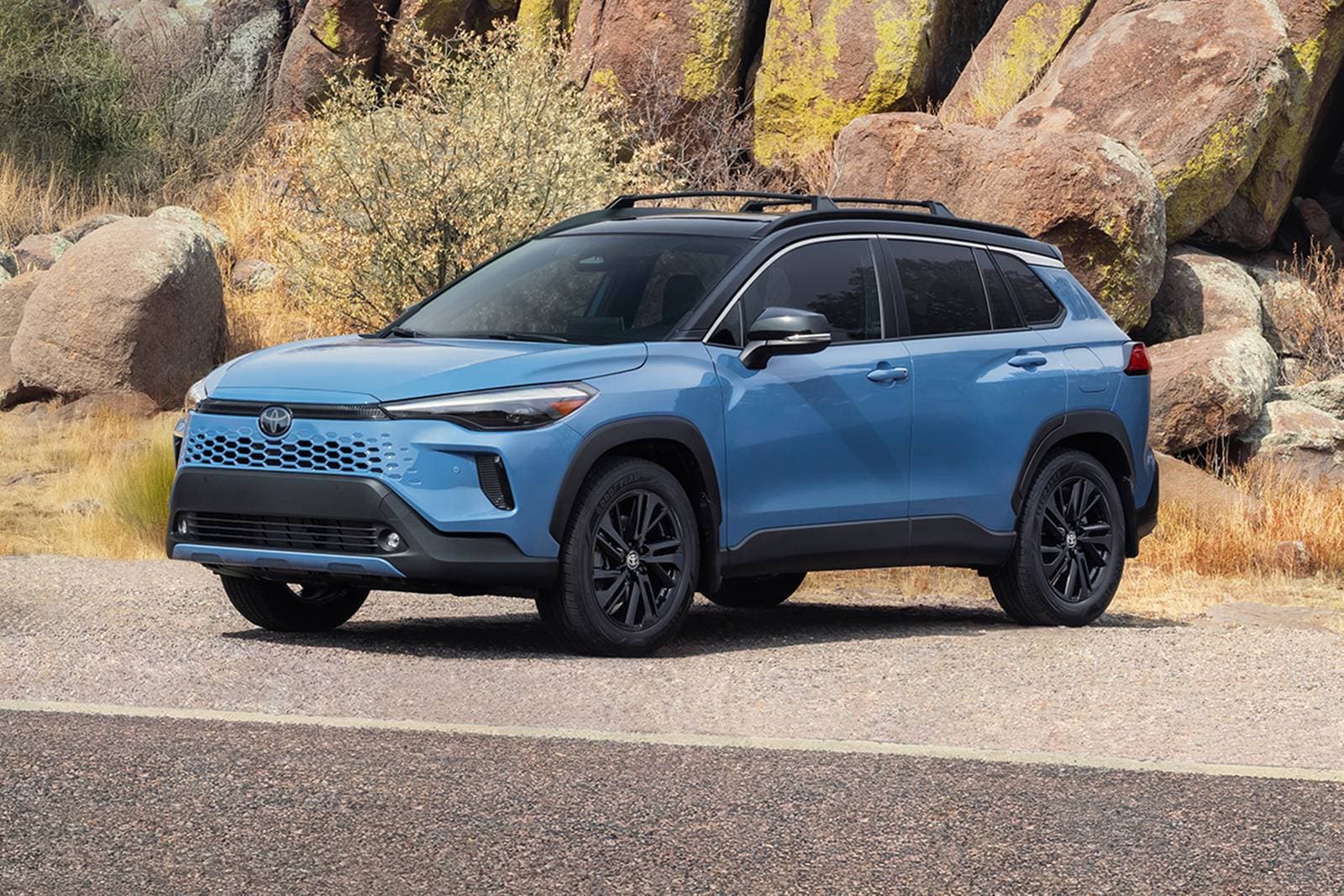
6. Toyota Corolla Cross
The Toyota Corolla Cross has quickly become one of the most appealing compact SUVs for drivers who want the practicality of a crossover combined with the reliability and safety reputation associated with the Toyota brand. For individuals who experience vision difficulties during nighttime driving, the Corolla Cross offers several features that can help improve confidence and road awareness.
Its elevated seating position, advanced driver assistance technologies, and user-friendly cabin design create an environment that supports safer driving in low-light conditions. While it may not be a luxury vehicle, it delivers many of the visibility and safety benefits that drivers with night vision challenges often prioritize when choosing a vehicle.
Toyota Safety Sense is a major component of the Corolla Cross’s appeal. This comprehensive suite of safety technologies includes pre-collision warning with pedestrian detection, lane departure alert, lane tracing assist, adaptive cruise control, and automatic high beam functionality.
These systems continuously monitor the driving environment and provide alerts or interventions when necessary. For drivers with vision limitations, these technologies serve as an additional layer of protection by helping identify situations that may be harder to detect in darkness. Automatic high beams are particularly useful because they maximize roadway illumination while automatically adjusting to avoid blinding other drivers.
The Corolla Cross also benefits from an effective LED headlight system that provides bright and consistent illumination. Compared to older halogen lighting systems, LED headlights produce a clearer and more focused beam pattern that improves visibility without excessive glare.
This enhanced lighting helps drivers better distinguish road edges, lane markings, and obstacles. The automatic lighting functions ensure that the headlights adapt appropriately to changing environmental conditions, reducing the need for manual adjustments and allowing drivers to focus more fully on the road ahead.
Inside the cabin, Toyota has prioritized simplicity and ease of use. The dashboard layout is straightforward, with clearly labeled controls and an instrument cluster designed for quick readability. The displays use high contrast graphics that remain visible in low light conditions without becoming distracting.
Drivers can also adjust screen brightness levels to suit their preferences, reducing eye strain during extended nighttime journeys. The seating position provides good support and visibility, helping maintain comfort and focus during long drives.
- Engine: 2.0L turbocharged mild hybrid 4-cylinder engine
- Horsepower: 247 hp
- Torque: 266 lb-ft (361 Nm)
- Length: 185.4 inches (4,709 mm)
- Width: 74.9 inches (1,902 mm)
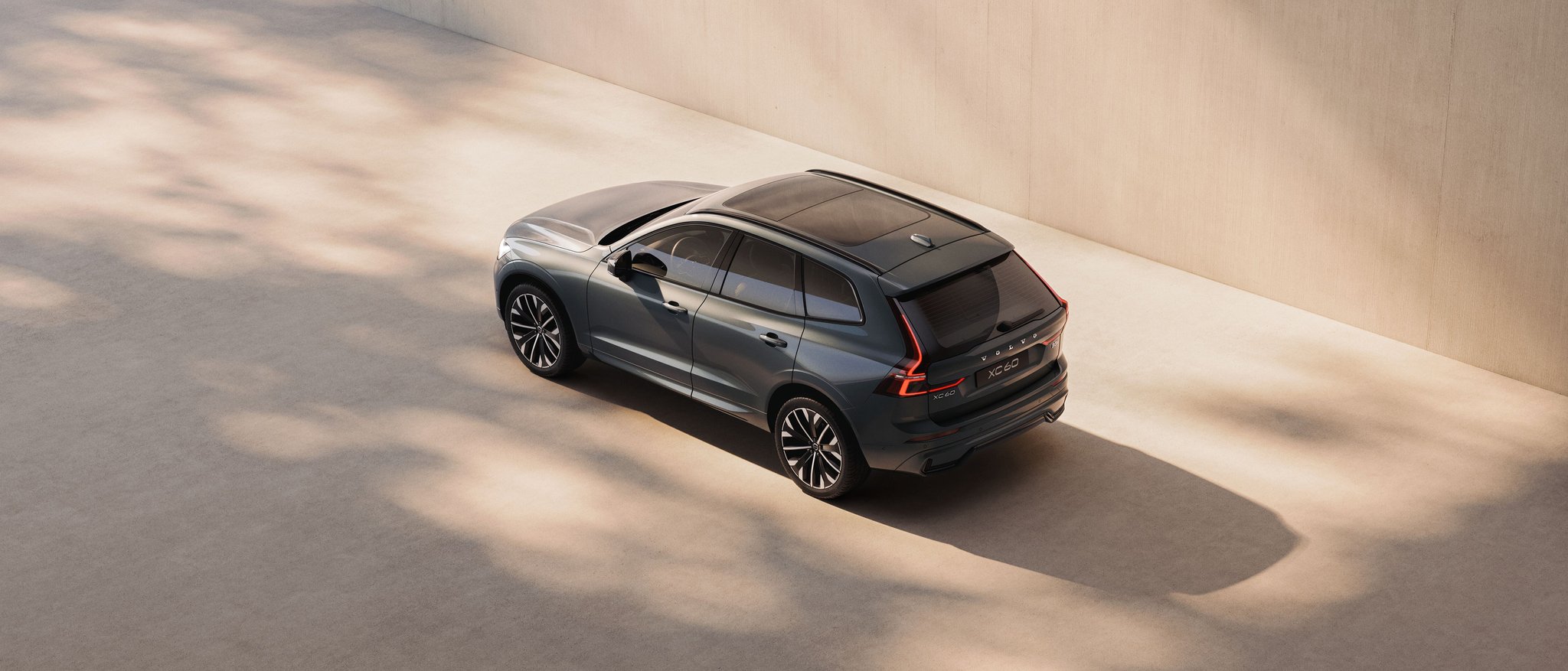
7. Volvo XC60
The Volvo XC60 has earned widespread recognition as one of the safest luxury SUVs available, and it offers a range of advanced technologies specifically beneficial for drivers who face challenges with nighttime visibility.
One of the most impressive aspects of the XC60 is its advanced driver assistance package. Volvo’s Pilot Assist system helps support steering, acceleration, and braking on well-marked roads, reducing the amount of constant input required from the driver. In addition, the vehicle includes lane-keeping assistance, blind spot monitoring, cross traffic alert, collision avoidance systems, and pedestrian detection technologies.
These features continuously analyze the surrounding environment and can provide warnings or corrective actions when potential hazards are identified. For drivers with night vision difficulties, this level of technological support can significantly improve situational awareness and reduce the risk of overlooking important visual cues.
Lighting performance is another area where the XC60 excels. Many models feature advanced LED headlights with active bending functionality, which allows the light beam to follow the direction of the steering wheel.
The interior of the XC60 is designed with both comfort and visibility in mind. Volvo emphasizes clean design principles, reducing clutter and ensuring that essential information is easy to access. The digital instrument cluster features crisp graphics and customizable display settings that allow drivers to adjust brightness and information layout according to personal preference.
This flexibility can be particularly beneficial for individuals who are sensitive to bright lights or who require higher contrast displays for improved readability. The large windows and carefully engineered seating position further contribute to excellent outward visibility.
Comfort is a critical factor in maintaining concentration during nighttime driving, and the XC60 performs exceptionally well in this regard. The seats are designed to provide long-term support and reduce fatigue, while advanced noise insulation creates a quiet cabin environment.
Reduced fatigue can have a direct impact on visual performance and reaction time, especially during extended journeys. By minimizing distractions and promoting relaxation, the XC60 helps drivers remain focused and attentive even during challenging nighttime conditions.
- Engine: 2.0L turbocharged 4-cylinder engine
- Horsepower: 255 hp
- Torque: 295 lb-ft (400 Nm)
- Length: 194.9 inches (4,950 mm)
- Width: 74.8 inches (1,900 mm)
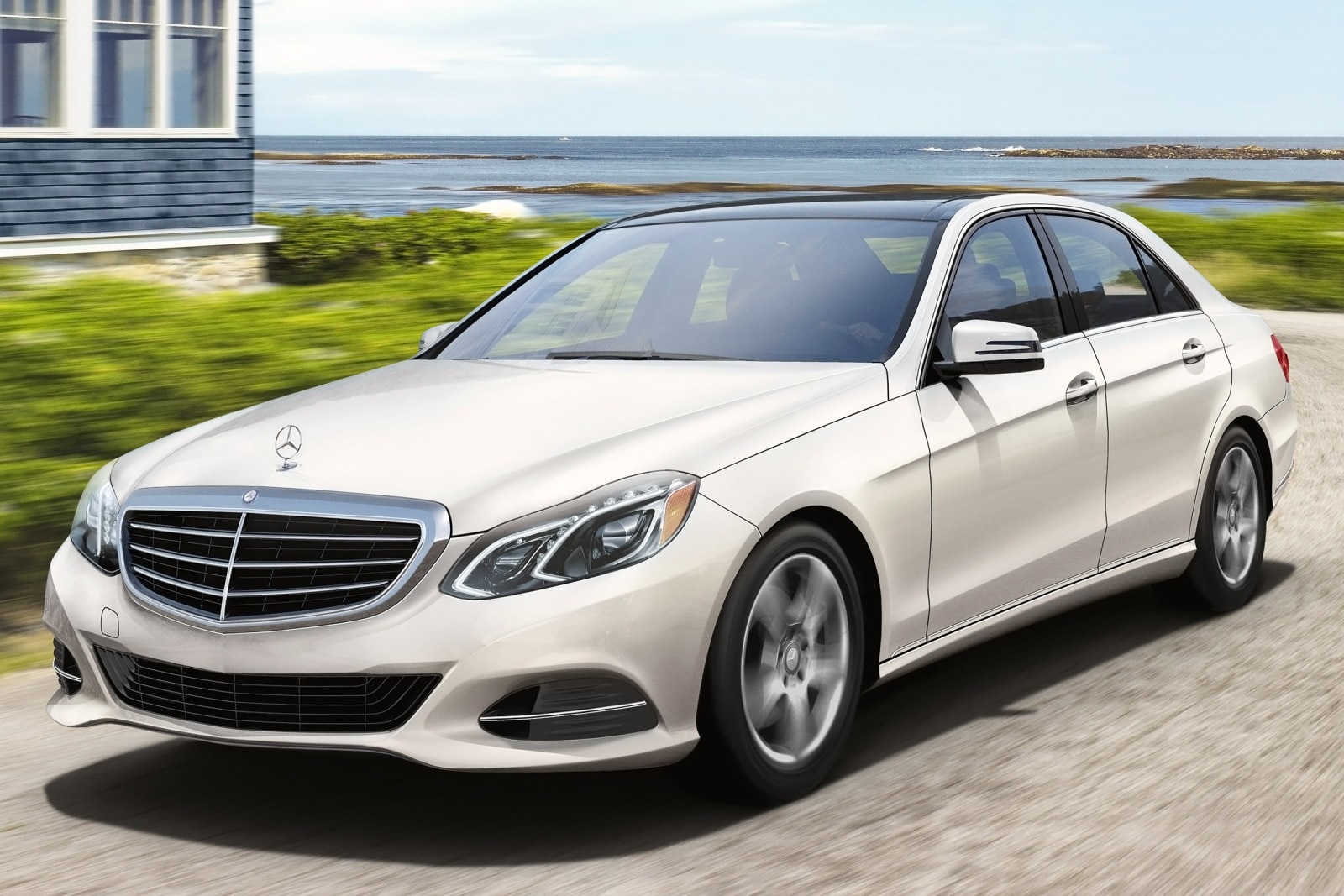
8. Mercedes-Benz E-Class
The Mercedes-Benz E-Class is widely regarded as one of the most technologically advanced luxury sedans in the world, and it offers a remarkable collection of features designed to improve nighttime driving safety and comfort. For drivers who experience reduced night vision, sensitivity to glare, or difficulty identifying hazards in low light conditions, the E-Class provides a sophisticated blend of lighting innovation, intelligent safety systems, and ergonomic design.
Mercedes-Benz has invested heavily in technologies that support driver awareness, making the E-Class one of the strongest options for those seeking maximum assistance during nighttime travel.
A standout feature of the E-Class is its advanced DIGITAL LIGHT system, available on certain models. This highly sophisticated lighting technology uses numerous individually controlled LEDs to adapt the light beam with extraordinary precision. The system can adjust illumination patterns based on road conditions, traffic, and environmental factors, ensuring that drivers receive optimal visibility without causing discomfort to other road users.
Compared to traditional headlight systems, DIGITAL LIGHT provides superior road coverage and enhanced visibility of lane markings, road signs, pedestrians, and obstacles. For drivers with vision issues, this improved illumination can make a significant difference in confidence and reaction time.
Inside the cabin, Mercedes-Benz has created an environment that prioritizes clarity, comfort, and reduced visual strain. The digital displays feature exceptionally sharp graphics and allow extensive customization of brightness, contrast, and layout.
Drivers can configure the instrument cluster to emphasize the information most relevant to them, reducing unnecessary distractions. Ambient lighting is carefully designed to provide subtle illumination without interfering with night vision. The result is a cabin environment that feels both luxurious and supportive, helping drivers maintain focus during extended nighttime journeys.
Comfort and ergonomics are equally important aspects of the E-Class experience. The seats offer extensive adjustment options and excellent support, helping reduce physical fatigue that can indirectly contribute to reduced concentration and visual performance.
The Mercedes-Benz E-Class represents the pinnacle of luxury, safety, and technological innovation for nighttime driving. Its advanced lighting systems, comprehensive driver assistance technologies, highly customizable interior displays, and exceptional comfort features combine to create an environment that actively supports drivers facing vision challenges after dark.
For those seeking one of the most capable and sophisticated vehicles available for nighttime visibility and safety, the E-Class remains an outstanding choice that consistently sets the benchmark within the luxury sedan segment.
