

When most people walk into a car dealership, they assume the business makes a large, fixed profit on every vehicle sold. The reality is much more complex. A dealership does not simply buy a car at one price and sell it at a much higher price like a typical retail store.
Instead, profit is layered, conditional, and heavily influenced by manufacturer incentives, financing deals, trade-ins, market demand, and even customer negotiation skills. The profit per car can range from a loss to a few hundred dollars on some budget vehicles, to several thousand dollars on luxury models, depending on how the deal is structured.
Car dealerships operate on a model that combines multiple income streams. The most obvious is the gross profit from the vehicle sale itself, which is the difference between what the dealership pays the manufacturer and what the customer pays.
However, this is often smaller than people expect because manufacturers provide invoices that are close to the retail price, and competition forces dealerships to discount aggressively. In many cases, dealerships rely heavily on backend profit sources such as financing commissions, insurance add-ons, service contracts, and maintenance packages to make a meaningful profit per vehicle transaction.
The manufacturer also plays a major role in determining how much a dealership earns per car. Car companies often provide hidden incentives such as holdbacks, volume bonuses, and seasonal rebates.
These incentives can add several hundred to several thousand dollars per car, but they are usually tied to sales targets. If a dealership fails to meet these targets, it may earn significantly less per unit or even lose money on slow-selling inventory. This creates a dynamic where dealerships prioritize volume as much as profit per car.
Another important factor is the price category of the vehicle. A dealership does not make the same percentage or amount on a $10,000 used car as it does on a $100,000 luxury SUV. Lower-priced vehicles tend to have tighter margins but higher turnover, while high-end vehicles may sit longer but generate higher absolute profit per unit.
Understanding how profit scales across different price segments helps explain why dealerships behave differently depending on the type of vehicle they are selling.
In this article, we will break down exactly how much money dealerships make on cars priced at $10,000, $20,000, $30,000, $40,000, and $100,000. We will also explain how much car manufacturers earn per vehicle and how the ecosystem of automotive retail actually works. By the end, you will have a clear and realistic understanding of where the money goes in every car transaction.
Also Read: IIHS Dings BMW i4 for Weak Headlights and AEB System

How Car Dealerships Make Money
Car dealerships do not rely on a single source of income. Instead, they operate through a combination of vehicle sales profit, financing commissions, manufacturer incentives, trade-in margins, and after-sales services.
The most visible part of their income is the “front-end profit,” which is the difference between invoice price and selling price. However, in modern automotive retail, this is often one of the smallest contributors to total profit per vehicle.
A major income stream is financing and insurance, often called F&I (Finance and Insurance). When a customer finances a vehicle through the dealership, the dealership earns a commission from banks or financial institutions.
They also sell add-ons like extended warranties, gap insurance, paint protection, and service packages. These products can sometimes generate more profit than the car itself, especially on lower-priced vehicles where margins are thin.
Manufacturers also pay dealerships incentives known as holdbacks and bonuses. A holdback is a percentage of the invoice price that the manufacturer returns to the dealer after the car is sold. Volume bonuses are additional payments given when a dealership meets or exceeds sales targets. These incentives can significantly increase profit per unit, but they are not guaranteed and depend on performance.
Trade-ins also contribute to dealership profit. When a customer trades in a vehicle, the dealership evaluates its value and often acquires it below market resale value. The dealership then resells it at a higher price, sometimes after reconditioning. This used car margin can be substantial and often helps balance low profit on new cars.
Finally, service departments are a major long-term profit center. While not part of the initial sale, every car sold creates a future customer for maintenance, repairs, and parts. Service departments often generate higher profit margins than vehicle sales, making them essential to the dealership business model.

Profit on $10,000 Cars (Budget and Used Vehicles)
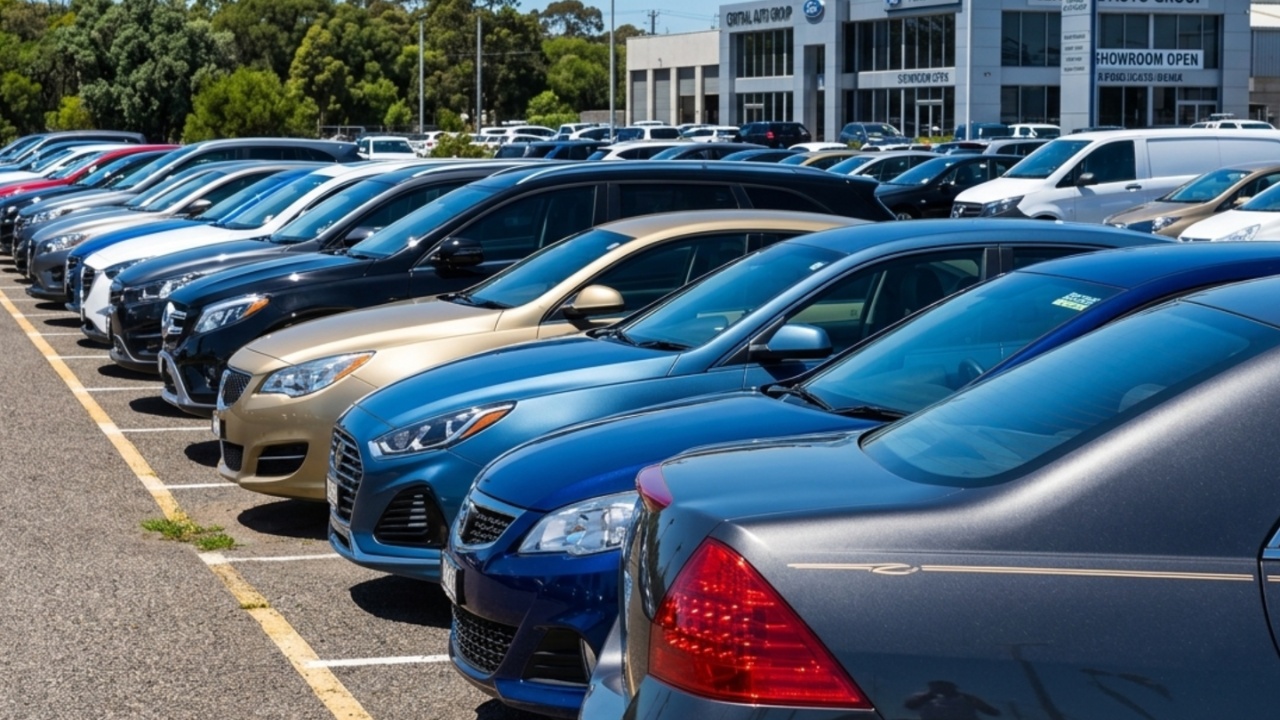
Cars in the $10,000 category are typically older used vehicles or high-mileage budget cars. The profit margin on these vehicles is usually the smallest in absolute dollar terms, but they sell quickly and attract a large customer base. On average, a dealership might make between $300 and $1,200 per car in direct gross profit on a $10,000 vehicle, depending on acquisition cost and reconditioning expenses.
In many cases, dealerships acquire these vehicles through auctions, trade-ins, or fleet liquidations. The purchase price might be around $7,500 to $9,000, leaving limited room for markup. Since customers in this price range are highly price-sensitive, dealerships cannot inflate prices significantly without losing competitiveness. This creates a tight margin environment.
However, the real profit often comes from financing. Buyers of $10,000 cars are more likely to use subprime or dealer-arranged financing, which allows dealerships to earn higher commissions from lenders. These financing deals can add $500 to $2,000 in backend profit, depending on interest rate markup and loan structure.
Dealerships also rely heavily on add-on products in this category. Extended warranties, service contracts, and insurance products can significantly increase total profit per vehicle. In some cases, the backend profit can exceed the front-end profit, making the total earnings per car closer to $1,500 to $3,000.
Even though the margin per unit is low, volume is high. Dealerships selling budget vehicles often focus on fast turnover rather than high per-unit profit, using each sale as an opportunity to generate long-term service and financing income.
Also Read: 10 Best Vehicles for Rural Gravel Roads
Profit on $20,000 Cars (Entry-Level New and Certified Pre-Owned)
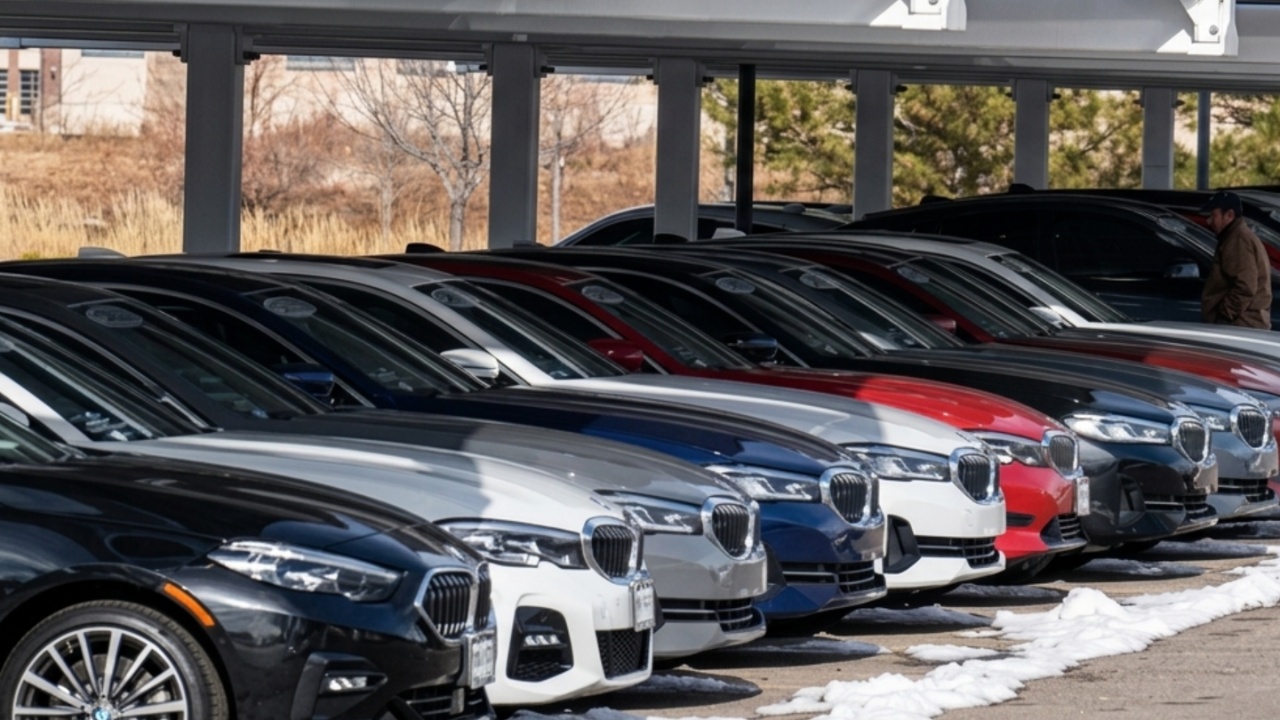
At the $20,000 price point, vehicles are typically entry-level new cars or certified pre-owned vehicles. The profit margin improves slightly compared to $10,000 cars, but remains relatively modest in the context of dealership operations. On average, dealerships may earn around $800 to $2,000 per car in front-end gross profit.
Manufacturers often price entry-level vehicles competitively, which limits how much dealers can mark them up. However, incentives from manufacturers can improve profitability. These may include rebates, dealer cash bonuses, or seasonal promotions that effectively increase dealer margins without raising the sticker price for consumers.
Financing again plays a major role in boosting total profit. Many buyers in this segment choose monthly payment plans, which opens opportunities for interest rate markups. Dealers may earn between $800 and $2,500 from financing and insurance products alone, depending on credit profiles and loan terms.
Trade-ins are also common in this category, especially when buyers upgrade from older vehicles. Dealerships can profit from undervalued trade-ins by reselling them at higher retail prices, often adding another $500 to $1,500 in indirect profit per transaction.
Total dealership profit per $20,000 car can range from $1,500 to $4,000 when all revenue streams are included, making it significantly more profitable than budget vehicles despite similar base margins.
Profit on $30,000 Cars (Mid-Range Popular Vehicles)
Vehicles priced around $30,000 represent one of the most common segments in the automotive market. These include compact SUVs, mid-size sedans, and well-equipped family cars. Dealerships typically make around $1,000 to $2,500 in front-end gross profit per vehicle in this category.
Manufacturers often support this segment heavily with incentives because it is a high-volume category. Dealer cash bonuses, financing subsidies, and promotional rebates can increase effective margins without changing consumer pricing. This allows dealerships to remain competitive while still earning a profit.
F&I income becomes even more important in this segment. Since buyers are often middle-income households, financing is common, and dealerships can earn $1,000 to $3,000 in backend profit depending on loan structure and add-ons purchased.
Trade-in activity is also strong in this segment, and dealerships frequently generate additional profit by reselling used vehicles acquired during upgrades. This can add another $800 to $2,000 per sale, depending on market conditions.
Total profit per $30,000 vehicle often falls between $2,500 and $6,000 when combining all revenue sources, making it one of the most balanced and reliable segments for dealership profitability.
Profit on $40,000 Cars (Upper Mid-Range and Premium Non-Luxury)
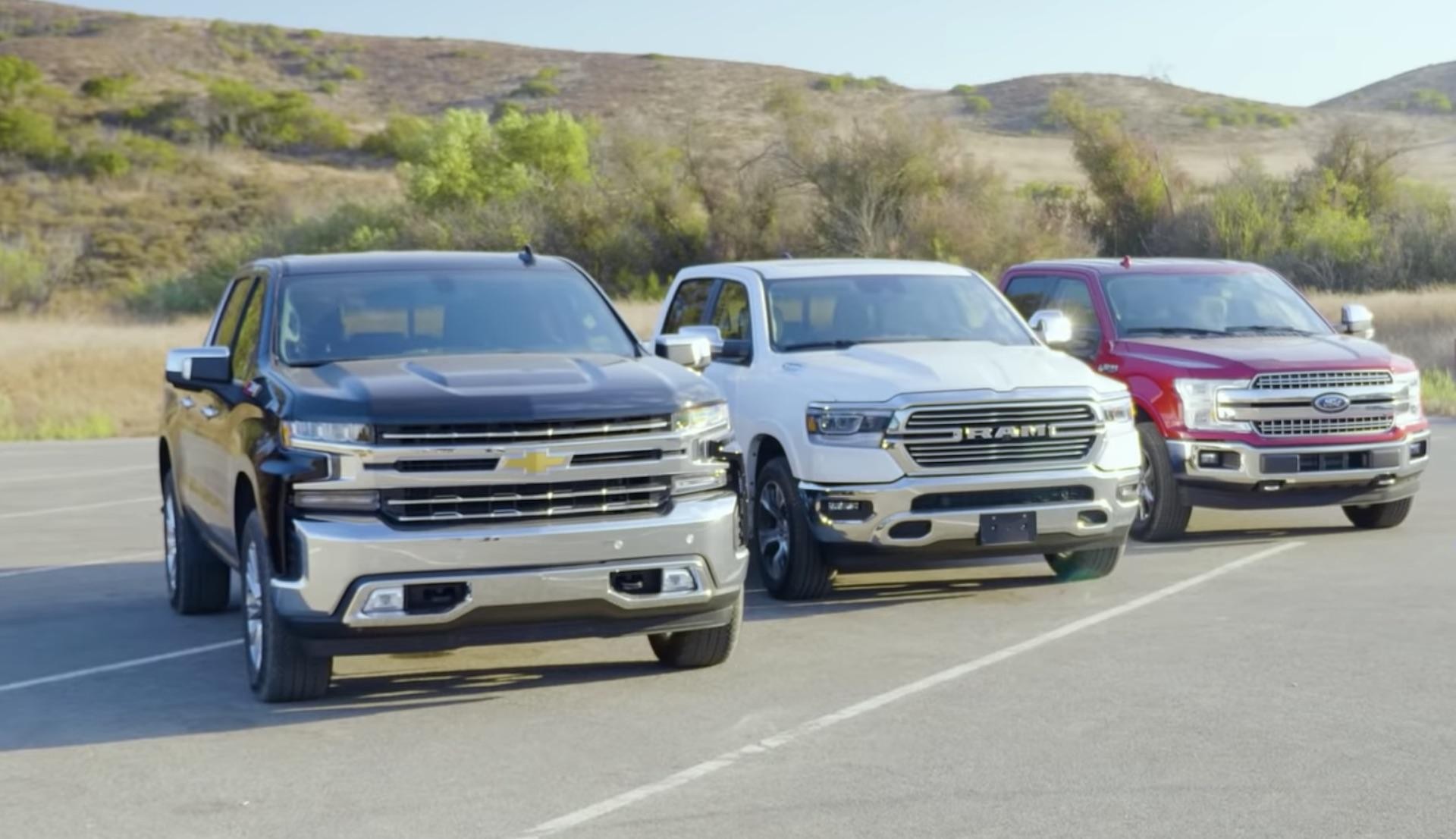
At the $40,000 price level, vehicles are often higher trim SUVs, trucks, or premium non-luxury models. Dealership front-end gross profit typically ranges from $1,500 to $3,500 per vehicle, depending on demand and inventory availability.
Manufacturers in this segment often provide stronger incentives for volume sales, but margins can fluctuate based on supply chain conditions and market demand. In high-demand periods, dealers may reduce discounts, increasing profit per unit.
Financing and insurance products continue to be a major profit driver. Because loan amounts are larger, even small interest rate markups can generate significant income. Backend profit in this category can range from $1,500 to $4,000 per vehicle.
Trade-in values are also higher, and dealerships often make strong margins on reselling well-maintained used vehicles acquired during transactions. This contributes another $1,000 to $3,000 in potential profit.
Total dealership profit per $40,000 car can realistically range from $3,500 to $8,000, depending on structure, incentives, and customer financing choices.
Profit on $100,000 Cars (Luxury and High-End Vehicles)
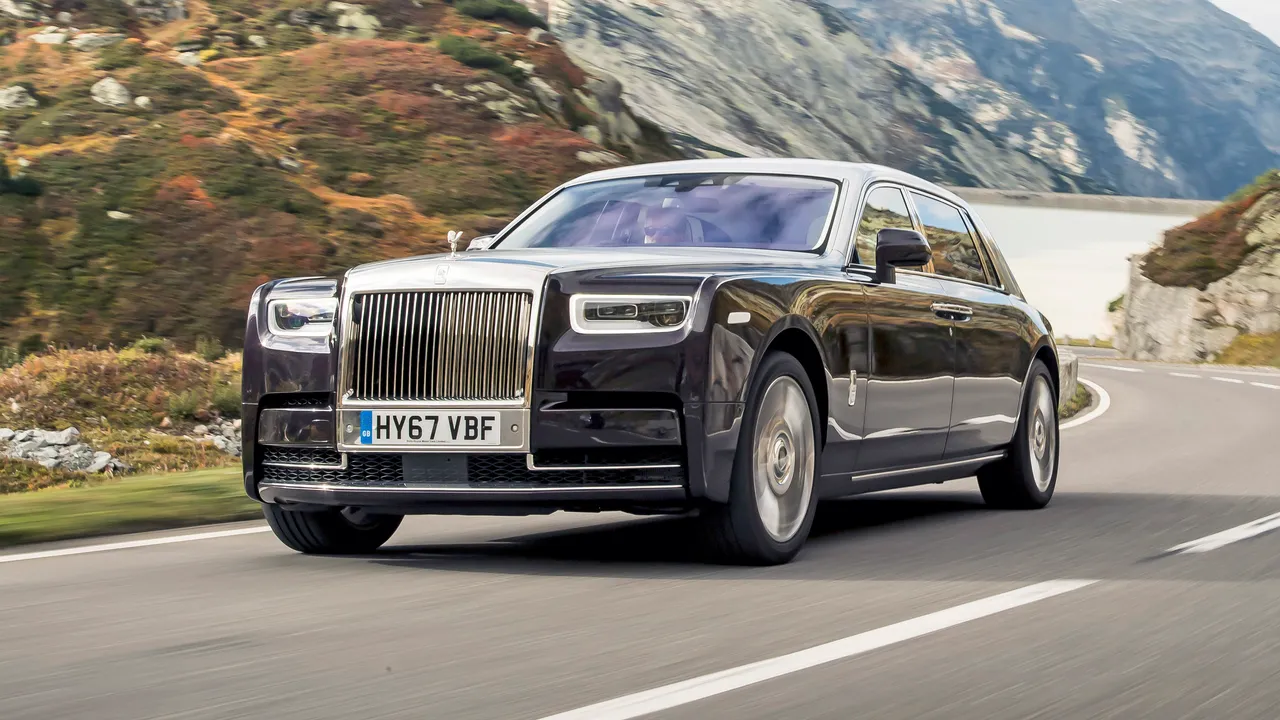
Luxury vehicles priced around $100,000 operate under a different profit structure compared to mainstream cars. Front-end gross profit can range from $3,000 to $10,000 per vehicle, but in some cases it may be lower due to competitive luxury market pricing and brand positioning strategies.
Luxury manufacturers often provide smaller direct discounts but may offer exclusive incentives, limited allocations, or performance bonuses to dealerships. These bonuses can significantly impact profitability but are tied to strict brand requirements and customer satisfaction metrics.
F&I profit in this category can be substantial. High-value financing packages, insurance upgrades, and luxury protection plans can generate $2,000 to $7,000 or more per sale. However, some buyers purchase outright, reducing financing-related income.
Trade-ins are especially valuable in this segment, as customers often exchange high-end vehicles that still retain strong resale value. Dealerships can make $2,000 to $6,000 or more from reselling these trade-ins, depending on condition and market demand.
Total profit per $100,000 luxury vehicle can range widely from $5,000 to $20,000 or more, but the sales volume is much lower compared to mass-market vehicles.

How Much Car Manufacturers Make Per Car
Car manufacturers typically operate on a different profit structure than dealerships. Their profit per vehicle is generally based on scale, production efficiency, and global distribution. On average, mainstream manufacturers may earn between $1,000 and $5,000 per vehicle in gross profit, depending on the model and platform.
Economy cars often generate lower margins, sometimes under $1,000 per unit, because they are designed for high-volume sales and affordability. In contrast, SUVs and trucks usually provide higher margins due to their larger size and higher pricing.
Luxury manufacturers, however, operate with significantly higher margins. Brands such as premium European automakers can earn anywhere from $5,000 to $20,000 or more per vehicle, depending on customization, optional packages, and brand positioning.
Manufacturers also earn additional revenue from financing arms, parts sales, and global supply chains. Many automakers operate their own financing companies, which generate substantial long-term profit beyond the initial vehicle sale.
While dealerships rely on multiple small profit streams per sale, manufacturers rely on scale and production efficiency to generate consistent global profitability.
