
Long road trips can be some of the most memorable experiences you have, whether you are traveling with family, friends, or even alone. The freedom of the open road and spontaneous stops all add to the charm of driving long distances.
However, what often gets overlooked in the excitement of planning a trip is preparation for unexpected situations. A well-prepared car can make the difference between a smooth journey and a stressful roadside problem. This is why knowing what to keep in your car at all times is essential, especially when covering long distances where help may not always be immediately available.
When you are on the highway for hours, small issues can quickly turn into major inconveniences. A flat tire, dehydration, a dead phone battery, or sudden fatigue can disrupt your travel plans. In some cases, these problems can even become safety risks if you are stranded in an isolated area.
That is why having the right essentials in your car is not just about comfort but also about safety and peace of mind. A properly stocked vehicle ensures that you are ready for emergencies, minor repairs, and even simple inconveniences that can arise unexpectedly during travel.
Another important aspect of road trip preparation is that conditions are not always predictable. Weather can change suddenly, traffic conditions can slow you down, and remote routes may not offer access to shops or help stations for long stretches. In such situations, being self-sufficient becomes extremely important.
Items like food, water, lighting, and basic repair tools can help you stay calm and in control until you reach a safe location or assistance arrives. Even experienced drivers benefit from carrying emergency supplies because road conditions can vary greatly from one trip to another.
Comfort also plays a major role in long-distance driving. Sitting in a car for hours can lead to fatigue, dehydration, and discomfort. Simple items such as blankets, neck pillows, or even basic entertainment can help make the journey more pleasant and reduce stress levels.
When passengers are comfortable, the driving experience becomes safer because the driver remains more focused and less distracted by complaints or discomfort.
In this article, we will explore nine essential items that you should always keep in your car for long trips. Each of these items plays a specific role in ensuring safety, comfort, and preparedness. Whether you are a frequent traveler or someone planning an occasional road trip, this guide will help you build a practical checklist that keeps you ready for almost any situation on the road.
Also Read: 5 Land Rover Models Worth the Risk VS 5 To Avoid
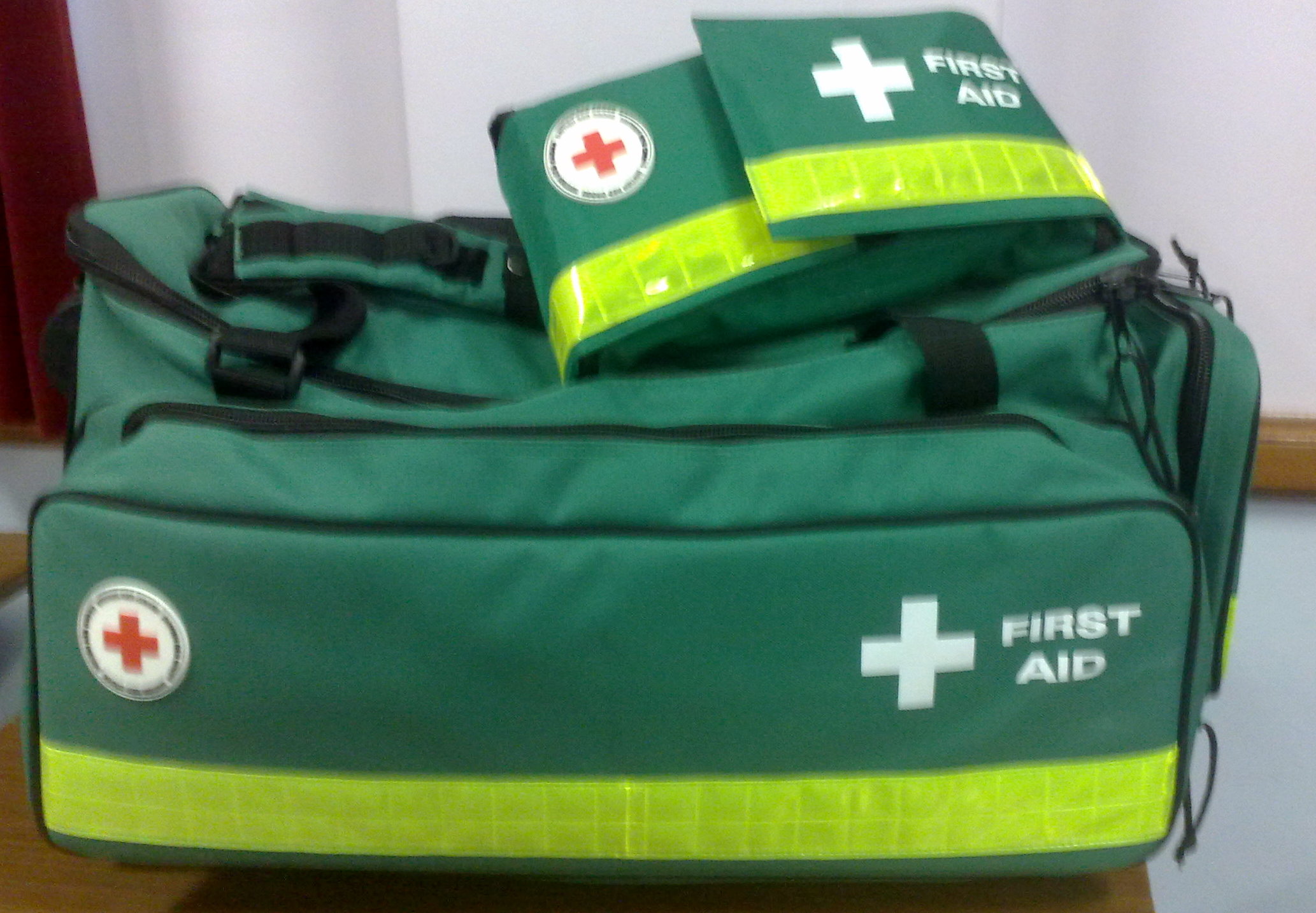
1. First Aid Kit
A first aid kit is one of the most essential safety items you can keep in your car, especially during long road trips where medical help may not be immediately accessible. Even minor injuries such as cuts, scrapes, insect bites, headaches, or small burns can become uncomfortable and distracting if not treated quickly.
On highways, remote roads, or mountain routes, hospitals and pharmacies may be far apart, making self-care the first line of response. A properly prepared first aid kit ensures that you are not helpless in such situations and can take quick action to stabilize minor health issues before they become serious.
A well-stocked kit should include adhesive bandages of various sizes, sterile gauze pads, antiseptic solution, cotton balls, medical tape, scissors, disposable gloves, and basic pain relief medication.
It is also useful to include ointments for burns and allergies, as well as oral rehydration salts for dehydration-related discomfort. For families traveling with children, items like child-safe medications and fever strips can be especially important. The goal is not to replace medical professionals but to bridge the gap between the incident and proper medical care.
Another important aspect of maintaining a first aid kit is regular inspection and updating. Many people forget that medicines expire and medical supplies degrade over time, especially when exposed to heat inside a car.
High temperatures can reduce the effectiveness of tablets and ointments, making them less reliable when needed. Checking the kit every few months and replacing expired or used items ensures that it remains fully functional at all times.
In addition to physical supplies, basic knowledge of first aid is equally important. Knowing how to clean a wound, apply pressure to stop bleeding, or treat minor burns can significantly improve outcomes in emergencies. Even a simple understanding of these techniques can prevent panic and allow you to act calmly and effectively when someone is injured during travel.
A first aid kit provides more than just medical supplies. It provides confidence, preparedness, and peace of mind. When you know that you can handle small emergencies on your own, you become a more responsible and capable traveler, ready for the unpredictable nature of long road journeys.

2. Water and Hydration Supplies
Water is one of the most critical survival essentials for any road trip, yet it is often underestimated until a situation arises where it is urgently needed. During long drives, especially in hot and dry regions, the human body loses fluids more quickly than expected.
Dehydration can lead to fatigue, dizziness, headaches, and reduced concentration, all of which are extremely dangerous when driving. Keeping sufficient water in your car ensures that both drivers and passengers remain hydrated, alert, and comfortable throughout the journey.
It is recommended to carry multiple bottles of drinking water rather than relying on a single large container. This helps in easy access and portion control, especially during long stretches of driving where stops may be limited.
In areas with extreme heat, water consumption increases significantly, and having extra запас ensures that you do not run out unexpectedly. Even short delays caused by traffic jams or roadblocks can become uncomfortable without water, making it an essential travel companion.
Hydration is directly linked to driver safety. Even mild dehydration can impair focus, slow reaction times, and reduce decision-making ability. This is especially risky during highway driving, where vehicles move at high speeds and require constant attention.
Drinking water at regular intervals helps maintain alertness and reduces the chances of fatigue-related accidents. For passengers, staying hydrated also improves comfort and reduces irritability during long hours of travel.
In addition to plain water, some travelers prefer carrying electrolyte solutions or sports drinks. These are especially useful in hot climates where excessive sweating can lead to loss of essential minerals like sodium and potassium. Electrolytes help restore balance in the body and provide quicker recovery from physical exhaustion. However, they should complement water rather than replace it entirely.
Water is a simple yet powerful resource that supports safety, health, and comfort. It requires minimal space in your vehicle but offers maximum benefit, making it one of the most important items for any long-distance journey.

3. Emergency Food Supplies
Emergency food supplies are a crucial part of long-distance travel preparation, as they ensure that you and your passengers remain energized even when unexpected delays occur.
While most road trips are planned with meals and rest stops in mind, real-world conditions often disrupt schedules. Traffic congestion, road construction, vehicle breakdowns, or remote travel routes can make it difficult to access food when needed. In such situations, having ready-to-eat snacks can make a significant difference in comfort and mood.
The best types of emergency food are non-perishable items that do not require refrigeration or cooking. These include energy bars, biscuits, roasted nuts, dried fruits, granola, and packaged snacks.
Such foods are compact, lightweight, and have a long shelf life, making them ideal for storing in a car for extended periods. They provide quick energy and help maintain stamina during long hours of driving or waiting on the road.
Food plays a major psychological role during travel as well. Hunger can quickly lead to irritability, restlessness, and fatigue, especially among children and elderly passengers. Even minor hunger discomfort can feel amplified during long journeys. Having accessible snacks helps maintain a calm environment inside the vehicle, reducing stress for both the driver and passengers.
Emergency food becomes even more important in situations where travel plans change unexpectedly. For example, weather conditions such as heavy rain, fog, or storms may force delays or detours. In rural or remote areas, restaurants and shops may be sparse or closed during certain hours. In such cases, stored food supplies act as a safety buffer, ensuring that no one remains hungry while waiting for the situation to improve.
In addition to convenience, emergency food contributes to travel safety by maintaining energy levels. A well-nourished driver is more alert, focused, and capable of handling long hours on the road. This makes food not just a comfort item but a practical safety measure for long-distance driving.

4. Spare Tire and Repair Tools
A spare tire and basic repair tools are among the most important emergency preparedness items you can carry in your car. Tire-related issues are one of the most common problems faced by drivers during long trips, especially when traveling on highways, rough terrain, or poorly maintained roads.
A sudden puncture or blowout can bring your journey to a halt, and without a spare tire, you may have to wait for roadside assistance for a long time, sometimes in unsafe or inconvenient locations.
A proper spare tire setup should include a fully functional spare wheel that matches your vehicle specifications, along with essential tools such as a jack, wheel wrench, and a tire pressure gauge.
These tools allow you to safely lift the vehicle, remove the damaged tire, and install the spare. For drivers who travel frequently, it is highly recommended to practice the tire-changing process in advance so that it can be done confidently during emergencies.
In addition to the spare tire, carrying a portable air compressor or inflator can be extremely useful. Sometimes a tire may lose pressure gradually rather than suffer a complete puncture. In such cases, a portable pump can temporarily restore air pressure, allowing you to drive to the nearest service station safely. This can save significant time and prevent being stranded in remote areas.
Modern emergency kits also often include tire repair sealant, which can temporarily seal small punctures. While not a permanent solution, it can be helpful in situations where immediate tire replacement is not possible. However, it is always recommended to get the tire professionally inspected and repaired as soon as possible after using such solutions.
Being prepared for tire emergencies ensures that a common roadside issue does not turn into a major disruption. It gives drivers independence, reduces stress, and ensures that travel plans remain on track even when unexpected mechanical problems occur.
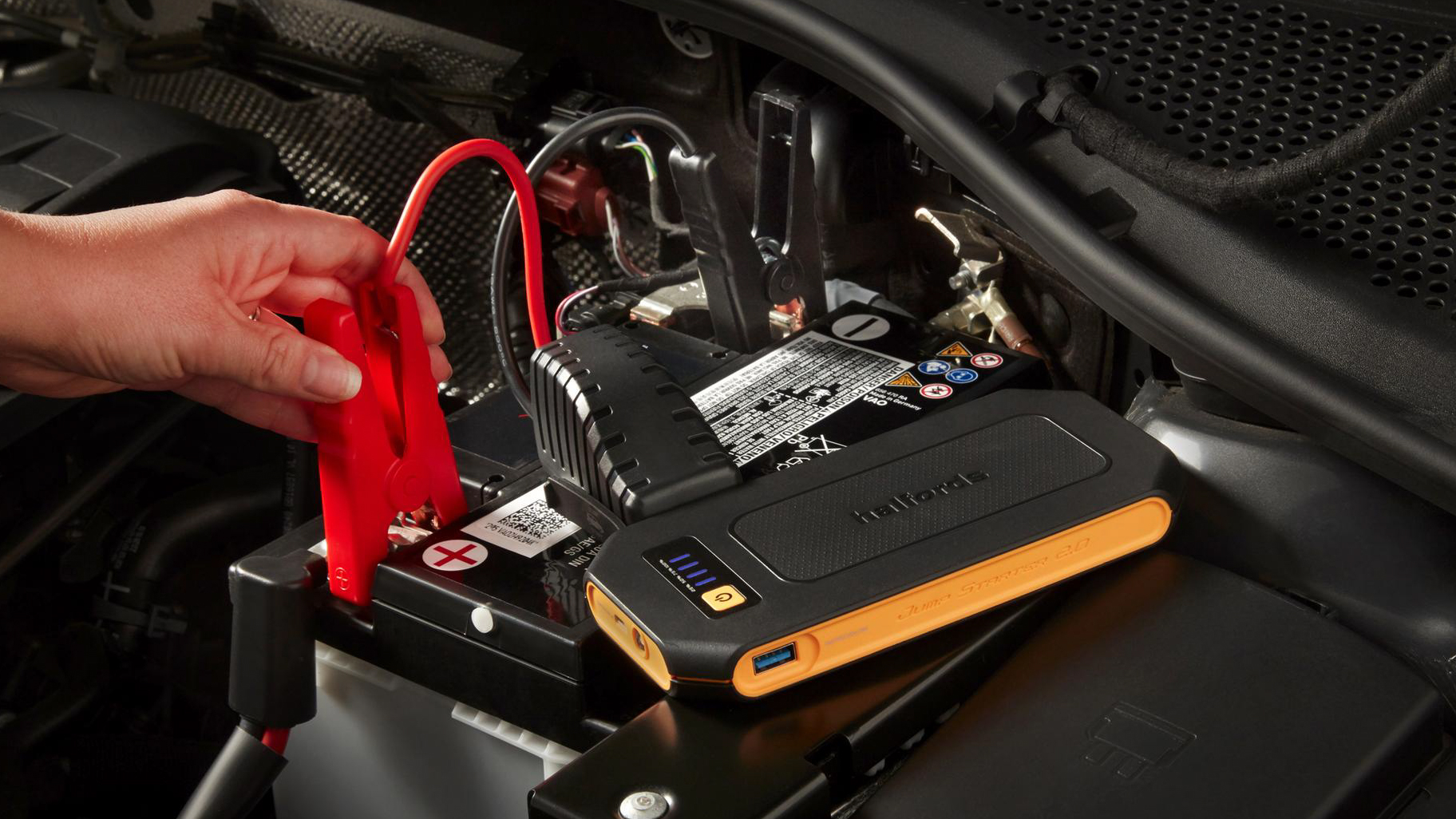
5. Power Bank and Charging Cables
In today’s connected world, a power bank and charging cables are no longer optional travel accessories but essential tools for road safety and convenience.
Smartphones are used for a wide range of purposes during travel, including navigation, communication, entertainment, emergency calls, and booking services. If your phone battery dies during a long trip, especially in unfamiliar or remote areas, it can quickly become a serious problem.
A high-capacity power bank ensures that your devices remain charged even when the car is turned off or when built-in charging ports are unavailable. For long journeys, it is advisable to carry a power bank with enough capacity to charge a smartphone multiple times. This is especially important when traveling with multiple passengers, as everyone may need to charge their devices at different times.
Charging cables are equally important and should always be compatible with all devices being carried in the vehicle. It is common for cables to get damaged or misplaced, so carrying extras reduces the risk of inconvenience. Some travelers also prefer multi-port charging cables or adapters that allow multiple devices to charge simultaneously, which is especially useful during group travel.
Having charged devices also enhances safety during emergencies. In case of vehicle breakdowns or accidents, communication becomes critical. A working phone allows you to contact roadside assistance, emergency services, or family members without delay. Additionally, navigation apps rely heavily on battery power, making uninterrupted charging essential for route accuracy and travel planning.
Beyond safety, power banks also improve comfort during long trips. They allow passengers to use their devices for entertainment such as music, videos, or reading without worrying about battery life. This makes the journey more enjoyable and reduces boredom during long hours on the road.
Also Read: 10 Strangest Concept Cars & Ranked
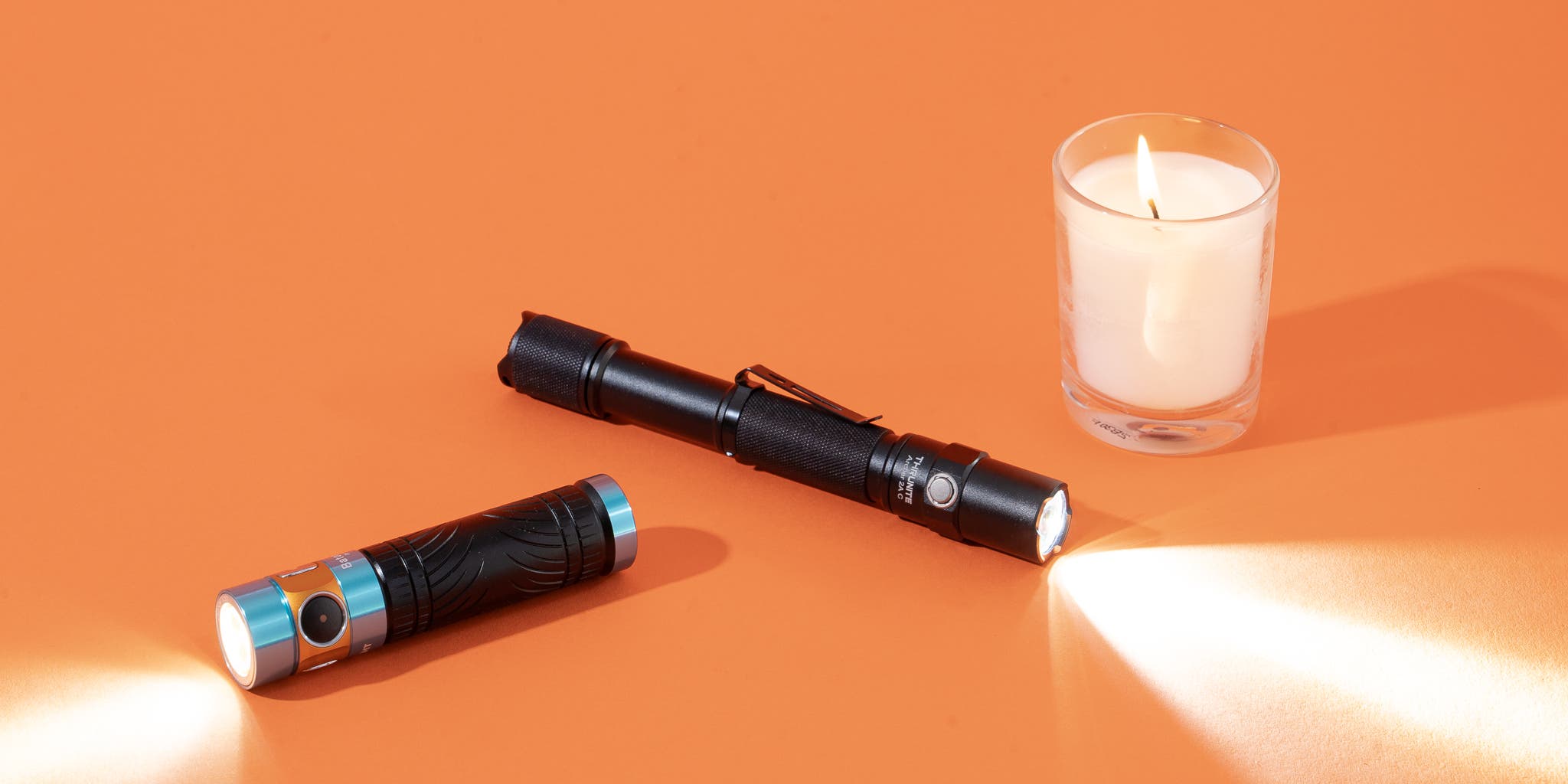
6. Flashlight and Emergency Lighting
A flashlight and emergency lighting system are extremely important yet often overlooked essentials for long road trips. Many travel situations can suddenly place you in low visibility conditions, such as nighttime breakdowns, tire changes on dark highways, or even simple tasks like checking under the hood of your car.
Without proper lighting, even minor issues can become difficult and unsafe to handle. A reliable flashlight ensures that you are never left helpless in the dark, giving you the ability to assess problems, move safely around your vehicle, and signal for assistance if needed.
Modern LED flashlights are highly recommended for car travel because they are bright, energy-efficient, and durable. Unlike older models, LED lights consume less battery power while producing strong illumination, making them ideal for emergencies.
Rechargeable flashlights are even better since they can be powered through your car or a power bank, ensuring they are always ready when needed. Some travelers also prefer headlamps because they allow hands-free operation, which is especially useful during tire changes or mechanical inspections.
Emergency lighting is not limited to handheld flashlights. Small portable lanterns, magnetic work lights, and car interior LED lights can significantly improve visibility during roadside situations.
These tools help illuminate a wider area, making it easier to perform tasks safely and efficiently. For example, if your car breaks down at night, a lantern placed near the vehicle can help passing drivers see you from a distance, reducing the risk of accidents.
Lighting also plays an important psychological role during emergencies. Being in complete darkness can increase stress and confusion, especially in unfamiliar or isolated areas. Having a dependable light source provides reassurance and helps you stay calm while addressing the situation. This calm mindset is crucial for making rational decisions during unexpected travel problems.
A flashlight and emergency lighting system are simple investments that offer significant safety benefits. They ensure visibility, improve confidence, and enhance your ability to handle roadside situations effectively, making them an essential part of any long-distance travel kit.
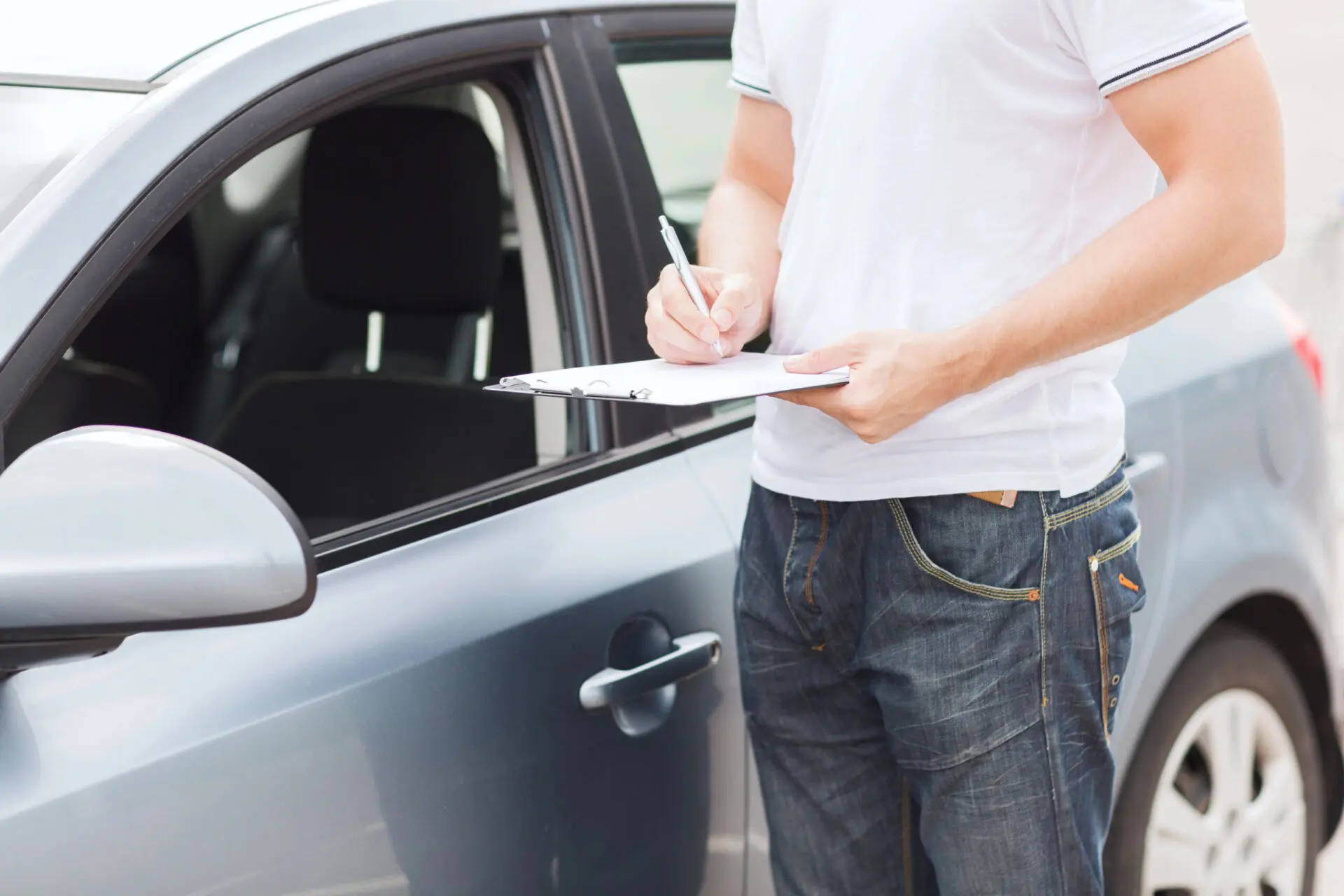
7. Documents and Important Papers
Keeping essential documents in your car is a critical requirement for both legal compliance and emergency preparedness during long trips. Driving without proper documentation can lead to unnecessary delays, fines, or complications if you are stopped by traffic authorities.
More importantly, in the event of an accident or roadside incident, having your documents readily available helps streamline communication with authorities and insurance providers, ensuring that situations are resolved quickly and smoothly.
Key documents typically include your driving license, vehicle registration certificate, insurance papers, and identity proof. These documents confirm that you are legally permitted to drive and that your vehicle is properly registered and insured.
In some regions, additional documents such as pollution certificates or road permits may also be required. Keeping all of these organized in a dedicated folder inside your car ensures that you are always prepared for inspections or emergencies.
It is highly recommended to store these documents in a waterproof and dustproof folder. Cars are exposed to heat, moisture, and occasional spills, all of which can damage paper documents over time. Protecting them properly ensures that they remain readable and intact when needed. Some travelers also choose to keep laminated copies to further reduce the risk of damage during long journeys.
In addition to physical copies, digital backups stored on your phone or cloud storage can serve as an extra layer of security. In case of loss or theft, having scanned copies can make it easier to retrieve or reissue important documents. However, physical copies are still essential in many situations where digital verification is not accepted.
Keeping your documents organized and accessible is not just about legal safety but also about peace of mind. It ensures that you can handle inspections, emergencies, and administrative requirements efficiently, allowing you to focus more on the journey itself rather than potential complications.

8. Comfort Items
Comfort items play a major role in making long road trips enjoyable and reducing physical fatigue, especially during extended hours of sitting inside a vehicle. While safety essentials are crucial, comfort directly impacts how relaxed and refreshed passengers feel throughout the journey. A comfortable travel environment helps reduce irritability, prevents fatigue, and makes the entire experience more pleasant for everyone in the car.
One of the most common comfort items is a travel pillow, which provides neck support and helps prevent stiffness during long rides. This is especially important for passengers who want to sleep or rest during the journey.
Without proper neck support, long hours of sitting can lead to discomfort and soreness, which can affect travel enjoyment. Similarly, soft blankets are useful for maintaining warmth during cold weather or nighttime driving, ensuring that passengers remain cozy regardless of external conditions.
Sunglasses are another essential comfort item, particularly for daytime driving. Bright sunlight and glare from roads or other vehicles can cause eye strain and reduce visibility. High-quality sunglasses help reduce glare, improve visual clarity, and make driving less tiring for the eyes. This not only improves comfort but also enhances safety by allowing drivers to maintain better focus on the road.
Additional comfort items may include seat cushions, noise-reducing earplugs, or even small travel fans, depending on weather conditions. These items may seem minor, but they significantly improve the travel experience, especially on long journeys where physical discomfort can build up over time. A more comfortable passenger environment also indirectly benefits the driver by reducing distractions and complaints.
In essence, comfort items are not luxuries but practical additions that enhance the quality of travel. They help maintain physical ease, reduce stress, and ensure that long journeys remain enjoyable rather than exhausting.
9. Navigation and Communication Tools
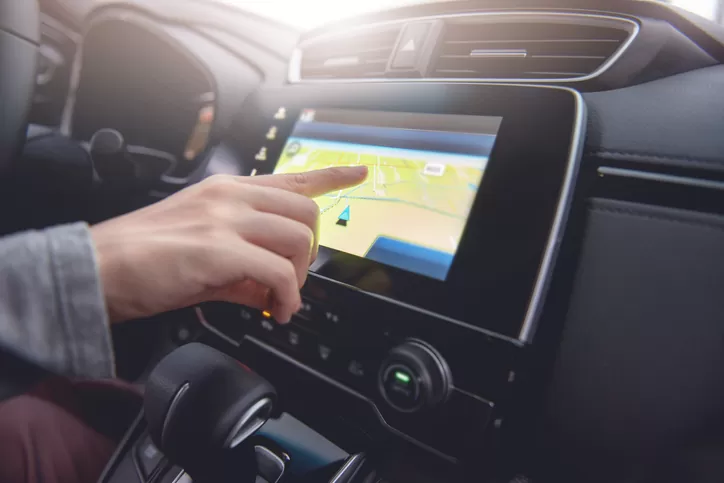
Navigation and communication tools are absolutely essential for safe and efficient long-distance travel, especially when passing through unfamiliar routes, rural areas, or regions with limited connectivity. Modern smartphones have made navigation easier than ever, but relying solely on mobile signals or a single device can be risky.
Network coverage can be inconsistent in remote areas, and battery failure or technical issues can leave you without guidance when you need it most.
GPS-based navigation apps are extremely useful for real-time directions, traffic updates, and route optimization. They help drivers avoid traffic congestion, road closures, and accidents by suggesting alternative routes.
However, these tools depend heavily on internet connectivity and battery life, which is why backup options are essential. Offline maps or downloaded route data can serve as reliable alternatives when network access is unavailable.
Printed maps may seem old-fashioned, but they remain one of the most dependable backup navigation tools. They do not rely on electricity, signals, or batteries, making them useful in emergency situations where digital devices fail. Having a basic understanding of your route before starting the journey also reduces dependency on technology and improves travel confidence.
Communication tools are equally important for safety. A fully charged mobile phone with emergency contacts saved ensures that you can reach help whenever needed. In group travel situations, having multiple phones or backup devices can provide additional security in case one device fails. Communication becomes especially critical during breakdowns, accidents, or unexpected delays.
Navigation and communication tools ensure that you remain connected, informed, and in control throughout your journey. They reduce uncertainty, improve travel efficiency, and provide a vital safety net in unpredictable road conditions.
