
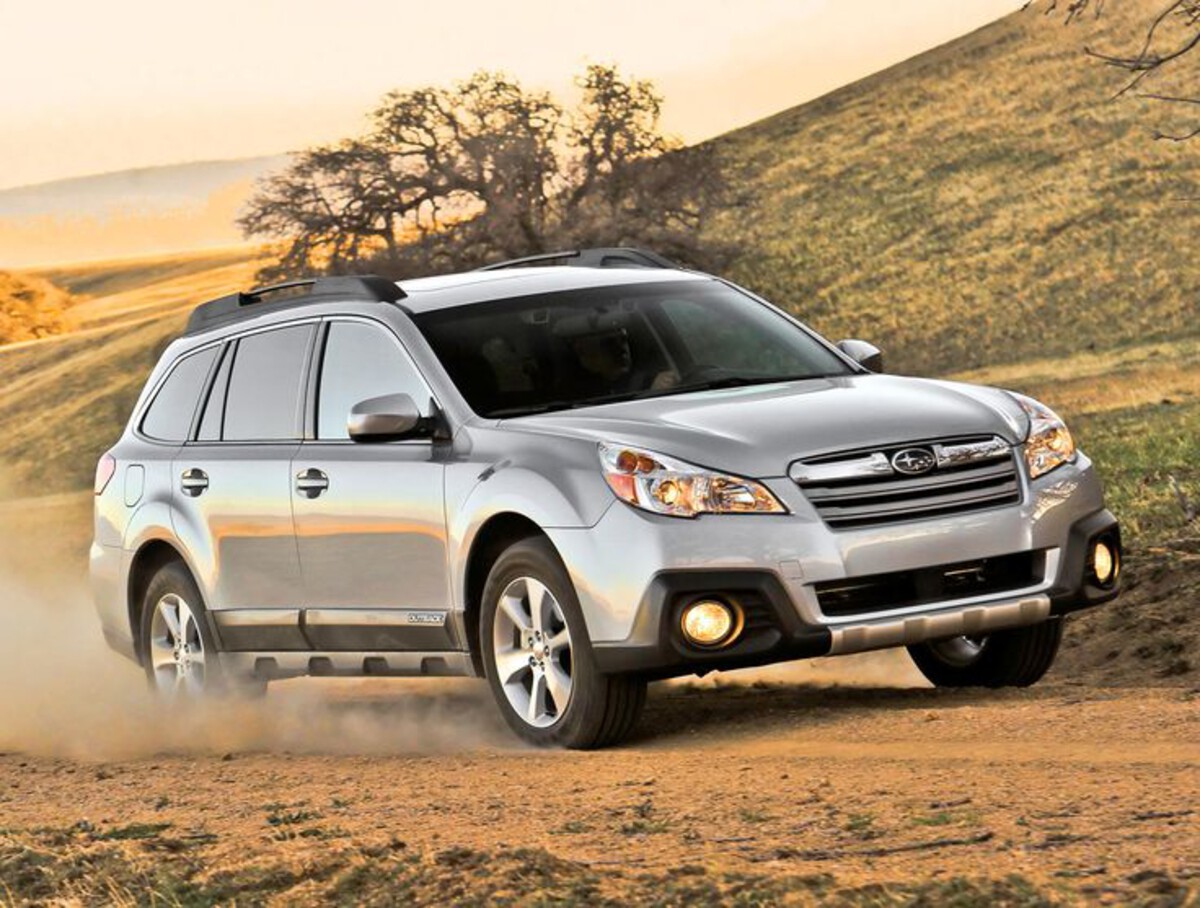
The Subaru Outback is one of the most popular all-wheel-drive wagons ever built, known for its practicality, safety, and long-distance comfort. It blends SUV capability with car-like handling, making it a top choice for families, outdoor travelers, and commuters who need reliability in all weather conditions.
However, not all model years are equal. Over its long production history, the Outback has gone through several generations, engine changes, and transmission updates, and these transitions created both standout reliable years and a few problematic ones.
When shopping for a used Subaru Outback, understanding which model years are dependable and which ones carry costly issues can save thousands in repairs. Some years are praised for their durability, smooth drivetrains, and lower complaint rates, while others are known for oil consumption problems, CVT transmission issues, electrical faults, and early production redesign bugs.
In general, later years of a generation tend to be more refined, while first-year redesigns often carry more risk. However, there are exceptions where specific trims or engine combinations perform significantly better than others.
This guide breaks down the five best Subaru Outback model years to buy based on reliability trends, ownership feedback, and known mechanical performance, followed by the five model years you should avoid due to recurring issues.
Whether you are looking for a budget-friendly older Outback or a newer, more refined generation, this breakdown will help you make a smarter buying decision and avoid expensive surprises. The goal is not just to rank years, but to explain why certain models stand out, what problems to watch for, and how to choose a used Outback that will remain dependable for years to come.
Also Read: Adventure Bikes Have Dethroned Sportbikes as the King of Two Wheels
5 Best Used Subaru Outback Model Years
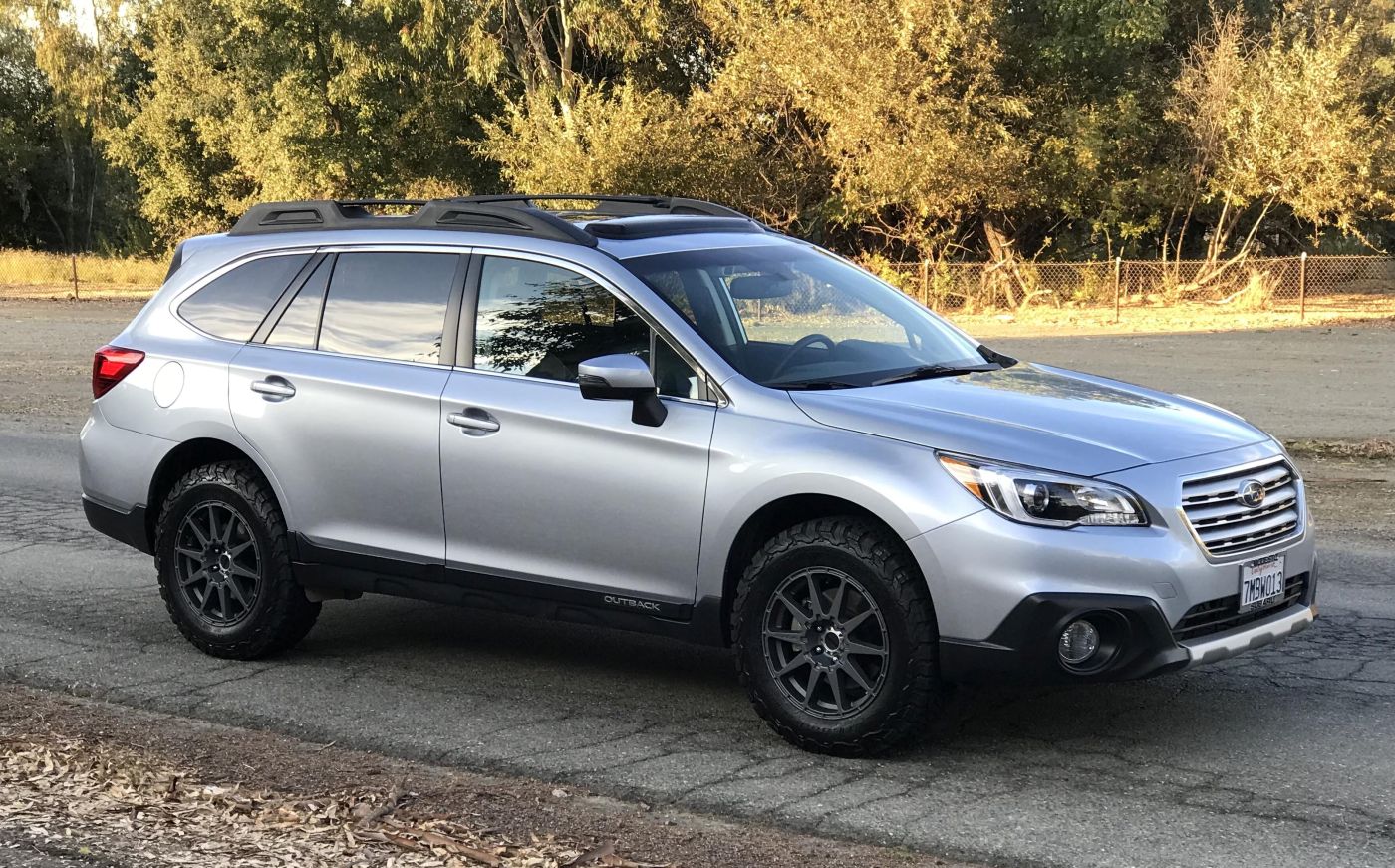
- Engine: 2.5L H4 / 3.6L H6
- Horsepower: 173 hp / 256 hp
- Torque: 174 lb-ft / 247 lb-ft
- Length: 189.0 inches
- Width: 71.7 inches
1. 2014 Subaru Outback (Best Older Reliable Value)
The 2014 Subaru Outback stands out as one of the most dependable options in the fourth generation because it represents the final stage of a long and well-tested platform.
By this time, Subaru had already worked through most of the early design inconsistencies seen in previous years, resulting in a more stable and predictable vehicle. This makes it especially attractive for buyers who want a proven used car rather than a newer model with uncertain long-term reliability trends.
One of the biggest strengths of the 2014 Outback is its engine lineup. The 2.5-liter flat four engine is known for its simplicity and long service life when regular oil changes are maintained.
It is not a performance-focused engine, but it is built for endurance and efficiency. The available 3.6-liter six-cylinder option adds more power while maintaining a reputation for smooth operation and strong durability over high mileage.
The transmission options in this model year are also more refined compared to earlier experiments with continuously variable transmissions. While the CVT was still relatively new to Subaru at this stage, the 2014 version is far more stable than earlier implementations. Drivers generally report smoother shifts and fewer complaints about hesitation or unpredictable behavior, especially in highway driving conditions.
Comfort and practicality are additional strengths of this model year. The ride quality is tuned for long-distance travel, and the interior layout focuses on usability rather than luxury complexity. Controls are simple, visibility is strong, and cargo space is generous, making it a very practical choice for families, road trips, or outdoor activities.
The 2014 Subaru Outback offers one of the best combinations of affordability, mechanical simplicity, and long-term reliability potential in the used market. It is often recommended for buyers who want a low-risk entry point into Subaru ownership without dealing with newer electronic complexity.
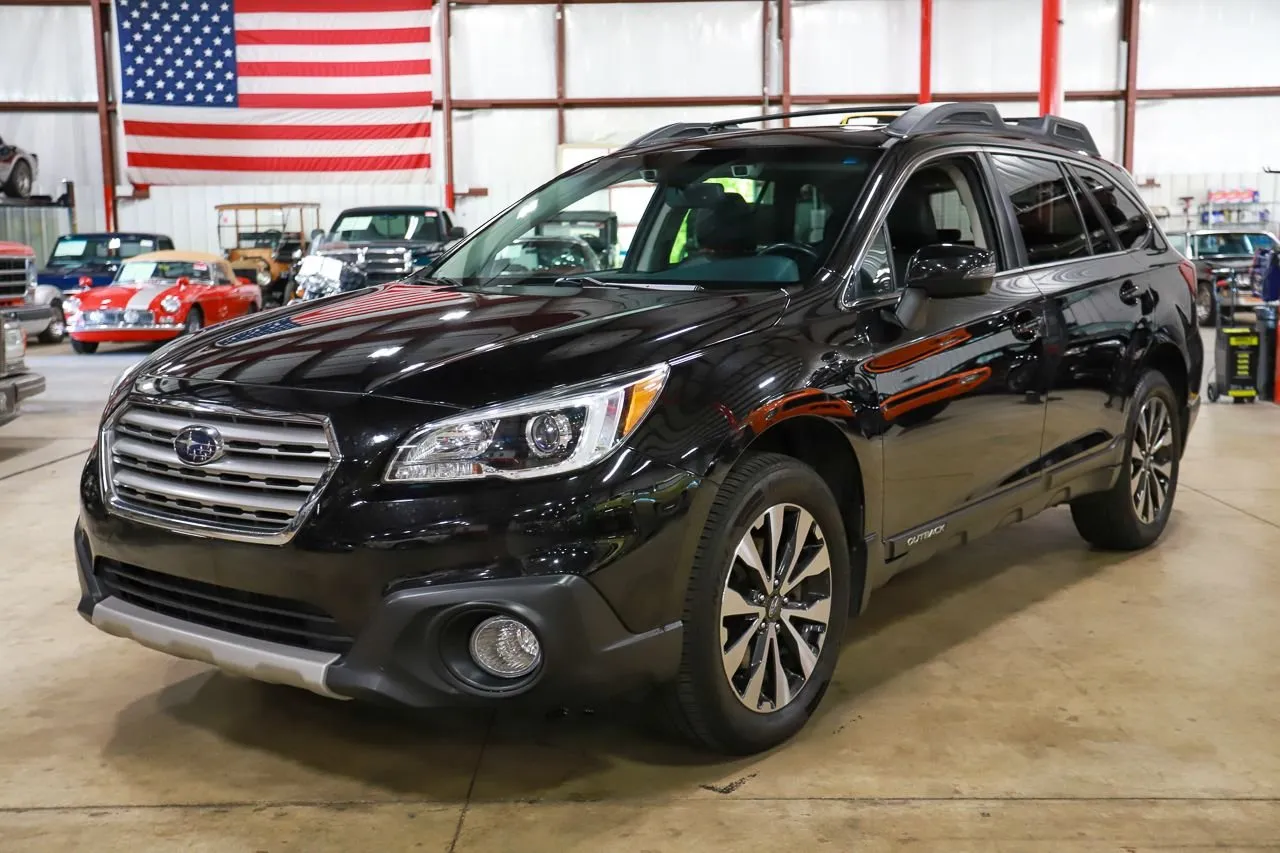
- Engine: 2.5L H4 / 3.6L H6
- Horsepower: 175 hp / 256 hp
- Torque: 174 lb-ft / 247 lb-ft
- Length: 189.6 inches
- Width: 72.4 inches
2. 2016 Subaru Outback (Early Gen 5 Sweet Spot)
The 2016 Subaru Outback is widely considered one of the most balanced early models of the fifth generation because it reflects the improvements made after the first year of redesign.
The 2015 model introduced the new platform, but the 2016 version benefited from early refinements that improved drivability, comfort, and system stability. This makes it a safer choice compared to the first production year of the generation.
One of the key improvements in this model year is the refinement of the continuously variable transmission. While early CVT systems in Subaru vehicles sometimes struggled with responsiveness, the 2016 version shows noticeable progress in smooth acceleration and reliability under normal driving conditions. It is not perfect, but it is more predictable and better tuned for everyday use.
The interior of the 2016 Outback is also a significant step forward compared to older generations. It offers more cabin space, improved seating comfort, and better ergonomics. Subaru focused heavily on practicality, so the layout feels intuitive and driver-friendly. This makes it a strong option for long commutes and family use.
Technology features in this model year also improved, especially in infotainment and safety systems. While not as advanced as newer vehicles, it includes useful driver assistance features and a more modern interface. These additions increase convenience without overwhelming the driver with unnecessary complexity.
The 2016 Subaru Outback is a strong middle ground between older simplicity and newer technology. It avoids many early redesign problems while still offering modern comfort and safety features, making it a dependable choice for used car buyers.
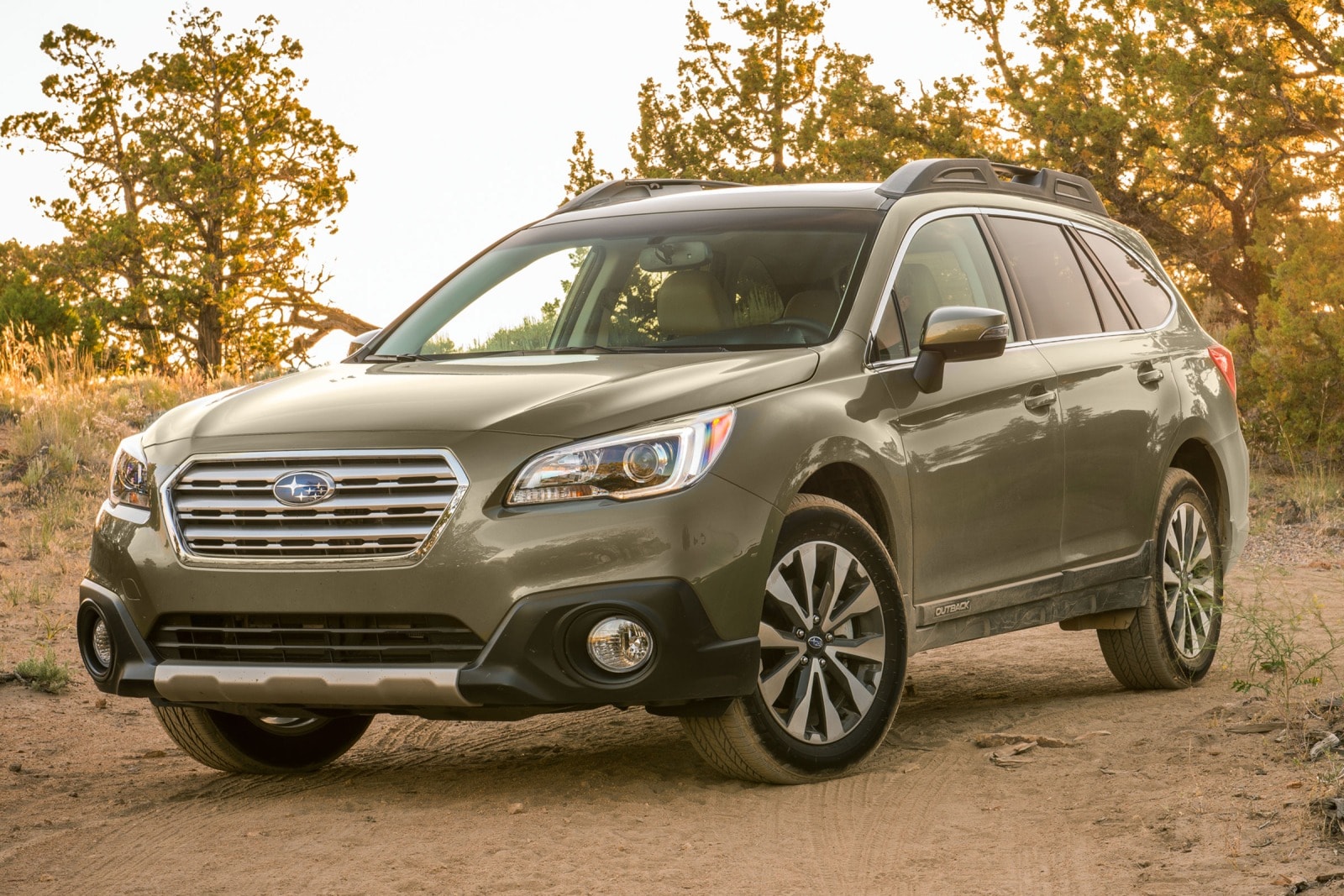
- Engine: 2.5L H4 / 3.6L H6
- Horsepower: 175 hp / 256 hp
- Torque: 174 lb-ft / 247 lb-ft
- Length: 189.6 inches
- Width: 72.4 inches
3. 2017 Subaru Outback (Refined Mid-Gen Reliability)
The 2017 Subaru Outback represents a point in the fifth generation where most early issues had already been addressed, making it one of the more refined and dependable versions of this platform. By this stage, Subaru had gathered enough real-world feedback to fine-tune both mechanical and electronic systems, resulting in a more polished driving experience.
The drivetrain in the 2017 model benefits from improved CVT calibration, which leads to smoother power delivery and more consistent performance. Drivers often report fewer issues with hesitation or uneven acceleration, especially during highway merging or uphill driving. This makes it a more confidence-inspiring vehicle for everyday use.
Reliability in this model year is generally stronger compared to earlier Gen 5 vehicles, although routine maintenance remains critical. When properly serviced, the engine and transmission combination can deliver long-term durability. Subaru’s All Wheel Drive system also continues to perform well in different weather and road conditions, maintaining the brand’s core strength.
Inside the cabin, the 2017 Outback offers a comfortable and practical environment. The seating position is elevated for better visibility, and the materials used are durable enough to handle long-term wear. While not a luxury interior, it is designed with usability in mind, which appeals to drivers who prioritize function over premium finishes.
The 2017 model is often seen as one of the safest choices within the fifth generation because it strikes a strong balance between improved reliability, modern features, and proven long-term performance trends.
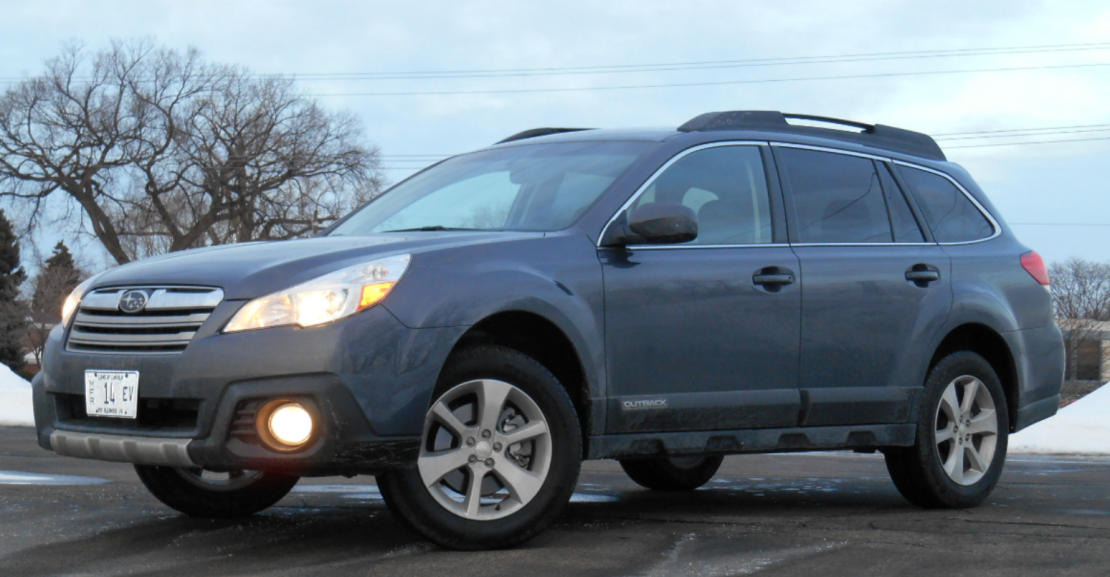
- Engine: 2.5L H4 / 3.6L H6
- Horsepower: 173 hp / 256 hp
- Torque: 174 lb-ft / 247 lb-ft
- Length: 189.0 inches
- Width: 71.7 inches
4. 2014 Subaru Outback 3.6R (Best Performance Reliability Combo)
The 2014 Subaru Outback 3.6R is a standout option because it offers a different driving experience compared to the standard four-cylinder version. The 3.6-liter flat-six engine is known for its smoothness, reduced vibration, and strong highway performance. It provides a more relaxed driving feel, especially during long-distance travel or when carrying passengers and cargo.
One of the key advantages of this engine is its durability profile. The flat six design tends to experience less strain compared to smaller engines working harder under load.
This often translates into longer service life when maintenance schedules are followed correctly. It is also less associated with certain oil consumption concerns that have affected some four-cylinder Subaru engines in other model years.
The transmission paired with the 3.6R engine in this generation is a traditional automatic rather than a continuously variable transmission. This contributes to a more familiar driving feel for many drivers and reduces concerns some people have about early CVT systems. Gear changes are predictable and well-suited for highway cruising.
In terms of practicality, the 3.6R retains all the strengths of the standard Outback, including spacious cargo capacity, good ground clearance, and strong All Wheel Drive capability. However, it adds a noticeable boost in acceleration, making highway passing and uphill driving much easier and more comfortable.
The 2014 3.6R is often viewed as a hidden gem because it combines Subaru’s practicality with smoother performance and strong long-term reliability potential, making it an excellent choice for drivers who want more power without sacrificing durability.
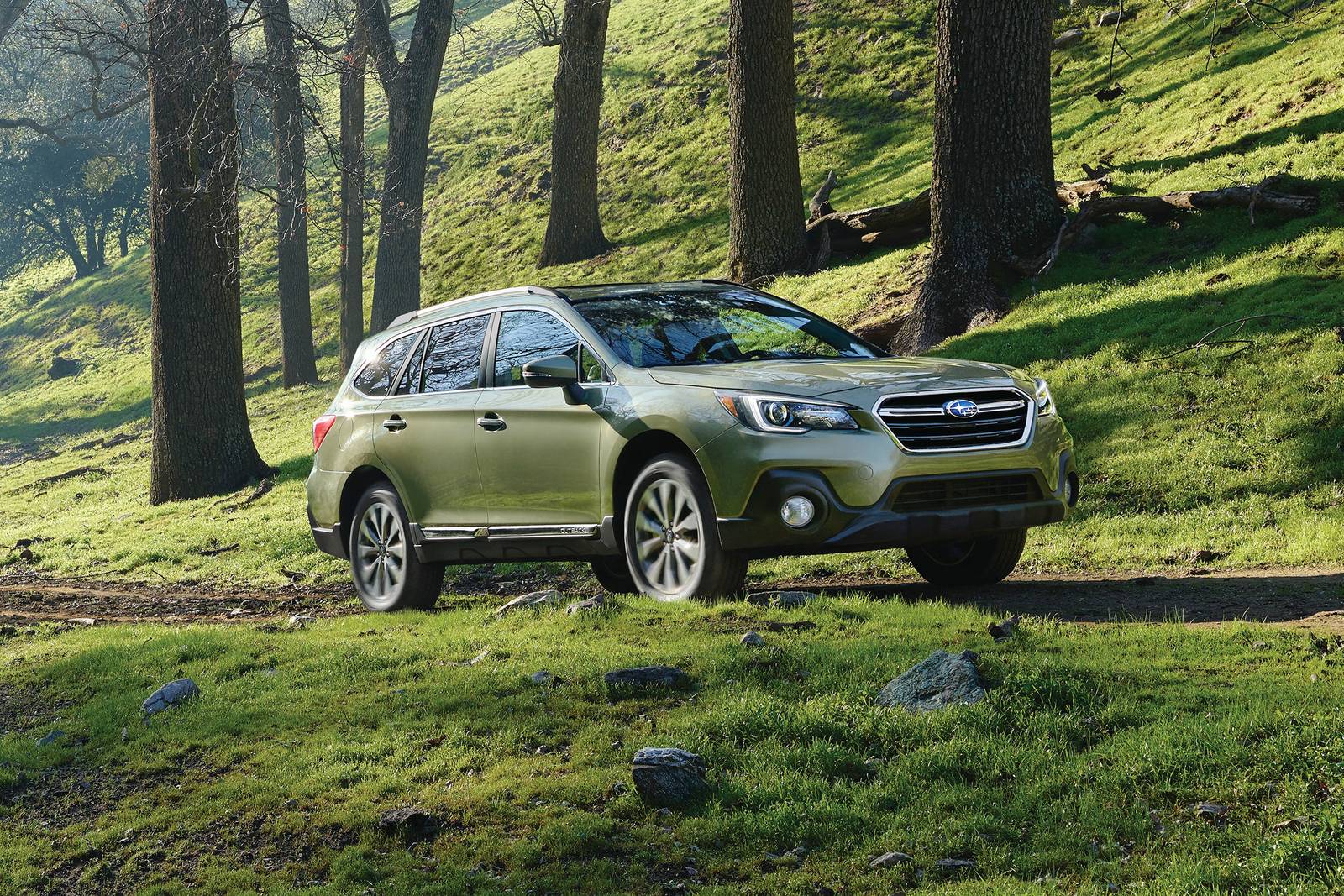
- Engine: 2.5L H4 / 3.6L H6
- Horsepower: 175 hp / 256 hp
- Torque: 174 lb-ft / 247 lb-ft
- Length: 189.6 inches
- Width: 72.4 inches
5. 2019 Subaru Outback (Best Late Gen 5 Choice)
The 2019 Subaru Outback represents the final and most refined year of the fifth generation, which typically makes it one of the most desirable used options. By this point, Subaru had years of experience refining the platform, resulting in a vehicle that feels more complete, stable, and polished compared to earlier versions in the same generation.
The drivetrain in the 2019 model is well optimized, with a CVT that delivers smooth and consistent performance. While it does not feel like a traditional automatic transmission, it is tuned to provide steady acceleration and improved fuel efficiency. This makes it especially suitable for drivers who prioritize comfort and economy over sporty driving dynamics.
Interior comfort is one of the strongest points of this model year. The cabin is spacious, well-designed, and focused on long-distance usability. Seating comfort is high, and noise insulation is improved compared to earlier models. This makes highway driving more pleasant, especially for families or frequent travelers.
Technology and safety features are also more advanced in the 2019 model. It includes modern driver assistance systems that improve safety and convenience. These features enhance the driving experience and make it more competitive with newer crossover SUVs, even though it belongs to an earlier generation.
The 2019 Subaru Outback is often recommended for buyers who want a modern, well-refined vehicle without moving into the completely redesigned sixth generation. It offers a strong balance of comfort, features, and proven platform maturity.
Also Read: 10 Vintage Honda Motorcycles Worth More Than New Bikes
5 Subaru Outback Model Years to Avoid
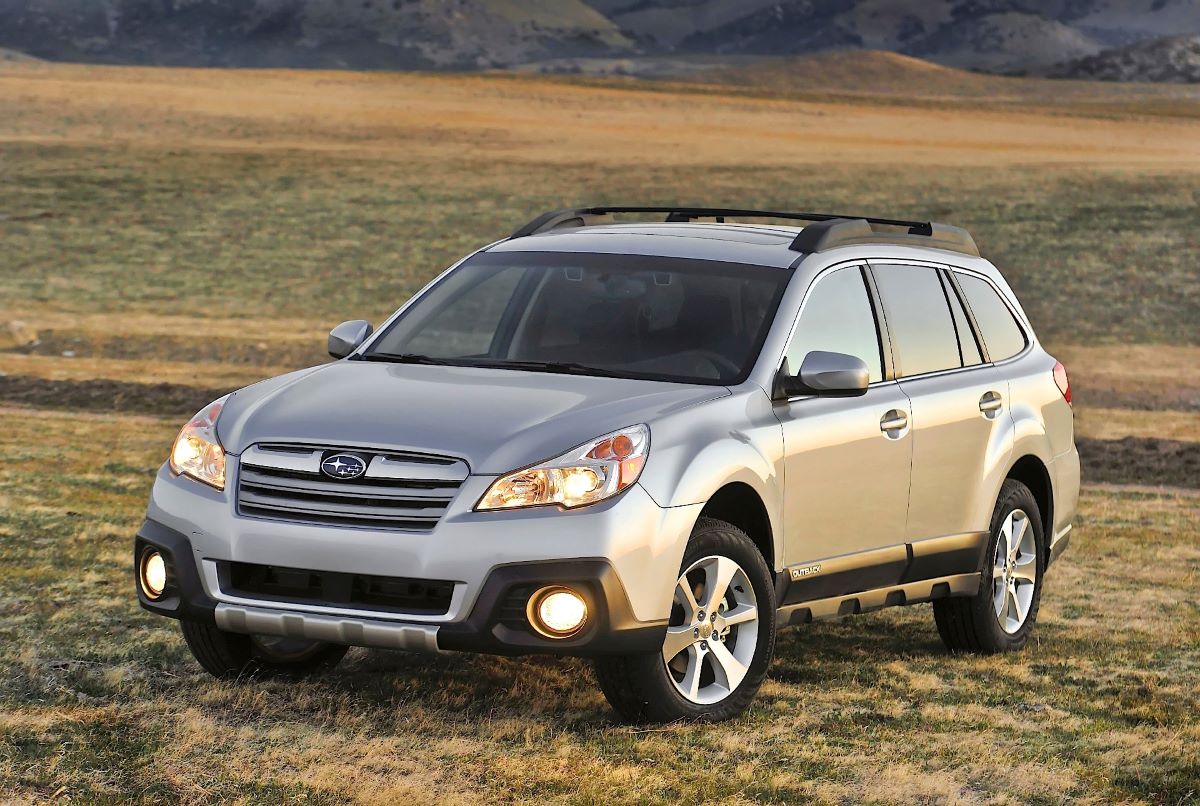
- Engine: 2.5L H4 / 3.6L H6
- Horsepower: 170 hp (2.5L) / 256 hp (3.6L)
- Torque: 170 lb-ft (2.5L) / 247 lb-ft (3.6L)
- Length: 189.0 inches
- Width: 71.7 inches
1. 2010 Subaru Outback (First Year Redesign Problems)
The 2010 Subaru Outback marked a major generational shift as it introduced the fourth-generation platform. While redesigns often bring improvements, first-year models frequently carry unresolved engineering and software issues, and the 2010 Outback is a classic example of this pattern. Many early production vehicles experienced inconsistent performance and reliability concerns that were later corrected in subsequent years.
One of the most commonly reported issues in the 2010 model is related to transmission behavior. Subaru was still refining its early use of continuously variable transmission technology, and drivers often experienced hesitation, jerky acceleration, or delayed response. These symptoms were especially noticeable during low-speed driving or when merging into traffic.
Electrical system problems were also more common in this model year compared to later versions. Owners reported issues such as sensor malfunctions, warning lights appearing without a clear cause, and occasional battery drain. While not every vehicle was affected, the inconsistency made it a riskier used purchase.
Ride quality and refinement also felt less polished compared to later fourth-generation models. While the Outback remained practical and capable, the driving experience lacked the smoothness and predictability that Subaru achieved after several years of refinement within the same platform.
The 2010 Subaru Outback is considered a higher risk purchase due to its early redesign issues, making it less desirable unless it has an exceptionally well-documented maintenance history and a significantly lower price.
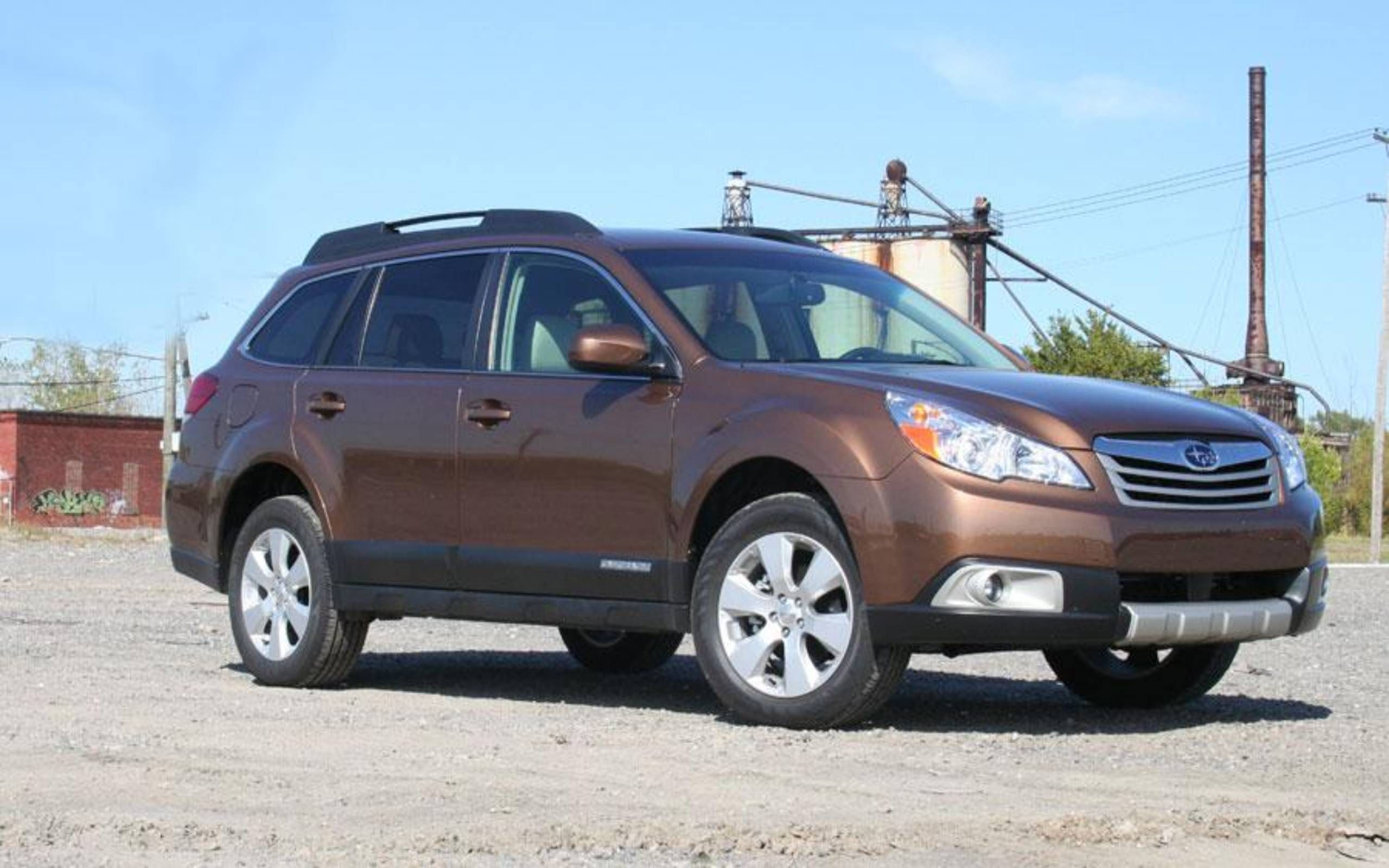
- Engine: 2.5L H4 / 3.6L H6
- Horsepower: 170 hp / 256 hp
- Torque: 170 lb-ft / 247 lb-ft
- Length: 189.0 inches
- Width: 71.7 inches
2. 2011 Subaru Outback (Early Generation Issues Persist)
The 2011 Subaru Outback continued many of the challenges introduced in the 2010 redesign, which is common in early-generation carryover years. While Subaru made incremental improvements, many of the core system issues remained unresolved, particularly in the drivetrain and electronic components.
Transmission concerns were still present in this model year, with drivers reporting inconsistent acceleration and occasional hesitation. The CVT system, still in its early refinement stage, did not yet deliver the smooth and predictable performance found in later Subaru models. This made driving feel less stable in certain conditions.
Electrical and sensor-related issues also continued to appear in the 2011 model. These included dashboard warning lights, inconsistent readings from onboard systems, and occasional infotainment glitches. While not necessarily catastrophic, these problems could become frustrating and costly to diagnose over time.
Suspension wear was another concern reported by some owners, especially in vehicles used frequently on rough roads. Components tended to degrade faster than expected in certain cases, leading to additional maintenance costs as mileage increased.
The 2011 Outback does not offer enough improvement over the 2010 model to significantly reduce risk, making it another year that is typically avoided by cautious used car buyers.
- Engine: 2.5L H4 / 3.6L H6
- Horsepower: 173 hp / 256 hp
- Torque: 174 lb-ft / 247 lb-ft
- Length: 189.0 inches
- Width: 71.7 inches
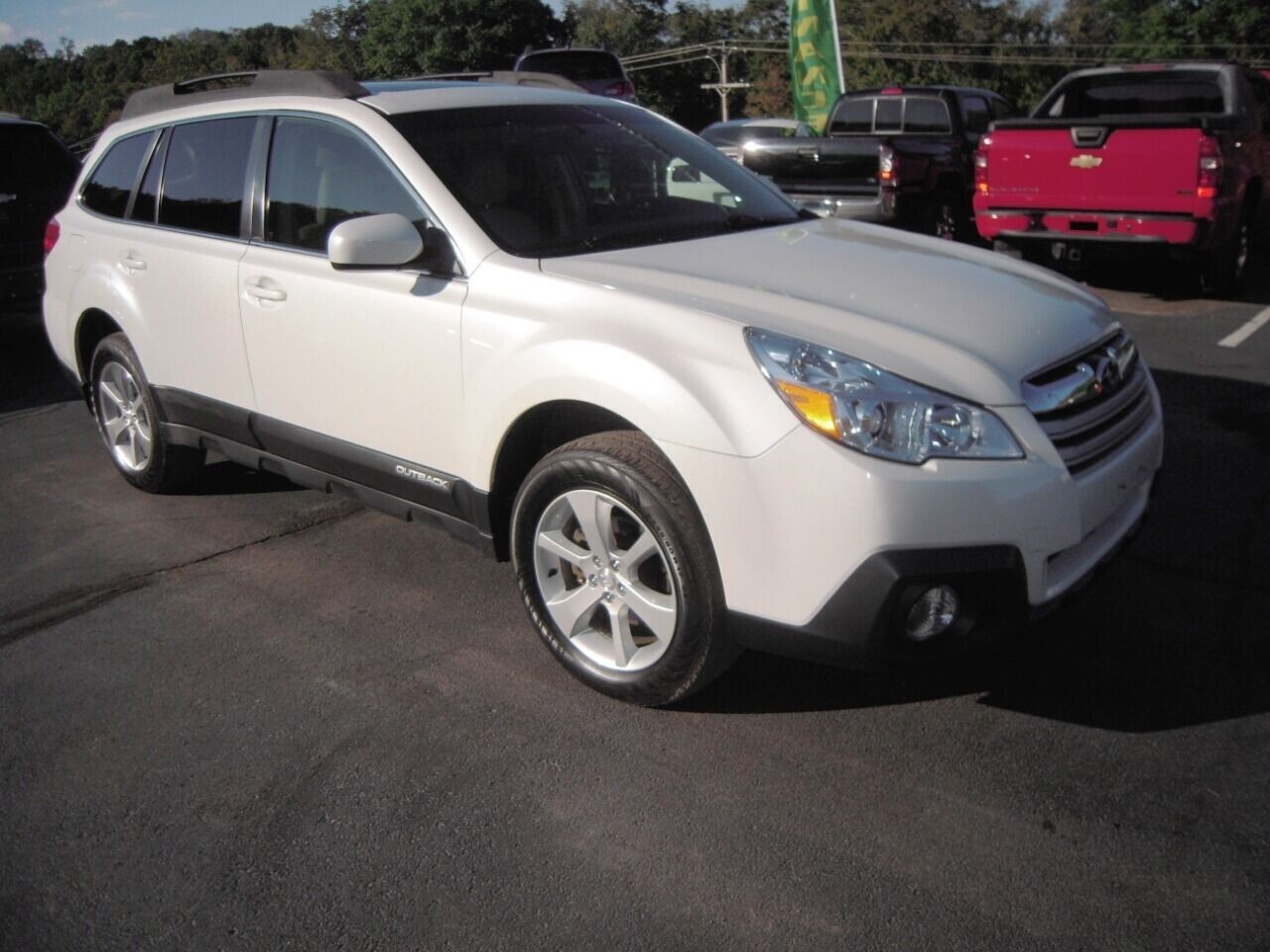
3. 2013 Subaru Outback (Engine Oil Consumption Concerns)
The 2013 Subaru Outback is often flagged due to engine-related issues, particularly involving oil consumption in certain versions of the 2.5-liter engine. While not every vehicle is affected, enough cases were reported to make it a concern for long-term ownership, especially for buyers who prefer low-maintenance reliability.
One of the most discussed problems is excessive oil consumption between regular service intervals. In some engines, oil levels dropped faster than expected, requiring frequent top-ups. If not monitored closely, this could potentially lead to engine damage over time.
This model year also falls within a period where Subaru was transitioning and refining engine designs, which led to variations in reliability depending on manufacturing batch and maintenance history. As a result, two seemingly identical vehicles could have very different long-term outcomes.
CVT performance in the 2013 model is generally acceptable but still not as refined as later generations. Some drivers reported uneven acceleration response and a lack of smoothness under heavier load conditions, especially on highways or steep terrain.
Because of the combination of potential engine oil issues and inconsistent long-term reliability, the 2013 Outback is often recommended only for buyers who can verify complete service records and are prepared for closer maintenance monitoring.
- Engine: 2.5L H4 / 3.6L H6
- Horsepower: 175 hp / 256 hp
- Torque: 174 lb-ft / 247 lb-ft
- Length: 189.6 inches
- Width: 72.4 inches
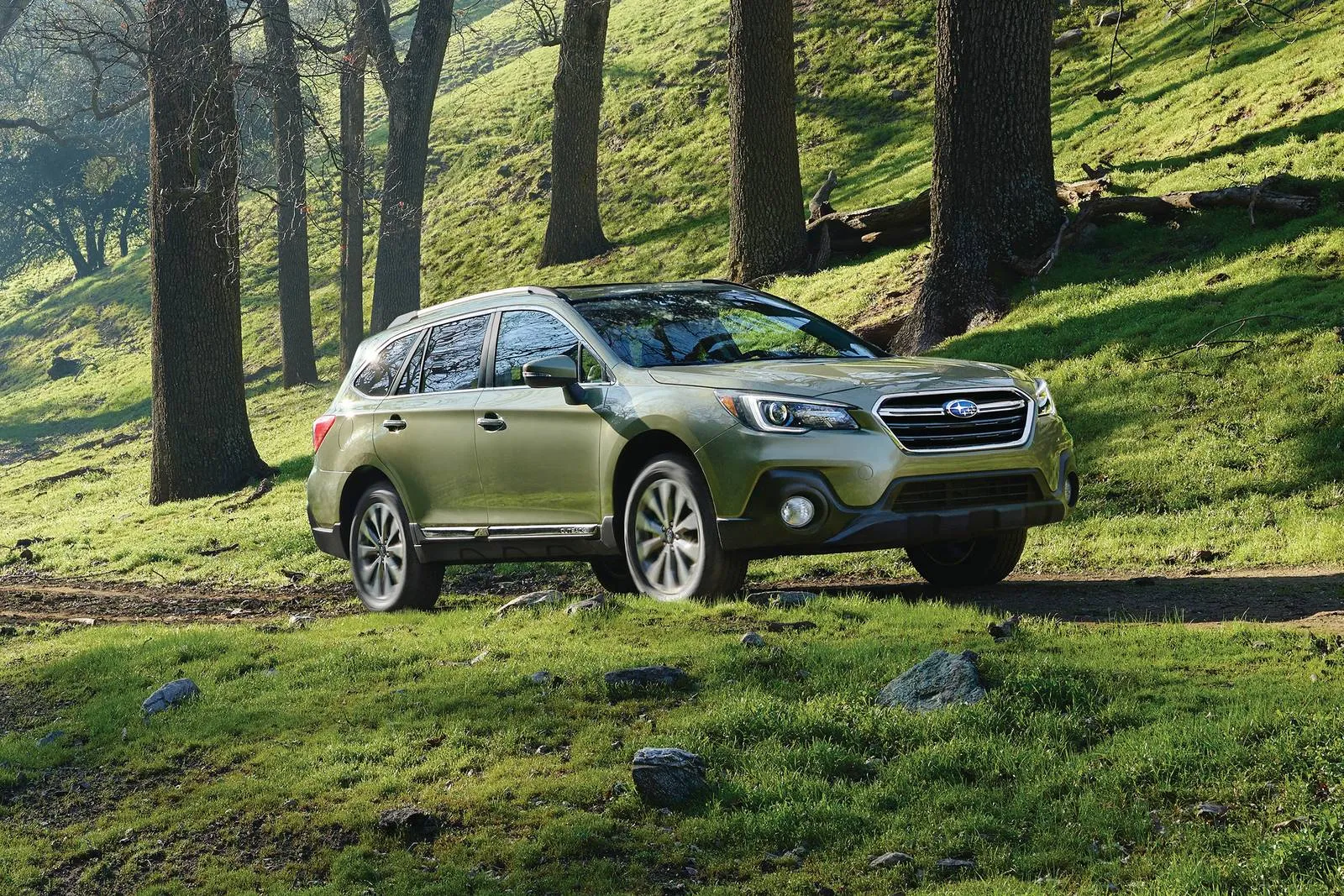
4. 2018 Subaru Outback (Electrical and Infotainment Problems)
The 2018 Subaru Outback is part of the later fifth generation and is generally considered mechanically solid, but it is known for a range of electrical and infotainment-related problems that can affect ownership satisfaction. These issues are not always severe, but they are frequent enough to raise concerns.
One of the most common complaints involves the infotainment system freezing, restarting, or becoming unresponsive. Since modern vehicles rely heavily on integrated touchscreen systems for navigation and controls, these glitches can significantly impact daily usability.
Battery drain issues have also been reported in some 2018 models. In certain cases, owners found that the battery would discharge faster than expected, sometimes due to electrical systems remaining partially active even when the vehicle was off. This can lead to unexpected no-start situations.
Sensor inconsistencies were another area of concern, particularly with driver assistance systems. Features such as lane guidance or collision warning systems occasionally produced false alerts or inconsistent behavior, reducing driver confidence in the technology.
Although the drivetrain itself remains reliable in most cases, the combination of electronic frustrations makes the 2018 Outback less appealing compared to other nearby model years with fewer reported issues.
- Engine: 2.5L H4 (standard Gen 6 launch engine)
- Horsepower: 182 hp
- Torque: 176 lb-ft
- Length: 191.3 inches
- Width: 74.2 inches
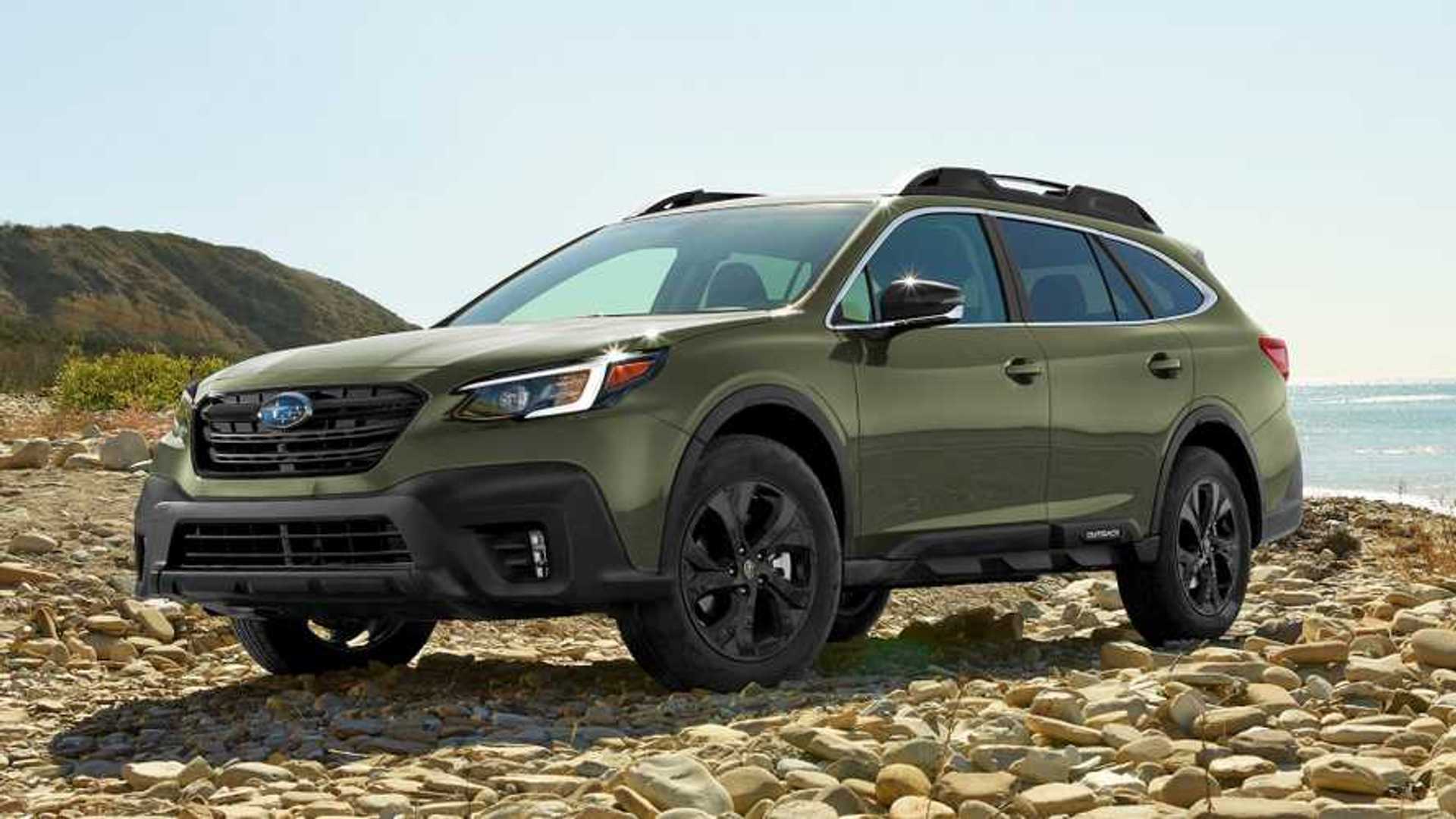
5. 2020 Subaru Outback (Early Gen 6 Issues)
The 2020 Subaru Outback introduced the sixth-generation redesign, and like many first-year models of a new platform, it came with early production challenges. While it represented a major step forward in design and technology, initial reliability was less consistent compared to later Gen 6 models.
One of the main concerns reported in the 2020 model involves infotainment system glitches. The large touchscreen interface occasionally suffered from lag, freezing, or delayed response. Because many vehicle functions are integrated into this system, these issues could affect multiple controls at once.
Driver assistance systems also showed early calibration problems in some vehicles. Features such as adaptive cruise control and lane centering sometimes behaved inconsistently, especially in complex traffic conditions or poor weather.
Electrical system complaints were also present, including minor sensor errors and occasional warning lights that did not always indicate a serious mechanical problem. While often resolved through updates or resets, these issues reduced user confidence in early production units.
Despite these drawbacks, the mechanical foundation of the 2020 Outback is generally strong, but as a first-year redesign, it carries more risk compared to later refined versions of the same generation, making it a cautious choice in the used market.
