
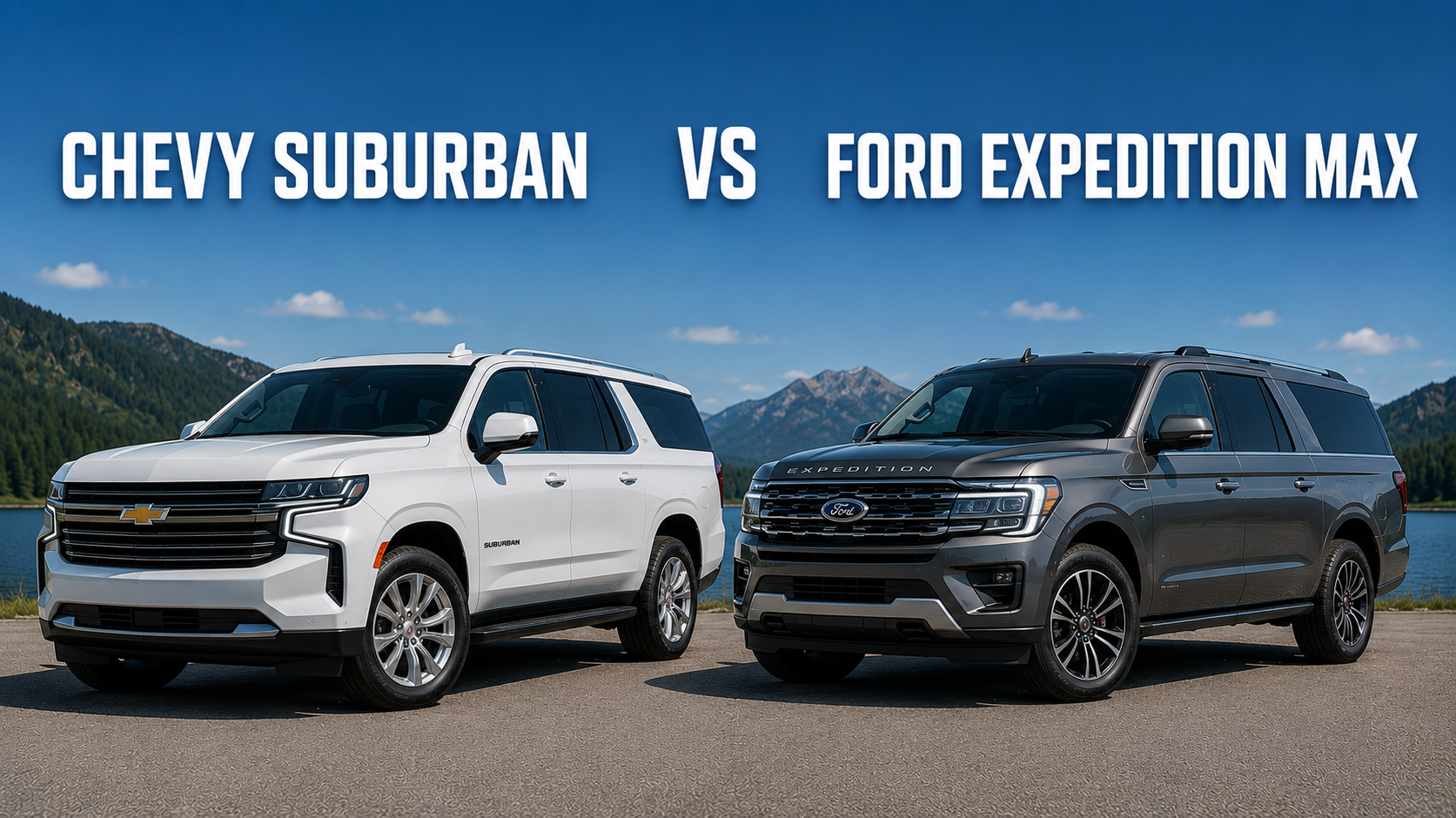
The Chevrolet Suburban and Ford Expedition Max occupy the peak of the ultra-large SUV segment, catering to buyers for whom maximum passenger room, cargo capacity, and towing power are absolute requirements. As some of the largest passenger vehicles sold in North America, these giants are purpose-built to transport up to eight passengers, haul heavy trailers, and provide exceptional comfort during long-distance travel.
The Suburban carries a historic legacy built on generations of durability and utility. The latest model introduces significant upgrades to interior refinement, technology, and ride quality while preserving the massive cargo and passenger space that has made it a benchmark for families and businesses alike.
Ford counters with the Expedition Max, an extended-wheelbase powerhouse that relies on a twin-turbocharged EcoBoost V6 engine rather than a traditional V8. This advanced powertrain delivers impressive torque and acceleration, allowing the Max to aggressively challenge Chevy’s dominance with superior towing performance and a highly modern cabin.
Also Read: Jeep Wrangler vs Ford Bronco Comparison & Which Off-Roader Is Better?
Exterior Design and Road Presence
Vehicles of this size naturally command attention, but Chevrolet and Ford have taken different approaches to styling their flagship family haulers.
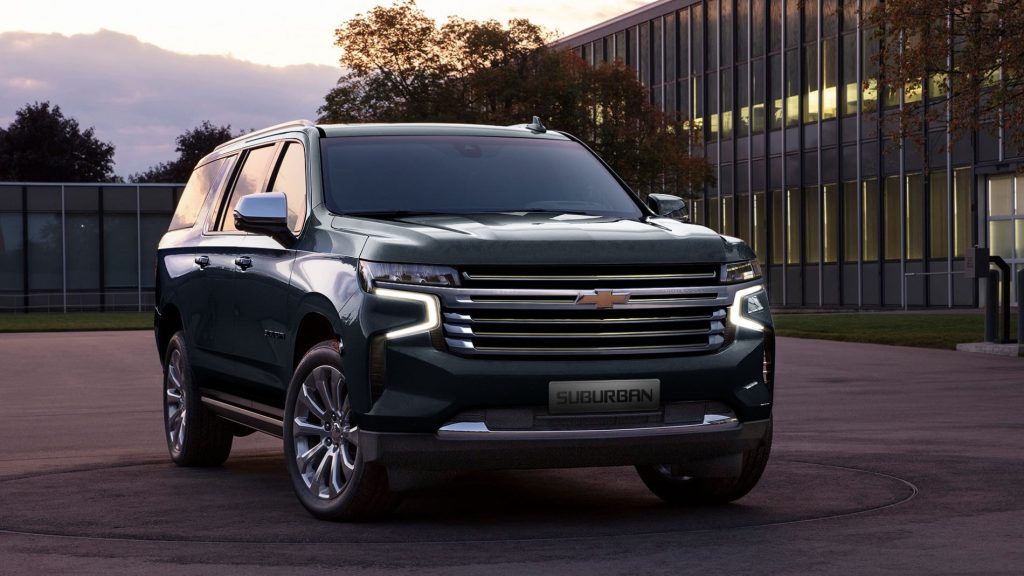
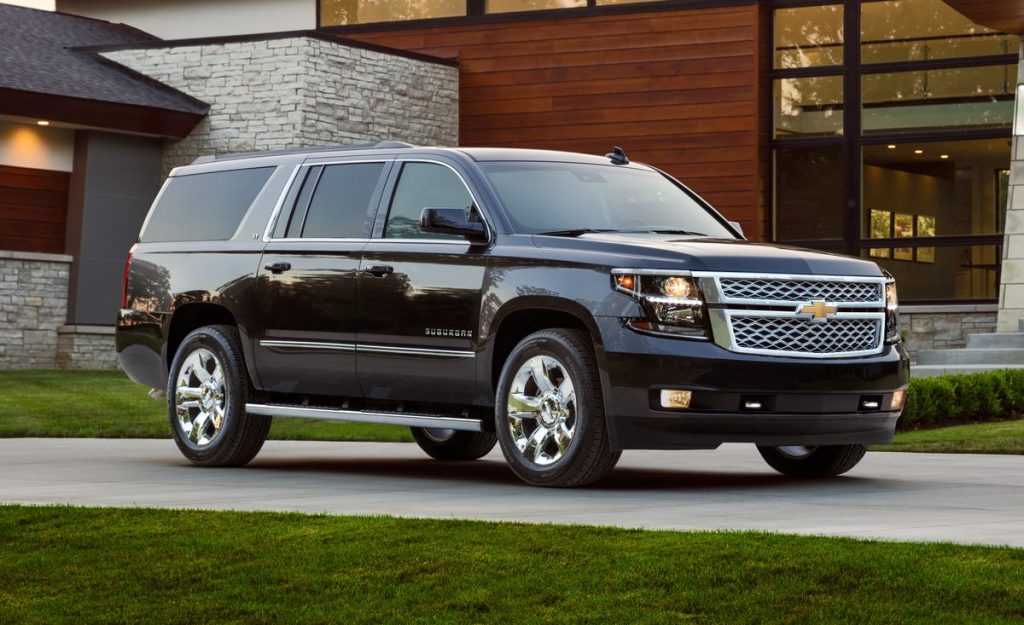
The Chevrolet Suburban embraces a bold and traditional full-size SUV appearance. A large grille, upright stance, substantial body sides, and strong character lines create a design that immediately communicates capability.
Recent updates have modernized the front fascia while maintaining the familiar look that has helped define the Suburban for decades.
At approximately 226.3 inches long, the Suburban is one of the longest passenger vehicles available. Its sheer size creates a commanding presence whether parked in a driveway or traveling on the highway.
High trims such as the High Country further enhance the appearance with premium wheels, additional chrome accents, and distinctive lighting elements.
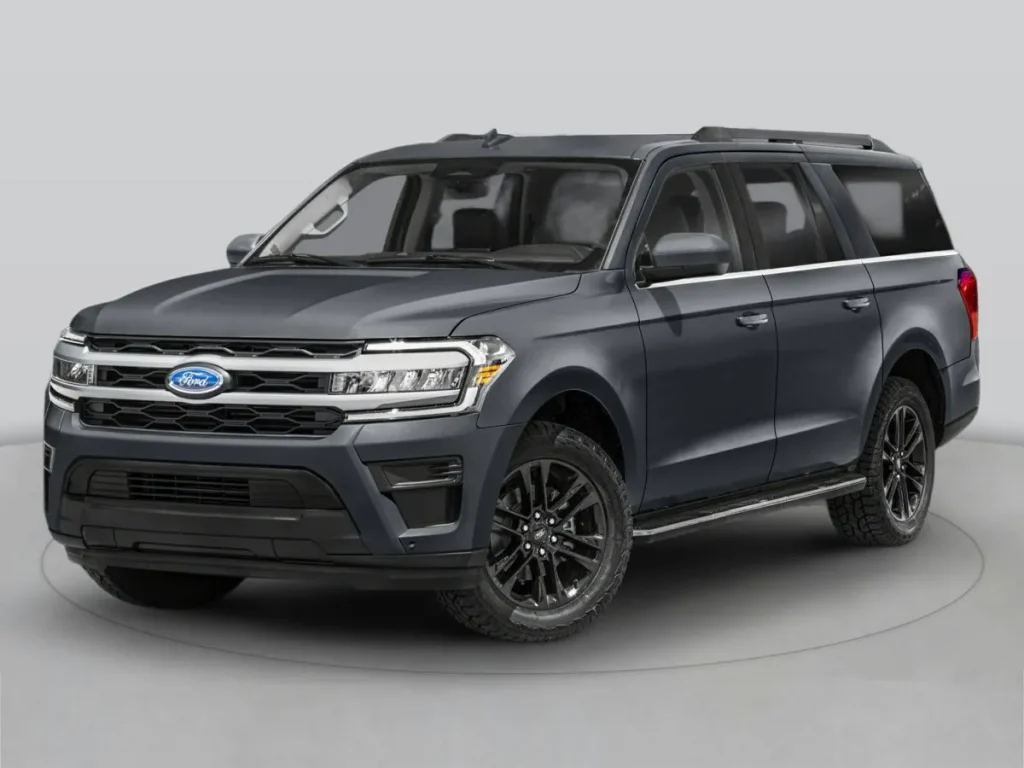
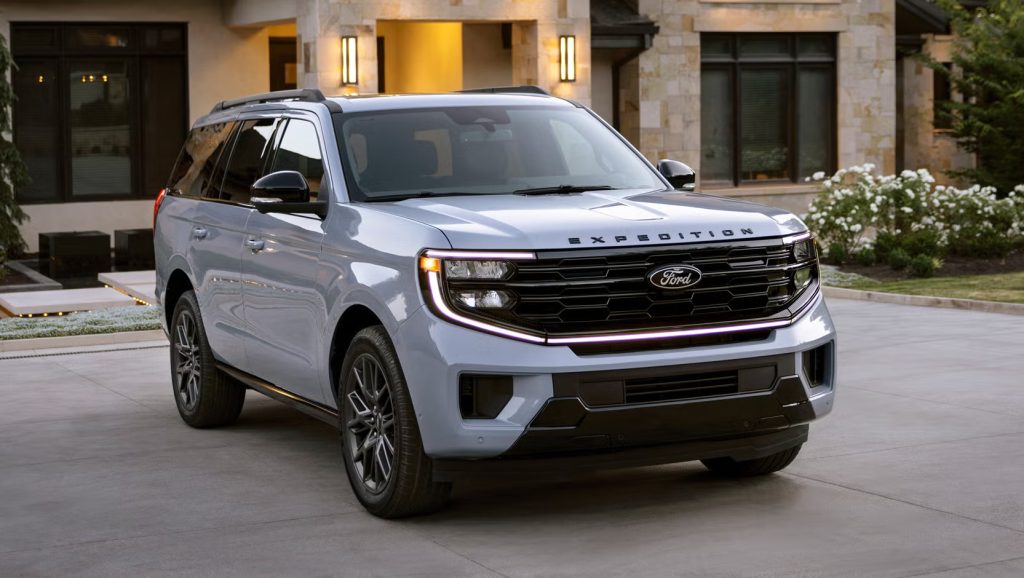
Ford’s Expedition Max adopts a slightly more contemporary design language. The front fascia appears cleaner and more aerodynamic, while the bodywork incorporates smoother surfaces and a more modern full profile.
Ford’s styling team has successfully reduced some of the visual bulk associated with large SUVs, helping the Expedition Max appear slightly less intimidating.
The Expedition Max measures approximately 221.9 inches in length, making it slightly shorter than the Suburban. Despite the difference, it remains one of the largest SUVs on the market and projects considerable road presence.
Trim diversity benefits both manufacturers. Off-road-oriented versions, such as the Expedition Timberline, and premium models, such as the Platinum, provide buyers with distinct visual personalities.
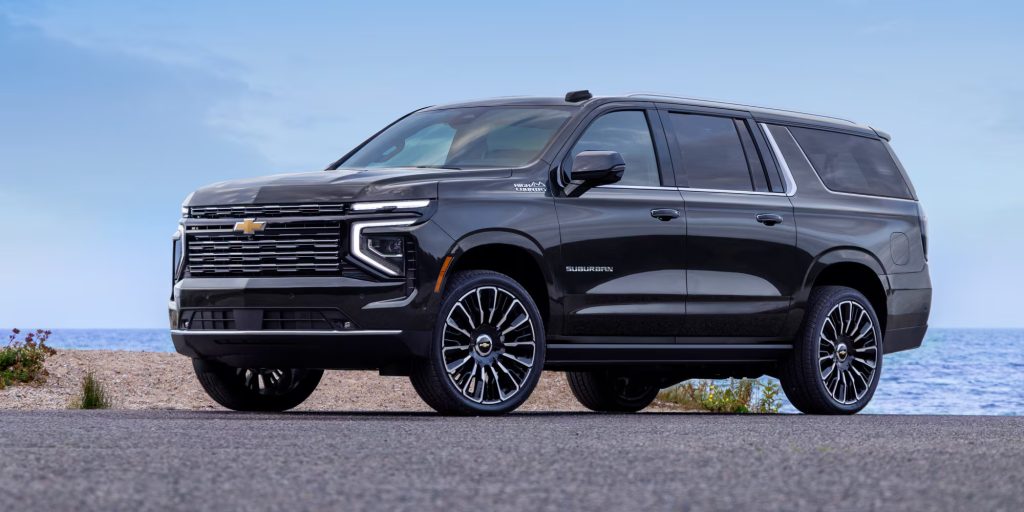
The Expedition Max looks modern and sophisticated. The Suburban looks powerful, substantial, and unmistakably full-size.
For many buyers in this segment, presence matters, and Chevrolet’s iconic SUV delivers it better than almost anything else on the road.
Winner: Chevy Suburban
Massive dimensions and a commanding design give the Suburban unmatched road presence.
Interior Design and Technology
Buyers spending $70,000 to $100,000 on a full-size SUV expect premium accommodations, advanced technology, and enough space to comfortably transport large families.
Chevrolet made enormous strides with the latest Suburban interior. The cabin now feels significantly more upscale than previous generations, particularly in higher trims. Premium materials, improved fit and finish, and a modern dashboard design help justify the vehicle’s premium pricing.
Technology receives equal attention. Recent updates introduced a large 17.7-inch infotainment display paired with an 11-inch digital instrument cluster. The system responds quickly, graphics are sharp, and Google Built-In functionality enhances navigation and connectivity.
Passenger space remains one of the Suburban’s greatest strengths. Adults can comfortably occupy all three rows, and the third row offers significantly more room than many competitors.
Ford counters with one of the segment’s most attractive interiors. The Expedition Max features a clean dashboard layout, high-quality materials, and an available 24-inch panoramic display arrangement that combines digital instrumentation with infotainment functions. The cabin feels modern and technologically advanced, particularly in Platinum and King Ranch trims.
Seating comfort is excellent throughout the Ford. Long-distance travel is a specialty of the Expedition Max, and supportive seats help reduce fatigue during extended journeys.
Space comparisons remain extremely close, though Chevrolet maintains a slight advantage in third-row accommodations and cargo flexibility. Technology favors Ford’s futuristic presentation.
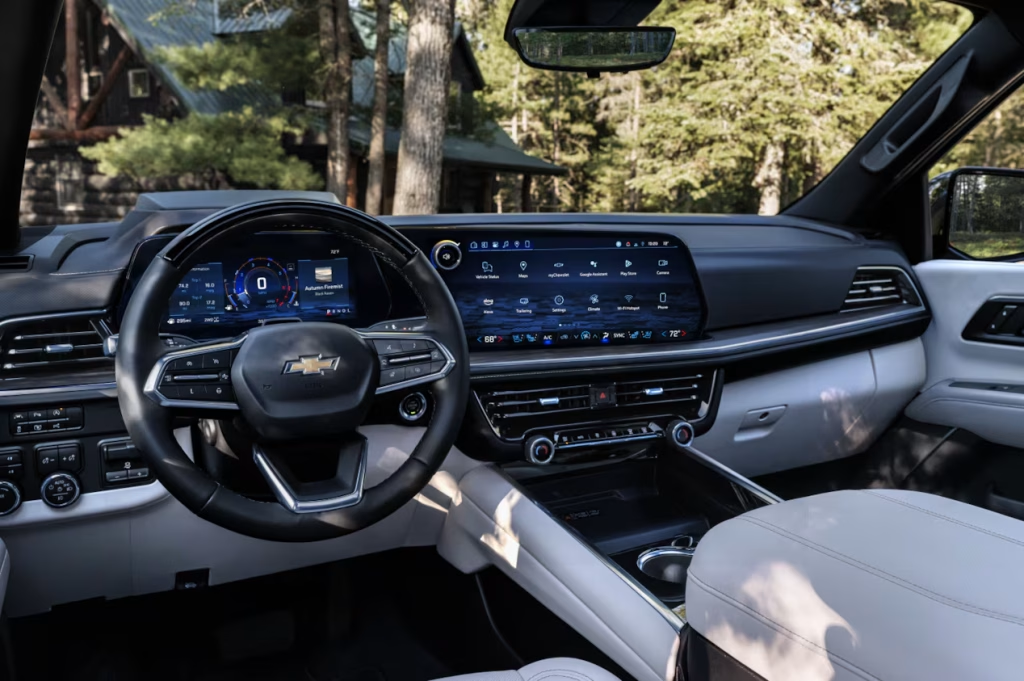
Interior space favors Chevrolet. The balance between those strengths creates one of the toughest categories in this comparison.
Interior Comparison
| Category | Chevy Suburban | Ford Expedition Max |
|---|---|---|
| Largest Touchscreen | 17.7 in | 24-inch panoramic display |
| Digital Instrument Cluster | 11 in | 24 in integrated display |
| Third-Row Comfort | Excellent | Very Good |
| Interior Quality | Excellent | Excellent |
Chevrolet’s superior packaging and passenger accommodations provide a narrow edge.
Winner: Chevy Suburban
Outstanding third-row comfort and exceptional interior space help the Suburban secure the category.
Powertrains and Performance
Large SUVs require substantial power to move thousands of pounds of passengers, cargo, and trailers. Fortunately, both Chevrolet and Ford offer impressive powertrains capable of handling demanding workloads. Chevrolet provides multiple engine choices.
The standard 5.3-liter V8 produces:
- 355 horsepower
- 383 lb-ft of torque
An available 6.2-liter V8 increases output to
- 420 horsepower
- 460 lb-ft of torque
Buyers seeking efficiency can choose the Duramax diesel:
- 305 horsepower
- 495 lb-ft of torque
Each engine pairs with a 10-speed automatic transmission that helps maximize performance and efficiency. Ford takes a different approach.
Every Expedition Max uses a twin-turbocharged 3.5-liter EcoBoost V6, though output varies by trim level.
Standard versions generate:
- 400 horsepower
- 480 lb-ft of torque
High-output variants produce:
- 440 horsepower
- 510 lb-ft of torque
Those numbers immediately stand out. Even the standard Ford engine exceeds the torque output of Chevrolet’s 6.2-liter V8. The high-output version becomes one of the most powerful powertrains available in the segment.
Acceleration reflects the advantage. Despite its size, the Expedition Max reaches 60 mph surprisingly quickly, often outperforming comparable Suburban models.
Turbocharged torque also improves towing confidence and passing performance. Drivers rarely need to push the engine hard to access substantial power reserves.
Chevrolet deserves credit for offering multiple engine choices, particularly the excellent Duramax diesel. Pure performance, however, belongs to Ford.
Powertrain Comparison
| Engine | Horsepower | Torque |
|---|---|---|
| Suburban 5.3 V8 | 355 hp | 383 lb-ft |
| Suburban 6.2 V8 | 420 hp | 460 lb-ft |
| Suburban Duramax Diesel | 305 hp | 495 lb-ft |
| Expedition Max EcoBoost | 400 hp | 480 lb-ft |
| Expedition Max High Output | 440 hp | 510 lb-ft |
Winner: Ford Expedition Max
Class-leading torque and impressive acceleration give Ford the performance advantage.
Cargo Space and Practicality
Practicality is often the primary reason buyers choose vehicles of this size, and both SUVs excel in ways smaller crossovers simply cannot match.
The Chevrolet Suburban has long been considered the benchmark for cargo capacity. Behind the third row, it provides approximately 41.5 cubic feet of cargo space. Folding the third row expands capacity to roughly 93.8 cubic feet, while folding both rear rows unlocks an enormous 144.7 cubic feet.
Those numbers are extraordinary. Families can carry seven or eight passengers while still having enough room for luggage, sports equipment, camping gear, or airport baggage. Few vehicles offer such a useful combination of passenger and cargo space. Ford’s Expedition Max performs impressively as well.
Cargo capacity measures approximately the following:
- 36 cubic feet behind the third row
- 79.6 cubic feet behind the second row
- 121.5 cubic feet maximum
Those figures would dominate most segments. The challenge is that Chevrolet simply offers more room almost everywhere.
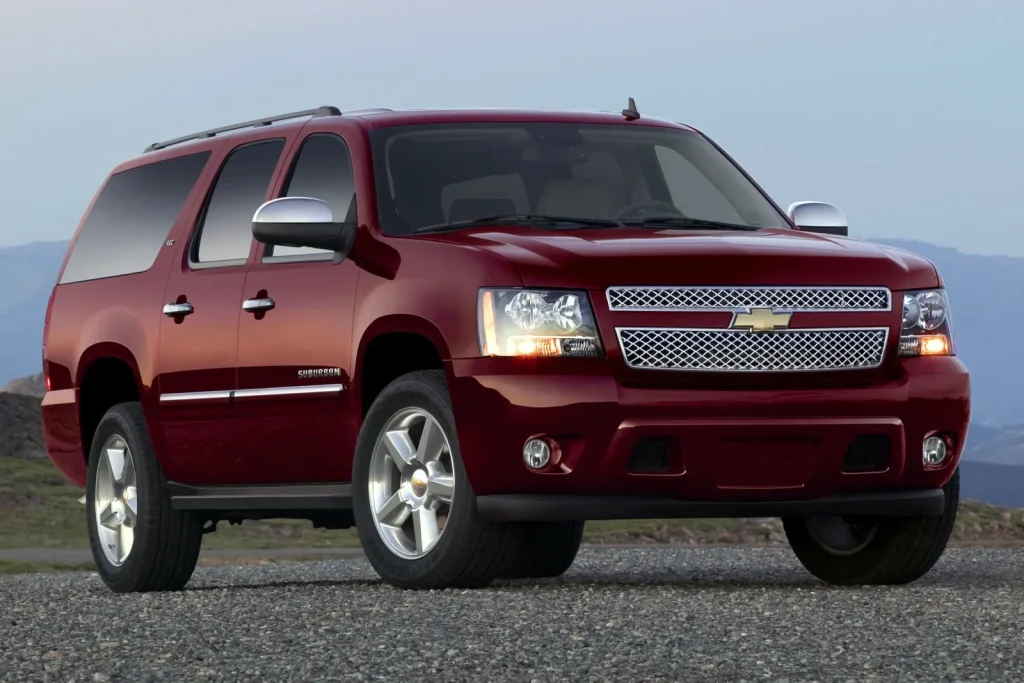
The difference becomes particularly noticeable during long family vacations. A fully occupied Suburban can accommodate substantially more luggage without requiring roof-mounted cargo carriers or trailers.
Cargo Comparison
| Measurement | Chevy Suburban | Ford Expedition Max |
|---|---|---|
| Behind the third row | 41.5 cu-ft | 36 cu-ft |
| Behind Second Row | 93.8 cu-ft | 79.6 cu-ft |
| Maximum Cargo Capacity | 144.7 cu-ft | 121.5 cu-ft |
Winner: Chevy Suburban
Class-leading cargo capacity makes the Suburban the practicality champion.
Ride Quality and Daily Driving
Vehicles in this segment often serve as family road-trip machines, airport shuttles, tow vehicles, and daily commuters. Because owners frequently spend hours behind the wheel, ride quality and everyday refinement become just as important as towing capacity or cargo volume.
This category showcases how far both the Chevrolet Suburban and Ford Expedition Max have evolved from their truck-based roots.
Chevrolet transformed the driving experience of the modern Suburban through the introduction of an independent rear suspension.
Previous generations relied on a solid rear axle that prioritized durability but compromised ride comfort and interior packaging. The newer suspension setup significantly improves both passenger comfort and handling stability.
On the road, the Suburban feels remarkably composed for a vehicle exceeding 18 feet in length. Potholes, expansion joints, and rough pavement are absorbed with confidence, especially on trims equipped with Magnetic Ride Control and the available Air Ride Adaptive Suspension. These systems continuously adjust damping characteristics to maintain comfort and control regardless of road conditions.
Long-distance travel is where the Chevrolet particularly shines. The cabin remains quiet at highway speeds, seat comfort is excellent, and passengers in all three rows benefit from a smooth ride.
Families covering hundreds of miles in a single day will appreciate how effectively the Suburban isolates occupants from road imperfections. Ford approaches ride quality differently.
The Expedition Max uses a fully independent suspension setup and benefits from extensive chassis refinement. Steering feels lighter than the Chevrolet’s, making the Ford easier to maneuver in parking lots and urban environments. Drivers transitioning from smaller SUVs may find the Expedition Max less intimidating during everyday use.
Ride comfort remains impressive. The suspension handles rough roads effectively, and body motions are generally well controlled despite the vehicle’s size. Wind and road noise are also well managed, creating a premium environment for passengers.
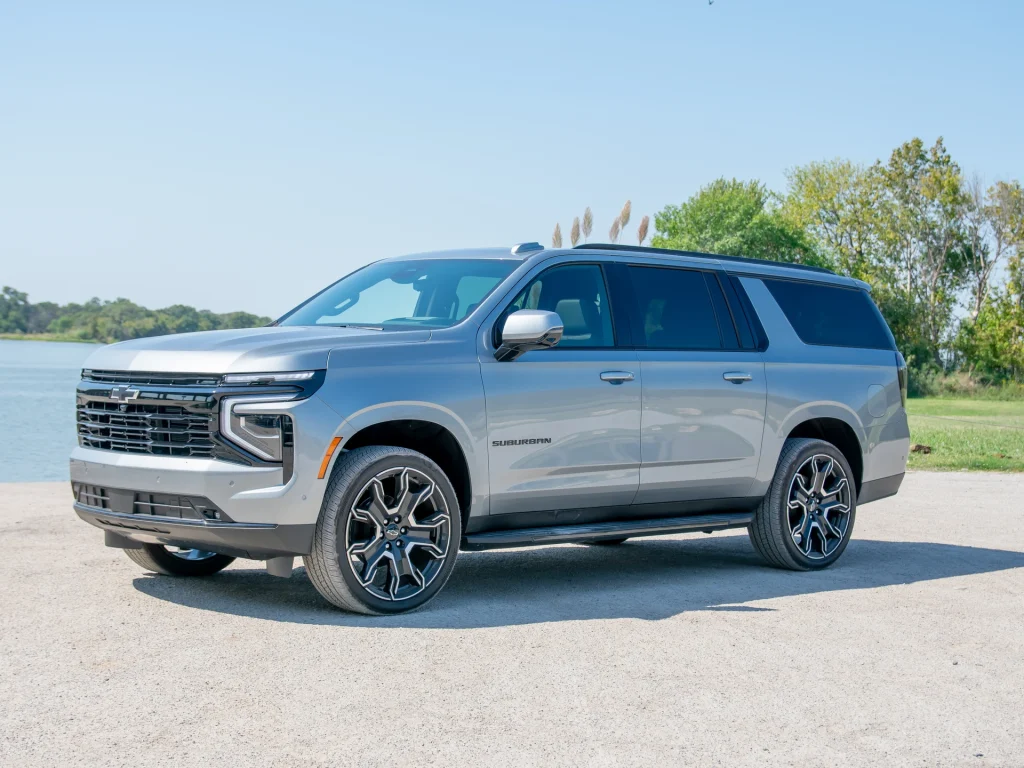
Differences emerge during extended highway driving. The Suburban feels slightly more planted and stable, particularly when fully loaded with passengers and cargo. The longer wheelbase and available adaptive suspension technologies contribute to a more relaxed experience over long distances.
Both SUVs deliver comfort levels that would have seemed impossible in truck-based vehicles a decade ago. Chevrolet’s additional refinement and exceptional ride composure give it a narrow edge.
Winner: Chevy Suburban
Outstanding highway comfort and available adaptive suspension technologies create a more refined driving experience.
Fuel Economy
Fuel economy may not be the primary reason buyers choose vehicles weighing well over 5,500 pounds, but fuel costs can significantly influence long-term ownership expenses. Families covering 15,000 to 20,000 miles annually will quickly notice differences at the pump.
Chevrolet offers three distinct powertrain options, creating flexibility for buyers with different priorities.
The standard 5.3-liter V8 delivers approximately:
- 15 MPG city
- 20 MPG highway
- 17 MPG combined
The larger 6.2-liter V8 sacrifices a small amount of efficiency in exchange for additional performance:
- 14 MPG city
- 19 MPG highway
- 16 MPG combined
The standout performer in the lineup is the 3.0-liter Duramax diesel.
This engine achieves approximately the following:
- 21 MPG city
- 27 MPG highway
- 23 MPG combined
Those numbers are remarkable for a vehicle capable of carrying eight passengers and towing substantial loads.
The diesel’s efficiency advantage becomes particularly noticeable during long highway trips, where drivers can often travel hundreds of additional miles before refueling. Ford simplifies the lineup by relying exclusively on its turbocharged 3.5-liter EcoBoost V6.
Most Expedition Max models achieve approximately the following:
- 16 MPG city
- 22 MPG highway
- 18 MPG combined
Those figures are respectable considering the vehicle’s size and performance capabilities. The EcoBoost engine also delivers strong low-end torque, helping maintain efficiency during normal driving conditions.
Comparing gasoline-powered variants produces a relatively close contest. The Expedition Max often edges out Chevrolet’s V8 models in combined efficiency while simultaneously delivering stronger performance. The Duramax diesel changes the outcome.
A family driving 20,000 miles annually could save hundreds of dollars in fuel costs compared with many gasoline-powered alternatives. The diesel also provides exceptional highway range, making it particularly appealing for road-trip enthusiasts.
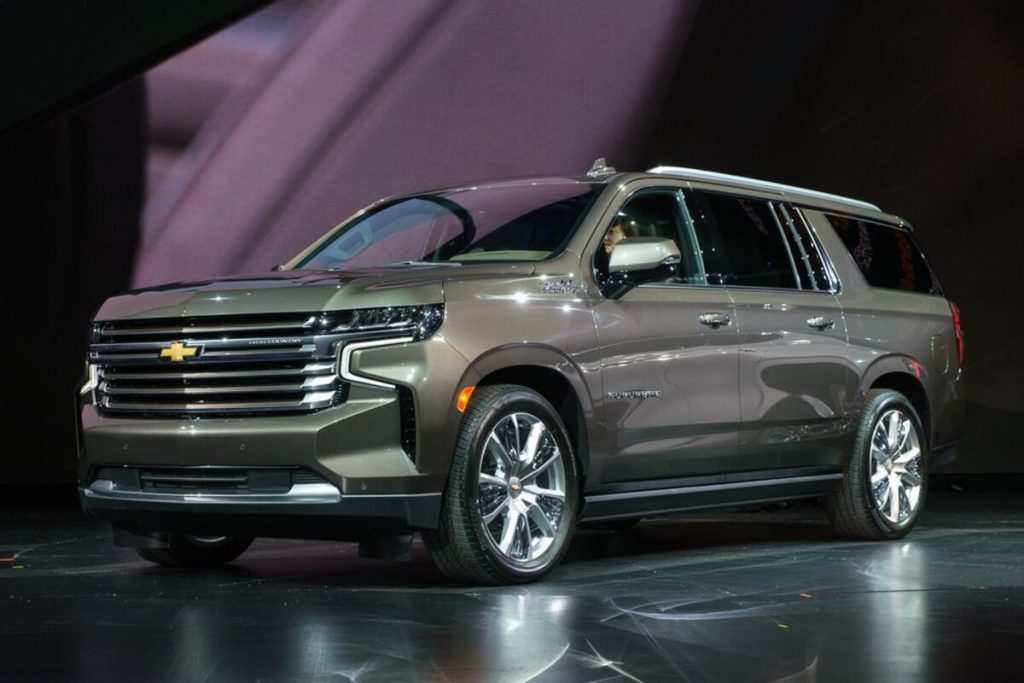
Fuel economy remains an area where engine choice significantly affects results. Chevrolet’s availability of a highly efficient diesel creates an advantage Ford currently cannot match.
Fuel Economy Comparison
| Powertrain | City MPG | Highway MPG | Combined MPG |
|---|---|---|---|
| Suburban 5.3 V8 | 15 | 20 | 17 |
| Suburban 6.2 V8 | 14 | 19 | 16 |
| Suburban Duramax Diesel | 21 | 27 | 23 |
| Expedition Max EcoBoost | 16 | 22 | 18 |
Winner: Chevy Suburban
The efficient Duramax diesel provides superior fuel economy and exceptional driving range.
Towing Capability
Towing capability remains one of the primary reasons buyers choose full-size SUVs over smaller crossovers. Large travel trailers, boats, horse trailers, utility trailers, and recreational equipment often require the strength and stability these vehicles provide.
The Chevrolet Suburban delivers impressive towing performance across its lineup. Properly equipped models can tow up to approximately 8,300 pounds, depending on engine choice and configuration.
That capability comfortably accommodates many recreational needs. Large fishing boats, dual-axle campers, enclosed cargo trailers, and several types of horse trailers fall well within the Suburban’s capabilities.
Chevrolet also equips the SUV with a range of towing technologies designed to improve safety and confidence. Available features include integrated trailer brake controls, trailer sway control, multiple camera views, and comprehensive towing information displayed through the infotainment system. Ford responds aggressively.
The Expedition Max can tow up to approximately 9,000 pounds when properly equipped. That additional capacity may not matter to every buyer, but it becomes significant for owners regularly towing heavier travel trailers or larger boats.
The EcoBoost engine contributes substantially to Ford’s towing performance. With up to 510 lb-ft of torque available in high-output configurations, the Expedition Max rarely feels strained when pulling heavy loads. Turbocharged torque arrives early in the rev range, improving acceleration and reducing the need for frequent downshifts.
Wheelbase, suspension tuning, and trailer-assistance technologies also play important roles. Ford offers Pro Trailer Backup Assist, trailer sway control, and multiple towing aids designed to simplify operation for less experienced drivers.
Real-world towing impressions generally favor the Expedition Max. Drivers often praise the powertrain’s responsiveness and the vehicle’s confidence under load.
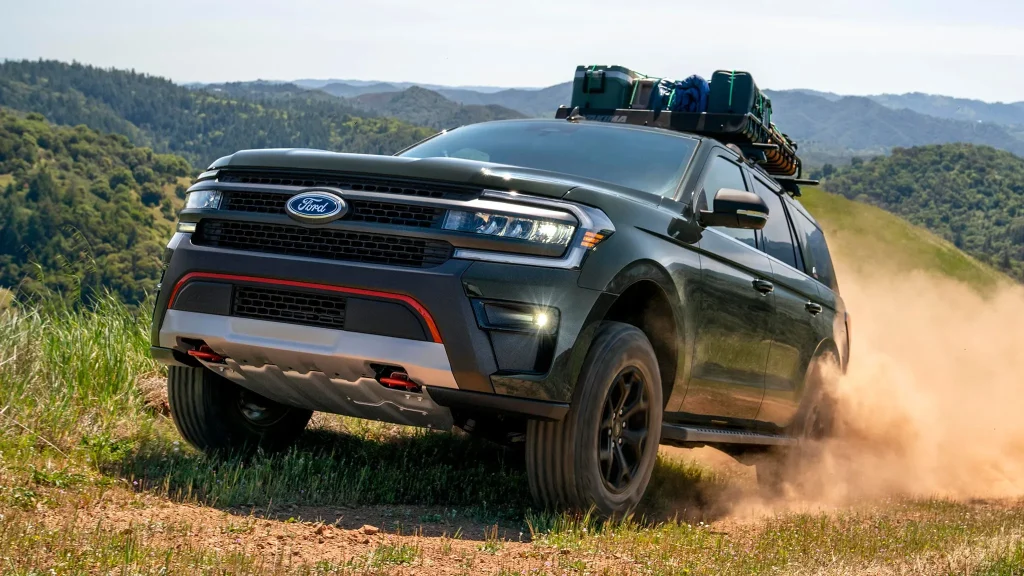
Chevrolet remains highly capable and more than sufficient for most owners. Ford simply offers greater maximum capability and stronger towing-focused performance.
Towing Comparison
| Vehicle | Maximum Towing Capacity |
|---|---|
| Chevy Suburban | 8,300 lbs |
| Ford Expedition Max | 9,000 lbs |
Winner: Ford Expedition Max
Higher towing ratings and exceptional EcoBoost torque create a clear advantage.
Reliability, Resale Value, and Ownership Experience
The purchase price tells only part of the ownership story. Reliability, maintenance expenses, resale value, service availability, and long-term durability all influence how much a vehicle truly costs over several years.
Chevrolet benefits from decades of experience building full-size SUVs and pickup trucks. Many Suburban components share engineering with GM’s highly successful truck lineup, helping ensure strong parts availability and widespread service expertise.
The available V8 engines have established long track records, while the Duramax diesel continues to build a strong reputation among owners seeking efficiency and durability. Maintenance costs remain competitive for the segment, and Chevrolet’s dealer network provides extensive coverage throughout North America.
Ford enjoys many of the same advantages. The Expedition Max shares numerous components with the F-150, one of the best-selling vehicles in the world. Parts availability is excellent, and most service centers are highly familiar with the platform.
The EcoBoost engine family has undergone years of refinement, and recent generations have demonstrated strong reliability performance. Routine maintenance remains straightforward, though turbocharged powertrains can occasionally introduce additional complexity compared with naturally aspirated alternatives.
Resale value creates one of the closest battles in this comparison. Recent industry studies frequently place Suburban’s five-year value retention between 58 and 68 percent, depending on trim level, mileage, and market conditions.
The Expedition Max performs similarly, often retaining between 60 and 70 percent of its original value over the same period.
The difference may appear minor, but it can translate into several thousand dollars when selling or trading in the vehicle.
Demand for both models remains strong because there are relatively few alternatives capable of matching their size and utility.
Ford’s slightly stronger resale performance and outstanding reputation in the truck market provide a narrow advantage.
Resale Value Comparison
| Category | Chevy Suburban | Ford Expedition Max |
|---|---|---|
| Estimated 5-Year Value Retention | 58-68% | 60-70% |
| Dealer Network | Extensive | Extensive |
| Parts Availability | Excellent | Excellent |
| Ownership Costs | Competitive | Competitive |
Winner: Ford Expedition Max
Slightly stronger resale values help Ford gain a narrow ownership advantage.
Pricing and Value
Large SUVs have become increasingly expensive, making value more important than ever. Buyers spending $70,000 or more expect premium comfort, strong capability, advanced technology, and long-term durability.
The Chevrolet Suburban generally starts around $63,000 to $65,000, depending on trim level and destination charges. Premium trims such as the High Country can easily exceed $90,000 when equipped with luxury features and advanced technology packages.
Ford positions the Expedition Max similarly. Most models begin around $66,000 and climb rapidly through trims such as the Platinum, King Ranch, and Stealth Performance packages. Well-equipped examples frequently exceed $90,000.
Price differences between comparable trims are often relatively small, making feature content and capability particularly important.
The Suburban’s strongest value proposition comes from its unmatched interior space. Buyers receive more cargo capacity than almost any competitor, excellent passenger accommodations, and a broad range of powertrain choices. The availability of the Duramax diesel further enhances value for owners prioritizing efficiency.
Ford counters with stronger towing performance, a powerful standard engine, and impressive technology offerings. Features such as the available 24-inch panoramic display help create a modern ownership experience.
Evaluating value requires looking beyond sticker price. A family regularly using all three rows and carrying substantial cargo may find the Suburban’s extra space invaluable. The ability to transport eight passengers and their luggage without compromise can justify the investment.
The Expedition Max offers excellent capability but cannot quite match Chevrolet’s interior packaging advantages.
When two vehicles cost similar amounts, the one providing more usable space often delivers better value.
Pricing Comparison
| Model | Approximate Starting MSRP |
|---|---|
| Chevy Suburban | $63,000-$65,000 |
| Suburban High Country | $90,000+ |
| Ford Expedition Max | $66,000+ |
| Expedition Max Platinum | $90,000+ |
Winner: Chevy Suburban
Class-leading interior space and broad powertrain choices create exceptional value.
Final Verdict
The Chevrolet Suburban and Ford Expedition Max stand as the premier choices in the mainstream full-size SUV market. Both vehicles are engineered to meet the demands of large families, offering exceptional passenger room, advanced technology packages, and the heavy-duty towing capabilities required for serious hauling.
The Ford Expedition Max distinguishes itself primarily through its mechanical prowess. Powered by a potent EcoBoost V6 engine, it leads the segment in acceleration, powertrain performance, and towing capability. Combined with strong projected resale value, it represents the ideal choice for buyers who frequently tow heavy trailers and prioritize robust performance.
The Chevrolet Suburban focuses on maximizing daily utility and passenger comfort. It dominates categories like cargo capacity, seating space, and ride quality, largely thanks to its independent rear suspension. Furthermore, its available Duramax diesel engine delivers superior fuel economy and highway range, cementing the Suburban as the benchmark for long-distance family travel and practical versatility.
Ford’s strengths are substantial, but Chevrolet’s advantages affect daily ownership more frequently.
Winner: Chevy Suburban
Unmatched cargo capacity, superior passenger accommodations, exceptional ride quality, and impressive diesel efficiency help the Suburban secure the victory.
Chevy Suburban vs Ford Expedition Max Winner Comparison Table
| Category | Winner | The Edge |
|---|---|---|
| Exterior Design and Road Presence | Chevy Suburban | Larger dimensions create an unmatched full-size SUV presence |
| Interior Design and Technology | Chevy Suburban | Better third-row comfort and passenger accommodations |
| Powertrains and Performance | Ford Expedition Max | More horsepower and torque across the lineup |
| Cargo Space and Practicality | Chevy Suburban | Significantly greater cargo capacity in every configuration |
| Ride Quality and Daily Driving | Chevy Suburban | Adaptive suspension delivers exceptional highway comfort |
| Fuel Economy | Chevy Suburban | Efficient Duramax diesel dramatically improves mileage |
| Towing Capability | Ford Expedition Max | Higher maximum towing capacity and stronger torque |
| Reliability, Resale Value, and Ownership Experience | Ford Expedition Max | Slightly stronger long-term resale performance |
| Pricing and Value | Chevy Suburban | More usable space for similar money |
| Final Verdict | Chevy Suburban | Best combination of comfort, utility, and capability |
Also Read: Ford F-150 vs Chevrolet Silverado: Which Full-Size Pickup Truck Comes Out on Top?
