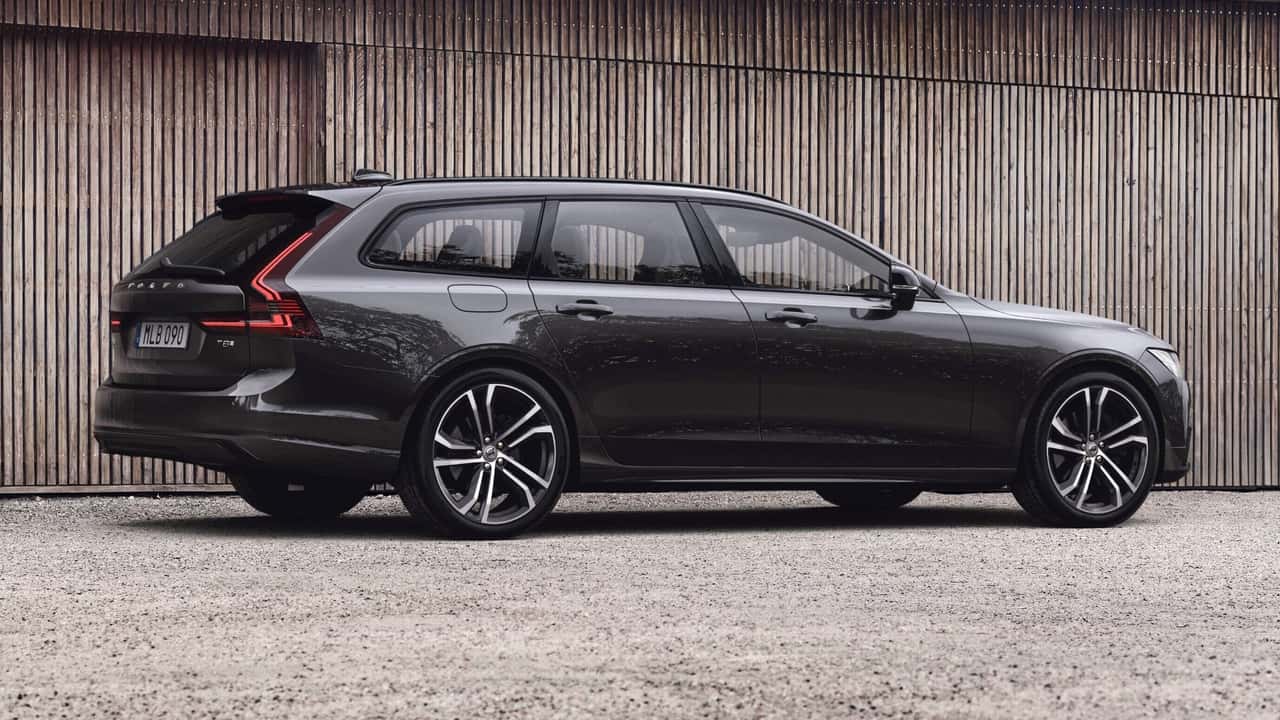
When people discuss luxury automobiles, the conversation often revolves around performance, prestige, cutting-edge technology, or eye-catching design. Brands such as Mercedes-Benz, BMW, Audi, Porsche, and Tesla often dominate headlines and social media discussions.
Yet amid all the attention given to horsepower figures, acceleration times, and futuristic features, one automotive manufacturer has consistently pursued a different mission. Volvo has spent decades focusing on something far more important than speed or status: keeping people alive.
Despite being responsible for some of the most significant safety innovations in automotive history, Volvo rarely receives the level of public recognition it deserves. The company has quietly built a reputation as one of the safest car manufacturers in the world, prioritizing human life over marketing hype and industry trends.
Volvo’s commitment to safety is not a recent strategy designed to attract buyers. It is deeply embedded in the company’s identity and engineering philosophy. Since the middle of the twentieth century, Volvo has invested enormous resources into researching crashes, understanding injuries, and developing technologies that reduce the risk of fatalities.
Many safety features that drivers now take for granted were either invented by Volvo or significantly advanced through the company’s research efforts. The three-point seat belt, one of the most important safety inventions in automotive history, was developed by a Volvo engineer and then shared freely with the industry so that all manufacturers could benefit from it. This decision alone has helped save millions of lives around the world.
What makes Volvo particularly remarkable is that the company rarely seeks attention for its accomplishments. While competitors often highlight luxury appointments or performance capabilities, Volvo continues to focus on practical innovations that protect drivers, passengers, pedestrians, and cyclists.
The brand’s safety achievements often receive less media coverage than the latest electric vehicle launch or high-performance sports car announcement. As a result, many consumers underestimate just how influential Volvo has been in shaping modern automotive safety standards.
The reality is that Volvo’s contributions extend far beyond a single invention or marketing campaign. The company has developed a comprehensive approach to vehicle safety that combines structural engineering, advanced driver assistance systems, accident research, and long-term strategic planning. Its engineers constantly analyze real-world crashes and use the findings to improve future vehicles.
This relentless commitment has helped establish Volvo as an industry leader whose influence can be seen across virtually every major automaker today. While others compete for attention, Volvo continues to quietly build some of the safest vehicles on the road, often receiving far less credit than it deserves.
Also Read: 10 Standard Features Quietly Moved Behind a Subscription

The Origins of Volvo’s Safety First Philosophy
Volvo’s dedication to safety began long before safety became a major selling point in the automotive industry. From its earliest years, the company recognized that vehicles needed to be built for harsh conditions and unpredictable situations.
Swedish roads, weather patterns, and driving environments helped shape the brand’s practical approach to engineering. Rather than focusing solely on speed or aesthetics, Volvo prioritized durability, stability, and occupant protection.
The company’s philosophy evolved significantly during the postwar era when vehicle ownership expanded rapidly around the world. As more people took to the roads, traffic accidents became a growing public concern.
Volvo engineers understood that preventing injuries required a deeper understanding of crash dynamics. This realization led the company to invest heavily in safety research at a time when many manufacturers were still emphasizing styling and performance.
A defining moment came when Volvo engineer Nils Bohlin developed the three-point seat belt in 1959. Unlike earlier restraint systems, the design secured both the upper and lower body while remaining comfortable enough for everyday use.
The innovation dramatically improved occupant protection during collisions and became one of the most important safety advancements ever introduced in an automobile.
What truly distinguished Volvo was its decision to make the patent available to other manufacturers. Rather than restricting access for competitive advantage, the company believed saving lives was more important than maximizing profits. This unprecedented move allowed the technology to spread rapidly across the automotive industry, creating a global safety standard that continues to protect millions of people today.
Over time, Volvo’s safety philosophy expanded beyond individual features. The company embraced a holistic approach that considered every aspect of vehicle design, from structural integrity and crash energy management to driver behavior and accident prevention. This mindset continues to influence Volvo’s engineering decisions and remains central to the brand’s identity.
The Three-Point Seat Belt Changed Automotive History
Few inventions have had a greater impact on road safety than the three-point seat belt. Before its introduction, many vehicles either lacked seat belts entirely or used designs that provided limited protection during collisions. Occupants were often thrown forward with tremendous force, resulting in severe injuries or fatalities.
Nils Bohlin’s design addressed these shortcomings by distributing crash forces across stronger areas of the human body. The belt restrained both the chest and pelvis, reducing the likelihood of dangerous movement during an impact. The simplicity and effectiveness of the design made it practical for widespread adoption and everyday use.
Studies conducted over decades have consistently shown that seat belts dramatically reduce the risk of death and serious injury in vehicle crashes. Millions of lives have been saved because drivers and passengers were restrained during collisions. The three-point seat belt remains one of the most effective safety devices ever created.
Volvo’s decision to share the patent freely demonstrated a level of corporate responsibility rarely seen in any industry. The company recognized that protecting human life outweighed potential financial gains. This action helped establish Volvo’s reputation as a manufacturer driven by values rather than short-term commercial interests.
Even today, the seat belt serves as a symbol of Volvo’s broader philosophy. It illustrates how thoughtful engineering, scientific research, and ethical decision-making can produce innovations that benefit society on a massive scale.
While modern vehicles contain numerous advanced safety systems, the three-point seat belt remains a foundational technology that continues to save lives every day.

Volvo’s Real World Crash Research Sets It Apart
One of the reasons Volvo consistently produces highly safe vehicles is its commitment to studying real-world accidents. Rather than relying solely on laboratory testing, the company investigates actual crashes to understand how injuries occur and how they can be prevented in the future.
For decades, Volvo has maintained specialized accident research teams that analyze collisions involving its vehicles. Engineers gather detailed information about crash circumstances, vehicle damage, occupant injuries, road conditions, and environmental factors. This extensive data collection provides valuable insights that cannot always be replicated in controlled testing environments.
The knowledge gained from these investigations directly influences vehicle development. Engineers identify recurring injury patterns and develop solutions aimed at reducing risks. This process allows Volvo to address real problems encountered by real drivers rather than focusing exclusively on theoretical scenarios.
Volvo’s crash research has contributed to numerous safety advancements, including stronger occupant compartments, improved side impact protection, enhanced whiplash prevention systems, and more effective restraint technologies. Each innovation builds upon decades of accumulated knowledge and continuous learning.
By grounding its engineering decisions in real-world evidence, Volvo creates vehicles that perform exceptionally well in actual accidents. This research-driven approach helps explain why the company consistently earns strong safety ratings and maintains its reputation as an industry leader in occupant protection.
Also Read: 10 Smallest Vehicles Ever Built
Advanced Safety Technology Beyond Traditional Crash Protection
Modern automotive safety extends far beyond surviving a collision. Increasingly, manufacturers focus on preventing accidents from occurring in the first place. Volvo has embraced this philosophy and developed numerous technologies designed to reduce crash risks before impact becomes unavoidable.
Driver assistance systems play a major role in Volvo’s safety strategy. Features such as automatic emergency braking, lane keeping assistance, blind spot monitoring, and adaptive cruise control help drivers avoid dangerous situations. These technologies provide an additional layer of protection while supporting rather than replacing human judgment.
Volvo has also invested heavily in pedestrian and cyclist safety. Urban environments present unique challenges where vulnerable road users interact closely with vehicles. Through advanced sensors, cameras, and detection systems, Volvo vehicles can identify potential hazards and intervene when necessary to reduce collision severity.
The company’s commitment to accident prevention reflects its broader understanding of safety. Preventing a crash altogether is often more effective than mitigating its consequences. By combining active and passive safety systems, Volvo creates comprehensive protection strategies that address multiple stages of an accident sequence.
As technology continues to evolve, Volvo remains focused on ensuring innovations serve meaningful safety purposes. Rather than introducing features solely for marketing appeal, the company prioritizes technologies that demonstrate measurable benefits for drivers, passengers, and surrounding road users.
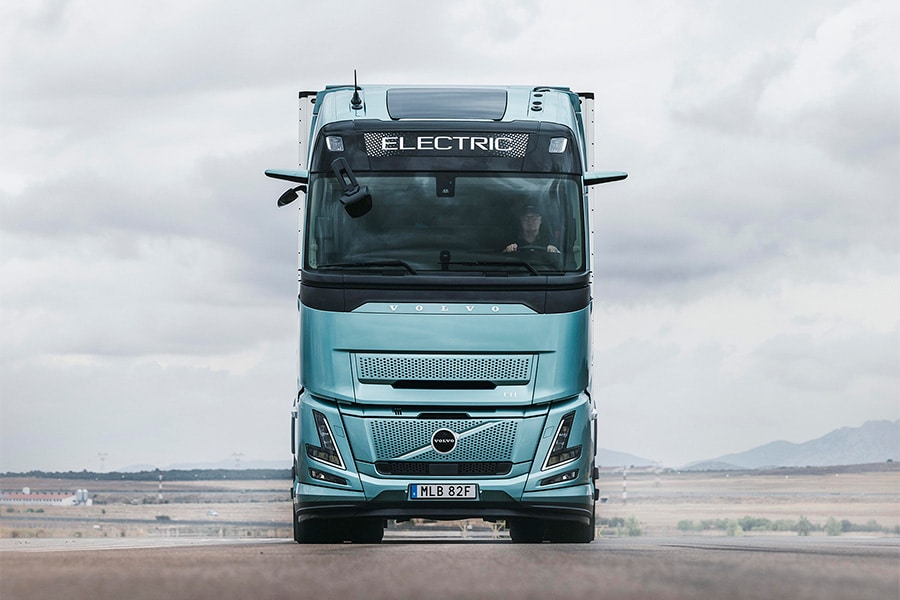
Why Volvo Rarely Gets The Recognition It Deserves?
Despite its extraordinary contributions to automotive safety, Volvo often receives less attention than many competitors. Several factors contribute to this phenomenon. One reason is the company’s understated marketing approach. Volvo traditionally emphasizes substance over spectacle, allowing engineering achievements to speak for themselves.
Media coverage frequently favors dramatic stories involving high-performance vehicles, luxury trends, or emerging technologies. Safety innovations, while critically important, may not generate the same excitement as record-breaking acceleration times or futuristic design concepts. As a result, Volvo’s accomplishments can be overshadowed by more attention-grabbing developments.
Consumer perceptions also play a role. Some buyers associate Volvo primarily with practicality and family transportation rather than innovation. This stereotype overlooks the company’s extensive history of pioneering technologies that have transformed the entire automotive industry.
Another factor is that Volvo’s greatest successes often become industry standards. Once a safety feature is widely adopted, many consumers forget where it originated. The widespread use of seat belts, side impact protection systems, and advanced safety technologies can obscure Volvo’s pioneering role in their development.
Ironically, Volvo’s influence may be so extensive that it becomes invisible. The company’s innovations have become deeply integrated into modern vehicle design, benefiting drivers across countless brands. While competitors may receive greater public attention, Volvo’s impact on automotive safety remains profound and enduring.
The Future Of Volvo’s Safety Mission
Looking ahead, Volvo continues to pursue ambitious safety goals. The company has repeatedly expressed its desire to reduce serious injuries and fatalities involving its vehicles. This vision drives ongoing investments in research, technology, and vehicle development.
Advancements in artificial intelligence, sensor technology, and connectivity create new opportunities for accident prevention. Volvo is exploring ways to leverage these tools to enhance situational awareness and support safer driving decisions. Future systems may identify risks even earlier and respond more effectively to complex traffic environments.
Electric vehicles also present unique safety considerations. Volvo applies its established engineering principles to battery protection, structural integrity, and crash management. The transition to electrification has not diminished the company’s commitment to occupant safety. Instead, it has created new challenges that Volvo actively seeks to address.
The rise of autonomous and semi-autonomous driving technologies may further transform road safety in the coming decades. Volvo remains involved in developing systems that can reduce human error, which remains a leading cause of traffic accidents worldwide. The company approaches automation with caution, emphasizing reliability and real-world effectiveness.
Volvo’s future appears closely aligned with its past. While automotive trends may change and technologies may evolve, the company’s core mission remains remarkably consistent. Protecting human life continues to guide its decisions, ensuring that safety remains at the heart of everything it does.