
Rust is one of the biggest enemies of long-term vehicle ownership. Even the most reliable engines and transmissions can be overshadowed by severe corrosion that weakens structural integrity, damages suspension components, and reduces resale value.
For drivers living in regions that experience heavy rain, snow, humidity, or salted winter roads, choosing a vehicle with strong factory corrosion protection can make a significant difference over the years. Fortunately, some manufacturers have invested heavily in galvanized steel bodies, advanced paint technologies, protective undercoating, and sophisticated anti-corrosion treatments designed to keep rust at bay long after the warranty expires.
The vehicles on this list have earned reputations for exceptional durability and resistance to corrosion. From luxury sedans and premium SUVs to rugged pickup trucks and dependable family cars, each model demonstrates how proper engineering can dramatically extend a vehicle’s lifespan. Here are eight cars and SUVs built to resist rust longer than most of their competitors, helping owners enjoy years of dependable service.
1. Audi A4 B8
Luxury vehicles are often criticized for becoming expensive to maintain as they age, but the Audi A4 B8 has managed to build a reputation for aging gracefully. Produced between 2008 and 2015, this generation stands out not only for its premium driving experience but also for its impressive resistance to rust, making it a popular choice in regions that experience harsh winters and heavily salted roads.
A key factor behind the B8’s durability is Audi’s fully galvanized steel body, which is coated with a protective zinc layer that shields the metal from moisture and corrosion. Even when paint damage occurs, the zinc acts as a sacrificial barrier, helping prevent rust from reaching the steel underneath. Audi further enhanced protection with a multi-layer paint process, sealed body seams, thick undercoating, and underbody panels that reduce exposure to water, dirt, and road salt. Lightweight aluminum components also help eliminate corrosion concerns in certain structural areas.
While the body shell is highly resistant to rust, owners should still inspect common trouble spots such as the front wheel well cavities, suspension components, and rear subframes, where debris buildup and surface corrosion can develop over time. Routine cleaning of the undercarriage is recommended to maintain the car’s condition.
Beyond its corrosion resistance, the A4 B8 remains an appealing used luxury sedan thanks to its refined cabin, comfortable ride, and confident all-weather handling, especially in Quattro-equipped models. Buyers should be aware of potential issues such as oil consumption in early 2.0 TFSI engines, timing chain wear, and water pump failures. The updated B8.5 models from 2012 to 2015 are generally considered the most desirable due to their improved reliability and mechanical refinements.
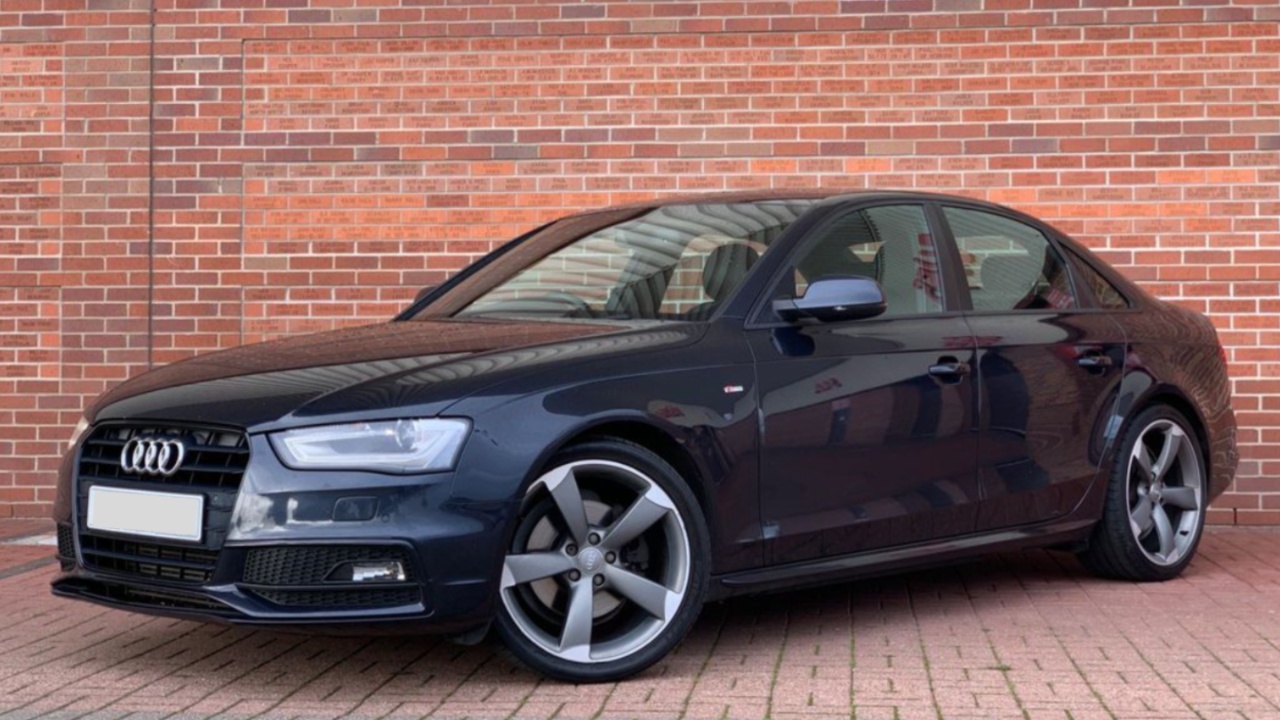
- Engine: Multiple petrol (TFSI) and diesel (TDI) options – 1.8L I4 (120–160 hp), 2.0L I4 (180–211 hp), 3.2L V6 (265 hp), 2.0L–3.0L TDI (143–245 hp)
- Horsepower: ~120–265 hp (petrol) / ~143–245 hp (diesel, depending on variant)
- Torque: ~320–500 Nm (236–369 lb-ft, depending on engine)
- Length: 185.2 in (4,703 mm)
- Width: 71.9 in (1,826 mm) (excluding mirrors)
2. Volvo XC90 (First Generation)
The first-generation Volvo XC90, produced from 2002 to 2014, earned a reputation as one of the most rust-resistant SUVs ever manufactured. Designed to withstand harsh Scandinavian winters, it featured extensive corrosion protection measures that allowed many examples to remain structurally sound long after competitors succumbed to rust.
Volvo utilized galvanized steel body panels, multiple layers of protective coatings, heavy-duty underbody sealing, and carefully engineered seam treatments to prevent moisture and road salt from causing long-term damage. The use of aluminum suspension components and durable wheel-well liners further enhanced its resistance to corrosion.
Beyond its exceptional durability, the XC90 was also praised for its practicality and safety. It offered standard three-row seating for up to seven passengers, flexible second-row seating, and a comfortable ride suited for long-distance travel. Safety innovations such as Roll Stability Control, full-length side curtain airbags, and integrated child booster cushions helped establish it as one of the safest family SUVs of its era.
The model was available with several engine options, including the dependable 2.5-liter turbocharged five-cylinder, the fuel-efficient D5 diesel, and the highly desirable Yamaha-developed V8. However, prospective buyers should inspect older examples carefully, as transmission issues, clogged sunroof drains, and diesel injector wear can occur with age.
Despite these concerns, the first-generation XC90 remains a highly respected used SUV. Its combination of outstanding rust protection, practicality, safety, and long-term durability makes it an attractive choice for buyers seeking a dependable family vehicle that can withstand years of challenging conditions.
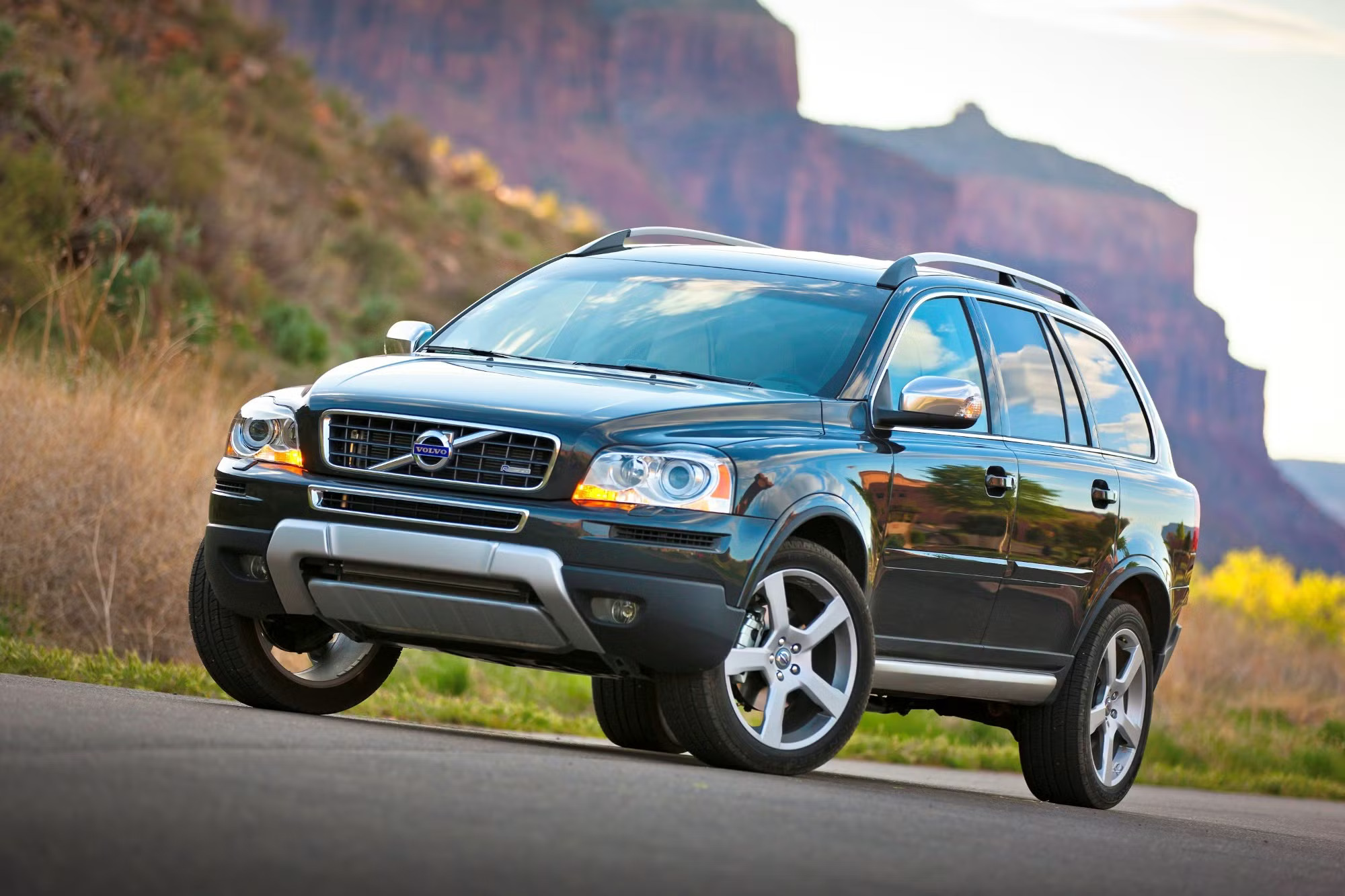
- Engine: Multiple options – 2.5L turbo I5 (208 hp), 2.9L twin-turbo I6 (268 hp), 3.2L I6 (235 hp), 4.4L V8 (311 hp), 2.4L diesel I5 (163 hp)
- Horsepower: 163–311 hp (depending on engine variant)
- Torque: 236–325 lb-ft (320–441 Nm, depending on engine variant)
- Length: 189.3–189.8 in (4,807–4,821 mm)
- Width: 75.2–76.2 in (1,909–1,935 mm)
3. Porsche Cayenne (955 Generation)
When the Porsche Cayenne debuted in the early 2000s, many enthusiasts questioned whether a brand known for sports cars could successfully build a luxury SUV. The answer came quickly, as the first-generation Cayenne not only delivered impressive performance but also demonstrated exceptional durability. One of its greatest strengths is rust resistance, a quality that has helped many examples remain in excellent condition more than two decades after leaving the factory.
A major reason for this longevity is Porsche’s extensive use of hot-dip galvanized steel throughout the body structure. The zinc coating forms a protective barrier that shields the steel from moisture and oxidation, significantly slowing corrosion. Porsche further enhanced protection with a thick, flexible paint finish designed to absorb minor impacts from road debris without cracking. Internal cavities, including door panels and structural sections, were also treated with anti-corrosion wax, while protective underbody covers reduce exposure to water, salt, and gravel.
Although the body shell is highly resistant to rust, owners should not assume the vehicle is completely immune to corrosion. Dirt and leaves can collect behind wheel arch liners and around drainage channels, trapping moisture in areas that are difficult to inspect. The rear tailgate near the license plate lights is another area worth monitoring, while suspension hardware and exhaust components can develop surface rust over time, particularly in regions where roads are heavily salted during winter.
The Cayenne 955’s appeal extends well beyond durability. Powerful V8 models offer strong acceleration and surprisingly agile handling for a large SUV, while advanced four-wheel-drive hardware, low-range gearing, and available air suspension give it serious off-road capability. Inside, passengers are treated to premium materials and the solid construction expected from Porsche.
However, ownership requires careful budgeting. Known issues include failing plastic coolant pipes, electrical problems linked to blocked drains, transfer case wear, driveshaft bearing failures, and aging air suspension systems. Combined with high fuel consumption and expensive repairs, these factors make maintenance history a critical consideration. For buyers willing to manage those costs, the Cayenne 955 remains an impressively engineered SUV that blends luxury, performance, and long-term durability.
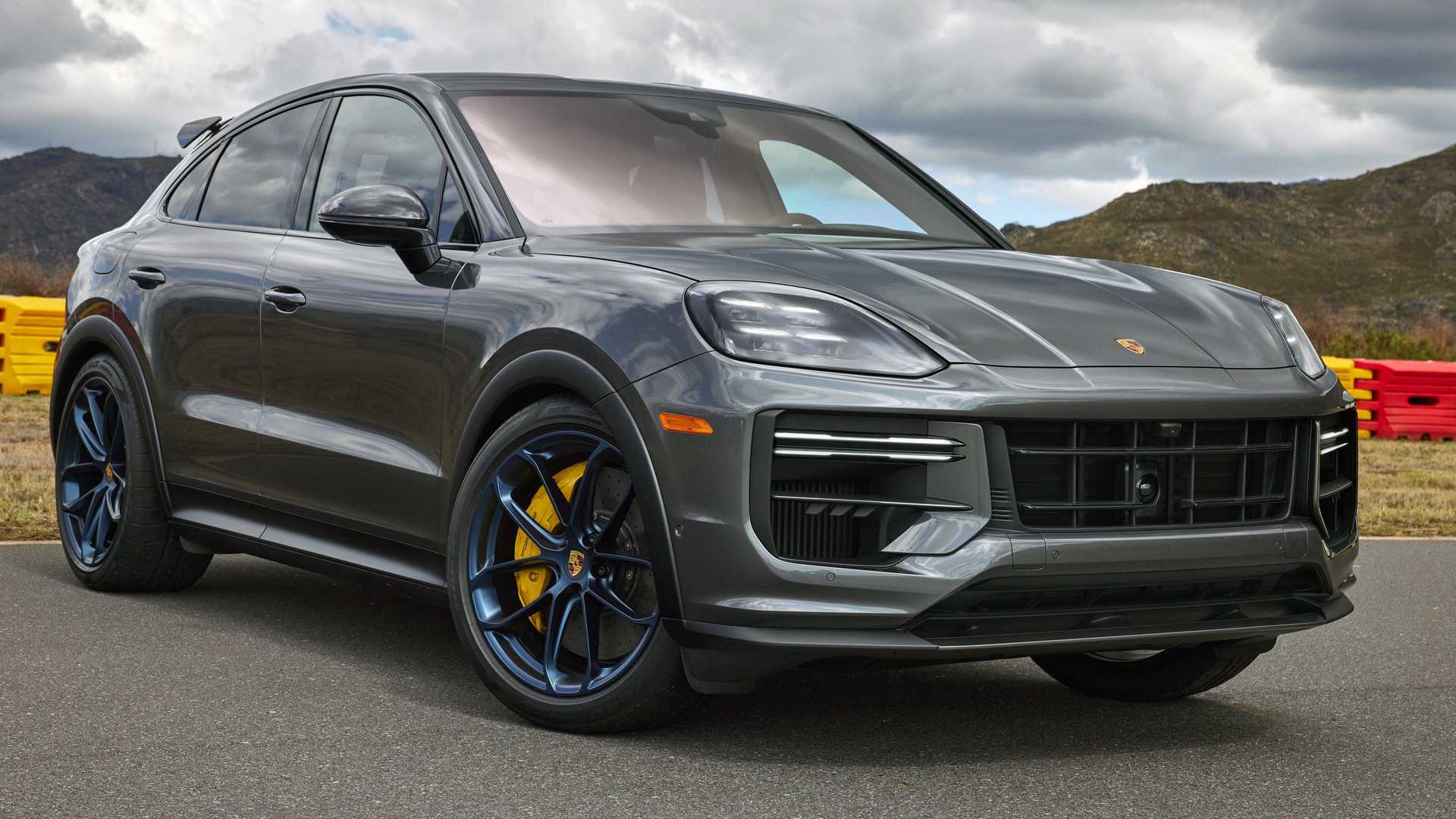
- Engine: Multiple options – 3.2L VR6 (250 hp), 4.5L V8 (340 hp), 4.5L twin-turbo V8 (450 hp), 4.5L twin-turbo V8 (521 hp)
- Horsepower: 250–521 hp (depending on trim)
- Torque: 229–531 lb-ft (310–720 Nm, depending on trim)
- Length: 188 in (4,782–4,786 mm)
- Width: 75.9 in (1,928 mm)
4. Ford F-150 (Thirteenth Generation)
The thirteenth-generation Ford F-150, produced from 2015 to 2020, transformed the full-size truck segment by adopting a high-strength, military-grade aluminum-alloy body. This groundbreaking shift addressed one of the most persistent issues facing pickup owners: corrosion. Unlike steel, aluminum does not develop traditional rust. Instead, it forms a thin protective oxide layer when exposed to air, creating a natural barrier against moisture and environmental damage. As a result, common trouble spots found on older trucks, such as wheel wells, rocker panels, cab corners, and fenders, are far less susceptible to deterioration.
Ford paired the aluminum body with a high-strength steel frame, creating a potential risk of galvanic corrosion where the two metals meet. To counter this, the company employed advanced engineering solutions, including specialized coatings, electrocoated body panels, corrosion-resistant fasteners, and aerospace-inspired sealants. These measures help isolate the metals and maintain long-term durability, even in coastal regions and areas where roads are heavily treated with salt.
The move to aluminum also reduced the truck’s weight by several hundred pounds, improving fuel efficiency, payload capacity, and towing performance. Buyers could choose from a wide range of engines, including the naturally aspirated 5.0-liter V8, EcoBoost turbocharged V6 options, and a diesel variant. The generation also introduced advanced features such as Pro Trailer Backup Assist, spacious SuperCrew cabins, and the increasingly popular Sync 3 infotainment system with smartphone connectivity.
Despite its many strengths, the F-150 is not without drawbacks. Aluminum body panels can be more expensive and specialized to repair after accidents than traditional steel components. Certain engine variants also have known concerns, including oil consumption issues and model-specific reliability quirks. Nevertheless, the thirteenth-generation F-150 remains one of the most corrosion-resistant, capable, and influential pickup trucks of the modern era.
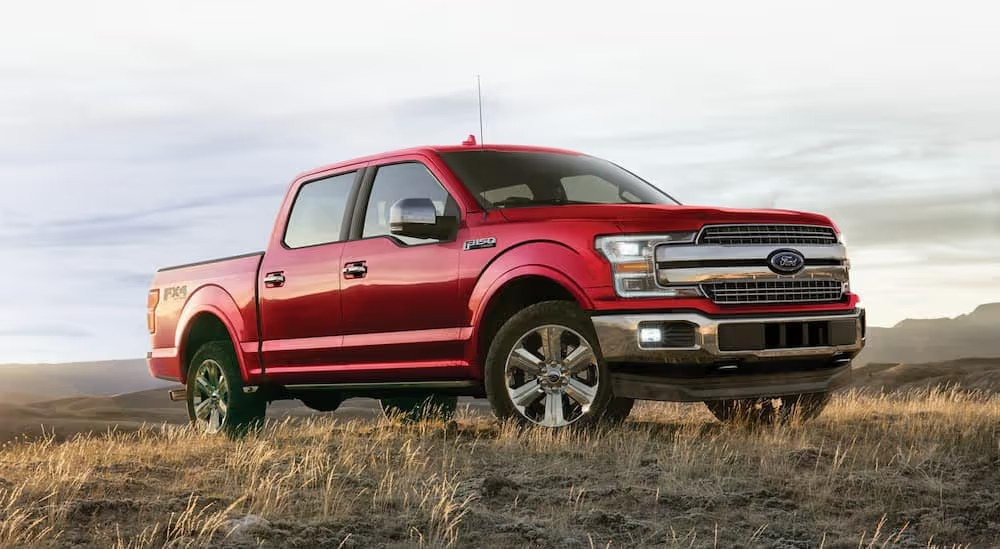
- Engine: Multiple options – 3.5L V6 (282–375 hp), 2.7L EcoBoost V6 (325 hp), 3.3L V6 (290 hp), 5.0L V8 (385–395 hp), 3.0L diesel V6 (250 hp), 3.5L high-output EcoBoost V6 (450 hp)
- Horsepower: 250–450 hp (depending on engine variant)
- Torque: 253–510 lb-ft (depending on engine variant)
- Length: 209.3–250.5 in (5,316–6,363 mm)
- Width: 79.9 in (2,029 mm) (excluding mirrors)
5. BMW 3 Series (E90 Generation)
The BMW 3 Series E90, produced from 2005 to 2012, remains one of the most respected sports sedans of its generation thanks to its blend of engaging performance, everyday practicality, and impressive long-term durability. A key reason many E90 models have aged well is BMW’s comprehensive factory corrosion protection system, which helps the car resist rust even after years of exposure to harsh weather conditions.
BMW equipped the E90 with extensively galvanized steel body panels, using a protective zinc coating that shields the underlying metal from moisture and oxidation. The company further strengthened corrosion resistance through a cathodic dip-priming process, which applies a uniform protective coating across the entire body shell. Lightweight aluminum components, including the hood and front fenders on many models, eliminate rust concerns in key areas, while large plastic underbody panels help protect the floor pan from road salt, water, and debris. These measures were so effective that BMW backed the car with a factory anti-corrosion warranty.
Although the body structure is highly resistant to corrosion, some components still require attention. Surface rust can develop on exposed suspension parts, rear subframes, and underbody fasteners, particularly in regions that experience heavy winter road salting. Deep scratches that penetrate the paint and galvanized layer may also expose bare metal if left untreated.
Beyond durability, the E90 is widely praised for its balanced chassis, near-perfect weight distribution, and communicative hydraulic steering. Engine options ranged from economical diesel models to smooth inline-six gasoline engines and the high-performance V8-powered M3. The interior offers solid build quality and a driver-focused layout, though some examples suffer from worn rubberized trim coatings.
Potential buyers should be aware of common age-related issues, including oil leaks, water pump failures, sensor malfunctions, VANOS problems, and high-pressure fuel pump failures on turbocharged 335i models. Even so, a well-maintained E90 remains one of the most rewarding and durable luxury sports sedans available on the used market.
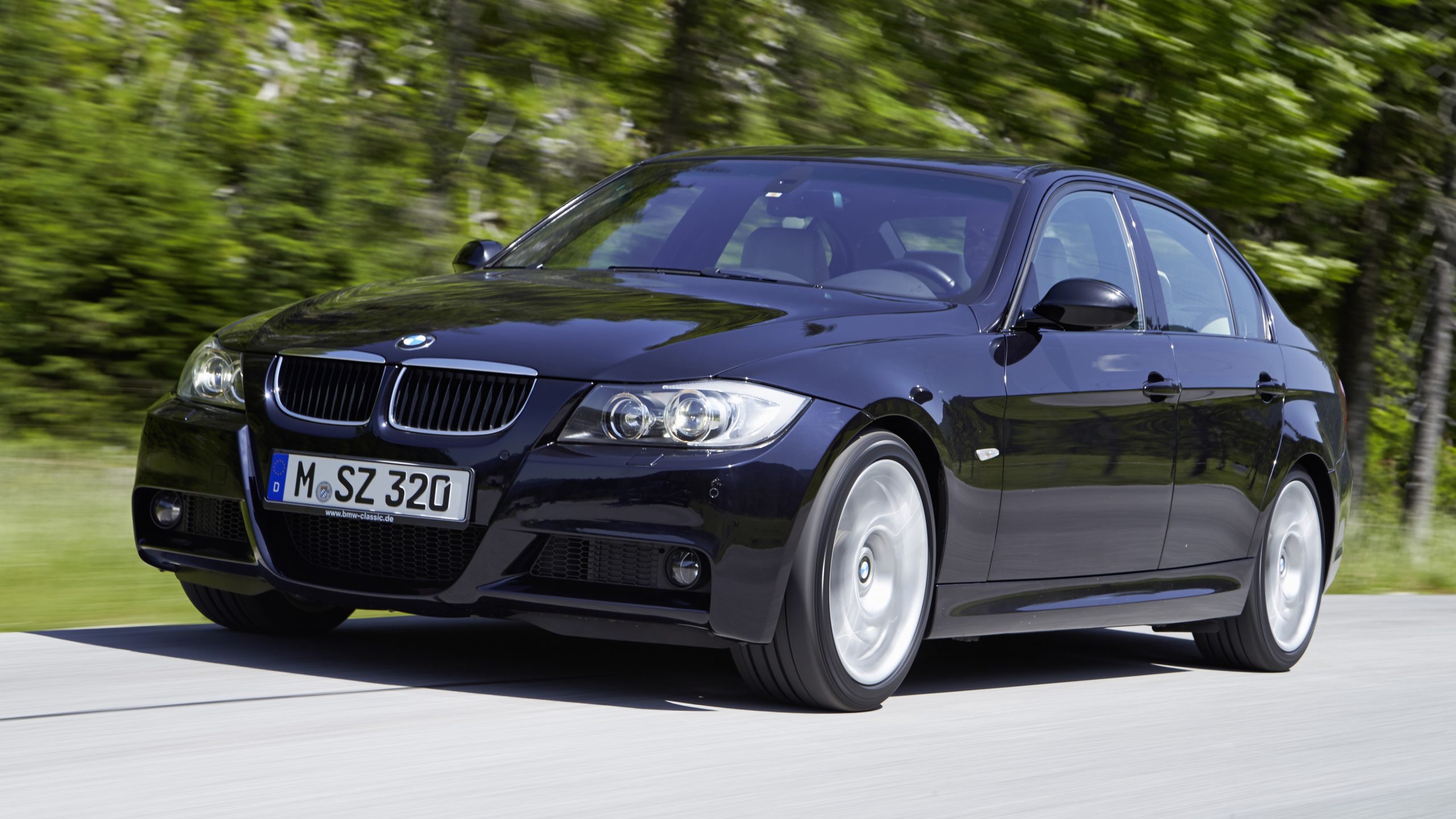
- Engine: Multiple options – 1.8L–2.0L I4 (116–170 hp), 2.0L diesel I4 (163–184 hp), 2.5L–3.0L I6 petrol (177–272 hp), 3.0L turbo I6 (286–306 hp), 4.0L V8 (414 hp)
- Horsepower: 116–414 hp (depending on trim)
- Torque: 133–428 lb-ft (180–580 Nm, depending on variant)
- Length: 178–181.5 in (4,520–4,610 mm)
- Width: 70.1–71.7 in (1,780–1,820 mm)
Also read: 5 Cars Worth Buying for City Living vs 5 Built Wrong for It
6. Toyota Camry (XV50 Generation)
The Toyota Camry XV50, sold between 2012 and 2017, is widely recognized for its exceptional durability, and a significant part of that reputation comes from its advanced factory corrosion protection. Toyota incorporated multiple anti-rust measures during production, helping the midsize sedan withstand years of exposure to moisture, road salt, and changing weather conditions. As a result, many XV50 models remain structurally sound and visually appealing even after accumulating high mileage.
Toyota’s corrosion-prevention strategy begins with extensive body treatments. The steel body shell receives a chemical coating followed by an electrostatically applied primer that ensures consistent coverage across all surfaces. A durable paint finish and chip-resistant clear coat help protect exterior panels from damage that could expose bare metal.
The manufacturer also uses zinc-treated steel in key areas, while more than 70 meters of seam sealant are applied throughout the body to block water intrusion. Additional protection comes from anti-corrosion wax injected into doors and structural cavities, along with underbody shields and fender liners that limit contact with dirt, salt, and road debris.
The XV50’s design further reduces the risk of rust through carefully engineered drainage channels that prevent water from collecting inside doors, rocker panels, and other hidden areas. Rubberized sealants applied to vulnerable underbody seams provide another layer of defense against moisture.
Beyond its corrosion resistance, the Camry XV50 is celebrated for its comfortable ride, spacious interior, and outstanding reliability. The 2.5-liter four-cylinder engine and hybrid variants are particularly known for their longevity and low maintenance requirements, while the available V6 offers stronger performance. Safety ratings are also among the best in the segment.
The main criticisms involve uninspiring handling, dated infotainment technology, and basic interior materials on lower trims. Nevertheless, the XV50 remains one of the most dependable family sedans of its era, combining excellent rust protection with low ownership costs and long-term durability.
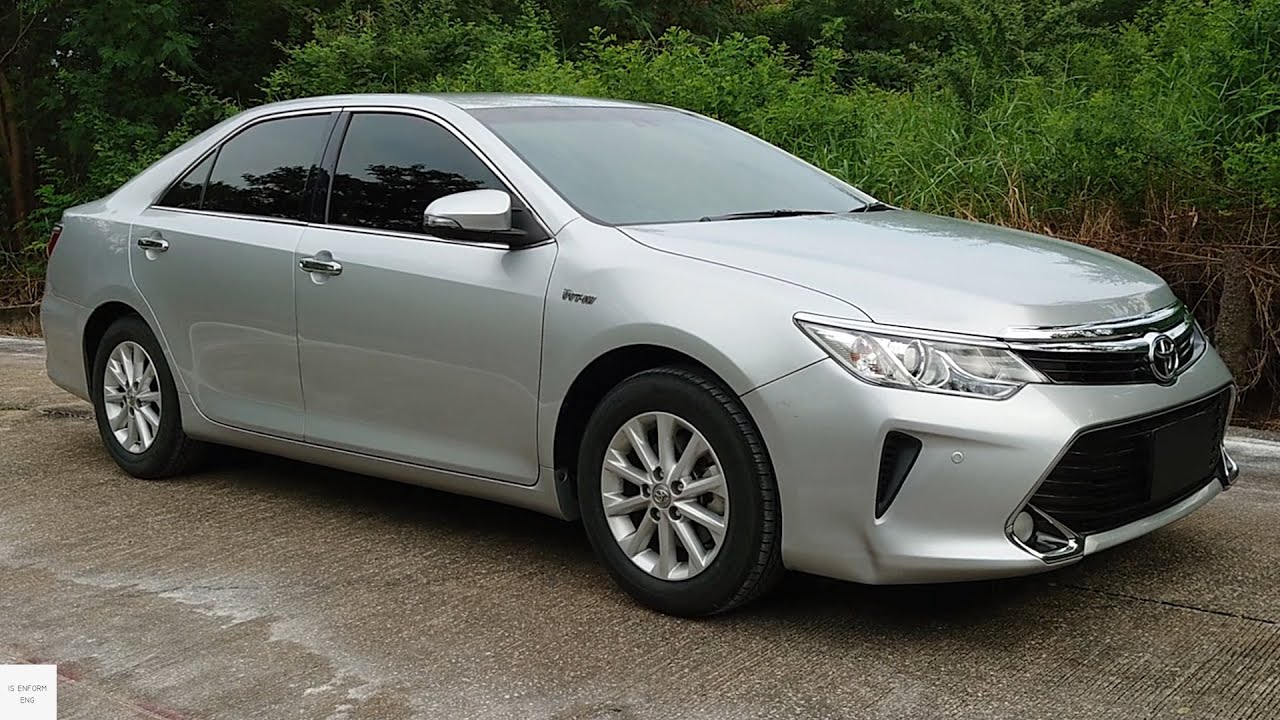
- Engine: Multiple options – 2.5L I4 (178–181 hp), 3.5L V6 (268 hp), 2.5L hybrid I4 (200 hp combined)
- Horsepower: 178–268 hp (depending on trim)
- Torque: 170–248 lb-ft (230–345 Nm, depending on variant)
- Length: 190.9–191.5 in (4,849–4,865 mm)
- Width: 71.7 in (1,821 mm)
7. Lexus RX 350 (Third Generation)
The third-generation Lexus RX 350, produced from 2010 to 2015, is widely regarded as one of the most durable luxury crossovers ever built. Combining Toyota’s proven engineering with Lexus’ focus on refinement, the RX 350 offers outstanding long-term reliability while benefiting from extensive factory corrosion protection. These measures help the vehicle maintain its structural integrity, appearance, and strong resale value even after years of exposure to challenging weather conditions.
A major factor behind the RX 350’s rust resistance is its extensive use of galvanized steel throughout the body and chassis. The zinc coating serves as a sacrificial barrier, protecting the underlying steel from corrosion even if the paint surface becomes damaged. Lexus further enhances durability through a sophisticated electro-deposition coating process, which immerses the entire body structure in a protective treatment to seal hidden cavities and hard-to-reach areas from moisture and oxygen.
Additional protection comes from thick underbody sealants, seam sealers, and anti-corrosion coatings applied during manufacturing. These materials shield vulnerable metal surfaces from road salt, water, sand, and stone impacts. Aerodynamic underbody panels and inner fender liners also help prevent debris and moisture from accumulating in critical areas, while select aluminum components reduce corrosion risks in locations prone to wear.
Beyond its durability, the RX 350 is celebrated for its quiet cabin, comfortable ride, and exceptional reliability. Powered by a smooth 3.5-liter V6 engine producing up to 292 horsepower, it delivers strong performance while prioritizing comfort over sporty handling. The interior features premium materials, supportive seating, and excellent noise insulation, creating a refined driving experience.
Its primary drawbacks include an aging infotainment system with a sometimes awkward controller and cargo space that trails some competitors. Nevertheless, the third-generation RX 350 remains one of the most dependable luxury SUVs on the used market, offering a rare combination of comfort, longevity, and industry-leading rust protection.
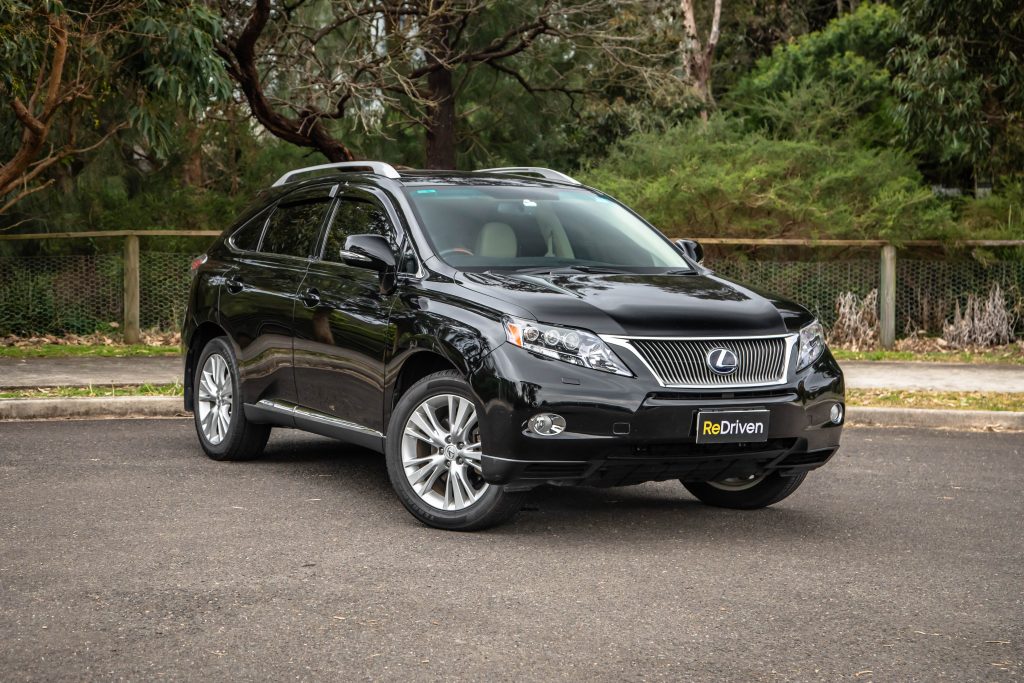
- Engine: 3.5L 24-valve DOHC V6 (2GR-FE)
- Horsepower: 275 hp @ 6,200 rpm
- Torque: 257 lb-ft (348 Nm) @ 4,700 rpm
- Length: 187.8 in (4,770 mm)
- Width: 74.2 in (1,885 mm)
8. Honda Accord (Eighth Generation)
The eighth-generation Honda Accord, produced from 2008 to 2012, marked a significant advancement in Honda’s approach to corrosion resistance. Building on lessons learned from earlier models, Honda incorporated stronger anti-rust measures throughout the vehicle’s design and manufacturing process. These improvements helped the Accord earn a reputation not only for reliability but also for maintaining its structural integrity and appearance over many years of ownership.
A key element of the Accord’s durability is its extensive use of electro-galvanized steel throughout the body structure. The zinc-coated metal provides an additional layer of protection against moisture and oxidation, reducing the likelihood of rust developing on exterior panels. Honda also employed an advanced electro-deposition priming process that coats the entire body shell, including hard-to-reach areas, creating a uniform barrier against corrosion. Sealed body seams, chip-resistant coatings, and protective sealants further help prevent water and debris from accumulating in vulnerable locations.
To address common rust-prone areas, Honda redesigned the wheel arches and lower body sections while adding plastic wheel-well liners, splash guards, and underbody shields. These components reduce exposure to road salt, mud, and moisture, helping preserve the vehicle’s undercarriage. However, owners in regions with severe winter conditions may still encounter rust on subframes and suspension components if regular cleaning and preventative maintenance are neglected.
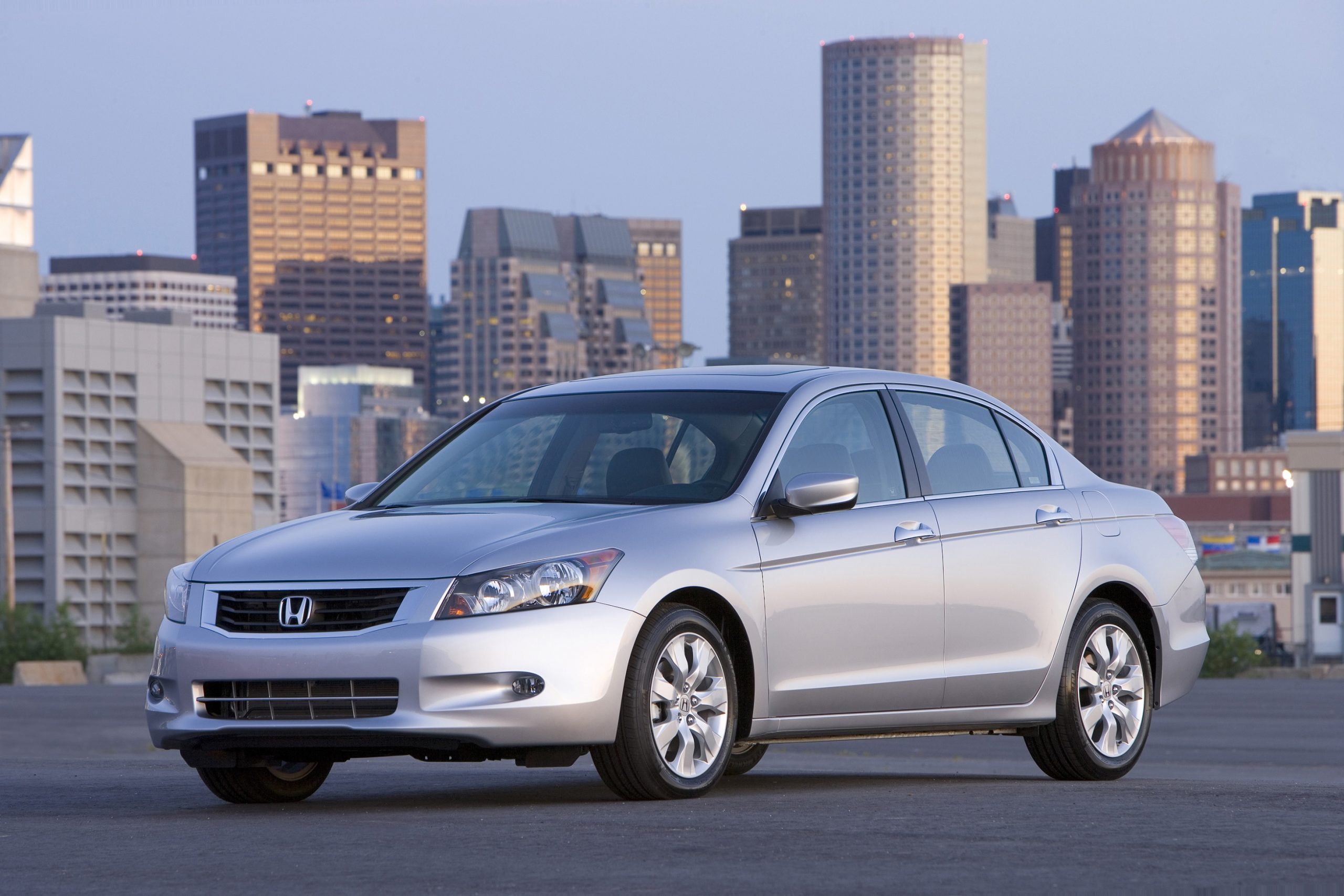
Beyond its corrosion resistance, the Accord is known for its spacious interior, comfortable ride, and dependable powertrains. Buyers could choose between an efficient 2.4-liter four-cylinder engine and a more powerful 3.5-liter V6. The car also benefits from responsive handling, a large trunk, and impressive longevity, with many examples surpassing 200,000 miles.
Its main shortcomings include noticeable highway road noise, an overly complex center stack design, and some lower-grade interior materials. Nevertheless, the eighth-generation Accord remains one of the most durable and practical midsize sedans of its era, offering a strong combination of reliability, comfort, and rust resistance.
- Engine: Multiple options – 2.0L i-VTEC I4 (155 hp), 2.4L i-VTEC I4 (177–201 hp), 3.5L i-VTEC V6 (268–271 hp)
- Horsepower: 155–271 hp (depending on engine and market)
- Torque: 139–254 lb-ft (189–344 Nm, depending on engine)
- Length: 186.1–194.7 in (4,726–4,945 mm)
- Width: 72.4–72.8 in (1,840–1,849 mm)
Also read: 10 Cars Faster Than A Ferrari With Less than $40,000
