
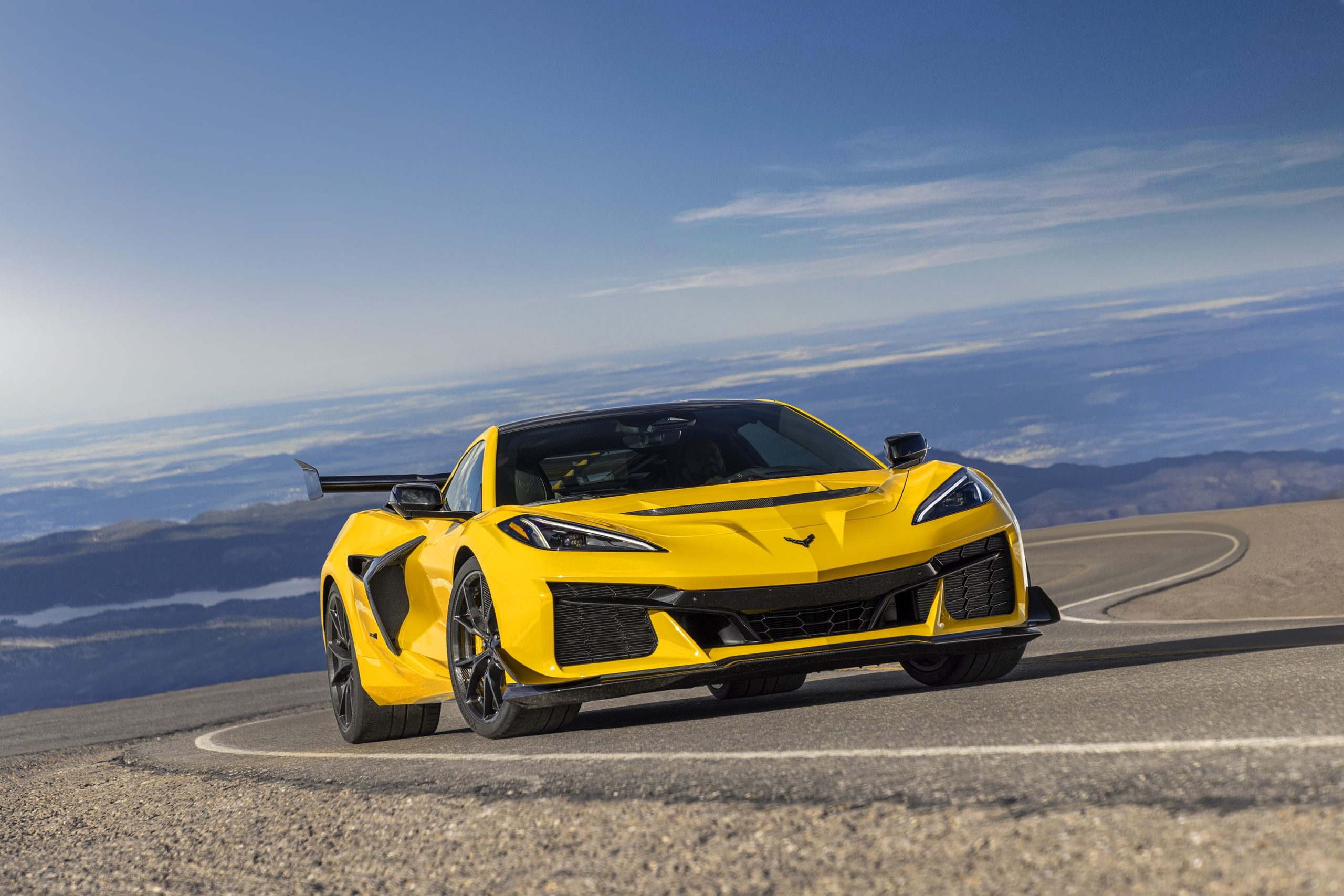
Few automobiles have defined American performance as successfully as the Chevrolet Corvette. Since its debut in 1953, Chevrolet’s flagship sports car has represented innovation, speed, style, and value, earning a loyal following among enthusiasts across multiple generations.
Unlike many performance vehicles that disappeared after a few years or transformed beyond recognition, the Corvette has maintained its identity while continuously evolving to meet the demands of changing automotive eras. Through economic booms, fuel crises, technological revolutions, and shifting consumer preferences, the Corvette has remained one of the most recognizable sports cars in the world.
What makes the Corvette particularly fascinating is the way each generation reflects the automotive priorities of its time. Early models emphasized style and exclusivity, while later generations focused on raw horsepower, advanced engineering, handling precision, and global competitiveness.
Over the decades, the Corvette transformed from a stylish American roadster into a genuine world-class sports car capable of competing with European icons costing significantly more. This journey has been marked by remarkable successes, occasional shortcomings, and several revolutionary moments that reshaped public perceptions of American performance vehicles.
Ranking Corvette generations is not a simple task because each generation contributed something meaningful to the nameplate’s legacy. Some introduced groundbreaking technology, while others delivered unforgettable styling or extraordinary performance.
Certain generations are remembered for overcoming adversity, whereas others are celebrated for establishing entirely new standards within the sports car segment. Historical significance, engineering achievement, performance capability, reliability, cultural impact, and desirability all play important roles when evaluating the Corvette’s long history.
The Corvette story spans more than seven decades and eight distinct generations. Each one brought new innovations and unique characteristics that helped keep the model relevant in an increasingly competitive marketplace.
While personal preferences vary among enthusiasts, certain generations stand out more prominently due to their influence and accomplishments.
From the humble beginnings of the original fiberglass roadster to the mid-engine supercar that stunned the automotive world, every Corvette generation deserves recognition for its contribution to one of the greatest automotive success stories ever written.
With that in mind, here is a ranking of every Chevrolet Corvette generation from least impressive to greatest, considering historical importance, technological advancement, driving experience, performance, and lasting legacy.
Also Read: Ford Issues ‘Do Not Drive’ Recall On 4,653 Maverick And Bronco Sport Models
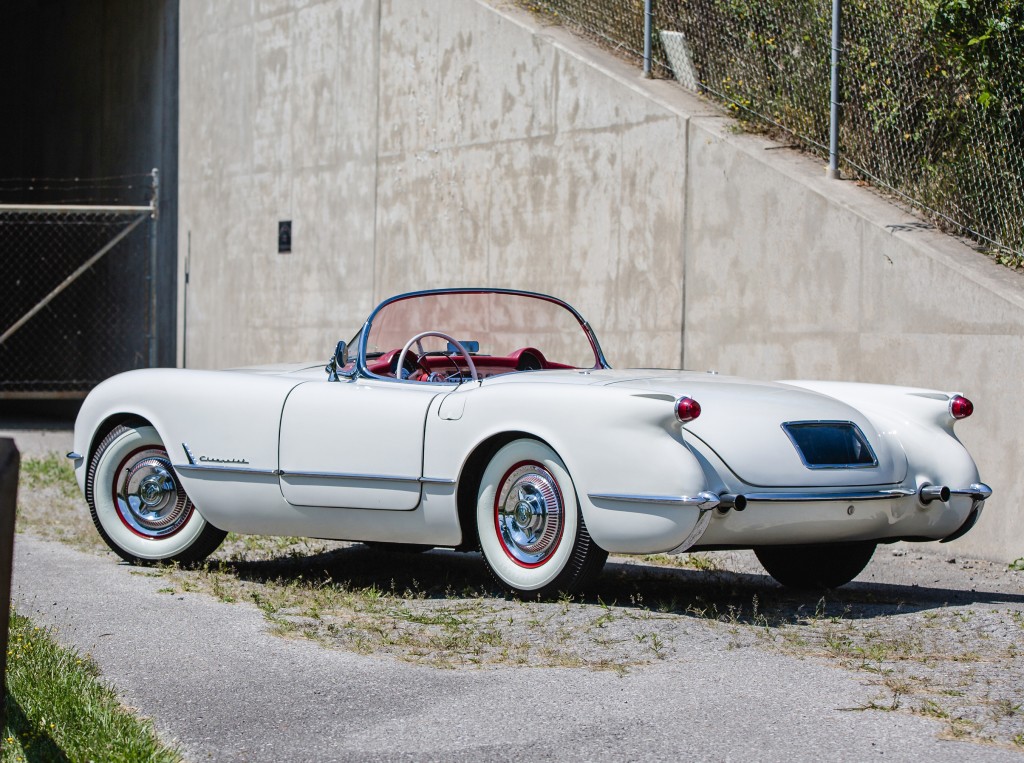
- Engine: 3.9L inline-6, later 4.3L to 5.4L V8
- Horsepower: ~150 hp to 360 hp
- Torque: ~260 Nm to 490 Nm
- Length: ~4,250 mm to 4,500 mm
- Width: ~1,750 mm to 1,800 mm
8. C1 Corvette (1953 to 1962)
The first-generation Corvette deserves enormous respect for establishing the foundation of America’s most famous sports car. However, when ranked against later generations, the C1 occupies the final position largely because it was still discovering its identity.
Early versions relied on a modest six-cylinder engine paired with a two-speed automatic transmission, which limited performance and prevented the car from fully realizing its sporting ambitions. While stylish and innovative for its era, the earliest C1 models lacked the excitement expected from a true performance icon.
Styling remains one of the C1’s greatest strengths. Its flowing curves, chrome accents, and distinctive proportions helped create an instantly recognizable silhouette.
The use of fiberglass body construction was revolutionary at the time and demonstrated Chevrolet’s willingness to experiment with advanced manufacturing techniques. This bold decision contributed significantly to the Corvette’s unique identity and distinguished it from competitors.
The introduction of the small block V8 engine dramatically improved the Corvette’s reputation. As horsepower increased throughout the late 1950s, the car evolved into a much more serious performance machine.
Fuel injection technology further enhanced its credentials, making the Corvette one of the most technologically advanced American automobiles of its era. These improvements helped establish the performance foundation that future generations would build upon.
Despite these advances, the C1 still suffered from limitations in handling, braking, and refinement compared with later generations. Suspension technology and chassis engineering were relatively basic by modern standards, resulting in driving dynamics that cannot match the capabilities of its successors. Enthusiasts often admire the C1 more for its historical significance than for its outright performance.
Even with its shortcomings, the C1 remains one of the most collectible and beloved Corvettes ever produced. It introduced a legend and proved that an American manufacturer could create a stylish sports car capable of capturing public imagination. Without the C1, there would be no Corvette legacy to celebrate today.
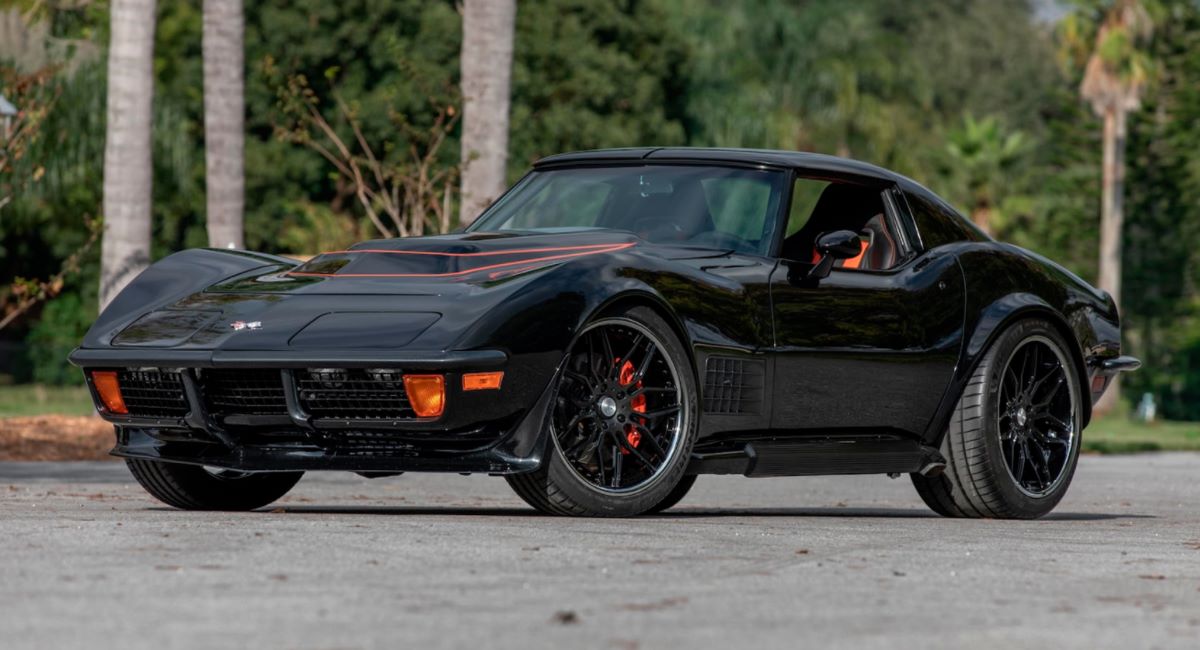
- Engine: 5.4L, 5.7L, 7.0L V8
- Horsepower: ~165 hp to 435 hp (early high-performance models much higher)
- Torque: ~350 Nm to 570 Nm
- Length: ~4,620 mm to 4,820 mm
- Width: ~1,750 mm to 1,850 mm
7. C3 Corvette (1968 to 1982)
The third-generation Corvette is among the most visually striking sports cars Chevrolet has ever built. Inspired by futuristic concept vehicles, the C3 featured dramatic curves, aggressive fenders, and unmistakable road presence. For many enthusiasts, the C3 represents the quintessential classic Corvette appearance, blending muscular American styling with sports car proportions.
Initially, the C3 offered exceptional performance. Early models benefited from powerful big block and small block V8 engines that delivered impressive acceleration and thrilling driving experiences.
During the late 1960s and early 1970s, some C3 variants became legendary for their straight-line speed and raw power. These vehicles remain highly desirable among collectors and performance enthusiasts.
Unfortunately, the C3’s long production run exposed it to challenging market conditions. Increasing emissions regulations, rising insurance costs, and the fuel crisis significantly reduced engine output during the mid and late 1970s.
Performance levels declined substantially, creating a noticeable gap between early and later examples. Some late production models struggled to maintain the excitement associated with the Corvette name.
Another challenge involved chassis development. While the C3 looked spectacular, its underlying engineering evolved more slowly than its appearance suggested. Competitors increasingly emphasized handling sophistication and technological advancement, leaving portions of the C3 generation feeling dated as production continued into the early 1980s.
Nevertheless, the C3 remains a cultural icon. Its dramatic styling, immense popularity, and association with an important era of American automotive history ensure its place among the most recognizable sports cars ever produced. Although it ranks lower due to inconsistency throughout its lifespan, the C3’s influence on Corvette history cannot be overstated.
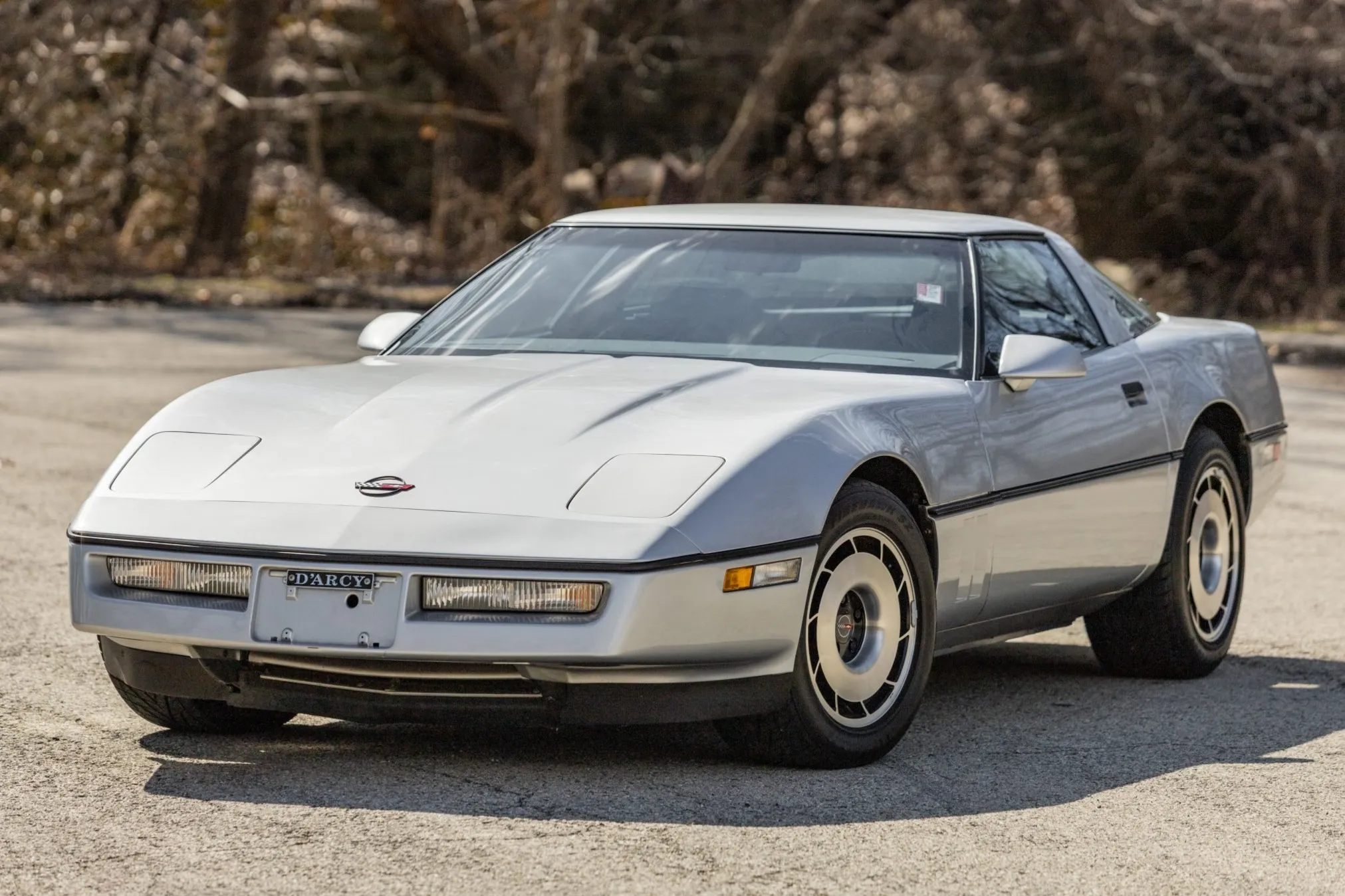
- Engine: 5.7L V8 (L83, L98, LT1, LT4)
- Horsepower: ~205 hp to 330 hp
- Torque: ~365 Nm to 450 Nm
- Length: ~4,480 mm
- Width: ~1,800 mm
6. C4 Corvette (1984 to 1996)
The fourth-generation Corvette represented a complete reinvention of the nameplate. After years of relying on aging architecture, Chevrolet introduced an entirely new platform that prioritized technology, handling, and structural rigidity. The C4 signaled a dramatic shift toward modern sports car engineering and helped restore the Corvette’s credibility in global performance circles.
One of the C4’s greatest achievements was its handling capability. Compared with previous generations, the car felt significantly more precise and responsive. Engineers focused heavily on chassis development, resulting in a vehicle capable of competing more effectively against international rivals. The C4’s cornering ability marked a major advancement for American performance cars.
The interior embraced futuristic design themes that reflected the technology-focused mindset of the 1980s. Digital instrumentation, advanced electronics, and a driver-oriented cockpit helped create a distinctive ownership experience. Although some features have aged noticeably, they demonstrated Chevrolet’s commitment to innovation and modernization.
Performance improved steadily throughout the generation’s lifespan. The arrival of the ZR1 variant pushed the Corvette to new levels of capability and established a higher benchmark for the model.
Featuring an advanced dual overhead cam V8 engine and remarkable performance credentials, the ZR1 challenged assumptions about what an American sports car could achieve. It remains one of the most significant Corvette models ever produced.
Despite its accomplishments, the C4 could sometimes feel harsh and uncompromising compared with later generations. Ride quality, interior materials, and refinement occasionally lagged behind premium competitors. Nevertheless, the C4 deserves credit for laying the groundwork that enabled future Corvettes to become world-class performance machines.
- Engine: 5.4L, 6.5L, 7.0L V8
- Horsepower: ~250 hp to 435 hp
- Torque: ~470 Nm to 624 Nm
- Length: ~4,480 mm
- Width: ~1,770 mm
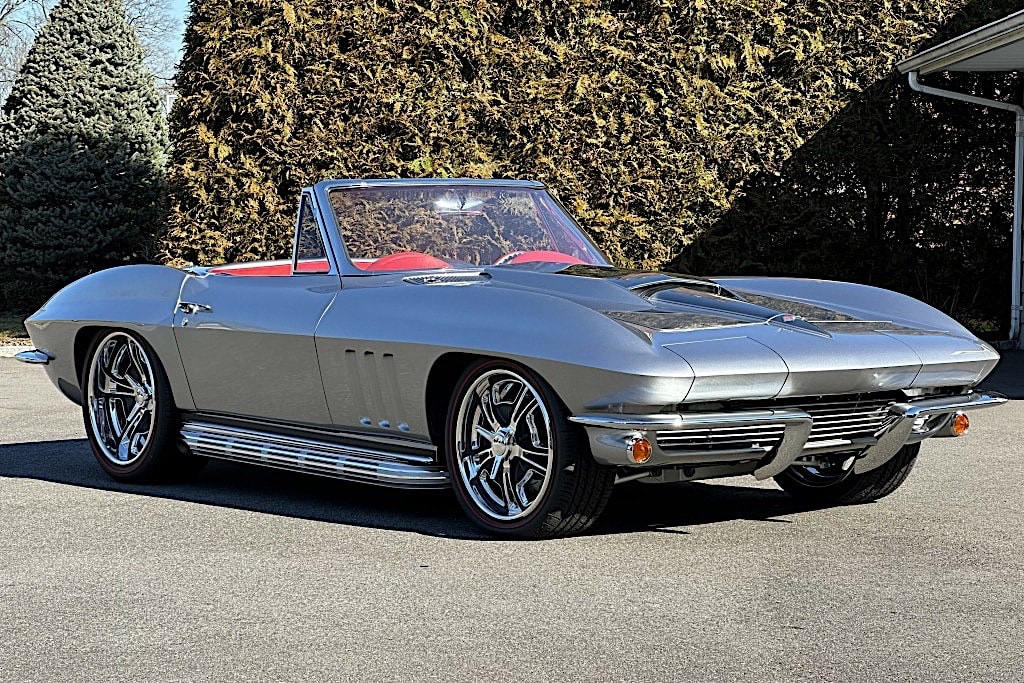
5. C2 Corvette (1963 to 1967)
Many enthusiasts consider the second-generation Corvette one of the most beautiful cars ever created. Known as the Sting Ray, the C2 combined stunning styling with dramatic engineering improvements that transformed the Corvette into a legitimate sports car. Its influence remains visible throughout the Corvette lineage.
The introduction of an independent rear suspension represented a major technological leap forward. This innovation significantly improved ride quality and handling performance, allowing the Corvette to compete more effectively against sophisticated European rivals. The chassis improvements demonstrated Chevrolet’s growing commitment to engineering excellence.
Styling remains a highlight of the C2 experience. Features such as hidden headlights, sculpted bodywork, and the famous split window design of the 1963 coupe helped create one of the most celebrated automotive designs in history. Decades later, these cars continue to attract admiration wherever they appear.
Powertrain options were equally impressive. Buyers could choose from a range of potent V8 engines, including high-performance variants that delivered remarkable acceleration for the era.
The combination of lightweight construction, powerful engines, and improved handling created an engaging driving experience that still resonates with enthusiasts today.
The relatively short production run helped preserve the C2’s exclusivity and desirability. While later generations surpassed it in technology and outright performance, the C2 remains one of the most influential and beloved Corvettes ever built. Its blend of beauty, innovation, and performance secures a prominent place in automotive history.
Also Read: 6 Best and Worst Years of the Ford F-150
- Engine: 5.7L LS1 V8
- Horsepower: ~345 hp to 405 hp (Z06)
- Torque: ~475 Nm to 522 Nm
- Length: ~4,435 mm
- Width: ~1,840 mm
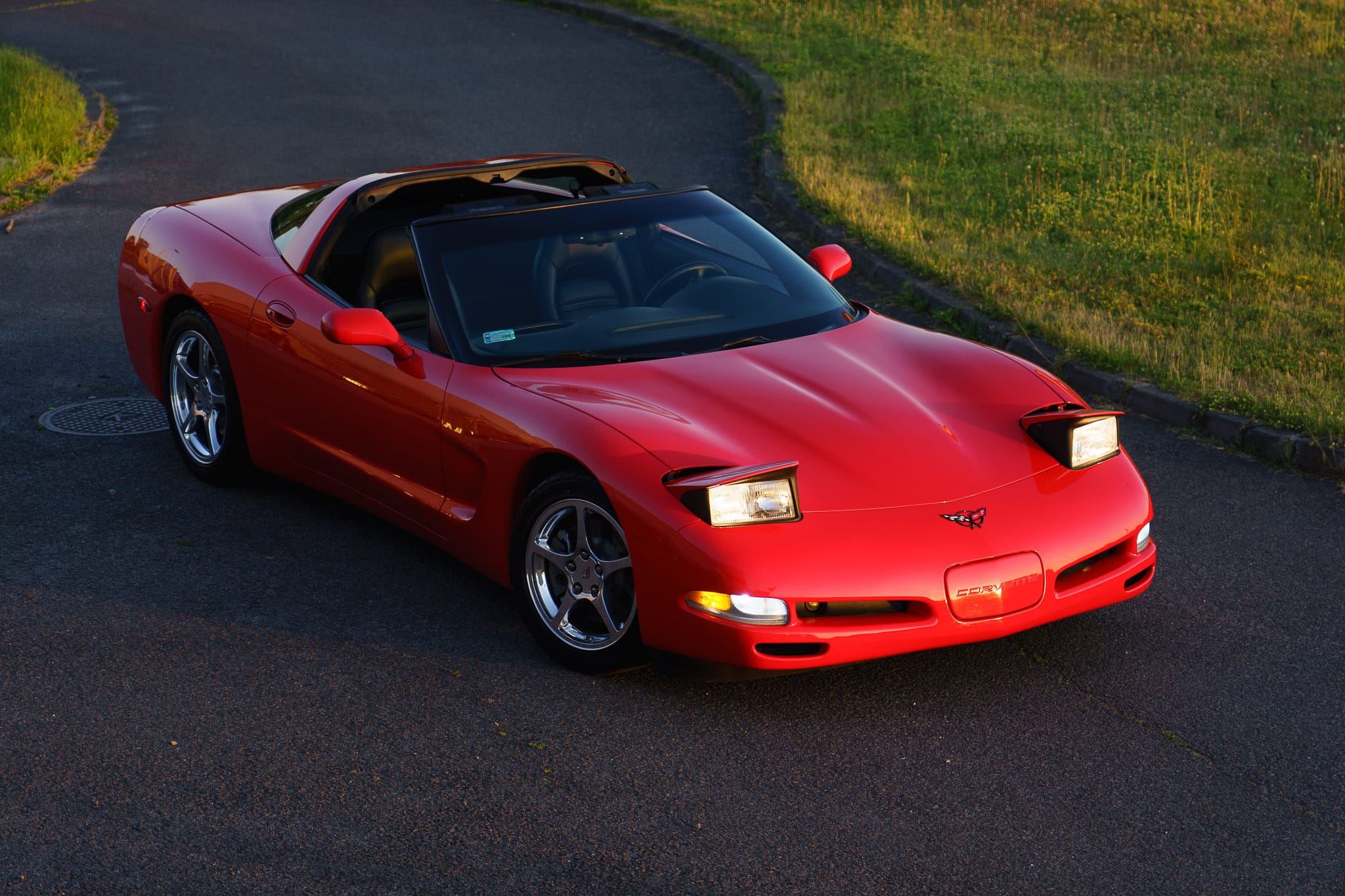
4. C5 Corvette (1997 to 2004)
The fifth-generation Corvette marked one of the most important turning points in the model’s modern history. Chevrolet completely re-engineered the platform from the ground up, introducing a rear-mounted transaxle, improved chassis rigidity, and a new small block V8 engine known as the LS1. This generation is widely credited with transforming the Corvette from a domestic performance car into a globally respected sports car.
One of the biggest improvements in the C5 was its balance and handling. By relocating the transmission to the rear, engineers achieved near-perfect weight distribution, which dramatically improved cornering stability.
The car felt more composed, predictable, and refined than any previous Corvette, making it highly capable on both road and track. This engineering decision became a defining characteristic of modern Corvettes.
Performance was another major highlight. The LS1 engine delivered strong horsepower figures while remaining reliable and relatively efficient. Acceleration was quick, and the Corvette finally began to rival high-performance European competitors more consistently.
The introduction of the Z06 variant further raised performance expectations, delivering track-focused upgrades and significantly improved dynamics.
The C5 also benefited from improved interior quality and usability. While still not luxurious by modern standards, the cabin was more comfortable and ergonomic compared to earlier generations. Long-distance driving became more enjoyable, helping the Corvette appeal to a wider audience beyond hardcore enthusiasts.
Despite its strengths, the C5’s styling was more conservative than some previous generations. While sleek and aerodynamic, it lacked the dramatic flair of earlier Corvettes. However, its engineering excellence and performance capability more than compensated for its restrained design.
- Engine: 6.0L to 7.0L V8 (LS2, LS3, LS7, LS9)
- Horsepower: ~400 hp to 638 hp
- Torque: ~542 Nm to 819 Nm
- Length: ~4,435 mm
- Width: ~1,844 mm
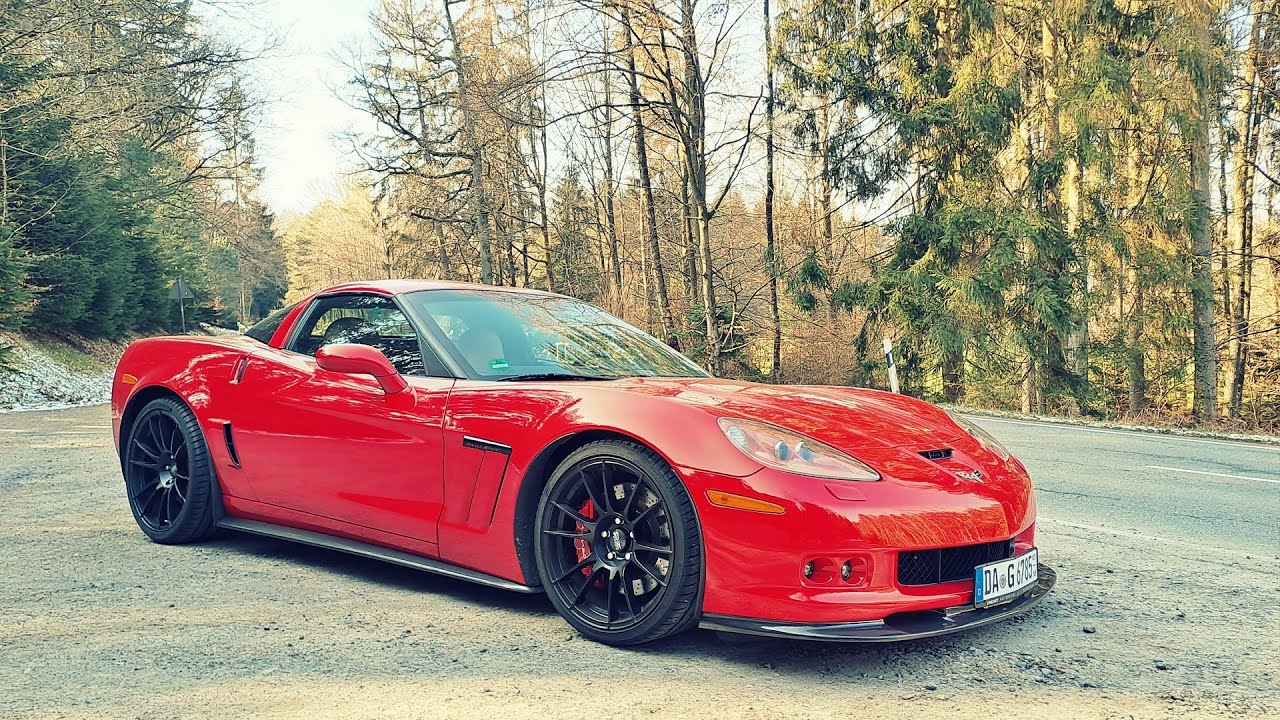
3. C6 Corvette (2005 to 2013)
The sixth-generation Corvette refined everything the C5 introduced while pushing performance and sophistication even further. It featured exposed headlights for the first time since the C1 era, giving it a sharper and more aggressive appearance. The C6 was lighter, more powerful, and more technologically advanced, marking a significant step forward.
Under the hood, the C6 introduced upgraded versions of the LS engine family, delivering higher horsepower and improved responsiveness. Performance variants such as the Z06 and ZR1 pushed the Corvette into supercar territory. The ZR1, in particular, was a landmark achievement, offering supercharged power and performance figures that rivaled exotic European brands at a fraction of the cost.
Handling and chassis dynamics also saw significant improvements. The C6 felt more precise and confidence-inspiring, particularly in performance-oriented trims. Advanced suspension systems and braking technology enhanced its track capabilities, helping establish it as one of the most complete performance cars of its era.
Interior quality saw noticeable improvements as well. Materials were upgraded, ergonomics were refined, and technology features became more modern. While still not at luxury car levels, the C6 represented a meaningful step forward in comfort and usability.
The C6 is remembered as one of the most well-rounded Corvette generations ever produced. It successfully balanced performance, design, and everyday usability, making it a favorite among enthusiasts who wanted supercar performance without supercar pricing.
- Engine: 6.2L LT2 V8 (mid-engine layout)
- Horsepower: ~490 hp to 670 hp (Z06 variants higher in some trims)
- Torque: ~637 Nm to 623+ Nm (varies by trim and tuning)
- Length: ~4,630 mm
- Width: ~1,934 mm
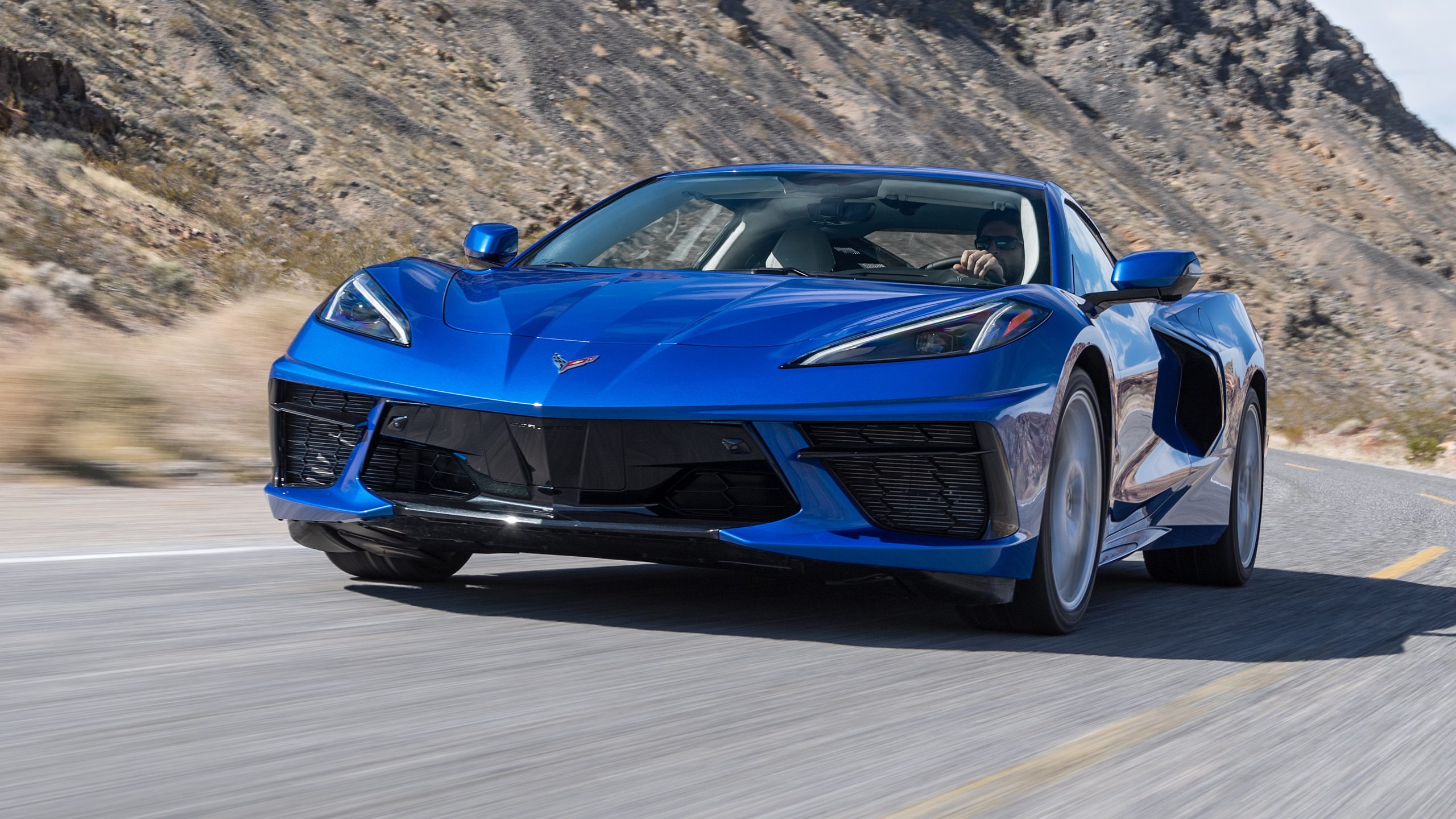
2. C8 Corvette (2020 to Present)
Handling and chassis dynamics also saw significant improvements. The C6 felt more precise and confidence-inspiring, particularly in performance-oriented trims. Advanced suspension systems and braking technology enhanced its track capabilities, helping establish it as one of the most complete performance cars of its era.
The C8 delivers extraordinary performance capabilities. Even the base model offers acceleration and handling that rival much more expensive European sports cars. The mid-engine layout provides exceptional balance, grip, and cornering precision, making the C8 one of the most capable Corvettes ever built right out of the box.
Styling is equally revolutionary. The C8 features sharp angles, aggressive aerodynamics, and a cockpit-oriented design that emphasizes its mid-engine architecture. It looks more like a supercar than any previous Corvette, signaling Chevrolet’s intent to compete at the highest level of global performance design.
Inside, the C8 introduces a driver-focused cockpit with premium materials and advanced technology. The interior finally matches the performance pedigree of the car, offering modern infotainment systems, digital displays, and improved comfort. This marks one of the biggest quality leaps in Corvette history.
Despite its excellence, some enthusiasts miss the traditional front-engine Corvette character. The C8 represents a bold break from tradition, which makes it controversial among long-time fans. However, its performance achievements and global competitiveness secure its place near the top of the ranking.
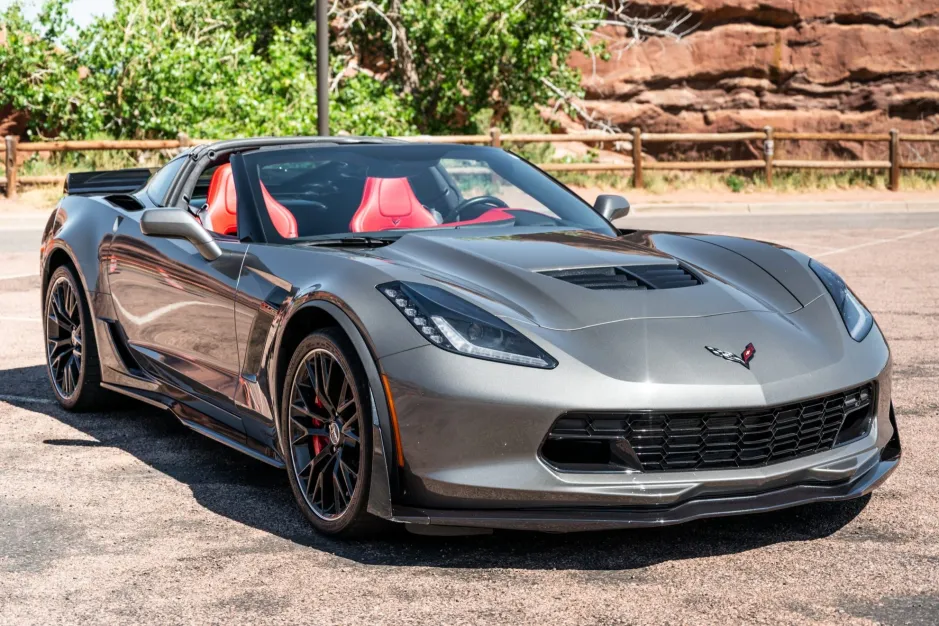
- Engine: 6.2L LT1, LT4 V8
- Horsepower: ~455 hp to 755 hp (ZR1)
- Torque: ~621 Nm to 969 Nm
- Length: ~4,480 mm
- Width: ~1,875 mm
1. C7 Corvette (2014 to 2019)
The seventh-generation Corvette represents the pinnacle of the front-engine Corvette era. It combines aggressive styling, advanced engineering, and exceptional performance in a package that feels both refined and brutally capable. The C7 perfected decades of evolution before the transition to a mid-engine layout.
Performance is one of the C7’s strongest attributes. The Stingray, Grand Sport, Z06, and ZR1 variants each deliver extraordinary capabilities. The supercharged Z06 and ZR1 models in particular pushed the limits of front-engine performance, offering staggering horsepower and track-ready dynamics that rivaled exotic supercars.
The C7 also features one of the most dramatic designs in Corvette history. Sharp lines, functional aerodynamics, and an aggressive stance give it a purposeful and modern appearance. It successfully blends classic Corvette proportions with contemporary performance styling.
Interior quality was significantly improved compared to earlier generations. Premium materials, better ergonomics, and modern technology made the C7 more comfortable and user-friendly. It finally felt like a car that could compete with luxury performance brands on multiple levels.
The C7’s greatest strength lies in its balance. It represents the evolution of the traditional Corvette formula, delivering world-class performance while maintaining everyday usability and relatively accessible pricing. For many enthusiasts, it is the most complete expression of the front-engine Corvette philosophy.
