
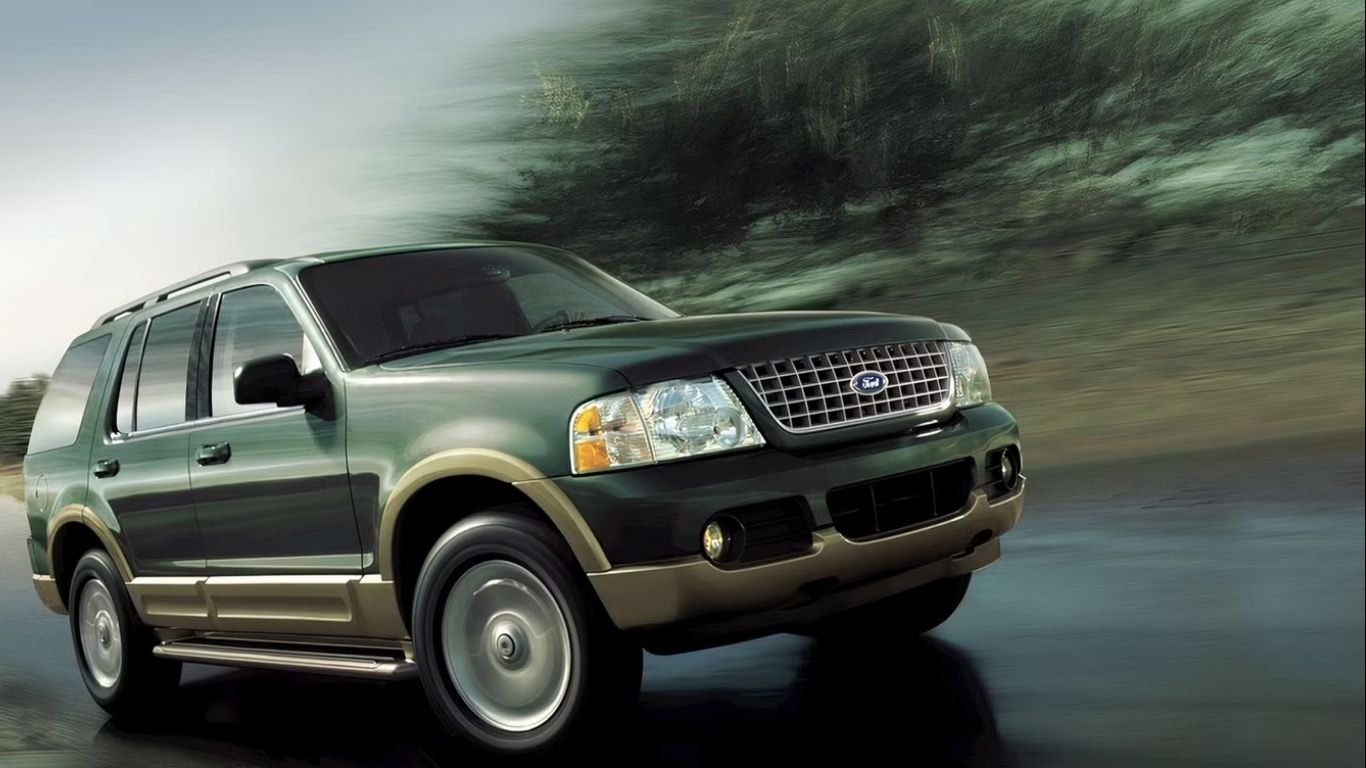
Shopping for a used Ford Explorer is a little like going through a minefield blindfolded, except the mines are transmissions that fail at 60,000 miles and the safe paths are model years that practically run forever. One year might deliver a decade of trouble-free driving. The year right next to it on the timeline might leave you stranded on the highway shoulder with a five-figure repair bill. That is not an exaggeration. It is the actual, well-documented reality of buying a used Explorer.
The Ford Explorer has spent over three decades evolving from a boxy, truck-based SUV into the smooth, family-focused crossover sold today, and that long journey has produced some genuinely excellent model years alongside some genuinely disastrous ones. Knowing exactly which is which before you hand over your money is not just helpful. It is essential.
This breakdown covers the five best Ford Explorer model years worth seeking out, along with the five years that deserve a hard pass, no matter how good the price looks on the lot. Real specs, real complaint data, and real reasons behind every ranking.
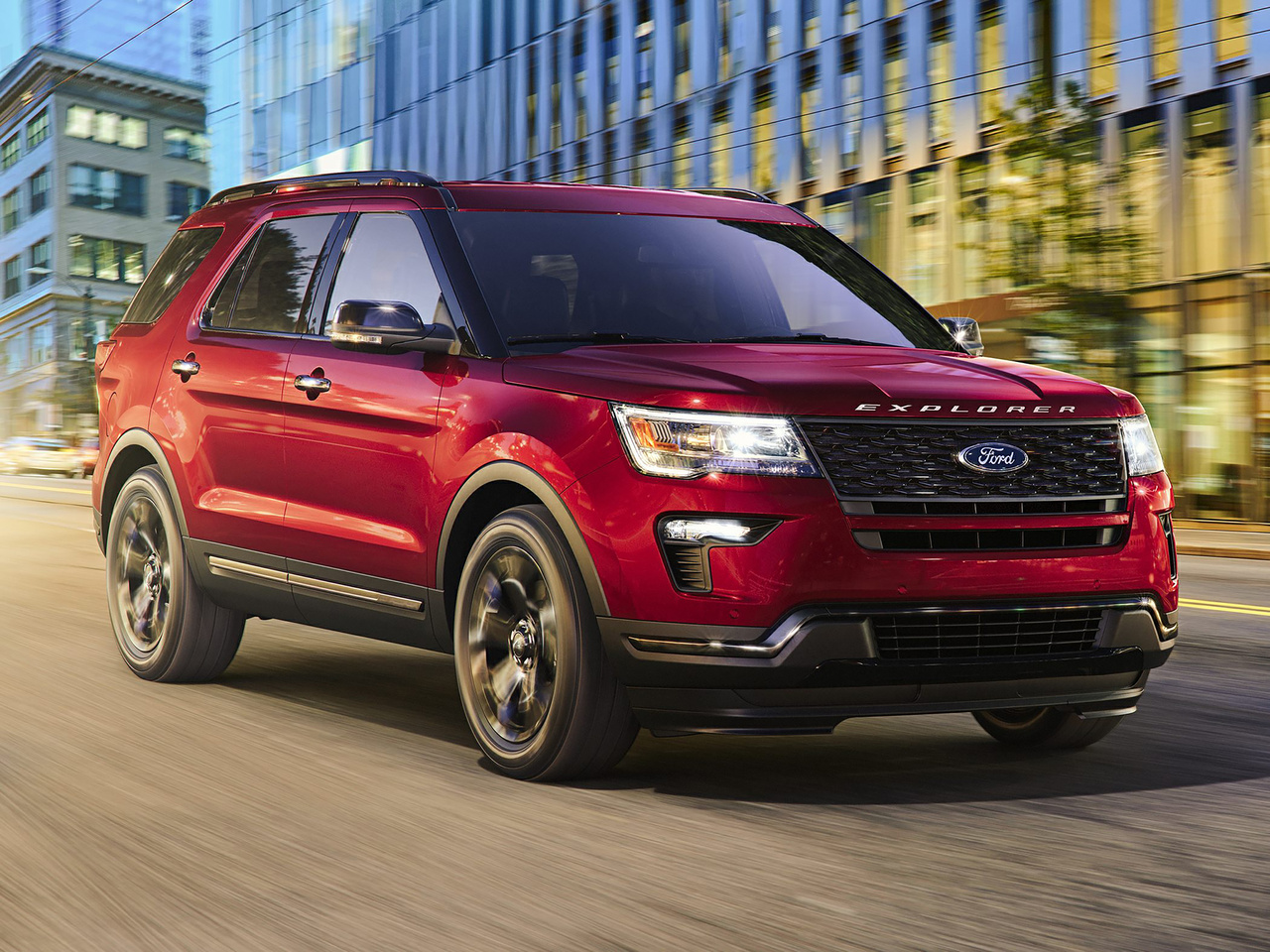
1. 2019 Ford Explorer
- Engine: 3.5L V6 (or 2.3L Turbo 4-cylinder)
- Horsepower: 290 hp (V6) / 280 hp (Turbo)
- Torque: 255 lb-ft (V6) / 310 lb-ft (Turbo)
- Size: 198.7 in. Long x 78.9 in. Wide
Every generation of every vehicle eventually reaches a point where the manufacturer has squashed nearly every bug, refined every system, and polished the rough edges into something genuinely dependable. For the fifth-generation Ford Explorer, that point arrived in 2019, and it shows in every meaningful reliability metric available.
This was the final model year before Ford launched a complete redesign for the following generation, and that timing matters enormously. Ford spent nearly a decade fixing early design bugs, resulting in a highly reliable mechanical package with excellent tech features.
By the time 2019 rolled around, engineers had already worked through years of real-world owner feedback, software updates, and component revisions on this particular platform, ironing out the kinds of problems that plague brand-new redesigns during their first few years on sale.
Buyers choosing the 3.5-liter V6 get a smooth, proven powertrain producing 290 horsepower, more than enough for comfortable highway merging and confident towing for family camping trips or hauling a boat to the lake. The available 2.3-liter turbocharged four-cylinder, meanwhile, actually outproduces the V6 in torque, delivering 310 lb-ft for buyers who prioritize towing capability or simply prefer the slightly more efficient turbocharged option.
Both engines benefited from years of calibration refinement by this point in the generation’s life cycle, meaning fewer of the transmission hesitation issues and electronic gremlins that plagued earlier years of this same platform. Interior technology had also caught up nicely by 2019, with a properly modern infotainment system, improved materials, and a far more refined cabin experience than what Explorer buyers got in the platform’s earlier years.
For anyone shopping the used market specifically looking for the best combination of modern features and proven reliability, the 2019 Explorer represents the absolute sweet spot of this entire generation. It captures everything Ford learned across nearly a decade of production, wrapped into a single, dependable, well-rounded family SUV that holds up beautifully even years after leaving the dealership lot.
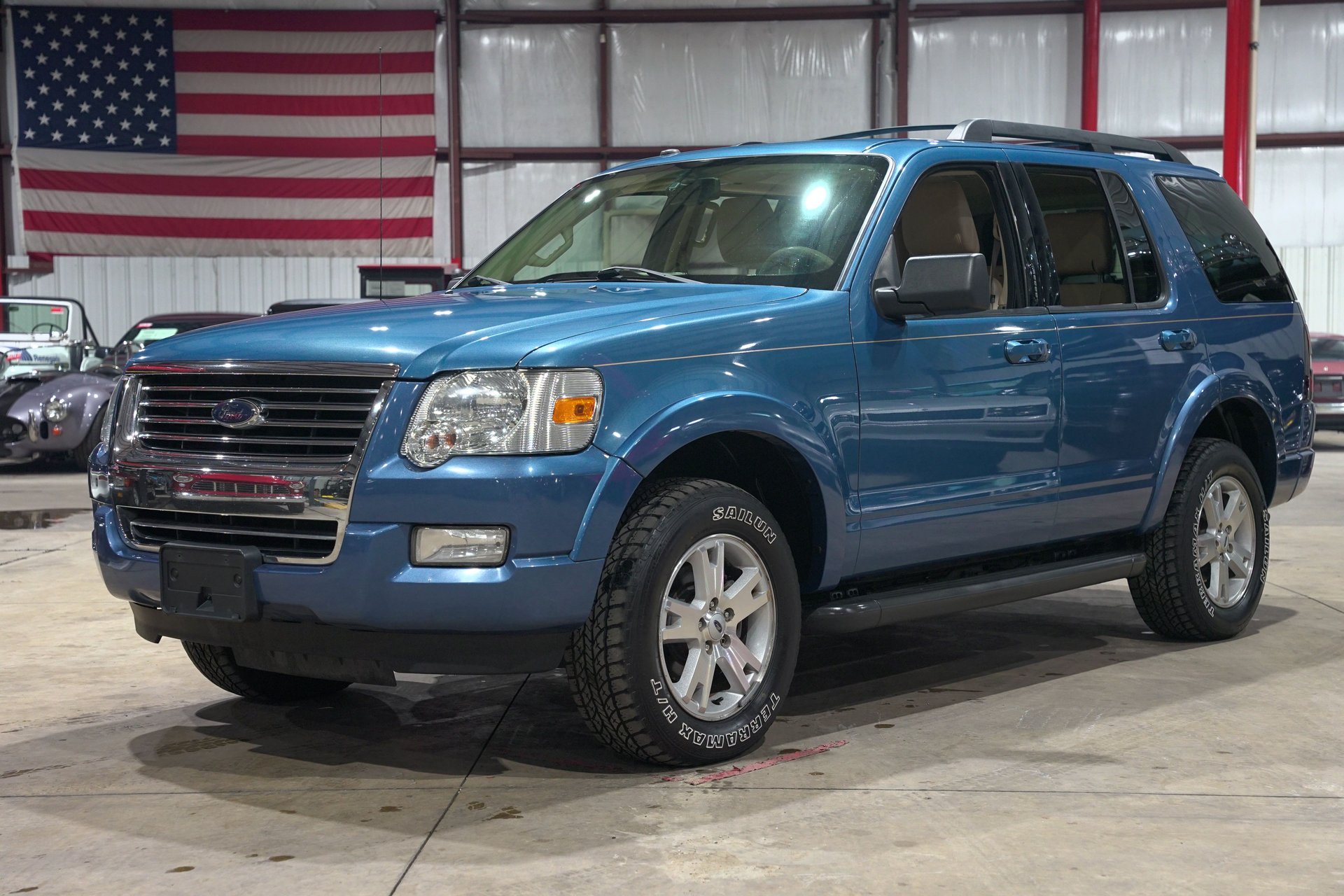
2. 2009 Ford Explorer
- Engine: 4.0L V6 (or 4.6L V8 optional)
- Horsepower: 210 hp (V6) / 292 hp (V8)
- Torque: 254 lb-ft (V6) / 300 lb-ft (V8)
- Size: 193.4 in. Long x 73.7 in. Wide
Numbers do not lie, and when it comes to the 2009 Ford Explorer, the numbers tell a remarkably reassuring story. According to reliability data from CarBuzz, the 2009 model has an incredibly low volume of registered complaints. In a vehicle history filled with model years that generated thousands of owner complaints over transmission failures and electrical gremlins, a year that stands out specifically for how quiet it has remained deserves genuine attention from used buyers.
Sitting within the fourth generation of the Explorer, the 2009 model offered buyers a choice between a 4.0-liter V6 producing a modest but adequate 210 horsepower, or a more capable 4.6-liter V8 pushing 292 horsepower for buyers who needed genuine towing muscle. That V8 option, in particular, turned the Explorer into a legitimately useful tow vehicle for families hauling travel trailers or boats, a role that smaller, more fuel-focused crossovers simply cannot fill as confidently.
Towing capability extended beyond just raw horsepower numbers, too. It provides great towing capacities and standard trailer sway control, a safety feature that was not universally standard across the SUV segment at that point in the late 2000s.
Trailer sway control actively monitors a trailer’s side-to-side movement and applies individual brake pressure to specific wheels to correct dangerous swaying before it escalates into a genuine loss of control situation. Having that system built in as standard equipment, rather than locked behind an optional package, gave 2009 Explorer owners genuine peace of mind during long highway tows that many competing vehicles from the same era simply did not offer.
By 2009, this fourth generation had also moved past most of the early teething issues that often plague a platform’s launch years, benefiting from several years of incremental refinement before this specific model year arrived. For a used buyer specifically seeking a dependable, capable, no-drama Explorer from the pre-crossover era of the nameplate, 2009 stands out as a genuinely smart, low-stress choice backed by real complaint data rather than just word of mouth.
Also Read: 8 Generations of the Ford Mustang, Ranked
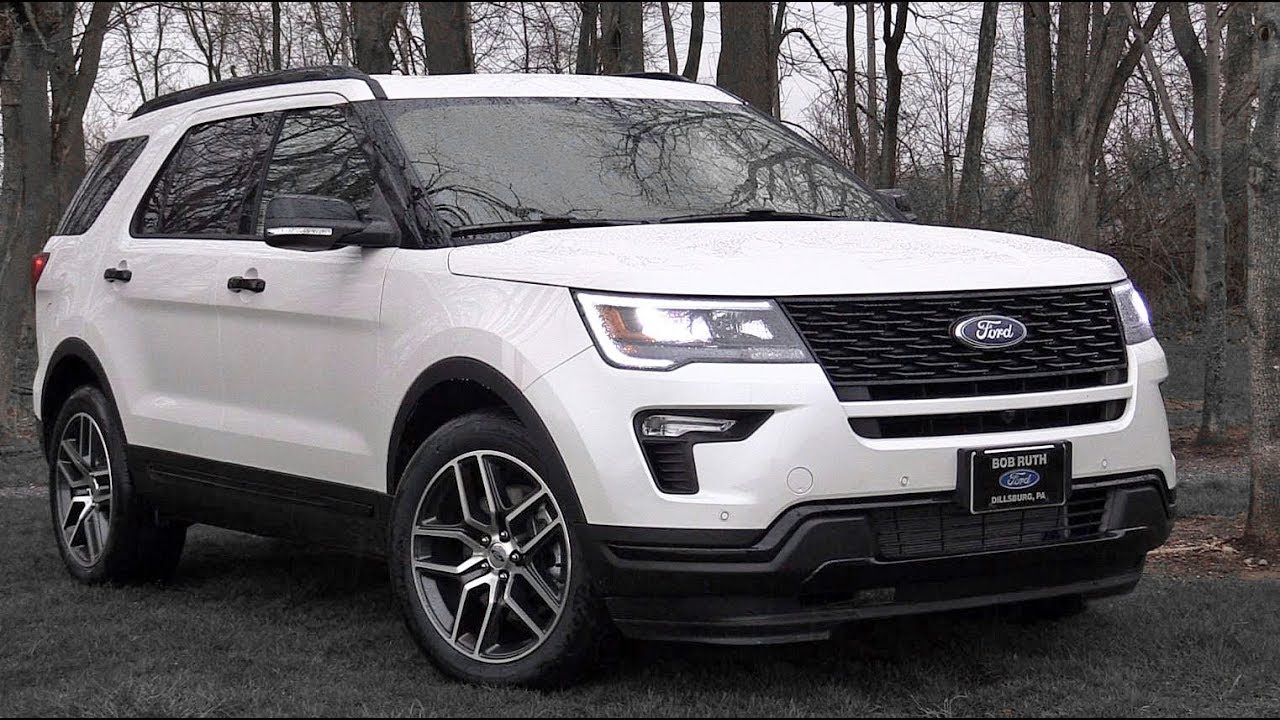
3. 2018 Ford Explorer
- Engine: 3.5L V6 (or 2.3L Turbo 4-cylinder)
- Horsepower: 290 hp (V6) / 280 hp (Turbo)
- Torque: 255 lb-ft (V6) / 310 lb-ft (Turbo)
- Size: 198.7 in. Long x 78.9 in. Wide
The 2018 Ford Explorer stands out as one of the smartest buys for shoppers who want strong capability without paying top-tier used prices. It shares much of its engineering with the 2019 model, which means reliability and driving behavior feel nearly identical in daily use. That overlap makes it a practical choice for buyers focused on value rather than having the newest badge in the driveway.
Powertrain options include a 3.5-liter V6 producing 290 horsepower and a 2.3-liter turbocharged four-cylinder rated at 280 horsepower. Both engines come from the same refined fifth-generation platform, so performance feels stable and predictable whether driving through city streets or cruising on the highway. Acceleration is smooth, and the vehicle maintains a composed ride even with a full load of passengers.
Safety equipment is another strong point for this model year. Features such as forward collision warning, automatic emergency braking, and lane departure alerts were widely available across multiple trims. This meant buyers did not need to purchase the highest trim level to access modern driver assistance systems, which added to its appeal for families.
Inside, space remains generous with three rows of seating that can accommodate passengers comfortably for longer trips. Cargo flexibility also stands out, allowing the SUV to handle luggage, sports gear, or shopping runs without feeling cramped. At 198.7 inches in length, it strikes a practical balance between interior room and ease of parking in everyday settings.
Price is where the 2018 model often wins the comparison against the 2019 version. That single year of depreciation creates a noticeable gap in cost, even though the driving experience remains nearly the same.
4. 2022 Ford Explorer
- Engine: 2.3L Turbo 4-cylinder (or 3.0L Twin-Turbo V6)
- Horsepower: 300 hp (Turbo 4) / 400 hp (V6)
- Torque: 310 lb-ft (Turbo 4) / 415 lb-ft (V6)
- Size: 198.8 in. Long x 78.9 in. Wide
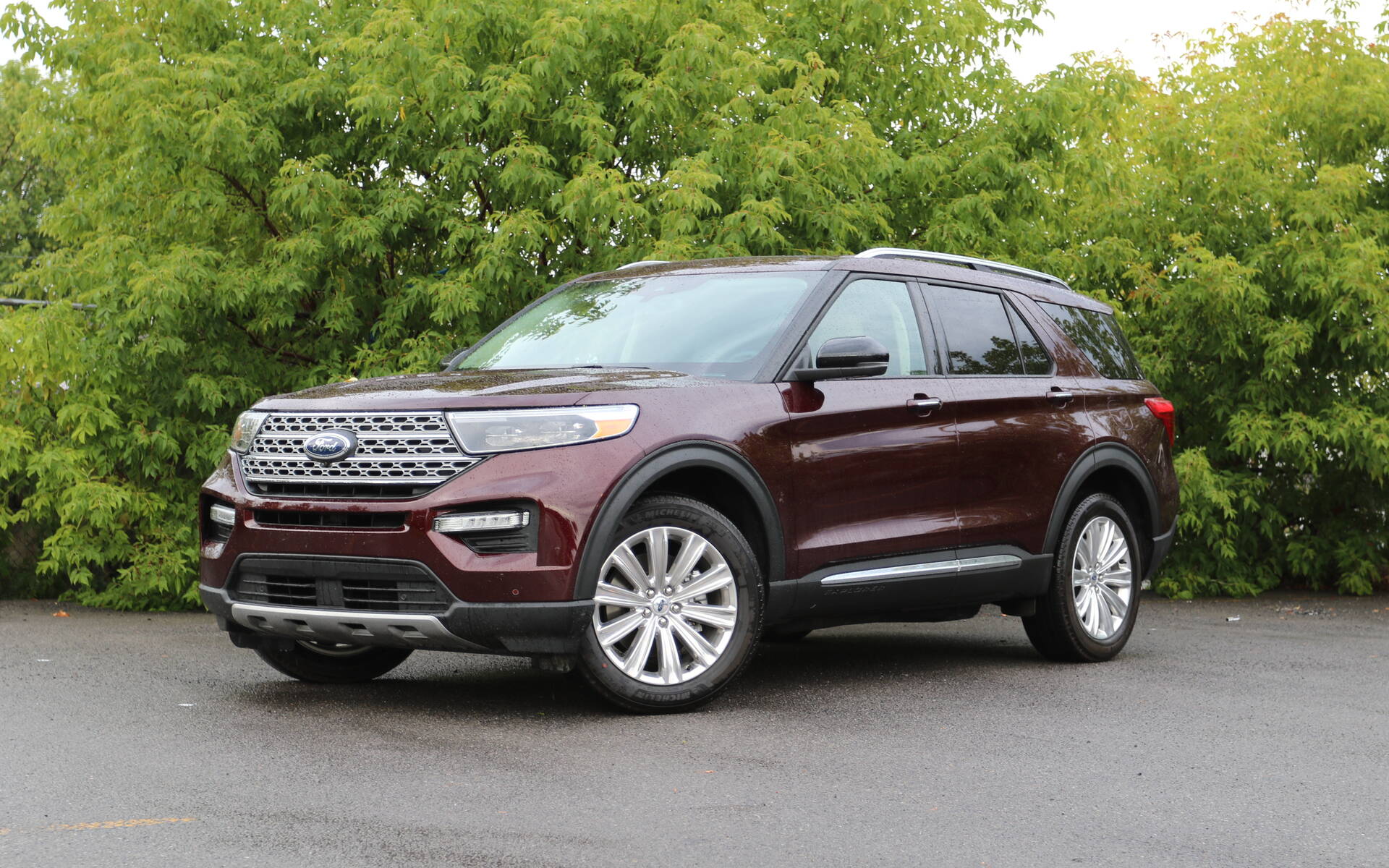
Automaker redesigns often carry risk, and the sixth-generation Ford Explorer shows how early production problems can appear when a new platform reaches customers before refinements are finished. For used shoppers today, the 2022 model year stands out because many of those early issues were already addressed.
By 2022, Ford had corrected many software errors and initial assembly problems that affected the 2020 debut version of this generation. This matters because the first years of a redesign often reflect unfinished calibration and inconsistent build standards. With two years of updates, feedback from owners, and factory process adjustments, the 2022 version benefits from a far more stable production cycle.
Performance on this generation is strong across the lineup. The available 3.0-liter twin-turbo V6 delivers about 400 horsepower and 415 lb-ft of torque, giving the SUV quick acceleration that feels far beyond older family models. Even the standard 2.3-liter turbocharged four-cylinder produces around 300 horsepower, offering smooth daily driving power without strain during highway merging or passing.
Early production complaints about interior fit, infotainment freezing, and parking system faults were far less common by 2022. Owners reported a more consistent ownership experience compared to launch-year vehicles. For buyers, choosing this version instead of an earlier and cheaper model from the same generation often reduces the chance of unexpected repair issues. Waiting for production refinement proved to be a practical decision for this Explorer generation.
5. 2015 Ford Explorer
- Engine: 3.5L V6 (or 2.0L Turbo 4-cylinder)
- Horsepower: 290 hp (V6) / 240 hp (Turbo)
- Torque: 255 lb-ft (V6) / 270 lb-ft (Turbo)
- Size: 197.1 in. Long x 78.9 in. Wide
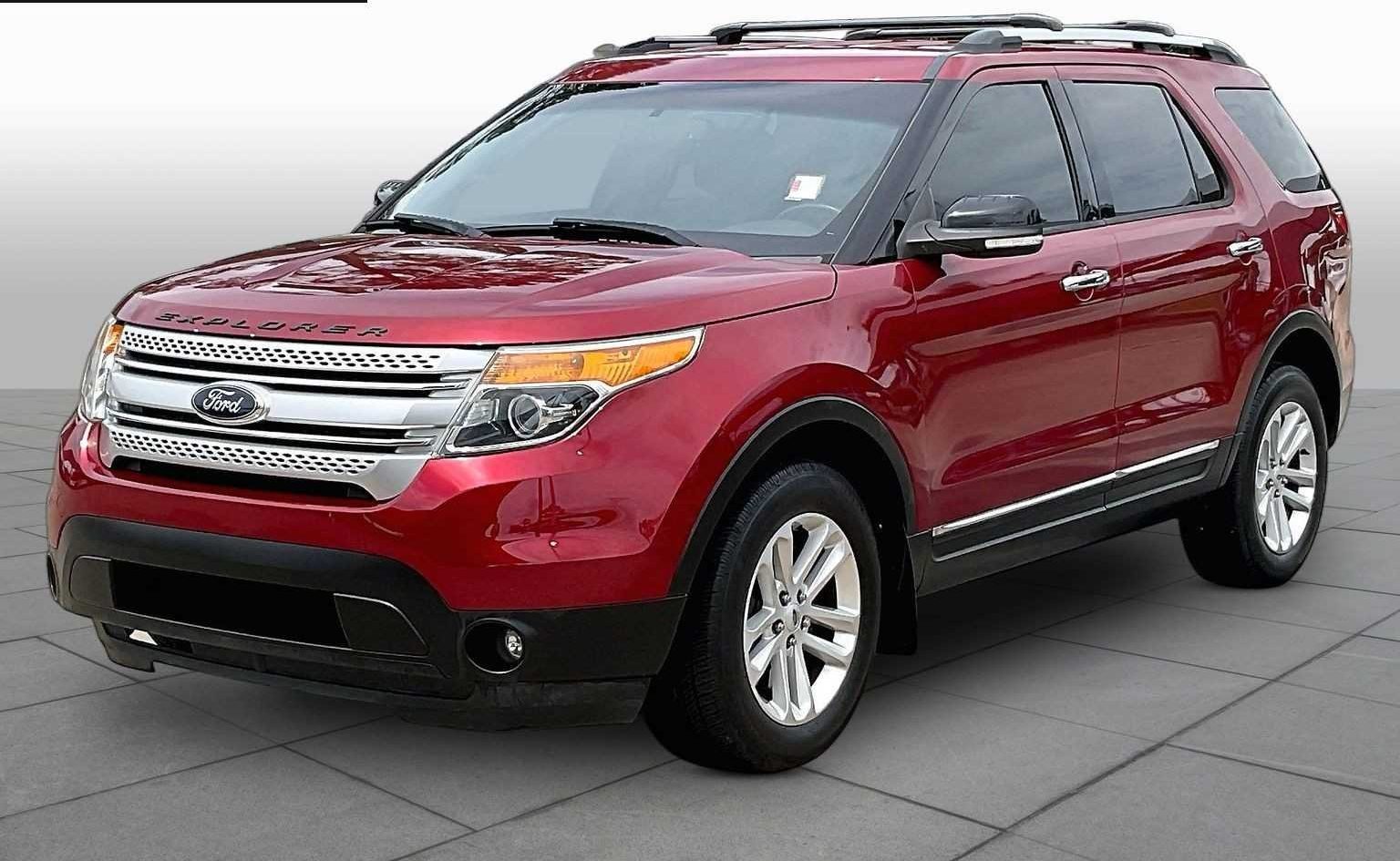
Smart buying choices in the used SUV segment often come down to finding models that balance price and reliability, and the 2015 Ford Explorer is frequently placed in that category. Sitting within the middle years of the fifth generation, it offers a blend of affordability and long-term usability that suits shoppers looking for value without excessive risk.
Shoppers working with limited budgets often receive positive guidance on this model year from service professionals at Ford of Conshohocken. Advice from technicians who regularly repair these SUVs reflects real-world experience rather than advertising claims, helping buyers feel more confident when evaluating options with mixed reliability records.
Production timing also contributes to its appeal. Early fifth-generation Explorers were affected by electrical and software-related problems that frustrated many owners. By 2015, many of those issues had been addressed through updates and refinements. At the same time, pricing remained lower than that of later models, such as those of 2018 and 2019.
Under the hood, most versions use a 3.5-liter V6 engine producing around 290 horsepower. This engine has built a steady reputation within the Explorer lineup for consistent daily performance. While cabin technology and styling feel less current compared to newer SUVs, the mechanical setup remains dependable.
For families needing a three-row SUV at a reasonable cost, this year offers a practical middle ground. It avoids early production problems while keeping ownership expenses more manageable than newer options with higher price tags.
5 Explorer Years With Major Problems
1. 2002 Ford Explorer
- Engine: 4.0L V6 (or 4.6L V8 optional)
- Horsepower: 210 hp (V6) / 239 hp (V8)
- Torque: 254 lb-ft (V6) / 282 lb-ft (V8)
- Size: 189.5 in. Long x 72.1 in. Wide
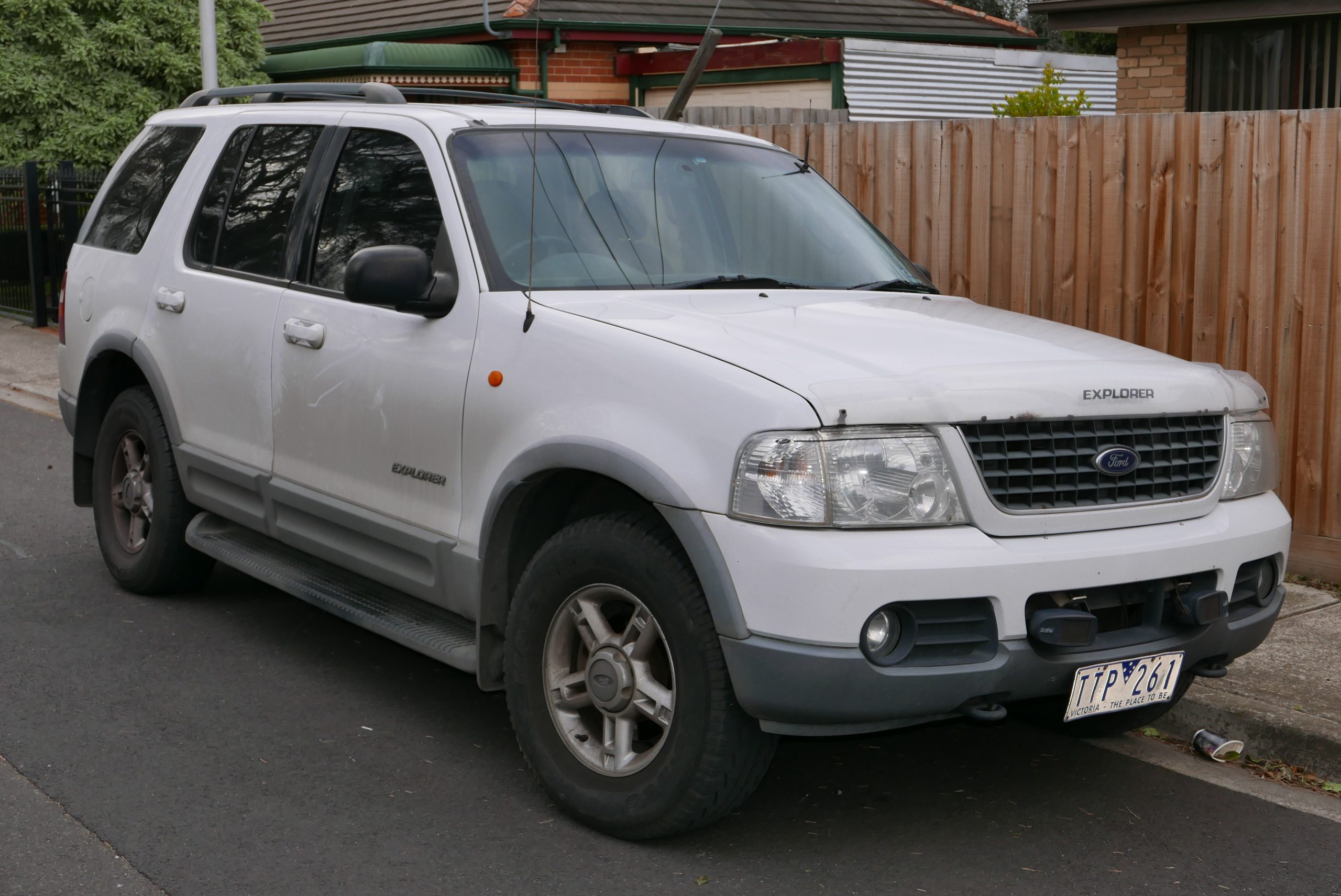
There is a model year in the Ford Explorer lineup that stands out for poor reliability, and the 2002 version is often placed in that position. Mechanics, long-time owners, and reliability records frequently rank it at the bottom due to widespread failure reports and repair needs tied to this year.
Consumer complaint records show this model receiving more reported problems than any other Explorer year. The volume of similar reports suggests a pattern linked to design or production rather than isolated cases. When many vehicles show the same issues, it often points to a deeper fault within the system.
Transmission failure is the most common issue linked to this SUV. Many drivers experienced complete breakdowns where the automatic gearbox stopped working, leaving the vehicle unable to move. Repairs were often costly, sometimes reaching thousands of dollars and exceeding the value of the SUV in the used market.
This generation came with a 4.0-liter V6 producing 210 horsepower and a 4.6-liter V8 rated at 239 horsepower. The engines themselves were generally acceptable, but they did not offset drivetrain concerns. Used listings may look inexpensive, yet the repair risk makes careful inspection and caution important before purchase. Many buyers choose alternatives instead.
2. 2006 Ford Explorer
- Engine: 4.0L V6 (or 4.6L V8 optional)
- Horsepower: 210 hp (V6) / 292 hp (V8)
- Torque: 254 lb-ft (V6) / 300 lb-ft (V8)
- Size: 193.4 in. Long x 73.7 in. Wide
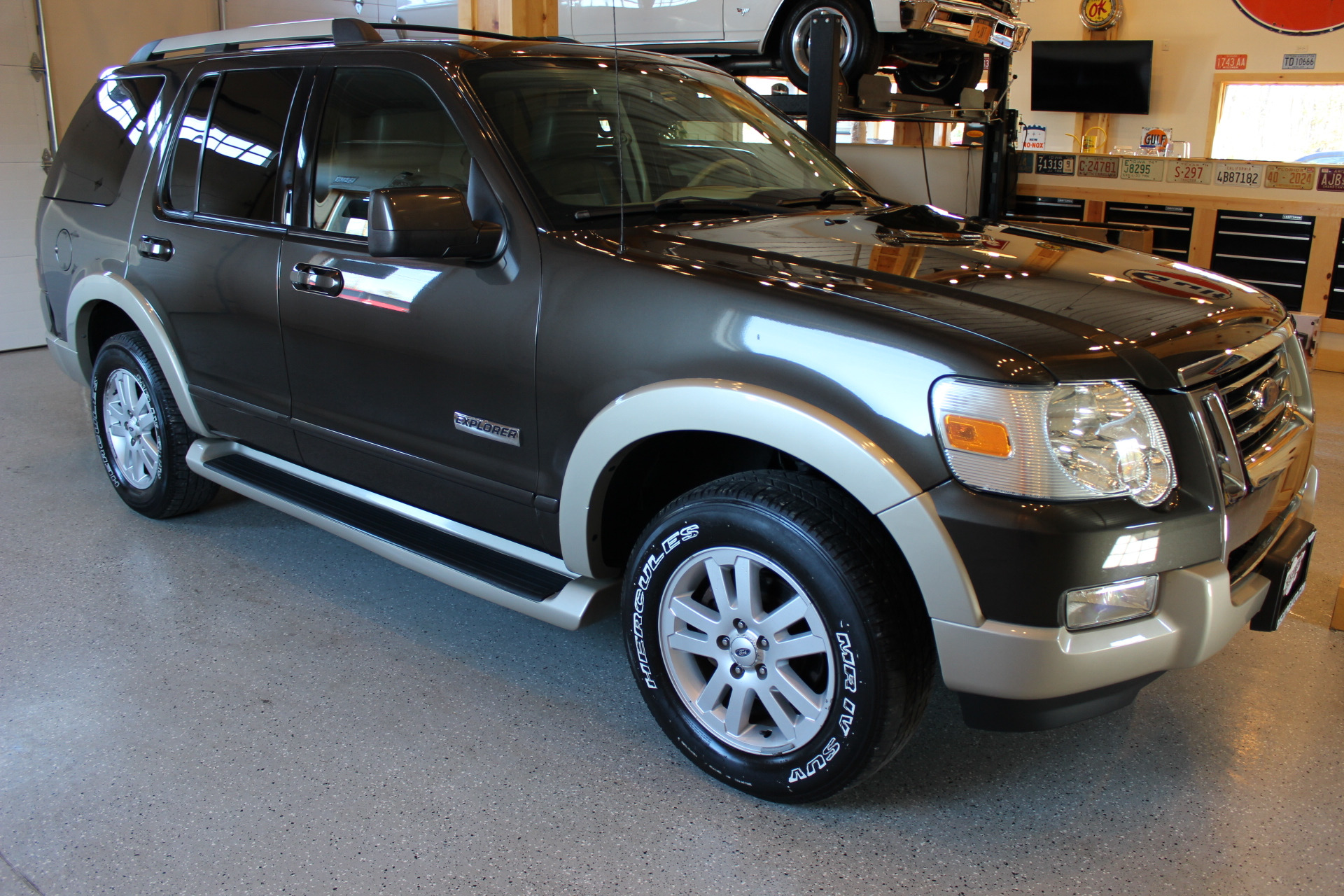
Manufacturing improvements are usually expected as a vehicle model matures, but the 2006 Ford Explorer went in a different direction that left many owners and reviewers disappointed. Instead of becoming more dependable, this version gained a reputation for frequent reliability problems, ranking it among the more problematic years in the Explorer lineup.
Ownership data shows this model performing worse than even the earlier 2002 version in one area that matters most: when failures occur. A large number of issues appeared at relatively low mileage, increasing repair pressure on drivers. While breakdowns at very high mileage are often seen as normal wear, failures around 60,000 to 70,000 miles feel premature and catch many owners off guard before they expect major service needs.
Driving experience added to the dissatisfaction. Many drivers reported rough and inconsistent shifting, including hesitation when accelerating, sudden jolts during gear changes, and occasional surges when the power engaged. Everyday driving tasks such as highway merging or turning into traffic became less predictable, especially when the transmission did not respond smoothly. That inconsistency reduced driver confidence in routine conditions.
Engine choices included a 4.0-liter V6 and a 4.6-liter V8 rated up to 292 horsepower. Even with stronger output available, the transmission problems remained the main concern. Extra power did little to improve drivability since the core weakness was tied to how the drivetrain handled gear changes rather than engine performance.
Used car shoppers are often urged to be cautious this year. Even though pricing can look appealing due to age, the pattern of early mechanical issues places it among higher-risk options in the Explorer range.
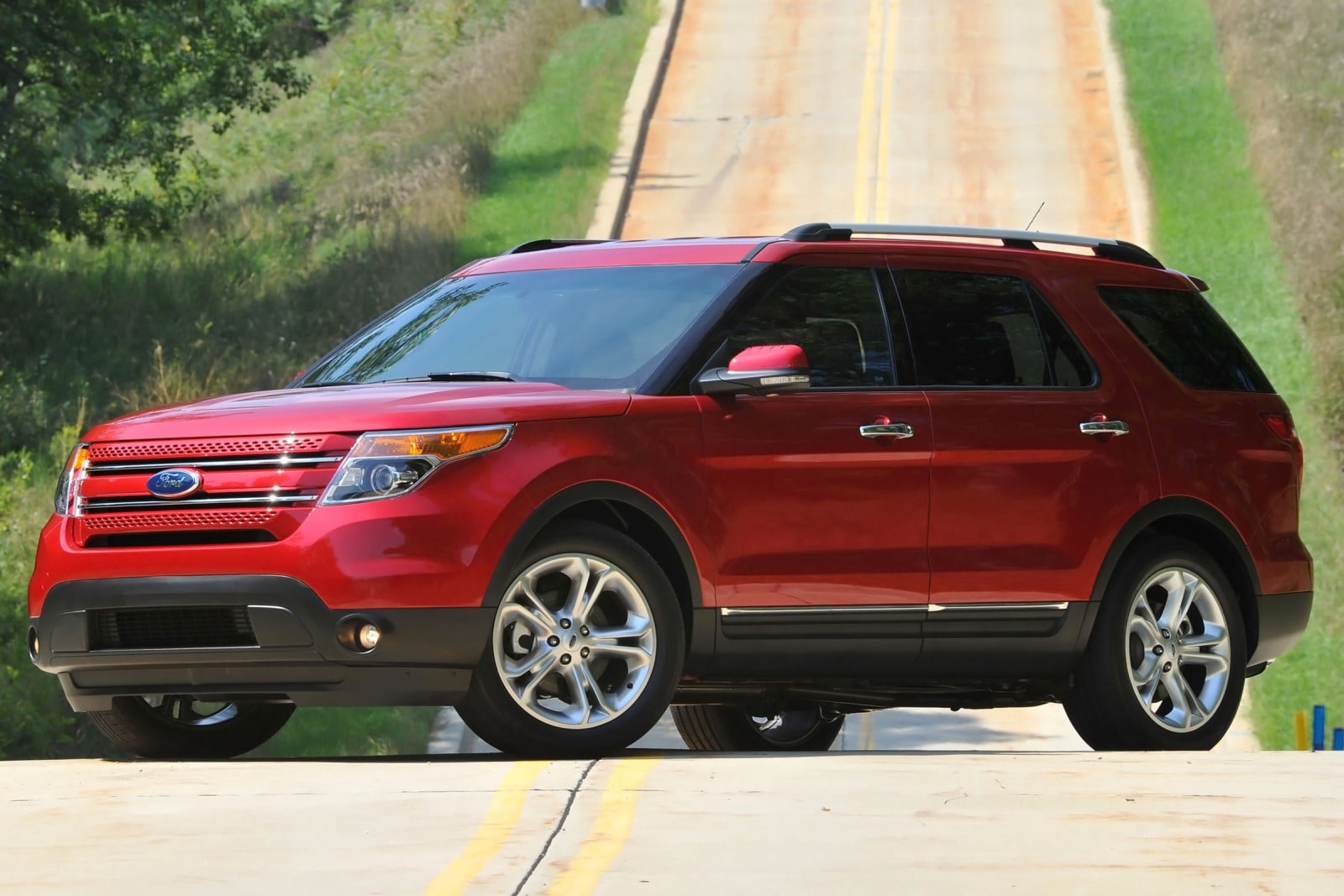
3. 2013 Ford Explorer
- Engine: 3.5L V6 (or 2.0L Turbo 4-cylinder)
- Horsepower: 290 hp (V6) / 240 hp (Turbo)
- Torque: 255 lb-ft (V6) / 270 lb-ft (Turbo)
- Size: 197.1 in. Long x 78.9 in. Wide
Steering issues usually do not appear without warning, so drivers often rely on early signals like stiffness or delayed response to suggest trouble ahead. The 2013 Ford Explorer breaks that expectation in a way that surprised many owners, leading to one of the more serious safety concerns tied to this model year.
Data from CarBuzz Automotive indicates more than 2,000 complaints involving this vehicle, with roughly 800 reports focused on sudden power steering loss while driving. When this happens, steering effort increases sharply, turning a normally light system into one that feels very heavy, especially at highway speeds or during tight turns. Full loss does not always occur, but the abrupt change in resistance can make control feel uncertain.
This generation of Explorer shares its platform with later versions that improved reliability, which makes the 2013 issues more surprising. Later model years, such as 2018 and 2019, show far fewer complaints, reflecting corrections made in production updates. The 3.5-liter V6 and optional turbocharged four-cylinder engines were not tied to most complaints, pointing attention toward steering and electronic assist components.
Complaint patterns suggest a widespread issue rather than isolated defects. With hundreds of steering reports within a few thousand total cases, the trend appears consistent across many vehicles. Buyers considering this model often prioritize a full steering evaluation during a test drive and verify recall completion before purchase.
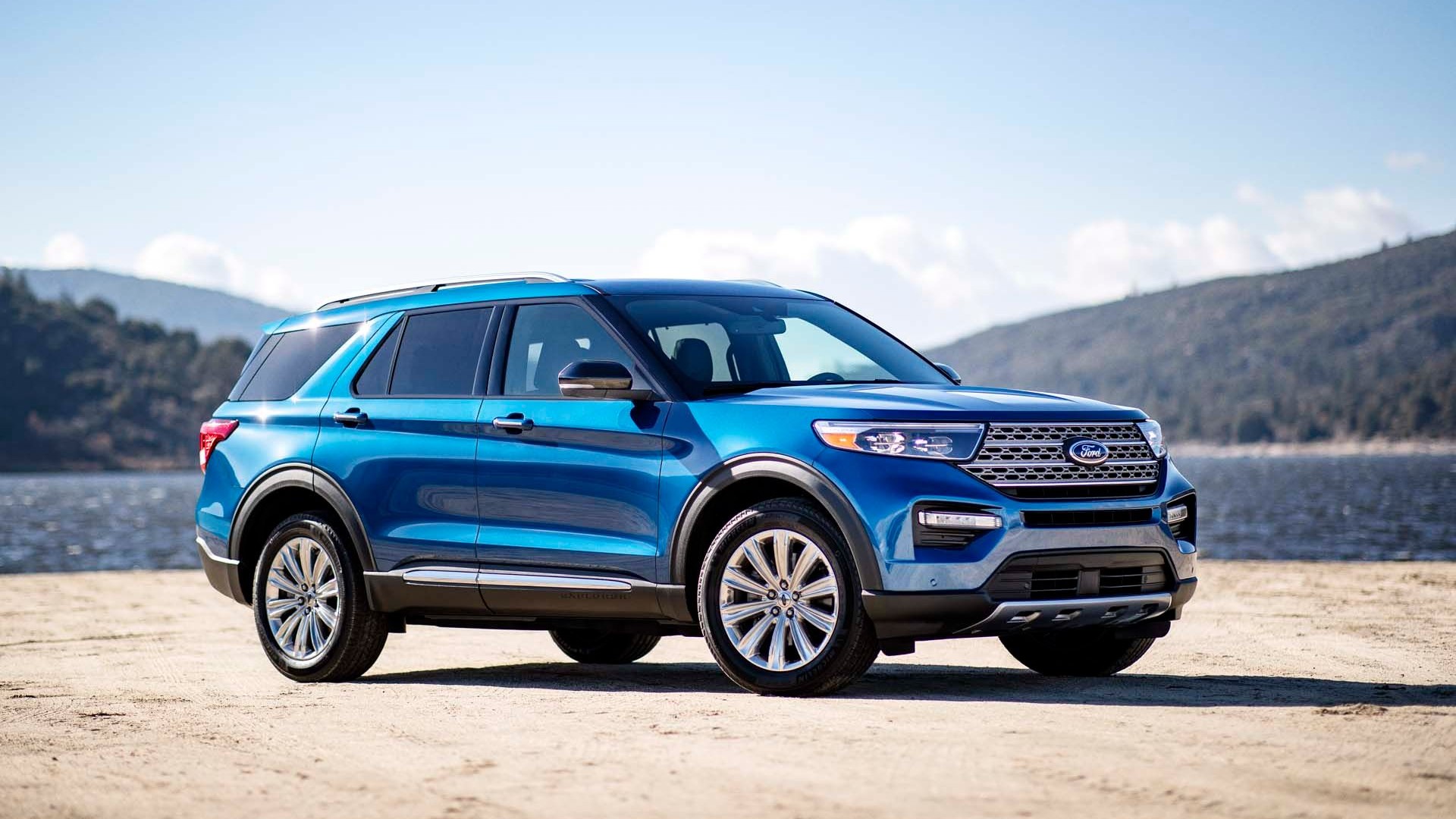
4. 2020 Ford Explorer
- Engine: 2.3L Turbo 4-cylinder (or 3.0L Twin-Turbo V6)
- Horsepower: 300 hp (Turbo 4) / 400 hp (V6)
- Torque: 310 lb-ft (Turbo 4) / 415 lb-ft (V6)
- Size: 198.8 in. Long x 78.9 in. Wide
The 2020 Ford Explorer marks a rough starting point for this generation, especially when placed beside later improved versions like the 2022 model. It reflects what can happen when a full redesign reaches customers before every system has been fully refined and tested in real driving conditions.
Early reports from owners pointed to repeated recalls affecting both mechanical components and electronic systems. One of the more concerning problems involved transmission parking rail faults, which could stop the vehicle from properly staying in park. That type of issue raises clear safety concerns because it creates a risk of unwanted movement when the SUV should remain stationary.
Inside the cabin, technology problems added to driver frustration. The central touchscreen system often froze or became unresponsive, cutting off access to essential controls such as climate adjustments, navigation tools, and the rear camera display. When those systems fail during normal use, the driving experience becomes inconvenient and distracting, especially in busy traffic situations.
Power output from the available twin turbo V6 engine reached up to 400 horsepower, which drew strong attention during the launch period. That level of performance looked impressive on paper and helped build early excitement around the model. However, many owners found that performance alone could not offset the frustration caused by repeated software issues and ongoing recall notices.
Throughout its first production year, recall notices continued to appear, pointing to unresolved manufacturing and engineering problems. That pattern suggests the platform was still being corrected while already in customers’ hands. For anyone considering this model, the 2020 Explorer serves as a reminder that early production years of a redesign often carry more risk than later, more refined versions.
Also Read: 4 Best And Worst Years For The Ford F-150
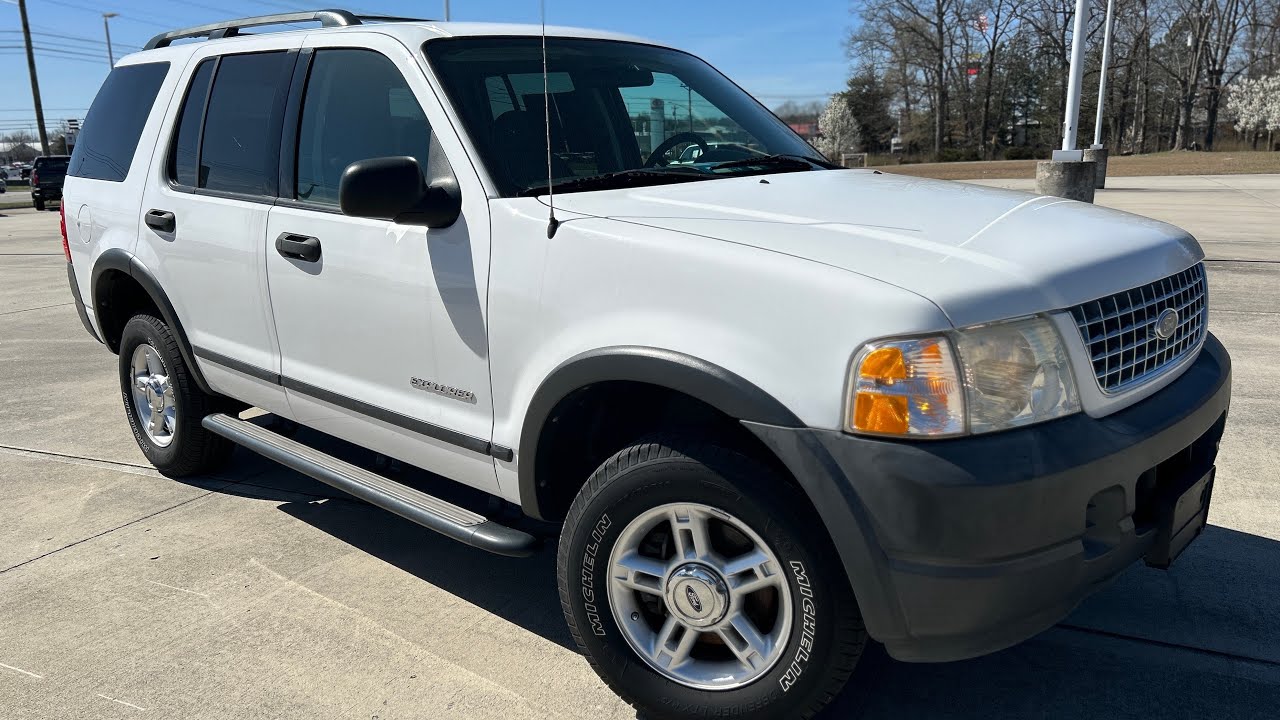
5. 2004 Ford Explorer
- Engine: 4.0L V6 (or 4.6L V8 optional)
- Horsepower: 210 hp (V6) / 239 hp (V8)
- Torque: 254 lb-ft (V6) / 282 lb-ft (V8)
- Size: 189.5 in. Long x 72.1 in. Wide
The 2004 Ford Explorer holds a difficult place in its model history. It carries forward many concerns seen in earlier early-2000s versions while also introducing a body weakness that surprised many owners. Because of this mix, used car shoppers often treat this model year with caution.
One unusual concern involves the rear section of the vehicle. Some owners reported cracks forming in the body panels under the rear glass. This kind of damage does not affect how the engine or drivetrain works, but it can reduce durability. Once those cracks appear, water may enter the cabin, leading to interior damage and rust in hidden spots.
Mechanical dependability did not improve much compared with earlier models in the same generation. Transmission slipping was still widely reported. Drivers described hesitation during acceleration, delayed gear engagement, and uneven power delivery while driving. These behaviors can make daily use less predictable.
Powertrains included a 4.0-liter V6 and an optional 4.6-liter V8. While both engines could perform acceptably, they did not remove concerns tied to the transmission. Many owners found that drivetrain attention was needed sooner than expected during regular use.
Before buying a used example, careful checking is advised. Buyers often look around the rear glass area for visible cracking or stress marks. A test drive can also reveal slipping or hesitation in gear changes, helping reveal hidden concerns that may not be obvious at first glance.
