
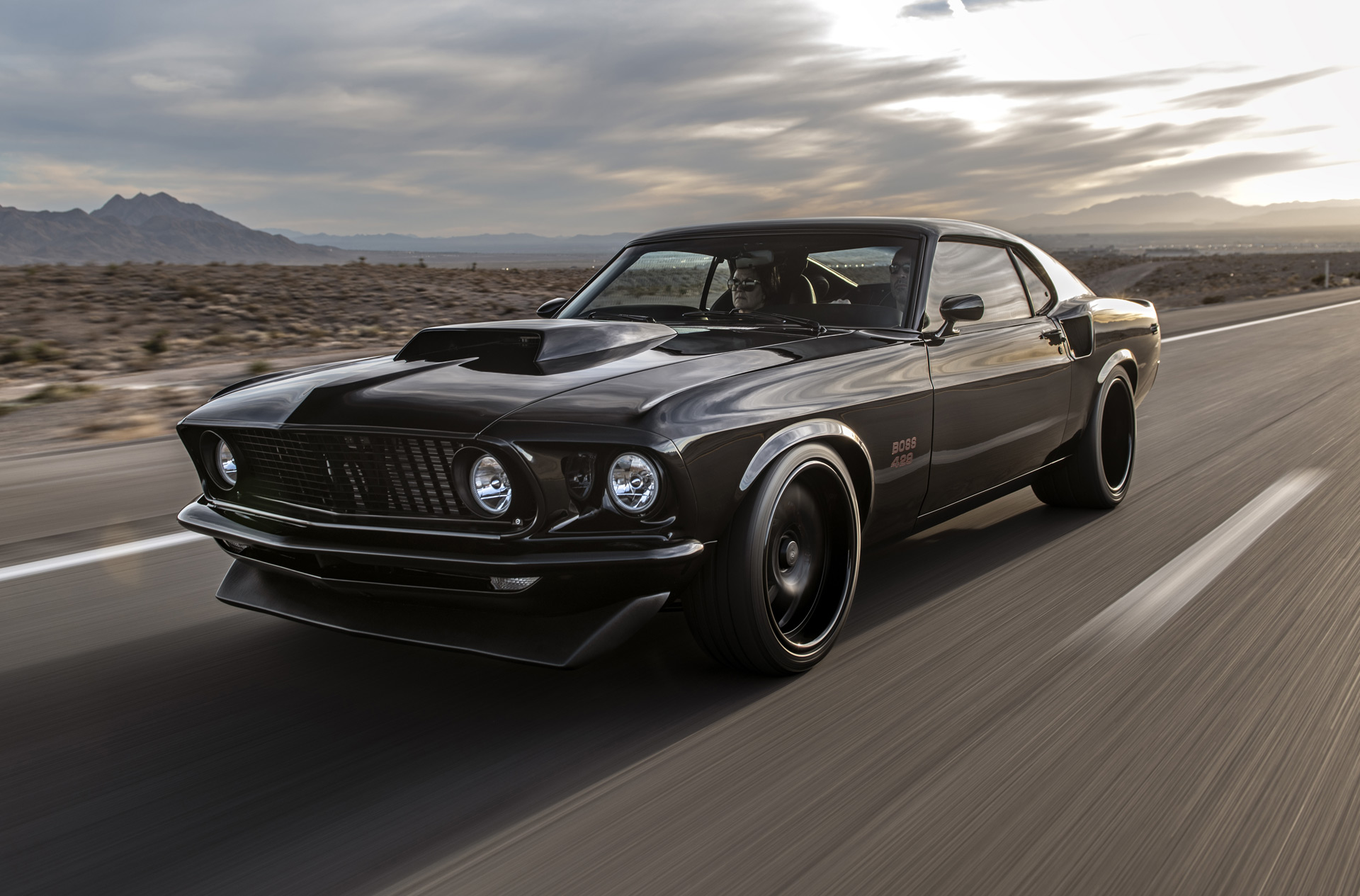
Few automobiles have left a mark on American automotive culture quite like the Ford Mustang. Introduced in April 1964, the Mustang created an entirely new category of vehicle that would later become known as the pony car.
Combining sporty styling, accessible pricing, and a wide range of engine options, it immediately captured the attention of buyers across the United States. More than six decades later, the Mustang remains one of the most recognizable performance cars ever produced.
Throughout its history, the Mustang has undergone dramatic transformations. Some generations focused on raw muscle-car performance, while others emphasized efficiency, refinement, or modern technology.
Economic conditions, changing regulations, fuel crises, and evolving consumer tastes all influenced the direction Ford took with each redesign. Not every generation achieved the same level of success, but each played an important role in ensuring the Mustang’s survival through changing automotive eras.
Ranking Mustang generations is challenging because every enthusiast values something different. Some prefer the simplicity and timeless styling of the original cars, while others appreciate the advanced engineering and performance capabilities of newer models.
This ranking considers design, performance, historical significance, innovation, and long-term impact on the Mustang legacy.
From the weakest generation to the one that best captures the Mustang spirit, here are the eight generations of the Ford Mustang ranked from eighth to first.
Also Read: 10 SUVs Ranked By Cargo Space Behind The Third Row
8. Mustang II (1974-1978)
The Mustang II occupies a complicated place in Ford history. Arriving during a period of fuel shortages, stricter emissions regulations, and changing consumer priorities, it represented a dramatic departure from the powerful Mustangs that came before it. While enthusiasts often criticize this generation, understanding its context is essential.
Ford developed the Mustang II at a time when large V8-powered vehicles were becoming increasingly difficult to sell. Buyers wanted smaller, more fuel-efficient cars, and the company responded by creating a Mustang based on a compact platform. The result was lighter, more economical, and easier to maneuver in urban environments.
Performance was not the car’s strongest attribute. Early engine options included four-cylinder and V6 powerplants that offered modest output. A V8 eventually returned, but it lacked the excitement associated with earlier muscle cars. Despite these shortcomings, sales remained strong because the vehicle matched the market demands of the era.
Styling generated mixed reactions. Some appreciated its cleaner proportions, while others felt it lacked the aggressive character expected from a Mustang. Nevertheless, the car helped keep the nameplate alive during a difficult period for performance automobiles.
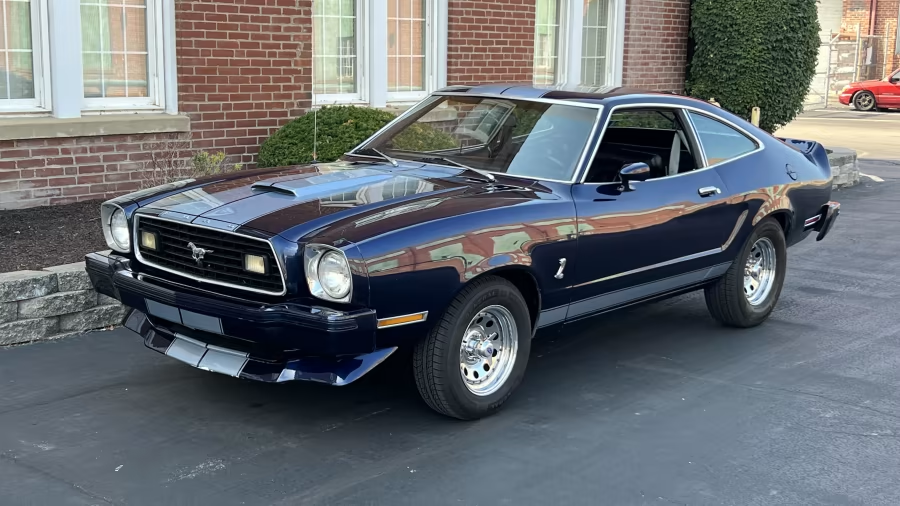
Without the Mustang II, the model’s future might have been uncertain. Although it ranks last in this list due to limited performance and reduced enthusiast appeal, its commercial success ensured that the Mustang survived long enough to return to greatness in later generations.
- Engine: 5.0-liter V8
- Torque: 245 lb-ft
- Horsepower: 139 hp
- Length/Width: 175.0 in / 70.4 in
7. Third Generation Fox Body Mustang (1979-1993)
When Ford introduced the Fox Body Mustang, it marked the beginning of a gradual return to performance. Built on the versatile Fox platform, this generation arrived with modern engineering and significantly improved potential compared with its predecessor.
At first, performance remained modest due to emissions restrictions that affected the entire industry. However, the Fox Body evolved substantially throughout its production run. By the late 1980s and early 1990s, high-output V8 models had become genuine performance machines capable of competing with rivals from Chevrolet and Pontiac.
One reason enthusiasts continue to admire these cars is their simplicity. The lightweight platform responded exceptionally well to modifications, making it a favorite among drag racers and aftermarket tuners. Even today, Fox Body Mustangs remain common at race tracks and enthusiast gatherings.
The styling reflected the trends of the era. Sharp lines, angular bodywork, and minimalist interiors may not possess the timeless elegance of earlier Mustangs, but they give the car a distinctive personality that has aged surprisingly well.
This generation also helped rebuild the Mustang’s performance reputation after the difficult years of the 1970s. It proved that affordable American performance still had a future and laid the foundation for many developments that followed.
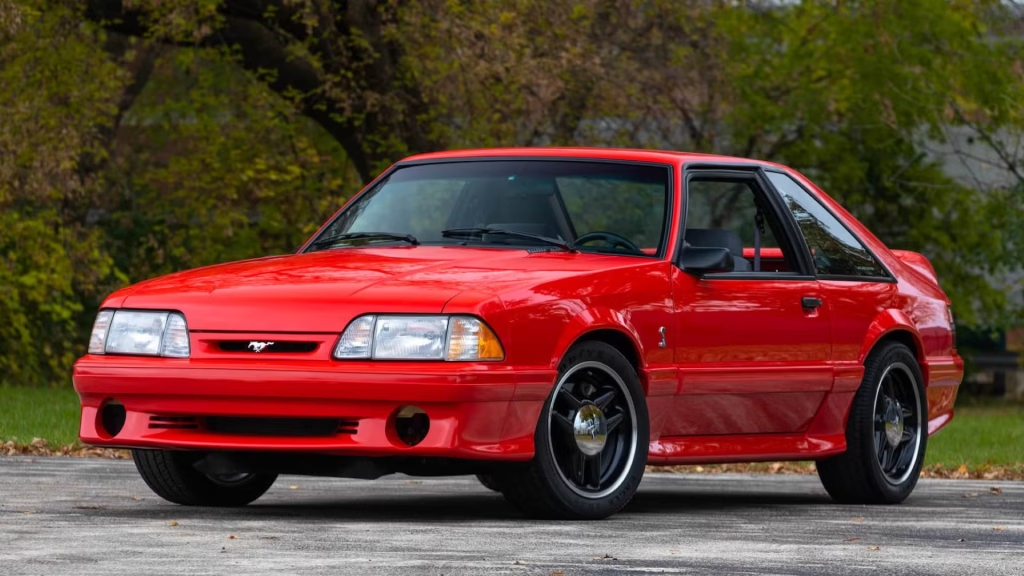
Its combination of affordability, tuning potential, and growing performance credentials secures an important place in Mustang history, even if later generations would ultimately surpass it.
- Engine: 5.0-liter high-output V8
- Torque: 300 lb-ft
- Horsepower: 225 hp
- Length/Width: 179.6 in / 68.3 in
6. Fourth Generation SN95 Mustang (1994-2004)
Ford faced a difficult challenge when developing the fourth-generation Mustang. The company needed to modernize the aging Fox platform while preserving the character that had made the Mustang an icon.
The resulting SN95 generation successfully bridged the gap between classic pony cars and the more sophisticated performance machines that would follow.
At first glance, the SN95 looked significantly different from its predecessor. Rounded body panels replaced the angular styling of the Foxbody, giving the car a more contemporary appearance.
Designers incorporated several retro-inspired details, including side scoops and familiar Mustang cues, helping maintain a connection to the model’s heritage.
The early years delivered respectable performance, particularly in GT trim, but the generation truly came into its own after the 1999 redesign known as the “New Edge” update.
Sharper bodywork, improved interiors, and stronger engines helped reinvigorate the Mustang’s appeal. Models such as the SVT Cobra became legitimate performance cars capable of challenging far more expensive rivals.
Another reason enthusiasts appreciate this generation is accessibility. SN95 Mustangs remain relatively affordable compared with many classic models, making them an attractive entry point into Mustang ownership. The aftermarket community also embraced these cars, creating countless opportunities for upgrades and customization.
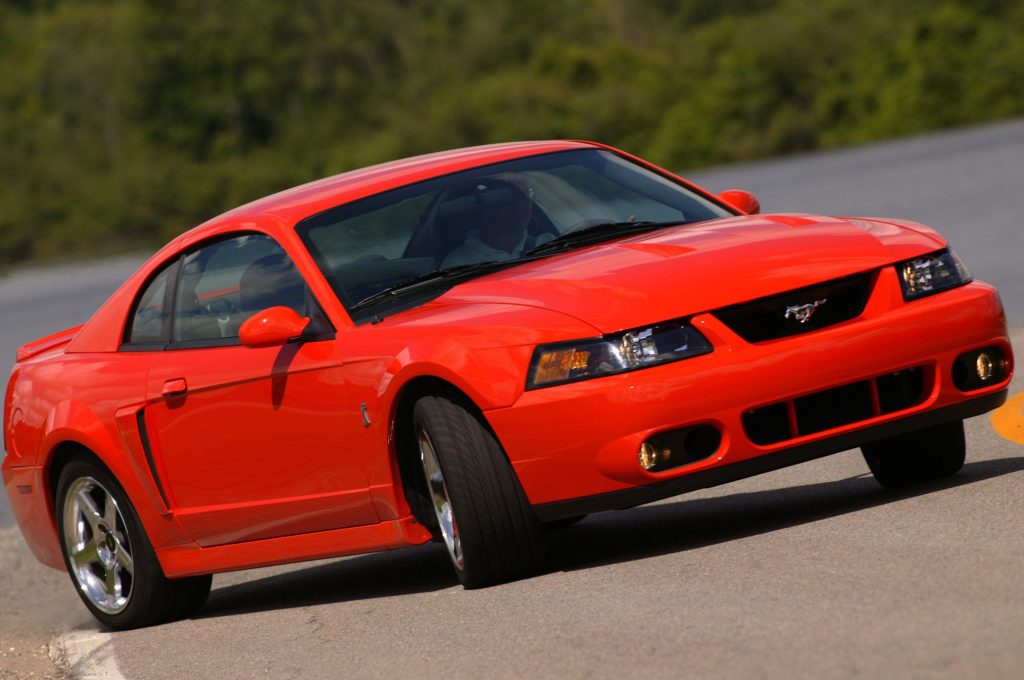
While it did not carry the same historical weight as earlier generations or the advanced technology of later models, the SN95 played an important role in keeping the Mustang relevant during a period of rapid change in the automotive world.
It balanced tradition and modernization in a way that preserved the Mustang’s identity while preparing it for future success.
- Engine: 4.6-liter Modular V8
- Torque: 302 lb-ft
- Horsepower: 260 hp
- Length/Width: 183.2 in / 73.1 in
5. Sixth Generation Mustang (2015-2023)
The sixth-generation Mustang represented one of the most ambitious redesigns in the model’s history. For the first time, Ford developed the Mustang with a truly global audience in mind, transforming America’s iconic pony car into a performance vehicle capable of competing on the world stage.
A major engineering breakthrough came in the form of an independent rear suspension. For decades, enthusiasts had debated whether the Mustang should abandon its traditional solid rear axle.
Ford ultimately made the change, resulting in improved handling, ride quality, and full refinement. The difference was immediately noticeable on winding roads and race tracks.
Visually, this generation struck a balance between aggression and sophistication. The fastback profile remained unmistakably Mustang, yet the body featured cleaner surfaces and a more aerodynamic shape. Inside, drivers found a cabin that finally matched many international competitors in terms of technology and comfort.
Performance options were exceptionally diverse. Buyers could choose everything from the turbocharged EcoBoost model to the thunderous V8-powered GT. Special editions such as the Shelby GT350 and GT500 upgraded the platform even further, delivering world-class performance that earned praise from automotive journalists around the globe.
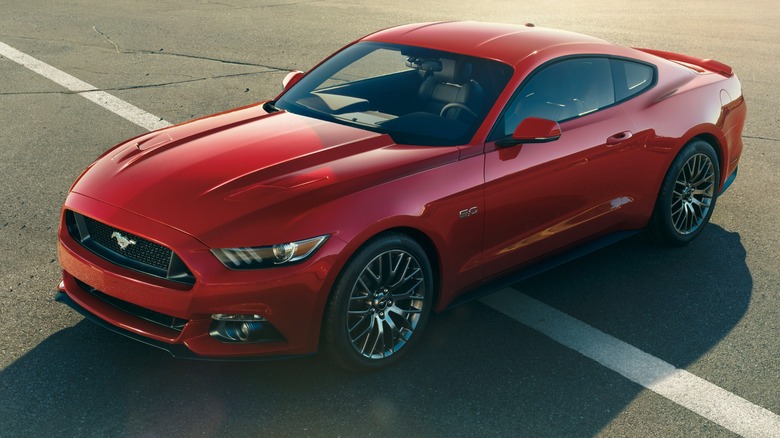
This generation also expanded the Mustang’s reputation beyond straight-line acceleration. It became a genuinely capable sports car that could handle corners with confidence while maintaining the emotional appeal of a traditional American muscle machine.
Its global success, engineering advancements, and impressive performance credentials make the sixth generation one of the most important chapters in Mustang history.
- Engine: 5.0-liter Coyote V8
- Torque: 420 lb-ft
- Horsepower: 460 hp
- Length/Width: 188.3 in / 75.4 in
4. Fifth Generation S197 Mustang (2005-2014)
Few Mustang generations generated as much excitement upon arrival as the S197. Introduced for the 2005 model year, it arrived at a time when retro-inspired designs were becoming increasingly popular.
Ford took advantage of that trend by creating a Mustang that paid homage to the original 1960s models while incorporating modern engineering and safety features.
The styling was an immediate success. Long hood proportions, muscular fenders, a prominent grille, and distinctive tri-bar taillights gave the car a powerful presence.
Many enthusiasts considered it the first Mustang in decades that truly captured the spirit of the original pony car. The design resonated with both longtime fans and younger buyers discovering the Mustang for the first time.
Performance improved steadily throughout the generation’s production run. Early GT models featured a 4.6-liter V8, but the biggest breakthrough came in 2011 with the arrival of the 5.0-liter Coyote V8.
This engine transformed the Mustang into a serious performance contender, delivering power levels that rivaled significantly more expensive sports cars.
Special editions further strengthened the generation’s reputation. The Shelby GT500 became a modern legend, producing increasingly impressive horsepower figures while maintaining everyday usability. Boss 302 models added track-focused capabilities that appealed to driving enthusiasts.
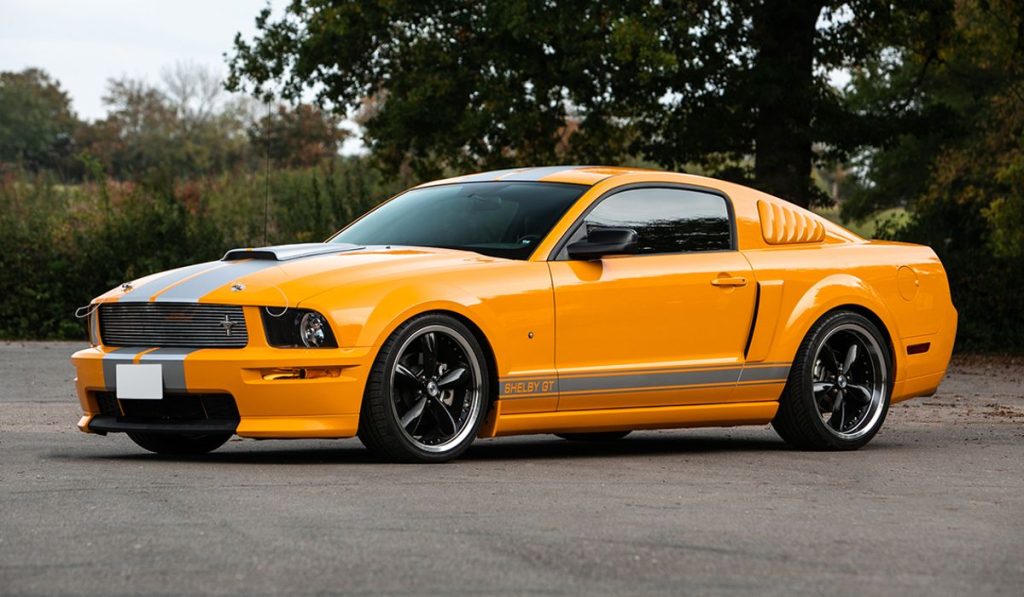
Beyond performance, the S197 helped reignite public interest in American muscle cars. It proved that nostalgic styling could coexist with modern technology and strong performance. More importantly, it reminded the automotive world why the Mustang remained one of Ford’s most valuable and enduring nameplates.
- Engine: 5.0-liter Coyote V8
- Torque: 390 lb-ft
- Horsepower: 412 hp
- Length/Width: 188.1 in / 73.9 in
3. Seventh Generation Mustang (2024-Present)
The seventh-generation Mustang entered the market under immense pressure. With many manufacturers shifting toward electrification and performance sedans disappearing from showrooms, the Mustang carried the responsibility of preserving the traditional V8-powered sports coupe formula. Fortunately for enthusiasts, Ford embraced that challenge rather than retreating from it.
At first glance, the design clearly builds upon the sixth-generation car, yet numerous details distinguish it as a new chapter.
Sharper lighting elements, revised body panels, and a more aggressive front fascia give the Mustang a modern appearance while preserving familiar proportions. It remains instantly recognizable, which is exactly what buyers expect from such an iconic model.
The interior shows an even greater shift in design direction. Prominent digital displays now span the dashboard, establishing a modern, technology-first atmosphere that sets it apart from earlier Mustang generations. While traditionalists may favor the simpler cabins of the past, the updated layout caters to the preferences of today’s performance-oriented buyers.
Performance remains central to the Mustang’s identity. The latest GT models continue using Ford’s naturally aspirated 5.0-liter V8, a decision celebrated by enthusiasts who feared the disappearance of traditional muscle-car power.
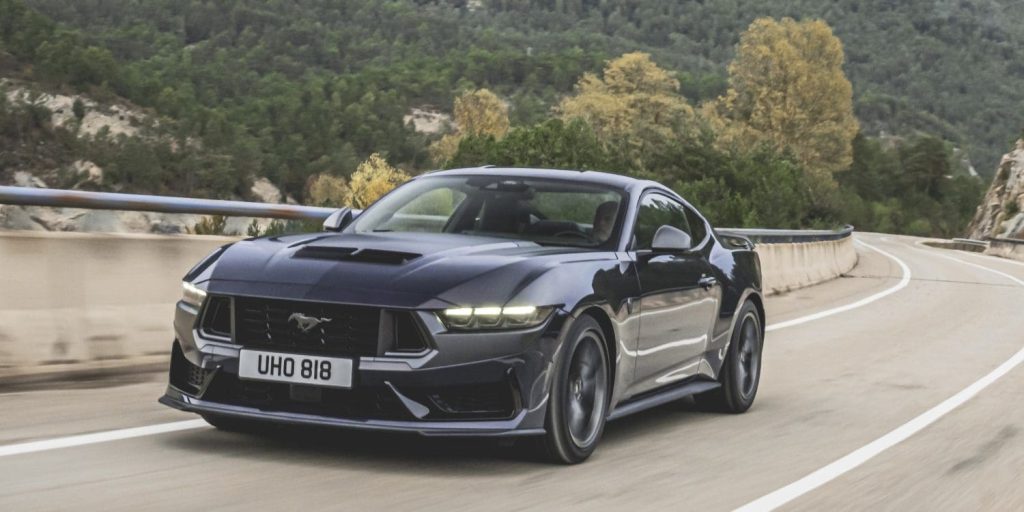
The Dark Horse variant raises the performance ceiling further, offering enhanced capability for track-day enthusiasts.
What makes this generation particularly significant is its timing. It exists during a period when many competitors have vanished or shifted focus. By continuing to invest in performance coupes, Ford has ensured that the Mustang remains a symbol of accessible American performance.
- Engine: 5.0-liter Coyote V8
- Torque: 418 lb-ft
- Horsepower: 480 hp
- Length/Width: 189.4 in / 75.4 in
2. Second Generation Mustang (1974-1978)
Seeing the second-generation Mustang ranked this high may surprise some enthusiasts, especially because the Mustang II itself appeared at the bottom of this list.
However, when evaluating the broader second generation as a historical turning point rather than focusing solely on performance numbers, its importance becomes impossible to ignore.
The automotive industry was facing enormous challenges during the early 1970s. Rising fuel prices, changing safety regulations, and stricter emissions requirements forced manufacturers to rethink their strategies.
Large-displacement muscle cars that had dominated the previous decade were rapidly disappearing. In that environment, Ford made a controversial but necessary decision to reinvent the Mustang.
Rather than attempting to continue a formula that no longer matched market realities, the company introduced a smaller and more economical vehicle. The move attracted criticism from performance enthusiasts, yet buyers responded positively.
Sales surged during the generation’s early years, proving that Ford had correctly identified changing consumer priorities.
From a design standpoint, the Mustang retained a sporty image despite its reduced dimensions. The car’s proportions looked clean and contemporary for the era, and numerous trim packages allowed customers to personalize their vehicles.
Luxury-oriented versions also broadened the Mustang’s appeal beyond traditional performance buyers.
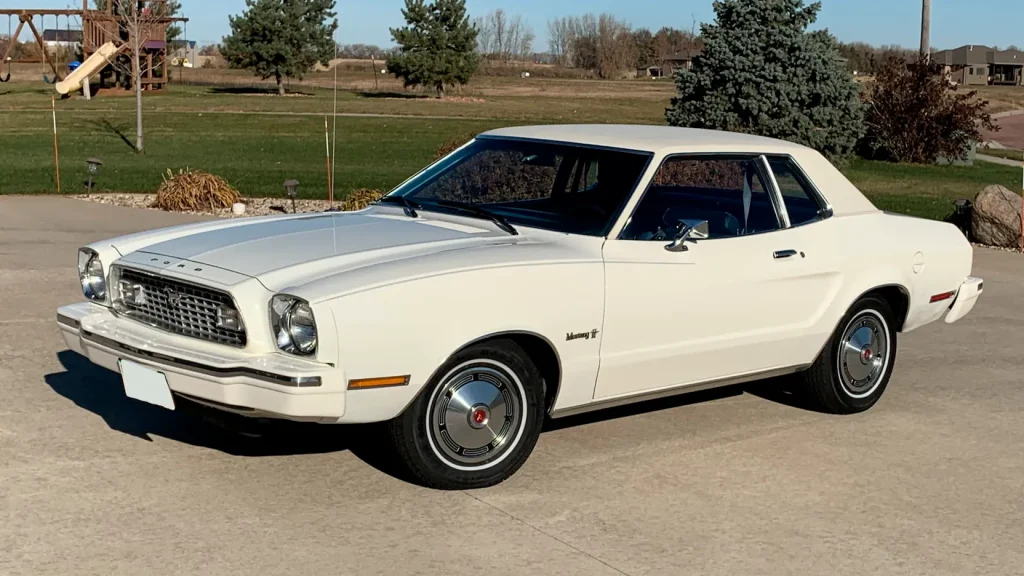
Most importantly, this generation kept the Mustang name alive when many competitors disappeared entirely. Had Ford chosen a different path and failed commercially, the Mustang’s story might have ended decades ago.
While it lacked the excitement of the best Mustang generations, its role in preserving the badge gives it lasting significance within the model’s history.
- Engine: 5.0-liter V8
- Torque: 245 lb-ft
- Horsepower: 139 hp
- Length/Width: 175.0 in / 70.4 in
1. First Generation Mustang (1964½-1973)
Very few vehicles can claim to have created an entirely new segment, yet that is exactly what the first-generation Mustang accomplished. Introduced in April 1964, Ford’s new sporty coupe immediately became a sensation.
Customers flooded dealerships, and sales exceeded expectations almost overnight. The Mustang was more than just a successful car. It became a cultural phenomenon that helped define an era of American automotive history.
Part of the Mustang’s appeal came from its versatility. Buyers could order an economical six-cylinder model, a stylish convertible, a luxurious grand touring version, or a high-performance V8 machine.
This broad range allowed Ford to attract customers from nearly every demographic. Young drivers appreciated its affordability, while performance enthusiasts were drawn to increasingly powerful engine options.
The first generation also introduced some of the most legendary Mustang variants ever produced. Models such as the GT350, Boss 302, Boss 429, Mach 1, and Cobra Jet remain highly desirable among collectors.
These vehicles established the Mustang as a serious performance car capable of competing with the best machines of its era.
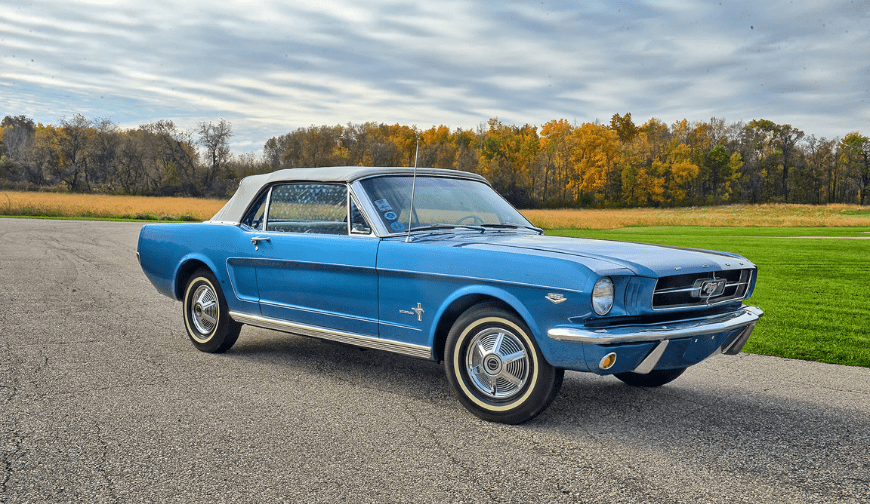
Styling played an equally important role. The long hood, short rear deck, and aggressive stance created a silhouette that remains recognizable decades later. Numerous competitors attempted to copy the formula, but none matched the Mustang’s immediate success.
Its influence extends far beyond sales numbers. The first-generation Mustang created the pony car segment and established a legacy that continues today. Without it, none of the generations that followed would exist, making it one of the most significant automobiles ever built.
- Engine: 428 Cobra Jet V8
- Torque: 440 lb-ft
- Horsepower: 335 hp
- Length/Width: 187.4 in / 70.9 in
