
The automotive market in 2026 offers buyers an unprecedented range of vehicles packed with advanced technology, safety features, electrified powertrains, and upscale interiors. However, a high price tag does not always translate into strong value. While many premium vehicles justify their cost through superior engineering, comfort, and long-term ownership benefits, others fall short of expectations.
Some models command steep prices because of brand prestige, marketing appeal, or minimal updates rather than meaningful improvements in performance, practicality, reliability, or technology. In these cases, buyers may end up paying more for a badge or reputation than for a genuinely rewarding ownership experience.
The vehicles featured on this list have faced criticism for delivering less value than rivals in their respective segments. Common concerns include outdated designs, disappointing driving dynamics, questionable reliability, and pricing strategies that push costs beyond what the vehicles offer.
Although each model has its fans, shoppers can often find alternatives that provide better features, performance, or ownership value for significantly less money. As a result, these are the cars many buyers should carefully evaluate before making a purchase in 2026.
Also Read: 8 Used Car Scams And How To Avoid Them
1. Maserati Ghibli
Luxury cars are expected to deliver a combination of prestige, performance, comfort, and cutting-edge technology. The Maserati Ghibli succeeds in attracting attention with its elegant Italian styling, but that visual appeal is not enough to justify its pricing in 2026.
For years, Ghibli has relied heavily on brand heritage, yet the automotive market has become far more competitive, exposing many of its weaknesses.
A major issue is that the car feels dated compared to rivals in the luxury sedan category. Buyers spending premium money expect modern infotainment systems, highly refined interiors, and advanced driver-assistance technology.
The Ghibli offers many desirable features, but competitors often provide more sophisticated equipment and better user experiences for similar or lower prices.
Another concern is interior quality. While the cabin presents a premium atmosphere at first glance, closer examination reveals materials and design choices that fail to match the standards set by leading German luxury sedans. Rear passenger accommodation is also less impressive than expected from a vehicle in this price bracket.
Ownership costs create additional challenges. Maintenance expenses can be substantial, and depreciation has historically been one of the model’s biggest weaknesses. Buyers may find themselves losing a significant portion of the vehicle’s value within a relatively short period.
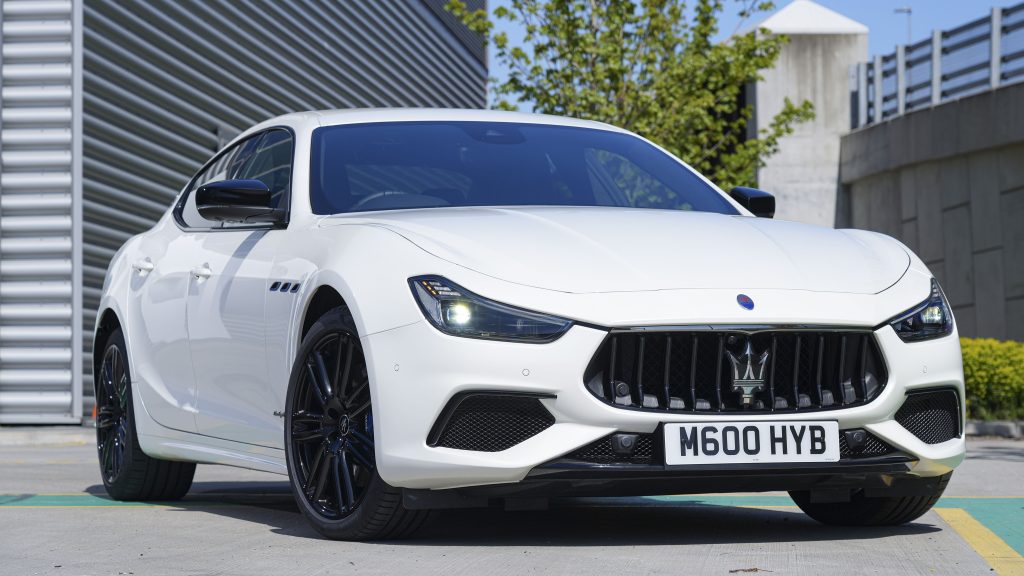
The driving experience still has some strengths. The engine produces satisfying performance, and the exhaust note delivers a level of excitement that many luxury sedans lack.
Emotional appeal alone is not enough to offset its weaknesses in value. Despite its character, the Ghibli struggles to justify its price when compared with alternatives that deliver better technology, improved reliability, and more practical ownership experience.
Specifications
- Engine: 3.0L Twin Turbo V6
- Torque: 580 Nm
- Horsepower: 424 hp
- Length/Width: 4971 mm / 1945 mm
2. Mercedes-Benz G-Class
Not every overpriced vehicle reaches that status because of poor engineering. The Mercedes-Benz G-Class is a perfect example of a highly capable machine whose price has climbed far beyond what many shoppers receive in return.
Its popularity stems from a combination of military-inspired heritage, luxury appointments, and celebrity appeal. The problem is that demand and image have upgraded pricing to extraordinary levels. Buyers are often paying a premium for exclusivity rather than measurable advantages over competing luxury SUVs.
Consider how most owners actually use the vehicle. The G-Class was engineered to handle challenging terrain, yet a large percentage of them spend their lives moving through city streets, shopping centers, and highways. As a result, customers are paying for off-road capability that may never actually be used.
The driving dynamics also reveal compromises. Despite continuous improvements, the tall body structure and substantial weight influence handling characteristics. Many modern luxury SUVs provide smoother rides, quieter cabins, and more efficient packaging. Passengers often gain more usable space in vehicles that cost significantly less.
Fuel economy remains another weakness. Large engines and a heavy chassis contribute to operating costs that can become substantial over time. Even affluent buyers may question whether the experience justifies the ongoing expense.
To be fair, craftsmanship is impressive. The interior combines premium materials with advanced technology, and the vehicle’s presence on the road is undeniable. Few SUVs command as much attention.
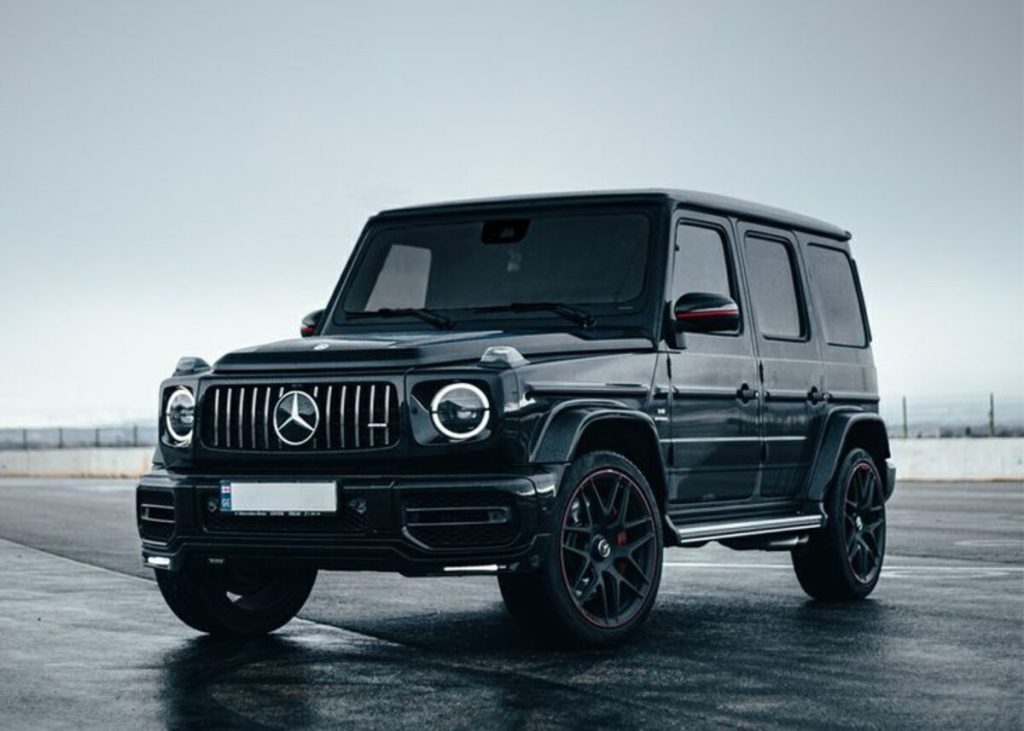
Yet attention is exactly what many buyers are purchasing. When value becomes the primary measurement, the G-Class struggles to defend its enormous price tag. It remains iconic and desirable, but those qualities do not necessarily make it a sensible purchase in 2026.
Specifications
- Engine: 4.0L Twin Turbo V8
- Torque: 850 Nm
- Horsepower: 577 hp
- Length/Width: 4873 mm / 1984 mm
3. BMW XM
BMW has built its reputation on producing vehicles that combine performance, luxury, and driver engagement. That legacy makes the BMW XM one of the most surprising entries on this list. Rather than strengthening the brand’s performance image, the XM often feels like a product searching for an identity.
At first glance, the SUV certainly makes a statement. The styling is aggressive, oversized, and impossible to ignore. Some buyers appreciate its bold appearance, while others view it as unnecessarily dramatic. Regardless of personal taste, the design alone cannot justify the substantial asking price.
The XM’s biggest challenge is the competition surrounding it. Within BMW’s own lineup, shoppers can find models that offer similar performance characteristics at significantly lower prices.
Outside the brand, rival luxury performance SUVs deliver equally impressive acceleration, superior practicality, and more cohesive driving experiences.
Weight becomes a noticeable factor once the road starts to twist. Despite impressive power figures, the vehicle’s mass affects agility and responsiveness.
The engineering team has worked hard to mask those characteristics, but physics remains difficult to overcome. Buyers expecting the sharp driving dynamics traditionally associated with BMW’s performance division may be disappointed.
Inside, the cabin showcases premium materials and advanced technology. The seats are comfortable, the displays are modern, and the fit and finish meet luxury expectations. However, none of these qualities feels exclusive enough to support the enormous financial commitment required.
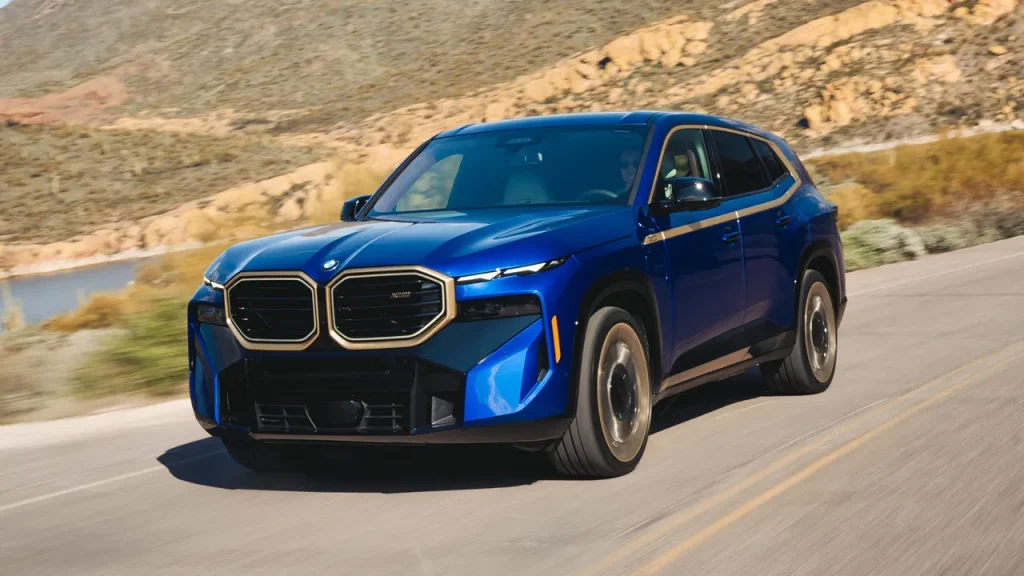
Another issue involves value perception. Customers paying top-tier prices expect a vehicle that redefines its segment. Instead, the XM often feels like an expensive blend of existing BMW concepts packaged in a controversial design.
The result is a luxury SUV that performs well in isolation but struggles when compared against competitors and even other BMW products. For many buyers, the price simply stretches far beyond the benefits received.
Specifications
- Engine: 4.4L Twin Turbo V8 Plug-in Hybrid
- Torque: 800 Nm
- Horsepower: 644 hp
- Length/Width: 5110 mm / 2005 mm
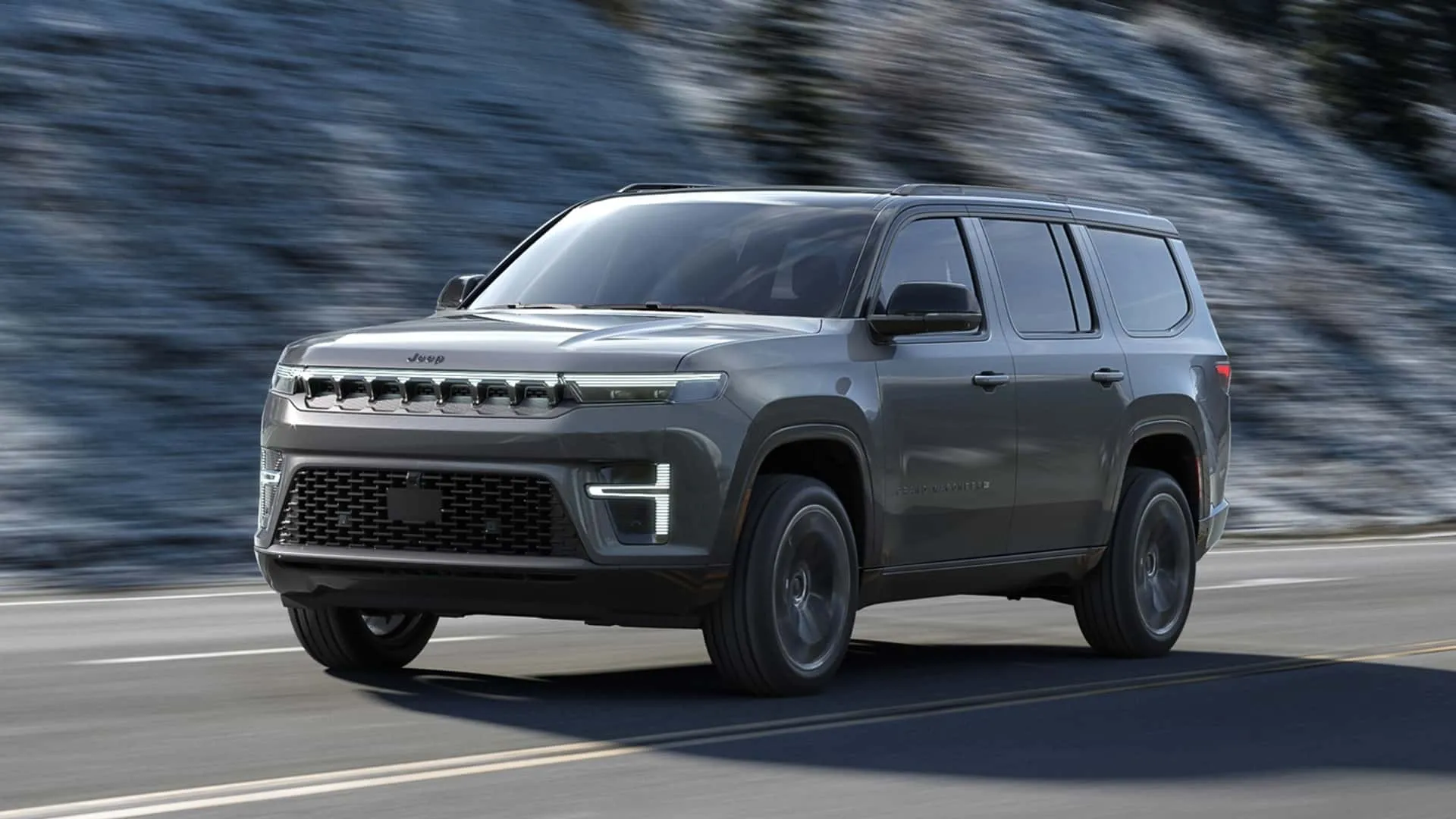
4. Jeep Grand Wagoneer
Some vehicles become overpriced because they fail to evolve. Others become overpriced because manufacturers attempt to push them into a segment where customers expect something entirely different. The Jeep Grand Wagoneer falls into the second category.
The SUV arrives with ambitious goals. It targets established luxury competitors while offering immense size, strong towing capability, and a long list of features. On paper, that sounds impressive. In practice, convincing buyers to spend ultra-premium money on a Jeep remains a difficult proposition.
One challenge comes from brand perception. Luxury shoppers often associate six-figure vehicles with brands that have spent decades building premium reputations. Although Jeep enjoys tremendous recognition in the SUV world, that reputation has historically centered on rugged capability rather than elite luxury.
Space is undoubtedly one of the Grand Wagoneer’s strengths. Families receive generous room in all three rows, and cargo capacity is excellent. Long-distance travel is comfortable, making it an attractive option for large households.
However, value concerns emerge when examining the finer details. Certain interior elements feel premium, while others fail to match the standards established by luxury rivals. Buyers paying top dollar naturally compare every switch, panel, and surface against competitors, and those comparisons are not always favorable.
Fuel consumption can also become a burden. Large dimensions and powerful engines bring high operating costs. For many owners, the additional expense continues long after the purchase is completed.
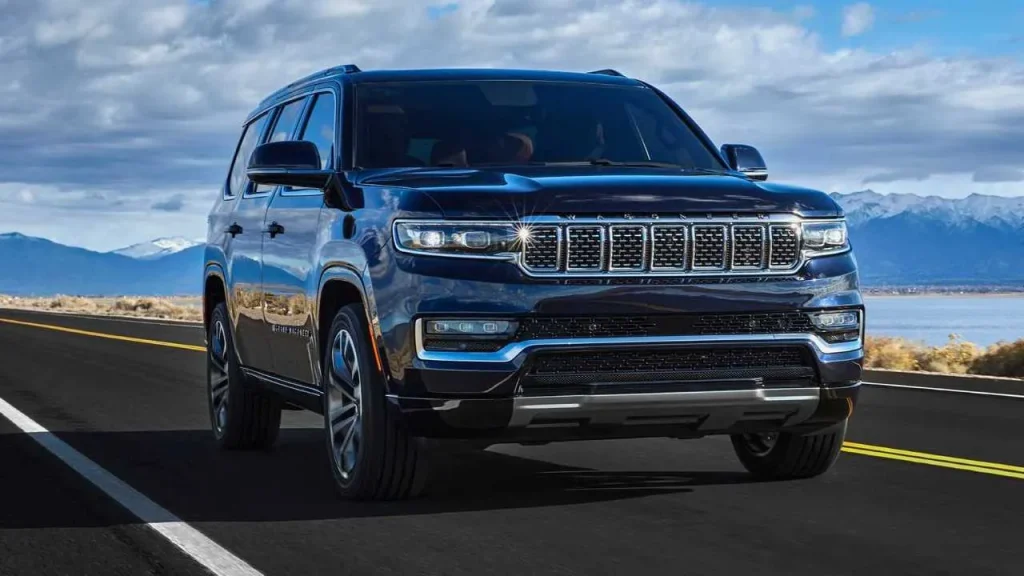
The Grand Wagoneer succeeds as a spacious and capable family SUV. The problem lies in its pricing strategy. Once the numbers enter territory occupied by established luxury leaders, expectations rise dramatically.
At that point, the vehicle becomes difficult to justify, especially when competing products offer stronger prestige and refinement for similar money.
Specifications
- Engine: 3.0L Twin Turbo Hurricane I6
- Torque: 670 Nm
- Horsepower: 510 hp
- Length/Width: 5453 mm / 2123 mm
5. Land Rover Range Rover SV
The Range Rover SV sits at the very top of the luxury SUV hierarchy, representing the most exclusive and expensive version of an already premium vehicle. It offers exceptional comfort, handcrafted details, and a commanding road presence.
Yet its pricing places it in a territory where even wealthy buyers may question whether the added expense delivers proportional benefits.
What makes the SV difficult to justify is not a lack of quality. In fact, the vehicle is exceptionally refined. The issue is that much of what makes the standard Range Rover attractive is already present in lower trims.
As the price climbs into SV territory, the improvements become increasingly subtle while the financial commitment grows dramatically.
Passengers are treated to one of the most luxurious cabins available in the SUV market. Soft materials cover nearly every surface, and ride quality remains remarkably smooth even on imperfect roads. Long journeys feel effortless, which has always been one of the Range Rover’s strongest qualities.
However, exclusivity comes at a steep cost. Many buyers are essentially paying enormous sums for unique trim elements, additional customization options, and small comfort enhancements.
Those upgrades may appeal to a niche audience, but they do little to transform the ownership experience compared with less expensive variants.
Reliability concerns also continue to influence buying decisions. While improvements have been made over the years, long-term ownership costs remain a concern for many consumers. Expensive repairs outside warranty coverage can quickly add to the already high cost of ownership.
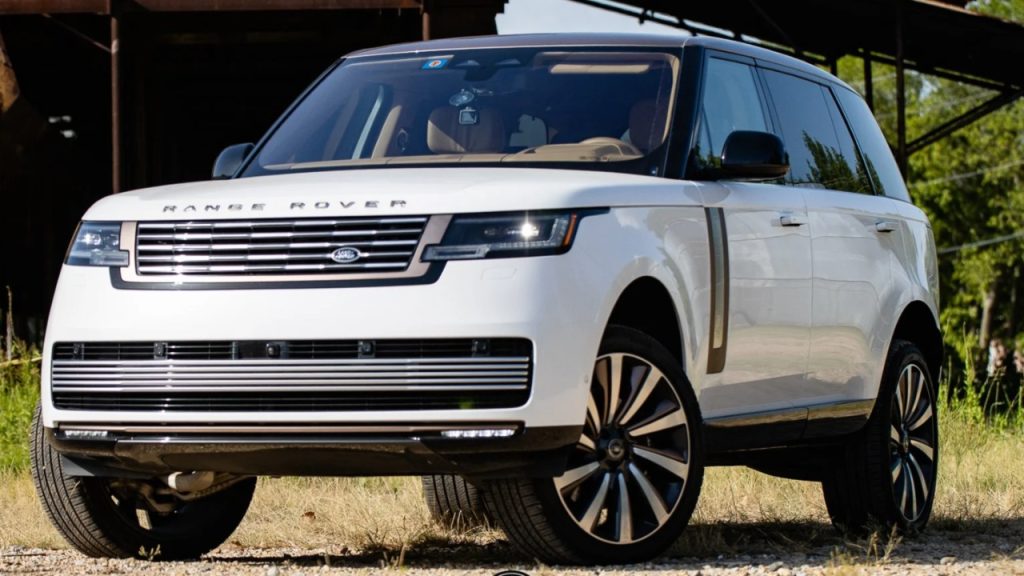
The SV is undeniably luxurious and desirable. Yet when viewed through the lens of value rather than prestige, it becomes difficult to argue that the extra money translates into a dramatically better vehicle. Buyers seeking luxury can achieve a very similar experience without reaching the highest trim level.
Specifications
- Engine: 4.4L Twin Turbo V8
- Torque: 750 Nm
- Horsepower: 606 hp
- Length/Width: 5052 mm / 2047 mm
6. Lexus LX 700h
Luxury SUVs often justify their price tags through a balance of comfort, technology, prestige, and capability. The Lexus LX 700h certainly delivers capability, but the question many buyers ask is whether it delivers enough luxury to support its premium pricing.
Built upon foundations shared with one of the world’s most respected off-road platforms, the LX 700h offers remarkable durability and impressive all-terrain performance. Those qualities make it attractive to a specific group of buyers. The problem is that most luxury SUV customers rarely need such extreme capability.
Step inside, and the cabin presents a high-quality environment filled with premium materials and advanced technology. Lexus craftsmanship remains one of the brand’s strongest attributes. Everything feels carefully assembled, and comfort levels are impressive during daily driving.
The challenge emerges when comparing the vehicle against similarly priced luxury competitors. Several rivals provide more elegant interior designs, more engaging driving dynamics, and superior third-row accommodations. Some also deliver a stronger sense of occasion, which matters greatly in the luxury segment.
Another factor is efficiency. Although the hybrid system improves fuel consumption compared to traditional large-displacement engines, the LX remains a substantial vehicle with considerable weight. Buyers expecting hybrid-like savings may find the real-world benefits less dramatic than anticipated.
There is no denying the SUV’s strengths. Reliability expectations are excellent, build quality is strong, and off-road ability ranks among the best in its class. Yet these advantages serve a relatively small percentage of owners.
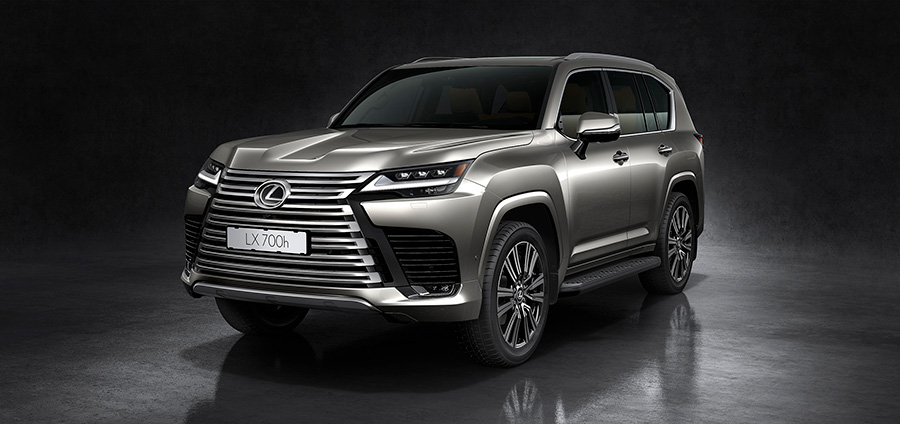
For shoppers focused on luxury and daily usability, much of the vehicle’s capability goes unused. That reality makes its high asking price difficult to defend, especially when competitors offer more luxury-focused experiences for similar money.
Specifications
- Engine: 3.4L Twin Turbo V6 Hybrid
- Torque: 790 Nm
- Horsepower: 457 hp
- Length/Width: 5100 mm / 1990 mm
7. GMC Hummer EV SUV
The revival of the Hummer name generated enormous excitement. Buyers were intrigued by the idea of a massive electric SUV capable of delivering supercar-like acceleration while retaining the bold personality that made the original Hummer famous.
Despite its impressive specifications, the GMC Hummer EV SUV struggles to justify its pricing when value becomes the primary consideration.
One reason is its extraordinary size and weight. The vehicle weighs far more than most SUVs on the market, which creates compromises in efficiency, maneuverability, and practicality.
While the electric powertrain delivers astonishing straight-line performance, many owners may question how often they will actually use such extreme acceleration in everyday driving.
The Hummer EV also highlights an interesting contradiction. Electric vehicles are often marketed around efficiency and sustainability, yet this SUV consumes significantly more energy than many competing EVs. Buyers who prioritize maximizing range and minimizing charging costs may find better options elsewhere.
Technology is one of the vehicle’s strongest assets. Features such as CrabWalk and advanced off-road systems demonstrate impressive engineering creativity. These capabilities attract attention and help distinguish the SUV from rivals.
However, many of these features fall into the category of occasional-use technology rather than everyday necessities.
Interior quality is solid, but some shoppers expecting ultra-luxury refinement may feel the cabin falls short of what the price suggests. Competing electric SUVs often provide more sophisticated interiors while maintaining similar levels of technology.
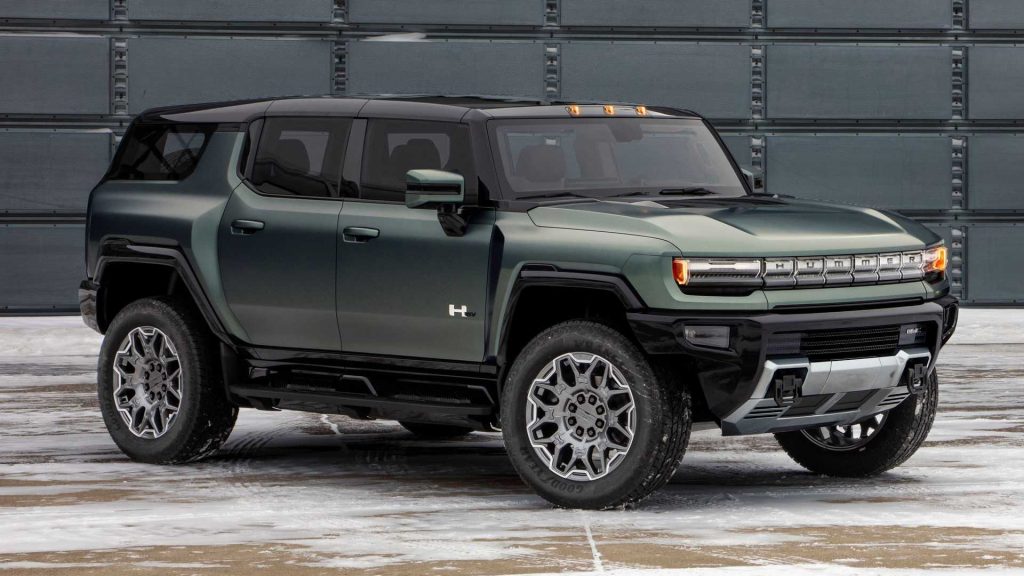
The Hummer EV SUV succeeds as a statement vehicle. It is powerful, distinctive, and packed with innovative features.
The challenge is that buyers pay a substantial premium for those characteristics while accepting compromises in efficiency and practicality. For many consumers, the novelty simply does not justify the enormous cost of entry.
Specifications
- Engine: Three-Motor Electric Powertrain
- Torque: 15,592 Nm (wheel torque quoted by manufacturer)
- Horsepower: 830 hp
- Length/Width: 4999 mm / 2201 mm
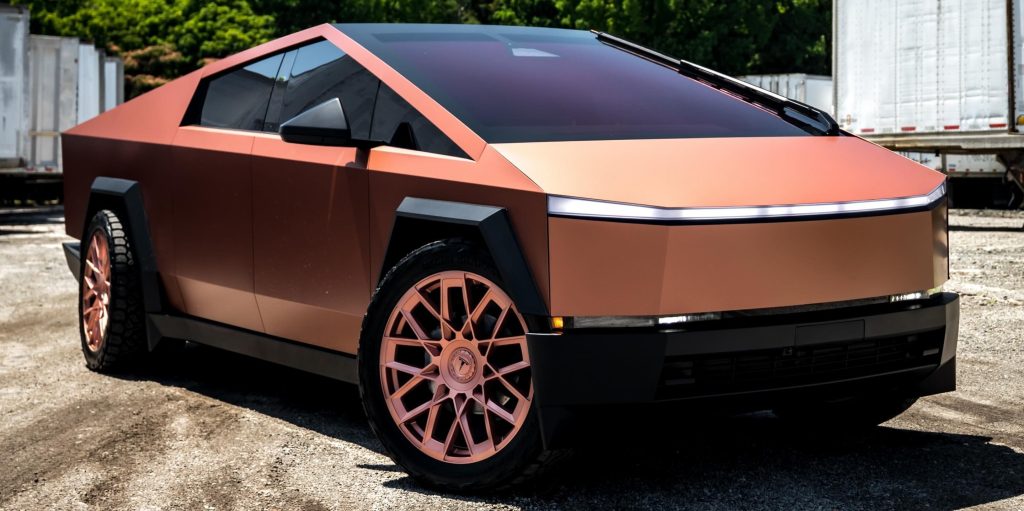
8. Tesla Cybertruck Cyberbeast
Few vehicles in recent memory have attracted as much attention as the Tesla Cybertruck. Its futuristic design ensured that it would become one of the most discussed vehicles of the decade.
The high-performance Cyberbeast version takes that concept even further, combining extraordinary acceleration with a price tag that places it among the most expensive pickup trucks available.
Unlike traditional trucks that prioritize utility first, the Cyberbeast often feels like a technology showcase. It delivers remarkable performance figures that rival sports cars, yet many truck buyers are more interested in towing, hauling, durability, and day-to-day functionality.
The stainless-steel exterior certainly makes the vehicle unique. There is nothing else on the road that looks remotely similar. However, uniqueness alone does not guarantee value. Buyers must decide whether the unconventional design contributes enough practical benefit to justify the premium.
Performance is undeniably impressive. Instant electric torque allows the truck to accelerate at a rate few vehicles in any category can match. The question becomes whether such a capability is meaningful in a pickup that many owners will use for commuting and routine transportation.
Competition has intensified in both the electric and conventional truck markets. Several alternatives offer strong utility, comfortable cabins, and proven work-oriented credentials at lower prices. This places additional pressure on the Cyberbeast to justify its cost.
Technology enthusiasts may appreciate the advanced software ecosystem and cutting-edge features. Yet for buyers seeking the best balance of price, practicality, and capability, the equation becomes less convincing.
The Cyberbeast is fascinating, fast, and innovative, but those qualities do not necessarily translate into strong value for money in 2026.
Specifications
- Engine: Tri-Motor Electric Powertrain
- Torque: Approximately 1,400 Nm
- Horsepower: 845 hp
- Length/Width: 5683 mm / 2413 mm (including mirrors)
9. Mercedes-AMG SL 63
The Mercedes-AMG SL 63 is designed to combine grand touring comfort with high-performance capability. It certainly delivers speed, luxury, and prestige, but its pricing places it in a difficult position within the sports car market.
Buyers spending this much money expect a vehicle that feels truly exceptional in every category, and that is where the SL 63 faces challenges.
One issue is the level of competition. The luxury performance segment is filled with vehicles that offer sharper handling, more engaging driving dynamics, or greater exclusivity at similar prices. While the SL 63 performs well, it rarely dominates any single category.
Instead, it attempts to balance multiple roles, which can leave enthusiasts wanting more excitement and luxury buyers wanting more comfort.
The interior is beautifully crafted and packed with technology. Premium materials, advanced digital displays, and comfortable seating create an upscale atmosphere. However, many of these features are also available in less expensive Mercedes models, reducing the sense of uniqueness expected at this price point.
Performance remains impressive thanks to its powerful V8 engine, but the vehicle’s weight limits some of the agility buyers often expect from a premium sports car. As a result, the driving experience can feel more like a fast luxury cruiser than a focused performance machine.
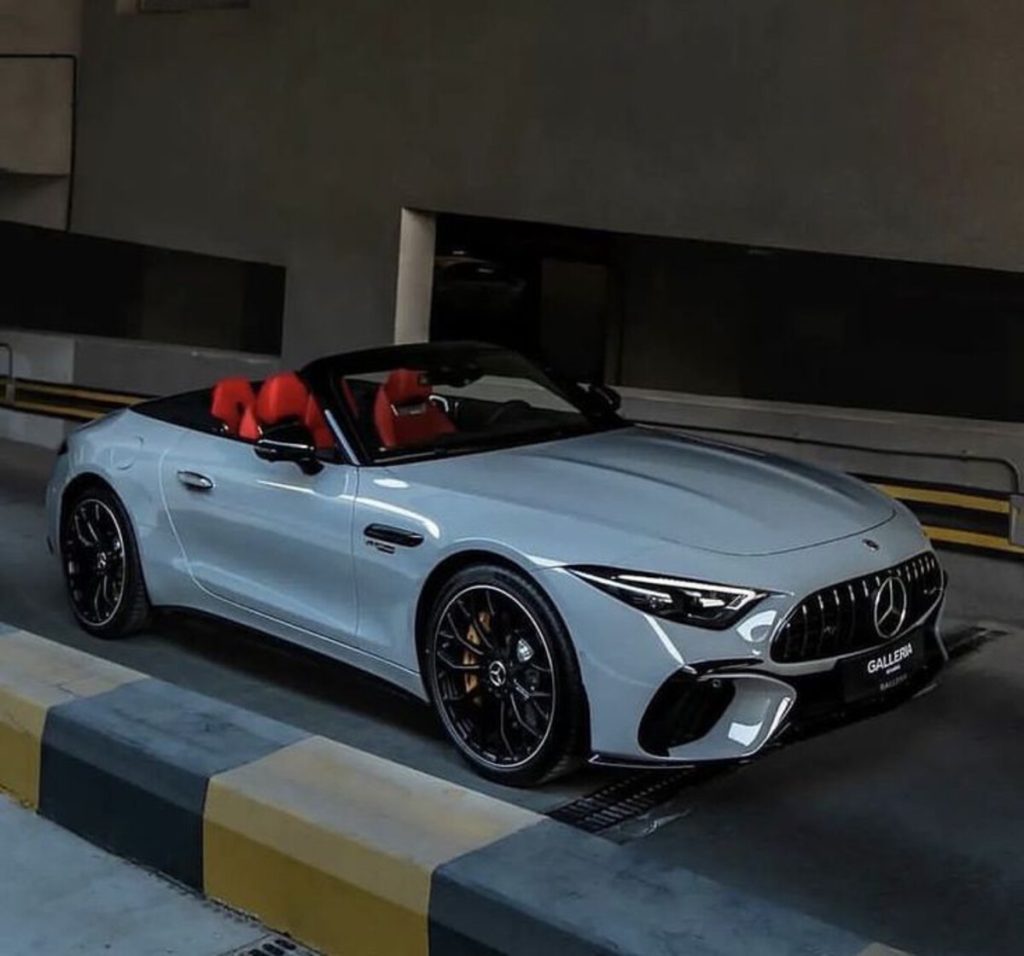
For buyers seeking a stylish convertible, the SL 63 is attractive. Yet when value becomes a major factor, there are numerous alternatives that deliver a more convincing balance of performance, luxury, and pricing.
Specifications
- Engine: 4.0L Twin Turbo V8
- Torque: 800 Nm
- Horsepower: 577 hp
- Length/Width: 4705 mm / 1915 mm
10. Cadillac Escalade-V
The Cadillac Escalade-V represents the performance-focused version of one of America’s most recognizable luxury SUVs. It combines immense size with a supercharged V8 engine, creating a vehicle that stands out both visually and mechanically.
Despite its impressive specifications, the price tag pushes it into territory where value becomes increasingly difficult to defend.
The biggest attraction is undoubtedly power. The Escalade-V accelerates far more quickly than a vehicle of its size has any right to. This capability creates an entertaining driving experience and helps distinguish it from standard luxury SUVs. However, such performance comes at a high financial and practical cost.
Fuel consumption is one of the most obvious drawbacks. The large supercharged engine delivers thrilling acceleration but also demands substantial amounts of fuel. For owners who drive frequently, operating expenses can become surprisingly high.
Inside, the SUV offers abundant space and modern technology. Large displays, comfortable seating, and premium materials contribute to an upscale environment.
Families will appreciate the generous passenger room and cargo capacity. Nevertheless, many buyers may find that lower-priced Escalade trims provide a very similar ownership experience.
Another concern is whether extreme performance is truly necessary in a three-row luxury SUV. Most owners will never use the vehicle’s full capabilities, making the additional expense difficult to justify. In many situations, the extra power becomes more of a talking point than a meaningful advantage.
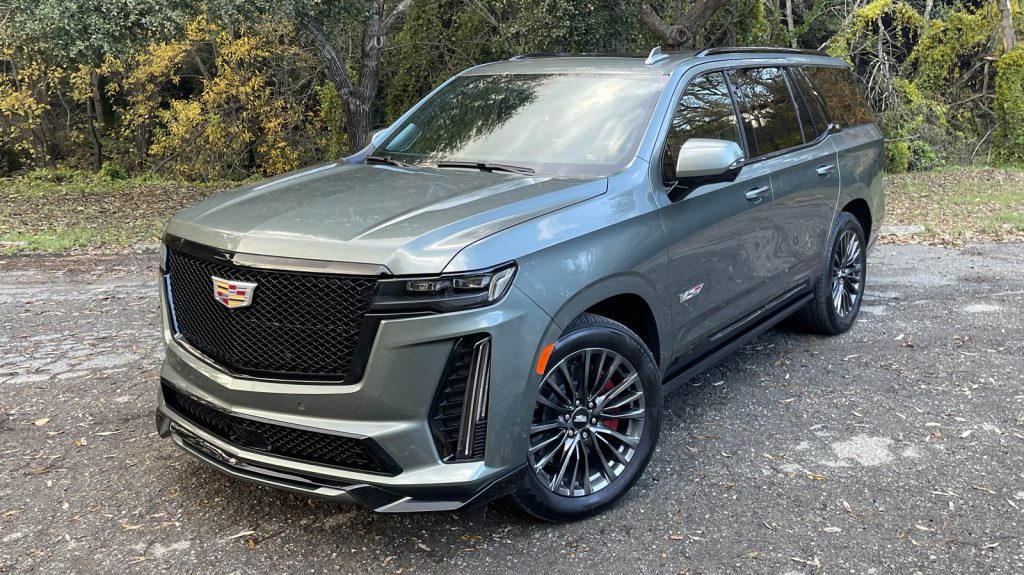
The Escalade-V is exciting and distinctive, but the gap between its price and practical benefits makes it one of the most overpriced vehicles available in 2026.
Specifications
- Engine: 6.2L Supercharged V8
- Torque: 885 Nm
- Horsepower: 682 hp
- Length/Width: 5382 mm / 2059 mm
Also Read: The V8 Sports Sedan With Toyota Reliability And M-Car Pace
