
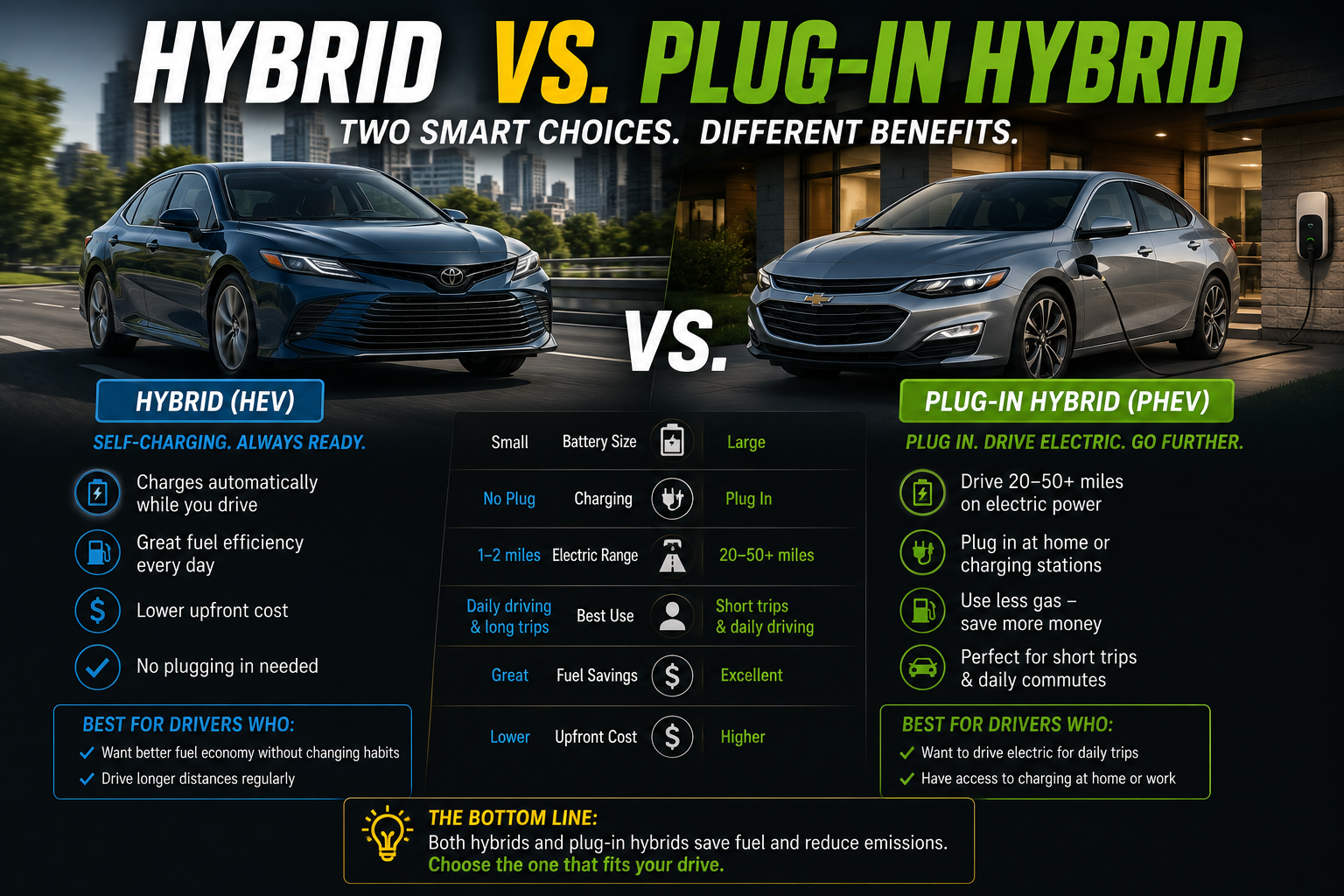
Choosing between a hybrid vehicle and a plug-in hybrid vehicle has become one of the most important decisions for car buyers who want to reduce fuel costs, lower emissions, and improve long-term savings.
As fuel prices fluctuate globally and governments push for cleaner transportation, both hybrid and plug-in hybrid technologies are gaining popularity. However, the real question most buyers ask is not just about environmental impact, but about financial efficiency over time. Which one actually saves more money over a typical ownership period of five years?
A hybrid car uses a combination of a traditional internal combustion engine and an electric motor powered by a self-charging battery. It does not require external charging because the battery is replenished through regenerative braking and engine power.
On the other hand, a plug-in hybrid vehicle (PHEV) has a larger battery that can be charged externally using a home charger or public charging station. This allows the vehicle to run on electric power alone for a certain distance before switching to fuel. This fundamental difference plays a major role in determining cost savings, driving patterns, and efficiency.
For many drivers, the appeal of hybrids lies in convenience. There is no need to change driving habits or install charging equipment.
Plug-in hybrids, however, offer the potential for significantly lower fuel consumption if the driver consistently charges the battery and drives short distances on electric power. This makes the comparison between the two technologies more complex than it appears at first glance.
Over a five-year period, the total cost of ownership becomes the key metric. This includes purchase price, fuel or electricity costs, maintenance expenses, depreciation, and possible government incentives.
While hybrids generally have lower upfront costs and stable fuel savings, plug-in hybrids can outperform them in savings under the right conditions. However, if charging is inconsistent or driving patterns are not suitable, the advantage of plug-in hybrids may shrink significantly.
This article provides a detailed SEO optimized breakdown of hybrid and plug-in hybrid vehicles across multiple financial and practical dimensions. It explores real-world fuel efficiency, ownership costs, energy usage, maintenance differences, and long-term savings potential.
By the end, you will have a clear understanding of which option is more cost-effective over five years based on realistic usage scenarios, not just theoretical efficiency ratings.
Also Read: 8 Repairs That Cost More in Parts Than Labor
Understanding Hybrid and Plug-In Hybrid Technology
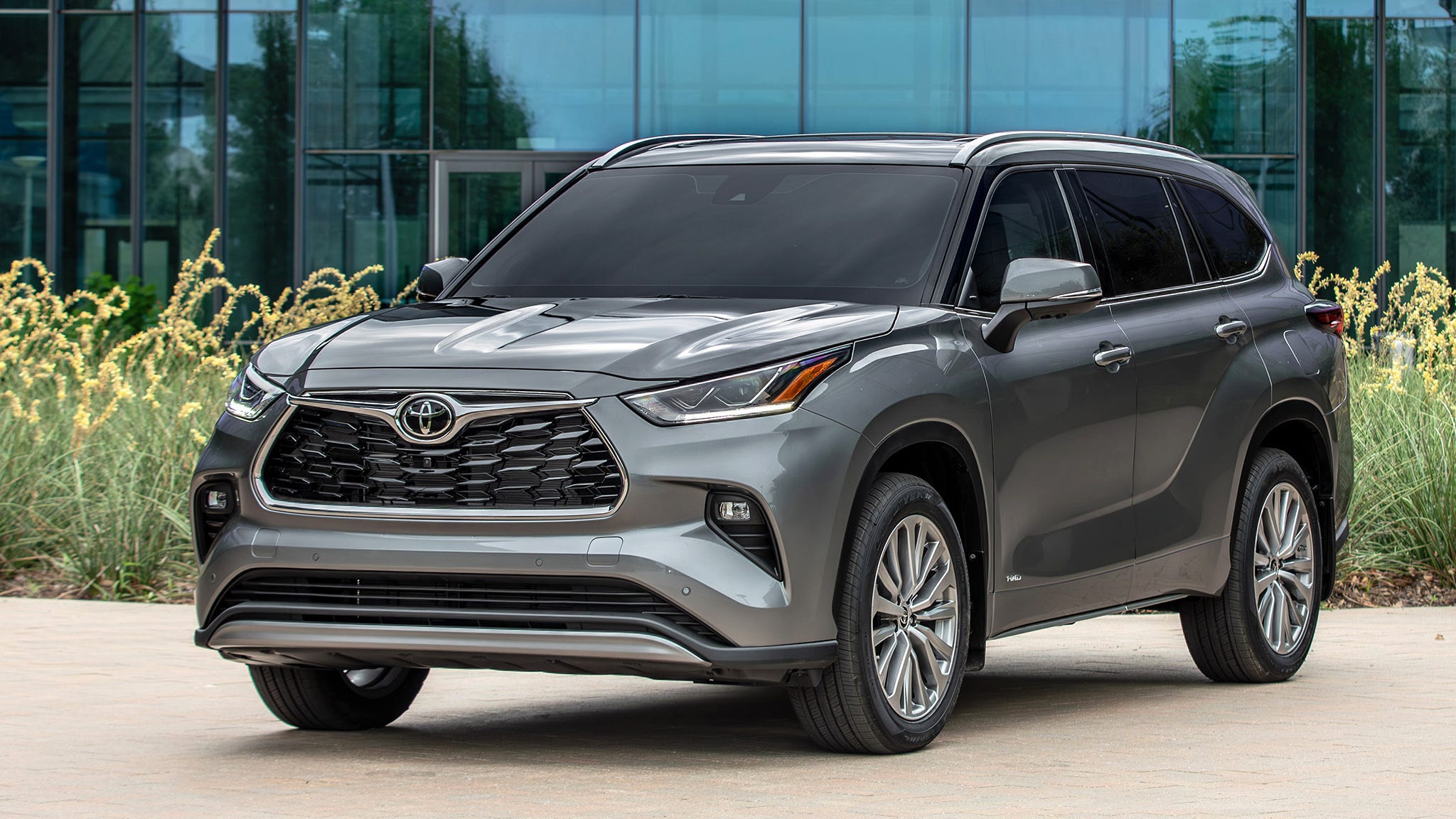
Hybrid vehicles are designed to improve fuel efficiency by combining a gasoline engine with an electric motor and a small battery. The system automatically switches between the engine and motor depending on driving conditions.
At low speeds or during stop-and-go traffic, the electric motor assists or temporarily powers the vehicle, reducing fuel consumption. During acceleration or highway driving, the engine takes over while also charging the battery through regenerative braking. The key advantage is that the system is self-sustaining and requires no external charging infrastructure.
In contrast, plug-in hybrid vehicles are built with a significantly larger battery pack that can be charged externally. This allows them to operate in full electric mode for a limited range, typically between 30 and 100 kilometers depending on the model.
After the battery is depleted, the vehicle behaves like a regular hybrid, switching between gasoline and electric power. This dual capability creates a flexible driving experience that can drastically reduce fuel usage when used efficiently.
A major difference lies in battery capacity and energy dependency. Hybrid cars have smaller batteries optimized for short bursts of energy assistance, while plug-in hybrids rely on larger batteries designed for extended electric driving.
This difference also impacts weight, cost, and complexity. Plug-in hybrids are generally heavier due to the larger battery, which can slightly affect fuel consumption once the battery is depleted.
Another important distinction is user behavior. Hybrid vehicles require no behavioral change from the driver, making them ideal for users who want simplicity. Plug-in hybrids require disciplined charging habits to maximize savings. Without regular charging, a plug-in hybrid essentially becomes a heavier and less efficient hybrid vehicle, which can reduce its economic advantage.
Finally, the driving environment plays a significant role. Urban commuters with short daily travel distances benefit more from plug-in hybrids because they can rely heavily on electric power.
Long-distance drivers or highway commuters may find traditional hybrids more practical because they continuously optimize fuel efficiency without relying on charging availability. Understanding these technological differences is the foundation for evaluating long-term savings.
How Fuel Efficiency Differs in Real-World Driving
Fuel efficiency is one of the most important factors in determining five-year savings, but real-world performance often differs from official ratings.
Hybrid vehicles typically deliver consistent mileage improvements over conventional petrol cars, especially in city traffic where regenerative braking and low-speed electric assistance are most effective. In stop-and-go conditions, hybrids can significantly reduce fuel consumption, making them highly efficient in urban environments.
Plug-in hybrids, however, show a different efficiency pattern. When the battery is fully charged, they can travel significant distances using only electricity, resulting in extremely low or even zero fuel consumption during that period.
This makes short daily commutes very economical. However, once the battery is depleted, fuel efficiency often drops below that of a standard hybrid due to the additional weight of the larger battery system.
In mixed driving conditions, hybrids maintain a steady efficiency advantage because they continuously optimize between engine and electric assistance.
Plug-in hybrids, on the other hand, experience fluctuating efficiency depending on battery charge levels. If a driver frequently charges the vehicle and primarily drives short distances, the plug-in hybrid can outperform a regular hybrid by a wide margin.
Highway driving presents another important difference. Hybrids generally perform efficiently at steady speeds because the system can optimize engine load and assist with electric power when needed. Plug-in hybrids, once out of electric range, may not provide additional benefits and can sometimes be slightly less efficient due to added weight.
Temperature and driving style also affect real-world efficiency. Aggressive acceleration, heavy loads, and extreme temperatures can reduce the benefits of both systems. However, plug-in hybrids are more sensitive to charging behavior, making user discipline a critical factor in determining actual savings over five years.

Cost of Ownership: Purchase Price, Incentives, and Depreciation
The initial purchase price is often the biggest difference between hybrid and plug-in hybrid vehicles. Hybrids are generally more affordable because their battery systems are smaller and less complex.
Plug-in hybrids, with their larger batteries and advanced charging systems, tend to cost significantly more upfront. This price gap can influence total five-year ownership costs even before fuel savings are considered.
Government incentives can partially offset this difference. In many regions, plug-in hybrids qualify for tax credits or rebates due to their ability to reduce emissions. These incentives can reduce the effective purchase price, sometimes narrowing the gap between the two technologies. However, the availability and value of these incentives vary widely depending on location and policy changes.
Depreciation is another critical factor. Hybrid vehicles often retain value well because they are perceived as reliable, low-maintenance, and fuel-efficient.
Plug-in hybrids can experience slightly faster depreciation in some markets due to concerns about battery longevity, charging infrastructure availability, and evolving electric vehicle technology. However, this trend is changing as plug-in hybrids become more mainstream.
Insurance costs can also differ. Plug-in hybrids may have slightly higher insurance premiums due to higher repair costs associated with battery systems and advanced electronics. Hybrids tend to have more stable insurance pricing because their systems are simpler and widely understood by repair networks.
When evaluating total ownership cost over five years, the purchase price difference remains one of the most influential factors. Even if a plug-in hybrid saves more on fuel, the higher initial cost and potential depreciation can offset those savings unless the vehicle is used in a way that maximizes electric driving.
Also Read: 8 Luxury SUVs That Become Bargains the Moment the Warranty Ends

Fuel and Electricity Costs Over Five Years
Fuel and electricity consumption form the core of long-term savings comparison between hybrid and plug-in hybrid vehicles. Hybrids rely entirely on gasoline, but their systems significantly reduce fuel usage compared to conventional vehicles. Over five years, a hybrid can save a substantial amount in fuel costs, especially for city drivers.
Plug-in hybrids introduce electricity as a secondary energy source. When charged regularly, electricity replaces gasoline for short trips, which is significantly cheaper per kilometer than fuel in most regions. This creates the potential for major savings over time, particularly for users with predictable daily commuting patterns and access to home charging.
However, the cost advantage depends heavily on charging behavior. If a plug-in hybrid is not charged regularly, it will rely more on fuel, reducing its cost advantage. In some cases, fuel consumption can even exceed that of a hybrid due to added vehicle weight. This makes plug-in hybrids highly dependent on user discipline.
Electricity pricing also matters. In regions with low electricity costs, plug-in hybrids can achieve very low operating costs per kilometer. In areas with high electricity tariffs or limited home charging access, the savings may be less significant. Hybrids remain unaffected by these variables because they depend solely on fuel.
Over a five-year period, plug-in hybrids generally outperform hybrids in energy cost savings only when at least a significant portion of driving is done in electric mode. Otherwise, hybrids tend to offer more predictable and stable fuel economy savings without dependency on external charging conditions.
Maintenance, Battery Life, and Long-Term Reliability
Maintenance costs are an important part of the five-year ownership analysis. Hybrid vehicles are generally known for their reliability and relatively low maintenance requirements. Their braking systems last longer due to regenerative braking, and engine wear is often reduced because the electric motor assists during acceleration.
Plug-in hybrids share many of these benefits but introduce additional complexity due to larger batteries and charging systems. This complexity can lead to higher repair costs in certain cases, although modern plug-in hybrid systems are increasingly reliable. Battery health is a key concern, but most manufacturers design these batteries to last well beyond five years under normal usage.
Battery degradation affects both vehicle types, but plug-in hybrids rely more heavily on their larger batteries for optimal performance. Frequent charging cycles and deep discharges can impact long-term capacity, although thermal management systems help reduce degradation. Hybrids use smaller batteries that undergo less stress, which can contribute to long-term durability.
Service frequency is generally similar, but plug-in hybrids may require specialized diagnostics for their high-voltage systems. Hybrid vehicles benefit from wider service familiarity among mechanics due to longer market presence and simpler design.
Both technologies are reliable over a five-year period, but hybrids often hold a slight advantage in simplicity and predictable maintenance costs, while plug-in hybrids offer greater efficiency potential at the cost of slightly higher system complexity.
Which Saves More: Scenario-Based Five-Year Comparison
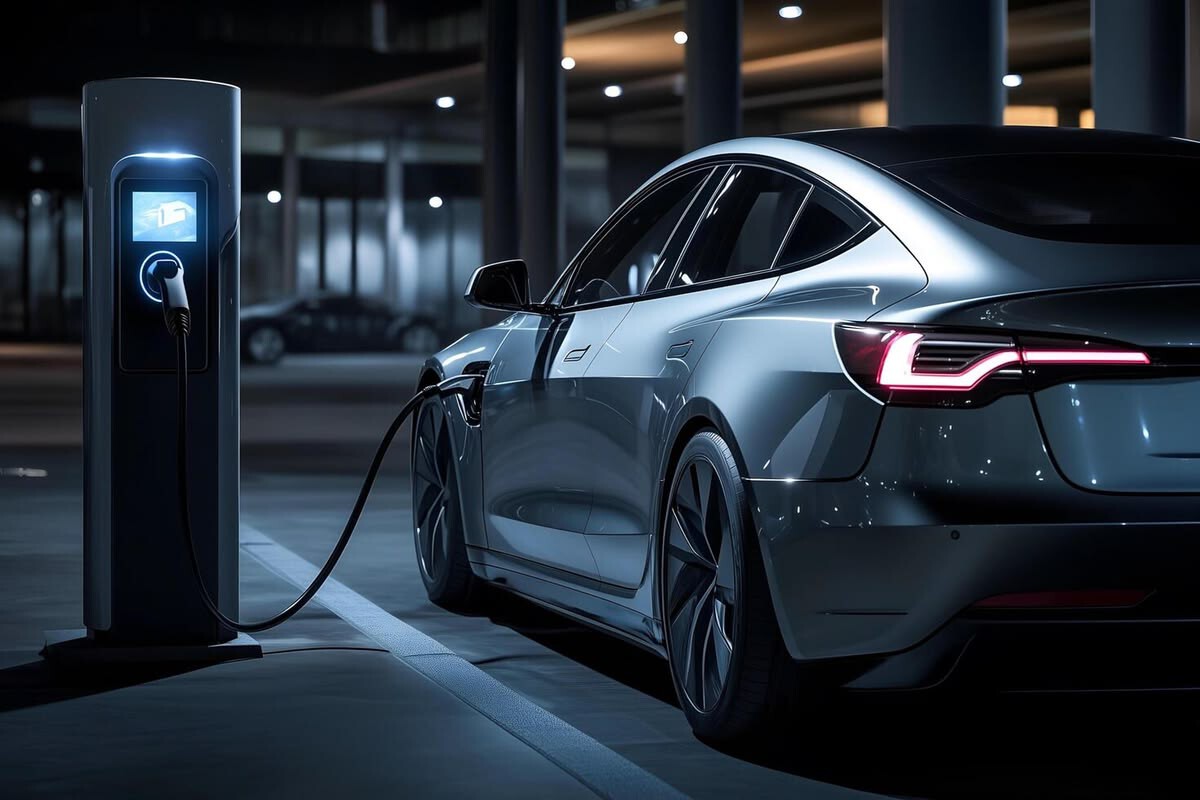
The final answer to which vehicle saves more over five years depends heavily on driving habits, charging access, and total mileage. In a high-usage urban environment where charging is consistent, plug-in hybrids usually provide the greatest savings due to reduced fuel consumption. Daily short commutes allow drivers to rely heavily on electric power, minimizing fuel expenses.
In mixed driving scenarios, the results become closer. Hybrids provide steady, predictable fuel savings without requiring behavioral changes, while plug-in hybrids offer variable savings depending on how often the battery is charged. If charging is inconsistent, hybrids may actually become more economical over time.
For long-distance drivers or highway commuters, hybrids often outperform plug-in hybrids in cost efficiency. Once the plug-in hybrid battery is depleted, the added weight can reduce fuel efficiency, narrowing or eliminating the savings advantage.
When considering total ownership cost, including purchase price and depreciation, hybrids often come out ahead in conservative usage scenarios. Plug-in hybrids can outperform them in optimal conditions, but their savings potential is highly dependent on usage patterns.
Hybrids are the safer financial choice for most average drivers, while plug-in hybrids offer higher savings potential for disciplined users with reliable access to charging and predictable driving routines.
