

Buying a car in a high-priced market can feel overwhelming, especially when prices are influenced by limited supply, rising demand, and fluctuating interest rates. Whether you are considering a new model like the Toyota Camry, a luxury sedan such as the BMW 3 Series, or an electric vehicle like the Tesla Model 3, the negotiation process plays a critical role in how much you pay.
In today’s automotive market, dealers often have stronger leverage due to inventory shortages and increased buyer competition, which makes strategic negotiation more important than ever.
Understanding how to navigate this environment is not just about asking for a lower price. It requires preparation, timing, emotional control, and knowledge of pricing structures.
Many buyers focus only on the sticker price, but the real value lies in understanding the full deal, including financing terms, trade-in value, insurance impacts, and additional fees. In a high-priced car market, even small negotiation wins can translate into significant savings.
Another key factor is information asymmetry. Dealers often have access to real-time pricing data, demand trends, and profit margins, while buyers may rely on limited online research. This gap can be closed by learning proven negotiation tactics that shift some control back to the buyer. When used correctly, these tactics can help you secure a fair deal even when market conditions are not in your favor.
It is also important to recognize that negotiation is not a single moment but a process. From the first inquiry to the final paperwork, every interaction can influence the final price. Successful buyers approach the process with patience and a clear strategy rather than emotional decision-making. This mindset helps avoid common mistakes such as rushing into a purchase or accepting unfavorable financing terms.
Since high-priced car purchases involve significant financial commitments, buyers who approach negotiations with preparation, discipline, and patience often gain a clear advantage. Understanding market timing, dealer incentives, and pricing strategies can lead to far better results than relying on instinct or casual haggling. The following eight negotiation tactics will help you navigate the buying process more effectively and increase your chances of securing a stronger deal.
Also Read: 8 Repairs That Cost More in Parts Than Labor
1. Understanding Market Dynamics in the High-Price Car Segment
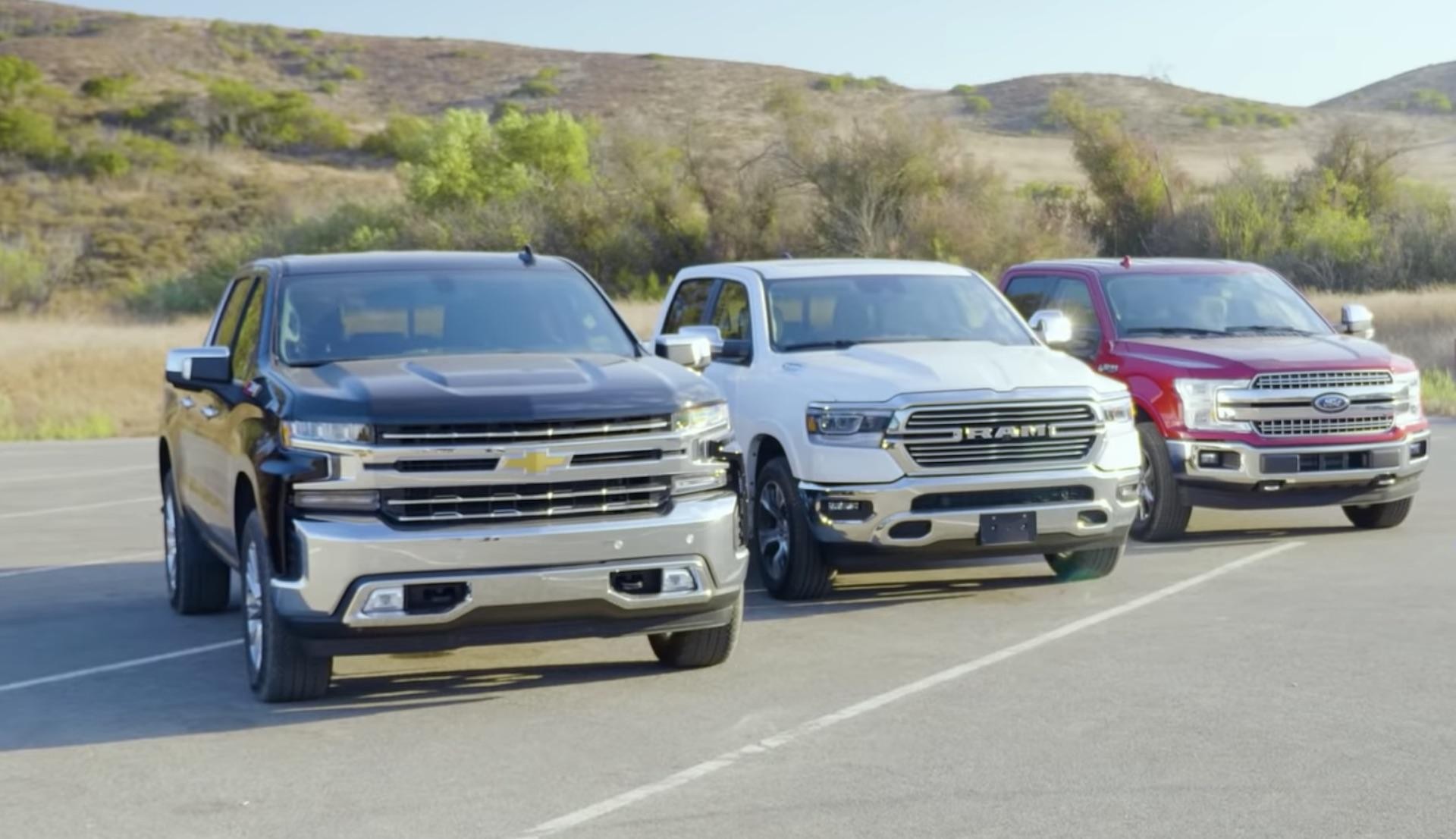
The high-priced car market operates under supply and demand pressure more intensely than most consumer markets. When supply is limited, and demand remains strong, dealerships naturally reduce discounts and shift toward value-based selling instead of price reductions.
One of the biggest drivers of this condition is global production constraints. Modern vehicles depend on complex supply chains involving semiconductors, batteries, and international logistics. When disruptions occur, models like the Tesla Model 3 can become scarce, increasing buyer competition and reducing negotiation flexibility.
Demand concentration also plays a major role. When buyers focus heavily on a few popular models or trims, dealerships gain leverage because they know replacement demand is strong. This reduces urgency on their side to lower prices significantly.
Regional differences further complicate the market. In areas with fewer dealerships, buyers face reduced competition among sellers, which limits negotiation power. In contrast, regions with multiple competing dealerships often provide better opportunities for price adjustments.
Another factor is inventory strategy. Dealers may intentionally limit visible discounts to maintain perceived brand value. Instead of lowering prices openly, they may offer subtle incentives such as accessories or financing adjustments.
Understanding market cycles is equally important when negotiating a vehicle purchase. Factors such as the end of financial quarters, slower demand during certain festive periods, and model year transitions can create opportunities where dealers become more flexible on pricing. Buyers who recognize these patterns are often better positioned to negotiate favorable terms and identify the most advantageous time to make a purchase.

2. Research and Price Benchmarking Strategy
Research is the foundation of effective negotiation because it eliminates guesswork and replaces it with data-driven decision-making. Without research, buyers are more likely to accept inflated pricing or unnecessary add-ons.
A strong starting point is understanding pricing layers. Vehicles like the Toyota Camry often have multiple trims, optional packages, and regional pricing differences. Each layer can significantly impact the final cost, making it essential to compare like-for-like configurations.
The next step is analyzing real transaction data instead of advertised prices. Dealer listings often reflect initial asking prices rather than final selling prices. Understanding actual market transactions provides a more accurate benchmark.
Cross-dealership comparison is another powerful tactic. By collecting multiple quotes, buyers introduce competition into the process. Dealers are more likely to adjust pricing when they know alternatives exist.
Online communities and buyer feedback also provide valuable insights into hidden fees, seasonal discounts, and negotiation patterns. This helps buyers anticipate tactics used by dealerships during the sales process.
Setting a structured price range is another essential step in the negotiation process. Establishing an ideal price, a realistic target price, and a firm maximum budget creates clear boundaries before discussions begin. This approach helps buyers remain objective, avoid impulsive decisions, and resist the pressure that often accompanies high-stakes negotiations.

3. Timing Your Purchase for Maximum Leverage
Timing is one of the most underestimated negotiation tools in car buying. Dealers operate on structured sales cycles, and understanding these cycles allows buyers to identify strategic opportunities.
End-of-month periods are particularly important because sales teams are focused on meeting quotas. During this time, even high-demand vehicles may become slightly more negotiable as targets come into focus.
Quarter-end timing is even more impactful. Dealerships and manufacturers often aim to boost reported sales numbers, which can lead to increased flexibility on pricing and financing incentives.
Model transitions are another key opportunity. When newer versions of a vehicle like the BMW 3 Series are approaching release, older inventory becomes less desirable, increasing dealer willingness to negotiate.
Seasonal demand fluctuations also matter. Certain months experience reduced buyer activity, giving dealers stronger incentives to close deals. Buyers who align their purchase with these periods often gain better leverage.
Lastly, personal readiness is crucial. Entering negotiations under urgency reduces decision quality and increases the likelihood of accepting unfavorable terms. Patience often results in better outcomes.
4. Building Rapport with Dealers
Building rapport with dealers is not about friendliness alone, but about establishing trust and credibility. A strong professional relationship can influence pricing flexibility and deal structure.
A respectful and composed communication style sets the tone for negotiation. Dealers are more responsive to buyers who are calm, reasonable, and clear in their expectations.
Being informed also strengthens rapport. When buyers understand vehicle specifications and market conditions, such as those of the Toyota Camry, it signals seriousness and reduces unnecessary upselling.
Consistency is another important factor. Returning to the same salesperson or dealership builds familiarity, which often leads to better offers over time as trust develops.
Avoiding emotional attachment is equally important. When dealers sense urgency or emotional dependence, they have less incentive to offer concessions. Neutral interest maintains stronger negotiating power.
Maintaining professional boundaries throughout the buying process helps keep negotiations centered on value rather than sales pressure. By staying objective and focused on the terms of the deal, buyers are better positioned to evaluate offers critically and make decisions based on their financial goals rather than emotional influence.
Also Read: 8 Luxury SUVs That Become Bargains the Moment the Warranty Ends

5. Leveraging Trade in Value Effectively
Trade in value plays a significant role in the cost structure of a vehicle purchase. Many buyers overlook this component and focus solely on the new car price.
Dealers often adjust trade-in values based on negotiation context rather than strict market valuation. This means the same vehicle may receive different offers depending on how the deal is structured.
Researching independent valuation sources is essential. Understanding the fair market value of your current vehicle helps prevent undervaluation and strengthens your negotiation position.
Separating trade in discussions from new car pricing increases transparency. When both are bundled together, it becomes difficult to determine where value adjustments are occurring.
Comparing trade-in offers across multiple dealerships can significantly improve results. Competition between buyers of your used vehicle works in your favor when properly leveraged.
Presenting a vehicle in well-maintained condition, supported by complete documentation and service records, can significantly enhance its perceived value during negotiations. This preparation signals care and reliability, which can strengthen the seller’s position and lead to more favorable offers.

6. Using Financing as a Negotiation Tool
Financing is a powerful but often underutilized negotiation lever. It directly impacts the total cost of ownership and can influence dealer flexibility.
Dealers may adjust pricing depending on whether financing is done internally or externally. This creates opportunities for negotiation through financing decisions.
Pre-approval from external lenders gives buyers a strong baseline. It allows comparison between dealer financing offers and independent loan options.
Interest rates, loan tenure, and hidden fees must all be carefully evaluated. A lower vehicle price can be offset by higher financing costs if not properly analyzed.
Focusing only on monthly payments is a common mistake. Dealers may structure deals to appear affordable monthly while increasing the total long-term cost.
Comparing different financing options is an important final step for buyers, as it helps ensure the chosen structure is truly cost-effective rather than simply the most convenient. Evaluating interest rates, loan terms, and total repayment costs allows for more informed decisions that can reduce long-term financial burden.

7. Walking Away Strategy and Psychological Leverage
Walking away is one of the strongest psychological tools in negotiation. It demonstrates that the buyer is not dependent on a specific deal.
When dealers sense willingness to leave, they often reassess pricing flexibility. This can result in improved offers without additional pressure.
However, this strategy must be used authentically. Empty threats are quickly recognized and reduce long-term negotiation effectiveness.
This approach is especially relevant in high-demand environments involving vehicles like the Tesla Model 3, where buyers may feel pressured due to scarcity.
Walking away protects financial discipline and ensures that decisions are based on value rather than urgency or emotion.

8. Final Deal Structuring and Add-Ons Negotiation
The final stage of negotiation is where many buyers lose potential savings due to overlooked add-ons and fees. This stage requires careful attention.
Dealers often introduce optional products such as warranties, protection packages, and service plans. While some may offer value, many are priced above market alternatives.
Evaluating each add-on individually ensures that only necessary features are included. This prevents unnecessary cost inflation at the final stage.
Requesting a fully itemized breakdown of all charges helps identify hidden fees or unnecessary additions. Transparency is critical before signing any agreement.
Focusing on the total out-the-door price ensures a complete understanding of the deal. This prevents manipulation through fragmented pricing structures.
Reviewing all documentation thoroughly before signing is a critical final step in the process. It ensures that every negotiated term is accurately recorded in the contract and helps prevent misunderstandings, hidden conditions, or unintended commitments from being carried forward into the final agreement.
