
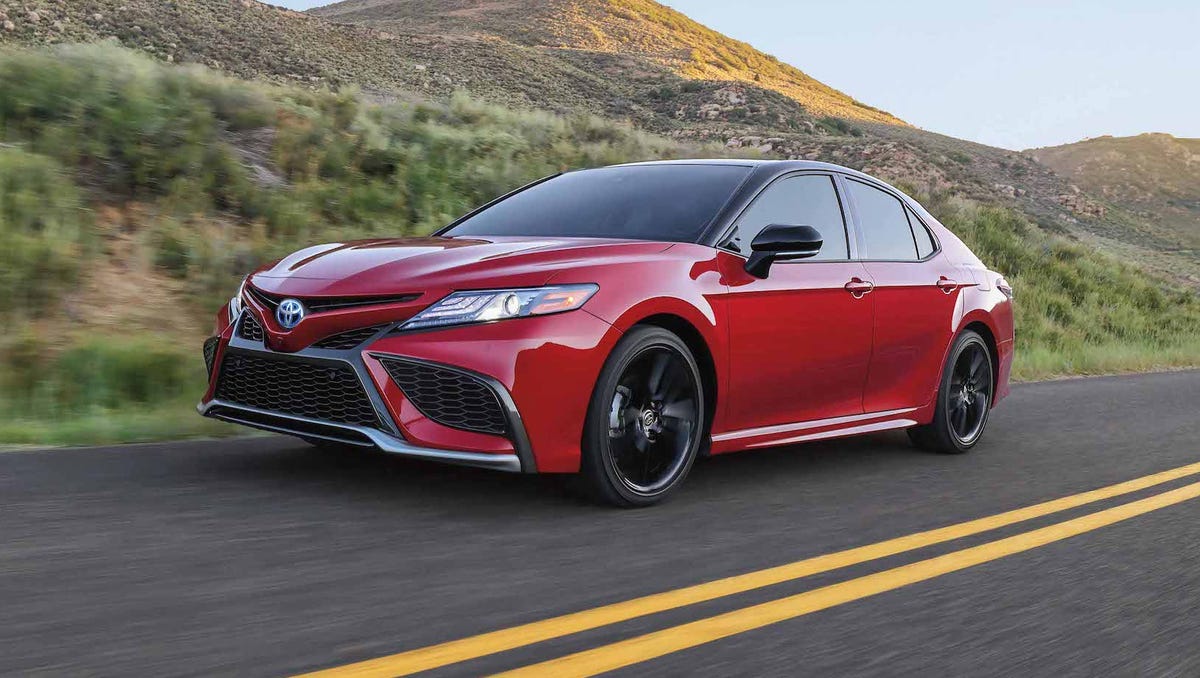
The Toyota Camry has earned a long-standing reputation as one of the most dependable midsize sedans in the global automotive market, consistently ranking high in reliability surveys and resale value charts.
Across multiple generations, it has become a preferred choice for families, commuters, and fleet operators due to its balance of comfort, fuel efficiency, low maintenance costs, and long engine life.
However, despite its strong reputation, not every Camry model year delivers the same level of reliability. Some years are considered near-perfect examples of Toyota engineering refinement, while others have documented issues related to engine oil consumption, transmission behavior, electrical inconsistencies, or early production design flaws during major redesign cycles.
When evaluating used Toyota Camry models, it is important to understand that reliability varies significantly depending on the generation, manufacturing year, and whether the model was produced during a redesign phase or a mature production phase.
Typically, Toyota vehicles perform best in the later years of a generation, when engineering improvements have already been applied, and production quality has stabilized.
On the other hand, first-year redesign models often introduce new technology, updated engines, or revised transmissions, which may initially lead to higher complaint rates or minor mechanical inconsistencies. This pattern is visible in certain Camry years, such as early sixth-generation models and the first year of the eighth generation.
In this guide, we analyze the five best Toyota Camry years to buy based on long-term durability, owner satisfaction, mechanical simplicity or refinement, and cost of ownership. These years are known for strong reliability records, fewer major recalls, and consistent performance even at higher mileage.
Many of these models are frequently recommended by mechanics and automotive experts because they offer a combination of proven engines, stable transmissions, and predictable maintenance needs.
At the same time, we also examine the five Toyota Camry years with known issues, highlighting the common problems reported by owners and service data trends.
These include concerns such as excessive oil consumption in certain four-cylinder engines, transmission hesitation in specific production years, infotainment glitches in early redesign models, and wear-related issues that appear more frequently in certain generations.
While not every vehicle in these years is defective, the probability of encountering repairs is statistically higher compared to the more reliable Camry model years.
This comparison is intended to help used car buyers make informed decisions by understanding which Toyota Camry years offer the best long-term value and which ones may require extra caution during inspection. By combining real-world ownership trends with mechanical insights, this guide provides a clear roadmap for choosing a Camry that fits both budget and reliability expectations.
Also Read: 8 Repairs That Cost More in Parts Than Labor
5 Best Toyota Camry Years to Buy
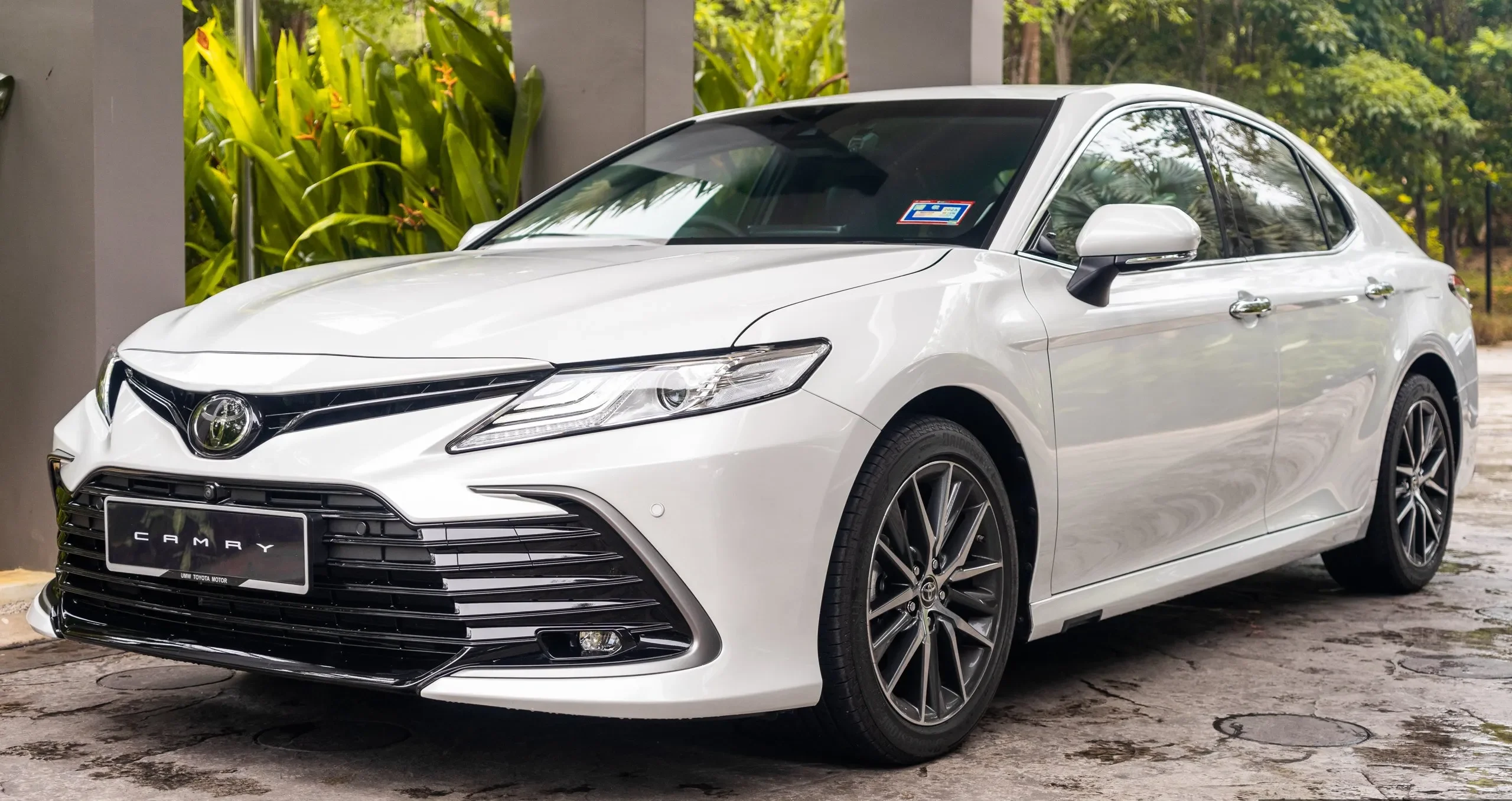
- Engine: 2.5L 4-cylinder / 3.5L V6 / 2.5L hybrid
- Horsepower: 203 hp (I4) / 301 hp (V6) / 208 hp (hybrid system)
- Torque: 184 lb-ft (I4) / 267 lb-ft (V6)
- Length: 192.1 inches
- Width: 72.4 inches
1. 2022 Toyota Camry (Best Modern Camry)
The 2022 Toyota Camry is widely regarded as one of the most refined and dependable modern versions of the Camry lineup. By this point in the eighth generation, Toyota had already resolved most early redesign-related issues that typically appear in the first few model years after a platform overhaul.
This means the 2022 model benefits from a mature engineering cycle, where components, software systems, and drivetrain calibrations have all been optimized for long-term stability rather than initial experimentation.
From a mechanical standpoint, the 2022 Camry offers a well-balanced combination of efficiency and durability. The 2.5-liter four-cylinder engine is known for its consistent performance and low failure rate when serviced regularly, while the optional V6 variant delivers strong acceleration without compromising reliability.
The hybrid version also stands out for its excellent fuel economy and proven Toyota Hybrid Synergy Drive system, which has been refined over multiple generations and is widely considered one of the most reliable hybrid systems in the industry.
In terms of driving experience, the 2022 model improves ride comfort and handling precision compared to earlier years. Suspension tuning feels more composed on uneven roads, and cabin insulation reduces road and wind noise more effectively, making long-distance driving more comfortable.
Toyota also enhanced its safety suite, including adaptive cruise control, lane keeping assist, and automatic emergency braking, which operate with improved accuracy and fewer false alerts compared to earlier implementations.
Interior quality is another strong point, with better materials, a more intuitive infotainment interface, and improved ergonomics. While it is not a luxury vehicle, it delivers a near-premium feel in everyday use.
The 2022 Camry is considered an excellent long-term purchase because it combines modern technology, strong resale value, and low maintenance requirements, making it one of the safest choices for buyers who want maximum reliability with minimal risk.
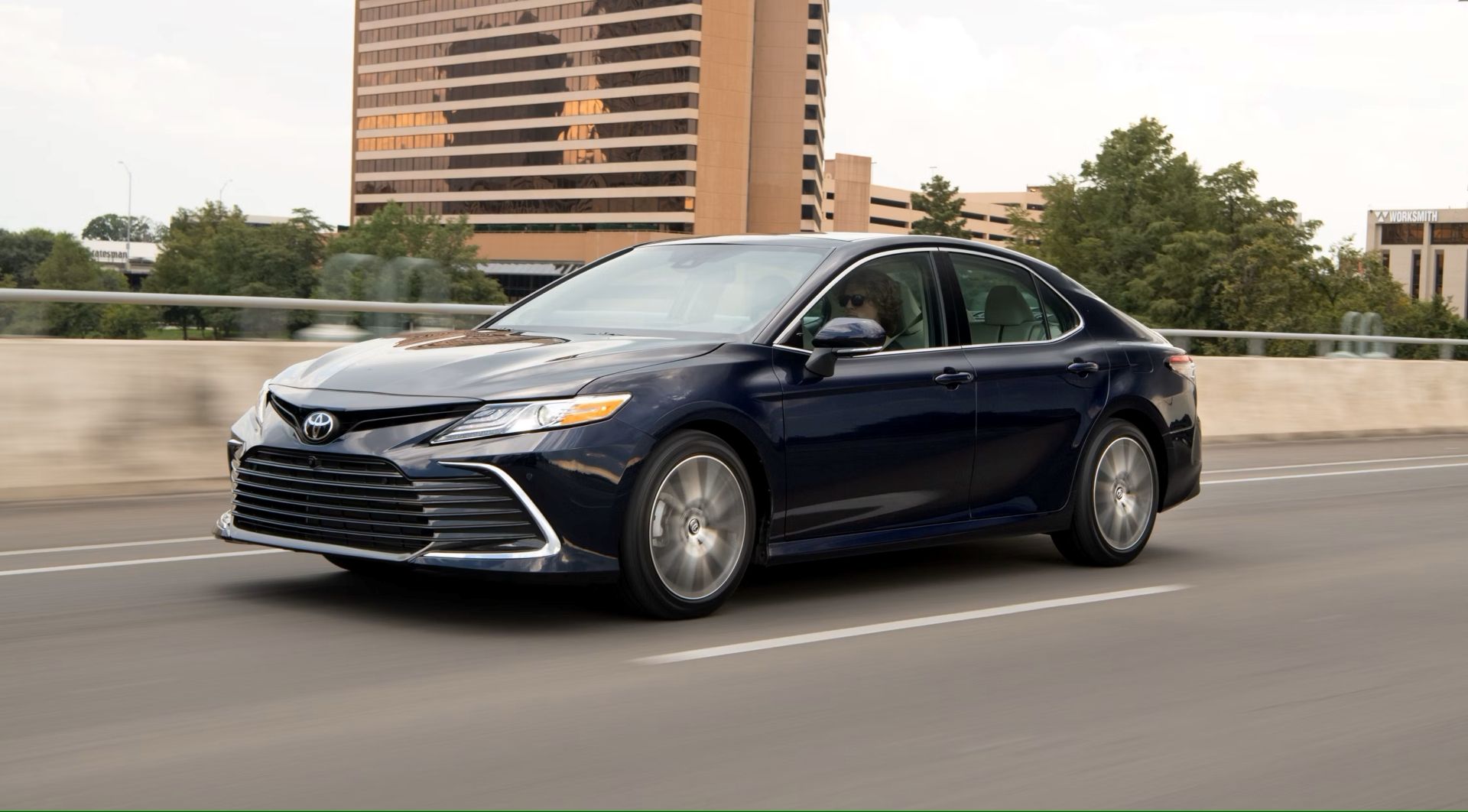
- Engine: 2.5L 4-cylinder / 3.5L V6 / 2.5L hybrid
- Horsepower: 203 hp (I4) / 301 hp (V6) / 208 hp (hybrid system)
- Torque: 184 lb-ft (I4) / 267 lb-ft (V6)
- Length: 192.1 inches
- Width: 72.4 inches
2. 2021 Toyota Camry
The 2021 Toyota Camry is another standout model year that reflects the maturity of the eighth-generation platform. By this stage, Toyota had already addressed early production inconsistencies that often appear in redesign years, resulting in a more polished and predictable vehicle.
This makes the 2021 Camry one of the most balanced options for used car buyers who want modern features without the higher cost of a brand-new model.
Mechanically, the 2021 Camry continues Toyota’s tradition of offering long-lasting engines with minimal maintenance concerns. The standard 2.5-liter engine is widely praised for its durability and efficiency, often reaching very high mileage with routine oil changes and basic servicing.
The transmission system also shows improved calibration compared to earlier eighth-generation models, resulting in smoother gear shifts and better responsiveness during acceleration and highway driving.
The hybrid variant of the 2021 Camry is particularly reliable, benefiting from years of refinement in Toyota’s hybrid technology. Owners frequently report excellent fuel economy combined with very low mechanical issues, making it an ideal choice for commuters and rideshare drivers. Battery longevity and regenerative braking systems are also well proven, reducing the likelihood of expensive hybrid system repairs over time.
Inside the cabin, the 2021 Camry offers a comfortable and user-friendly environment with improved infotainment responsiveness and better smartphone integration. Features like Apple CarPlay and Android Auto function more smoothly, and the digital interface is less laggy compared to earlier versions.
Safety features are also well integrated, with driver assistance systems working more consistently in real-world conditions. The 2021 Camry is highly recommended for buyers seeking a nearly new car experience with proven reliability and strong long-term ownership value.
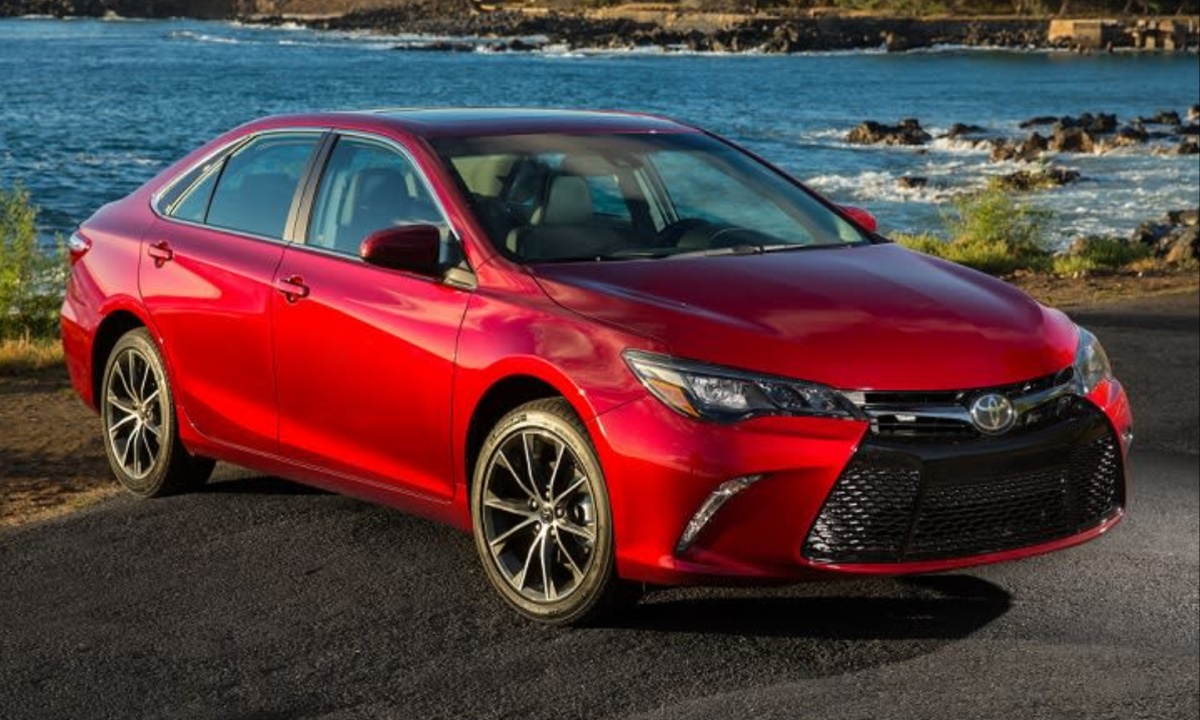
- Engine: 2.5L 4-cylinder / 3.5L V6
- Horsepower: 178 hp (I4) / 268 hp (V6)
- Torque: 170 lb-ft (I4) / 248 lb-ft (V6)
- Length: 190.9 inches
- Width: 71.7 inches
3. 2017 Toyota Camry
The 2017 Toyota Camry is often considered one of the most dependable vehicles from the seventh generation, largely because it represents the final production year of that platform.
Final year models typically benefit from years of incremental improvements, meaning most early design flaws and manufacturing inconsistencies have already been corrected. This makes the 2017 Camry a highly stable and predictable option in the used car market.
One of the strongest advantages of the 2017 Camry is its mechanical simplicity compared to newer models. It uses a more traditional six-speed automatic transmission, which is widely regarded as reliable and easier to maintain than the newer eight-speed systems introduced in later generations.
The 2.5-liter four-cylinder engine is known for its longevity and can easily exceed high mileage thresholds when properly maintained. The available V6 engine also offers strong performance without significantly sacrificing reliability.
In terms of ride quality, the 2017 Camry provides a comfortable and composed driving experience. While it may not feel as modern or sporty as newer models, it excels in smoothness and predictability.
Suspension tuning is well-balanced for daily commuting, and the vehicle handles highway driving with stability and confidence. Road noise is slightly higher compared to newer Camrys, but still within acceptable limits for its class.
The interior design is functional and durable, focusing more on practicality than luxury. Controls are straightforward, and physical buttons make the system easy to operate without distraction.
Although it lacks some of the advanced infotainment and safety technologies found in newer models, the 2017 Camry compensates with proven reliability, lower repair complexity, and strong long-term durability. It remains one of the best used Camry options for buyers prioritizing mechanical dependability over modern features.
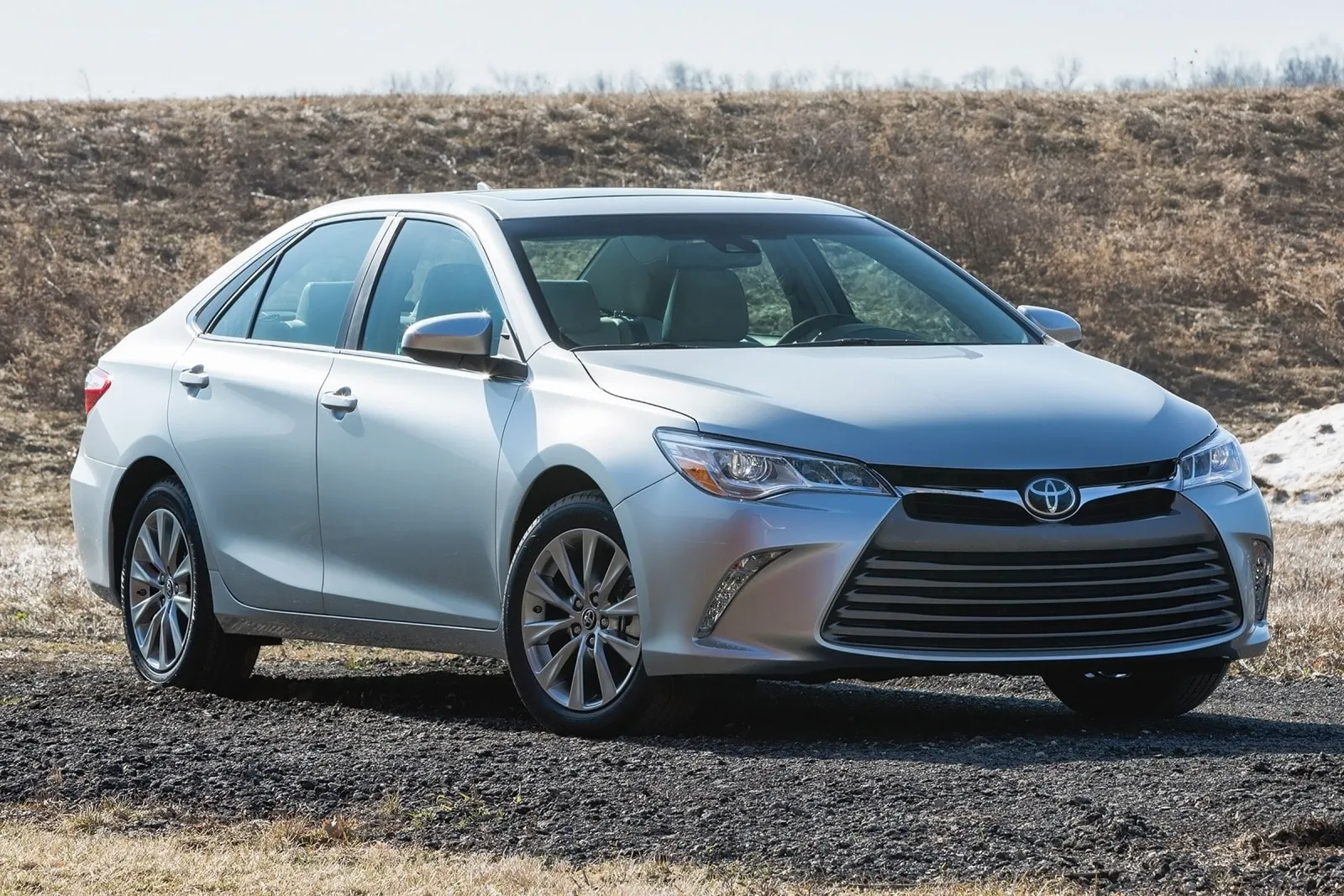
- Engine: 2.5L 4-cylinder / 3.5L V6
- Horsepower: 178 hp (I4) / 268 hp (V6)
- Torque: 170 lb-ft (I4) / 248 lb-ft (V6)
- Length: 190.9 inches
- Width: 71.7 inches
4. 2015 Toyota Camry
The 2015 Toyota Camry belongs to the mid-cycle refresh period of the seventh generation, which is generally considered a stable phase in the model’s lifecycle.
By this point, Toyota had already refined many of the early seventh-generation issues, resulting in improved build quality, better interior materials, and more consistent mechanical performance. This makes the 2015 Camry a strong contender for budget-conscious buyers seeking reliability.
From an engine perspective, the 2015 Camry offers dependable performance with both four-cylinder and V6 options. The 2.5-liter engine is particularly known for its longevity and low maintenance requirements, provided that regular oil changes and basic servicing are followed.
The six-speed automatic transmission used in this model year is also considered robust, with fewer reported issues compared to earlier generations of Toyota transmissions.
Driving dynamics in the 2015 Camry are focused on comfort and ease of use. The suspension setup absorbs road imperfections well, making it suitable for daily commuting and long highway drives. Steering feel is light and predictable, which is ideal for city driving and less experienced drivers. While it does not offer sporty handling, it excels in providing a stable and stress-free driving experience.
Inside the cabin, the 2015 Camry offers a simple and practical layout. Materials are durable and designed for long-term use rather than luxury appeal. Infotainment features are basic compared to modern standards, but the system is reliable and easy to operate.
The 2015 Camry remains a highly dependable used car option that balances affordability, reliability, and low ownership costs, making it a popular choice in the used vehicle market.
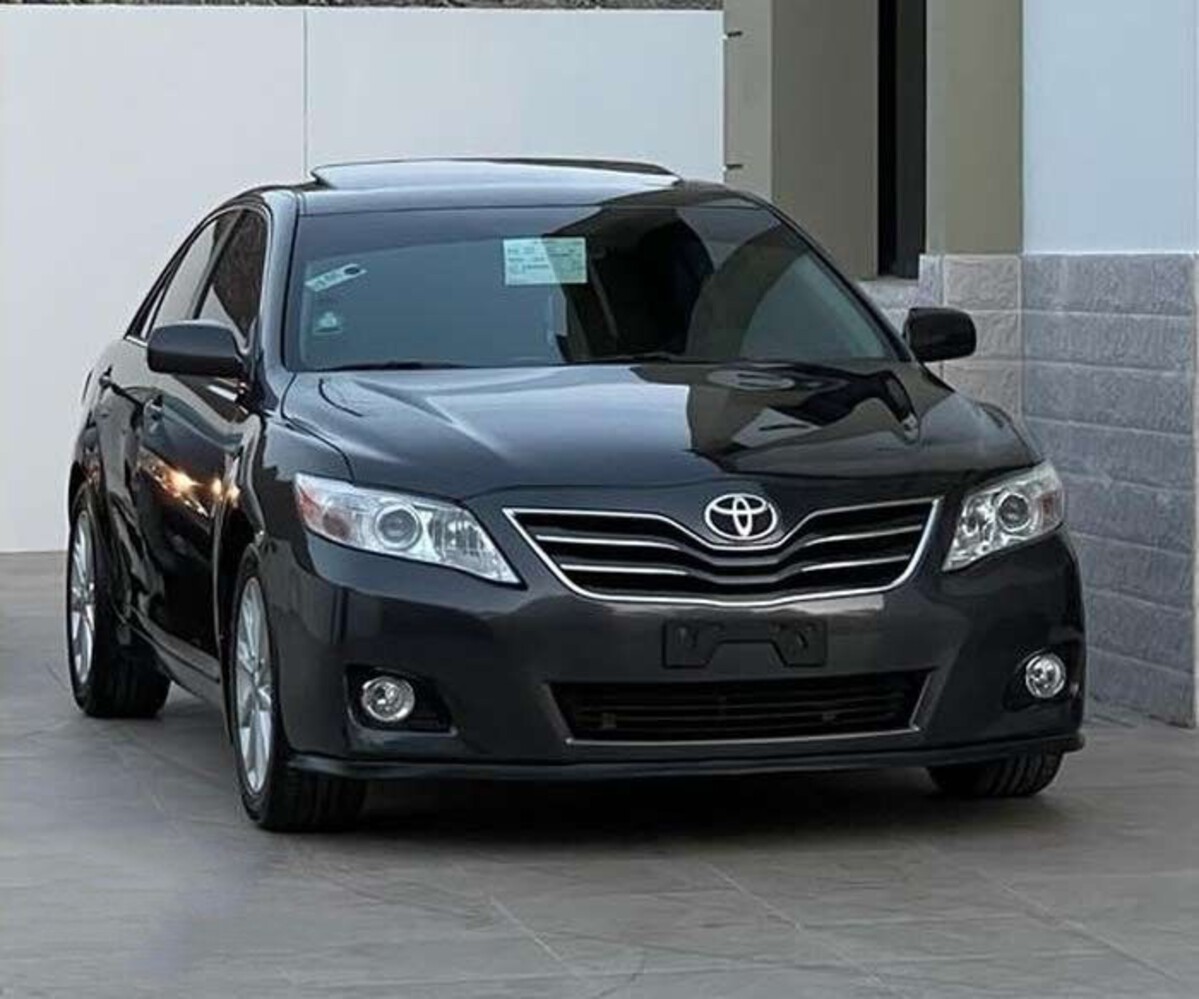
- Engine: 2.4L 4-cylinder / 3.0L or 3.3L V6
- Horsepower: 157 hp (I4) / 210 to 225 hp (V6, depending on version)
- Torque: 162 lb-ft (I4) / 220 to 240 lb-ft (V6)
- Length: 189.2 inches
- Width: 70.7 inches
5. 2005 Toyota Camry
The 2005 Toyota Camry is widely respected as one of the most durable and mechanically straightforward vehicles from the fifth generation. This era of Camry design is known for its simplicity, which plays a major role in its long-term reliability.
With fewer electronic systems and less complex drivetrain components compared to newer models, the 2005 Camry has fewer potential failure points, making it a favorite among buyers seeking long-lasting transportation.
The engine options in the 2005 Camry are known for their strong durability, especially the four-cylinder variant, which is capable of reaching extremely high mileage with basic maintenance. The V6 engine also offers smooth power delivery and reliable long-term performance when properly serviced. These engines are widely regarded as some of Toyota’s most robust designs from the early 2000s era.
Transmission performance in the 2005 Camry is generally reliable, with a focus on smooth and predictable shifting. While it lacks the refinement of modern multi-speed transmissions, its simpler design contributes to fewer long-term mechanical issues. Suspension components are also durable and relatively inexpensive to repair, which helps reduce ownership costs.
The interior of the 2005 Camry is basic but functional, prioritizing durability over modern aesthetics or technology. Controls are simple, visibility is excellent, and the driving experience is straightforward.
Although it lacks advanced safety systems and infotainment features found in newer vehicles, its reputation for reliability and low maintenance costs makes it an excellent option for buyers seeking an affordable and long-lasting used car.
Also Read: 8 Luxury SUVs That Become Bargains the Moment the Warranty Ends
5 Toyota Camry Years With Known Issues
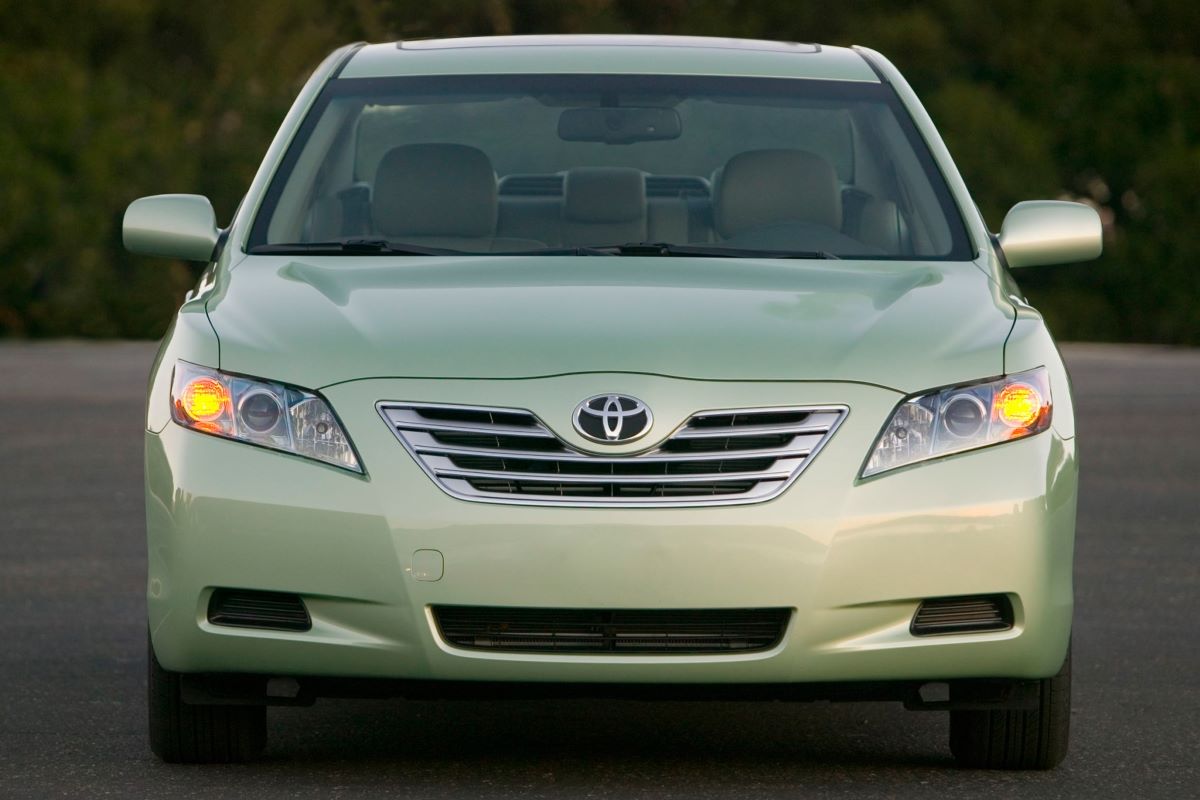
- Engine: 2.4L 4-cylinder / 3.5L V6
- Horsepower: 158 hp (I4) / 268 hp (V6)
- Torque: 161 lb-ft (I4) / 248 lb-ft (V6)
- Length: 189.2 inches
- Width: 71.7 inches
1. 2007 Toyota Camry (High Complaint Year)
The 2007 Toyota Camry is widely considered one of the most problematic model years in the Camry lineup, largely due to issues that appeared during the sixth-generation redesign phase.
While the redesign introduced a more modern look and improved interior space, it also came with several early production challenges that affected long-term reliability for a noticeable number of owners. This model year stands out in consumer complaint data primarily because certain mechanical issues became widespread enough to form a recognizable pattern rather than isolated cases.
One of the most frequently reported problems in the 2007 Camry is excessive engine oil consumption, especially in the 2.4-liter four-cylinder engine. Many owners reported having to add oil between regular service intervals, which is not typical for well-maintained Toyota engines.
In more severe cases, this issue was linked to internal engine wear, including piston ring problems that allowed oil to burn during normal operation. While not every vehicle is affected, the frequency of reports makes it a significant concern for used buyers.
Transmission-related complaints also appear in this model year, with some drivers experiencing hesitation, rough shifting, or delayed engagement when accelerating.
These issues tend to become more noticeable as mileage increases, especially if transmission fluid maintenance was not performed regularly. Although some vehicles remain reliable, the inconsistency in transmission performance contributes to the reputation of the 2007 Camry as a higher-risk purchase compared to other Toyota years.
Interior quality degradation is another commonly mentioned issue, particularly with dashboard materials that can become sticky, cracked, or visually worn over time due to heat exposure.
Electrical and minor sensor-related issues have also been reported, including occasional warning lights and inconsistent accessory operation. While the 2007 Camry can still be a functional vehicle with proper maintenance, it carries enough documented issues that buyers should proceed with caution and conduct a thorough inspection before purchase.
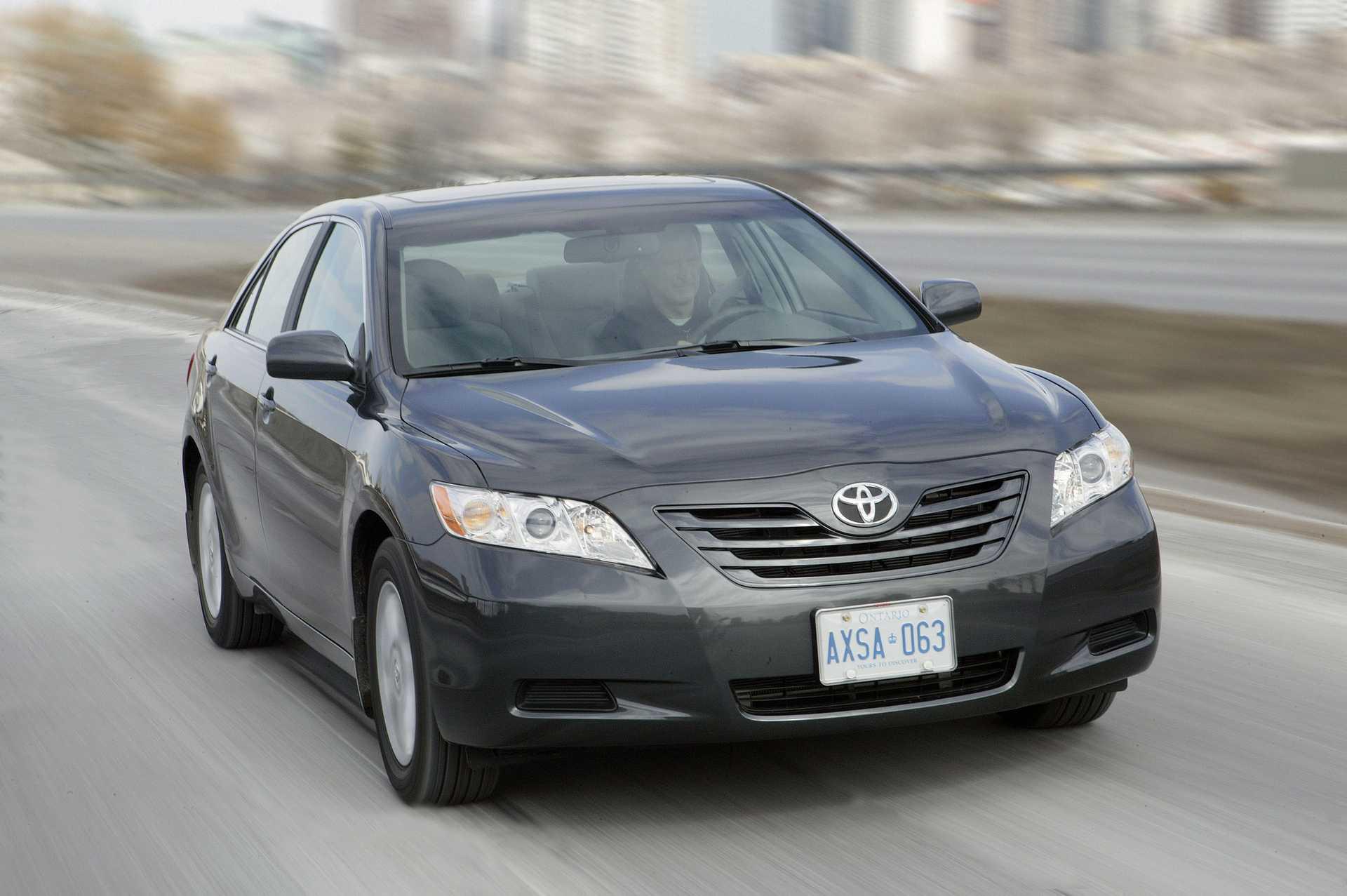
- Engine: 2.4L 4-cylinder / 3.5L V6
- Horsepower: 158 hp (I4) / 268 hp (V6)
- Torque: 161 lb-ft (I4) / 248 lb-ft (V6)
- Length: 189.2 inches
- Width: 71.7 inches
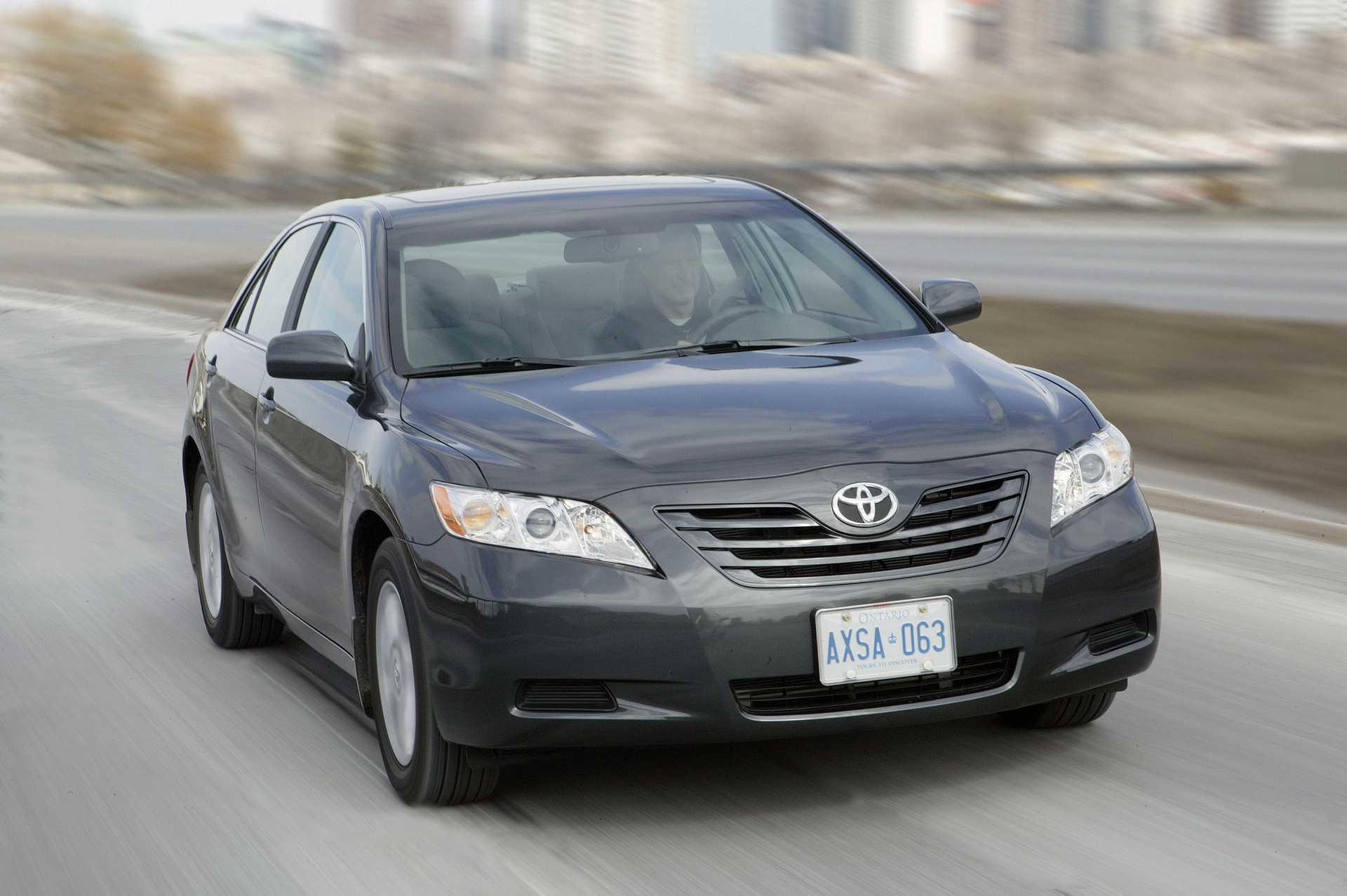
2. 2008 Toyota Camry (Oil Consumption and Engine Wear Issues)
The 2008 Toyota Camry continues many of the same reliability concerns seen in the 2007 model, making it another year that is often flagged in used car discussions.
As part of the same generation, it shares many mechanical components and design characteristics, which means several of the earlier issues carried over with only minor improvements. While Toyota made some adjustments, they were not enough to fully eliminate the patterns of complaints associated with this period.
The most significant issue remains engine oil consumption, particularly in the four-cylinder engine variants. Owners frequently reported that oil levels would drop noticeably between standard oil change intervals, sometimes requiring frequent top-ups to maintain safe engine operation. Over time, this can increase maintenance costs and, if ignored, may lead to accelerated engine wear or reduced engine lifespan.
Transmission performance in the 2008 Camry also receives mixed reviews. Some vehicles operate smoothly, but a noticeable number of owners reported hesitation during acceleration, rough shifting, or inconsistent gear changes.
These symptoms often become more apparent in higher mileage vehicles or those that have not had consistent transmission servicing. While not universally defective, the variability in performance reduces confidence for long-term ownership.
In addition to mechanical concerns, there are also reports of suspension wear and interior aging issues. Components such as struts and bushings may wear earlier than expected in some cases, leading to a less comfortable ride over time.
Interior materials, while generally acceptable, can show wear more quickly in hot climates, especially on dashboards and door panels. The 2008 Camry is considered a cautious purchase due to its overlap with known engine and transmission concerns.
- Engine: 2.4L 4-cylinder / 3.5L V6
- Horsepower: 158 hp (I4) / 268 hp (V6)
- Torque: 161 lb-ft (I4) / 248 lb-ft (V6)
- Length: 189.2 inches
- Width: 71.7 inches
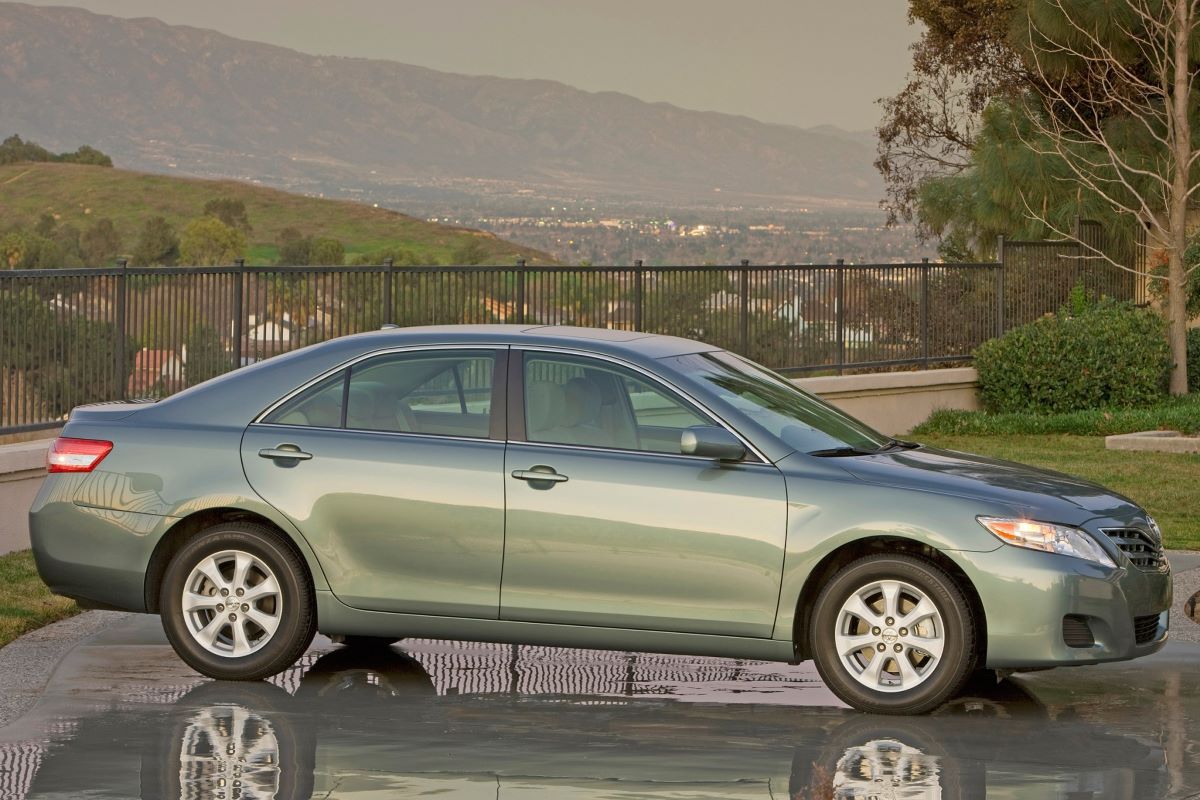
3. 2009 Toyota Camry (Transmission and Engine Concerns)
The 2009 Toyota Camry is often viewed as a transitional year within the sixth generation, but it still carries forward several reliability concerns from earlier models. While Toyota worked to refine the platform, many of the underlying mechanical issues were still present, leading to continued owner complaints. As a result, this model year does not fully escape the reputation established by the 2007 and 2008 versions.
Engine oil consumption remains one of the most discussed issues in the 2009 Camry, particularly in four-cylinder models. Owners have reported gradual oil loss between service intervals, which can be frustrating and costly over time.
In some cases, this issue is linked to long-term internal engine wear, especially when maintenance schedules were not strictly followed. While not every vehicle experiences this problem, the recurrence rate is high enough to be a concern.
Transmission-related complaints are also more noticeable in this model year compared to later Camrys. Some drivers report rough or delayed shifting, especially during city driving conditions or when accelerating from a stop.
These symptoms may be linked to transmission wear, software calibration issues, or lack of proper fluid maintenance. Regardless of the cause, they contribute to a less consistent driving experience compared to more reliable Camry years.
Electrical and minor component issues are also occasionally reported, including sensor malfunctions and dashboard warning lights that appear intermittently. Suspension wear can also become a concern in higher mileage vehicles, affecting ride comfort and stability.
The 2009 Camry is considered a moderate risk used car purchase, and buyers should prioritize vehicles with detailed maintenance records and thorough mechanical inspections before committing.
- Engine: 2.5L 4-cylinder / 3.5L V6
- Horsepower: 169 hp (I4) / 268 hp (V6)
- Torque: 167 lb-ft (I4) / 248 lb-ft (V6)
- Length: 189.2 inches
- Width: 71.7 inches
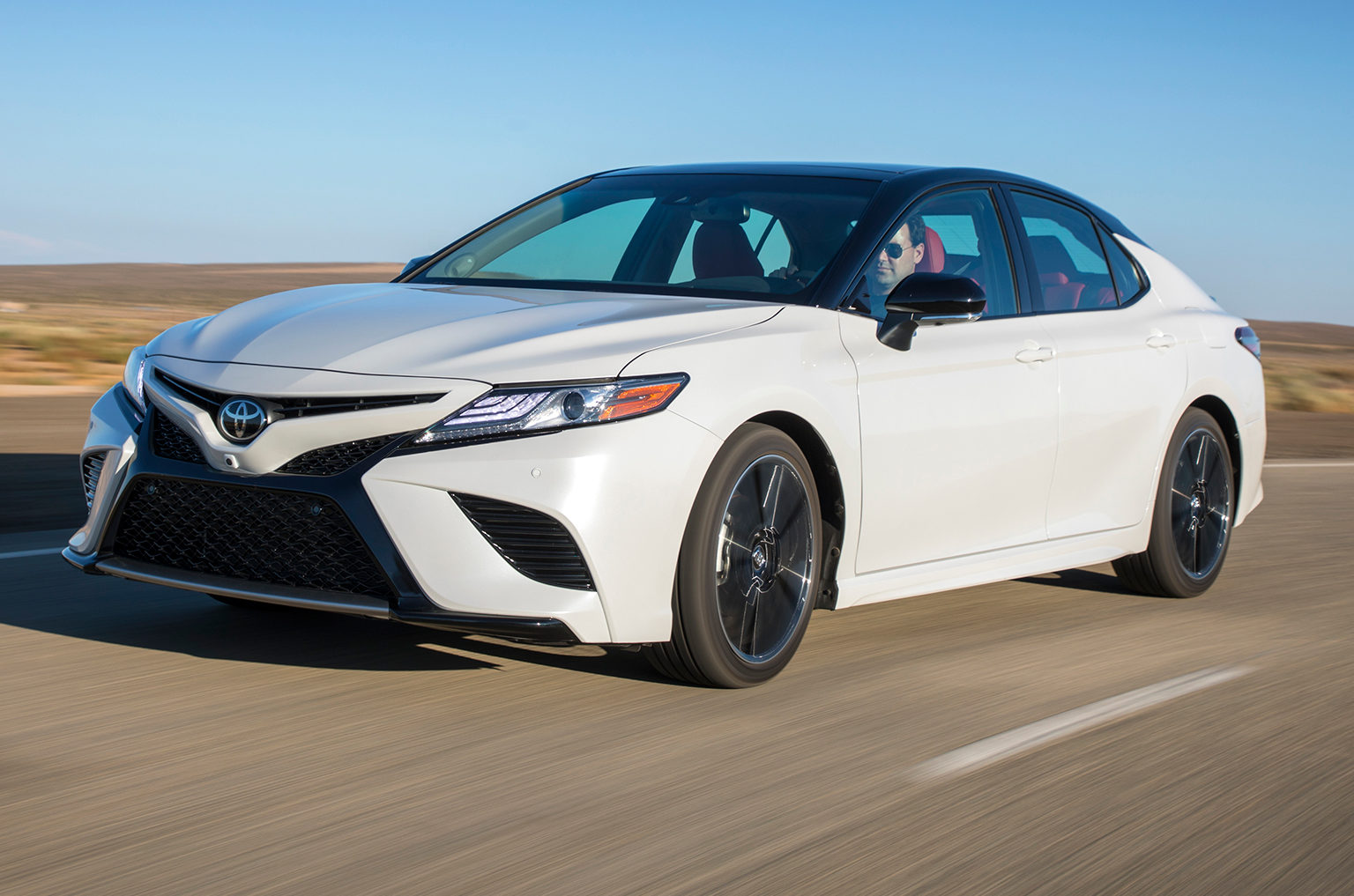
4. 2010 Toyota Camry (Mixed Reliability with Transmission Complaints)
The 2010 Toyota Camry is often described as a mixed reliability year, meaning that while many vehicles perform well, there is enough variation in reported issues to make it less consistent than other Toyota model years. It sits near the end of the sixth generation, but it still carries some unresolved concerns that affect owner satisfaction and long-term dependability for certain units.
Transmission performance is one of the most commonly mentioned concerns in the 2010 Camry. Some drivers report hesitation during acceleration, rough or delayed gear changes, and inconsistent shifting behavior under load.
These issues are not universal, but they appear frequently enough to be a known pattern among higher mileage vehicles or those with incomplete maintenance histories.
Engine reliability is generally better than in earlier sixth-generation years, but some owners still report minor oil consumption and reduced efficiency over time. While not as severe as the 2007 or 2008 models, it remains something to monitor, especially in vehicles with higher mileage. Regular maintenance plays a critical role in preventing these issues from becoming more serious.
In addition to drivetrain concerns, some electrical and comfort-related issues have been reported, including sensor glitches and minor infotainment or dashboard inconsistencies. Suspension components may also begin to show wear in older units, affecting ride quality and road stability.
The 2010 Camry is a relatively safer choice compared to earlier problematic years, but it is still considered less reliable than later generations that benefited from further refinement.
- Engine: 2.5L 4-cylinder / 3.5L V6 / 2.5L hybrid
- Horsepower: 203 hp (I4) / 301 hp (V6) / 208 hp (hybrid system)
- Torque: 184 lb-ft (I4) / 267 lb-ft (V6)
- Length: 192.1 inches
- Width: 72.4 inches
5. 2018 Toyota Camry (Redesign Year Issues)
The 2018 Toyota Camry marks the beginning of the eighth generation and represents a major redesign in styling, engineering, and technology. While the redesign was highly praised for its improved driving dynamics, fuel efficiency, and modern design language, first-year models of a new generation often experience early production inconsistencies, and the 2018 Camry is no exception.
One of the most commonly reported concerns involves transmission behavior, particularly in early production units. Some drivers experienced hesitation, rough shifting, or inconsistent response from the new eight-speed automatic transmission.
While many of these issues were later refined in subsequent model years, the 2018 version reflects the initial tuning stage of a completely new transmission system.
Infotainment and electronic systems also generated complaints in some vehicles. Owners reported occasional glitches, slow response times, or connectivity issues with smartphone integration systems. Although these problems are typically software-related rather than mechanical failures, they still impact user satisfaction and perceived quality.
Another area of concern involves driver assistance systems, which in early production versions sometimes exhibited calibration inconsistencies. Features like adaptive cruise control and lane keeping assist may have behaved less smoothly compared to later refinements. These issues were not severe enough to undermine safety, but they did affect comfort and confidence for some drivers.
Despite these early-generation issues, it is important to note that many 2018 Camry vehicles remain reliable with proper maintenance.
However, compared to later models like 2019 and beyond, the 2018 version is generally considered less refined. Buyers in the used market often prefer later eighth-generation Camrys due to improved software stability and smoother drivetrain performance.
