Winter driving places unique demands on both vehicles and drivers, often revealing how unprepared many people are when temperatures drop. Cold weather affects nearly every system in a car, from engine performance and battery efficiency to tire grip and windshield visibility.
While most drivers focus on obvious winter preparations such as checking antifreeze levels or scraping ice off windows, modern vehicles are equipped with a range of built-in cold-weather features that are designed to make driving safer, more comfortable, and more efficient.
The problem is that many of these features are either overlooked, misunderstood, or simply forgotten after the initial excitement of buying the vehicle fades.
In today’s cars, manufacturers integrate advanced systems that respond automatically or can be manually activated to handle freezing conditions. These include technologies that warm up the cabin before you even step inside, improve visibility during foggy mornings, enhance tire traction on slippery roads, and protect mechanical components from cold stress.
Despite their usefulness, drivers often rely only on basic controls like the heater or defroster while ignoring more specialized settings that can significantly improve winter driving safety and comfort.
Understanding these features is not just about convenience. It is also about reducing wear on your vehicle and improving road safety. For example, using traction control correctly can prevent skidding on icy roads, while activating heated mirrors can eliminate blind spots caused by frost.
Similarly, using remote start systems or engine pre-conditioning features can reduce engine strain during cold starts, which is one of the most damaging moments for any vehicle in winter conditions.
Many drivers also underestimate how much cold weather impacts human behavior. In freezing temperatures, reaction times can slow, visibility can decrease, and discomfort can lead to distracted driving.
This makes it even more important to rely on built-in vehicle technologies that support safer driving conditions. Features like automatic climate control defogging, heated seats, and advanced windshield systems are designed specifically to reduce these risks.
This article explores seven hidden cold-weather features that most drivers forget to use. Each feature plays a crucial role in improving safety, comfort, or vehicle performance during winter. By understanding how these systems work and when to use them, drivers can make winter travel significantly safer and far more manageable.
Also Read: 7 Most Reliable Motorcycles You Can Buy Today
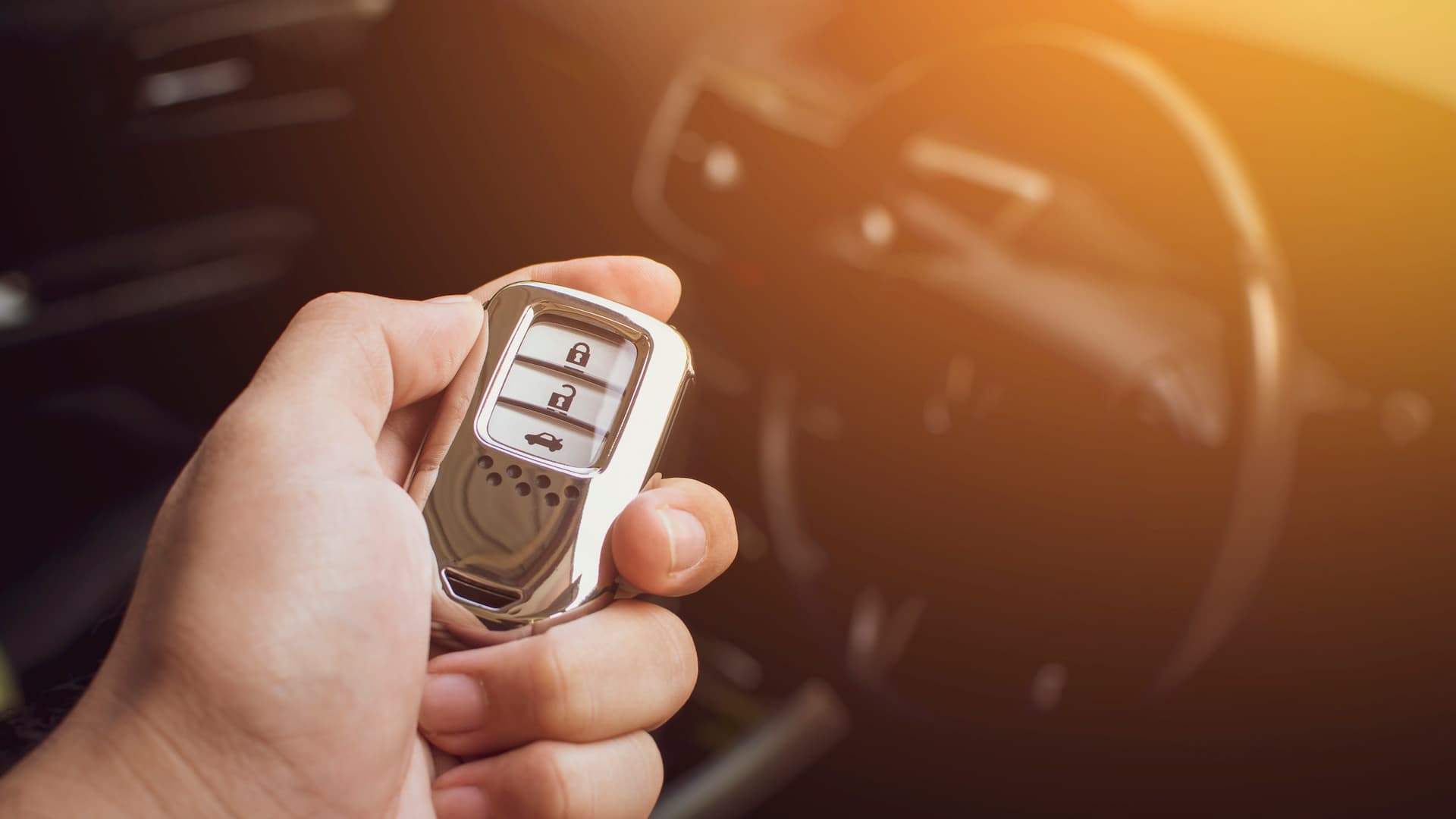
1. Remote Start and Cabin Preheating System
Remote start is one of the most underused yet highly valuable cold-weather features in modern vehicles. Many drivers see it as a luxury convenience rather than a winter necessity, but its real purpose becomes clear during freezing mornings.
When used correctly, remote start allows the engine to warm up gradually while simultaneously preheating the cabin, reducing the discomfort of stepping into a cold car and improving initial driving performance. This system is especially useful in regions where temperatures drop significantly overnight, causing ice buildup and thick frost on windows.
Cold weather can make startup conditions more demanding because thicker oil does not lubricate engine components as efficiently. By starting the vehicle before use, remote start helps the engine begin reaching optimal operating conditions.
By allowing the engine to warm up before driving, remote start helps circulate oil more effectively, reducing wear and extending engine life. This simple step can make a noticeable difference in long-term vehicle maintenance, especially for drivers who frequently operate in harsh winter conditions.
Another important aspect is windshield defrosting and visibility improvement. When the cabin begins warming up before you enter the vehicle, ice and fog on the windshield start to clear naturally.
This reduces the need for manual scraping and helps ensure that you begin your drive with better visibility. Many drivers rush this process or skip it entirely, which can lead to unsafe driving conditions in the first few minutes of travel.
Remote start also improves comfort and focus. Driving in extreme cold can be distracting, especially when your body is still adjusting to the temperature difference.
A pre-warmed cabin helps drivers settle in more quickly, improving reaction times and reducing stress during early morning commutes. This can be especially valuable for long drives or when traveling with children or elderly passengers.
Finally, remote start systems often integrate with modern climate control settings, meaning the vehicle automatically adjusts temperature, seat heating, and defogging systems. Despite this intelligent automation, many drivers never customize or fully use these settings, missing out on one of the most effective cold-weather comfort features available in modern cars.
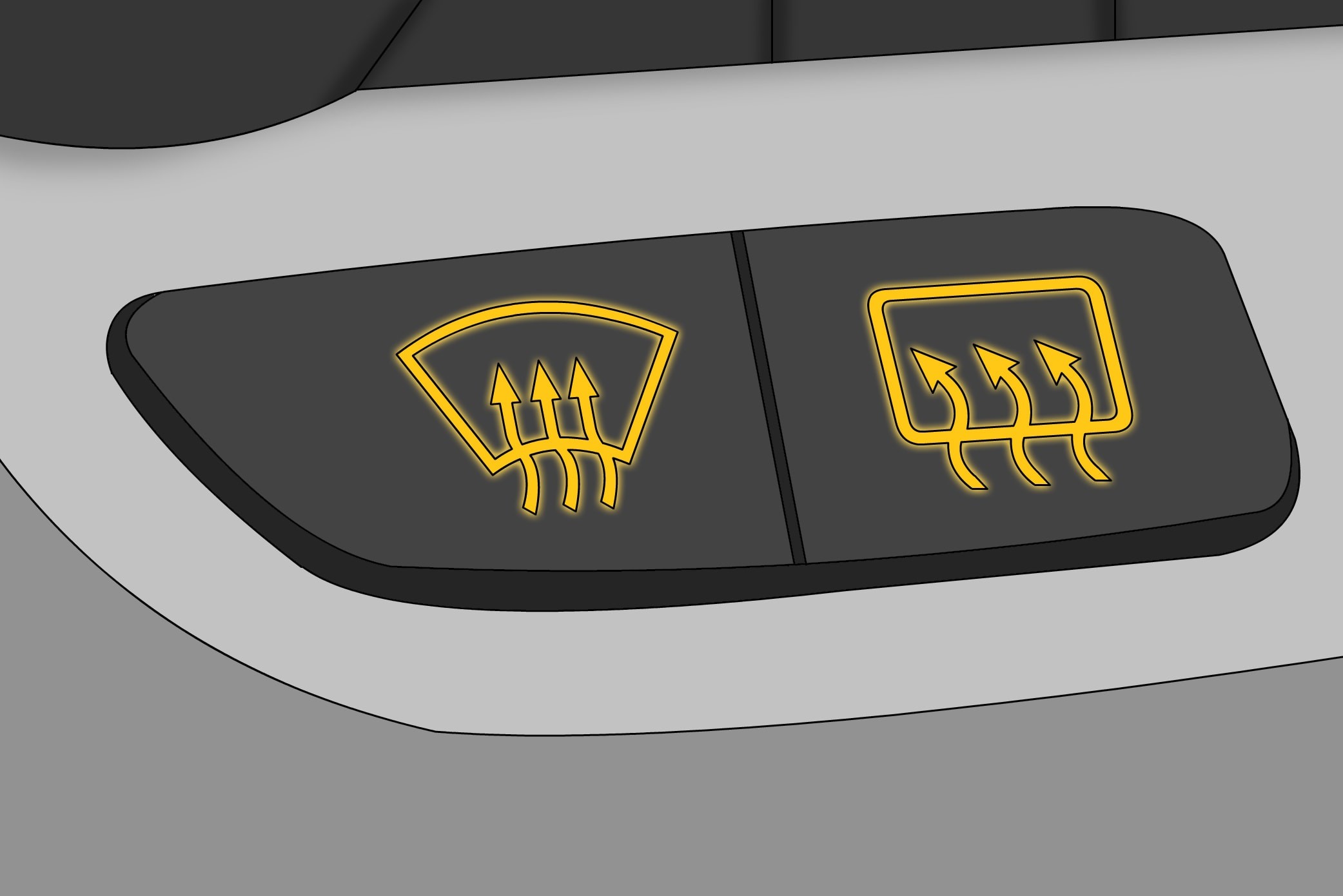
2. Heated Rear Window Defogger and Visibility System
The heated rear window defogger is one of the oldest yet most overlooked cold-weather features in vehicles. Almost every modern car includes it, but many drivers either forget to activate it or do not fully understand its importance.
This system uses thin electrical heating lines embedded in the rear windshield to remove condensation, frost, and ice buildup. While it may seem simple, its impact on driving safety is significant, especially during early mornings or snowy conditions.
Improving rear visibility is the primary purpose of a rear defogger. During cold weather, frost and moisture can rapidly build up on the rear window, obstructing the driver’s view and creating significant blind spots.
This becomes especially hazardous when changing lanes, reversing, or moving through heavy traffic. Activating the defogger restores a clear rear view, reducing reliance on side mirrors alone and improving awareness of surrounding road conditions.
Another often ignored benefit is its speed and efficiency. Unlike manual scraping, which can take several minutes and still leave patches of ice, the heated system gradually and evenly clears the entire surface.
This consistent heating helps prevent streaking and refreezing, which can occur when temperatures fluctuate rapidly. It is also safer because it avoids the risk of scratching the glass, which is common when using improper scraping tools.
The rear defogger also plays a role in maintaining cabin humidity balance. During cold weather, interior condensation forms quickly due to temperature differences between inside and outside air.
While front defoggers and air conditioning systems handle the windshield, the rear defogger ensures that visibility remains consistent in all directions. Many drivers focus only on the front windshield, forgetting that rear visibility is equally important for safe driving decisions.
Despite being highly effective, the system is often underused because drivers assume it consumes excessive power or is only necessary during heavy snowfall. In reality, modern systems are energy efficient and designed for frequent use during cold weather.
Using it regularly not only improves safety but also ensures that your vehicle remains fully prepared for unpredictable winter conditions.
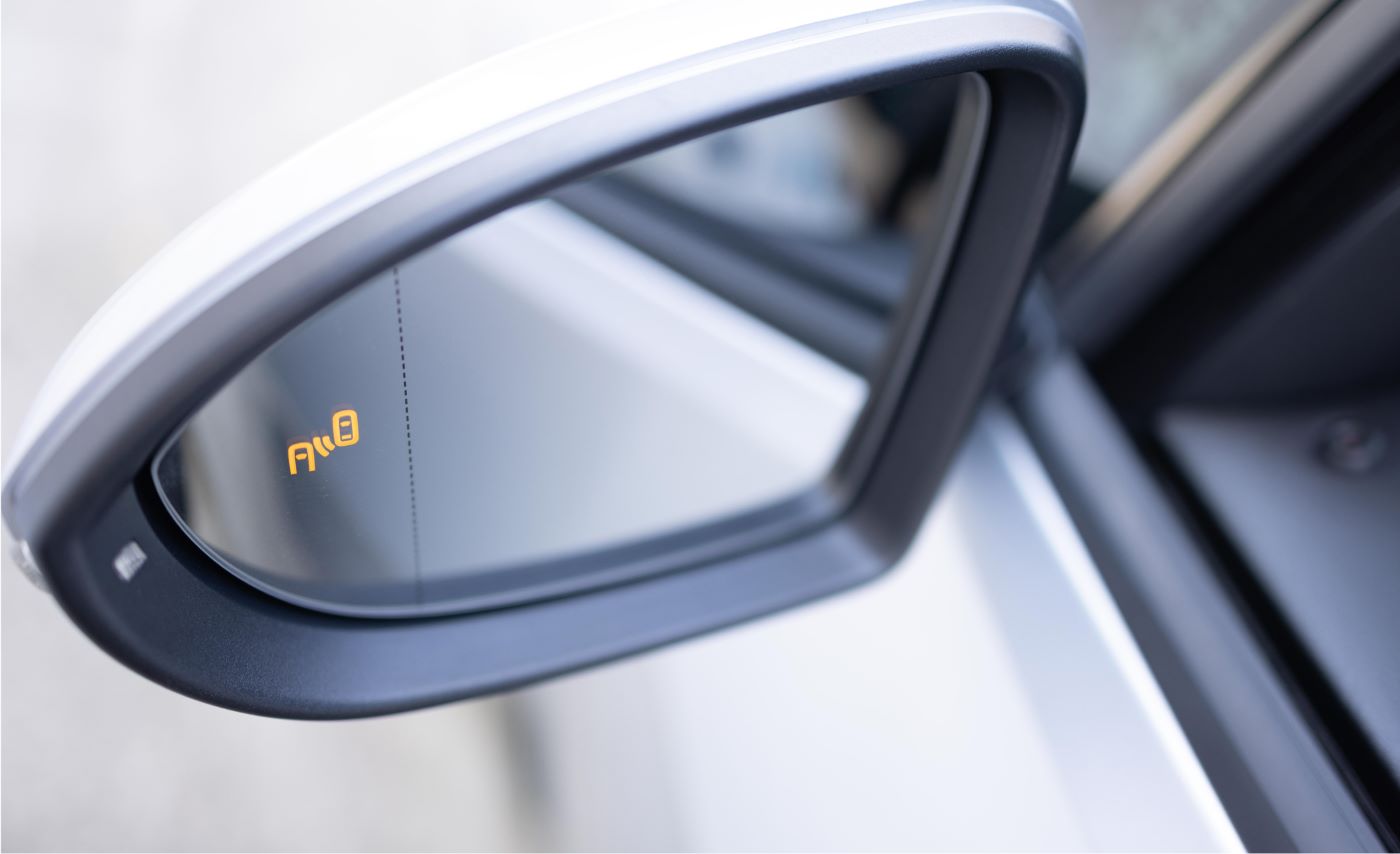
3. Heated Side Mirrors for Frost-Free Visibility
Heated side mirrors are a hidden yet extremely important safety feature that many drivers overlook, especially in cold climates. These mirrors are designed to automatically or manually warm the mirror surface, preventing frost, ice, and condensation buildup.
Without this feature, side mirrors can become completely obscured during winter mornings, creating dangerous blind spots when changing lanes or merging into traffic.
Heated side mirrors help preserve clear visibility in cold weather by preventing frost, ice, and condensation from obstructing the glass. In many vehicles, they activate automatically or operate in conjunction with the rear defogger.
This means drivers can rely on consistent mirror clarity without needing to stop and manually clean them. This is particularly useful during snowfall or freezing rain, where mirrors can quickly become unusable.
Another important benefit is improved safety during highway driving. Side mirrors play a crucial role in monitoring surrounding traffic, especially at high speeds where quick decisions are necessary. When mirrors are blocked by ice or fog, drivers may misjudge distances or fail to see approaching vehicles. Heated mirrors eliminate this risk by ensuring that visibility remains consistent throughout the journey.
Heated mirrors also reduce physical effort and time spent preparing the vehicle in the morning. Scraping ice from mirrors is not only inconvenient but can also damage the mirror surface if done aggressively.
The built-in heating system removes this need entirely, allowing drivers to start their journeys faster and more safely. This is particularly valuable for those who park outdoors during winter.
Despite these benefits, many drivers either forget the feature exists or assume it is always active automatically. In reality, some vehicles require manual activation or specific climate settings for the system to function. Understanding how your vehicle handles heated mirrors ensures you can fully take advantage of this simple but powerful winter driving tool.
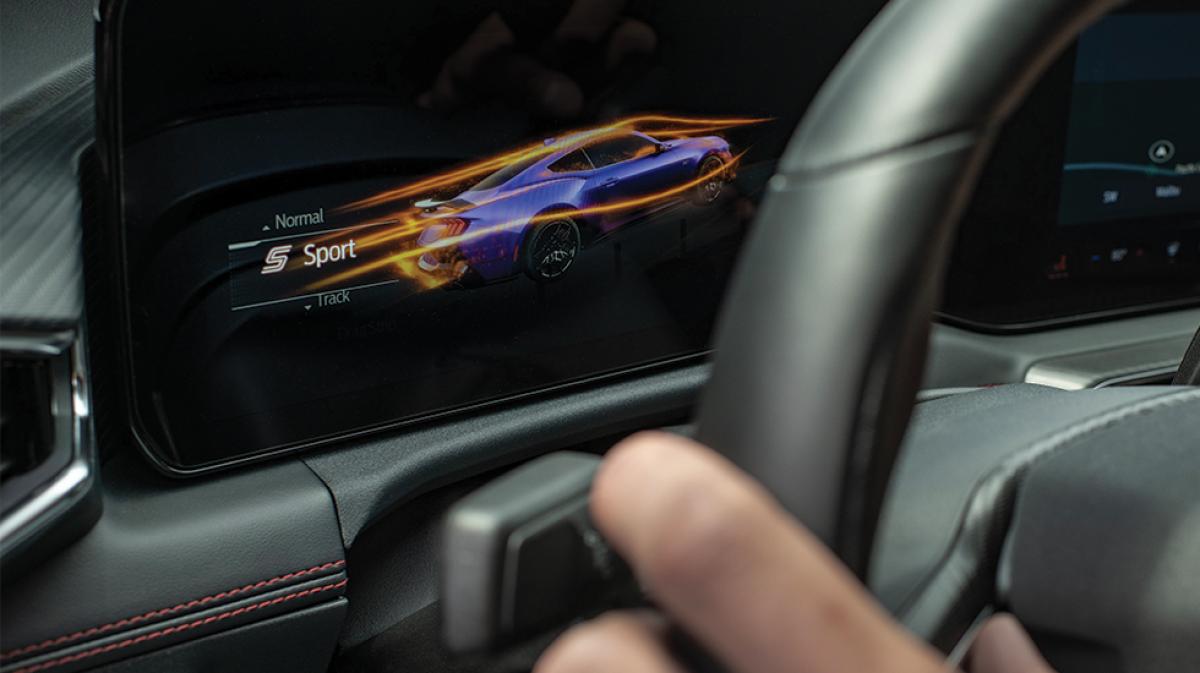
4. Traction Control and Winter Stability Modes
Traction control and electronic stability systems are among the most important safety technologies in modern vehicles, yet they are often misunderstood or ignored during winter driving.
These systems are designed to prevent wheel slip, improve grip on icy or snowy roads, and maintain vehicle stability during sudden maneuvers. While they operate automatically in most situations, many cars also offer specialized winter or snow modes that adjust performance characteristics for improved control.
Traction control systems monitor wheel speed to detect slip during acceleration. If a loss of traction is identified, the system intervenes by reducing engine output or applying brake pressure to the slipping wheel.
This helps the vehicle maintain forward motion without sliding, which is especially useful when starting from a stop on icy roads or climbing gentle slopes covered in snow.
Winter driving modes take this functionality further by adjusting throttle response, transmission behavior, and sometimes even braking sensitivity.
These adjustments make the vehicle less aggressive and more controlled, allowing for smoother acceleration and reduced risk of skidding. Many drivers never activate these modes simply because they are unaware of their existence or assume they are only for extreme conditions.
Another key aspect is stability control when cornering. On slippery roads, even small steering inputs can lead to oversteer or understeer. Stability control systems detect these changes and automatically correct them by applying braking to individual wheels. This helps reduce the risk of accidents during sudden lane changes or when handling icy corners, which are common in winter driving conditions.
Despite their effectiveness, some drivers mistakenly turn off traction control, believing it improves performance in snow.
While there are rare situations where partial deactivation may help, in most everyday winter driving conditions, keeping traction control active significantly improves safety and vehicle predictability. Understanding and using these systems correctly can make a major difference in avoiding winter accidents.
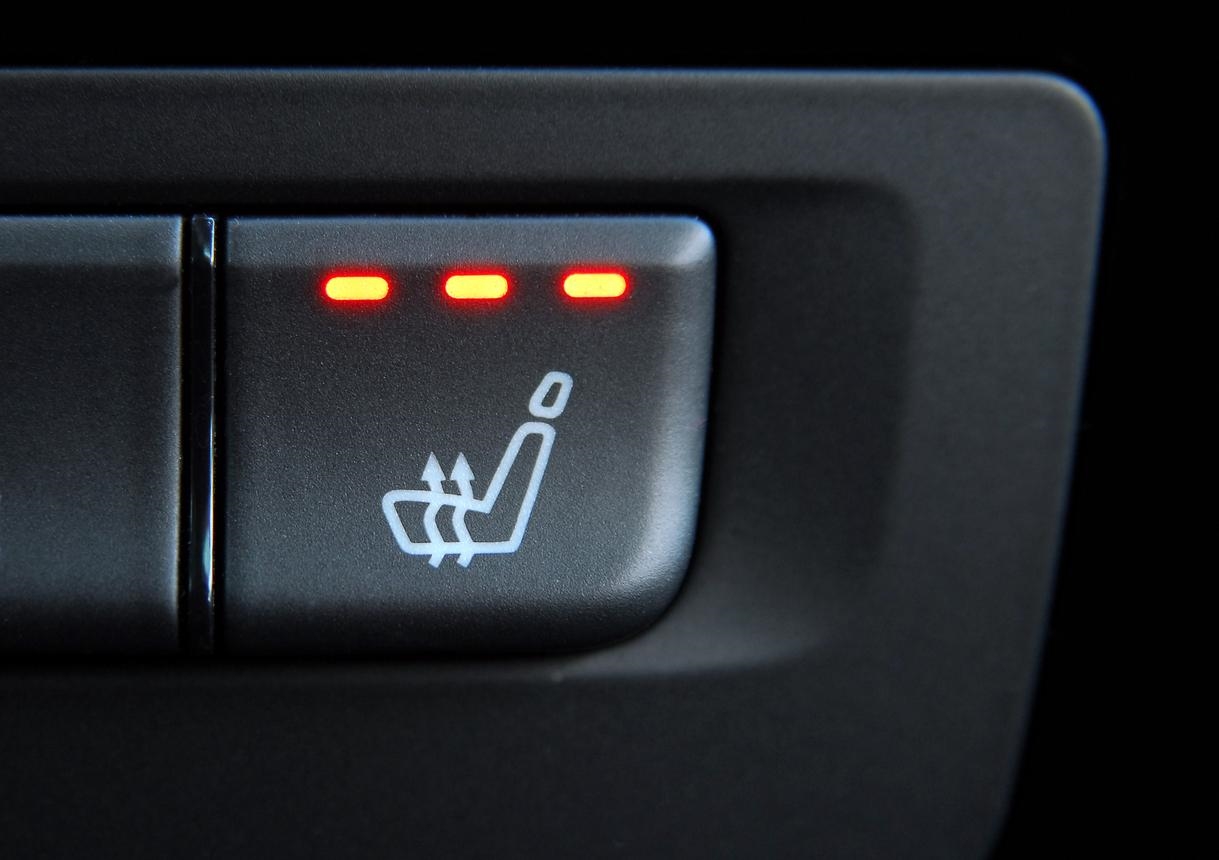
5. Heated Seats and Heated Steering Wheel Comfort Systems
Heated seats and heated steering wheels are often considered luxury features, but in cold weather conditions, they become essential tools for comfort and safety.
These systems provide direct warmth to the driver and passengers, reducing reliance on cabin heating alone and allowing the vehicle to warm up more efficiently. Despite their usefulness, many drivers forget to activate them or underestimate their benefits during winter.
Heated seats provide quick, targeted warmth by delivering heat directly to the occupant’s body, offering faster comfort than traditional cabin heaters that warm the entire interior.
This means occupants feel warm almost immediately after activation, even before the engine fully reaches operating temperature. This is especially helpful during short trips where the cabin may not have enough time to fully heat up.
Heated steering wheels provide similar benefits by improving grip comfort and reducing stiffness in the hands caused by cold temperatures. Cold steering wheels can make driving uncomfortable and reduce fine motor control, especially during early morning commutes. A warmed steering wheel helps drivers maintain better control and reduces the urge to constantly adjust hand positions due to discomfort.
Another benefit is energy efficiency. Using seat and steering wheel heaters allows drivers to lower cabin heating levels, which can reduce strain on the engine and improve fuel efficiency in some situations. This is particularly relevant in electric and hybrid vehicles, where energy management is critical during cold-weather driving.
Despite these advantages, many drivers forget to activate these systems simply because they rely on automatic climate control. However, manual activation often provides faster and more targeted comfort.
Understanding how and when to use heated seats and steering wheels can significantly improve the winter driving experience while also enhancing focus and safety on the road.
Also Read: 10 Cars That Drove Over 800,000 Miles
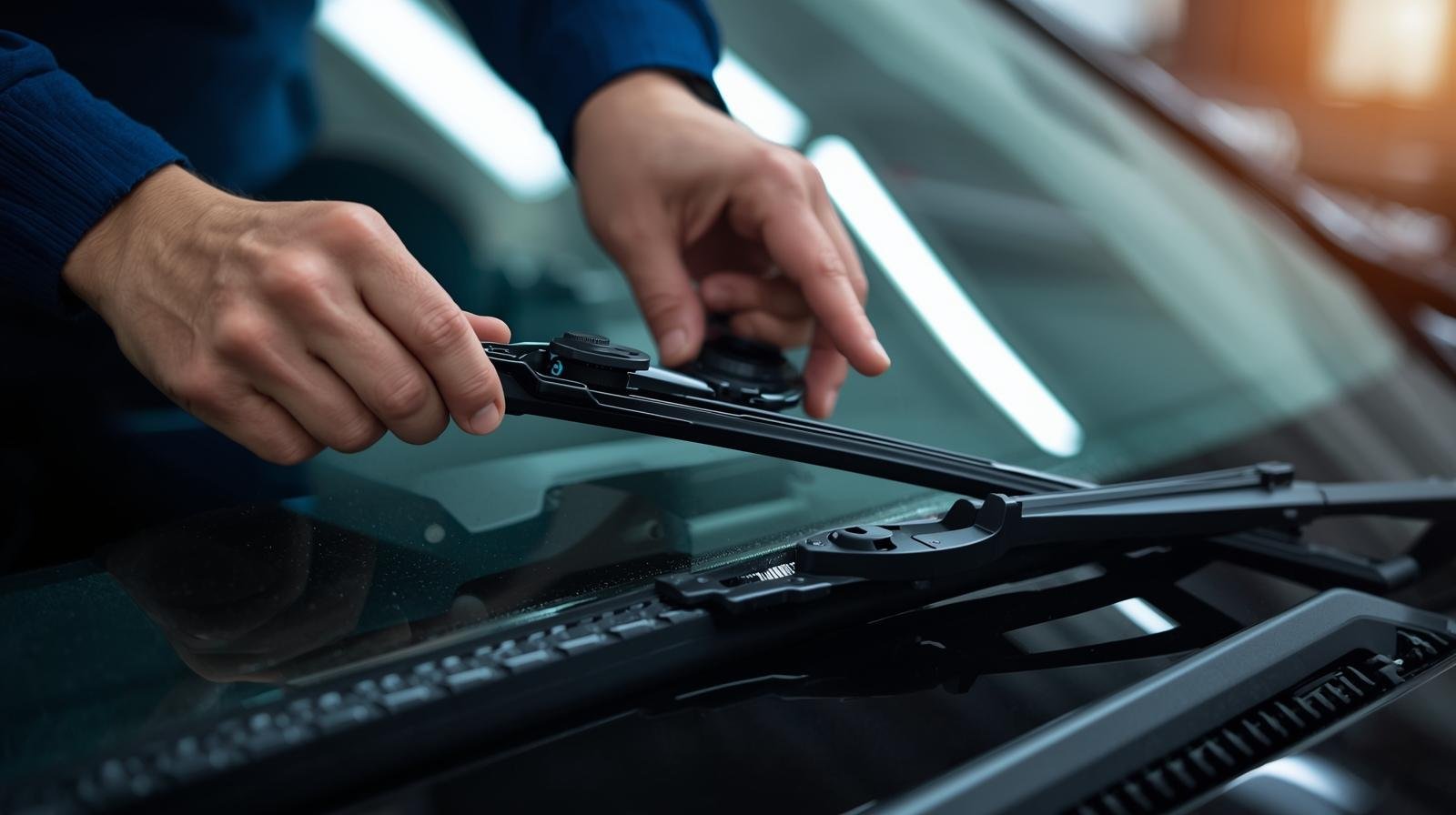
6. Windshield Wiper De-Icer and Washer Fluid Heating System
Windshield wiper de-icing and heated washer fluid systems are highly practical cold-weather features that many drivers overlook until they encounter frozen windshields or stuck wipers.
These systems are designed to prevent ice buildup on wiper blades and ensure that washer fluid remains functional even in freezing temperatures. Without them, drivers often face reduced visibility and increased risk during winter driving.
Wiper de-icing systems use integrated heating elements near the windshield base to prevent ice formation around the wiper resting area. This ensures the blades remain unfrozen and can clear the glass efficiently when activated.
Heated washer fluid systems also play a critical role in maintaining visibility. Standard washer fluid can freeze in extremely low temperatures, making it impossible to clean dirt, salt, or slush from the windshield. Heated systems ensure that fluid remains in liquid form, allowing drivers to maintain a clear view even during heavy winter road conditions.
Another often ignored benefit is safety during sudden weather changes. Winter conditions can shift quickly, and drivers may encounter unexpected slush or road spray. Having a functioning wiper and washer system ensures that visibility is not compromised during these moments, which can otherwise lead to dangerous driving situations.
Despite their usefulness, many drivers only realize the importance of these systems after encountering frozen wipers or blocked washer nozzles. Regular use and proper winter preparation, including checking washer fluid ratings, can help ensure these features work effectively throughout the season.
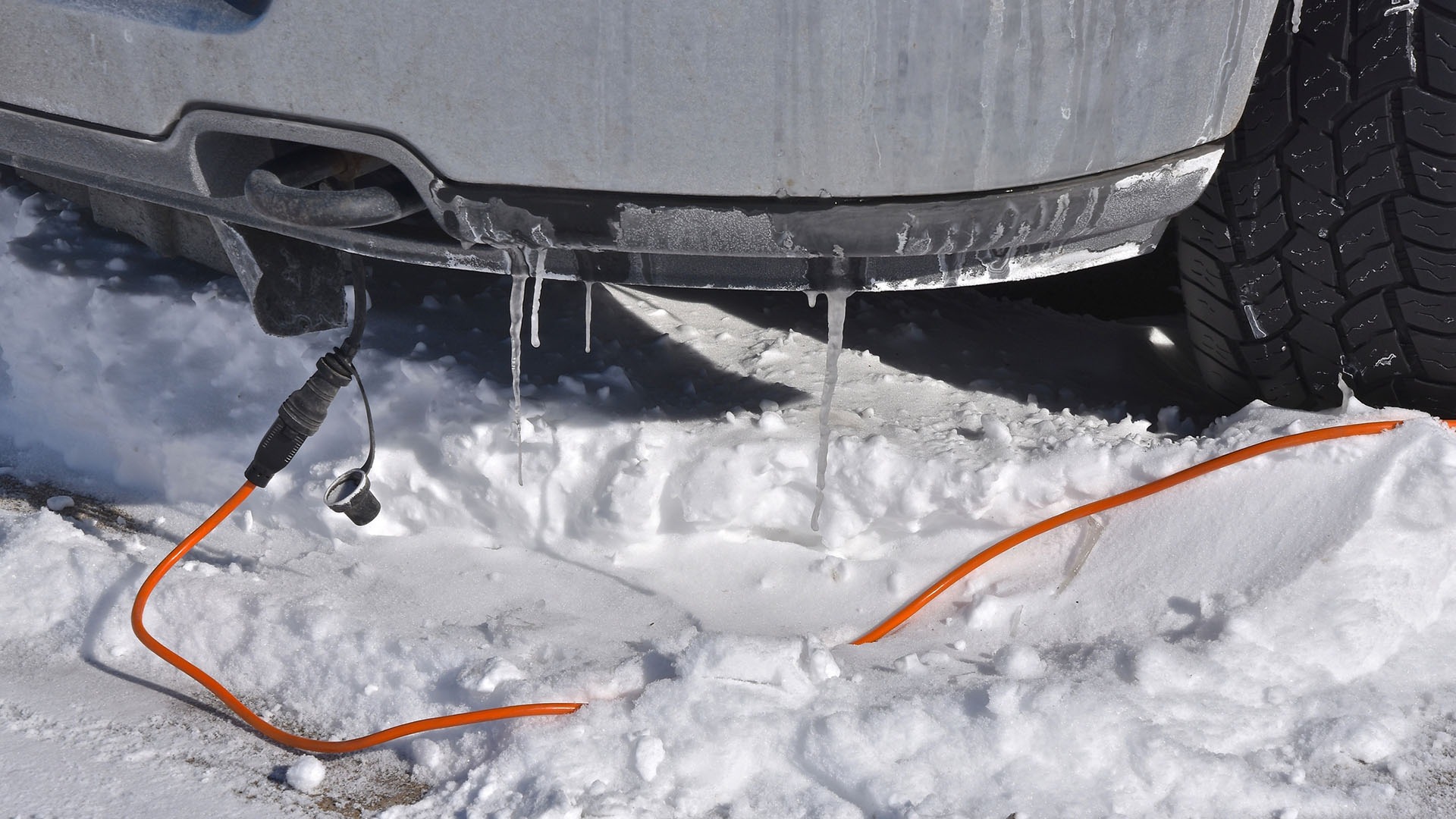
7. Engine Block Heater and Battery Cold Weather Management
Engine block heaters and battery management systems are among the most critical cold-weather features for vehicle reliability, yet they are often completely ignored by drivers until starting problems occur. These systems are designed to reduce engine strain during extremely cold temperatures and ensure that the battery maintains sufficient power for starting the vehicle.
An engine block heater works by warming the engine coolant and internal components before startup. This reduces the thickness of engine oil and allows for smoother circulation during ignition.
As a result, the engine starts more easily and experiences less wear during the critical first minutes of operation. This is especially important in regions with severe winter temperatures.
Battery performance is another major concern in cold weather. Car batteries lose efficiency in low temperatures, which can lead to weak starts or complete failure. Some modern vehicles include battery preconditioning systems that maintain optimal battery temperature, while others rely on external chargers or engine operation to restore charge levels.
Another advantage of these systems is improved fuel efficiency during cold starts. When engines are warmed before use, they reach optimal operating conditions faster, reducing fuel waste and emissions. This makes the vehicle more environmentally friendly while also improving long-term performance.
Despite these benefits, many drivers only become aware of engine block heaters or battery systems after experiencing winter breakdowns. Regular use of these tools, when available, can significantly reduce the risk of cold-weather starting issues and improve vehicle reliability throughout the winter season.