
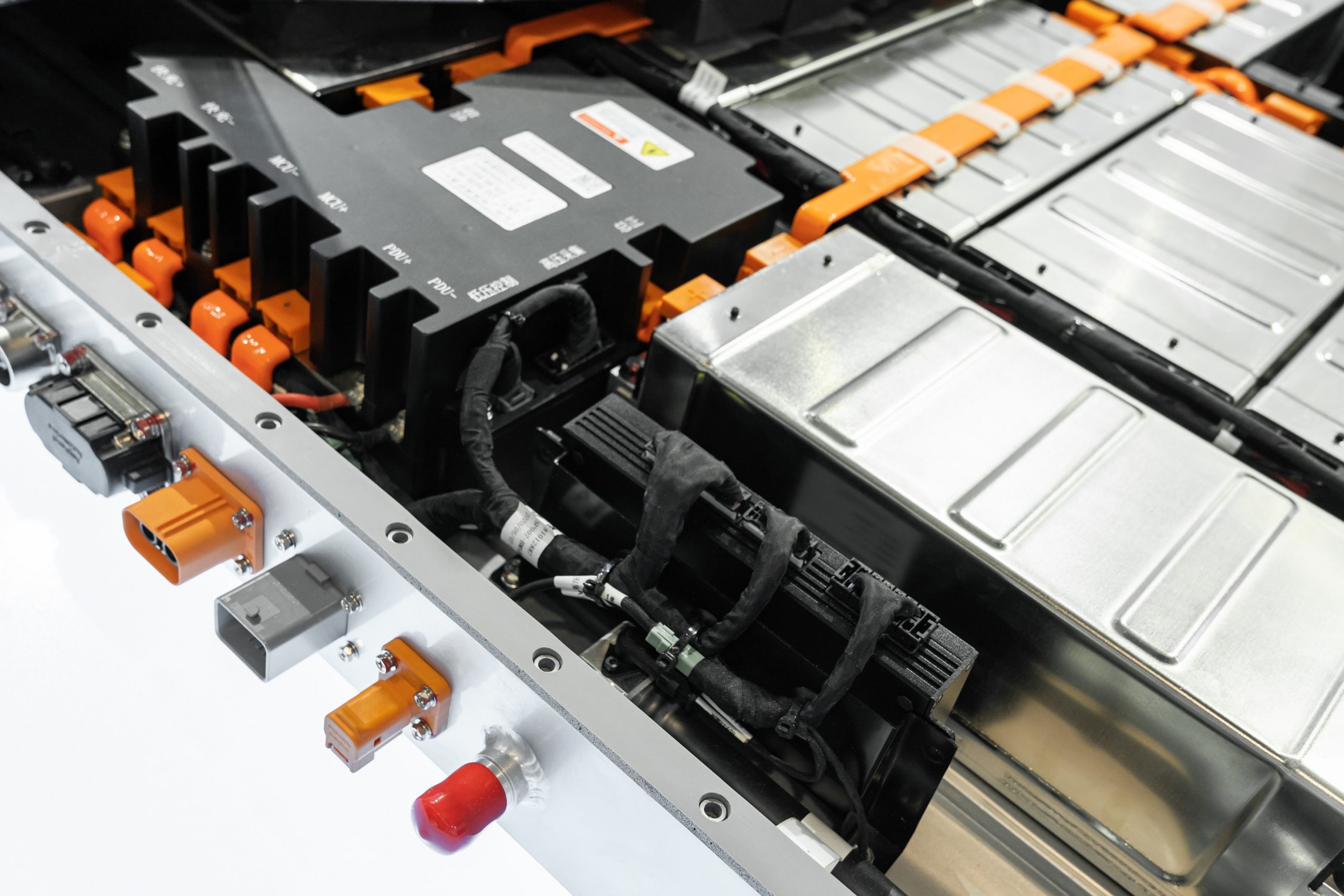
Electric vehicles have moved from being a niche experiment to a mainstream transportation choice in 2026. As adoption grows, one question continues to dominate buyer hesitation and ownership discussions: what does it actually cost to replace an EV battery when it eventually wears out?
The battery is the most expensive component in any electric vehicle, and unlike traditional gasoline cars, where engines can sometimes be rebuilt or repaired at relatively predictable costs, EV battery systems introduce a new layer of complexity involving chemistry, software management, thermal systems, and integrated structural design.
In 2026, the conversation around EV battery replacement cost is no longer about speculation but about real-world data collected from early adopters, fleet operators, and manufacturers.
Most modern EVs use lithium-ion battery packs that are designed to last significantly longer than earlier generations, often maintaining usable performance for 8 to 15 years, depending on usage patterns, charging habits, and environmental conditions. However, when degradation does cross acceptable thresholds or failures occur outside warranty coverage, replacement costs become a critical financial consideration.
The good news is that battery technology has become dramatically more affordable over the past decade. Industry reports show battery pack prices have fallen by more than 70 percent since the early 2010s, driven by large-scale manufacturing, improved chemistry such as lithium iron phosphate and nickel manganese cobalt, and global supply chain optimization.
This decline has directly influenced replacement costs, making them far more manageable in 2026 compared to what early EV skeptics feared.
Still, replacing an EV battery is not cheap. Depending on the vehicle model, battery size, and whether the replacement is OEM, refurbished, or modular repair, costs can vary widely.
Entry-level EVs with smaller battery packs may require a fraction of the cost compared to premium long-range electric SUVs or performance EVs that use large 80 to 120 kWh packs. Labor, diagnostics, software integration, and warranty conditions also significantly influence the final price.
Most importantly, a large percentage of EV owners never actually face a full battery replacement during their ownership period. Data from global EV fleet studies suggests only a small fraction of vehicles require out-of-warranty battery replacement, with most batteries retaining a substantial portion of their capacity well beyond 100,000 miles of usage.
This means that while the cost is high in absolute terms, the probability of paying it is relatively low for typical drivers.
In this article, we break down exactly how much EV battery replacement costs in 2026, what influences those costs, how prices differ across vehicle segments, and whether owners should realistically worry about it. We will also explore warranty protection, repair alternatives, and future trends that could further reduce costs in the coming years.
Also Read: 7 Most Reliable Motorcycles You Can Buy Today
Average EV Battery Replacement Cost in 2026
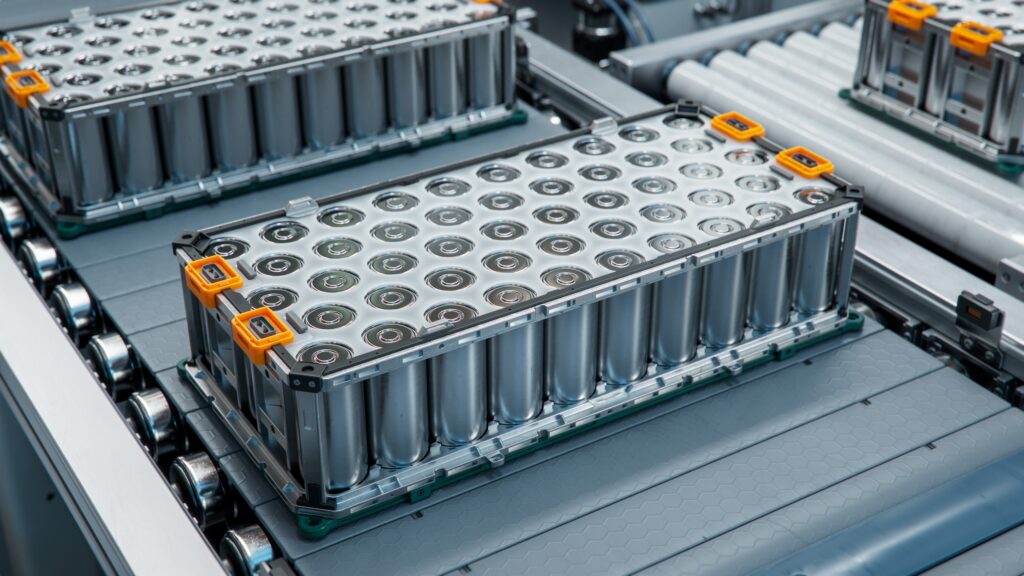
EV battery replacement costs in 2026 vary significantly depending on vehicle class, battery capacity, and manufacturer design. The most widely reported real-world range for a full replacement sits between $5,000 and $25,000+ USD in global markets, while in India and similar markets, costs range from ₹70,000 to over ₹10 lakh, depending on the vehicle type.
For small battery packs typically found in compact EVs or older models like early Nissan Leaf variants, replacement costs can be relatively low because the total energy storage is limited.
These batteries often fall in the 20 to 40 kWh range and are simpler to manufacture and install. On the other hand, modern long-range EVs such as Tesla Model Y, Hyundai Ioniq 5, or Ford Mustang Mach-E use much larger battery packs, often exceeding 70 kWh, which significantly increases both material and labor costs.
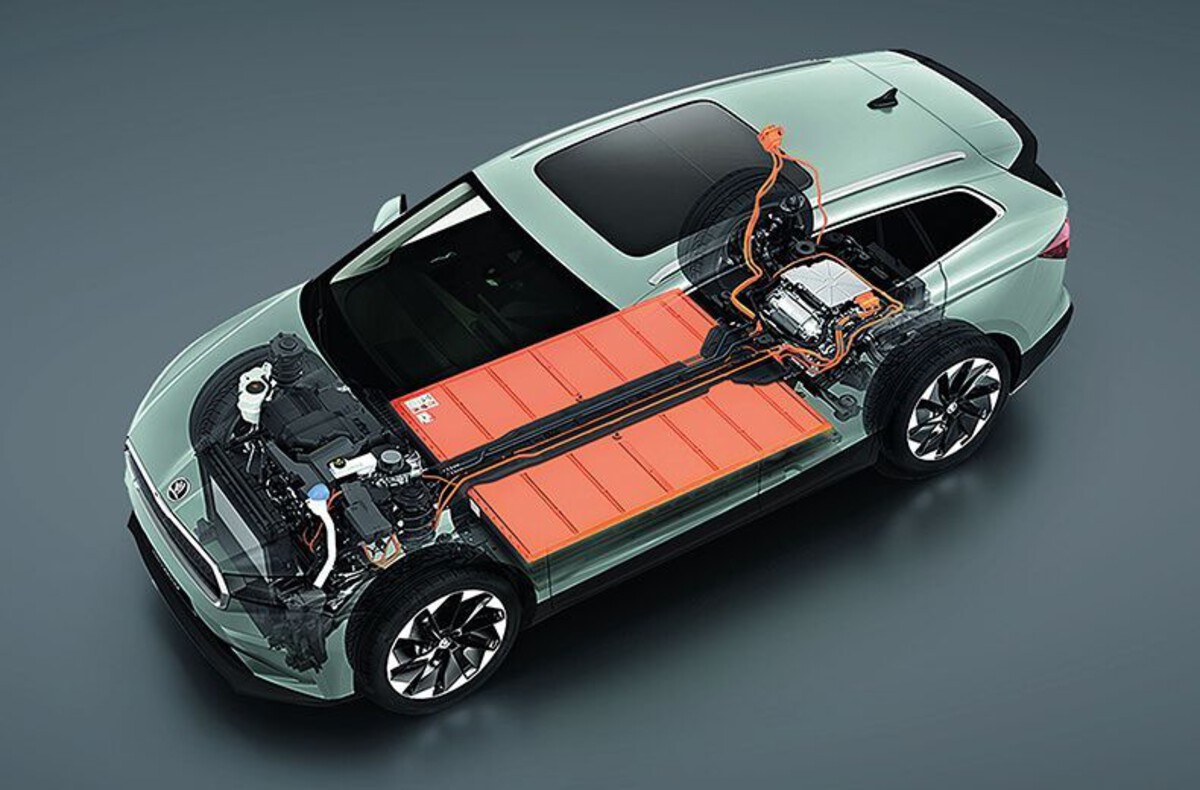
A key factor influencing price is whether the battery is replaced as a full pack or repaired at the module level. In many cases, manufacturers and third-party specialists can replace individual modules instead of the entire pack, reducing cost dramatically. However, not all EVs are designed for easy modular repair, especially newer structural battery designs where the pack is integrated into the vehicle chassis.
Another major cost driver is labor. EV battery replacement is not a simple mechanical swap. It requires specialized technicians, high-voltage safety procedures, diagnostic recalibration, and software reprogramming to ensure compatibility with the vehicle’s battery management system. This can add thousands of dollars or tens of thousands of rupees, depending on the region and service center.
Despite these high numbers, it is important to note that most EV owners are protected by warranties that cover battery failure or excessive degradation, usually for 8 years or 100,000 miles. This significantly reduces the number of out-of-pocket replacements actually occurring in real-world conditions.
EV Battery Cost by Vehicle Category
Battery replacement cost is strongly tied to vehicle category, since battery size scales directly with range and performance expectations.
Small EVs, typically used for city commuting, often have battery packs between 20 and 40 kWh. These vehicles are the least expensive to repair or replace, with costs generally ranging from $4,000 to $10,000 USD depending on brand and region. These batteries are smaller, easier to handle, and less complex in thermal design.
Mid-range EVs, which include popular global models such as the Chevrolet Bolt, Volkswagen ID.4, and standard-range Tesla Model 3, usually fall into the 50 to 70 kWh range. Replacement costs in this category generally range from $7,000 to $15,000 USD, making them a mid-tier financial burden if replacement is needed outside warranty.
Large EVs and long-range models represent the highest cost category. Vehicles such as Tesla Model Y Long Range, Hyundai Ioniq 5, Rivian R1T, and luxury EVs like Lucid Air often use 75 to 120 kWh battery packs. Replacement costs for these vehicles commonly fall between $15,000 and $25,000+ USD, depending on the manufacturer and service network.
The reason costs rise so sharply with battery size is simple: lithium-ion cells are still expensive at scale when combined with cooling systems, structural reinforcement, and electronic control units. Even though battery prices per kilowatt-hour have decreased significantly, large packs still contain thousands of individual cells and require complex assembly.
Another important factor is brand-specific design philosophy. Some manufacturers design batteries to be modular and serviceable, while others integrate them tightly into the vehicle structure. This affects not only cost but also repair feasibility and turnaround time.
What Drives EV Battery Replacement Cost
Several underlying factors determine how much an EV battery replacement will actually cost in 2026.
The most obvious factor is battery chemistry and capacity. Lithium iron phosphate batteries are generally cheaper to produce and replace compared to nickel manganese cobalt batteries, though they may offer slightly lower energy density. Premium performance EVs often use higher cost chemistries for better range and acceleration.
Another key factor is manufacturing scale. As EV adoption has increased, global battery production capacity has expanded significantly. This has reduced per-unit cost due to economies of scale, which directly impacts replacement pricing. However, supply chain constraints in raw materials such as lithium, nickel, and cobalt can still create price fluctuations.
Labor and service infrastructure also play a major role. EV servicing requires specialized training and equipment, and not all regions have fully developed EV repair networks. This can increase costs in areas where technicians are scarce or where batteries must be shipped to central facilities.
Warranty coverage is another critical factor. Most manufacturers provide 8-year or 100,000-mile warranties that cover battery failure and significant degradation. This means many replacements are fully or partially covered, reducing the number of consumers who actually pay full price.
Software integration introduces an additional layer of complexity. Modern EV batteries function not only as physical components but also as tightly integrated digital systems. Once a replacement is installed, the battery management system requires calibration, software updates, and synchronization with the vehicle’s onboard software, which adds time and increases cost in the process.
Also Read: 10 Cars That Drove Over 800,000 Miles
Do EV Owners Actually Pay for Battery Replacement?
Despite widespread concern, the reality is that most EV owners never pay for a full battery replacement out of pocket. Studies of EV fleet data show that only a small percentage of vehicles experience battery failure outside warranty conditions.
Most EV batteries are designed to last well beyond the typical ownership cycle. Even after 8 to 10 years, many batteries retain 70 to 85 percent of their original capacity, which is still sufficient for everyday driving needs. This means many owners choose to continue using their vehicles rather than replacing the battery.
In cases where degradation does occur, manufacturers often offer partial solutions such as module replacement or refurbished battery packs. These options significantly reduce costs compared to full pack replacement and are becoming more common as EV servicing ecosystems mature.
It is also important to consider vehicle lifecycle behavior. Many EV owners sell or upgrade their vehicles before battery degradation becomes severe enough to require replacement. This means the cost is often absorbed in resale pricing rather than paid directly by the original owner.
Additionally, improvements in battery diagnostics allow early detection of issues, reducing the likelihood of sudden catastrophic failure. This helps extend usable battery life and further lowers replacement risk.
Future Trends: Will Battery Replacement Get Cheaper?
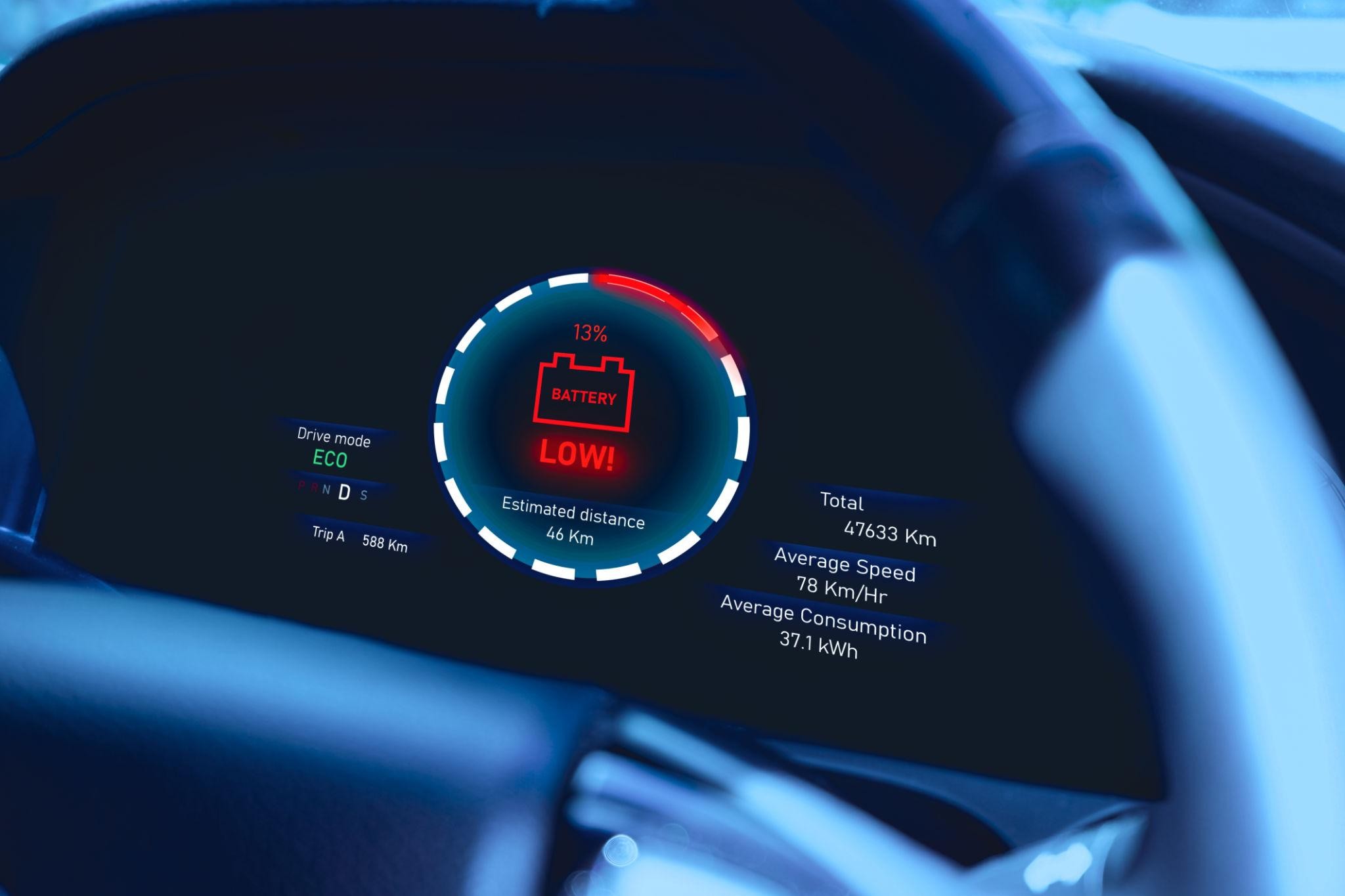
The long-term outlook for EV battery replacement costs is strongly downward. Battery production costs have already fallen significantly over the past decade, and continued advancements in chemistry and manufacturing are expected to reduce costs further.
One major trend is the rise of second-life batteries and refurbishment technologies. Instead of replacing entire packs, technicians can now restore degraded batteries to a large portion of their original capacity using advanced regeneration methods. This reduces waste and lowers costs.
Another trend is improved recyclability. As recycling technologies become more efficient, recovered materials such as lithium and nickel can be reused in new battery production, lowering raw material costs.
Structural improvements in EV design are also expected to simplify maintenance. Future EV platforms are being engineered with easier access to battery modules, reducing labor time and cost.
There is also growing competition among battery manufacturers, which is driving innovation and cost reduction. As more global players enter the market, pricing pressure is expected to continue downward.
Software optimization is also extending battery lifespan. Improved thermal management systems and more advanced charging algorithms reduce degradation, which results in fewer replacements over time.
