
The value of a car is not just determined at the moment you drive it out of the showroom. In fact, depreciation, the gradual loss of value over time, is one of the most important financial aspects of car ownership. While almost every vehicle loses value as it ages, the rate at which this happens varies dramatically.
Some cars retain a surprisingly large portion of their original price even after five, ten, or fifteen years, while others lose value rapidly within the first few years of ownership. This difference can amount to thousands or even tens of thousands of dollars, making depreciation one of the highest hidden costs of owning a vehicle.
Understanding why some cars hold value better than others requires looking at several interconnected factors. Brand reputation plays a major role, as manufacturers known for reliability and durability tend to inspire confidence in long-term ownership.
Mechanical reliability itself is another crucial factor, since vehicles that require fewer repairs and maintain performance over time are naturally more desirable in the used market. Beyond engineering, consumer perception, design appeal, and even emotional attachment influence how strongly demand holds up over the years.
Market forces also play a significant role. Supply and demand dynamics can dramatically affect resale prices. Limited production models, discontinued vehicles, or cars with cult followings often retain value because they are harder to find.
On the other hand, mass-produced vehicles with little differentiation tend to flood the used market, driving prices down quickly. Economic conditions, fuel prices, and regulatory changes such as emissions standards can also shift demand patterns, influencing which vehicles remain desirable.
Another important element is ownership cost. Cars that are inexpensive to maintain, fuel-efficient, and widely supported by spare parts networks tend to perform better in resale value.
Buyers in the used car market are highly sensitive to long-term running costs, so vehicles that promise affordability over time naturally command stronger prices. Conversely, luxury vehicles with expensive maintenance or complicated electronics often depreciate faster, even if they are well built.
Finally, psychological and cultural factors cannot be ignored. Certain cars become iconic due to their history, motorsport success, or association with lifestyle and identity.
These intangible elements can preserve value far beyond what technical specifications alone would suggest. A vehicle is not just a machine; it is also a symbol, and that symbolism plays a powerful role in determining long-term market value.
In this article, we will explore in detail why some cars hold their value for years while others collapse in resale price. We will break down the key economic, mechanical, and psychological factors that shape depreciation, and explain how buyers and manufacturers influence the long-term financial outcome of a vehicle.
By the end, you will understand the hidden logic behind car value retention and what separates a strong, long-lasting asset from a rapidly depreciating liability.
Also Read: 7 Most Reliable Motorcycles You Can Buy Today

Brand Reputation and Trust in the Used Car Market
Brand reputation is one of the strongest forces behind long-term car value retention. When buyers think of dependable vehicles, certain manufacturers consistently come to mind, and this perception has been built over decades of performance, durability, and customer experience.
A strong brand acts as a form of psychological assurance for used car buyers, reducing perceived risk and increasing willingness to pay higher prices.
One of the main reasons reputation matters is consistency. Brands that produce vehicles with predictable quality outcomes create trust across multiple generations of buyers.
When someone purchases a used car, they are not just buying the vehicle itself but also the history of how that brand typically behaves over time. If previous owners report low breakdown rates and stable performance, demand in the resale market remains strong, which keeps prices higher.
Another factor is service network strength. Brands with widespread service availability and affordable spare parts tend to retain value better. Buyers know they will not struggle to maintain the vehicle, which reduces the long-term cost of ownership.
This reassurance directly translates into higher resale value because uncertainty is minimized. In contrast, niche or less established brands often suffer from weaker resale demand simply due to maintenance concerns.
Marketing and perception also play a role in shaping brand value retention. Some manufacturers invest heavily in building an image of reliability, durability, or luxury.
Over time, these perceptions become self-reinforcing. Even if two vehicles are mechanically similar, the one from a more trusted brand often sells for more in the used market. This shows that resale value is not purely technical but also emotional and reputational.
Finally, historical performance influences future expectations. If a brand has consistently produced vehicles that last 200,000 kilometers or more with minimal issues, buyers assume future models will behave similarly. This expectation creates sustained demand in the second-hand market, helping those cars hold value far longer than competitors with weaker reputations.
Mechanical Reliability and Engineering Quality
Mechanical reliability is one of the most direct determinants of long-term vehicle value. Cars that are engineered to last naturally depreciate more slowly because they remain functional, safe, and appealing even after years of use. Buyers in the used market prioritize reliability above almost everything else, especially when purchasing older vehicles where warranty coverage is no longer available.
A key factor in reliability is engine durability. Engines designed with conservative tuning, high-quality materials, and proven architecture tend to withstand long-term use with fewer failures.
When major components such as the engine and transmission remain dependable, the entire vehicle retains value because repair risks are lower. On the other hand, complex or highly stressed engines often face higher failure rates, which significantly reduces resale demand.
Transmission quality is another critical element. Vehicles with robust manual or well-engineered automatic transmissions tend to last longer and require fewer expensive repairs.
Since transmission replacement is one of the most costly repairs in a car, buyers are extremely sensitive to known issues in this area. Cars with unreliable transmissions tend to lose value rapidly once problems become widely known in the market.
Electrical systems and electronics also influence reliability perceptions. Modern cars contain numerous sensors, control units, and digital systems.
While these improve performance and comfort, they also introduce potential failure points. Vehicles with overly complex or poorly integrated electronics often suffer from higher long-term maintenance costs, which negatively impact resale value.
Suspension and chassis durability also matter. Cars built with strong structural integrity and high-quality suspension components tend to age better, both in performance and comfort. When a vehicle continues to drive smoothly after many years, it maintains its appeal in the used market, supporting higher prices.
Engineering quality determines whether a car feels “worn out” or “still solid” after years of use. This perception plays a major role in resale value, as buyers are willing to pay a premium for vehicles that feel mechanically trustworthy even at higher mileage.
Supply, Demand, and Market Scarcity
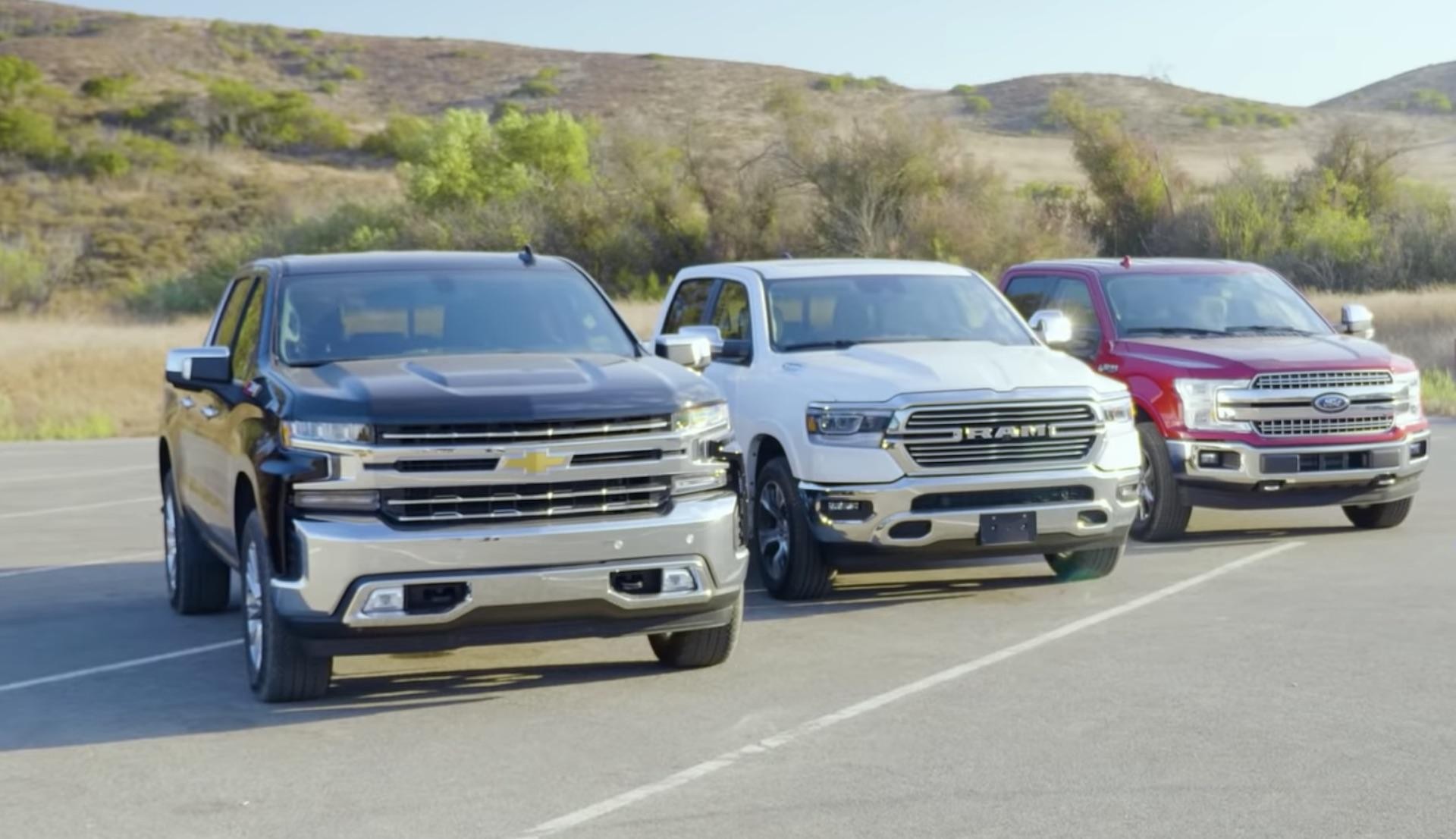
The laws of supply and demand heavily influence how well a car holds its value over time. Even a mechanically average vehicle can retain strong resale value if supply is limited and demand remains high. Conversely, even high-quality cars can depreciate quickly if too many units flood the market.
Scarcity is one of the most powerful drivers of value retention. Limited production models, special editions, or discontinued vehicles often maintain strong prices because they are harder to find.
When buyers perceive rarity, they are willing to pay more, especially if the vehicle has unique features or historical significance. This is why some performance or collector-oriented cars appreciate or stabilize in value after initial depreciation.
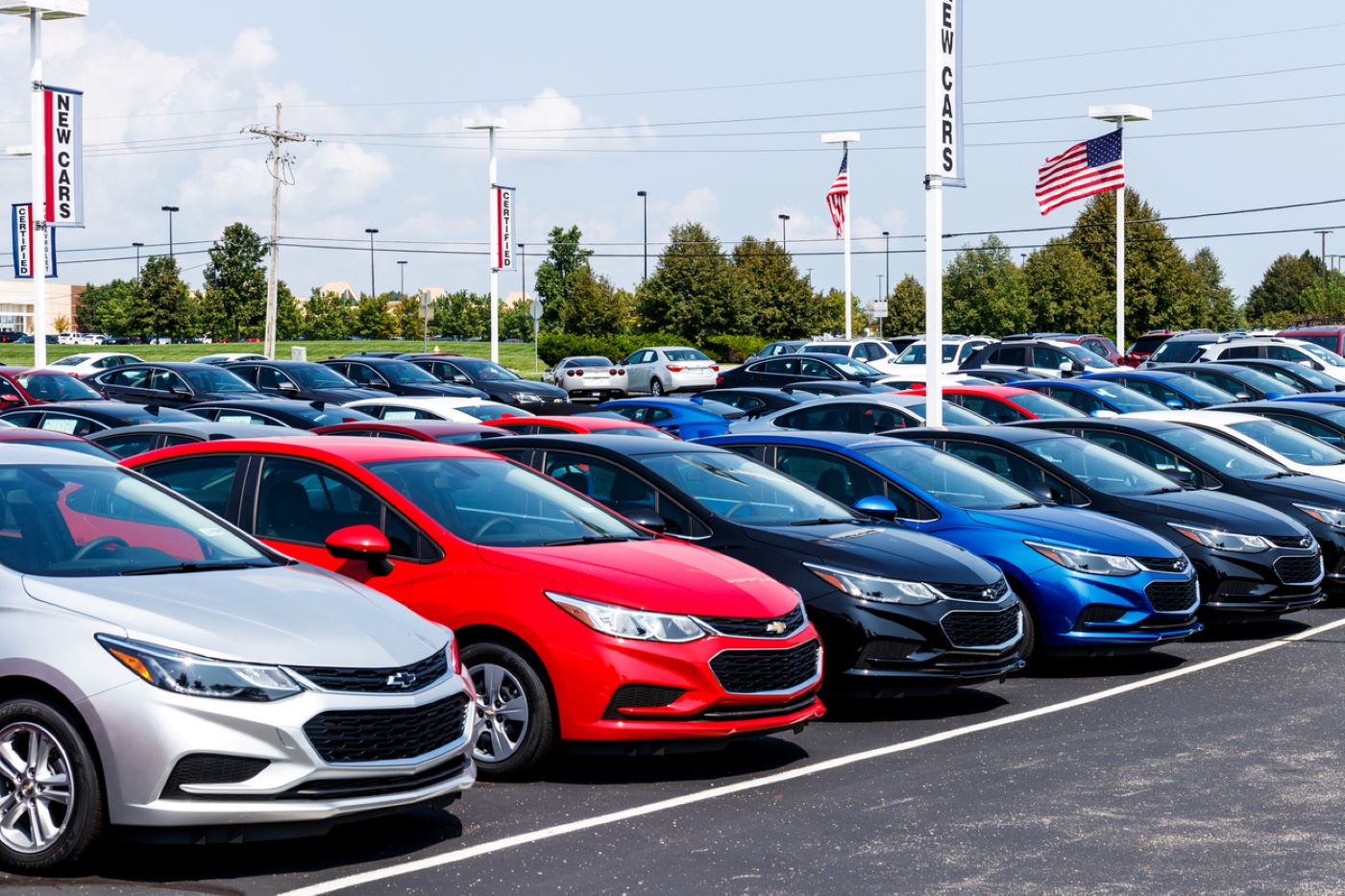
Market saturation has the opposite effect. When manufacturers produce large volumes of a particular model, especially in highly competitive segments, the used market becomes crowded. This abundance of supply drives prices down because buyers have many alternatives. Compact sedans and mass market SUVs often experience faster depreciation for this reason.
Regional demand also plays an important role. Certain vehicle types may be highly valued in specific regions due to road conditions, fuel prices, or cultural preferences. For example, fuel-efficient small cars may retain value better in areas with high fuel costs, while rugged utility vehicles perform better in rural or off-road environments.
Lifecycle timing affects value as well. When a new generation of a model is released, the previous generation often experiences a sharp drop in value. Buyers tend to prefer newer designs, updated technology, and improved efficiency. However, in some cases, older generations become more desirable if they are seen as more reliable or simpler to maintain.
The balance between supply and demand determines how much long-term value a vehicle can realistically retain, regardless of its technical quality.
Also Read: 10 Cars That Drove Over 800,000 Miles
Cost of Ownership and Maintenance Economics
The total cost of owning a vehicle plays a significant role in how well it retains value. Buyers in the used car market are highly sensitive to ongoing expenses such as fuel consumption, insurance, maintenance, and repairs. A car that is cheap to run naturally attracts more buyers, which supports higher resale prices.
Maintenance cost is one of the most important factors. Vehicles with widely available spare parts and simple mechanical designs are generally cheaper to maintain. This affordability increases demand in the used market, helping them retain value. In contrast, cars with expensive or hard-to-source parts tend to depreciate faster because potential buyers anticipate higher future costs.
Fuel efficiency is another major consideration. As fuel prices fluctuate, efficient vehicles become more desirable. Cars that offer strong mileage per liter tend to hold value better, especially in markets where fuel costs are a significant burden. Even small differences in efficiency can influence long-term demand and resale pricing.
Insurance costs also affect value retention. High-performance or luxury vehicles often come with higher insurance premiums, which can discourage potential buyers in the used market. Lower insurance costs make a vehicle more accessible and attractive, increasing demand and supporting stronger resale value.
Repair frequency and predictability are equally important. Cars that rarely break down and have predictable maintenance schedules are preferred by used buyers. Uncertainty is a major deterrent in second-hand purchases, so reliability in maintenance history helps stabilize value over time.
Vehicles that offer a balanced combination of affordability, efficiency, and predictable upkeep tend to retain value significantly better than those with high running costs.

Emotional Appeal, Culture, and Long-Term Desirability
Beyond technical and economic factors, emotional and cultural influences strongly affect how cars retain value. Some vehicles become iconic due to their design, performance history, or cultural significance, and this emotional appeal can sustain demand long after production ends.
Design plays a major role in emotional value. Cars with timeless styling tend to age better visually, which helps maintain interest in the used market. In contrast, vehicles with overly trend-driven designs often look outdated quickly, reducing their desirability and resale value.
Performance heritage also contributes to long-term demand. Cars associated with motorsport success or performance innovation often develop strong enthusiast followings. These communities sustain demand for older models, helping them retain or even increase value over time.
Cultural influence, such as appearances in films, media, or celebrity ownership, can also enhance a vehicle’s status. When a car becomes part of popular culture, it gains symbolic meaning that goes beyond its mechanical function. This added symbolism often contributes to stronger resale demand.
Emotional attachment among owners further strengthens value retention. Some cars create loyal followings because of driving experience, nostalgia, or brand identity. These emotional connections ensure that demand remains steady even as the vehicle ages.
Cars are not just transportation tools. They are cultural objects, emotional experiences, and lifestyle symbols. This combination of meaning and memory is what allows certain vehicles to hold value far longer than others, even in a highly rational and competitive market.
