
When purchasing a vehicle, most buyers focus heavily on the sticker price, fuel economy, design, and modern features. While these factors are important, they only tell part of the story. The real cost of ownership becomes clear over time, especially when a vehicle crosses the 100,000-mile mark.
At this stage, many cars begin to experience increased wear, more frequent repairs, and noticeable depreciation in resale value. However, some automotive brands consistently defy this trend by maintaining strong reliability and market demand even at high mileage.
The ability of a vehicle to retain value after 100,000 miles depends on several interconnected factors. Engineering quality plays a major role, particularly in how well the engine, transmission, and drivetrain are designed to handle long-term stress.
Brands that prioritize durability over extreme performance tend to produce vehicles that age more gracefully. Maintenance requirements also matter, as cars that are easier and cheaper to service tend to remain attractive in the used car market.
One key influence is brand reputation. Consumers in the used vehicle market often rely on trust and historical performance when making purchasing decisions. If a brand has a long-standing reputation for reliability, buyers are more willing to invest in higher mileage vehicles from that manufacturer.
Additionally, global availability of spare parts and skilled mechanics ensures that these vehicles remain practical to own even after extensive use.
Market demand also plays a crucial role in value retention. Certain brands consistently attract buyers regardless of mileage because they are known for longevity, safety, and predictable performance. Even when vehicles pass 100,000 miles, strong demand can keep resale prices relatively stable compared to competitors.
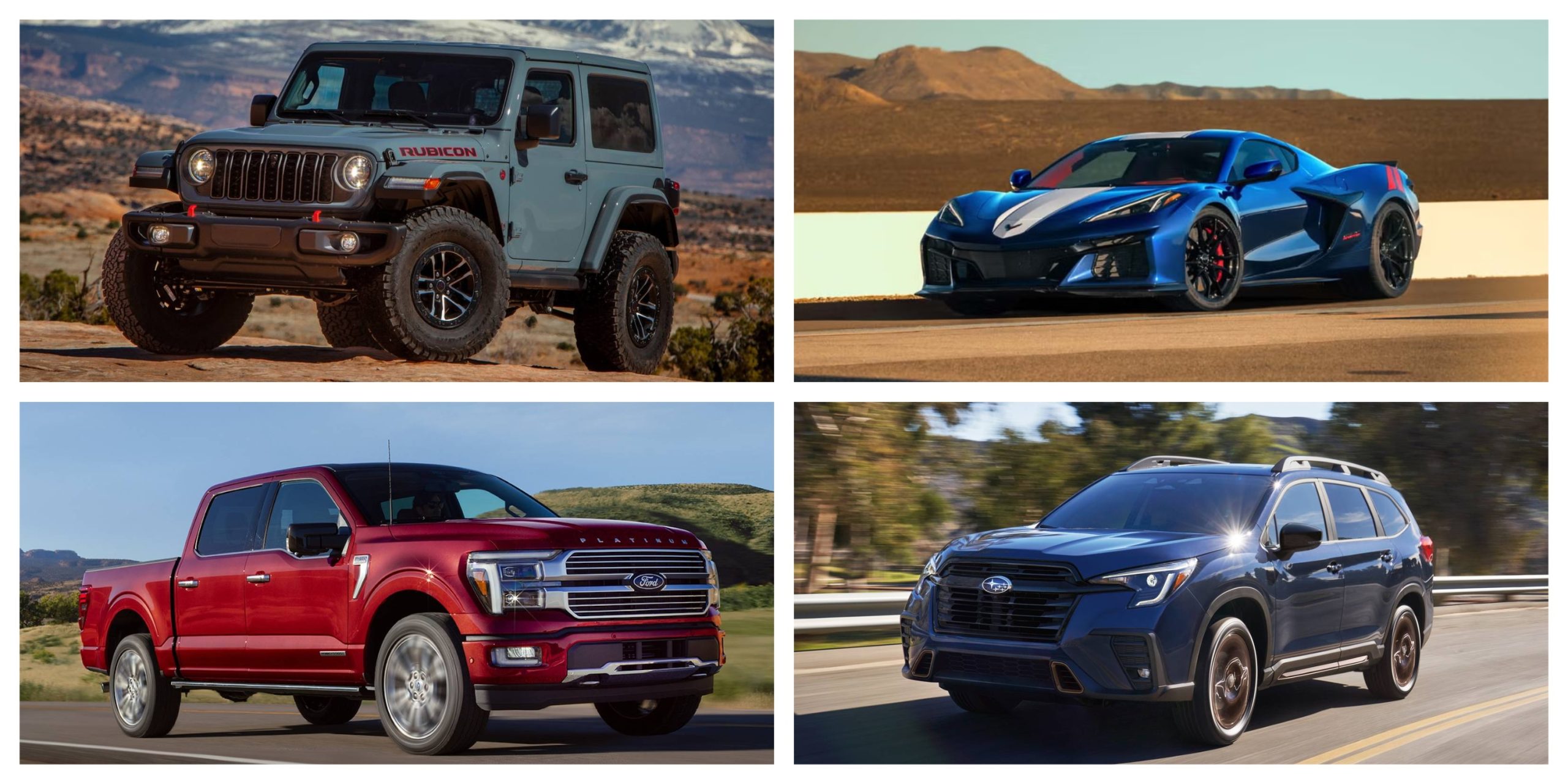
This article explores ten automotive brands that consistently retain strong value after 100,000 miles. Each brand listed has proven its ability to deliver long-term reliability, durability, and sustained buyer interest in real-world conditions.
Also Read: 7 Most Reliable Motorcycles You Can Buy Today
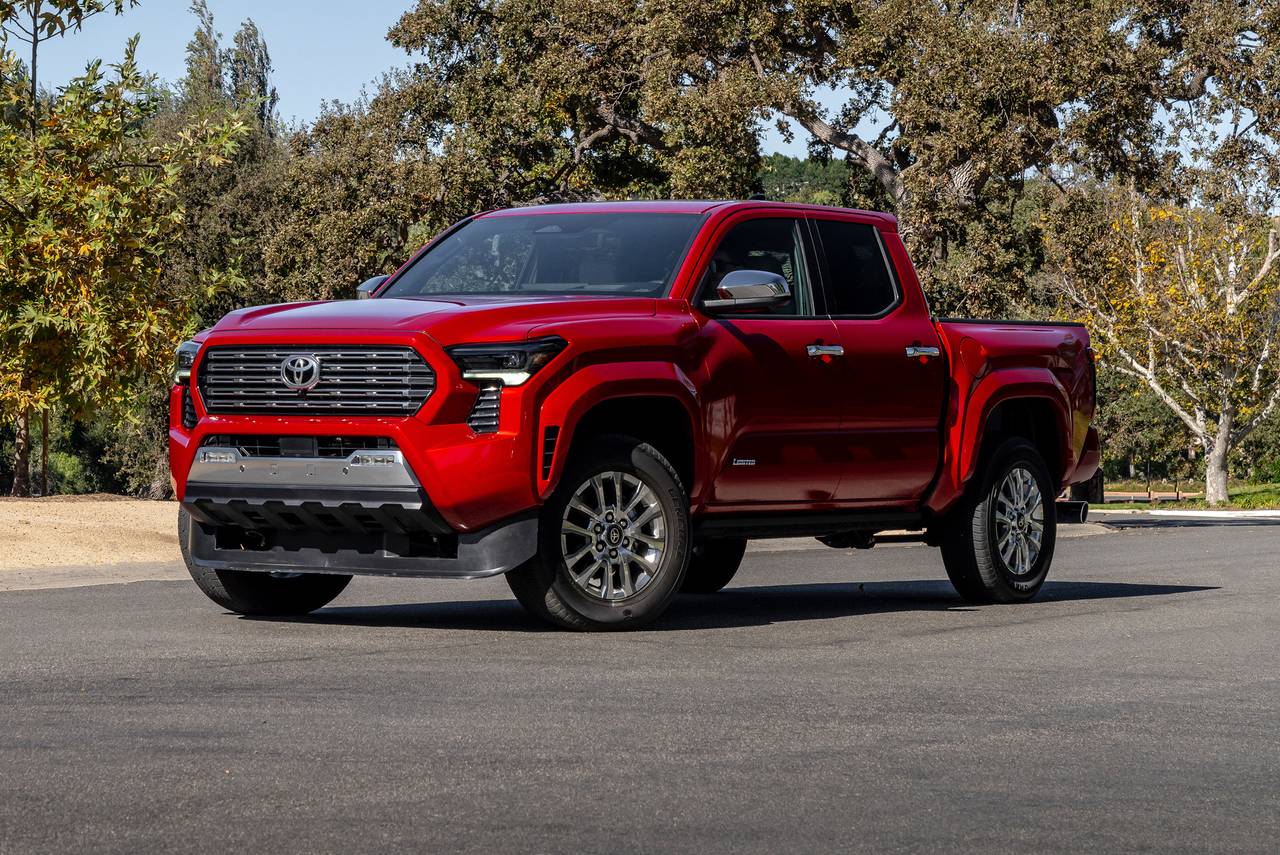
1. Toyota
Toyota is widely considered the global benchmark for long-term reliability and value retention. One of the biggest reasons Toyota vehicles perform so well after 100,000 miles is their conservative engineering philosophy.
Instead of pushing components to their absolute limits, Toyota designs engines and transmissions that operate comfortably within safe performance margins. This reduces long-term wear and significantly increases lifespan.
One major strength of Toyota is mechanical simplicity. Many Toyota models avoid overly complex systems that can lead to expensive repairs later in life. This simplicity makes high-mileage vehicles easier to maintain and repair, which is a major advantage for used car buyers. Even when components begin to wear out, replacement parts are widely available and relatively affordable.
Toyota’s global service network also plays a huge role in its value retention. Whether in urban centers or rural regions, Toyota vehicles can be serviced almost anywhere in the world. This accessibility reassures buyers that owning a high-mileage Toyota will not create logistical or financial difficulties when repairs are needed.
The brand also benefits from exceptionally strong consumer trust. Buyers actively seek out used Toyota vehicles because they are associated with long-term dependability and low breakdown risk. This consistent demand helps stabilize resale prices even when mileage is high.
Toyota vehicles are often engineered to exceed basic transportation needs and instead focus on long-term ownership satisfaction. As a result, many models continue running reliably well beyond 200,000 miles, which further strengthens their reputation and resale value after 100,000 miles.
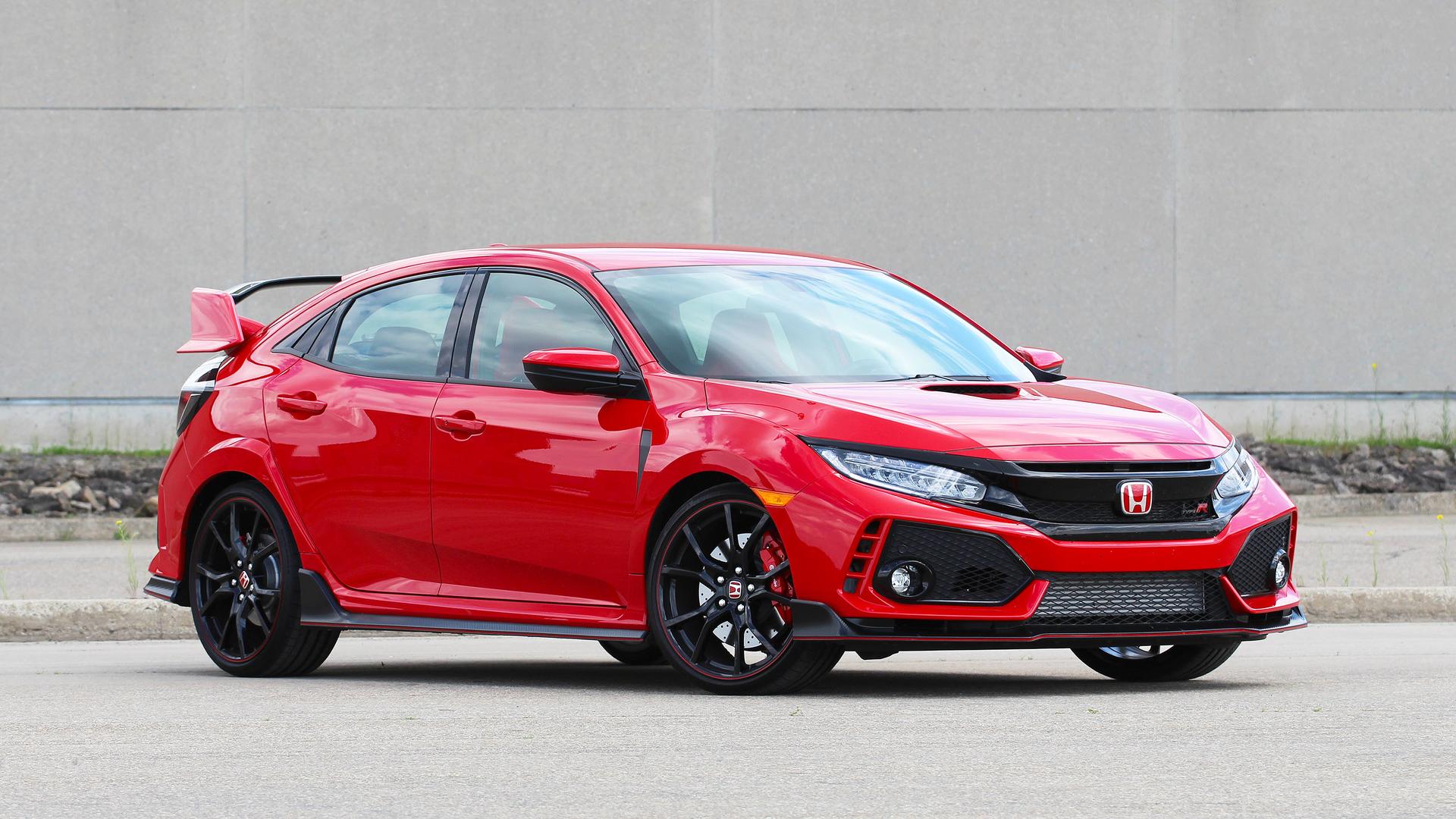
2. Honda
Honda has built its reputation on producing engines that are both efficient and highly durable. One of the defining characteristics of Honda vehicles is their ability to maintain smooth performance even after extended use. Many Honda engines are designed with precision engineering that minimizes internal friction, allowing them to last significantly longer than average.
A major factor contributing to Honda’s value retention is its balance between performance and economy. Honda vehicles are engineered to deliver responsive driving while maintaining excellent fuel efficiency. This balance makes them appealing not only when new but also in the used car market, where buyers look for affordable yet reliable transportation options.
Honda also benefits from extremely strong brand loyalty. Many owners who have positive experiences with Honda vehicles tend to remain within the brand for future purchases. This repeat buying behavior strengthens demand for used Honda cars, helping maintain resale value even after high mileage.
Maintenance costs are an important advantage. Honda vehicles are generally inexpensive to service compared to many competitors. Parts are widely available, and repairs are typically straightforward, which makes them attractive for buyers concerned about long-term ownership costs.
Honda vehicles are known for their long service life when properly maintained. It is common to find Honda cars still performing reliably well beyond 150,000 to 200,000 miles. This durability reinforces their reputation and ensures strong value retention even after crossing the 100,000-mile threshold.
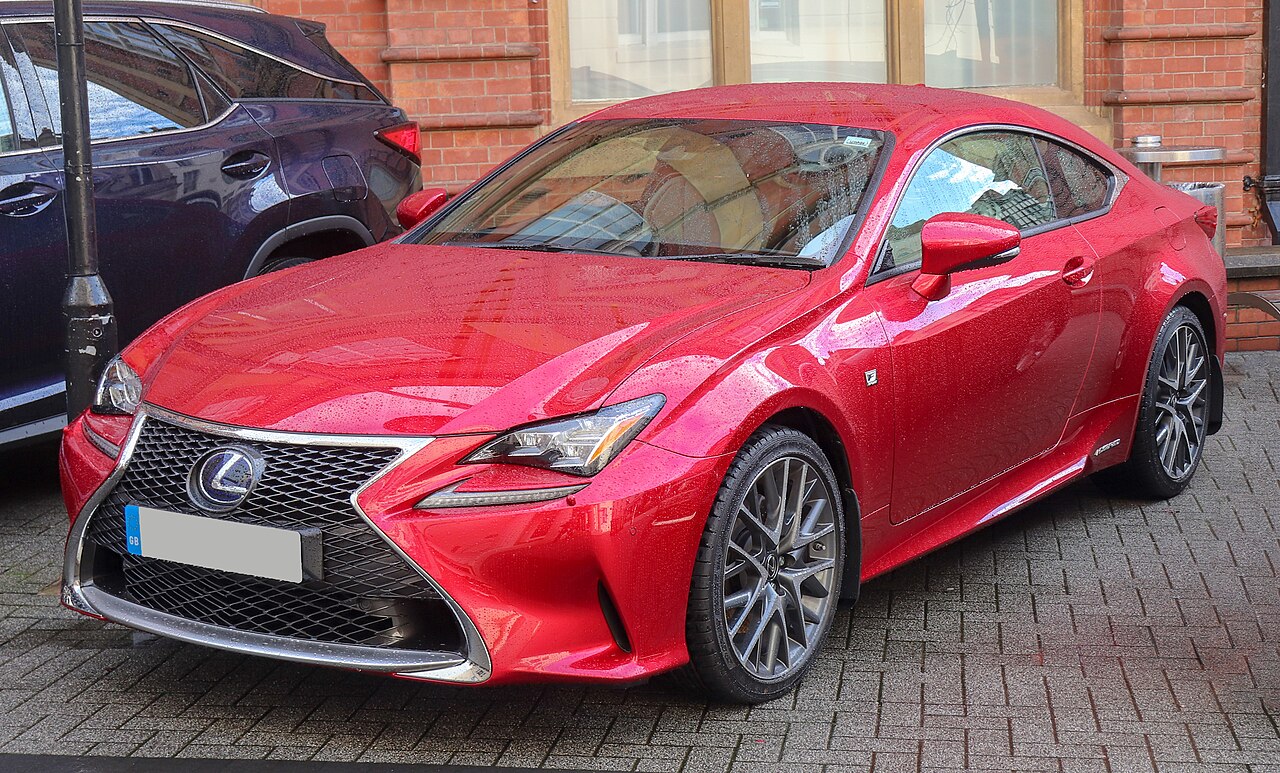
3. Lexus
Lexus represents the luxury division of Toyota and combines premium comfort with exceptional reliability. One of the most important reasons Lexus vehicles retain value after 100,000 miles is that they avoid the typical tradeoff between luxury and durability.
While many luxury brands experience steep depreciation due to high maintenance costs, Lexus maintains a strong balance between refinement and long-term dependability.
The build quality of Lexus vehicles is a key differentiator. Interiors are crafted using high-grade materials designed to withstand years of use without significant wear. Mechanical components are also engineered with the same reliability focus found in Toyota vehicles, ensuring long-term durability even under demanding driving conditions.
The advantage is lower than expected maintenance costs for a luxury brand. While Lexus vehicles are more expensive to maintain than mainstream Toyota models, they are generally more affordable to own than European luxury competitors. This makes them more attractive in the used market, especially for buyers seeking premium features without excessive repair risks.
Lexus also benefits from a strong reputation and trust in the luxury segment. Buyers often view Lexus as a safer choice compared to other luxury brands due to its proven reliability record. This perception helps maintain strong demand even for high-mileage vehicles.
Lexus vehicles age gracefully in terms of both performance and aesthetics. Many models continue to deliver a quiet, comfortable driving experience well beyond 100,000 miles, reinforcing their strong resale value and long-term desirability.
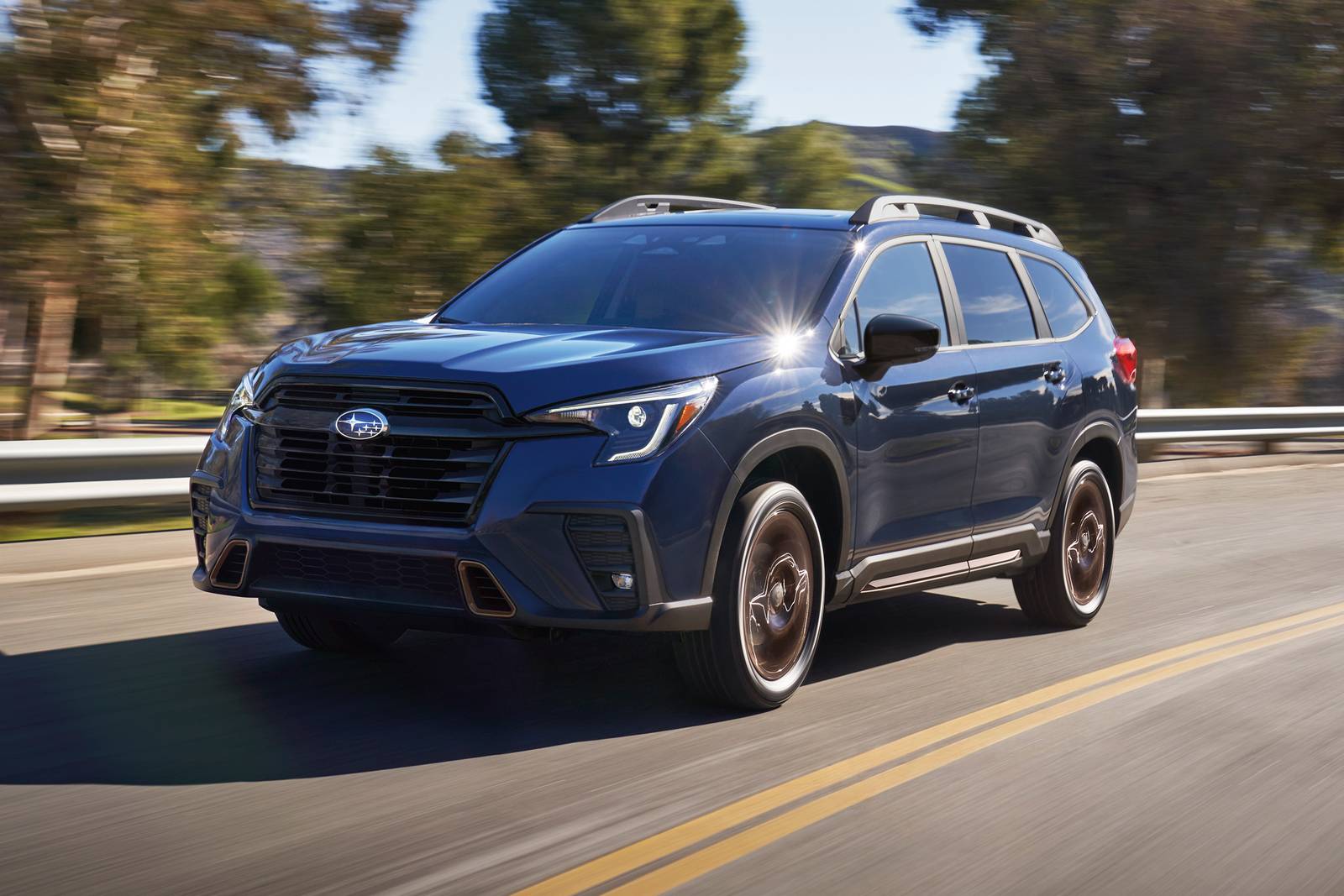
4. Subaru
Subaru has carved out a unique position in the automotive market by focusing heavily on All Wheel Drive capability and rugged practicality. One of the main reasons Subaru vehicles retain value after 100,000 miles is their strong appeal in regions with challenging weather conditions, including snow, rain, and rough terrain.
A defining feature of Subaru is its standard All Wheel Drive system across most of its lineup. This engineering choice enhances traction and stability, making Subaru vehicles especially desirable for drivers who prioritize safety and control in adverse conditions. This consistent demand helps maintain resale value even at high mileage.
Subaru engines, particularly the boxer engine design, are built for balance and durability. However, they require proper maintenance to achieve long-term reliability. When maintained correctly, Subaru vehicles are capable of reaching high mileage milestones while still performing reliably.
Outdoor enthusiasts, adventure travelers, and rural drivers often prefer Subaru vehicles for their versatility. This loyal customer base ensures steady demand in the used car market.
Subaru vehicles are famous for strong safety ratings across most models. This adds confidence for families and individual buyers alike, making high-mileage Subarus a practical and appealing option in many regions.
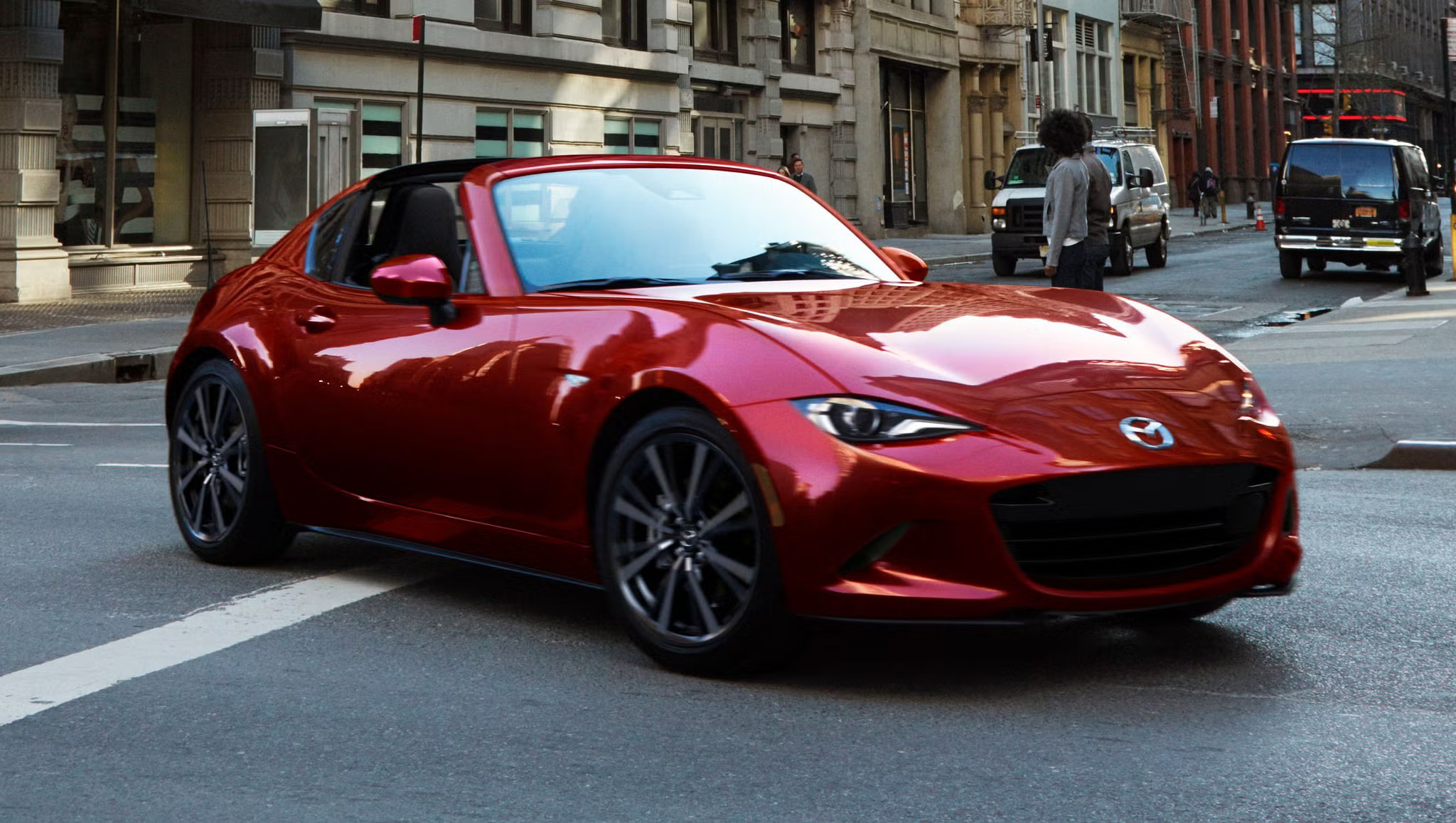
5. Mazda
Mazda has significantly improved its reputation over the past decade, evolving into a brand known for stylish design, engaging driving dynamics, and improved long-term reliability. One of the key reasons Mazda vehicles retain value after 100,000 miles is their modern engineering approach, which emphasizes efficiency and durability.
Mazda’s Skyactiv technology plays an important role in its reliability. These engines and transmissions are designed to optimize fuel efficiency while maintaining mechanical strength. This balance helps reduce long-term wear and supports better performance over extended mileage.
One advantage is Mazda’s focus on driving experience. Even older Mazda vehicles often feel more refined and engaging compared to competitors in the same segment. This helps them remain attractive in the used car market, where buyers increasingly value driving enjoyment.
Maintenance costs for Mazda vehicles are generally reasonable. They are not as inexpensive as Toyota or Honda in some cases, but they remain affordable compared to many European brands. This makes them a practical choice for buyers seeking a balance between cost and quality.
Mazda vehicles often maintain a strong visual appeal over time. Their design language tends to age well, which helps them stand out in the used market even after crossing 100,000 miles. This combination of style, reliability, and efficiency supports strong long-term value retention.
Also Read: 10 Cars That Drove Over 800,000 Miles
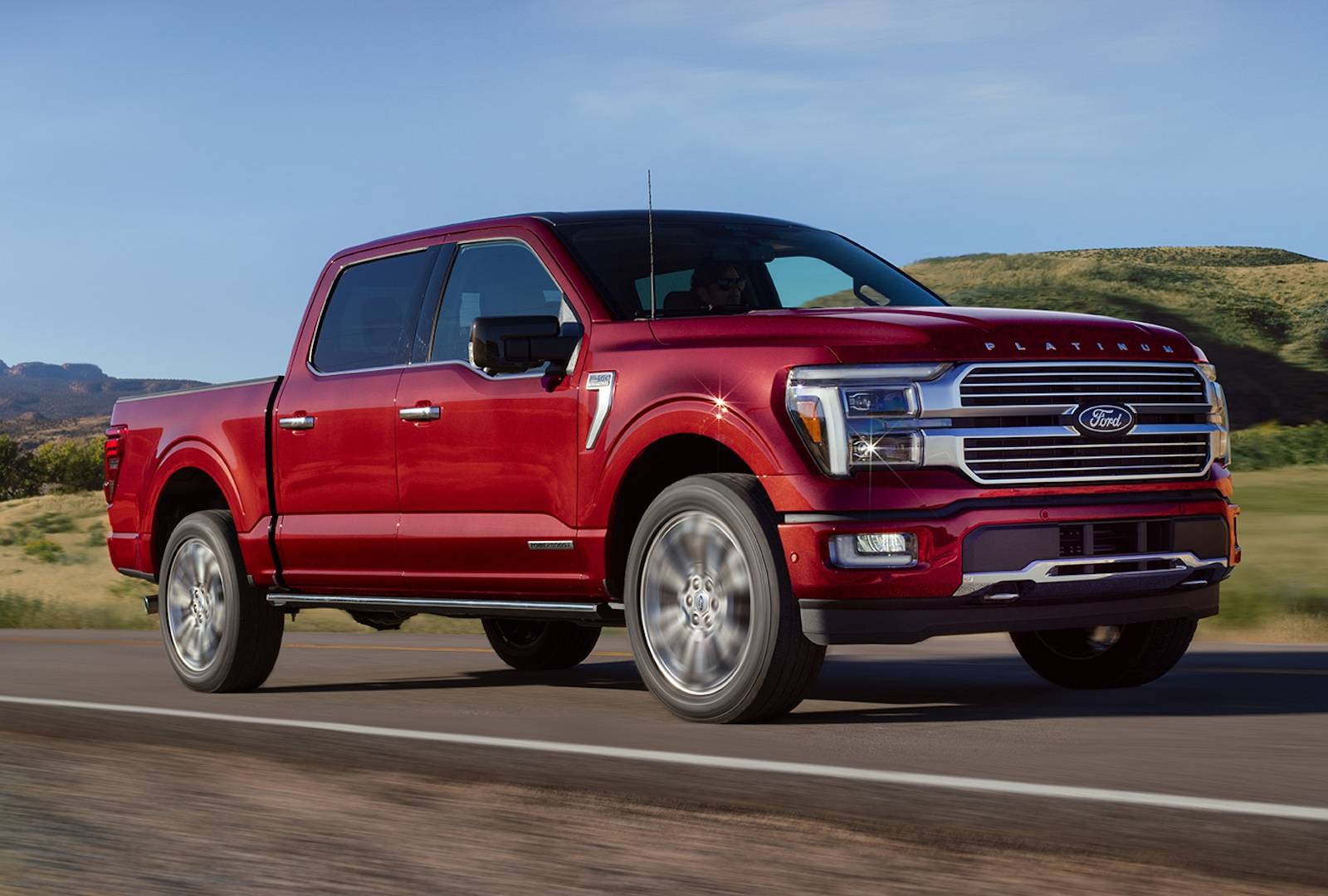
6. Ford
Ford has long been one of the most influential automotive manufacturers in the world, and its ability to retain value after 100,000 miles is especially strong in its truck and SUV lineup.
The brand’s reputation is deeply tied to durability in demanding environments, where vehicles are expected to perform under heavy loads, long distances, and tough road conditions. This real-world usage history plays a major role in why certain Ford models continue to hold value even after crossing high mileage thresholds.
One of Ford’s biggest strengths is its engineering focus on trucks such as the Ford F Series. These vehicles are designed with body-on-frame construction, which is inherently more durable for heavy-duty use compared to many passenger cars.
This structure allows Ford trucks to absorb stress over time without compromising core integrity, making them highly desirable in the used market even after extensive mileage accumulation.
An important factor is the widespread availability of parts and service. Ford has one of the largest dealership and repair networks in North America and many other regions.
This ensures that even high-mileage vehicles remain practical to maintain, which directly supports resale value. Buyers are more willing to purchase a used Ford when they know repairs will be straightforward and affordable.
Ford also benefits from strong demand in both personal and commercial markets. Many businesses rely on Ford trucks for daily operations, which creates a continuous cycle of demand for used models. This demand helps stabilize pricing even when mileage is well above 100,000 miles.
Ford vehicles often balance capability with affordability. Compared to some competitors, they provide strong towing capacity and utility without excessive ownership costs, which helps them remain attractive in the long-term used vehicle market.
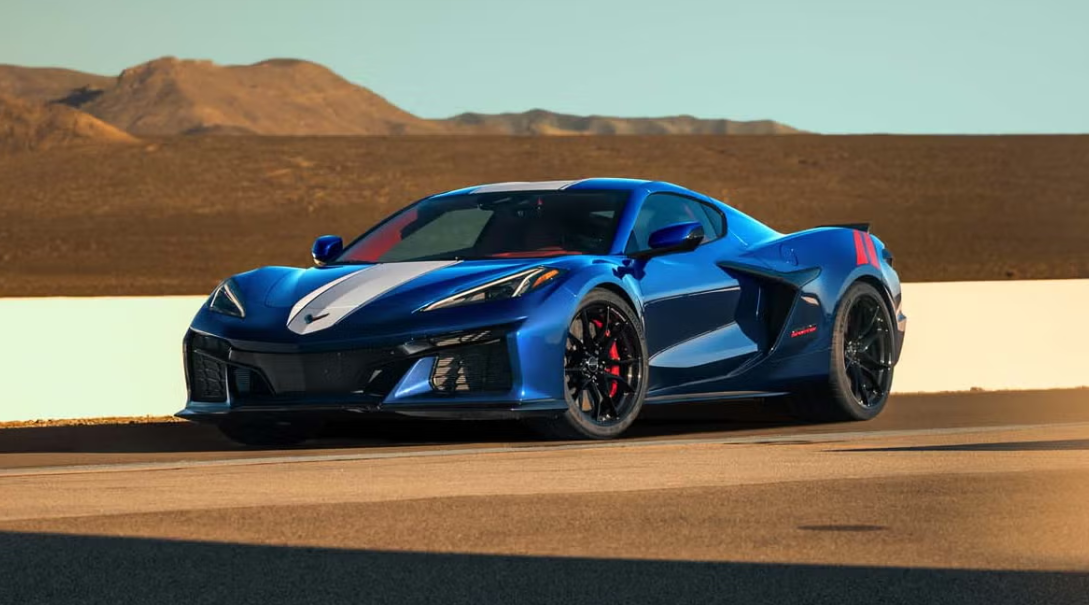
7. Chevrolet
Chevrolet is a major American brand known for producing vehicles that can maintain solid value after 100,000 miles, particularly in the truck and SUV segments. Like Ford, Chevrolet has built its reputation on durability, utility, and long-term practicality, which appeals strongly to both individual and commercial buyers.
One of the key strengths of Chevrolet is its Silverado lineup, which is widely recognized for long-lasting performance under heavy use. These trucks are engineered to handle towing, hauling, and continuous workload stress, making them highly suitable for drivers who expect long service life. This rugged design contributes significantly to value retention at higher mileage levels.
Chevrolet also benefits from a strong and established supply chain for parts and maintenance. Because the brand has been in the market for decades, replacement components are widely available and relatively affordable. This reduces long-term ownership costs, which is a major factor for buyers considering high-mileage vehicles.
Chevrolet vehicles are widely recognized and commonly used, which creates confidence among buyers in the used car market. People tend to trust what they know, and Chevrolet’s long-standing presence helps maintain steady demand even for older vehicles.
While smaller Chevrolet cars may experience faster depreciation, their SUVs and trucks often perform much better. These models retain value more effectively because they are seen as practical, durable, and capable long-term transportation options.
8. Tesla
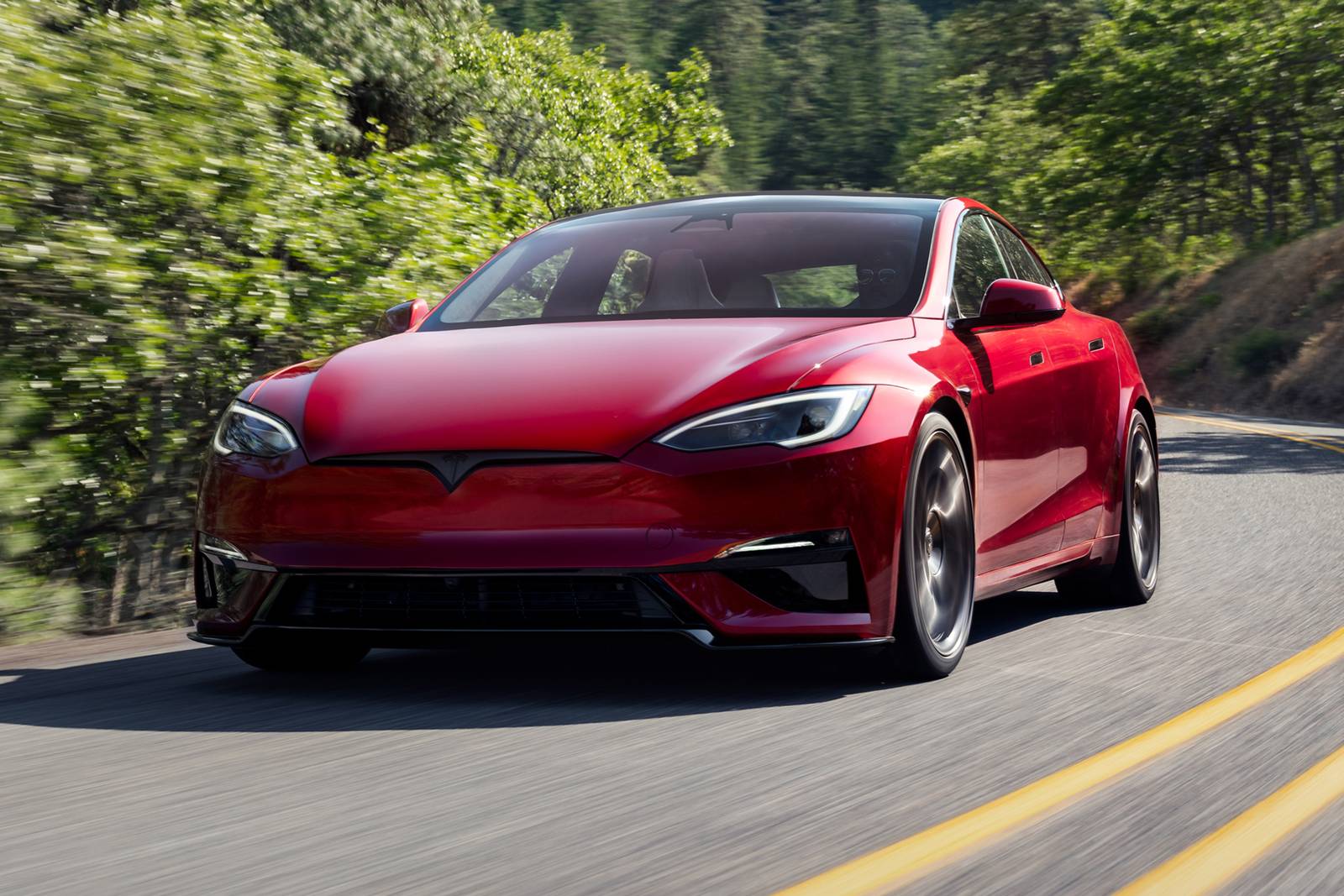
Tesla represents a unique category in the automotive world because it focuses entirely on electric vehicles and software-driven performance.
Despite being relatively new compared to traditional manufacturers, Tesla vehicles have shown strong interest in the used market, even after high mileage. Their value retention is driven more by technology and brand demand than by traditional mechanical longevity alone.
One of the most important factors in Tesla’s value retention is its software ecosystem. Tesla vehicles receive over-the-air updates that can improve performance, add features, and enhance efficiency over time. This means that even older vehicles can remain technologically relevant compared to traditional cars that do not evolve after purchase.
Battery performance is a central concern in electric vehicles, but many Tesla models are designed with long-lasting battery systems that can retain significant capacity beyond 100,000 miles when properly maintained. While degradation does occur, it is often gradual, allowing vehicles to remain functional and desirable for extended periods.
Tesla has established itself as a leader in the electric vehicle market, and its strong global recognition creates consistent demand in both new and used markets. Buyers are often willing to pay a premium for Tesla vehicles due to their perceived innovation and status.
Tesla’s minimal mechanical complexity compared to traditional internal combustion engine vehicles can reduce certain maintenance needs. With fewer moving engine parts, there are fewer traditional mechanical failure points, which can help support long term usability and value retention.
9. Jeep
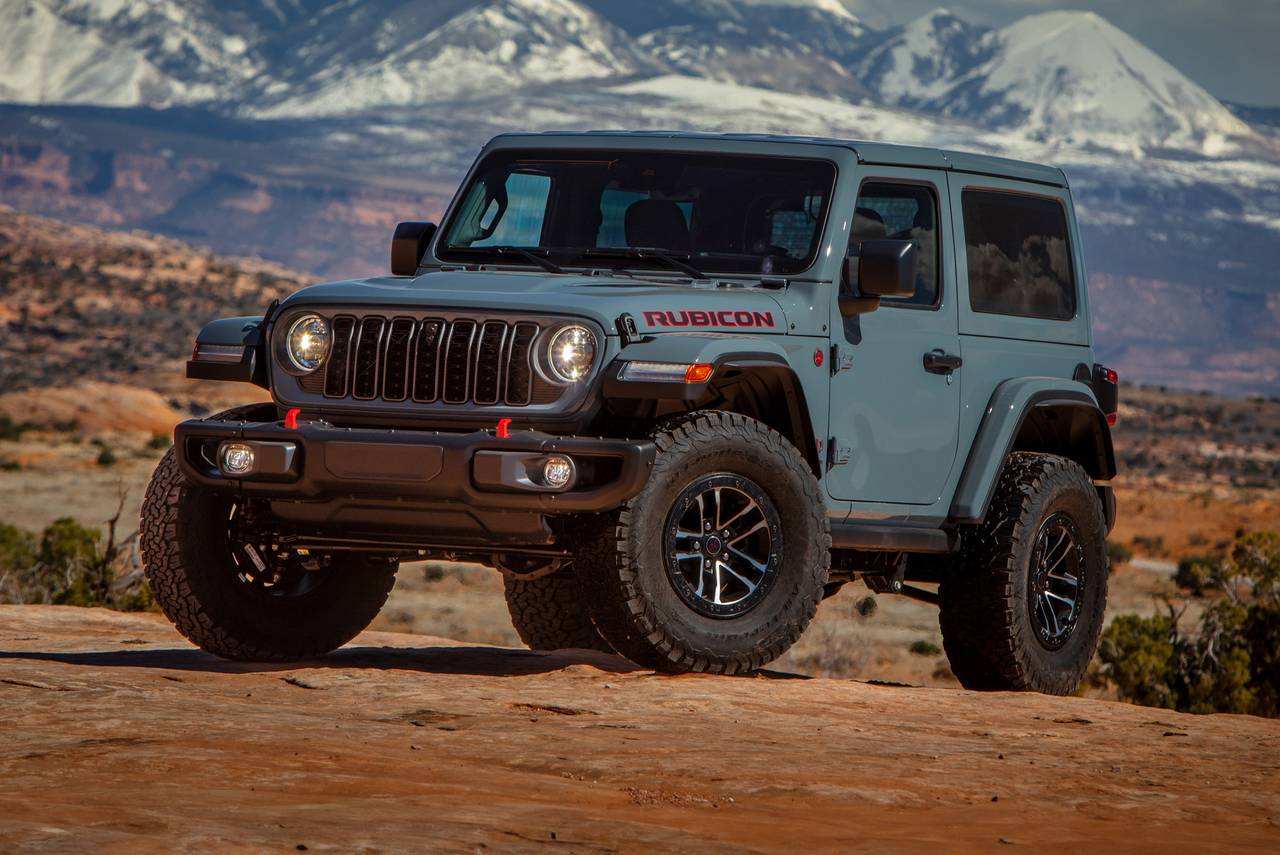
Jeep is a brand strongly associated with off-road capability, rugged design, and adventure-oriented driving. These characteristics play a major role in its ability to retain value after 100,000 miles, especially in markets where outdoor recreation and off-road performance are highly valued.
One of Jeep’s biggest strengths is its identity as a lifestyle vehicle. Many buyers choose Jeep models not just for transportation, but for their ability to handle challenging terrain. This strong brand identity creates consistent demand in the used market, even when vehicles have high mileage.
Jeep vehicles are designed with durability in mind, particularly in models like the Wrangler. These vehicles use body-on-frame construction and robust drivetrain systems that are built to withstand off-road stress. This makes them suitable for long-term use in environments where regular cars might struggle.
Another factor influencing value retention is the strong enthusiast community around Jeep. Owners often modify and maintain their vehicles extensively, which helps sustain demand for used models. This community-driven market support plays a key role in stabilizing resale values.
However, it is important to note that maintenance costs can be higher compared to some competitors. Despite this, the strong demand and unique off-road capability often outweigh the higher ownership costs, allowing Jeep vehicles to retain value relatively well after 100,000 miles.
10. Porsche
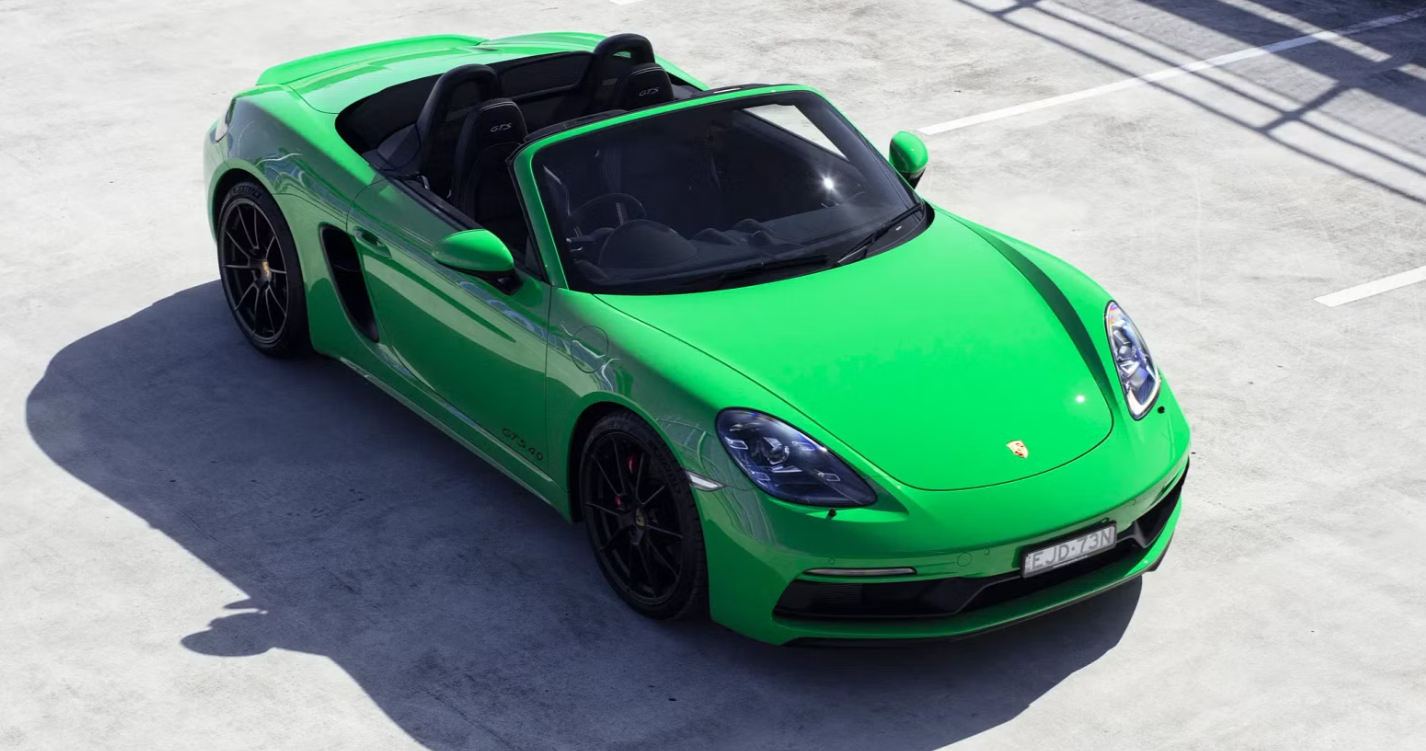
Porsche occupies a premium performance segment where engineering excellence and brand prestige heavily influence value retention. Even after 100,000 miles, many Porsche models continue to command strong resale prices due to their combination of performance, craftsmanship, and enthusiast demand.
One of Porsche’s defining strengths is its engineering precision. Engines and drivetrains are designed for high performance while maintaining long-term durability when properly serviced. This allows many Porsche models to remain mechanically strong even after significant mileage accumulation.
One major factor is brand prestige. Porsche is widely recognized as one of the most respected performance car manufacturers in the world. This reputation creates strong demand in both new and used markets, helping support value retention even at higher mileage levels.
The enthusiast community also plays a significant role. Many Porsche buyers are passionate about driving dynamics and are willing to purchase high-mileage vehicles if they have been properly maintained. This demand helps stabilize resale prices compared to other luxury performance brands.
The ownership costs can be high, particularly for maintenance and repairs. Despite this, Porsche vehicles often retain value because buyers understand that they are investing in long-term performance engineering and a premium driving experience.
