
A decade can be hard on vehicles. Ten years of loans, maintenance, commuting, and road trips usually reduce a car’s value to a small fraction of its original showroom price. Most vehicles lose around 60 to 70 percent of their sticker price within that period, and buyers generally expect that drop as normal ownership cost, especially in competitive segments where new models arrive every year.
But a small group of SUVs breaks away from that pattern. These models remain in high demand long after leaving the factory, even a full ten years later. Some used examples sell for prices that surprise shoppers who assume older vehicles should be inexpensive.
Strong engineering, proven durability, and loyal demand all contribute to that result, keeping interest high across multiple model years. Dealers and private sellers often find that pricing stays firm because repeat buyers and enthusiasts keep returning to the same nameplates.
Regional preferences also play a role, since certain models perform better in areas where their strengths match daily driving needs. This list highlights eight SUVs that continue to command strong resale prices after a decade. Each one has real mechanical strengths and a buyer base willing to pay more than expected, even after warranties expire and mileage climbs.
The reasons differ from model to model, but the outcome is the same: lasting demand that keeps values elevated in the used market compared with many other crossovers in the same class. This pattern holds steady across different mileage ranges and ownership histories.
1. Jeep Wrangler
- Engine: 3.6L V6 (or 2.0L turbo 4-cylinder)
- Horsepower: 285 hp (V6)
- Torque: 260 lb-ft (V6)
- Size: 166.8 in. (2-door) to 188.4 in. (4-door) Long x 73.8 in. Wide
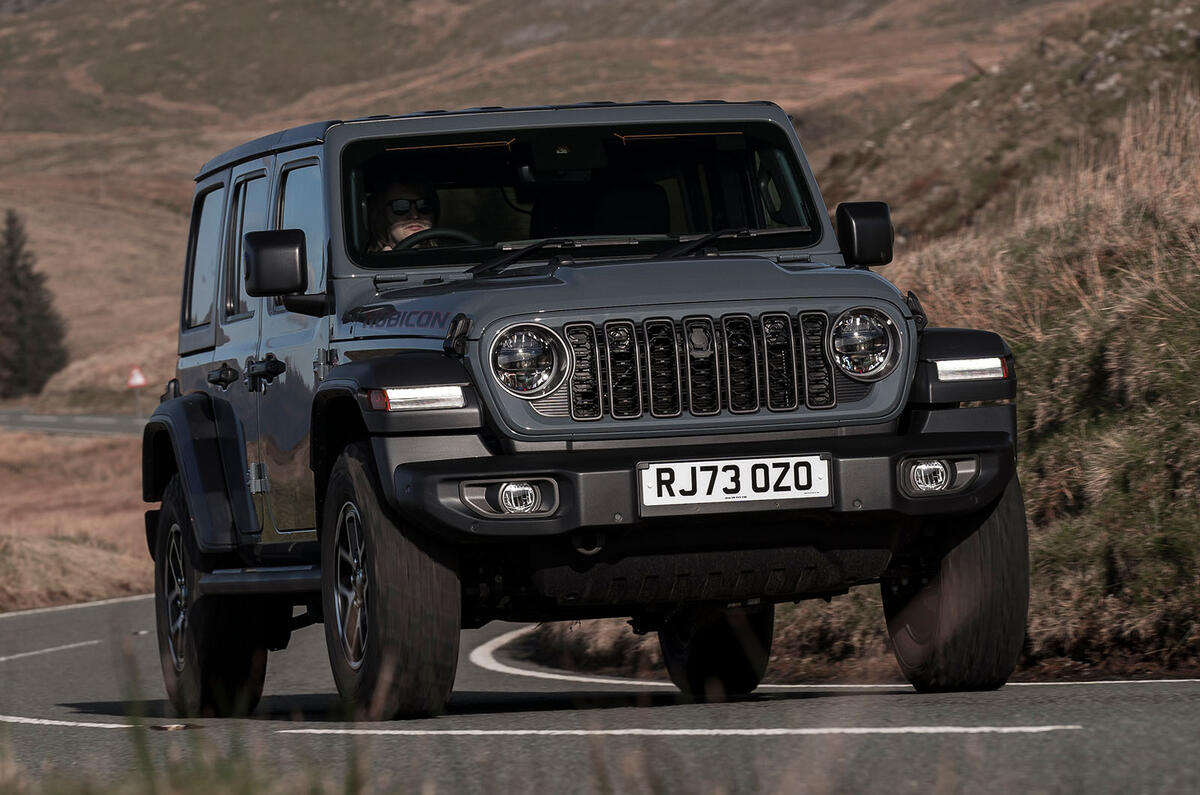
No SUV on the road behaves quite like the Jeep Wrangler when it comes to holding value, and that is precisely why it sits at the very top of this list. Most vehicles are tools. The Wrangler is treated more like a collectible, and that distinction changes everything about how it performs in the used market a decade after rolling off the factory line.
Removable doors and a roof you can take off entirely create an ownership experience that simply has no substitute in the mainstream automotive world. A 2015 Jeep Wrangler Unlimited Rubicon with 100,000 miles on the odometer still commands serious money, because the buyer pool chasing that specific open-air, off-road lifestyle has no other vehicle that replicates it quite the same way. You either want a Wrangler specifically, or you are shopping somewhere else entirely, and that lack of true substitutes is a powerful force protecting resale value.
The off-road culture surrounding this vehicle runs incredibly deep, and it functions almost like its own economy. Aftermarket parts manufacturers build thousands of Wrangler-specific products, literally, from lift kits to bumpers to rock sliders, and that massive supporting industry keeps enthusiasm and demand alive for older model years just as strongly as for the newest releases.
A well-modified decade-old Wrangler can sometimes sell for more than a stock example of the same age, which is a phenomenon almost unheard of anywhere else in the SUV market. Classic, instantly recognizable styling adds another layer of staying power.
The round headlights and seven-slot grille have remained visually consistent for decades, which means a ten-year-old Wrangler does not look dated the way most other ten-year-old vehicles do. Buyers are not embarrassed to drive an older Wrangler, and in many cases, they specifically prefer it, since earlier generations carry a certain mechanical simplicity that off-road purists genuinely value over newer, more electronically complicated trims.
That combination of lifestyle exclusivity, aftermarket culture, and timeless design is exactly why the Wrangler behaves more like a collectible asset than a typical daily commuter, defying the entire concept of normal depreciation.
2. Toyota 4Runner
- Engine: 4.0L V6
- Horsepower: 270 hp
- Torque: 278 lb-ft
- Size: 190.2 in. Long x 75.8 in. Wide
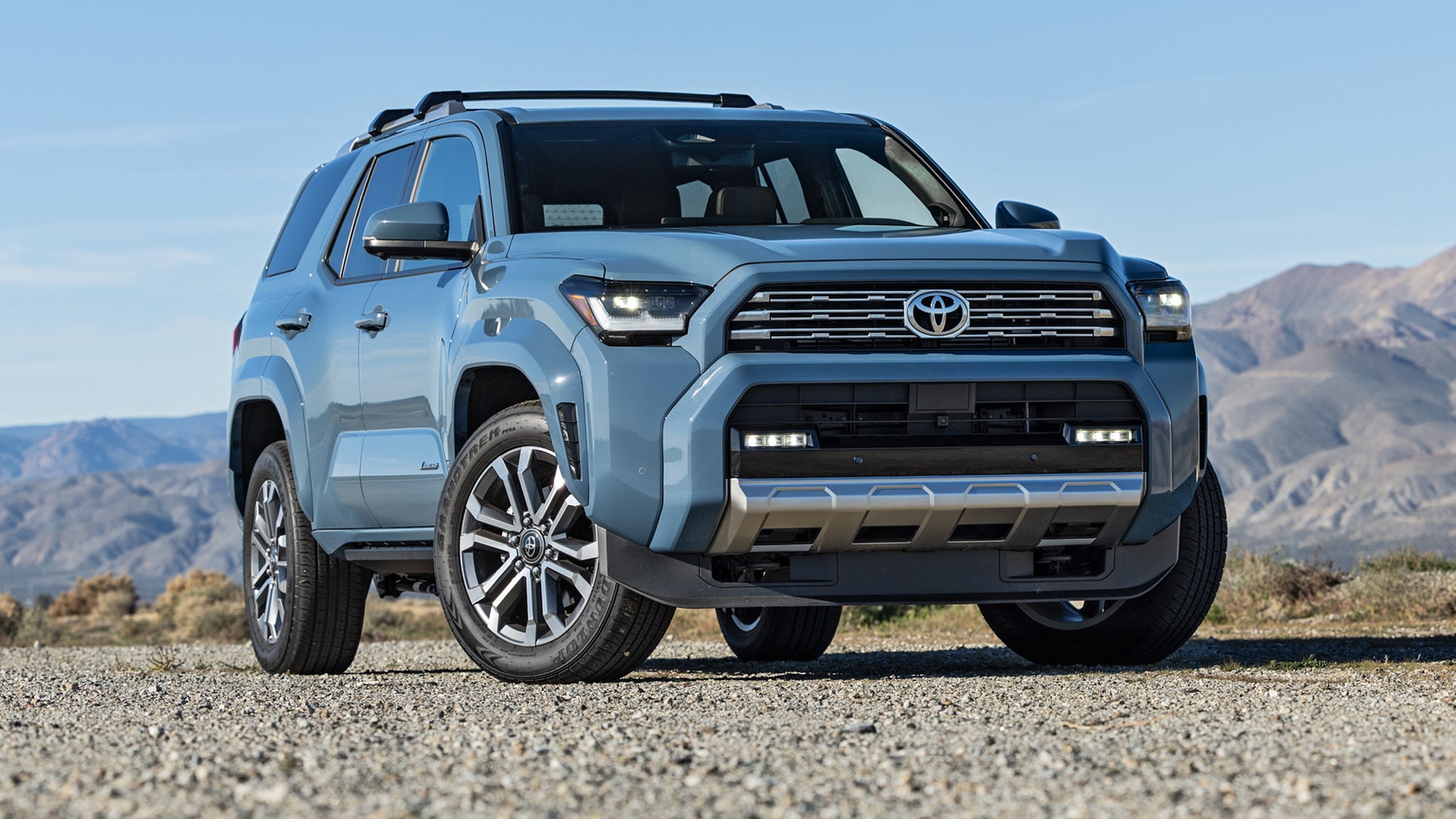
Talk to used SUV shoppers in overlanding and off-road circles, and the Toyota 4Runner often comes up right away, along with comments about how high prices remain even for older models. That level of demand reflects how strongly it holds value long after its original purchase date, especially in the used market.
Built on a body-on-frame setup, the 4Runner follows a truck-style design that separates it from most modern SUVs. While many competitors moved to lighter unibody construction for smoother driving and better fuel use, Toyota kept this traditional layout that supports heavier stress and tougher use cases.
Trail users and off-road drivers rely on that structure because it handles rough conditions, repeated impacts, and added equipment without breaking down in the same way many crossover SUVs might. A 2014 Toyota 4Runner Trail Edition with high mileage is still treated as a desirable option rather than something worn out.
Under the hood, the 4.0-liter V6 has built a strong reputation for long service life. Mechanics and owners frequently point out that it often reaches 300,000 miles without major engine failure, which strongly influences how buyers judge vehicles that already have high mileage.
Mileage figures like 180,000 miles do not carry the same concern here that they would with many other SUVs. Instead, buyers tend to see continued usability, backed by a long track record of durability that shapes confidence in older examples.
Overlanding culture has grown rapidly, and the 4Runner has become a central choice for that lifestyle. Buyers building camping rigs, roof setups, and long-distance travel builds often choose it because it handles extra weight and modification with ease.
Outdoor-focused buyers continue paying strong prices for older 4Runner models, and that steady demand helps keep resale values from following the steep decline seen in many other midsize SUVs after a decade of use.
Also Read: 10 SUVs Ranked by Number of Luxury Features
3. Mercedes-Benz G-Class
- Engine: 4.0L Twin-Turbo V8
- Horsepower: 416 hp to 577 hp (AMG trim)
- Torque: 450 lb-ft to 627 lb-ft
- Size: 182.5 in. Long x 76.0 in. Wide
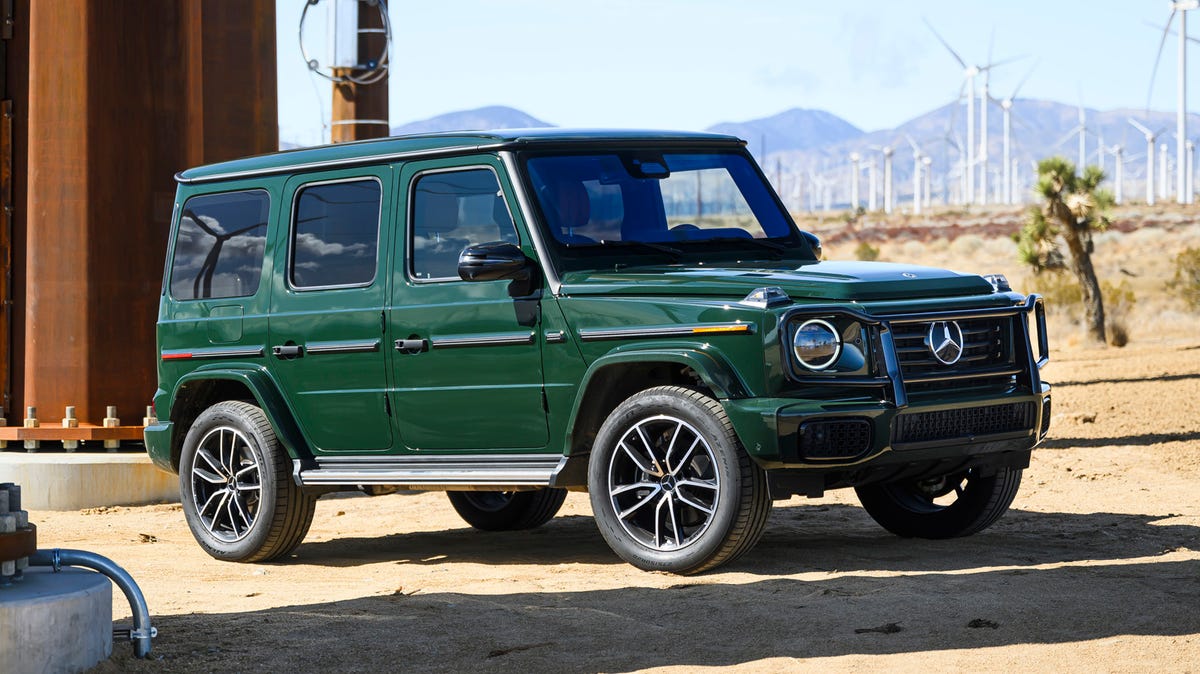
Luxury vehicles are supposed to depreciate brutally. That is one of the most reliable rules in the entire automotive market, and the Mercedes-Benz G-Class has spent decades cheerfully ignoring it completely. A boxy, upright, almost military-inspired silhouette that has barely changed in shape since the 1970s somehow translates into one of the strongest resale performances of any vehicle sold today, luxury or otherwise.
Scarcity sits at the center of this entire phenomenon. Mercedes deliberately keeps G-Class production numbers low relative to the entire demand, and that controlled scarcity creates exactly the kind of supply and demand imbalance that protects resale value aggressively.
A used G-Class buyer is not negotiating from a position of strength the way they might with a more commonly produced luxury SUV, because there simply are not enough used examples available to satisfy everyone who wants one. Wait lists for new G-Class models have stretched for years at various points, and that scarcity story carries directly into the used market.
Status plays an undeniable role as well, and pretending otherwise would be dishonest. The “G-Wagen,” as it is affectionately known, has become a recognized symbol of wealth and exclusivity across global culture, appearing constantly in entertainment, social media, and luxury lifestyle marketing.
That cultural cachet does not fade with age the way a feature list does. A decade-old G-Class still photographs the same way, still turns heads the same way, and still represents the same status statement it did when new, which is a genuinely rare quality in the luxury vehicle space.
Mechanical robustness underpins the whole package and gives buyers real confidence that the status symbol they are purchasing will not become a maintenance nightmare overnight. The G-Class shares some of its engineering philosophy with genuine military and utility vehicles, built around a body-on-frame platform with portal axles and proper four-wheel-drive hardware rather than a softened crossover setup wearing a luxury badge.
Old G-Wagens maintain a rock-solid price floor precisely because that combination of low production numbers, sustained cultural prestige, and genuinely capable engineering gives buyers confidence that their investment will not collapse the way typical luxury vehicle depreciation curves predict.
4. Toyota Sequoia
- Engine: 5.7L V8
- Horsepower: 381 hp
- Torque: 401 lb-ft
- Size: 205.1 in. Long x 79.9 in. Wide
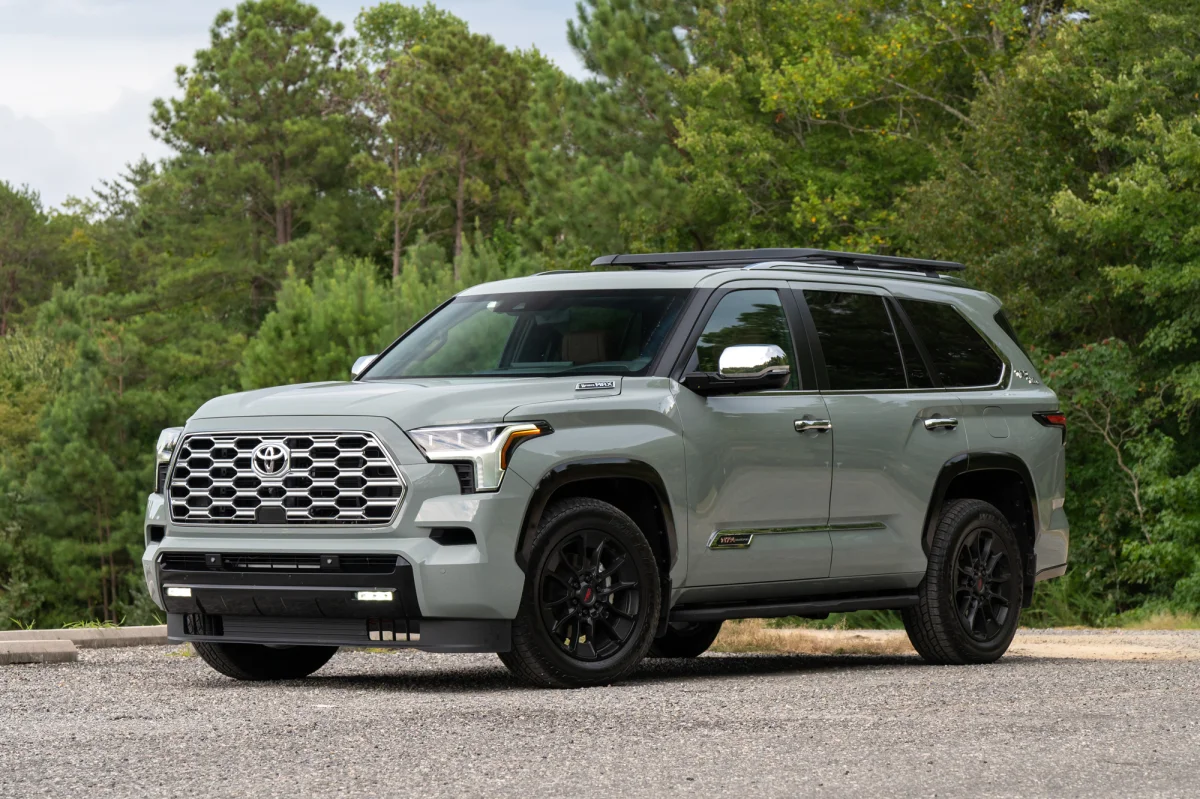
Large families need large vehicles, and large vehicles are expensive, full stop. That basic economic reality is exactly what props up resale values for the Toyota Sequoia, a three-row giant that families specifically hunt down on the used market once they realize how much a comparable new full-size SUV actually costs.
Reliability is the foundation on which everything else rests. The previous-generation Sequoia, equipped with that 5.7-liter V8, built a reputation among families for the kind of mechanical dependability that makes a ten-year-old example a reasonable purchase rather than a financial gamble.
A 2015 Toyota Sequoia Platinum with well over 100,000 miles is still viewed by many used buyers as a safer bet than a much newer domestic full-size SUV equipped with a more complicated, less proven powertrain. That confidence translates directly into used pricing strength, because buyers are willing to pay more for a vehicle they trust to keep running.
Domestic competitors in this exact segment, vehicles like a comparable full-size Chevrolet Tahoe or Ford Expedition from the same era, simply do not enjoy the identical reputation for long-term reliability among the family-buyer crowd shopping specifically for a used three-row hauler.
Its classic V8 mechanical layout outlasts domestic full-size alternatives without dropping in reliability, and that perception, whether or not it holds true in every single individual case, is powerful enough on its own to change buyer demand and used pricing meaningfully in the Sequoia’s favor.
Simplicity matters here, too, in a way that connects directly back to the reliability conversation. The previous-generation Sequoia’s mechanical layout, built around a proven, naturally aspirated V8 rather than a smaller turbocharged engine under heavy boost, gives buyers a sense that there is simply less to go wrong. Families looking for a decade-old three-row SUV are rarely chasing the latest infotainment screen or the newest turbocharged powertrain.
They want something that will reliably get their kids to school and back for years without surprise repair bills, and the Sequoia’s straightforward, well-proven engineering approach delivers exactly that kind of confidence, which is precisely why its resale values hold up so much better than the segment average suggests they should.
5. Subaru Crosstrek
- Engine: 2.0L Flat 4-Cylinder
- Horsepower: 152 hp
- Torque: 145 lb-ft
- Size: 175.5 in. Long x 71.0 in. Wide
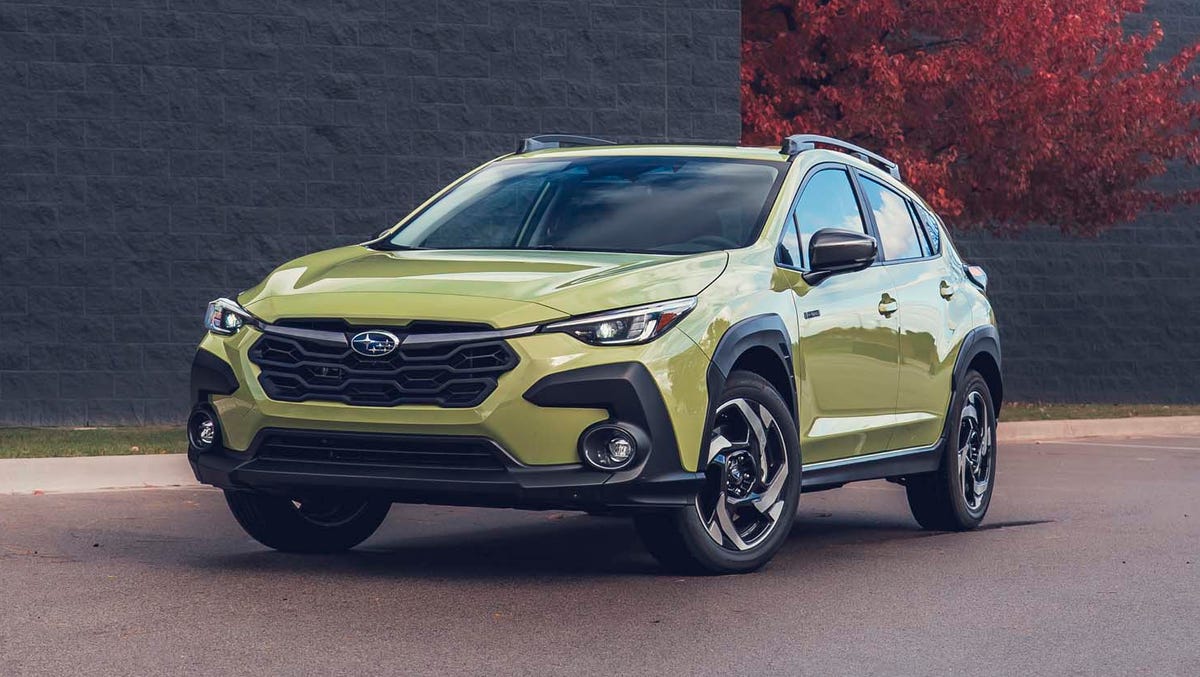
Many compact crossovers lose value quickly because the segment is packed with options, and automakers keep releasing new models to attract buyers. The Subaru Crosstrek stands apart by holding its value better than most vehicles in its class, thanks to a mix of features that rivals often do not include at a similar price.
A major reason for that appeal is its standard all-wheel drive. While many competitors only offer this feature as an upgrade, every Crosstrek comes equipped with it from the start. This gives it a strong advantage, especially for drivers who deal with snow or rough roads and rely on steady traction for daily travel.
Interest remains steady for used models like the 2015 Subaru Crosstrek Premium, even with higher mileage. Buyers in places such as Colorado, Vermont, and Minnesota understand exactly what the vehicle offers and why it fits their needs. College towns also play a part in keeping demand consistent, adding another layer of stability to resale value.
Two very different groups tend to gravitate toward the Crosstrek for similar reasons. Drivers in colder regions and students alike appreciate its balance of affordability, dependable performance in winter conditions, and low ownership costs that make it easier to manage long-term.
Fuel economy also strengthens its appeal. Its compact size and efficient engine design help it maintain competitive mileage, even years after it was first released. This makes it a practical choice for buyers who want to save on fuel without giving up utility.
Even after a decade, the Crosstrek continues to deliver where it counts. It may not include the latest tech features, but its blend of efficiency and all-wheel-drive capability keeps it in demand among used car shoppers.
6. Toyota RAV4
- Engine: 2.5L 4-Cylinder
- Horsepower: 176 hp
- Torque: 172 lb-ft
- Size: 179.9 in. Long x 72.6 in. Wide
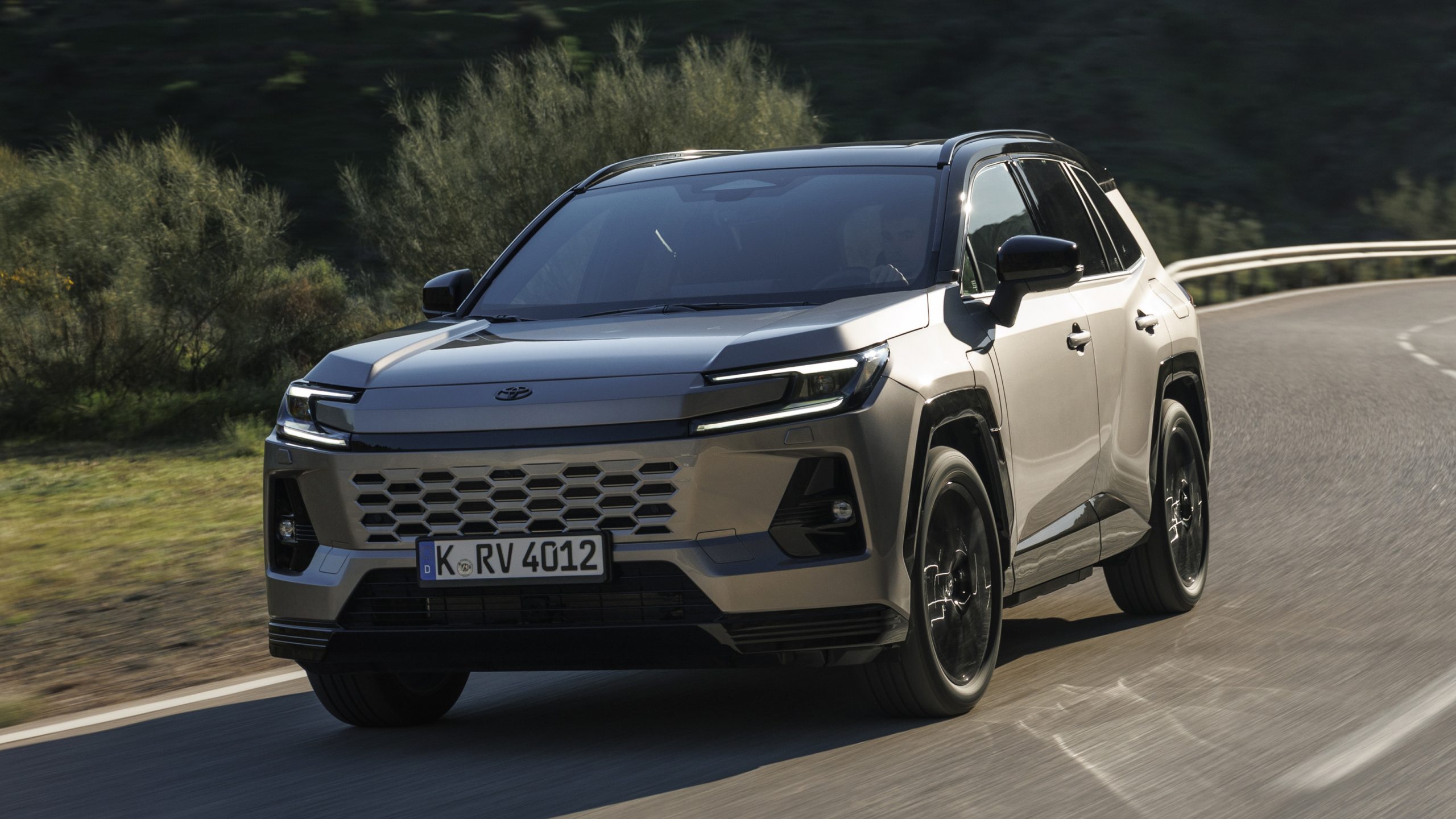
Sales volume alone does not usually guarantee strong resale value, since high-volume vehicles often flood the used market and depress their own pricing through sheer abundance. The Toyota RAV4 breaks that pattern entirely, remaining one of the best-selling vehicles in North America while simultaneously holding resale value that would normally be associated with a far rarer, more exclusive model.
Predictability is the actual secret ingredient behind this performance, and it is worth examining closely. Used car buyers, by nature, are risk-averse. They are trying to avoid an expensive mistake, and the RAV4’s reputation removes almost all of that uncertainty from the equation.
Used buyers know exactly what they are getting: low maintenance costs and reliable daily transport, and that confidence allows buyers to commit to a purchase decision quickly and without the extensive due diligence anxiety that surrounds less proven vehicles. A 2013 Toyota RAV4 Limited with 130,000 miles does not require the same level of pre-purchase inspection paranoia that a comparable mileage example from a less established nameplate might demand.
Decades of consistent reputation building have created a snowball effect that keeps accelerating rather than slowing down. Every successful RAV4 owner who experiences years of trouble-free driving becomes an informal advocate, recommending the vehicle to friends, family, and online communities, and that accumulated word-of-mouth trust compounds across generations of the model.
This reputation effect means a decade-old RAV4 inherits not just its own individual track record, but the broader trust built by millions of other RAV4 owners across multiple decades of production, a kind of brand equity that newer or less established competitors simply cannot replicate no matter how good their current engineering might genuinely be.
Parts availability and repair simplicity round out the practical case for strong RAV4 resale values. Because so many RAV4s exist on the road, independent mechanics across the country are intimately familiar with common issues, typical maintenance schedules, and expected repair costs, and replacement parts remain abundant and reasonably priced even on older model years.
That practical ease of ownership, combined with the deep reservoir of trust built over decades, is precisely why the RAV4 continues setting the bar that every other compact and midsize SUV gets measured against in the used market.
7. Subaru Outback
- Engine: 2.5L Flat 4-Cylinder (or 3.6L Flat 6-Cylinder optional)
- Horsepower: 175 hp (I4) / 256 hp (H6)
- Torque: 174 lb-ft (I4) / 247 lb-ft (H6)
- Size: 189.6 in. Long x 72.4 in. Wide
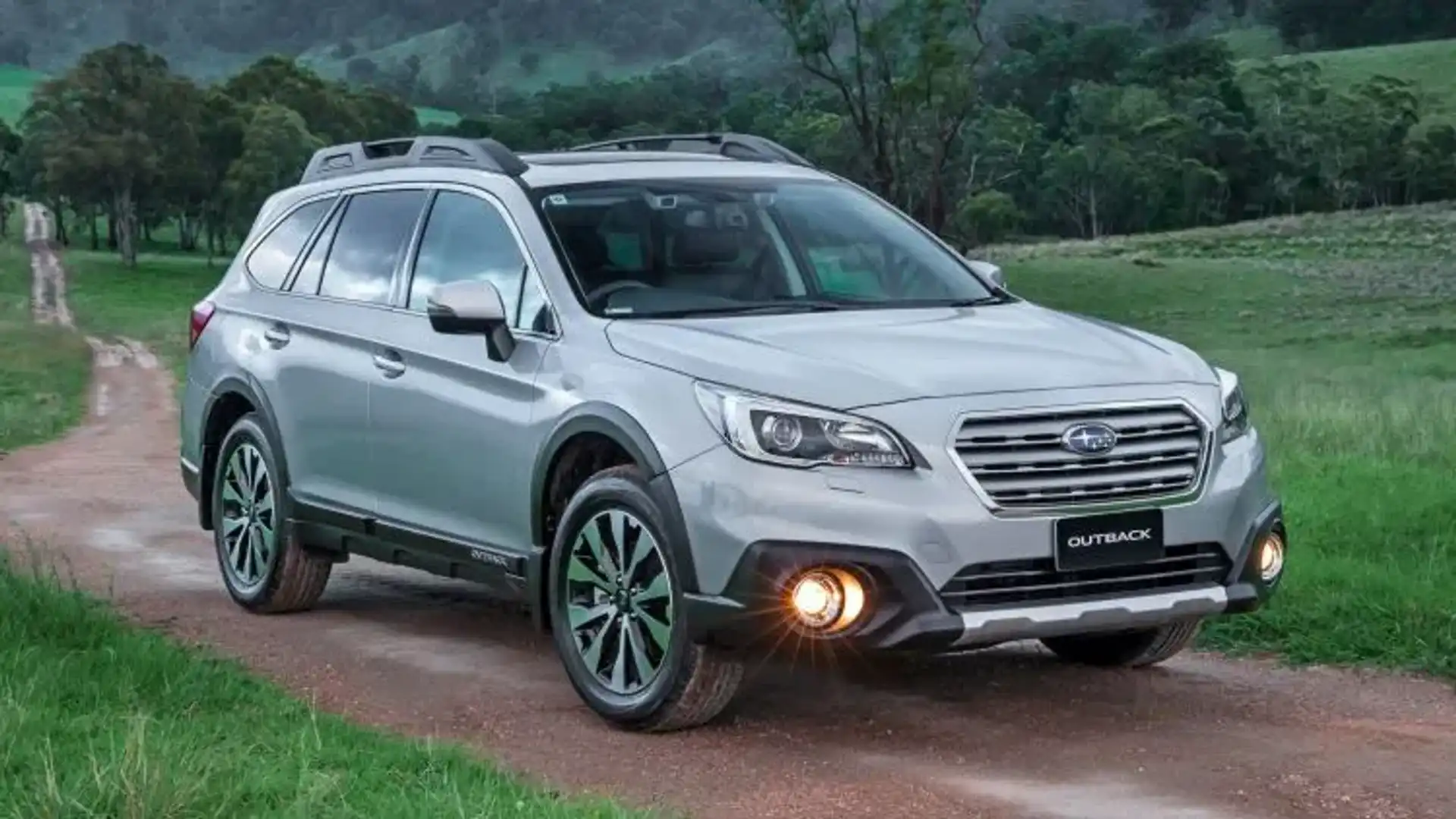
Categorizing the Subaru Outback has always been slightly tricky, since it occupies a genuinely unusual middle ground between a traditional station wagon and a proper SUV. That unusual positioning, rather than hurting its resale performance the way you might expect from an identity-confused vehicle, has actually become one of its biggest strengths in the used market a decade after purchase.
Subaru’s own ownership retention statistics tell a remarkable story that directly supports strong resale values. Subaru boasts that the vast majority of its vehicles sold over the last decade are still actively driving on the road today. When a manufacturer can credibly make that claim, it fundamentally changes how used buyers perceive risk.
A buyer evaluating a 2014 Subaru Outback Limited is doing so with the knowledge that statistically, vehicles from this brand and this era are overwhelmingly still on the road and functioning, rather than sitting in a junkyard somewhere having succumbed to mechanical failure years earlier.
Versatility across genuinely different buyer lifestyles helps stabilize Outback demand in a way that more narrowly focused vehicles cannot replicate. The same decade-old Outback that appeals to a young family needing reliable all-weather capability for school runs and grocery trips also appeals to outdoor enthusiasts looking for a capable, fuel-efficient vehicle for camping trips and light trail access, and appeals once again to older buyers seeking a comfortable, easy-to-drive vehicle with a higher seating position than a traditional sedan.
That broad appeal across multiple distinct buyer segments simultaneously creates a deeper, more resilient demand pool than vehicles that only satisfy one narrow use case. Standard all-wheel drive, shared across the entire lineup just as it is on the smaller Crosstrek, continues paying resale dividends a full decade after the original purchase date.
Snow-belt buyers specifically seek out used Outbacks for the same reasons they seek out used Crosstreks, and that consistent regional demand pattern, layered on top of Subaru’s exceptional long-term reliability reputation and genuinely broad multi-generational appeal, is precisely why the Outback continues commanding strong used pricing well past the point where most comparable vehicles have settled into steep, predictable depreciation.
Also Read: 8 SUVs That Depreciate The Fastest In Three Years
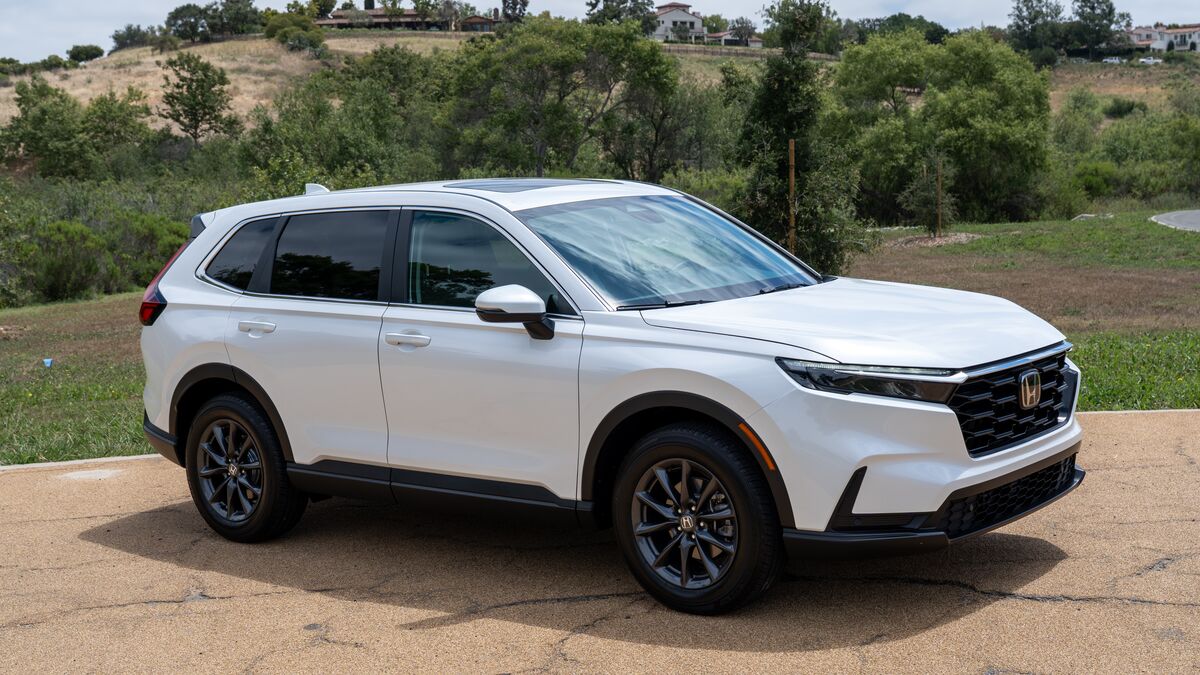
8. Honda CR-V
- Engine: 2.4L 4-Cylinder
- Horsepower: 185 hp
- Torque: 181 lb-ft
- Size: 179.4 in. Long x 71.6 in. Wide
Conversations about dependable compact SUVs often bring up a quiet competition between two Japanese brands, with the Honda CR-V standing as clear proof that Honda holds its ground right alongside Toyota. Even models that are ten years old continue to command strong resale prices, surprising many buyers who once believed only one brand truly dominated in long-term dependability.
Cost of ownership plays a major role in that reputation, and the CR-V delivers where it matters most. It offers a roomy interior while keeping fuel and maintenance expenses low, a balance that appeals strongly to buyers who carefully evaluate running costs before making a decision. That combination makes it a practical option for anyone trying to stretch their budget without sacrificing usability.
Looking at a 2014 Honda CR-V EX-L with around 140,000 miles, it still stands out as a sensible purchase for someone who has done proper research. Yearly maintenance and repair expenses stay relatively affordable compared to many rivals from the same period, even when factoring in routine wear that comes with higher mileage vehicles.
Space efficiency is another advantage that continues to draw attention. Despite its compact exterior size, the CR-V manages to provide generous room for both passengers and cargo. This smart design keeps older models feeling useful and comfortable, even as newer SUVs arrive with more modern styling.
Years of consistent performance have helped build a reputation that continues to strengthen. The CR-V sits among the most trusted compact SUVs, often compared directly with the Toyota RAV4. Many buyers now view both models as equally dependable, which explains why resale values for the CR-V remain strong and, in certain cases, even edge past similar RAV4 models years after their release.
